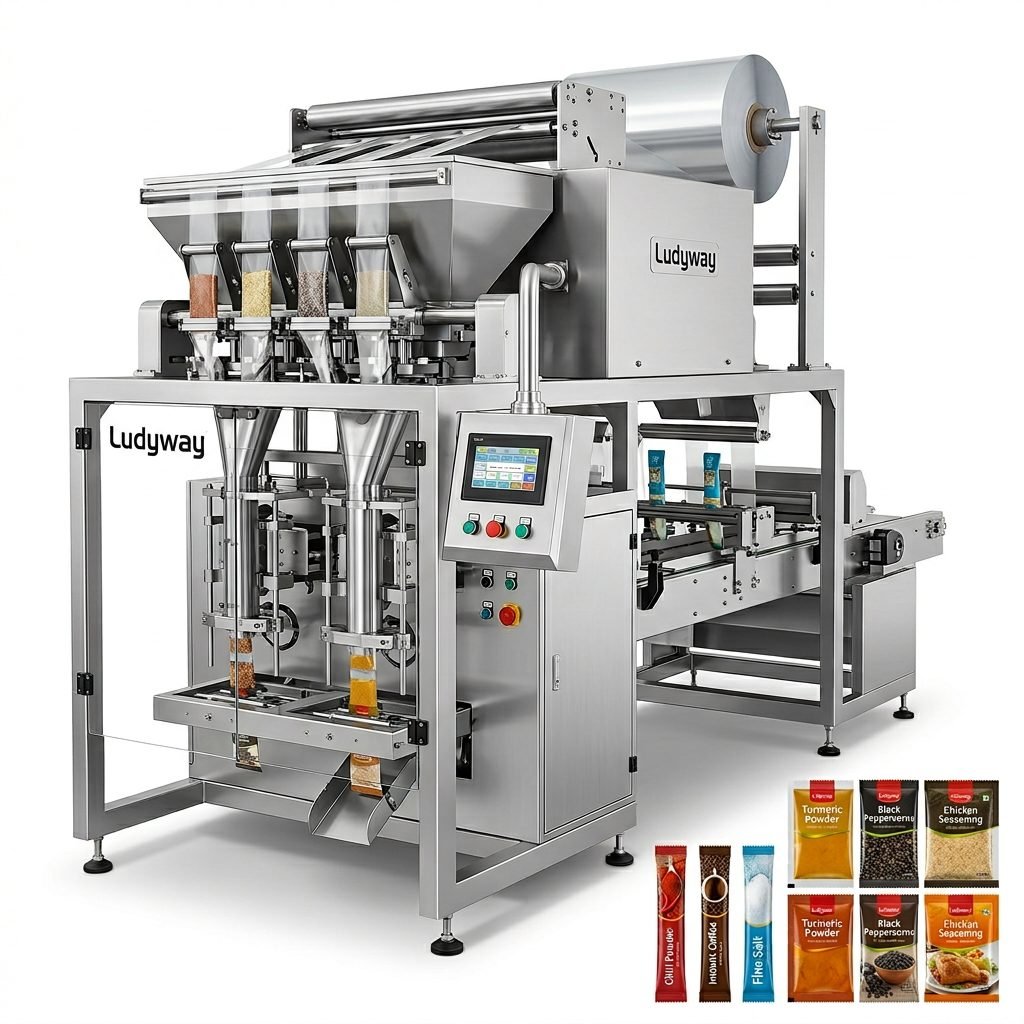
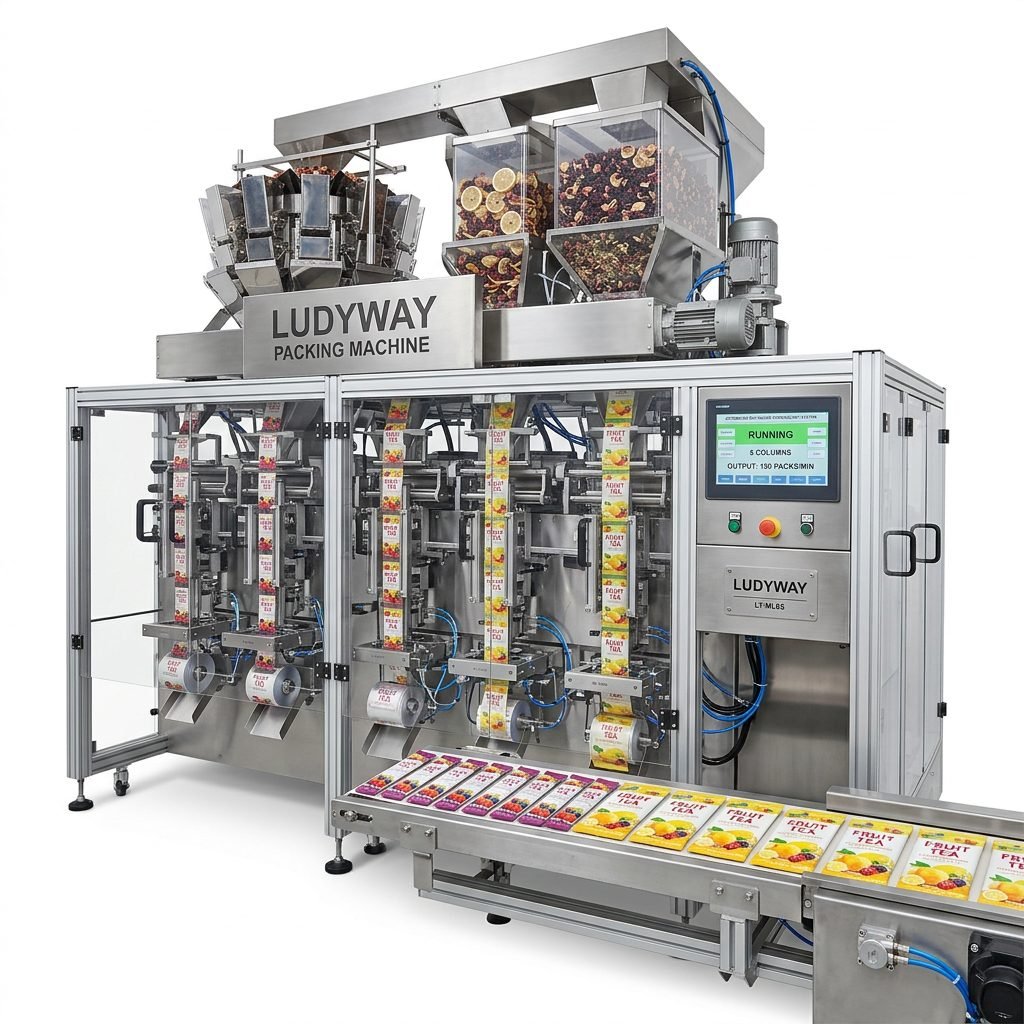
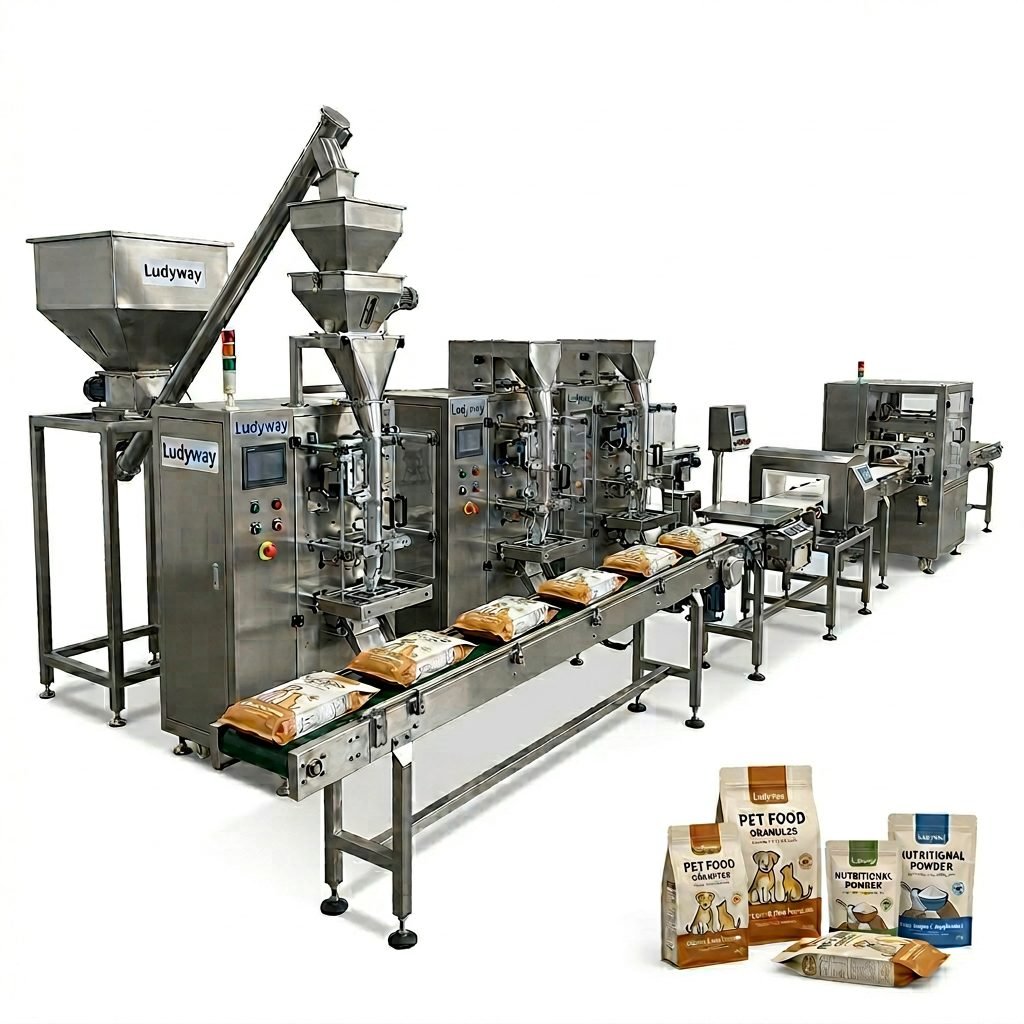
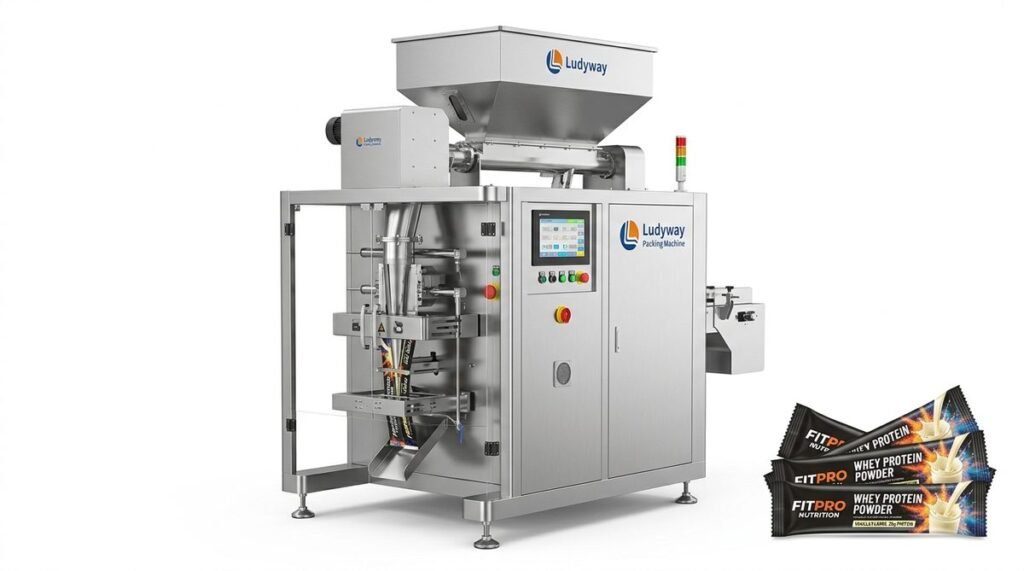
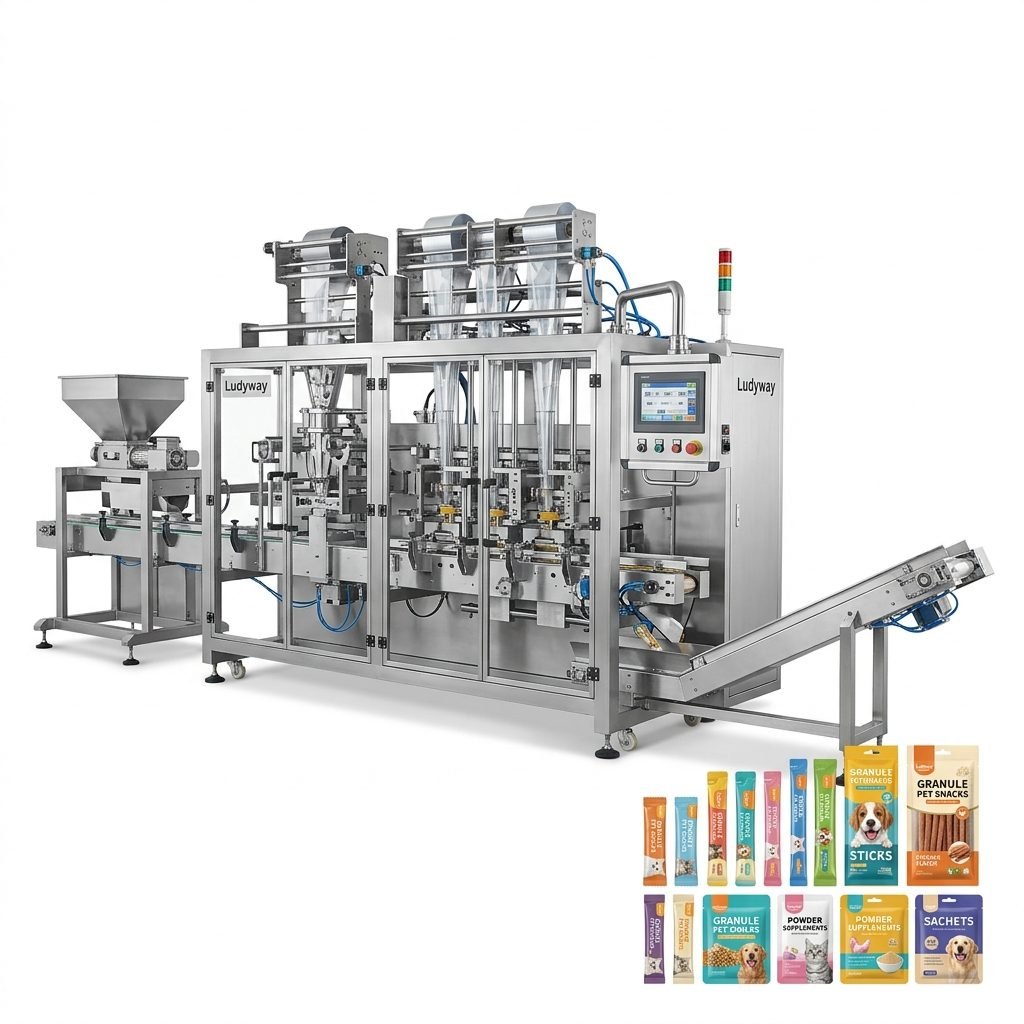
Investing in a home automatic packing machine can transform your small-scale production, hobby crafting, or home-based business. Whether you’re packaging homemade spices, dried herbs, coffee, tea, or nutritional powders, the right machine saves time, ensures consistency, and delivers professional results. But with so many options on the market, choosing the best equipment can feel overwhelming. This guide walks you through every factor to consider, compares popular machine types, and provides practical checklists to help you make an informed purchase decision.
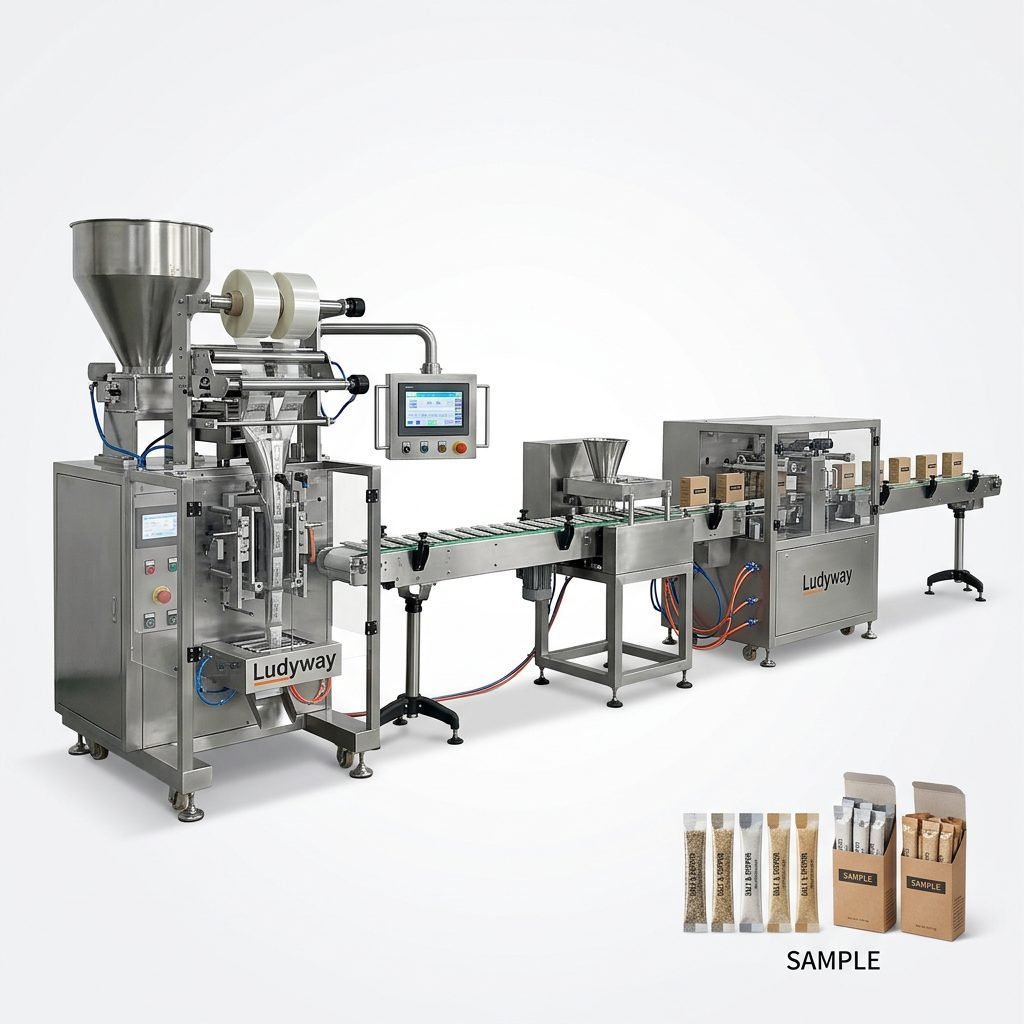
Understanding Home Automatic Packing Machines
A home automatic packing machine is a compact, user-friendly device designed to automate the process of filling and sealing pre-formed pouches, sachets, stick packs, or small bags. Unlike industrial-scale equipment, these machines prioritize simplicity, portability, and affordability while still offering impressive efficiency for small batch production. Common applications include packaging powders, granules, liquids, pastes, and small solid items such as seeds, nuts, or dried fruit.
Many modern home packing machines incorporate automated weighing, dosing, filling, and sealing functions in a single footprint, making them ideal for kitchens, workshops, and small manufacturing spaces. For a broader perspective on packaging machinery trends, visit the PMMI Business Intelligence Library for comprehensive market data and industry insights.
Key Factors to Evaluate Before Buying
Selecting the right machine requires a thorough assessment of your specific needs. Here are the most critical factors that directly impact performance, cost, and long-term satisfaction.
1. Product Type and Physical Characteristics
The material you plan to package is the single most important determinant. Powders, granules, liquids, pastes, and solids each require different filling mechanisms. Fine powders like flour or matcha may generate dust, requiring special sealing systems. Sticky liquids like honey or syrup demand precise valve control. Granules like coffee or sugar flow more freely and are easier to handle. Always test the machine with your actual product before committing, or consult suppliers about compatibility.
2. Packaging Format and Bag Size
What type of package do you need? Stick packs are popular for single-serve coffee and supplements. Sachets suit larger portions of sauces or powders. Pillow pouches work well for snacks and dry goods. Each format requires different tooling and film specifications. Additionally, check the adjustable range for bag length, width, and fill volume. A machine that supports multiple bag sizes offers greater flexibility as your product line expands. For more on flexible packaging formats, explore the Flexible Packaging Association’s Industry Resources.
3. Speed and Output Capacity
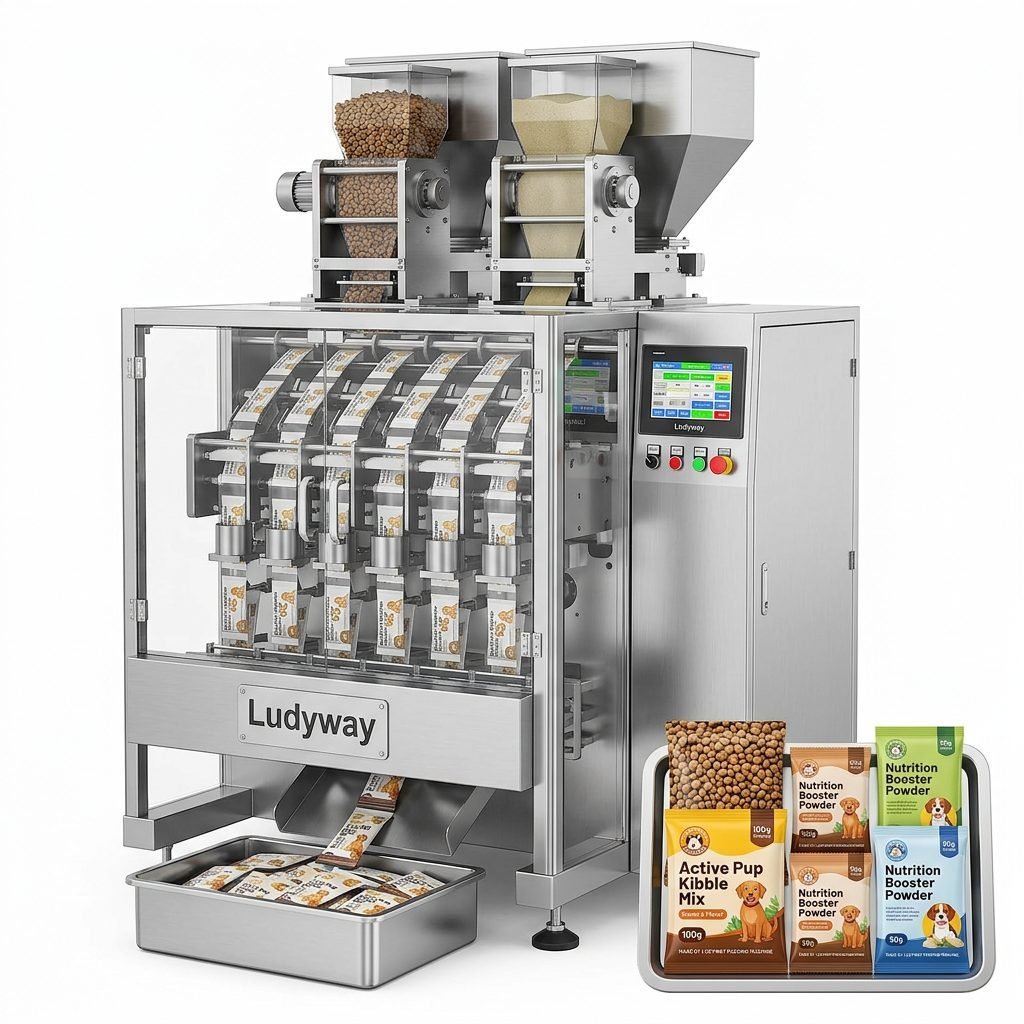
Home and small-business packing machines typically operate at speeds ranging from 10 to 40 packs per minute, depending on the model and product type. Consider your daily or weekly production targets. If you only package 50 units per day, a low-speed single-lane machine may be sufficient. For scaling up to several hundred packs daily, a multi-lane configuration significantly boosts throughput without requiring additional floor space.
4. Automation Level and Control Features
Modern machines range from semi-automatic—where an operator loads pouches or initiates cycles manually—to fully automatic systems that handle feeding, filling, sealing, coding, and even cartoning with minimal human intervention. PLC touchscreen controls with programmable recipe storage are particularly valuable if you plan to package different products on the same equipment. Features like automatic film tracking, temperature control, and jam detection also improve reliability and reduce waste.
Comparing Types of Home Packing Machines
Home packing machines generally fall into several categories based on their core technology and intended use. The table below compares the most common types to help you narrow your options.
| Machine Type | Best For | Typical Speed | Price Range |
|---|---|---|---|
| Vertical Form Fill Seal (Single Lane) | Powders, granules, small solids | 15-35 packs/min | $$$ |
| Multi-Lane Stick Pack Machine | Single-serve coffee, sugar, supplements | 50-200 packs/min | $$$$$ |
| Premade Pouch Filler Sealer | Liquids, sauces, pastes, small solids | 10-25 packs/min | $$$$ |
| Semi-Automatic Weighing Filler | Custom portions, varied product types | 5-15 packs/min | $$ |
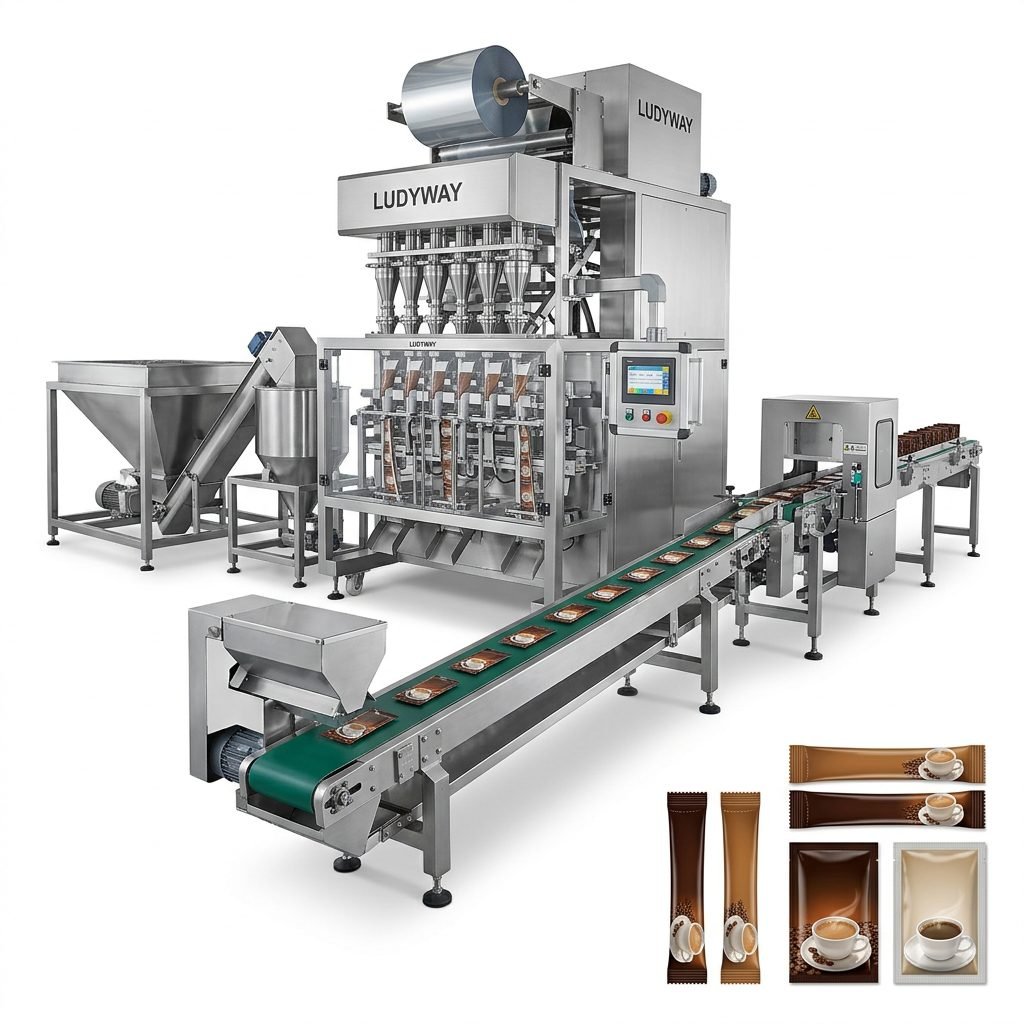
Vertical Form Fill Seal (VFFS) Machines
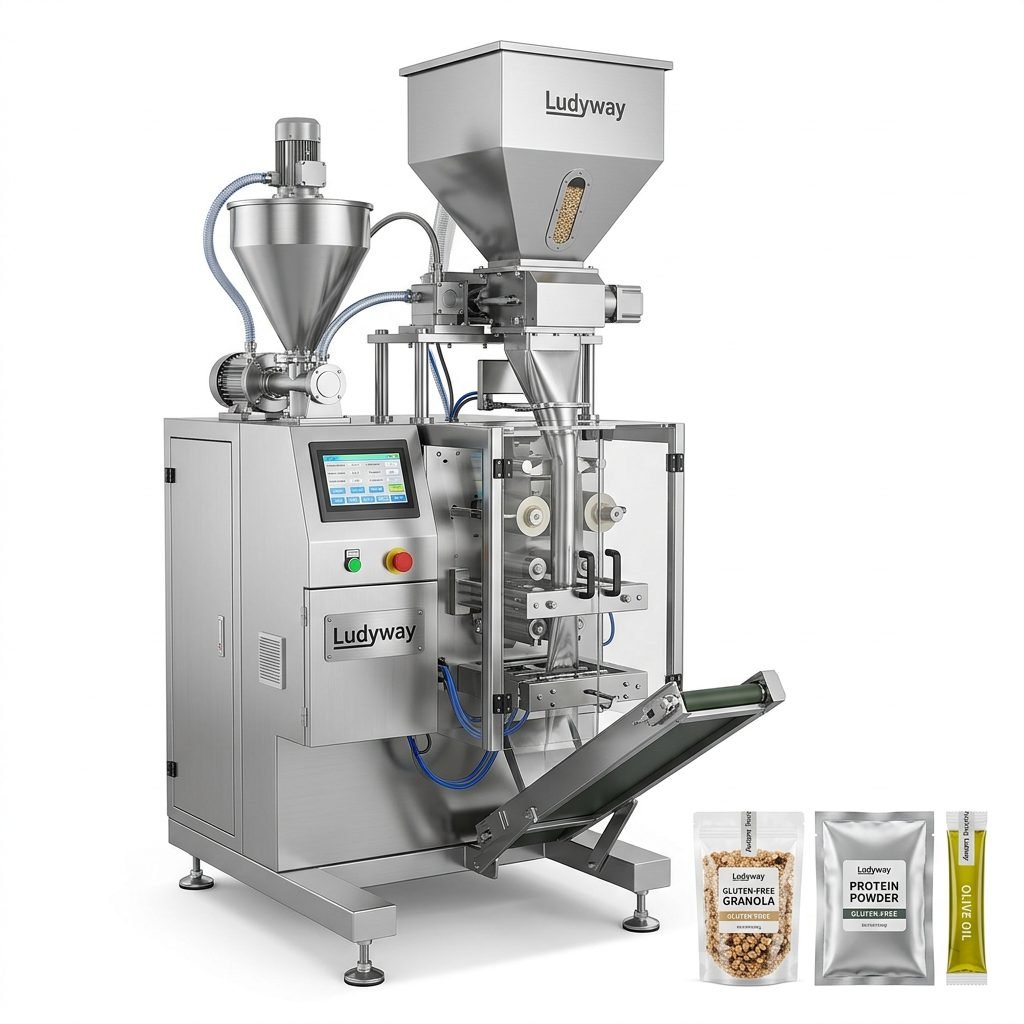
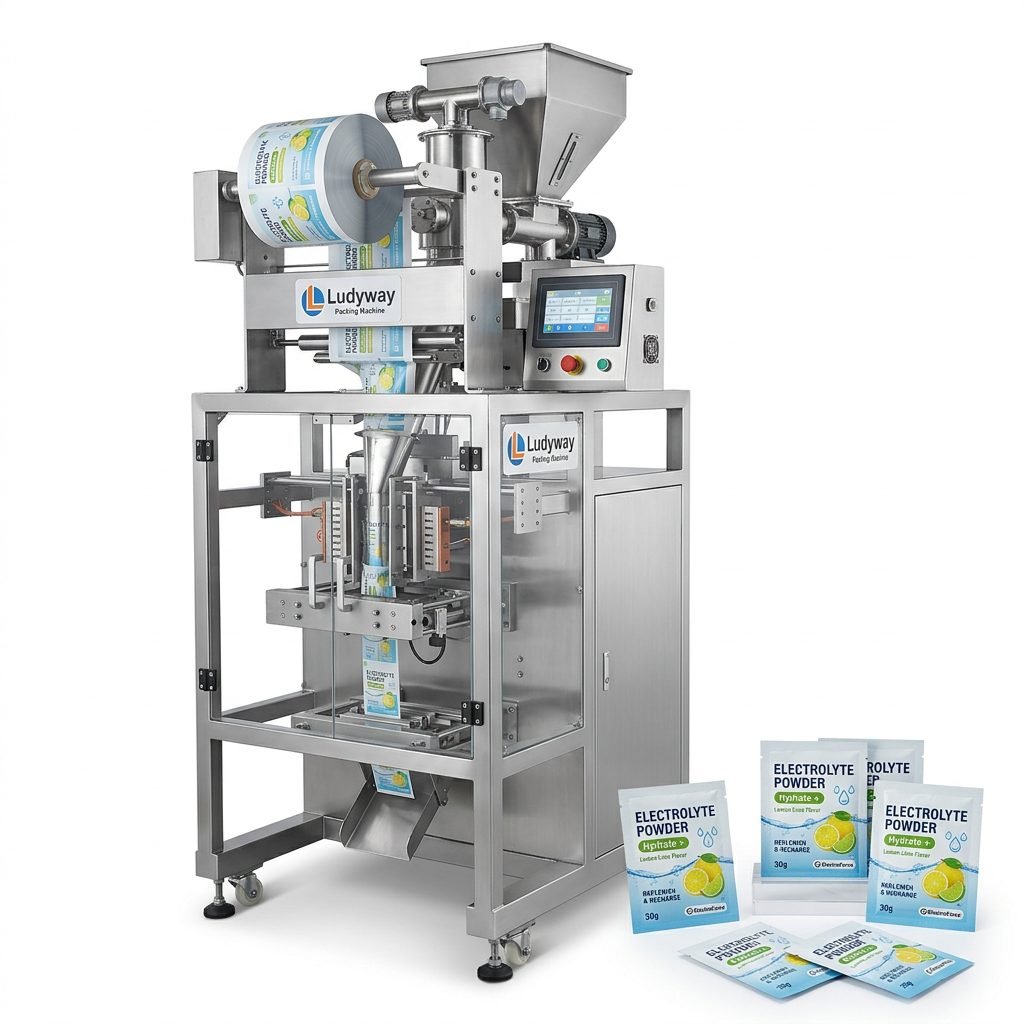
VFFS machines form a pouch from a roll of film, fill it with product, and seal it in a continuous vertical process. These are the most popular choice for home and small-business use because they are relatively compact, versatile, and easy to operate. Single-lane versions handle a wide range of products from powders to granular items, making them ideal for startups.
Multi-Lane Stick Pack Machines
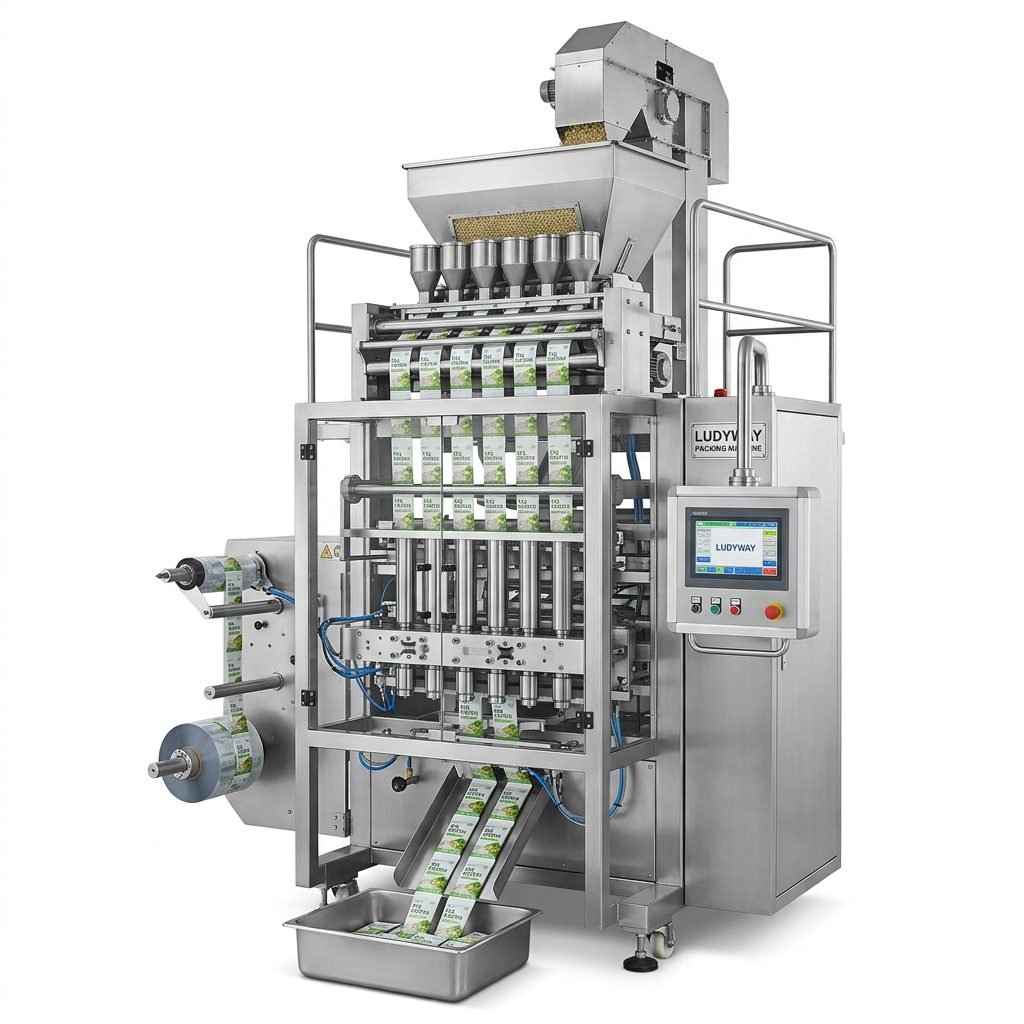
If your focus is single-serve stick packs for products like instant coffee, sugar, salt, or nutritional powders, a multi-lane machine dramatically increases output. These machines run multiple lanes simultaneously, producing anywhere from 4 to 12 lanes at once. While the initial investment is higher, the per-pack cost drops significantly at scale. Check the 2025 State of the Industry report for data on growing single-serve packaging trends.
Premade Pouch Filler Sealers
For products requiring stand-up pouches, zipper bags, or specialty shapes, premade pouch machines offer a different approach. The operator loads pre-formed pouches into a magazine, and the machine opens, fills, and seals them. These machines are highly flexible and support a variety of pouch styles, making them excellent for artisanal foods, liquid products, and premium packaging presentation.
Material Compatibility and Consumables
Your choice of packaging film or pouch material directly influences product shelf life, appearance, and barrier properties. Common materials include polyethylene (PE), polypropylene (PP), laminated foil, and biodegradable films. Ensure the machine you choose is compatible with the specific material thickness, heat-seal characteristics, and print registration requirements you need. Some machines support only certain film types, so clarify this early in the selection process. Regulatory guidelines for food contact materials can be reviewed on the FDA Food Packaging and Food Contact Substances page.
Space, Power, and Installation Requirements
Home packing machines are designed to fit in limited spaces, but dimensions still vary significantly. A compact single-lane VFFS machine might occupy less than 2 square meters, while a full multi-lane setup requires more room for auxiliary conveyors and feeders. Consider the following checklist before installation:
- Available floor space with clearance for operation and maintenance
- Power supply requirements (single-phase 220V is common for home units)
- Compressed air supply if the machine uses pneumatic components
- Ventilation and dust extraction for powder products
- Ambient temperature and humidity control for sensitive products
Budget and Total Cost of Ownership
The purchase price is only one part of the equation. Total cost of ownership (TCO) includes consumables (film, ink for coding), spare parts, maintenance, training, and potential downtime. A cheaper machine with high ongoing film wastage or frequent breakdowns can cost more over time than a slightly pricier but more reliable model. Ask suppliers about:
- Average film waste percentage per roll change
- Service interval and recommended spare parts list
- Availability of remote technical support or local service partners
- Energy consumption ratings under normal operating conditions
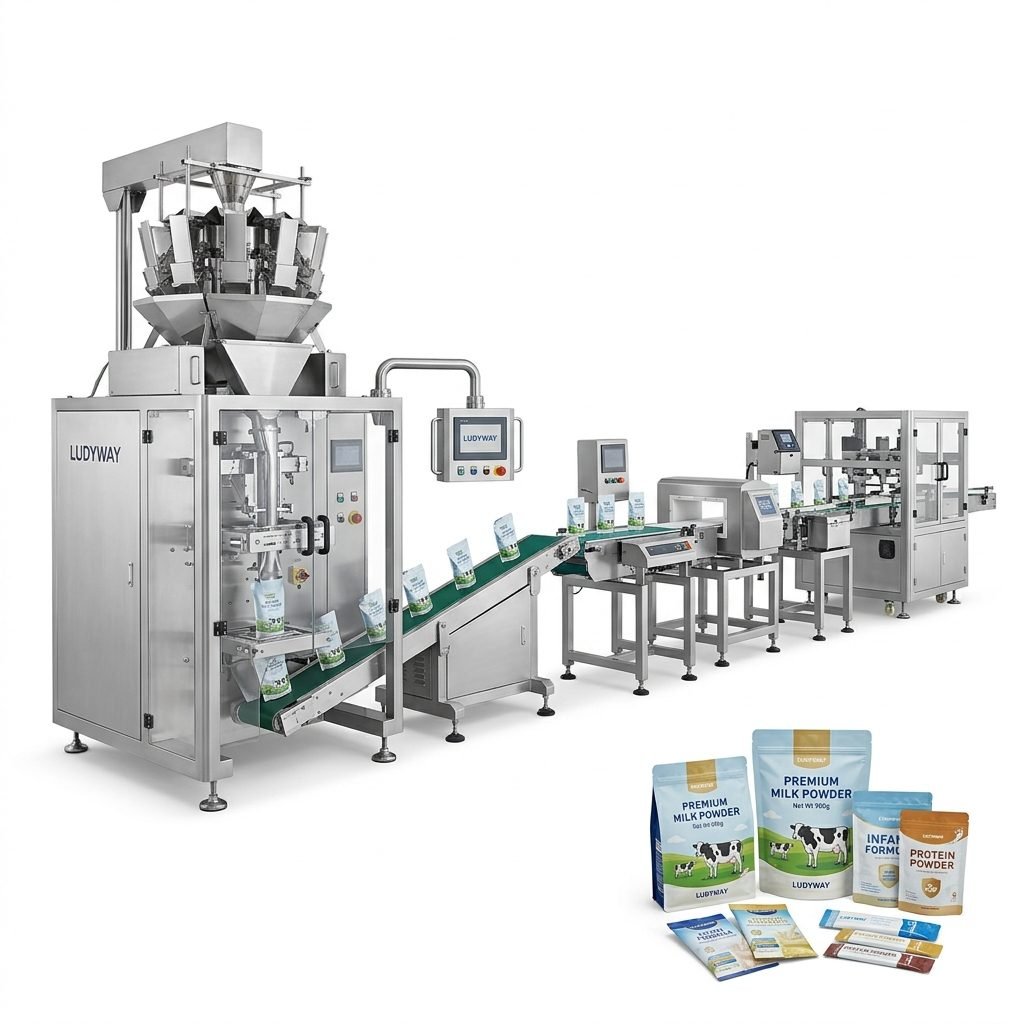
Supplier Evaluation and After-Sales Support
Choosing a reliable supplier is as important as selecting the right machine. Look for manufacturers or distributors with a proven track record in the packaging industry, transparent specifications, and responsive customer service. Evaluate potential suppliers on these criteria:
- Years in business and number of installations worldwide
- Availability of video demonstrations, machine testing, or virtual factory tours
- Clear warranty terms covering mechanical, electrical, and control system components
- Training provisions—online, on-site, or through detailed documentation
- Spare parts inventory and estimated delivery timelines
For comprehensive standards and certification insights, the ISO Packaging Standards page offers a useful reference for evaluating build quality and compliance expectations.
Maintenance, Cleaning, and Longevity
Even the best home automatic packing machine requires regular maintenance to perform reliably. Daily cleaning prevents product buildup that can compromise seal quality. Weekly checks on belts, heating elements, and sensors catch minor issues before they escalate. Keep a log of maintenance activities and film usage to identify performance trends. With proper care, a quality machine can serve reliably for 10 to 15 years or more.
When to Consider a Turnkey or Customized Solution
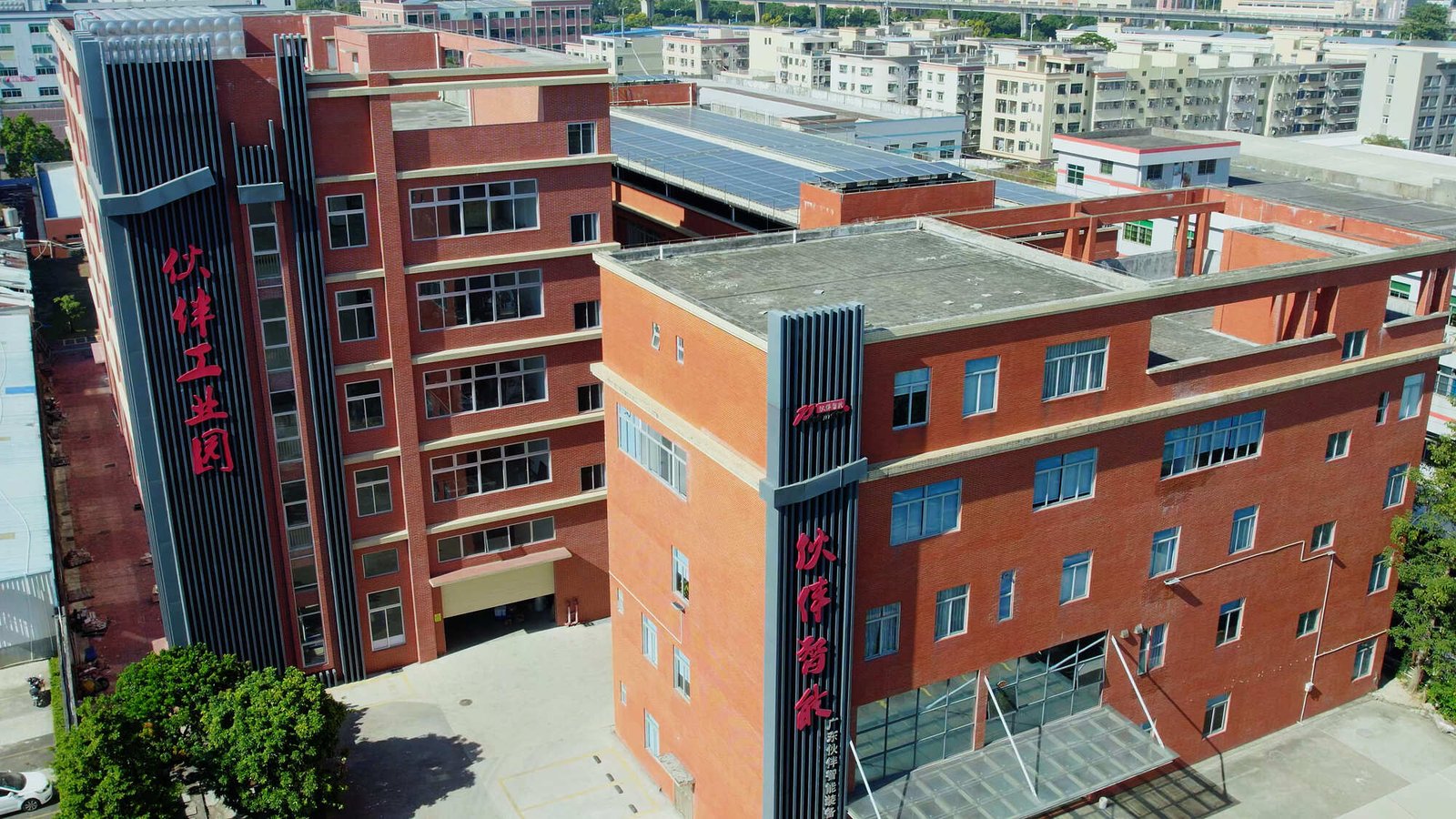
If your packaging needs go beyond a single machine—for example, you require integrated product feeding, filling, sealing, coding, inspection, and cartoning—a turnkey packaging system might be more appropriate. Few manufacturers have the expertise to design complete customized lines that combine multiple processes into one cohesive workflow. Ludyway Machinery, a China-based packaging machinery manufacturer with over 30 years of experience, specializes in developing customized, automated packaging equipment and integrated packaging solutions for manufacturers across food and beverage, pharmaceuticals, health and nutraceutical products, cosmetics, chemicals, and multiple other industries. For more information on its global growth and export milestones, read Ludyway’s global growth analysis.
Common Mistakes to Avoid When Buying
Many first-time buyers fall into avoidable traps. Here are the most frequent errors and how to steer clear of them:
- Underestimating product variability: Even slight differences in particle size, moisture content, or flow characteristics can disrupt filling accuracy. Test first.
- Ignoring film compatibility: A machine that works with one film type may struggle with another. Confirm compatibility upfront.
- Overlooking operator training: Even user-friendly machines require proper training to avoid errors and maximize output.
- Focusing only on price: A low upfront cost can mask higher operating expenses and shorter service life.
- Skipping due diligence on the supplier: Verify references, certifications, and after-sales support before committing.
Final Decision-Making Checklist
Before finalizing your purchase, run through this condensed checklist:
- ✅ Match machine type to your primary product format (powder, granule, liquid, solid)
- ✅ Confirm the required packaging size, shape, and material compatibility
- ✅ Verify speed and output match your production targets with room to grow
- ✅ Assess automation features, control interface, and ease of use
- ✅ Evaluate total cost of ownership including consumables and maintenance
- ✅ Check supplier reputation, warranty, and after-sales service
- ✅ Review available space, power, and environmental requirements
Choosing the right home automatic packing machine ultimately comes down to aligning technical specifications with your real-world production goals. A methodical evaluation process—covering product compatibility, machine type, budget, supplier quality, and long-term support—will help you select equipment that delivers consistent results for years. The investment you make today in thorough research pays dividends in efficiency, product quality, and peace of mind.