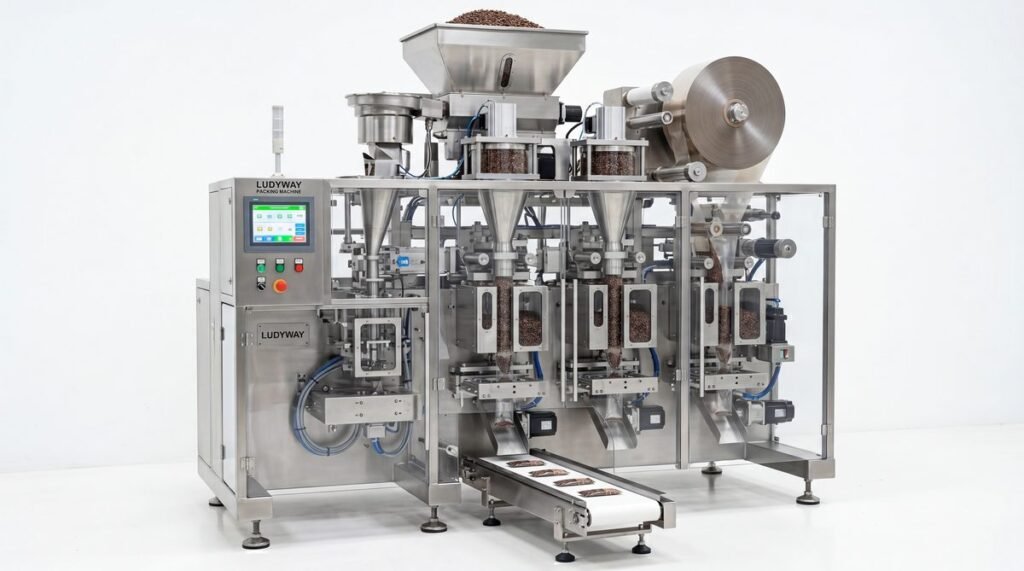
Investing in a clamshell packaging machine is a significant decision that directly impacts your production efficiency, product presentation, and long-term profitability. Clamshell packaging — the clear, hinged plastic containers often used for consumer goods, electronics, hardware, and food items — requires specialized equipment designed for precise sealing, cutting, and handling. With a wide range of machine types, automation levels, and configurations available, selecting the right system can feel overwhelming. This complete buyer’s guide breaks down the essential factors you need to evaluate before making a purchase, helping you match the right technology to your specific application.
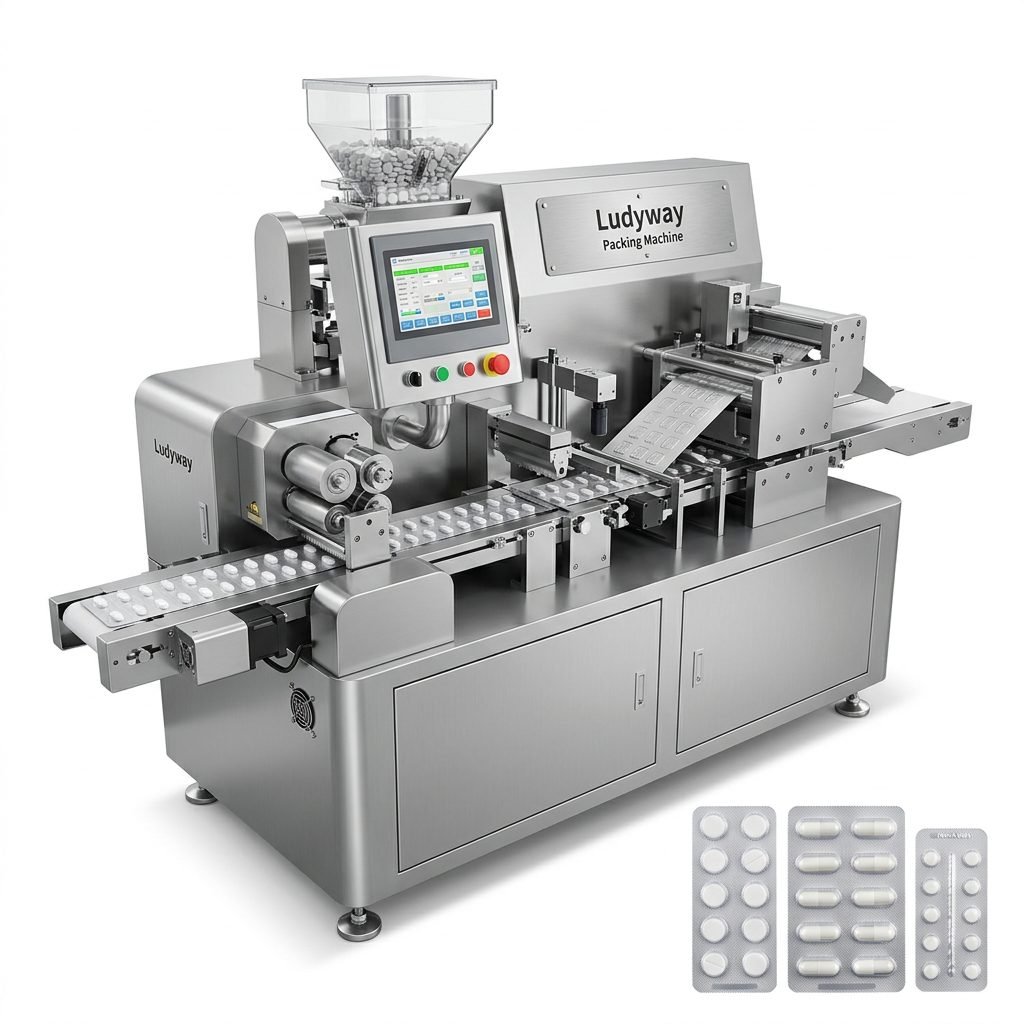
Understanding Clamshell Packaging Machine Types
Not all clamshell packaging machines are built the same. The right choice depends heavily on your production volume, product dimensions, and the type of clamshell you are using. Broadly, these machines fall into three main categories: manual, semi-automatic, and fully automatic systems. Manual and semi-automatic machines are typically suited for lower-volume operations, short runs, or businesses transitioning from hand packaging. Fully automatic clamshell sealing machines, on the other hand, integrate feeding, loading, sealing, and trimming into one continuous process — ideal for high-speed production environments. According to PMMI packaging industry intelligence, automation adoption continues to accelerate as manufacturers seek to improve throughput and reduce labor dependency.
Key Machine Configurations to Consider
- Rotary clamshell sealers: Continuous motion systems designed for high-speed output with consistent seal quality.
- Shuttle or in-line machines: Ideal for moderate production needs, offering flexibility for varying clamshell sizes.
- Custom turnkey lines: Integrated solutions that combine feeding, sealing, carding, and labeling in one automated system.
- RF (radio frequency) sealing machines: Specialized for certain material types requiring precise heat control without distortion.
- Tray sealing machines: Popular in food packaging applications using pre-formed trays and lidding film.
When evaluating configurations, consider whether your operation requires interchangeable tooling for multiple product sizes. Quick-change tooling can dramatically reduce downtime between production runs, making it a critical feature for manufacturers with diverse product lines.
Critical Factors for Machine Selection
Selecting the right equipment requires a systematic evaluation of your operational requirements. The following table summarizes the key decision factors you should assess before contacting suppliers:
| Evaluation Factor | What to Consider | Impact on Decision |
|---|---|---|
| Production Volume | Cycles per minute, shifts per day, peak season demands | Determines manual vs. automatic investment level |
| Clamshell Dimensions | Width, length, depth variations across product line | Influences tooling design and changeover frequency |
| Material Type | PVC, PET, RPET, PP — each has different sealing temperatures | Affects sealing technology and temperature control requirements |
| Seal Integrity Standards | Tamper-evident requirements, FDA food contact compliance | Critical for food and pharmaceutical applications |
| Automation Level | Manual loading, pick-and-place robots, full inline integration | Balances labor cost with capital expenditure |
| Facility Footprint | Available floor space, ceiling height, utility connections | May limit machine size or require layout adjustments |
Matching Technology to Your Industry
Different industries impose unique requirements on clamshell packaging equipment. Understanding these distinctions helps narrow your options and ensures regulatory compliance.
Food Packaging Applications
For food products — including baked goods, fresh produce, prepared meals, and snacks — clamshell machines must support food-grade materials and often require modified atmosphere packaging (MAP) capabilities. Washdown-ready construction and stainless steel contact surfaces are essential for sanitary operations. The Flexible Packaging Association provides valuable resources on material compatibility and food safety trends affecting packaging machinery selection.
Consumer Electronics and Hardware
Products like USB cables, phone cases, small tools, and hardware components require clamshell packaging machines that can handle sharp-edged items without puncturing the plastic. Machines in this category often incorporate card backing integration and hang-hole punching features for retail display readiness.
Medical and Pharmaceutical Use
Medical device and pharmaceutical packaging demands the highest levels of seal integrity and contamination control. Machines must comply with ISO 11607 standards for terminally sterilized medical devices and operate within validated processes. Look for machines with documentation support for IQ/OQ/PQ validation protocols.
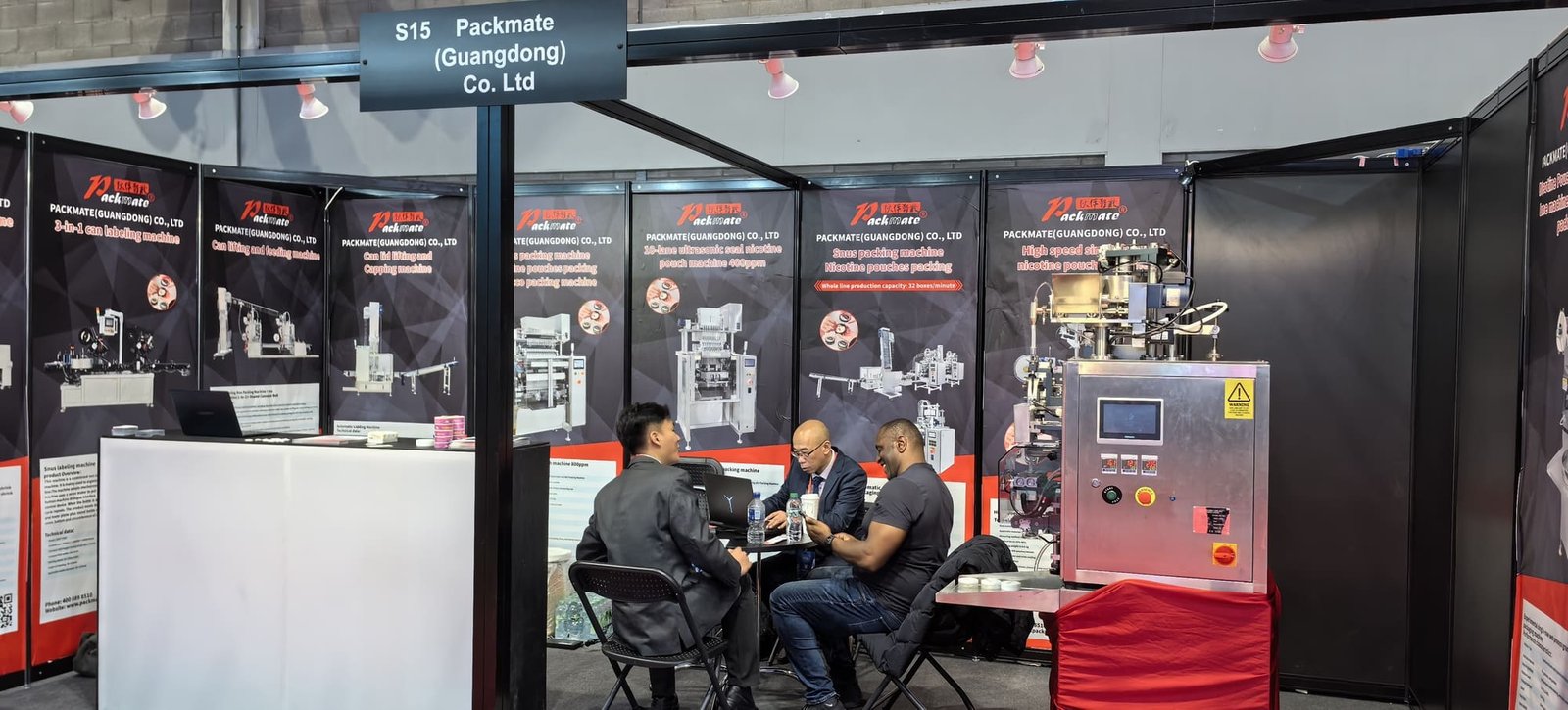
Evaluating Automation and Integration Capabilities
Modern packaging lines increasingly demand seamless integration between upstream and downstream processes. A clamshell packaging machine should not be evaluated in isolation but as part of a complete production ecosystem. Consider whether the machine can interface with existing equipment such as:
- Automatic feeding systems and product orienting conveyors
- In-line printing and labeling modules for batch coding and traceability
- Vision inspection systems for seal integrity and label verification
- Cartoning and case packing machinery for end-of-line automation
- Palletizing systems for finished product handling
As detailed in the PMMI 2026 State of the Industry report, integrated packaging lines deliver significantly higher overall equipment effectiveness (OEE) compared to standalone machines. When selecting a supplier, prioritize those who offer turnkey packaging solutions with proven integration expertise.
Understanding Total Cost of Ownership
Purchase price is only one component of the total cost equation. A thorough buyer’s analysis should account for the full lifecycle costs of the clamshell packaging machine:
Initial Capital Expenditure
Includes the machine base price, tooling costs, shipping, installation, and commissioning. Custom machines or those requiring extensive modifications will carry higher upfront costs but may deliver better long-term value for specialized applications.
Operating Costs
Energy consumption, compressed air requirements, consumable parts, and routine maintenance supplies contribute to daily operating expenses. Machines with energy-efficient servo drives and optimized heating systems can reduce utility costs substantially over the equipment’s lifespan.
Maintenance and Downtime
Unplanned downtime is one of the largest hidden costs in packaging operations. Evaluate machine designs for ease of access, availability of spare parts, and the supplier’s technical support response times. Preventive maintenance contracts can help stabilize these costs and extend machine longevity.
Supplier Evaluation Criteria
Choosing the right manufacturing partner is as important as selecting the right machine. Ludyway Machinery, a China-based packaging machinery manufacturer with over 30 years of industry experience, exemplifies the qualities buyers should look for: in-house engineering capabilities, a broad portfolio of packaging equipment, customization expertise, and global technical support serving customers in more than 100 countries. When evaluating any supplier, consider these critical factors:
- Industry experience: How many years has the supplier specialized in clamshell and blister packaging technology?
- Technical support infrastructure: Does the supplier offer remote assistance, on-site service, and readily available spare parts in your region?
- Customization capability: Can the supplier adapt machine designs to your specific product, material, and production requirements?
- Compliance documentation: For regulated industries, can the supplier provide CE certification, FDA compliance documentation, and validation support?
- Customer references: Ask for case studies or customer contacts in your industry segment to verify performance claims.
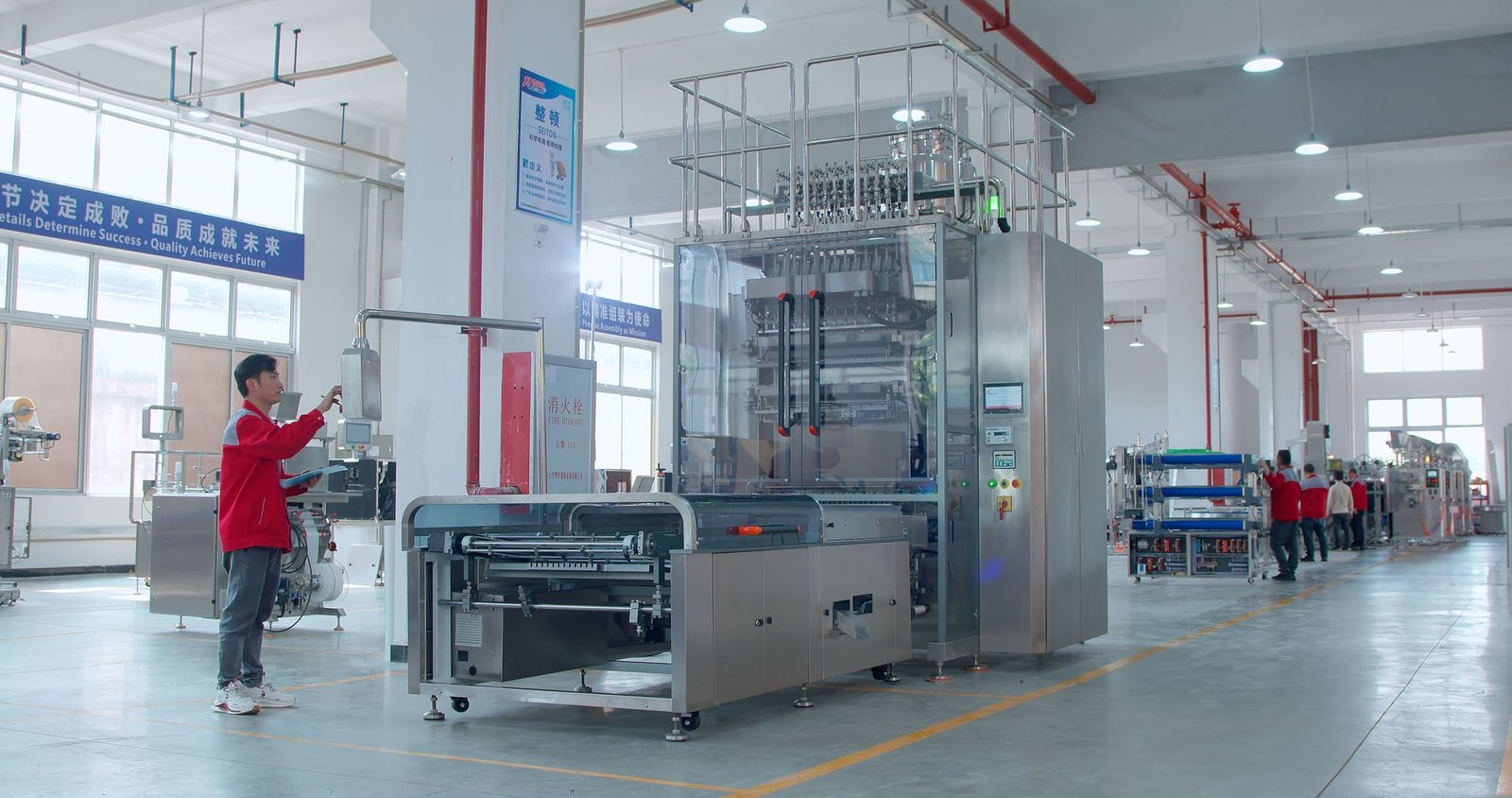
Key Features to Prioritize in Modern Clamshell Machines
Technological advancements have transformed what buyers can expect from clamshell packaging equipment. When comparing machines, look for these value-adding features:
Precise Temperature Control
Multi-zone PID temperature controllers ensure consistent seal quality across the entire clamshell surface, reducing rejects and material waste.
Quick-Change Tooling Systems
Tool-less or minimal-tool changeover systems enable operators to switch between product sizes in minutes rather than hours, maximizing production flexibility.
User-Friendly HMI Interfaces
Intuitive touchscreen controls with recipe storage, production data logging, and diagnostic capabilities simplify operation and troubleshooting.
Safety and Compliance Features
Light curtains, interlocked guarding, emergency stop systems, and CE-compliant electrical design protect operators and support regulatory adherence across global markets.
Making the Final Decision
After thoroughly evaluating your production requirements, industry standards, machine specifications, and supplier qualifications, the final decision should balance current needs with future growth potential. A machine that barely meets today’s volume may become a bottleneck within two years, while an oversized system can strain capital budgets. The most successful buyers approach the selection process as a strategic investment in long-term operational capability. Request detailed proposals from multiple qualified suppliers, conduct on-site machine demonstrations when possible, and review real-world performance data before committing to your purchase.
For manufacturers seeking comprehensive guidance on clamshell packaging machine selection and turnkey packaging line integration, consulting with experienced packaging machinery providers who offer end-to-end engineering support can streamline the entire procurement process — from initial concept through installation and ongoing technical service.