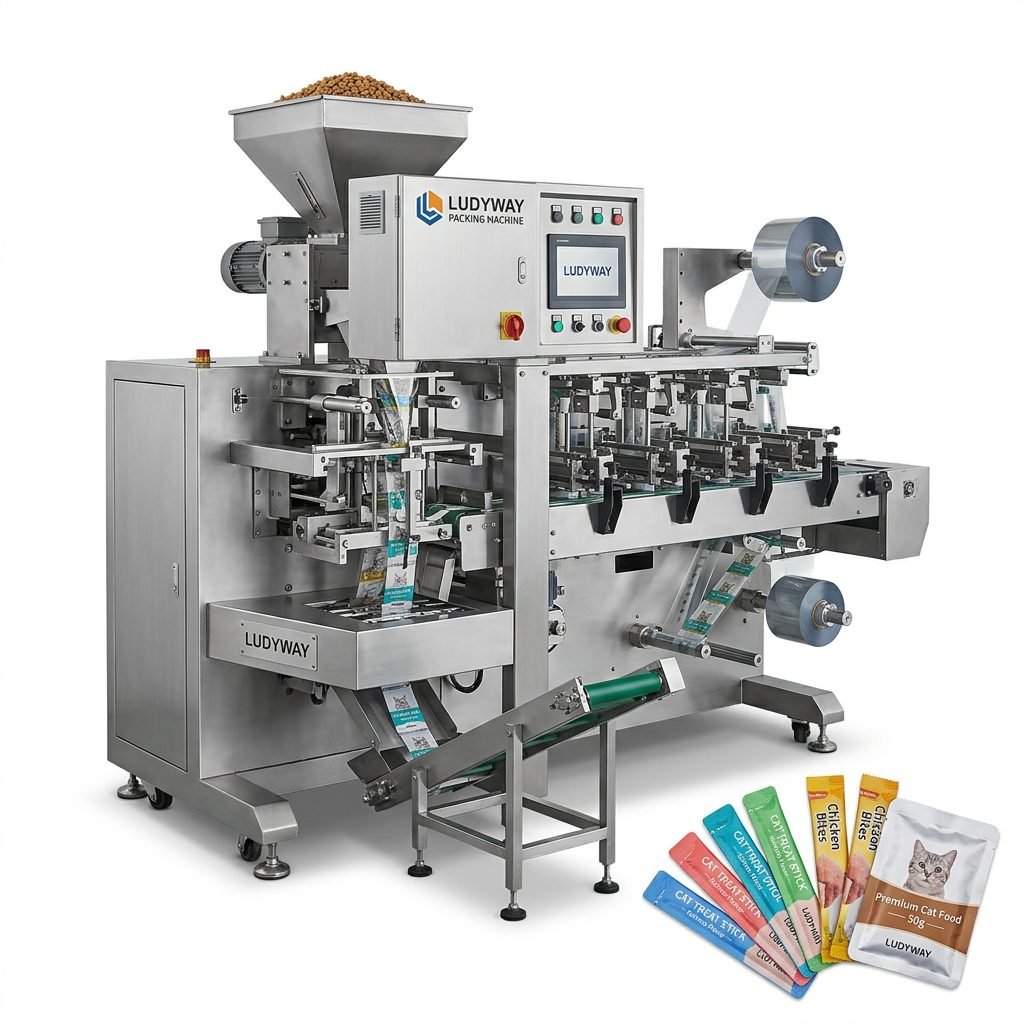
Investing in a coffee powder packing machine is a strategic decision that directly impacts your production efficiency, product freshness, and brand shelf presence. Whether you are packaging instant coffee, ground espresso, or freeze-dried blends, selecting the incorrect machinery can lead to costly downtime, inaccurate fill weights, and compromised seal integrity. This comprehensive guide walks you through the essential technical, operational, and commercial factors you must evaluate before making a purchase.
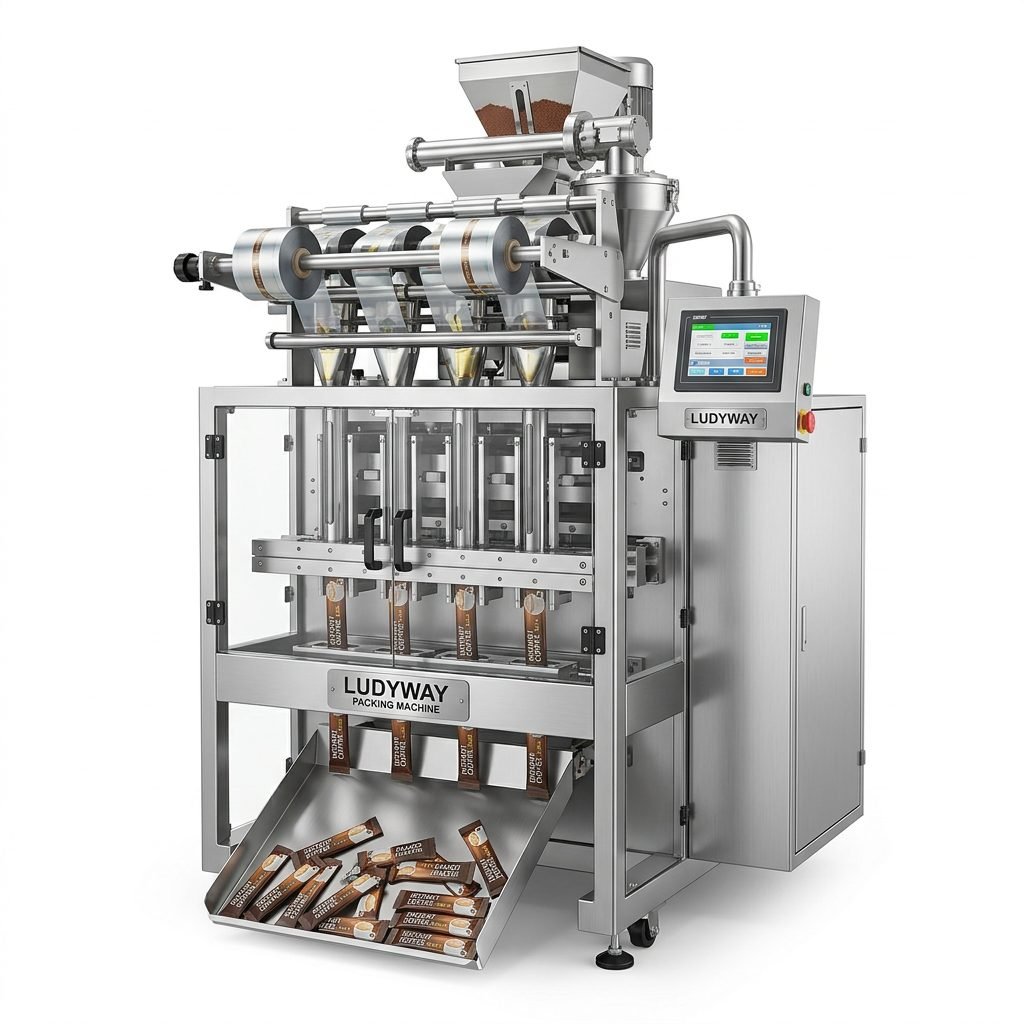
Understanding the Unique Challenges of Coffee Powder Packaging
Packaging coffee powder is not the same as handling free-flowing granular products. Coffee is hygroscopic, meaning it readily absorbs moisture from the surrounding environment. This characteristic requires specialized engineering to prevent clumping and spoilage. Additionally, coffee generates dust during the filling process, which can interfere with the critical sealing area of the packaging.
Modern coffee powder packing machines must address these issues through dust extraction systems, precise auger fillers, and often nitrogen flushing capabilities to displace oxygen and extend shelf life. Without these features, even visually appealing packages can result in stale, degraded product reaching the consumer.
Key Technical Specifications to Evaluate
Not all powder packing machines are built to handle the specific density and flow characteristics of coffee. Before shortlisting suppliers, you must define your technical requirements precisely.
- Filling Accuracy & Dosing Mechanism: For high-value coffee products, a deviation of just 1-2 grams per sachet can erode profit margins. Auger fillers are typically the standard for powder, but you might need servo-driven systems for superior precision.
- Sealing Technology & Integrity: Coffee fine dust settling in the seal area is the primary cause of “leakers.” Look for machines with serrated sealing jaws or ultrasonic sealing options, and automatic “shake-down” features that settle powder below the seal line before activation.
- Material of Construction: Given coffee’s acidity and hygroscopic nature, material contact parts should be 304 or 316L stainless steel. Food-grade plastic hoppers are common, but metal-to-powder contact points must resist corrosion over repeated washdown cycles.
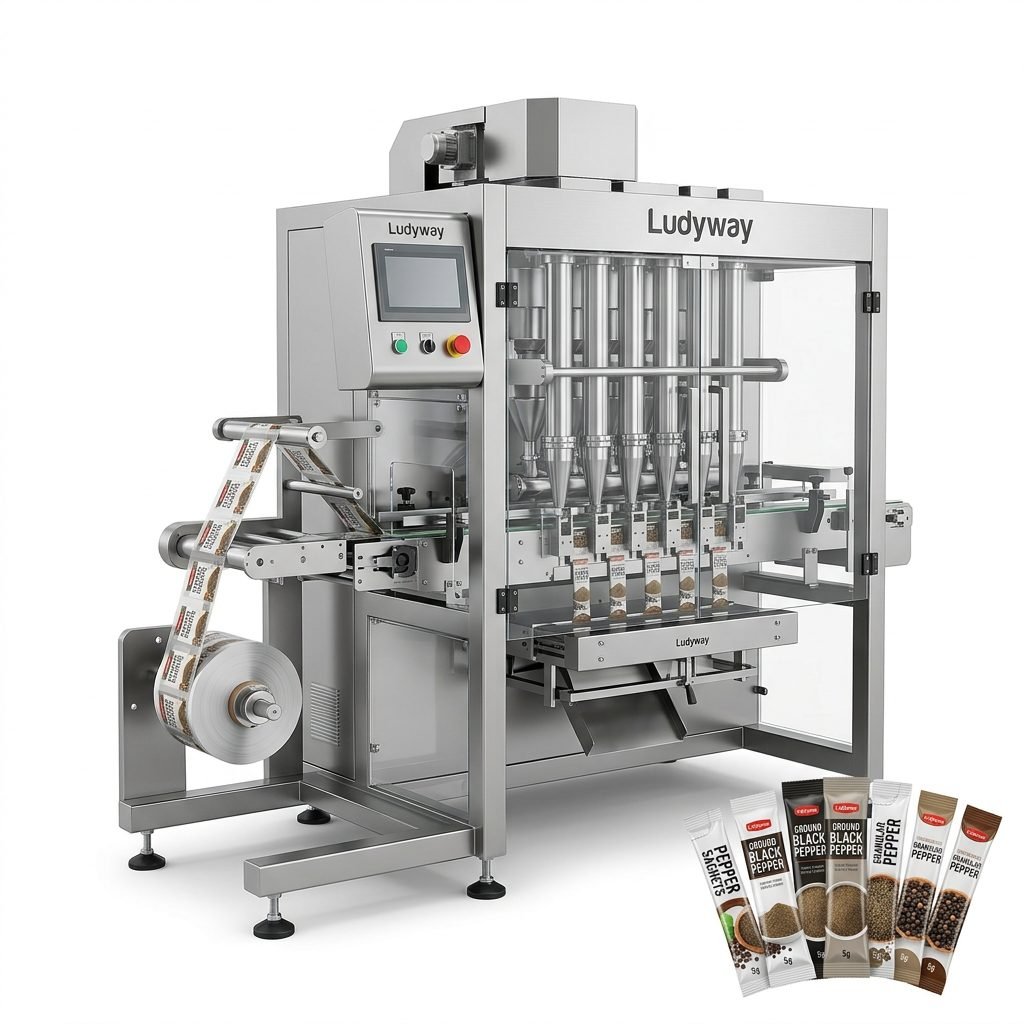
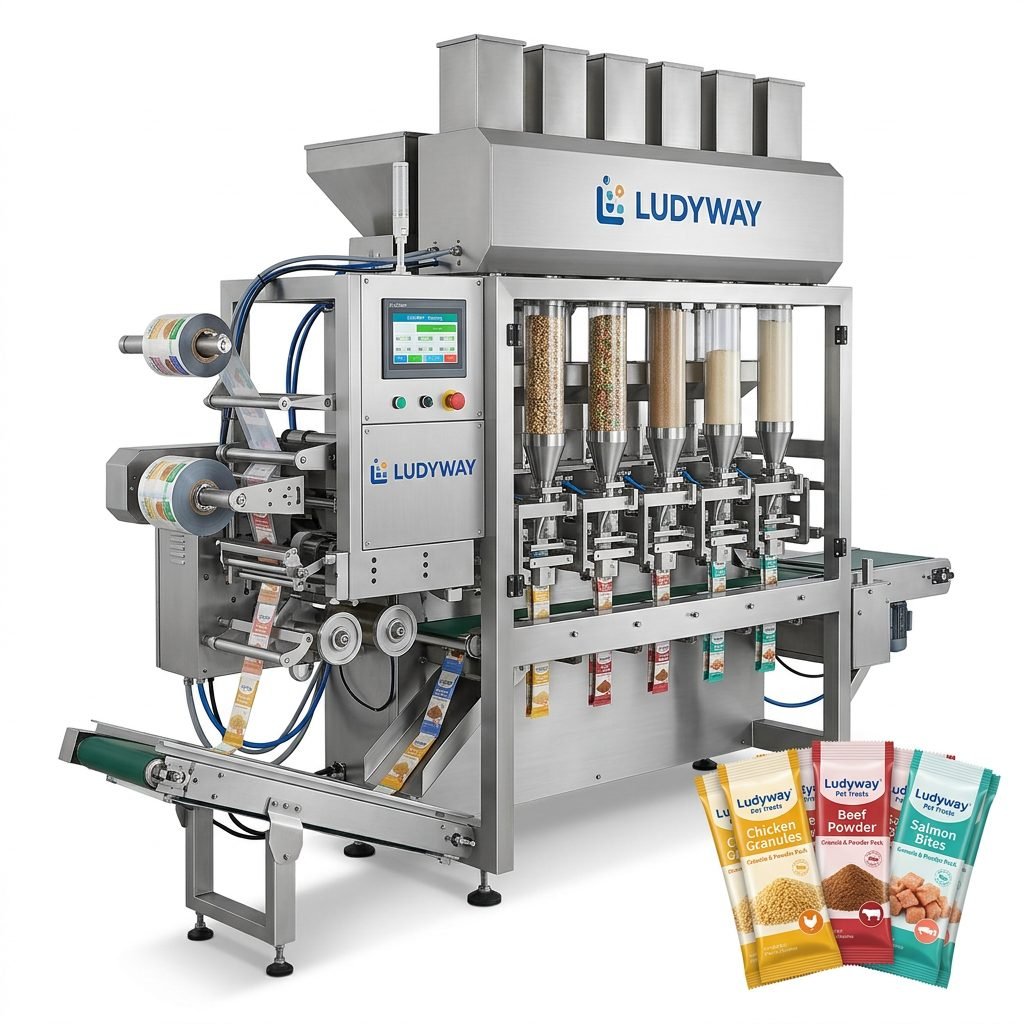
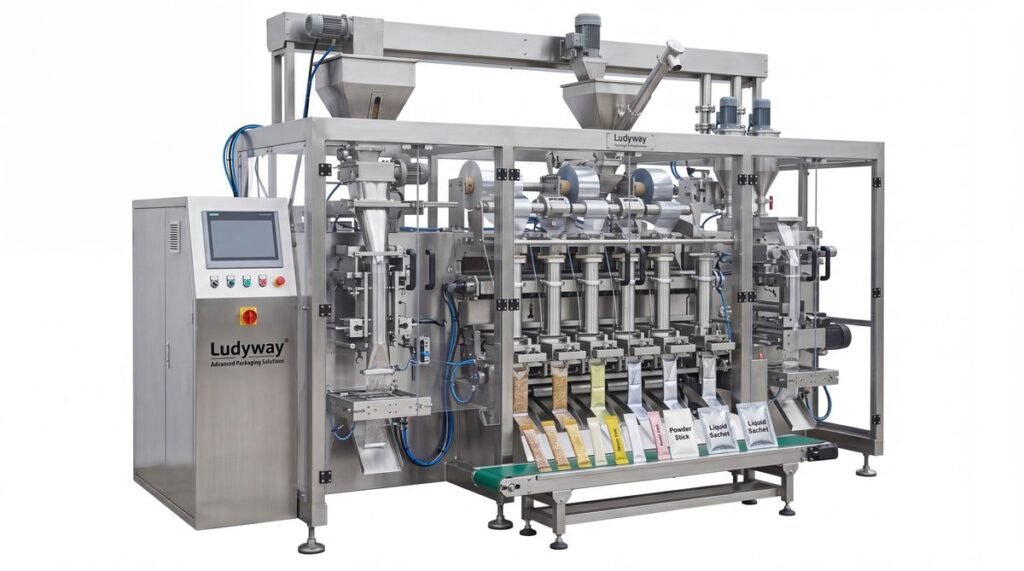
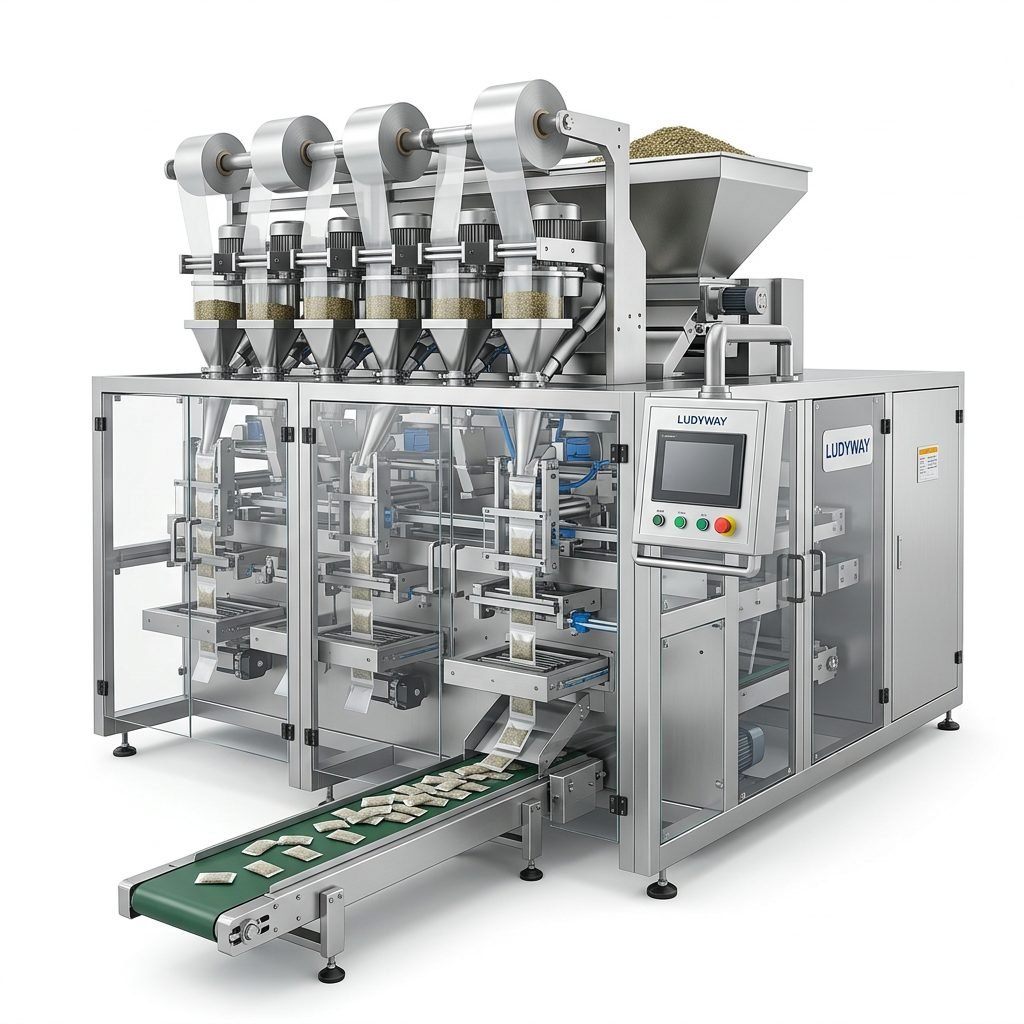
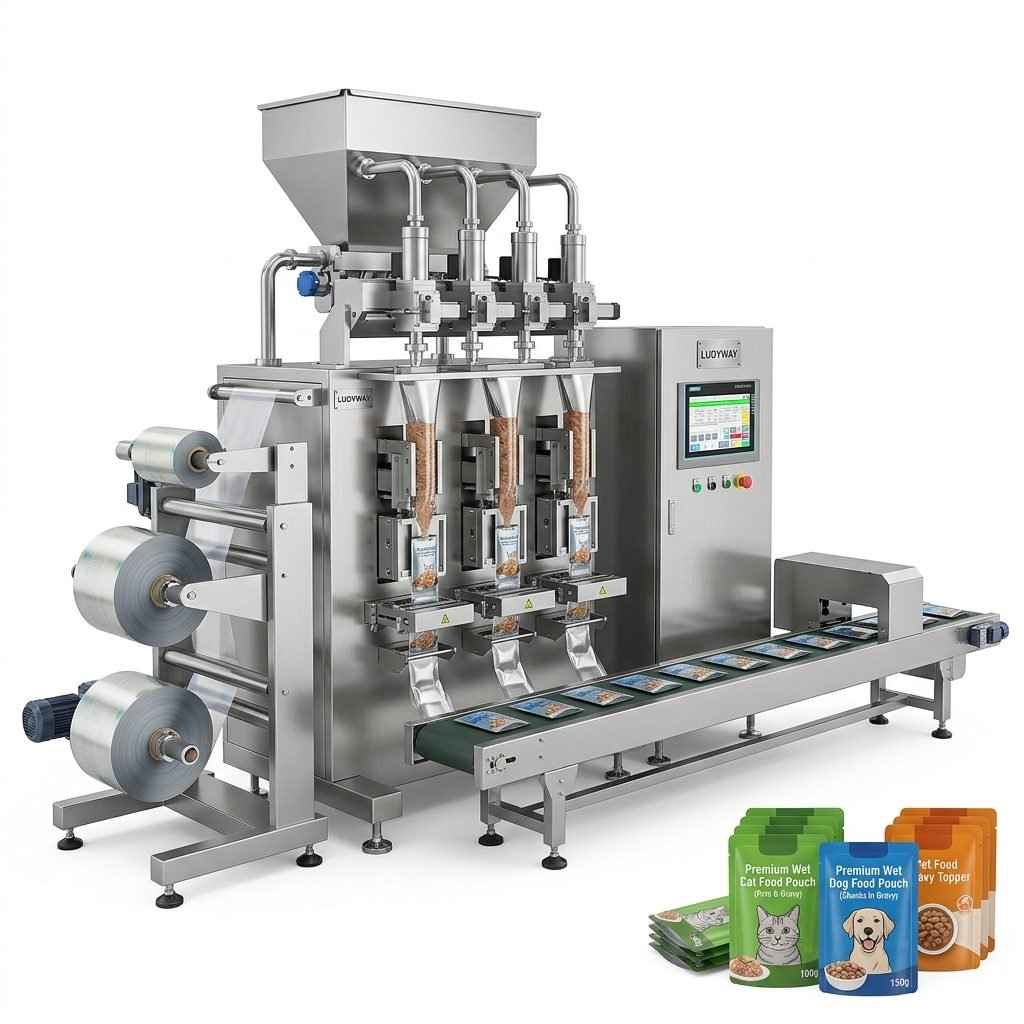
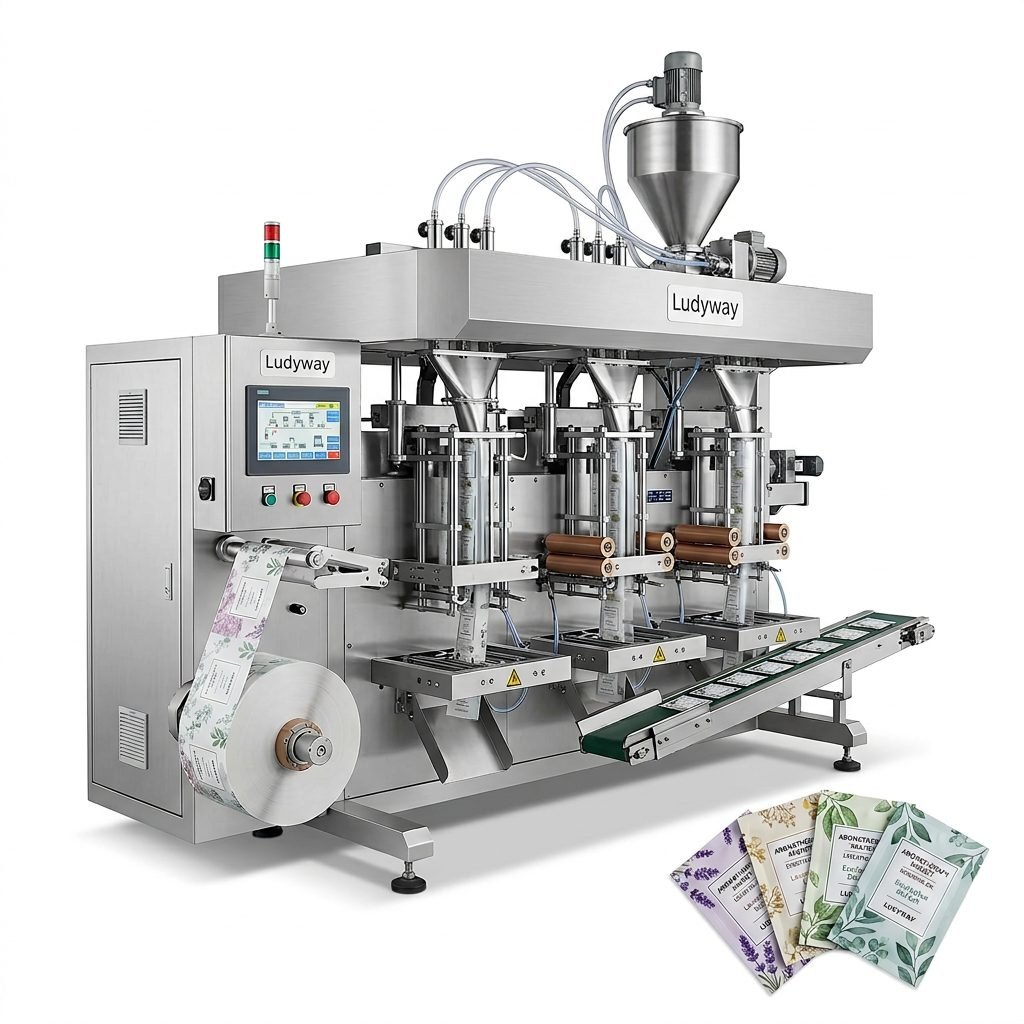
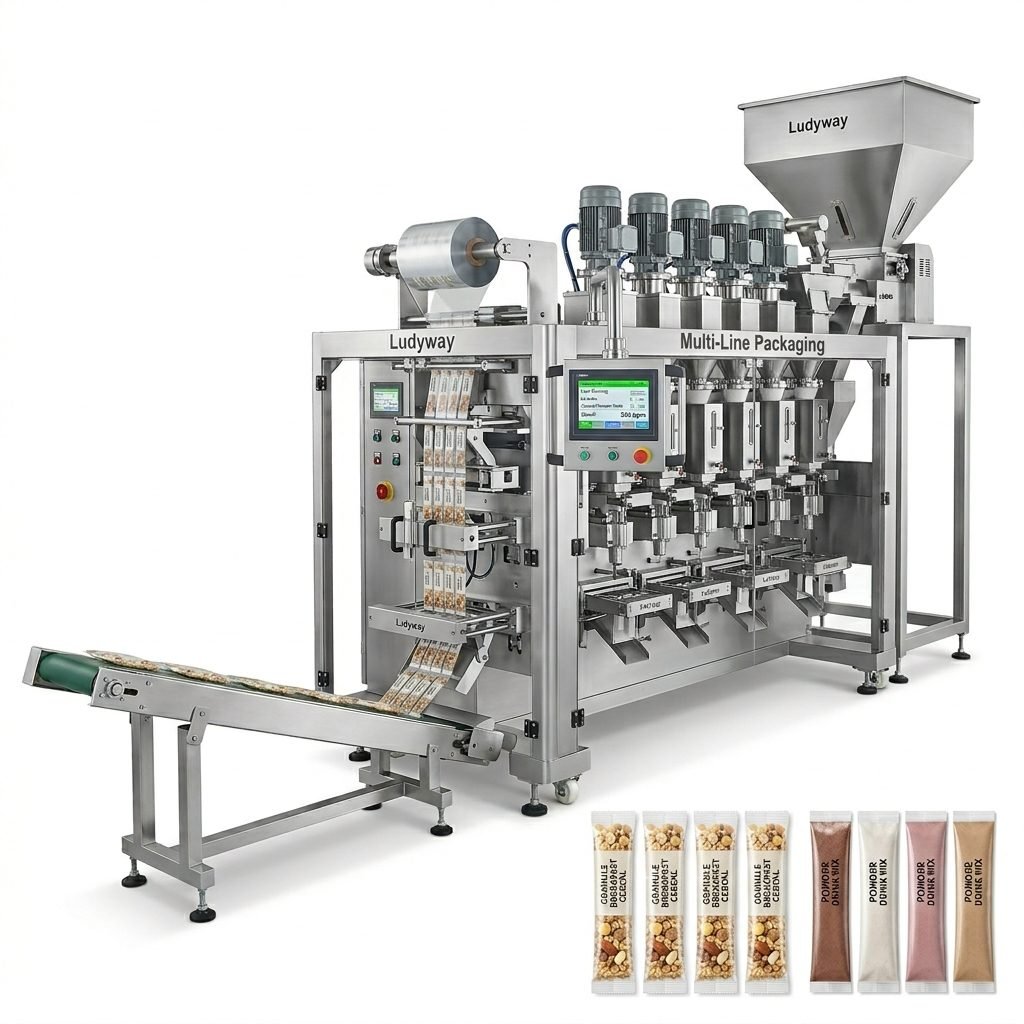
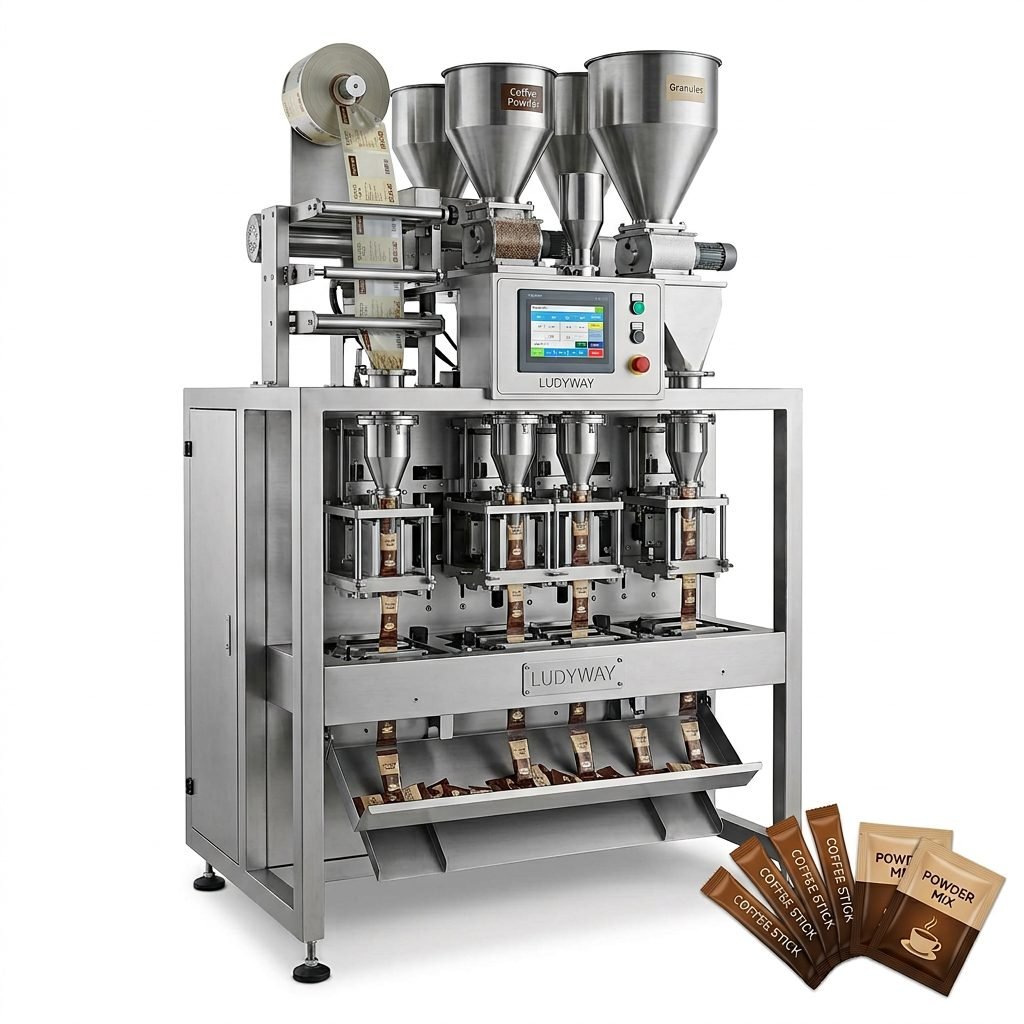
- Speed and Lane Configuration: Multi-lane stick pack machines can run 4, 6, 8, or up to 12 lanes simultaneously, multiplying output without consuming additional floor space. Define your target output in pouches per minute (ppm) rather than relying on vague “high speed” marketing terms.
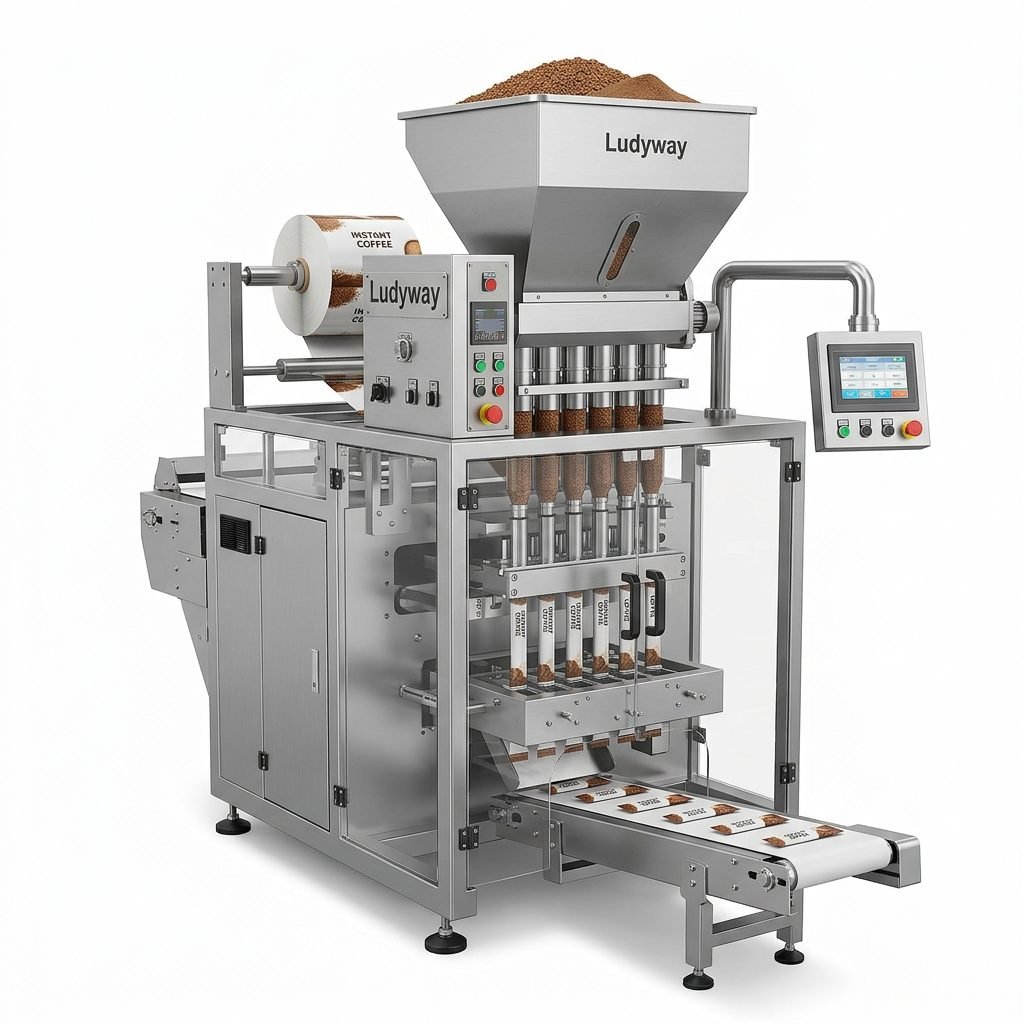
Comparing Vertical Form Fill Seal (VFFS) vs. Multi-Lane Stick Pack Systems
The two dominant formats for single-serve coffee are the traditional pillow sachet (VFFS) and the newer stick pack. Your market positioning—budget, premium, or on-the-go convenience—determines which is right for your operation. The table below highlights the critical differences to guide your decision.
| Feature | Standard VFFS Pillow Sachet | High-Speed Multi-Lane Stick Pack |
|---|---|---|
| Typical Speed | 30-80 ppm (single lane) | 400-600+ ppm (6-12 lanes) |
| Package Style | Three-side or four-side seal sachet with fin edges | Narrow, elongated stick pack, long center seal |
| Film Waste Ratio | Moderate | Very low (optimized web utilization) |
| Gas Flushing Efficiency | Requires gas tube penetration, residual O2 can be high | Highly efficient (continuous gas purge in forming tube, low residual O2) |
| Typical Fill Weight | 10g – 50g | 1.5g – 15g |
| Market Application | Hotel rooms, food service, larger portions | Premium retail, on-the-go convenience, 3-in-1 mixes |
Why Gas Flushing (Nitrogen Dosing) Is Non-Negotiable
Freshness is the core value proposition of coffee. A package that is not inerted with nitrogen will degrade rapidly. When evaluating a machine, verify that the residual oxygen (O2) level inside the finished pack remains consistently below 3%, and ideally below 1% for specialty roasters. Advanced systems incorporate an oxygen analyzer feedback loop that automatically adjusts the nitrogen flow rate in real time. This is not merely an accessory; it is the defining feature of a coffee packing machine designed for serious brand owners.
Selecting a Reliable Partner for Packaging Line Integration
A standalone machine rarely meets modern production demands. You likely need ancillary equipment—conveyors, checkweighers, and automated cartoning systems—that integrate as a unified line. Fragmented supply chains create finger-pointing when problems arise. Choosing a single-source provider that can engineer the complete line from start to finish reduces project risk and accelerates startup. Ludyway Machinery, for example, provides turnkey packaging solutions that integrate multi-lane sachet machines with cartoning and case packing, ensuring cohesive system performance from powder feeding to palletizing.

Important Considerations During the Selection Process
A systematic approach to vendor evaluation protects your investment and ensures long-term operational stability. Keep these points in mind while comparing proposals.
- Total Cost of Ownership (TCO): A lower purchase price often masks higher costs in film waste, spare parts, and frequent maintenance downtime. Calculate five-year operational costs, including validated consumption rates for film and energy.
- Rapid Format Changeovers: If you co-pack multiple SKU sizes—from 2g stick packs to 50g sachets—downtime during changeover drastically reduces OEE. Look for machines with tool-less adjustments, recipe-driven servo positioning, and minimum changeover times verified at under 30 minutes for a full size change.
- Dust Management: Coffee dust is pervasive and destructive. A properly designed machine isolates the filling zone from the sealing and drive zones. Vacuum dust collection ports located adjacent to the filling station prevent dust accumulation on heat seal jaws.
- Film Compatibility: Confirm that the machine handles your specific laminated structures—typically PET/Aluminum/PE or PET/metallized-PP. The ability to reliably seal cold-seal films for heat-sensitive products is a distinct advantage for certain specialty coffee blends.
- Validation and Compliance Documentation: For exporters and pharmaceutical-grade operations, full IQ/OQ/PQ documentation, FDA-compliant material certification, and CE marking are mandatory. Request sample documentation sets before committing to a design.
Essential Auxiliary Equipment for a Complete Coffee Packaging Line
To create a seamless, fully automated production workflow, your selection should not stop at the primary filling machine. A complete packaging system typically includes the following integrated modules. Evaluating these together ensures system compatibility and avoids later retrofitting costs.
| Auxiliary Equipment | Critical Function for Coffee Processing |
|---|---|
| Z-Type Bucket Elevator or Vacuum Feeder | Gently transports fragile coffee granules to the hopper without crushing or generating excessive dust. |
| Multi-Head Weigher (Linear or Combination) | Provides high-speed, high-precision dosing for granular ground coffee; for powder, specialized auger blocks are used. |
| In-line Checkweigher | Rejects underweight/overweight packs at line speed; compliance with Weights and Measures regulations is essential regardless of brand status. |
| Metal Detector or X-Ray Inspection | Critical CCP (Critical Control Point) for HACCP compliance, providing final inspection for ferrous, non-ferrous, and stainless steel contaminants. |
| Online Coding & Printing (CIJ or TTO) | Applies batch codes, expiration dates, and traceability data without interrupting the packaging cycle. |
Questions to Ask Before Finalizing Your Purchase Decision
These specific questions, when directed to potential equipment suppliers, will reveal whether their proposed solution is engineered for real-world coffee production or merely adapted from a standard powder packaging platform. The depth and technical accuracy of the answers provide a reliable indicator of the supplier’s expertise.
- Can you demonstrate sustained production at the quoted speed with coffee powder, not just a placebo material? Request a factory acceptance test (FAT) with your specific bulk density powder.
- How does the machine prevent product buildup on the sealing jaws? The answer should describe mechanical design features—not just reliance on operator cleaning frequency.
- What is the guaranteed residual oxygen level post-nitrogen flush, and how is this validated? Look for suppliers who offer an integrated gas analyzer, not just a manual flow meter setting.
- Can the machine run both heat-sealable and cold-sealable laminated films without modification? The sealing system’s temperature control range and pressure consistency determine film versatility.
- What is your lead time for critical wear parts, and do you offer remote diagnostic support? Local spares inventory and industry-standard remote support capabilities minimize extended downtime.
Industry Standards and Regulatory Landscape
Compliance with international packaging standards is increasingly required by major retailers and importers. Depending on your market, the machine’s design should align with key regulatory frameworks. For the European Union, Packaging and Packaging Waste regulations influence material choices. For medical-grade or pharmaceutical coffee applications, ISO 11607 standards for packaging validation provide performance benchmarks. A reputable machine builder will offer full material traceability certificates, electrical schematics compliant with regional voltages, and safety guarding that meets local CE or equivalent requirements.
Selecting the right coffee powder packing machine requires balancing speed, accuracy, and long-term reliability. The ideal system not only packages efficiently today but adapts to your evolving product line and market demands. For a customized assessment of your powder packaging requirements and a detailed machine configuration proposal, contact a packaging engineering team that can provide hands-on application guidance.
For further reading on packaging machinery market intelligence and technology trends, refer to resources from PMMI Business Intelligence and the Flexible Packaging Association. These organizations provide independent data on machine performance benchmarks, material innovations, and global packaging standards that can inform your capital equipment decisions.