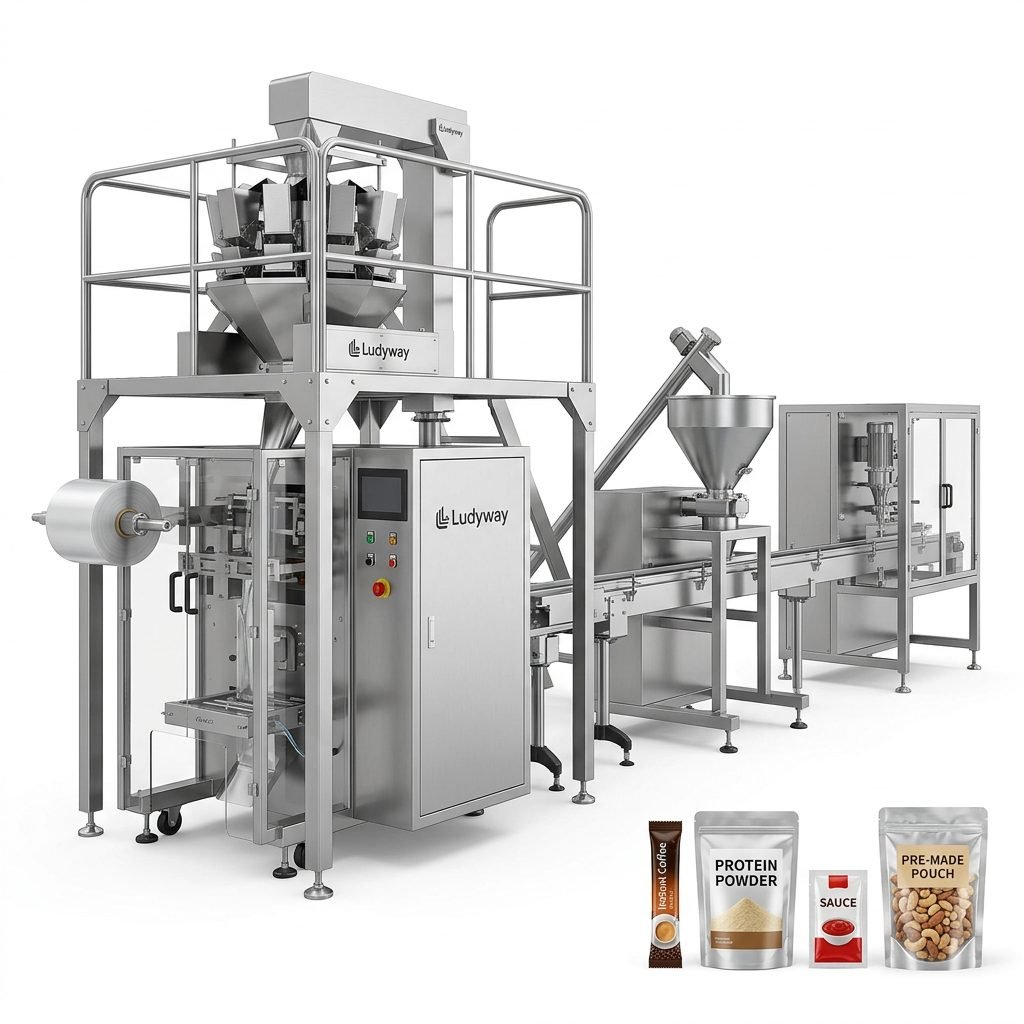
Selecting the right juice box packaging machine is a critical decision for any beverage producer. The efficiency, reliability, and output quality of your carton filling and sealing equipment directly impact your bottom line and product reputation. With numerous models and configurations available, from simple single-lane fillers to complex multi-head aseptic systems, making an informed choice requires a clear understanding of your production needs, technical specifications, and long-term operational goals. This guide will walk you through the essential factors to consider, ensuring you invest in machinery that maximizes productivity and aligns with your business strategy.
Understanding Your Production Requirements
Before diving into machine specifications, a thorough assessment of your operational needs is the first and most crucial step. This foundational analysis will guide every subsequent decision.
Key Questions to Define Your Scope
• Production Volume & Speed: What is your target output in packages per hour (PPH) or per minute (PPM)? Are you running a single shift or continuous 24/7 operations? This determines the required machine cycle speed and durability.
• Package Size & Format: What are the dimensions of your juice boxes (e.g., 200ml, 250ml, 1L)? Do you use standard gable-top cartons, sleek brick-style packs, or unique shapes? The machine must be compatible with your specific blank or pre-formed carton specifications.
• Product Characteristics: Is your juice pure, pulpy, contains particulates, or is it a sensitive probiotic blend? Viscosity, acidity, and presence of solids influence the type of filling system (e.g., volumetric, piston, gravity) and material contact parts.
• Automation Level: Do you need a fully automated line with robotic carton loading, filling, sealing, coding, and case packing, or a semi-automatic system where operators manually place blanks? The choice affects labor costs and overall line efficiency.
Pro Tip: Future-Proofing
Always plan for growth. Choose a machine with a 20-30% higher capacity than your current needs and one that can be easily reconfigured for different carton sizes. This flexibility prevents costly replacements down the line as your brand expands or you launch new product variants.
Core Components of a Juice Box Packaging Machine
A typical carton filling and sealing line comprises several integrated stations. Understanding each component’s role helps in evaluating the machine’s overall capability.
1. Carton Feeding & Forming System
This station takes flat, die-cut carton blanks and erects them into three-dimensional boxes. Look for systems with high-precision servo drives for gentle handling and minimal waste. A robust forming mandrel is essential for consistent box shape, especially for complex folds or reinforced corners.
2. The Filling System
The heart of the machine. The filling technology must ensure accuracy and hygiene.
- Volumetric Fillers: Ideal for free-flowing liquids. They use precisely calibrated pistons or chambers to dispense a set volume. Accuracy is typically within ±0.5%.
- Gravity/Pressure Fillers: Suitable for still juices. The product flows by gravity or low pressure into the carton, with sensors stopping the flow at the correct level. Good for preserving delicate textures.
- Aseptic Filling Systems: For long-shelf-life products without refrigeration. These involve sterile zones, hydrogen peroxide or steam sterilization of cartons, and ultra-clean filling under a sterile air canopy. This is a more complex and costly but essential technology for certain markets.
3. The Sealing System
This system creates a hermetic seal to prevent leakage and contamination. For gable-top cartons, ultrasonic or heated jaw sealers are common. They apply heat and pressure to the carton’s polyethylene layer. Ensure the system provides consistent temperature control and pressure to avoid weak seals or burned material.
4. Control & Human-Machine Interface (HMI)
A modern, intuitive touchscreen HMI is non-negotiable. It should allow for easy recipe changes (switching between different juice types and box sizes), real-time monitoring of production speed, fill accuracy, and diagnostic alerts. Machines with PLC (Programmable Logic Controller) and data logging capabilities facilitate quality control and OEE (Overall Equipment Effectiveness) tracking.
Critical Evaluation Criteria for Suppliers
Once you know your technical needs, evaluating the equipment supplier is equally important for long-term success.
Checklist for Vetting a Machinery Manufacturer
✔ Proven Industry Experience: Look for a supplier with a documented history in beverage packaging, particularly with juice products. They should understand the unique challenges of handling acidic and sometimes pulpy liquids.
✔ Quality of Construction & Materials: Inspect the machine’s build. Critical parts in contact with the product (like filler valves and piping) should be made of food-grade stainless steel (e.g., 316L). The frame should be robust to minimize vibration at high speeds.
✔ After-Sales Support & Service: This is paramount. Inquire about the availability of spare parts, on-site technician response time, and remote diagnostic support. A reliable partner like Ludyway Machinery, with over a decade of global service experience, ensures minimal downtime.
✔ Customization & Integration: Can the supplier tailor the machine to your specific factory layout or integrate it with your existing conveyors, coders, or case packers? Flexibility is a sign of engineering depth.
✔ References & Case Studies: Ask for contact information of current clients with similar applications. A reputable company will gladly provide references and detailed case studies from their company history.
Total Cost of Ownership (TCO) vs. Initial Price
Do not make the mistake of choosing based on the lowest purchase price alone. The true cost of a packaging machine is calculated over its entire operational lifespan.
Energy Consumption: Servo-driven machines are often more energy-efficient than older pneumatic models, leading to significant utility savings.
Material Waste: A machine with high precision in forming and filling drastically reduces giveaway (overfilling) and carton waste, saving on raw material costs.
Maintenance & Downtime: A robustly built machine from a quality-focused manufacturer may have a higher upfront cost but will require less frequent repairs and experience less unplanned downtime, which is far more expensive.
Ease of Operation & Cleaning: Machines designed for quick changeover (SMED principles) and easy CIP (Clean-in-Place) or manual cleaning reduce labor hours and increase productive run time.
FAQs: Common Questions About Juice Box Packaging Machines
1. What is the typical output speed range for these machines?
Speeds vary widely based on automation and carton size. Semi-automatic machines may output 500-1,500 boxes per hour. Fully automatic, rotary multi-head fillers can achieve speeds from 3,000 to over 10,000 boxes per hour for smaller formats.
2. Can one machine handle different carton sizes and shapes?
Yes, most modern machines are designed for quick changeover. However, this requires purchasing different size forming mandrels and filler nozzles, and reprogramming the PLC. Always confirm the changeover time and procedure with the supplier.
3. How important is the machine’s hygiene design?
Extremely important, especially for juice. Look for smooth, crevice-free surfaces on product contact parts, easy disassembly for cleaning, and compatibility with food-safe cleaning agents. For sensitive or high-acid juices, corrosion-resistant materials are a must.
4. What kind of maintenance schedule should I expect?
Daily cleaning and lubrication checks are standard. Planned preventive maintenance (PM) should be performed quarterly or semi-annually, depending on usage. A good supplier will provide a detailed PM schedule and checklist.
5. What training is provided with a new machine?
Reputable suppliers offer comprehensive on-site training for your operators, maintenance technicians, and line supervisors. This should cover operation, routine maintenance, troubleshooting, and safety procedures. Ensure this is included in your purchase agreement.