Choosing the right coffee vacuum packaging machine is a critical decision that directly impacts your product’s shelf life, aroma preservation, and overall brand quality. With the global coffee market expanding rapidly, manufacturers are under increasing pressure to deliver beans, grounds, and instant powders that taste as fresh as the day they were roasted. This buyer’s guide walks you through the essential technical specifications, material considerations, and industry standards to look for when investing in high-performance coffee packaging equipment.
Understanding the Role of Vacuum Packaging in Coffee Preservation
Coffee is highly hygroscopic and sensitive to oxygen. Once roasted, coffee beans begin releasing CO2 and absorbing moisture and surrounding odors. A proper vacuum sealing process eliminates oxidative degradation, preventing the loss of volatile aromatic compounds. According to the latest packaging state of the industry report, the demand for modified atmosphere and vacuum packaging is surging specifically due to consumer demand for premium, organic, and single-origin coffee varieties.
Without adequate vacuum pressure, coffee will stale within days. A dedicated coffee vacuum machine creates a nitrogen-flushed or compressed vacuum environment inside the bag, which is essential for locking in flavor and extending shelf life to months or even years.
Key Factors to Evaluate Before Purchasing
Not all vacuum packaging machines are created equal. The delicate nature of coffee products requires specific engineering features. Here are the primary criteria to evaluate:
Packaging Material Compatibility
The machinery must handle a wide range of flexible packaging structures, including aluminum foil laminates, metalized PET, and high-barrier PLA films. Depending on whether you are packing whole beans with sharp edges or fine espresso powder, the machine’s sealing jaws and vacuum chamber must be configured to prevent pouch punctures and powder contamination in the sealing area.
Production Speed and Automation Level
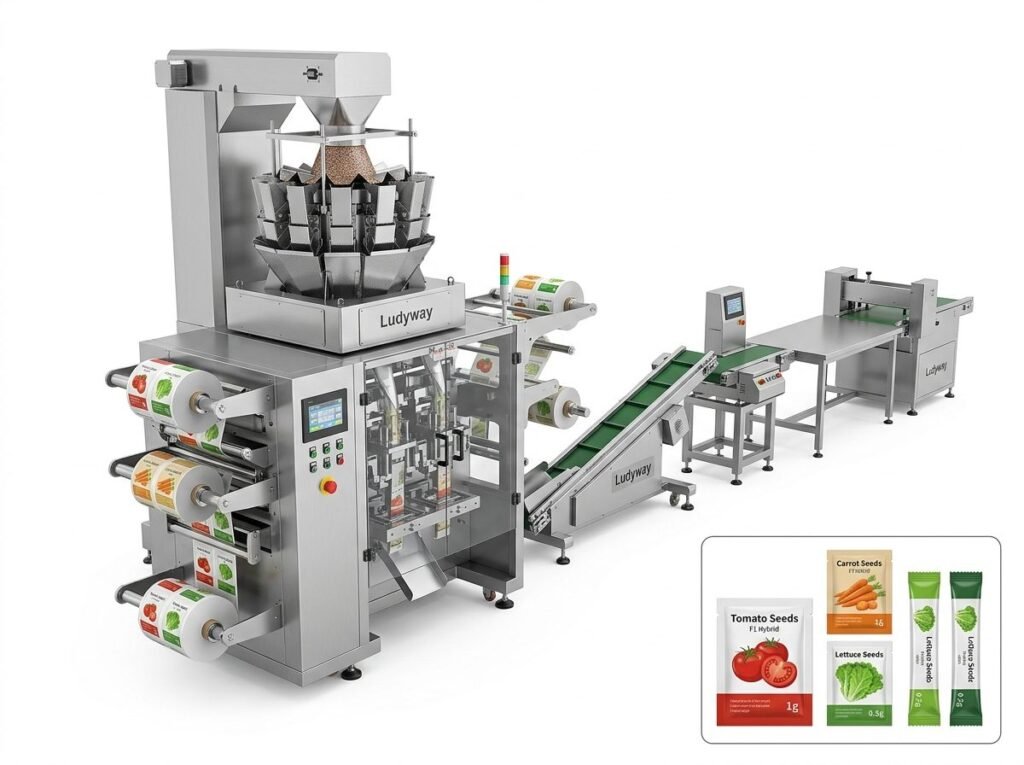
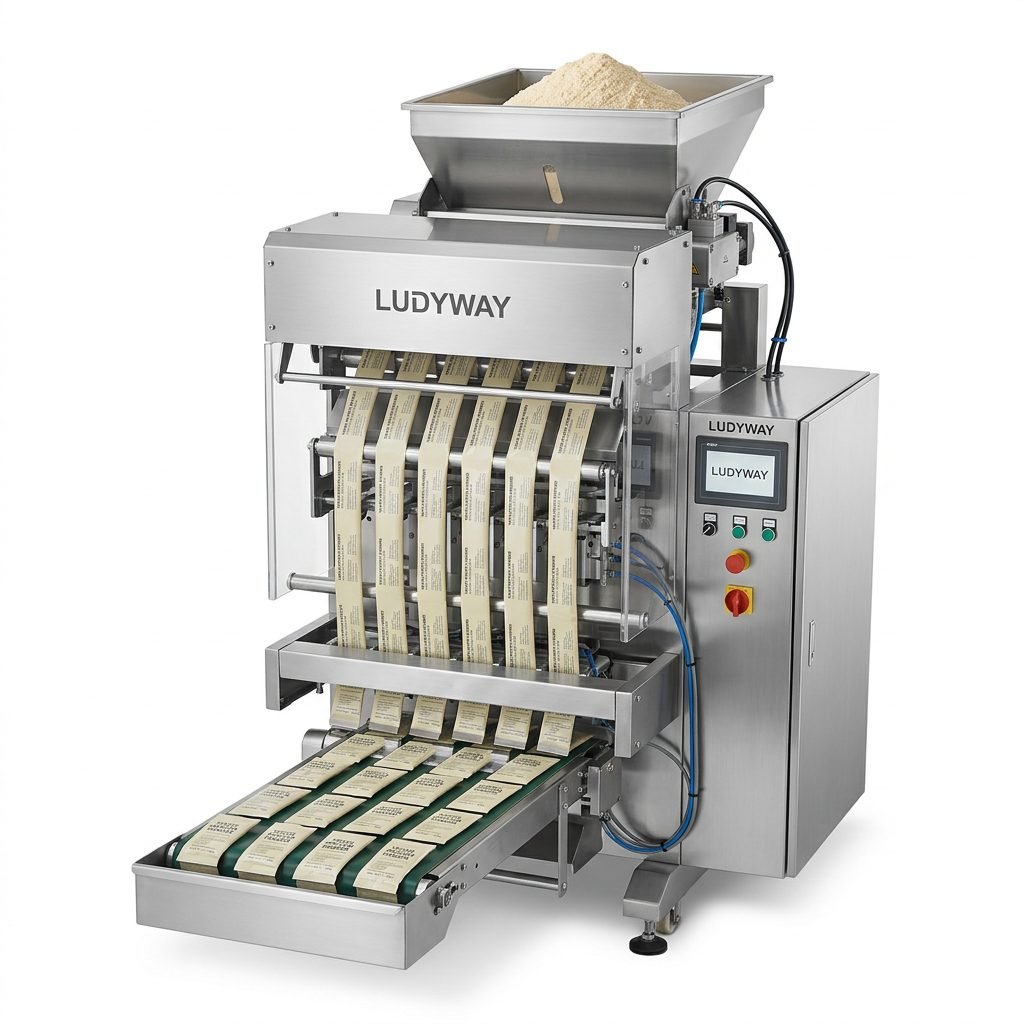
From small artisanal roasters to large-scale industrial plants, throughput is a decisive factor. A semi-automatic nozzle vacuum sealer might suffice for 5 bags per minute, but a fully automatic rotary vacuum system or a multi-lane vertical form-fill-seal (VFFS) machine is necessary for high-speed lines requiring 60 to 120 packs per minute. Full automation not only reduces labor costs but also minimizes human error in the sealing process.
Seal Integrity and Gas Flushing Options
Post-sealing leakage tests are vital. Look for machines that offer double-impulse sealing technology and gas-flushing (nitrogen injection) capabilities. This ensures that delicate coffee pillows or bricks remain compact and oxygen-free. The ability to precisely control the vacuum pressure prevents the crushing of whole beans during the air extraction phase.
Machine Footprint and Factory Layout
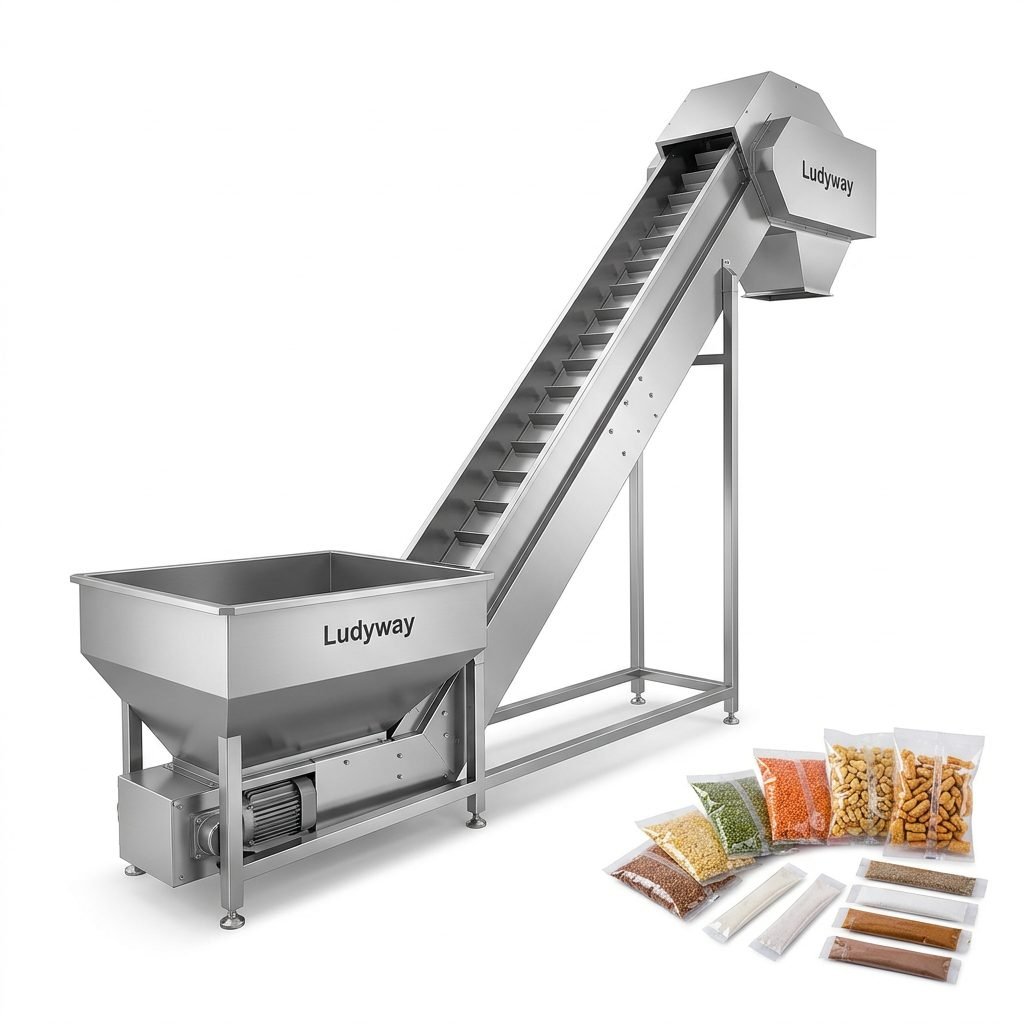
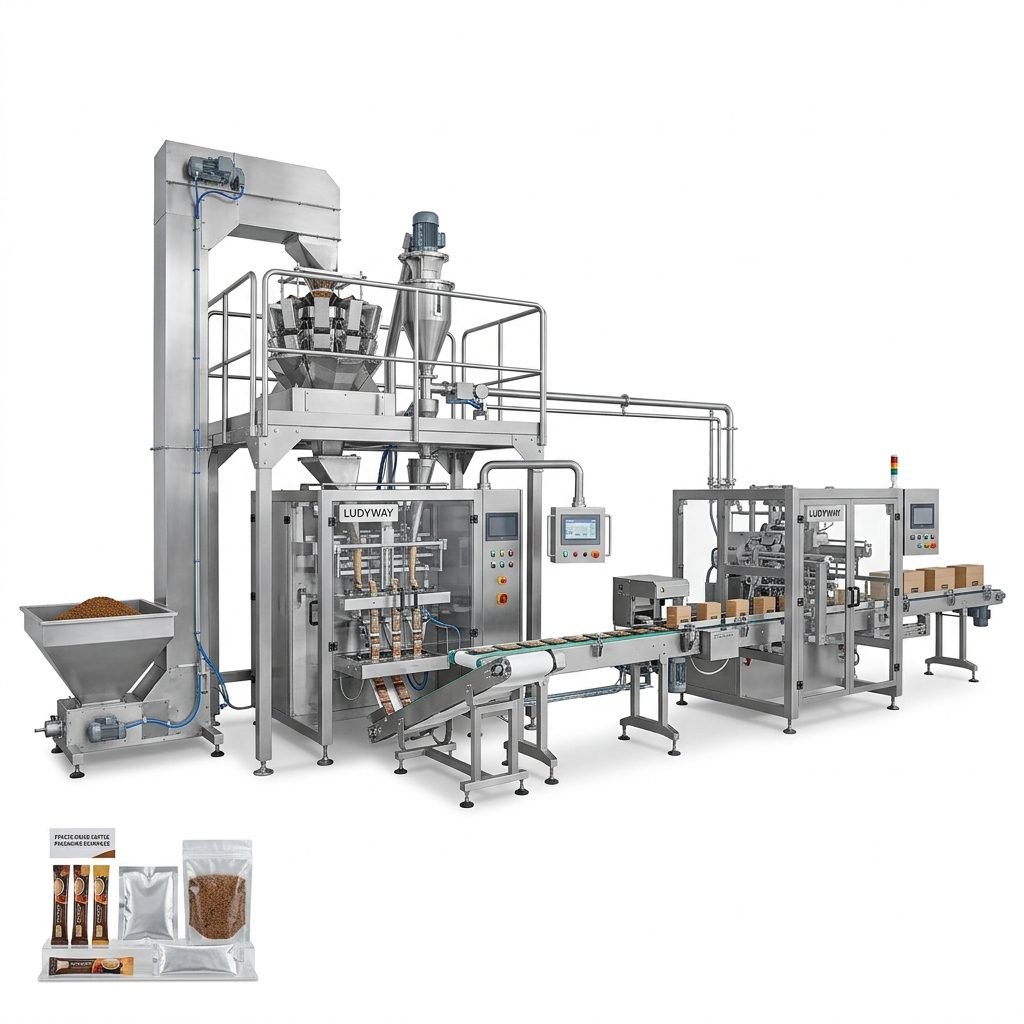
Even the most advanced machine is useless if it doesn’t fit your production floor. Compact modular systems are available for smaller facilities, while elongated, fully integrated lines suit larger factories. Ensuring the machine’s discharge height aligns with your existing conveyor systems or check-weighers is crucial for seamless integration.
Comparing Different Types of Coffee Vacuum Machines
The table below breaks down the most common types of vacuum packaging machinery utilized in the coffee industry, outlining their specific applications and advantages.
| Machine Type | Ideal For | Key Advantage | Typical Output |
|---|---|---|---|
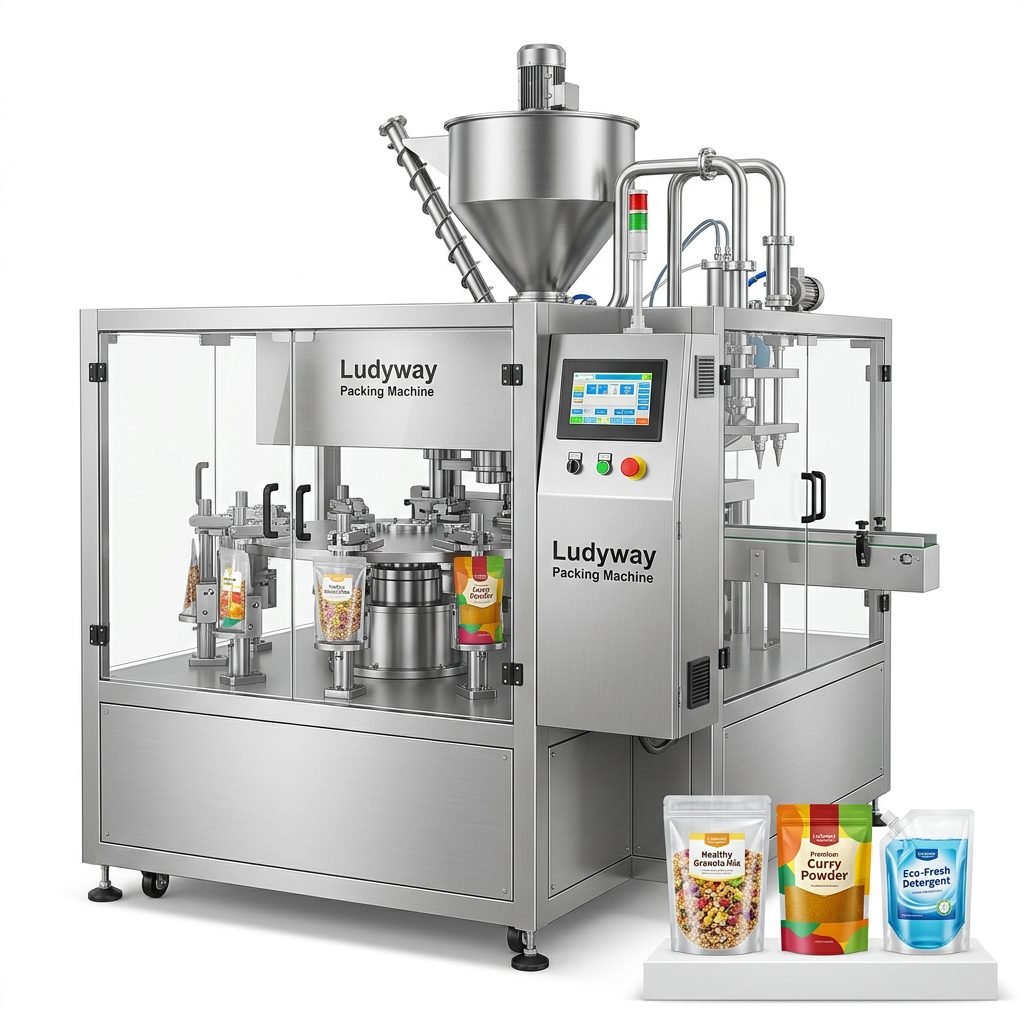
| Rotary Premade Pouch Machine | Whole Beans / Ground Coffee | Excellent vacuum depth, sturdy seal | 40 – 70 packs/min |
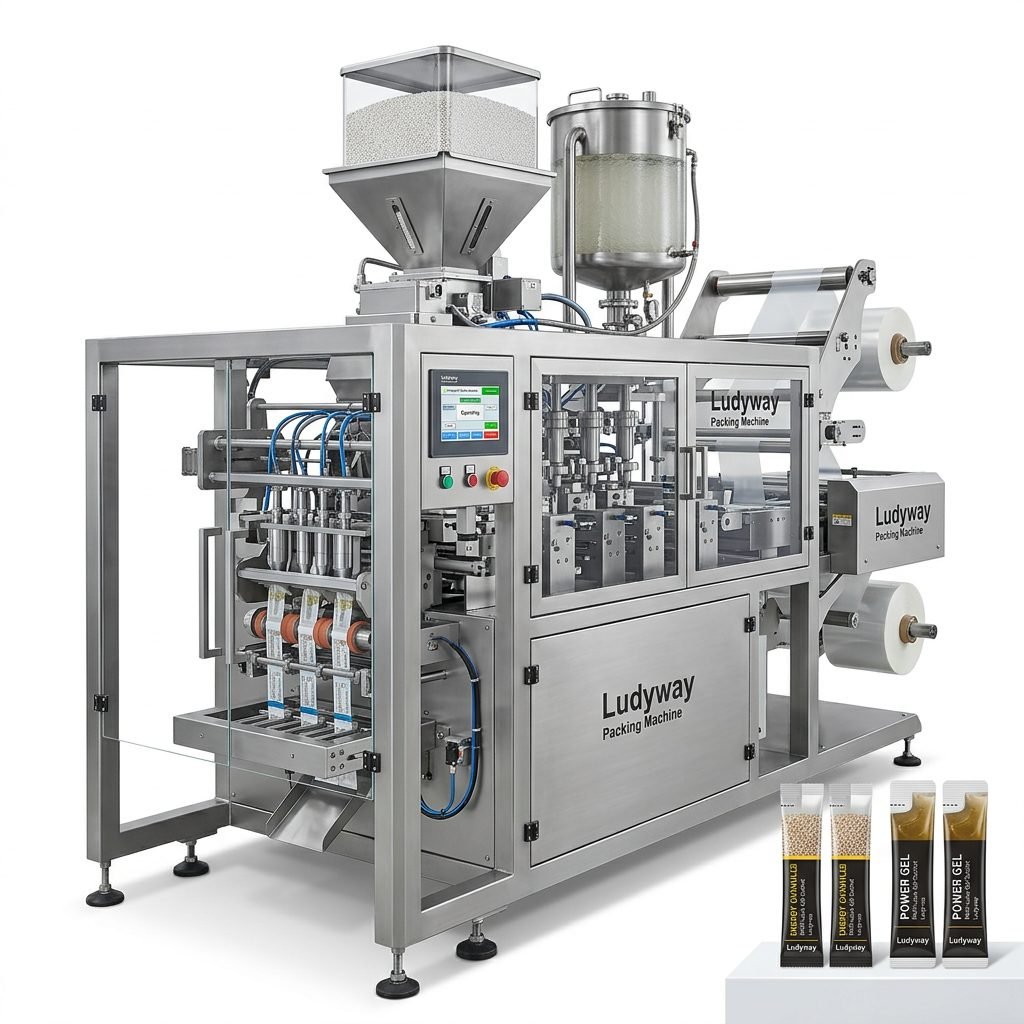
| Vertical Form-Fill-Seal (VFFS) | Ground / Instant Powder | Integrated bag-making, high-speed | 60 – 150 packs/min |
| Chamber Vacuum Packer | Bulk / Gourmet Coffee | Ultra-low residual oxygen levels | 15 – 40 packs/min |
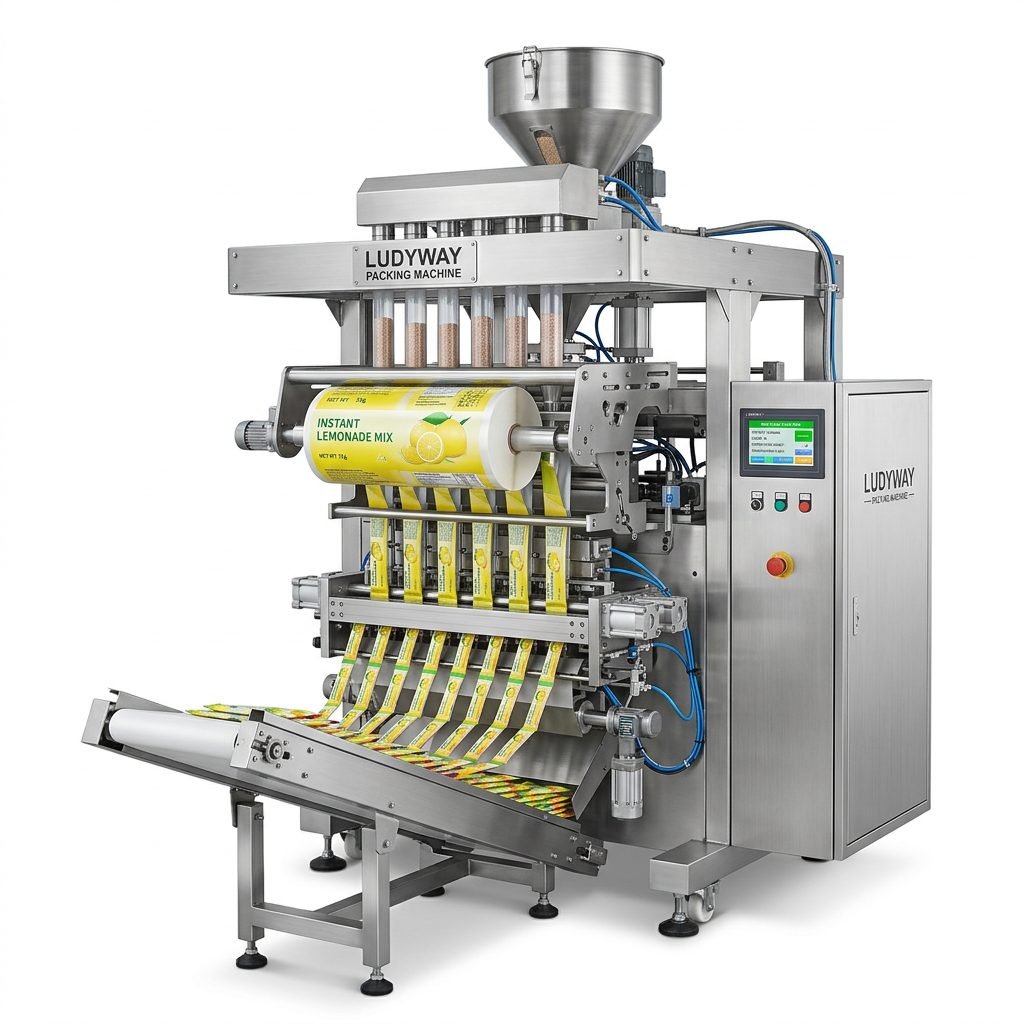
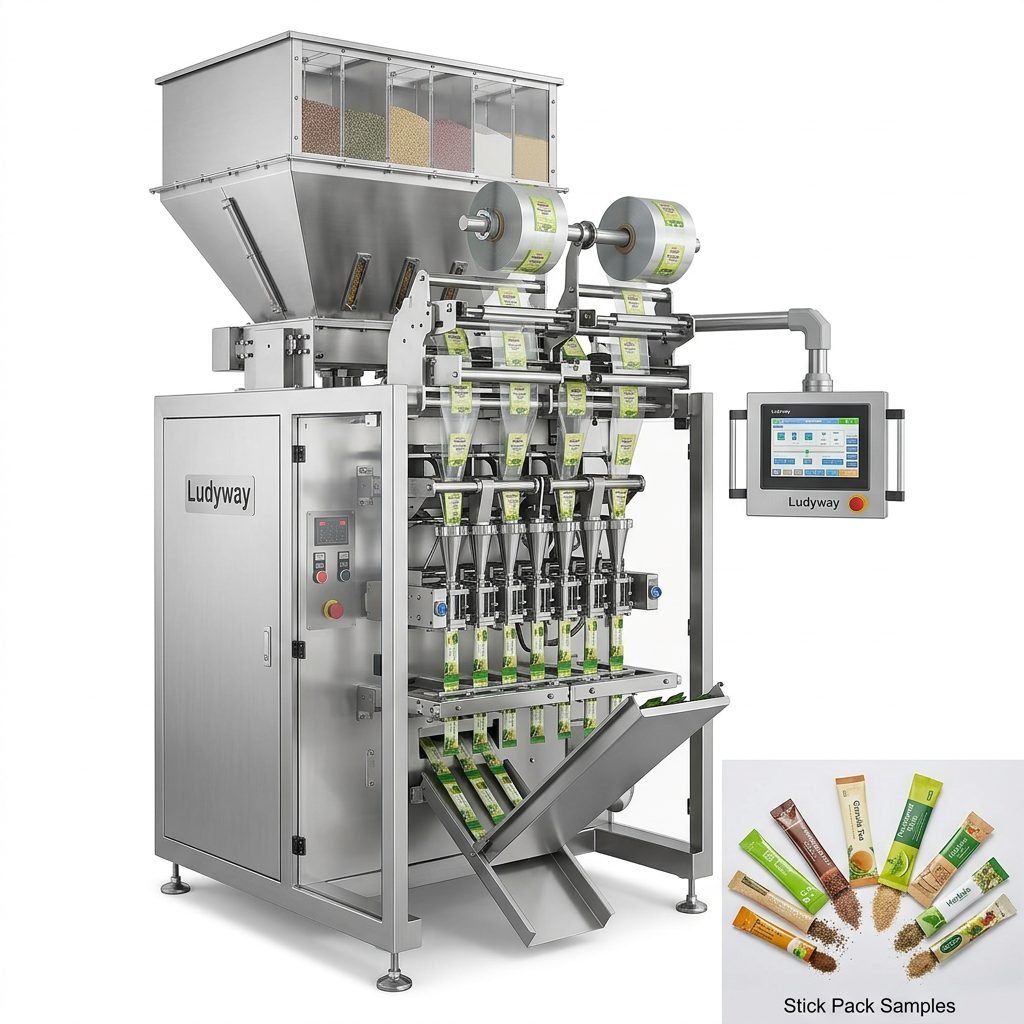
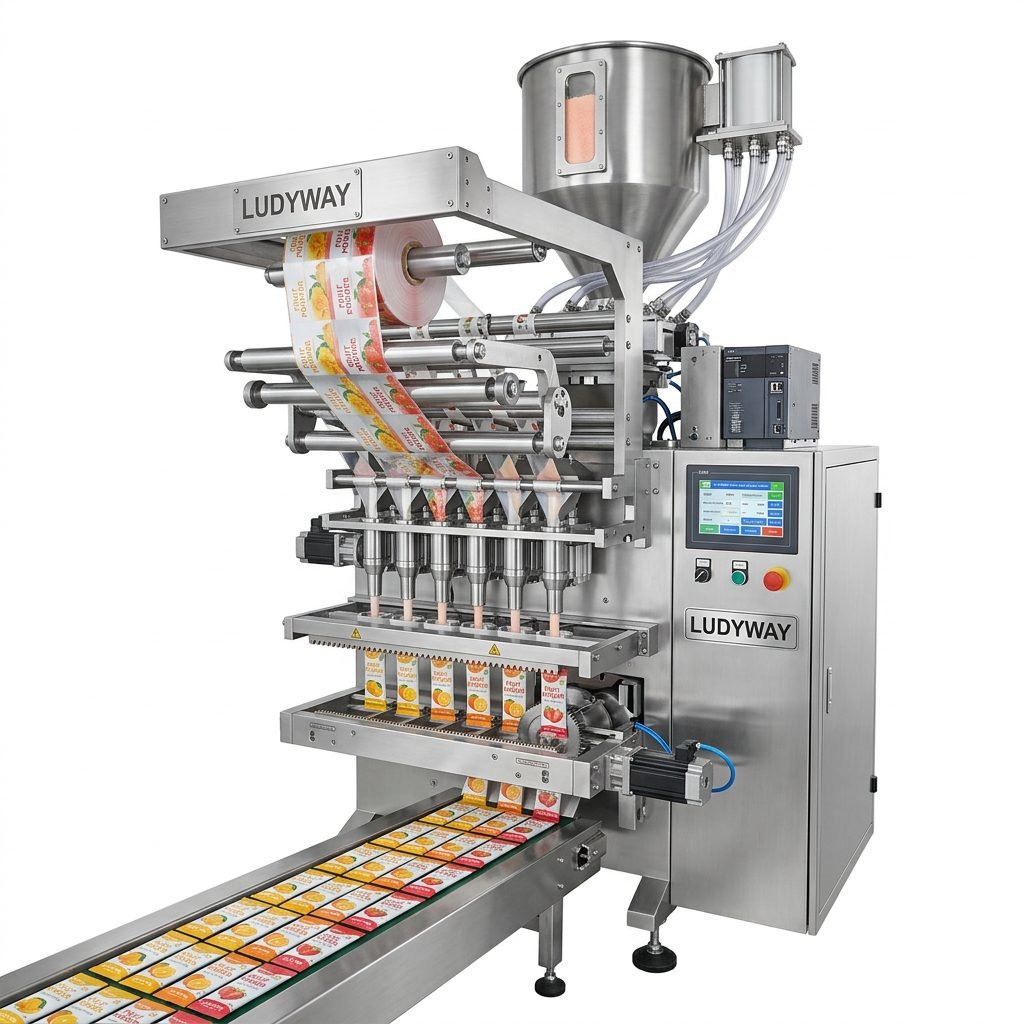
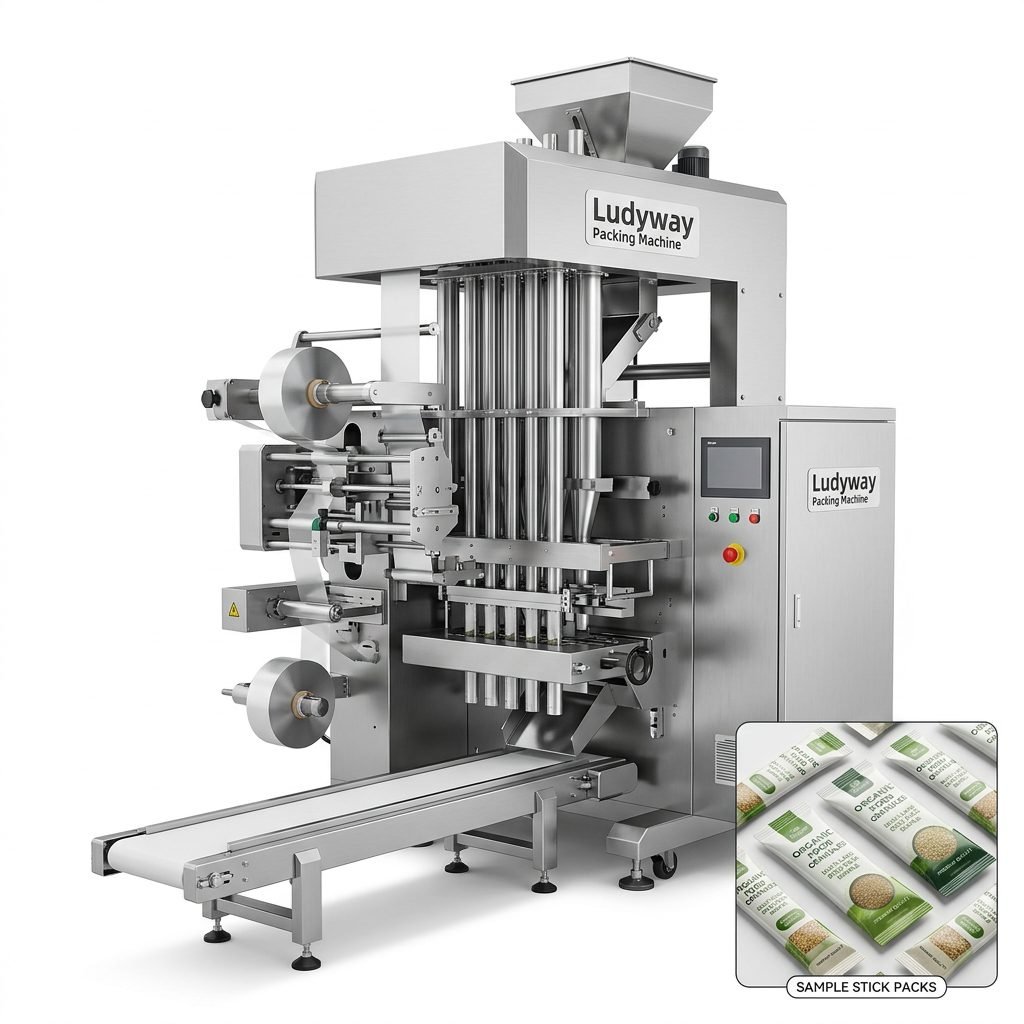
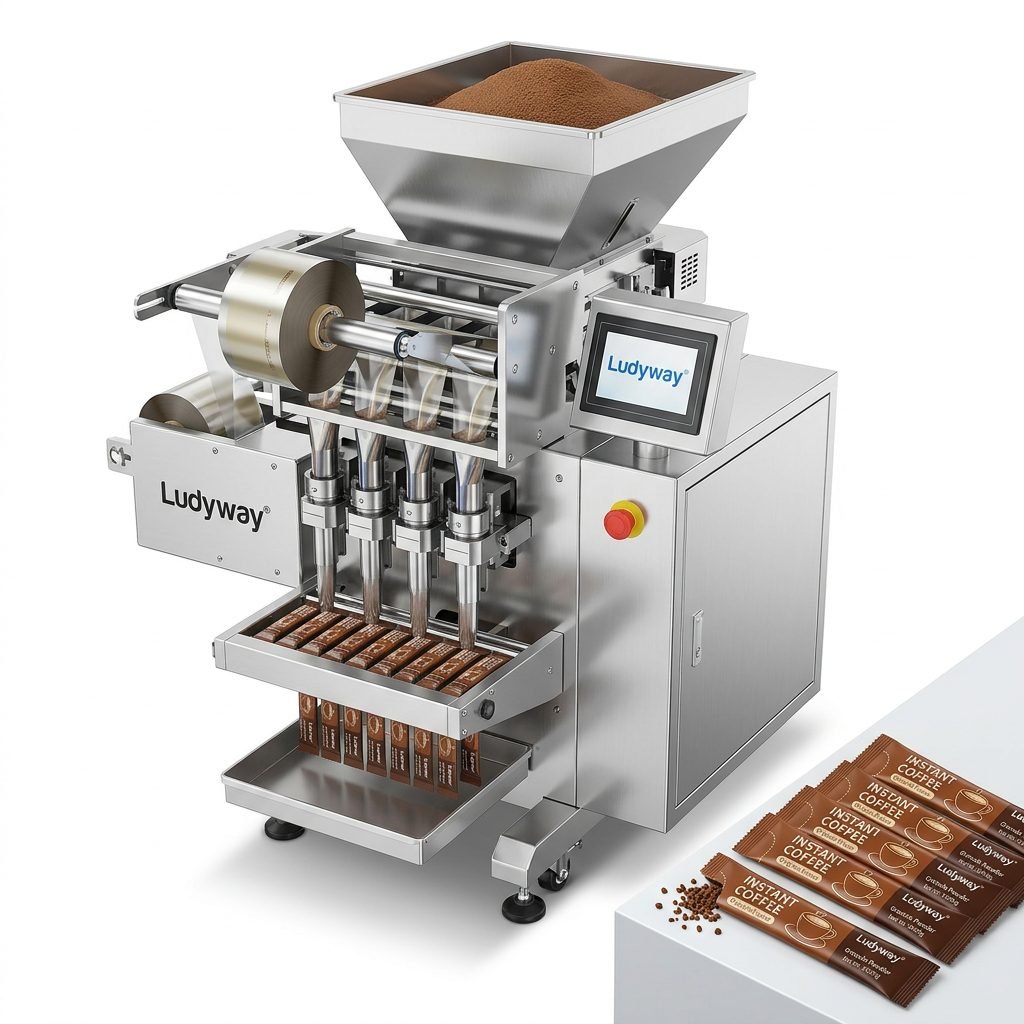
| Multi-Lane Stick Pack System | Instant / Single-Serve Sticks | Compact format, high material efficiency | 200+ packs/min |
Critical Technical Features to Consider
When narrowing down your options, focus on the hardware that determines long-term reliability:
- Vacuum Pump Quality: German or Italian dry pumps tend to offer longer life and higher vacuum rates compared to standard oil pumps.
- Sealing Jaw Design: Heated sealing bars with consistent temperature control prevent “leakers” and ensure a smooth, unwrinkled finish.
- PLC and Human-Machine Interface (HMI): A user-friendly touchscreen should allow for multiple recipe settings, making product changeovers possible in under 5 minutes.
- Stainless Steel Construction: Given the oily nature of coffee, the machine’s contact parts must be food-grade stainless steel to avoid corrosion and facilitate easy cleaning.
Compliance and International Standards
Exporting packaged coffee to global markets requires strict adherence to safety and quality regulations. Your machinery should be designed to work in compliance with the FDA guidelines for food contact substances. Furthermore, the mechanical safety and validation protocols should align with ISO packaging standards, ensuring that your sealed coffee meets global hygiene and hazard analysis critical control point (HACCP) requirements. CE and GMP certifications on the machine itself are non-negotiable for protecting both the product and the production staff.
Integrating Your Machine with a Reliable Manufacturing Partner
Purchasing a coffee vacuum packaging machine is not just a transaction; it is the start of a long-term production relationship. Rather than working with a simple trading company, securing a manufacturer with in-house engineering capabilities is vital. For instance, Ludyway Machinery provides a unique advantage in this space, combining over 30 years of packaging industry experience with a vast 20,000-square-meter facility. This allows coffee producers to access customized turnkey solutions, complete with integration, commissioning, and global after-sales support, all from a single experienced partner.
Frequently Asked Questions
Can a single machine handle both whole beans and ground coffee?
Yes, but it requires flexible tooling. The dosing and vacuum levels differ significantly. A machine equipped with a volumetric cup filler for beans and an auger filler for grounds, along with adjustable vacuum pressure settings, can efficiently run both products on the same line with minimal changeover time.
How important is gas flushing for coffee?
For products requiring a soft “pillow” appearance rather than a brick-like hard vacuum, gas flushing (usually with nitrogen) is essential. It replaces the oxygen with an inert gas to prevent the vacuum from crushing fragile items or piercing sharp-edged beans while still preserving freshness.
What maintenance schedule is required?
Daily cleaning of the vacuum chamber and sealing area is mandatory to prevent coffee oil buildup. A preventative maintenance schedule for the vacuum pumps and air filters should follow the manufacturer’s guidelines, typically every 500 operational hours, to ensure consistent seal integrity over years of use.