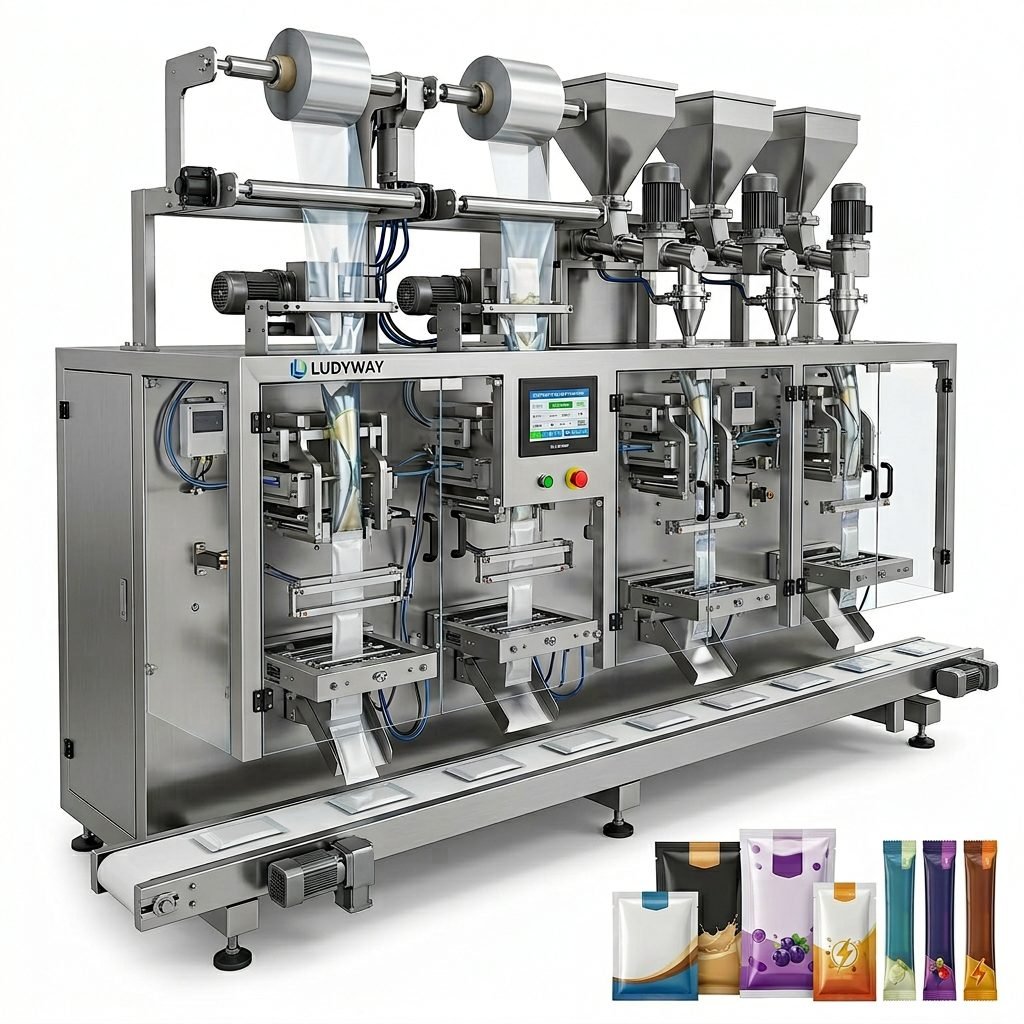
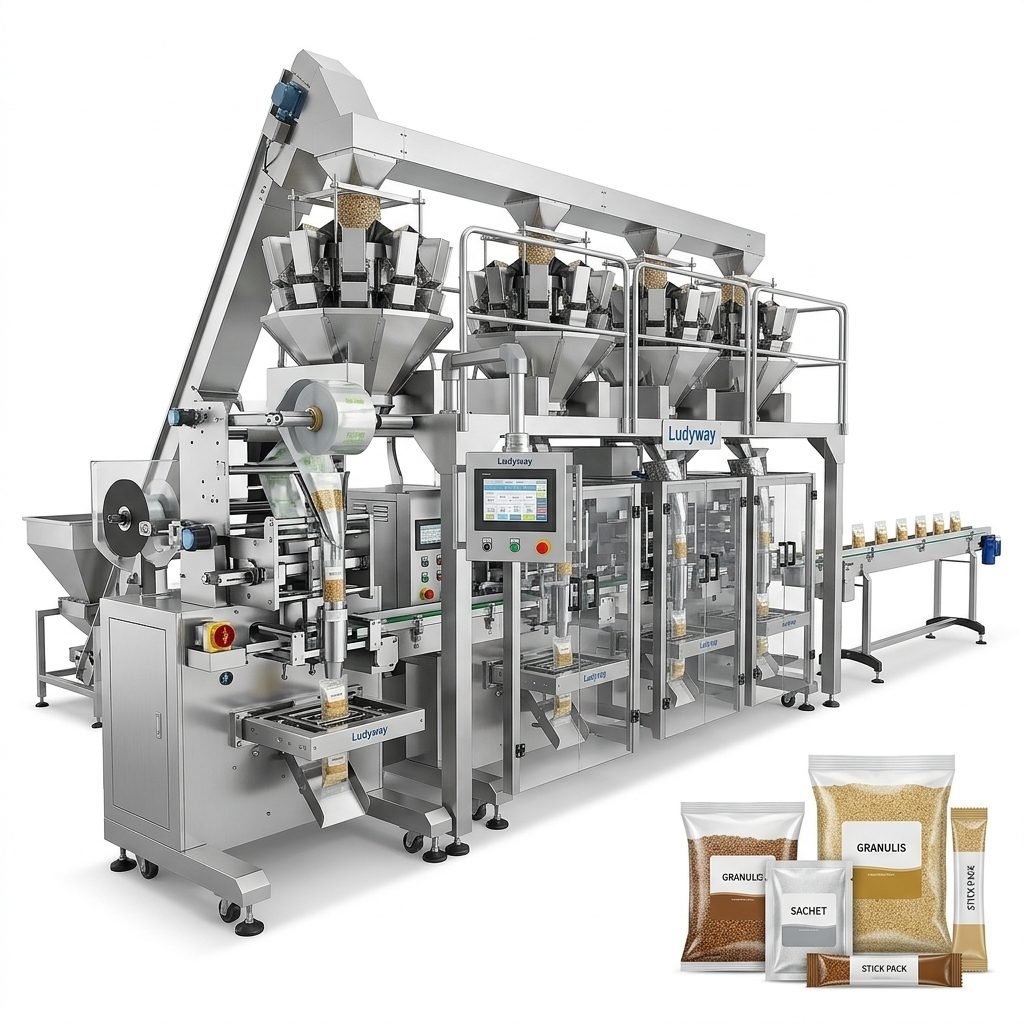
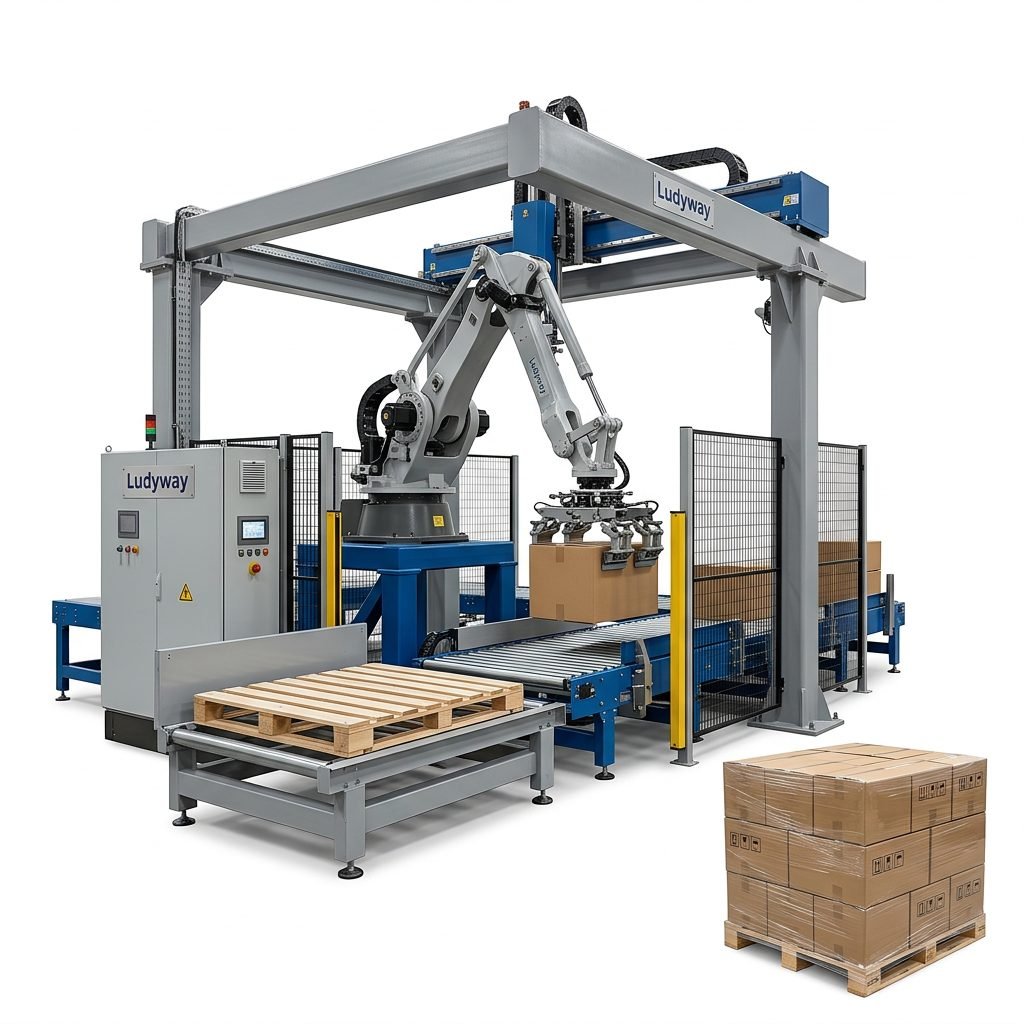
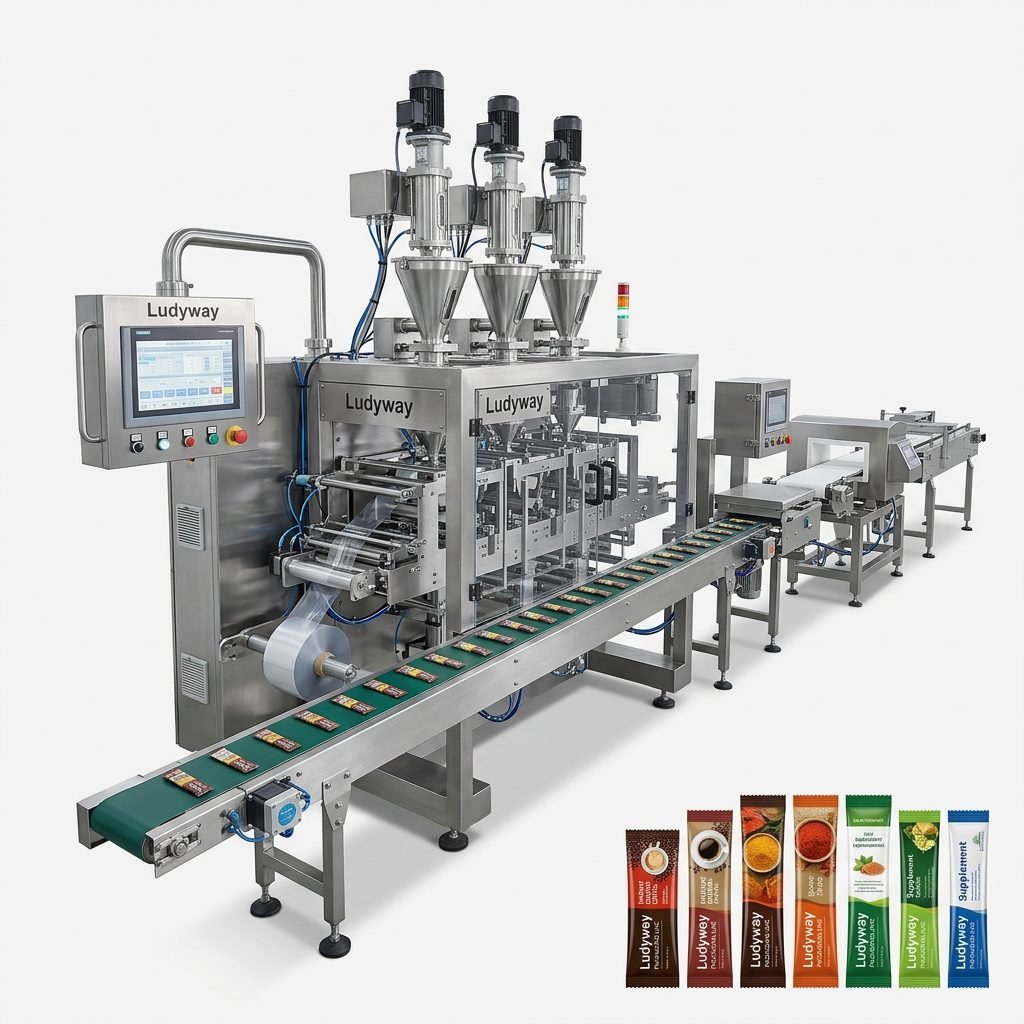
Investing in a water pouch filling machine is a critical decision for manufacturers in the packaged water industry. Whether you are producing sachet water for emerging markets or branded flexible water pouches for retail distribution, the right equipment directly impacts your production efficiency, product quality, and long-term profitability. This buyer’s guide walks you through the essential factors to evaluate before making a purchase, helping you select a machine that matches your operational goals and budget.
Understanding Water Pouch Filling Machine Types
Before comparing specifications, it is important to understand the different machine configurations available. Water pouch filling equipment generally falls into three main categories based on automation level and production capacity:
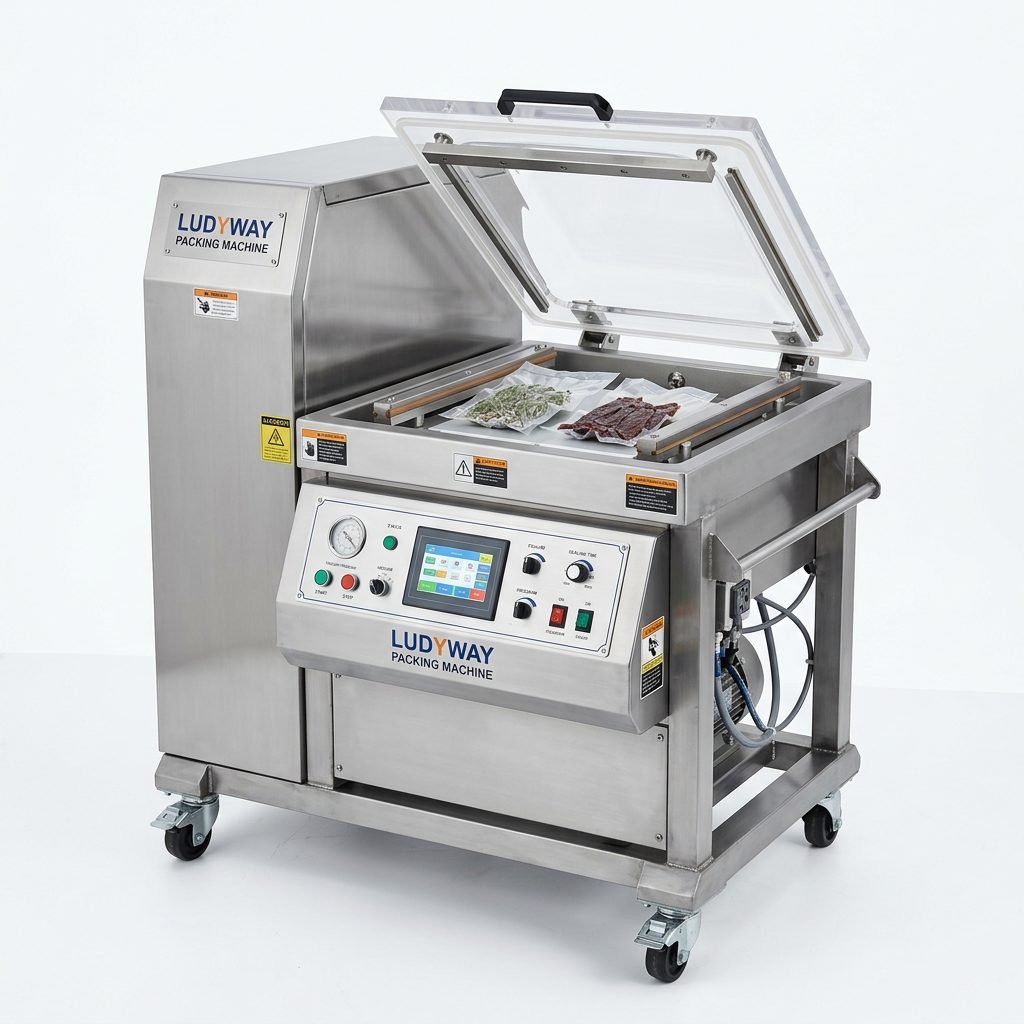
- Manual and Semi-Automatic Machines – Suitable for small-scale operations or startups with lower output requirements. Operators handle pouch placement, filling initiation, and sealing steps. These systems offer a lower upfront cost but require more labor and deliver slower throughput.
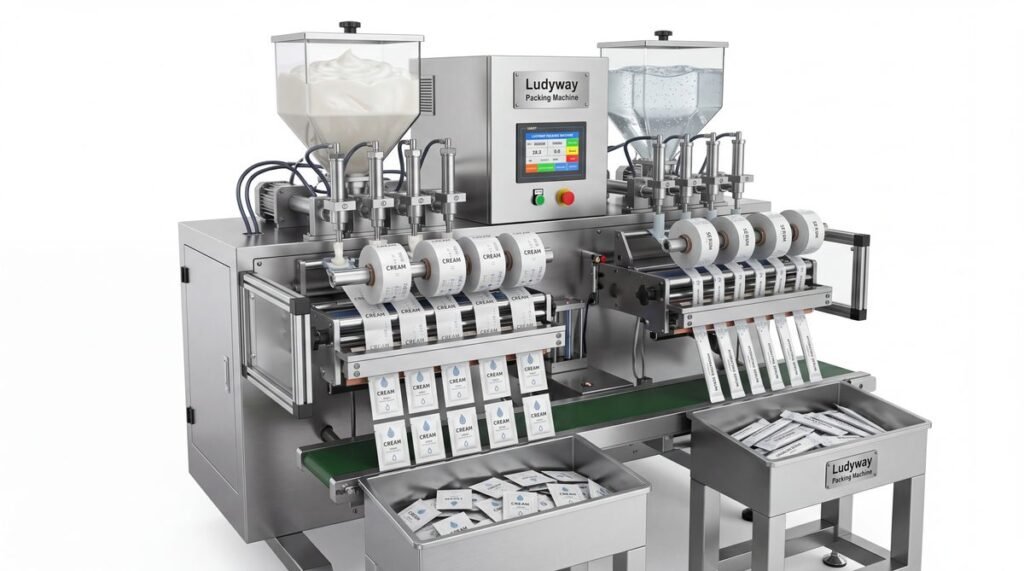
- Fully Automatic Single-Lane Machines – Designed for mid-range production volumes with one lane of continuous filling and sealing. These units automate the entire form-fill-seal process with minimal operator intervention and consistent fill accuracy.
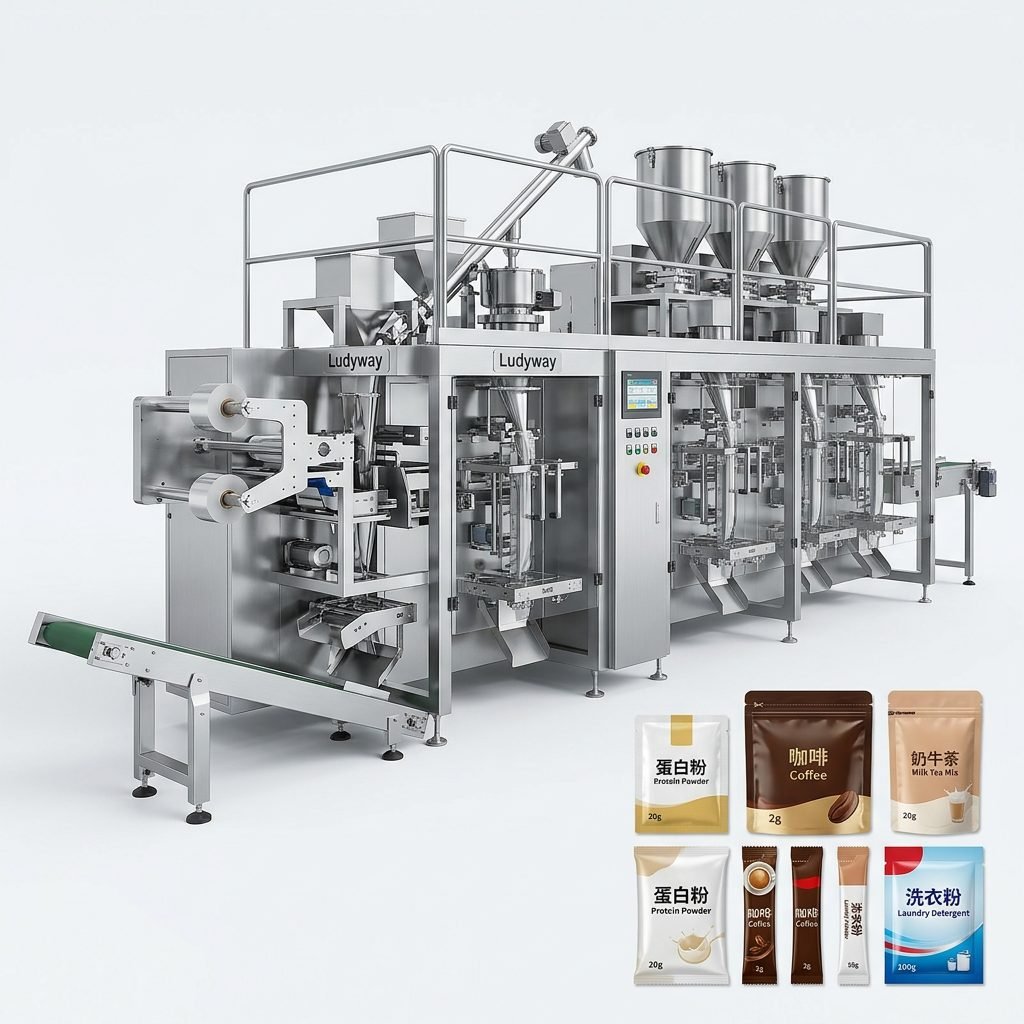
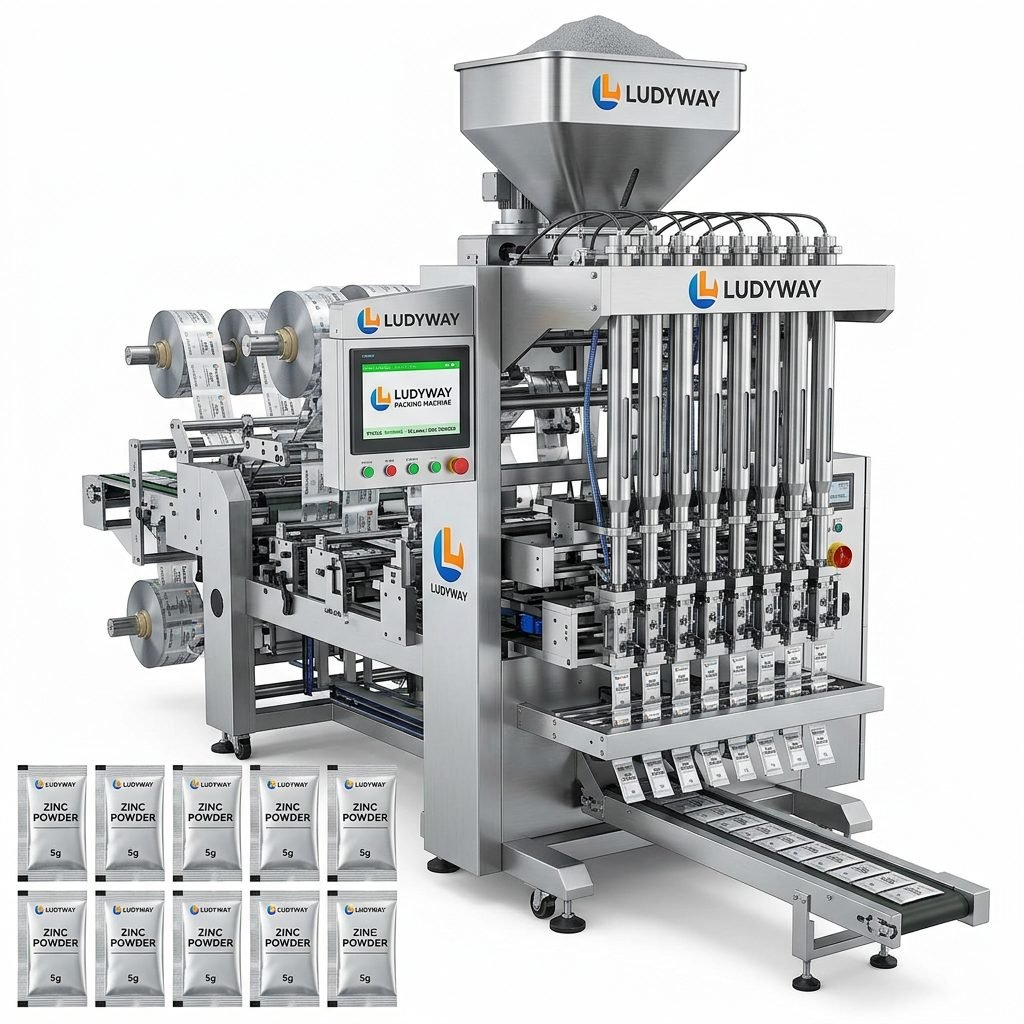
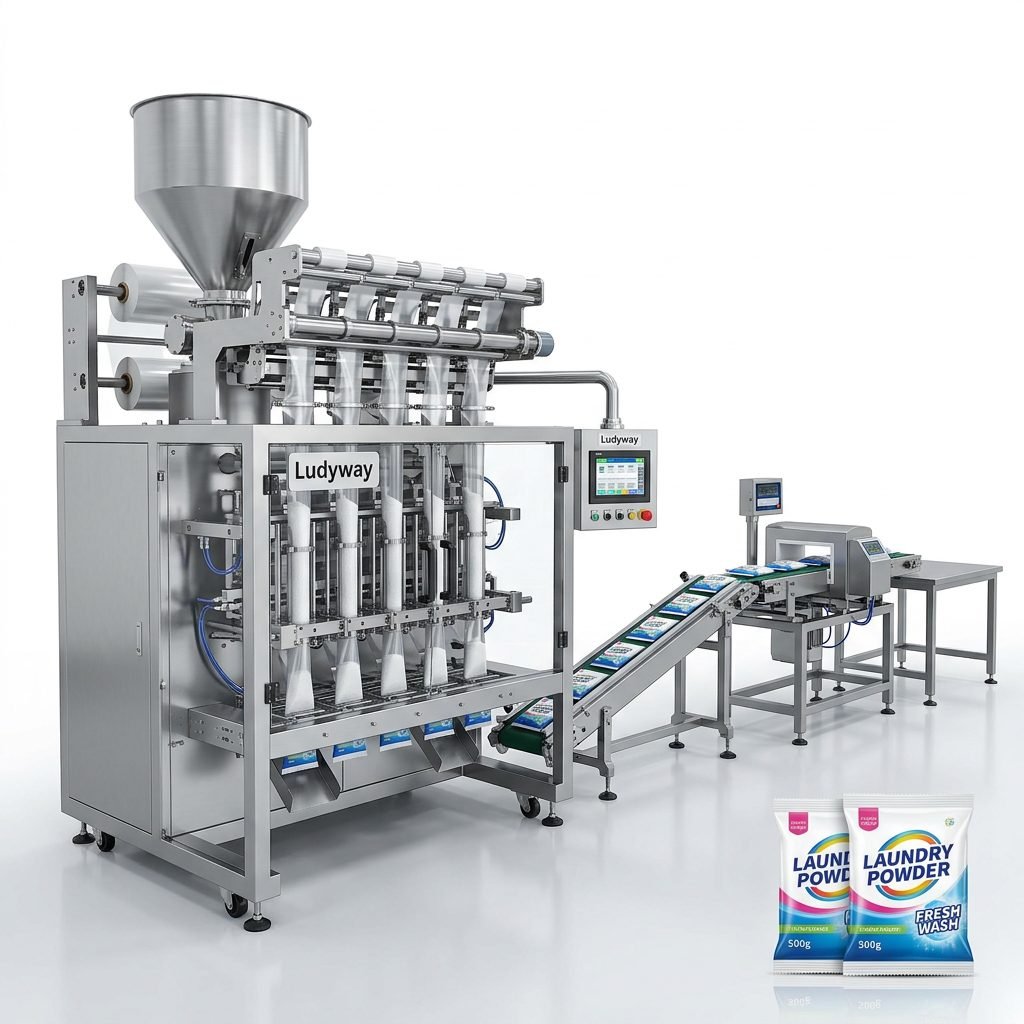
- Multi-Lane High-Speed Systems – Built for large-scale water packaging operations, running multiple lanes simultaneously. These machines can produce hundreds of pouches per minute and are ideal for manufacturers looking to maximize output and reduce per-unit packaging costs. For an overview of market trends driving high-speed equipment, refer to the PMMI State of the Industry Reports that track packaging machinery growth globally.
Key Factors to Evaluate Before Buying
Purchasing a water pouch filling machine requires more than comparing price tags. The following criteria should guide your evaluation to ensure the machine aligns with your production environment and business objectives:
1. Production Speed and Capacity
Your current and projected daily output should determine the speed rating you need. Machines are typically rated in pouches per minute (PPM) or liters per hour. A single-lane automatic machine may process 30 to 60 PPM, while multi-lane systems can exceed 200 PPM. Choose a machine that meets your peak demand without operating constantly at maximum speed, which can accelerate wear on components. The 2026 Packaging State of the Industry report highlights the growing demand for scalable equipment that can adapt to fluctuating production volumes.
2. Pouch Specifications and Film Compatibility
Water pouches come in various sizes, materials, and seal types. Verify that the machine handles your specific pouch dimensions, film thickness, and material structure. Common water pouch films include LDPE, HDPE, and multi-layer laminates. The machine’s sealing temperature range, jaw design, and pressure control must be compatible with your chosen packaging material to prevent leaks, weak seals, or film damage. The Flexible Packaging Association provides valuable guidance on film selection and material performance for liquid packaging applications.
3. Filling Accuracy and Hygiene Standards
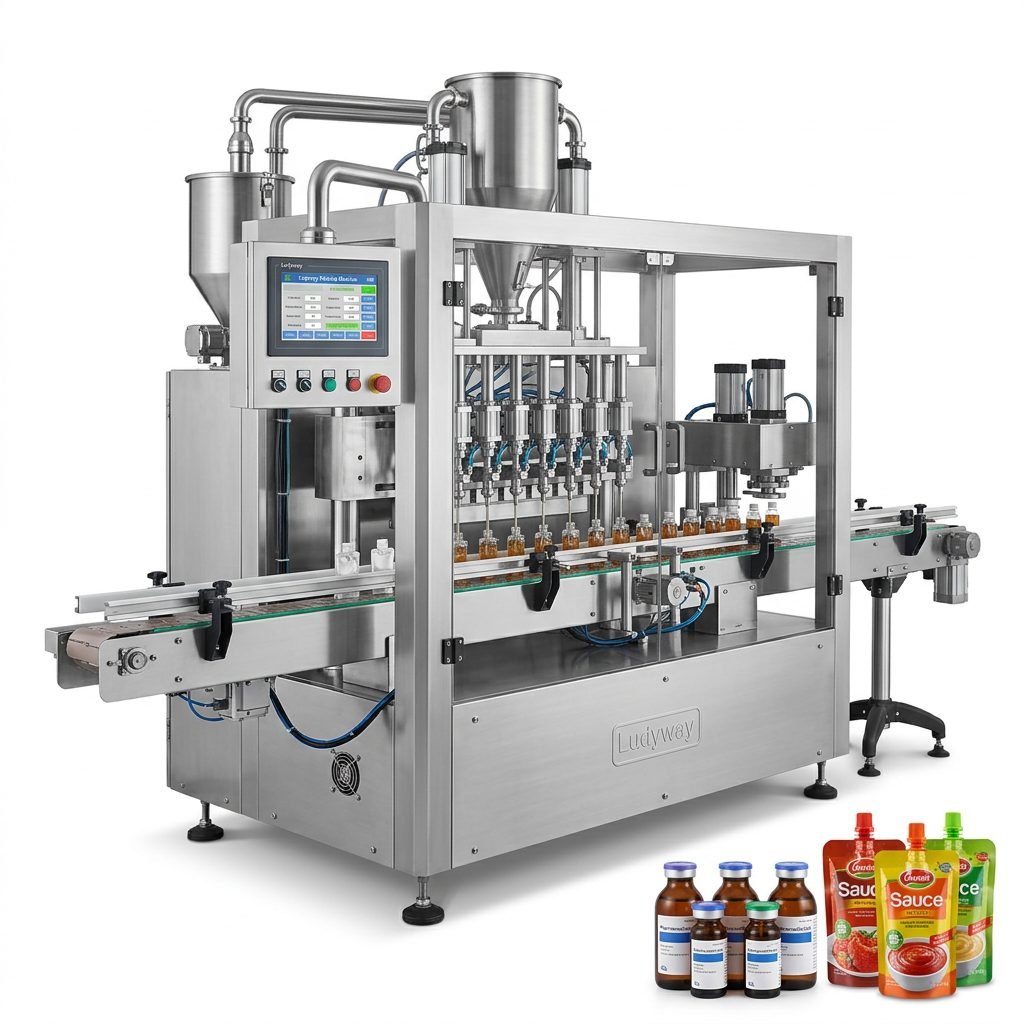
Consistent fill volumes are essential for regulatory compliance and cost control. Look for machines with volumetric filling systems, flow meter controls, or piston fillers that deliver precise measurements with minimal product waste. For water intended for human consumption, the machine must be constructed from food-grade stainless steel and designed for easy cleaning and sanitation. Compliance with FDA food packaging regulations and relevant ISO packaging standards is non-negotiable for manufacturers exporting to regulated markets.
Comparing Key Technical Specifications
The table below summarizes the critical technical parameters to compare when evaluating different water pouch filling machines. Use this as a reference framework during supplier discussions:
| Specification | What to Look For | Why It Matters |
|---|---|---|
| Filling Range | 100ml to 1,000ml typical per pouch | Must match your product portfolio |
| Pouch Width | 50mm to 250mm adjustable range | Flexibility for multiple SKU sizes |
| Sealing Type | Heat seal, ultrasonic, or impulse | Determines seal integrity and film compatibility |
| Speed Rating | 30–200+ pouches per minute | Aligns with production volume targets |
| Material Construction | 304 or 316 food-grade stainless steel | Hygiene, corrosion resistance, and longevity |
| Control System | PLC with touchscreen HMI | Ease of operation and parameter adjustment |
| Power Requirements | Single-phase or three-phase as per site | Must match your facility’s electrical supply |
| Air Consumption | Specified in CFM at working pressure | Impacts compressor sizing and operating cost |
Automation and Integration Capabilities
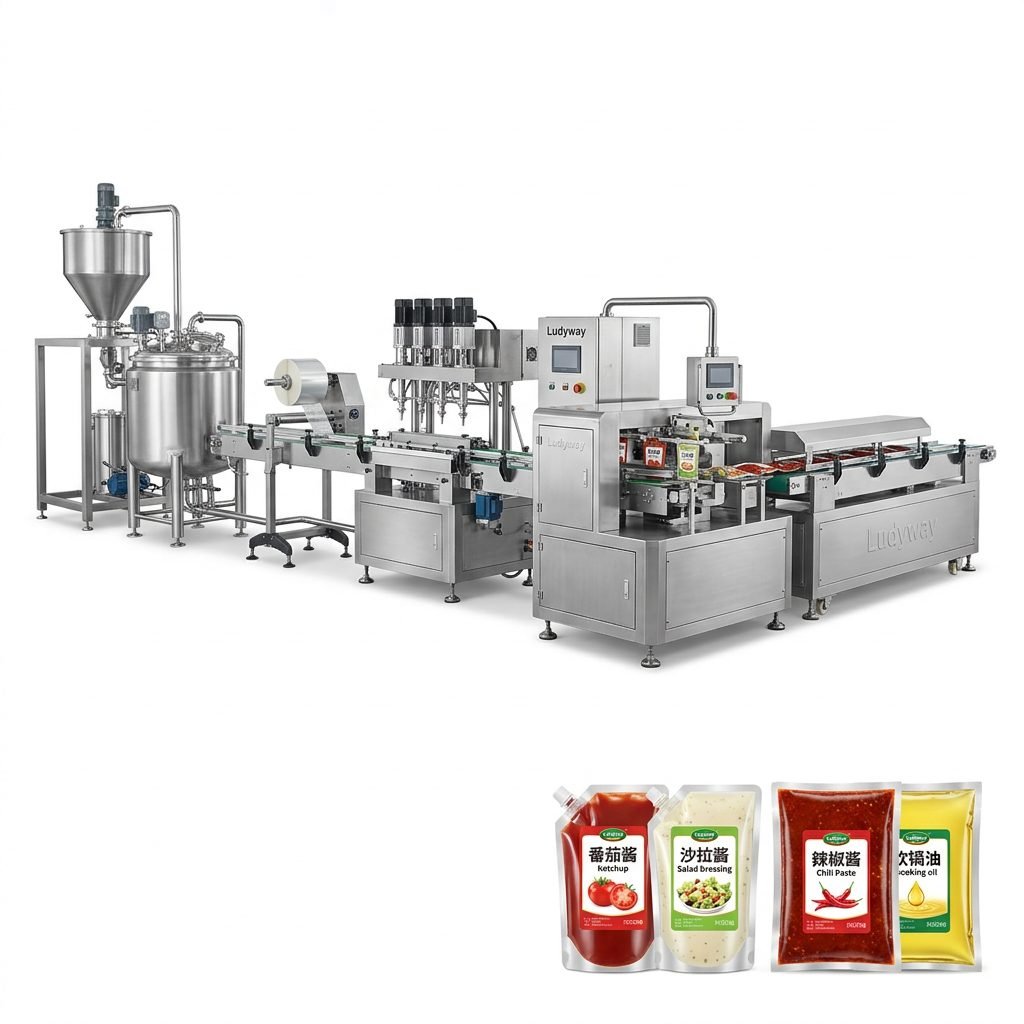
Modern water pouch filling machines often integrate with upstream and downstream equipment to form a complete packaging line. Consider whether your machine can connect with water treatment systems, automatic pouch feeding modules, date coding printers, conveyor systems, and cartoning or case packing machines. A machine that supports modular expansion allows you to scale operations without replacing core equipment. Integrated systems reduce manual handling, minimize contamination risks, and improve overall line efficiency.
Maintenance, Spare Parts, and After-Sales Support
Even the most robust water pouch filling machine requires regular maintenance to sustain performance. Before committing to a supplier, verify the availability of spare parts, the responsiveness of technical support, and the scope of warranty coverage. Key questions to ask include:
- Are critical wear components such as sealing jaws, heating elements, and filling nozzles readily available for quick replacement?
- Does the supplier offer remote technical assistance, on-site service, or operator training programs?
- What is the typical lead time for replacement parts shipped to your location?
- Is comprehensive documentation, including electrical schematics and maintenance manuals, provided in your preferred language?
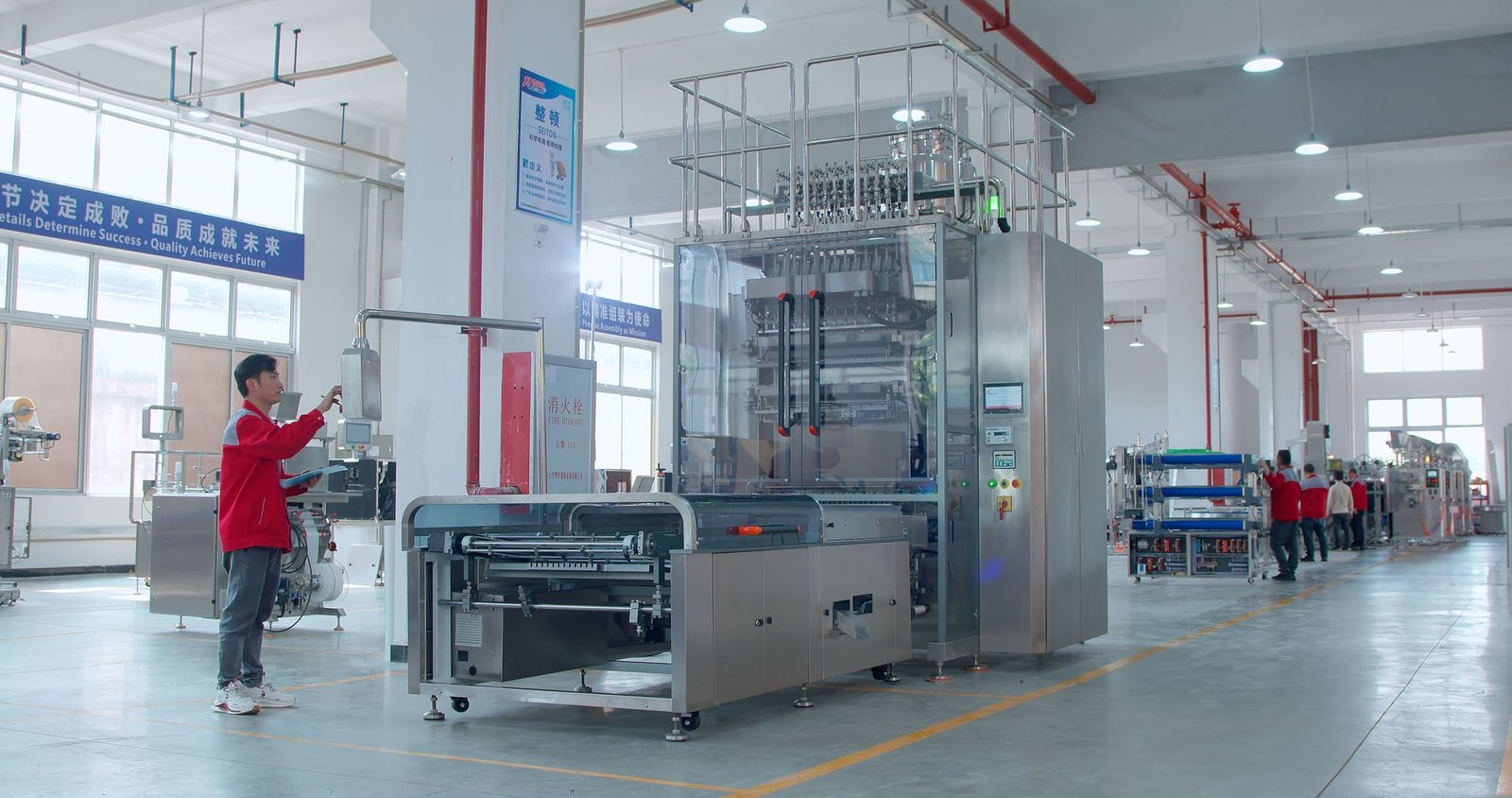
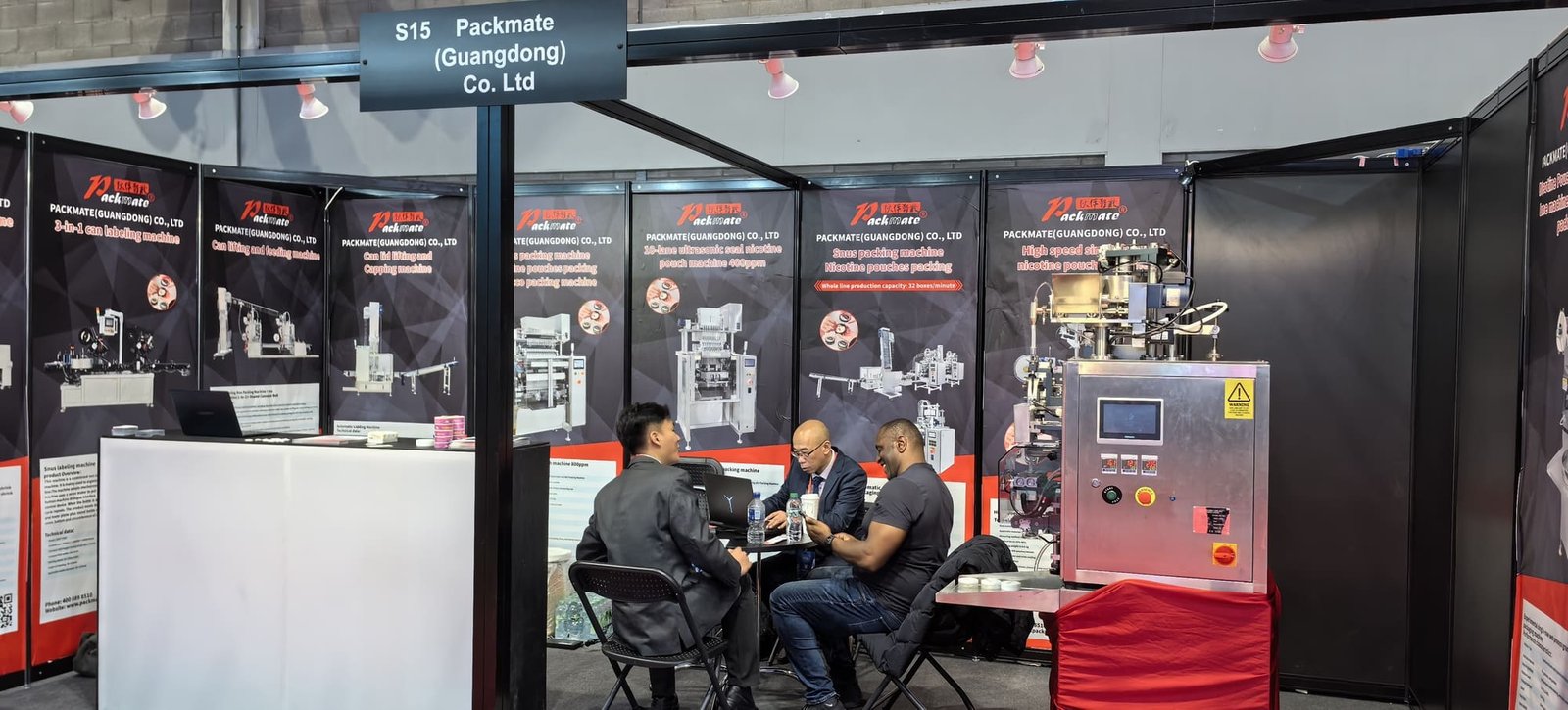
Choosing a supplier with a proven track record and established service infrastructure can prevent costly downtime. For instance, Ludyway Machinery, a China-based packaging machinery manufacturer with over 30 years of experience and a 20,000-square-meter manufacturing facility, provides technical support throughout the project lifecycle, from machine selection and installation to commissioning, operator training, and after-sales service. The PMMI packaging industry resources also offer guidance on evaluating supplier capabilities and service commitments.
Regulatory Compliance and Certification
Water packaged for human consumption is subject to stringent regulatory oversight in most markets. Your filling machine must facilitate compliance with applicable standards. Key considerations include:
- Food Contact Materials: All product-contact surfaces must meet relevant food safety regulations. The FDA guidance on food contact substances provides detailed requirements for the U.S. market, while the European Commission packaging regulations outline requirements for EU compliance.
- Machine Safety Standards: Equipment should incorporate safety features such as emergency stops, guarding, and electrical safety certifications appropriate for your region.
- Validation Documentation: For pharmaceutical or medical-grade water packaging, machines may require IQ/OQ/PQ validation protocols in line with ISO 11607 packaging standards.
Energy Efficiency and Operating Costs
Beyond the initial purchase price, evaluate the total cost of ownership (TCO) over the machine’s expected lifespan. Energy consumption for heating elements, pneumatic systems, and motors can vary significantly between models. Machines with energy-efficient sealing technologies, optimized air consumption, and regenerative drive systems can reduce ongoing operational expenses. Additionally, consider film waste rates during startup and changeover, as excessive material waste adds to per-unit packaging costs over time.
Making the Final Decision
Selecting the right water pouch filling machine involves balancing production requirements, budget constraints, space limitations, and future growth plans. A systematic approach to evaluation—comparing specifications, visiting supplier facilities when possible, reviewing customer references, and assessing after-sales support—reduces risk and increases the likelihood of a successful investment. For broader market context, the Flexible Packaging Association Knowledge Hub provides ongoing updates on packaging trends that may influence equipment selection.
Ultimately, the best machine is one that fits your product, meets your compliance obligations, delivers reliable output, and is backed by a supplier committed to supporting your operation long after installation. Take the time to evaluate multiple options, request detailed proposals, and prioritize features that directly impact your product quality and production efficiency. For actionable insights on packaging machinery investment strategies, explore the PMMI Business Intelligence Library and the recent industry growth analysis that underscores the accelerating adoption of automated packaging solutions worldwide.