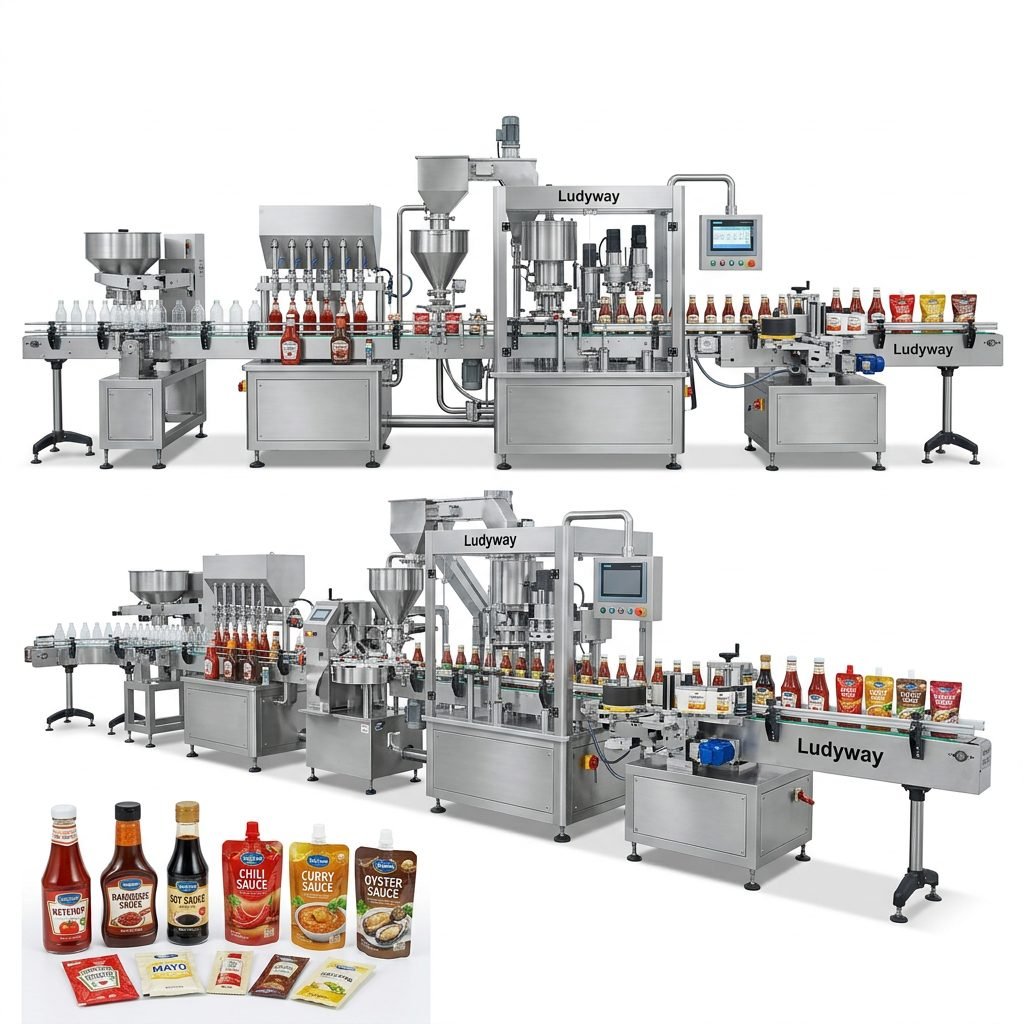
Selecting the right food packaging machine for the Lesotho market requires a clear understanding of local industry needs, product types, and operational scale. Whether you are packaging maize meal, sugar, tea, spices, or powdered beverages, the equipment you choose must deliver consistent quality, efficiency, and compliance with both local and international standards. This guide walks you through the essential considerations to help you make an informed purchasing decision.
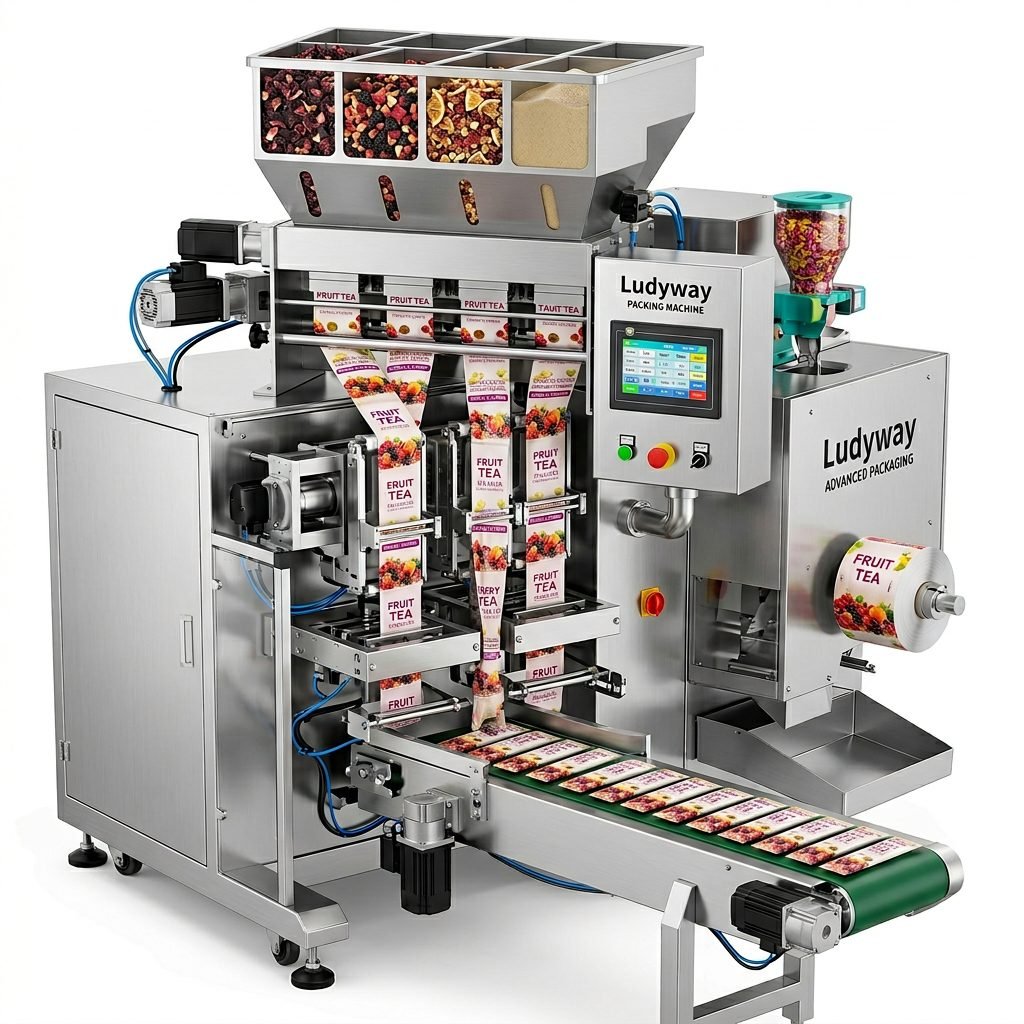
Understanding the Lesotho Food Packaging Landscape
Lesotho’s food processing sector is steadily growing, driven by increasing demand for conveniently packaged consumer goods. From small-scale producers serving local markets to larger manufacturers exporting within the Southern African Customs Union (SACU), the need for reliable packaging solutions has never been greater. The most commonly packaged food products in Lesotho include grains, flour, sugar, salt, spices, dried foods, and powdered drinks. Each product category demands specific machine capabilities — from dosing precision to seal integrity — making it critical to match the machine to your product characteristics.
As the market evolves, businesses are increasingly looking for packaging machinery that can handle multiple formats, including stick packs, sachets, and pouches, while maintaining high throughput and minimal downtime. Understanding these market trends is the first step toward choosing equipment that will support long-term growth.
Key Factors to Evaluate When Choosing a Packaging Machine
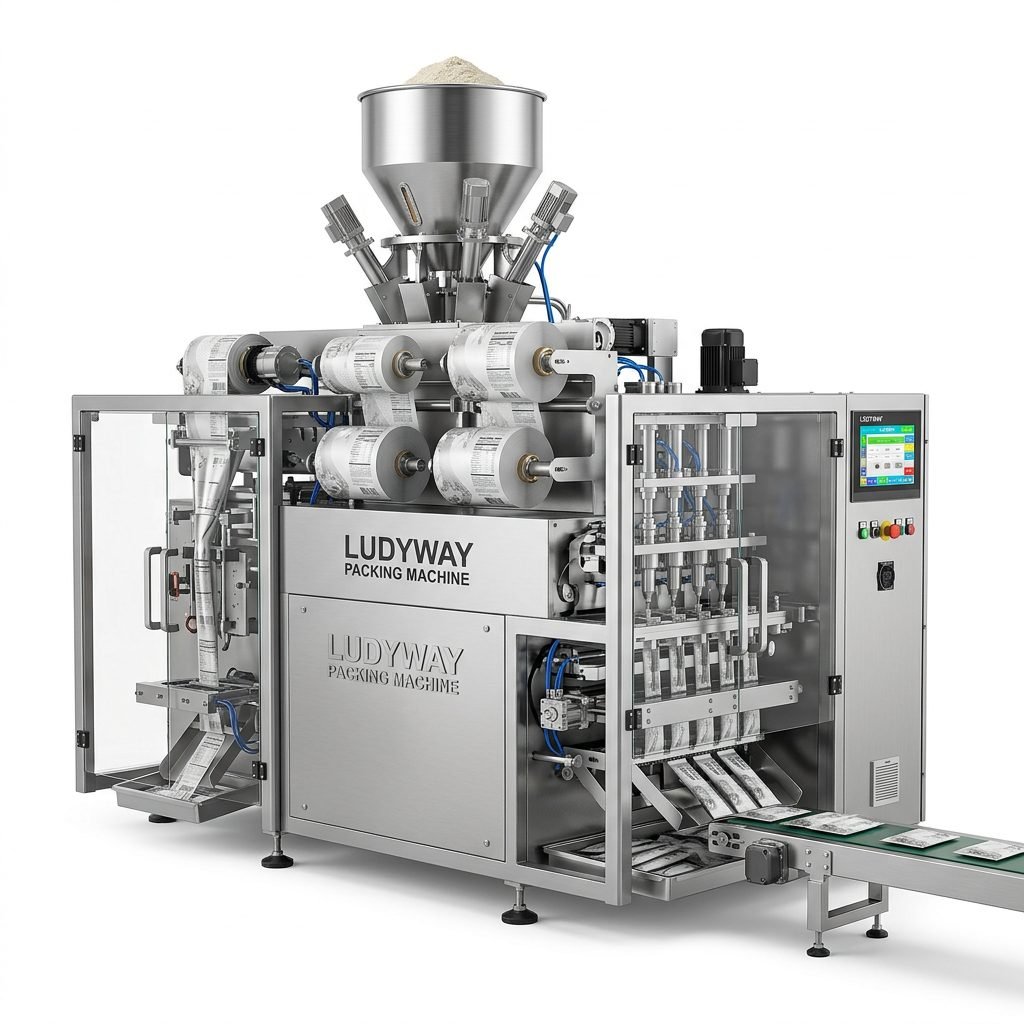
Before investing in a packaging machine for the Lesotho market, consider the following critical factors. Each one directly impacts your production efficiency, product quality, and return on investment.
1. Product Type and Physical Characteristics
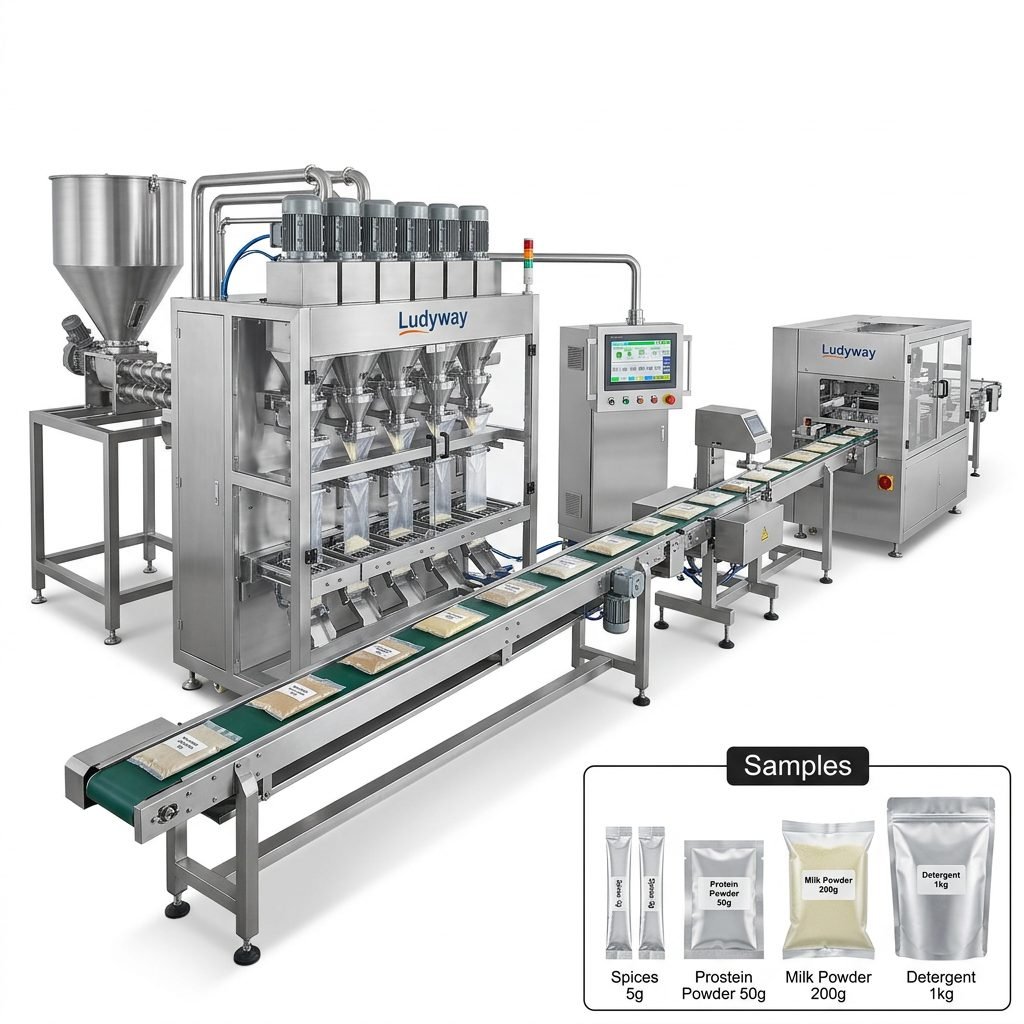
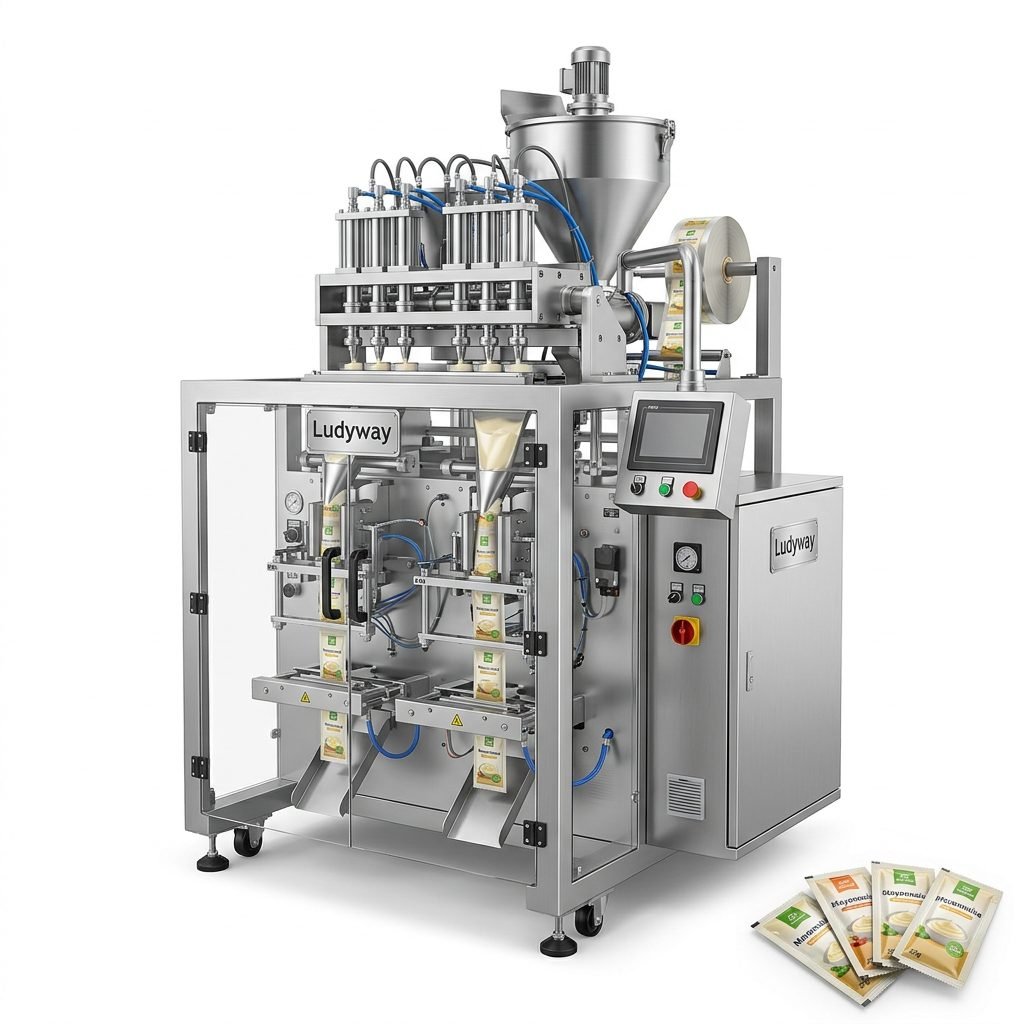
The nature of your product — whether it is a free-flowing granule, fine powder, liquid, or paste — dictates the type of filling and sealing system you need. Granule products like sugar or salt require volumetric or multi-head weigher filling systems, while powders such as flour or milk powder often need auger fillers with dust-control features. Liquids and pastes require piston or pump-based filling mechanisms with leak-proof sealing. Matching the machine to your product’s physical properties is essential for accurate dosing and minimal waste.
2. Packaging Format and Consumer Preferences
In Lesotho and the broader southern African region, sachets and small stick packs are extremely popular due to their affordability and portion-control convenience. Larger pouches and bags are also common for bulk purchases. When selecting a machine, consider whether you need the flexibility to produce multiple formats or if a dedicated single-format machine better suits your production volume. Flexible packaging formats continue to gain traction across Africa, driven by cost-effectiveness and shelf appeal.
3. Production Capacity and Speed Requirements
Your current and projected production volumes should guide machine selection. Small to medium enterprises may benefit from semi-automatic or single-lane machines, while larger operations with high-volume output should consider multi-lane packaging systems capable of producing hundreds of packs per minute. Over-investing in capacity can strain cash flow, while under-investing can limit growth — finding the right balance is key.
4. Machine Durability and After-Sales Support
Lesotho’s geographic location means that reliable after-sales support and spare parts availability are critical considerations. Choose a manufacturer with a proven track record of supplying equipment to African markets and who can offer remote technical support, easy access to replacement parts, and clear maintenance documentation. Equipment built with high-quality stainless steel and industrial-grade components will better withstand demanding production environments and require less frequent servicing.
5. Budget and Total Cost of Ownership
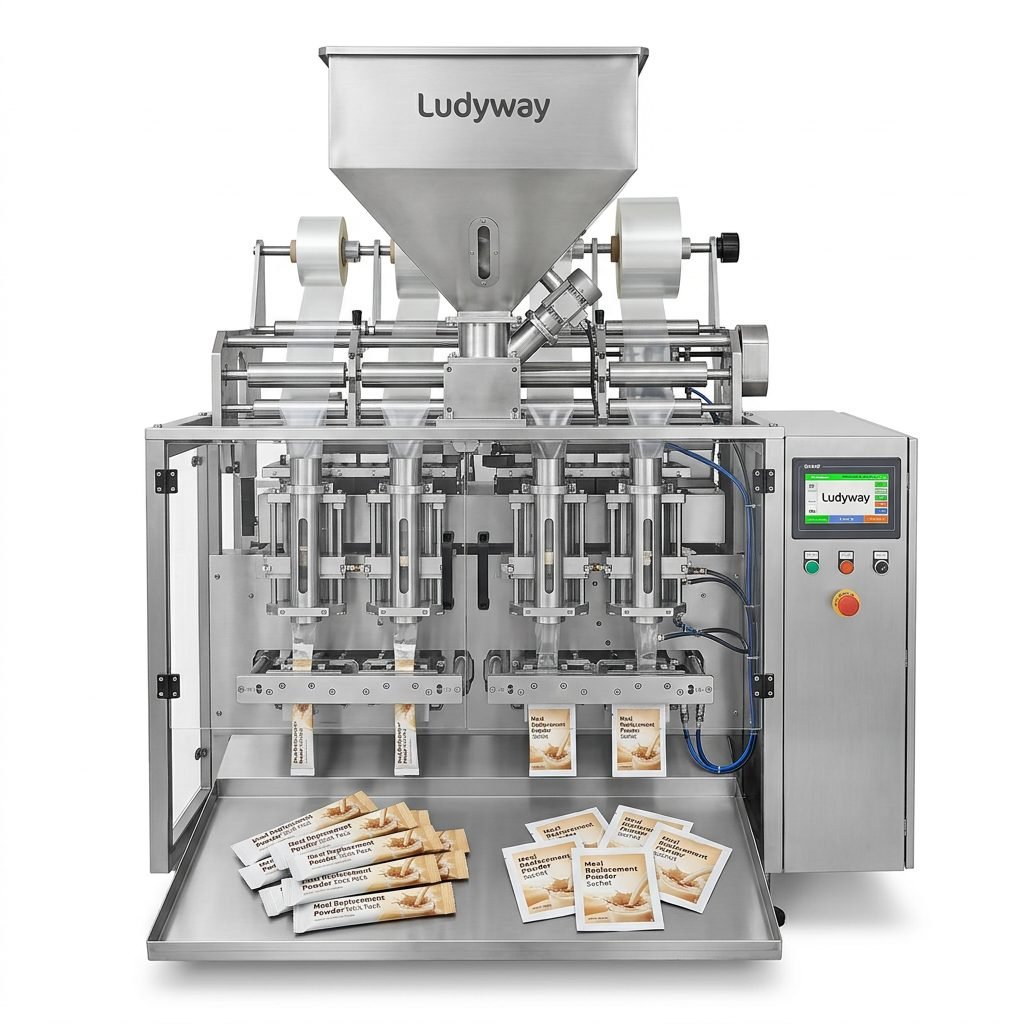
Look beyond the initial purchase price and evaluate the total cost of ownership, which includes installation, training, maintenance, spare parts, energy consumption, and expected machine lifespan. A slightly more expensive machine with higher efficiency and lower maintenance costs may deliver a better long-term return than a cheaper alternative with frequent downtime and higher operating expenses.
Comparing Packaging Machine Types for the Lesotho Market
The table below summarizes the most suitable packaging machine types for different food products commonly found in Lesotho, along with their typical applications and key advantages.
| Machine Type | Best For | Key Advantage | Typical Speed Range |
|---|---|---|---|
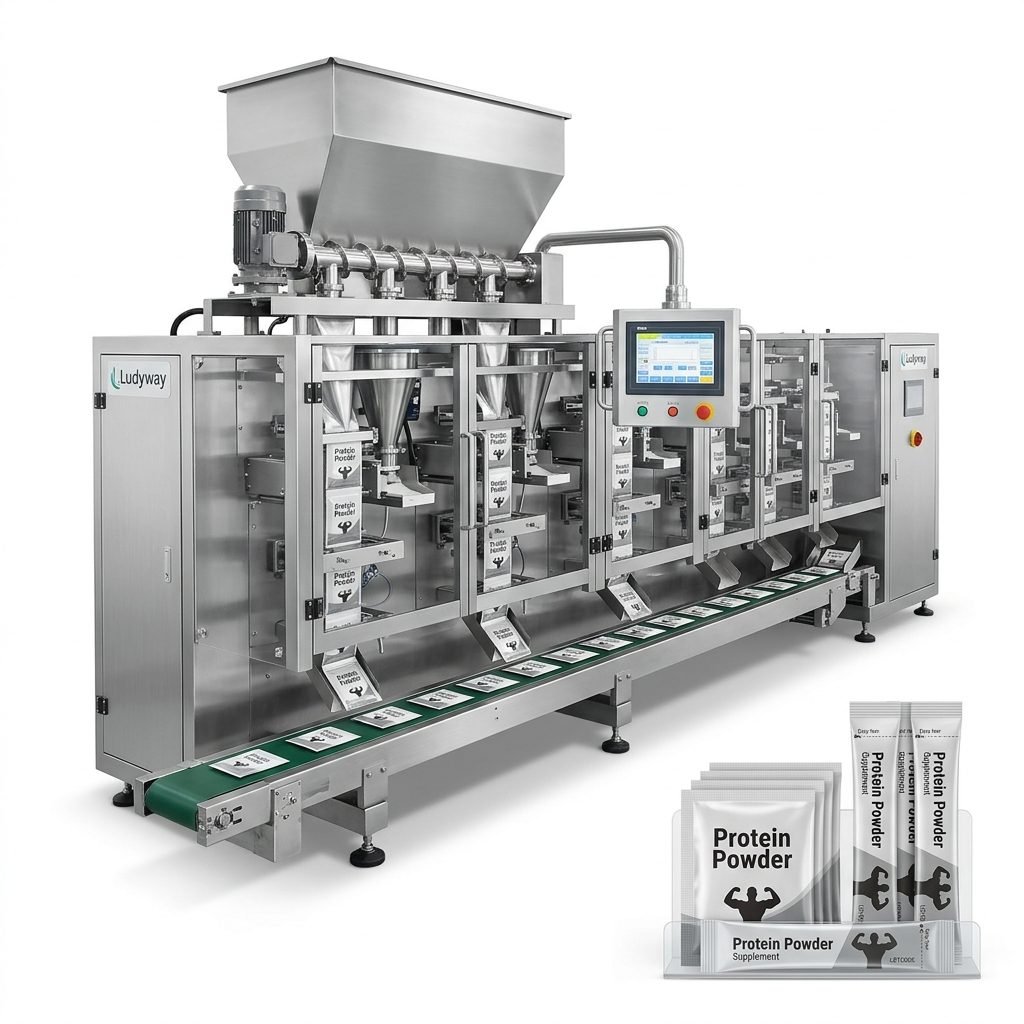
| Single-Lane Stick Pack Machine | Sugar, salt, instant coffee, spices | Compact, affordable, easy to operate | 30-80 packs/min |
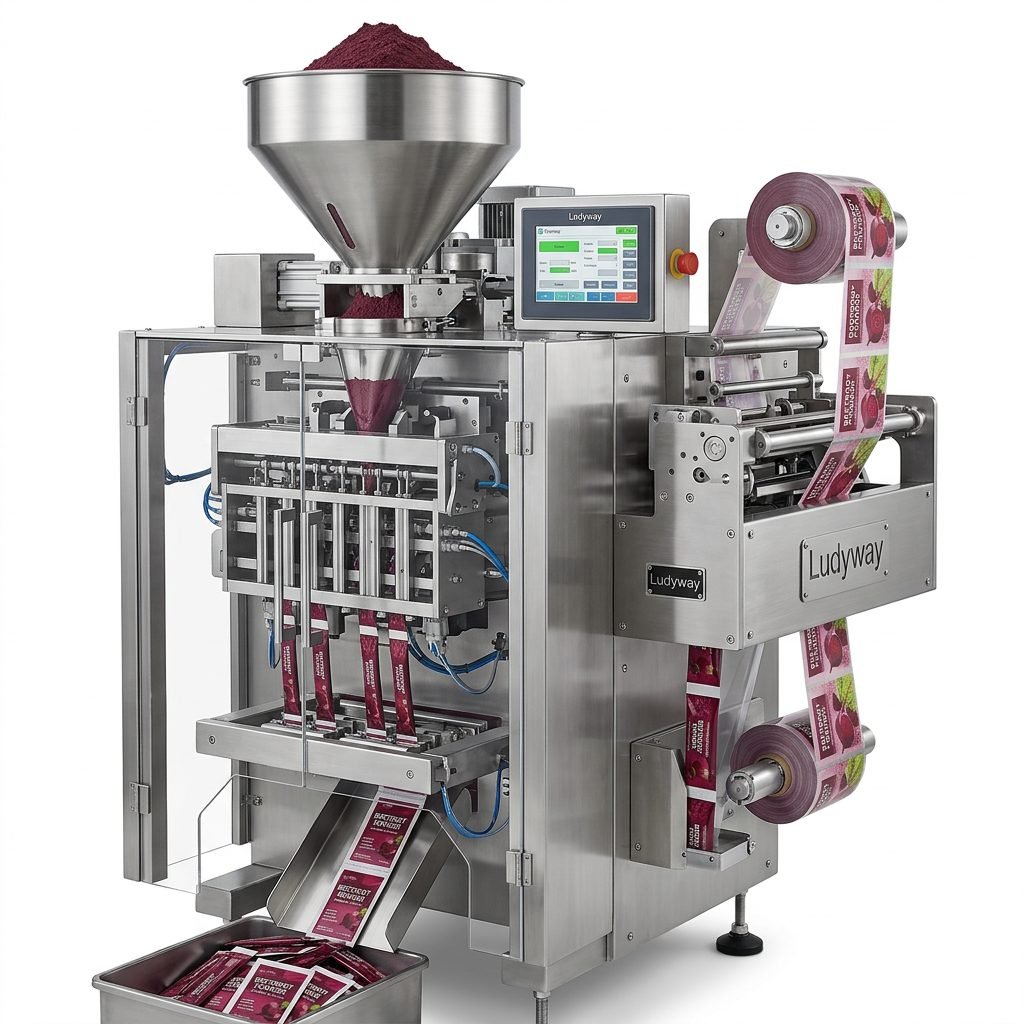
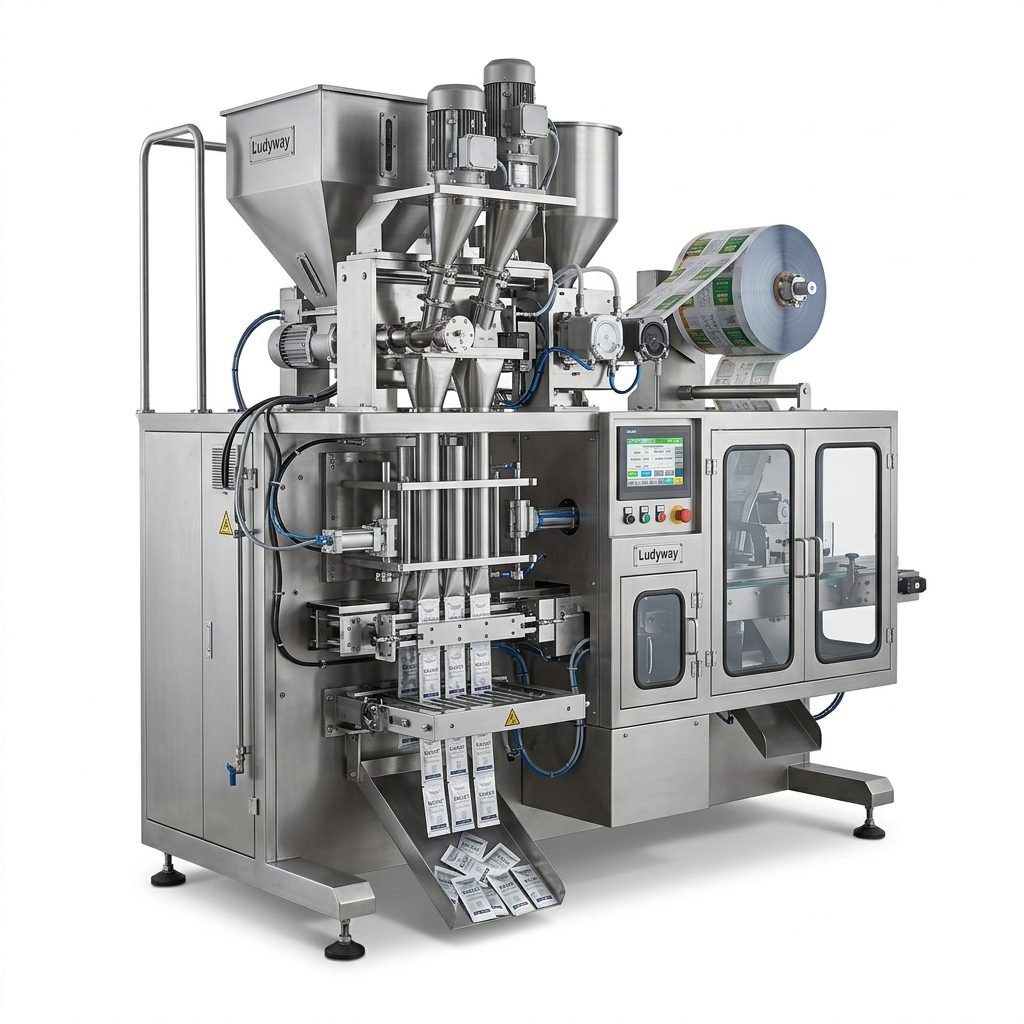
| Multi-Lane Stick Pack Machine | Powdered beverages, supplements, seasonings | High output with minimal floor space | 200-600+ packs/min |
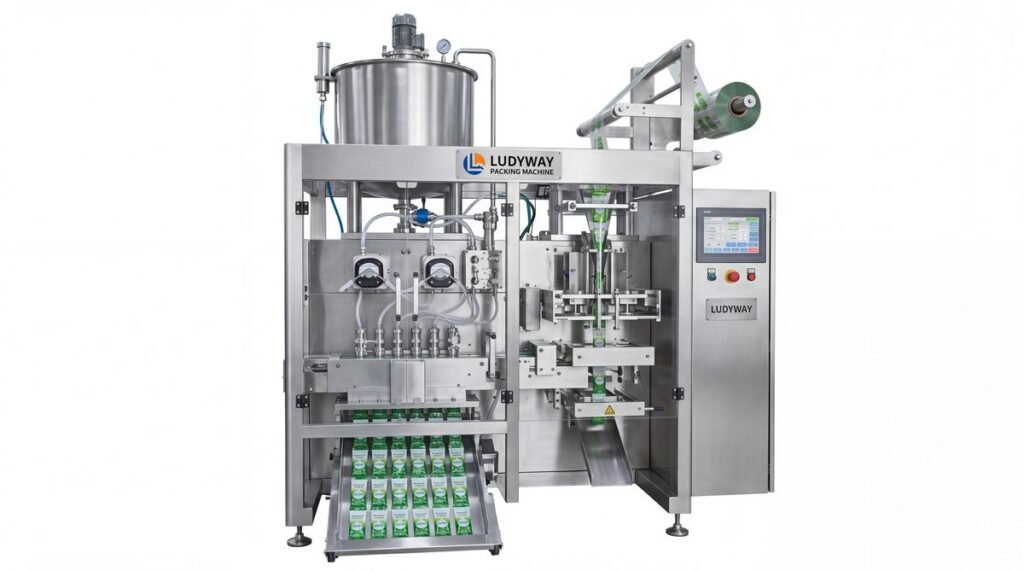
| Sachet Packaging Machine | Liquid detergents, sauces, single-use portions | Versatile for liquid and paste products | 40-150 packs/min |
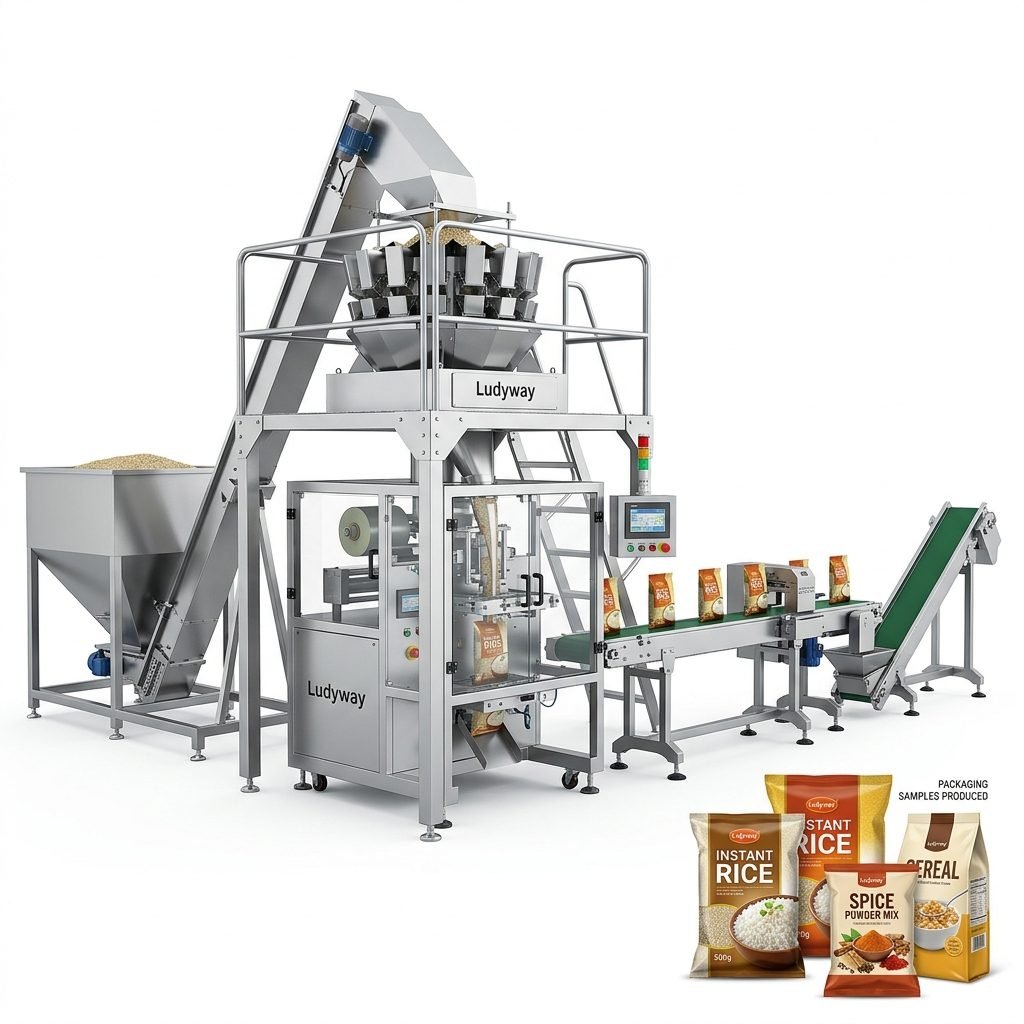
| Premade Pouch Packaging Machine | Maize meal, flour, rice, larger portion packs | Ideal for bulk and retail-ready pouches | 20-60 pouches/min |
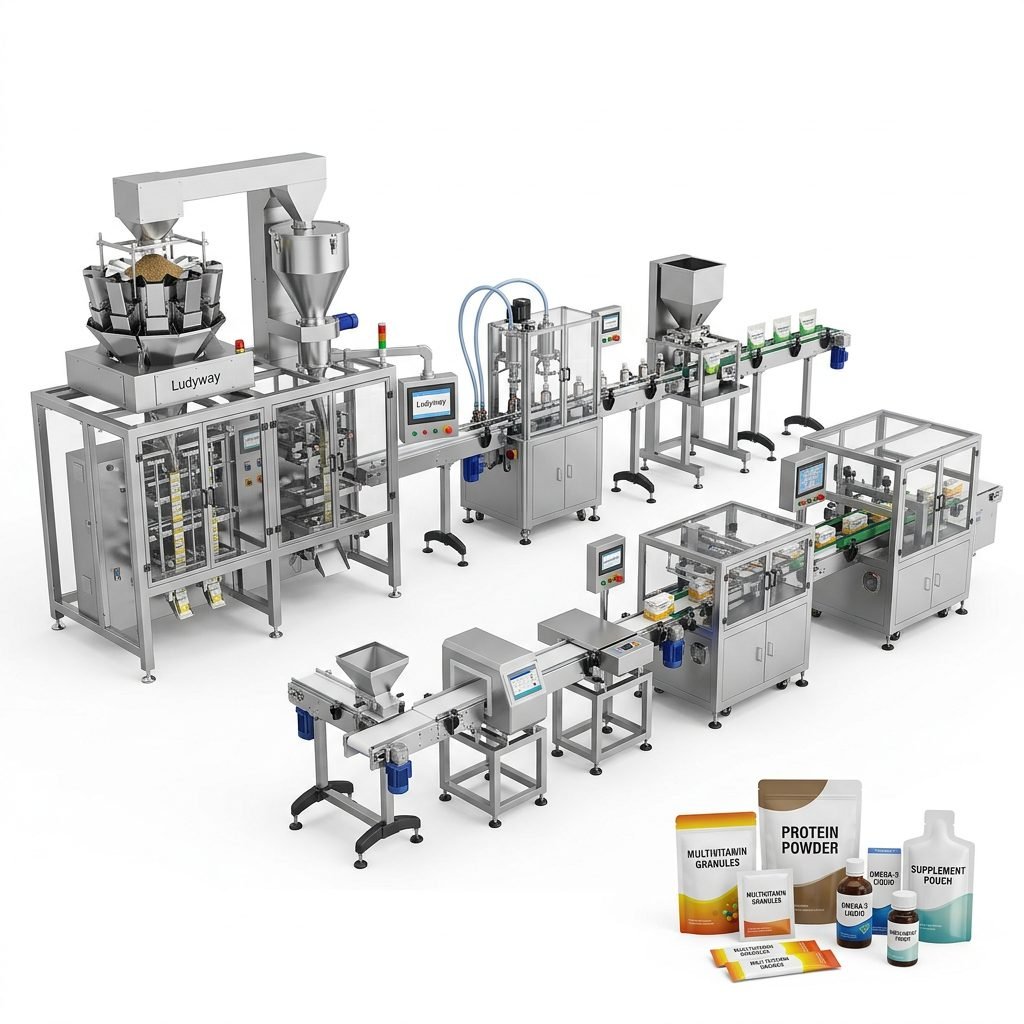
| Granule Weighing & Filling System | Grains, beans, seeds, pet food | High accuracy with multi-head weigher | 10-40 bags/min |
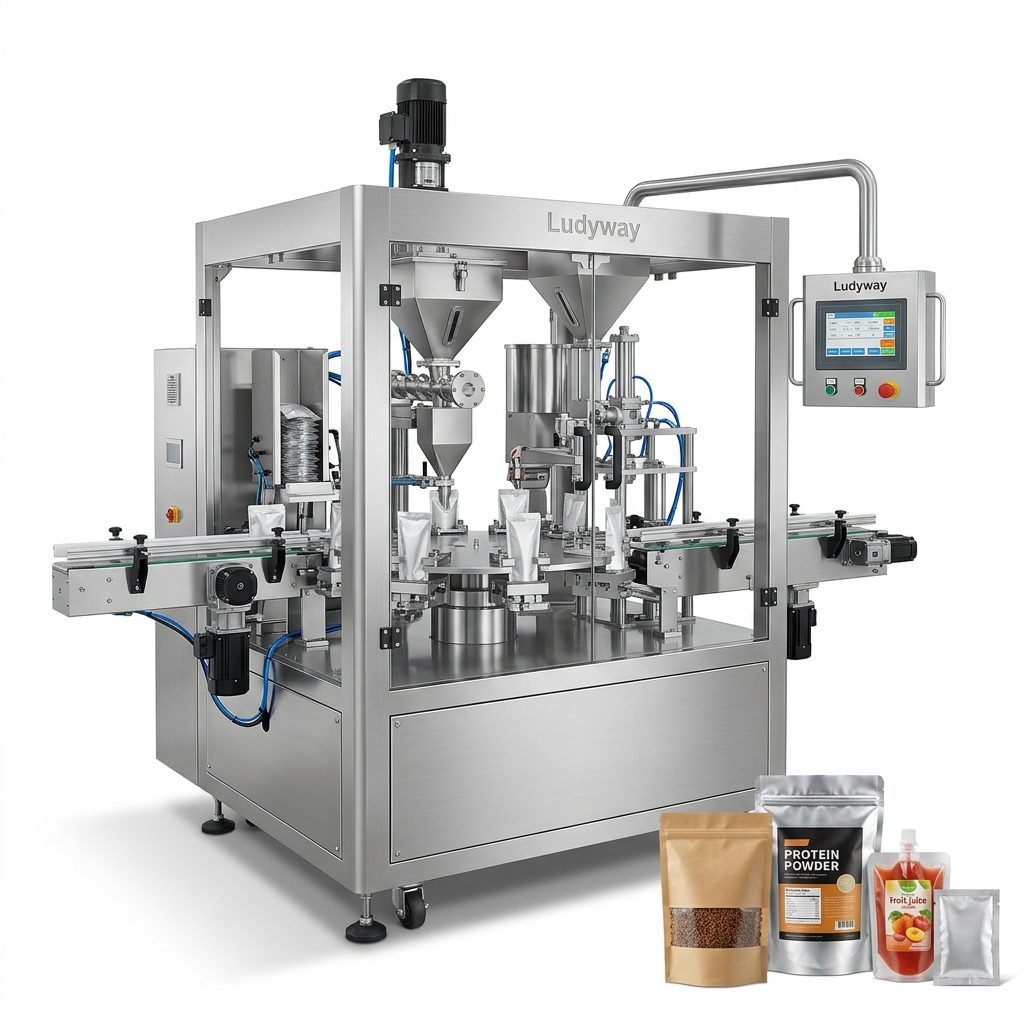
Why Multi-Lane Systems Are Gaining Popularity in Africa
Across Africa, including Lesotho, multi-lane stick pack and sachet machines are becoming the preferred choice for manufacturers looking to scale production without proportionally increasing labor costs or factory floor space. These systems can run 4 to 12 lanes simultaneously, dramatically boosting output while maintaining consistent fill accuracy and seal quality. For businesses targeting both domestic and export markets within the global packaging industry, multi-lane technology offers a competitive edge in efficiency and product presentation.
Common Mistakes to Avoid When Buying a Packaging Machine
- Choosing based solely on price: The cheapest option often leads to higher long-term costs through downtime, repairs, and inconsistent output quality.
- Overlooking product compatibility: A machine designed for free-flowing granules may perform poorly with sticky or fine powders — always test with your actual product.
- Ignoring local power supply conditions: Ensure the machine’s electrical requirements are compatible with Lesotho’s power infrastructure, and consider voltage stabilizers if needed.
- Neglecting operator training: Even the best machine will underperform if operators are not properly trained on setup, adjustment, and daily maintenance.
- Underestimating spare parts needs: Keep critical spare parts in stock to minimize downtime, especially given Lesotho’s import lead times for replacement components.
Power and Infrastructure Considerations for Lesotho
Lesotho’s manufacturing facilities may face voltage fluctuations and occasional power supply interruptions. When selecting a packaging machine, verify that it can operate reliably within the local electrical specifications (typically 220-240V, 50Hz single-phase or 380V three-phase). Investing in a voltage stabilizer or UPS backup system can protect sensitive electronic controls and ensure uninterrupted production. Additionally, consider the machine’s compressed air requirements — some advanced packaging systems need a consistent supply of clean, dry compressed air, which may require an appropriately sized air compressor and dryer unit.
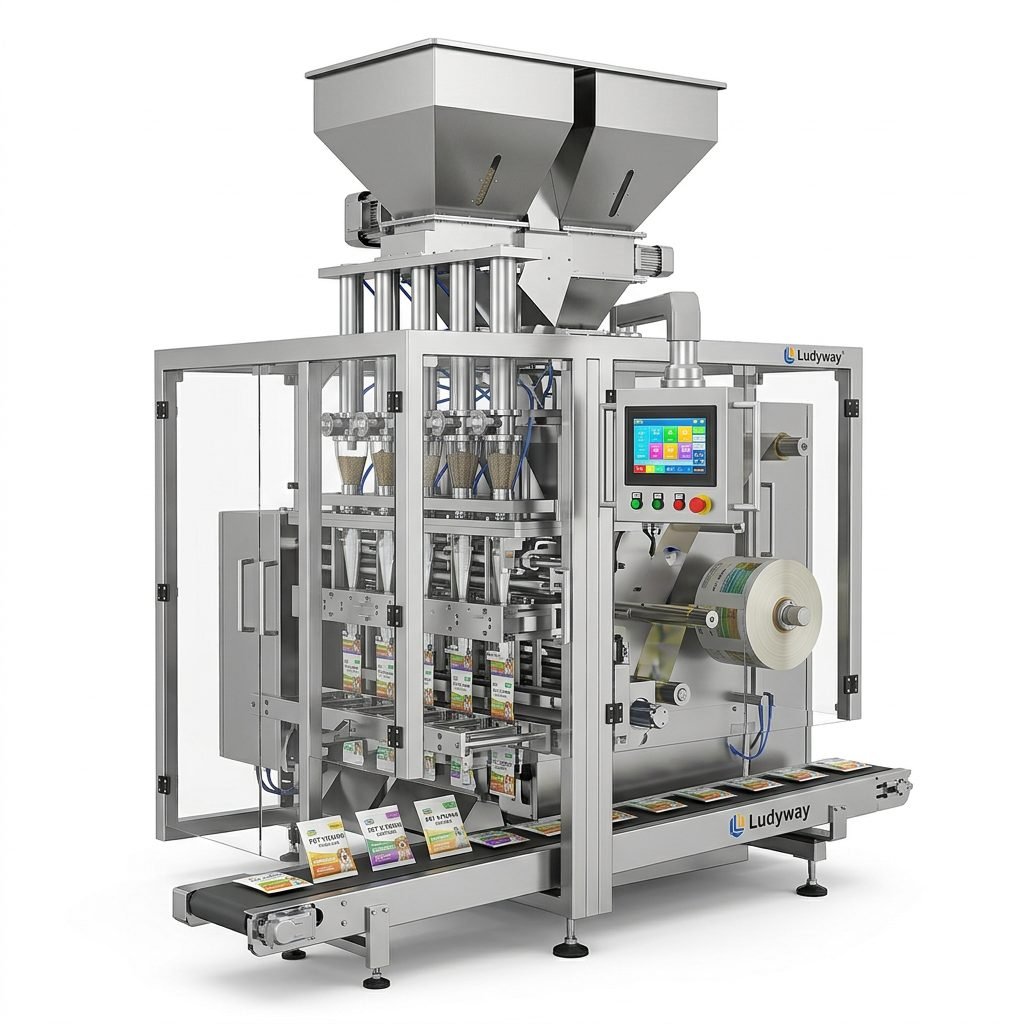
The Role of Automation in Scaling Food Production
As Lesotho’s food industry matures, automation is becoming increasingly important for maintaining competitiveness. Modern packaging machines with intelligent controls offer features such as automatic film tracking, servo-driven filling, touchscreen operation, and integration with upstream and downstream equipment. These capabilities reduce reliance on skilled labor, improve consistency, and enable real-time production monitoring. For businesses planning to scale, investing in automation-ready equipment from the outset can significantly reduce future upgrade costs.
Key Certifications and Quality Standards
When sourcing packaging machinery, look for manufacturers whose equipment meets internationally recognized standards. Relevant certifications and compliance indicators include:
- CE certification — indicating conformity with European health, safety, and environmental requirements
- ISO 9001 — quality management system certification for the manufacturer
- Food-grade stainless steel construction — SS304 or SS316L for product contact parts
- GMP-compliant design — especially important for food and pharmaceutical packaging applications
- SACU import compliance — verifying that the equipment meets regional import regulations and standards
Making the Final Decision: A Practical Checklist
Before finalizing your purchase, work through this checklist to ensure you have covered all critical aspects of selecting the right packaging machine for the Lesotho market:
- Have you clearly defined your product range, including any future products you may add?
- Does the machine match your required packaging formats and sizes?
- Is the production speed aligned with your current and projected demand?
- Have you verified after-sales support availability for Lesotho or the southern African region?
- Are spare parts readily available with reasonable lead times?
- Does the machine meet relevant safety and quality certifications?
- Is the total cost of ownership within your budget over a 3-5 year period?
- Have you arranged for operator training and installation support?
Ludyway is one of the largest packaging machine manufacturers in China, offering advanced equipment for granule, powder, liquid, and pouch packaging — with extensive experience serving customers in over 100 countries including markets across Africa and beyond.
Selecting the right food packaging machine is a strategic decision that impacts your production efficiency, product quality, and business growth. By carefully evaluating your product needs, production scale, infrastructure conditions, and long-term goals, you can choose equipment that delivers reliable performance and strong return on investment for years to come. Taking the time to research, test, and verify before purchasing will help ensure your packaging operation runs smoothly and profitably in the Lesotho market.