Investing in a commercial food packaging machine is one of the most important decisions a food manufacturer can make. The right equipment directly impacts production efficiency, product shelf life, brand consistency, and ultimately, profitability. However, with a wide range of technologies, configurations, and suppliers available, the selection process can feel overwhelming. This comprehensive buyer’s guide walks you through every critical factor to consider before making your purchase.

Understanding Your Product Characteristics First
Before evaluating any machine, you must have a thorough understanding of your product. The physical and chemical properties of your food product will dictate the type of dosing system, filling mechanism, and sealing technology required. Key product attributes to analyze include:
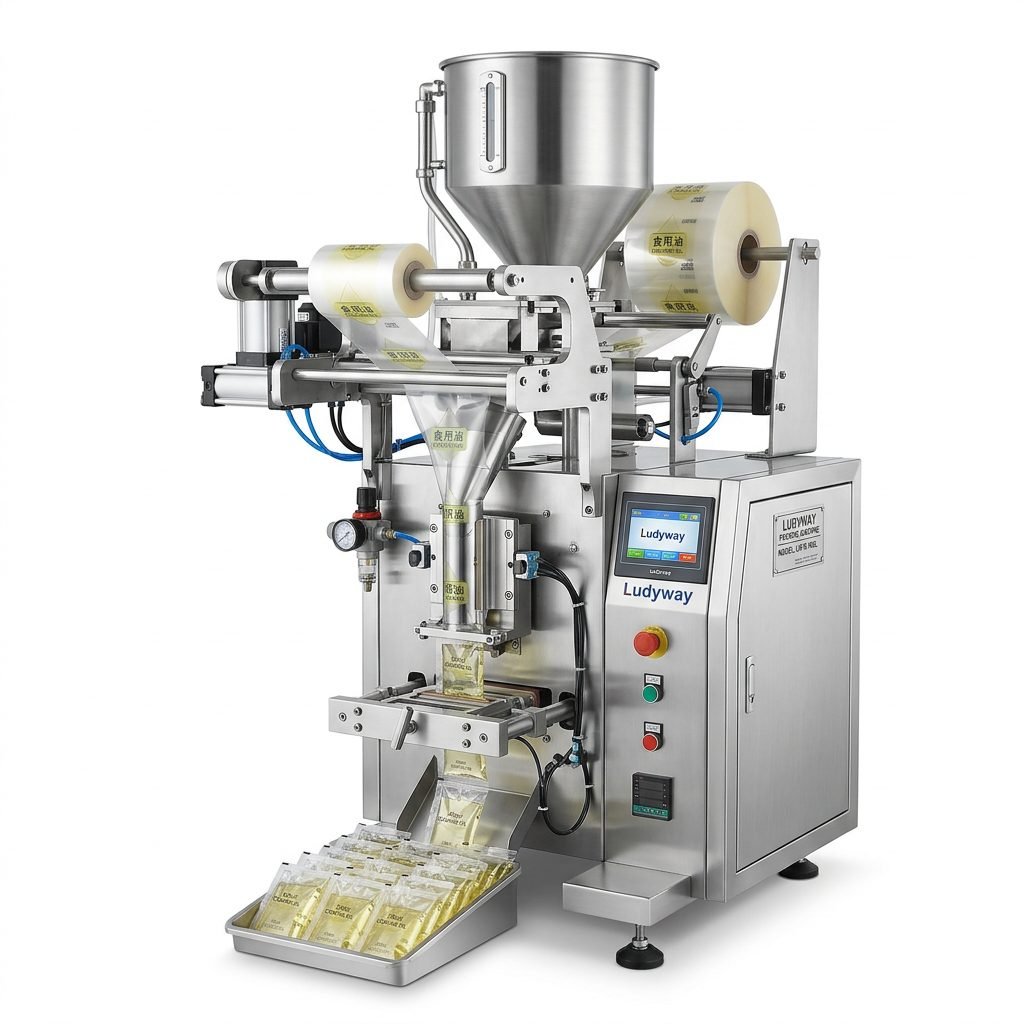
- Physical form: Is your product a free-flowing granule, sticky powder, viscous liquid, paste, or solid piece? Each form requires a fundamentally different filling approach.
- Flow characteristics: Some powders bridge or clump, requiring auger fillers or vibratory assistance. Free-flowing granules work well with volumetric cup fillers or multi-head weighers.
- Density and particle size: These factors influence dosing accuracy and speed. Inconsistent particle size can lead to inaccurate fills and product waste.
- Hygroscopicity and sensitivity: Products that absorb moisture or are sensitive to oxygen may require nitrogen flushing or vacuum sealing capabilities.
- Temperature sensitivity: Heat-sensitive products need sealing technologies that do not compromise product integrity.
According to industry data from the PMMI – Association for Packaging and Processing Technologies, matching product characteristics to the correct filler type is the single most important step in avoiding costly integration problems after installation.
Packaging Format and Bag Style Selection
The packaging format you choose has a direct impact on consumer appeal, shelf presence, and production line configuration. Common flexible packaging formats for food products include:
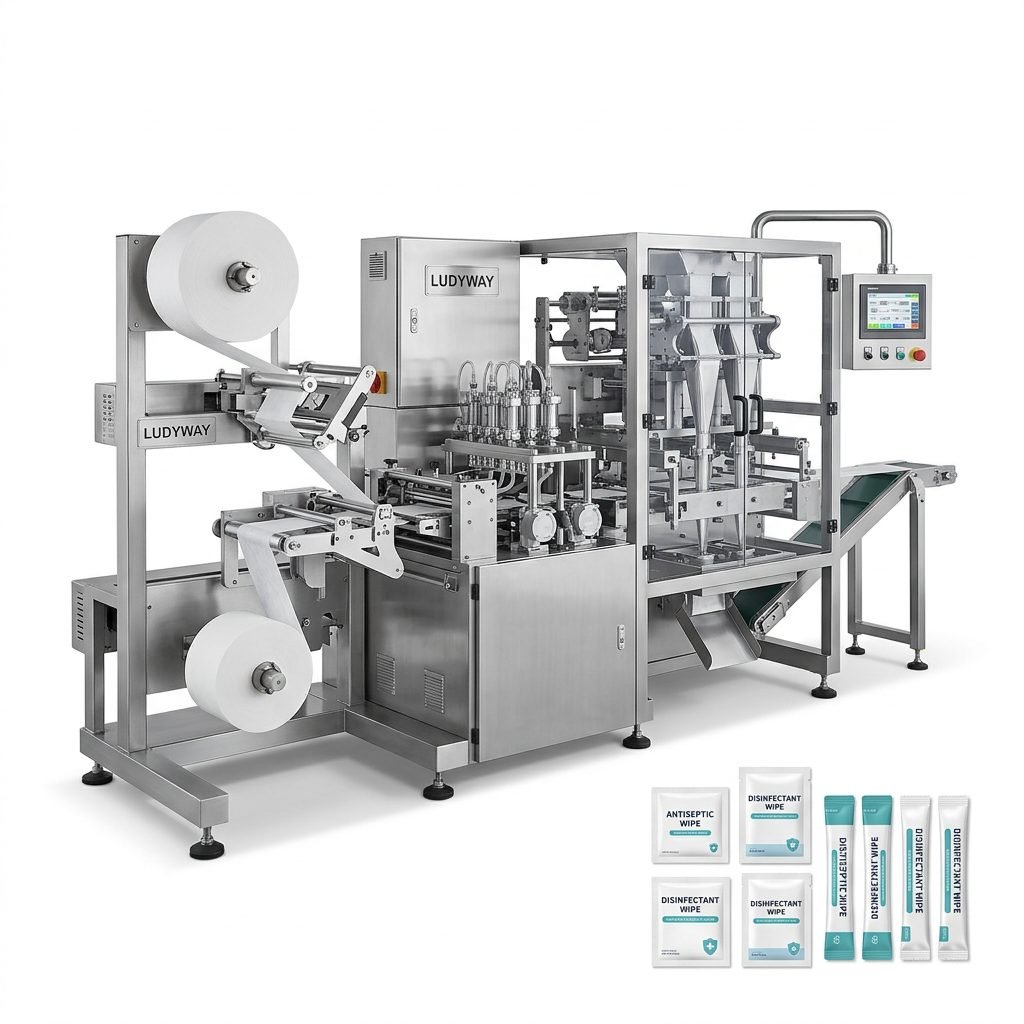
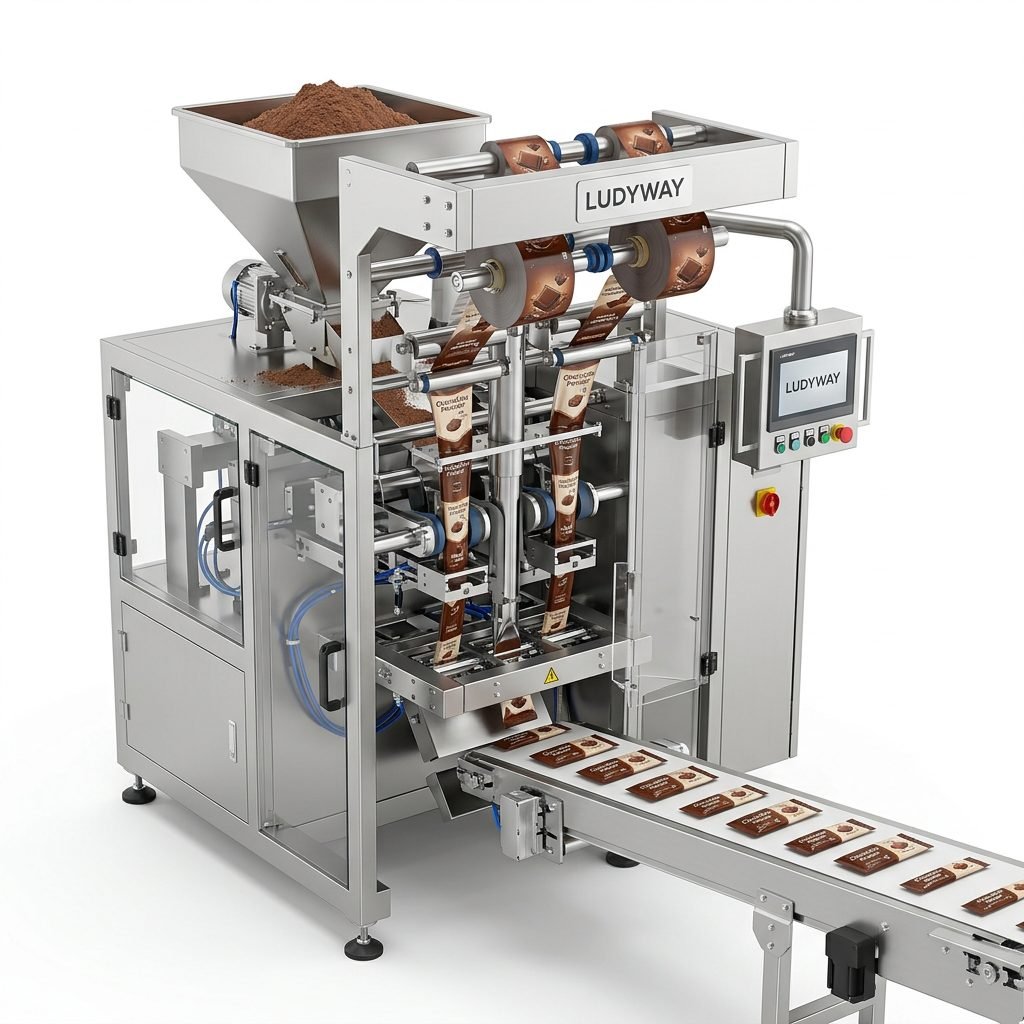
- Stick packs: Ideal for single-serve powders, drink mixes, and condiments. These narrow, elongated sachets are popular in convenience markets.
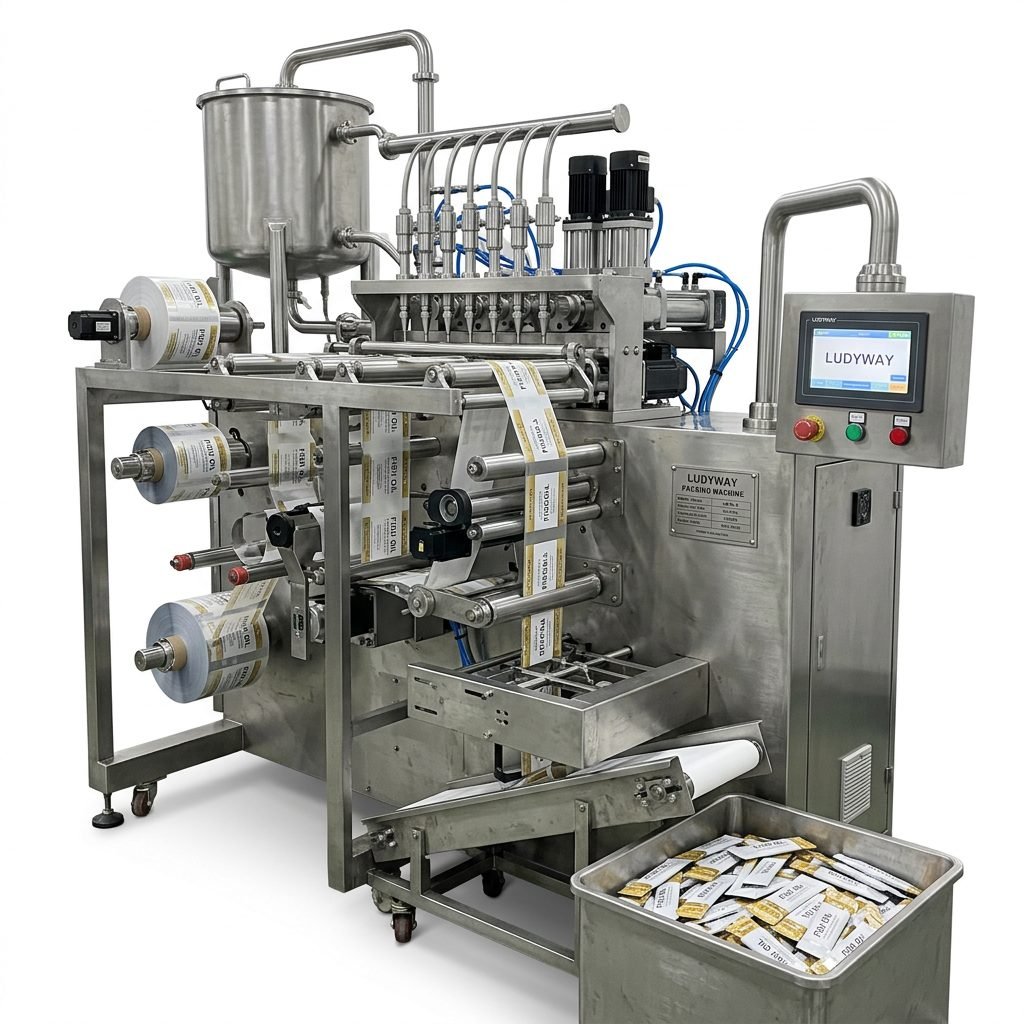
- Three-side-seal and four-side-seal sachets: Versatile formats used for sauces, seasonings, and sample-sized products.
- Pillow pouches: A cost-effective format for snack foods, frozen items, and bulk products.
- Stand-up pouches with zippers: Reclosable options that add consumer convenience and brand differentiation.
- Gusseted pouches: Provide expanded volume for products like coffee, dried fruits, and pet food.
The Flexible Packaging Association reports that stand-up pouches continue to gain market share due to their convenience features and sustainability advantages over rigid packaging.
Production Speed and Throughput Requirements
Your required production capacity—measured in packs per minute or bags per hour—must be clearly defined before equipment selection. Key questions to answer:
- What is your current daily or shift-based output target?
- What are your growth projections for the next 3–5 years?
- Do you need a single-lane or multi-lane machine configuration?
- Will the machine need to accommodate multiple SKUs with quick changeover capabilities?
- What is your acceptable downtime window for maintenance and cleaning?
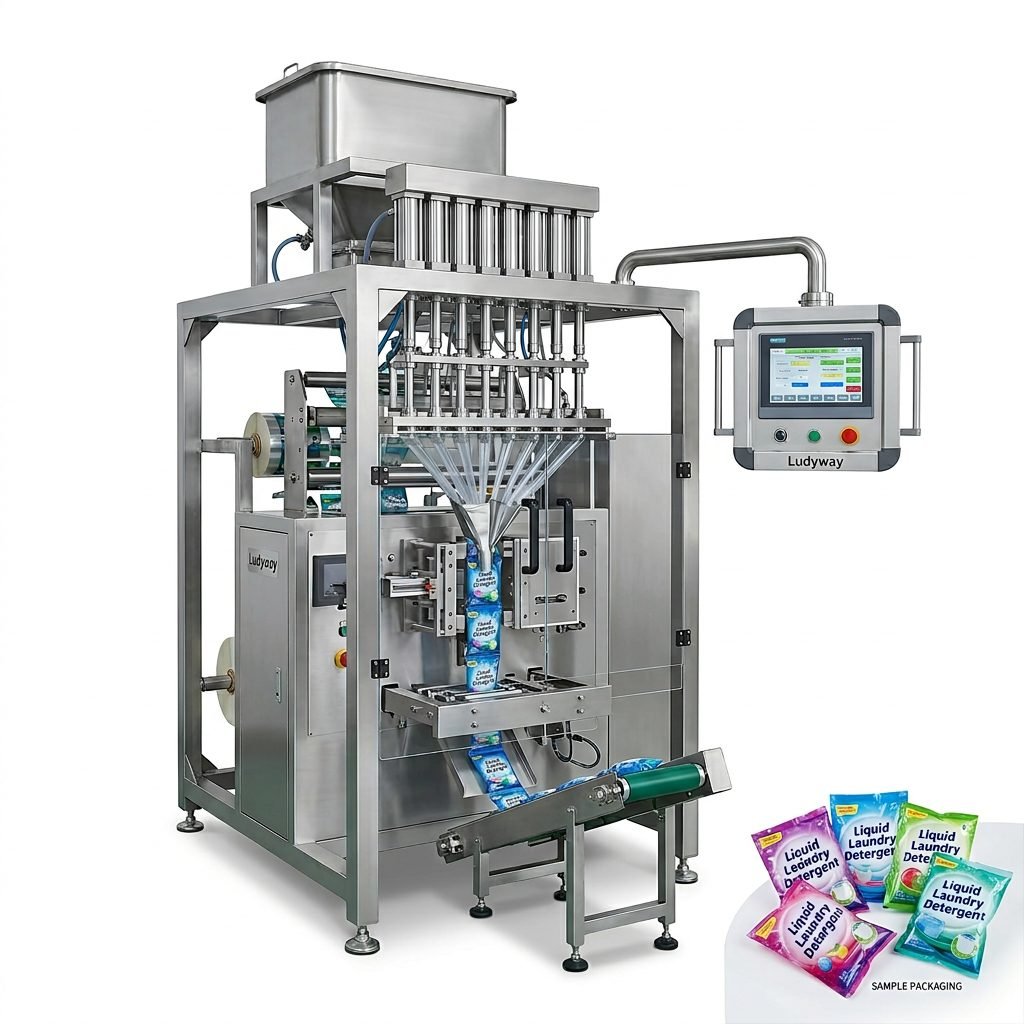
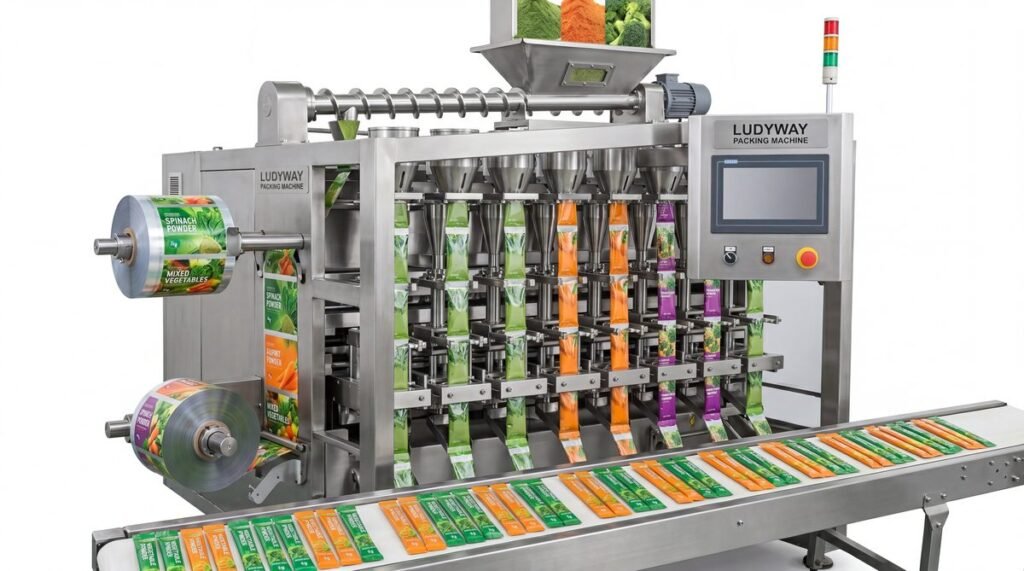
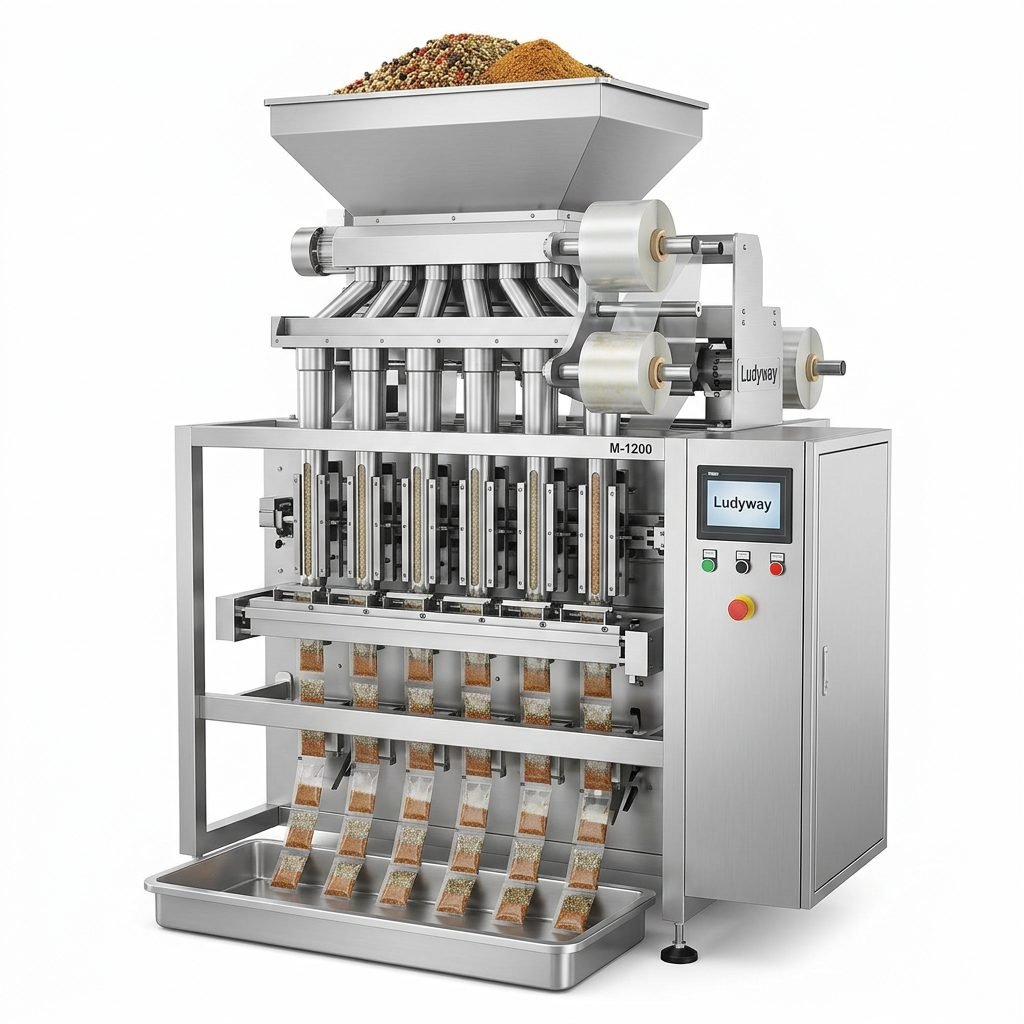
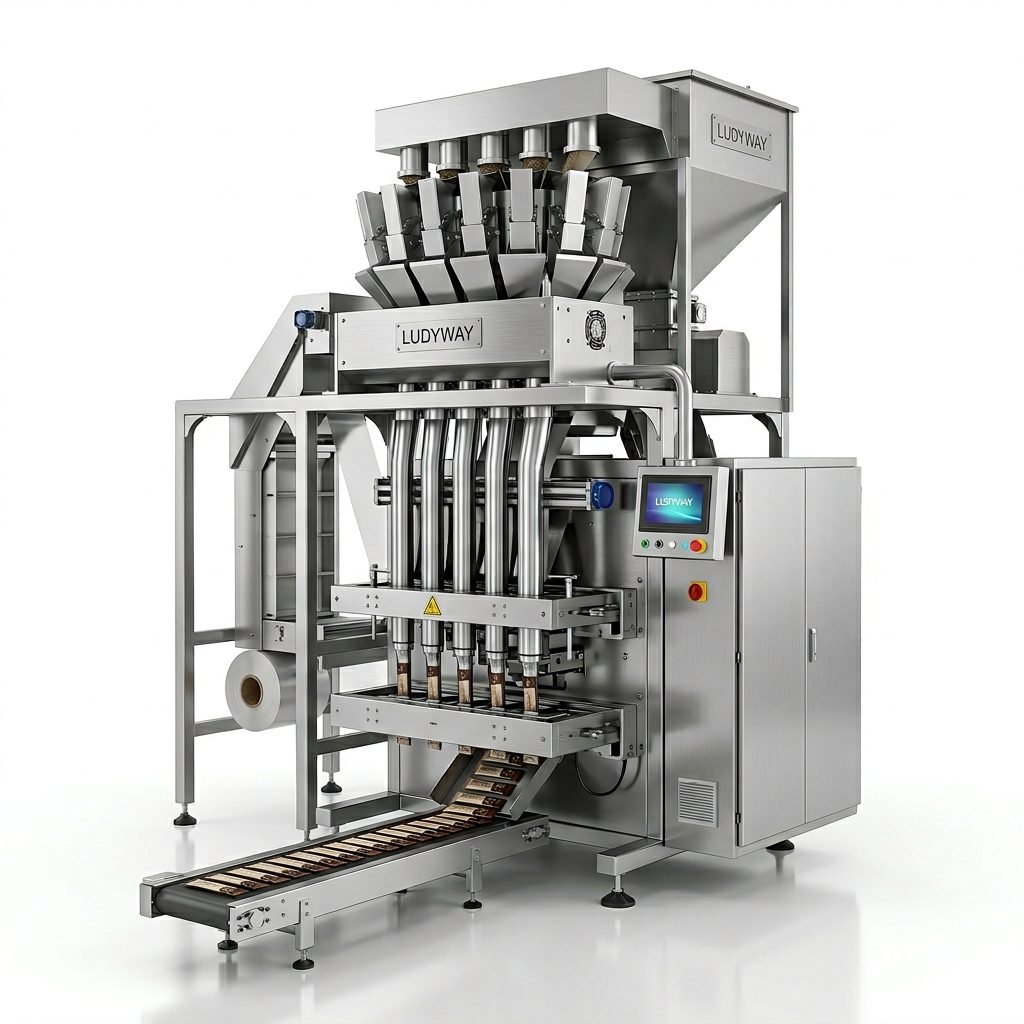
Multi-lane packaging machines can significantly increase output without proportionally increasing floor space or labor. For manufacturers looking to scale production while maintaining consistent quality, multi-lane configurations offer a compelling solution.
Key Machine Specifications Comparison
When comparing different packaging machines, focus on the specifications that matter most to your operation. The table below outlines critical parameters to evaluate:
| Specification | What to Look For | Impact on Production |
|---|---|---|
| Filling System Type | Auger, volumetric cup, multi-head weigher, liquid piston, or flow meter | Accuracy, speed, and product compatibility |
| Sealing Technology | Heat seal, ultrasonic, or impulse sealing | Package integrity and material compatibility |
| Lane Configuration | Single-lane vs. multi-lane (4, 6, 8, 10, or more lanes) | Throughput and floor space efficiency |
| Bag Size Range | Minimum and maximum width and length specifications | Flexibility for multiple SKUs |
| Automation Level | Semi-automatic, fully automatic, or integrated turnkey line | Labor requirements and consistency |
| Control System | PLC with HMI touchscreen, recipe storage, and diagnostics | Ease of operation and changeover speed |
| Construction Material | Stainless steel (304 or 316), food-grade components | Hygiene, durability, and cleanability |
Food Safety Compliance and Industry Standards
Food packaging equipment must meet stringent regulatory and safety requirements. Depending on your market, your machine may need to comply with:
- FDA regulations for food contact substances and materials, as outlined by the FDA Food Packaging and Food Contact Substances guidelines.
- ISO standards relevant to packaging, including ISO packaging standards that cover testing, dimensions, and performance requirements.
- CE marking for machines sold in the European Economic Area.
- HACCP principles for hygienic design and contamination prevention.
- GFSI-benchmarked standards for facilities seeking certification through SQF, BRC, or FSSC 22000.
Machines constructed from 304 or 316 stainless steel with easy-to-clean surfaces, sloped surfaces to prevent liquid pooling, and minimal crevices help ensure compliance and simplify sanitation procedures.
Total Cost of Ownership vs. Initial Purchase Price
While the initial capital expenditure is an important consideration, experienced buyers evaluate the total cost of ownership (TCO) over the machine’s expected service life. TCO factors include:
- Energy consumption: Efficient motors, heating elements, and compressed air usage reduce ongoing operational costs.
- Consumables and wear parts: Availability and cost of replacement sealing jaws, belts, filters, and cutting blades.
- Labor requirements: A fully automatic machine may eliminate one or more operator positions per shift.
- Maintenance costs: Ease of access for routine maintenance reduces technician time and service contract expenses.
- Product waste reduction: Accurate dosing and reliable sealing minimize giveaways and rejected packages.
- Packaging material flexibility: The ability to run multiple film types without extensive adjustments can reduce material costs.
Integration with Existing Production Lines
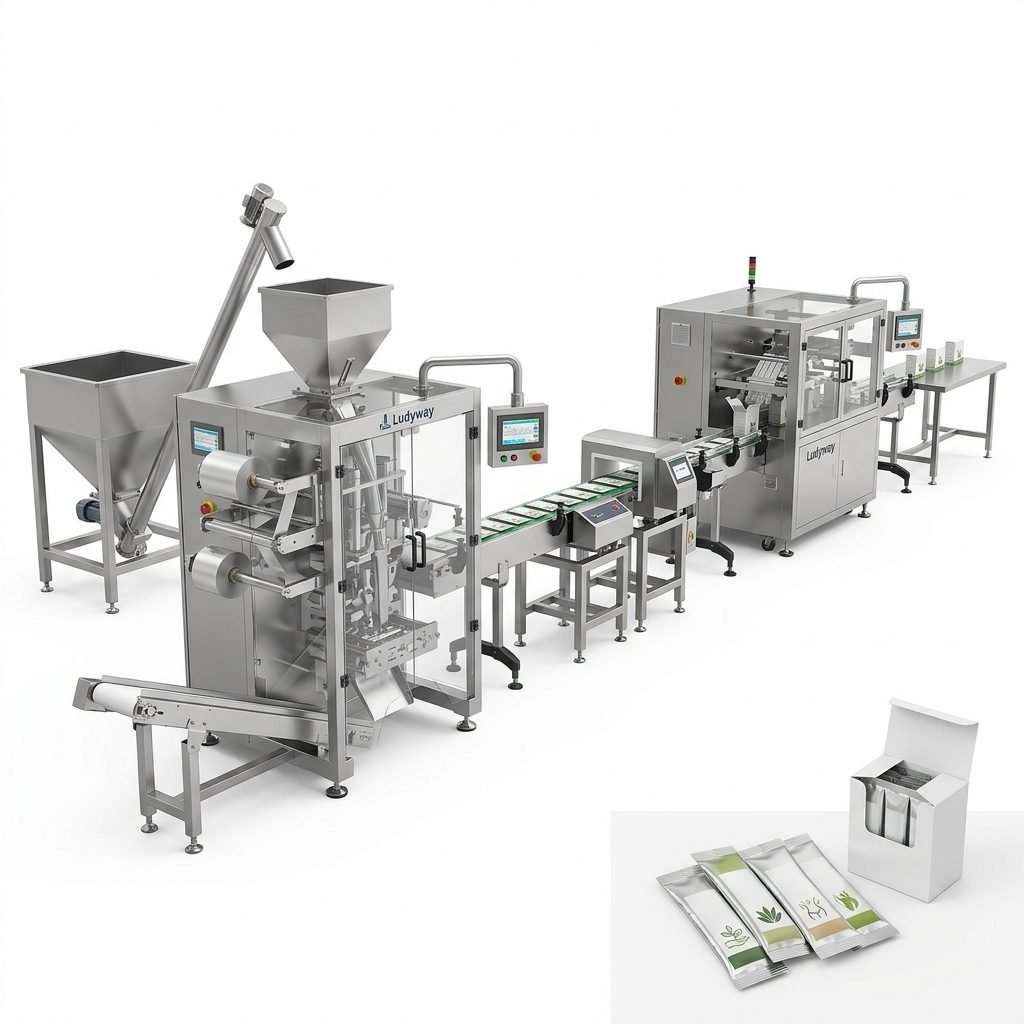
For manufacturers upgrading or expanding operations, seamless integration with existing equipment is critical. Consider whether the new packaging machine will need to connect with:
- Upstream product feeding and conveying systems
- Checkweighers and metal detectors for quality control
- Date coders and label applicators
- Cartoners, case packers, and palletizers downstream
- Factory SCADA or MES systems for production monitoring
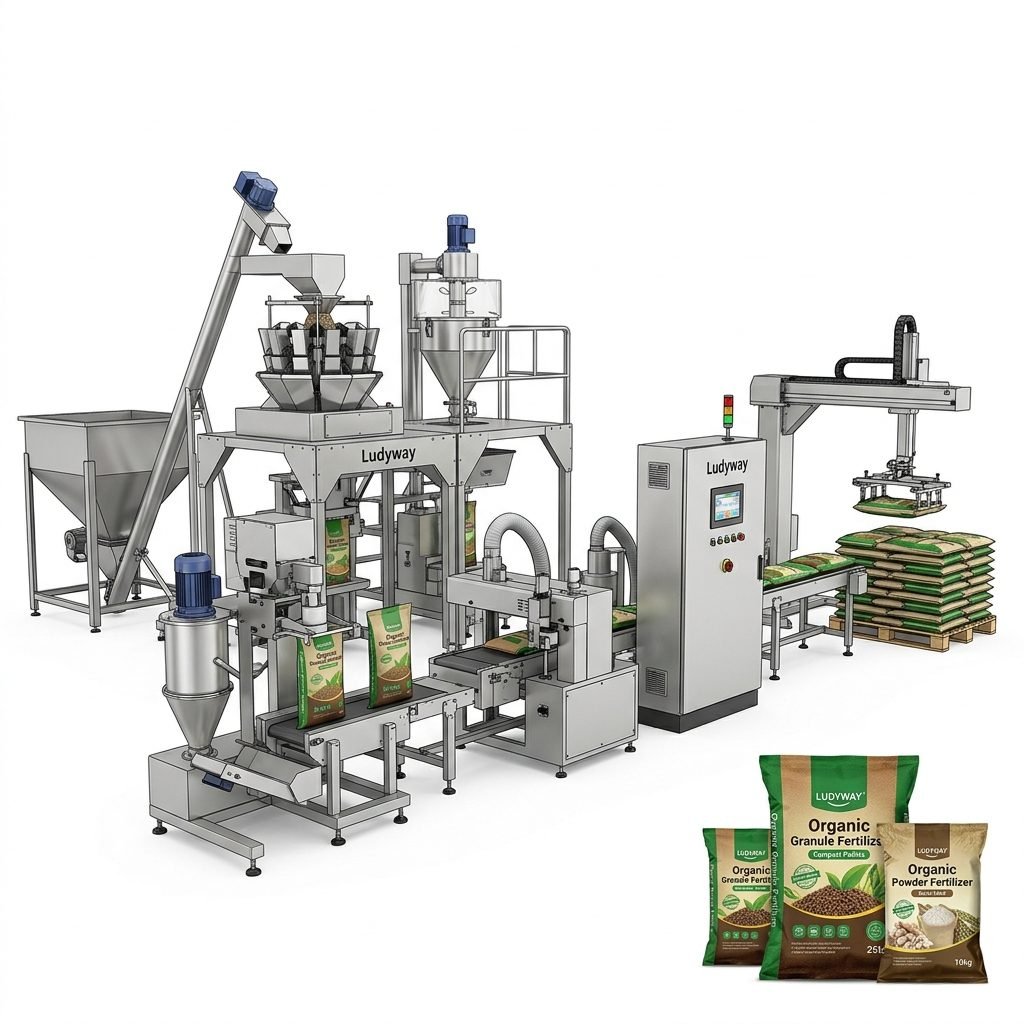
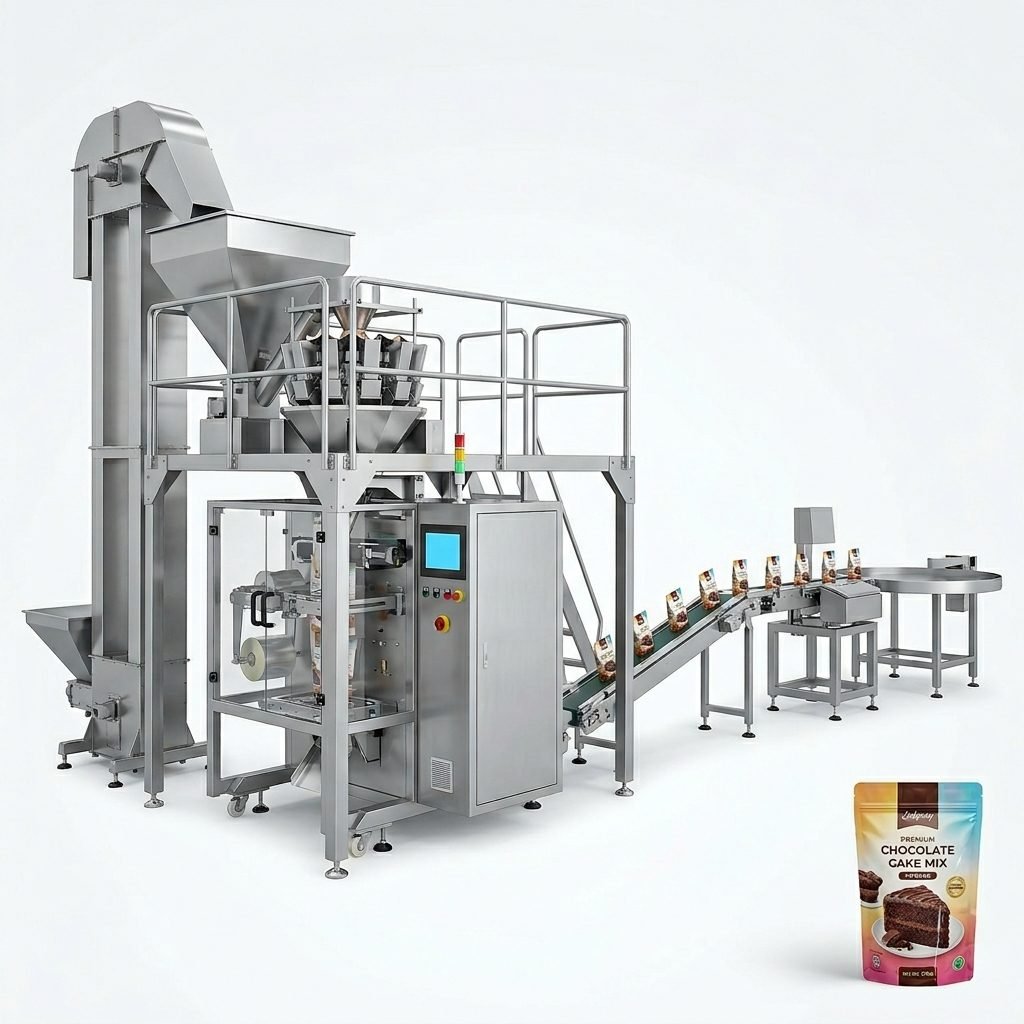
Turnkey packaging line solutions that integrate multiple stages of the packaging process can simplify procurement, installation, and ongoing technical support by consolidating responsibility with a single supplier.
Evaluating Packaging Machine Suppliers
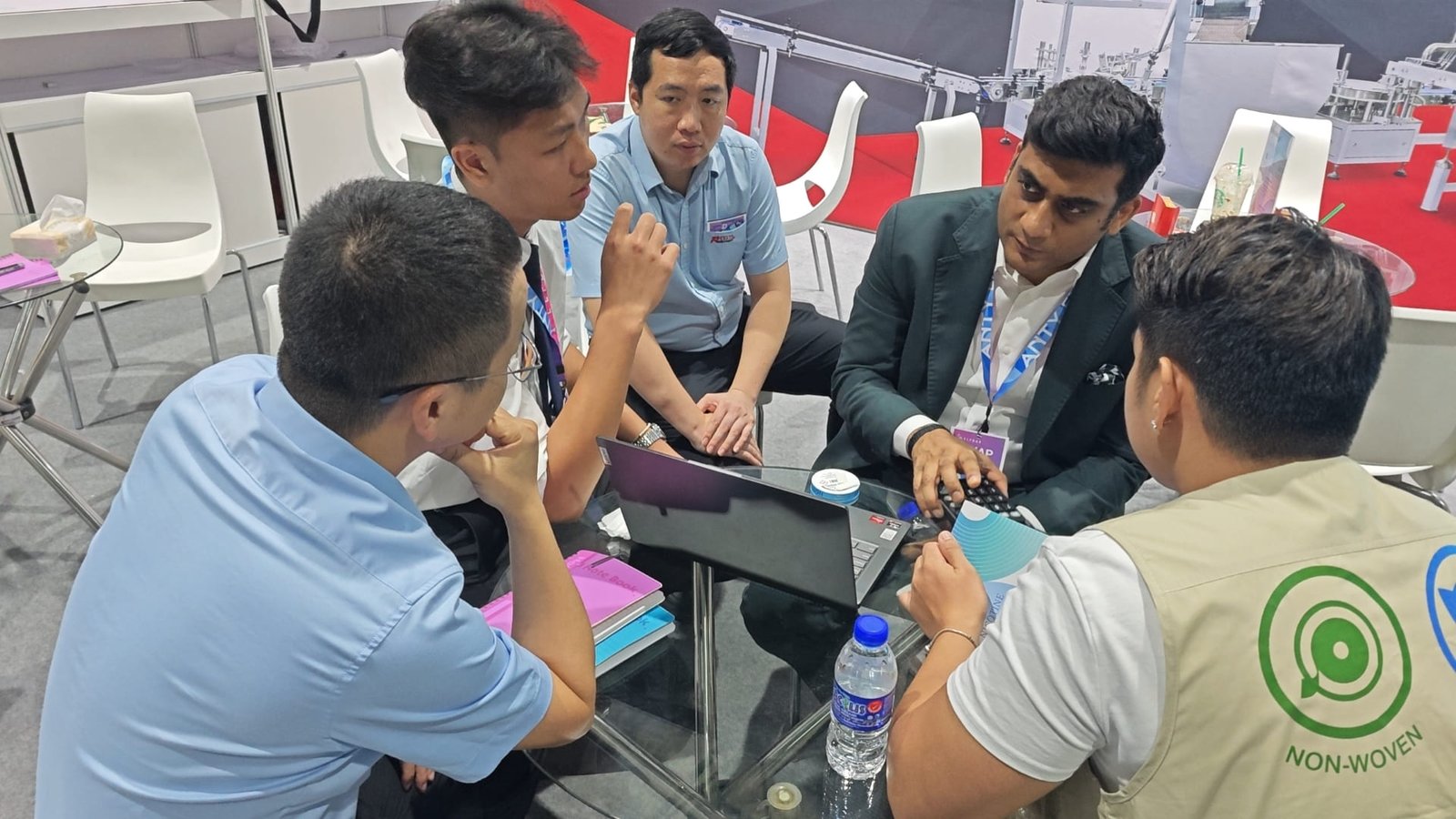
Selecting the right equipment supplier is as important as selecting the right machine. Key evaluation criteria include:
- Industry experience and track record: Look for suppliers with demonstrated expertise in your specific product category and packaging format.
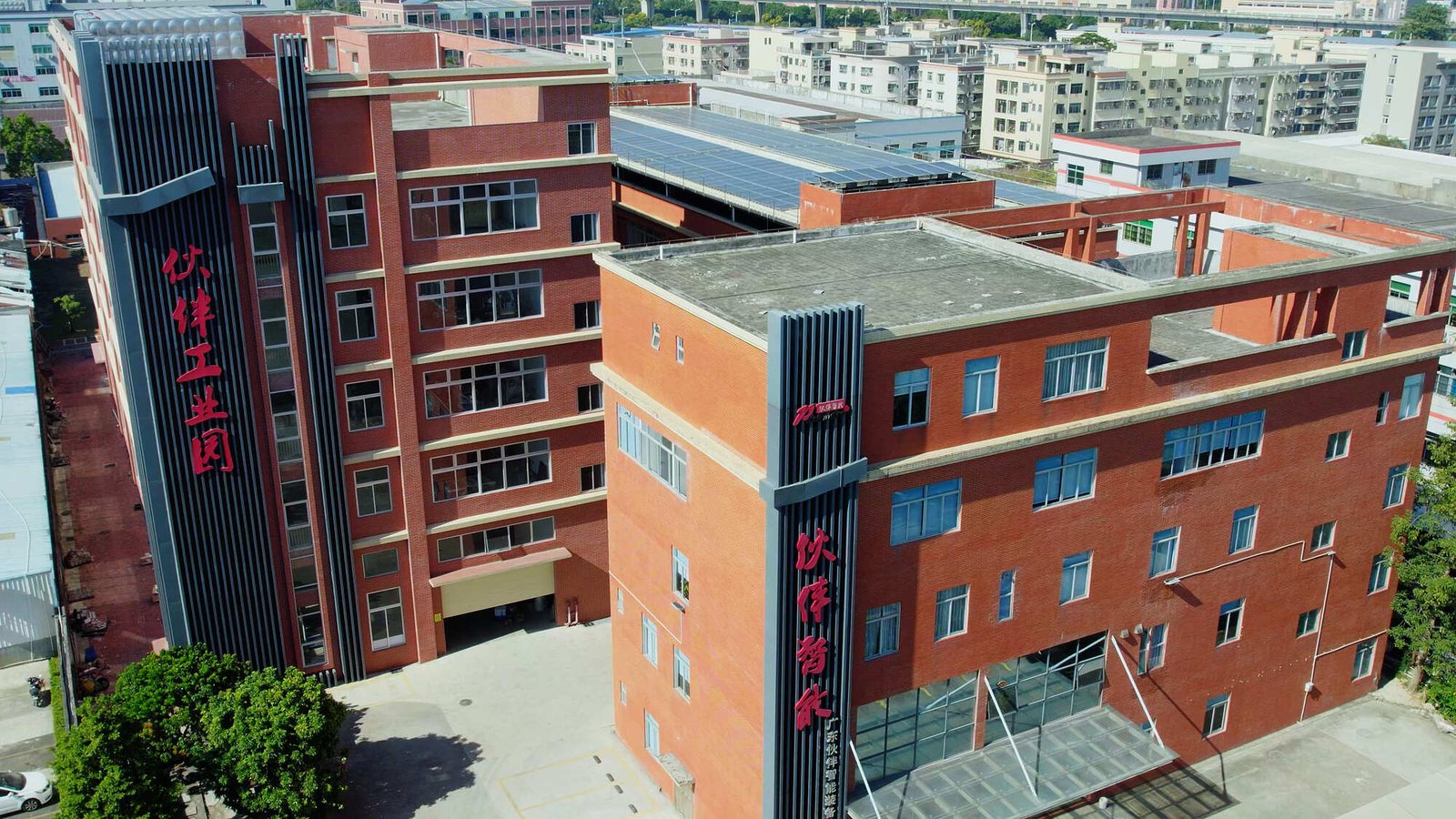
- Manufacturing and engineering capabilities: In-house manufacturing, R&D teams, and engineering expertise enable better customization, quality control, and technical support.
- After-sales service network: Availability of technical support, operator training, troubleshooting, and spare parts in your region.
- Certifications and compliance documentation: The ability to provide relevant certifications and compliance documentation for your target markets.
- Reference customers and case studies: Verified performance data and customer references in similar applications provide confidence in machine reliability.
For example, Ludyway Machinery, a China-based packaging machinery manufacturer with over 30 years of experience and a portfolio of more than 50 packaging machine models, provides turnkey packaging solutions that span equipment selection, system integration, customization, installation, and after-sales support for manufacturers in over 100 countries.
Testing and Validation Before Purchase
Before finalizing your equipment purchase, insist on product testing and validation. Most reputable manufacturers offer:
- Factory acceptance testing (FAT): Run your actual product on the machine at the manufacturer’s facility to verify speed, accuracy, and seal quality.
- Packaging material compatibility testing: Confirm that your chosen film or laminate runs smoothly through the forming, filling, and sealing stations.
- Sample production runs: Evaluate finished package appearance, seal integrity, and label placement before shipment.
Testing reduces the risk of performance gaps and provides an opportunity to identify necessary adjustments before the machine is installed on your production floor.
Future-Proofing Your Investment
Packaging trends, consumer preferences, and regulatory requirements evolve over time. To protect your investment, consider machines that offer:
- Modular design: The ability to add lanes, upgrade control systems, or integrate additional functions without replacing the entire machine.
- Flexible packaging format capability: Machines that can produce multiple bag styles with minimal changeover time provide adaptability for new product launches.
- Sustainability features: Compatibility with recyclable films, biodegradable materials, and reduced material thickness options aligns with environmental regulations and consumer demand.
- IoT and data connectivity: Machines with data logging, remote diagnostics, and OEE tracking capabilities support continuous improvement and predictive maintenance strategies.
For current data on packaging industry trends and technology adoption, refer to the PMMI Business Intelligence Library, which publishes regular market research and state-of-the-industry reports on packaging machinery markets globally.
Packaging Material Considerations
Your choice of packaging material directly affects machine configuration. The critical material properties that influence machine compatibility include:
- Film thickness and structure: Multi-layer laminates, mono-materials, and paper-based films each behave differently during forming and sealing.
- Heat seal temperature range: Different films require specific sealing temperatures, dwell times, and pressures.
- Coefficient of friction: Affects how the film moves through the forming tube and pulling mechanisms.
- Tensile strength and elongation: Determines how the film withstands the stresses of high-speed packaging without distortion or breakage.
The Flexible Packaging Association’s industry resources provide detailed technical information on material properties and packaging performance characteristics.
Making the Final Decision
After evaluating all the factors above, create a weighted decision matrix that reflects your priorities. The process should include:
- Defining clear, measurable requirements for speed, accuracy, and quality.
- Shortlisting 3–5 potential suppliers based on technical fit and reputation.
- Requesting detailed proposals including specifications, pricing, lead times, and service terms.
- Conducting site visits or virtual factory tours to assess manufacturing quality and engineering depth.
- Performing product trials and reviewing sample outputs.
- Checking references from customers with similar applications.
- Negotiating warranties, training, installation support, and spare parts agreements.
Investing the time upfront to rigorously evaluate your options ensures that your chosen commercial food packaging machine delivers reliable performance, supports your growth objectives, and provides a strong return on investment for years to come.