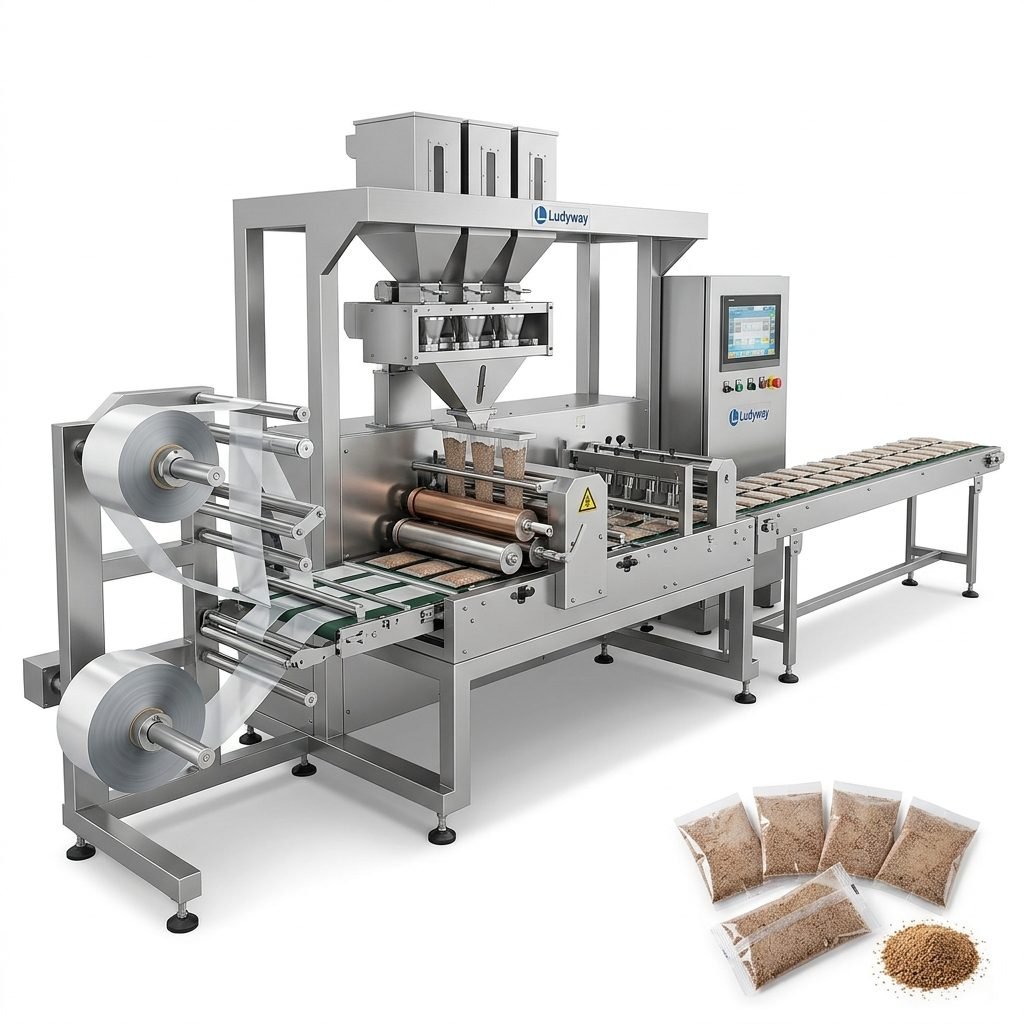
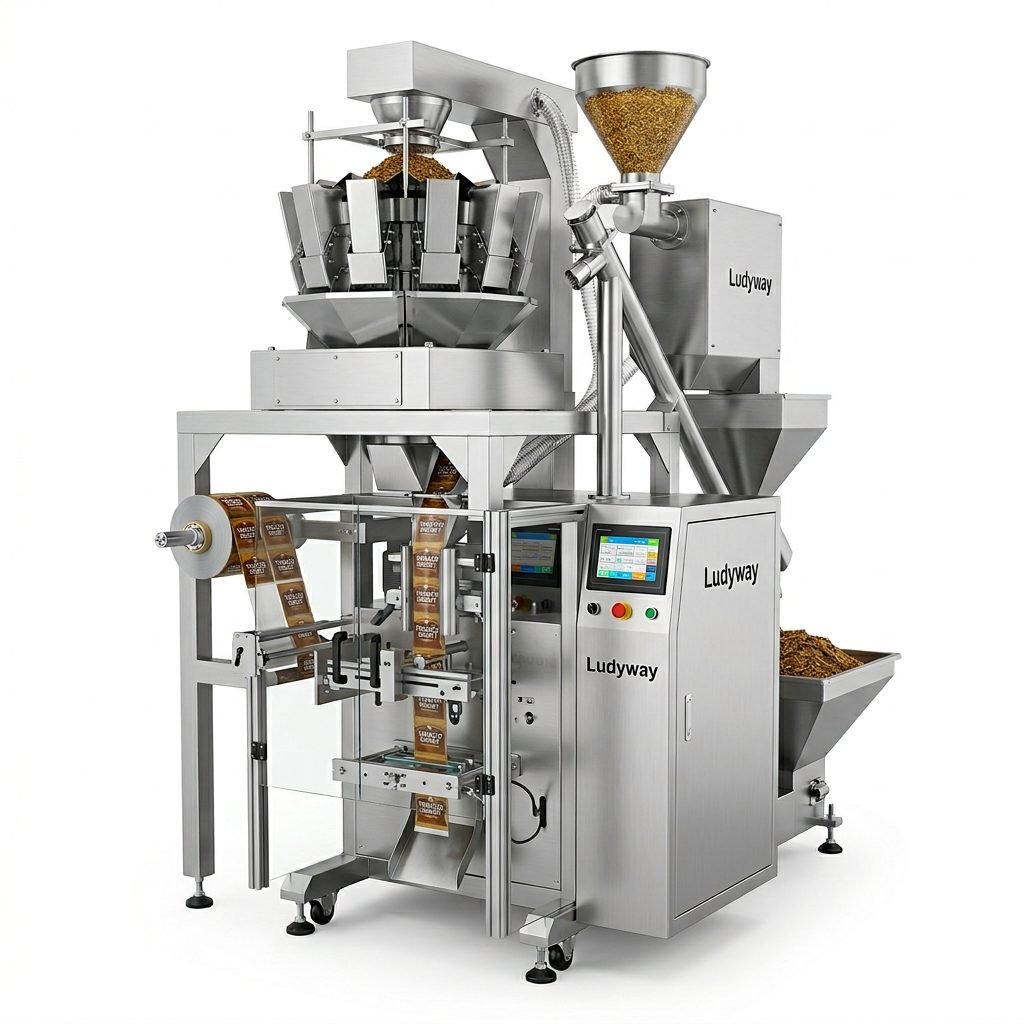
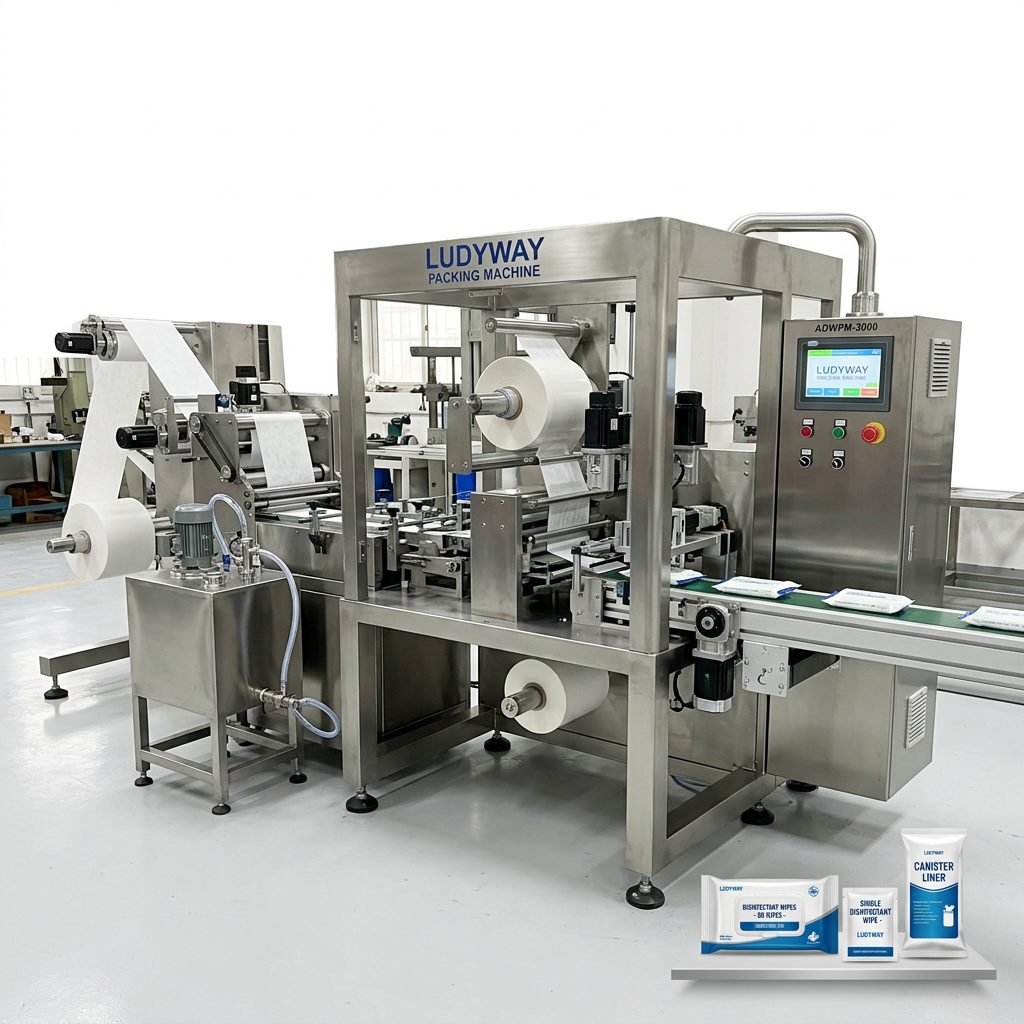
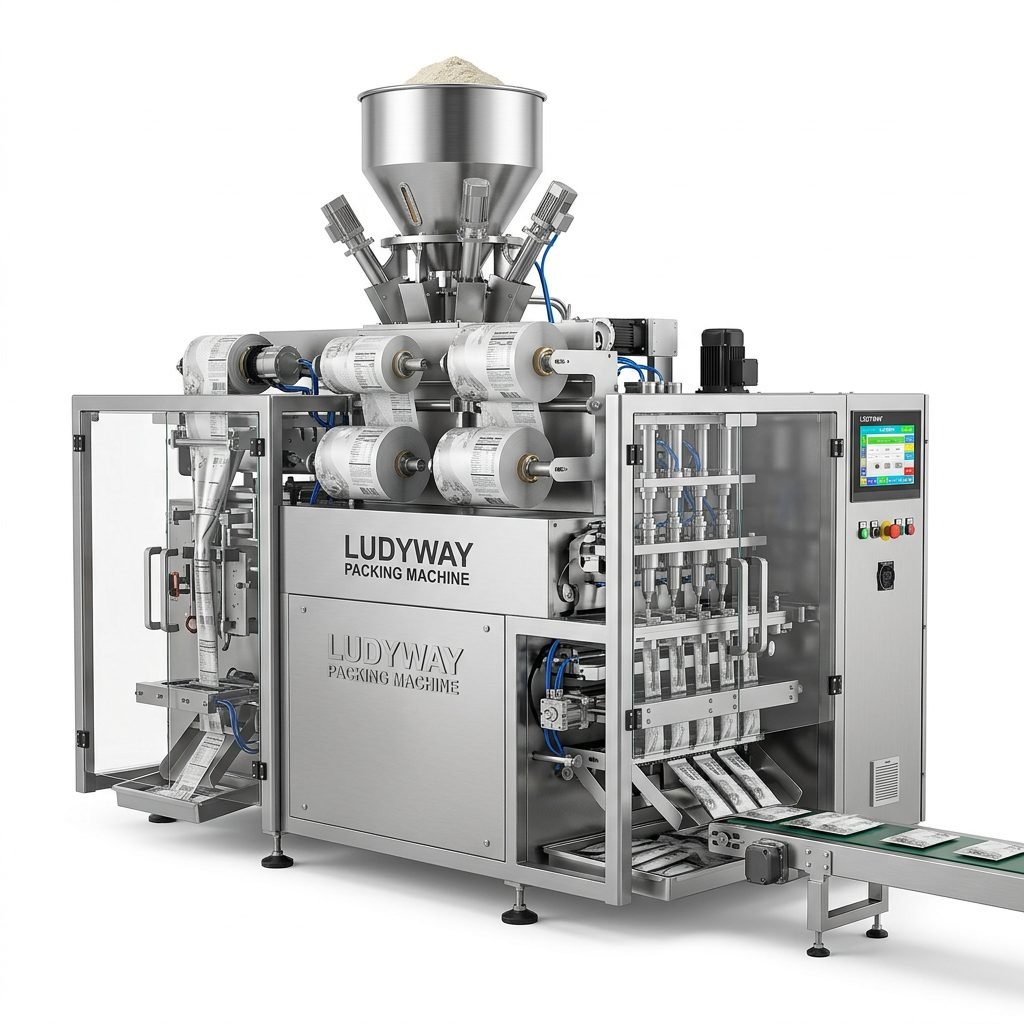
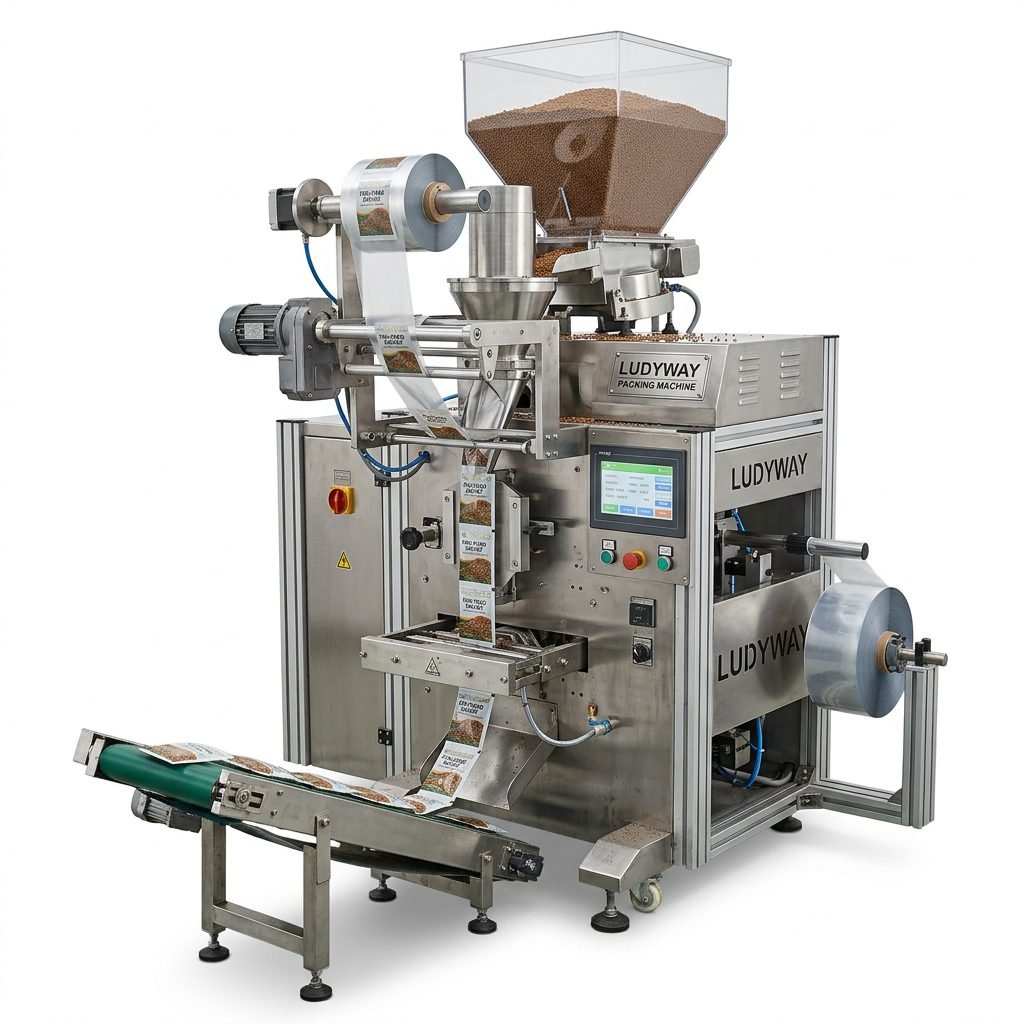
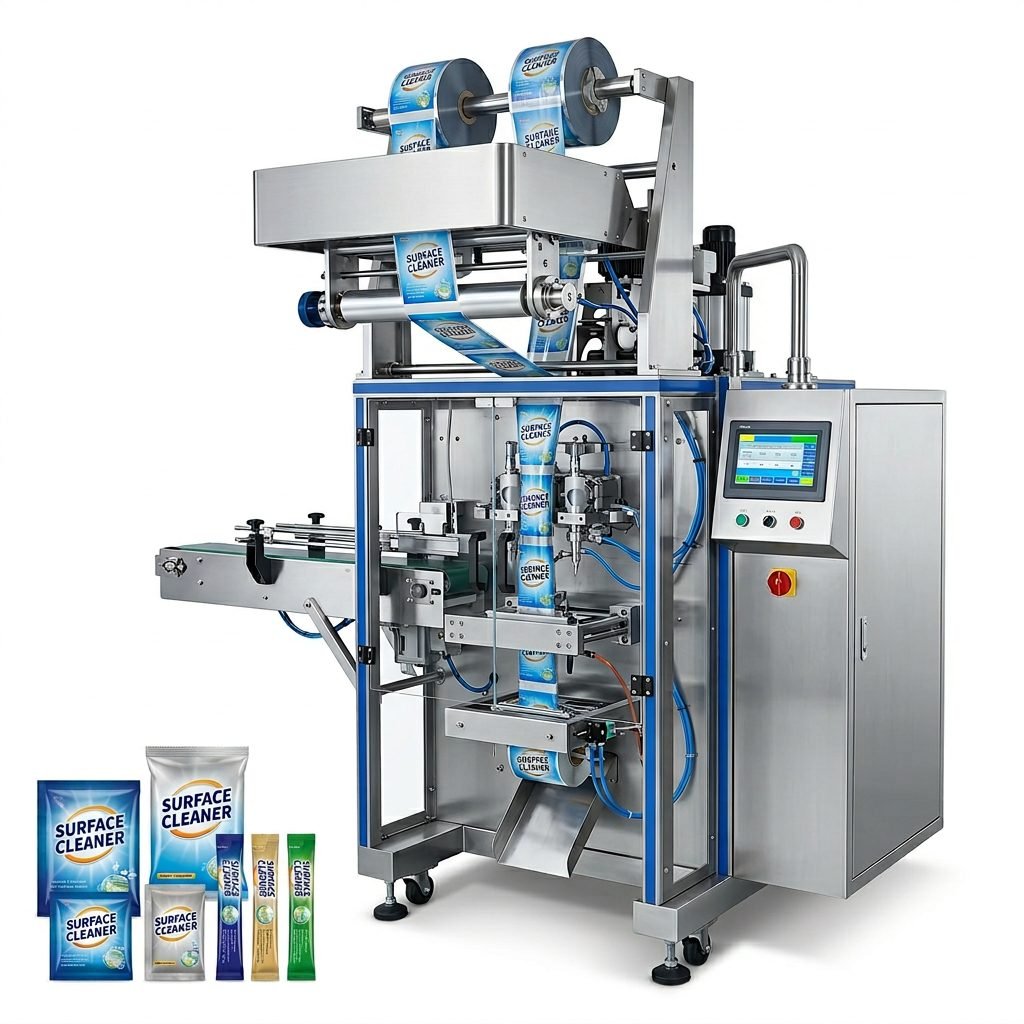
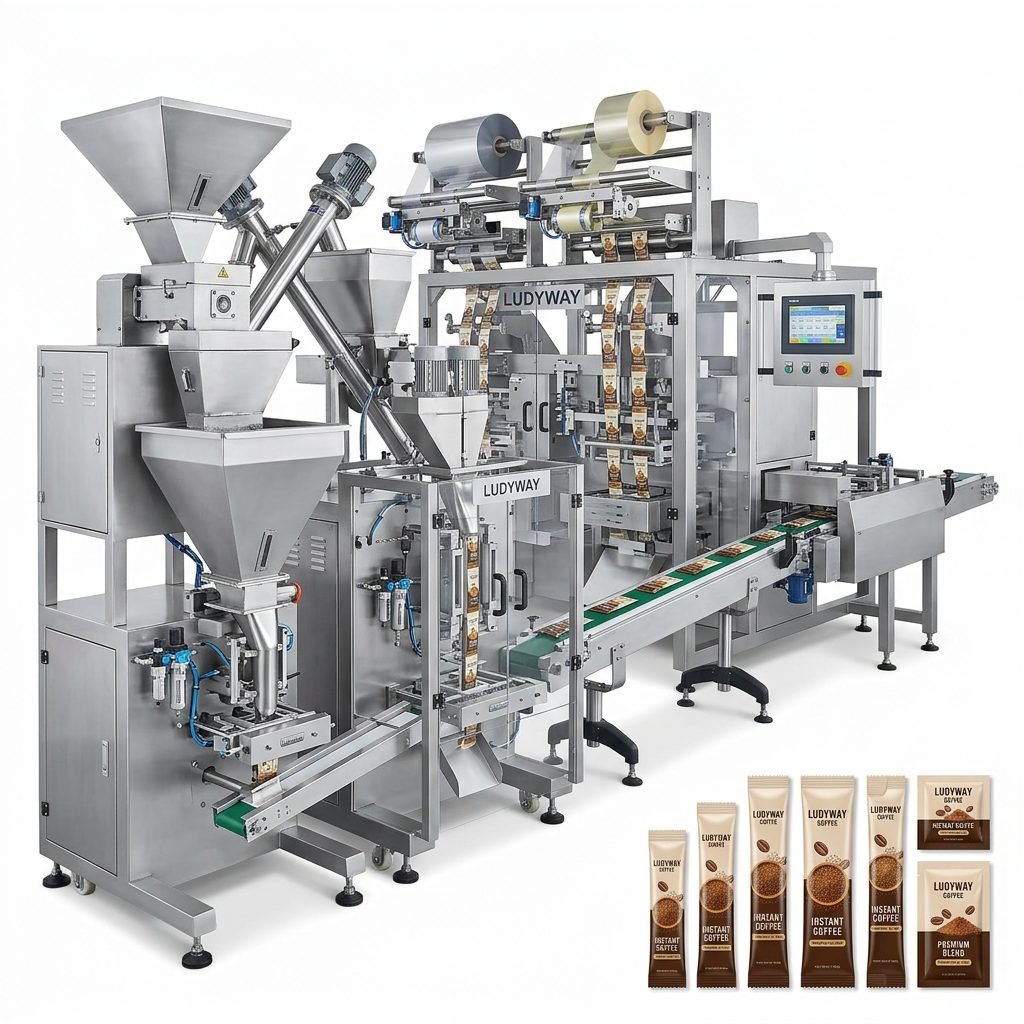
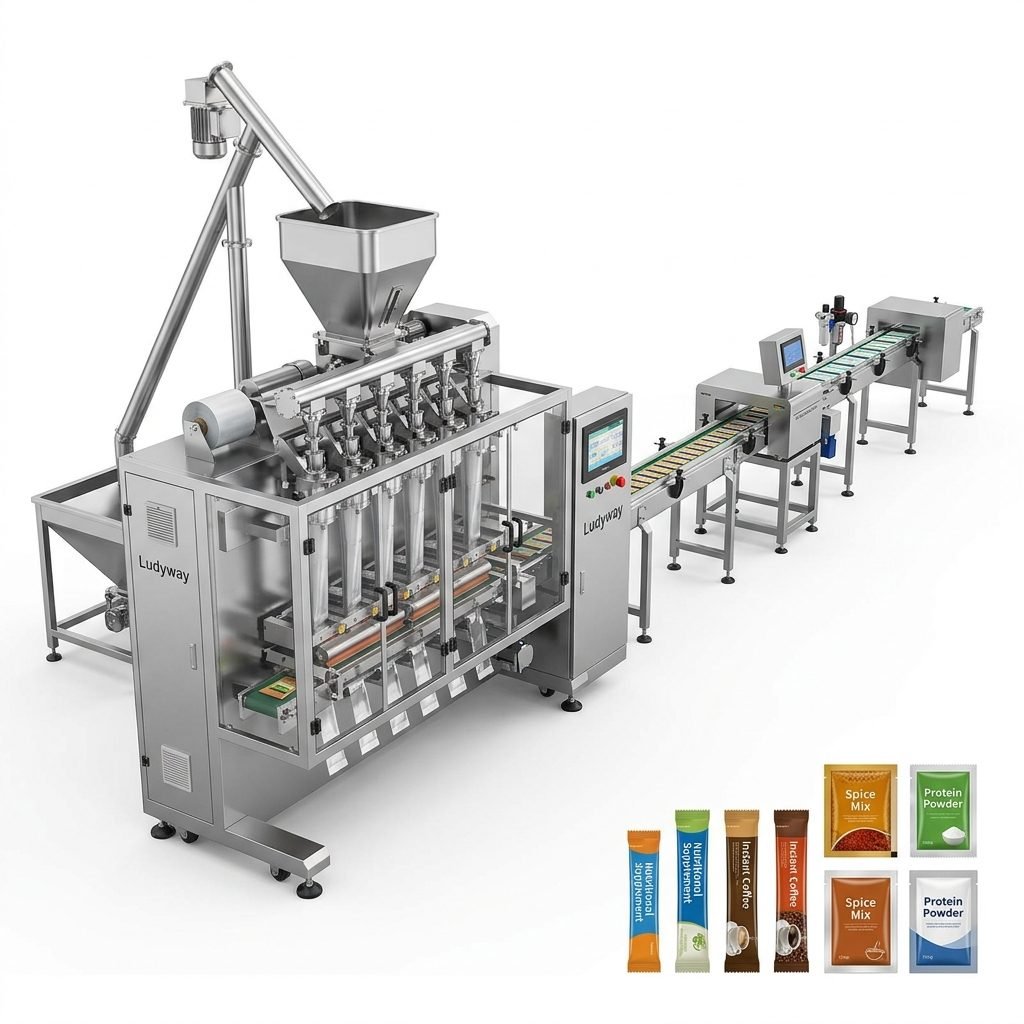
Palm oil remains one of the most widely used edible oils in global food processing, retail, and foodservice supply chains. For manufacturers, traders, and brand owners, the right palm oil packing machine is essential for achieving high efficiency, accurate filling, leak-free sealing, and hygienic packaging. Whether the product is packed into sachets, stick packs, pouches, bottles, or larger industrial containers, automation helps reduce waste, improve consistency, and support long-term production growth.
Modern packaging systems are designed to handle palm oil in different temperatures and viscosities, making them suitable for refined palm oil, palm olein, blended edible oils, and other liquid food products. With the right machine configuration, companies can increase output while maintaining food safety and attractive package presentation.
Why Palm Oil Packaging Requires Specialized Equipment
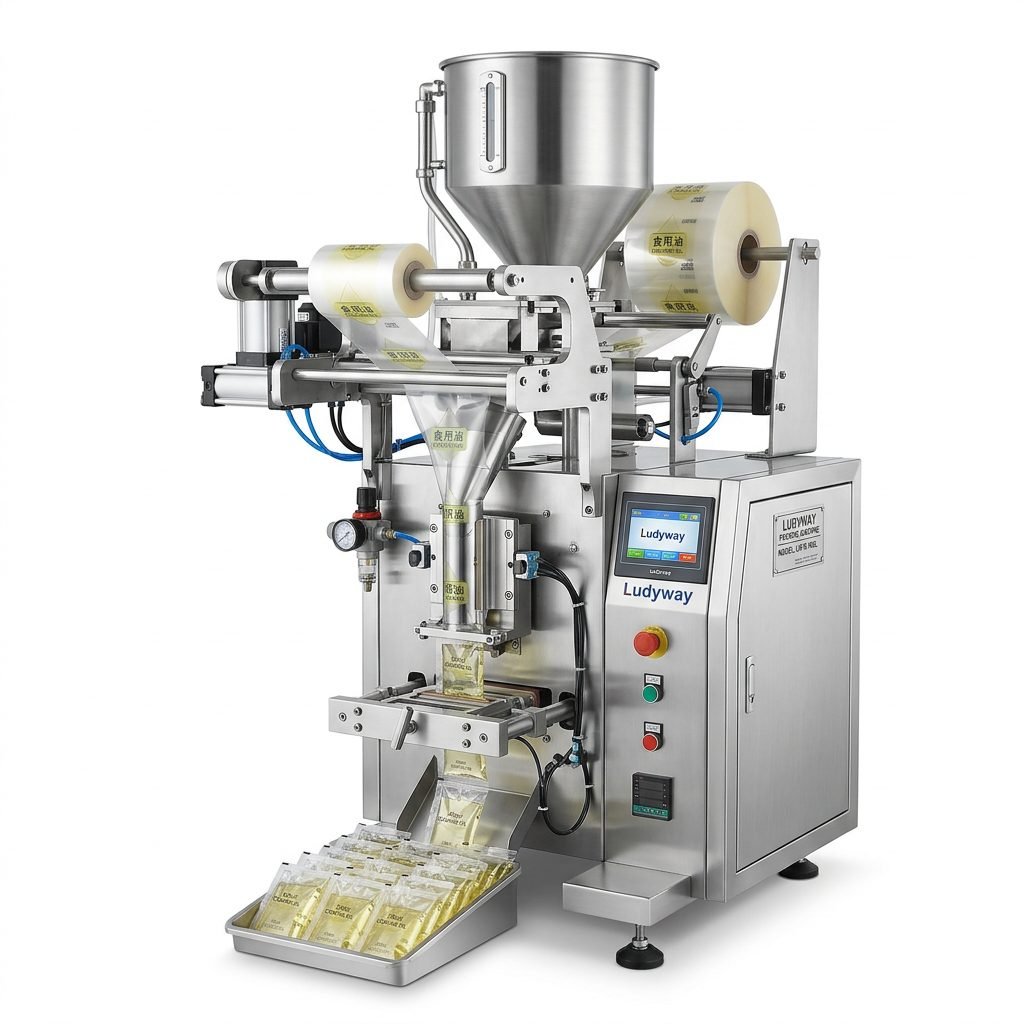
Palm oil may appear simple to pack, but in actual production it presents several operational challenges. Its flow behavior changes with temperature, and this can affect filling precision, sealing performance, and product appearance. A dedicated palm oil packing machine is built to address these production realities with stable dosing systems, food-grade contact parts, and reliable sealing mechanisms.
- Temperature-sensitive flow properties require controlled filling conditions.
- Accurate volume control is necessary to minimize giveaway and underfilling.
- Strong sealing quality helps prevent leakage during storage and transport.
- Hygienic design supports food safety compliance and easier cleaning.
- Flexible packaging formats allow brands to serve retail, horeca, and bulk markets.
Common Packaging Formats for Palm Oil
Different sales channels require different packaging styles. Small sachets are ideal for foodservice and retail convenience, while bottles and pouches suit household consumption. Large bags or containers are often used in industrial supply and commercial kitchens.
| Packaging Format | Typical Use | Main Advantage |
|---|---|---|
| Sachets | Single-use retail, catering, takeaway | Low material use and easy portion control |
| Stick packs | Compact single-dose applications | Convenient and portable |
| Pouches | Retail and household cooking oil | Good shelf appeal and storage efficiency |
| Bottles | Supermarkets and branded products | Strong consumer acceptance |
| Large bags / containers | Industrial and wholesale supply | Efficient for high-volume distribution |
Key Features of an Efficient Palm Oil Packing Machine
Choosing the right machine is about more than filling speed. The best systems combine precision, reliability, hygiene, and compatibility with upstream and downstream equipment.
1. Accurate Liquid Filling
Precision filling systems help maintain consistent pack weights and volumes. This improves customer satisfaction and protects profit margins by reducing overfill.
2. Stable Sealing Performance
Palm oil packaging must withstand handling, shipping, and storage. High-quality heat sealing reduces the risk of leakage, contamination, and product loss.
3. Hygienic Product Contact Design
Food-grade stainless steel parts, cleanable pipelines, and enclosed transfer structures help maintain production hygiene. This is especially important for edible oil products distributed to large food markets.
4. Automation for Higher Output
Automated feeding, filling, sealing, coding, inspection, and cartoning functions can significantly reduce labor dependency and improve line efficiency.
5. Flexible Format Changeover
Manufacturers serving multiple SKUs benefit from equipment that can adapt to different bag sizes, fill volumes, and packaging materials with minimal downtime.
Benefits of Automated Palm Oil Packaging Solutions
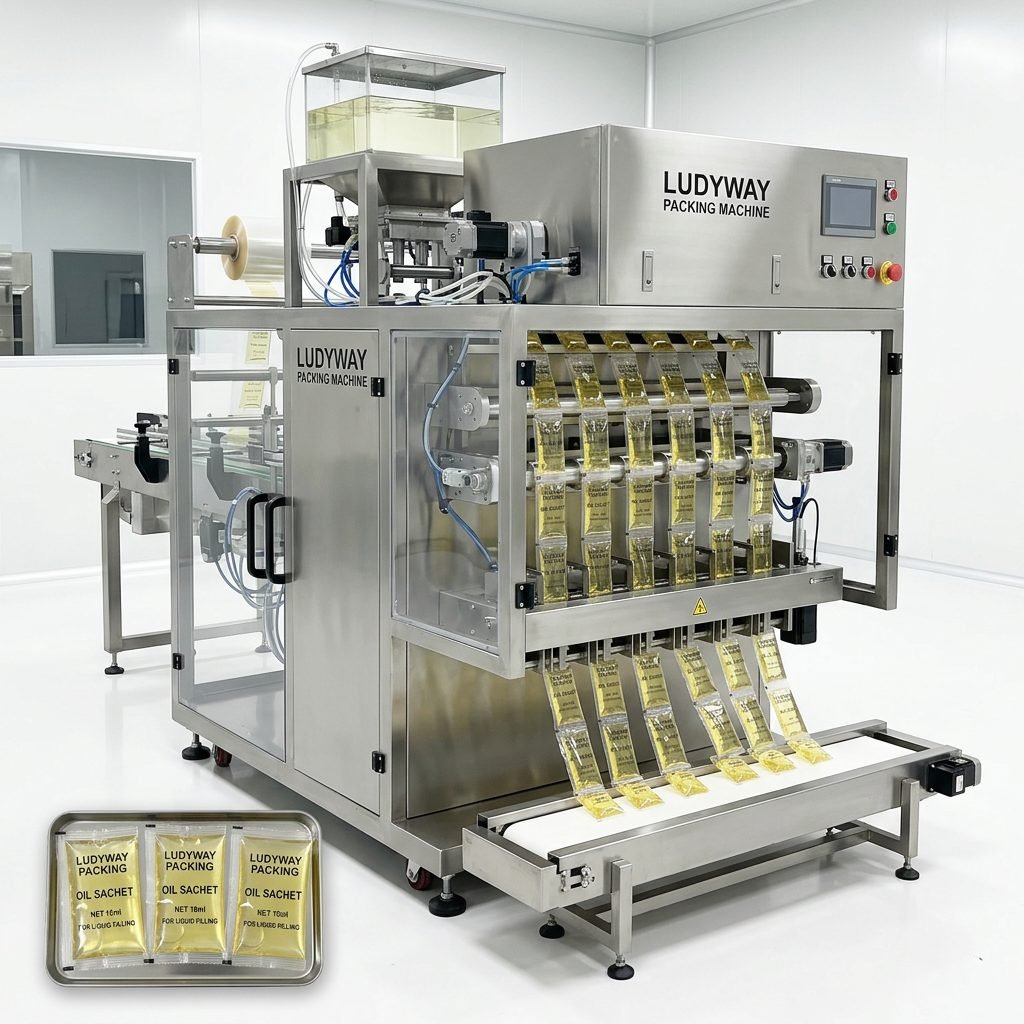
Upgrading from semi-automatic or manual filling to an automated palm oil packaging line can create measurable improvements across production, quality control, and operating cost.
- Higher packing speed for growing order volumes.
- More consistent package quality and appearance.
- Reduced labor intensity and lower human error.
- Cleaner production environment and improved hygiene control.
- Better traceability through coding, inspection, and integrated line management.
- Lower material and product waste over time.
Industries That Use Palm Oil Packing Machines
Palm oil is used across multiple sectors, so packaging machinery must support a wide range of production needs.
- Edible oil manufacturers
- Food ingredient suppliers
- Sauce and seasoning producers
- Instant food and ready-meal brands
- Hotel, restaurant, and catering suppliers
- Private-label consumer goods companies
How to Choose the Right Palm Oil Packing Machine
Before investing in equipment, it is important to evaluate the exact product and packaging requirements. A machine that performs well for one oil application may not be the best choice for another.
| Selection Factor | Why It Matters |
|---|---|
| Packaging type | Determines machine structure, forming style, and sealing method |
| Fill range | Affects dosing accuracy and speed configuration |
| Viscosity and temperature | Influences pump selection and pipeline design |
| Production capacity | Ensures the machine matches current and future demand |
| Hygiene requirements | Supports food safety and cleaning efficiency |
| Line integration | Allows connection with conveyors, coding, inspection, and cartoning systems |
Hygiene Standards Matter in Edible Oil Packaging
Hygienic packaging is not just a technical preference; it is a commercial necessity. In food manufacturing, poor hygiene can lead to contamination risks, rejected batches, and brand damage. A well-designed palm oil packing machine helps operators maintain a cleaner process through:
- Smooth stainless steel contact surfaces
- Leak-resistant filling nozzles
- Easy-to-clean tanks and pipes
- Controlled product transfer and reduced exposure
- Reliable sealing to protect finished packs
These features are especially valuable for companies exporting to markets with stricter food packaging and quality requirements.
Integration with Complete Packaging Lines
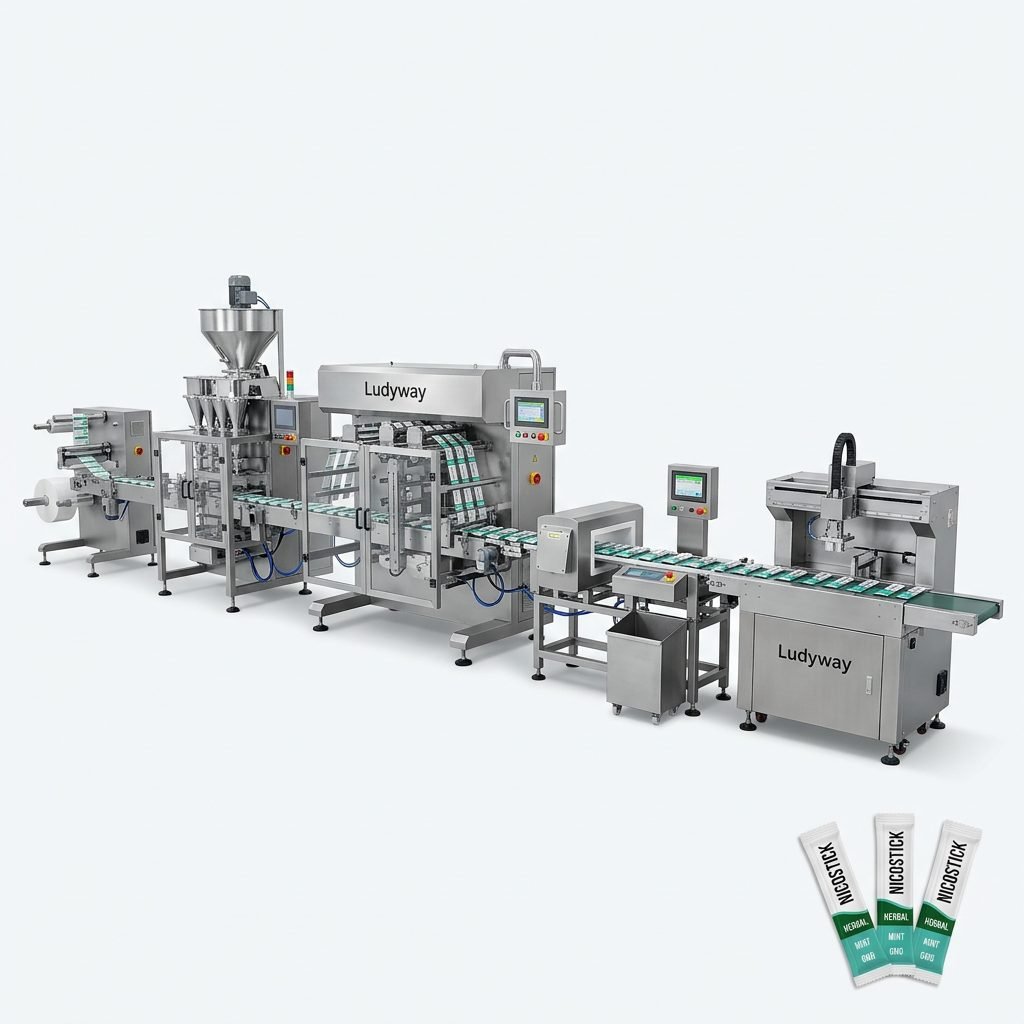
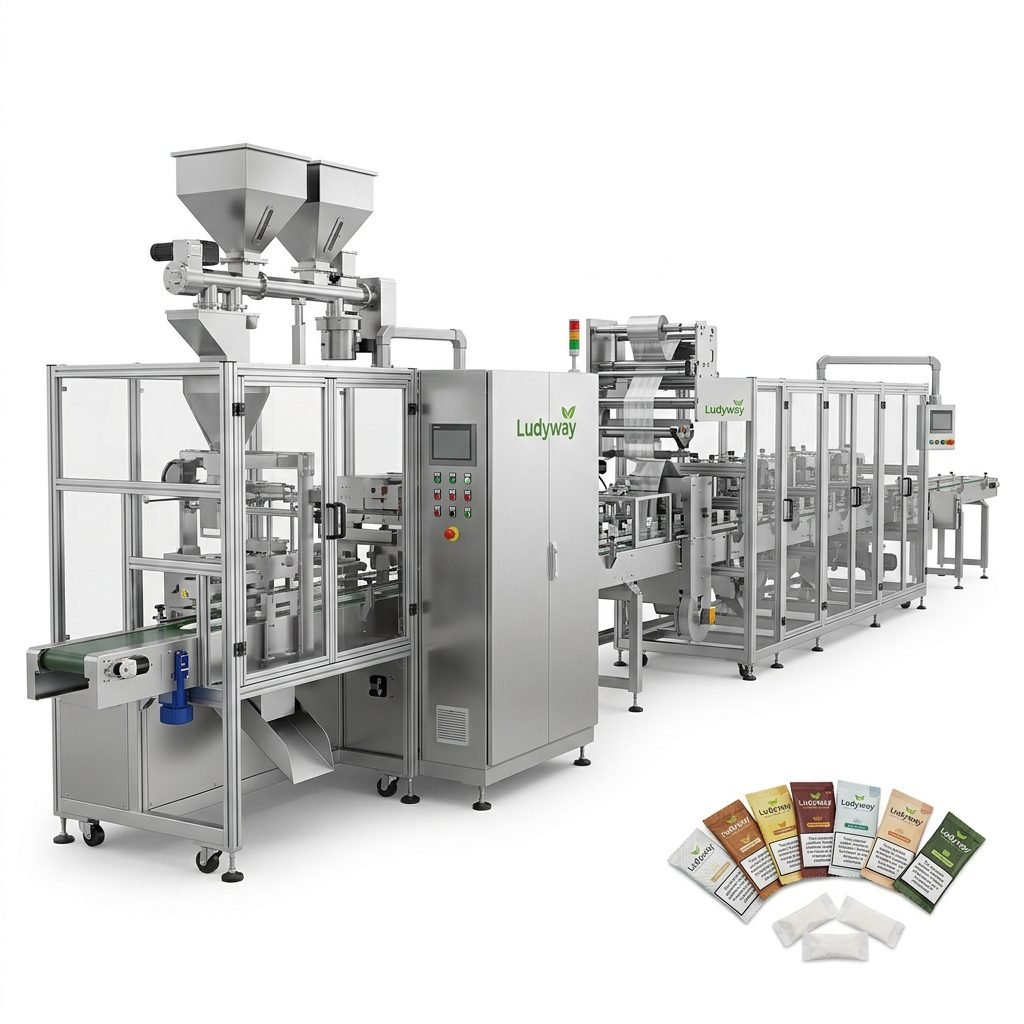
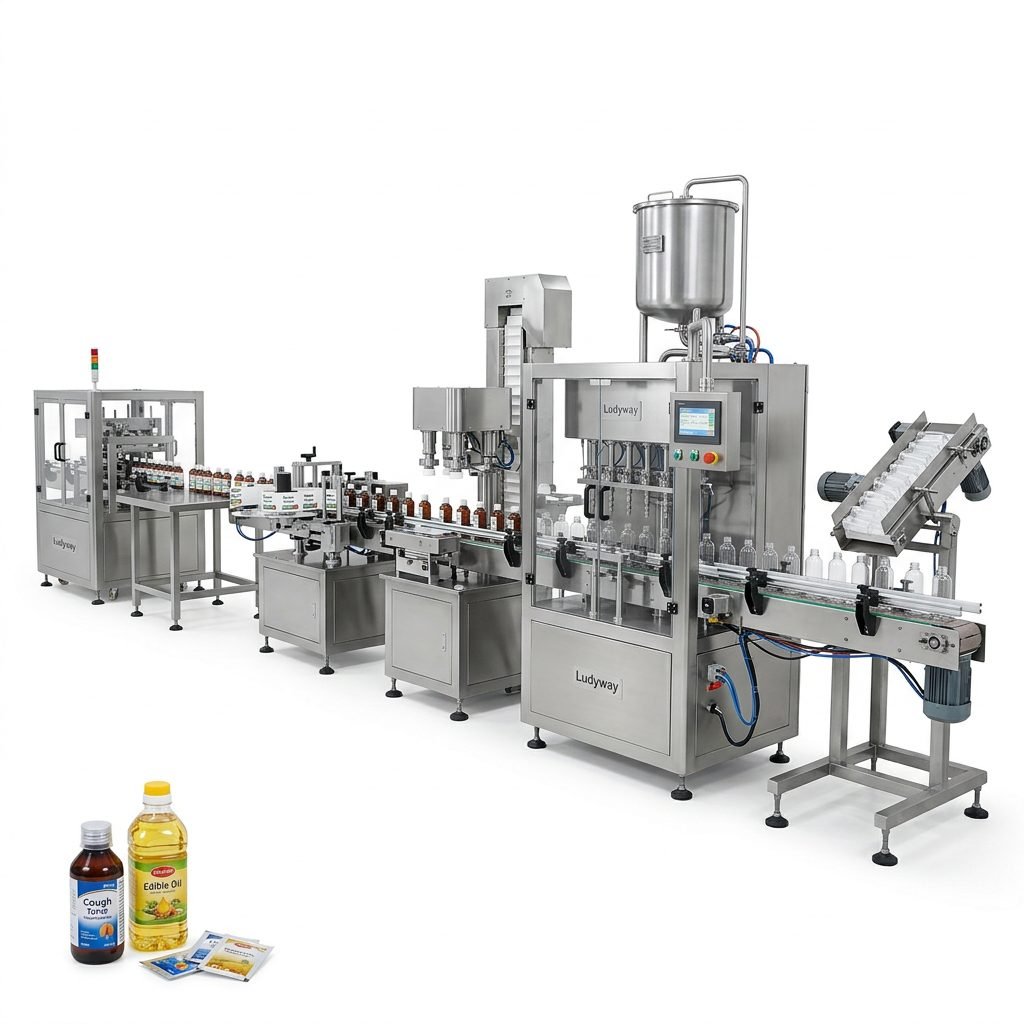
Many palm oil producers no longer purchase a standalone filler only. Instead, they prefer integrated systems that connect raw product feeding, filling, sealing, date coding, checkweighing, metal detection where needed, cartoning, and end-of-line packing. This approach improves production flow and simplifies management.
As one of China’s leading packaging machine and turnkey packaging line manufacturers, Ludyway palm oil packing machine solutions can support liquid packaging projects with scalable automation, flexible machine configurations, and complete line integration for food and related industries.
Signs It’s Time to Upgrade Your Current Packaging Equipment
If your current system struggles with consistency or capacity, an upgrade may quickly pay off. Common warning signs include:
- Frequent leakage or weak seals
- Inconsistent fill weights
- High manual labor dependence
- Slow changeovers between SKUs
- Difficulty meeting hygiene expectations
- Rising maintenance costs and downtime
What Buyers Often Ask Before Purchasing
Can one machine handle different palm oil pack sizes?
Yes, many machines can be configured for multiple sizes, depending on the package format and dosing range.
Is a heating system necessary?
In many cases, temperature control is helpful for maintaining stable flow and filling accuracy, especially in varying production environments.
Can the machine be integrated into a full line?
Yes, modern systems can connect with conveyors, coding devices, inspection equipment, cartoners, and case packing units.
How important is filling accuracy?
It is extremely important because even small overfill losses can become costly at high production volumes.
Final Considerations for Long-Term Packaging Performance
A reliable palm oil packing machine should deliver more than short-term speed. It should help your business maintain consistent product quality, hygienic production, strong sealing results, and scalable automation. When selected correctly, the machine becomes a long-term asset that supports brand reputation, operational efficiency, and market expansion.
For companies involved in edible oil packaging, investing in efficient, accurate, and hygienic equipment is one of the smartest ways to strengthen competitiveness and meet rising customer expectations.