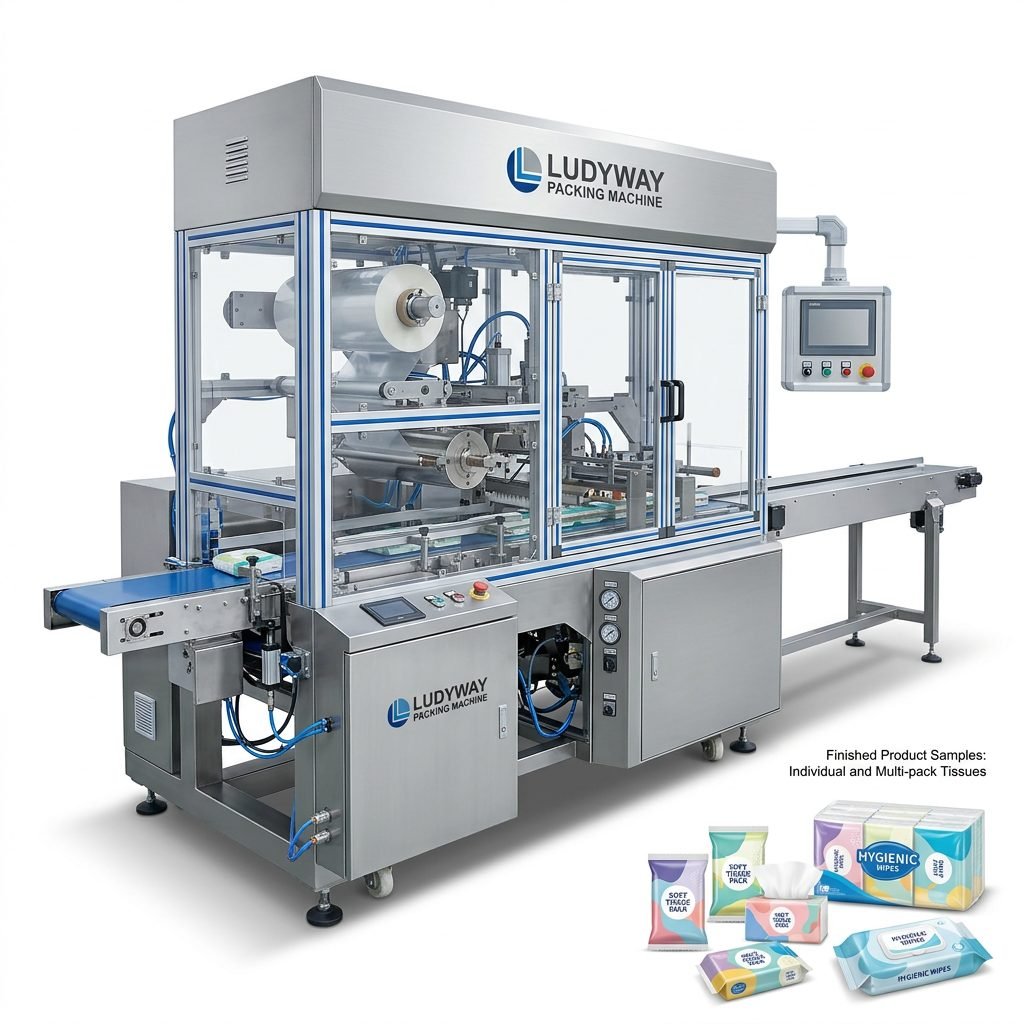
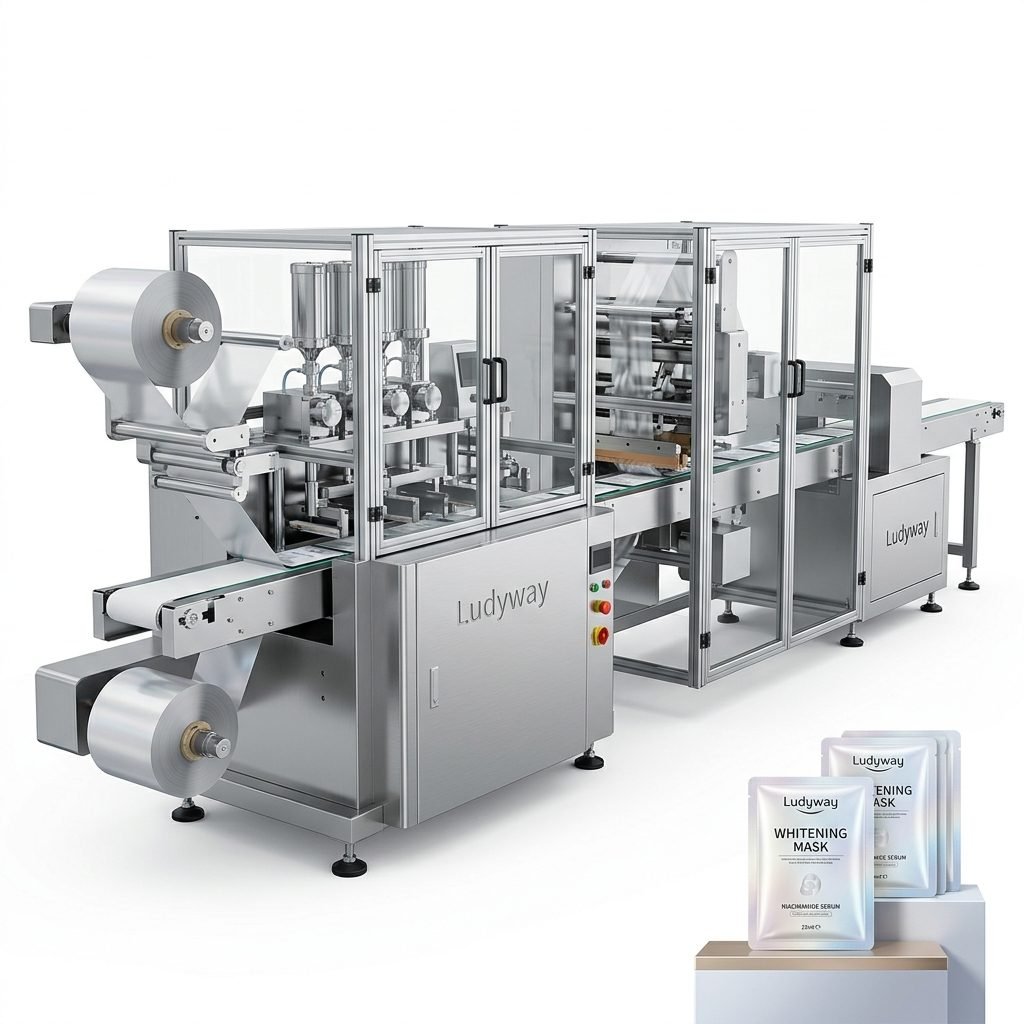
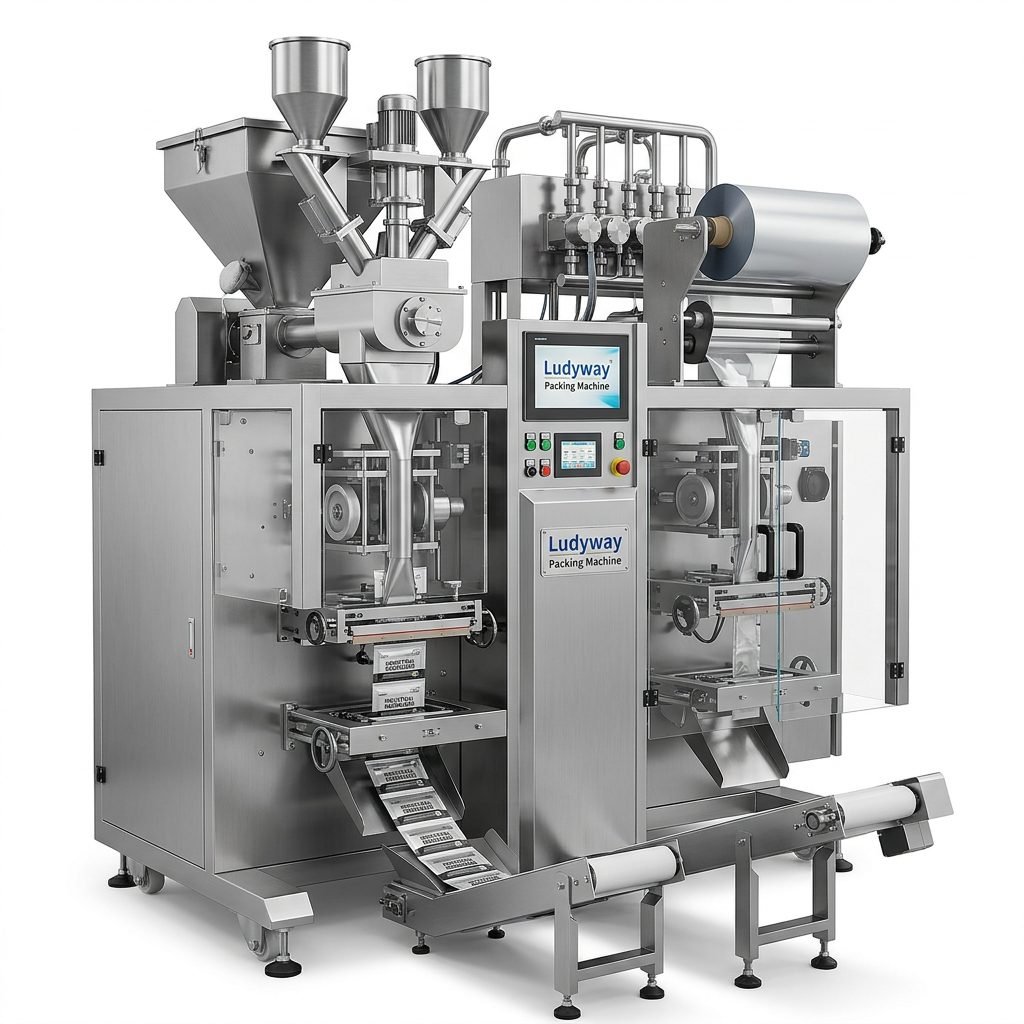
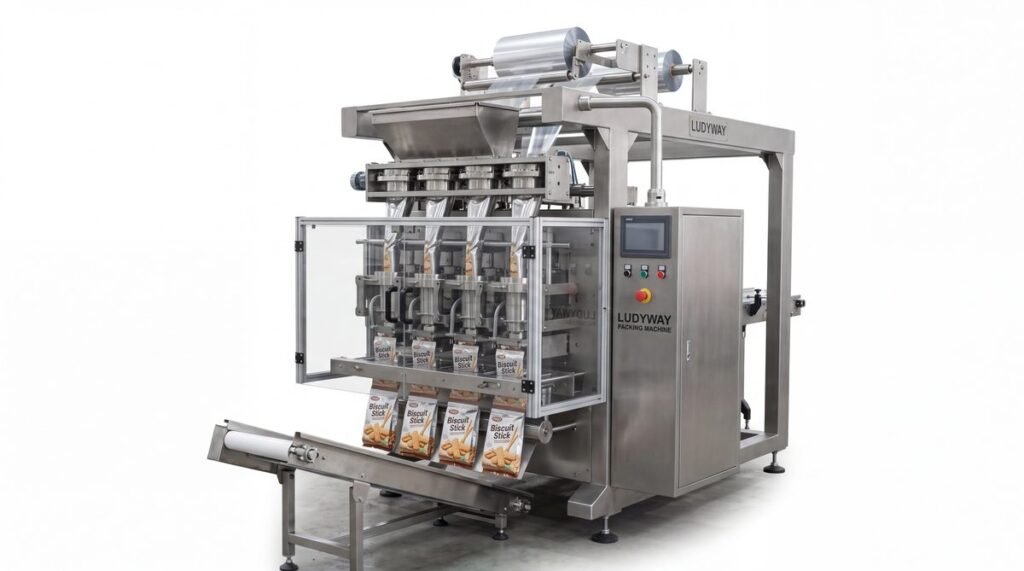
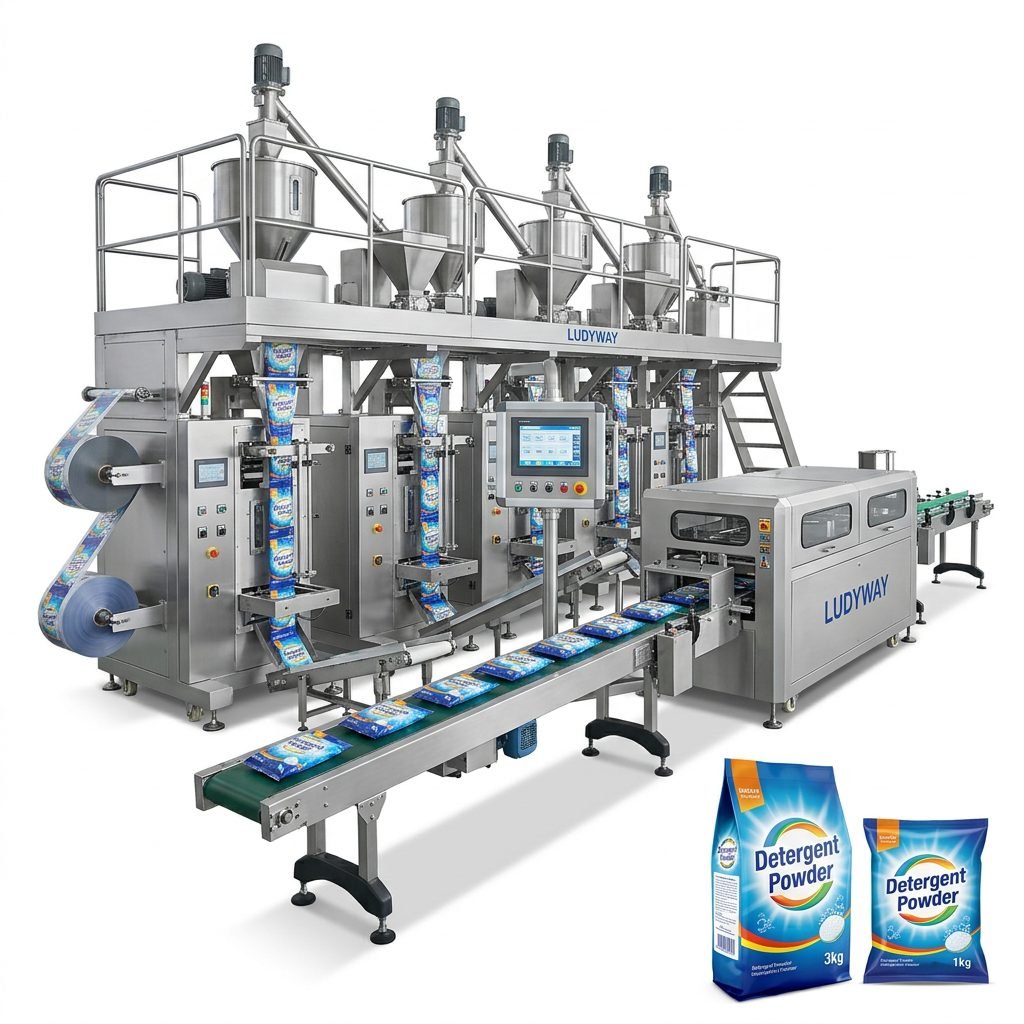
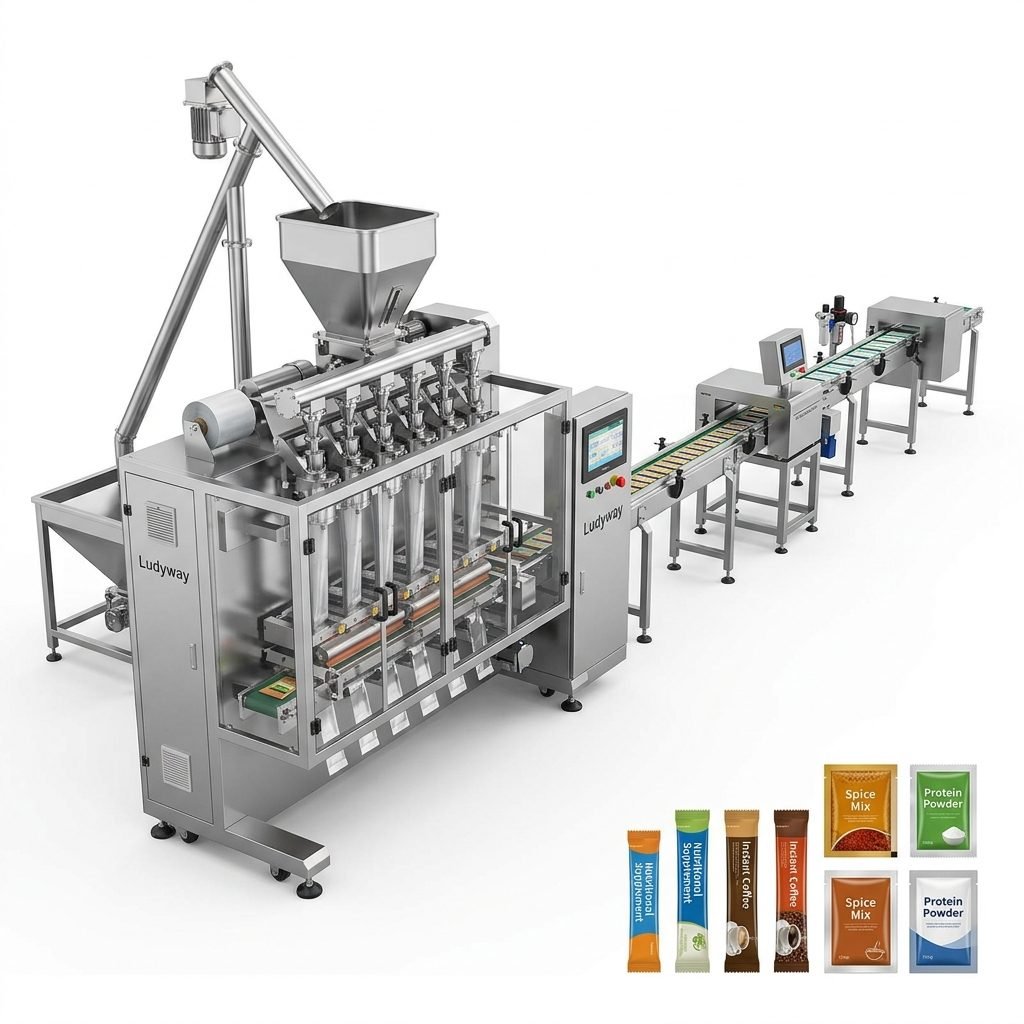
The South American pet food market is experiencing unprecedented growth. With rising pet ownership rates in countries like Brazil, Argentina, Chile, and Colombia, manufacturers are racing to establish modern, efficient production lines. Setting up a pet food packaging machine production line in this region requires careful planning, understanding of local regulations, and the right technology partners.
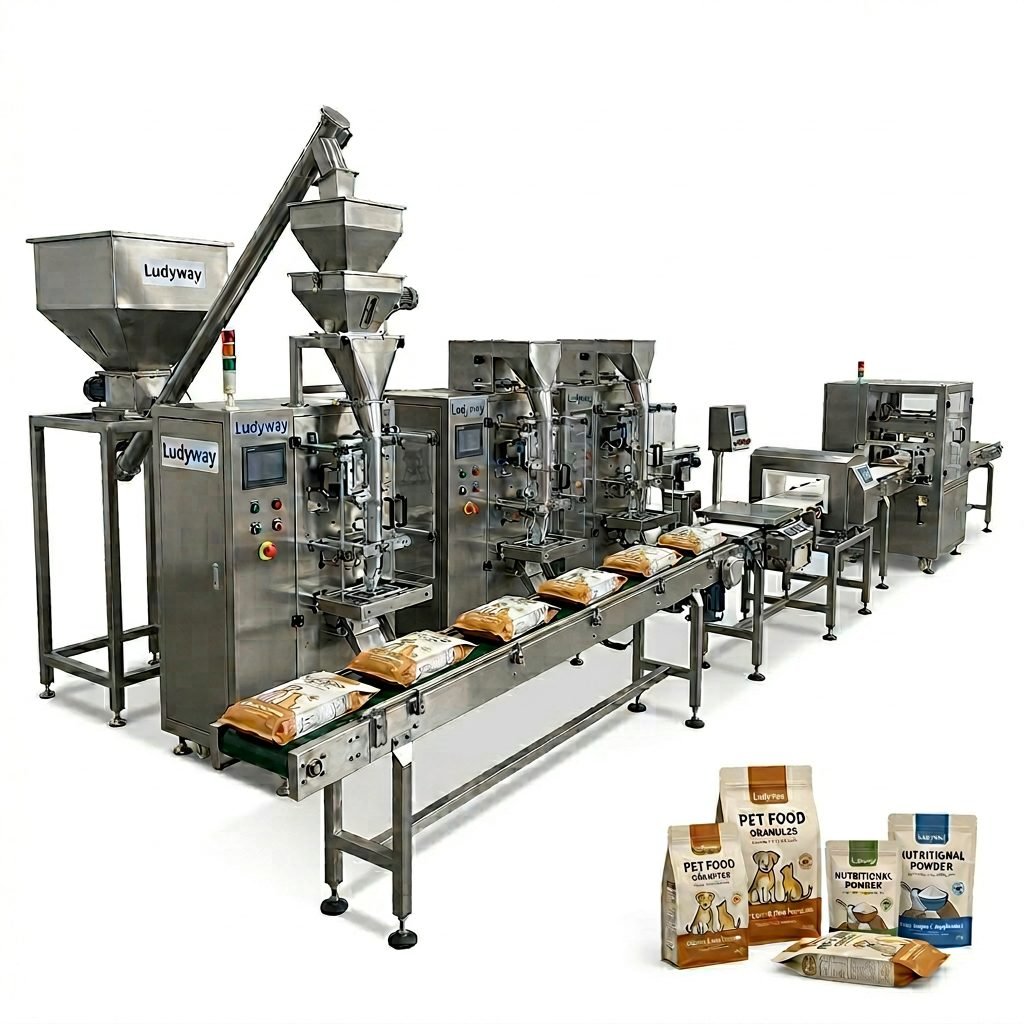
Understanding the South American Pet Food Landscape
Before investing in machinery, it is crucial to understand the regional market dynamics. South America has become one of the fastest-growing pet food markets globally, driven by the humanization of pets and increasing disposable income. Brazil alone accounts for a significant portion of this demand, but markets like Argentina and Chile are also showing double-digit growth in premium pet food segments.
The types of pet food products popular in the region include:
- Dry kibble for dogs and cats (granules and pellets)
- Powdered supplements and nutritional additives
- Treats and snacks in stick pack or sachet formats
- Freeze-dried pet food for premium markets
- Wet pet food in pouch packaging
Step 1: Assessing Your Production Requirements
The first step in setting up your pet food packaging equipment line is defining your specific production needs. Key factors to evaluate include:
| Parameter | Considerations |
|---|---|
| Product Type | Granules, powders, liquids, or mixed formats |
| Packaging Format | Stick packs, sachets, pouches, or multi-lane configurations |
| Target Output | Packs per minute, daily production volume goals |
| Bag Size Range | Single-serve samples to bulk family packs |
| Automation Level | Semi-automatic vs fully automated turnkey lines |
Step 2: Selecting the Right Packaging Machine Configuration
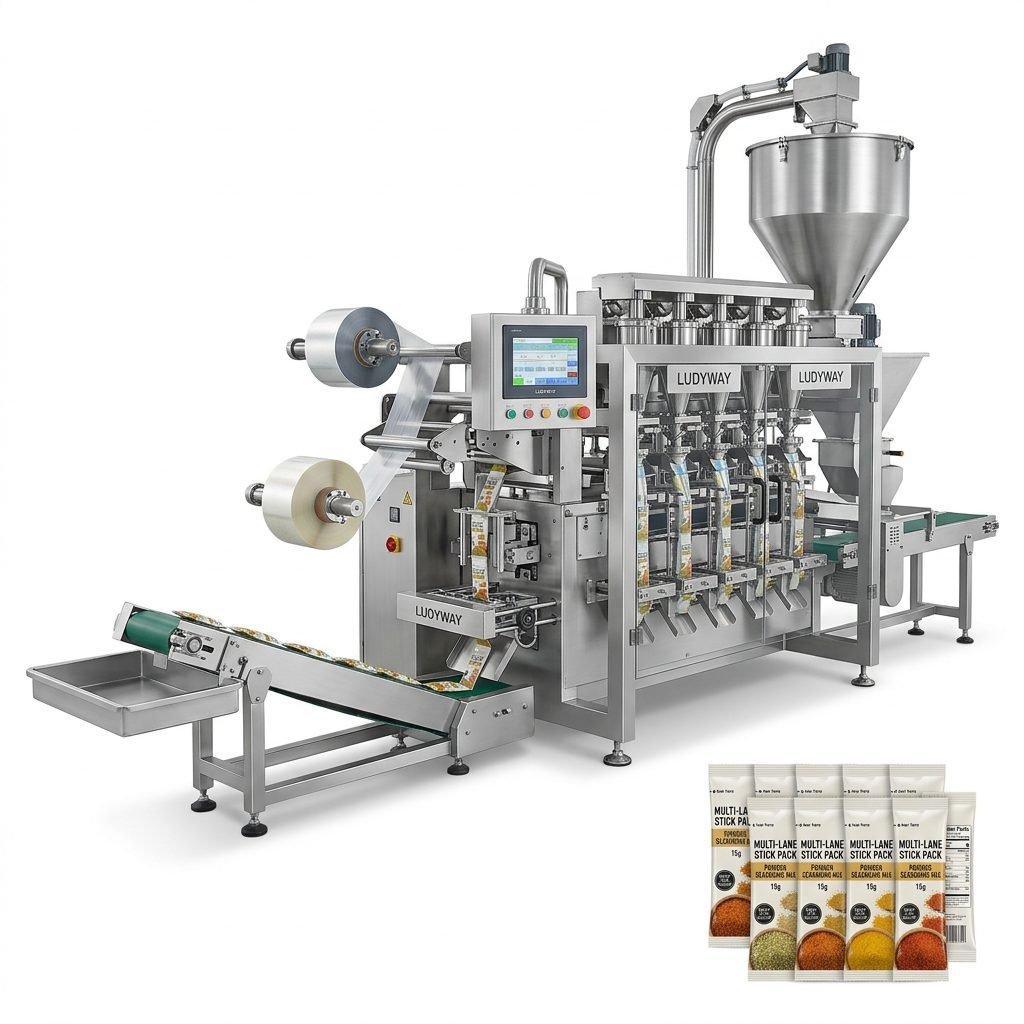
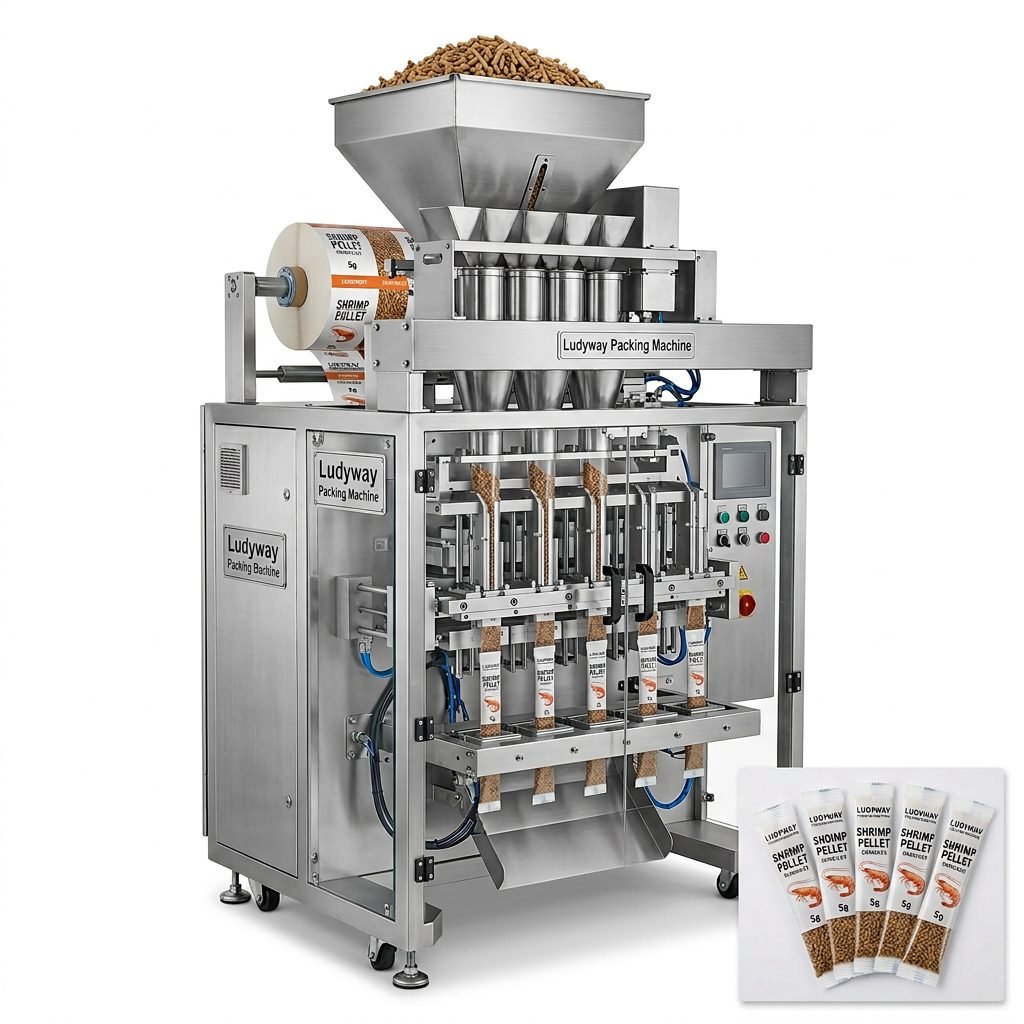
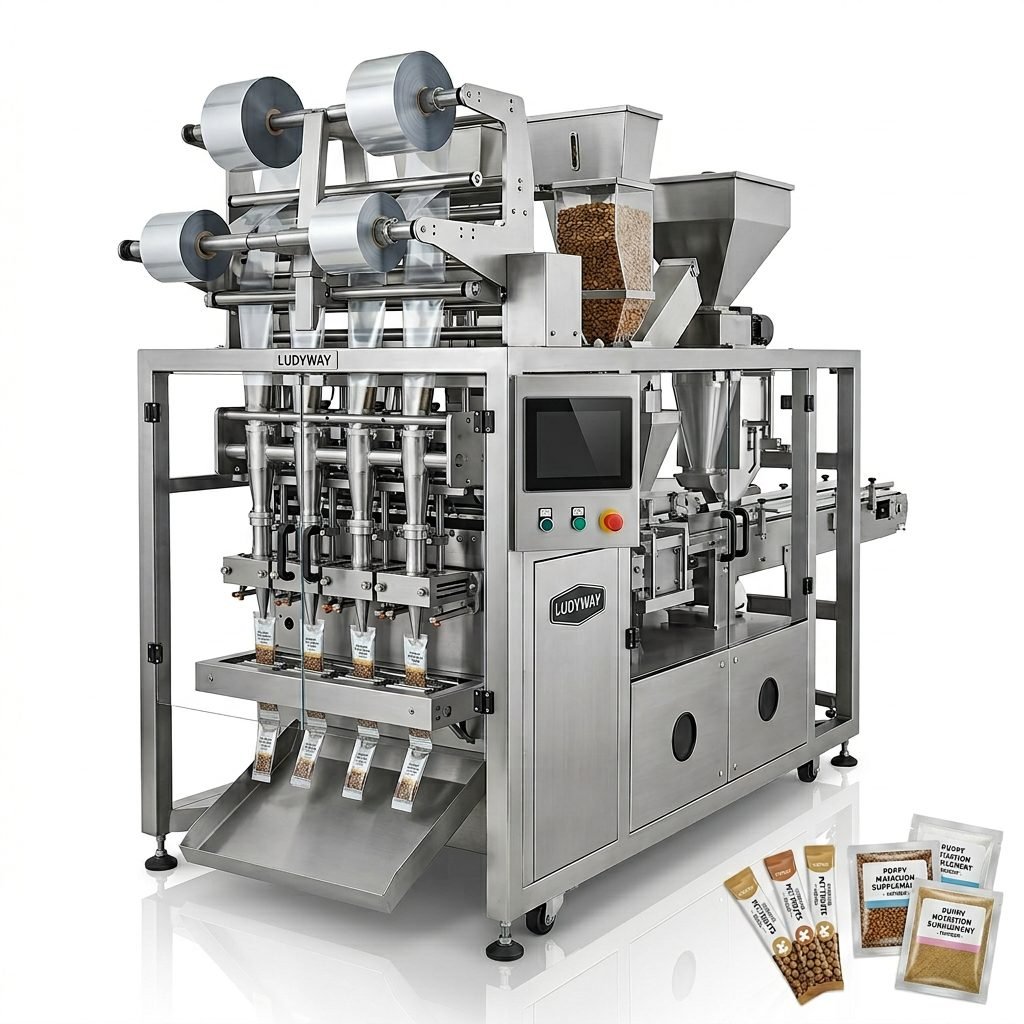
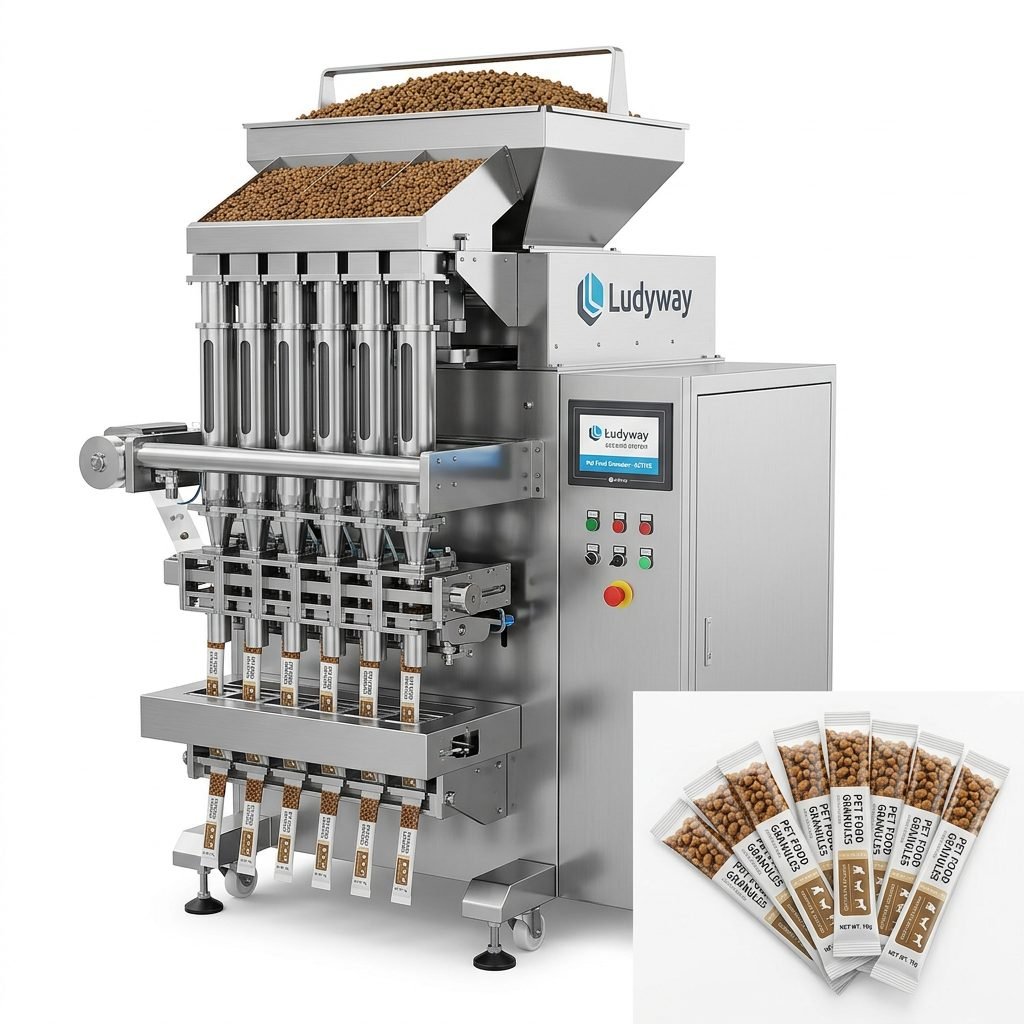
For pet food applications, multi-lane packaging systems are often the most efficient choice. These machines can simultaneously run multiple lanes of stick packs or sachets, dramatically increasing throughput. The ideal configuration depends on your product characteristics and market positioning.
Multi-Lane Stick Pack Machines
Perfect for powders and fine granules like pet supplements, probiotics, and nutritional additives. A multi-lane stick pack machine can produce up to 600-800 packs per minute across multiple lanes, making it ideal for high-volume production.
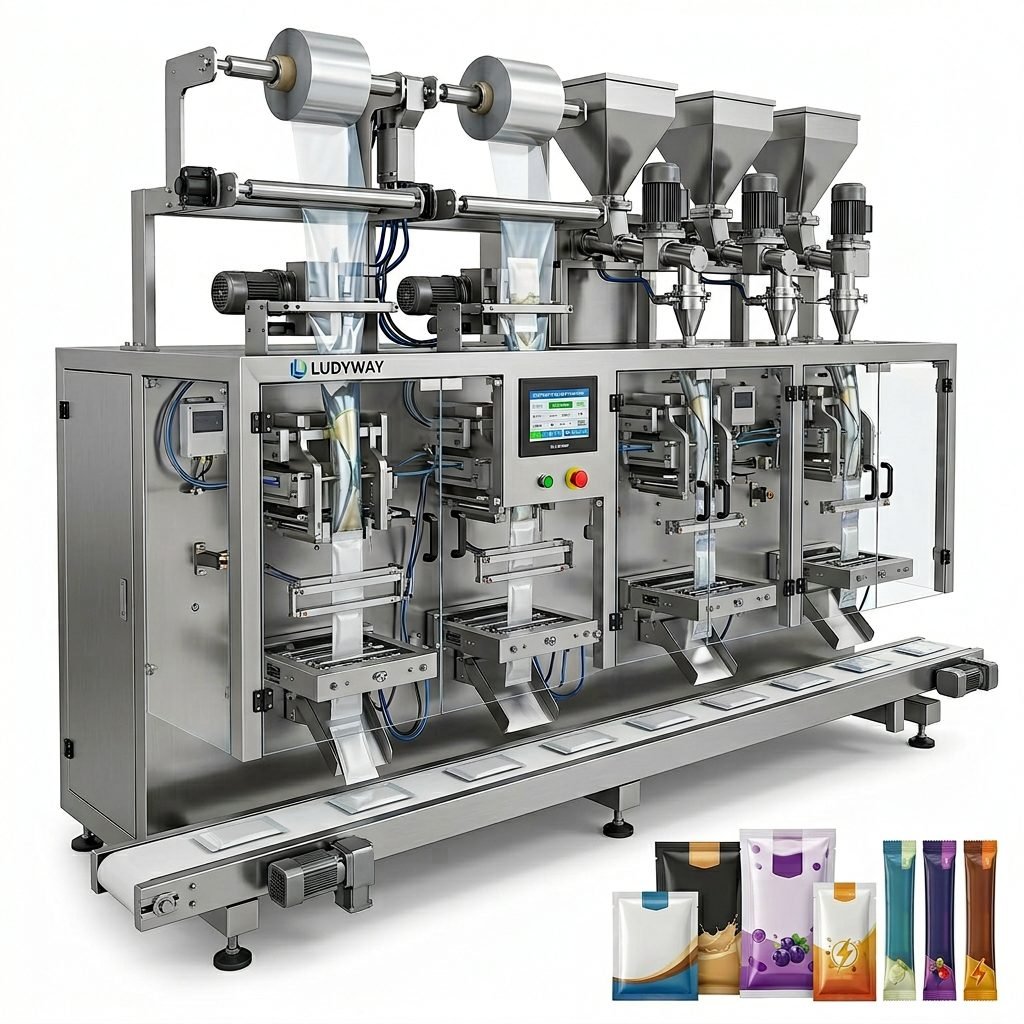
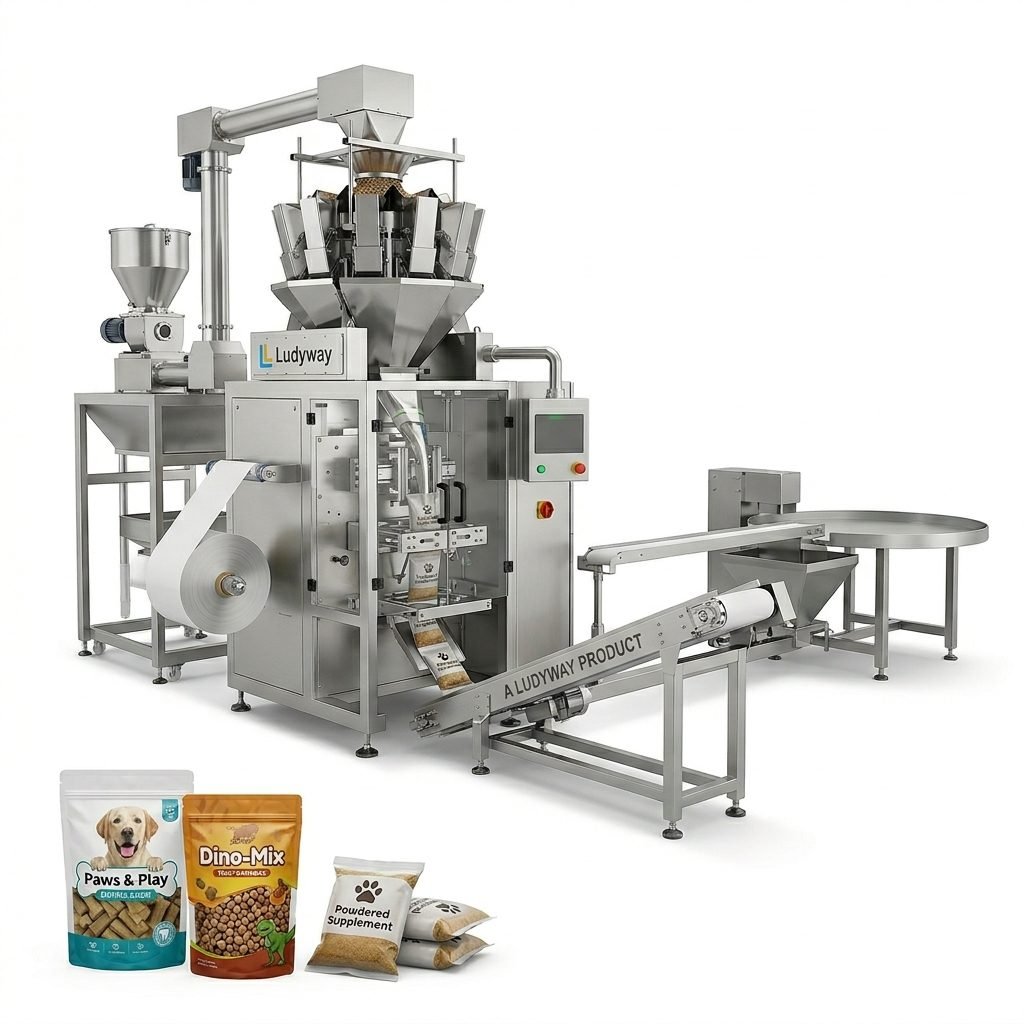
Sachet Packaging Systems
For larger portion sizes and more flexible packaging formats, sachet machines offer versatility. They handle a wide range of materials and can accommodate both granules and powder-based pet foods with equal efficiency.
Step 3: Infrastructure and Facility Requirements
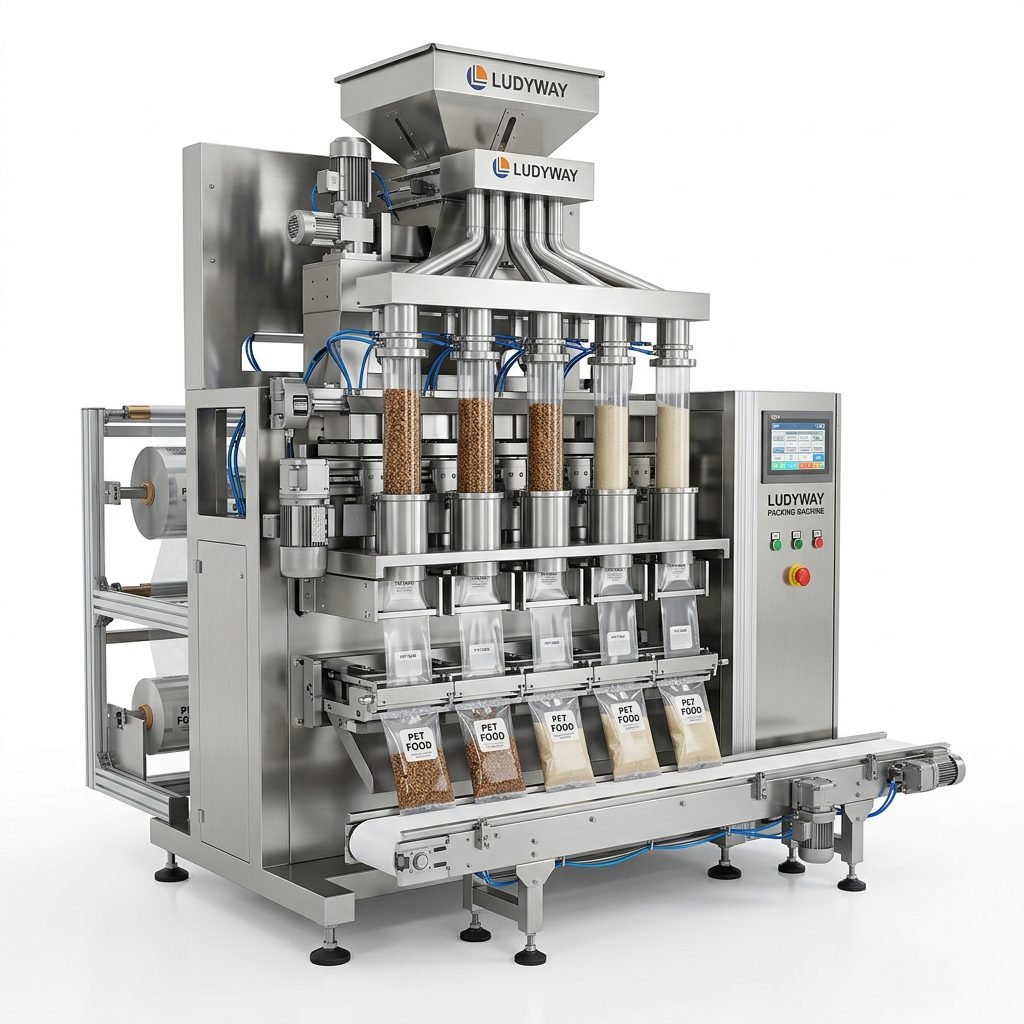
Setting up in South America requires attention to local infrastructure considerations. Your facility should be prepared with:
- Stable electrical supply with appropriate voltage regulation for imported machinery
- Compressed air systems meeting the machine’s specifications (typically 0.6-0.8 MPa)
- Climate control for humidity-sensitive powder products, especially in tropical regions
- Dust extraction systems for handling fine powder ingredients
- Clean room areas for premium and pharmaceutical-grade pet supplements
Step 4: Navigating South American Import and Regulatory Requirements
Each South American country has distinct import regulations and food safety standards. Understanding these is critical for a smooth setup process.
| Country | Key Regulatory Body | Import Considerations |
|---|---|---|
| Brazil | MAPA (Ministry of Agriculture) | ANVISA certification for pet health products, complex import documentation |
| Argentina | SENASA | Strict food safety protocols, equipment certification required |
| Chile | SAG (Agricultural Service) | Relatively streamlined import process, strong IP protection |
| Colombia | ICA (Agricultural Institute) | Growing regulatory framework, free trade zone benefits available |
| Peru | SENASA Peru | Import permits required, growing pet food standards alignment |
Step 5: Installation, Commissioning, and Training
A successful turnkey packaging line installation involves several critical phases. Working with a manufacturer that provides comprehensive on-site support is essential for South American operations where local technical expertise may be limited.
Key Installation Phases:
- Pre-installation site inspection and infrastructure verification
- Equipment delivery and verification against shipping documentation
- Mechanical assembly and alignment by certified technicians
- Electrical and pneumatic system integration with facility utilities
- Software configuration and testing of control systems
- Production trial runs with actual pet food products
- Operator and maintenance team training with Spanish/Portuguese documentation
Step 6: Quality Control and Packaging Validation
Maintaining consistent quality is paramount in the pet food industry. Your packaging line should integrate quality control checkpoints throughout the production process. Advanced systems incorporate:
- Checkweighers to ensure precise fill weights for every pack
- Metal detectors for food safety compliance
- Vision inspection systems for seal integrity verification
- Batch coding and traceability systems for regulatory compliance
Cost Considerations and ROI Analysis
Investing in a pet food packaging production line in South America requires careful financial planning. While initial capital expenditure can be significant, the return on investment typically materializes within 12-24 months for well-planned operations. Key cost factors include:
- Equipment acquisition — the packaging machine, auxiliary equipment, and conveyors
- Shipping and logistics — freight, insurance, and customs duties for South American delivery
- Installation and commissioning — technical support and on-site services
- Facility modifications — infrastructure upgrades required for equipment operation
- Training and documentation — operator training programs and multilingual manuals
- Ongoing maintenance — spare parts inventory and preventive maintenance contracts
Choosing the Right Packaging Machine Partner
Selecting a reliable equipment manufacturer is perhaps the most critical decision in setting up your South American pet food packaging line. Your ideal partner should offer proven experience in international installations, comprehensive technical support, and machinery that meets international quality standards.
Ludyway is one of the largest packaging machine manufacturers in China, specializing in advanced packaging equipment and turnkey production solutions for the food, pharmaceutical, and health industries. With over 30 years of industry expertise, the company provides reliable and efficient packaging solutions for granule, powder, liquid, and pouch packaging applications, serving customers in over 100 countries and regions including growing South American markets.
After-Sales Support and Maintenance Strategy
For South American operations, establishing a robust after-sales support framework is essential. The geographic distance from equipment manufacturers makes preventive maintenance and local spare parts inventory critical components of operational success.
Recommended Maintenance Framework:
- Daily operator inspections — visual checks, cleaning, and basic calibration verification
- Weekly preventive maintenance — lubrication, belt tension checks, sensor cleaning
- Monthly comprehensive servicing — detailed mechanical and electrical system review
- Quarterly performance audits — output efficiency analysis and optimization recommendations
- Annual major overhaul — complete system inspection, parts replacement, and software updates
Future-Proofing Your Pet Food Packaging Line
The South American pet food market continues to evolve rapidly. Forward-thinking manufacturers should consider scalability and adaptability when setting up their production lines. Modular machine designs allow for future capacity expansion, while flexible packaging systems can accommodate new product formats as consumer preferences change. Industry 4.0 capabilities, including remote monitoring and data analytics, are becoming increasingly valuable for optimizing production efficiency and minimizing downtime in the region.
Setting up a successful pet food packaging machine production line in South America is a significant undertaking that requires meticulous planning, the right technology partners, and a deep understanding of local market conditions. By following this comprehensive guide and working with experienced equipment manufacturers, businesses can establish efficient, compliant, and profitable operations in this dynamic and growing market.