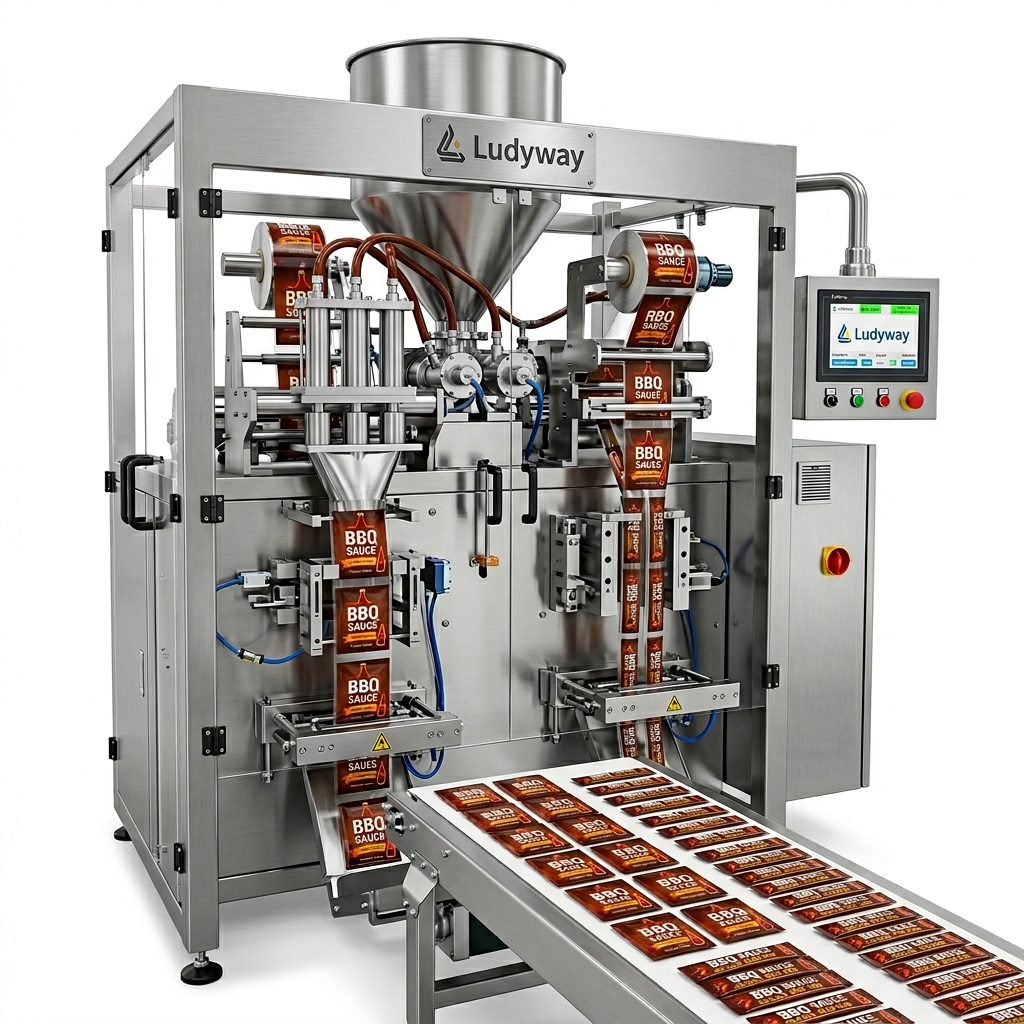
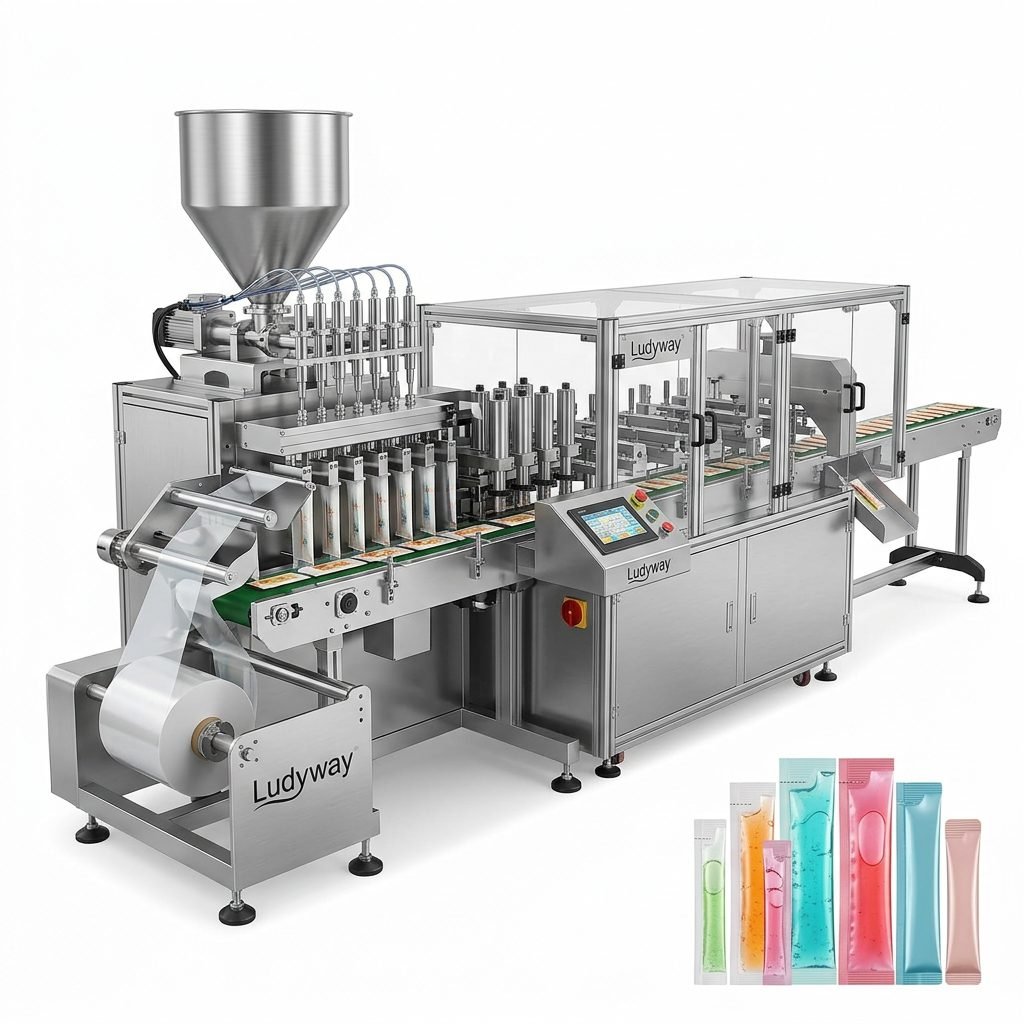
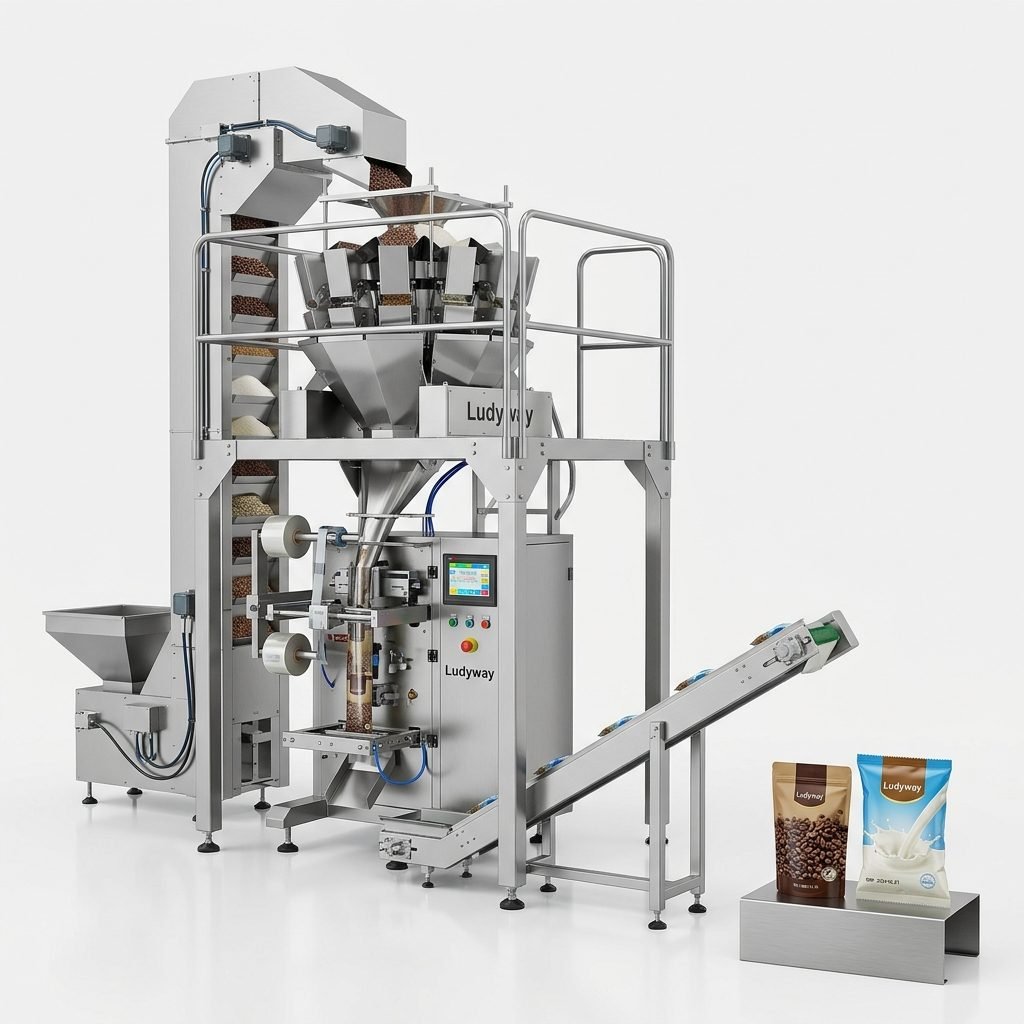
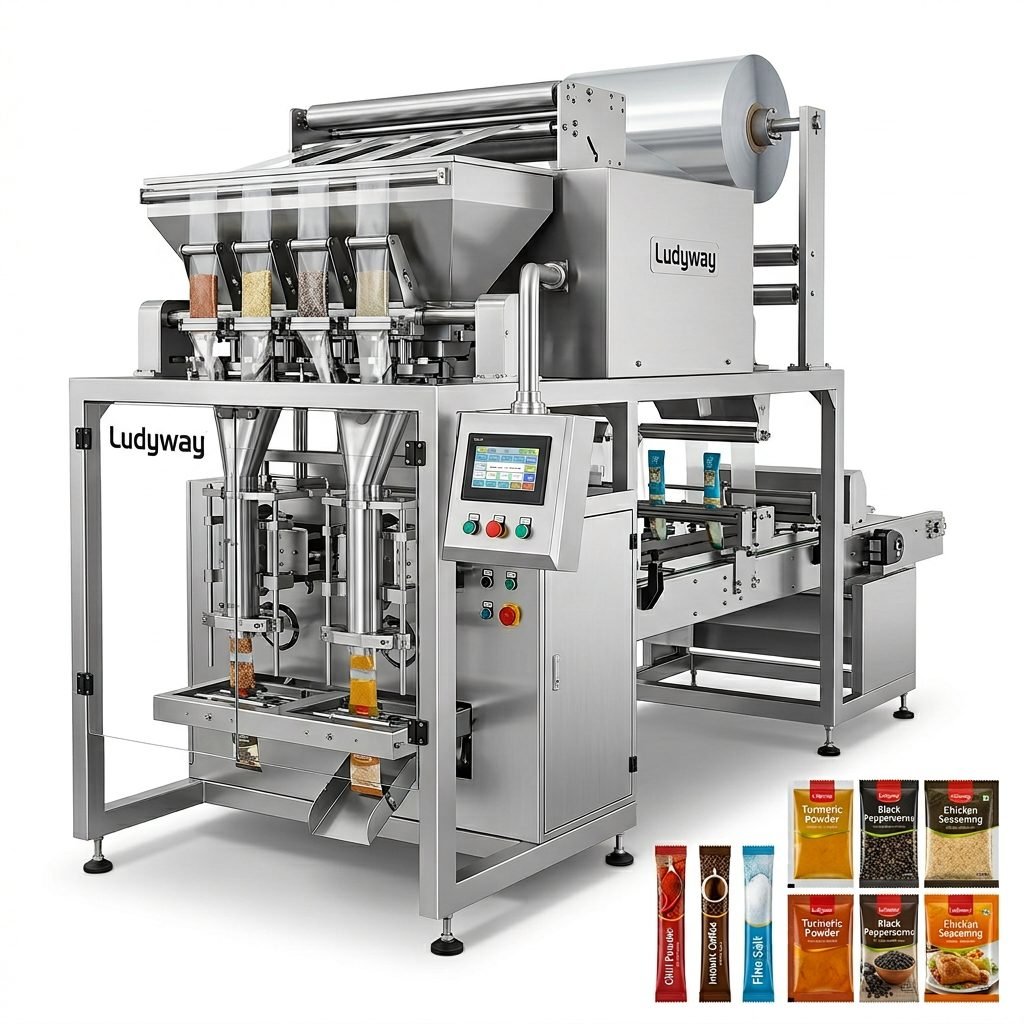
For businesses in the Central African Republic (CAR) looking to enhance their production capabilities, selecting the right packaging machine manufacturer is a critical decision. The local market, spanning food processing, agriculture, pharmaceuticals, and consumer goods, demands reliable, efficient, and cost-effective solutions. This guide will help you navigate the key factors to consider when choosing a manufacturer that can meet your specific needs and support your growth in the CAR.
Understanding Your Local Packaging Needs in CAR
The first step is a thorough analysis of your specific requirements. Consider the type of product you are packaging—whether it’s granules (like coffee, sugar, or feed), powders (milk, spices, pharmaceuticals), liquids (oils, sauces, cleaning agents), or pouches. The local climate, with its heat and humidity, can affect packaging materials and machine performance. Furthermore, consistent power supply can be a challenge in some regions of CAR, so the machine’s energy efficiency and stability are paramount. A manufacturer with experience in similar markets will understand these practical constraints.
Key Factors to Evaluate in a Manufacturer
When comparing manufacturers, look beyond the initial price tag. Here are the crucial aspects to assess:
1. Technical Expertise and Product Range
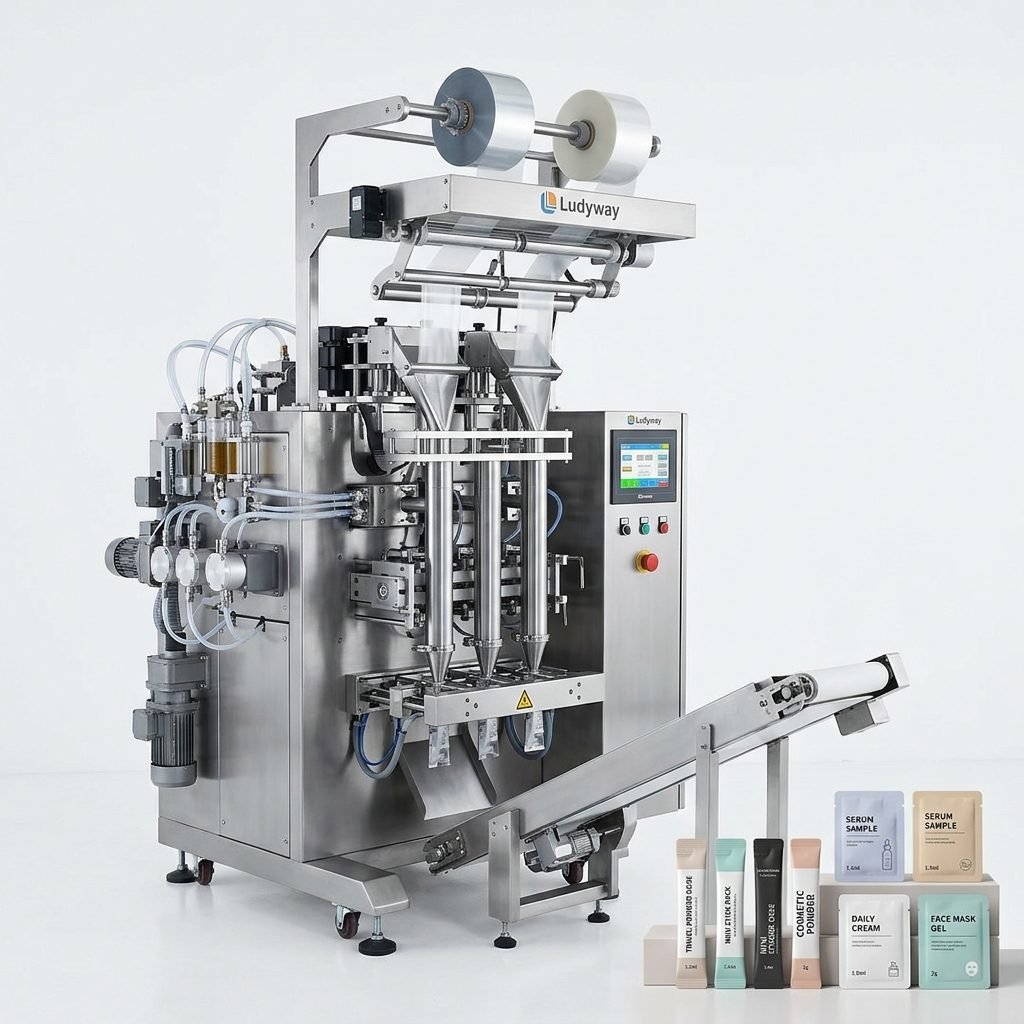
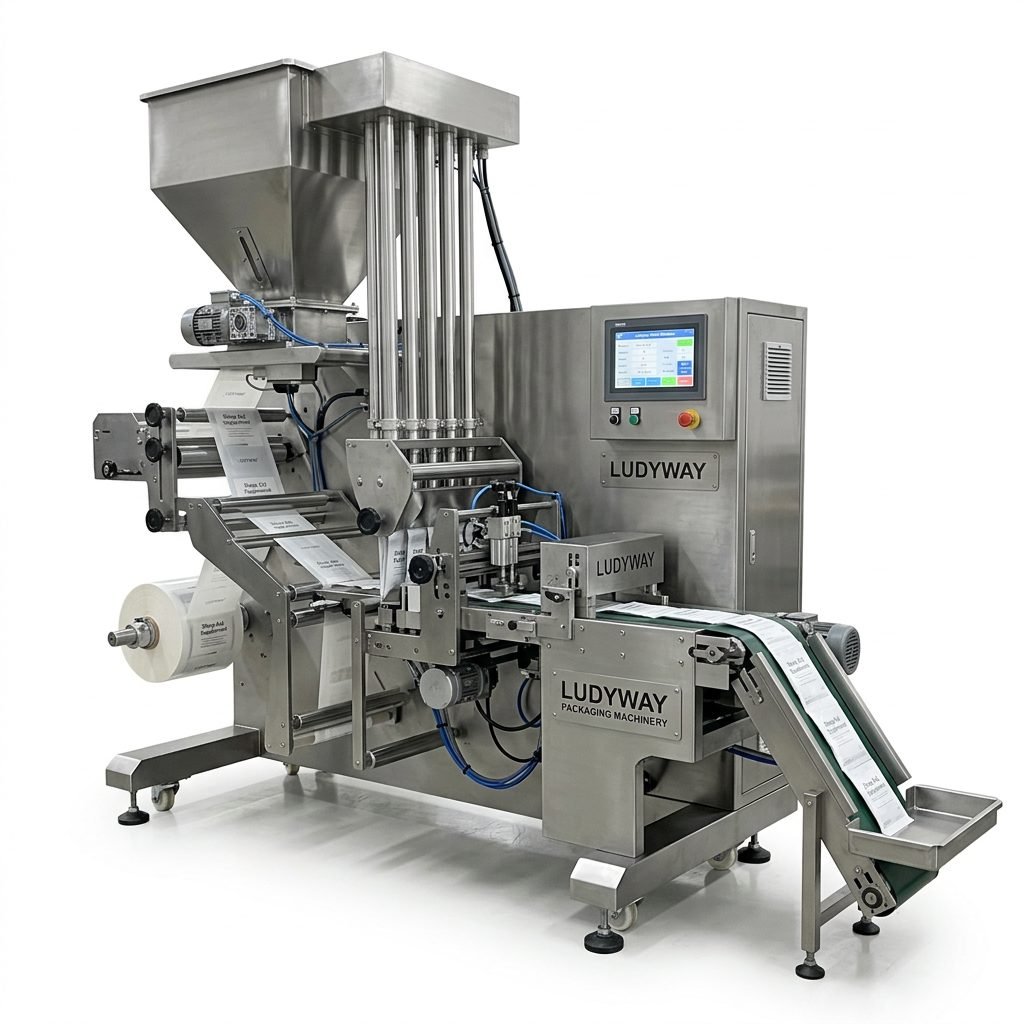
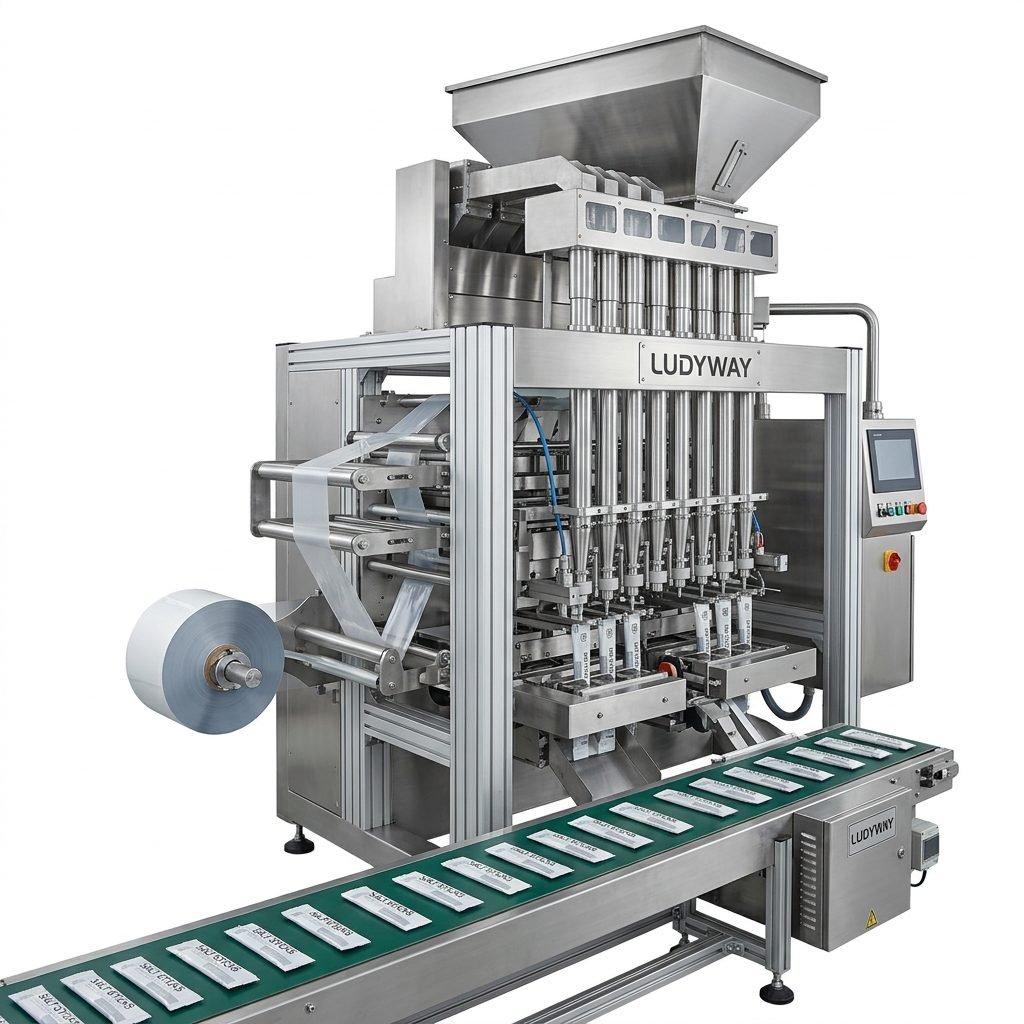
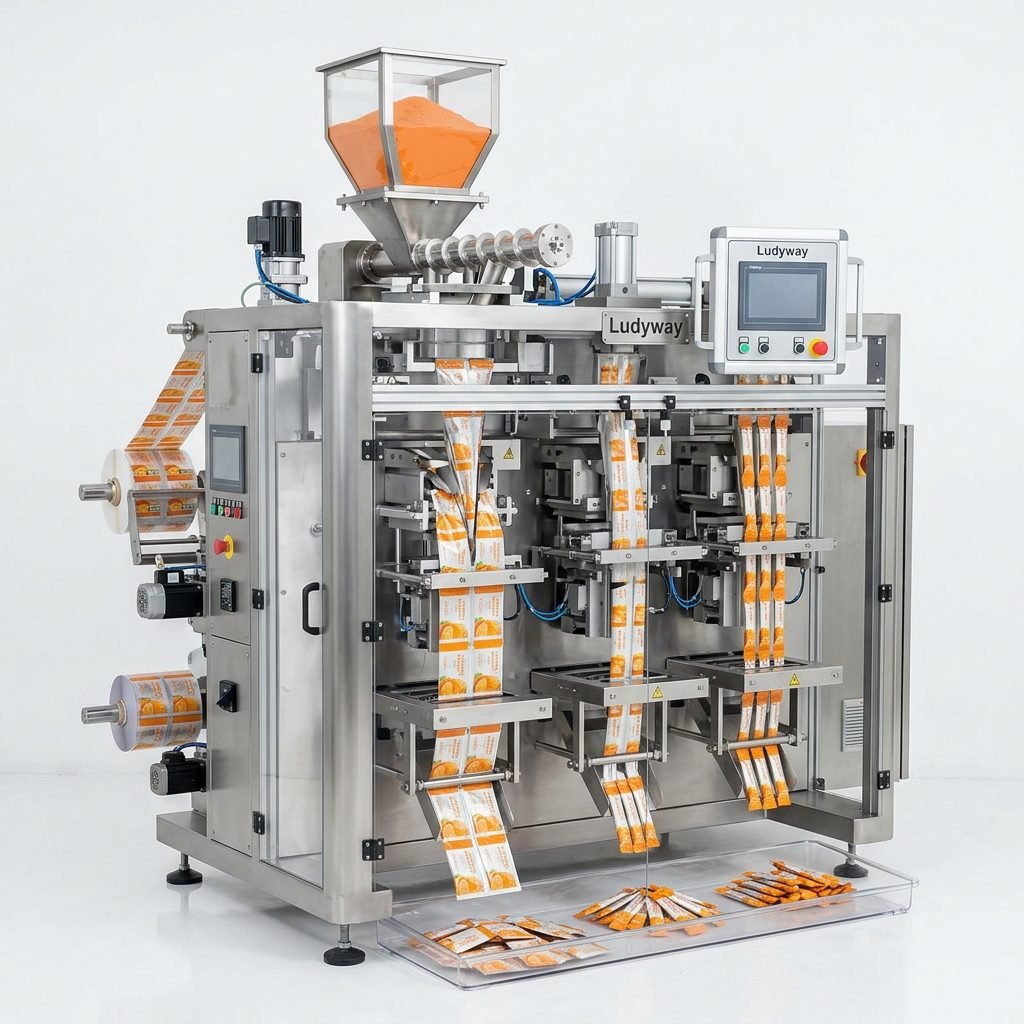
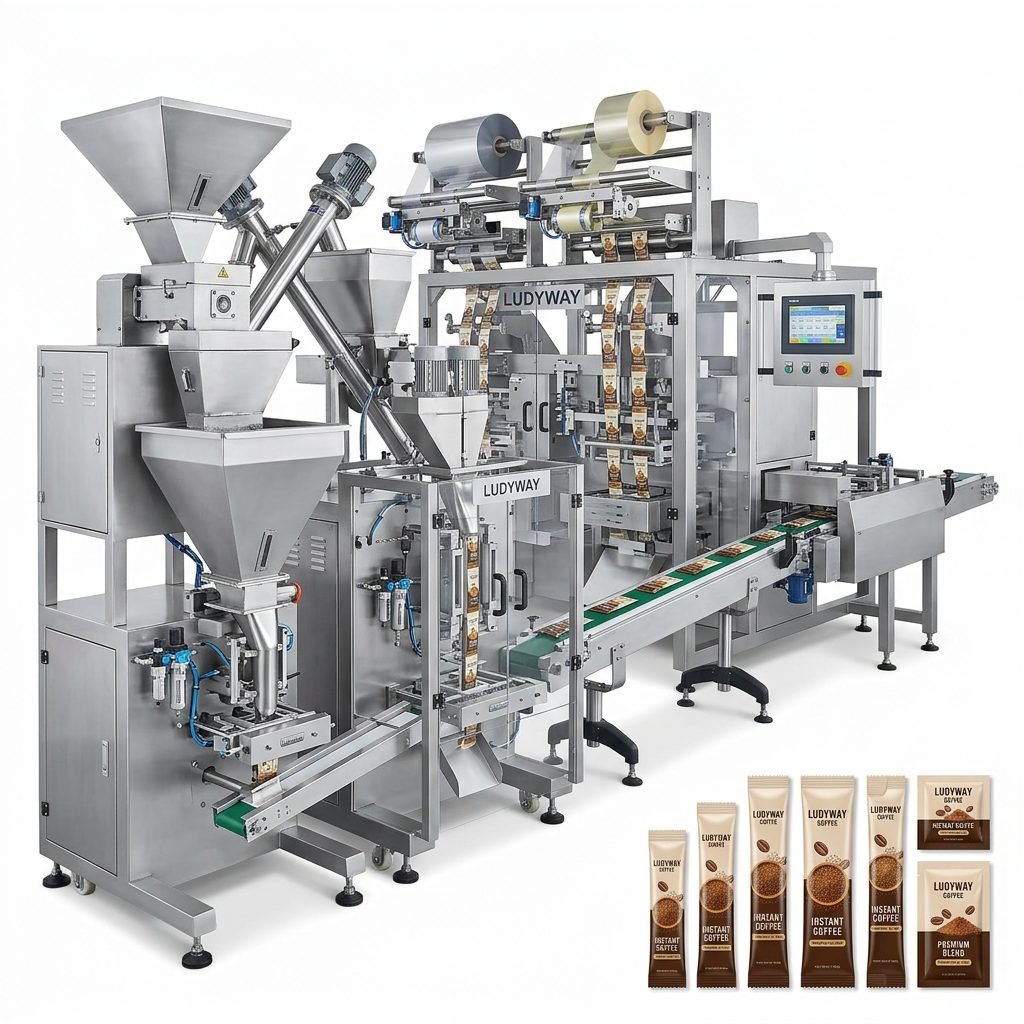
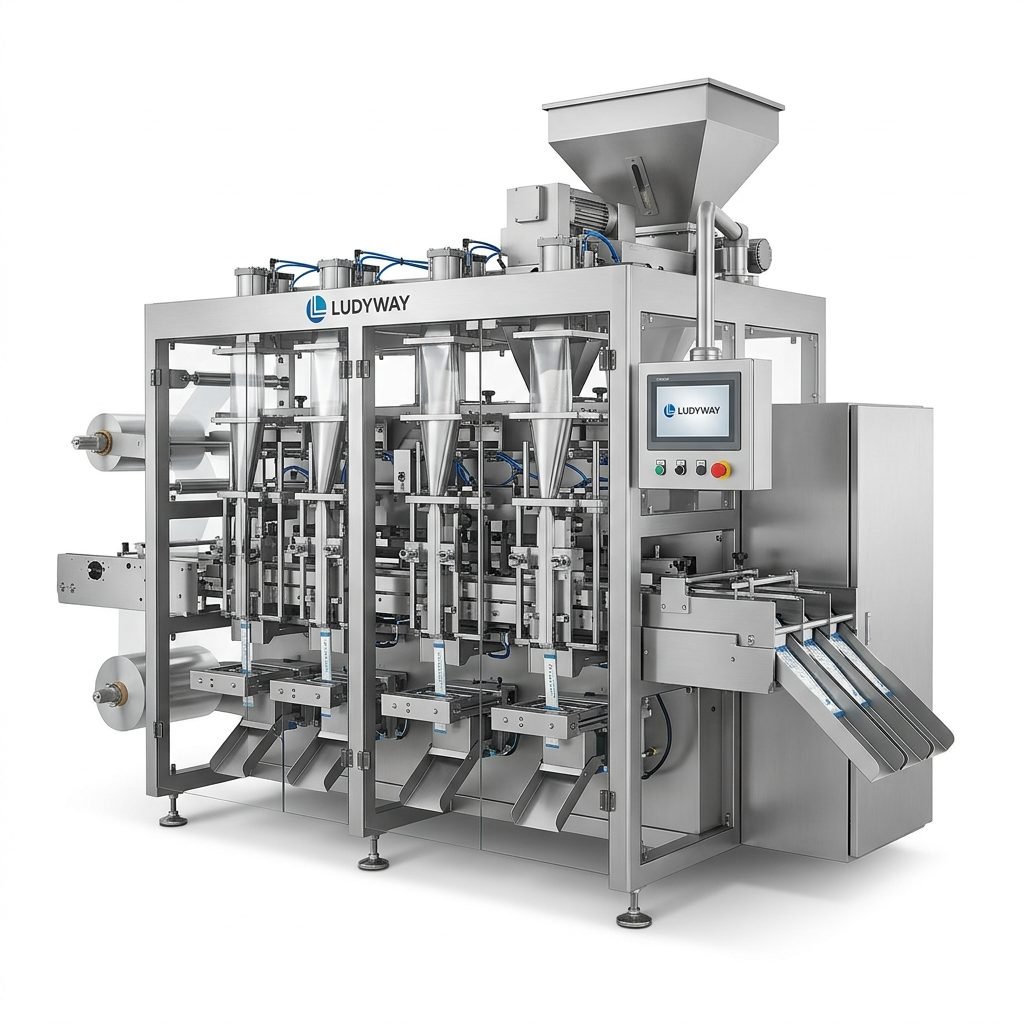
The manufacturer should offer a wide range of machinery that aligns with your product type. For example, if you are processing coffee or cocoa (key agricultural exports in the region), you need robust granule packaging lines. A company like Ludyway, with over 50 models including multi-lane stick pack and sachet machines, can provide tailored solutions. Similarly, for pharmaceutical or cosmetic sachets, precision and hygiene are non-negotiable.
Pro Tip: Always request case studies or references from projects in Africa or similar developing economies. This demonstrates the manufacturer’s ability to handle real-world challenges like dust, heat, and intermittent infrastructure.
2. Manufacturing Capability and Quality Control
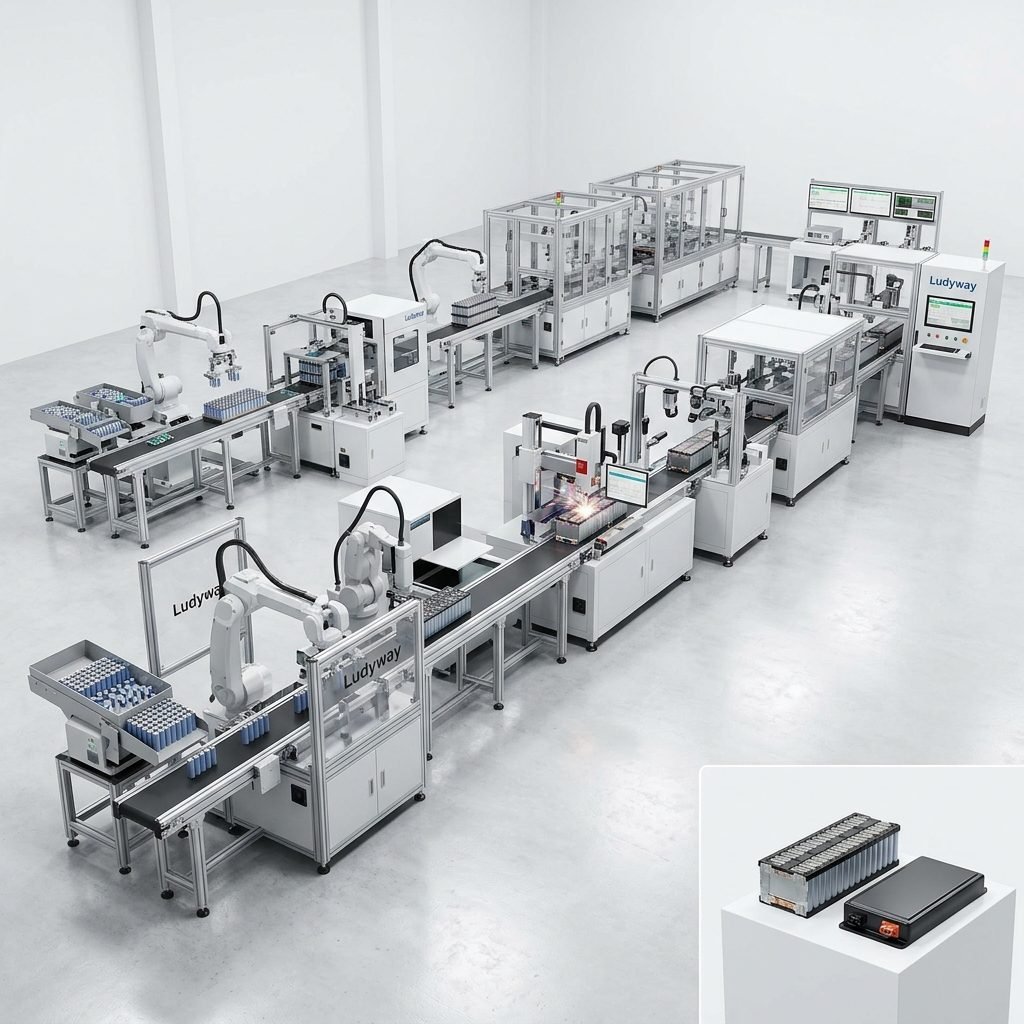
A manufacturer’s infrastructure is a direct reflection of their reliability. A modern facility, like Ludyway’s 20,000㎡ plant, indicates strong production capacity and quality control systems. Inquire about their quality certifications and the robustness of their machine frames and components. Durable construction is essential for minimizing downtime, which is costly when spare parts are not readily available locally.
3. After-Sales Support and Service
This is perhaps the most critical factor for CAR-based businesses. The geographical distance makes responsive support vital. Evaluate the manufacturer’s service network:
- Do they have local agents or technicians in Africa?
- What is their typical response time for technical support?
- Do they offer comprehensive training for your operators and maintenance staff?
- Is there a clear warranty policy and a reliable supply chain for genuine spare parts?
A manufacturer committed to long-term partnership will have a solid support plan in place.
4. Customization and Turnkey Solutions
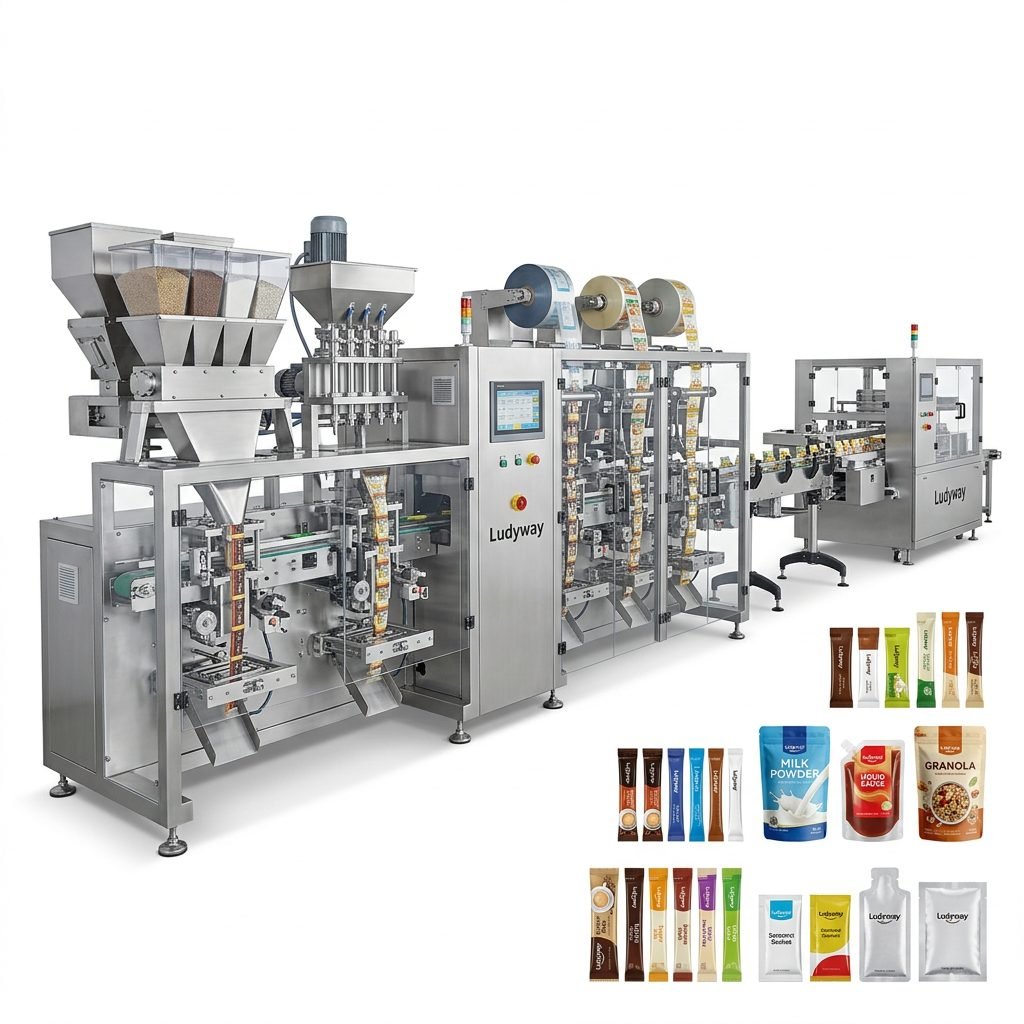
Off-the-shelf machines might not fit your unique production line. The ability to customize—whether it’s the packaging speed, bag size, weighing system, or integration with existing conveyors—is a significant advantage. Manufacturers like PacklineOEM and PackingMachineOEM specialize in OEM and non-standard solutions, which can be ideal for specialized applications.
5. Cost-Effectiveness and ROI
While initial investment is important, consider the Total Cost of Ownership (TCO). This includes:
- Machine price and import duties.
- Energy consumption.
- Maintenance costs and spare part availability.
- Potential for increased output and reduced product waste.
A slightly more expensive but more reliable and efficient machine from a reputable manufacturer like Packmate Machinery can offer a better return on investment by ensuring consistent production with fewer breakdowns.
Navigating the Import Process to CAR
Importing machinery into the Central African Republic involves logistics, customs clearance, and potential tariffs. A reputable manufacturer should assist you with this process. They should provide:
- Clear and complete commercial documentation (invoice, packing list, certificate of origin).
- Technical documentation compliant with relevant standards.
- Guidance on suitable freight forwarders with experience in shipping to Bangui or other ports of entry.
- Proper packaging of the machine to withstand long sea and land freight journeys.
Why Consider Chinese Manufacturers?
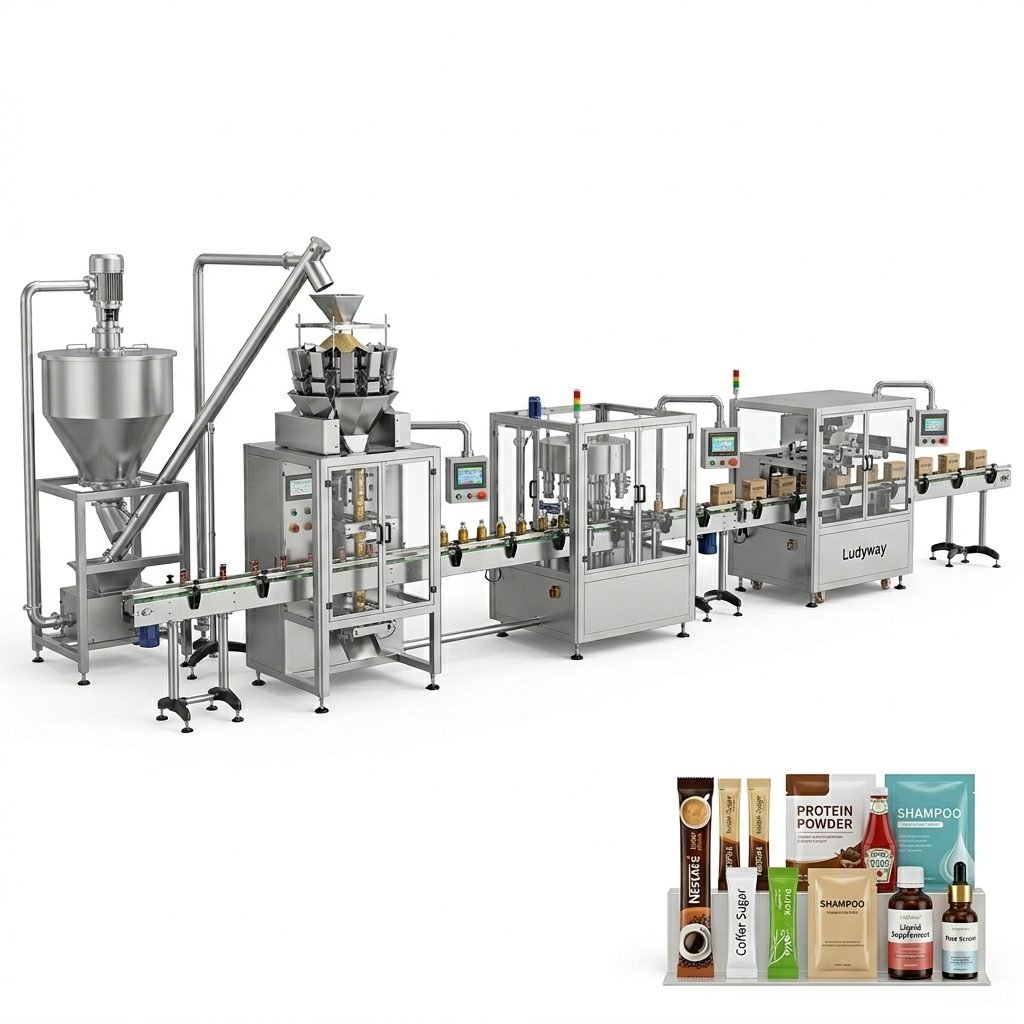
Chinese packaging machine manufacturers have become a dominant global force, offering an excellent balance of advanced technology, reliability, and competitive pricing. For businesses in CAR, this combination is particularly attractive. Companies like Ludyway, with 30+ years of experience and a presence in over 100 countries, are adept at serving diverse international markets. They understand the need for machines that are both sophisticated and rugged enough for varied operating conditions. Furthermore, the extensive range of models means you can find a solution that fits your exact budget and production scale, from small sachet machines to fully automated turnkey lines.
Spotlight on Specialized Manufacturers
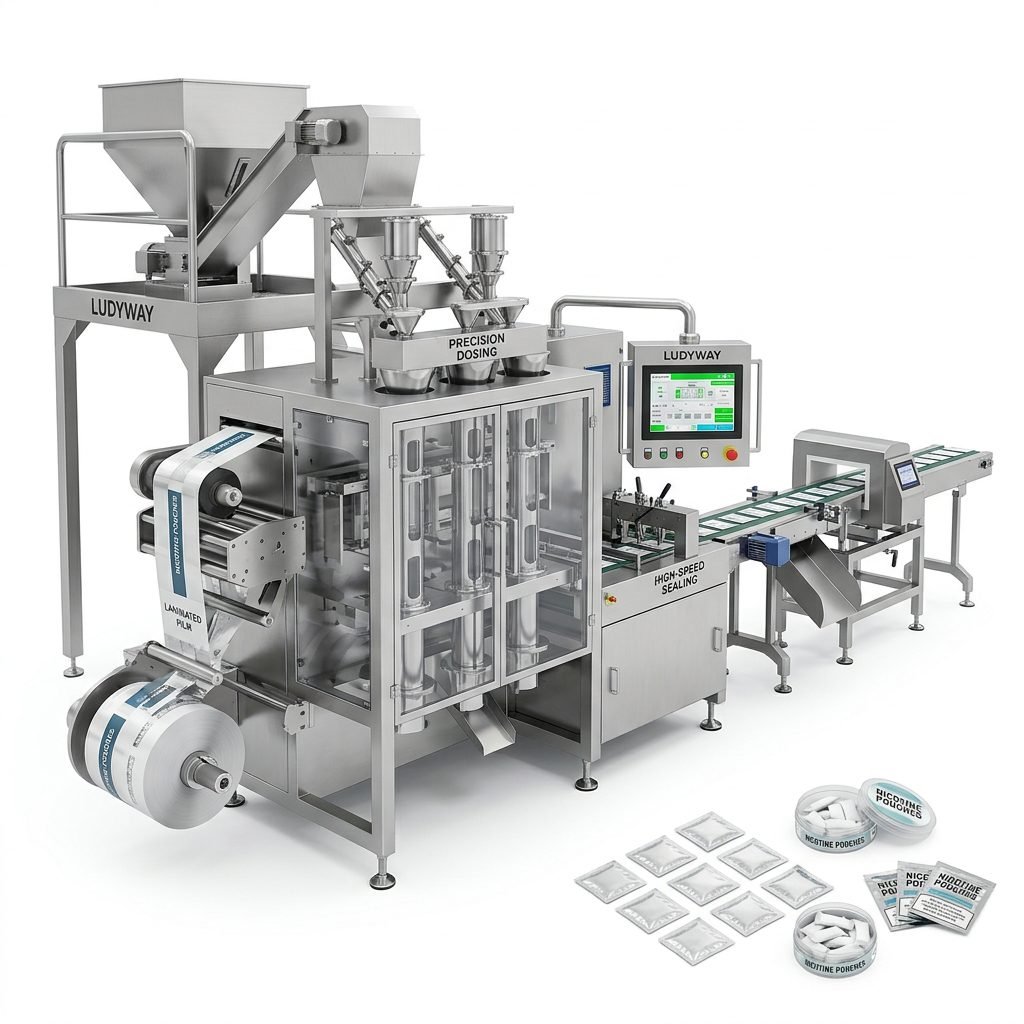
Depending on your niche, some manufacturers offer deep specialization. For instance, if your business is in the growing oral tobacco or nicotine pouch sector, a specialist like SnusMachinery could provide unparalleled expertise in high-speed, precision pouch packaging. For general food, pharma, and granule packaging, broad-spectrum manufacturers like Ludyway or Packmate Machinery offer versatile and proven solutions.
Making the Final Decision
Before signing a contract, take these final steps:
- Request a Virtual or On-Site Demo: Ask to see a machine similar to your desired model running with a product akin to yours.
- Check References: Speak directly to other clients, especially those in similar regions or industries.
- Clarify All Costs: Get a detailed quotation that includes FOB price, shipping, insurance, and any anticipated customs duties.
- Review the Contract: Ensure it clearly outlines warranty terms, delivery schedule, payment terms, and support obligations.
Conclusion
Choosing the right packaging machine manufacturer for your operations in the Central African Republic requires careful due diligence. By prioritizing technical suitability, build quality, after-sales support, and total cost of ownership, you can form a partnership that not only supplies a machine but also supports your business growth for years to come. Partnering with an experienced, internationally-focused manufacturer like Ludyway can provide the technology, reliability, and support necessary to thrive in the CAR market and beyond.
Frequently Asked Questions (FAQs)
1. What type of packaging machine is best for coffee or cocoa beans in CAR?
For granular products like coffee and cocoa, multi-lane stick pack or vertical form-fill-seal (VFFS) sachet machines are ideal. They offer high speed and precision dosing. Manufacturers like Ludyway provide robust machines designed for food-grade materials that can handle the local climate.
2. How can I ensure reliable after-sales service for my machine in CAR?
Choose a manufacturer with a proven international service network. Inquire about pq online technical support availability,pq the location of the nearest service engineers, and their spare parts inventory policy. A manufacturer with experience in Africa will have better protocols for remote support and part shipment.
3. Are turnkey packaging lines available for the pharmaceutical industry in CAR?
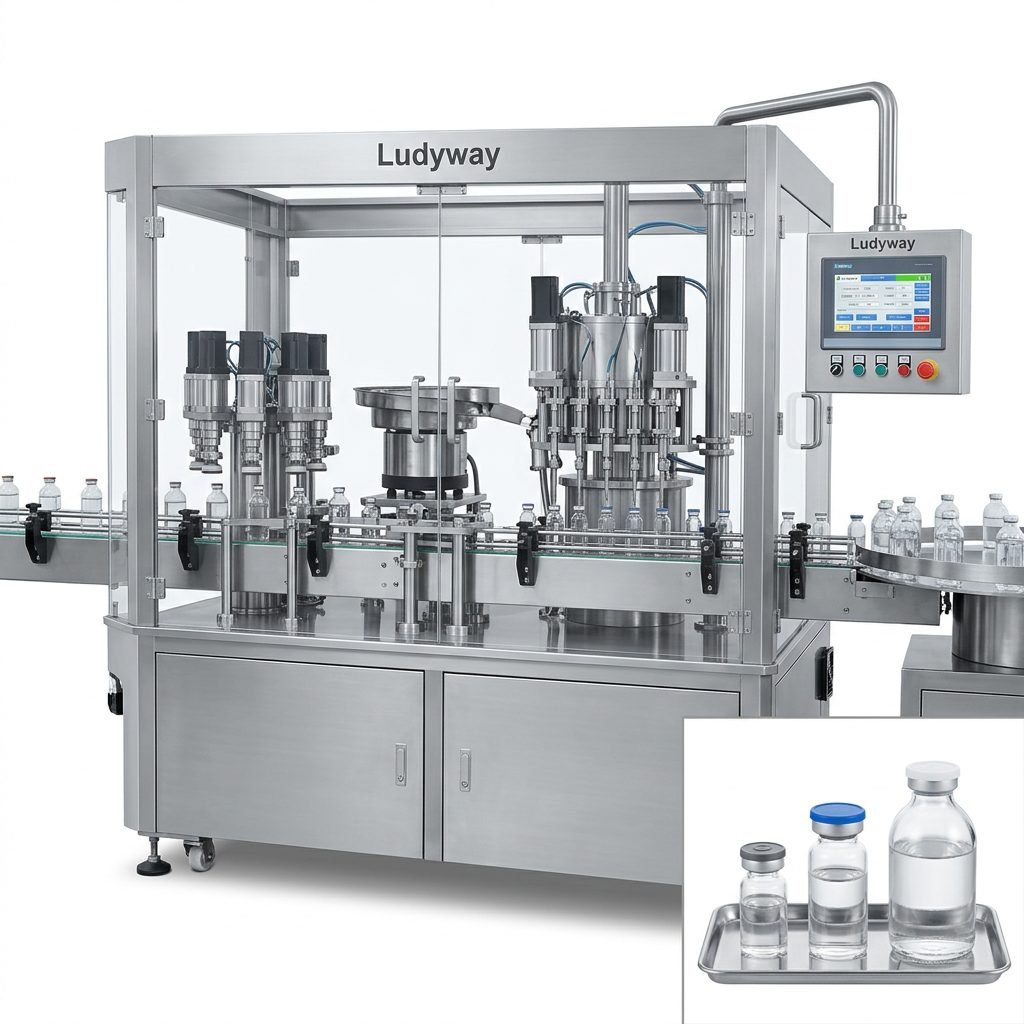
Yes, several leading Chinese manufacturers, including Ludyway, offer complete turnkey solutions for pharmaceutical packaging. These lines include automated feeding, precision filling in clean environments, sealing, and labeling, complying with Good Manufacturing Practice (GMP) standards where required.
4. What are the main challenges when importing packaging machinery to CAR?
Key challenges include navigating customs clearance, managing logistics to inland destinations, ensuring proper documentation, and accounting for potential import duties. Working with a manufacturer experienced in exports to Africa who can recommend reliable freight forwarders is crucial.
5. Can I get a machine customized for local power voltage and conditions?
Absolutely. Reputable manufacturers will customize the machine’s electrical system (e.g., 220V/50Hz, which is common in CAR) and can advise on or supply voltage stabilizers or backup power interfaces to cope with irregular power supply.