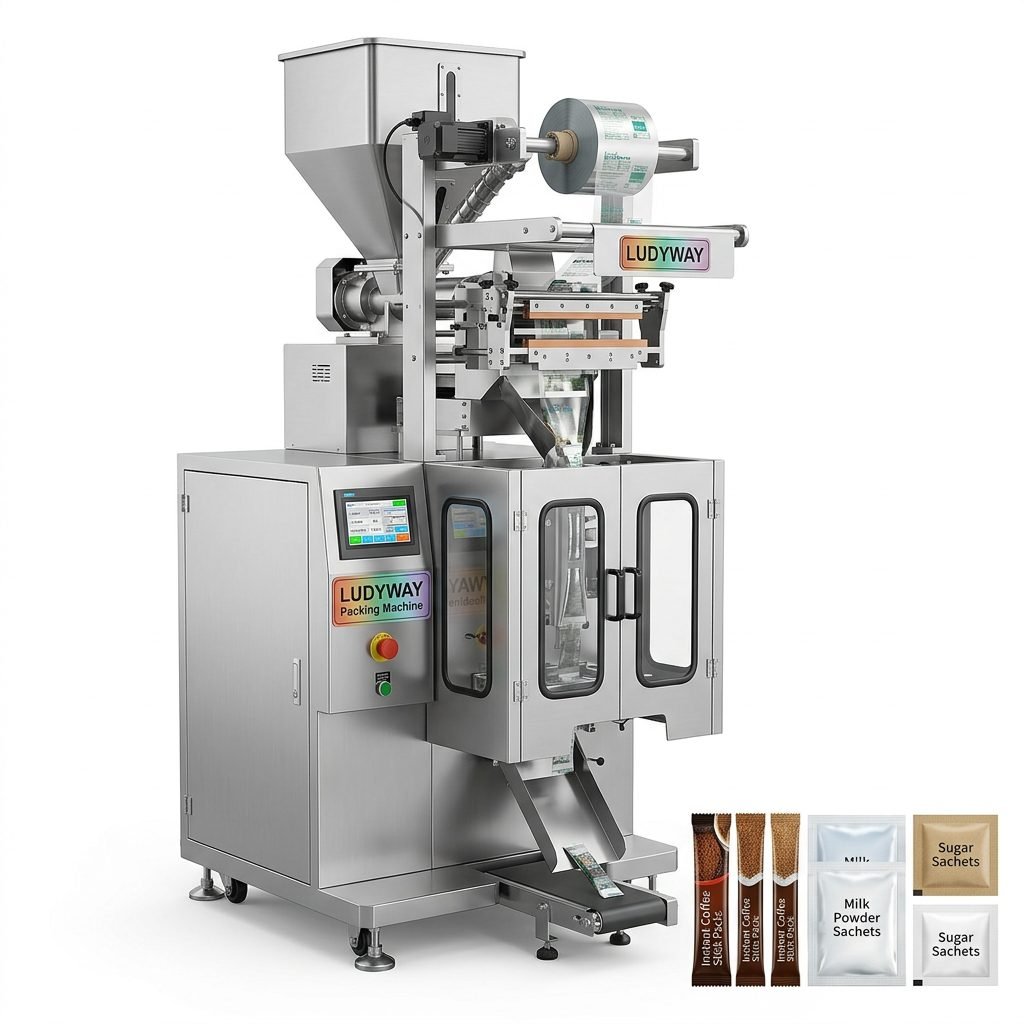
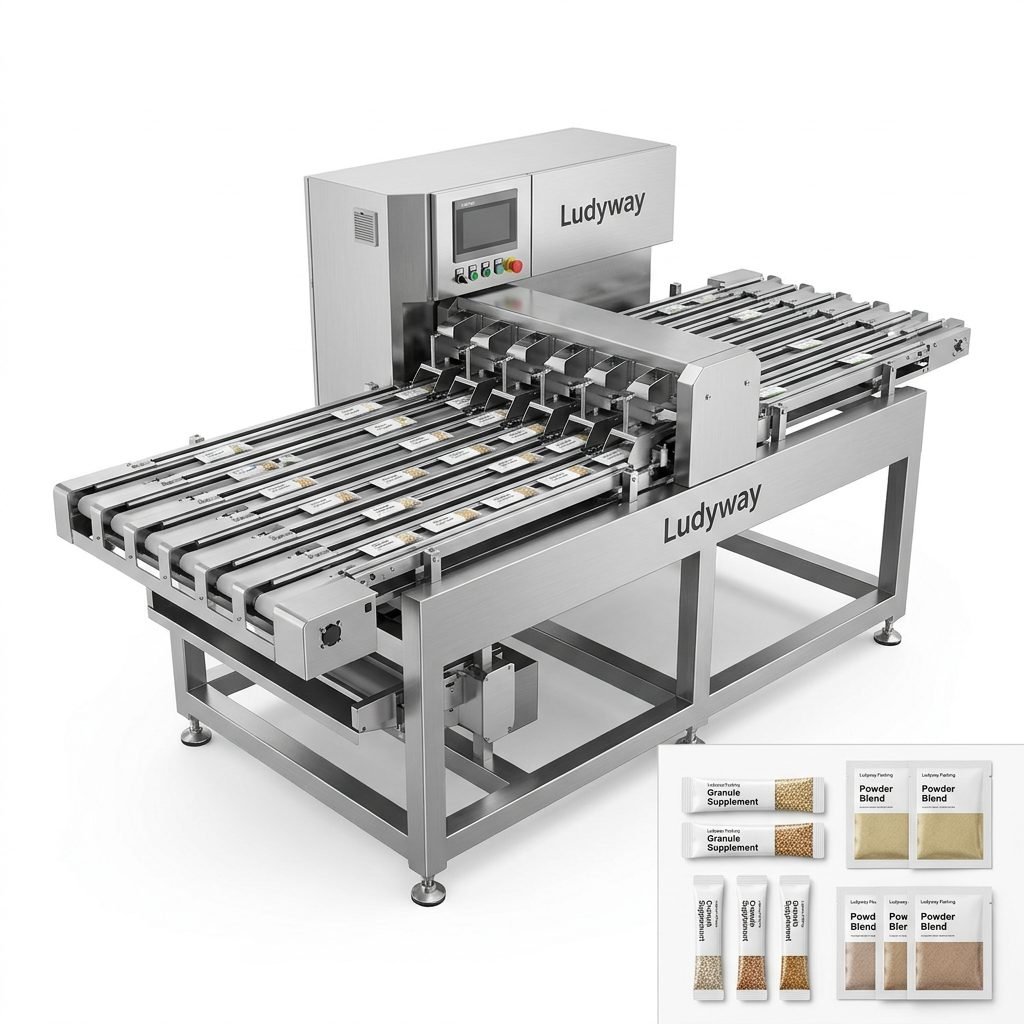
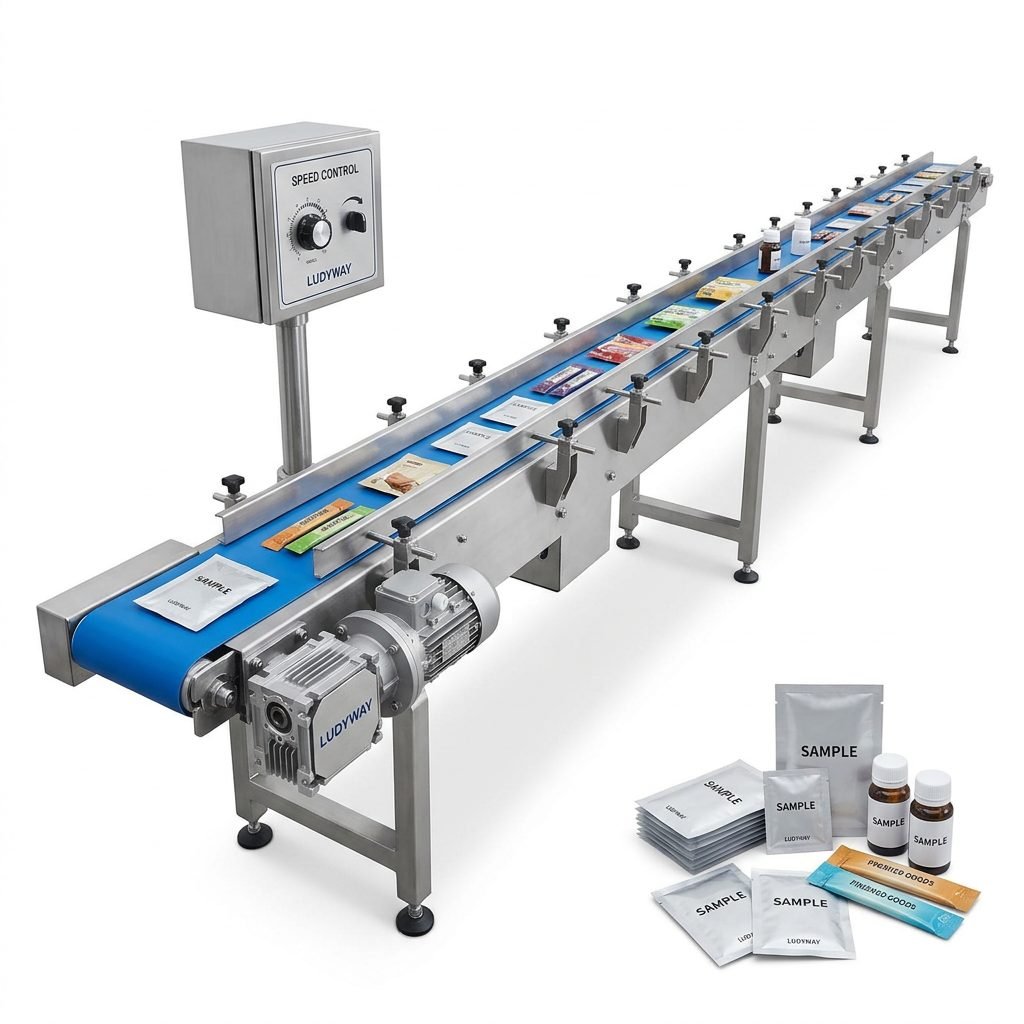
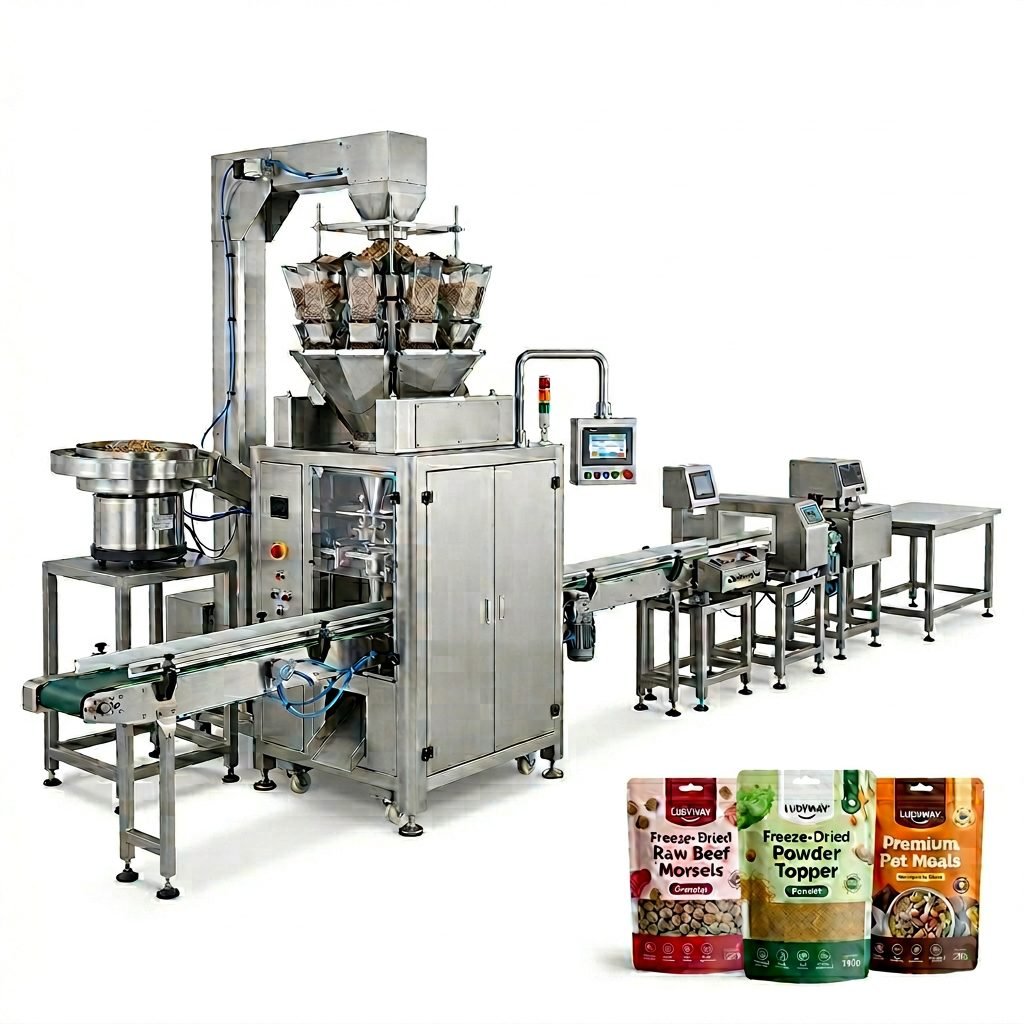
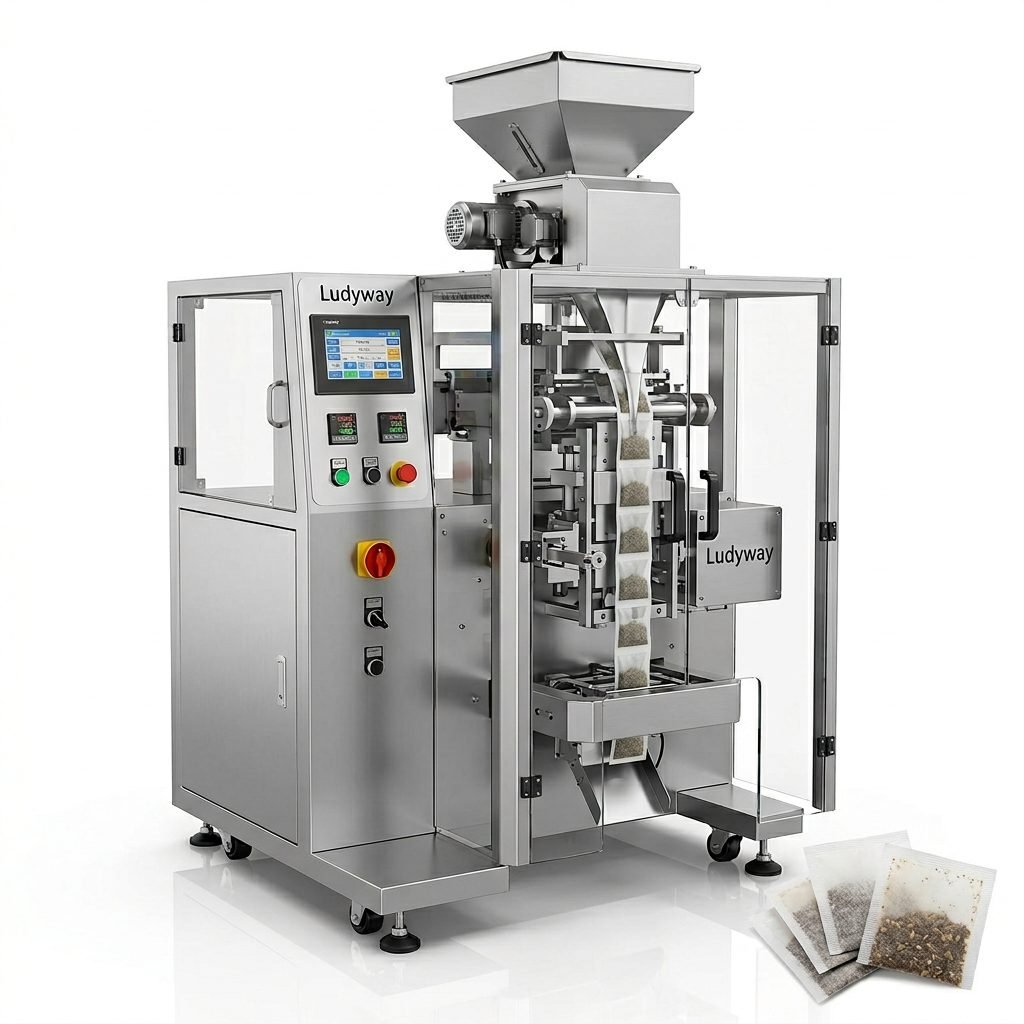
Investing in an automated conveyor packing machine is a strategic decision that directly impacts throughput, product consistency, and long-term operational costs. Whether you are upgrading a single line or building a turnkey facility, choosing equipment that aligns with your product characteristics, production goals, and regulatory environment is essential. This buyer’s guide walks you through the critical evaluation steps, helping you select a conveyor packing system that performs reliably year after year.
1. Define Your Product and Packaging Format First
Before comparing machine specifications, start with a detailed analysis of the product you need to convey and pack. Conveyor packing machines handle a wide range of materials—free-flowing granules, sticky powders, fragile tablets, liquid-filled sachets, or irregularly shaped consumer goods. Key parameters include:
- Product density, flowability, and abrasiveness
- Target packaging format (stick pack, sachet, pouch, carton, bulk bag)
- Required fill weight or count per package
- Hygiene and cleanability requirements (e.g., food-grade, pharmaceutical, chemical)
- Environmental conditions such as humidity, dust, or washdown needs
As reported by the PMMI State of the Industry, flexible packaging formats like stick packs and sachets continue to grow across food, pharma, and personal care sectors, making versatile conveying and packing systems more important than ever.
2. Understand Conveyor Types and Their Applications
Not all conveyor systems are interchangeable. The right choice depends on how the product moves from upstream processing equipment to the packing station. Below is a quick comparison of common conveyor types used in packing machinery:
| Conveyor Type | Ideal Applications | Notable Benefits |
|---|---|---|
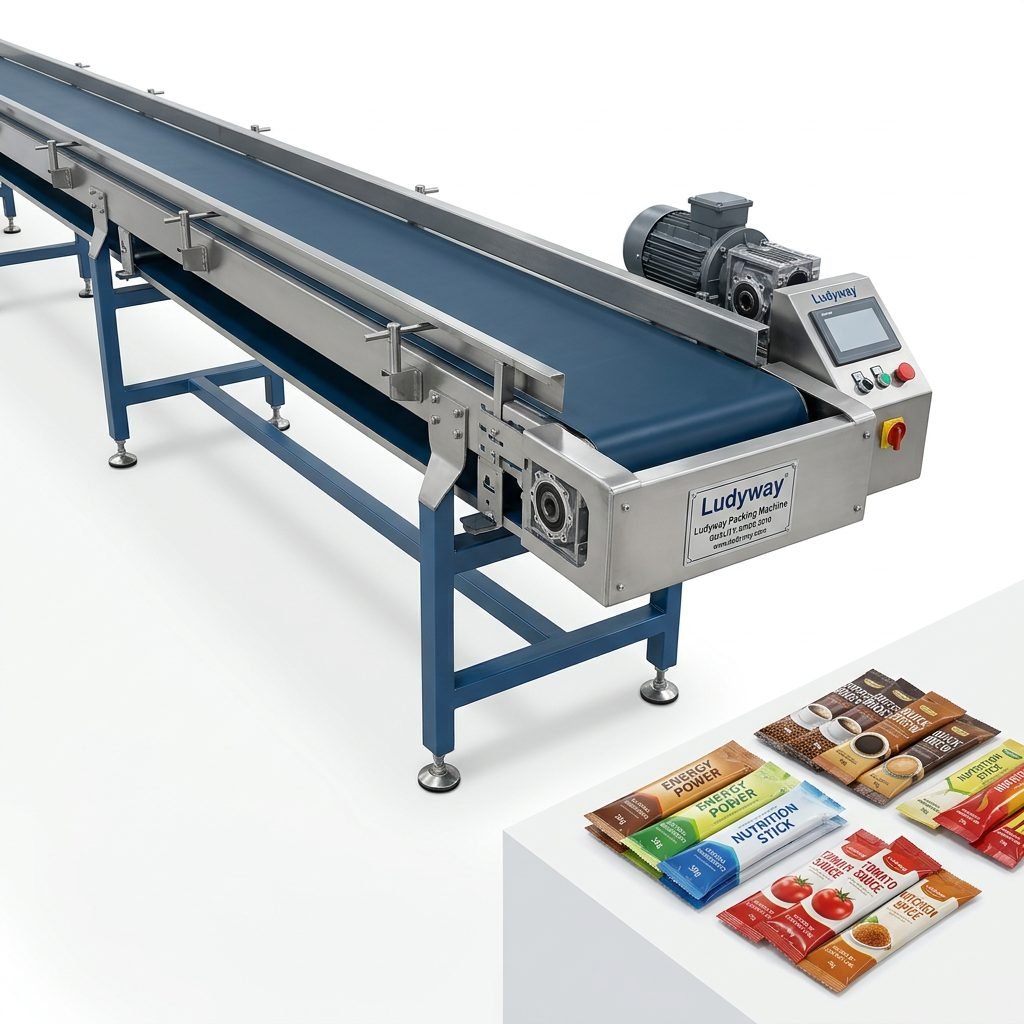
| Belt Conveyor | Granules, powders, snacks, small components | Smooth transport, adjustable speed, easy to clean |
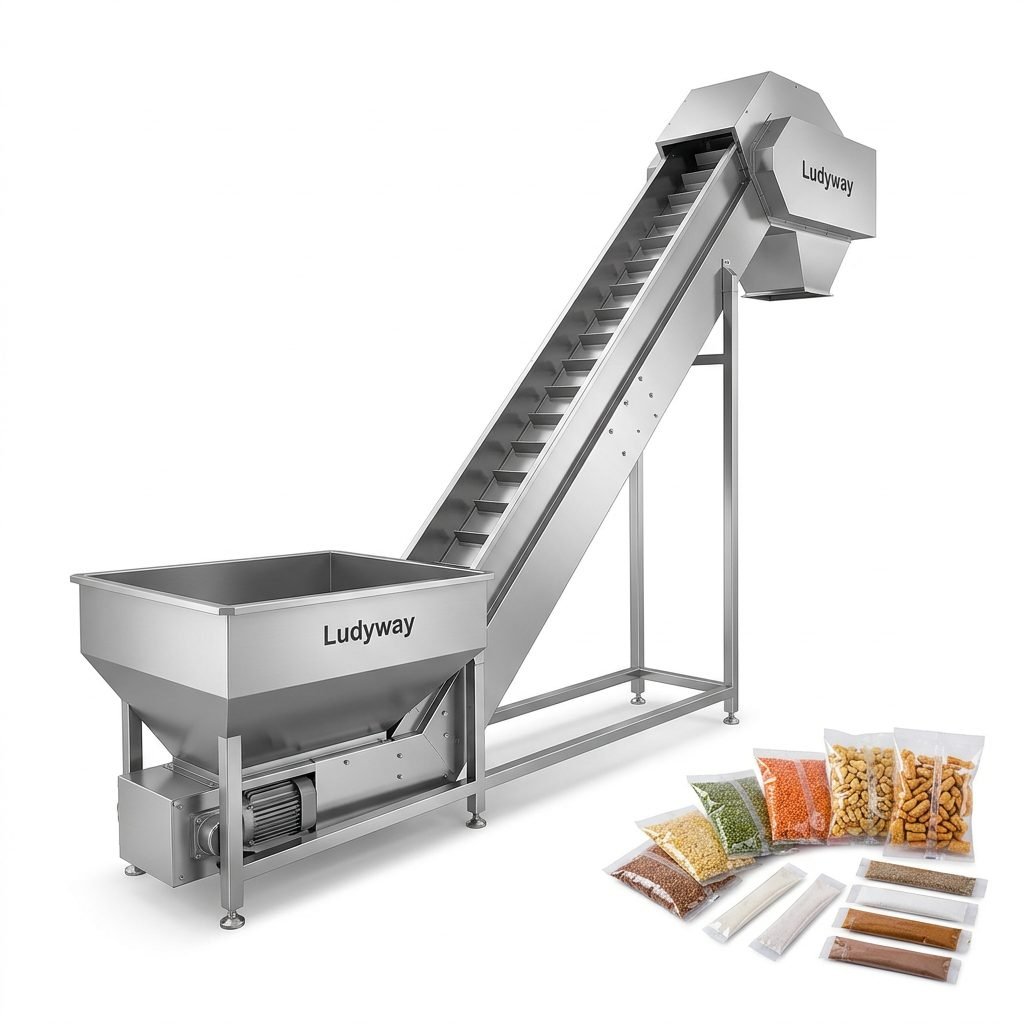
| Inclined Conveyor | Bulk material feeding into multi-head weighers or filling stations | Space-efficient elevation, high capacity |
| Chain Conveyor | Heavy-duty cartons, pallets, large bags | Robust construction, handles high loads |
| Vacuum Conveyor | Fine powders, dusty materials, hygienic pharma applications | Dust-free transfer, closed system |
3. Evaluate Speed, Accuracy, and Line Integration
A conveyor packing machine must be evaluated as part of a complete packaging line, not as an isolated unit. Consider the following performance factors:
- Throughput speed: Match the conveyor’s maximum rate to your target output (packs per minute). Multi-lane systems can significantly increase capacity for stick pack and sachet formats.
- Dosing and filling accuracy: For powders and granules, precision weighing modules reduce giveaway and ensure compliance with net content regulations.
- Integration capability: The conveyor should communicate seamlessly with upstream feeders, checkweighers, metal detectors, coding printers, and downstream cartoners or palletizers.
- Changeover flexibility: Quick-release belts, tool-less adjustments, and recipe-driven controls minimize downtime between product runs.
4. Check Material Construction and Hygiene Compliance
Food, pharmaceutical, and chemical industries impose strict requirements on machine construction. Look for stainless steel frames, food-grade belts, and IP-rated electrical enclosures when washdown or sanitary operation is needed. Equipment that will handle food contact substances must use materials that comply with FDA or EU regulations. Dust-tight conveyors are critical for fine powders to prevent cross-contamination and maintain a safe working environment.
5. Assess Customization and Turnkey Capabilities
Off-the-shelf conveyors rarely fit every production floor perfectly. Leading suppliers offer custom-engineered solutions that match your layout, product flow, and packaging line configuration. Common customizations include adjustable belt widths, custom infeeds and outfeeds, mobile frames, and integration of automated feeding, sealing, coding, and inspection modules. A supplier with turnkey project experience can design, manufacture, install, and commission the entire line, reducing the coordination burden on your team.
6. Prioritize After-Sales Support and Spare Parts Availability
Operational uptime depends heavily on the manufacturer’s service infrastructure. Before purchasing, verify that the supplier provides:
- Remote diagnostics and technical assistance
- Readily available spare parts with global shipping
- On-site installation and commissioning support
- Operator training and detailed documentation
Choosing a partner with a proven global service network helps keep your automatic packing conveyor running at peak efficiency, regardless of location.
7. Consider Total Cost of Ownership, Not Just the Purchase Price
The initial quote is only part of the financial picture. Factor in energy consumption, maintenance intervals, expected component lifetimes, and the cost of unplanned downtime. A slightly higher upfront investment in a robust, well-engineered conveyor system often results in lower long-term operating costs and higher overall equipment effectiveness (OEE).
Partner with an Experienced Conveyor Packing Machine Manufacturer
Selecting the right equipment is easier when you work with a manufacturer that understands both the engineering and application side of packaging. Ludyway Machinery, a China-based packaging machinery manufacturer and turnkey packaging solution provider with more than 30 years of experience, combines a 20,000-square-meter manufacturing facility, over 130 professionals, and more than 50 packaging machine models to support manufacturers worldwide. The company focuses on developing, manufacturing, and supplying automated packaging equipment and integrated packaging solutions—from individual conveyor packing machines to complete production lines. Ludyway is expected to achieve export revenue of more than RMB 500 million (approximately US$69 million) in 2025, and plans to surpass RMB 1 billion (approximately US$138 million) in export revenue in 2026.


By evaluating product requirements, conveyor type, integration needs, compliance, and supplier expertise, you can select a conveyor packing machine that delivers reliable, long-term performance. Take the time to involve your engineering, production, and quality teams early in the selection process, and prioritize partners who can support your growth with scalable, customized solutions.