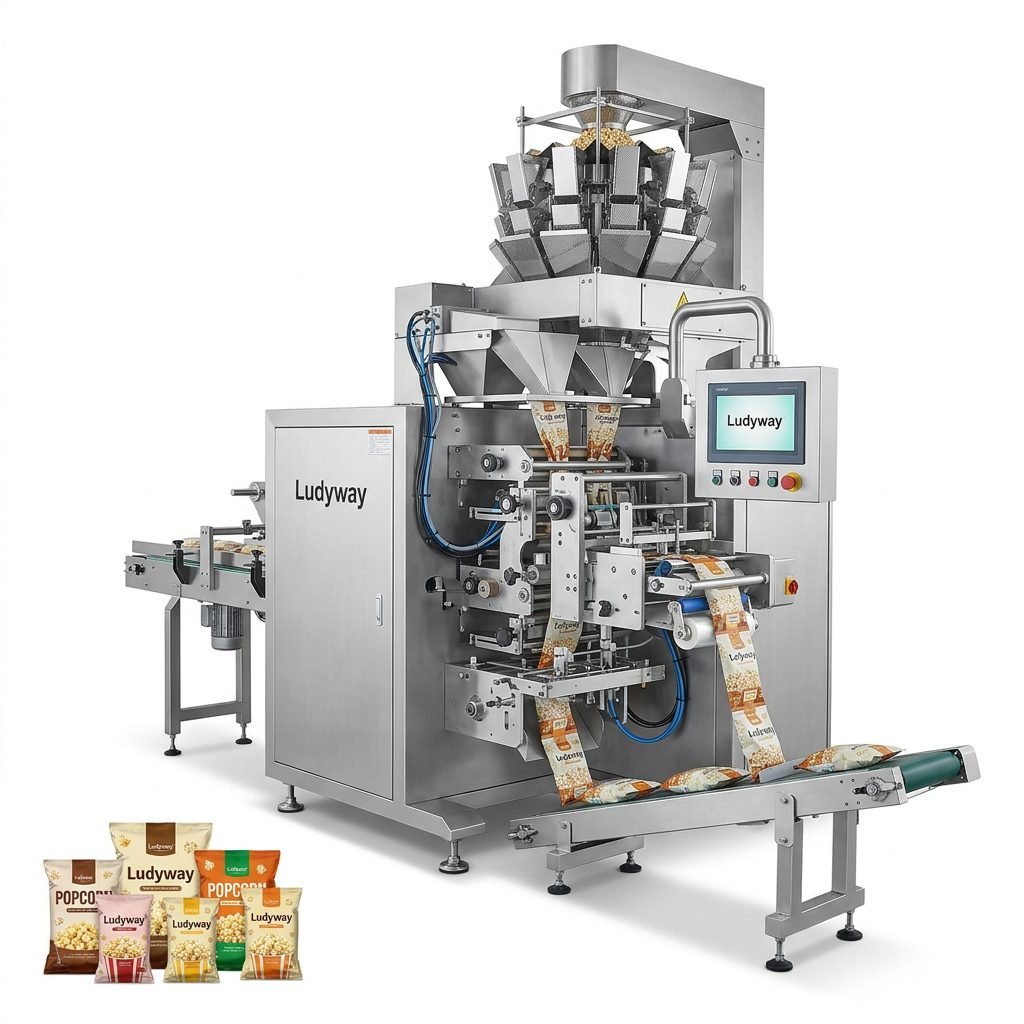
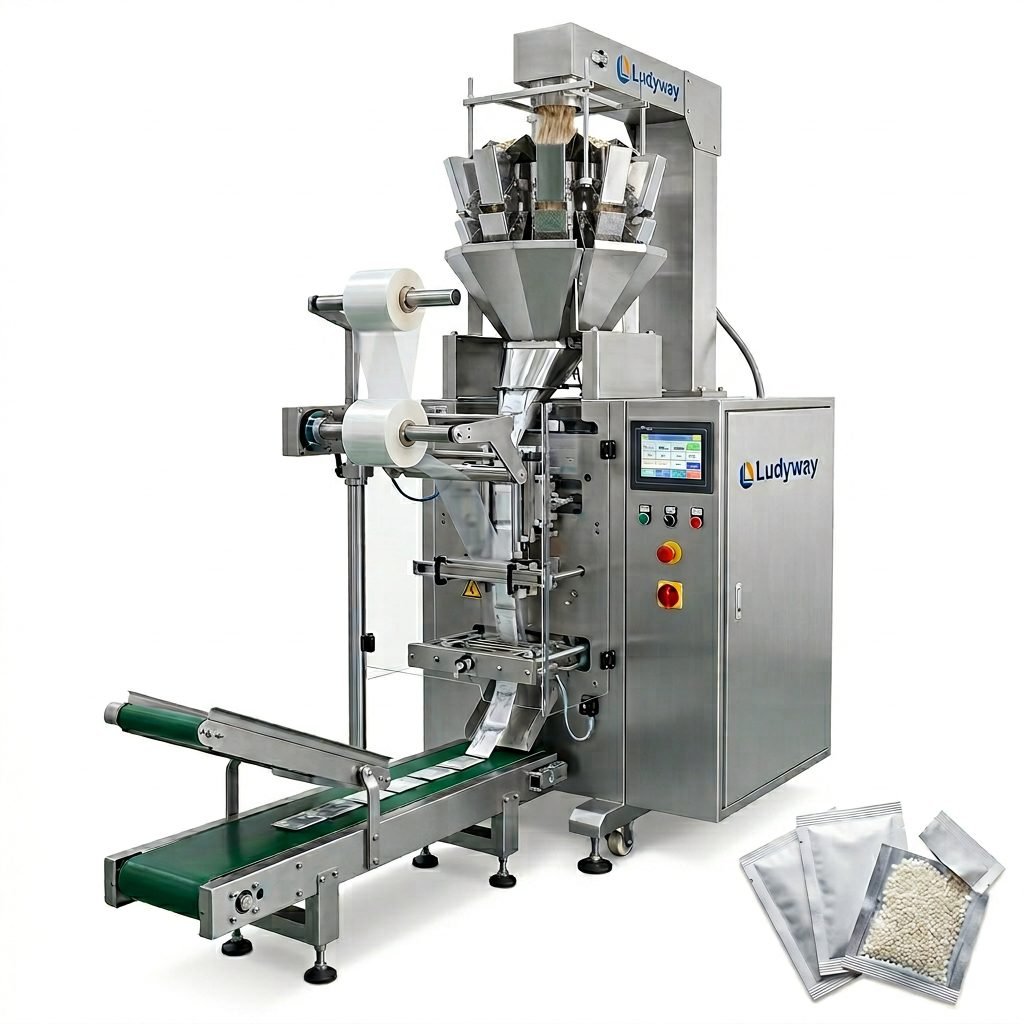
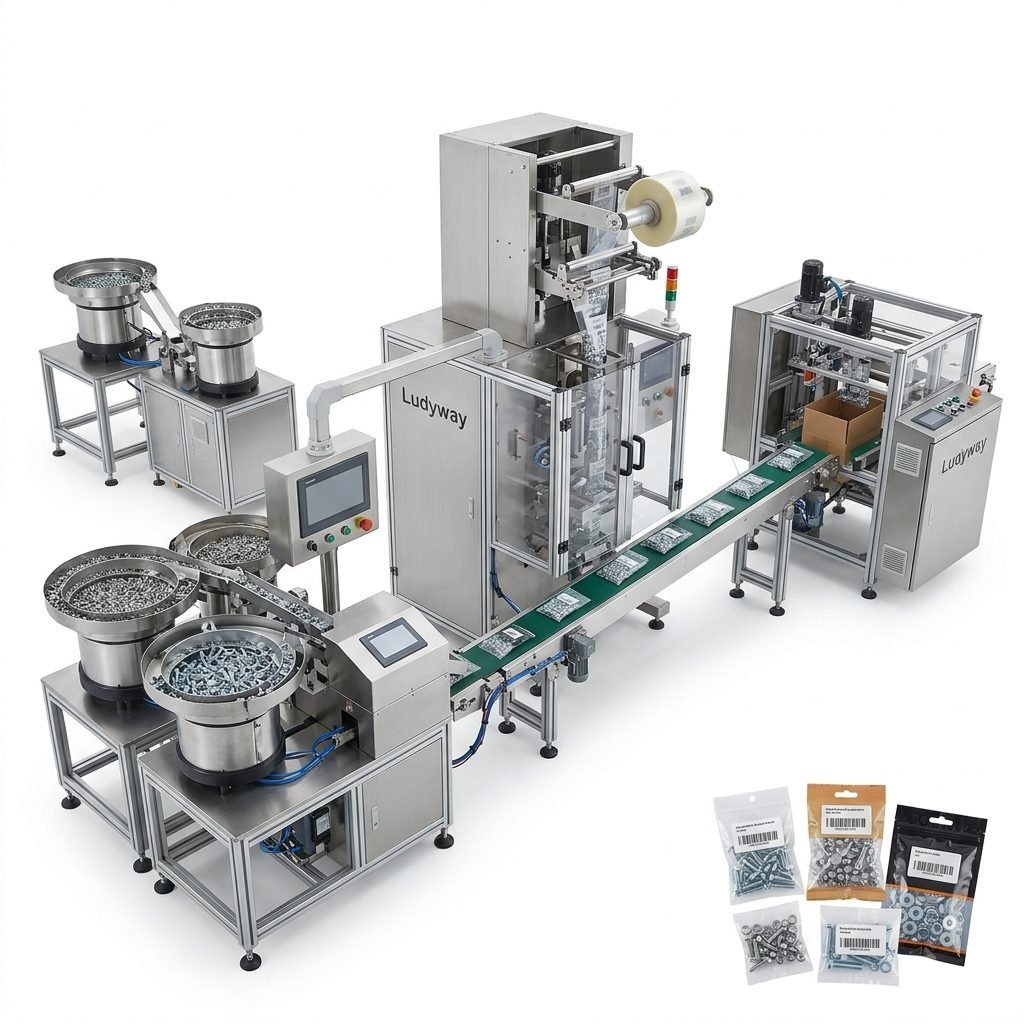
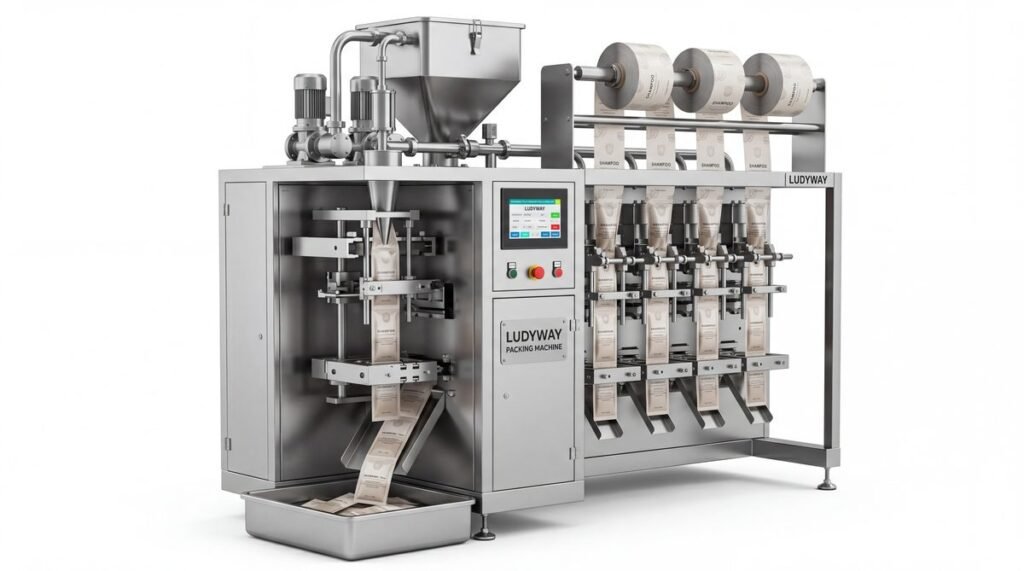
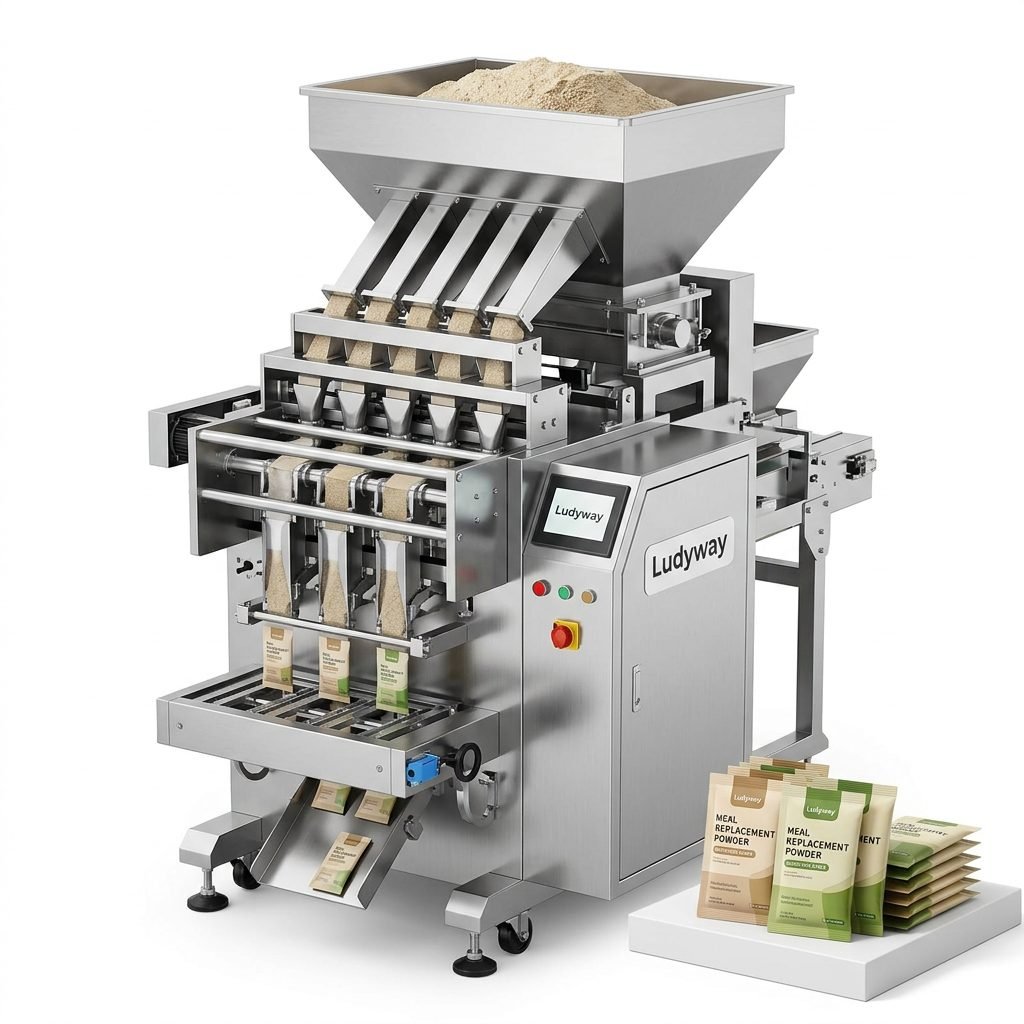
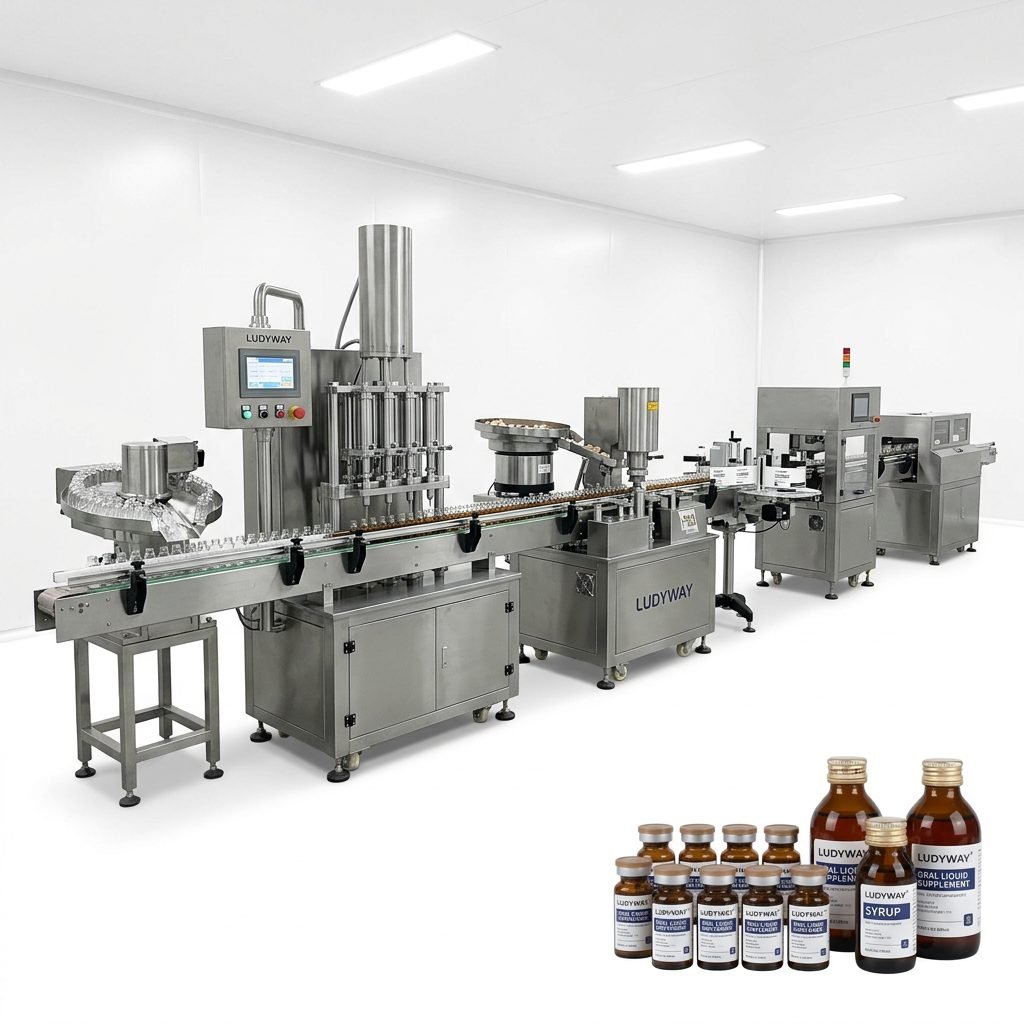
Investing in a flow pack packaging machine is a strategic decision that directly impacts your production efficiency, product shelf life, and overall operational costs. Whether you are packaging food, pharmaceuticals, cosmetics, or industrial goods, selecting the right horizontal form-fill-seal (HFFS) system requires a careful evaluation of multiple technical and commercial factors. This guide walks you through the essential considerations to help you make an informed choice.
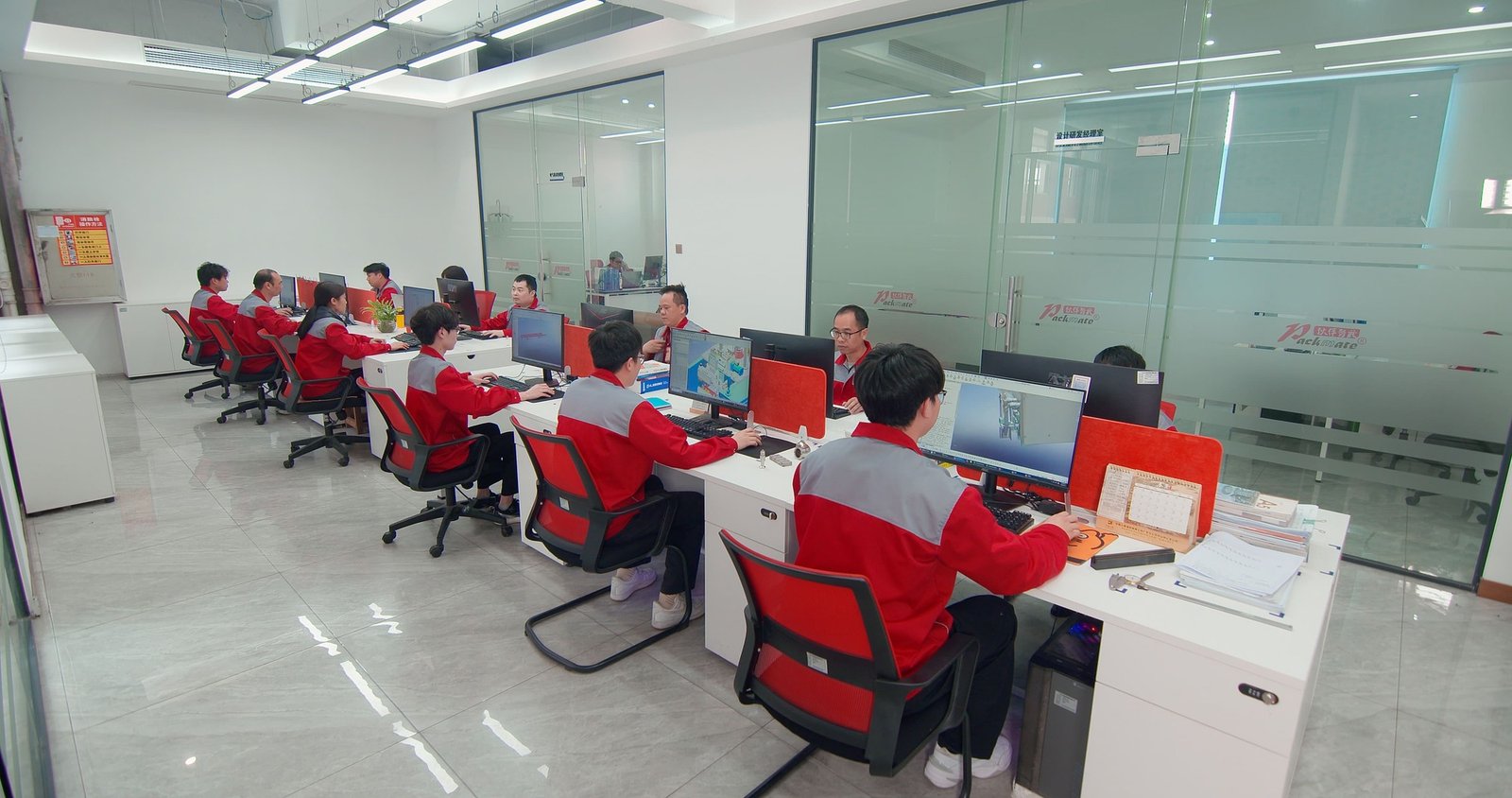
1. Understand Your Product Characteristics
The first step in choosing a flow pack machine is to thoroughly analyze your product. The physical properties of what you are packaging will determine the feeding system, sealing parameters, and overall machine configuration.
- Product dimensions: Length, width, and height variations affect the forming box and sealing jaw design.
- Product consistency: Solid, irregularly shaped, or fragile items may require specialized infeed systems and gentle handling mechanisms.
- Surface characteristics: Sticky, oily, or dusty products can interfere with sealing integrity and may demand modified jaw configurations or additional cleaning systems.
- Temperature sensitivity: Heat-sensitive products require precise temperature control at the sealing zone to prevent damage.
2. Define Your Production Speed and Output Requirements
Flow pack machines vary significantly in throughput capacity. It is critical to match machine speed with your current and projected production demands. Overestimating can lead to unnecessary capital expenditure, while underestimating creates bottlenecks that limit growth.
Key speed-related factors include film feeding rate, sealing dwell time, infeed conveyor speed, and cutting mechanism cycle rate. Modern servo-driven systems offer greater flexibility and faster changeovers compared to mechanical cam-driven alternatives. You can reference the latest packaging machinery market research from PMMI to benchmark typical output ranges for different machine categories.
3. Evaluate Packaging Film Compatibility
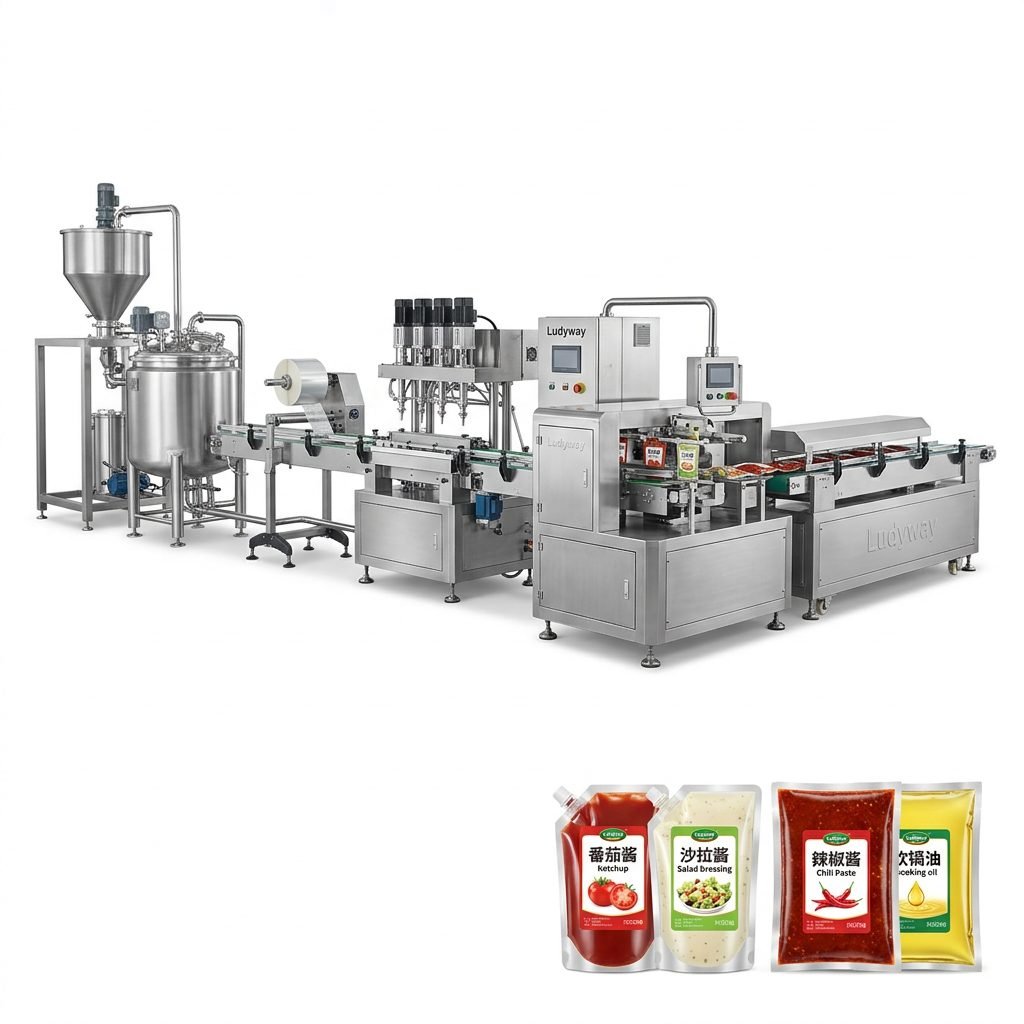
Not all flow pack machines handle every film type equally well. Your choice of packaging material—whether it is polypropylene (PP), polyethylene (PE), laminated structures, or biodegradable films—directly influences the required sealing technology and temperature control precision.
| Film Type | Typical Applications | Sealing Consideration |
|---|---|---|
| BOPP / CPP Laminates | Bakery, snacks, confectionery | Excellent clarity; moderate seal strength |
| PE-based Structures | Frozen foods, fresh produce | Superior cold resistance; requires precise temperature control |
| PET / Aluminum Foil Laminates | Pharmaceuticals, medical devices | High barrier properties; demands robust sealing jaws |
| Paper-based Compostable Films | Organic products, eco-friendly brands | Narrower sealing window; may require modified jaw profiles |
4. Assess Machine Configuration and Flexibility
The versatility of a flow pack machine determines how well it adapts to changing production needs. Consider the following configuration options when evaluating equipment:
- Single-lane vs. multi-lane systems: Multi-lane configurations dramatically increase throughput for small, uniform products but require more complex infeed and film handling.
- Quick-changeover features: Servo-driven adjustments, tool-less change parts, and recipe-based controls reduce downtime between product runs.
- Infeed customization: Whether you need automatic feeders, belt conveyors, or robotic pick-and-place integration depends on your product handling requirements.
- Optional add-ons: Gas flushing for modified atmosphere packaging (MAP), date coding, perforation, and tear-notch capabilities extend machine functionality.
5. Consider Integration with Existing Production Lines
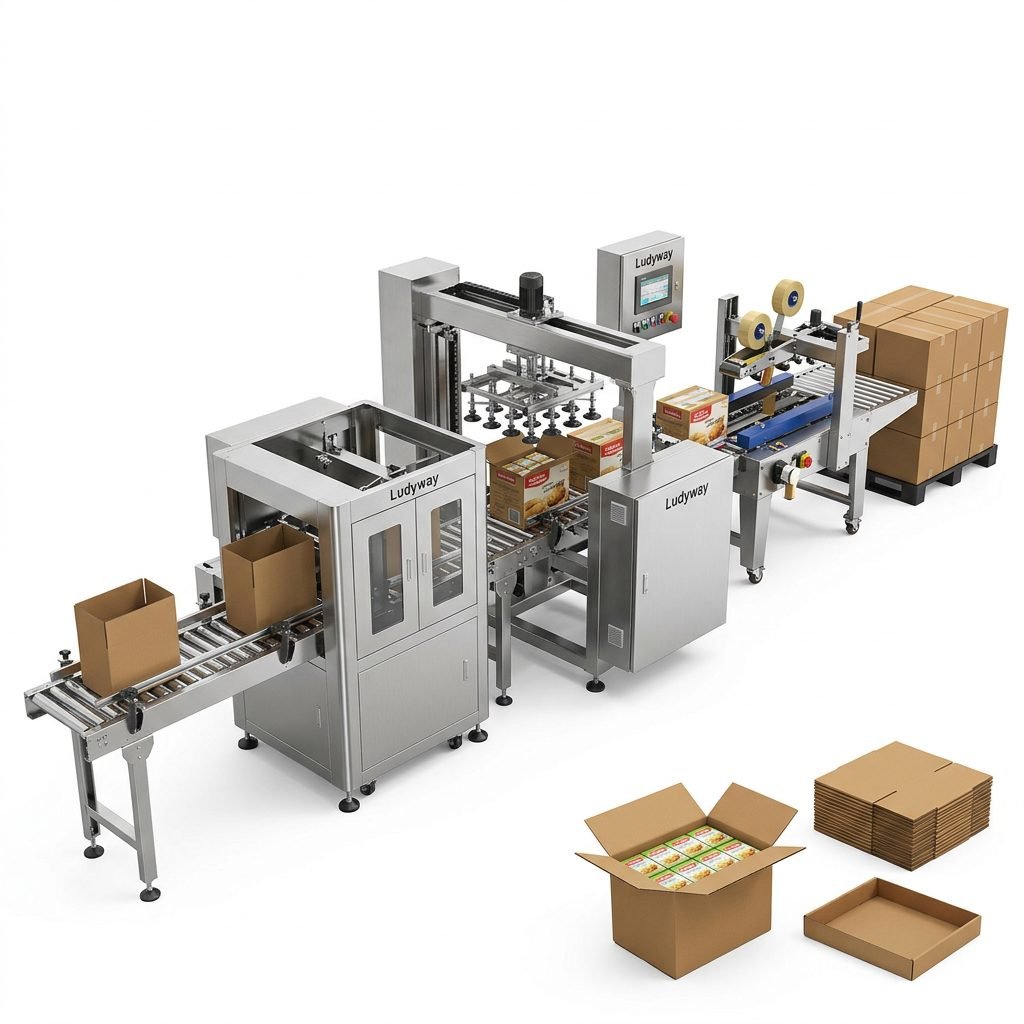
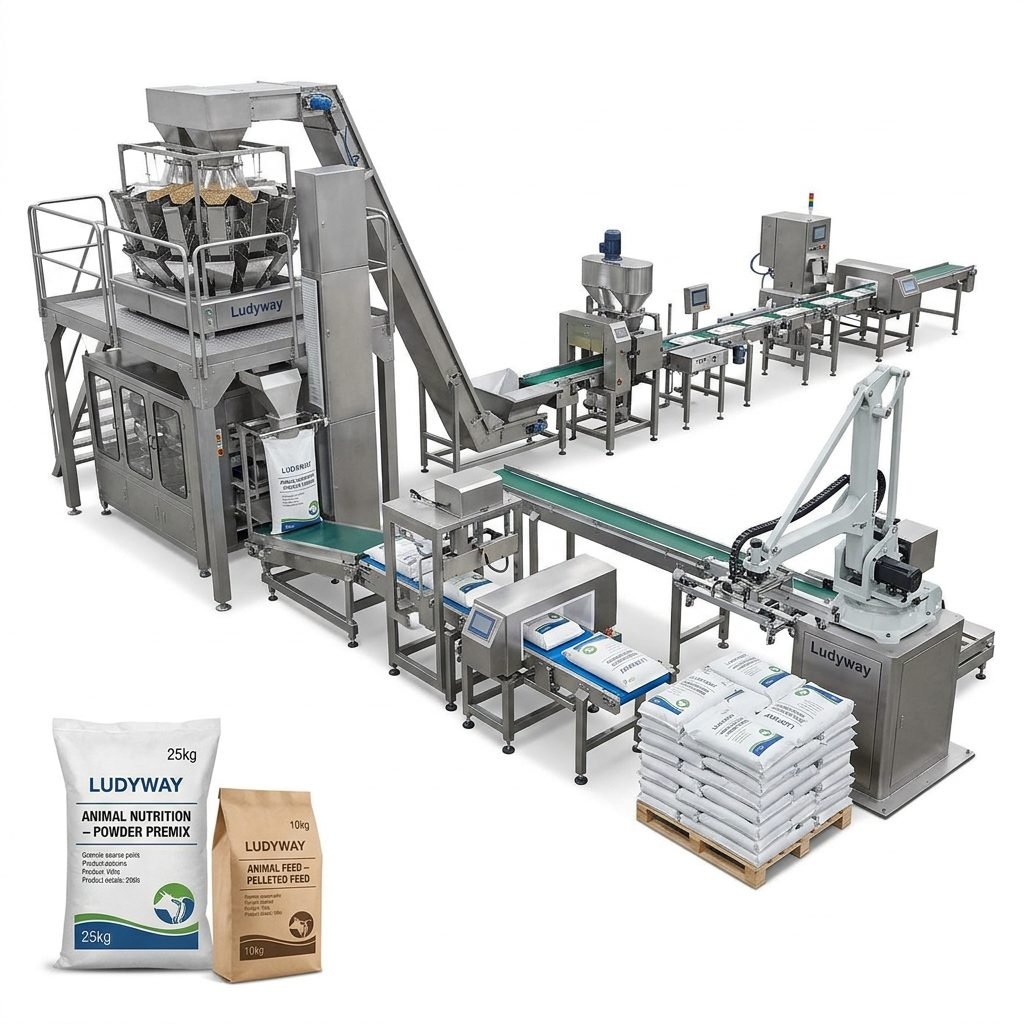
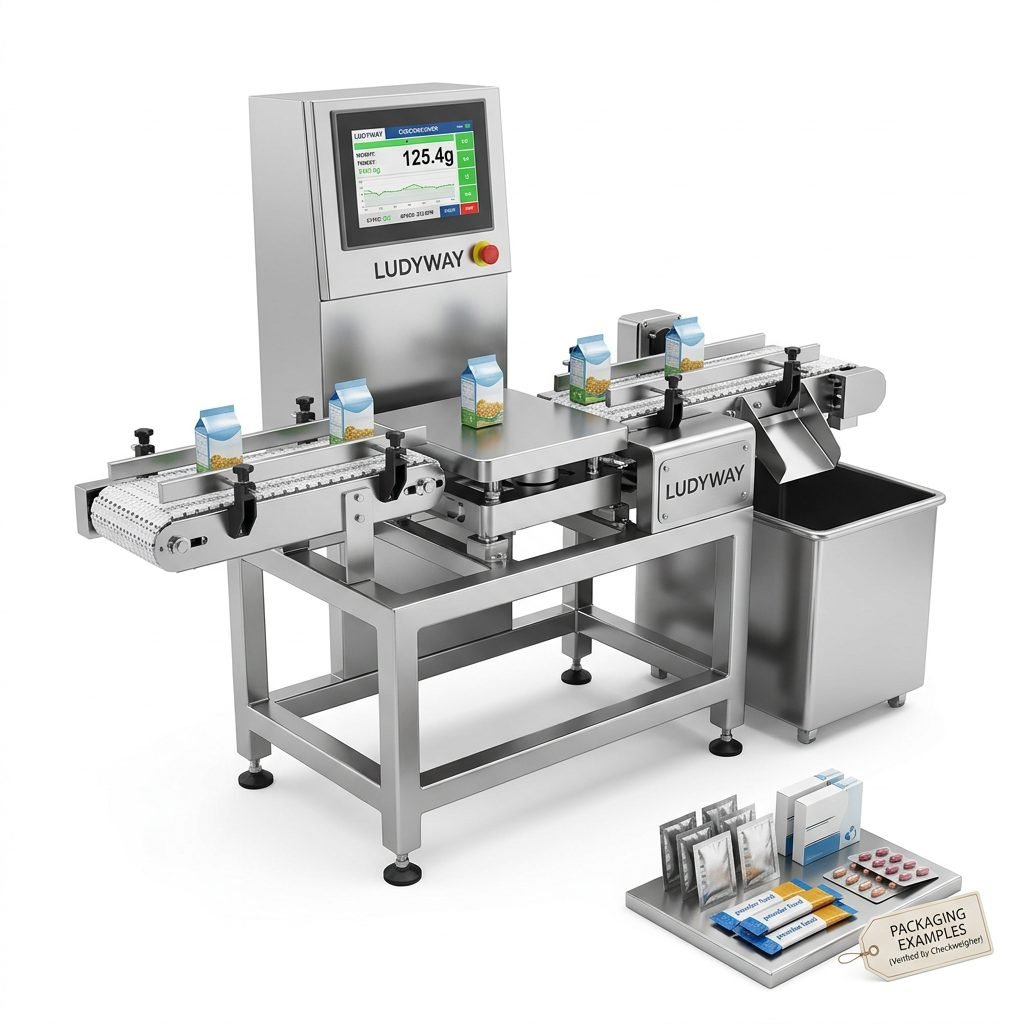
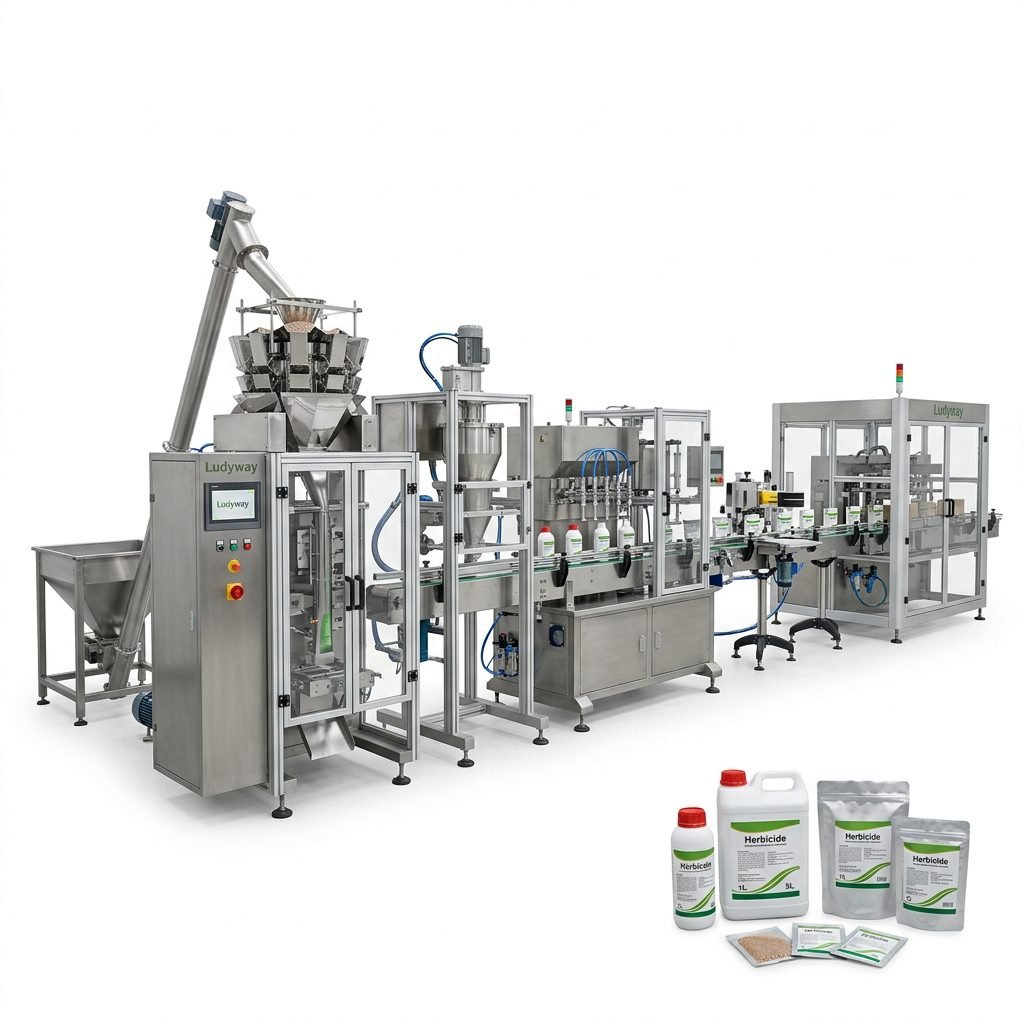
A flow pack machine rarely operates in isolation. It must seamlessly integrate with upstream and downstream equipment, including product conveyors, checkweighers, metal detectors, cartoners, and case packers. Evaluate the communication protocols supported by the machine—Ethernet/IP, Profinet, or Modbus TCP—to ensure compatibility with your factory’s automation architecture.
For manufacturers seeking a single-source partner capable of delivering fully integrated packaging lines, Ludyway Machinery offers turnkey solutions that combine flow pack machines with dosing, filling, inspection, and end-of-line automation systems, supported by over 30 years of packaging engineering experience.

6. Prioritize Quality Standards and Regulatory Compliance
Depending on your industry, your flow pack machine may need to comply with various international standards. Food-grade applications often require stainless steel construction, washdown-ready designs, and compliance with FDA or EU food contact material regulations. Pharmaceutical packaging demands adherence to cGMP guidelines and ISO 11607 for sterile barrier systems.
Verify that the manufacturer can provide relevant documentation, including CE marking, UL certification, or other regional compliance certificates applicable to your market. For detailed regulatory guidance, consult the FDA packaging and food contact substances resource or the ISO packaging standards directory.
7. Evaluate Supplier Experience and After-Sales Support
The relationship with your packaging machine supplier extends far beyond the initial purchase. Before committing to a machine, assess the manufacturer’s track record in your specific industry segment. Consider the following evaluation criteria:
- Industry-specific references: Request case studies or references from manufacturers with similar product types and production volumes.
- Technical support availability: Confirm response times for remote troubleshooting and the availability of on-site service engineers in your region.
- Spare parts logistics: A well-established supplier should maintain an accessible inventory of critical wear components and offer fast shipping to minimize downtime.
- Operator training: Comprehensive training programs ensure your team can operate and maintain the equipment effectively from day one.
- Warranty and service agreements: Compare warranty terms, extended service contracts, and preventive maintenance packages across different vendors.
8. Analyze Total Cost of Ownership and ROI
While the initial purchase price is an important factor, a total cost of ownership (TCO) analysis provides a more accurate picture of long-term value. Consider energy consumption, film waste rates, maintenance costs, spare parts pricing, and expected machine service life. A machine with a higher upfront cost but lower operating expenses may deliver better return on investment over a 5-10 year period.
Key financial metrics to calculate include payback period, cost per package, and labor savings compared to manual or semi-automatic packaging methods. Automated flow pack systems typically achieve the most favorable ROI in high-volume production environments where labor reduction and throughput gains are substantial.
9. Request Machine Demonstrations and Factory Acceptance Tests
Before finalizing your purchase, arrange to see the machine in operation. Factory acceptance tests (FAT) allow you to run your actual products and packaging films on the equipment, verifying that the machine meets your specifications. During a demonstration, pay close attention to seal integrity, package appearance, changeover time, and ease of operation. This hands-on evaluation is one of the most reliable ways to confirm machine suitability.
10. Plan for Future Scalability
Your packaging needs today may not reflect your requirements three or five years from now. When selecting a flow pack machine, consider whether the platform supports future upgrades—such as adding additional lanes, integrating new feeding systems, or incorporating automation modules. A modular machine architecture provides the flexibility to scale capacity without requiring a complete equipment replacement.
The flexible packaging industry continues to evolve, with sustainability initiatives driving demand for recyclable and compostable film structures. Choosing a machine capable of handling a broad range of film materials positions your operation to adapt as packaging trends shift. For industry data and forecasts, the Flexible Packaging Association industry resources offer valuable insights into material innovation and market direction.
Key Takeaways for Your Flow Pack Machine Purchase
- Start with your product: Let product characteristics drive machine specifications, not the other way around.
- Plan for throughput: Match machine speed to realistic production volumes with room for growth.
- Verify film compatibility: Confirm that the sealing system works with your current and potential future packaging materials.
- Assess integration needs: Ensure seamless connectivity with existing upstream and downstream equipment.
- Prioritize supplier support: A responsive manufacturer with strong after-sales capabilities protects your long-term investment.
- Calculate TCO: Look beyond the purchase price to understand the full financial picture over the machine’s service life.
Selecting the right flow pack packaging machine is a multifaceted decision that balances technical performance, operational compatibility, and commercial considerations. By systematically evaluating each of these factors, you can identify a machine that delivers reliable, efficient, and scalable packaging performance for years to come.