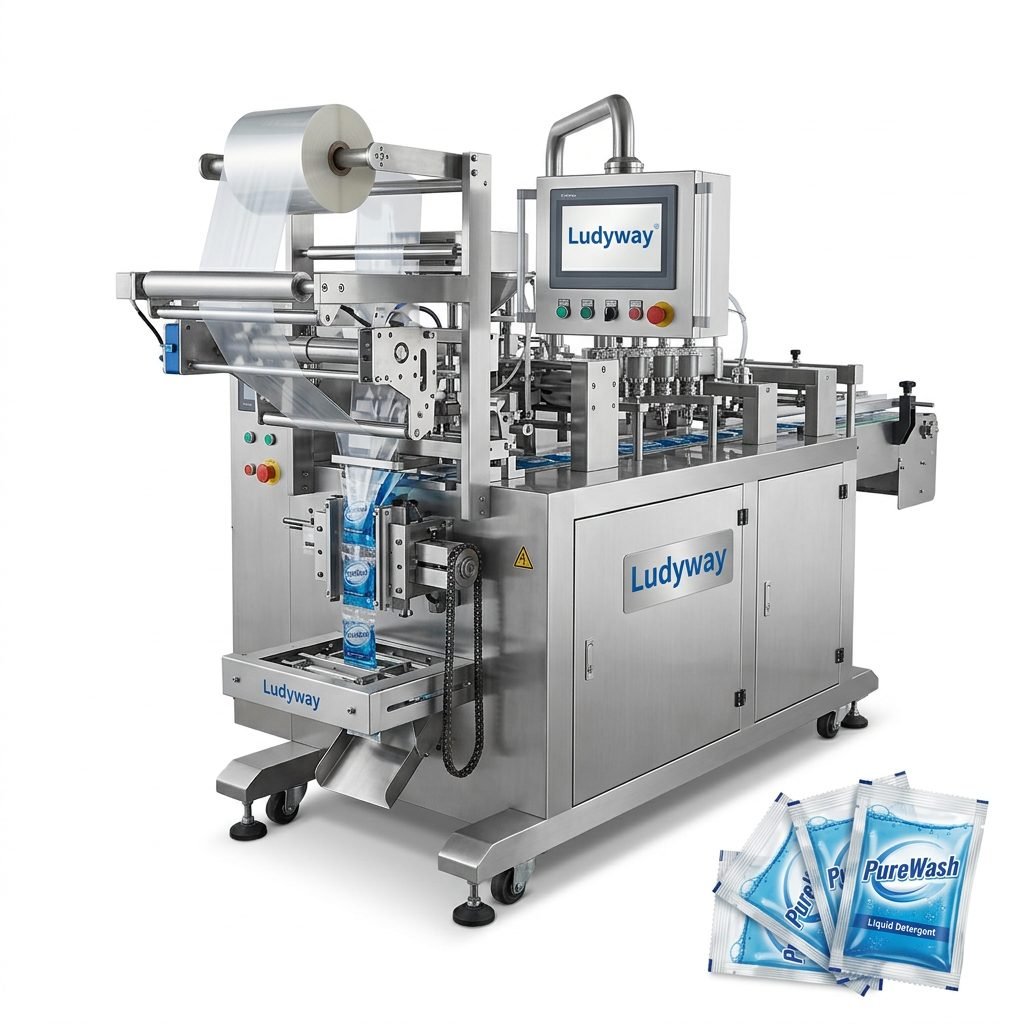
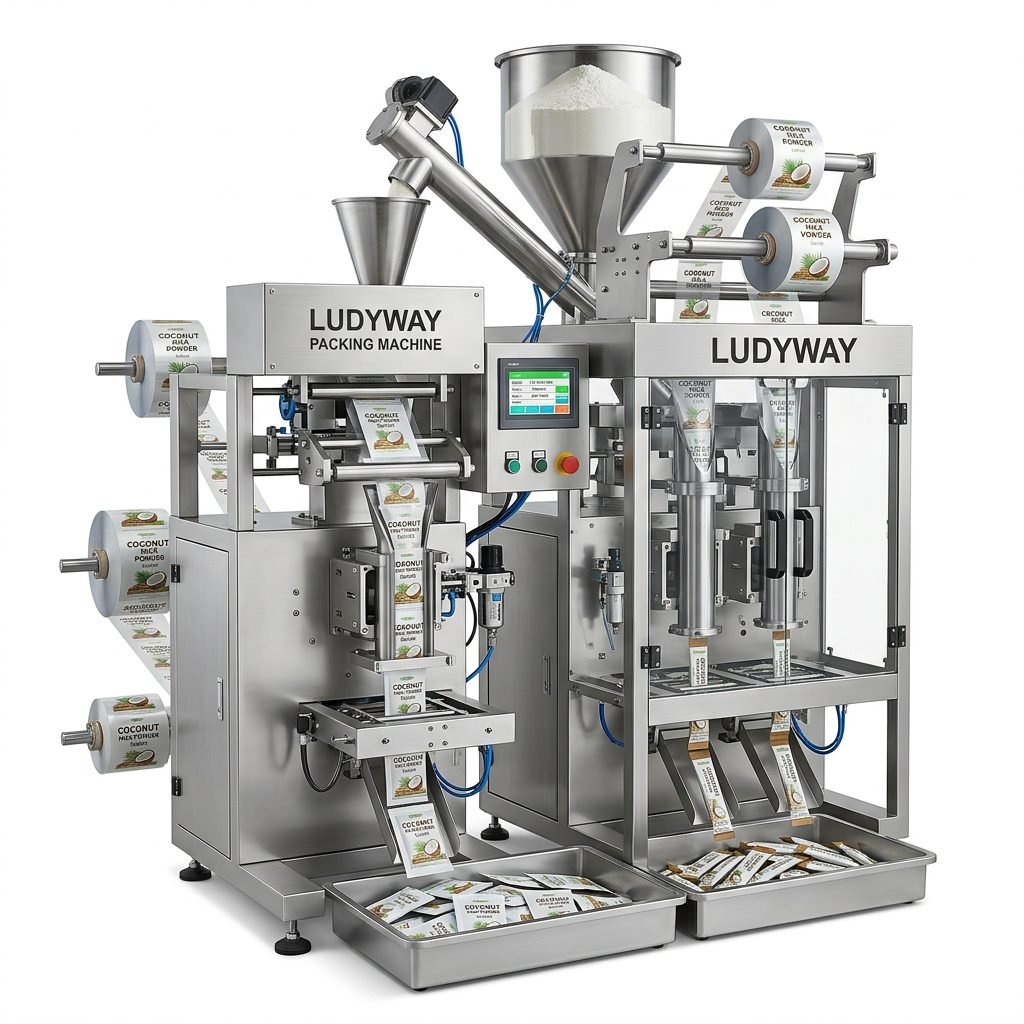
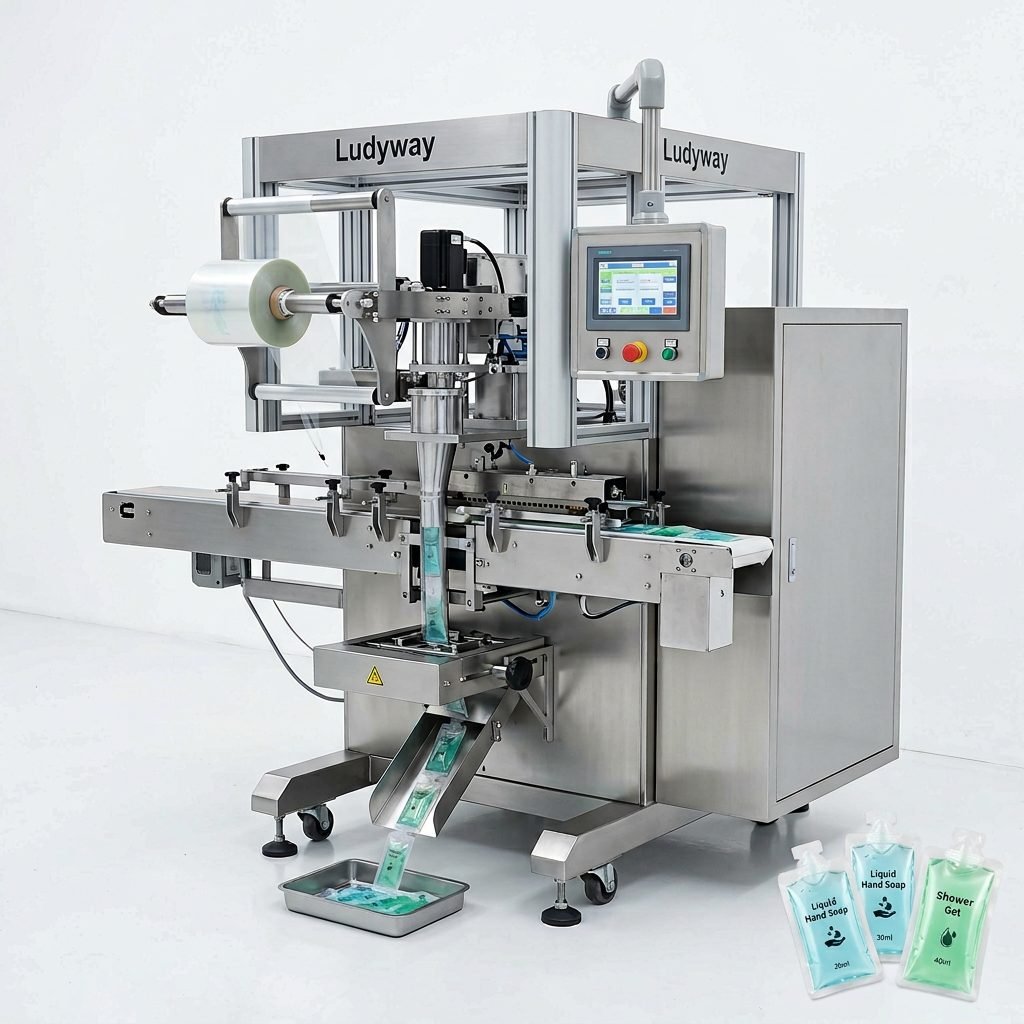
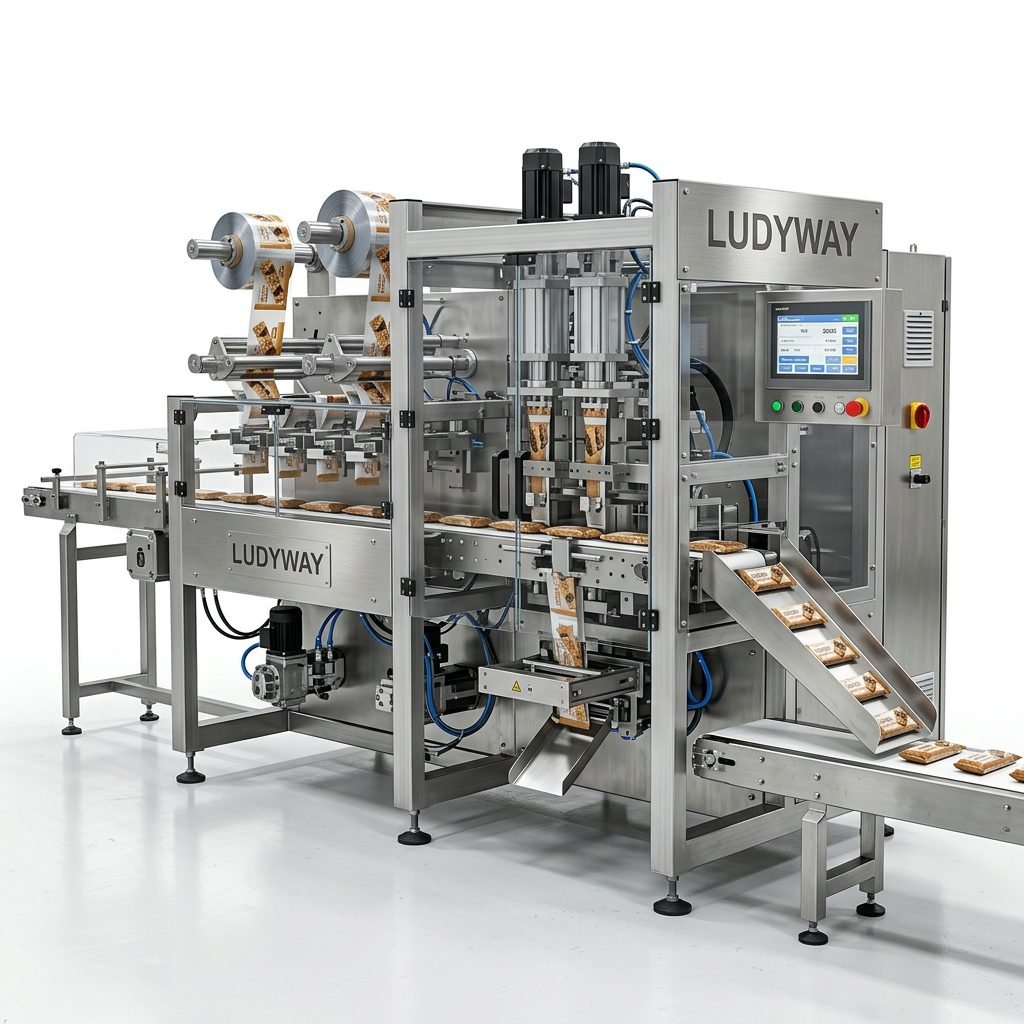
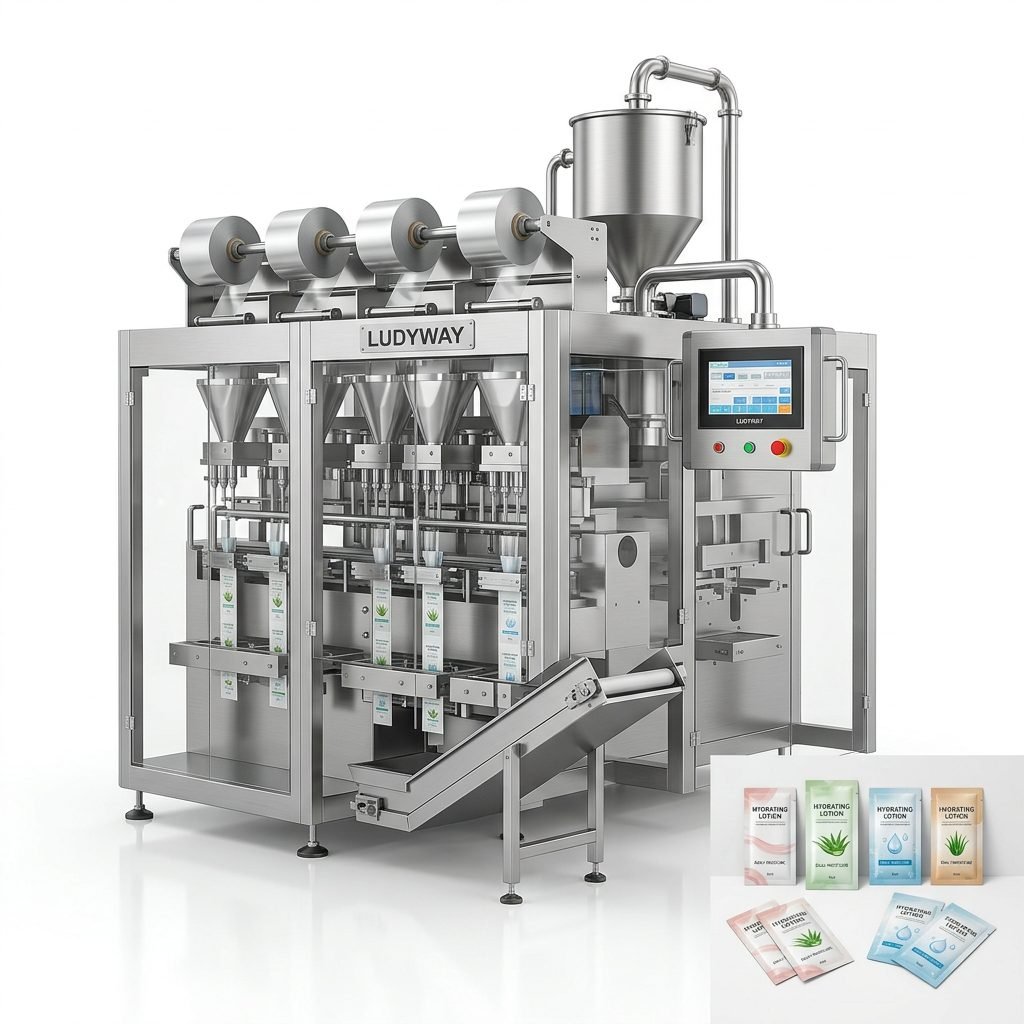
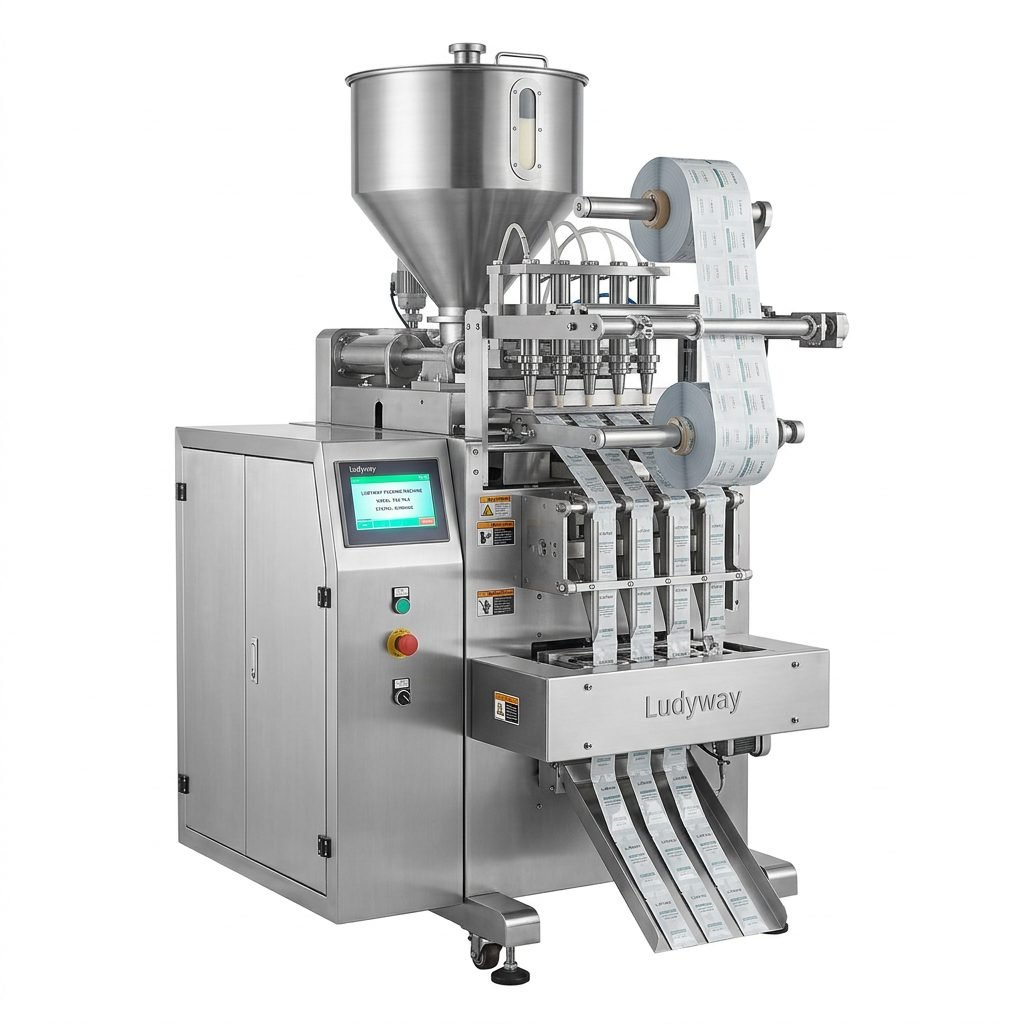
Investing in a crisp packaging machine is a significant decision for any food manufacturer. Whether you produce potato chips, extruded snacks, or delicate baked crisps, the right equipment directly impacts product freshness, production efficiency, and shelf appeal. A poorly chosen machine can lead to product breakage, inconsistent sealing, and costly downtime. This guide walks you through every critical factor to consider before making your purchase, from product characteristics to long-term service expectations.

Understanding Your Product: The Starting Point
Before evaluating machine specifications, you must clearly define what you are packaging. Crisp products vary enormously in shape, density, and fragility. A machine designed for sturdy tortilla chips will not necessarily handle delicate potato crisps without causing unacceptable breakage rates.
Key product attributes to document include:
- Product dimensions and shape uniformity – Are your crisps consistently sized or irregular?
- Fragility and breakage sensitivity – How much mechanical stress can the product tolerate during feeding and filling?
- Bulk density and flow characteristics – Does the product flow freely through weighers and formers, or does it bridge and clump?
- Moisture content and oil levels – These affect flexible packaging material compatibility and seal integrity.
- Target shelf life requirements – Does your product require nitrogen flushing, vacuum sealing, or moisture barrier films?
According to PMMI packaging industry research, understanding product behavior is the single most overlooked step in equipment selection, yet it determines nearly every downstream specification.
Packaging Format and Bag Style Selection
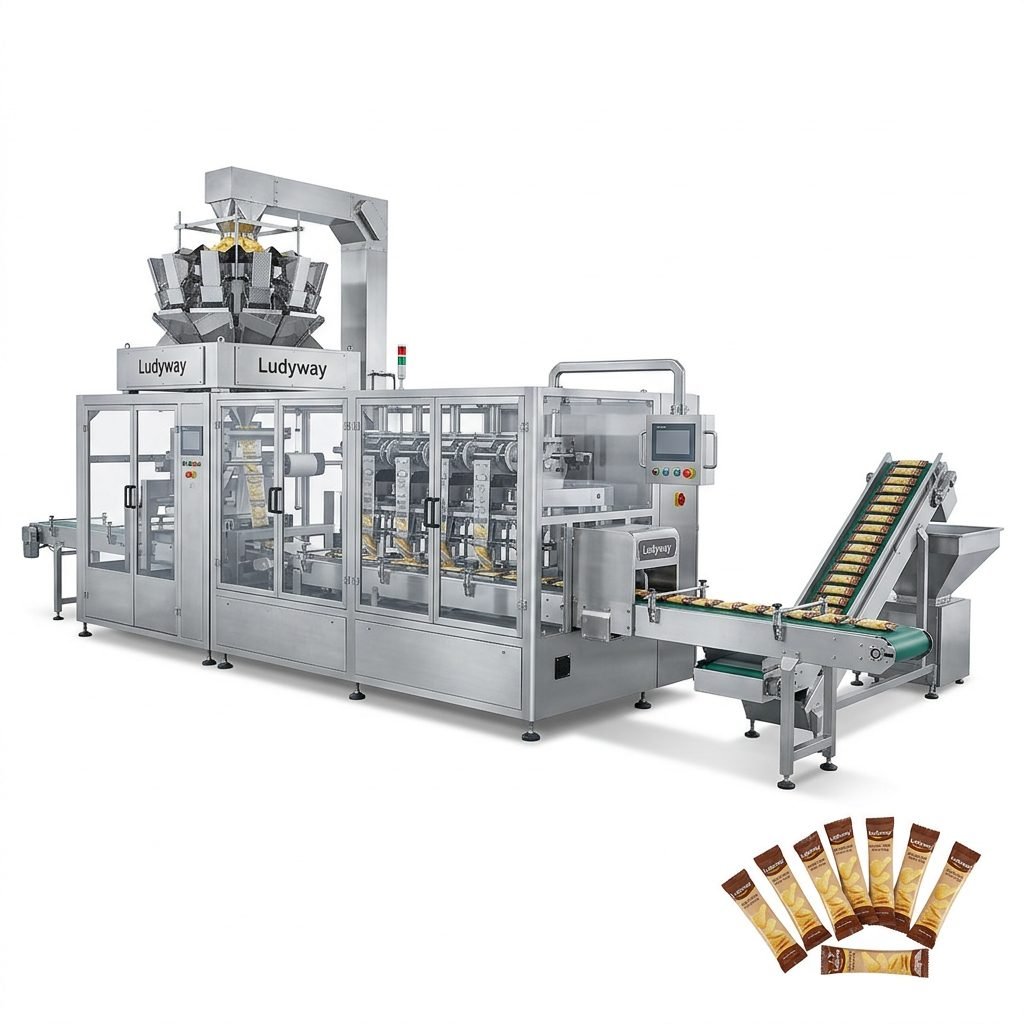
Crisp products are packaged in a range of formats, each requiring different machine configurations. The bag style you choose affects everything from material consumption to retail presentation.
| Bag Format | Best For | Typical Machine Type |
|---|---|---|
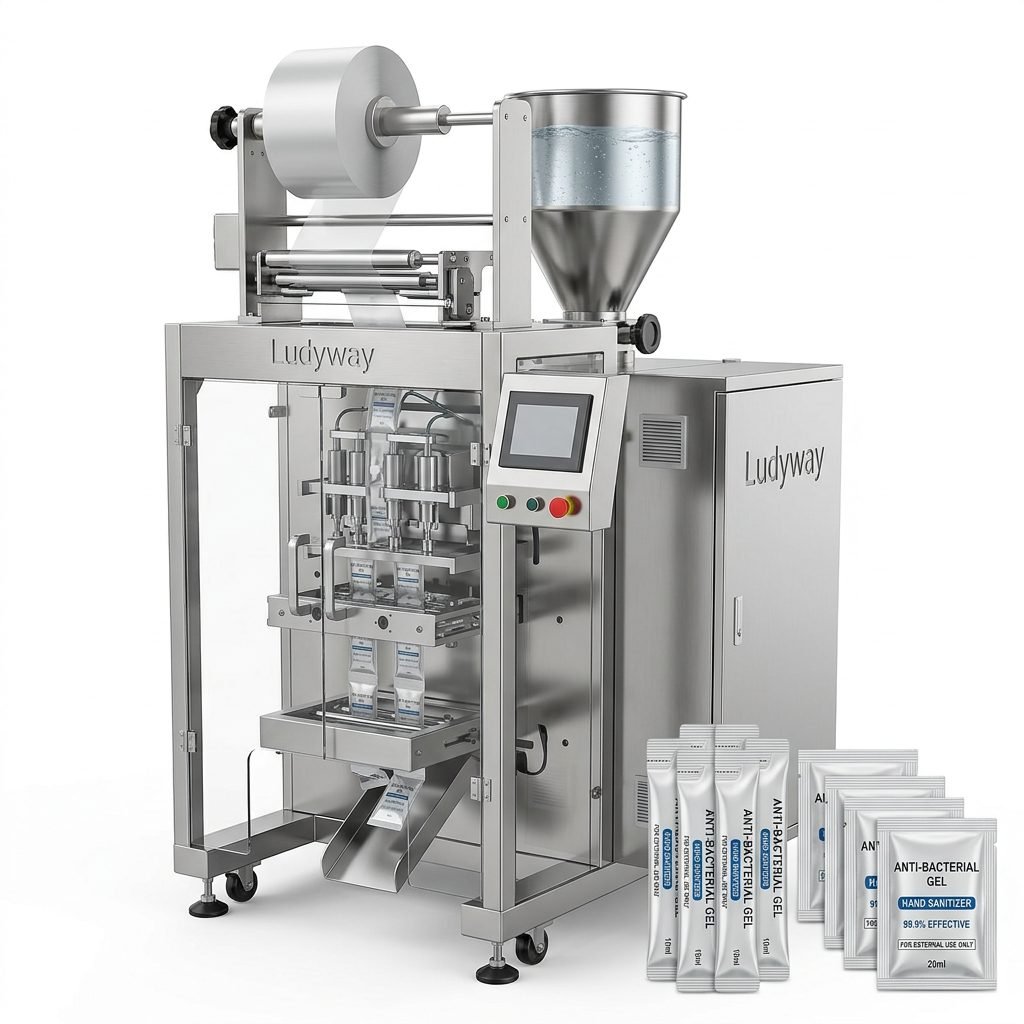
| Pillow Bag | Standard potato crisps, tortilla chips | Vertical Form Fill Seal (VFFS) |
| Gusseted Bag | Larger family-size packs, multipacks | VFFS with gusset attachment |
| Doypack / Stand-Up Pouch | Premium crisps, organic snacks, resealable packs | Rotary or inline premade pouch machine |
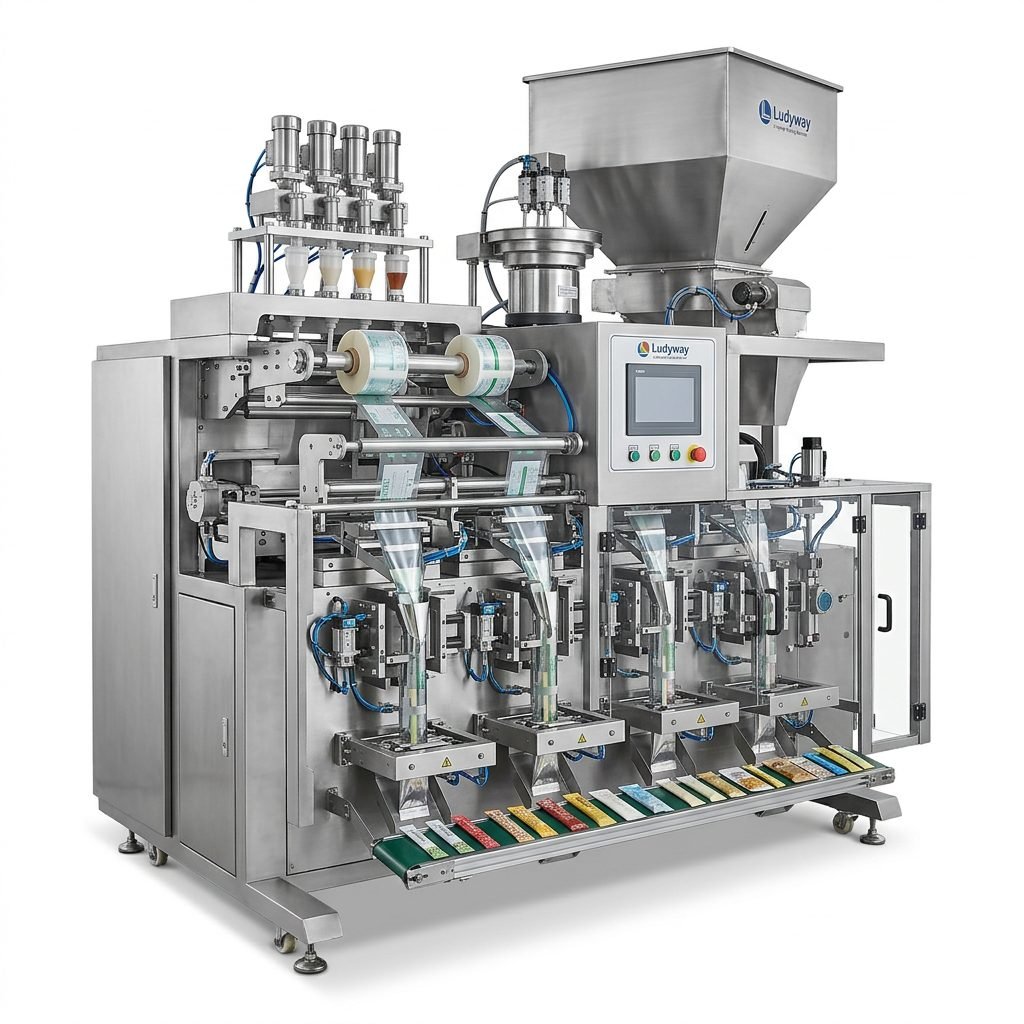
| Stick Pack / Sachet | Single-serve crisps, sampling portions | Multi-lane stick pack machine |
| Quad Seal / Flat Bottom Bag | High-end retail crisps with shelf stability | Specialized VFFS or premade pouch system |
Your choice should align with retail channel requirements, consumer convenience expectations, and production volume targets. For manufacturers serving multiple markets, machines that offer quick-change tooling between formats provide significant flexibility. Refer to Flexible Packaging Association guidelines for material and format compatibility data.
Production Speed and Capacity Planning
One of the most consequential decisions involves matching machine speed to your actual and projected production needs. Over-specifying speed wastes capital; under-specifying creates bottlenecks that limit business growth.
Consider the following when evaluating throughput:
- Current daily output requirements measured in bags per minute or kg per hour
- Planned growth over the next 3 to 5 years – a machine should accommodate expansion without immediate replacement
- Changeover frequency – if you run multiple SKUs, factor in downtime between product runs
- Multi-lane configurations can multiply output for small-format packs without increasing floor space proportionally
- Integration speed of upstream and downstream equipment – weighers, conveyors, cartoners
Industry reports from PMMI State of the Industry indicate that snack food packaging lines are increasingly adopting multi-lane technology to meet rising demand without expanding facility footprints.
Weighing and Filling Accuracy
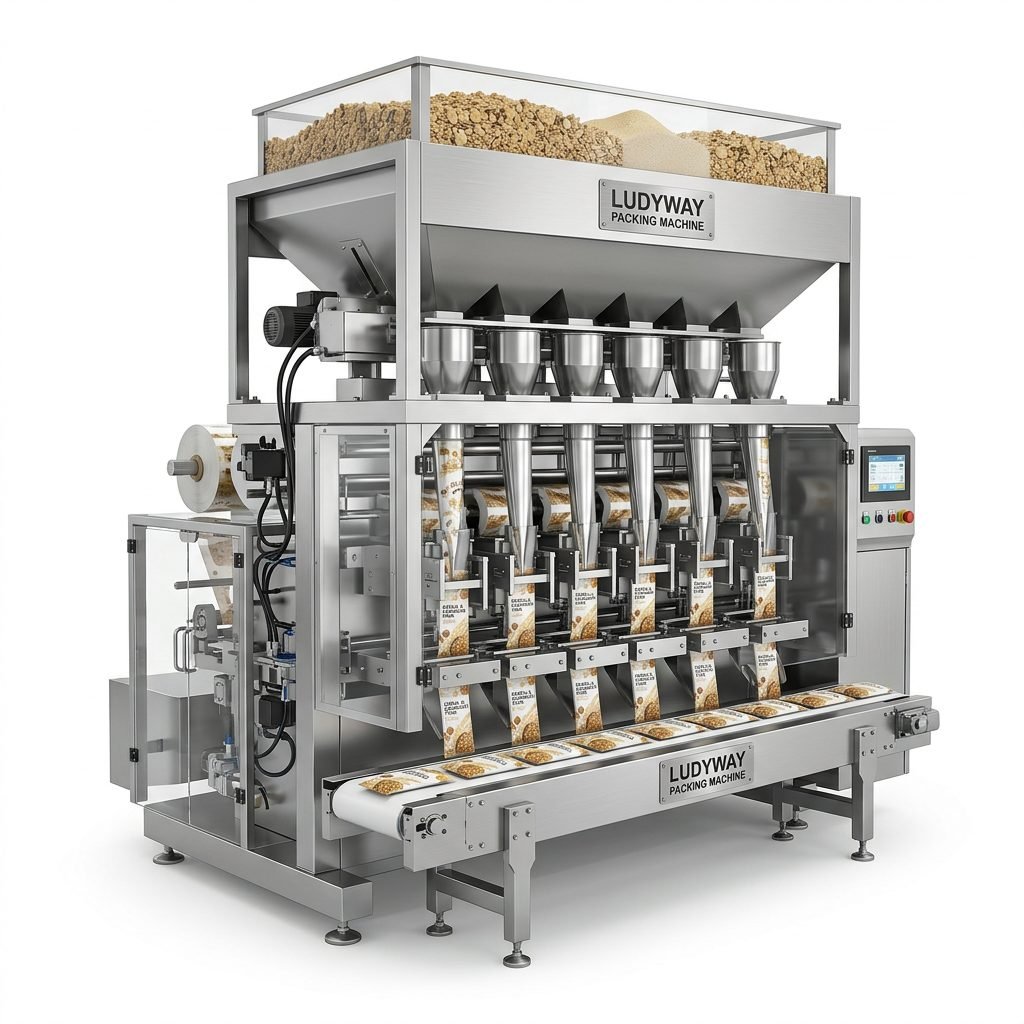
For crisp products, weighing precision is both a quality and a profitability issue. Overfilling by even 1-2 grams per bag translates into substantial product loss over millions of units. Conversely, underfilling risks regulatory non-compliance and customer dissatisfaction.
The most common weighing systems for crisp packaging include:
- Multi-head weighers – Ideal for free-flowing crisp products; offer high speed and excellent accuracy through combination weighing algorithms
- Linear weighers – Suitable for slower lines or fragile products where drop height must be minimized
- Auger fillers – Used when crisp products are ground or when precise volumetric filling is needed for powders and small granules
- Checkweigher integration – Provides real-time feedback and reject capabilities to maintain target weights
Pay close attention to the product contact surfaces and drop heights within the weigher. Excessive drop distances can shatter delicate crisps, creating waste and compromising bag appearance. Look for weighers with gentle product handling features such as reduced-angle chutes and cushioned collection buckets.
Sealing Technology and Packaging Material Compatibility
The sealing system determines package integrity throughout distribution and shelf life. For crisp products, which are often moisture-sensitive and oxygen-sensitive, the seal must be reliable and consistent.
Evaluate these sealing parameters:
- Heat seal vs. cold seal – Heat sealing is standard for most crisp packaging films; cold seal is used for heat-sensitive products but requires specialized films
- Seal jaw design – Serrated, flat, or patterned jaws affect seal strength and peelability
- Temperature control precision – Digital controllers with multiple zone monitoring reduce seal failures
- Dwell time adjustability – Critical for laminated films and high-barrier structures used in crisp packaging
- Gas flushing (MAP) capability – For products requiring nitrogen flushing to extend shelf life
Consult FDA food packaging regulations for compliance requirements if you are producing for the U.S. market, or European Commission packaging standards for EU markets.
Machine Construction and Hygiene Design
Food safety regulations and operational efficiency demand hygienic machine construction. Crisp packaging equipment should be designed for easy cleaning and sanitation, especially when production involves oils, seasonings, or flavor dust that can accumulate on machine surfaces.
Key construction features to prioritize:
- Stainless steel product contact surfaces – 304 or 316 grade for corrosion resistance
- Tool-free disassembly for quick cleaning and product changeover
- Sloped surfaces to prevent product and liquid accumulation
- Sealed bearings and motors to prevent contamination ingress
- IP65 or higher electrical enclosures for washdown environments
- Open-frame design for easy access to all critical components
Machines built to ISO packaging standards provide a baseline for quality and safety, though specific certifications may be required depending on your target markets.

Automation Level and Labor Considerations
The degree of automation you select has long-term implications for labor costs, operator skill requirements, and production consistency. Today’s crisp packaging lines can range from semi-automatic systems requiring multiple operators to fully automated turnkey lines with minimal human intervention.
Assess your automation needs based on:
- Available skilled labor in your region and associated wage costs
- Consistency requirements – automated systems reduce variability from operator to operator
- Integration with existing equipment – conveyors, weighers, metal detectors, cartoners, palletizers
- Data collection and traceability needs – modern automated machines provide production metrics and quality data
- Return on investment timeline – higher automation typically means higher upfront cost but lower long-term operating expense
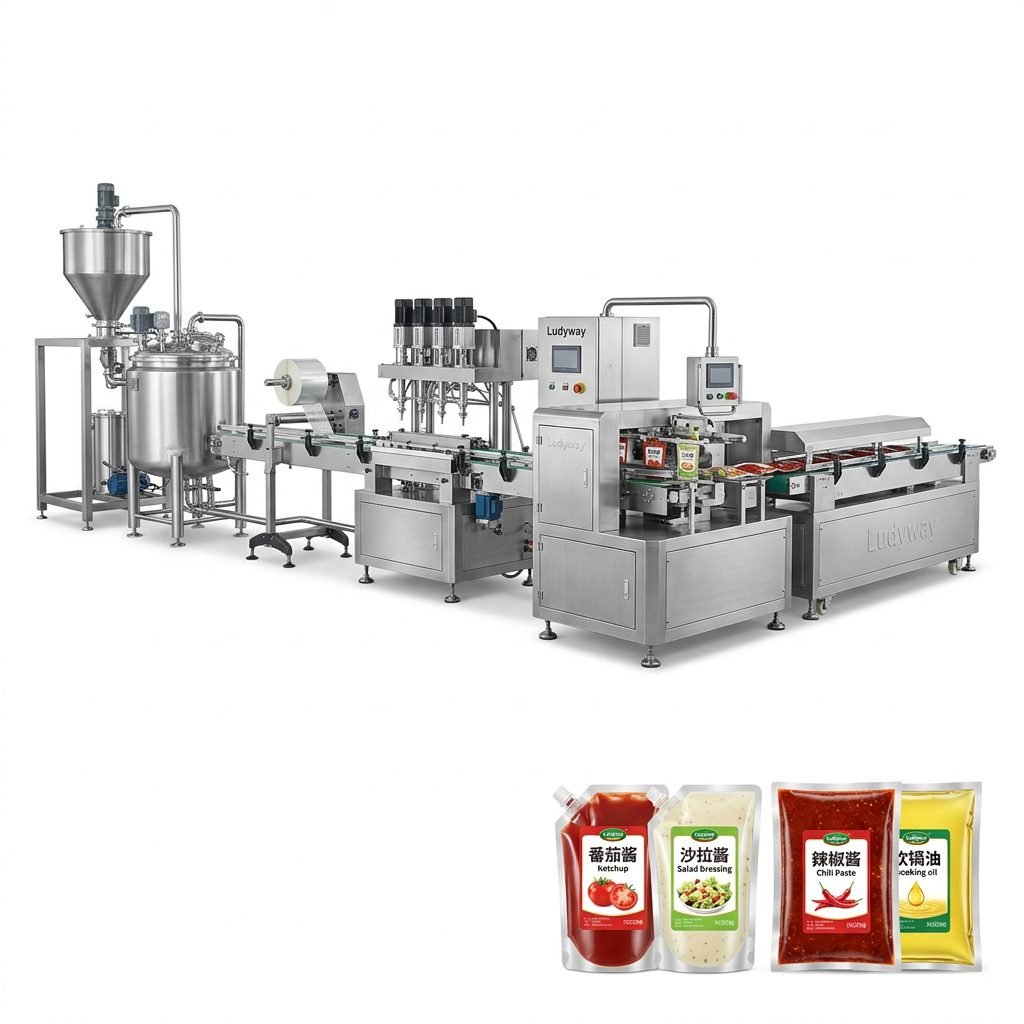
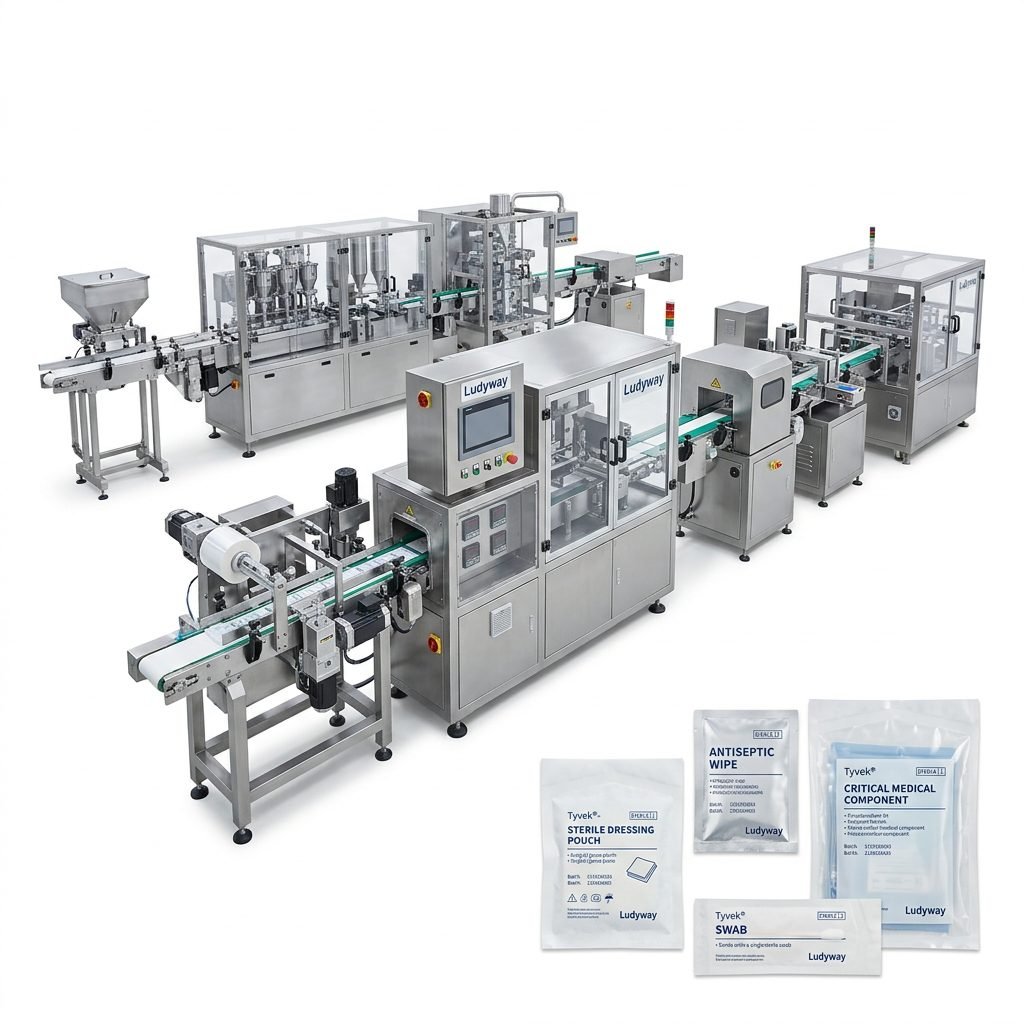
For manufacturers seeking fully integrated solutions, Ludyway Machinery provides turnkey packaging systems that connect multiple production stages, enabling single-source responsibility for equipment selection, customization, and commissioning across more than 100 countries.
Supplier Evaluation and After-Sales Support
Your relationship with the packaging machine supplier extends well beyond the initial purchase. Equipment reliability, spare parts availability, and technical support quality determine long-term operational success.
When evaluating potential suppliers, investigate:
- Industry experience and specialization – does the supplier have specific expertise in crisp and snack packaging?
- Manufacturing capabilities – in-house production versus outsourced assembly affects quality control and lead times
- Installation and commissioning support – will technicians travel to your facility for setup and training?
- Spare parts inventory and delivery times – critical for minimizing downtime
- Remote technical assistance capabilities – increasingly important for international operations
- Customer references and case studies – verify performance claims with actual users
- Warranty terms and service agreements – understand what is covered and for how long
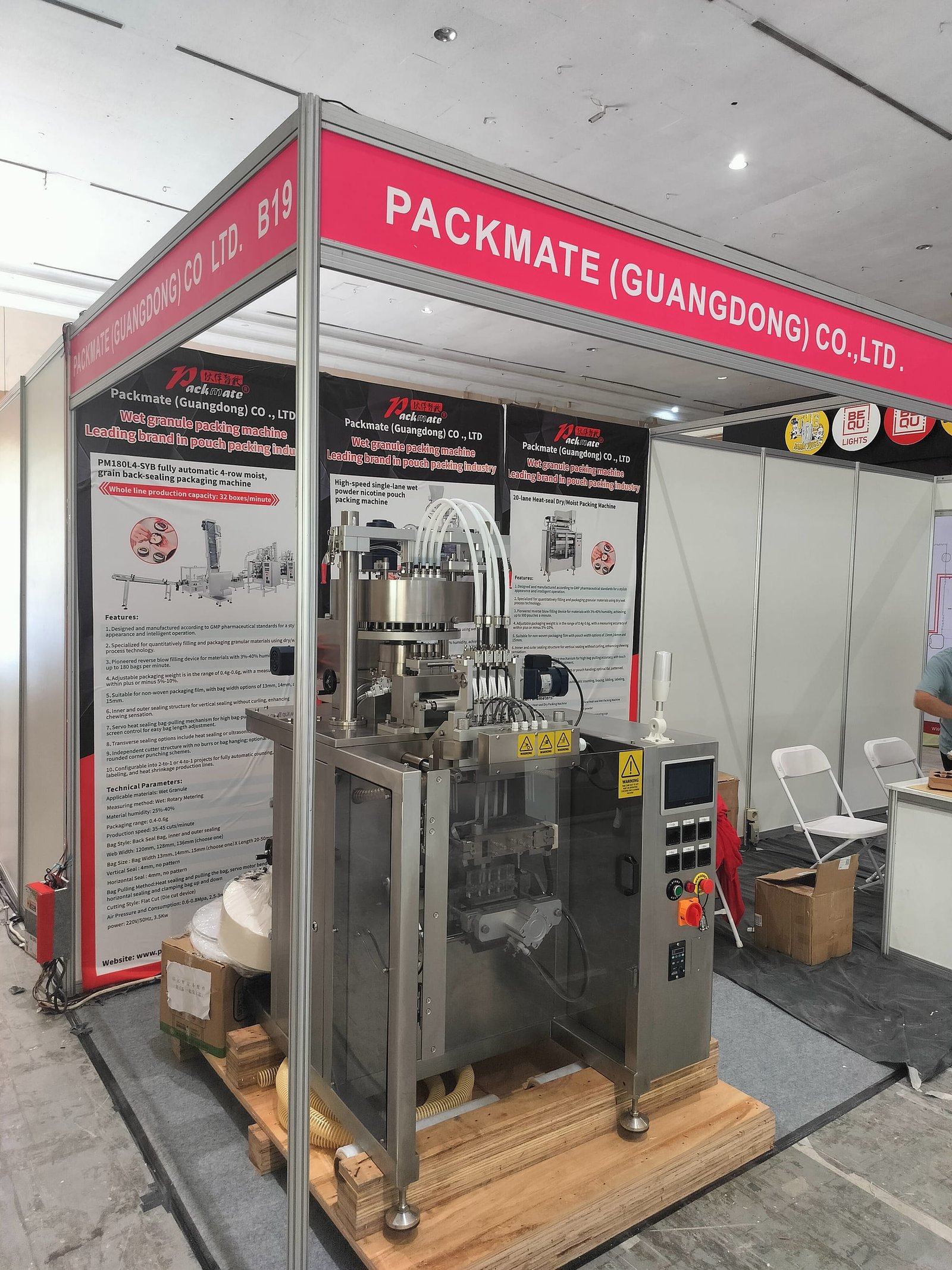
Budget Planning and Total Cost of Ownership
The purchase price of a crisp packaging machine represents only a portion of its total cost of ownership (TCO). Savvy buyers evaluate the complete financial picture before committing to a supplier.
| Cost Category | Typical Considerations |
|---|---|
| Capital Equipment | Machine base price, options, tooling, installation |
| Operating Costs | Labor, electricity, compressed air, consumables |
| Packaging Materials | Film waste rates, material efficiency, roll change frequency |
| Maintenance and Parts | Preventive maintenance, wear parts, unexpected repairs |
| Downtime Impact | Lost production, missed orders, overtime costs |
| Training and Turnover | Operator training programs, retraining costs |
Gathering data from PMMI economic reports can help benchmark your investment against industry averages and track packaging machinery market trends.
Future-Proofing Your Investment
The crisp snack market continues to evolve with new product formats, sustainable packaging initiatives, and changing consumer preferences. Your machine should accommodate future requirements without requiring complete replacement.
Features that enhance long-term flexibility include:
- Modular design allowing addition of lanes, weighers, or accessories
- Programmable controls with recipe storage for multiple products and formats
- Compatibility with sustainable films including recyclable mono-materials and bio-based options
- IoT and remote monitoring readiness for predictive maintenance and production analytics
- Expandable conveyor and integration points for downstream automation
Review Flexible Packaging Association regulatory updates regularly to stay informed about shifts in packaging material regulations that may affect your equipment configuration.

Key Questions to Ask Before Purchasing
Before finalizing your decision on a crisp packaging machine, ensure you have answers to these essential questions:
- Does the supplier have direct experience with products similar to yours in terms of fragility and format?
- What are the actual production speeds achievable with your specific product and film, not just the machine’s maximum rated speed?
- How quickly can changeovers be completed between different bag sizes or product types?
- What is the expected film waste rate during startup, changeover, and continuous operation?
- Are spare parts stocked locally or regionally, and what are typical delivery lead times?
- Does the supplier offer on-site training and commissioning as part of the purchase?
- Can the machine integrate with your existing upstream and downstream equipment?
- What warranty and post-warranty service options are available?
Making the Final Decision
Selecting the right crisp packaging machine requires balancing technical requirements, budget constraints, and supplier capabilities. The best machine for your operation is not necessarily the most expensive or the fastest — it is the one that reliably produces quality packages at your required throughput with manageable operating costs and a supplier committed to long-term support.
Take time to visit supplier facilities when possible, test your actual products on demonstration machines, and speak with existing customers about their experiences. A methodical evaluation process pays dividends in reduced downtime, lower waste, and consistent product quality for years to come.
For further guidance on packaging machinery selection and industry best practices, explore the resources available at PMMI – The Association for Packaging and Processing Technologies, the Flexible Packaging Association, and ISO packaging standards for compliance and quality benchmarks.