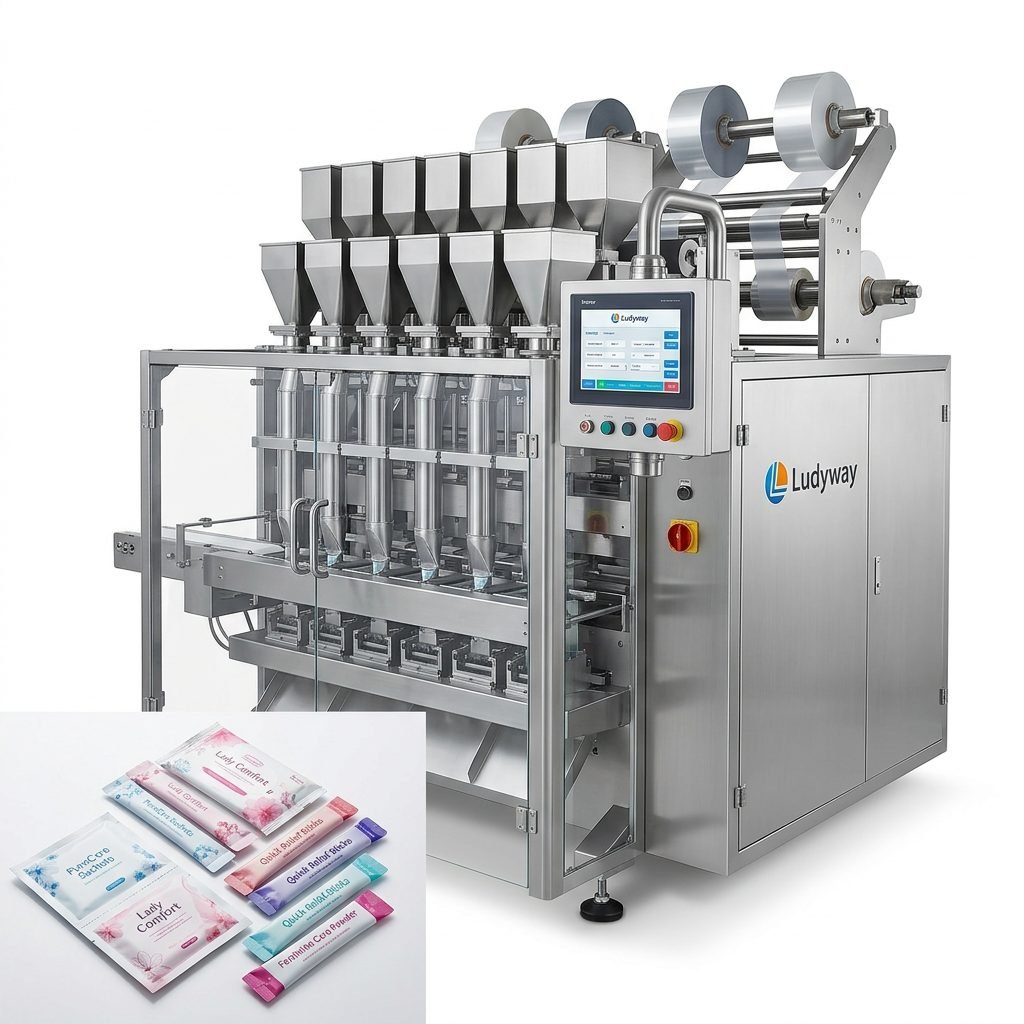
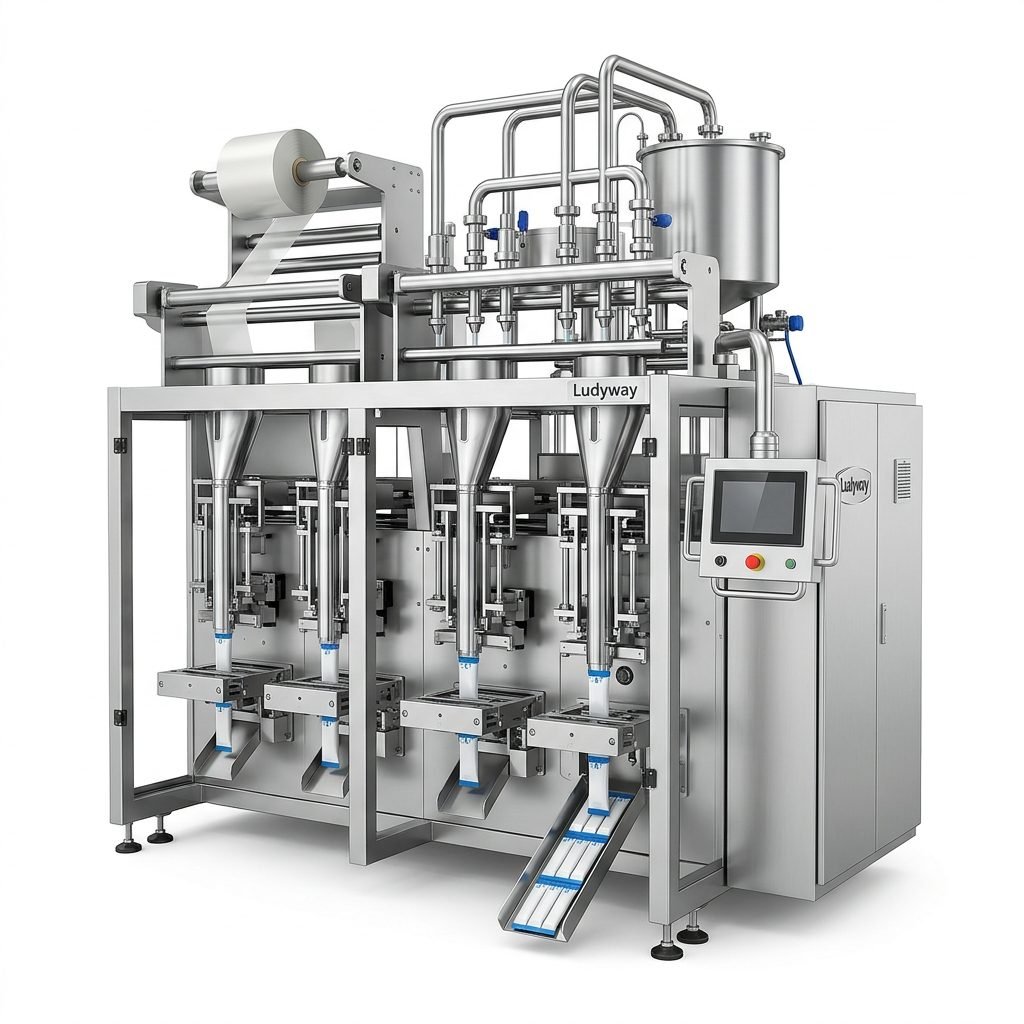
Investing in a pet food packaging machine is a major decision that affects your production efficiency, product shelf life, and overall operational costs. With the global pet food market continuing to expand, manufacturers are under increasing pressure to deliver consistent, hygienic, and visually appealing packaging while maintaining high throughput. Whether you produce dry kibble, wet food, freeze-dried treats, or nutritional supplements, selecting the right equipment requires a thorough understanding of your product characteristics, packaging format requirements, and long-term production goals.
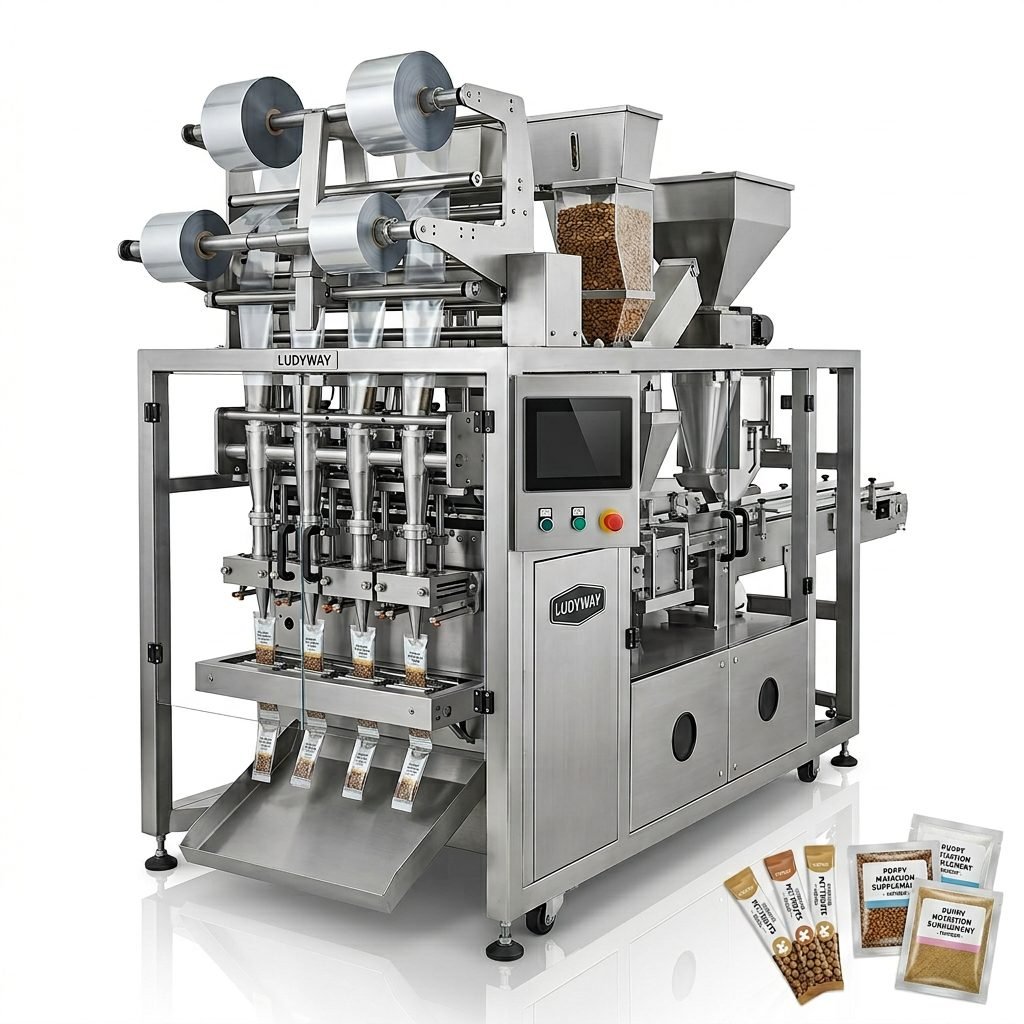
Understanding Pet Food Packaging Requirements
Before evaluating specific machines, you need to define what you are packaging and how you want it packaged. Pet food comes in many forms — dry kibble, semi-moist pellets, wet food chunks in gravy, freeze-dried raw morsels, powders, and liquid supplements. Each format demands different handling, dosing, and sealing technologies.
Key product characteristics that influence machine selection include:
- Product flowability — Free-flowing dry kibble behaves very differently from sticky wet food or fine powders
- Granule size and uniformity — Affects dosing accuracy and filling speed
- Moisture and oil content — High-fat or high-moisture products require specific sealing systems
- Hygiene requirements — Raw pet food and supplements may require clean-room-compatible equipment
- Shelf life targets — Determines whether you need modified atmosphere packaging (MAP), nitrogen flushing, or vacuum sealing
Types of Pet Food Packaging Machines
The type of packaging format you choose directly determines the machine configuration. Below are the most common packaging machines used in pet food manufacturing:
Multi-Lane Stick Pack and Sachet Machines
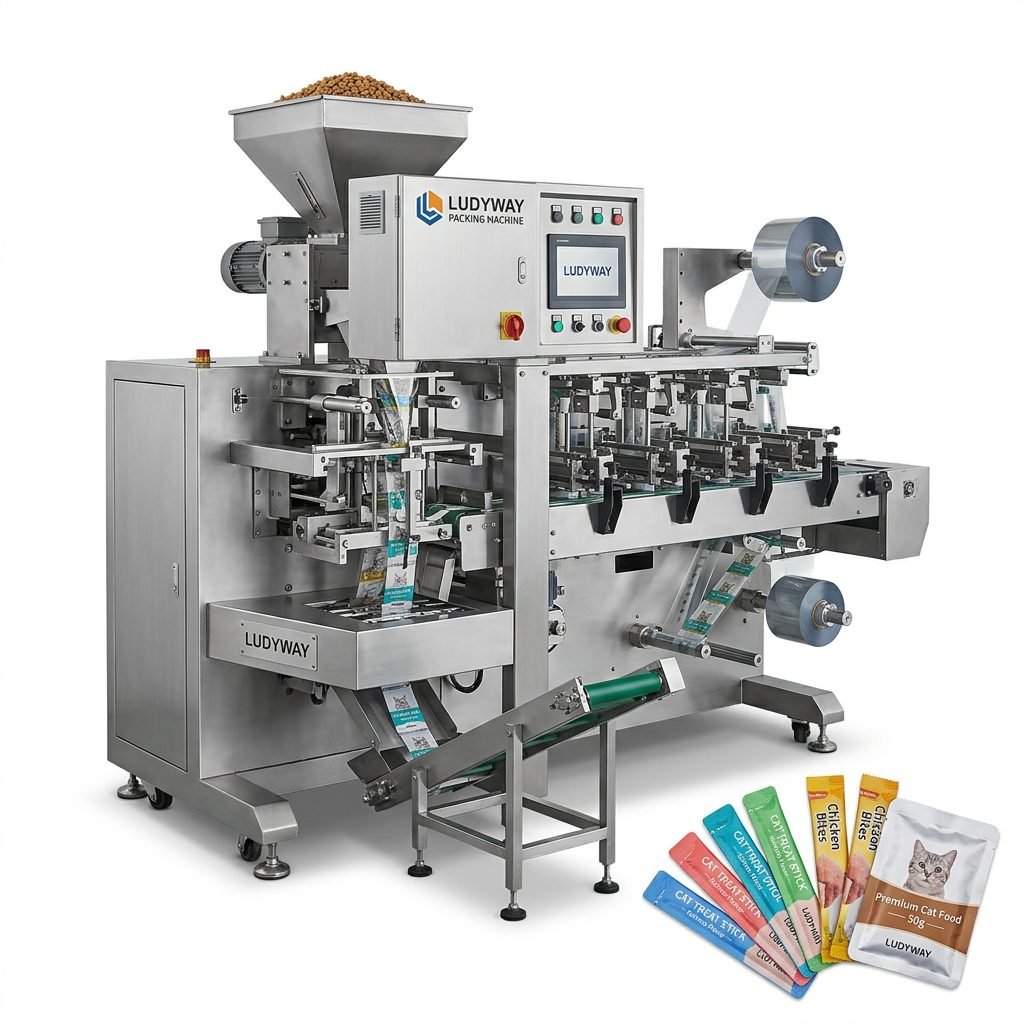
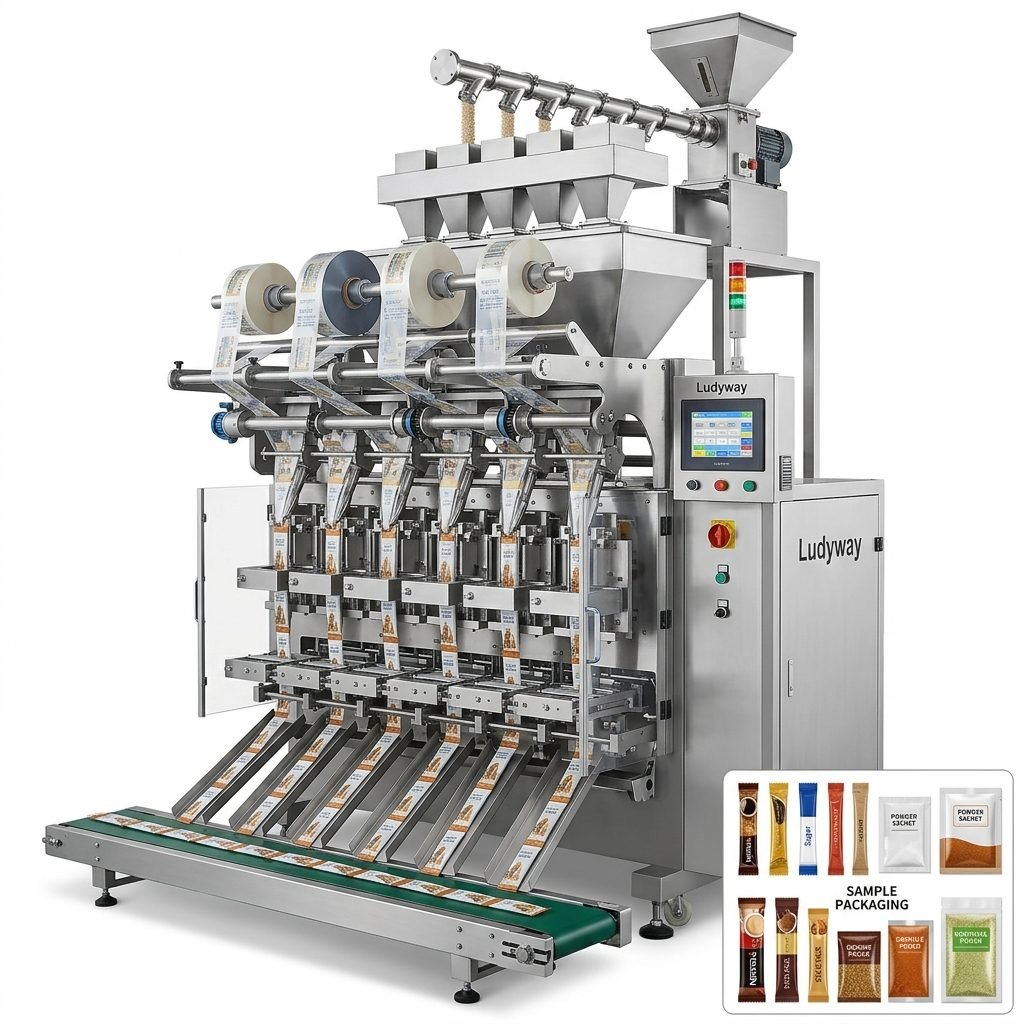
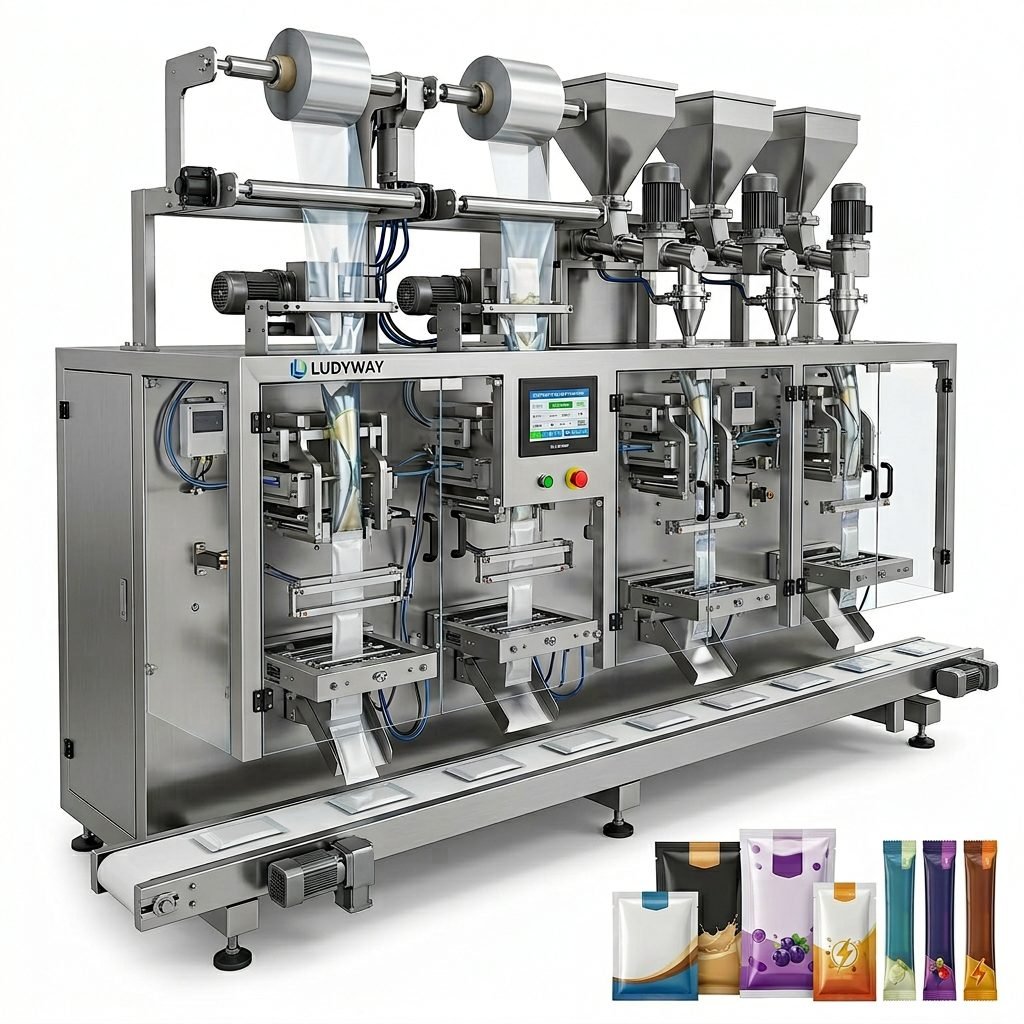
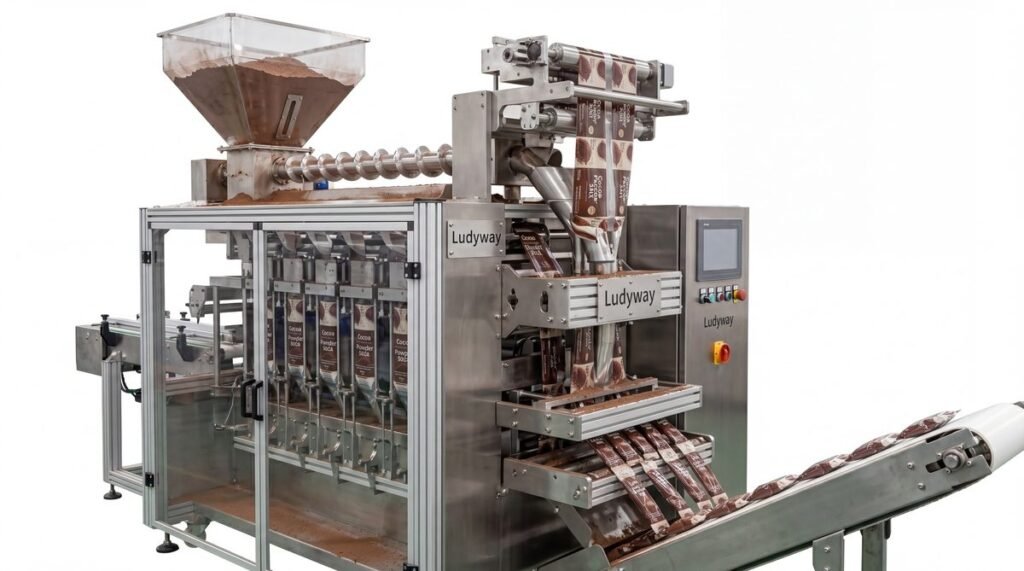
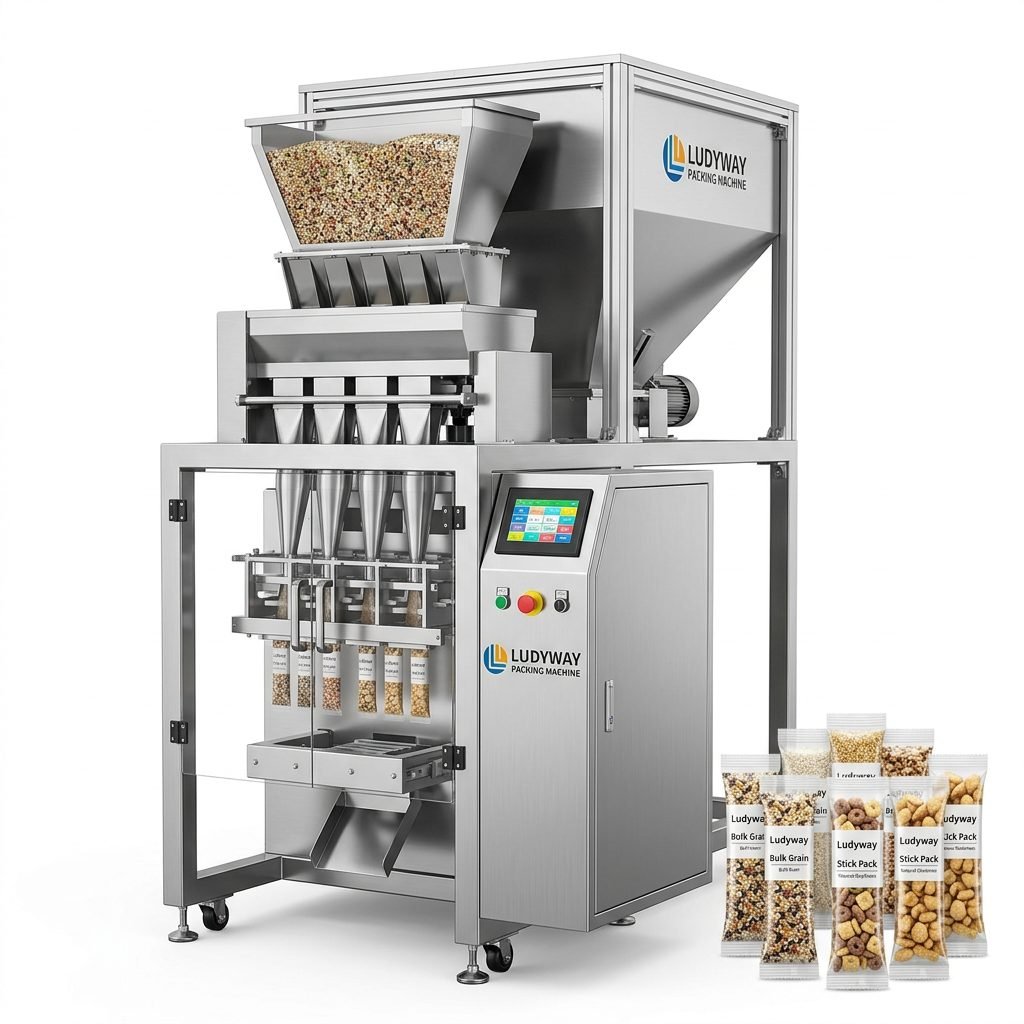
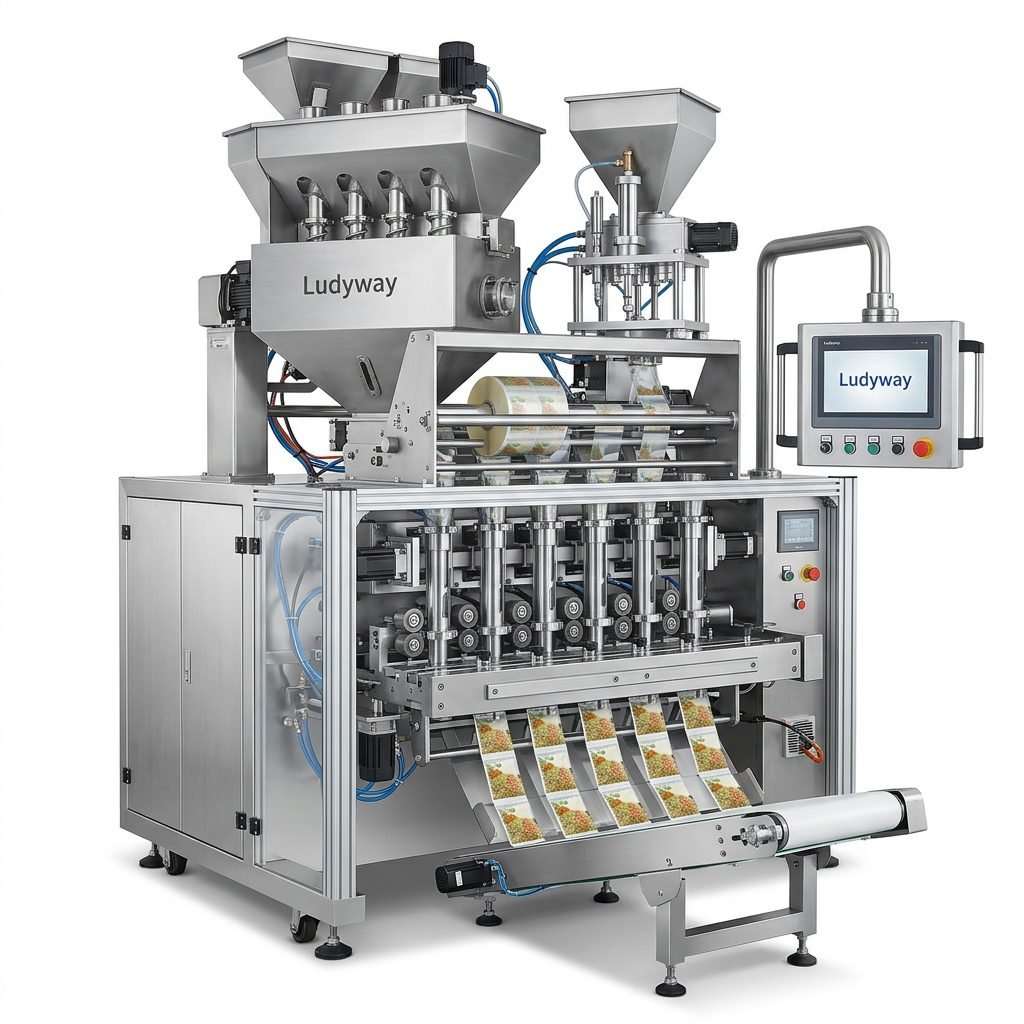
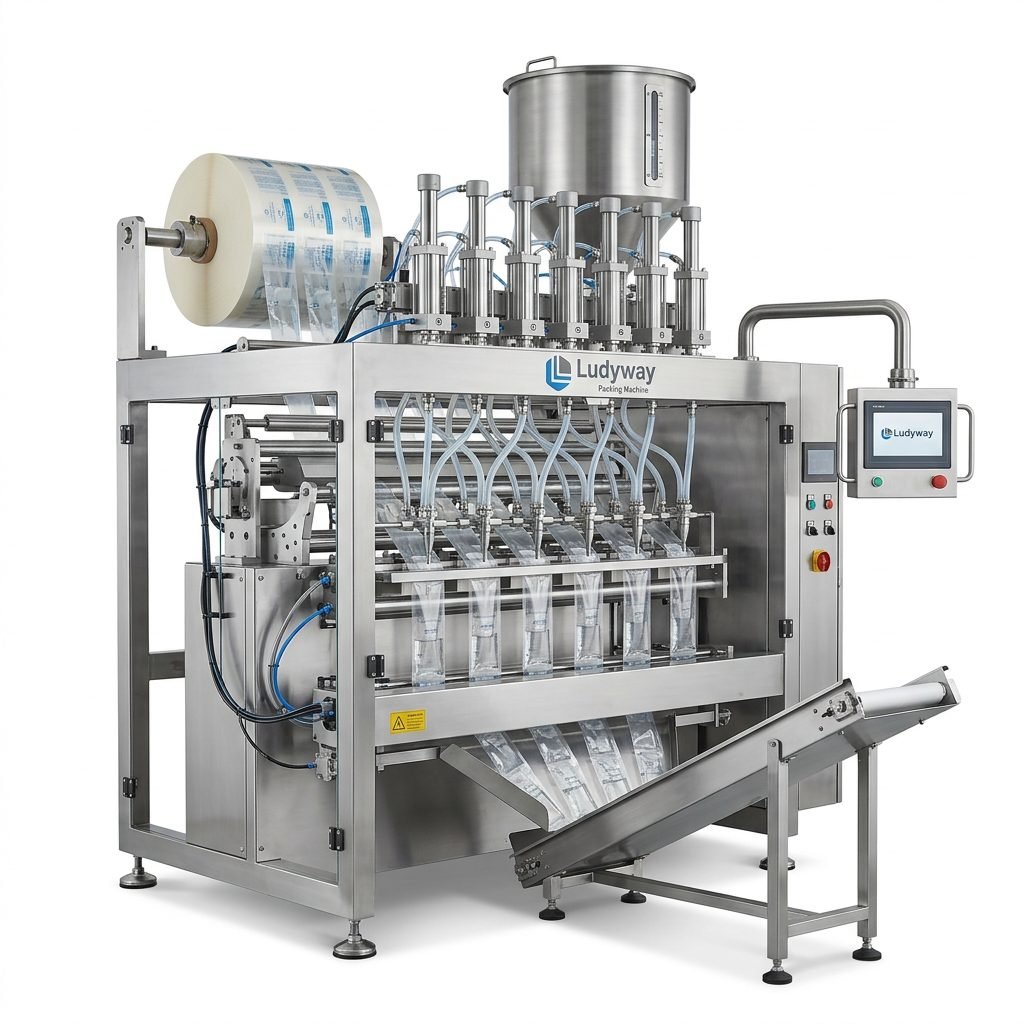
Multi-lane stick pack machines are ideal for single-serve portions of wet food, treats, powders, and supplements. These machines can run 4 to 20 lanes simultaneously, achieving output rates from 200 to over 1,000 packs per minute depending on the configuration. They are highly efficient for products like cat treats, probiotic powders, gravy pouches, and nutritional supplement sachets.
Vertical Form Fill Seal (VFFS) Machines
VFFS machines are the backbone of dry kibble packaging. They form bags from roll stock film, fill them with product, and seal them in a continuous vertical motion. Modern VFFS systems handle bag sizes from small 100g pouches up to large 20kg bags, with speeds reaching 60-80 bags per minute on high-performance models.
Premade Pouch Filling and Sealing Machines
For premium packaging with stand-up pouches, zipper closures, and spouted formats, rotary or inline premade pouch machines offer superior presentation and flexibility. These are popular for freeze-dried raw pet food, premium treats, and products targeting the retail shelf.
Bulk Bagging Systems
For manufacturers supplying large-format bags (10kg, 20kg, 25kg, or 50kg), automated weighing and bagging lines with high-accuracy multi-head weighers ensure consistent fill weights and minimized product giveaway. These systems often integrate with automatic palletizers for end-of-line automation.
Key Factors to Consider When Selecting a Machine
Production Speed and Capacity
Your current and projected production volumes should guide machine selection. A machine operating at 70% of its rated capacity leaves room for growth, while one running at 95% capacity from day one creates a bottleneck. Consider not just the machine’s maximum speed but its sustainable running speed across an 8-hour or 24-hour shift.
Packaging Material Compatibility
Not all machines handle every film type equally well. Pet food packaging increasingly uses recyclable mono-materials and bio-based films that behave differently from traditional multi-layer laminates. Ensure your chosen machine can seal the specific materials you plan to use, as heat-sealing parameters vary significantly between film types. For guidance on flexible packaging materials and industry standards, consulting established resources is essential.
Changeover Flexibility
If you package multiple SKUs with different bag sizes, formats, or product types, changeover time becomes critical. Some machines offer tool-free changeover in under 15 minutes, while others may require 2-3 hours. Quick-change features add upfront cost but deliver substantial savings in multi-product production environments.
Automation and Integration
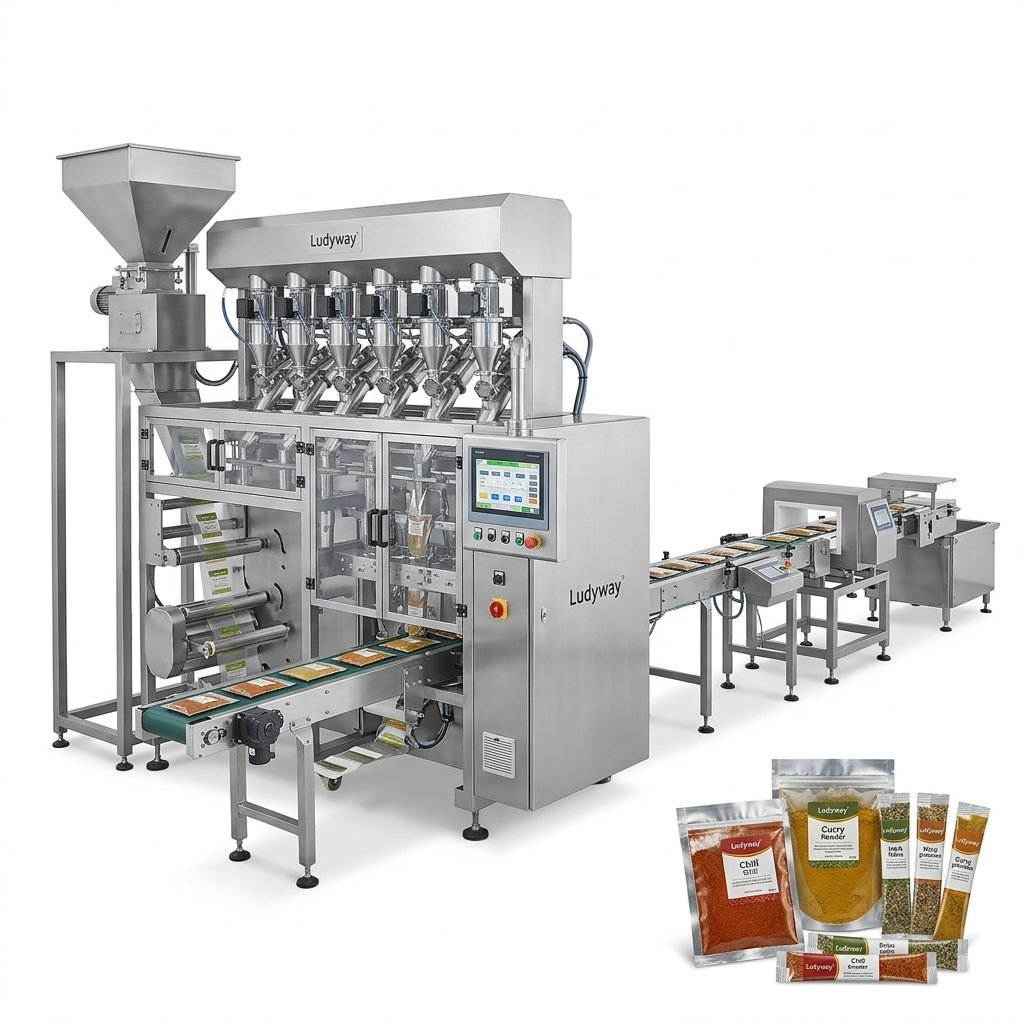
Beyond the core filling and sealing functions, consider ancillary equipment: automatic feeders, checkweighers, metal detectors, coding and marking systems, and cartoning or case packing modules. A fully integrated packaging line reduces manual handling, minimizes contamination risk, and improves overall line efficiency. Many manufacturers now offer turnkey solutions that connect multiple stages of the packaging process seamlessly.
Cleaning, Maintenance, and Hygiene
Pet food, especially wet and raw varieties, can create challenging sanitation conditions. Look for machines with tool-free disassembly, washdown-rated components, and sloped surfaces that prevent product accumulation. Compliance with FDA food packaging regulations and international food safety standards should be verified before purchase.
| Factor | What to Look For | Why It Matters |
|---|---|---|
| Speed Range | Adjustable speed with stated sustainable rate | Avoids over-promised maximum speeds that cannot be maintained |
| Dosing Accuracy | ±0.5% to ±1% depending on product type | Minimizes product giveaway and ensures regulatory compliance |
| Seal Integrity | Consistent seal strength across all lanes | Prevents leaks, contamination, and shelf-life failure |
| Material Waste | Film waste rate below 2-3% | Reduces ongoing material costs significantly |
| Changeover Time | Under 30 minutes for most transitions | Maximizes uptime in multi-SKU production |
| Compliance | CE, FDA-compatible, GFSI-ready design | Required for regulated markets and retailer audits |
Evaluating Total Cost of Ownership
The purchase price is only part of the equation. A comprehensive cost analysis should account for installation, training, spare parts, maintenance contracts, film waste rates, energy consumption, and expected service life. Machines built with industrial-grade components from established automation suppliers typically command higher initial prices but deliver lower total cost of ownership over a 10-15 year service life.
Key cost factors to model include:
- Initial equipment and installation costs
- Annual spare parts and consumables (sealing jaws, belts, sensors)
- Operator training requirements and labor costs
- Expected film material waste percentage
- Preventive maintenance and service contract expenses
- Production downtime cost during changeovers and repairs
Supplier Evaluation and Technical Support
Choosing the right supplier is as important as choosing the right machine. A reliable packaging machinery partner should provide more than just equipment — they should offer application engineering, installation support, operator training, and responsive after-sales service. When evaluating suppliers, consider their track record in the pet food industry, their manufacturing capabilities, and their ability to provide customized solutions rather than just standardized machines.
According to PMMI – The Association for Packaging and Processing Technologies, working with established manufacturers who understand packaging machinery market trends and technology developments can significantly reduce project risk and accelerate time-to-market for new packaging initiatives.
Questions to Ask Potential Suppliers
- Do you have specific experience with pet food products similar to mine?
- Can you provide references from pet food manufacturers using your equipment?
- What is your standard lead time and what installation support do you offer?
- How do you handle spare parts availability and emergency support requests?
- Do you offer factory acceptance testing (FAT) before shipment?
- What warranty terms and post-warranty service options are available?
- Can the machine be upgraded or reconfigured for future product changes?
Certifications and Regulatory Compliance
Pet food packaging equipment must meet both general machinery safety standards and food contact regulations. Depending on your target markets, you may need CE marking, FDA-compatible design, GFSI-recognized hygienic design principles, or specific retailer audit requirements. Verify that your supplier can provide the necessary documentation and that their equipment has been designed with these standards in mind from the ground up — retrofitting compliance is far more expensive than building it in from the start.
Making the Final Decision
After evaluating technical specifications, costs, and supplier capabilities, the final decision should balance current production needs with future growth plans. A slightly larger investment in a more capable machine often pays for itself within 18-24 months through higher throughput, reduced waste, and lower maintenance costs. The right pet food packaging machine becomes a long-term production asset that supports your brand’s growth for years to come.
For manufacturers seeking a comprehensive approach, working with an experienced packaging machinery partner can simplify the entire process. Ludyway Machinery, with over 30 years of packaging industry experience and a broad portfolio spanning powder, granule, liquid, stick pack, sachet, and pouch applications, provides customized packaging solutions and turnkey production lines for manufacturers across more than 100 countries. Their approach combines equipment selection, system integration, and ongoing technical support to help pet food producers achieve efficient and scalable packaging operations.