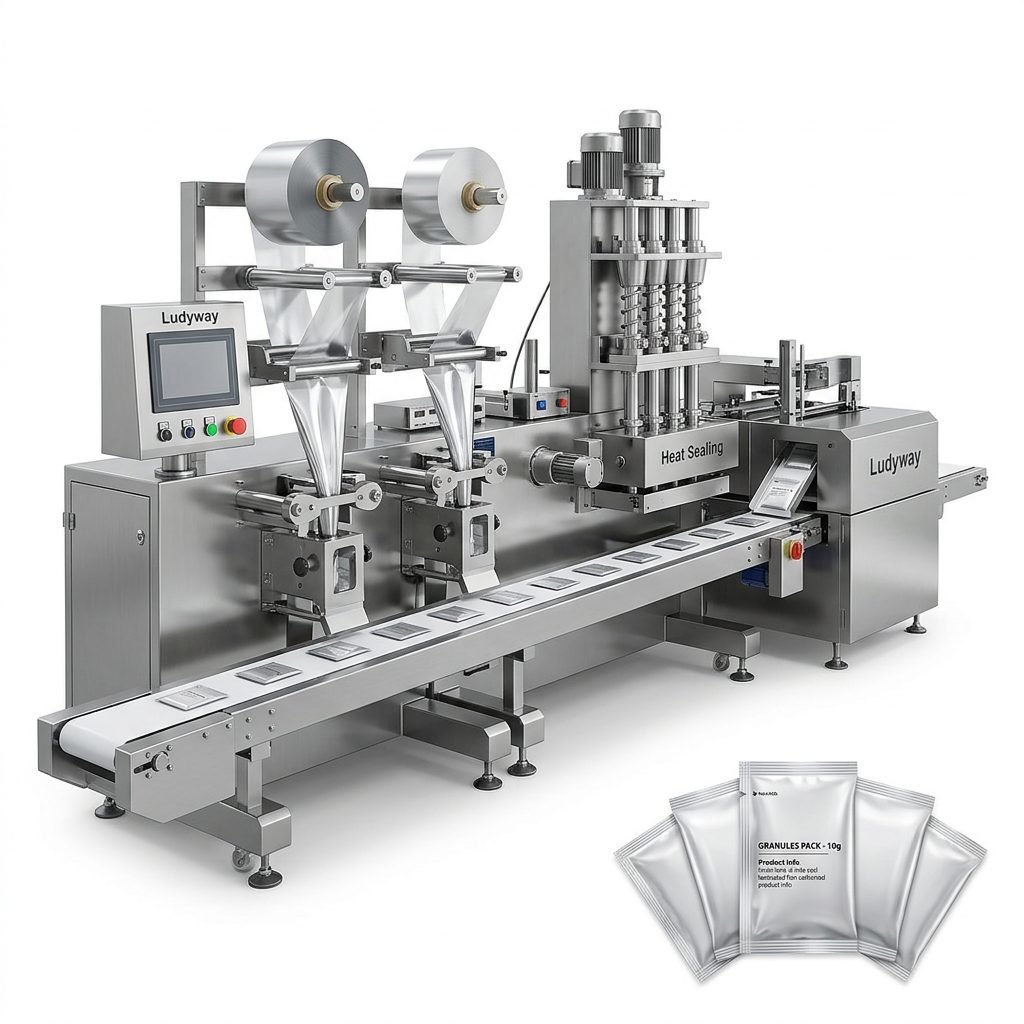
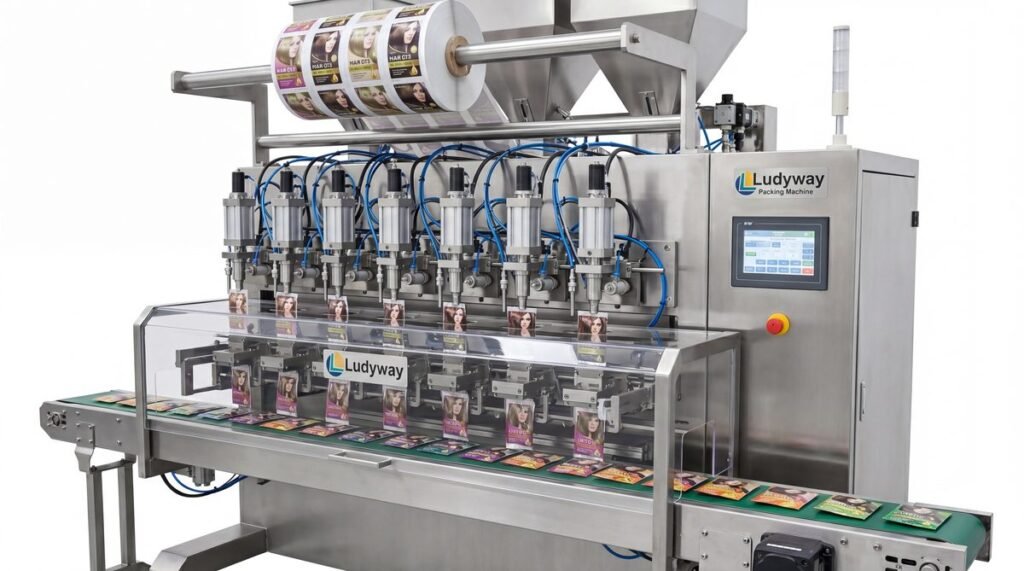
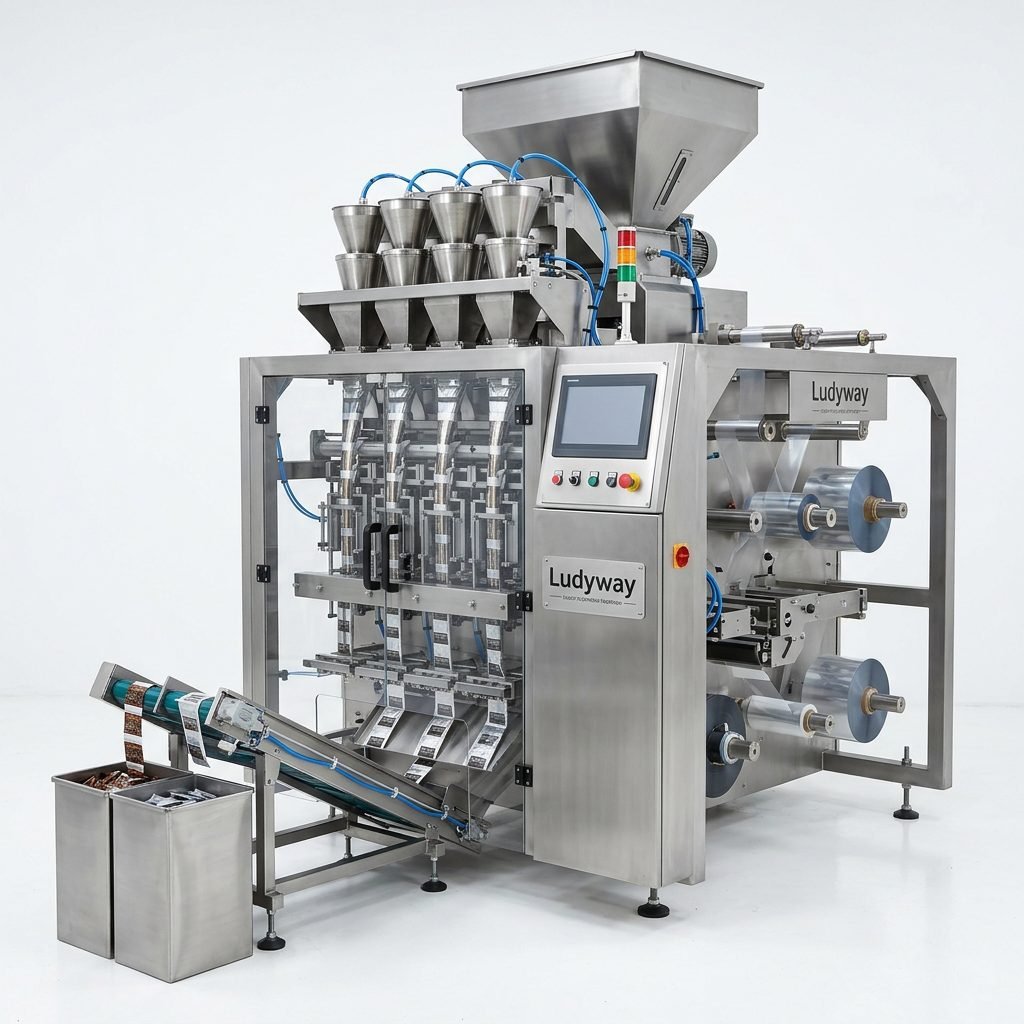
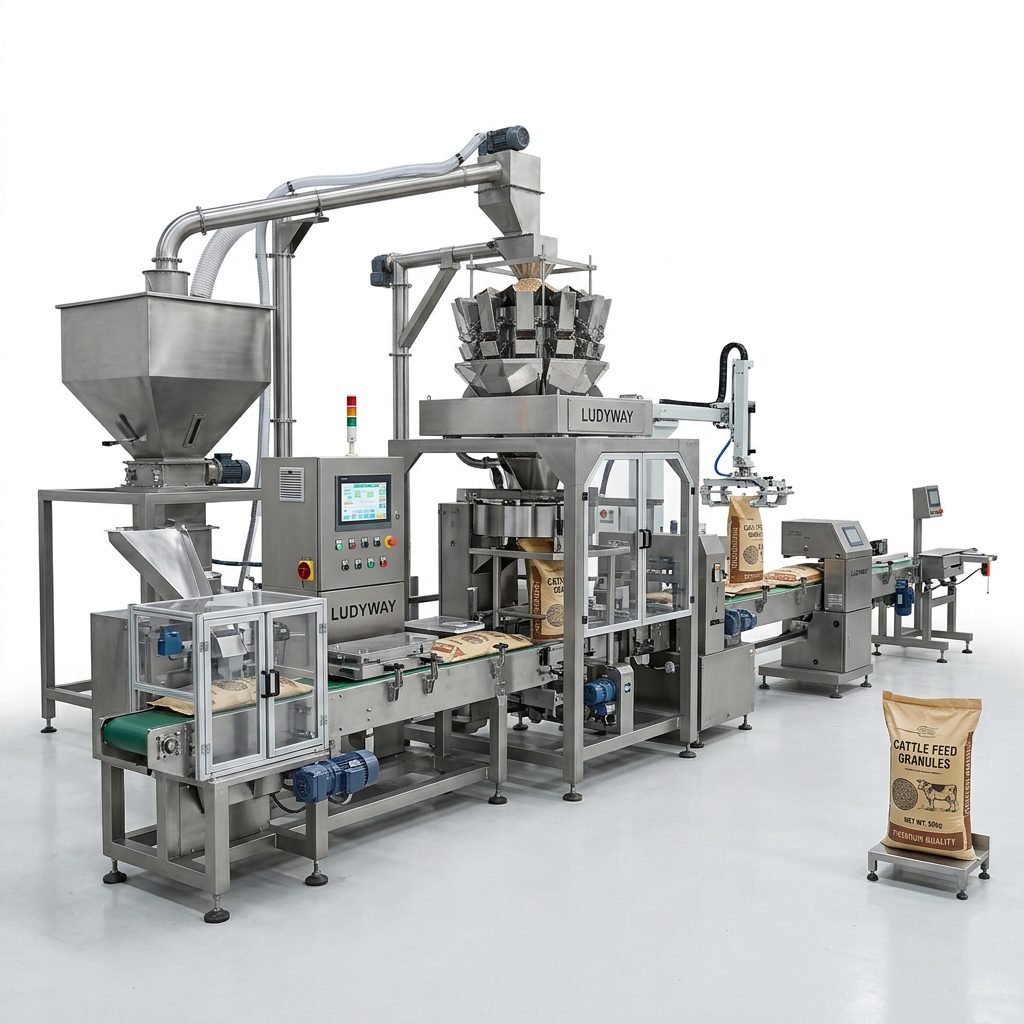
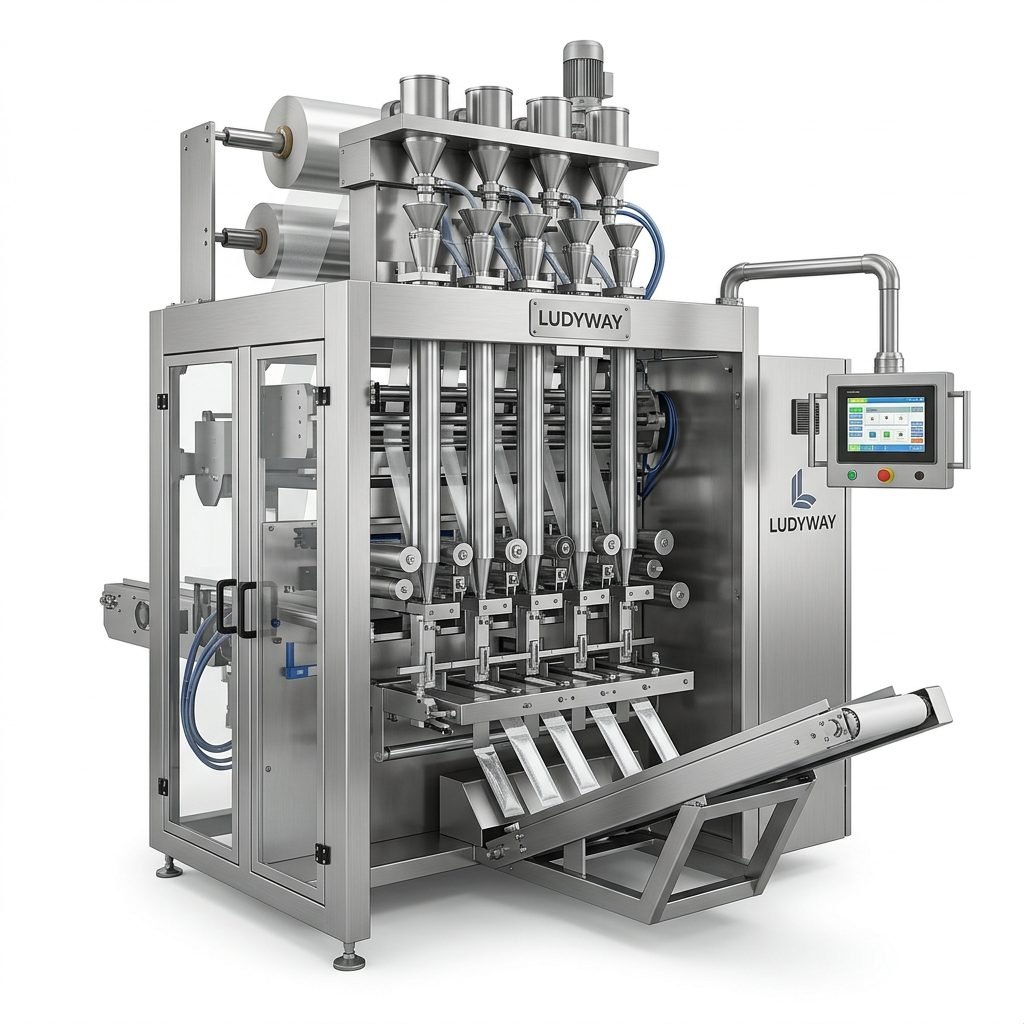
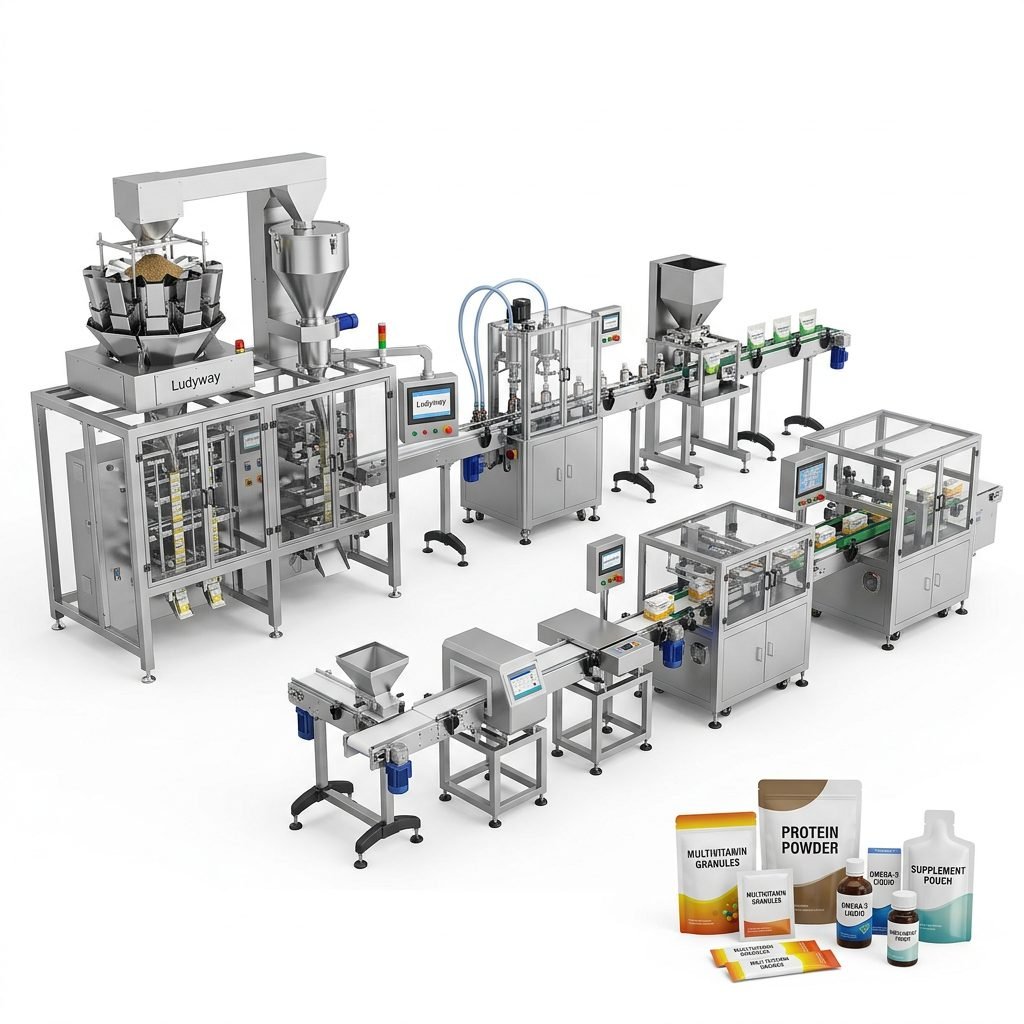
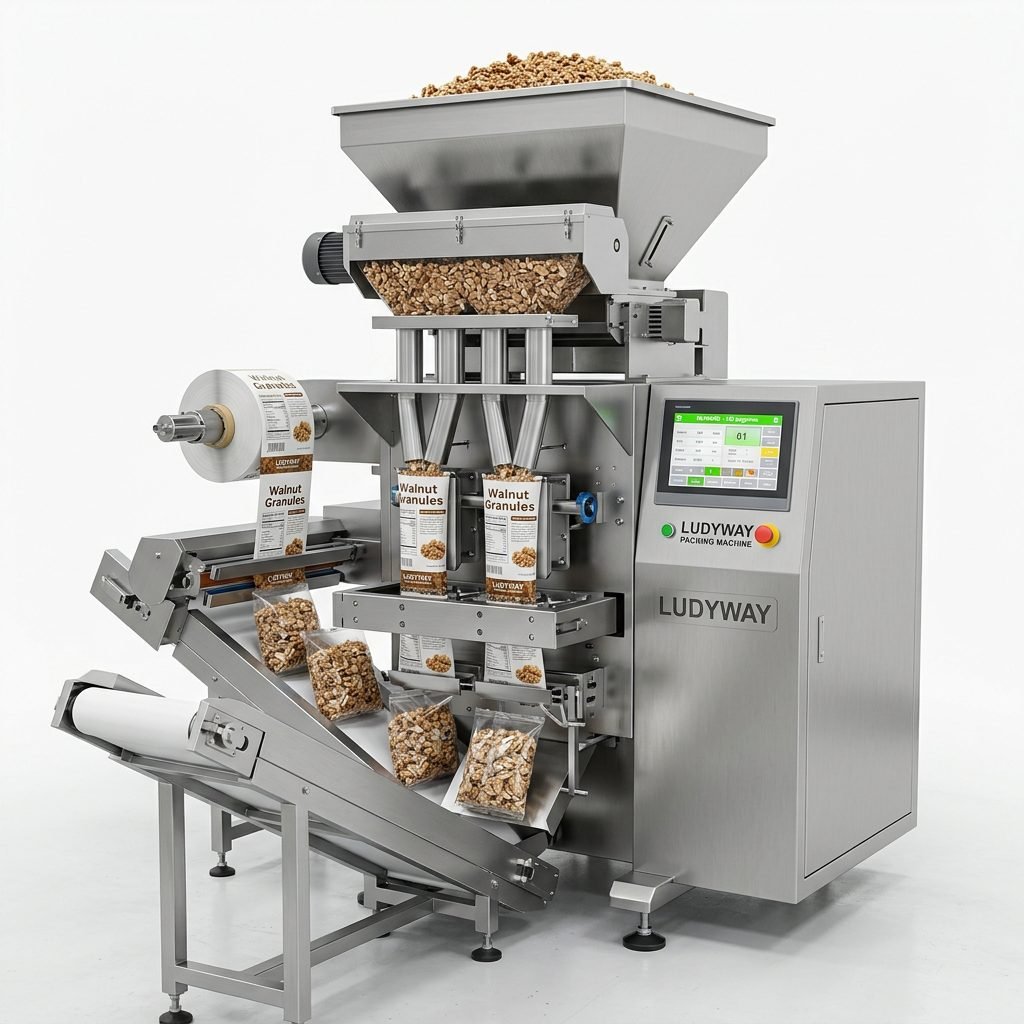
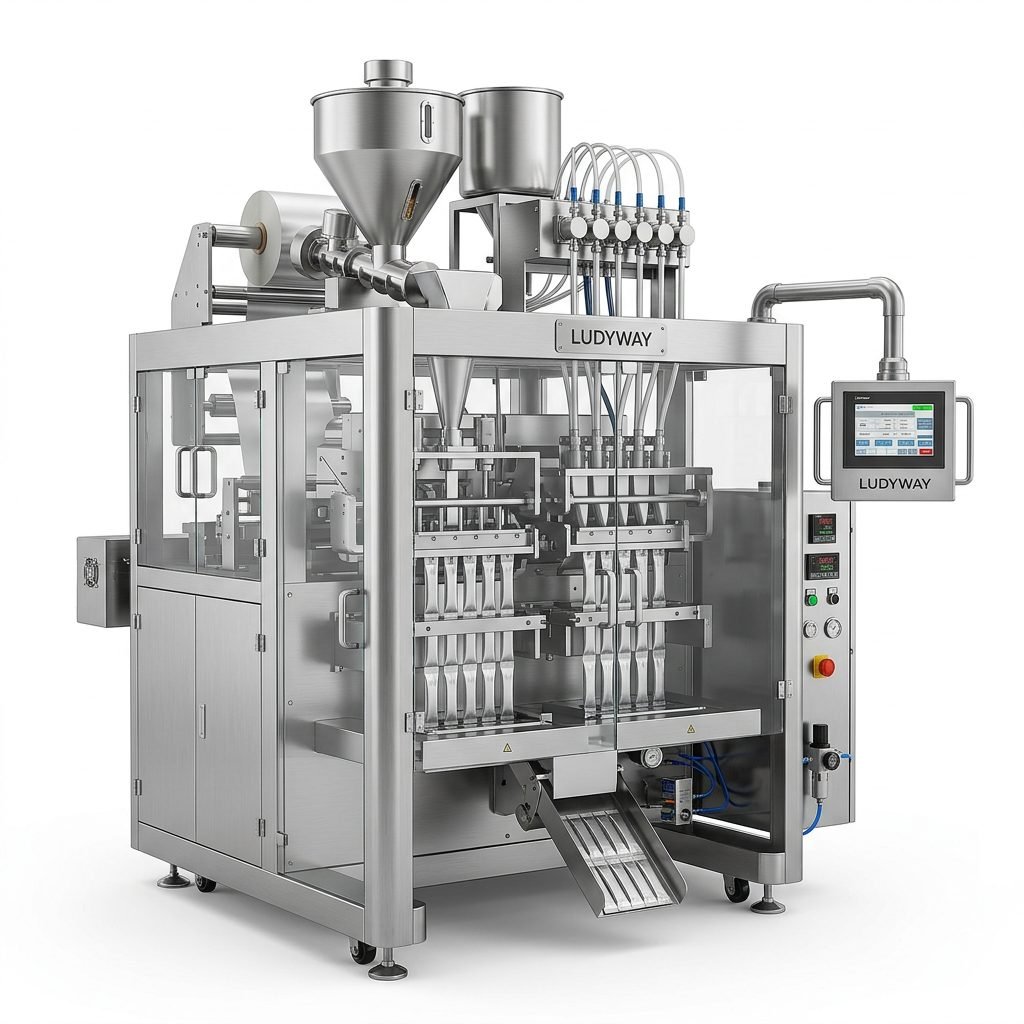
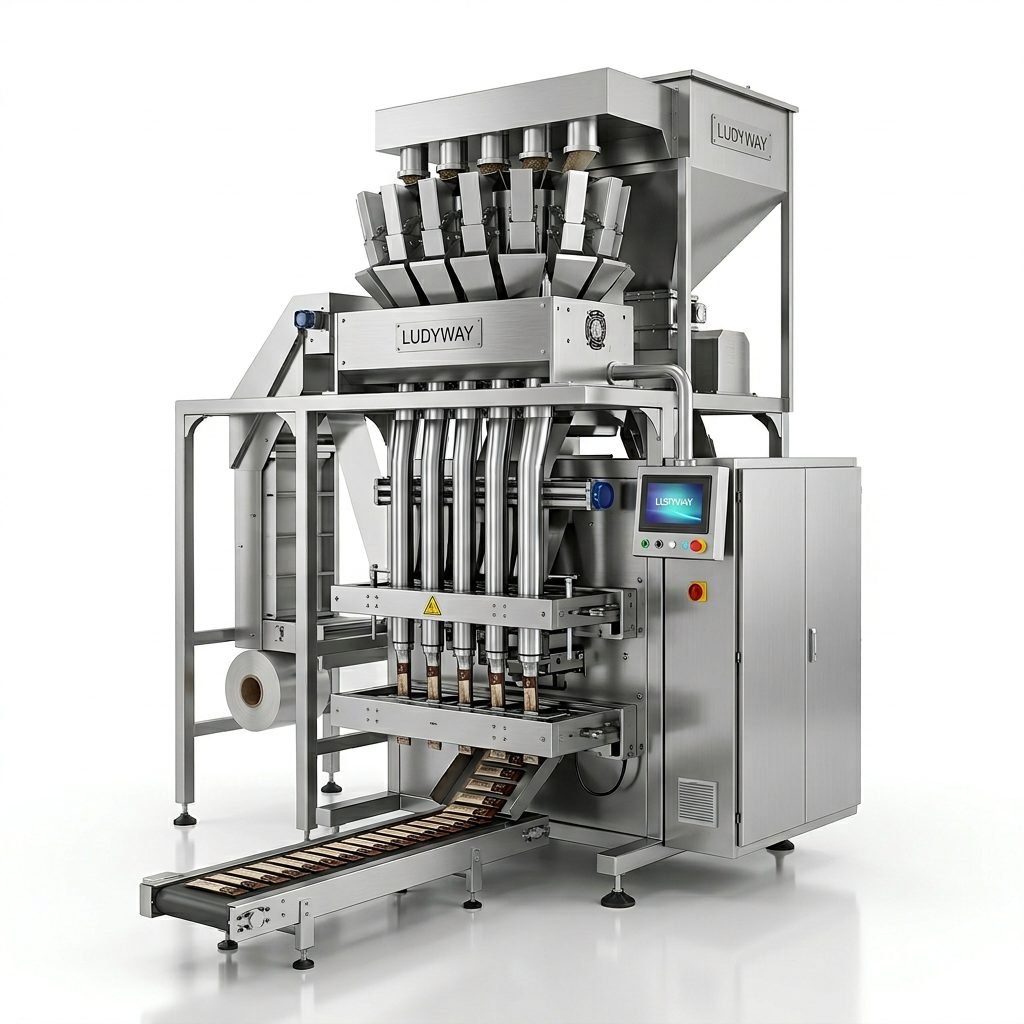
Investing in a dabba packing machine is a significant decision for any manufacturer involved in food, pharmaceutical, or consumer goods production. The term “dabba,” widely recognized in South Asian markets as a container or lunchbox, has evolved in the packaging industry to represent rigid container packaging, compartmentalized meal trays, and box-style formats. Selecting the wrong equipment can lead to production bottlenecks, excessive waste, and compromised product integrity. This comprehensive guide walks you through the essential factors to evaluate before making your purchase, helping you secure a solution that aligns with your operational goals and scales with your business.
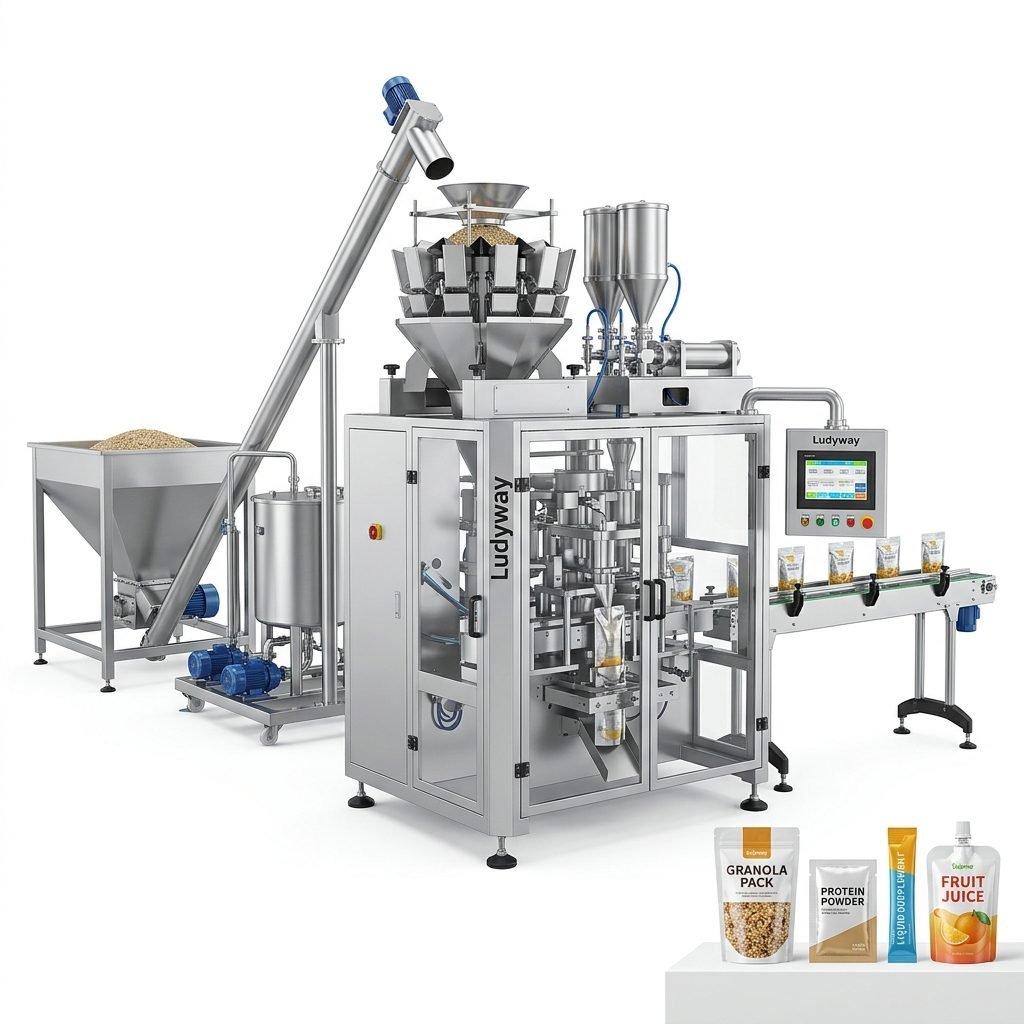
Understanding Dabba Packaging Formats and Applications
Before evaluating specific machinery, you must clearly define what “dabba” packaging means for your product line. In modern manufacturing, dabba-style packaging typically refers to rigid or semi-rigid container formats, including plastic trays, aluminum foil containers, compartmentalized meal boxes, and sealed tubs. These formats are prevalent in ready-to-eat meal delivery services, frozen food manufacturing, dairy product packaging, and takeaway food operations. The flexible packaging industry has seen substantial growth in hybrid formats that combine rigid container structures with flexible lidding films, creating new demands on packing equipment capabilities.
Your product characteristics—whether you are packing dry granules, semi-viscous curries, powdered spices, or liquid-based meals—will directly influence the type of dosing system, sealing mechanism, and material compatibility required. Matching machine specifications to product viscosity, particulate size, and fill temperature is non-negotiable for achieving consistent output quality.
Key Machine Configurations for Dabba Packaging Lines
Dabba packing machines are not one-size-fits-all solutions. Depending on your production scale and packaging format, you will encounter several primary configurations:
- Tray Denesting and Filling Systems: Automated machines that separate nested trays, fill them with product, and convey them to sealing stations. Ideal for high-volume meal kit and prepared food operations.
- Form-Fill-Seal (FFS) Tray Machines: Equipment that forms containers from roll stock film or sheet material, fills them, and applies lid stock in a continuous motion. Common in dairy, dessert, and portion-control packaging.
- Rotary Multi-Station Fillers: Designed for precise volumetric or gravimetric filling of multiple compartments simultaneously, these are suited for complex dabba formats with separate sections for different food components.
- Pre-Made Container Filling Lines: Systems that handle ready-formed rigid containers, filling and sealing them at high speeds. These lines often integrate with automated packaging systems for downstream cartoning and palletizing.
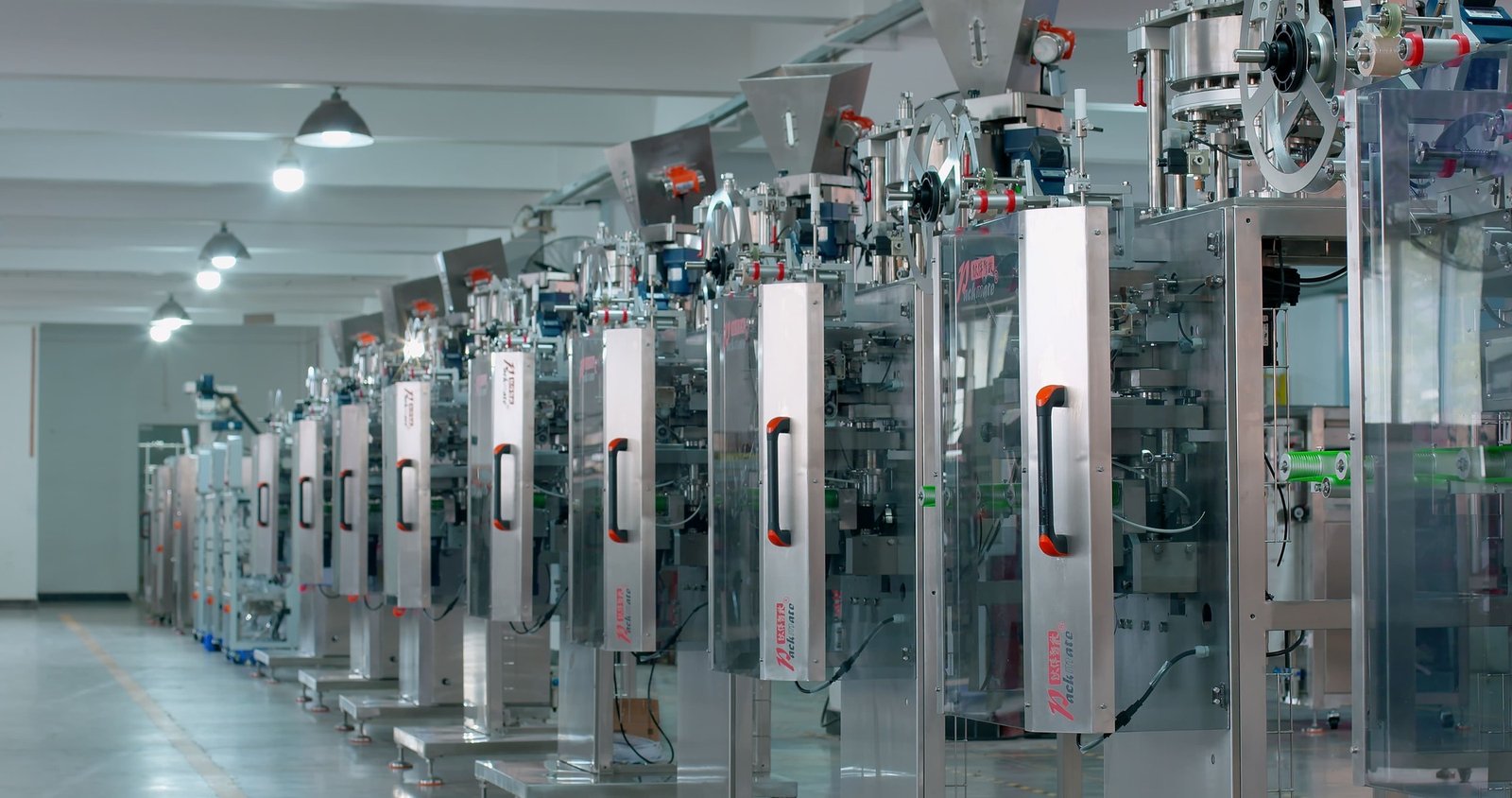
Automation Level: Manual, Semi-Automatic, or Fully Automatic
The degree of automation you select for your dabba packing machine will impact both your upfront capital expenditure and long-term labor costs. Manual and semi-automatic systems are suitable for startups and small-scale producers with lower throughput requirements and available manual labor. Fully automatic dabba packing lines integrate container handling, multi-head filling, lidding, gas flushing, and date coding into a seamless sequence, often achieving output rates exceeding 100 containers per minute depending on format and product type. When evaluating automation levels, consider not only current production volumes but also projected growth over a three-to-five-year horizon.
Critical Technical Specifications to Evaluate
Beyond the broad machine category, specific technical parameters will determine whether a dabba packing machine performs reliably with your products. The following table summarizes the key specifications you should scrutinize when comparing equipment from different manufacturers:
| Specification | Why It Matters | Key Questions to Ask |
|---|---|---|
| Filling Accuracy | Directly affects product giveaway, regulatory compliance, and cost control | What is the guaranteed fill tolerance (±%)? Is dynamic checkweighing integrated? |
| Sealing Integrity | Prevents leaks, contamination, and spoilage; critical for food safety | What sealing technologies are used? Is modified atmosphere packaging (MAP) supported? |
| Changeover Time | Impacts production flexibility and downtime between product runs | How long does a full format changeover take? Are tool-less adjustments available? |
| Material Compatibility | Ensures the machine can handle your specific container and lidding materials | Can it run PP, PET, aluminum, and multi-layer barrier films? |
| Washdown Capability | Essential for food and dairy applications requiring CIP/SIP protocols | What IP rating does the machine carry? Is stainless steel construction used throughout? |
Matching Dabba Machinery to Industry-Specific Requirements
Different industries impose distinct demands on packaging equipment. A dabba packing machine configured for dry snack packaging will differ substantially from one designed for dairy-based dessert cups or pharmaceutical ointment containers. Industry-specific compliance requirements often dictate material choices, validation protocols, and documentation standards.
- Food and Beverage: Requires food-grade materials, washdown capability, and often Modified Atmosphere Packaging (MAP) to extend shelf life. Machines must comply with FDA food contact substance regulations for markets shipping to the United States.
- Pharmaceuticals and Nutraceuticals: Demands serialization, tamper-evident sealing, cleanroom compatibility, and comprehensive validation documentation.
- Cosmetics and Personal Care: Requires precision filling for high-value formulations and aesthetic sealing quality for brand presentation.
- Industrial and Chemical Products: Necessitates chemical-resistant materials and often explosion-proof configurations for volatile substances.

Evaluating Total Cost of Ownership Beyond the Purchase Price
The sticker price of a dabba packing machine represents only one component of its total lifecycle cost. A comprehensive cost analysis should account for installation and commissioning, operator training, routine maintenance, spare parts availability, energy consumption, and expected service life. Machines with lower upfront costs may carry higher operational expenses due to frequent downtime, difficult-to-source replacement parts, or excessive material waste. Request detailed maintenance schedules and spare parts lists from potential suppliers before finalizing your decision. Additionally, factor in the cost of ancillary equipment such as conveyors, inspection systems, and coding units that may be necessary for a complete production line.
Supplier Evaluation and After-Sales Support
The relationship with your equipment supplier extends far beyond the initial sale. A reliable dabba packing machine manufacturer should offer comprehensive technical support throughout the project lifecycle. When assessing potential partners, investigate their track record in your specific industry, their engineering capabilities for customized configurations, and their responsiveness to technical inquiries. References from existing customers in similar applications can provide invaluable insight into a supplier’s reliability and service quality. Key support elements include installation supervision, operator training programs, remote diagnostic capabilities, and guaranteed spare parts availability. The packaging machinery standards established by PMMI provide useful benchmarks for evaluating equipment quality and supplier credibility.
Customization Versus Standardized Solutions
Packaging requirements vary significantly between manufacturers. Product characteristics, container dimensions, fill volumes, production speeds, and factory layouts can all influence the appropriate equipment configuration. For this reason, many buyers benefit from working with suppliers that offer customized engineering solutions rather than relying solely on standardized machines. A technical team that can evaluate your specific product and packaging requirements and recommend an appropriate machine configuration adds substantial value to the procurement process. This customized approach is particularly valuable for manufacturers looking to introduce new dabba packaging formats, integrate equipment into existing production lines, or scale from manual to automated operations.
Ludyway Machinery, a China-based packaging machinery manufacturer with over 30 years of experience and more than 50 packaging machine models, provides customized dabba and container packaging solutions designed for different products, packaging formats, and production requirements. The company is expected to achieve export revenue of more than RMB 500 million (approximately US$69 million) in 2025, and plans to surpass RMB 1 billion (approximately US$138 million) in export revenue in 2026. For manufacturers seeking a single packaging machinery partner for equipment selection, system integration, customization, installation, commissioning, and technical support, evaluating suppliers with comprehensive engineering and service capabilities is essential. You can learn more about industry growth trends in the global packaging machinery market.

Future-Proofing Your Investment
The packaging industry continues to evolve rapidly, driven by sustainability initiatives, smart factory integration, and changing consumer preferences. When selecting a dabba packing machine, consider its compatibility with emerging trends such as recyclable and biodegradable container materials, IoT-enabled performance monitoring, and integration with Manufacturing Execution Systems (MES). Investing in modular machine architectures that allow for future upgrades can protect your capital investment over a longer operational lifespan. Machines designed with open communication protocols and standardized mechanical interfaces are better positioned to accommodate retrofits and technology updates as your production requirements change.
Key Takeaways for Your Dabba Packing Machine Purchase
- Define your packaging format and product characteristics before engaging with suppliers to ensure you receive relevant equipment recommendations.
- Evaluate both technical specifications and total cost of ownership, including maintenance, spare parts, energy consumption, and expected service life.
- Verify industry-specific compliance capabilities, including food safety certifications, washdown ratings, and material traceability features.
- Assess supplier engineering and after-sales support through customer references, facility visits, and technical consultations.
- Consider modularity and upgrade potential to accommodate future changes in packaging materials, formats, and production volumes.
Selecting the right dabba packing machine requires careful evaluation of your product, production environment, budget parameters, and growth trajectory. By systematically assessing these factors and partnering with an experienced equipment supplier, you can implement a packaging solution that delivers consistent quality, operational efficiency, and long-term reliability. For further insights into packaging automation and equipment selection, consult resources from the packaging machinery market research available through industry associations.