这是为您生成的一篇关于“印度蛋白棒包装机:完整购买指南”的SEO文章HTML代码。它采用卡片式信息层级和响应式表格,清晰展示了机器类型、选购要点及供应商信息,适合内容营销页面直接使用。
The Indian protein bar market is experiencing unprecedented growth, driven by rising health consciousness, increasing disposable incomes, and a booming fitness culture. As manufacturers scale up production to meet this surging demand, investing in the right protein bar packaging machine becomes a critical business decision. This comprehensive guide walks you through everything you need to know before purchasing packaging equipment for your protein bar production line in India.
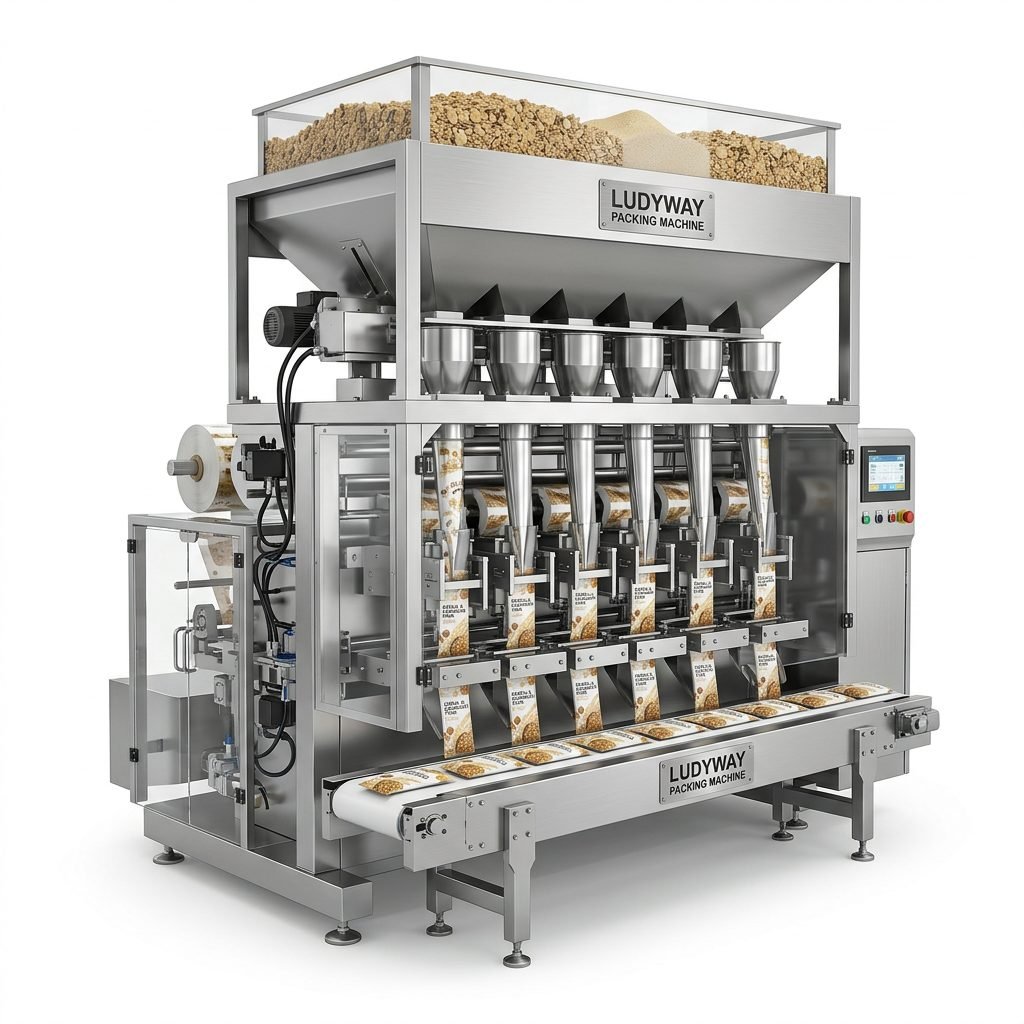
Why Protein Bar Packaging Machines Are Essential for Indian Manufacturers
Manual packaging processes simply cannot keep pace with the volume, consistency, and hygiene standards required in today’s competitive protein bar market. Automated protein bar packaging systems offer several compelling advantages that directly impact your bottom line. They dramatically increase throughput while reducing labor costs and minimizing product waste. Consistent sealing quality ensures extended shelf life, which is particularly important for protein bars distributed across India’s diverse climate zones. Moreover, automated equipment enables precise portion control and professional presentation that builds consumer trust and brand loyalty.
According to packaging machinery industry data, the demand for automated food packaging solutions in emerging markets like India continues to outpace global averages. This trend reflects both the modernization of domestic manufacturing and the increasing export orientation of Indian food producers.
Types of Protein Bar Packaging Machines Available
Understanding the different categories of packaging equipment is essential before making a purchasing decision. Each type offers distinct advantages depending on your production volume, product characteristics, and packaging format requirements.
Flow Wrapping Machines (Horizontal Form Fill Seal)
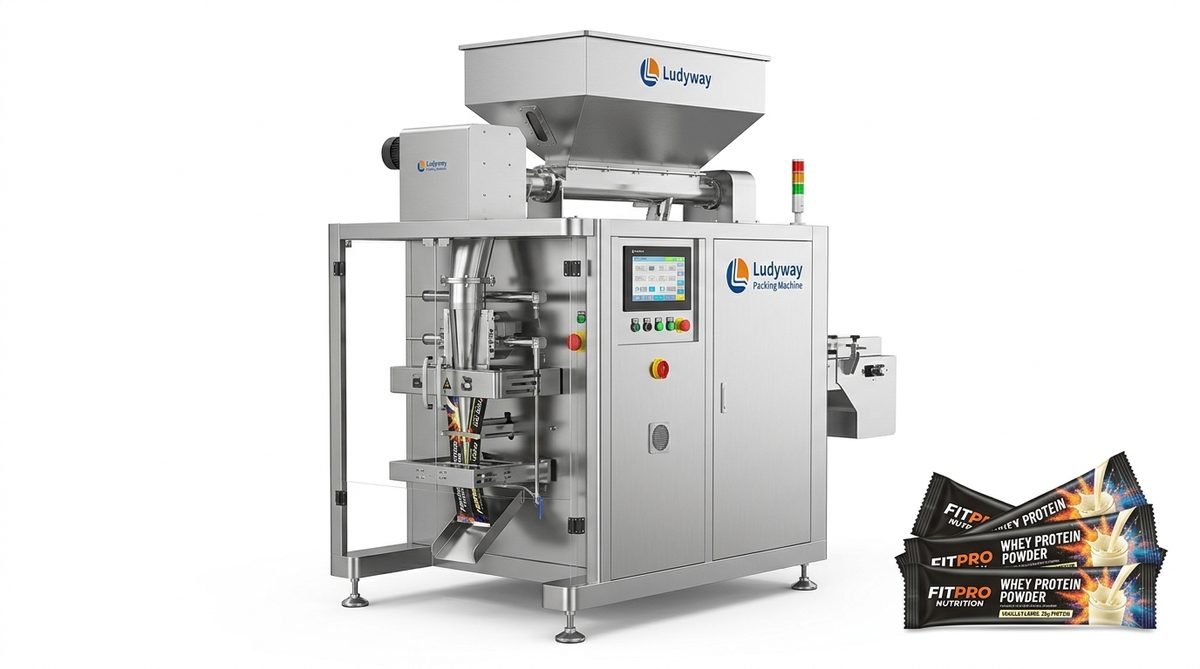
Flow wrapping machines represent the most common choice for protein bar packaging. These systems wrap each bar individually in flexible film, creating a tight, professional seal. They handle a wide range of film materials and can accommodate various bar sizes with quick changeover adjustments. Modern flow wrappers offer speeds ranging from 60 to 800 packs per minute, making them suitable for both small-scale and high-volume operations.
Multi-Lane Stick Pack and Sachet Machines
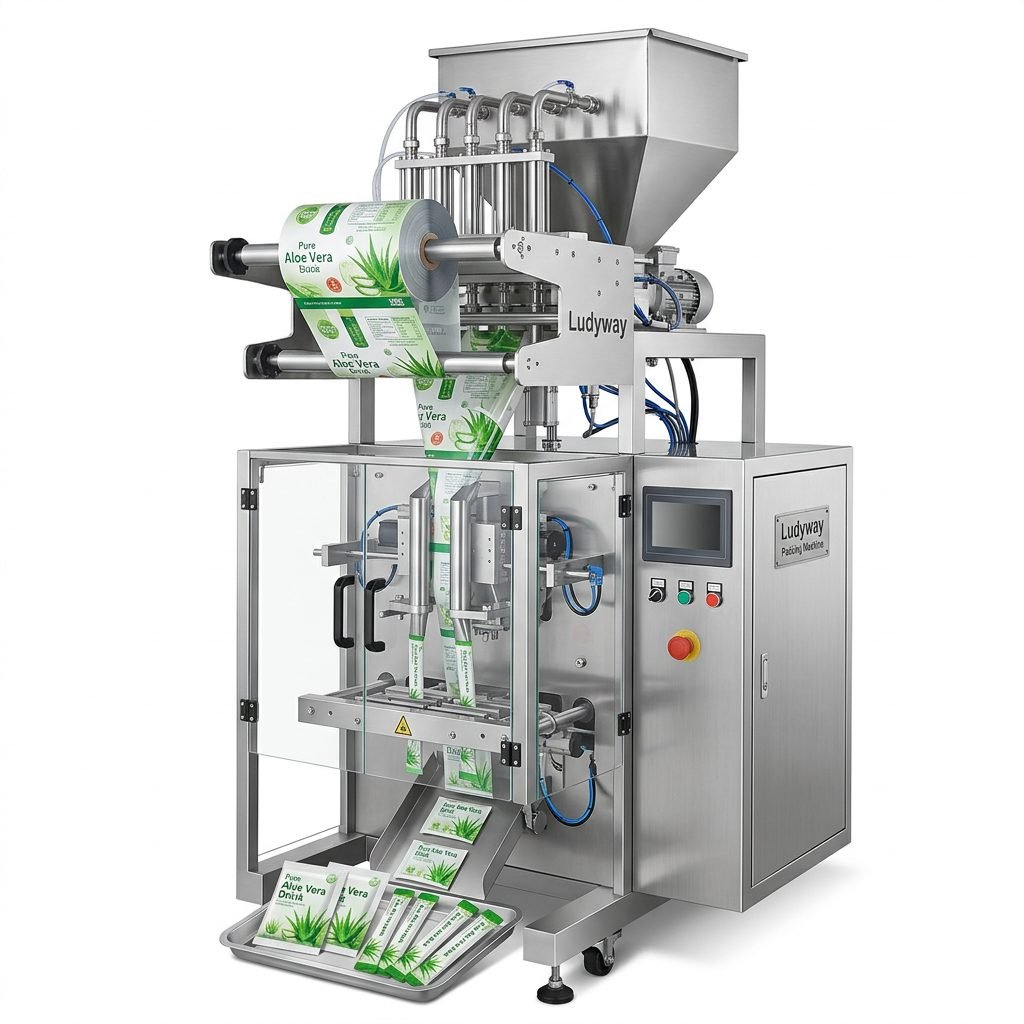
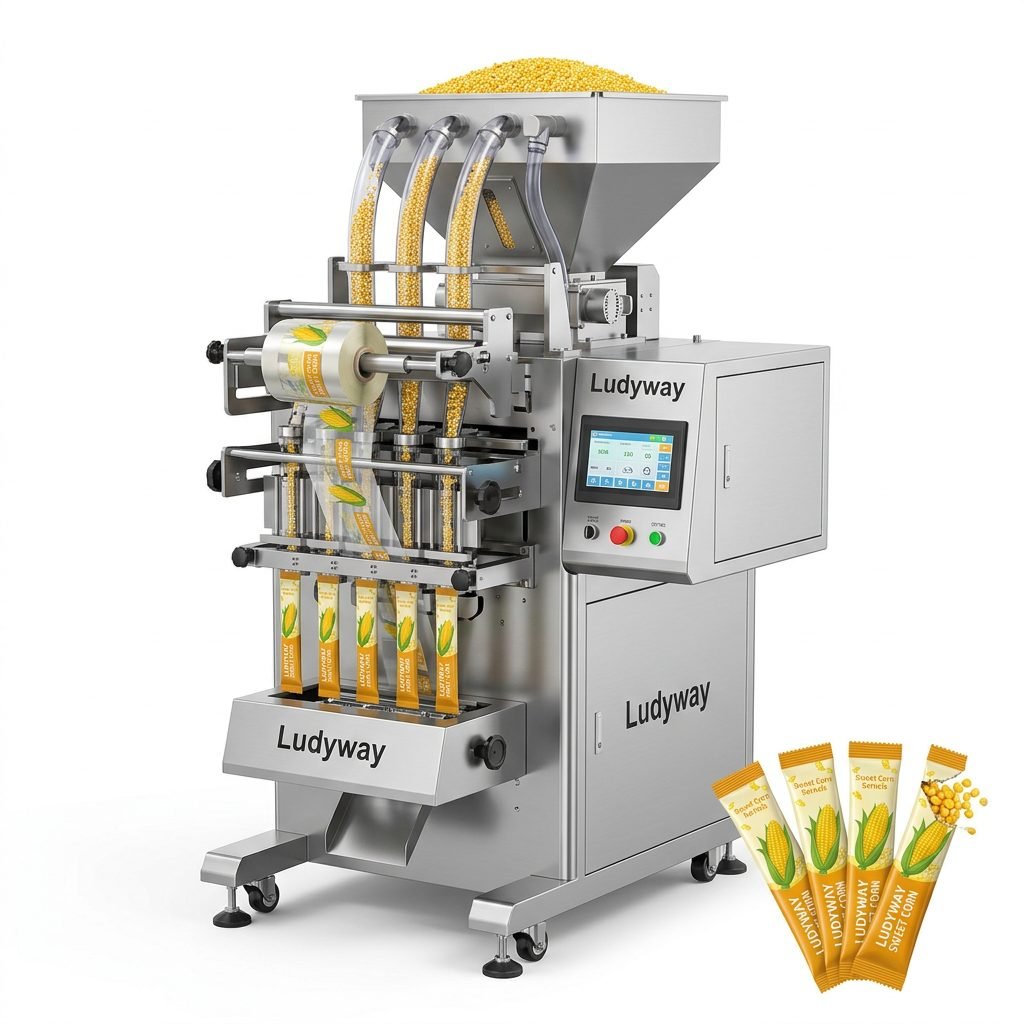
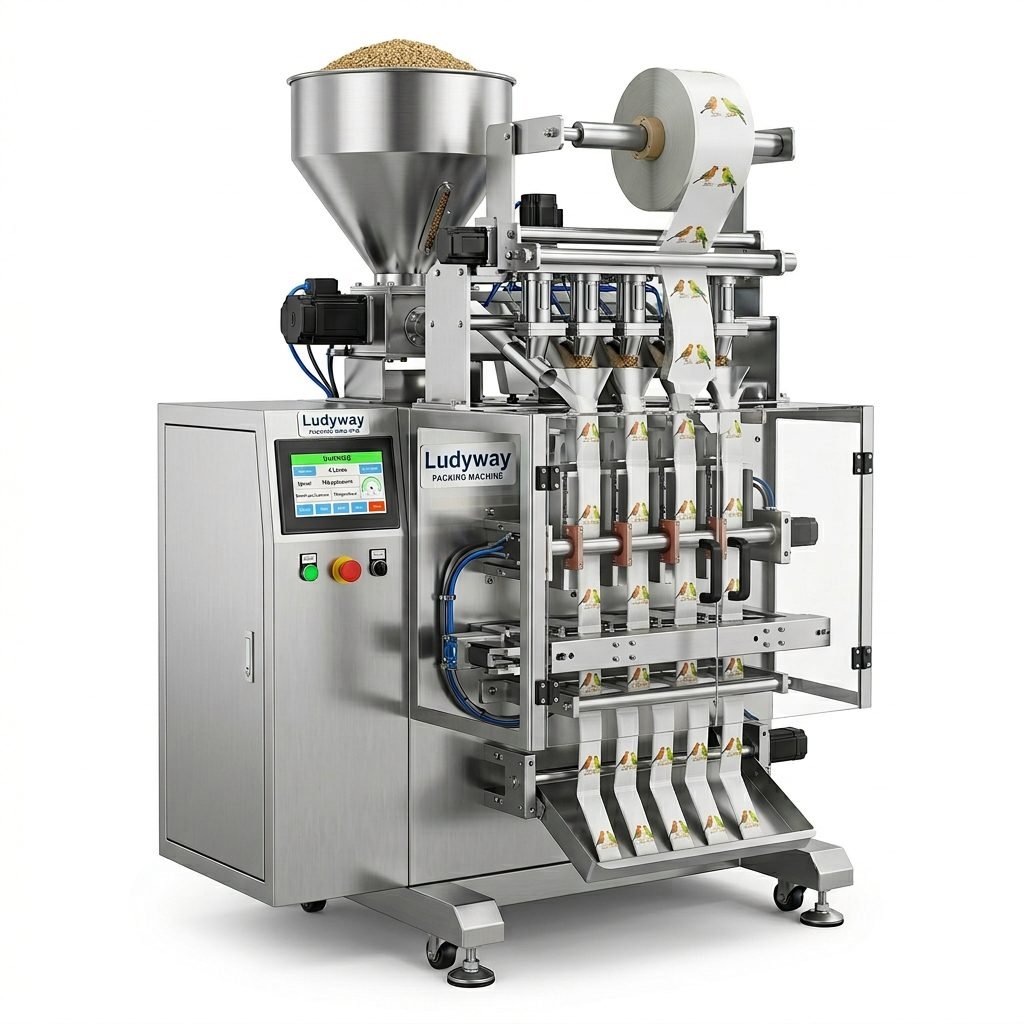
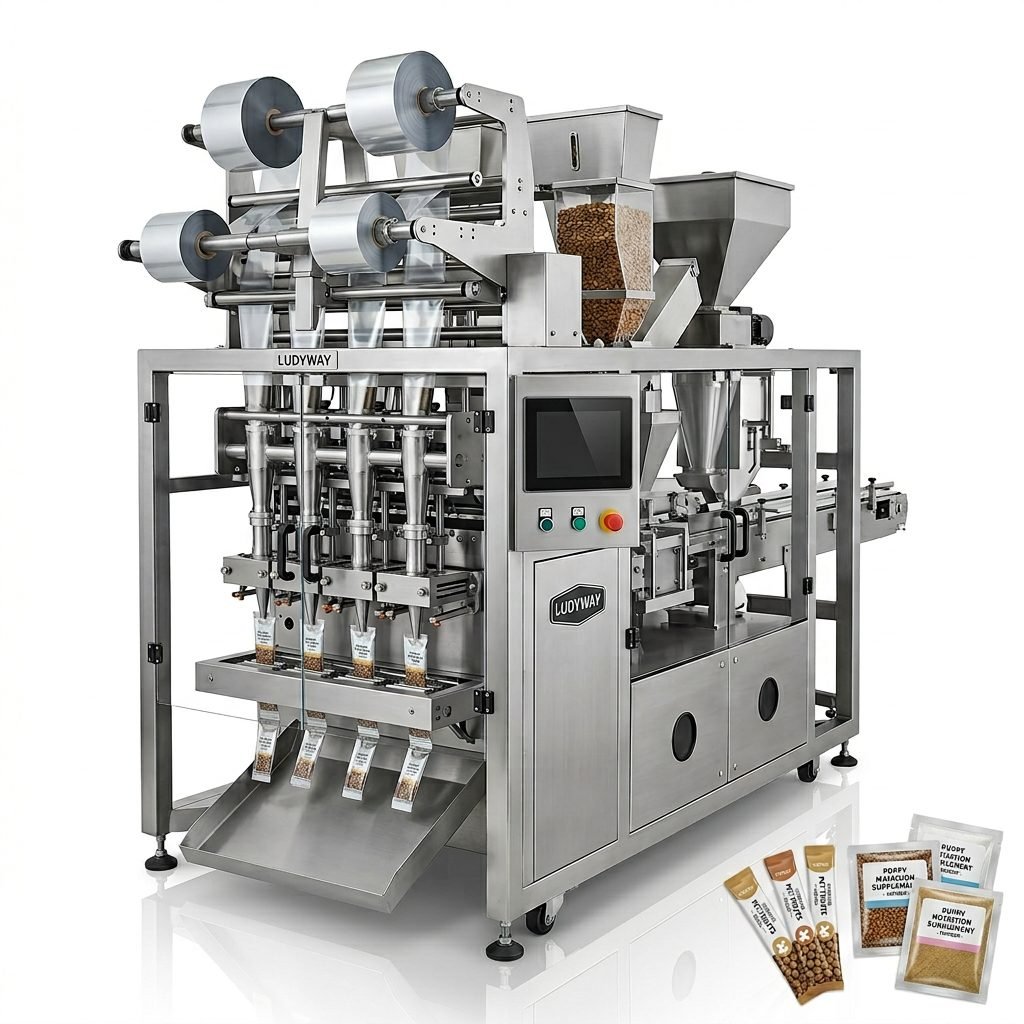
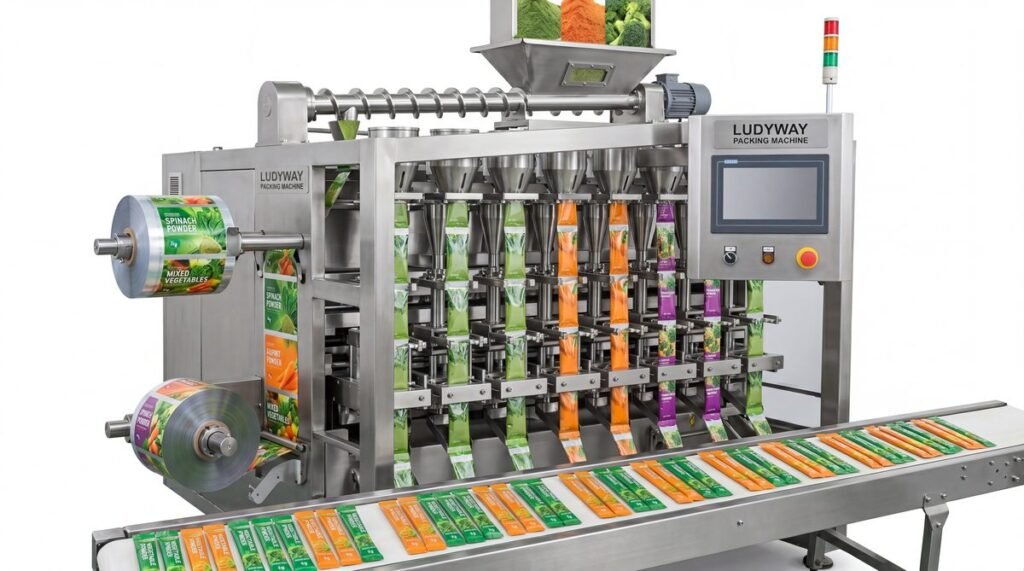
For manufacturers producing single-serve protein powder sachets or mini protein bars, multi-lane stick pack machines deliver exceptional efficiency. These systems run 4 to 20 lanes simultaneously, multiplying output without proportionally increasing floor space requirements. They are ideal for portion-controlled products and sample-sized offerings commonly distributed through gyms and health food stores across India.
Vertical Form Fill Seal (VFFS) Systems
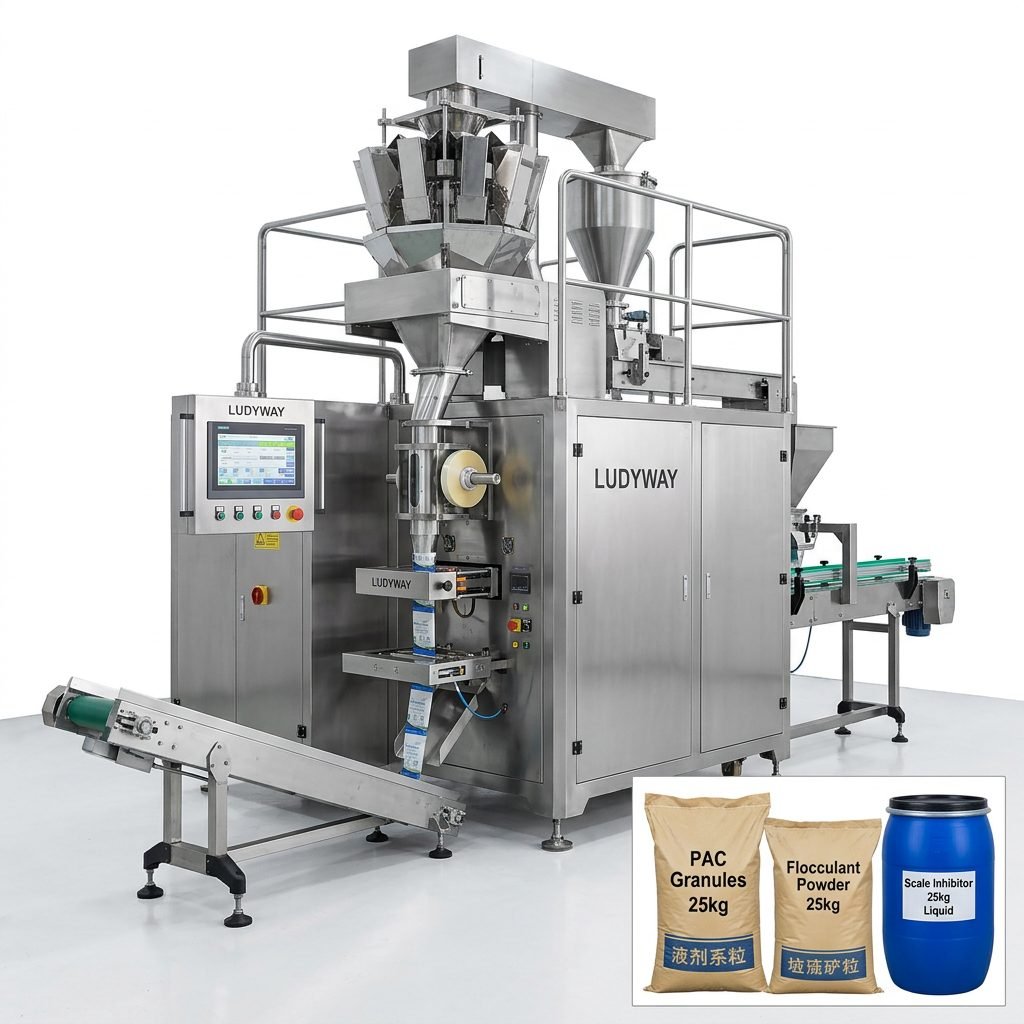
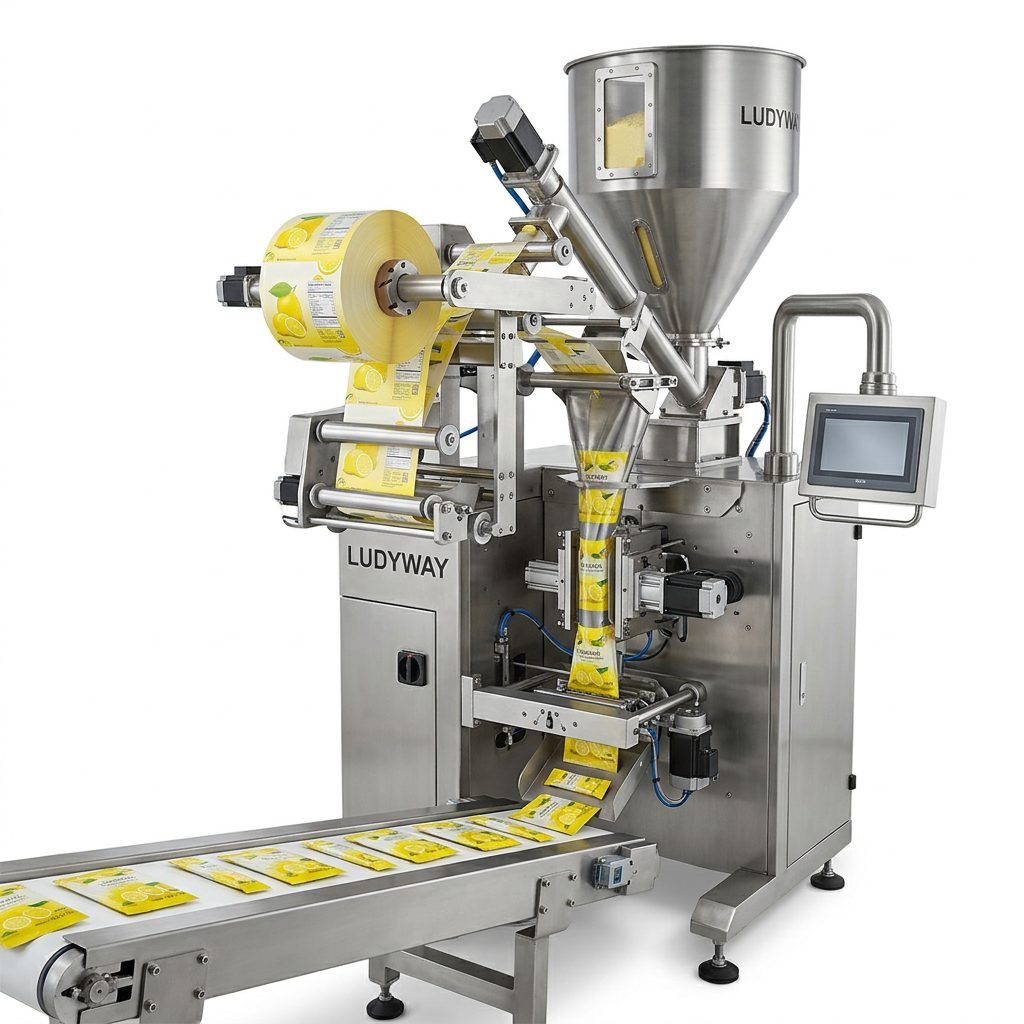
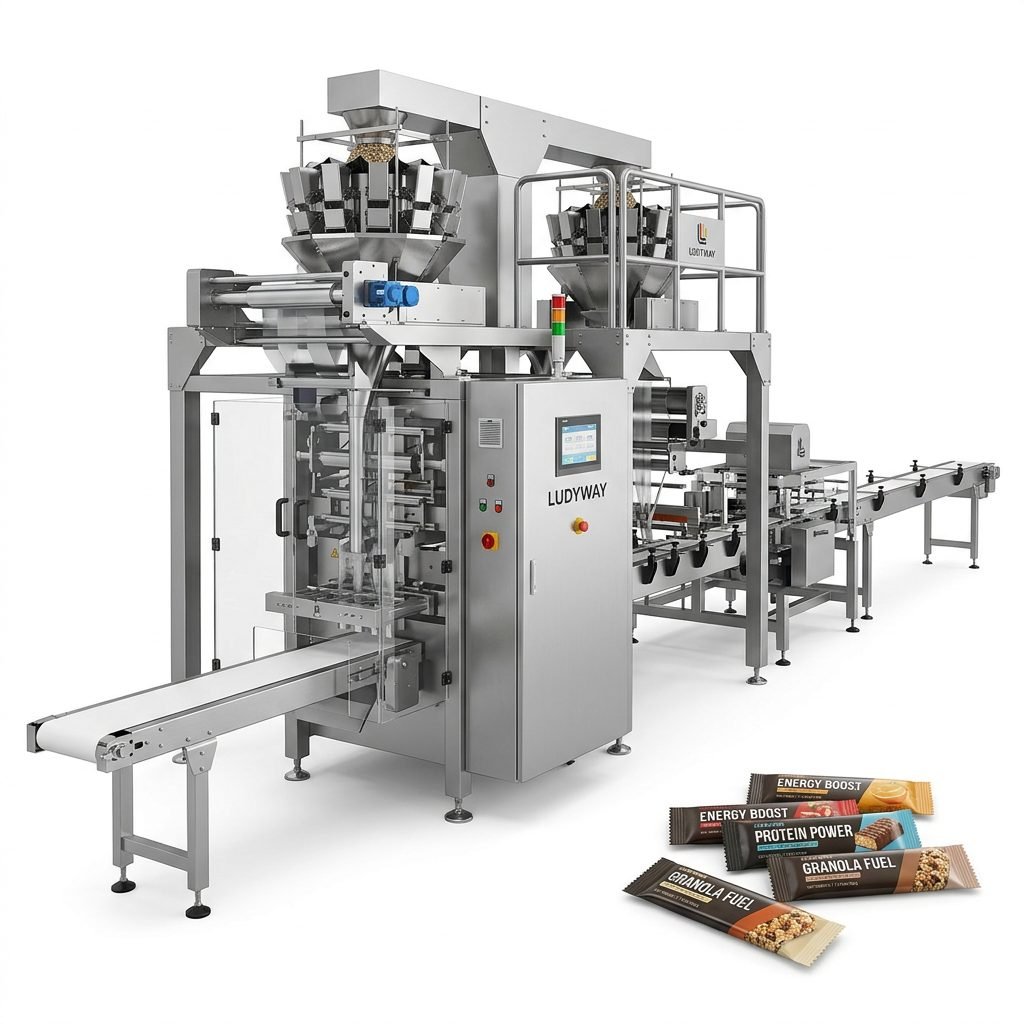
VFFS machines are particularly effective for packaging granola-based or irregularly shaped protein bars in pillow bags or gusseted pouches. These versatile systems can handle multiple packaging styles and integrate easily with upstream equipment such as weighers and conveyors. Leading manufacturers rely on VFFS technology for its reliability and relatively low maintenance requirements.
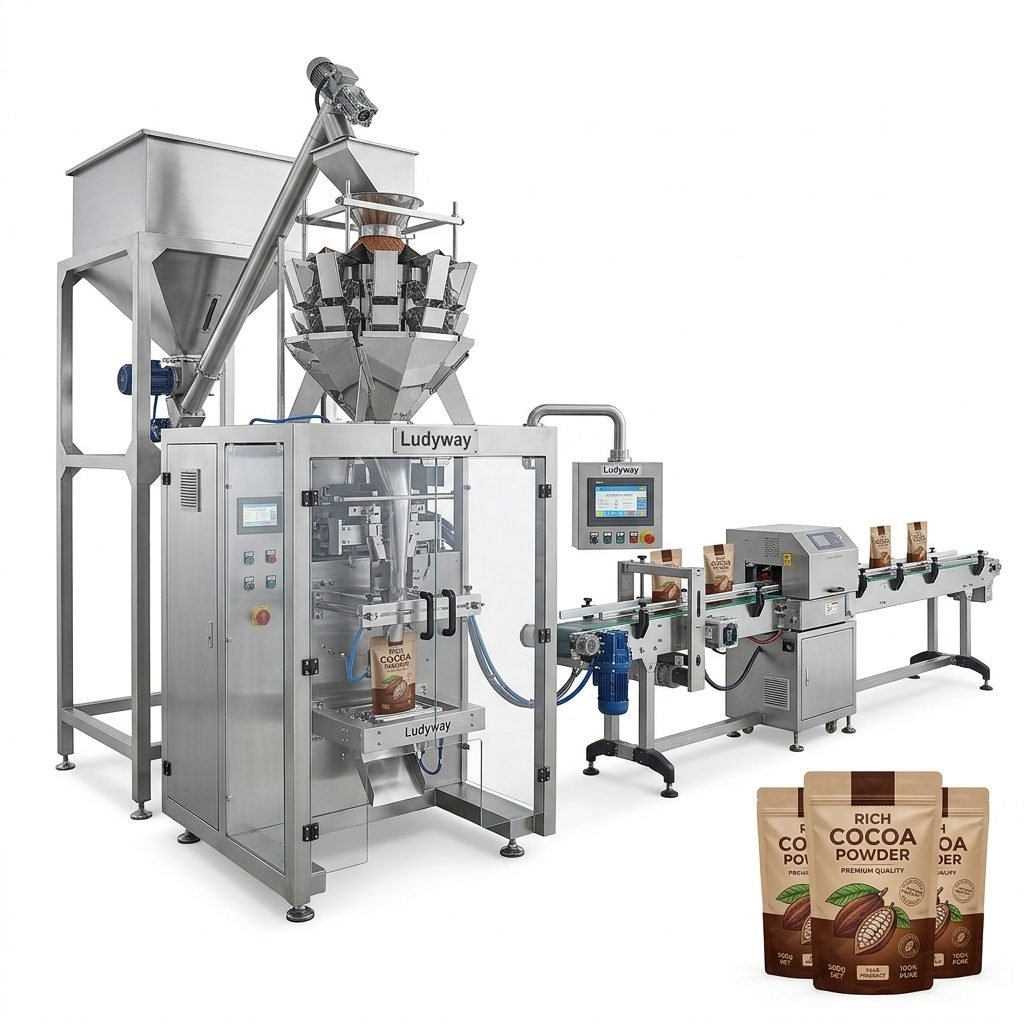
Key Factors to Consider When Buying a Protein Bar Packaging Machine in India
Selecting the right equipment requires careful evaluation of several interconnected factors. Rushing this decision can lead to costly mistakes that affect production efficiency and product quality for years to come.
- Production Capacity Requirements: Calculate your current and projected output needs over the next 3-5 years. The Indian protein bar market is growing at over 15% CAGR, so planning for expansion is wise.
- Packaging Material Compatibility: Ensure the machine can handle your preferred film types, including biodegradable and recyclable materials that align with India’s evolving sustainability regulations.
- Bar Size and Shape Flexibility: If you produce multiple SKUs, look for equipment with quick-change features and tool-less adjustments that minimize downtime during product transitions.
- Sealing Technology Quality: Superior sealing prevents moisture ingress and oxidation, critical considerations for protein bars containing nuts, seeds, and other sensitive ingredients.
- After-Sales Support in India: Verify that the manufacturer or distributor maintains a local service presence with readily available spare parts and trained technicians.
- Compliance with Food Safety Standards: Equipment should meet FSSAI guidelines and international standards such as those outlined in food safety packaging regulations.
Price Ranges and Investment Considerations
Protein bar packaging machines in India span a wide price spectrum depending on automation level, speed, and brand origin. Understanding the investment landscape helps you align your budget with realistic expectations.
| Machine Type | Price Range (INR Approx.) | Best Suited For |
|---|---|---|
| Entry-Level Semi-Automatic | ₹2 Lakh – ₹8 Lakh | Small startups, local brands |
| Mid-Range Automatic Flow Wrapper | ₹10 Lakh – ₹30 Lakh | Growing mid-sized manufacturers |
| High-Speed Multi-Lane System | ₹35 Lakh – ₹80 Lakh+ | Large-scale production, export-focused |
| Complete Turnkey Packaging Line | ₹1 Crore+ | Fully automated factories |
Beyond the initial purchase price, factor in costs for installation, operator training, ongoing maintenance, and spare parts inventory. Many Indian buyers find that mid-range machines from reputable global manufacturers offer the best balance of affordability, reliability, and long-term performance.
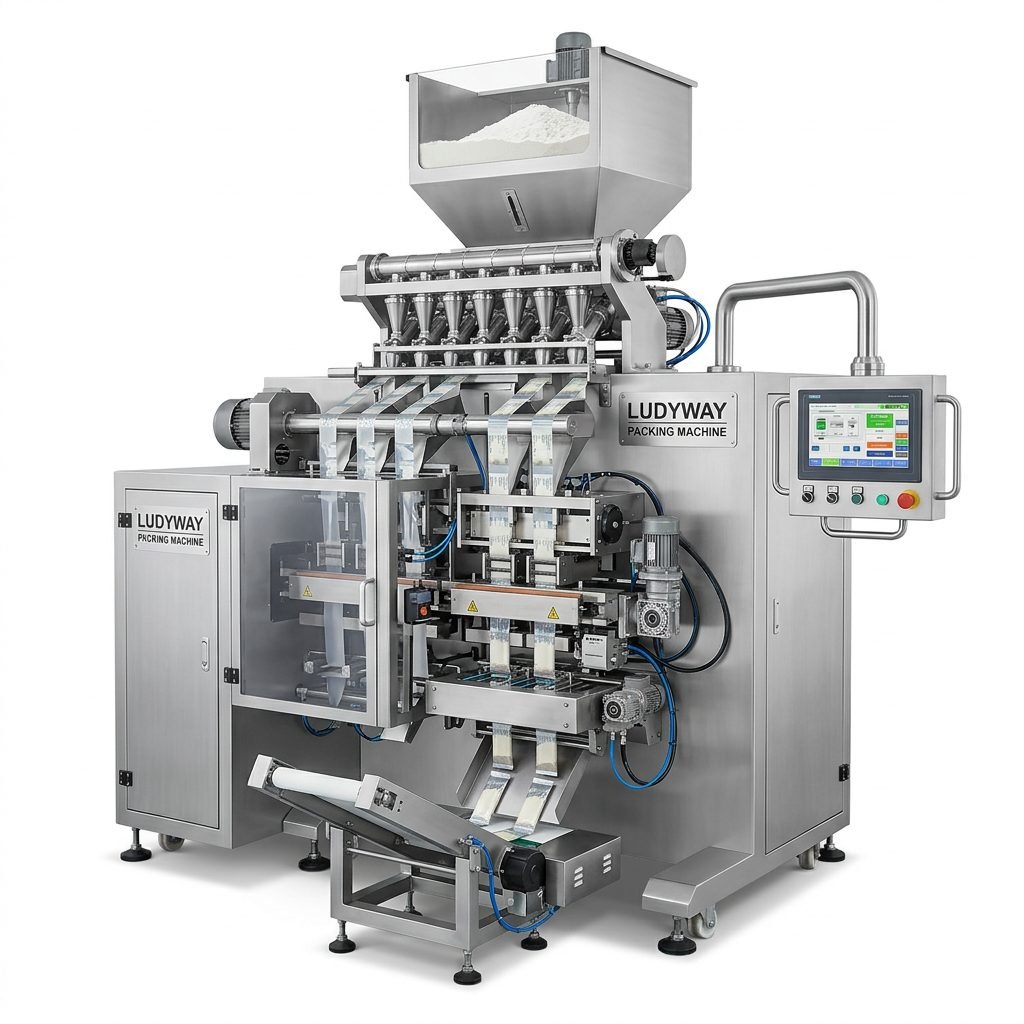
Technical Specifications That Matter
When comparing different models, focus on the technical parameters that directly influence production efficiency and product quality. Superficial features should not distract from these core performance indicators.
- Speed Range: Measured in packs per minute (PPM), ensure the rated speed matches your target output with some headroom.
- Film Width Compatibility: Check maximum and minimum film width specifications against your packaging design.
- Power Consumption: In India, where electricity costs vary by region, energy-efficient motors and drives can yield significant operational savings.
- Compressed Air Requirements: Verify that your facility’s air supply meets the machine’s specifications for pressure and volume.
- Control System: Modern PLC-based controls with touchscreen interfaces simplify operation and troubleshooting.
- Construction Materials: Stainless steel construction, particularly in food contact zones, ensures durability and hygiene compliance.
Understanding the Indian Regulatory Landscape
The Food Safety and Standards Authority of India (FSSAI) mandates specific packaging requirements for food products, including protein bars. Your packaging machine must be capable of producing packs that meet labeling, sealing integrity, and material safety standards. Non-compliance can result in product recalls, fines, and reputational damage. Working with equipment suppliers who understand flexible packaging standards and Indian regulatory requirements ensures smoother market entry and ongoing compliance.
Where to Source Protein Bar Packaging Machines for the Indian Market
Indian buyers have multiple sourcing options, each with distinct advantages and trade-offs. Domestic suppliers offer lower upfront costs and quicker delivery, while international manufacturers bring advanced technology and proven global track records. A growing number of Indian food manufacturers are turning to established Chinese packaging machinery manufacturers who combine competitive pricing with robust engineering and extensive export experience.
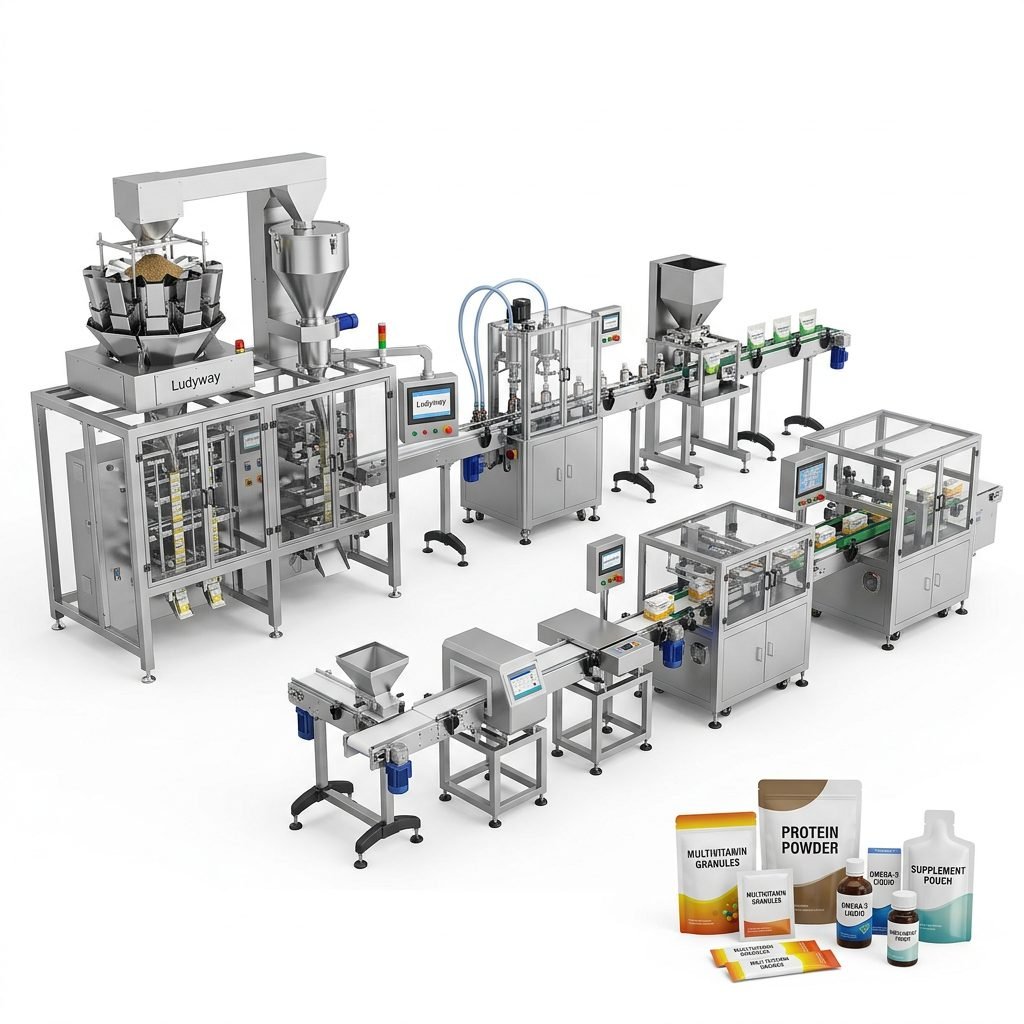
One such notable manufacturer is Ludyway, which specializes in advanced packaging equipment and turnkey production solutions for the food, pharmaceutical, and health industries. With over 30 years of industry expertise and a modern 20,000㎡ manufacturing facility, the company offers more than 50 intelligent packaging machine models serving customers in over 100 countries. Their multi-lane stick pack, sachet, and fully automated packaging systems are particularly well-suited for protein bar and related nutrition product applications.
Domestic Indian Manufacturers
Several Indian companies produce packaging machinery suitable for protein bar applications. These suppliers often provide faster installation and more accessible local support. However, their technology may lag behind international standards for high-speed production, and long-term reliability can vary significantly between manufacturers.
International Equipment Suppliers
European and East Asian manufacturers dominate the high-end segment of the Indian packaging machinery market. Their equipment typically features superior build quality, advanced automation capabilities, and comprehensive documentation. The primary drawbacks are higher purchase costs and longer lead times for both machines and spare parts. Many international suppliers have established partnerships with Indian distributors to bridge the service gap.
Installation, Training, and Ongoing Maintenance
A packaging machine is only as good as its installation and the team operating it. Proper setup, comprehensive training, and preventive maintenance programs are essential investments that protect your equipment and ensure consistent output quality.
Before your machine arrives, prepare the installation site with adequate power supply, compressed air lines, and level flooring. Schedule operator training during the commissioning phase so your team can learn hands-on under the guidance of factory-trained technicians. Establish a maintenance schedule based on the manufacturer’s recommendations and keep a critical spare parts inventory to minimize downtime.
Return on Investment Analysis
Calculating the ROI of a protein bar packaging machine involves comparing the total cost of ownership against the savings and revenue gains it generates. Key variables include:
- Labor Cost Reduction: Automated packaging typically reduces direct labor requirements by 60-80% compared to manual processes.
- Increased Throughput: Higher production speeds enable you to fulfill larger orders and expand into new markets.
- Reduced Product Waste: Precise filling and consistent sealing minimize giveaway and spoilage.
- Enhanced Brand Perception: Professional packaging commands premium pricing and stronger retail placement.
Most Indian protein bar manufacturers achieve full payback on their packaging equipment investment within 18 to 36 months, with high-volume operations often reaching breakeven even faster.
Common Mistakes to Avoid When Purchasing
Learning from the missteps of others can save you significant time, money, and frustration. Here are frequent errors that Indian buyers make when acquiring packaging machinery:
- Overlooking Total Cost of Ownership: A machine with a low purchase price may have high operating costs due to energy consumption, frequent breakdowns, or expensive spare parts.
- Ignoring Film Waste Rates: Machines with poor film handling can waste 5-10% of packaging material, dramatically increasing per-unit costs over time.
- Inadequate Testing with Actual Product: Always run trials using your specific protein bar formulation and packaging film, not generic samples provided by the seller.
- Neglecting Future Scalability: Choosing a machine that barely meets current needs leaves no room for growth in a rapidly expanding market.
Future Trends in Protein Bar Packaging
The Indian packaging machinery market is evolving rapidly, influenced by global trends and local market dynamics. Forward-thinking manufacturers are already preparing for these shifts:
- Sustainable Packaging Materials: Consumers and regulators increasingly demand eco-friendly packaging. Machines must adapt to handle compostable films, recycled content materials, and reduced-thickness films without compromising seal quality.
- Smart Factory Integration: Industry 4.0 capabilities, including IoT sensors, remote diagnostics, and production analytics, are becoming standard features that optimize efficiency and minimize unplanned downtime.
- Flexible Format Capabilities: Machines that can switch between flow wraps, stick packs, and sachets on the same platform provide valuable versatility as product lines expand.
- Enhanced Shelf Life Technologies: Modified atmosphere packaging (MAP) and advanced barrier films extend product freshness, supporting longer distribution channels across India’s vast geography.
Aligning your equipment investment with these emerging trends positions your business for sustained competitiveness in India’s dynamic protein bar market.
Final Recommendations
Purchasing a protein bar packaging machine for your Indian manufacturing operation is a strategic decision that influences your production capacity, product quality, and brand reputation for years to come. Begin by clearly defining your requirements, then thoroughly research available options from both domestic and international suppliers. Request detailed quotations, conduct on-site demonstrations with your actual products, and verify the manufacturer’s after-sales support capabilities in India. The packaging industry resources available through global trade associations can provide additional guidance as you navigate this important investment decision.
A methodical, well-researched approach to equipment procurement will reward you with a reliable, efficient packaging line that supports your growth in India’s thriving protein bar market.