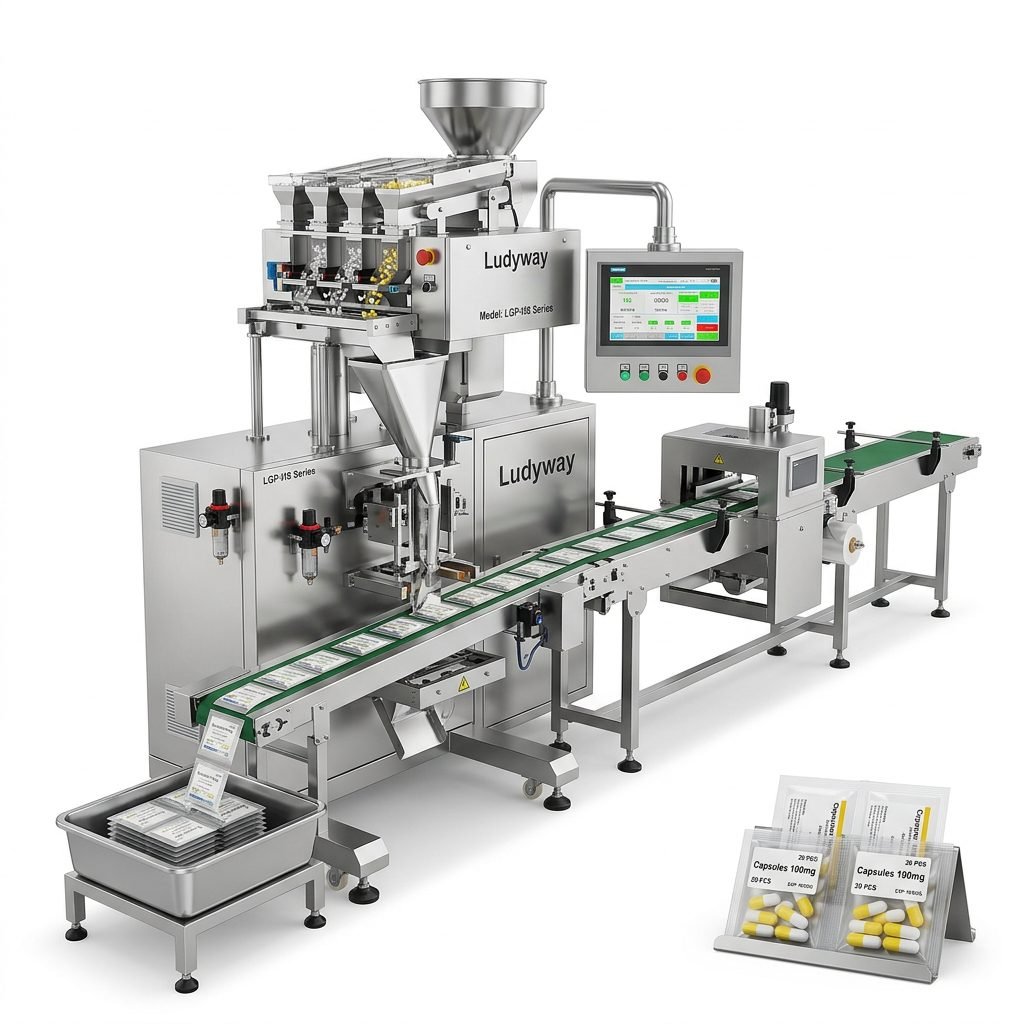
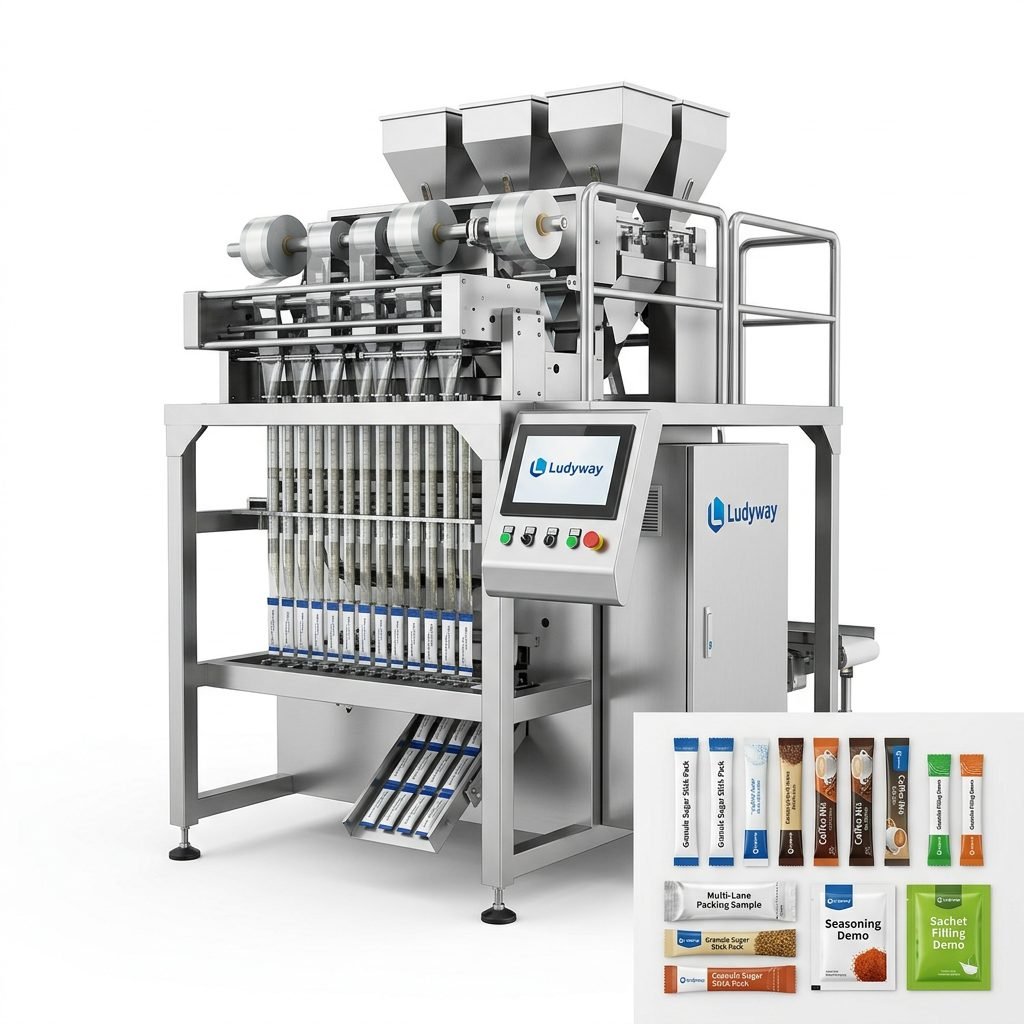
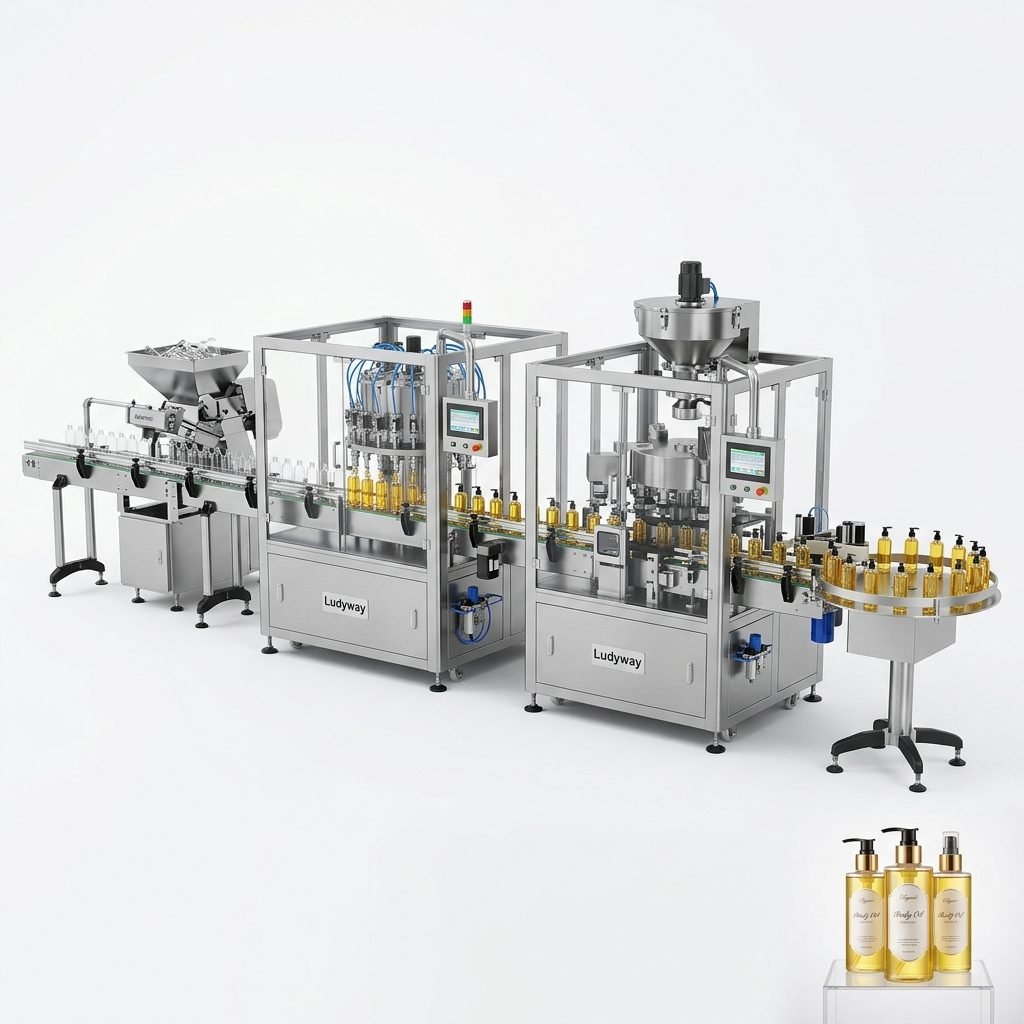
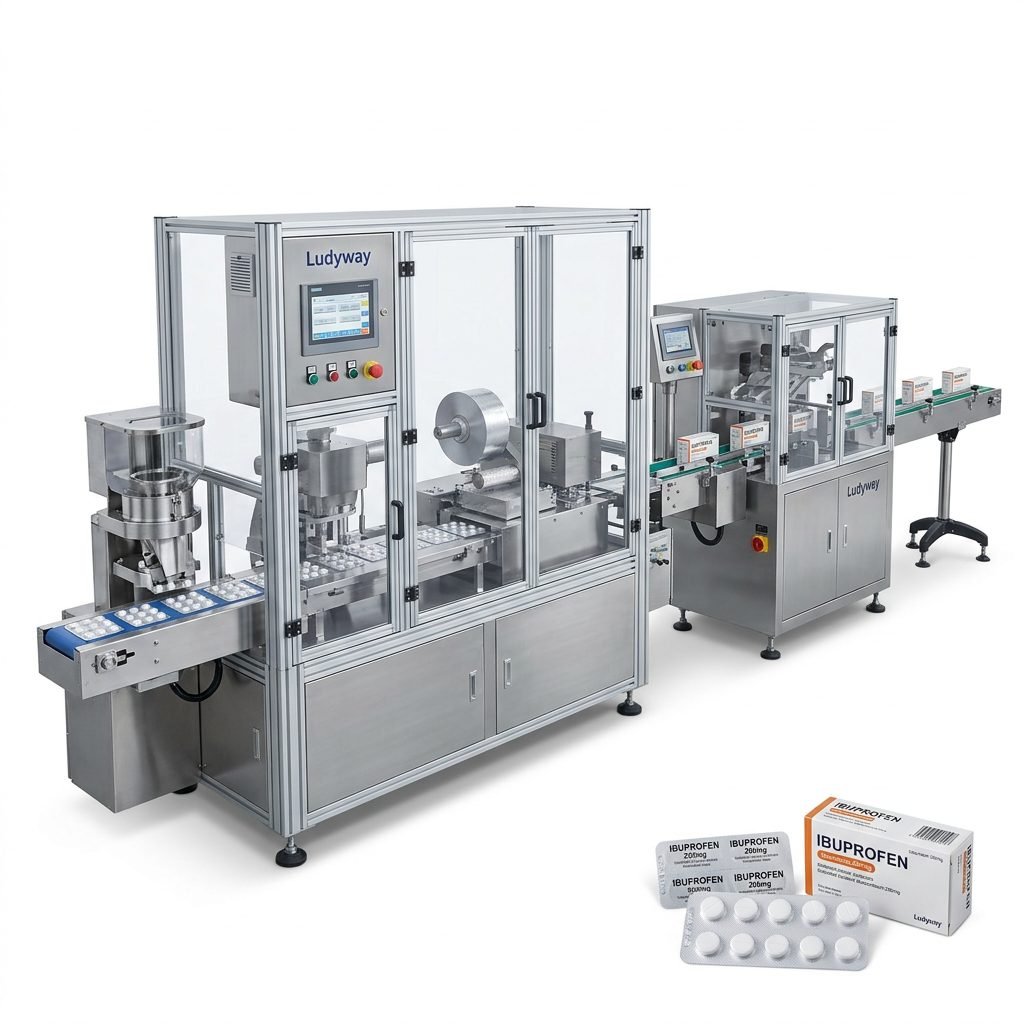
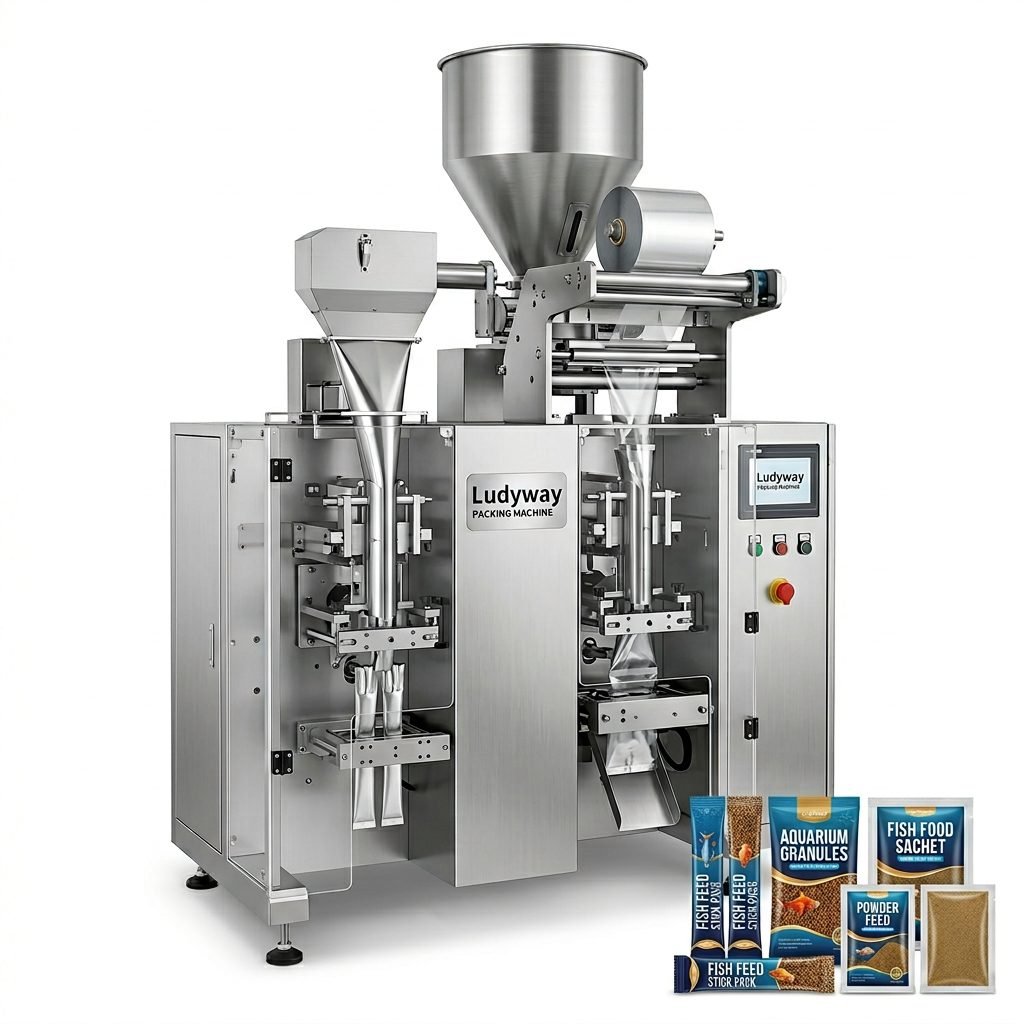
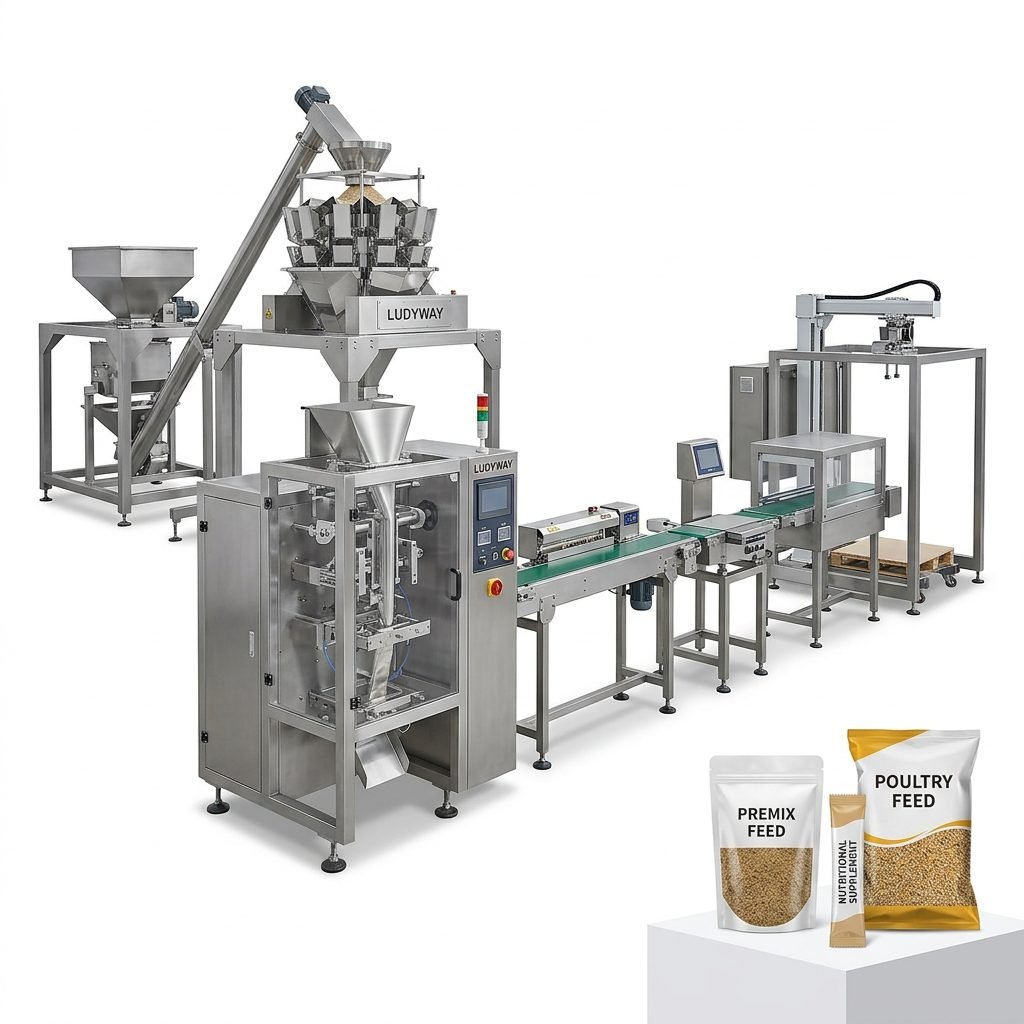
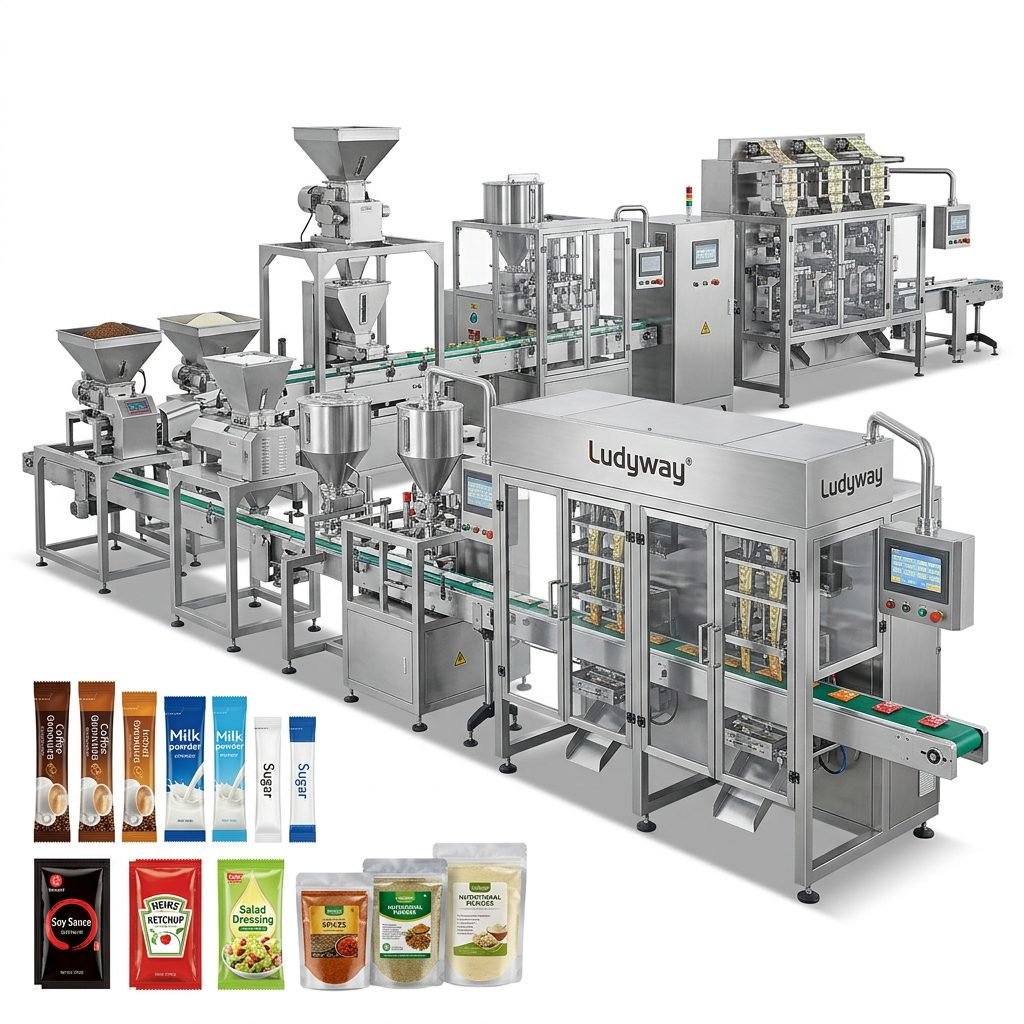
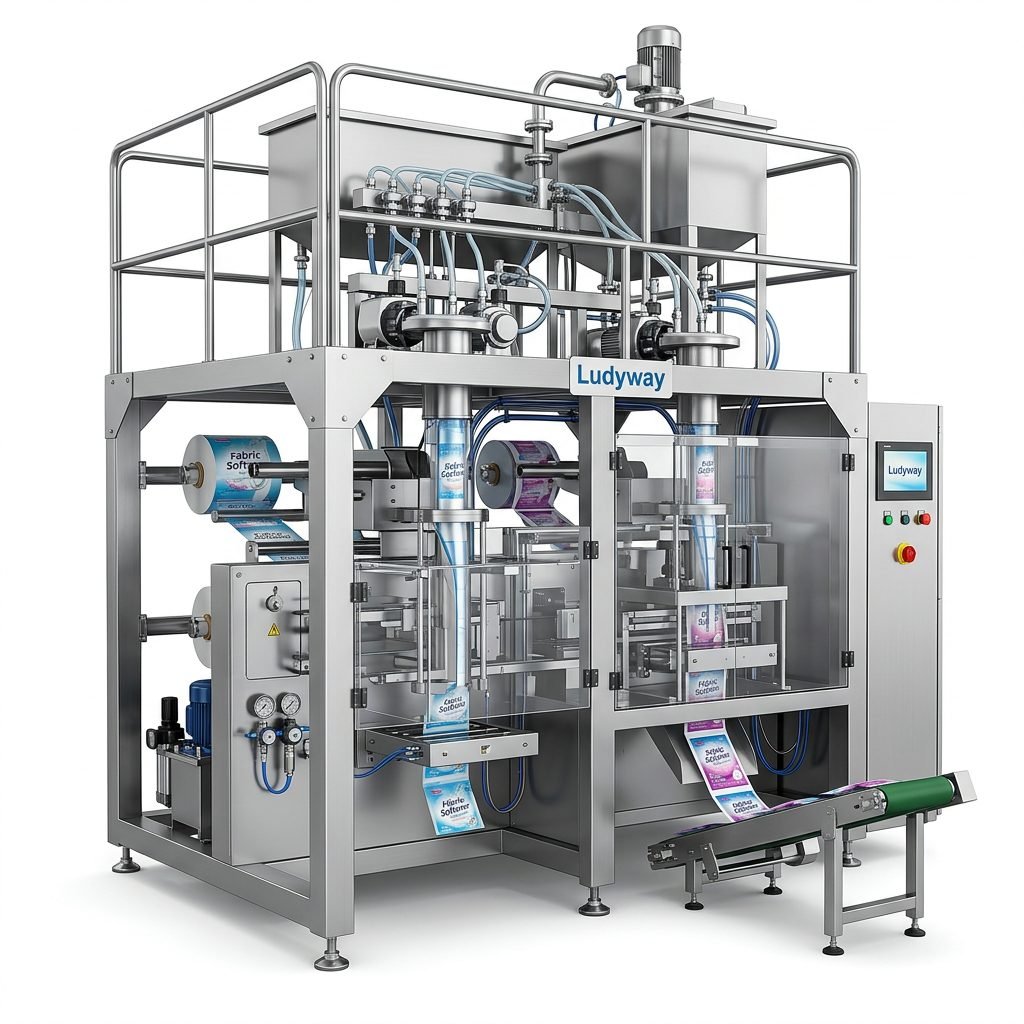
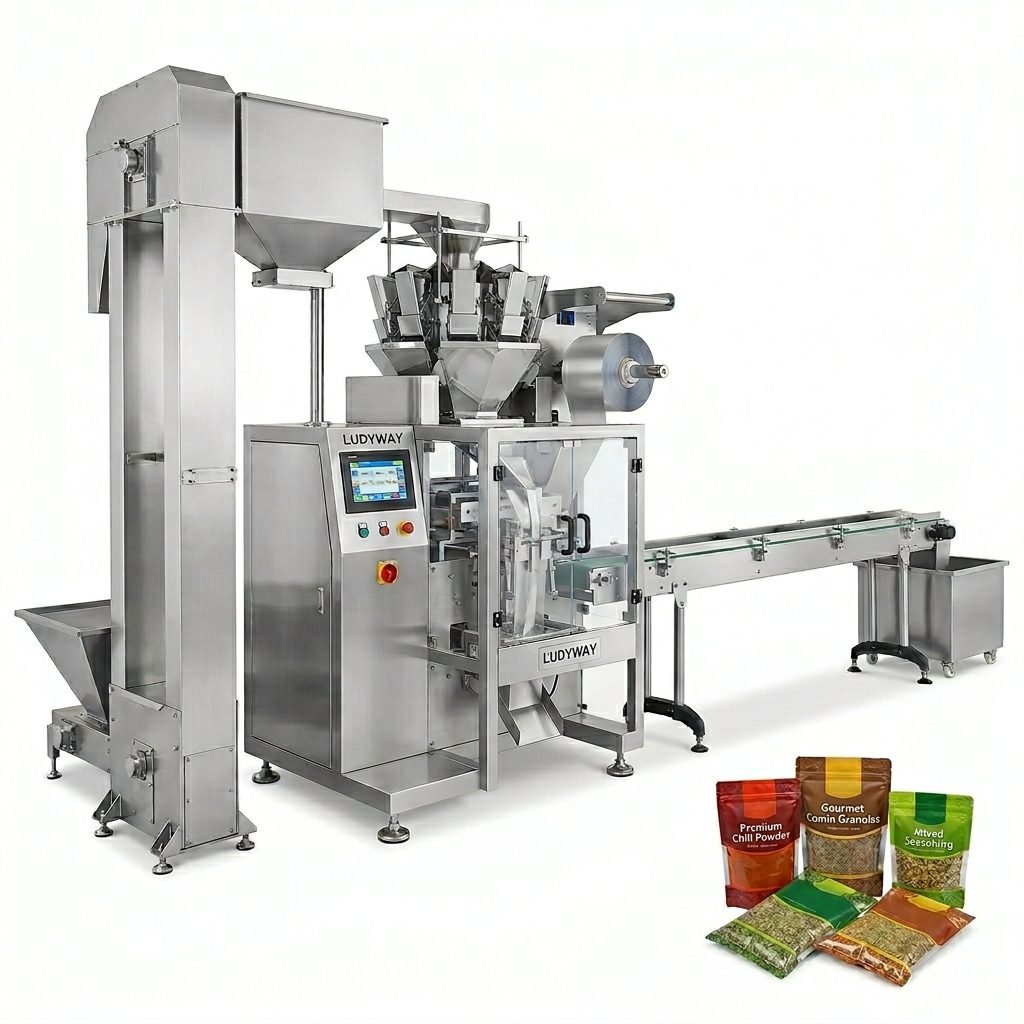
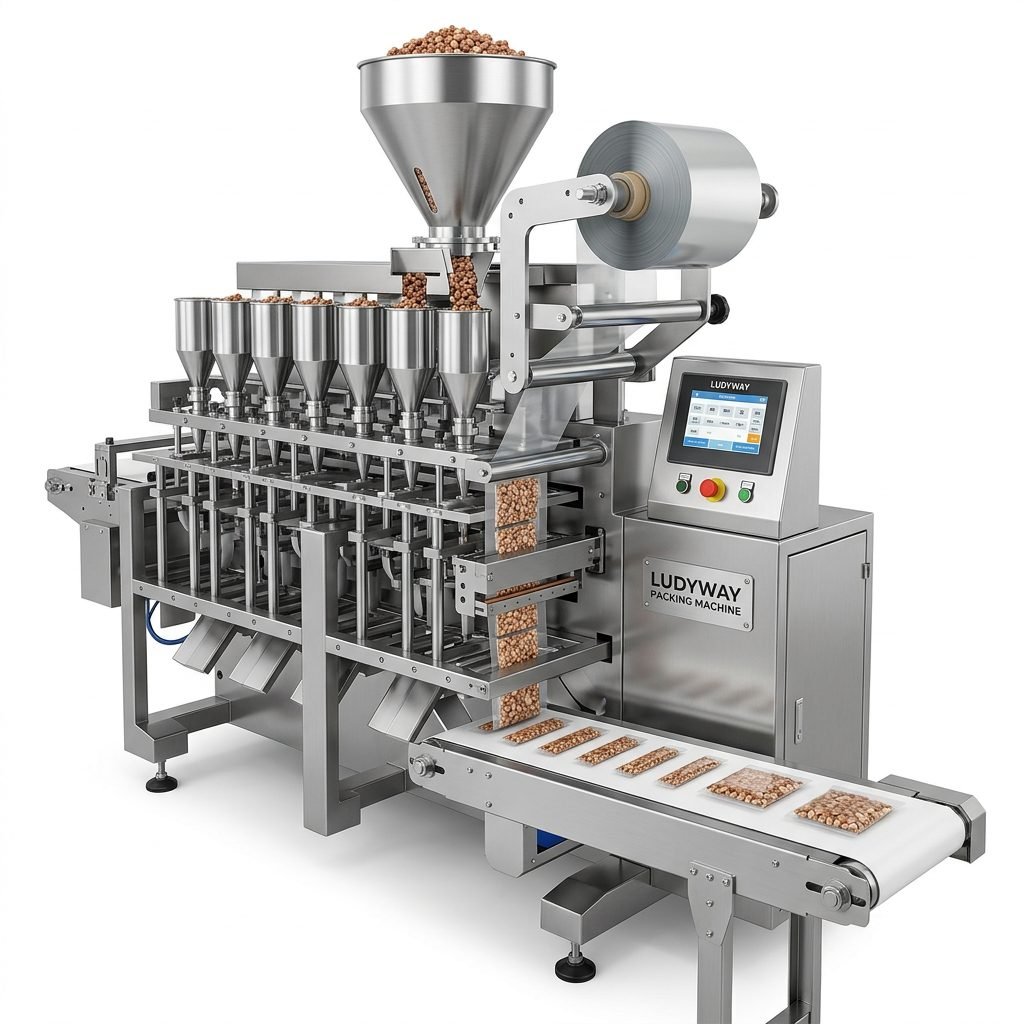
The tray sealer packaging machine has become an essential investment for food processors, pharmaceutical manufacturers, and export-oriented businesses across Southeast Asia. With the region’s rapidly expanding food retail sector and growing demand for extended shelf-life packaging solutions, selecting the right tray sealing equipment requires careful evaluation of production capacity, packaging formats, and regional compliance standards.
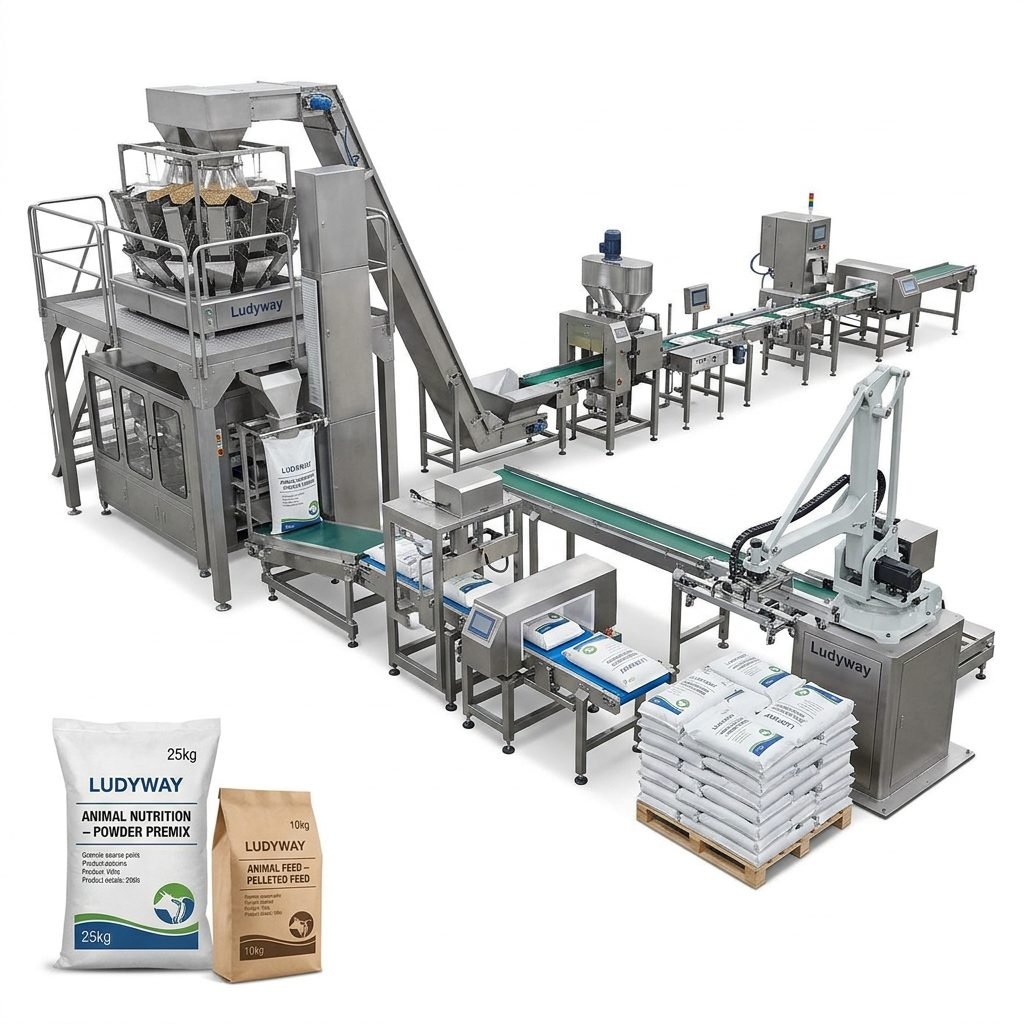
Understanding Tray Sealer Packaging Technology
A tray sealer is a packaging machine that seals pre-formed trays with a flexible lidding film, creating an airtight or modified atmosphere package. These machines are widely used for packaging fresh produce, ready meals, meat, seafood, bakery items, and pharmaceutical products. In Southeast Asia, the adoption of automatic tray sealing systems has surged due to increasing urbanization and the rapid expansion of modern retail channels.
The core function of a tray sealer packaging machine involves placing a product into a pre-formed tray, applying a lid film over the tray opening, and then heat-sealing the film to the tray flange. Advanced models also incorporate Modified Atmosphere Packaging (MAP) technology, which replaces the air inside the package with a controlled gas mixture to extend product freshness.
Why Southeast Asia Is a High-Growth Market for Tray Sealers
Southeast Asia’s food and beverage industry has experienced remarkable transformation over the past decade. Countries such as Thailand, Vietnam, Indonesia, Malaysia, and the Philippines have seen significant growth in processed food exports, supermarket chains, and convenience store networks. This evolution drives demand for reliable flexible packaging machinery that meets international quality standards.
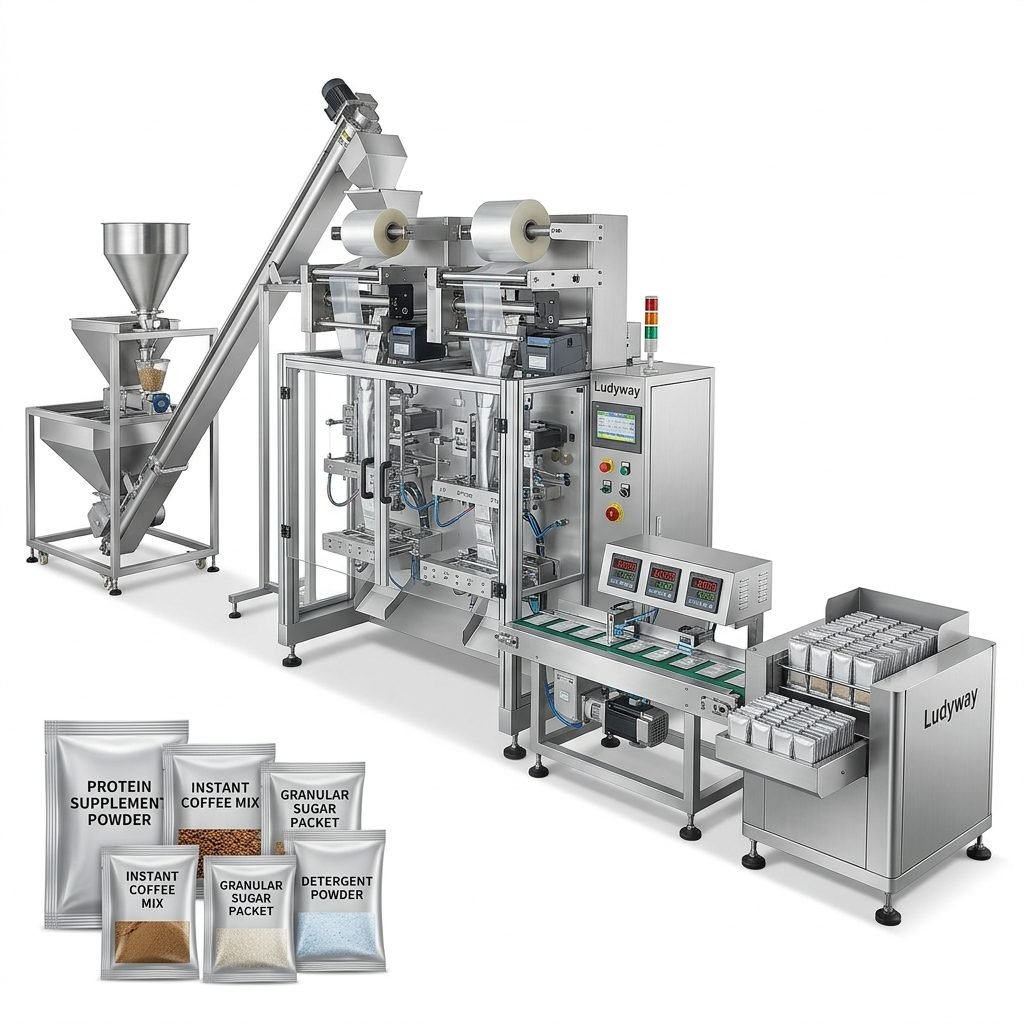
Government initiatives supporting food safety regulations and export certifications have further accelerated the need for automated packaging equipment. The FDA packaging compliance requirements and EU food contact material regulations heavily influence purchasing decisions among Southeast Asian exporters aiming for international markets.
Types of Tray Sealer Machines Available
Understanding the different categories of tray sealing equipment helps buyers match their operational needs with the right technology. The following table outlines the primary types available in the Southeast Asian market:
| Machine Type | Best For | Production Speed | Typical Investment |
|---|---|---|---|
| Manual Tray Sealer | Small businesses, startups, niche products | Low (2-5 trays/min) | $3,000 – $8,000 |
| Semi-Automatic Tray Sealer | Medium-scale production, diverse tray sizes | Medium (5-15 trays/min) | $8,000 – $25,000 |
| Fully Automatic Inline Tray Sealer | High-volume factories, continuous lines | High (15-60+ trays/min) | $30,000 – $150,000+ |
| MAP Tray Sealer | Fresh food, meat, seafood, ready meals | Varies by model | $20,000 – $120,000+ |
| Skin Pack Tray Sealer | Premium product presentation, retail display | Medium-High | $25,000 – $100,000+ |
Key Factors to Consider Before Buying
Investing in a tray sealer packaging machine requires thorough assessment of several critical parameters. Buyers in Southeast Asia should evaluate the following factors to ensure optimal return on investment:
Production Volume and Speed Requirements
Determine your current and projected production volumes. A semi-automatic tray sealer may suffice for operations producing fewer than 5,000 trays per day, while large-scale manufacturers exporting to global packaging markets should consider fully automatic inline systems capable of handling 30-60 trays per minute.
Tray Material and Size Compatibility
Southeast Asian markets use a variety of tray materials including PP, PET, CPET, aluminum, and compostable bioplastics. Ensure the machine you select is compatible with the tray dimensions and materials commonly sourced in your region. Many suppliers in Thailand and Vietnam offer locally manufactured trays at competitive prices, making material compatibility a crucial consideration.
Modified Atmosphere Packaging (MAP) Capability
MAP technology is increasingly important for Southeast Asian food exporters targeting premium markets in Japan, Europe, and North America. A MAP-enabled tray sealer can extend product shelf life by 2-5 times compared to conventional sealing, providing significant competitive advantages for fresh produce and seafood exporters.
Compliance with Food Safety Standards
Export-oriented businesses must comply with international standards including ISO packaging standards, HACCP guidelines, and specific destination market regulations. The machine should feature stainless steel construction, easy-clean design, and validated sealing parameters to meet audit requirements.
Top Applications Across Southeast Asian Industries
- Fresh Produce Packaging: Fruits, vegetables, and salad mixes for supermarket chains in Thailand, Malaysia, and Singapore
- Seafood and Aquaculture: Shrimp, fish fillets, and processed seafood products from Vietnam and Indonesia for export markets
- Ready-to-Eat Meals: Convenience meals for urban consumers in Bangkok, Jakarta, Manila, and Ho Chi Minh City
- Meat and Poultry: Fresh and processed meat products requiring extended shelf life through MAP technology
- Bakery Products: Breads, pastries, and confectionery items for retail and food service channels
- Pharmaceutical and Medical: Sterile medical device packaging and pharmaceutical kits
- Dairy Products: Cheese, butter, and portion-controlled dairy items
Price Guide for Tray Sealers in Southeast Asia
Pricing varies significantly based on automation level, brand origin, and technical specifications. Below is a general price range for tray sealing equipment available in the Southeast Asian market:
| Equipment Category | Chinese Manufacturers | European/Japanese Brands | Local SEA Suppliers |
|---|---|---|---|
| Manual/Small Scale | $3,000 – $6,000 | $8,000 – $15,000 | $4,000 – $10,000 |
| Semi-Automatic | $6,000 – $18,000 | $20,000 – $45,000 | $10,000 – $25,000 |
| Fully Automatic Inline | $25,000 – $80,000 | $70,000 – $200,000+ | $35,000 – $100,000 |
| MAP Integrated System | $18,000 – $70,000 | $50,000 – $180,000+ | $25,000 – $90,000 |
Chinese-manufactured tray sealers have gained significant market share in Southeast Asia due to their competitive pricing and improving quality standards. Many Chinese suppliers now offer CE-certified equipment with after-sales support networks across the region.
How to Evaluate Tray Sealer Suppliers
Selecting a reliable supplier is as important as choosing the right machine. Consider these evaluation criteria when sourcing a tray sealer packaging machine in Southeast Asia:
- Local Service Presence: Does the supplier have service engineers or authorized distributors in your country? Downtime can be costly for fresh food operations
- Spare Parts Availability: Confirm availability of critical spare parts and typical delivery timelines within Southeast Asia
- Installation and Training: Comprehensive on-site installation, operator training, and maintenance documentation should be included
- Customer References: Request references from buyers in similar industries within the region
- Warranty Terms: Standard warranty periods range from 12-24 months; extended warranty options may be available
- Technical Documentation: Manuals and interface should be available in English, with support for local languages as a bonus

Installation, Operation, and Maintenance Best Practices
Proper installation and maintenance routines maximize equipment lifespan and ensure consistent sealing quality. Key practices include:
Pre-Installation Preparation
Ensure adequate floor space, proper electrical supply matching machine specifications, and clean compressed air supply for pneumatic components. Many Southeast Asian factories benefit from installing voltage stabilizers to protect sensitive electronic controls from power fluctuations common in industrial zones.
Daily and Weekly Maintenance
Implement a routine cleaning schedule focusing on sealing platens, film feed mechanisms, and conveyor belts. Regular inspection of heating elements and temperature calibration ensures consistent seal integrity, which is critical for ISO 11607 compliant packaging in medical and pharmaceutical applications.
Operator Training
Well-trained operators significantly reduce downtime and product waste. Training should cover machine setup, tray changeover procedures, troubleshooting common issues, and safety protocols. Many suppliers offer remote video support for quick problem resolution.
Import Regulations and Duties in Southeast Asia
Import duties on packaging machinery vary across ASEAN countries. Under the ASEAN Free Trade Area (AFTA) agreement, many packaging machines benefit from reduced or zero import tariffs when traded between member states. However, machines imported from China, Europe, or other non-ASEAN origins may face duties ranging from 0% to 15% depending on the specific HS code classification and country of import.
| Country | Typical Import Duty | VAT/GST | Key Regulatory Body |
|---|---|---|---|
| Thailand | 0% – 5% | 7% VAT | Thai FDA, TISI |
| Vietnam | 0% – 10% | 10% VAT | VFA, MOH |
| Indonesia | 0% – 7.5% | 11% VAT | BPOM, SNI |
| Malaysia | 0% – 5% | 6% SST | MOH, SIRIM |
| Philippines | 0% – 5% | 12% VAT | FDA Philippines |
Financing and Leasing Options
Many Southeast Asian buyers utilize equipment financing to manage capital expenditure. Local banks and international leasing companies offer machinery loans with terms ranging from 12 to 60 months. Additionally, some manufacturers and distributors provide in-house financing or deferred payment plans for qualified buyers, making high-end automatic tray sealing systems more accessible to medium-sized enterprises.
Emerging Trends in Tray Sealing Technology
- Sustainable Packaging Materials: Growing demand for recyclable mono-material trays and compostable lidding films, driven by EU packaging waste regulations and regional sustainability initiatives
- Smart Factory Integration: Industry 4.0 features including IoT connectivity, remote monitoring, predictive maintenance alerts, and production data analytics
- Flexible Format Capability: Machines that handle multiple tray sizes and formats with minimal changeover time, ideal for contract packers serving diverse customers
- Energy-Efficient Designs: Reduced power consumption and optimized sealing cycles to lower operational costs
- Advanced MAP Solutions: Precision gas flushing systems with real-time oxygen monitoring for extended shelf life applications
Making the Final Decision
Purchasing a tray sealer packaging machine in Southeast Asia represents a significant strategic investment. Beyond the initial purchase price, consider total cost of ownership including maintenance, spare parts, energy consumption, and potential production downtime. Request demonstrations, visit reference sites when possible, and verify the supplier’s commitment to long-term support in your specific country.
Companies like Ludyway offer a comprehensive range of packaging equipment solutions, with expertise spanning multiple industries and a growing presence in international markets. When evaluating options, prioritize suppliers that demonstrate deep technical knowledge, responsive after-sales service, and familiarity with packaging industry standards relevant to your target markets.
Frequently Asked Questions
What is the typical lead time for a tray sealer order?
Standard lead times range from 4-12 weeks depending on configuration complexity and manufacturer location. Custom-built or highly specified machines may require 12-16 weeks.
Can tray sealers handle different tray sizes on the same machine?
Yes, most modern tray sealers support quick-change tooling for different tray dimensions. Automatic models often feature recipe-based changeover systems that adjust parameters with minimal operator intervention.
Is MAP technology worth the additional investment?
For fresh food, meat, seafood, and ready-meal applications, MAP capability typically pays for itself through reduced product waste, extended shelf life, and access to premium export markets that require gas-flushed packaging.
What after-sales support should I expect in Southeast Asia?
Reputable suppliers provide installation supervision, operator training, warranty coverage, and ongoing technical support. Many maintain regional service hubs or partner networks in major Southeast Asian markets to ensure timely response to service requests.