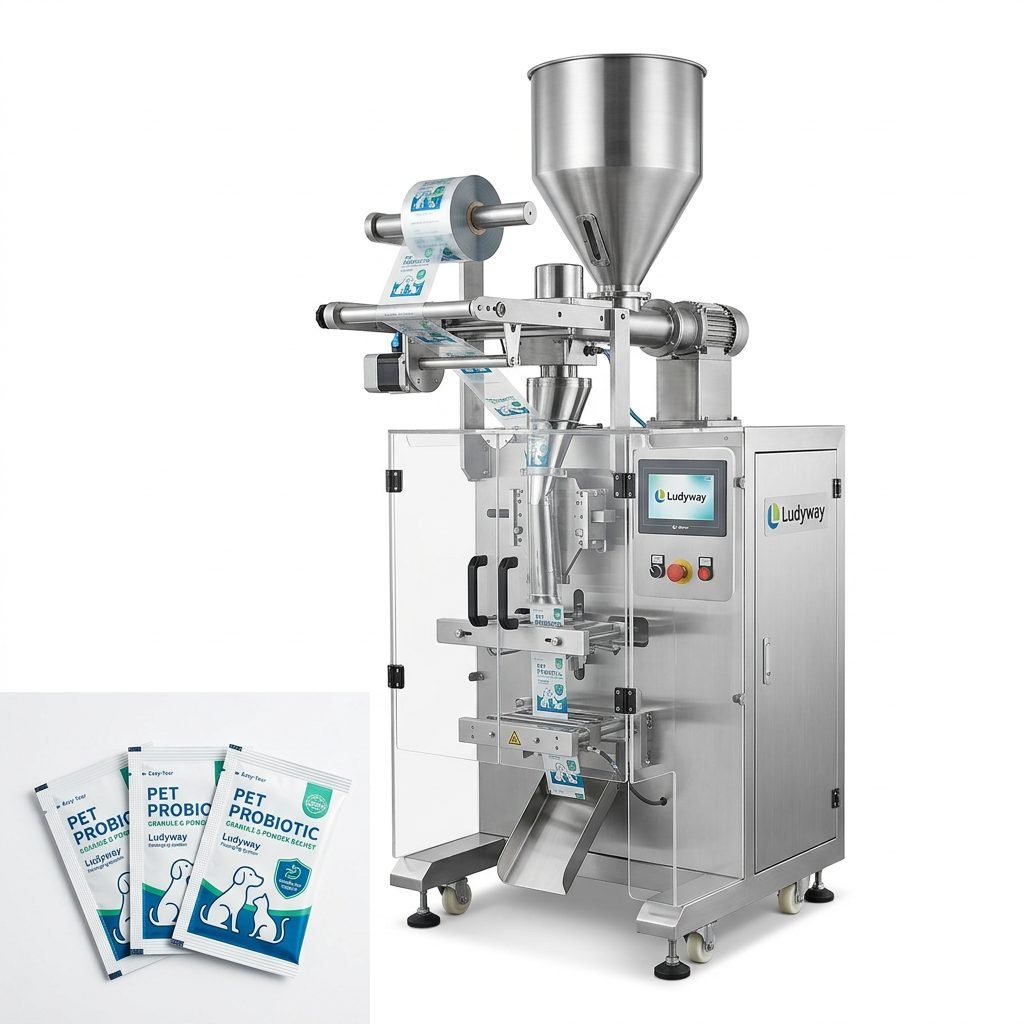
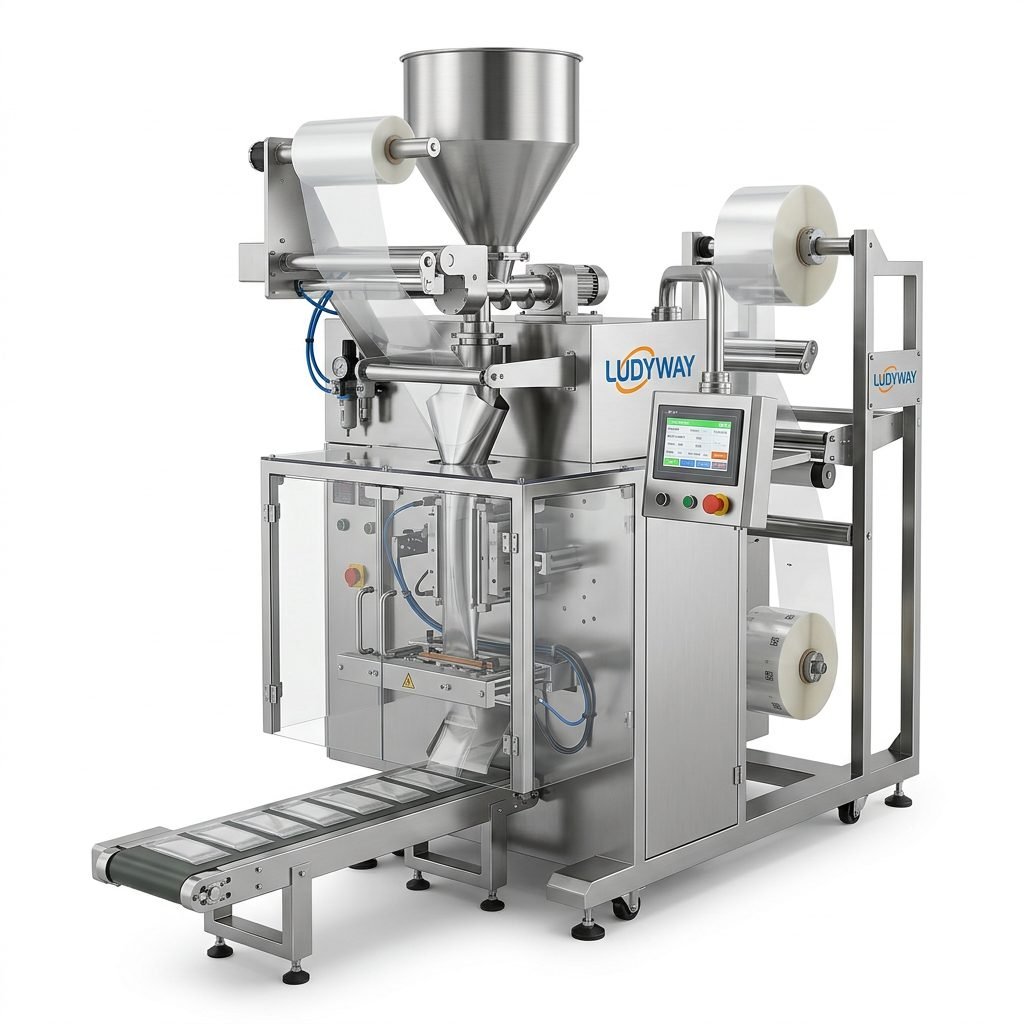
Selecting the right drum packing machine is one of the most critical decisions for manufacturers handling bulk powders, granules, liquids, or pastes. A well-chosen drum filling system can significantly improve production efficiency, reduce material waste, enhance workplace safety, and ensure consistent product quality. Conversely, an ill-suited machine can lead to costly downtime, inaccurate fills, product contamination, and compliance risks. This comprehensive buyer’s guide walks you through every essential factor to consider when evaluating drum packing equipment for your operation.
Understanding the Types of Drum Packing Machines
Before diving into selection criteria, it is important to understand the different categories of drum filling equipment available on the market. Each type is designed for specific applications, product characteristics, and production environments.
Net Weight vs. Gross Weight Fillers
Net weight fillers weigh the product before it enters the drum, using a separate weighing hopper or scale system. This method isolates the weighing process from the container, making it ideal for high-accuracy applications. Gross weight fillers, on the other hand, place the drum directly on a scale platform and fill until the target weight is reached. Gross weight systems are generally simpler in design and can handle a wider variety of container types and sizes.
Below-Ball vs. Submerged Fill Heads
For liquid drum filling applications, the choice between below-ball fill heads and submerged filling mechanisms can significantly affect product quality. Below-ball fill heads position the filling nozzle just above the liquid surface as it rises, minimizing splashing and foam formation. Submerged fill heads extend into the liquid during filling, reducing aeration and vapor emissions. This is particularly important for volatile, foaming, or oxygen-sensitive products such as solvents, edible oils, and certain chemicals.
Semi-Automatic vs. Fully Automatic Systems
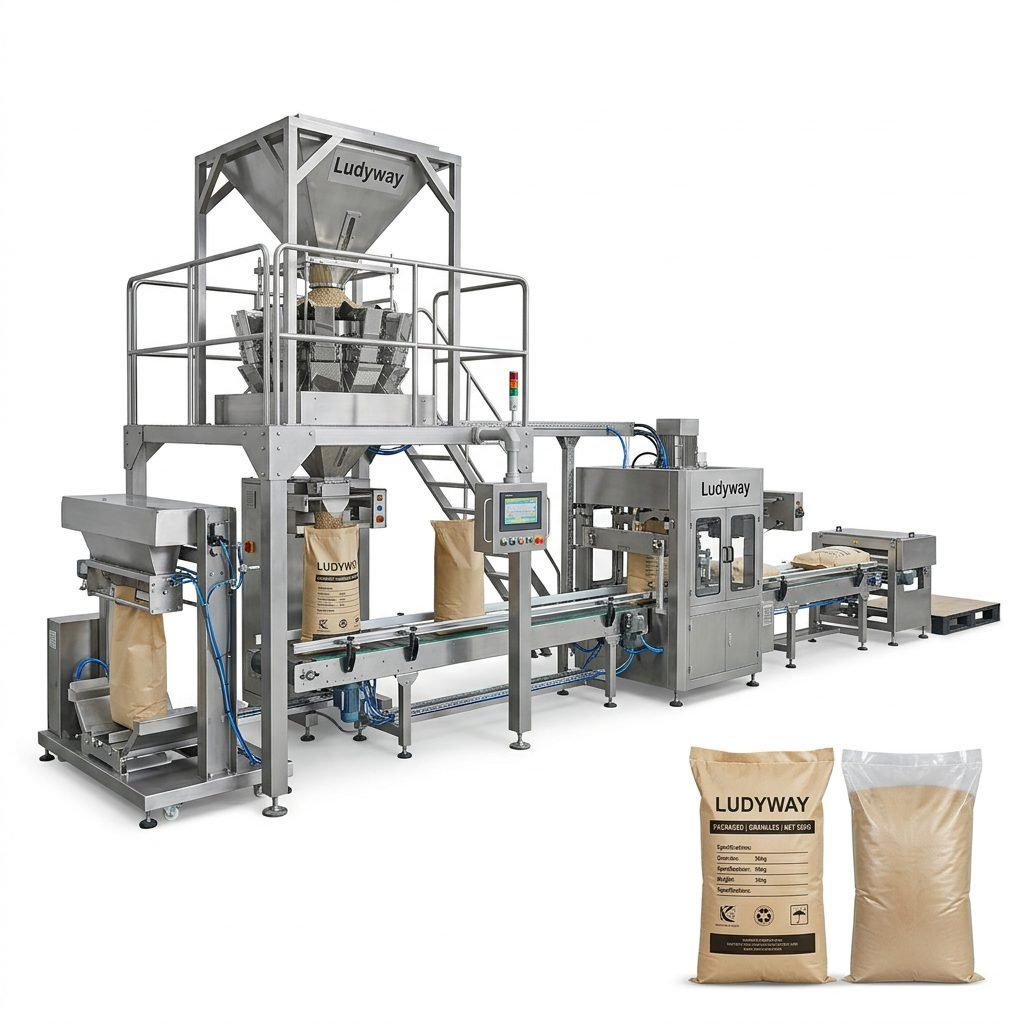
Semi-automatic drum packing machines require operator involvement for tasks such as drum placement, lid application, or pallet handling. These systems are cost-effective for lower production volumes and operations with varied container sizes. Fully automatic drum filling lines integrate conveyors, automatic lid placement, labeling, palletizing, and stretch wrapping into a seamless production flow. They are best suited for high-volume manufacturing environments where throughput and consistency are paramount.
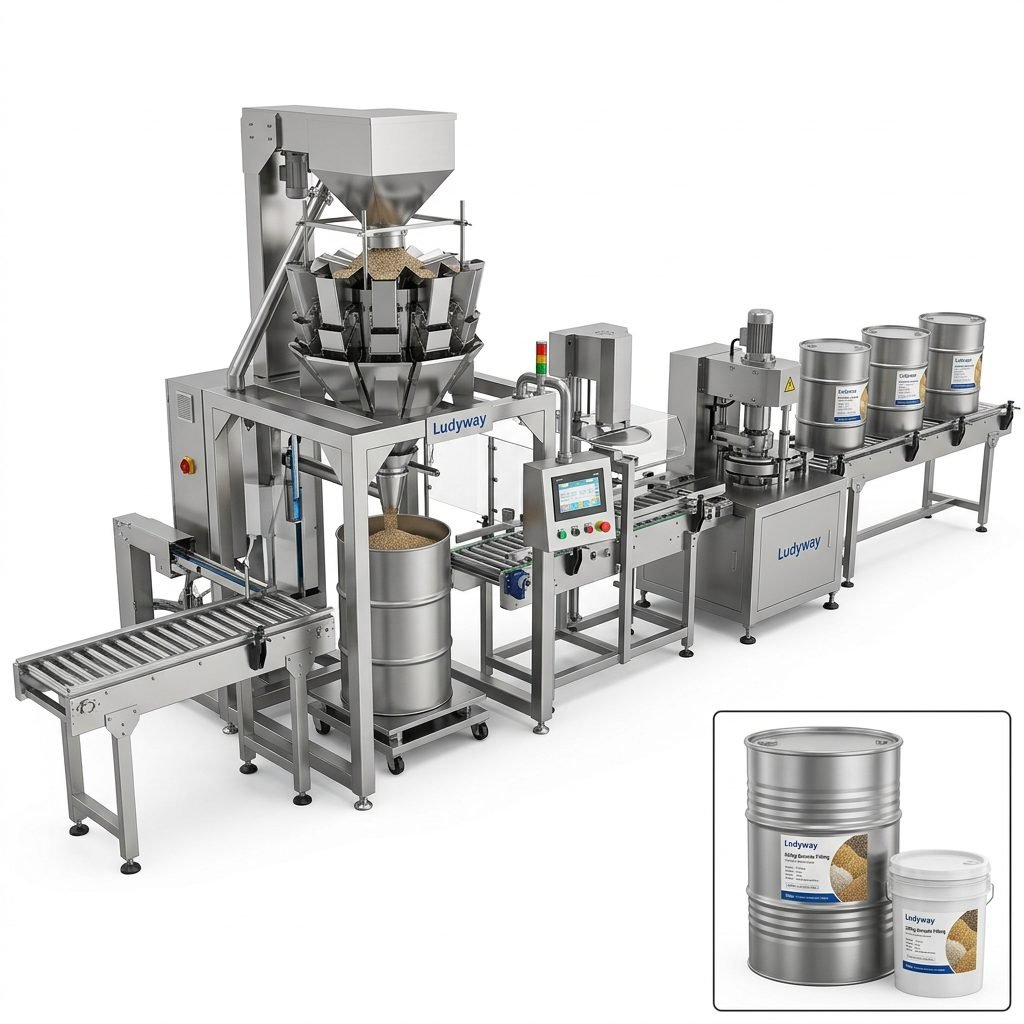
Key Factors to Evaluate Before Purchasing
Every manufacturing operation has unique requirements that directly influence which drum packing machine is the right fit. Carefully evaluating the following factors will help narrow down your options and prevent costly mistakes.
1. Product Characteristics and Material Properties
The physical and chemical properties of your product are among the most important considerations. Powder density, flowability, particle size distribution, moisture content, and temperature sensitivity all affect how the product behaves during filling. For liquid products, viscosity, surface tension, and foaming tendency must be accounted for. Hazardous materials — including flammable solvents, corrosive chemicals, and combustible dusts — require specialized equipment with explosion-proof ratings, proper grounding, and containment features.
- Free-flowing granules (e.g., plastic pellets, grains): Gravity-fed or vibratory filling systems
- Cohesive powders (e.g., flour, titanium dioxide): Auger fillers or vacuum-assisted systems
- High-viscosity liquids (e.g., syrups, heavy oils): Positive displacement pump fillers
- Low-viscosity liquids (e.g., water, solvents): Gravity or overflow filling systems
- Hazardous or flammable products: ATEX-rated or NFPA-compliant explosion-proof equipment
2. Production Capacity and Speed Requirements
Your target throughput — measured in drums per hour or per shift — directly determines the automation level and filling technology required. A small-batch chemical processor filling 20 drums per day has very different needs compared to a large-scale petrochemical operation filling 200 drums per hour. Consider not only current production volumes but also future growth projections to ensure the equipment can scale with your business.
3. Filling Accuracy and Precision Tolerances
Filling accuracy is critical for regulatory compliance, cost control, and customer satisfaction. Legal metrology requirements in many jurisdictions mandate minimum fill quantities, while overfilling directly impacts profitability. Modern drum filling machines typically achieve accuracies of ±0.1% to ±0.5% of target weight, depending on the technology used. High-precision load cells, automatic tare functions, and drip-free nozzles all contribute to achieving consistent fill accuracy.
4. Drum Specifications and Container Compatibility
Drum packaging machines must accommodate your specific container types. Standard industrial drums range from 30 to 55 gallons (110 to 210 liters) and come in various materials including steel, HDPE plastic, fiber, and stainless steel. Consider drum dimensions, bung hole sizes, lid types, and whether you need the flexibility to handle multiple drum sizes on the same line. Quick-changeover features can significantly reduce downtime when switching between container formats.
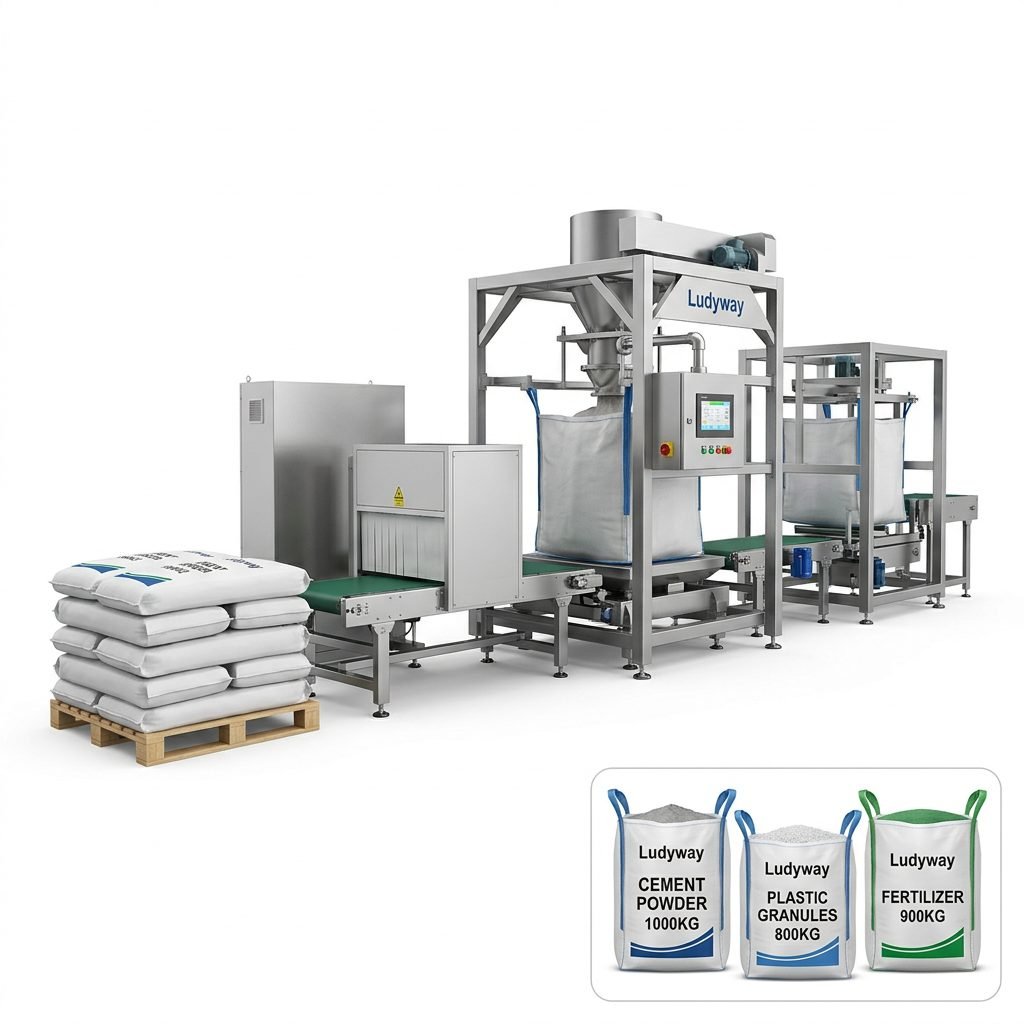
Technical Specifications to Scrutinize
Beyond the basic selection factors, several technical specifications deserve close attention when comparing different drum packing machine models. These specifications directly impact long-term reliability, maintenance requirements, and operational safety.
| Specification | What to Look For | Why It Matters |
|---|---|---|
| Weighing System | Digital load cells with ≤0.05% resolution | Ensures fill accuracy and regulatory compliance |
| Filling Nozzle Design | Drip-free, anti-splash, quick-clean | Prevents product loss and contamination |
| Materials of Construction | 316L stainless steel, PTFE seals, EPDM gaskets | Chemical compatibility and food-grade compliance |
| Control System | PLC with touchscreen HMI, recipe storage | Ease of operation and batch traceability |
| Safety Features | Emergency stop, grounding system, fume extraction | Operator protection and regulatory compliance |
Industry-Specific Considerations and Compliance
Different industries impose unique requirements on drum filling equipment. Understanding your sector’s regulatory landscape is essential for selecting compliant machinery. The PMMI packaging industry association provides valuable resources on machinery standards and best practices across various sectors.
Food and Beverage Processing
Food-grade drum filling machines must comply with FDA food packaging regulations and often require sanitary designs with CIP (Clean-in-Place) capabilities. Stainless steel construction, crevice-free surfaces, and sanitary seals are non-negotiable. Equipment should also support easy disassembly for thorough cleaning and sanitation between product runs.
Pharmaceutical and Nutraceutical Manufacturing
Pharmaceutical drum packaging demands the highest levels of accuracy, cleanliness, and documentation. Equipment must comply with GMP guidelines and often requires validation protocols. ISO packaging standards provide internationally recognized frameworks for quality assurance in pharmaceutical packaging operations.
Chemical and Petrochemical Industries
Chemical drum filling often involves hazardous, corrosive, or flammable substances. Explosion-proof electrical components, proper grounding and bonding systems, vapor recovery, and secondary containment are critical safety requirements. Equipment should meet ATEX directives in Europe or NFPA standards in North America. The Flexible Packaging Association industry resources offer additional guidance on material compatibility and packaging safety.
Agriculture and Animal Feed
Agricultural drum packing typically involves free-flowing granules or powders with less stringent hygiene requirements compared to food or pharma applications. However, dust control and operator safety remain important considerations, particularly for fertilizer and pesticide filling operations.

Evaluating Suppliers and Manufacturers
Choosing the right equipment supplier is as important as choosing the right machine. A reliable drum packing machine manufacturer should offer more than just hardware — they should provide engineering expertise, customization capabilities, installation support, and responsive after-sales service. When evaluating potential suppliers, consider the following checklist:
- Industry experience: How many years has the supplier been manufacturing drum filling equipment?
- Reference installations: Can they provide case studies or references from companies in your industry?
- Customization capability: Can they adapt the machine to your specific product and container requirements?
- Spare parts availability: Do they maintain an inventory of critical spare parts for rapid delivery?
- Technical support: Is remote and on-site support available in your region?
- Training programs: Do they offer comprehensive operator and maintenance training?
- Warranty terms: What is covered and for how long?
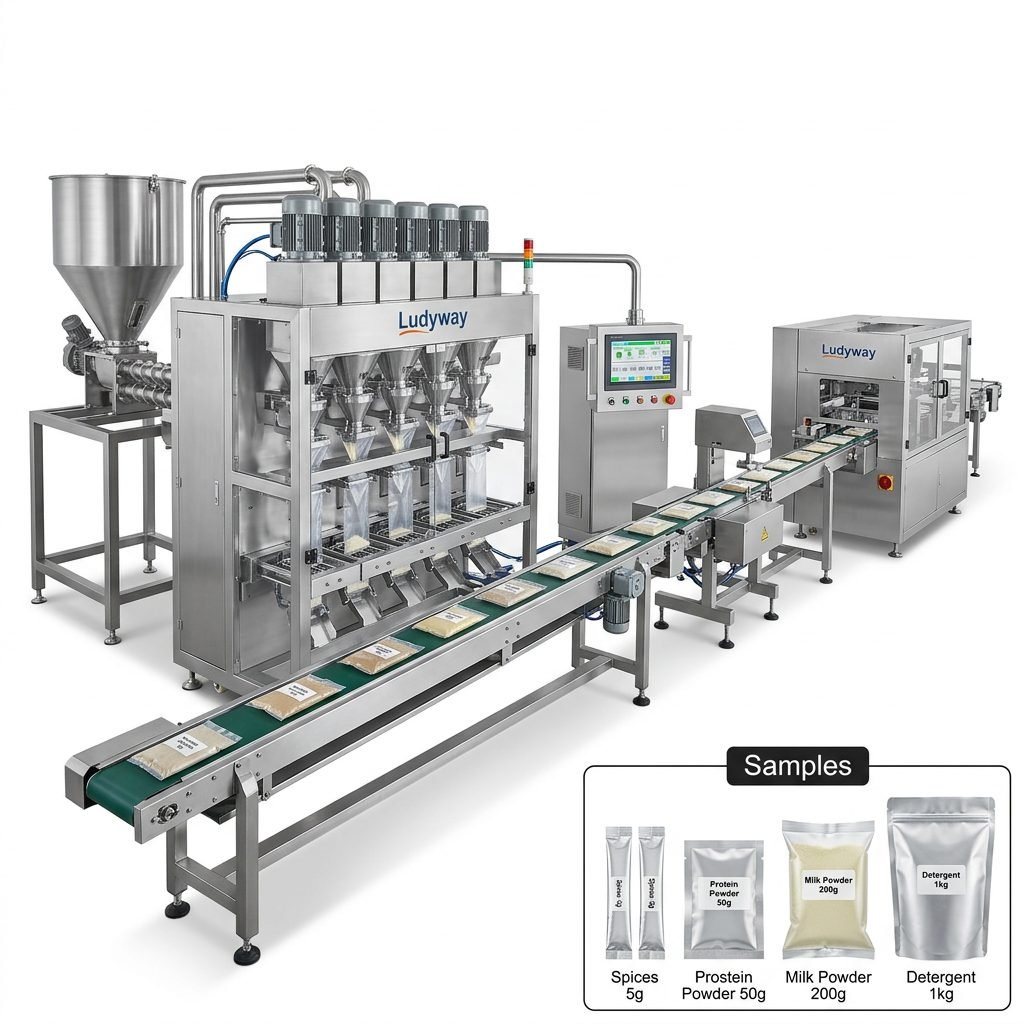
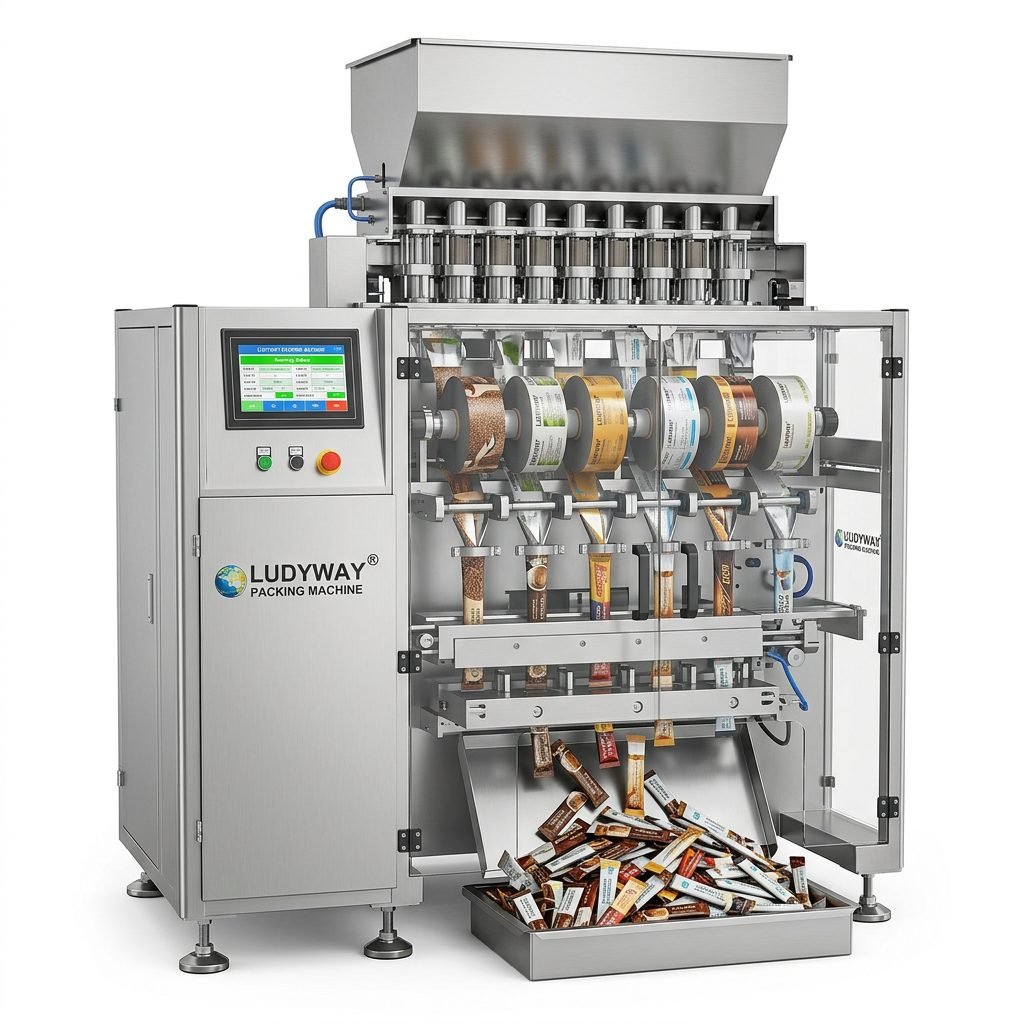
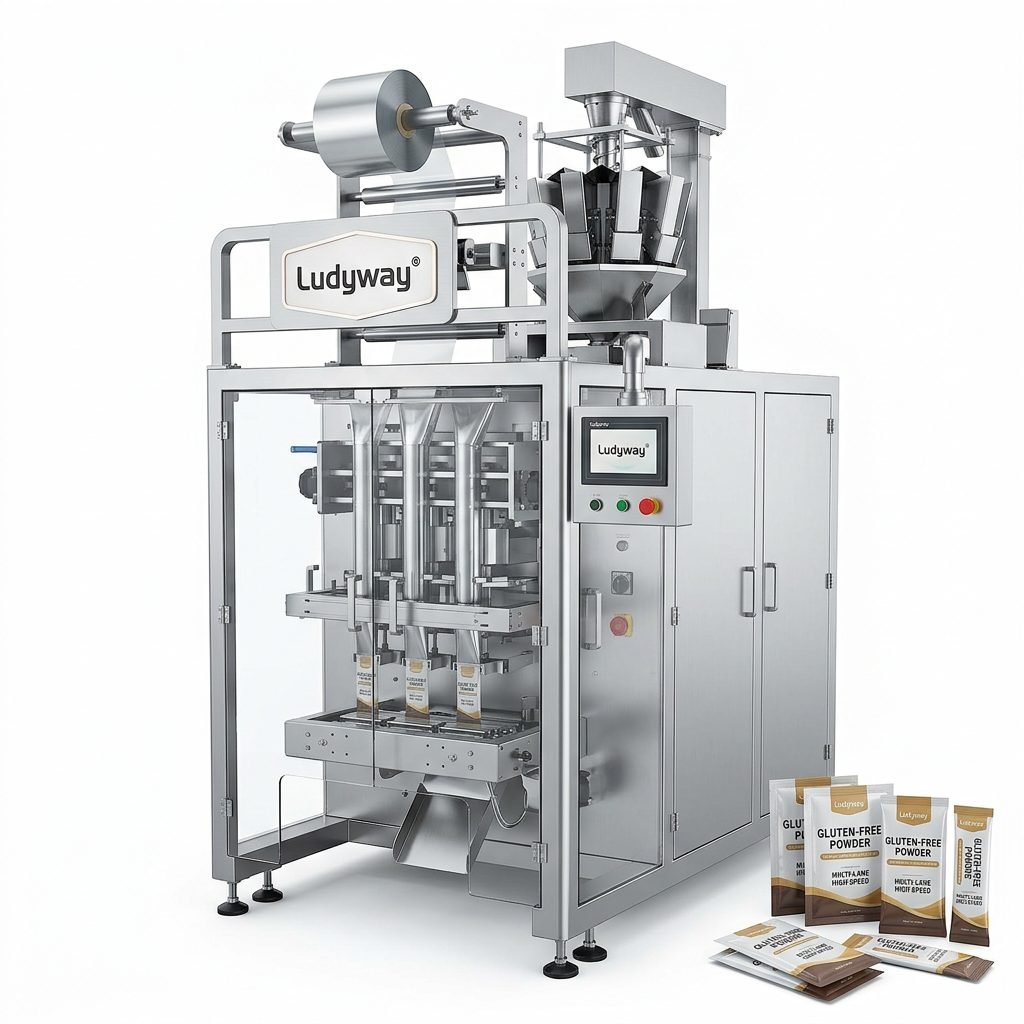
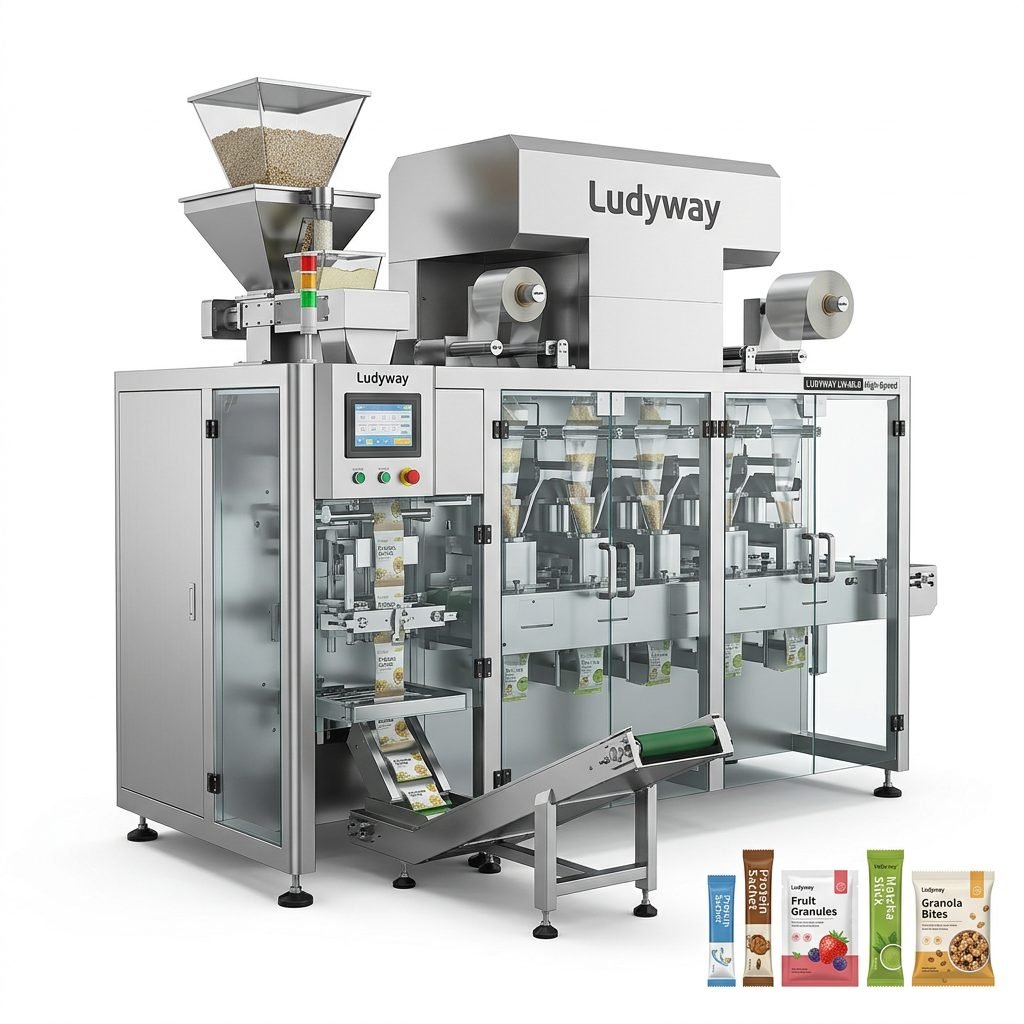
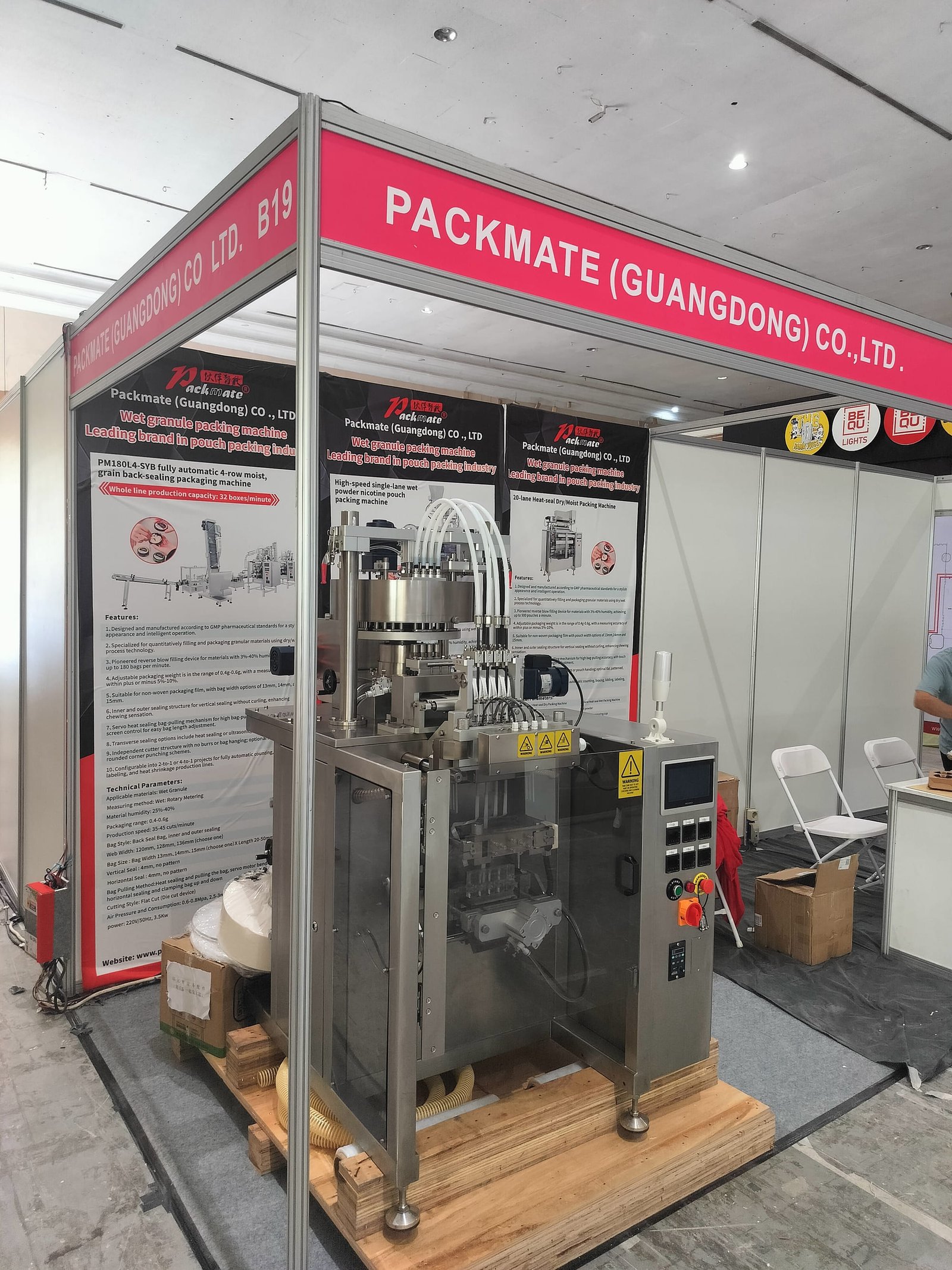
As an example of a supplier with extensive experience in the packaging machinery sector, Ludyway Machinery has been developing automated packaging equipment for over 30 years, serving manufacturers in more than 100 countries with customized filling and packaging solutions across multiple industries.
Cost Analysis and Return on Investment
The purchase price of a drum packing machine is only one component of the total cost of ownership. A thorough financial evaluation should account for the following factors over the expected lifespan of the equipment:
- Initial capital expenditure: Machine cost, shipping, installation, and commissioning
- Operational costs: Energy consumption, compressed air usage, consumable parts
- Labor savings: Reduced operator requirements compared to manual or semi-automatic filling
- Material savings: Reduced overfill waste and product spillage
- Maintenance costs: Routine service, spare parts, and occasional repairs
- Downtime risk: Lost production capacity during equipment failures
For most operations, a fully automatic drum filling line achieves ROI within 12 to 24 months through labor reduction, improved accuracy, and increased throughput. Semi-automatic systems typically have shorter payback periods but offer lower long-term savings potential.
Installation, Commissioning, and After-Sales Support
The installation and commissioning phase is critical for ensuring your drum packing machine operates at peak performance from day one. Professional installation includes proper anchoring, utility connections (electrical, pneumatic, exhaust), calibration, and integration with upstream and downstream equipment. Comprehensive operator training should cover normal operation, changeover procedures, basic troubleshooting, and safety protocols.
Ongoing after-sales support is equally important. Look for suppliers that offer remote diagnostics, fast spare parts delivery, preventive maintenance programs, and readily available technical assistance. A machine that cannot be quickly serviced when problems arise can become a significant bottleneck in your production operation.
Common Mistakes to Avoid When Buying a Drum Packing Machine
Many buyers make avoidable errors during the selection process that lead to costly consequences down the road. Being aware of these common pitfalls can help you make a more informed decision:
- Underestimating future capacity needs: Buying a machine that barely meets today’s requirements without accounting for growth often forces early replacement.
- Ignoring material compatibility: Failing to verify that all product-contact materials are compatible with your specific formulation can lead to corrosion, contamination, or premature wear.
- Overlooking facility requirements: Not confirming that your facility has adequate floor space, ceiling height, utility connections, and ventilation for the equipment.
- Choosing based on price alone: The lowest upfront cost often translates to higher long-term expenses through reduced reliability and limited support.
- Neglecting operator training: Even the best equipment underperforms if operators are not properly trained on its use and maintenance.
- Skipping a factory acceptance test (FAT): Not witnessing the machine operate with your actual product before shipment increases the risk of unpleasant surprises during commissioning.
Conclusion: Making the Right Choice for Your Operation
Selecting the ideal drum packing machine requires a methodical approach that balances technical requirements, production goals, regulatory compliance, and budget constraints. Start by thoroughly characterizing your product and its material properties, then define your throughput and accuracy targets. Evaluate different filling technologies — net weight versus gross weight, semi-automatic versus fully automatic — against your specific operational context. Scrutinize technical specifications including weighing system precision, materials of construction, control system capabilities, and safety features. Consider your industry’s unique regulatory landscape, from FDA requirements for food contact to ATEX compliance for hazardous environments.
Equally important is selecting a qualified equipment supplier with proven experience in your industry, robust engineering capabilities, and a commitment to responsive after-sales support. The right partnership can make the difference between a smooth implementation and ongoing operational challenges. By following the framework outlined in this guide, you can approach your drum packing machine purchase with confidence, knowing that you have considered all the critical factors that contribute to long-term success.
Take the time to visit supplier facilities, conduct product trials, and speak with reference customers. A well-informed purchasing decision will yield dividends in productivity, product quality, and operational efficiency for many years to come.