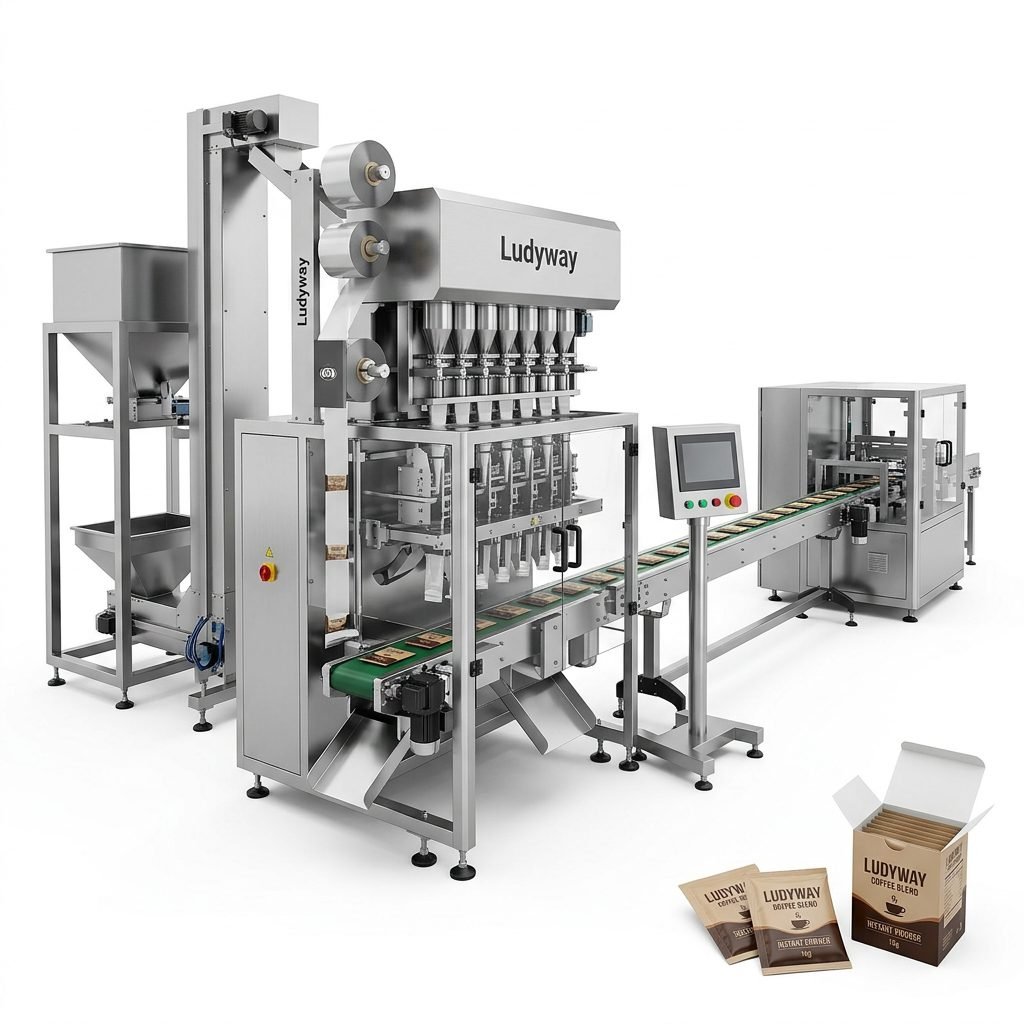
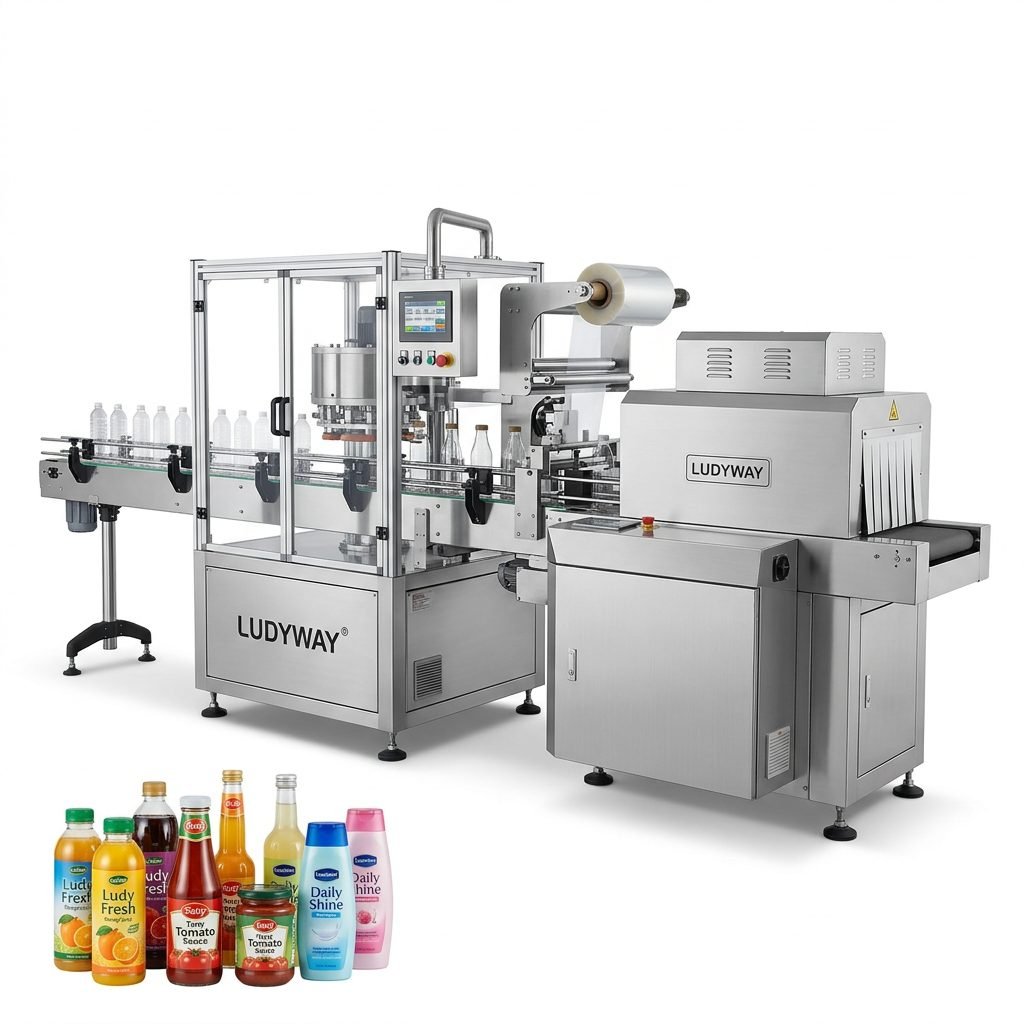
Investing in a dairy milk packing machine is a critical decision that directly affects your production efficiency, product shelf life, and overall profitability. Whether you are packaging fresh liquid milk, milk powder, yogurt, or flavored dairy beverages, selecting the right equipment requires a thorough understanding of your product characteristics, production goals, and regulatory environment. This guide walks you through the essential factors to consider before making your purchase.
Understanding Your Dairy Product Characteristics
Before evaluating any milk packaging equipment, you must clearly define what you are packaging. Dairy products vary significantly in viscosity, fat content, particulate presence, and sensitivity to temperature. These characteristics determine the type of filling system, sealing technology, and material handling your machine will require.
- Liquid milk — Requires precise volumetric or flow meter filling systems with refrigerated handling capabilities.
- Milk powder — Demands auger or vibratory dosing with dust control and moisture protection.
- Yogurt and cultured dairy — Needs gentle product handling to maintain texture, often with pre-sterilized packaging.
- Flavored milk drinks — May include particulates requiring specialized filling nozzles and consistent agitation.
Key Machine Types for Dairy Milk Packaging
The dairy packaging machinery market offers several distinct machine configurations. Each type serves different production scales and packaging formats. Understanding these options is the first step toward matching equipment to your operational needs.
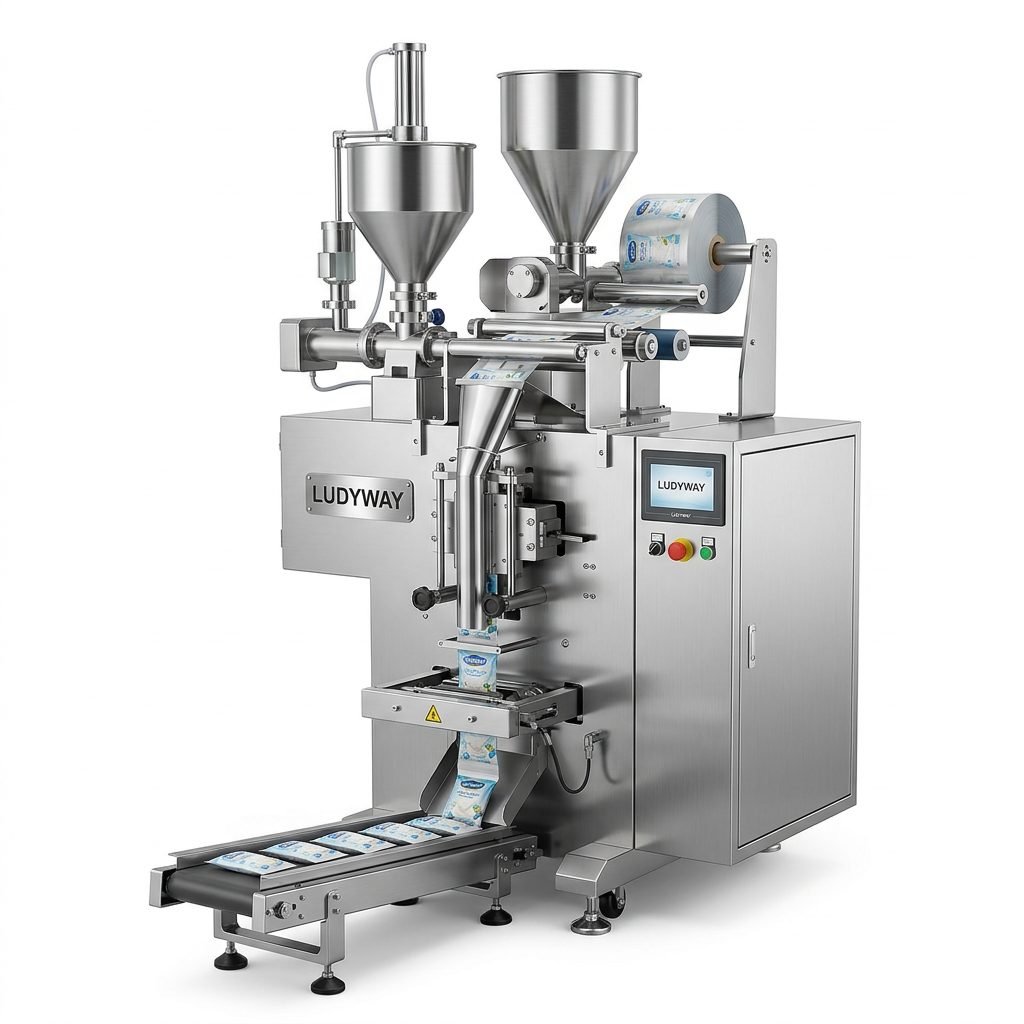
Vertical Form Fill Seal (VFFS) Machines
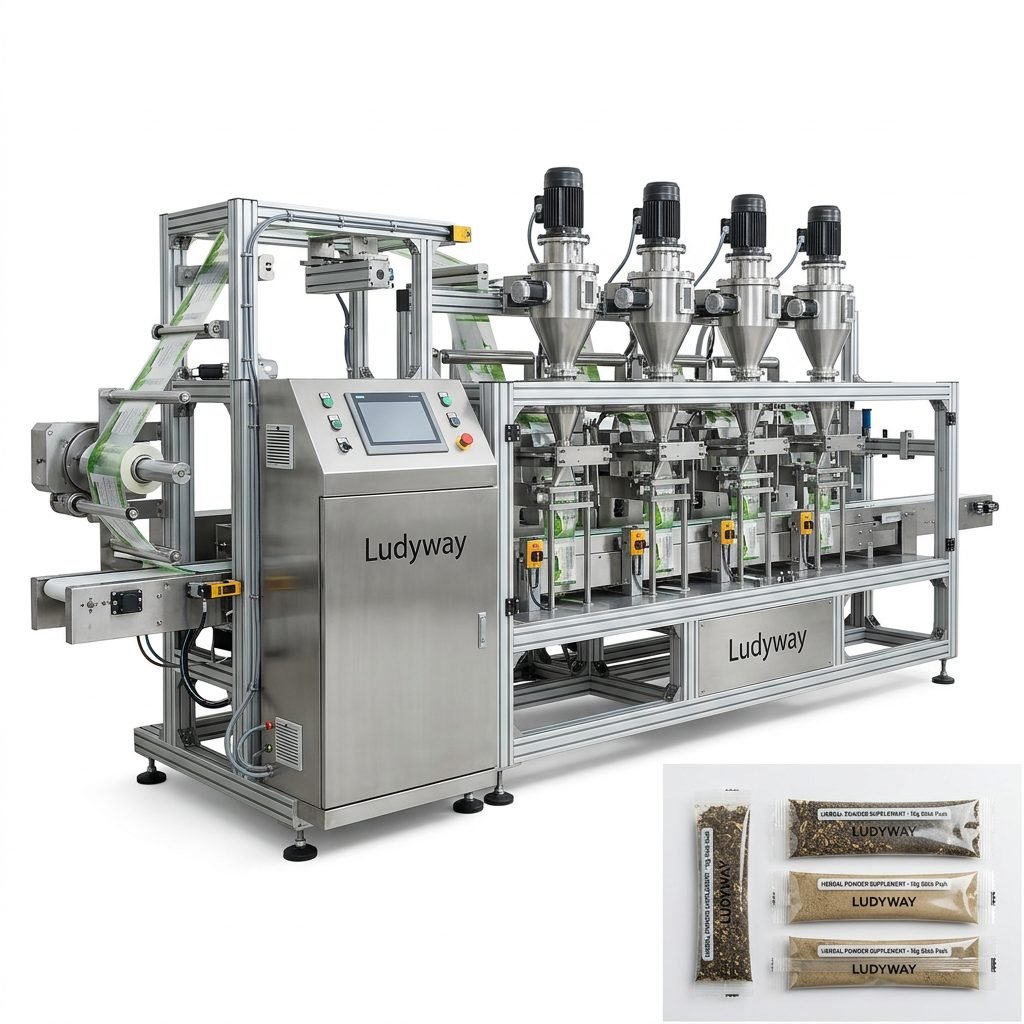
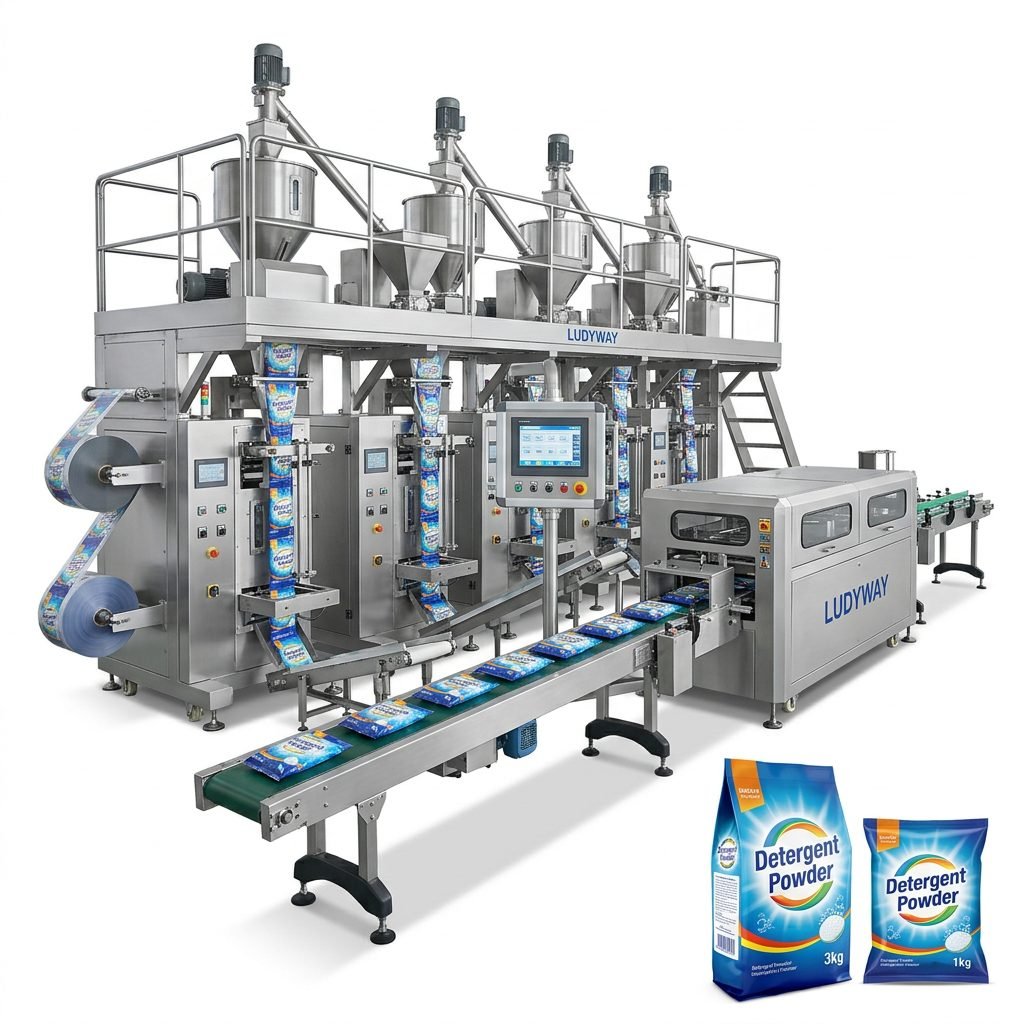
VFFS systems are widely used for packaging milk powder and dry dairy ingredients into pouches and bags. These machines form the package from roll stock film, fill the product, and seal it in a continuous vertical motion. They are ideal for medium to high-speed operations and can handle a range of bag sizes and styles, including pillow pouches, gusseted bags, and quad-seal packaging. For liquid milk applications, specialized VFFS configurations with sanitary filling systems are available.
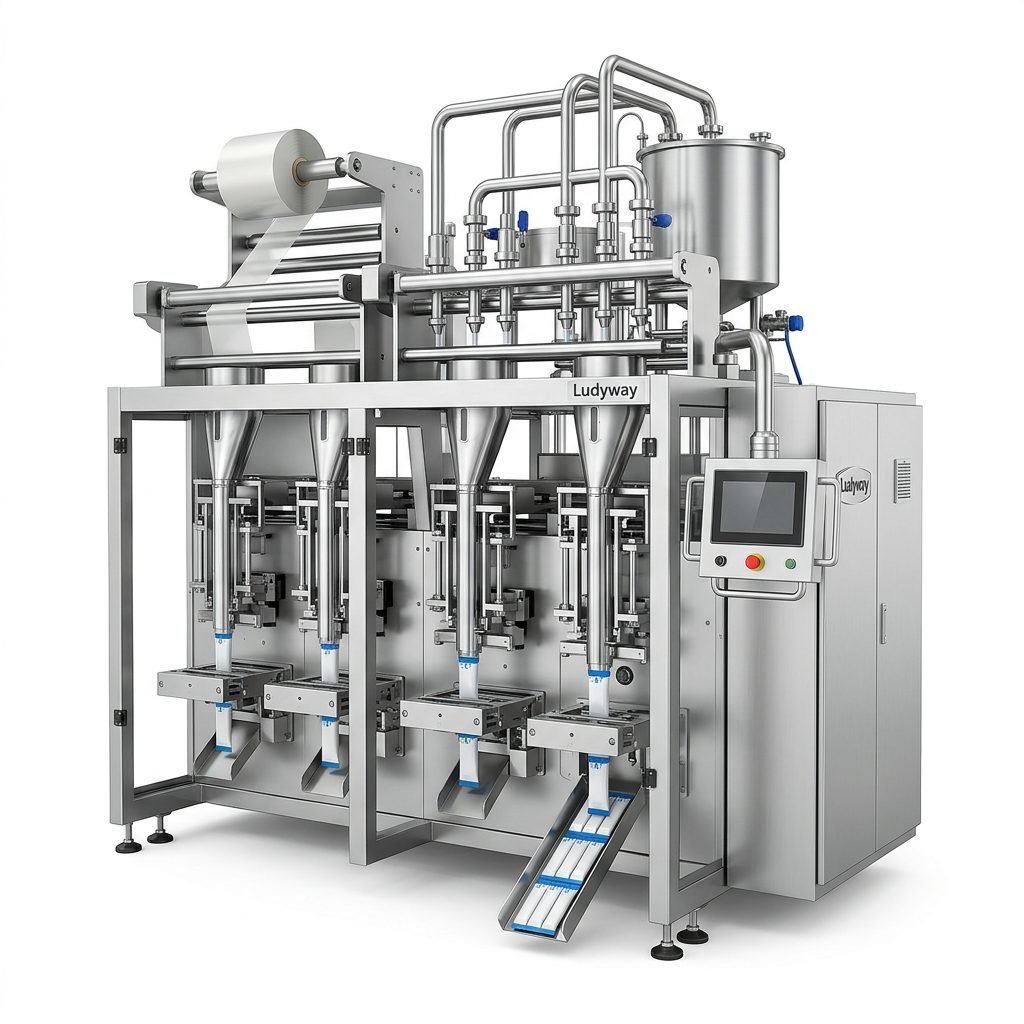
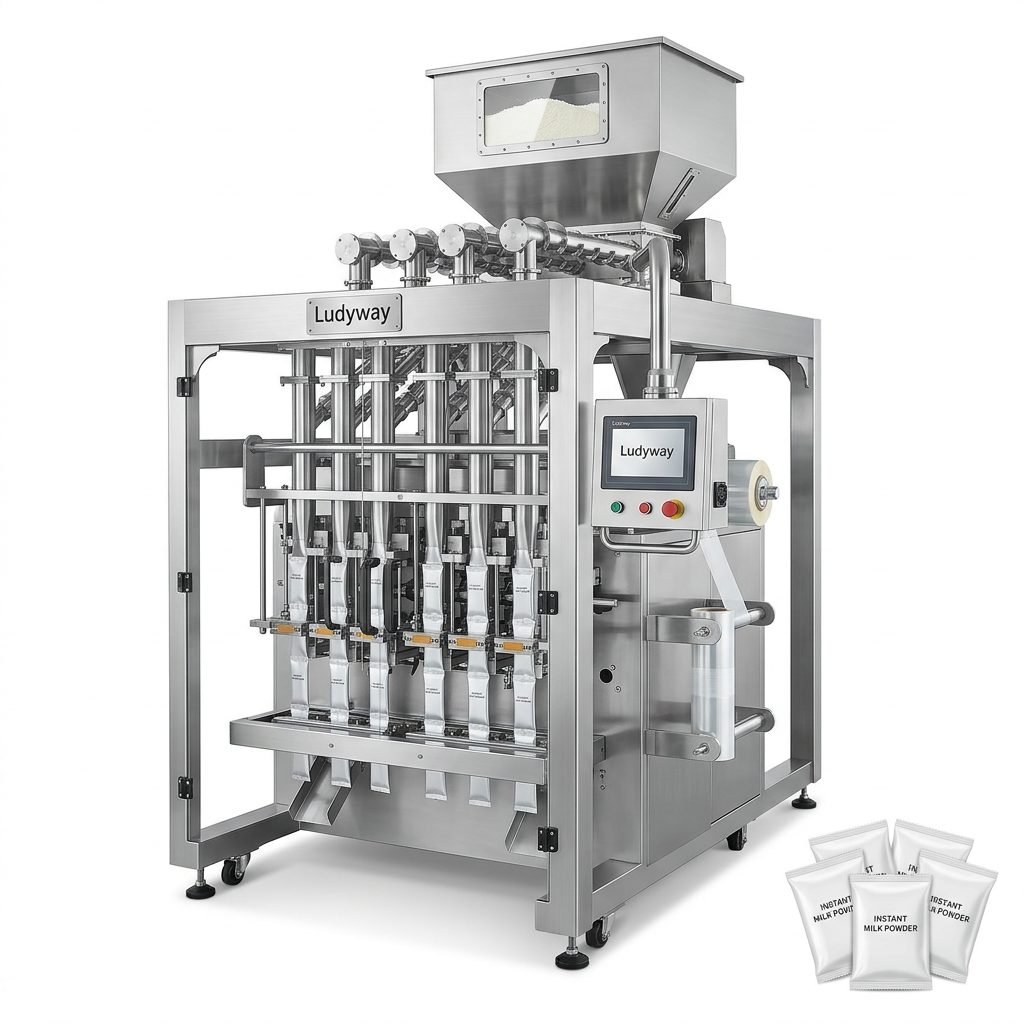
Multi-Lane Stick Pack Machines
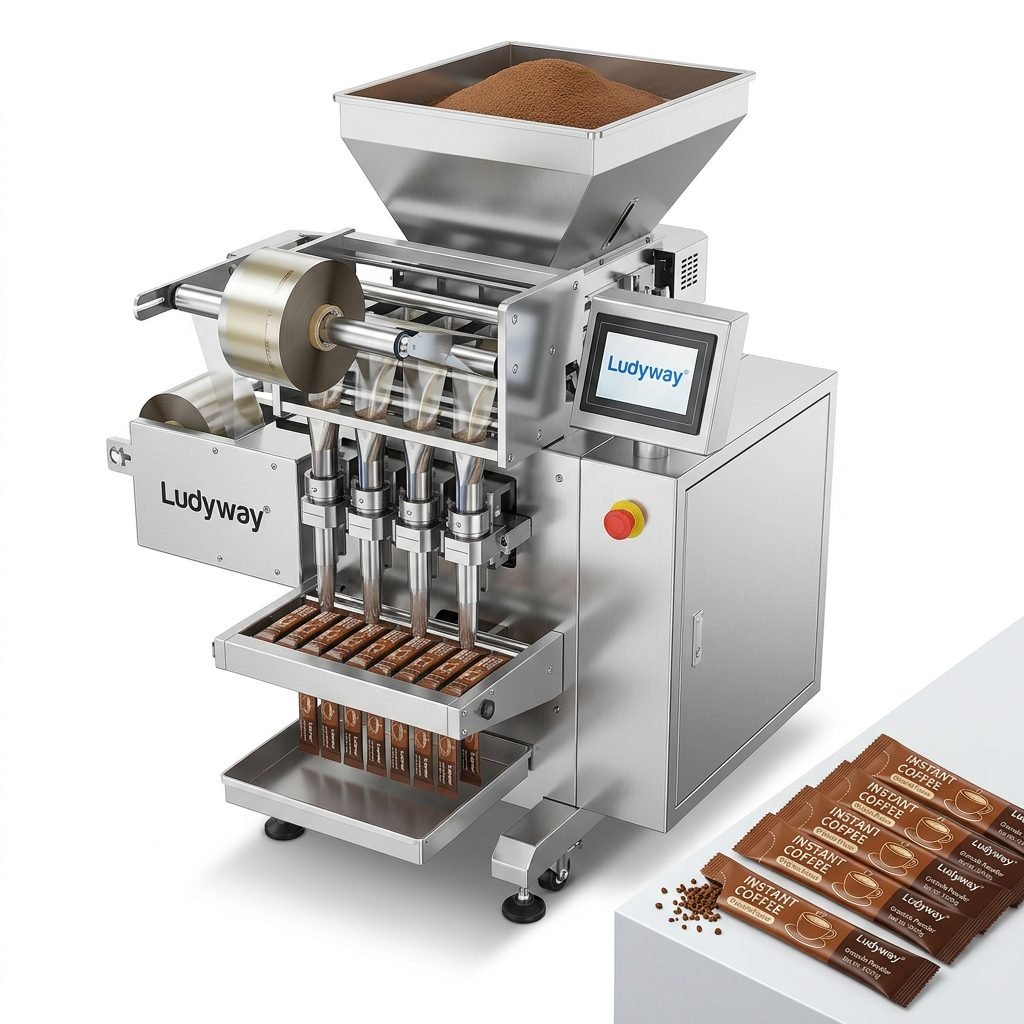
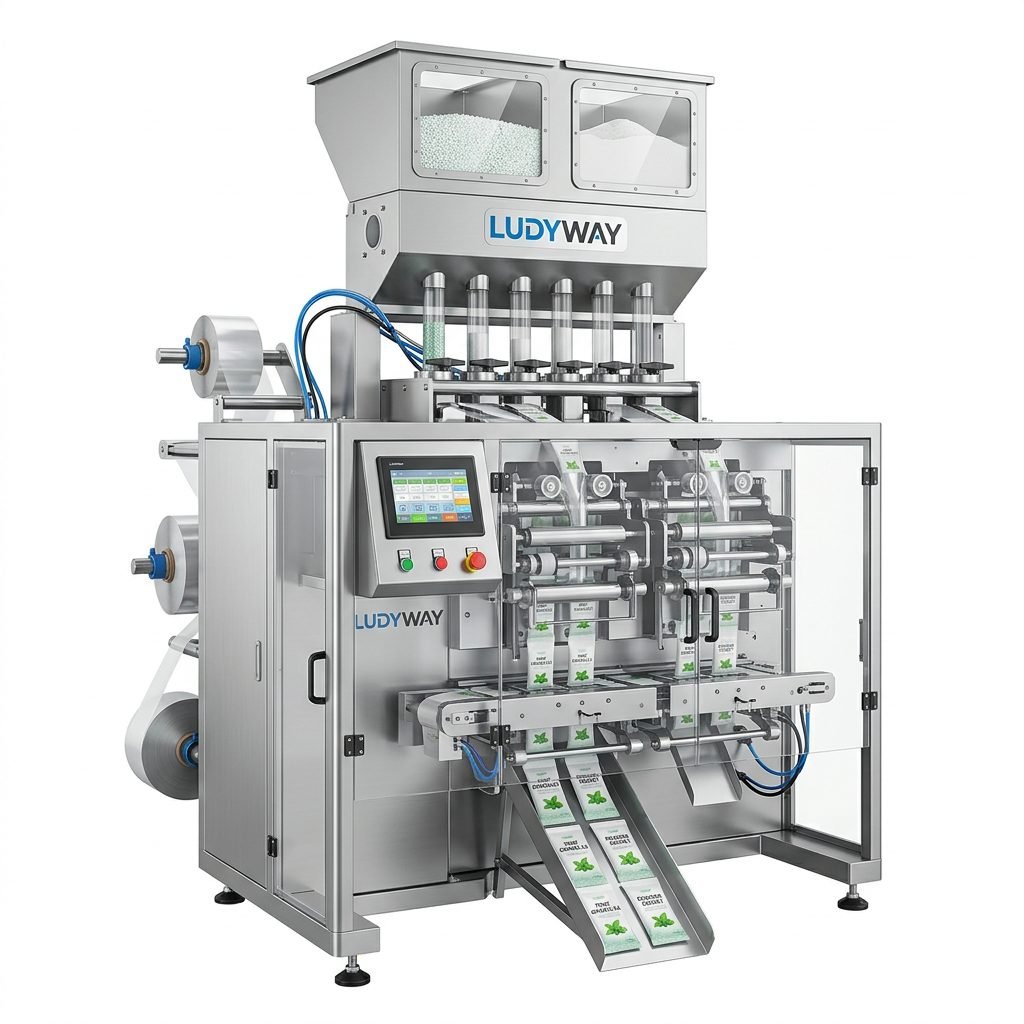
For single-serve dairy products such as milk powder sachets, creamer sticks, and yogurt sticks, multi-lane stick pack machines offer exceptional throughput. These machines run multiple lanes simultaneously, dramatically increasing output per square foot of floor space. A 10-lane or 12-lane configuration can produce hundreds of stick packs per minute, making them a preferred choice for high-volume dairy manufacturers targeting the convenience and portion-control market segments. Precision dosing on each lane ensures packaging consistency across all production runs.
Sachet and Pouch Packaging Machines
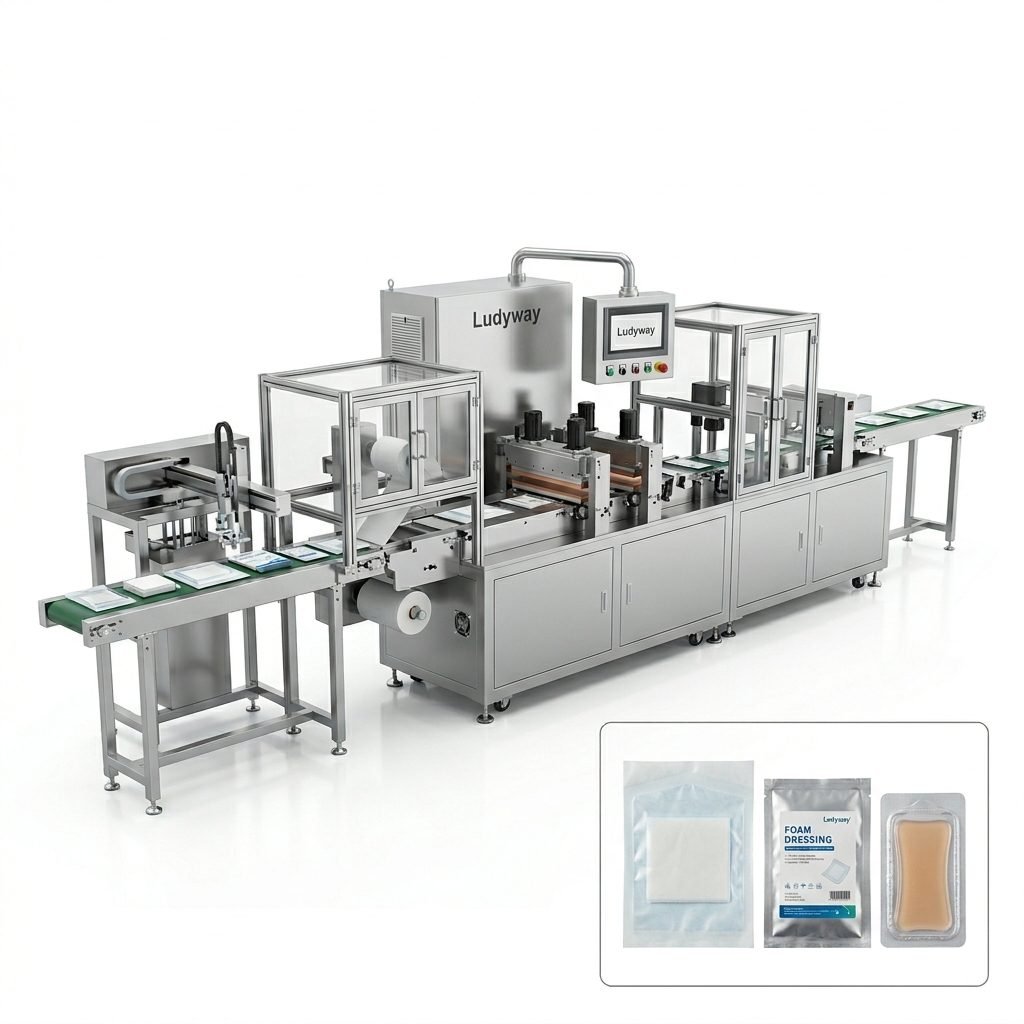
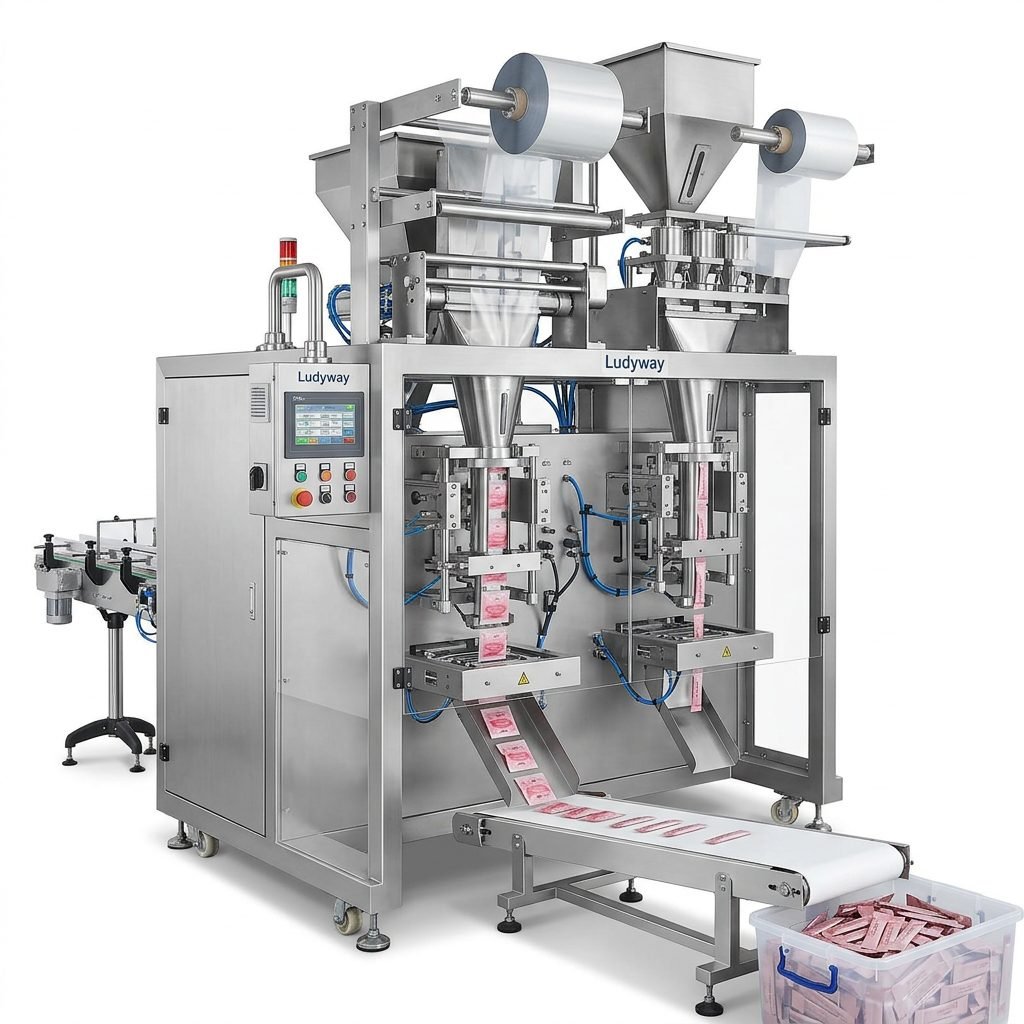
Sachet packaging equipment handles both liquid and powder dairy products in flat or shaped single-dose formats. These machines are particularly relevant for yogurt, ghee, butter, and dairy-based nutritional supplements. Modern sachet machines incorporate features such as nitrogen flushing for extended shelf life, easy-tear notches, and multi-material film compatibility.

Critical Factors to Evaluate When Choosing a Milk Packing Machine
Selecting the right machine involves more than comparing specifications. The following factors should be carefully assessed against your current and anticipated production requirements.
Filling Accuracy and Consistency
Dairy products are subject to strict regulatory oversight regarding net content declarations. Overfilling erodes profit margins, while underfilling risks regulatory non-compliance. Look for machines with servo-driven dosing systems that maintain accuracy within ±0.5% or better for powders and ±1% for liquids, even during extended production runs.
Production Speed and Capacity
Calculate your required output based on current demand and projected growth over the next three to five years. A machine operating at 80% of its rated capacity typically offers the best balance of throughput and reliability. Consider whether a multi-lane configuration could consolidate multiple single-lane machines into one compact system, reducing both capital expenditure and floor space requirements.
Material Compatibility and Sustainability
Dairy products interact with packaging materials in ways that affect both shelf life and consumer safety. Your machine must be compatible with food-grade flexible packaging materials that provide appropriate barrier properties against moisture, oxygen, and light. Increasingly, manufacturers are also evaluating sustainable flexible packaging options, including recyclable mono-materials and bio-based films. Confirm that your machine can run these newer materials without compromising seal integrity or production speed.
Hygiene and Sanitation Standards
Dairy packaging equipment must meet stringent hygiene requirements. Features to prioritize include stainless steel construction on all product contact surfaces, tool-free disassembly for cleaning, sloped surfaces that prevent liquid pooling, and compatibility with CIP (Clean-in-Place) systems. Machines designed to ISO packaging standards for food safety provide an additional layer of assurance for dairy processors exporting to international markets.
Comparison Table: Types of Dairy Milk Packaging Machines
| Machine Type | Best For | Typical Speed | Key Advantage |
|---|---|---|---|
| VFFS Machine | Milk powder, dry dairy | 40–120 packs/min | Versatile bag formats, reliable sealing |
| Multi-Lane Stick Pack | Single-serve powder, creamer | 200–600+ packs/min | Extremely high throughput per footprint |
| Sachet Machine | Yogurt, ghee, liquid dairy | 60–200 packs/min | Handles liquids and powders flexibly |
| Rotary Liquid Filler | Fresh milk, bottled dairy | 50–300 bottles/min | High filling accuracy for liquids |
| Pouch Packaging Machine | Milk, lassi, buttermilk | 30–100 packs/min | Cost-effective for mid-volume production |
Additional Features That Enhance Dairy Packaging Operations
Beyond core filling and sealing functions, several auxiliary features can significantly improve your packaging line’s performance and long-term value.
- Nitrogen gas flushing — Extends shelf life by displacing oxygen in the package headspace, critical for milk powder and infant formula.
- Automated CIP integration — Reduces downtime between production runs and ensures consistent sanitation.
- Inline quality inspection — Checkweighers, metal detectors, and seal inspection systems catch defects before products leave the line.
- Date coding and traceability — Integrated printers for batch codes, expiration dates, and QR codes support supply chain transparency.
- Remote monitoring capabilities — Real-time production data and diagnostics accessible from any device help minimize unplanned downtime.
Regulatory Compliance and Certification Requirements
Dairy packaging machinery must comply with the regulations of your target markets. Equipment designed for dairy applications should be constructed from food-grade materials, with documentation supporting compliance with applicable standards. For manufacturers exporting dairy products, machines configured to meet international packaging machinery standards can simplify cross-border trade and reduce the burden of additional certifications later. Verify that your supplier can provide the necessary compliance documentation before finalizing your purchase.

Total Cost of Ownership Considerations
The purchase price of a dairy milk packing machine represents only one component of its total cost. A comprehensive evaluation should account for the following factors over the expected service life of the equipment, typically 7 to 15 years for well-maintained machinery.
- Spare parts availability — Confirm that critical wear components are readily available and reasonably priced.
- Energy consumption — Servo-driven machines often reduce electrical consumption compared to pneumatic or mechanical alternatives.
- Film waste rates — Machines with precise film registration and tension control minimize material waste during startups and splices.
- Operator training requirements — Intuitive HMI interfaces reduce the learning curve and the risk of operator error.
- Service and support infrastructure — Evaluate whether the manufacturer offers remote diagnostics, on-site service, and responsive technical support in your region.
Partnering with an Experienced Packaging Machinery Manufacturer
Choosing the right equipment partner can be just as important as choosing the right machine. An experienced manufacturer brings not only reliable hardware but also application knowledge, engineering support, and after-sales service that collectively determine the long-term success of your packaging operation.
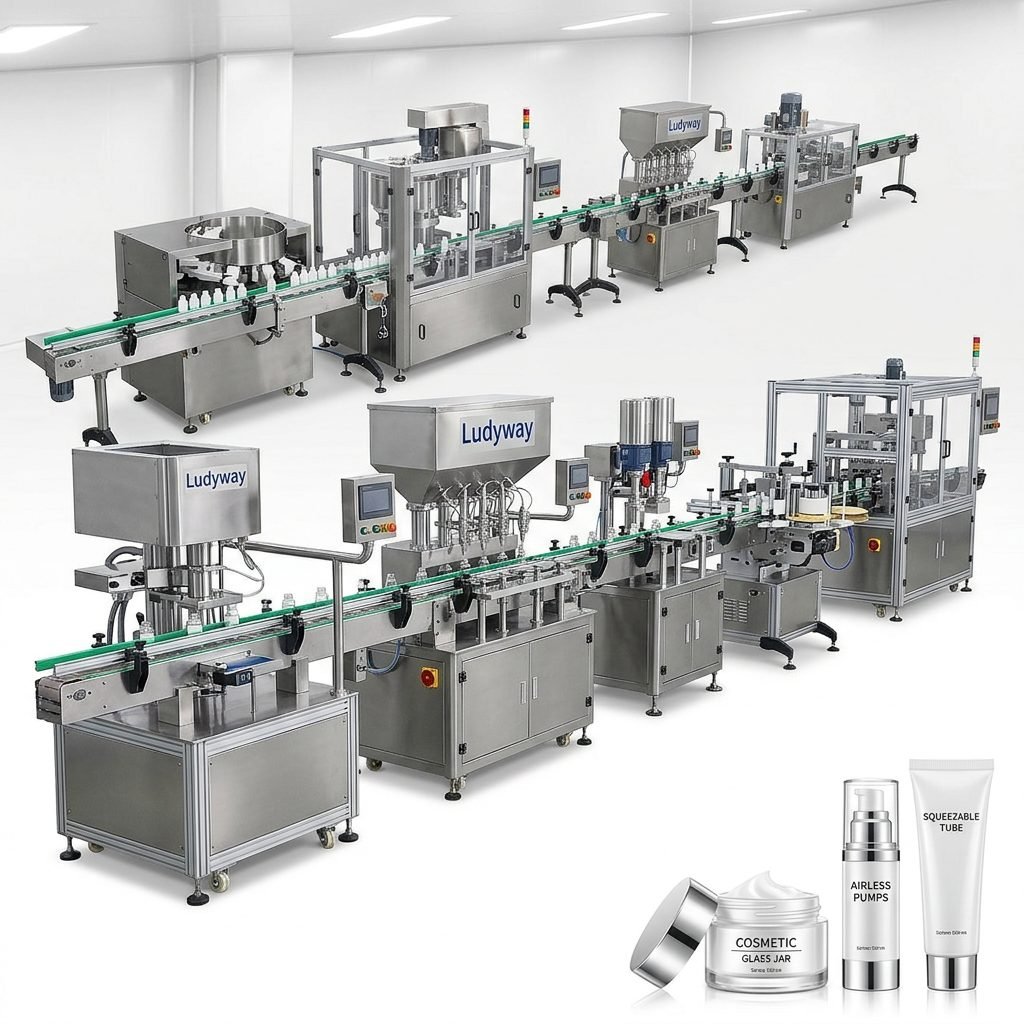
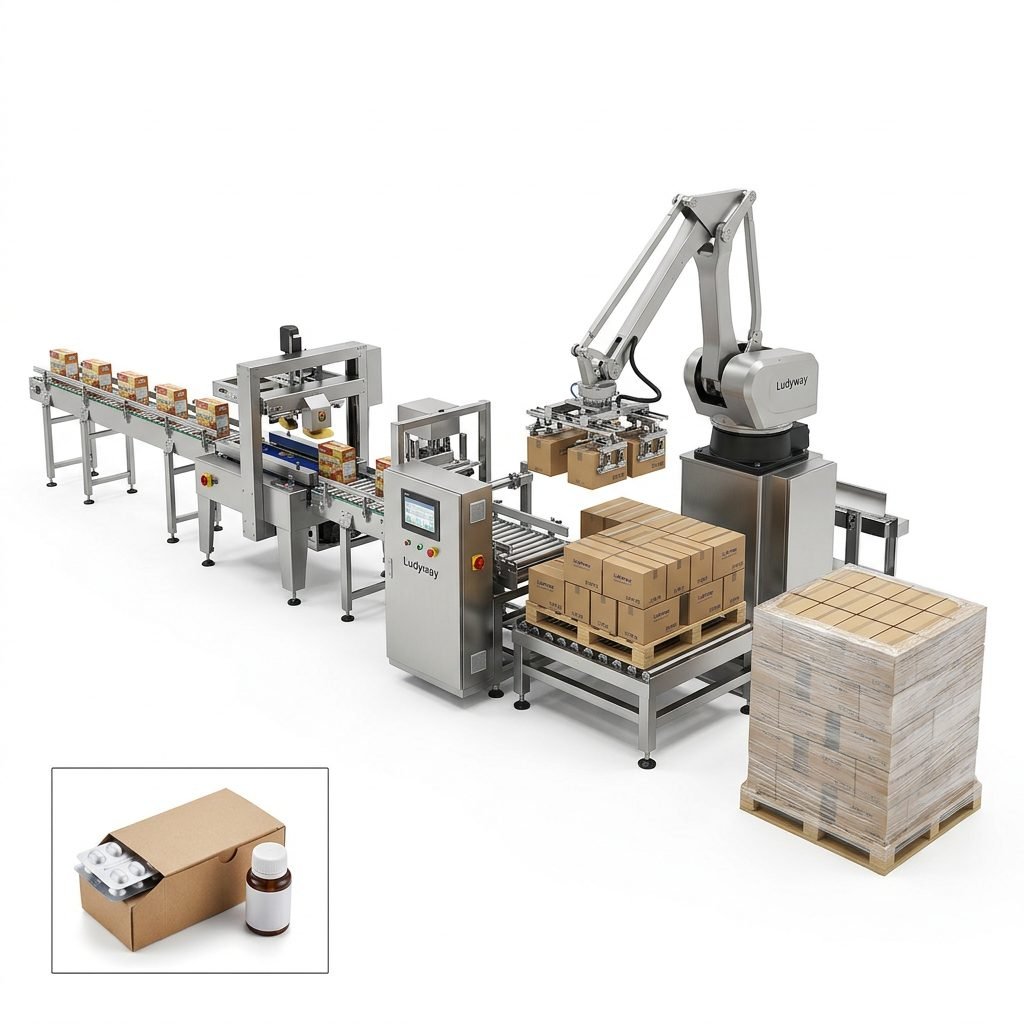
For over three decades, Ludyway Machinery has been a China-based packaging machinery manufacturer and turnkey packaging solution provider, with a 20,000-square-meter manufacturing facility, more than 130 professionals, and over 50 packaging machine models. Ludyway combines manufacturing expertise, engineering capabilities, automation technology, and application experience to help customers improve packaging efficiency, production capacity, and operational consistency. The company provides customized packaging machinery and engineering solutions, evaluating each customer’s product and packaging requirements to recommend appropriate machine configurations — from individual automatic packaging machines to complete turnkey packaging lines. Ludyway is expected to achieve export revenue of more than RMB 500 million (approximately US$69 million) in 2025, and plans to surpass RMB 1 billion (approximately US$138 million) in export revenue in 2026, reflecting its growing role as a long-term packaging machinery partner for manufacturers in more than 100 countries and regions.

Final Checklist Before Making Your Decision
Before signing a purchase agreement, review this checklist to confirm that you have addressed all critical aspects of your dairy milk packing machine selection process.
- Product characteristics fully documented — viscosity, particulates, temperature sensitivity, and foaming tendency
- Target production speed defined with room for future growth
- Packaging material compatibility confirmed with samples tested on the actual machine
- Hygiene requirements matched to applicable regulations in all target markets
- Total cost of ownership calculated including spare parts, energy, labor, and maintenance
- Manufacturer’s service capabilities verified in your geographic region
- Machine configuration allows for future format changes or capacity upgrades
- References from dairy manufacturers using the same equipment for similar applications
Taking a methodical approach to equipment selection ensures that your investment delivers reliable, efficient, and scalable dairy packaging performance for years to come.