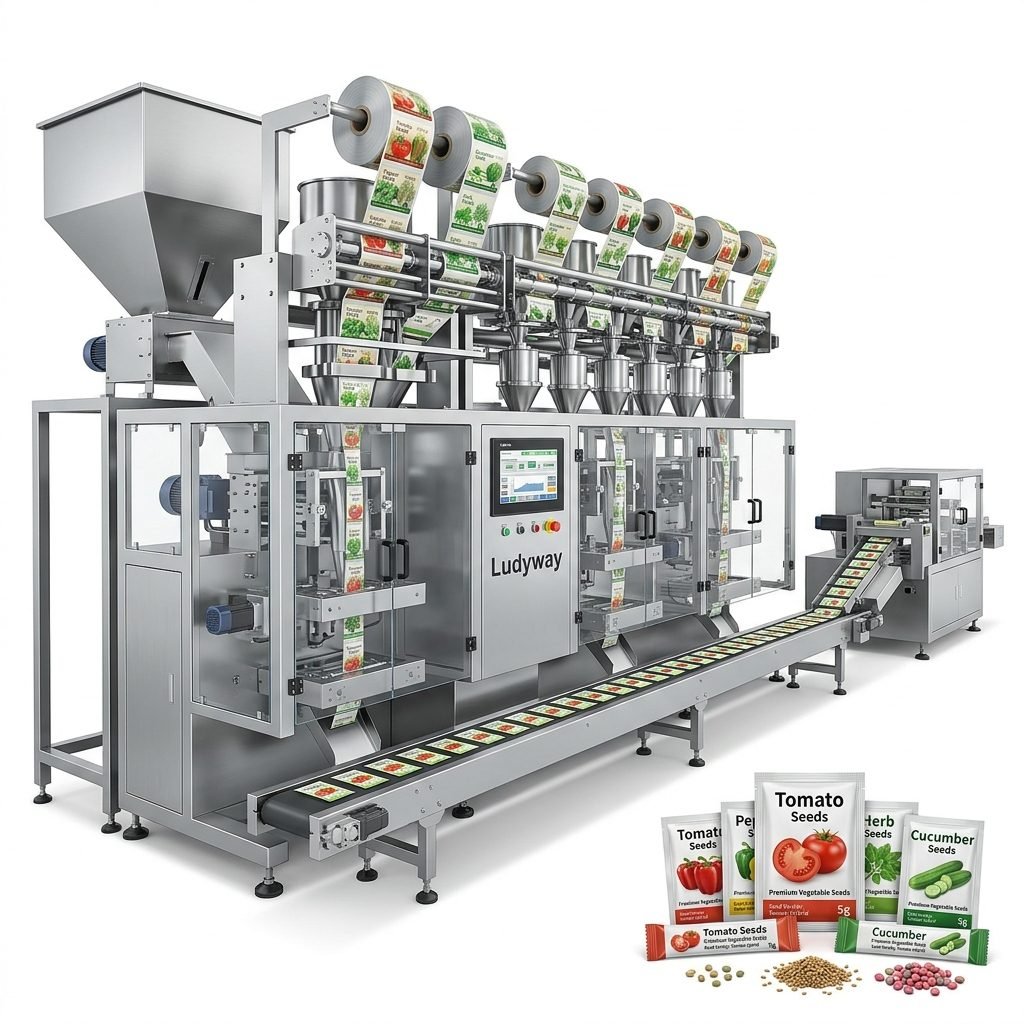
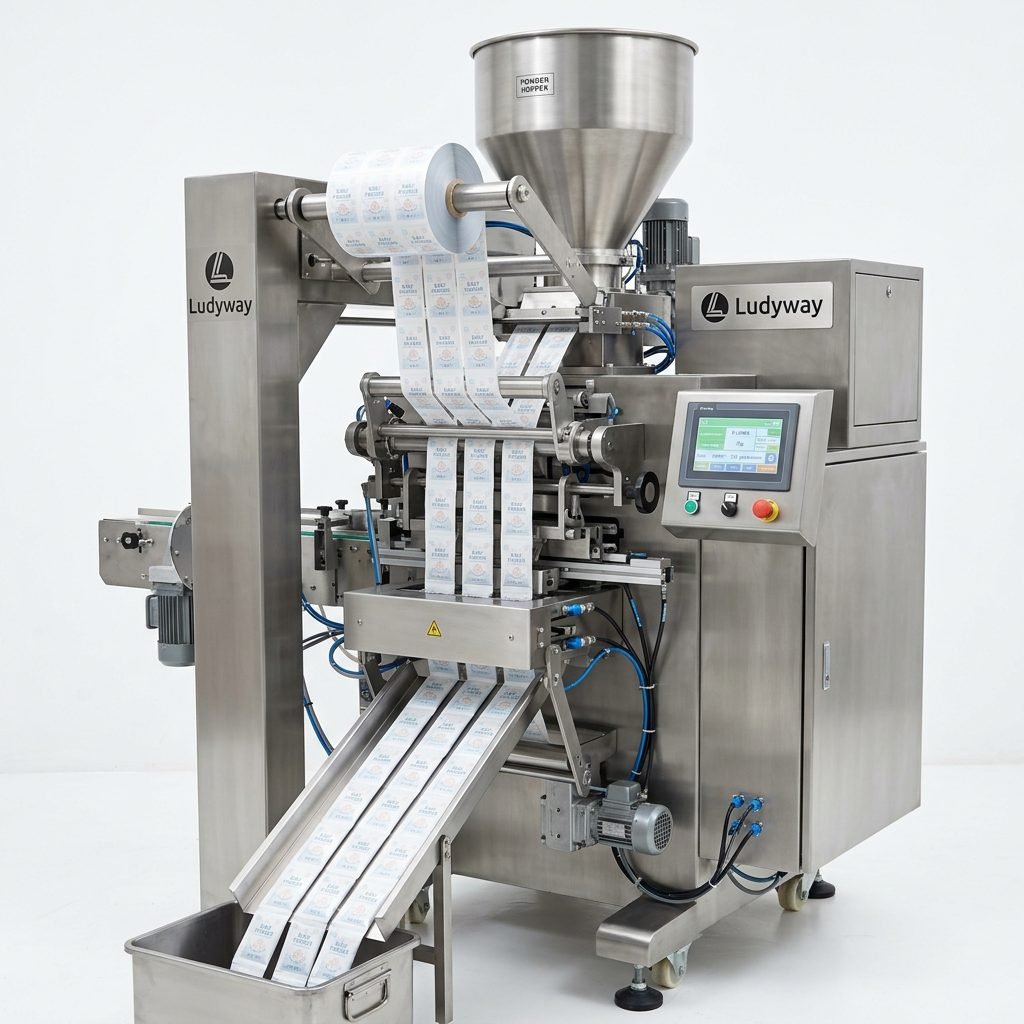
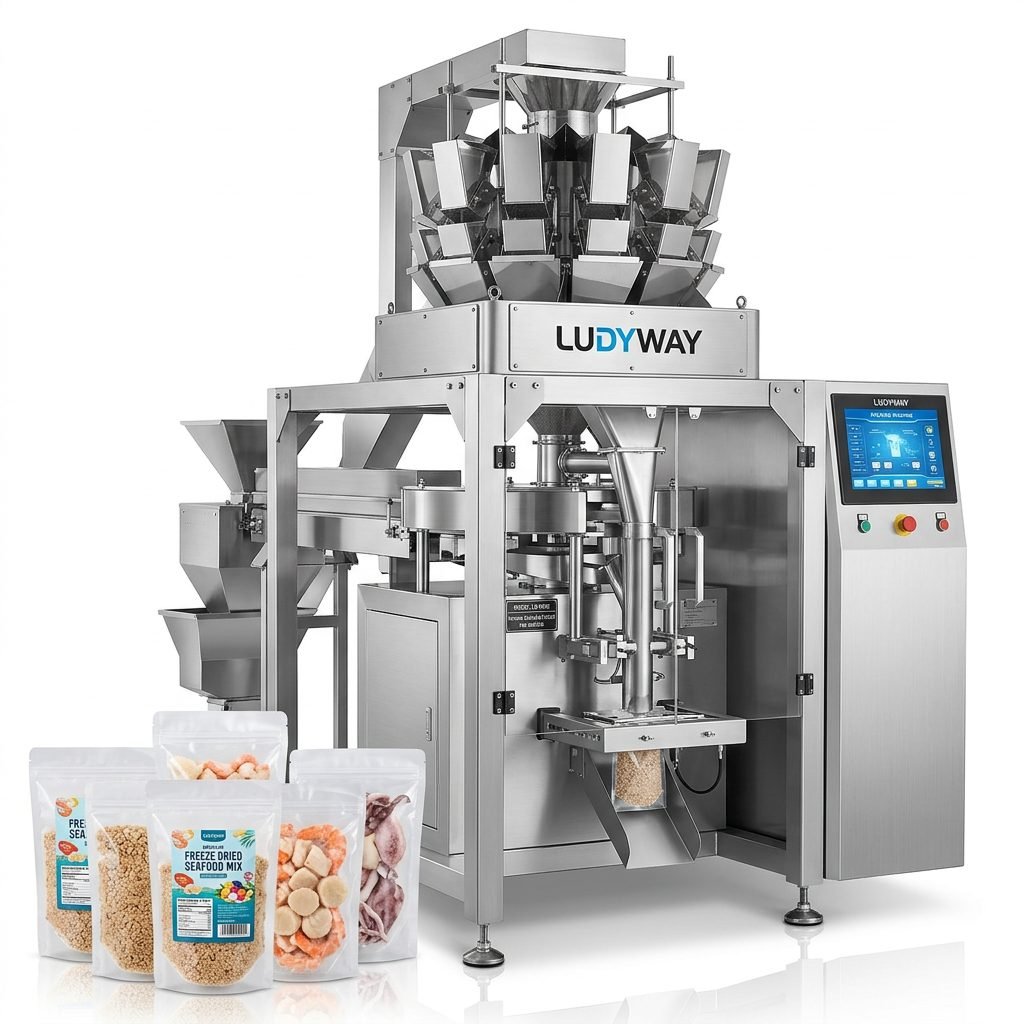
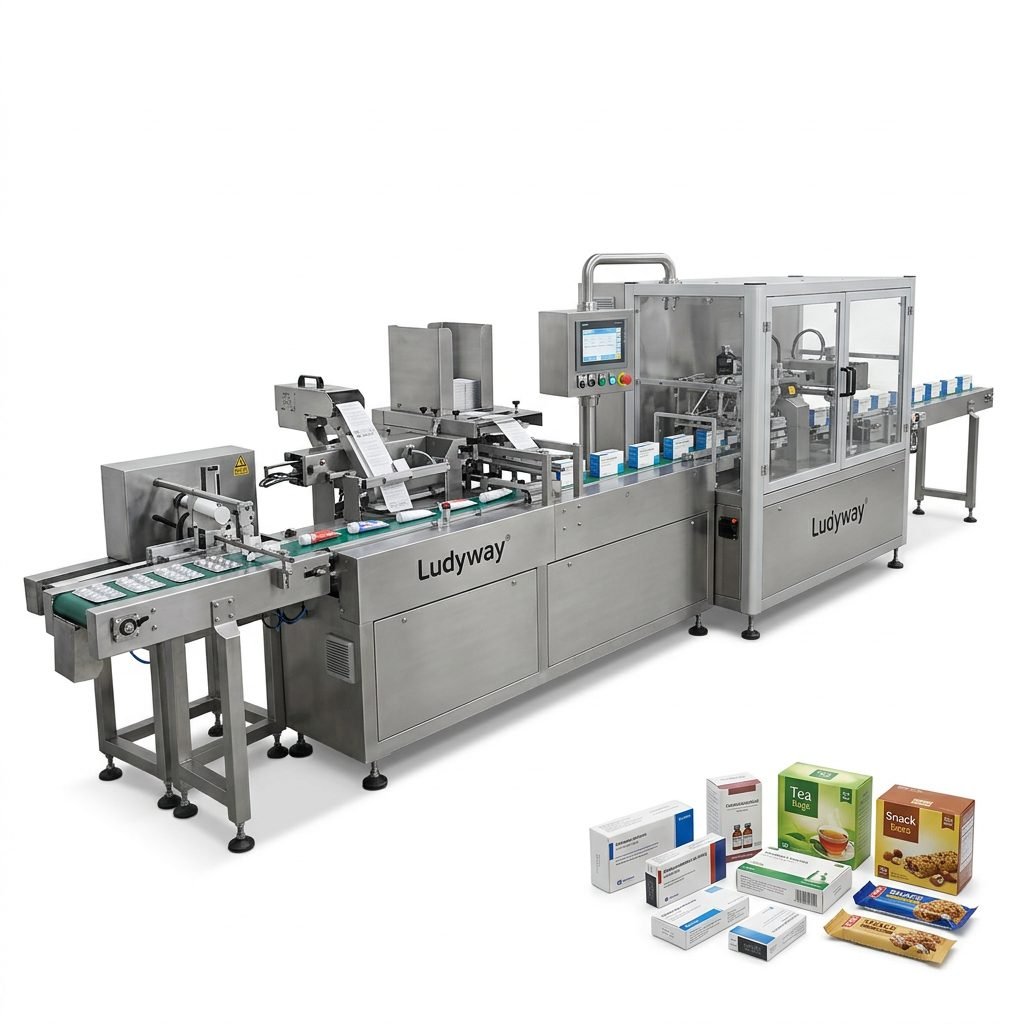
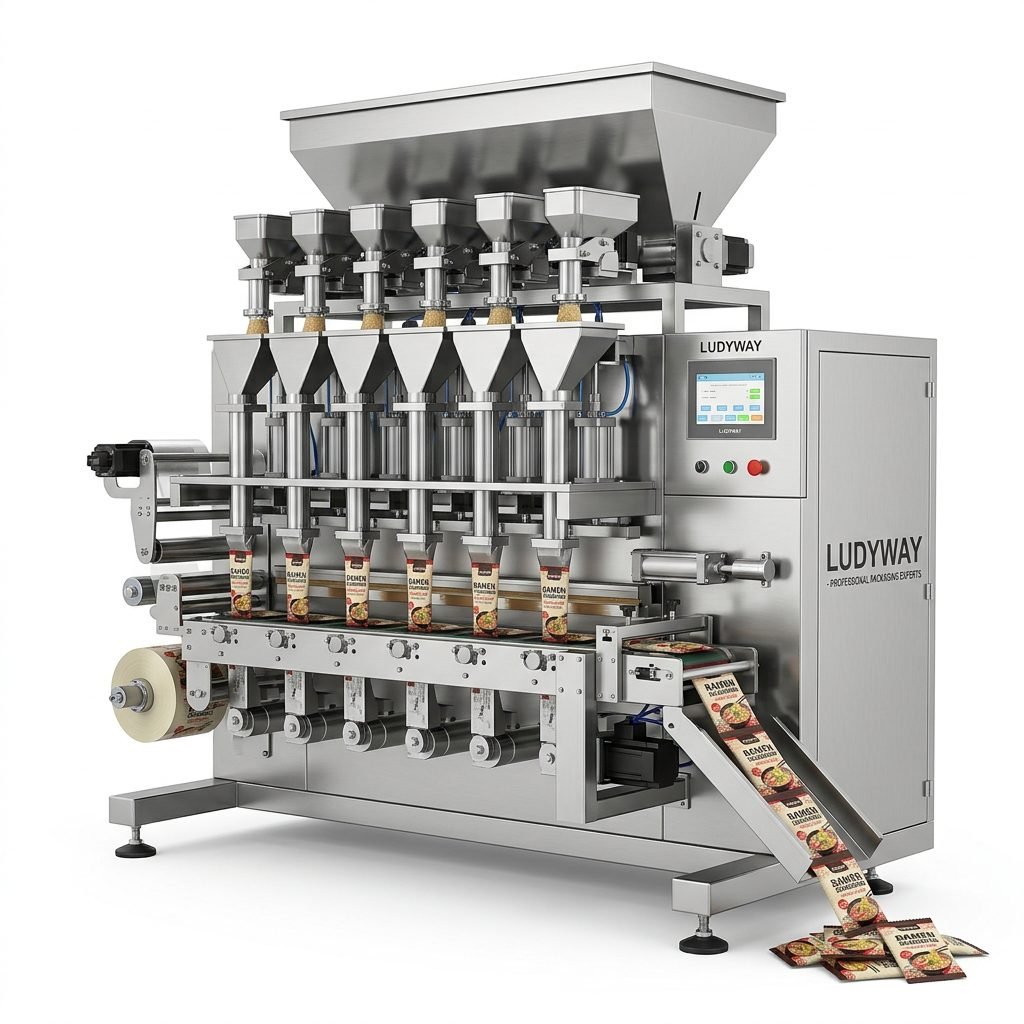
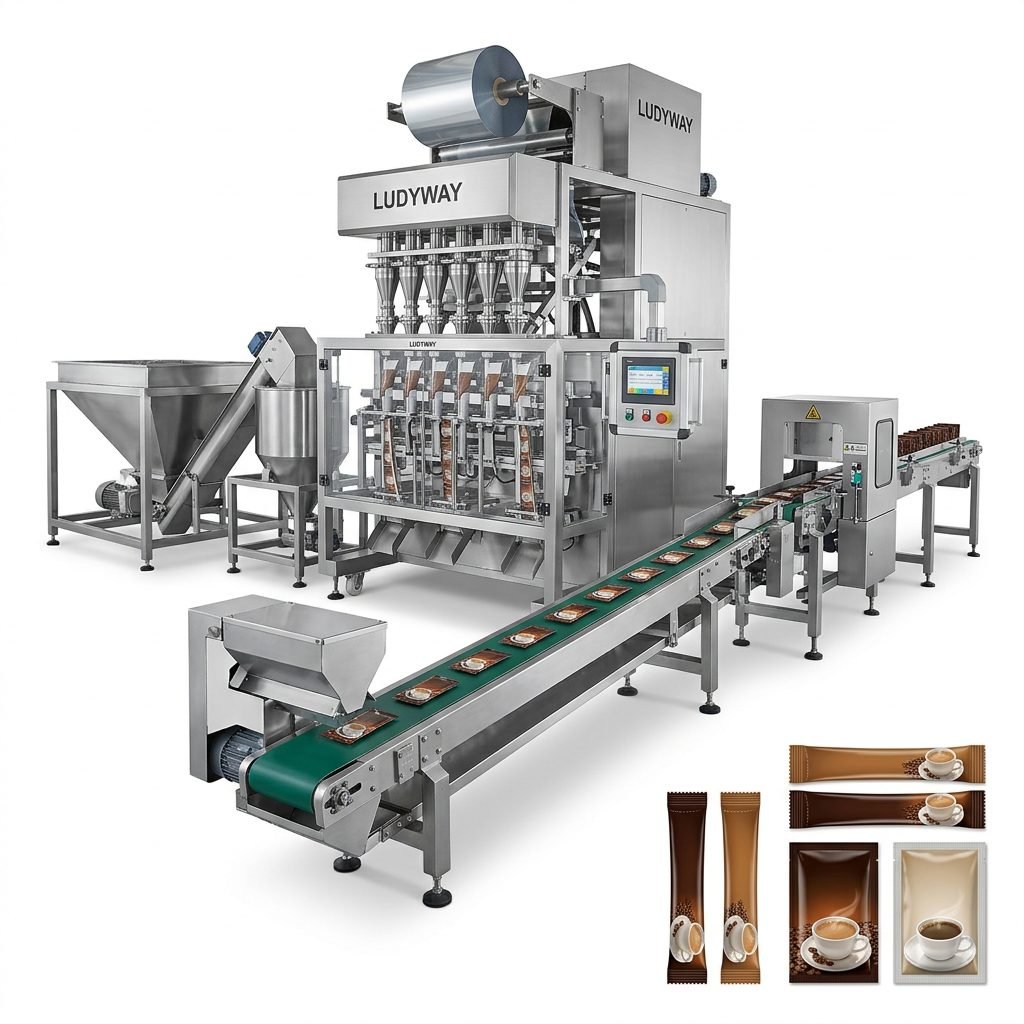
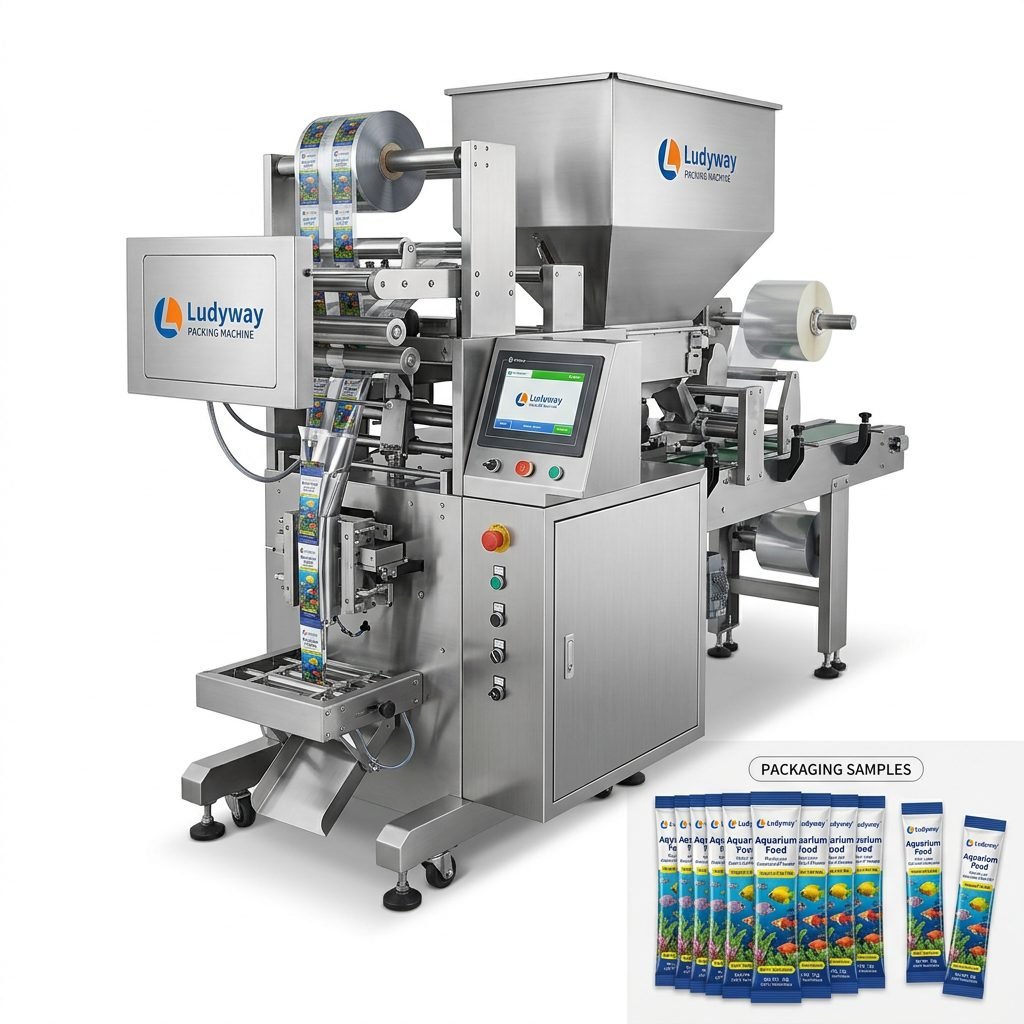
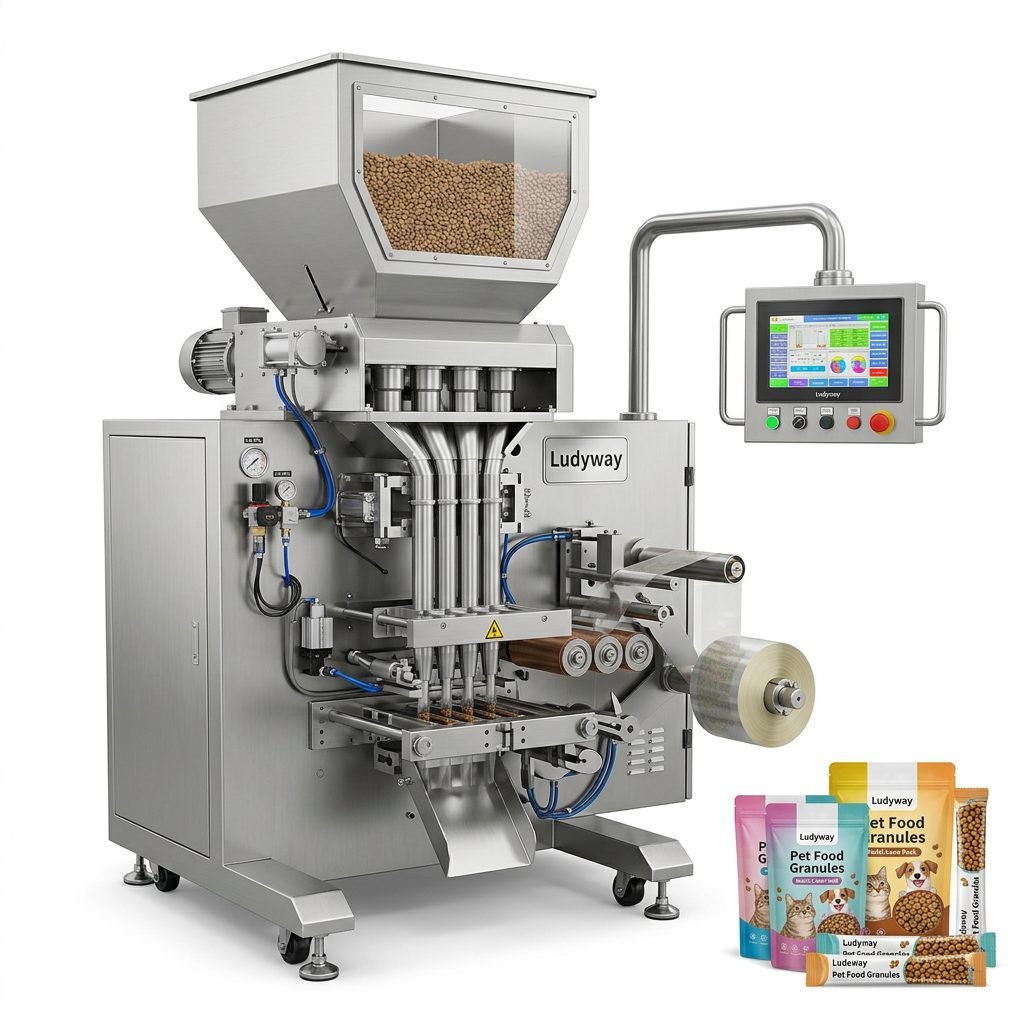
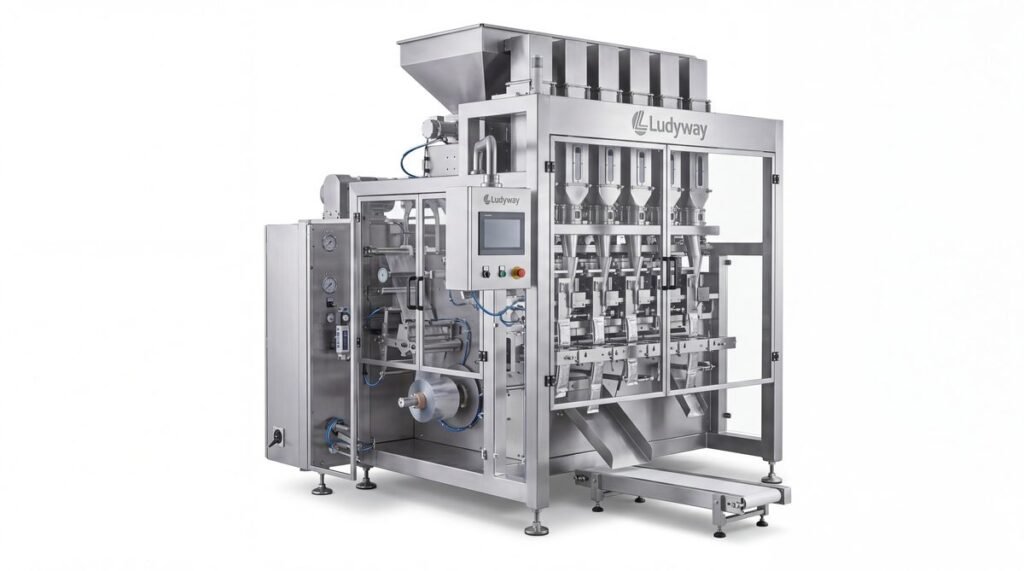
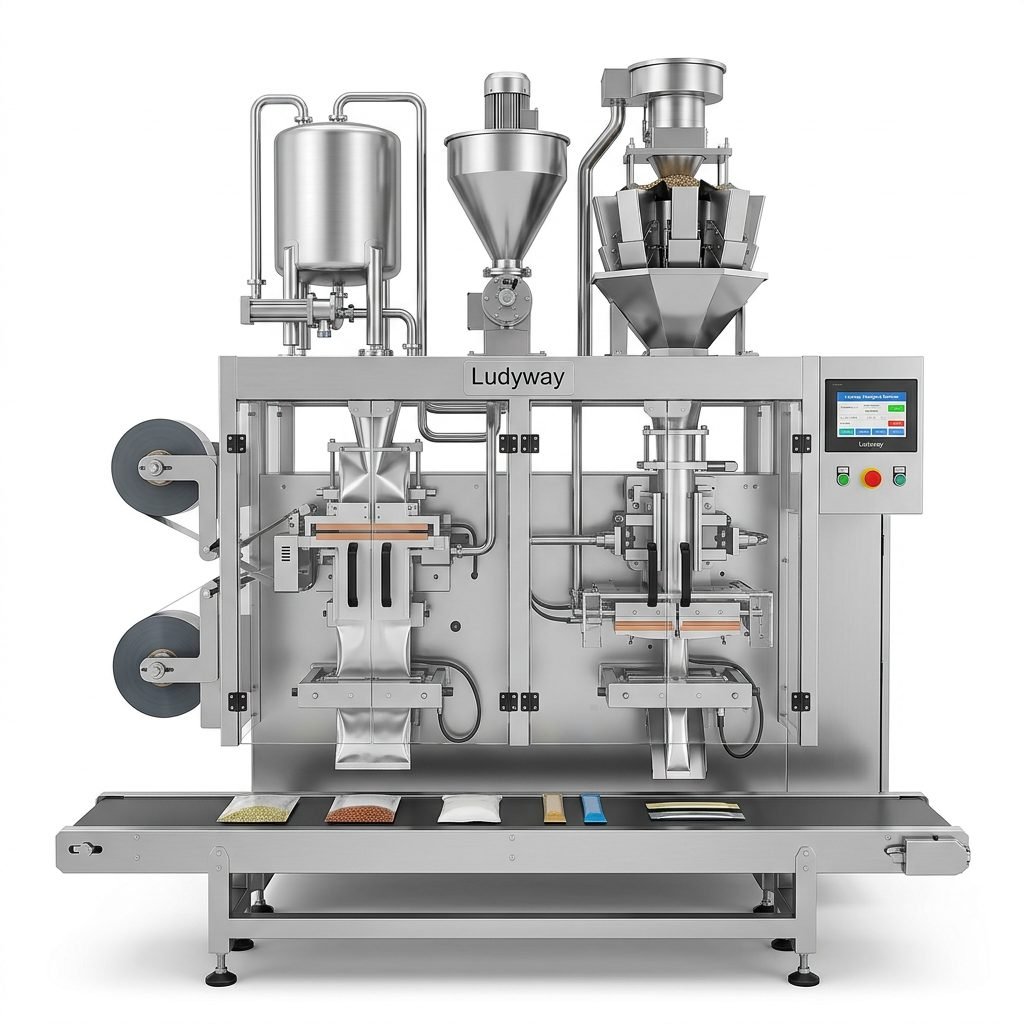
Sugar stick packing machines are widely used for white sugar, brown sugar, sweetener blends, coffee companion sugar, and other free-flowing granules. If you are comparing equipment, the first question is usually simple: how much does a sugar stick packing machine cost? The real answer depends on speed, lane count, dosing accuracy, automation level, material quality, and how complete the line needs to be.
This guide explains the typical price ranges, the main cost drivers, hidden expenses, and practical buying tips so you can choose a machine that fits your production target and budget.
What Is a Sugar Stick Packing Machine?
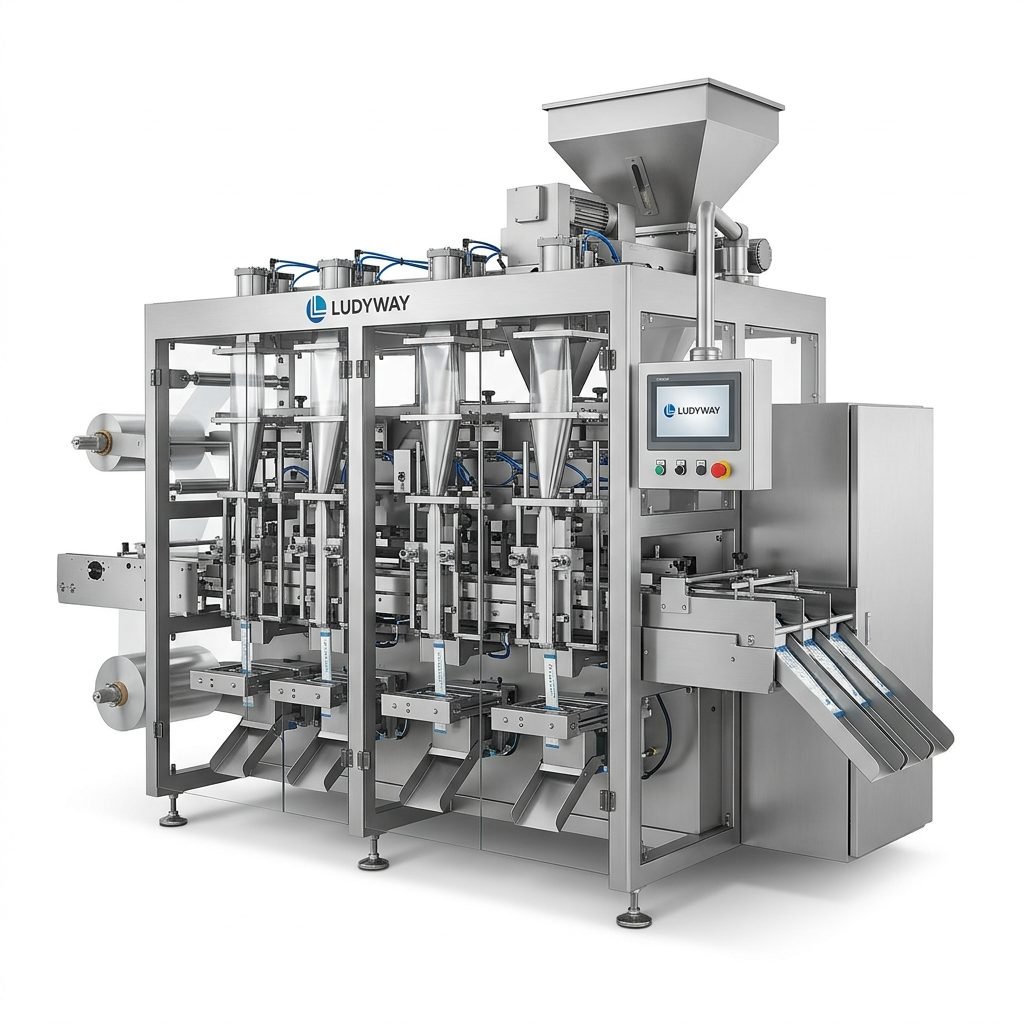
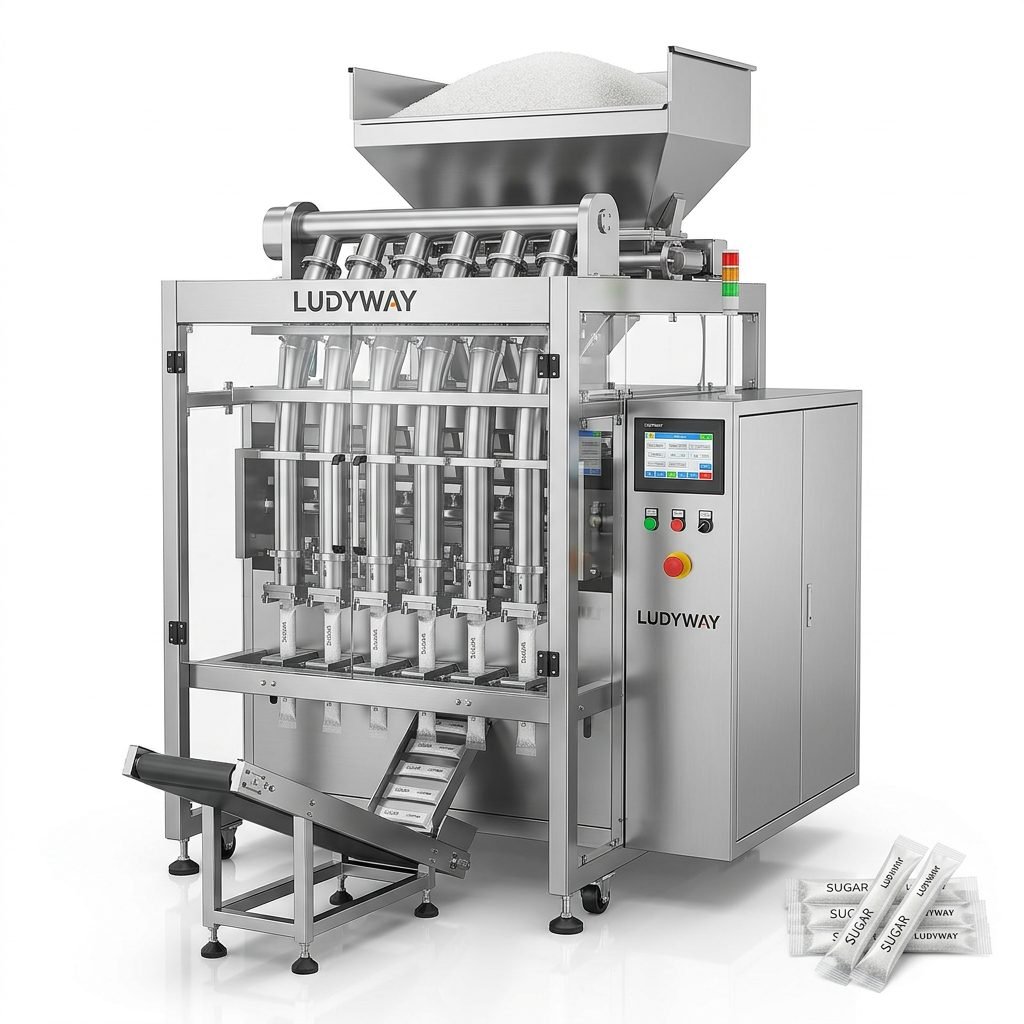
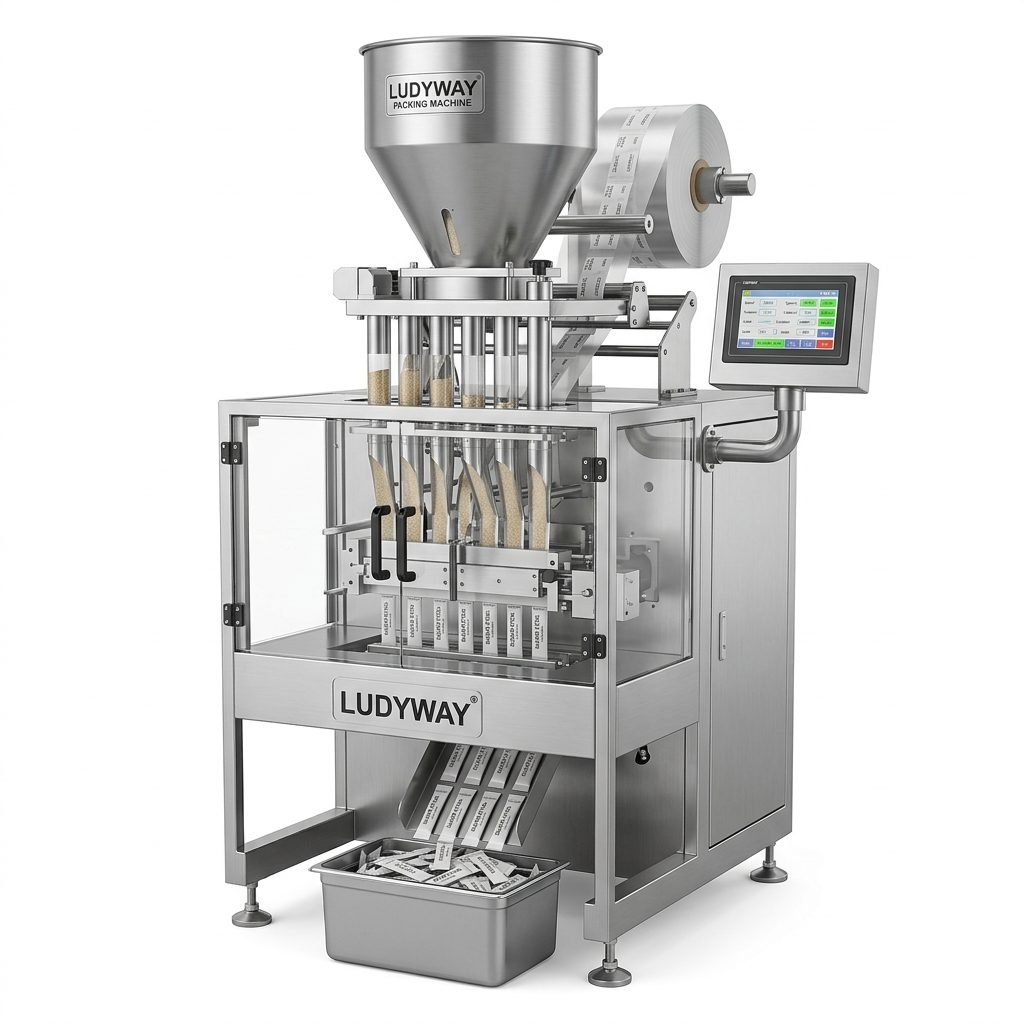
A sugar stick packing machine is an automatic packaging system designed to form film into narrow stick packs, accurately fill each stick with sugar granules, seal the packs, and cut them into finished units. These machines are common in:
- Coffee and tea brands
- Hotels, restaurants, and catering suppliers
- Airline and travel food service packaging
- Instant beverage manufacturers
- Private-label sweetener producers
- Food co-packers and contract packers
Most systems use a vertical multi-lane design, which allows several stick packs to be produced in parallel. This is why sugar stick packing lines can achieve high output with a relatively compact footprint.
Sugar Stick Packing Machine Price Range
Below is a general reference for the market. Actual pricing varies by manufacturer, country of origin, configuration, and whether the quote includes feeding, coding, counting, cartoning, or end-of-line systems.
| Machine Type | Typical Price Range | Best For |
|---|---|---|
| Entry-level single-lane or basic model | USD 8,000–18,000 | Pilot production, low-volume packaging |
| Standard multi-lane sugar stick packing machine | USD 18,000–45,000 | Most food and beverage manufacturers |
| High-speed multi-lane machine | USD 45,000–85,000 | Large-scale production with high output demands |
| Fully integrated turnkey line | USD 85,000–200,000+ | Factories needing feeding, coding, cartoning, and full automation |
For most buyers, the sweet spot is usually in the standard to high-speed multi-lane range, where productivity and cost balance well.
What Affects the Price of a Sugar Stick Packing Machine?
1. Number of Lanes
Lane count is one of the biggest pricing factors. A 4-lane machine costs much less than an 8-lane, 10-lane, or 12-lane model. More lanes mean:
- Higher output per minute
- More complex forming and sealing structure
- More accurate synchronization requirements
- Higher material and assembly cost
2. Packaging Speed
A faster machine requires better servo control, more stable film pulling, stronger sealing performance, and more reliable dosing. Machines designed for continuous high-speed operation naturally cost more than standard-speed units.
3. Dosing System Accuracy
Sugar is a free-flowing granular product, but accuracy still matters. If your fill weight is very small, even slight deviation can cause product giveaway or compliance issues. Precision auger or volumetric cup systems with better control may increase the initial machine cost but lower long-term material loss.
4. Machine Material and Sanitary Design
Food-grade stainless steel contact parts, corrosion-resistant structure, dust control design, and easy-clean construction all influence price. Buyers in regulated food environments often prefer SUS304 or SUS316 contact components depending on their standards.
5. Film Compatibility
If your machine must run different laminate films, recyclable films, or customized stick dimensions, the design may need more advanced control systems and additional testing. That can raise the total quote.
6. Optional Features
Many quotes increase significantly when optional modules are added, such as:
- Date coding or batch printing
- Nitrogen flushing
- Automatic feeding systems
- Checkweigher integration
- Metal detector
- Cartoning machine
- Case packing and palletizing
Typical Configuration Levels and Their Cost Logic
Basic Configuration
A basic machine usually includes the main stick pack forming, filling, sealing, and cutting functions. It is suitable for companies that already have manual feeding, manual counting, or separate downstream packing stations.
Best for: startups, trial runs, small contract packaging projects.
Mid-Range Configuration
A mid-range machine often adds better automation, touchscreen controls, stable servo motion, improved sealing, and coding options. This is the most common purchase level because it offers reliable commercial output without the budget of a full line.
Best for: growing food brands, sugar repackers, beverage supplement producers.
High-End or Turnkey Configuration
A complete line may include feeding, storage hopper, vibration system, printing, visual inspection, checkweighing, cartoning, case packing, and palletizing. This setup reduces labor and supports long production shifts.
Best for: large factories, export-focused manufacturers, multinational food suppliers.
Hidden Costs Buyers Should Not Ignore
The machine price alone is only part of the investment. Before comparing quotes, make sure you understand the full project cost.
| Cost Item | Why It Matters |
|---|---|
| Shipping and insurance | Large machines may require special freight arrangements |
| Import duty and tax | Depends on your country and HS code |
| Installation and commissioning | On-site setup may be billed separately |
| Operator training | Essential for stable production and reduced downtime |
| Spare parts package | Recommended for wear parts and preventive maintenance |
| Customized molds or forming sets | Needed for special stick sizes or multiple SKUs |
| Factory utilities | Compressed air, power supply, and production space adjustments |
How to Choose the Right Machine for Your Budget
Know Your Output Target
Start with packs per minute, production shifts per day, and annual volume. Do not buy only based on the lowest price. If the machine cannot meet your demand, the lower cost becomes expensive in the long run.
Define Your Stick Pack Size
Machine quotes depend on stick length, width, and fill weight. If you package 3g sugar sticks, your machine setup may differ from a producer running 5g or 10g sweetener sticks.
Check Product Flow Characteristics
Regular refined sugar is easier to dose than moist, blended, or non-uniform granules. If your product includes anti-caking additives, flavored sugar, or irregular crystals, tell the supplier early.
Think Beyond the First Order
If you plan to launch more SKUs later, choose a machine that allows future flexibility. A slightly higher upfront investment may save major reinvestment later.
Price Comparison: New vs Used Sugar Stick Packing Machines
Some buyers consider used machinery to save budget. This can work, but it comes with trade-offs.
| Option | Advantages | Risks |
|---|---|---|
| New machine | Warranty, customization, technical support, latest controls | Higher initial investment |
| Used machine | Lower purchase cost | Wear, outdated controls, missing parts, limited support |
If your sugar packaging is part of a branded food business, a new machine is often the safer and more economical long-term choice.
What to Ask a Supplier Before Requesting a Final Quote
- How many lanes are included in the quoted machine?
- What is the guaranteed output range for my product?
- What is the fill accuracy for sugar sticks at my target weight?
- Can the machine handle different film materials?
- Are spare parts included?
- What after-sales support is available?
- Does the price include installation and training?
- How long is the manufacturing lead time?
- Can the machine be upgraded later with cartoning or counting systems?
How to Evaluate Machine Value, Not Just Price
The cheapest quote is not always the best deal. A better way to compare suppliers is to assess total value:
- Stability: Can the machine run consistently over long shifts?
- Accuracy: Will it reduce overfill and product waste?
- Maintenance: Are parts easy to replace and service?
- Support: Is there remote or international technical support?
- Expandability: Can the equipment grow with your business?
Who Should Invest in a Multi-Lane Sugar Stick Packing Machine?
A multi-lane system is especially suitable if you:
- Package high volumes of single-serve sugar sticks
- Need lower labor dependence
- Serve retail, horeca, or airline channels
- Produce multiple sweetener SKUs
- Need clean, uniform, commercial-grade packaging
Why Manufacturer Experience Matters
When buying packaging machinery, supplier capability affects both price and long-term reliability. Experienced manufacturers usually offer better application testing, more stable assembly quality, and stronger after-sales support. For buyers seeking scalable food and pharmaceutical packaging solutions, Ludyway sugar stick packing machine solutions are often considered because the company has more than 30 years of manufacturing experience, a large modern factory, broad export coverage, and the ability to provide both standalone machines and turnkey packaging lines.
Buying Tips to Get the Best Price
- Prepare a clear product brief before asking for quotations
- Share stick dimensions, fill weight, and target speed
- Ask for video proof of similar sugar packaging projects
- Compare what is included, not just the final number
- Request a recommended spare parts list
- Confirm electrical standards for your country
- Choose a machine with room for future output growth
FAQ
How much does a small sugar stick packing machine cost?
A small or basic model can start around USD 8,000 to 18,000, depending on automation level and configuration.
What is the price of a multi-lane sugar stick packing machine?
Most standard multi-lane models fall between USD 18,000 and 45,000, while high-speed versions can go much higher.
Why do some machines with similar output have different prices?
Differences often come from component brands, servo systems, frame quality, sanitary design, dosing precision, included options, and after-sales service level.
Is a turnkey sugar stick packaging line worth it?
Yes, if you need high automation, lower labor cost, better production consistency, and easier scaling. For small operations, however, a standalone machine may be enough.
Can one machine pack both sugar and sweetener?
In many cases, yes. But performance depends on product flowability, crystal size, stick dimensions, and dosing requirements. Always test your actual product before final purchase.
Final Buying Perspective
A sugar stick packing machine price can range from a few thousand dollars for a basic unit to well over six figures for a complete automated line. The right choice depends on your volume, stick format, automation needs, and long-term production plan. The smartest purchase is not the cheapest machine, but the one that delivers stable output, accurate filling, low downtime, and room for future growth.