Investing in a dry food packaging machine is a critical decision that directly impacts your production efficiency, product shelf life, and overall operational costs. Whether you are packaging cereals, pet food, snacks, coffee, spices, or powdered supplements, the right equipment ensures consistent fill weights, secure seals, and high throughput. With a wide range of machine configurations, automation levels, and price points available, navigating the selection process can feel overwhelming. This complete buyer’s guide walks you through the essential factors to consider before making a purchase, helping you match your specific product characteristics and business goals to the ideal packaging solution.
Understanding Your Dry Food Product Characteristics
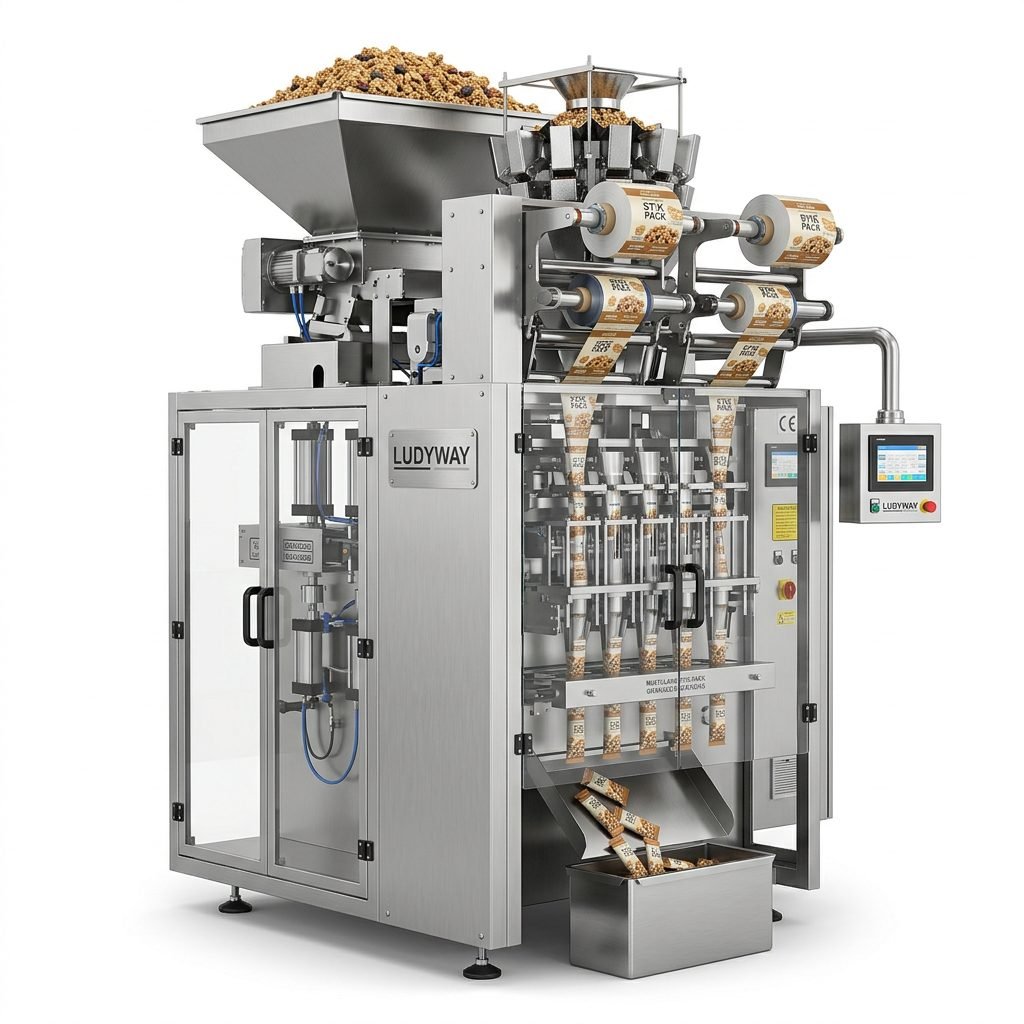
Before evaluating machine specifications, you must thoroughly analyze the physical properties of your dry food product. These characteristics directly determine which dosing system, hopper design, and sealing technology will work best.
- Flowability: Free-flowing products like granulated sugar or salt behave very differently from non-free-flowing powders such as flour, cocoa powder, or protein blends. Machines must be configured with appropriate agitators, augers, or vibratory feeders.
- Particle size and uniformity: Consistent granule size allows for volumetric dosing, while irregular shapes may require multi-head weigher systems for accurate portioning.
- Dust generation: Fine powders produce dust that can interfere with seal integrity. Look for machines with dust extraction systems or enclosed filling zones.
- Hygroscopic properties: Products that absorb moisture — such as dried fruits, milk powder, or instant coffee — require packaging materials and sealing technologies that provide effective moisture barriers.
- Bulk density: This affects hopper volume requirements and the type of filling mechanism needed for consistent weight accuracy.
Key Types of Dry Food Packaging Machines
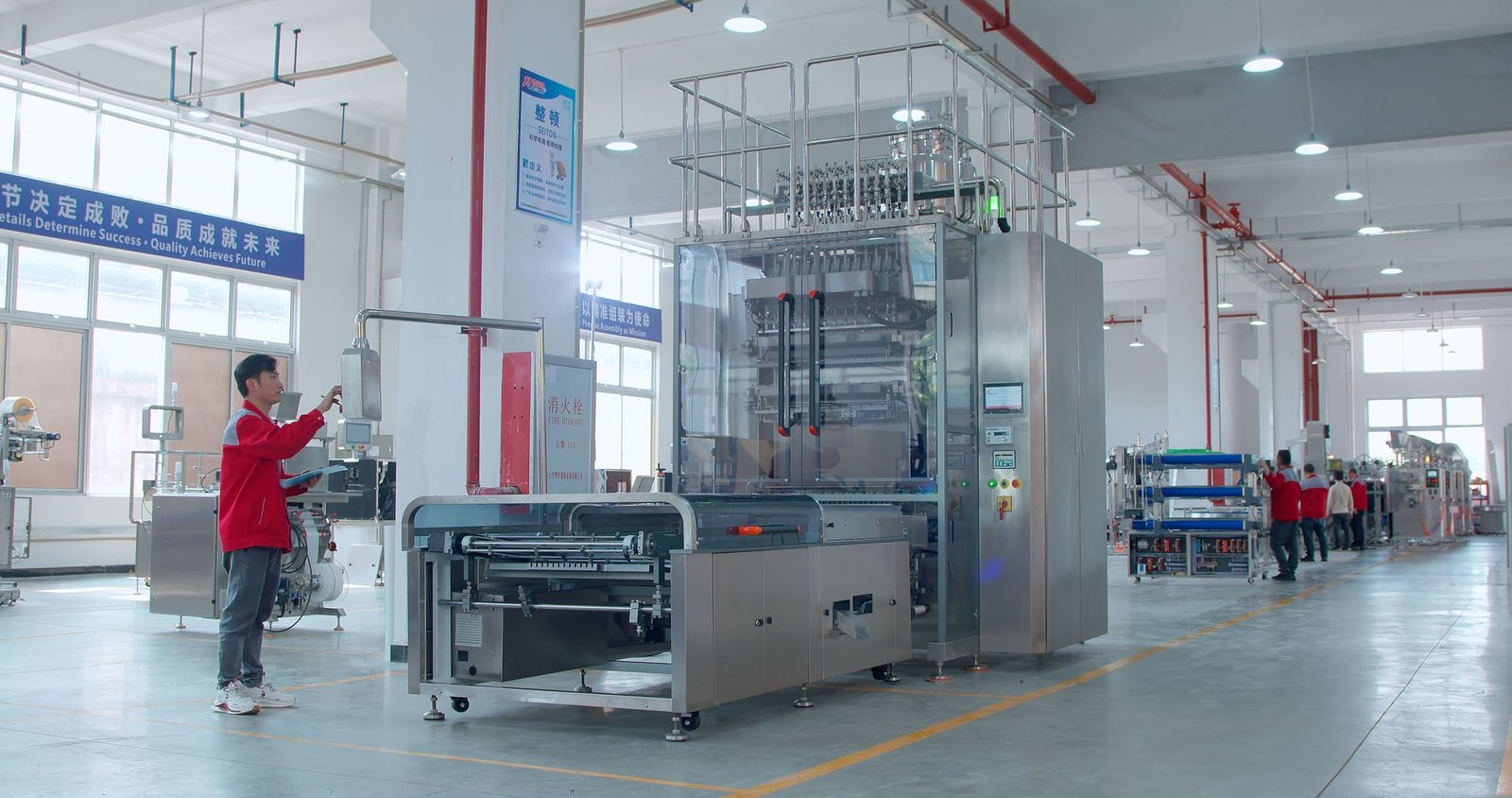
Selecting the right machine format is just as important as choosing the right filling technology. Different packaging styles serve different market segments and shelf-life requirements. Below is a comparison of the most common machine types for dry food applications.
| Machine Type | Best Suited For | Packaging Formats | Typical Speed Range |
|---|---|---|---|
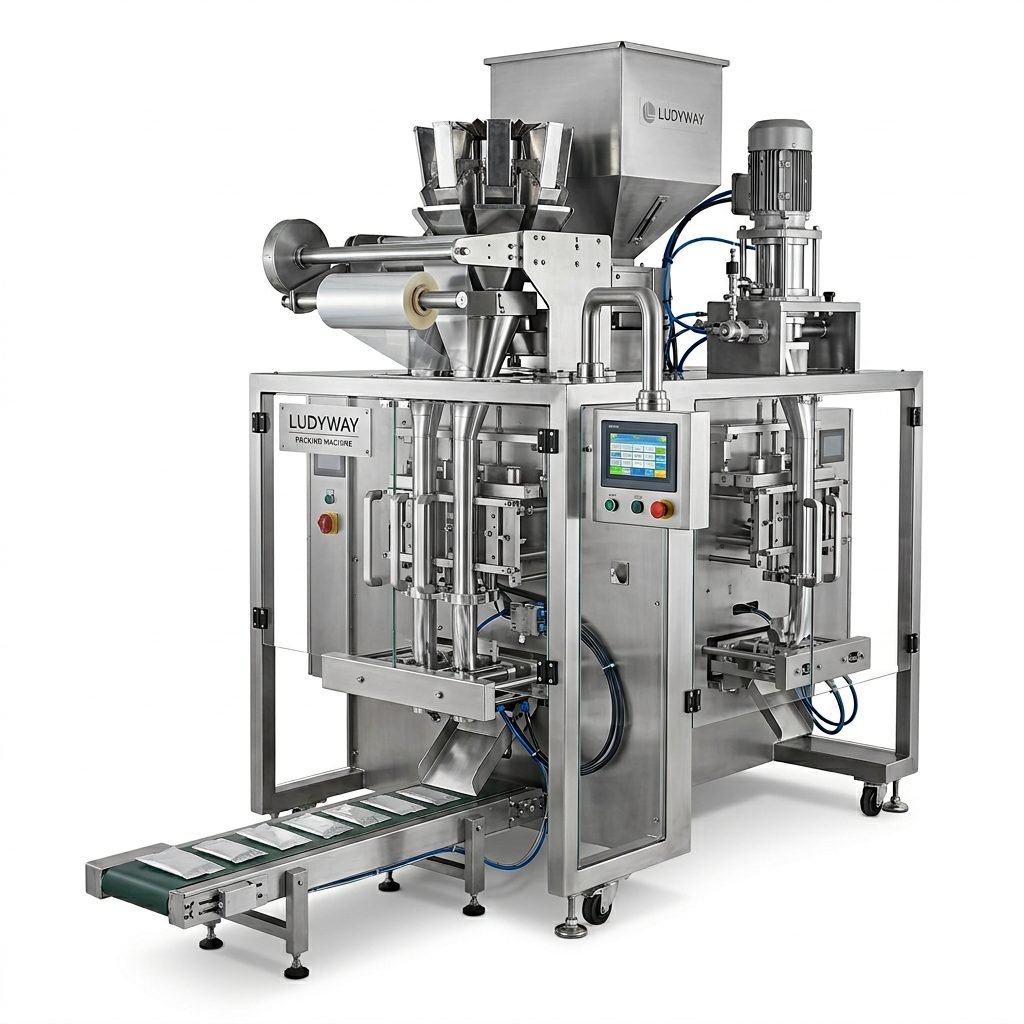
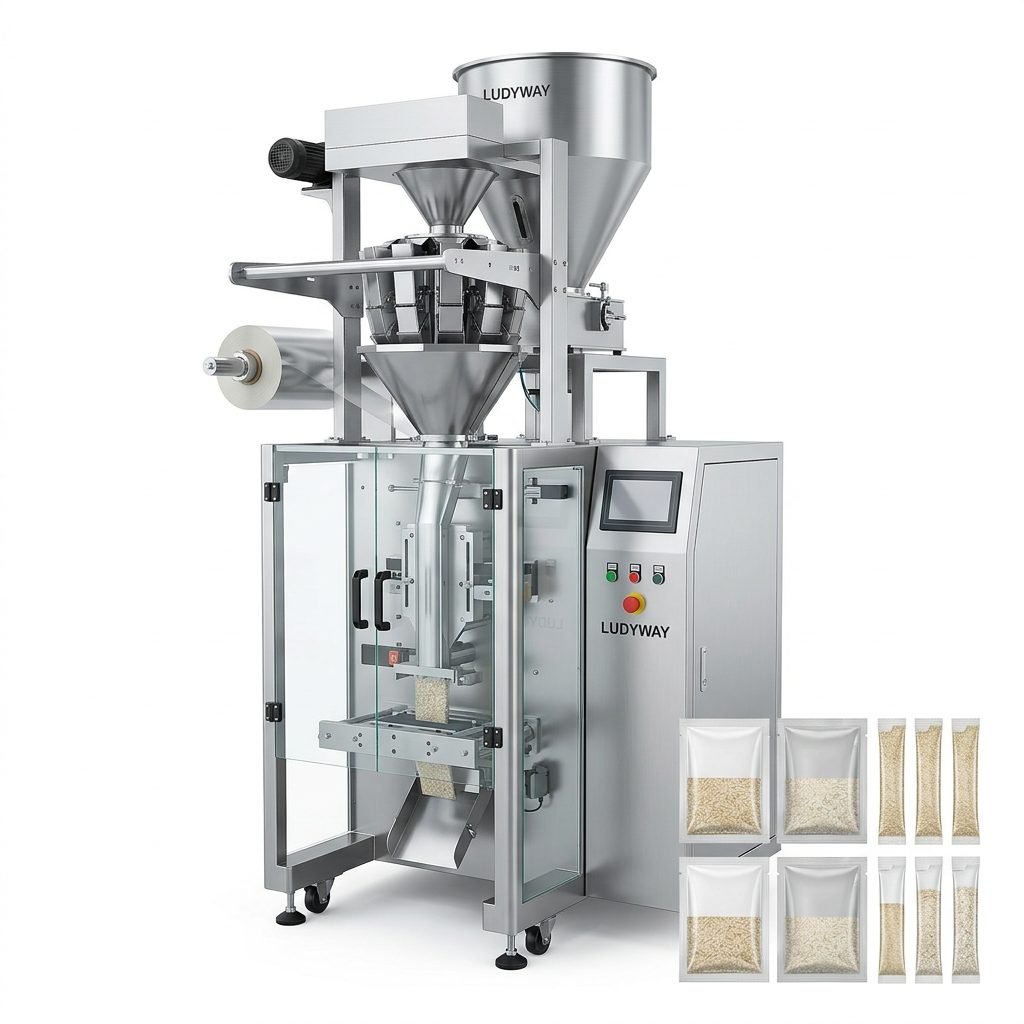
| Vertical Form Fill Seal (VFFS) | Granules, powders, snacks, cereals | Pillow bags, gusseted bags, block-bottom bags | 30–120 bags/min |
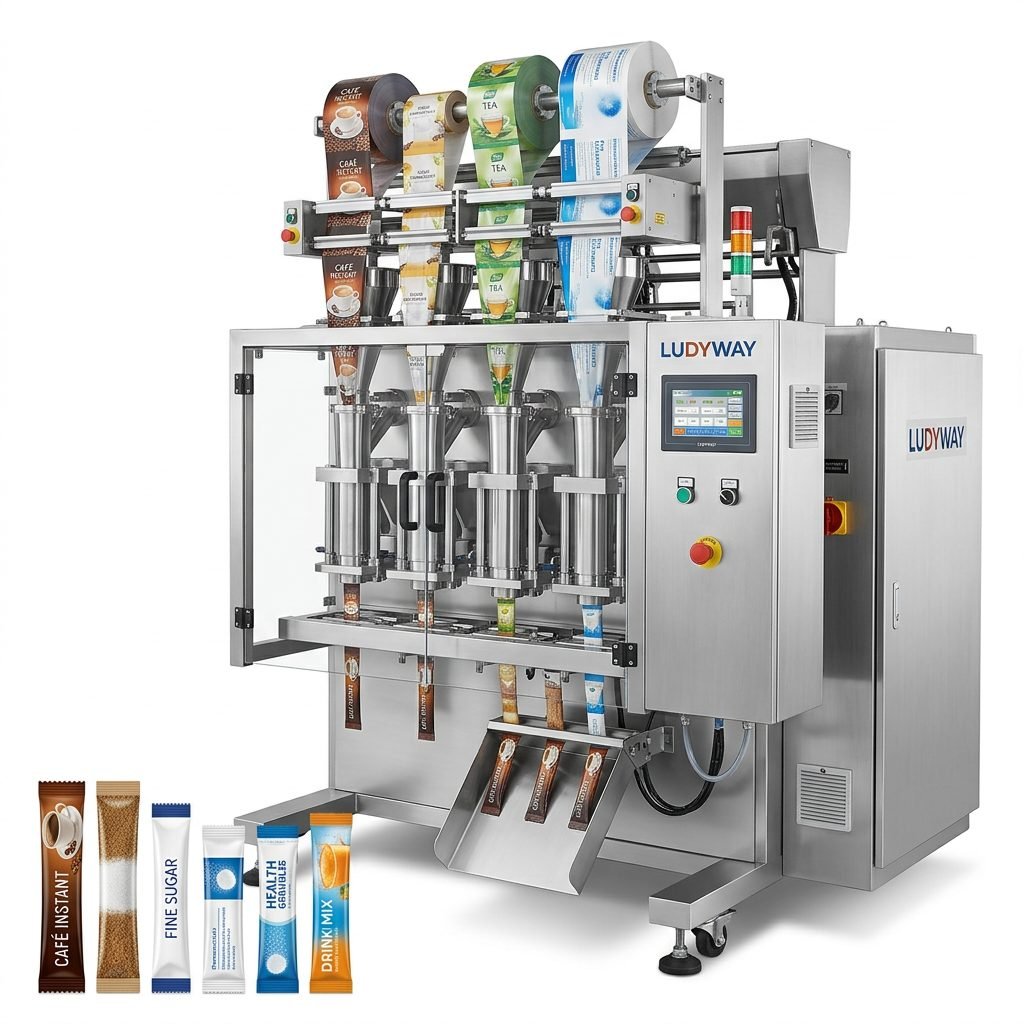
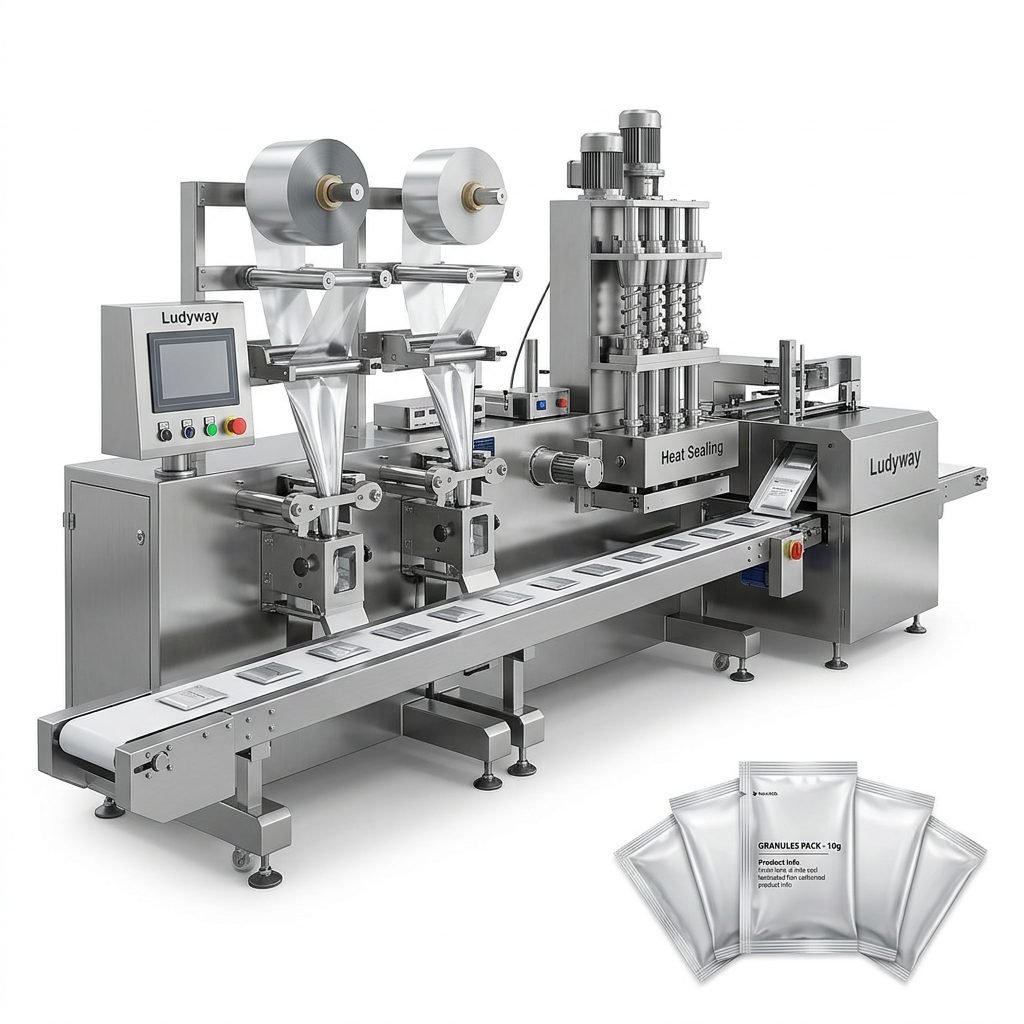
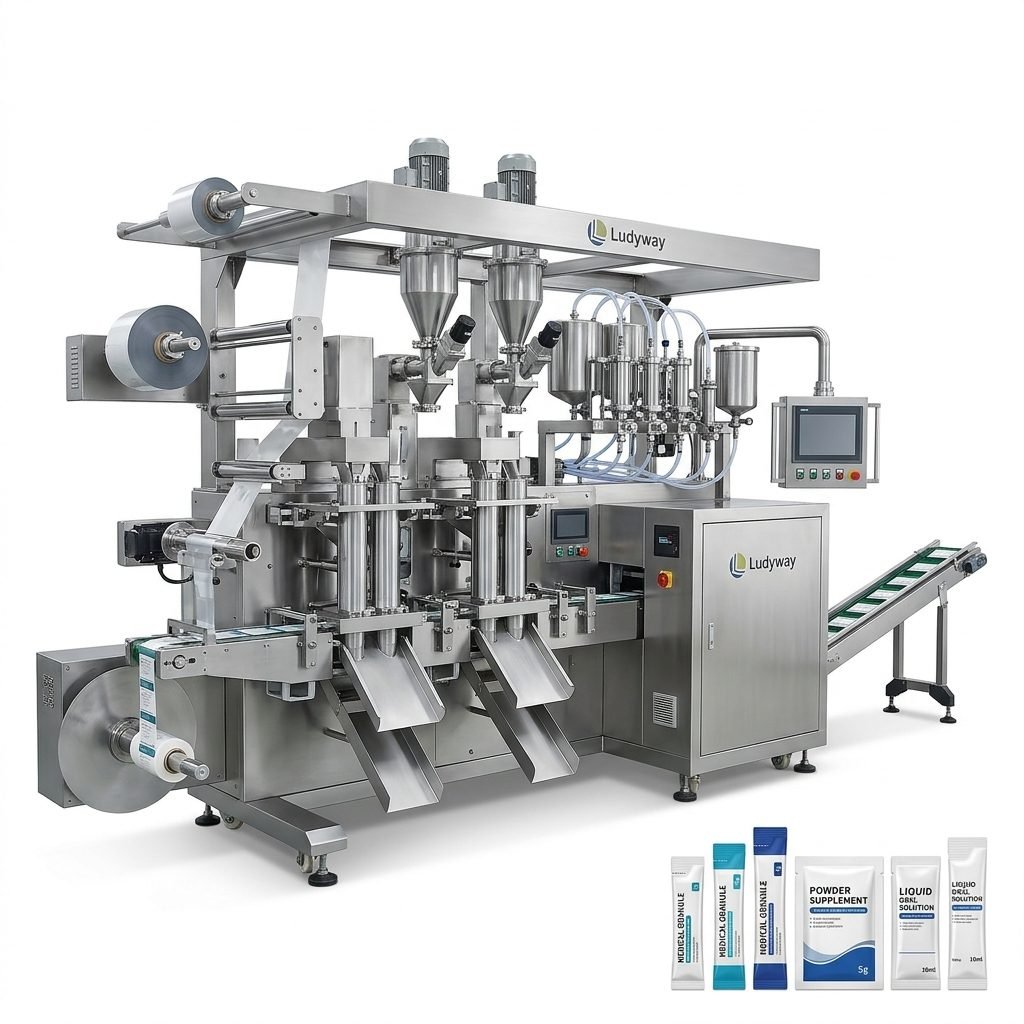
| Multi-Lane Stick Pack Machines | Single-serve powders, sugar, coffee, drink mixes | Stick packs, sachets | 400–1,000+ packs/min |
| Premade Pouch Rotary Machines | Premium snacks, pet food, dried fruits, nuts | Stand-up pouches, zipper pouches, spouted pouches | 30–80 pouches/min |
| Horizontal Form Fill Seal (HFFS) | Bakery items, granola bars, crackers | Flow wraps, pillow packs | 50–300 packs/min |
For a deeper understanding of packaging machinery standards and industry benchmarks, refer to the resources available through PMMI – The Association for Packaging and Processing Technologies, which provides extensive business intelligence and market research for packaging professionals.
Filling and Dosing Technology Selection
The dosing system is the core of any dry food packaging machine. Selecting the wrong filling technology can lead to product giveaway, inconsistent pack weights, and unnecessary downtime. Consider the following options based on your product’s flow characteristics.
Volumetric Cup Fillers
Ideal for free-flowing granular products with consistent density. Volumetric fillers are simple, fast, and cost-effective. They dispense a fixed volume of product per cycle using adjustable measuring cups. This method works well for rice, sugar, salt, and dried grains but may not suit products with variable bulk density.
Auger Fillers
Designed specifically for non-free-flowing powders such as flour, protein powder, spices, and cocoa. An auger screw rotates within a funnel to deliver precise amounts of powder into each package. Auger fillers offer excellent accuracy for fine and dusty products and can be configured with servo-driven controls for high precision.
Multi-Head Weighers
For high-speed applications or products with irregular piece sizes — such as granola, trail mix, dried fruits, pet treats, and nuts — multi-head weighers provide superior accuracy. Each weigh head independently measures a portion, and the control system selects the combination that most closely matches the target weight. This technology minimizes product giveaway and maximizes throughput.
Automation Level and Production Capacity
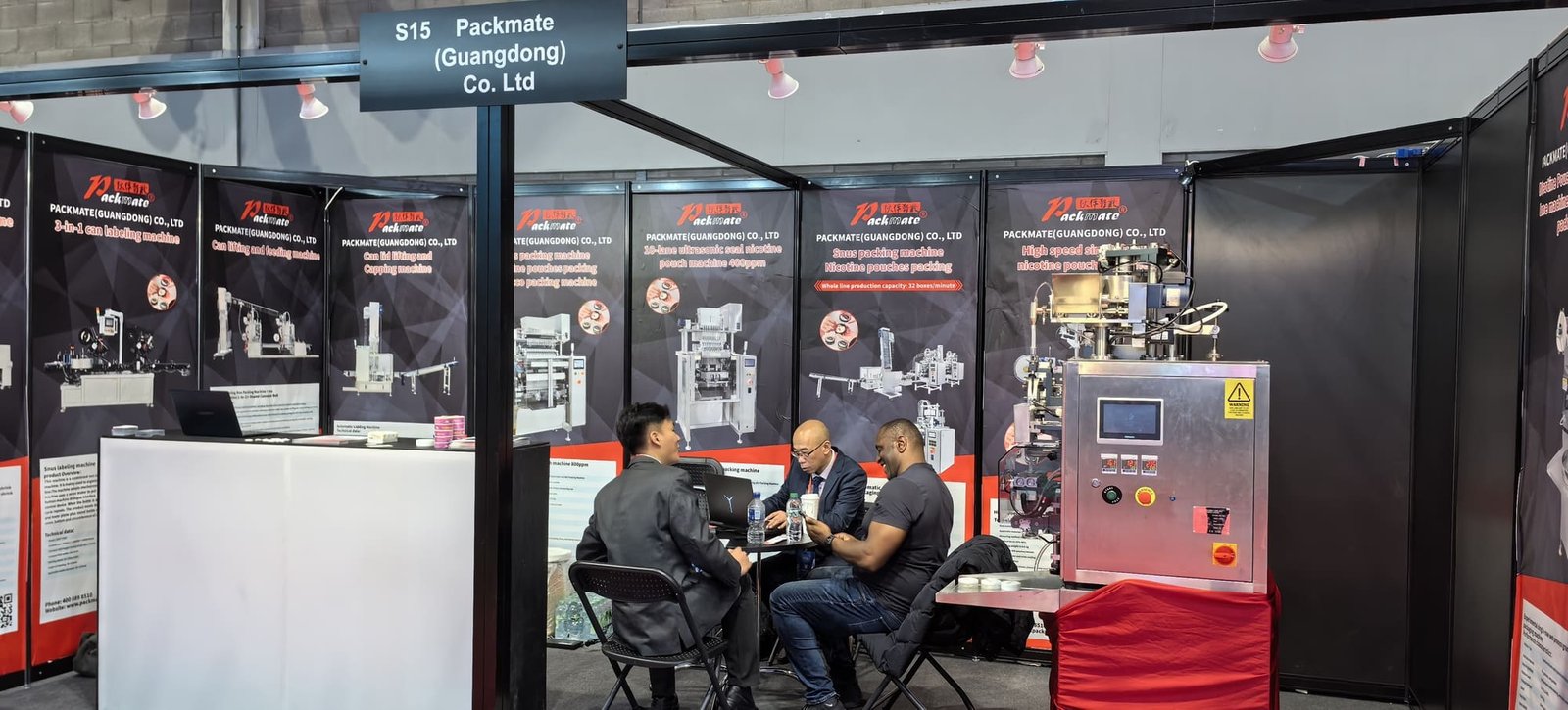
Your current and future production volume requirements should guide the level of automation you invest in. While it may be tempting to start with a semi-automatic machine to reduce upfront costs, fully automatic systems often provide a faster return on investment through labor savings and higher output consistency.
- Semi-automatic machines: Require an operator to place bags or initiate cycles. Suitable for small to medium production runs or businesses transitioning from manual packaging.
- Fully automatic machines: Handle film feeding, bag forming, filling, sealing, and discharge without manual intervention. These are essential for high-volume production and consistent output quality.
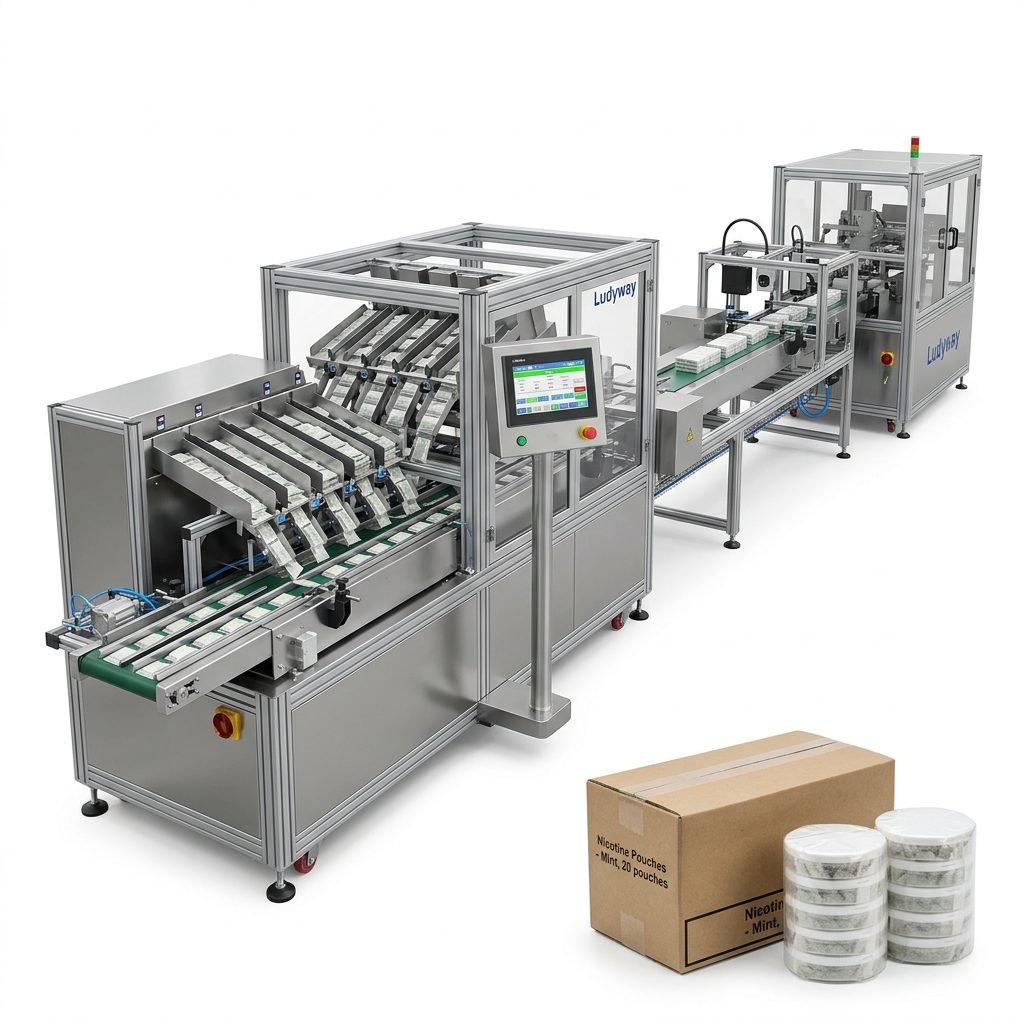
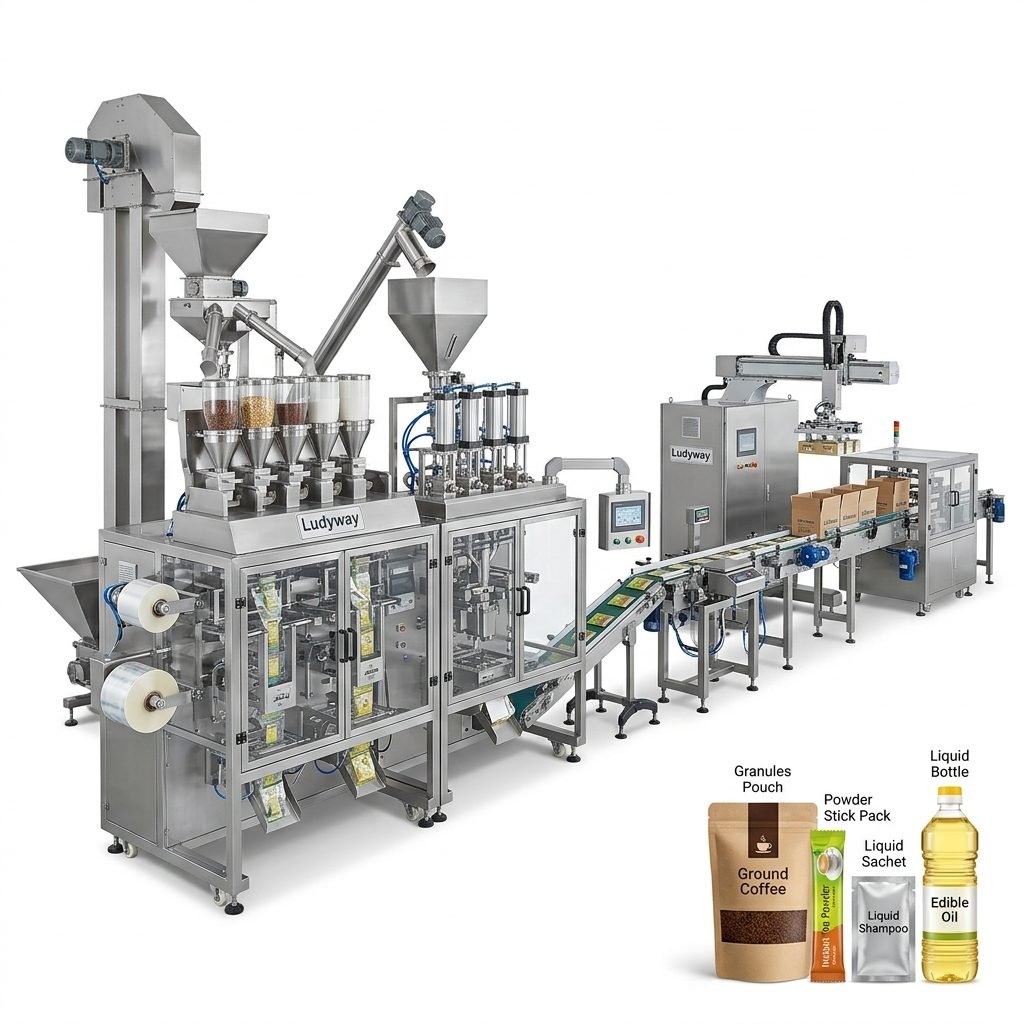
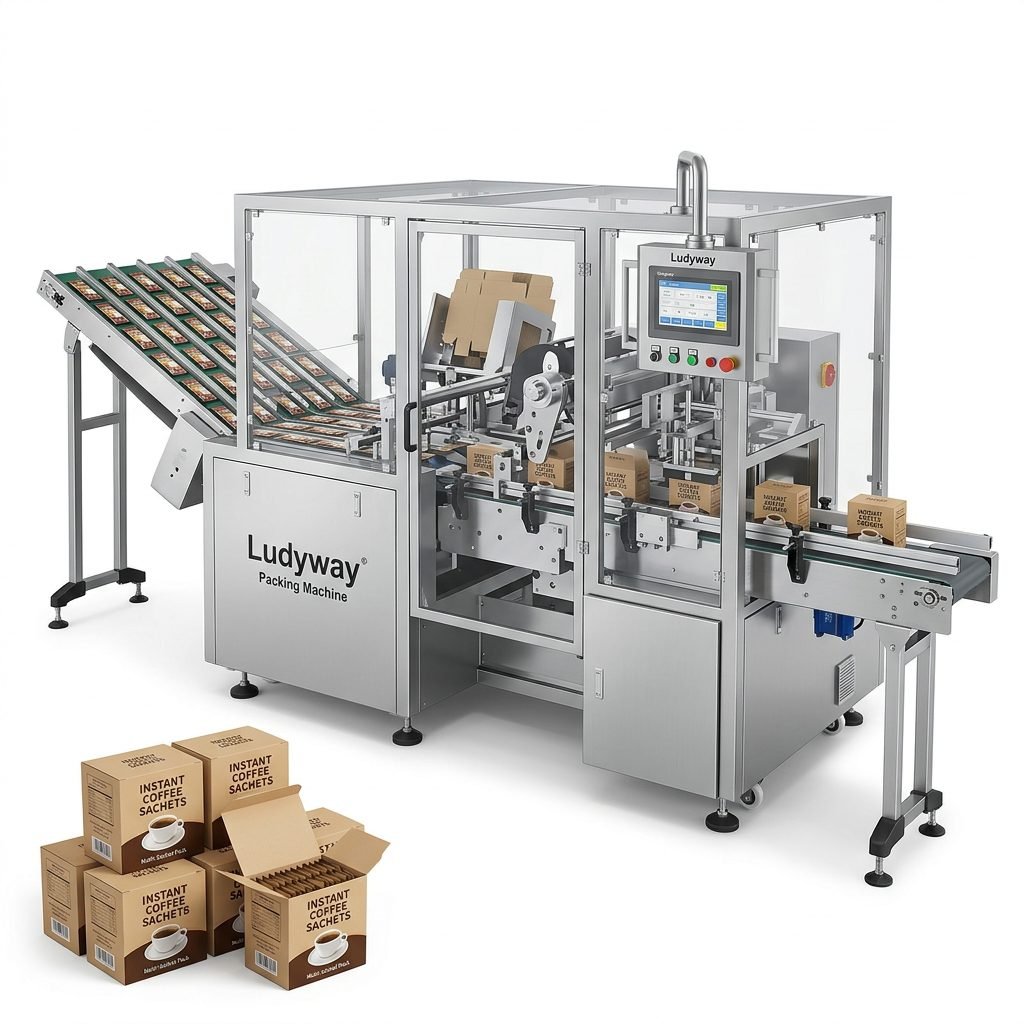
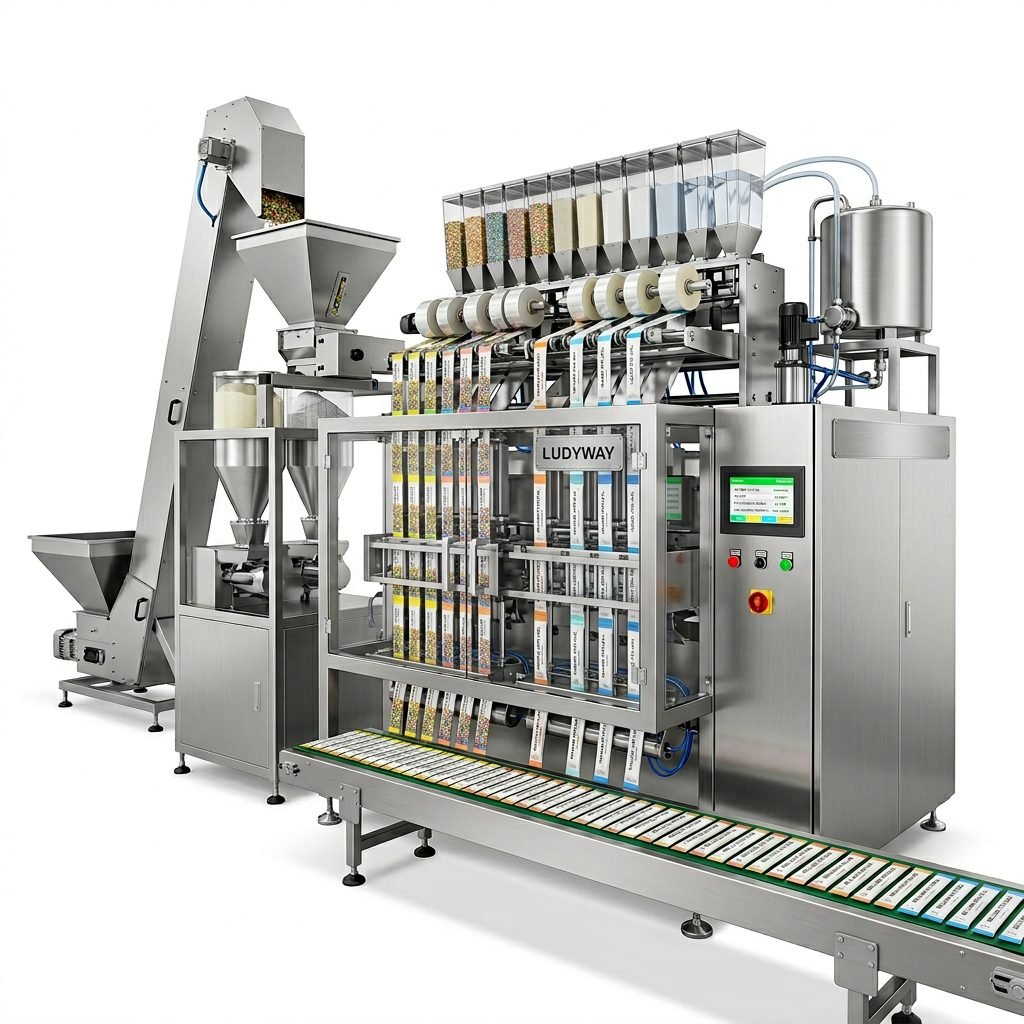
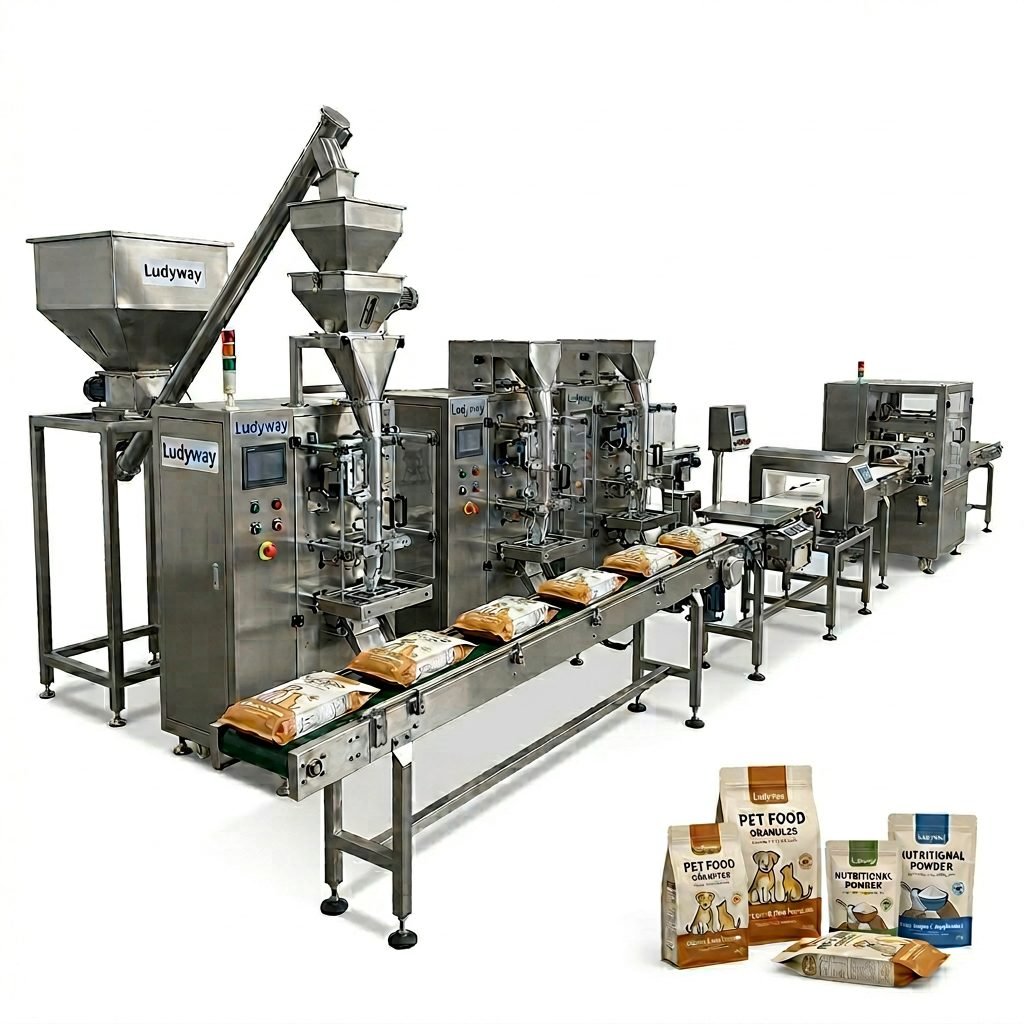
- Integrated packaging lines: Connect filling and sealing machines with conveyors, checkweighers, metal detectors, coding systems, and cartoning equipment for a complete turnkey solution. This approach reduces handling, minimizes contamination risk, and streamlines production flow.
When evaluating capacity, consider not only the machine’s rated speed but also changeover times, maintenance requirements, and operator skill levels. A machine that runs at 120 packs per minute but takes two hours to change between product formats may be less productive than a slightly slower machine with quick-change features.
Packaging Material Compatibility
The packaging film structure you intend to use directly affects which sealing technology and machine configuration are appropriate. Dry food products typically require multi-layer laminates that provide barrier protection against moisture, oxygen, and light. Common structures include PET/PE, BOPP/CPP, PET/Al/PE, and paper-based laminates. Your machine must accommodate the film’s thickness range, heat-seal characteristics, and coefficient of friction for reliable web handling.
Sustainable packaging trends are also influencing machine design. Many manufacturers now offer equipment capable of running recyclable mono-material films, which require tighter temperature control and modified sealing parameters. According to the Flexible Packaging Association’s industry data, the shift toward sustainable flexible packaging continues to accelerate, and FPA’s knowledge hub provides regular updates on material innovations and regulatory developments affecting packaging choices.
Evaluating Build Quality and Compliance
A dry food packaging machine is a long-term capital investment, and build quality directly influences reliability, maintenance costs, and service life. When comparing machines, pay close attention to the following aspects.
- Frame construction: Machines built with stainless steel frames and food-grade contact parts offer superior durability and are easier to clean. This is especially important for food safety compliance.
- Control systems: Look for PLC-based controls with HMI touchscreen interfaces from established industrial automation suppliers. These provide intuitive operation, recipe storage, and diagnostic capabilities.
- Pneumatic and electrical components: Brand-name components from recognized suppliers ensure long-term spare parts availability and reliable performance.
- Safety features: Machines should include emergency stop systems, safety guarding, and interlock switches compliant with applicable safety standards.
- Certifications: Depending on your market, you may need equipment that meets CE, UL, or other international standards. Verify that the manufacturer can provide appropriate compliance documentation.
For detailed guidance on packaging machinery standards, the PMMI resources library offers comprehensive information on regulations, safety standards, and best practices for packaging equipment across different markets and industries.
Supplier Evaluation and After-Sales Support
The relationship with your machine supplier extends far beyond the initial purchase. Technical support, spare parts availability, operator training, and commissioning assistance are all critical factors that affect your long-term satisfaction and machine uptime.
- Manufacturing experience: Look for suppliers with a proven track record in dry food packaging applications specifically, not just general packaging machinery. Ask for references and case studies from companies packaging similar products.
- Engineering capabilities: Can the supplier customize machine configurations to your specific requirements? A supplier with in-house engineering teams can adapt dosing systems, film handling, and automation levels to match your unique needs.
- Installation and commissioning: Determine whether the supplier provides on-site installation support, remote assistance, or both. Proper commissioning ensures the machine operates at peak performance from day one.
- Operator training: Well-trained operators are essential for maximizing machine productivity and minimizing errors. Verify what training programs are included with your purchase.
- Spare parts and service: Ask about spare parts inventory, typical delivery times for critical components, and whether remote diagnostic support is available to troubleshoot issues quickly.
As an example of a supplier with significant global experience, Ludyway Machinery has been serving customers in more than 100 countries for over 30 years, providing customized packaging solutions and integrated turnkey systems across food, pharmaceutical, cosmetic, and chemical industries.
Total Cost of Ownership Considerations
The purchase price of a dry food packaging machine represents only one part of the total investment. To make an informed decision, evaluate the complete cost of ownership over the expected service life of the equipment — typically 10 to 15 years for well-maintained industrial packaging machinery.
- Initial investment: Machine purchase price, shipping, import duties, and installation costs.
- Operational costs: Electricity consumption, compressed air requirements, packaging material costs, and labor requirements per shift.
- Maintenance costs: Routine maintenance parts, wear components such as sealing jaws and cutting blades, and periodic service visits.
- Product giveaway: Inaccurate dosing can result in significant product loss over millions of packages. A machine with better filling accuracy may justify a higher upfront cost through reduced product giveaway.
- Downtime costs: Every minute of unplanned downtime represents lost production. Machines with robust designs, reliable components, and readily available spare parts minimize this risk.
The PMMI State of the Industry reports provide valuable benchmarks and economic data that can help you assess packaging machinery investments within the broader context of market trends and industry growth patterns.
Key Questions to Ask Before Making a Decision
Before finalizing your purchase, work through this checklist of essential questions. The answers will help you compare different machine options objectively and select the equipment that best matches your operational needs.
| Category | Questions to Ask |
|---|---|
| Product Compatibility | Has the machine been tested with products similar to yours? What dosing technology is recommended for your specific product characteristics? |
| Capacity and Speed | What is the machine’s actual sustained production speed, not just maximum rated speed? How long do changeovers take? |
| Film and Format Flexibility | Can the machine run multiple bag sizes and film types? Is it compatible with sustainable or recyclable packaging materials? |
| Service and Support | What warranty is included? Are spare parts stocked locally or shipped internationally? Is remote technical support available? |
| Integration Potential | Can the machine integrate with upstream and downstream equipment such as conveyors, checkweighers, metal detectors, and cartoners? |
Making the Final Decision
Choosing the right dry food packaging machine requires balancing multiple factors — product characteristics, production volume, packaging format, automation requirements, budget, and long-term support. Rather than focusing solely on the purchase price, consider how each option aligns with your business growth plans and operational efficiency goals.
Whenever possible, arrange for product trials or factory acceptance tests with your shortlisted suppliers. Seeing the machine run with your actual product and packaging materials provides the most reliable indication of real-world performance. Additionally, speaking with current users of the equipment can reveal insights about reliability, service responsiveness, and day-to-day operational realities that specification sheets cannot convey.
With the right machine in place, you can achieve higher throughput, more consistent package quality, reduced product waste, and lower labor costs — all of which contribute to a stronger competitive position in the dry food market. For information on the latest packaging machinery standards and industry developments, resources like PMMI’s business intelligence library and Flexible Packaging Association publications provide ongoing updates and market insights.