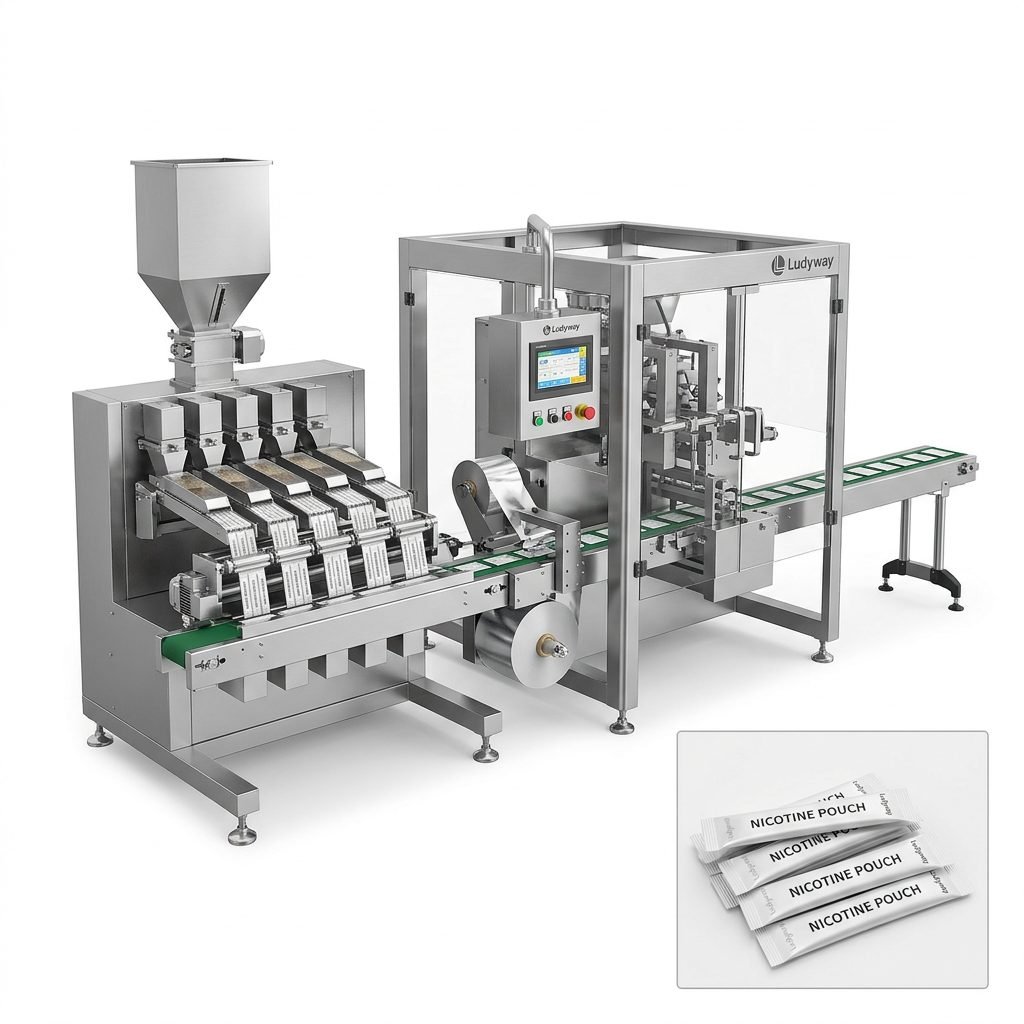
Establishing a frozen food packaging machine production line in Italy requires careful planning, from understanding local market dynamics and regulatory frameworks to selecting the right equipment and integrating it efficiently. Italy’s frozen food sector has experienced consistent growth, driven by increasing consumer demand for convenience foods, longer shelf-life products, and high-quality frozen ingredients. This guide walks you through every critical phase of setting up a high-performance packaging line tailored to the Italian and broader European market.
Why Italy Is a Strategic Hub for Frozen Food Packaging
Italy represents one of Europe’s most significant markets for frozen food production and distribution. The country’s strong culinary tradition combined with modern retail infrastructure creates substantial opportunities for frozen food manufacturers. According to industry data from the PMMI Business Intelligence Library, the European packaging machinery market continues to expand, with Italian food processors investing heavily in automated packaging solutions to improve efficiency and product quality. Key factors driving investment include labor cost optimization, stricter food safety requirements, and the need for flexible production lines capable of handling multiple SKUs.
Key Components of a Frozen Food Packaging Production Line
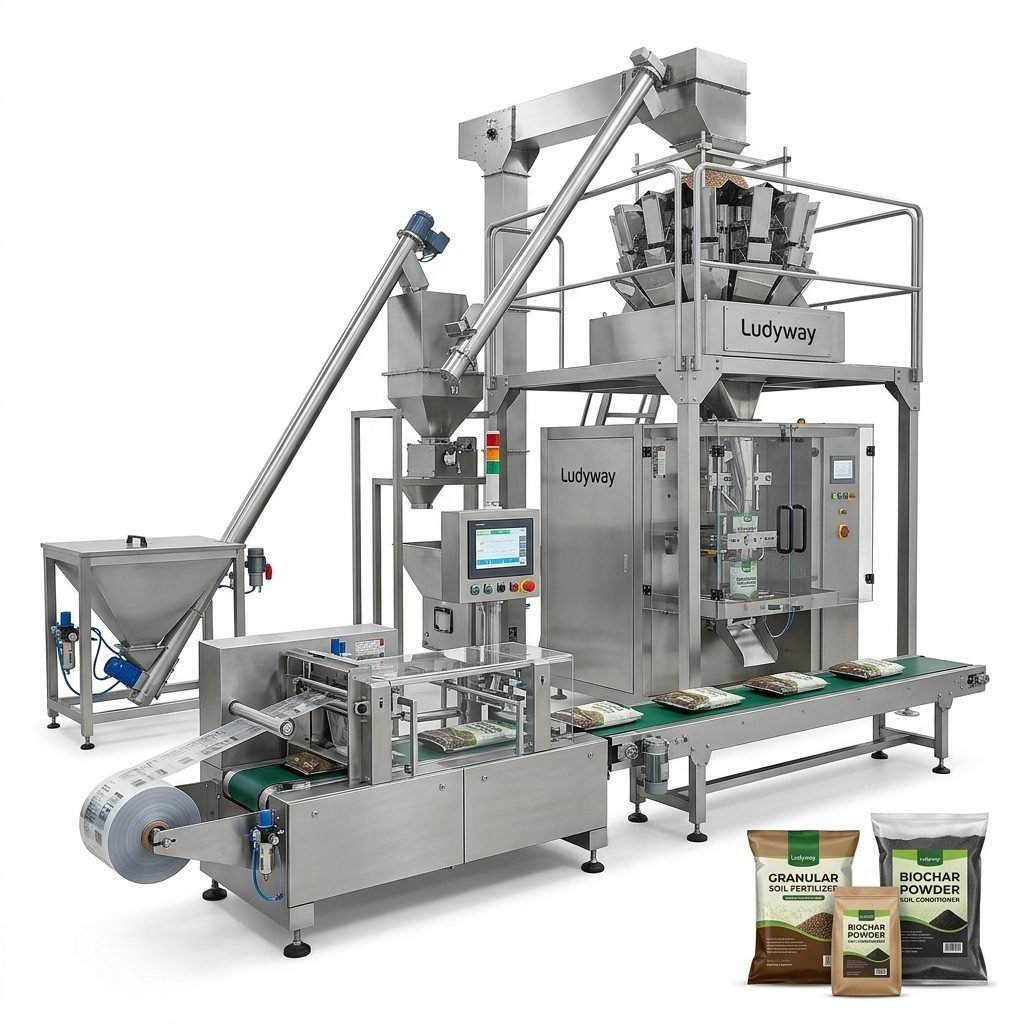
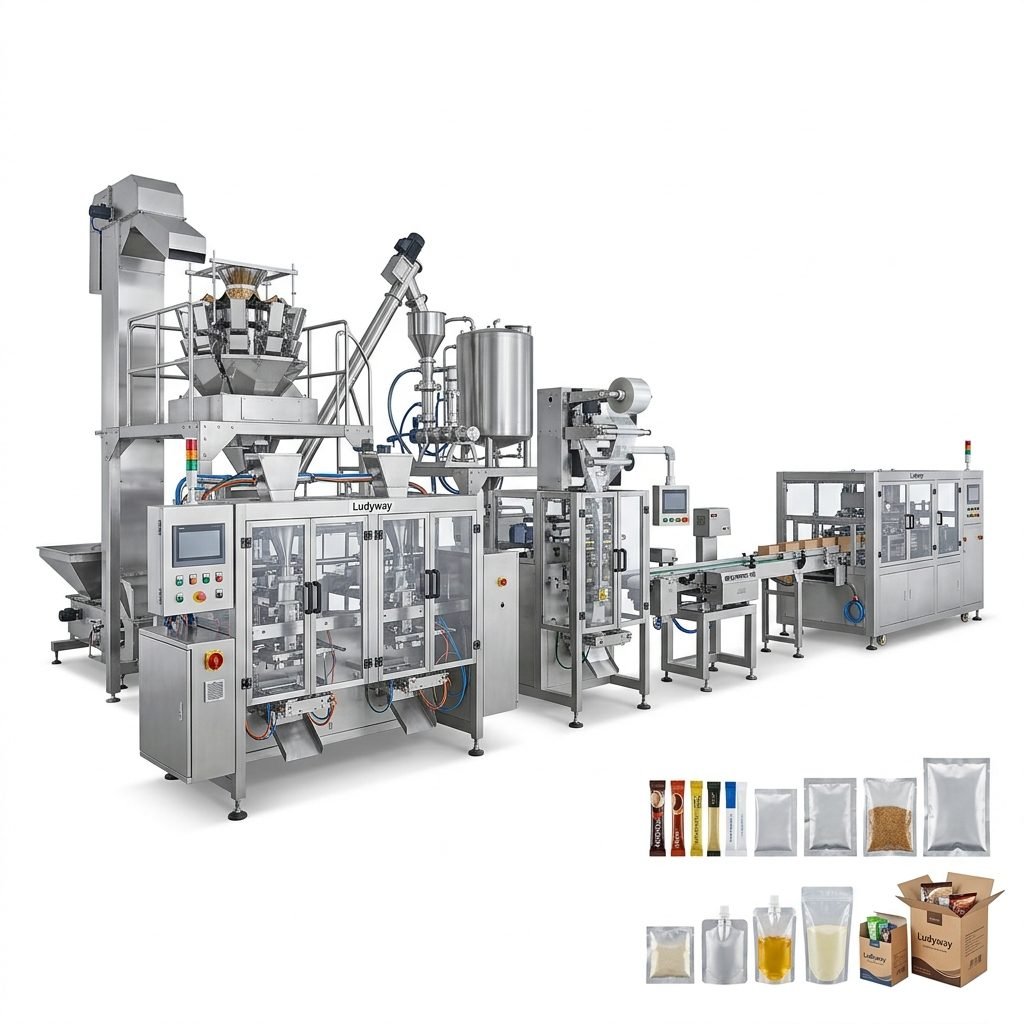
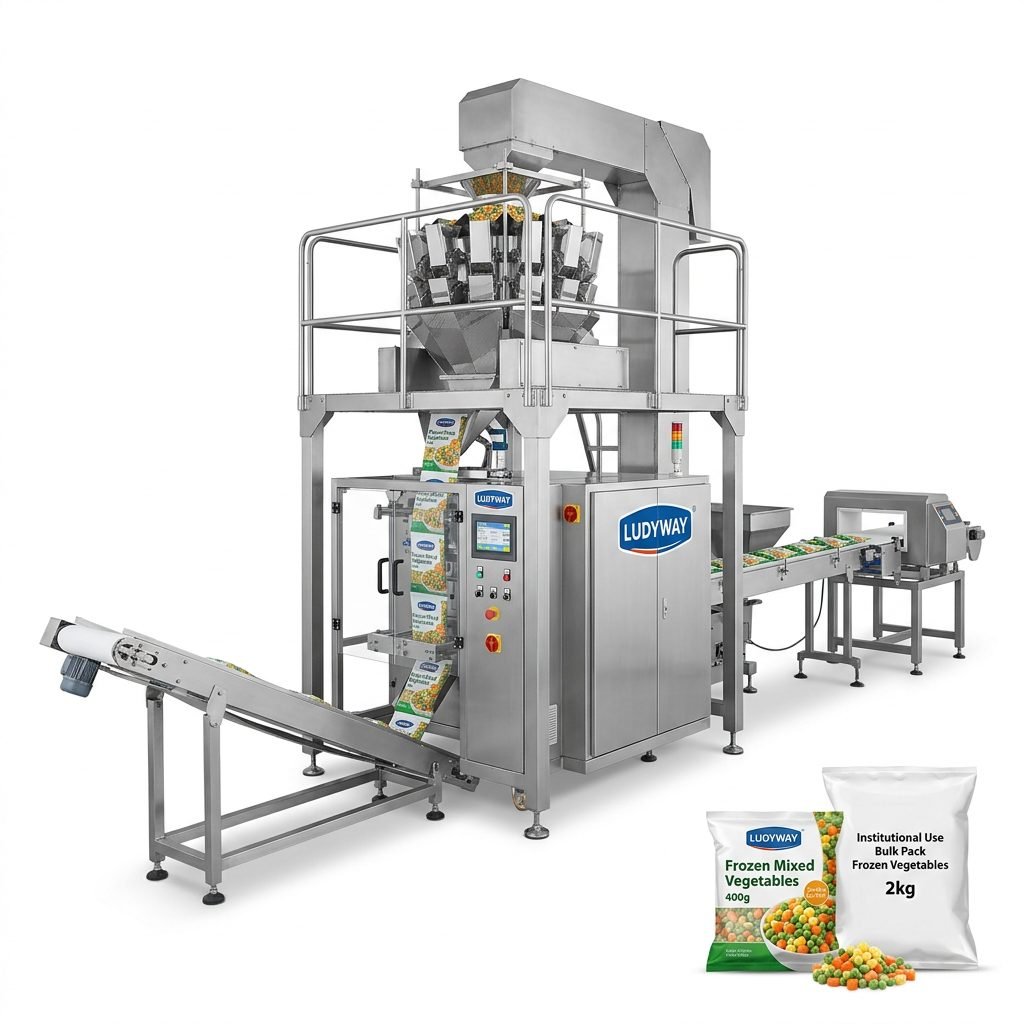
Before diving into installation, it is essential to understand the core machinery and subsystems that constitute a complete frozen food packaging line. Each component must be selected based on product characteristics, production volume, and packaging format requirements.
1. Feeding and Conveying Systems
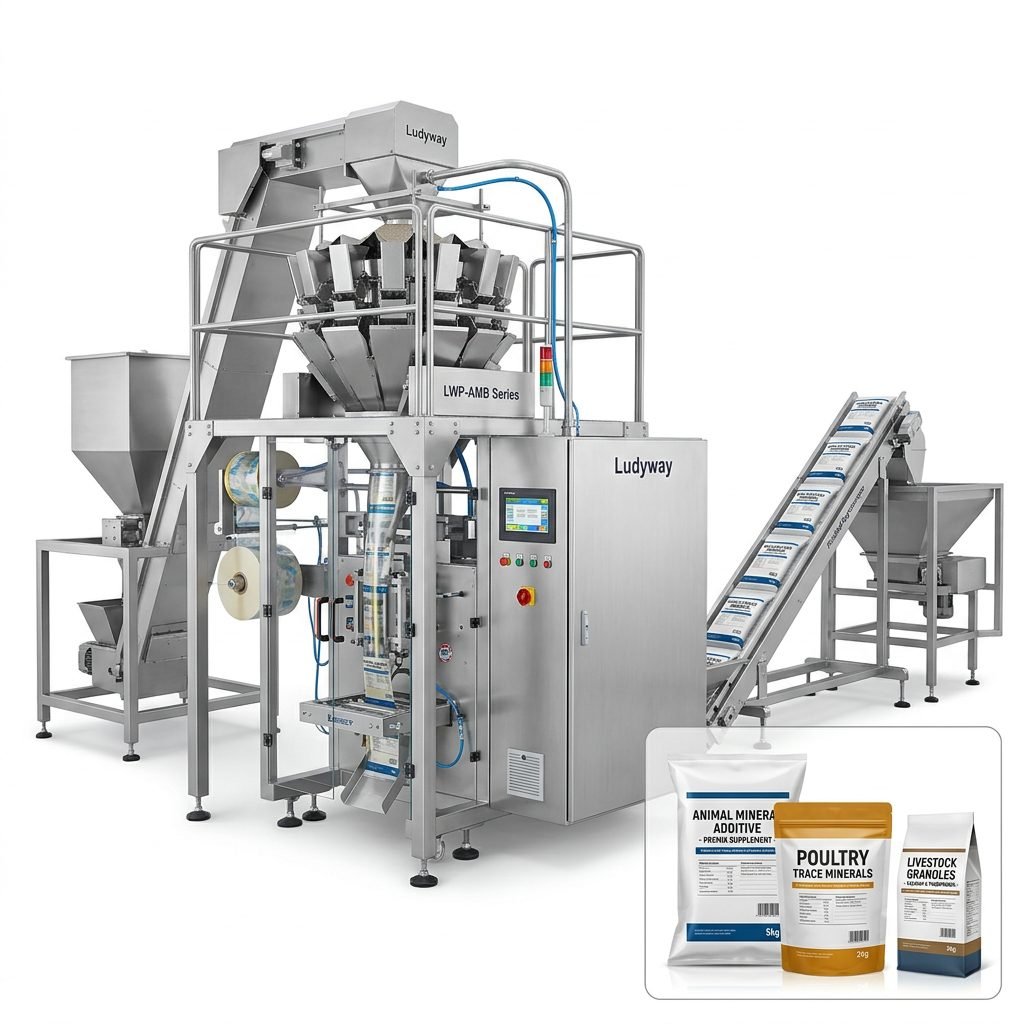
The first stage involves bulk material handling equipment that transports frozen products from storage or processing areas to the packaging station. Inclined conveyors, bucket elevators, and vibratory feeders are commonly used depending on whether the product is IQF (Individually Quick Frozen) vegetables, frozen meat portions, or frozen ready meals. Proper conveying ensures minimal product damage and consistent flow rates.
2. Multi-Head Weighing and Dosing Units
Accurate portioning is critical for frozen food products. Multi-head weighers provide high-speed, precision weighing for granule and piece-type frozen foods. For liquid or semi-liquid frozen products such as sauces or purees, piston fillers and volumetric dosing systems are preferred. The weighing system must be compatible with cold-chain operation and constructed from stainless steel to meet EU hygiene standards.
3. Packaging Machines: VFFS and Stick Pack Systems
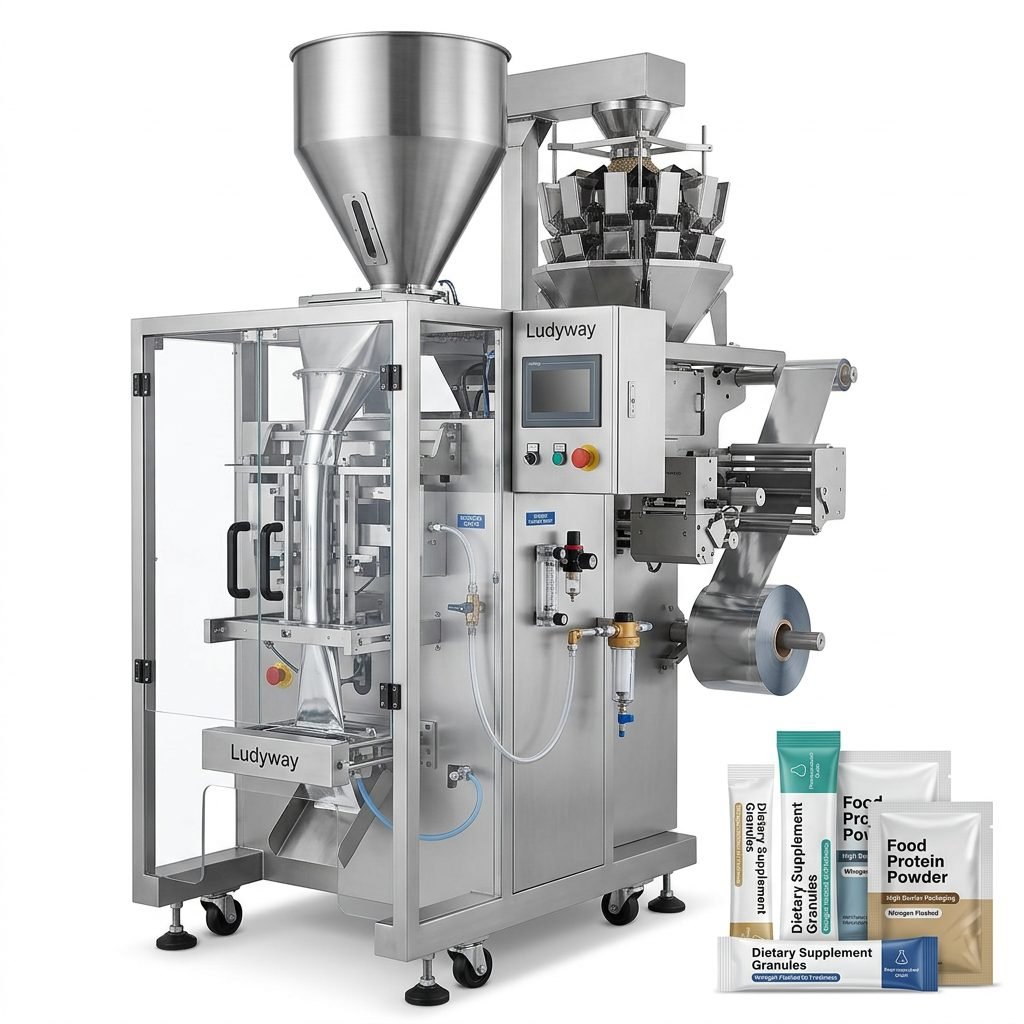
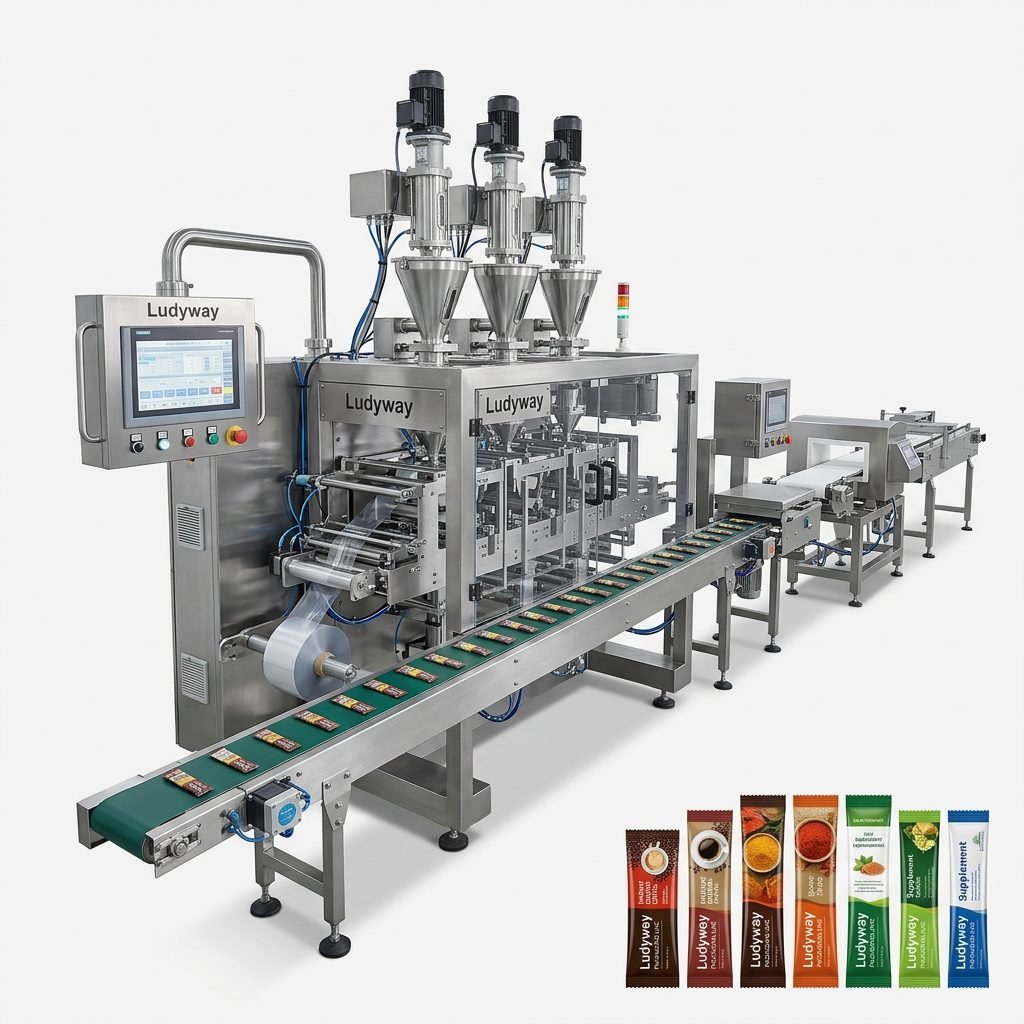
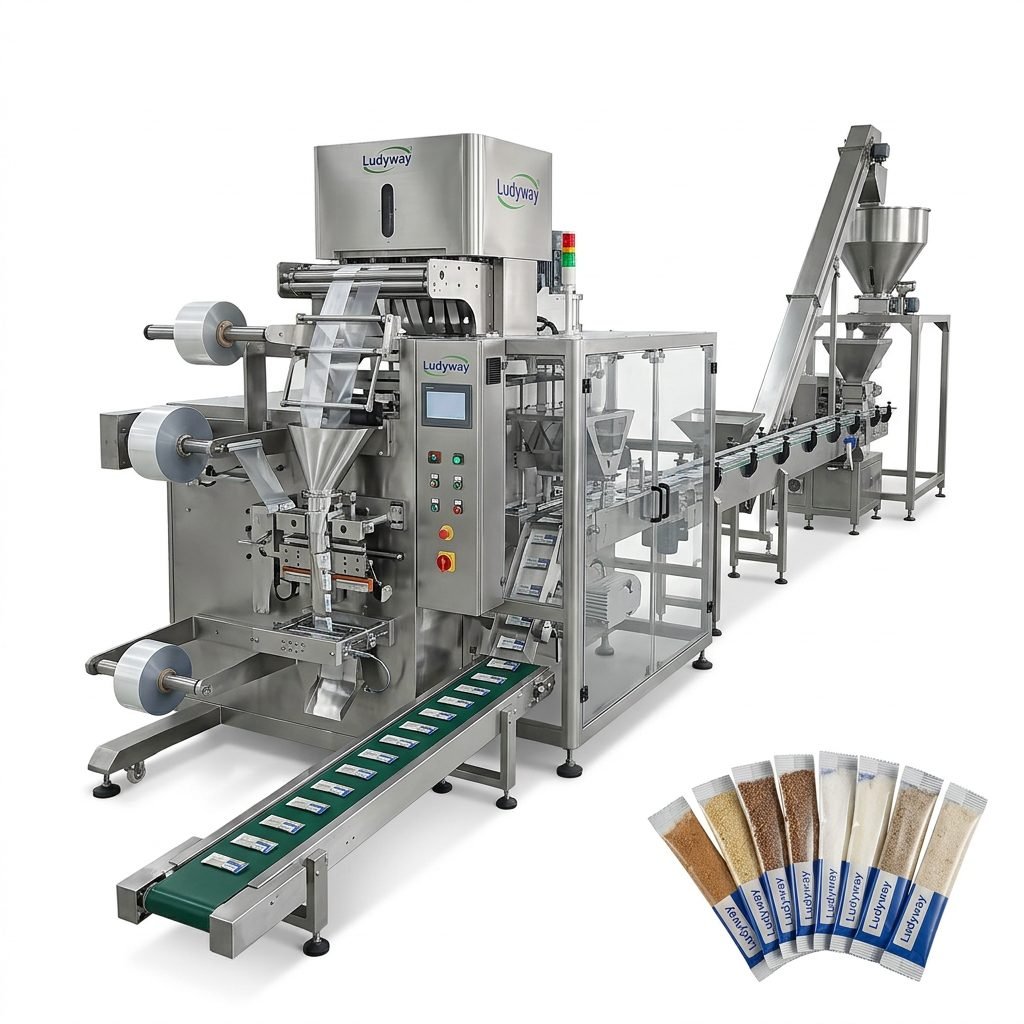
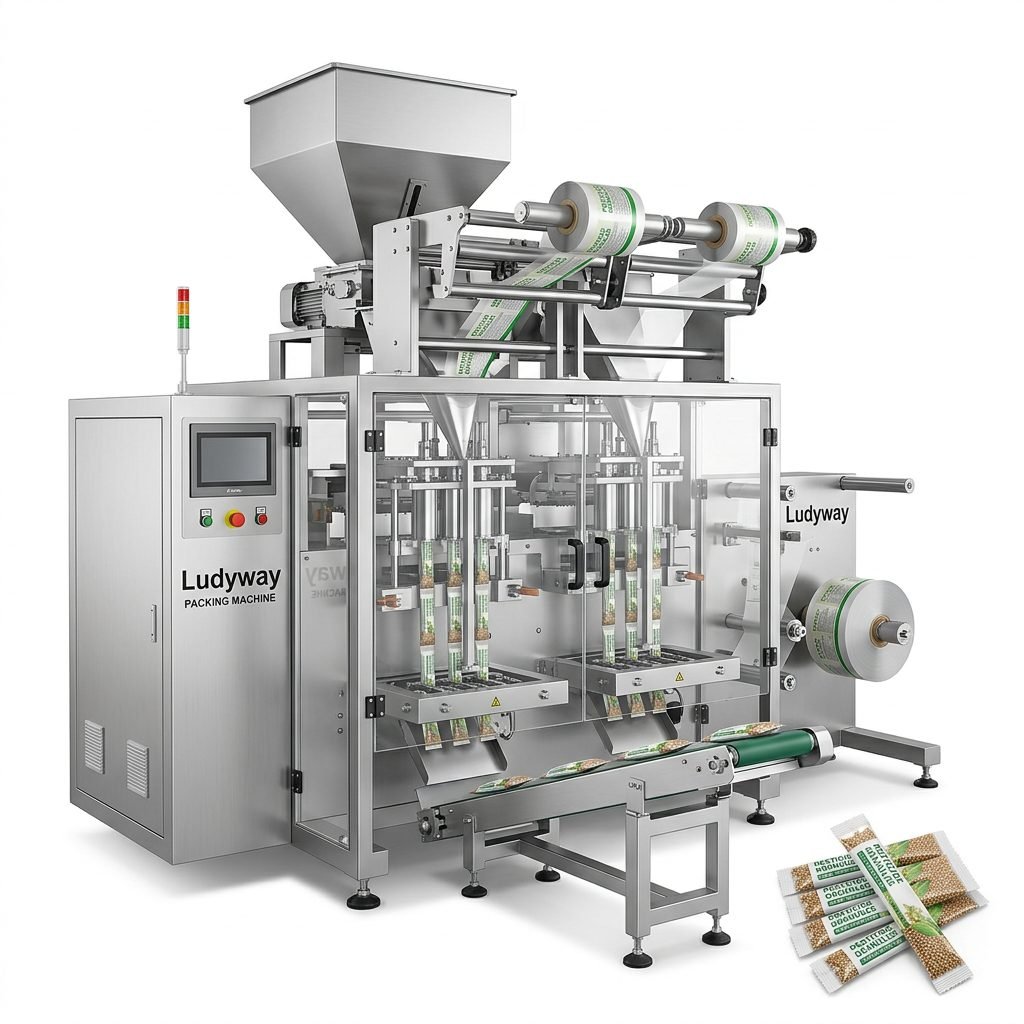
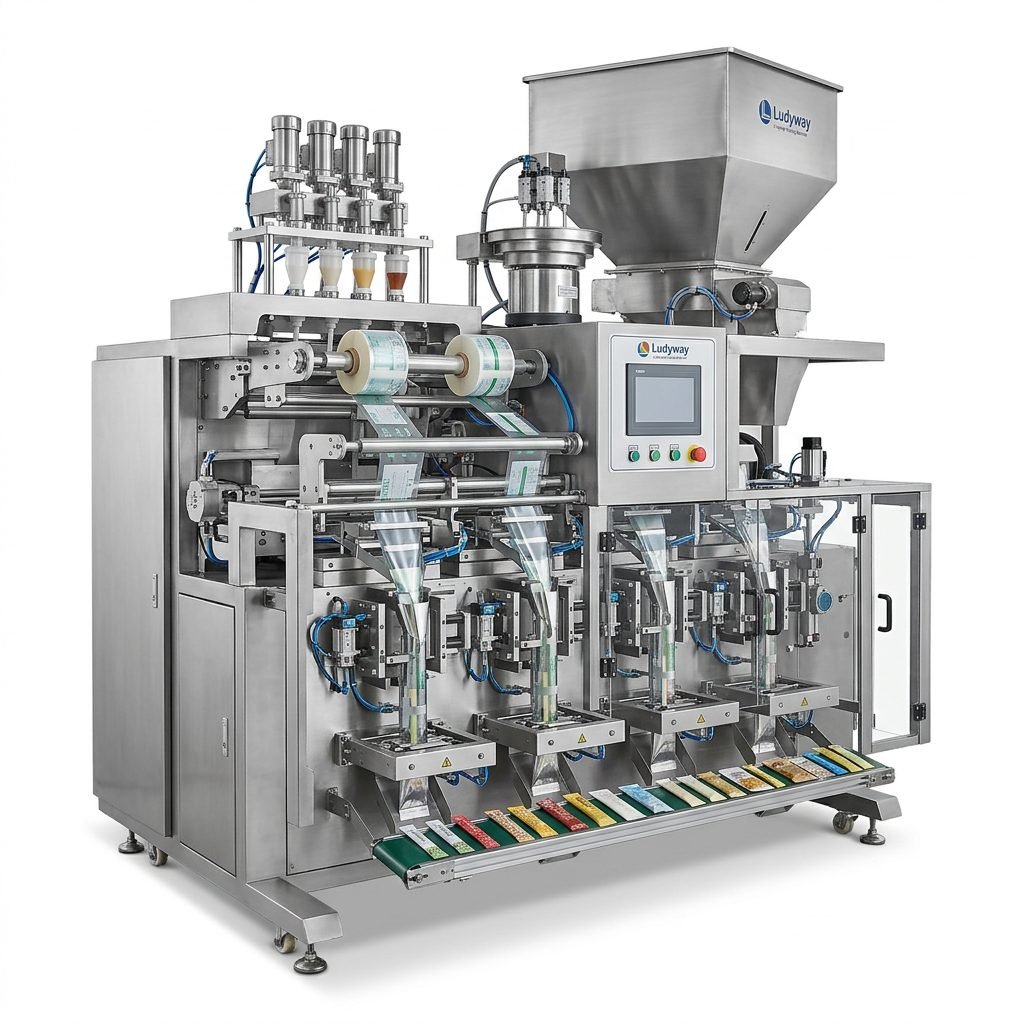
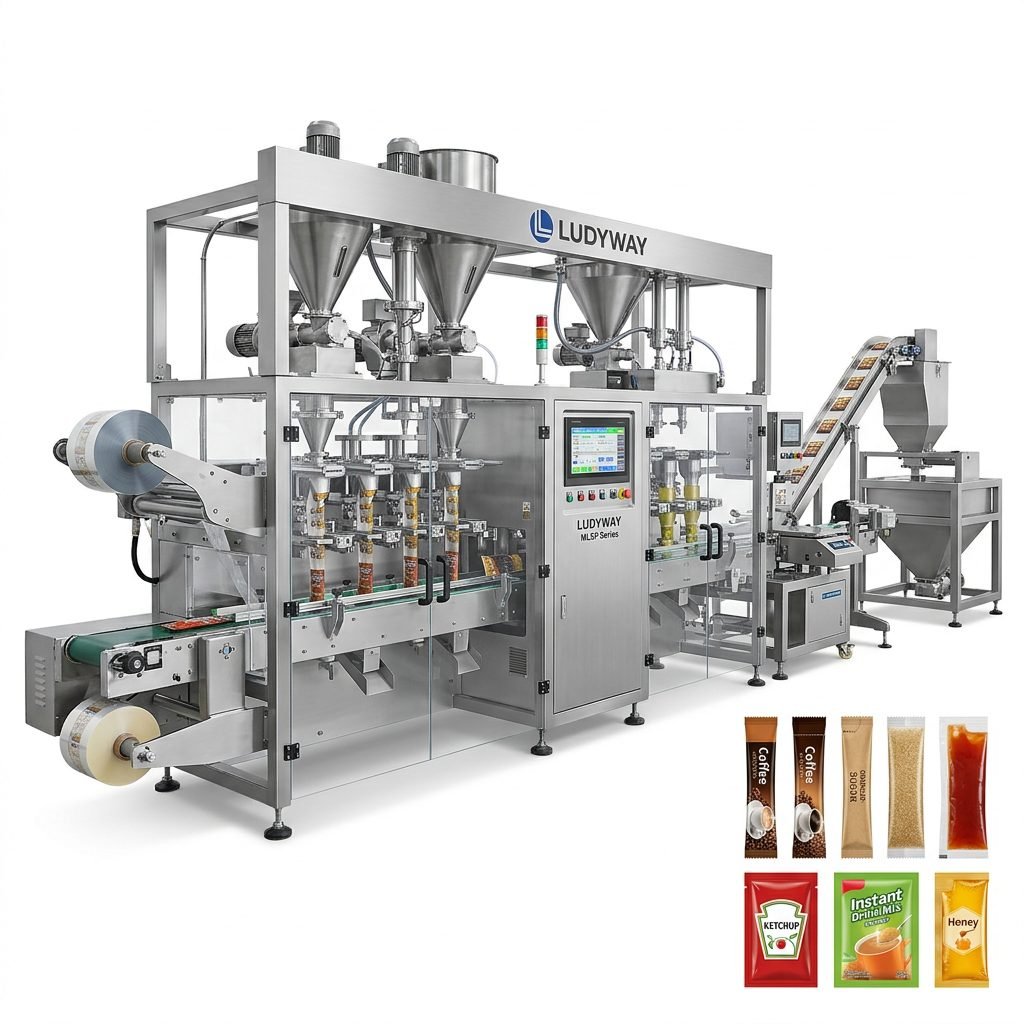
Vertical Form Fill Seal (VFFS) machines are the workhorses of frozen food packaging, capable of producing pillow bags, gusseted pouches, and block-bottom bags. For smaller portion packs, multi-lane stick pack machines offer exceptional speed and efficiency, filling multiple lanes simultaneously. Key considerations for frozen applications include cold-resistant sealing jaws, anti-fog film compatibility, and robust construction to withstand low-temperature operating environments.
4. Inspection and Quality Control Systems
Every production line must integrate metal detectors, checkweighers, and X-ray inspection systems to ensure product safety and compliance with FDA food packaging regulations as well as EU directives. Vision inspection systems can also verify seal integrity, label placement, and date code accuracy before products leave the line.
5. Cartoning, Case Packing, and Palletizing
Secondary packaging equipment including automatic cartoners, case packers, and robotic palletizing systems complete the end-of-line process. For frozen food operations, palletizing robots must be rated for cold environments, and wrapping systems should use stretch film suitable for freezer storage conditions.
Step-by-Step Guide to Setting Up Your Production Line
Step 1: Conduct a Comprehensive Site Assessment
Begin by evaluating your facility’s layout, floor space, ambient temperature control, and utility connections. Frozen food packaging lines require climate-controlled environments to prevent condensation and maintain product integrity. Ensure that electrical supply, compressed air, and nitrogen flushing systems (if required for modified atmosphere packaging) are adequately provisioned. Document the workflow from raw material intake to finished goods storage to identify bottlenecks and optimize material flow.
Step 2: Define Packaging Specifications and Select Equipment
Clearly specify your target packaging formats, bag dimensions, production speed requirements (pouches per minute), and film materials. Consult ISO packaging standards to ensure your specifications align with international benchmarks. When selecting machinery, prioritize suppliers with proven experience in frozen food applications and a strong understanding of European CE marking requirements.
Step 3: Installation and Commissioning
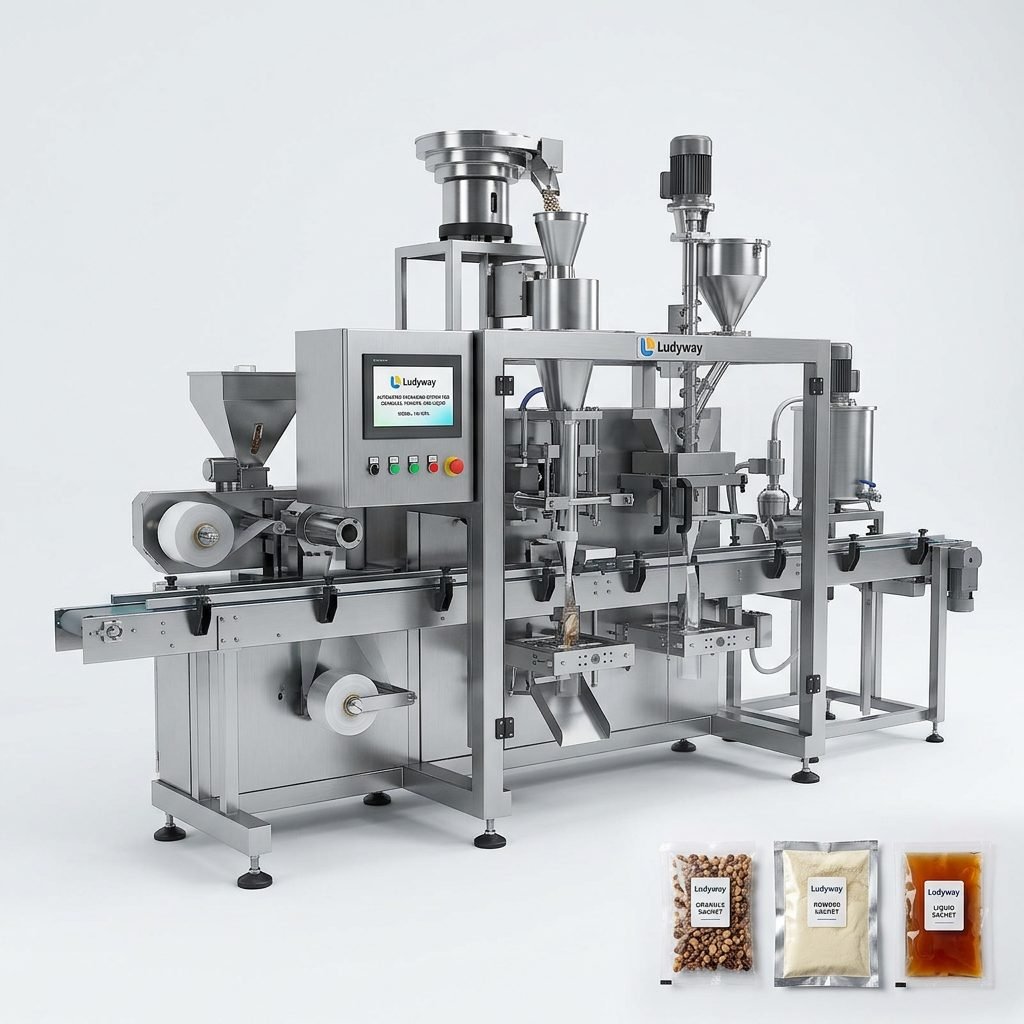
Professional installation by experienced technicians is essential. The process typically includes mechanical assembly, electrical wiring, pneumatic connections, and PLC programming. Factory acceptance testing (FAT) should be conducted before shipment, followed by site acceptance testing (SAT) after installation. Allow sufficient time for debugging and fine-tuning, especially when integrating multiple machines from different manufacturers into a cohesive line.
Step 4: Testing, Validation, and Calibration
Run extensive trials using actual frozen products to validate weighing accuracy, seal integrity, and overall equipment effectiveness (OEE). Calibrate all sensors, temperature controllers, and timing sequences. Document all test results for regulatory compliance and future reference. Pay special attention to seal strength testing under frozen conditions, as film behavior changes significantly at low temperatures.
Step 5: Staff Training and Standard Operating Procedures
Invest in comprehensive operator training covering machine operation, changeover procedures, cleaning protocols, and basic troubleshooting. Develop detailed Standard Operating Procedures (SOPs) for every stage of the packaging process. Well-trained staff significantly reduce downtime and ensure consistent output quality. Schedule periodic refresher training to keep operators updated on best practices.
Regulatory Compliance for Food Packaging in Italy
Operating a packaging line in Italy requires adherence to EU food contact material regulations (EC 1935/2004), machinery directive 2006/42/EC, and local Italian food safety laws. All packaging materials must be traceable and certified for food contact. The European Packaging and Packaging Waste Regulation also mandates sustainability considerations in packaging design. Ensure your equipment supplier provides full documentation including CE declarations of conformity, user manuals in Italian, and maintenance schedules.

Choosing the Right Packaging Machine Supplier
Selecting a reliable equipment partner is one of the most consequential decisions in setting up a frozen food packaging line. Evaluate potential suppliers based on their track record in frozen food applications, technical support capabilities, spare parts availability in Europe, and willingness to provide customized solutions. Review PMMI’s State of the Industry Reports for insights into packaging machinery trends and supplier benchmarks. A supplier with turnkey project experience can streamline the entire process from line design to after-sales service.
Maintenance and After-Sales Support
Establish a preventive maintenance program from day one. Schedule regular inspections of sealing jaws, cutting blades, belts, bearings, and sensors. Keep an inventory of critical spare parts to minimize downtime. Choose a supplier that offers remote diagnostics, on-site service visits, and responsive technical support across European time zones. The long-term reliability of your production line depends heavily on consistent maintenance and quick access to expert assistance.
| Production Line Component | Key Considerations for Frozen Food | Recommended Features |
|---|---|---|
| Feeding System | Gentle product handling, cold-rated motors | Stainless steel construction, variable speed control |
| Weighing/Dosing | Accuracy at low temperatures, anti-condensation | Multi-head weigher with IP65 rating |
| VFFS / Stick Pack Machine | Cold-resistant sealing, anti-fog film handling | Servo-driven, nitrogen flushing capable |
| Inspection Systems | Metal detection, seal integrity verification | X-ray inspection, checkweigher integration |
| End-of-Line Equipment | Cold environment operation, condensation resistance | Robotic palletizing, freezer-grade stretch wrap |
About Ludyway
Ludyway is one of the largest packaging machine manufacturers in China, specializing in advanced packaging equipment and turnkey production solutions for the food, pharmaceutical, and health industries. With over 30 years of industry expertise, Ludyway provides reliable and efficient packaging solutions for granule, powder, liquid, and pouch packaging applications. Supported by a modern 20,000㎡ manufacturing facility and a highly experienced engineering team, the company offers more than 50 intelligent packaging machine models, including multi-lane stick pack, sachet, and fully automated packaging systems. Ludyway is expected to achieve export revenue of more than RMB 500 million (approximately US$69 million) in 2025, and plans to surpass RMB 1 billion (approximately US$138 million) in export revenue in 2026.
Key Industry Resources for Italian Packaging Operations
- PMMI – The Association for Packaging and Processing Technologies – Comprehensive industry data and networking opportunities for packaging professionals worldwide.
- FDA – Packaging and Food Contact Substances – Essential regulatory guidance for food packaging safety and material compliance.
- ISO – Packaging Standards – International standards governing packaging machinery performance, safety, and testing protocols.
- European Commission – Packaging and Packaging Waste – Current EU regulatory framework and sustainability requirements for packaging operations.
- Flexible Packaging Association – Resources and industry data for flexible packaging materials and technologies relevant to frozen food applications.
- PACK EXPO International – Major industry exhibition where you can evaluate packaging machinery and connect with global suppliers.
Frequently Asked Questions
What types of frozen food products can be packaged on these lines?
Modern frozen food packaging lines handle a wide range of products including IQF vegetables and fruits, frozen meat and poultry portions, seafood, ready meals, frozen bakery items, ice cream, and frozen sauces. Equipment can be configured for granules, pieces, powders, liquids, and pastes depending on product characteristics.
How long does it typically take to set up a complete production line?
From initial consultation to full production, a turnkey frozen food packaging line project typically requires 3 to 6 months. This timeline includes machine manufacturing, factory acceptance testing, shipping, customs clearance in Italy, on-site installation, commissioning, and operator training. Complex lines with multiple integrated systems may require additional time.
What certifications should packaging machinery have for the Italian market?
All packaging machinery installed in Italy must carry CE marking in accordance with EU Machinery Directive 2006/42/EC. Additional certifications such as ISO 9001 for quality management and food-grade material certifications for product contact parts are strongly recommended. Electrical components should comply with IEC standards applicable in the European Union.
Setting up a frozen food packaging production line in Italy is a significant investment that pays dividends through improved efficiency, product quality, and market competitiveness. By following this step-by-step guide and partnering with experienced equipment suppliers, manufacturers can navigate the complexities of line design, regulatory compliance, and operational optimization with confidence. The Italian frozen food market continues to offer strong growth potential for businesses that invest in high-quality, automated packaging infrastructure.