In the competitive landscape of food production and retail, maintaining product quality from factory to consumer is paramount. One technology stands out for its effectiveness in preserving freshness, flavor, and nutritional value: vacuumized food packaging. The right vacuum packaging machine is not just a piece of equipment; it’s an investment in product integrity, shelf life extension, and brand reputation. This article delves into the critical role of vacuumized food packaging machines, exploring their benefits, key features to look for, and how they serve as the cornerstone for keeping food fresh for longer periods.
The Science Behind Vacuum Packaging and Shelf Life Extension
Vacuum packaging works on a simple yet powerful principle: removing air from the package before sealing it. Oxygen is the primary culprit in food degradation, responsible for oxidation, microbial growth (like mold and bacteria), and enzymatic reactions that lead to spoilage, color change, and loss of nutrients. By creating a low-oxygen environment, a vacuumized food packaging machine drastically slows down these processes.
Key Benefit: The removal of oxygen inhibits the growth of aerobic bacteria and fungi, significantly delaying spoilage and preserving the food’s original taste, texture, and color.
This technology is versatile, applicable to a wide range of products including meats, cheeses, prepared meals, coffee, nuts, and dried fruits. For businesses, this translates to reduced food waste, longer distribution windows, and the ability to offer cleaner-label products with fewer preservatives.
Core Advantages of Investing in a Professional Vacuum Packaging Machine
Transitioning from manual or basic methods to an automated vacuumized system unlocks multiple operational and quality advantages.
1. Maximized Freshness & Product Quality
Beyond shelf life, vacuum sealing protects against freezer burn, retains moisture to prevent drying out, and safeguards against odor contamination in storage or transit. This ensures the end consumer receives the product in its intended, high-quality state.
2. Enhanced Safety and Hygiene
Automated machines minimize direct human contact with food products, reducing contamination risks. The secure, airtight seal also acts as a tamper-evident barrier, enhancing consumer trust and safety compliance.
3. Operational Efficiency and Cost Savings
Modern vacuumized food packaging machines are designed for speed and consistency. They can handle high volumes with precise sealing, reducing labor costs and packaging material waste. The extended shelf life also improves inventory management and reduces losses from unsold, expired goods.
→ Spotlight on Innovation: Ludyway’s Approach
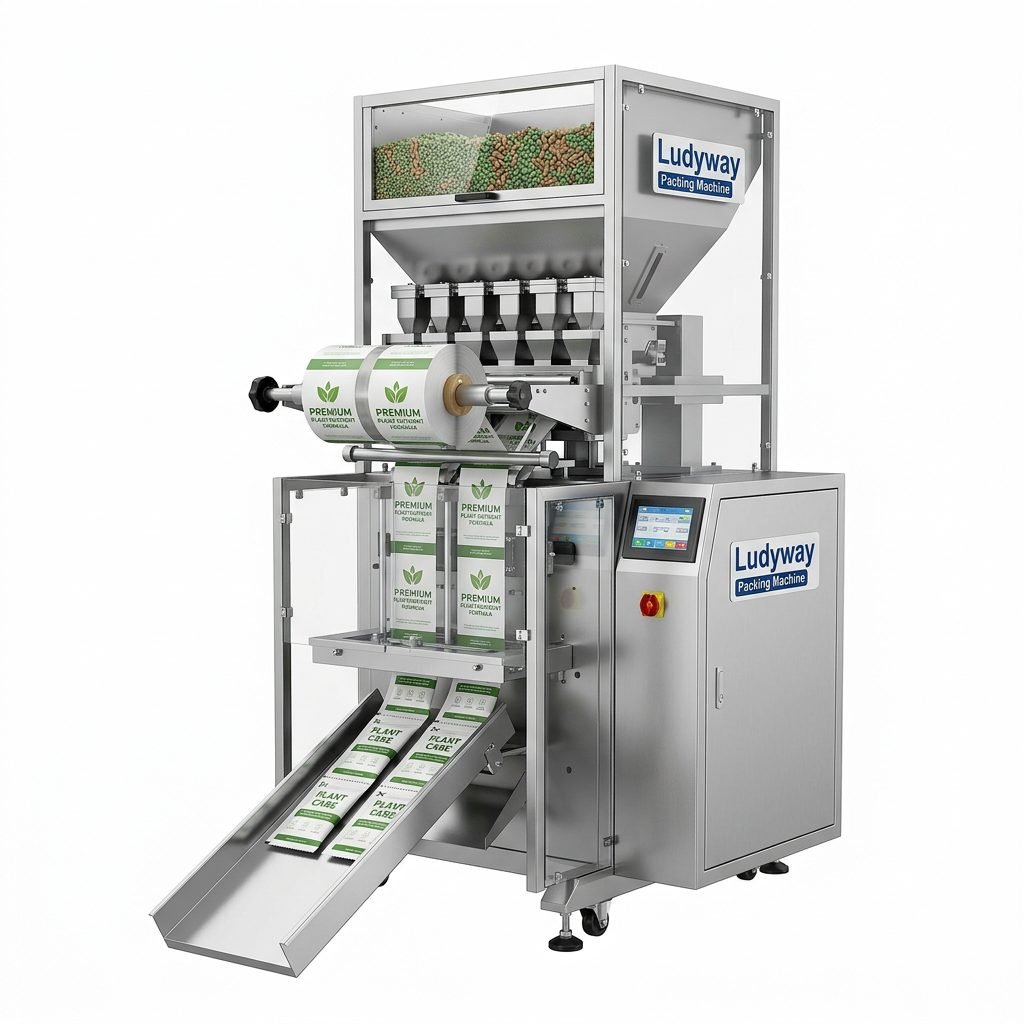
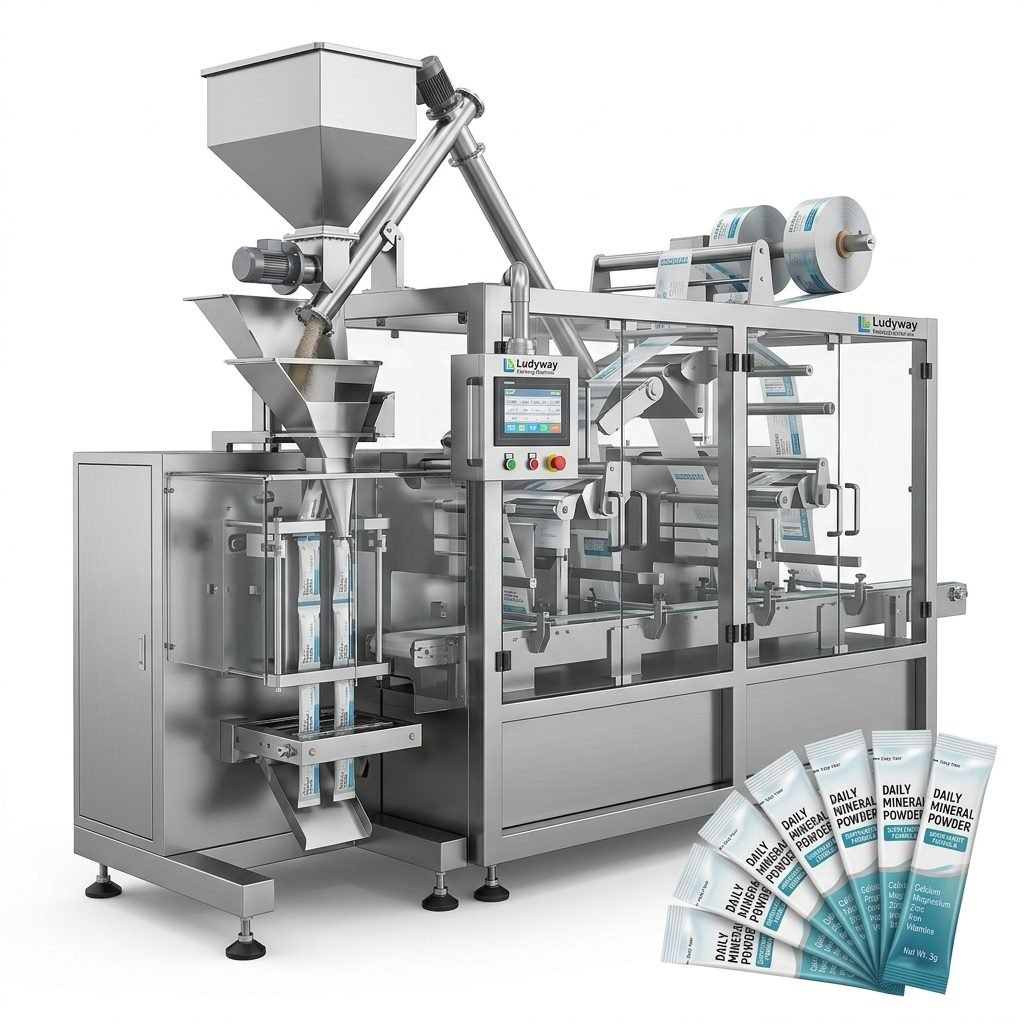
Understanding these industry needs, packaging specialists like Ludyway Machinery focus on engineering solutions that balance robust performance with user-friendly operation. With deep experience in the food and pharmaceutical sectors, their philosophy centers on providing reliable, intelligent packaging systems that integrate seamlessly into production lines to deliver the freshness-preserving results businesses require.
Critical Features of the Best Vacuumized Food Packaging Machines
Not all vacuum packagers are created equal. When selecting equipment to be the workhorse of your preservation strategy, consider these essential features.
Powerful Vacuum Performance: Look for a machine with a strong, reliable vacuum pump capable of achieving and maintaining a deep, consistent vacuum level suitable for your specific product type (e.g., wet vs. dry products).
Durable, Precision Sealing System: The sealing bar is critical. It must provide a uniform, airtight seal every time, using materials resistant to heat and wear. Adjustable seal time and temperature controls allow for optimization with different packaging films.
Versatile Programmability: The best machines offer programmable settings for different product profiles. This allows operators to switch between products (e.g., delicate herbs vs. robust cuts of meat) with one-touch consistency, ensuring optimal results for each item.
Hygienic and Robust Construction: Food-grade, easy-to-clean stainless steel surfaces are a must for hygiene and durability. A sturdy frame ensures stability during continuous operation, minimizing downtime.
User-Friendly Interface & Safety: An intuitive control panel, often with a digital display, simplifies operation and training. Integrated safety features, like thermal protection for the seal bar and emergency stops, are essential for protecting both operators and the equipment.
Integrating Vacuum Packaging into Your Production Workflow
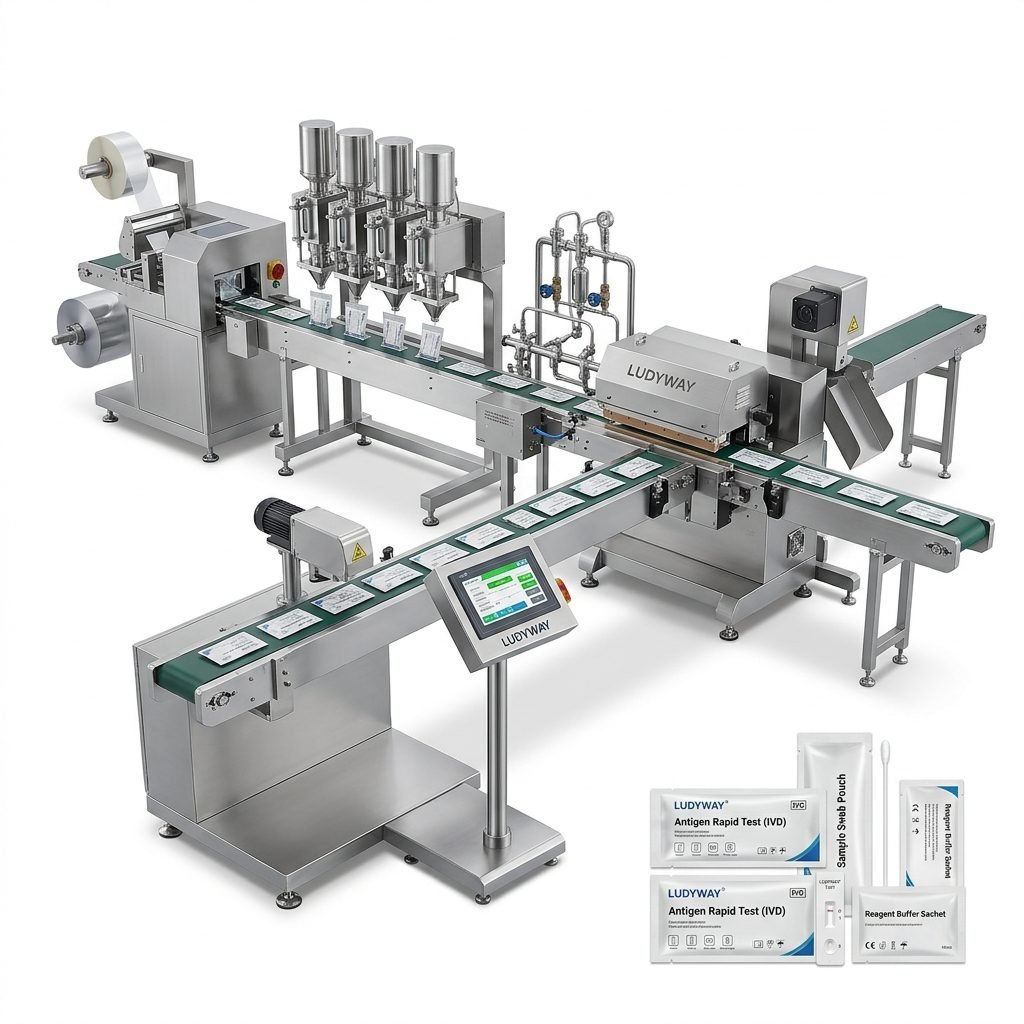
A vacuumized food packaging machine rarely works in isolation. Its true potential is realized when integrated into a complete packaging line. This could include upstream equipment like conveyors, filling systems, or checkweighers, and downstream systems for labeling, boxing, or palletizing.
Partnering with a supplier that understands turnkey production solutions is crucial. They can assess your entire process—from product handling and portioning to the final sealed package—and recommend a vacuum machine that fits your speed, space, and automation goals. This holistic approach ensures seamless operation, maximizes throughput, and protects your investment.
For global manufacturers, selecting a partner with a proven international track record is key. Companies with extensive experience, like Ludyway Machinery, which serves customers worldwide, are adept at navigating different market standards and providing the technical support necessary for successful long-term operation, no matter where your facility is located.
Conclusion: A Foundational Tool for Modern Food Preservation
Choosing the best vacuumized food packaging machine is a strategic decision that directly impacts product quality, operational efficiency, and profitability. By effectively removing oxygen and creating a protective barrier, this technology is unmatched for extending shelf life and keeping food fresh. By prioritizing key features such as vacuum strength, sealing reliability, and hygienic design, and by considering the machine’s role within a broader automated line, businesses can secure a vital tool for growth and consumer satisfaction in today’s demanding market.
Frequently Asked Questions (FAQs)
1. How much does a commercial vacuumized food packaging machine cost?
Costs vary widely based on automation level, speed, chamber size, and features. Basic single-chamber models start in the thousands, while fully automated, high-speed rotary chamber or belt systems can represent a significant investment. The key is to evaluate the return on investment through reduced waste, labor savings, and increased product quality.
2. What types of packaging materials are compatible with these machines?
They are designed for use with specialized vacuum packaging bags or rolls made from multi-layer laminates (often containing PA/PE). The material must have good barrier properties against oxygen and moisture and be heat-sealable. It’s crucial to use film recommended by or compatible with your machine manufacturer to ensure a perfect seal.
3. Can I package liquids or moist foods with a vacuum machine?
Yes, but it requires specific features. For liquids or products with high moisture content, look for machines with “pulse” or “liquid” settings that modify the vacuum cycle to prevent liquid from being sucked into the pump. Some advanced models may include a deep-draw chamber or specialized sealing technology to handle these products effectively.
4. How do I maintain my vacuum packaging machine for optimal performance?
Regular maintenance is simple but vital. Daily cleaning of the sealing area and vacuum chamber, periodic checking and cleaning of the oil filter (for oil pump models) or air filters, and inspection of the sealing bar for residue or wear are standard procedures. Always follow the manufacturer’s specific maintenance guide.
5. What training is required for operators?
Most modern machines are designed for straightforward operation. Basic training typically covers machine startup/shutdown, loading products, selecting the correct program, routine cleaning, and understanding alarm indicators. Comprehensive support from your supplier, including on-site training and clear manuals, is a critical factor when choosing a packaging equipment provider.