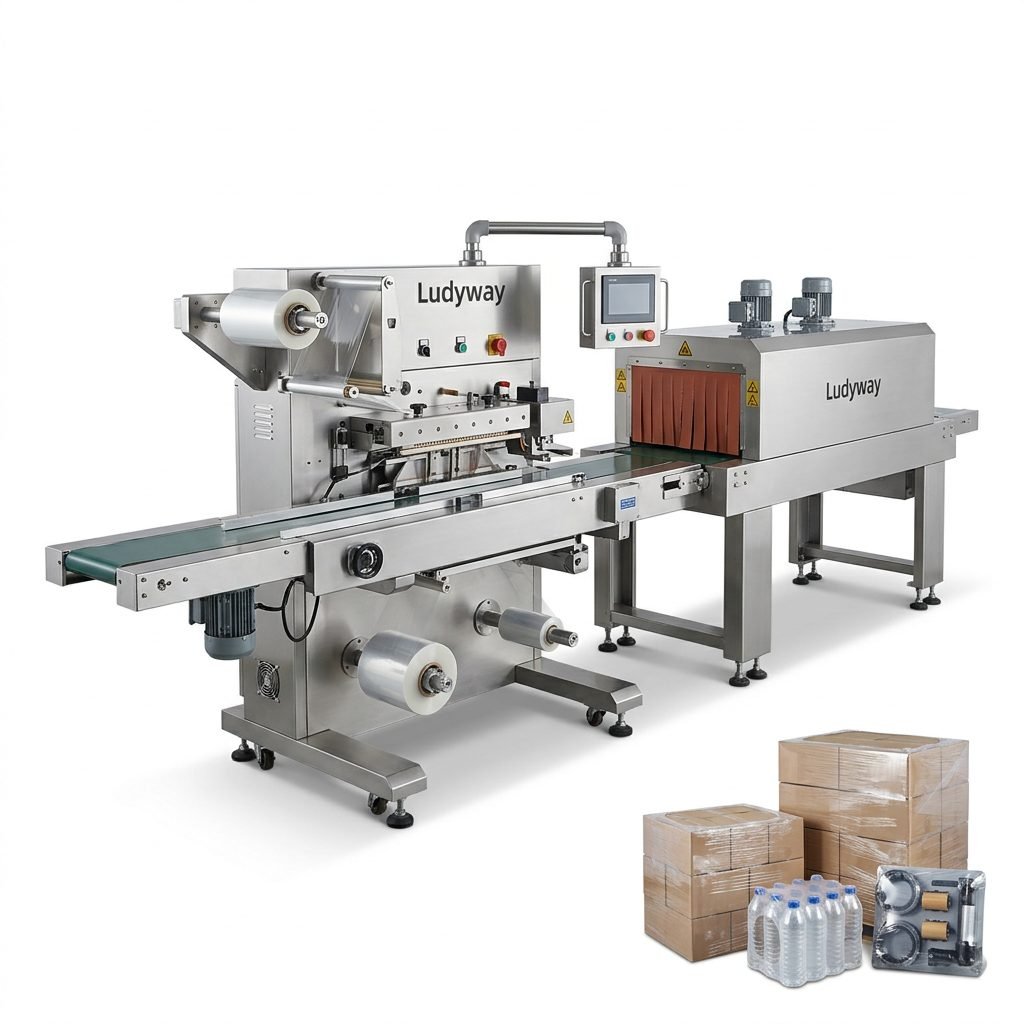
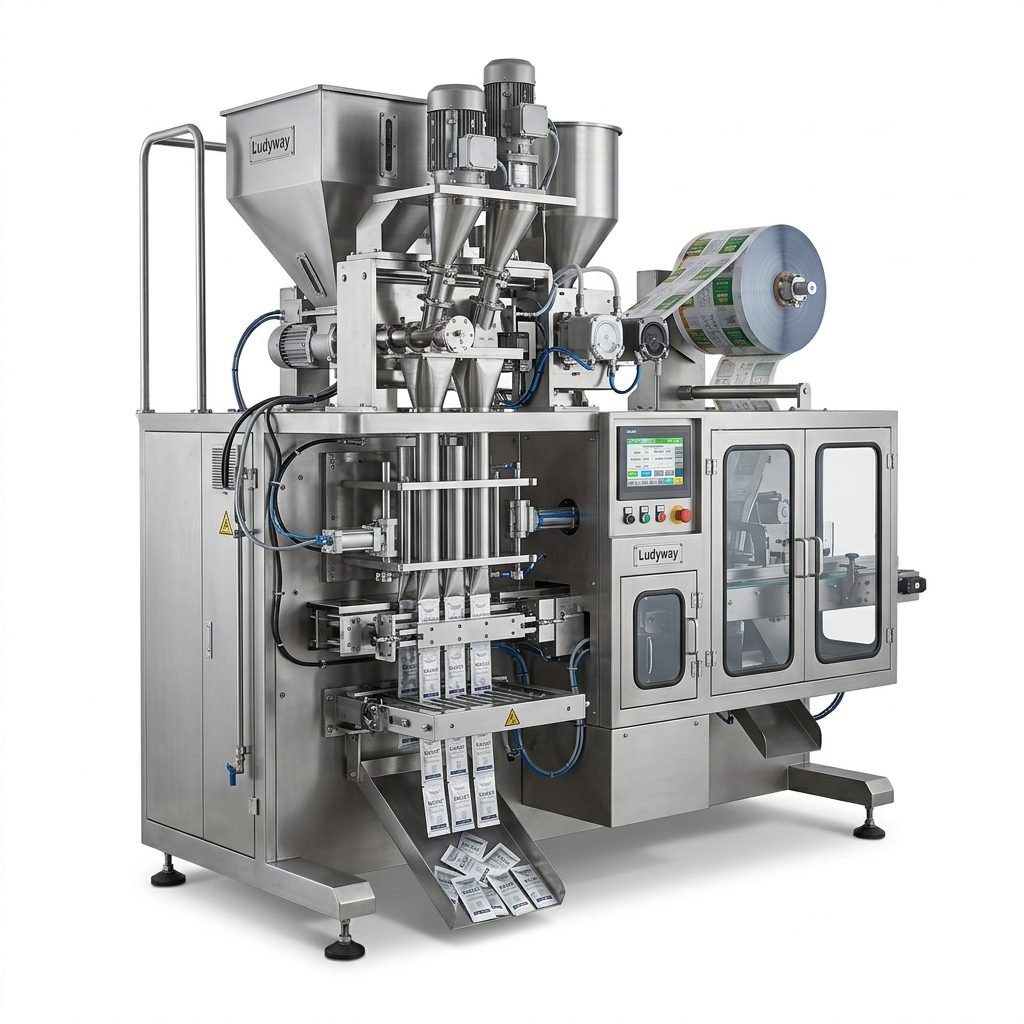
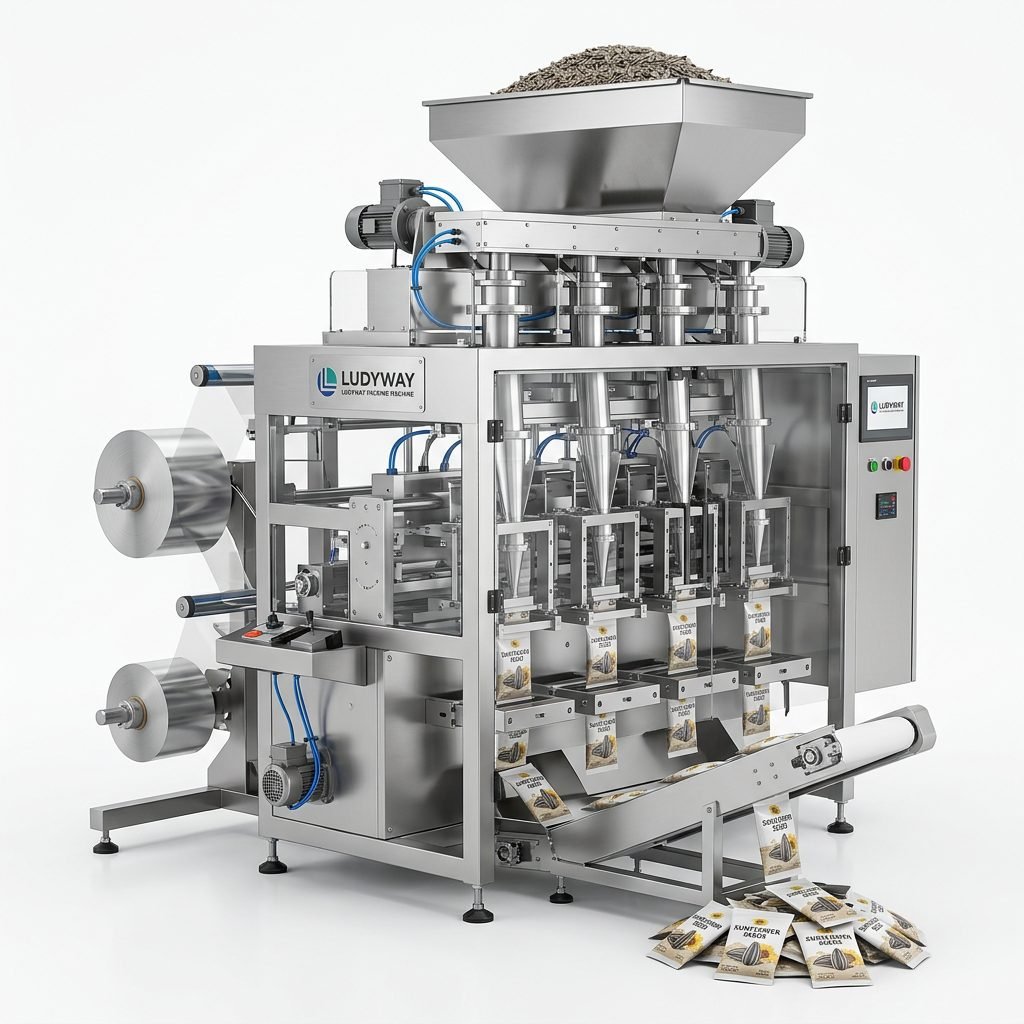
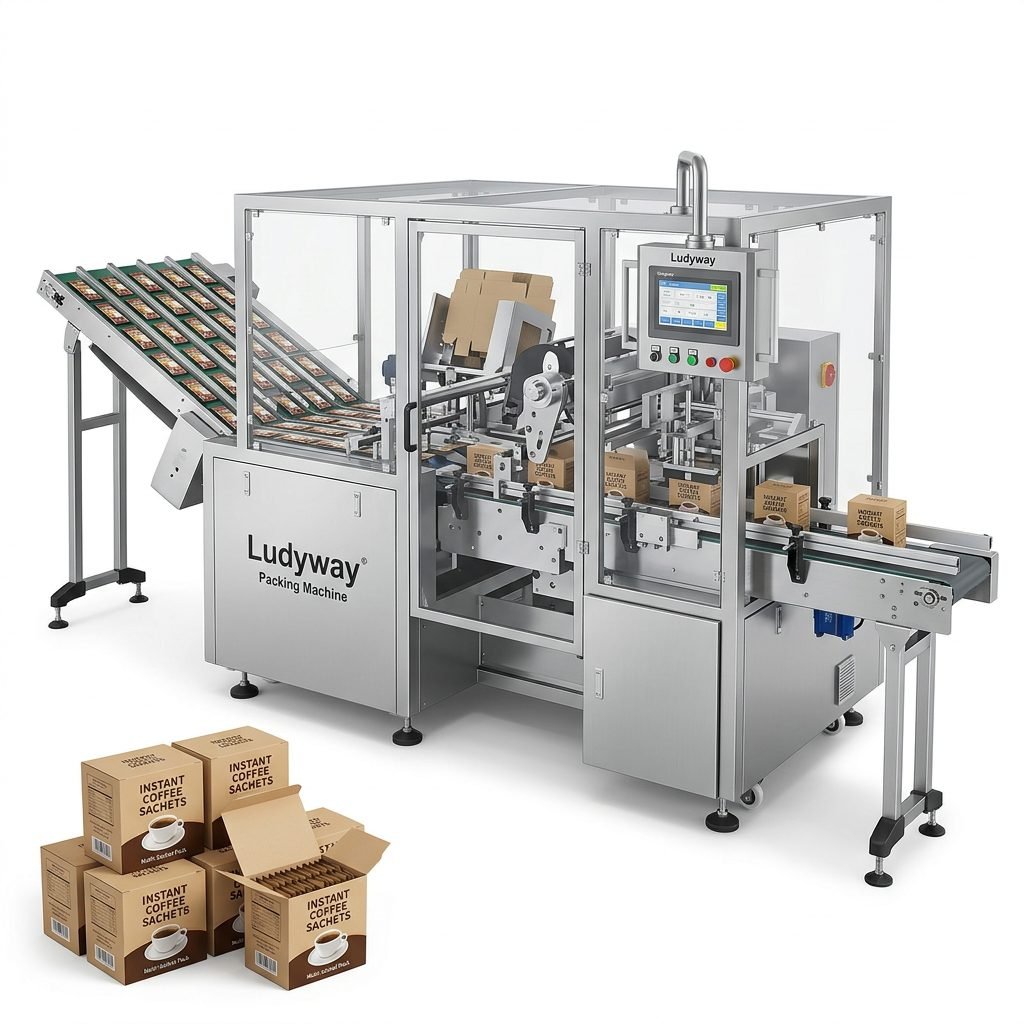
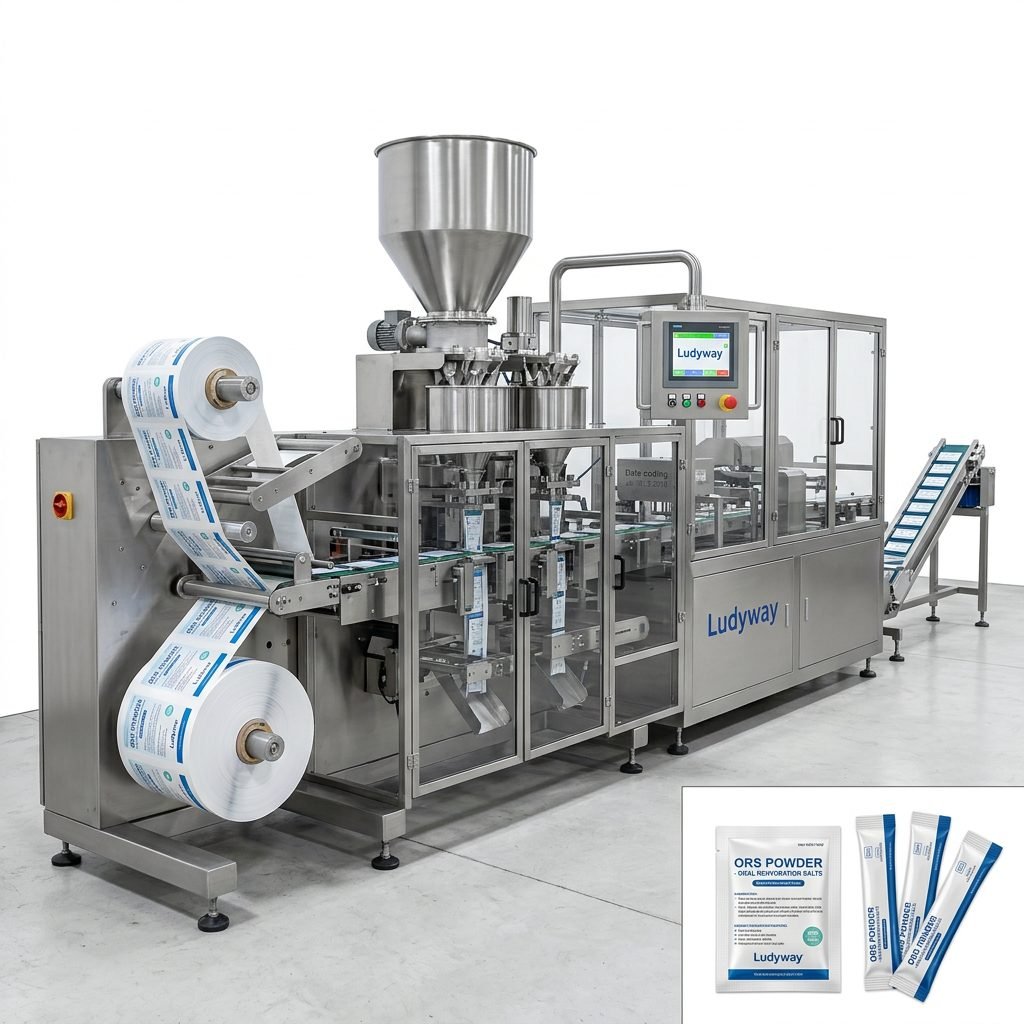
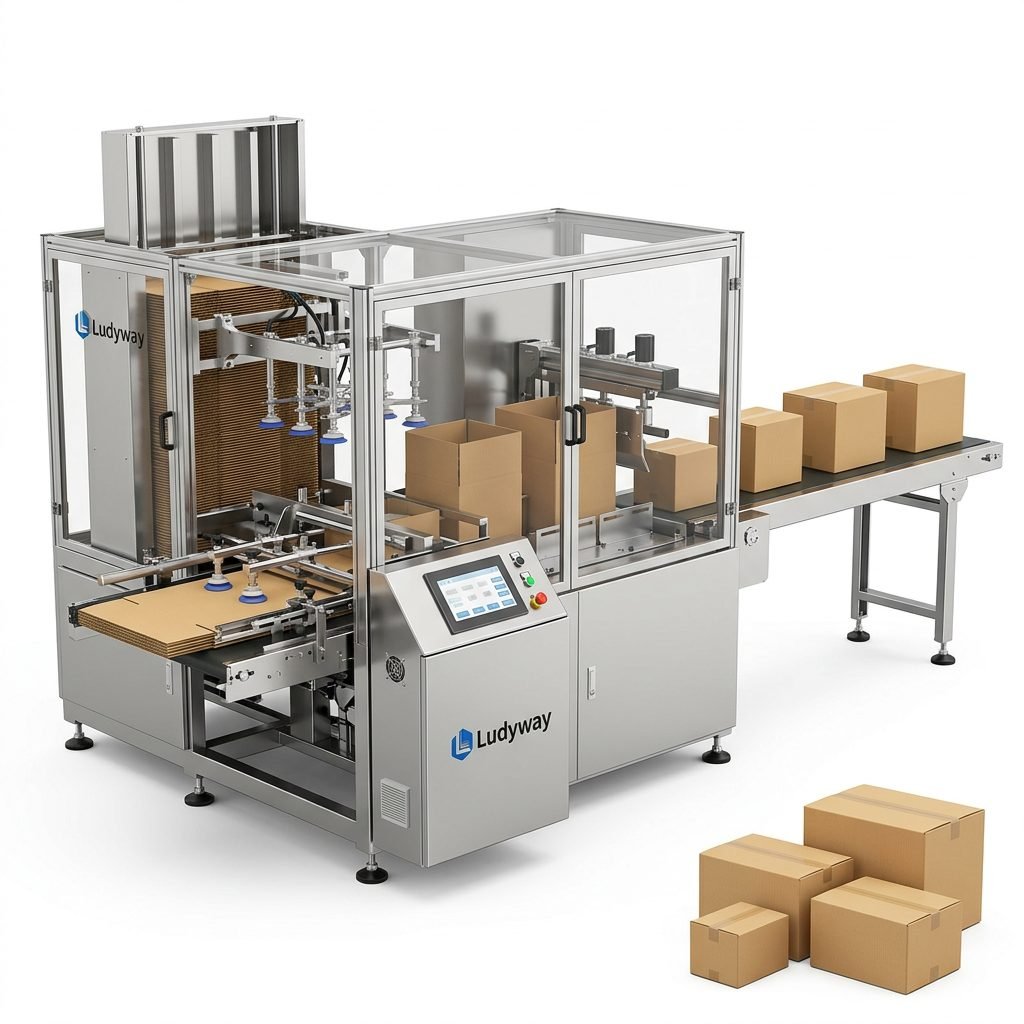
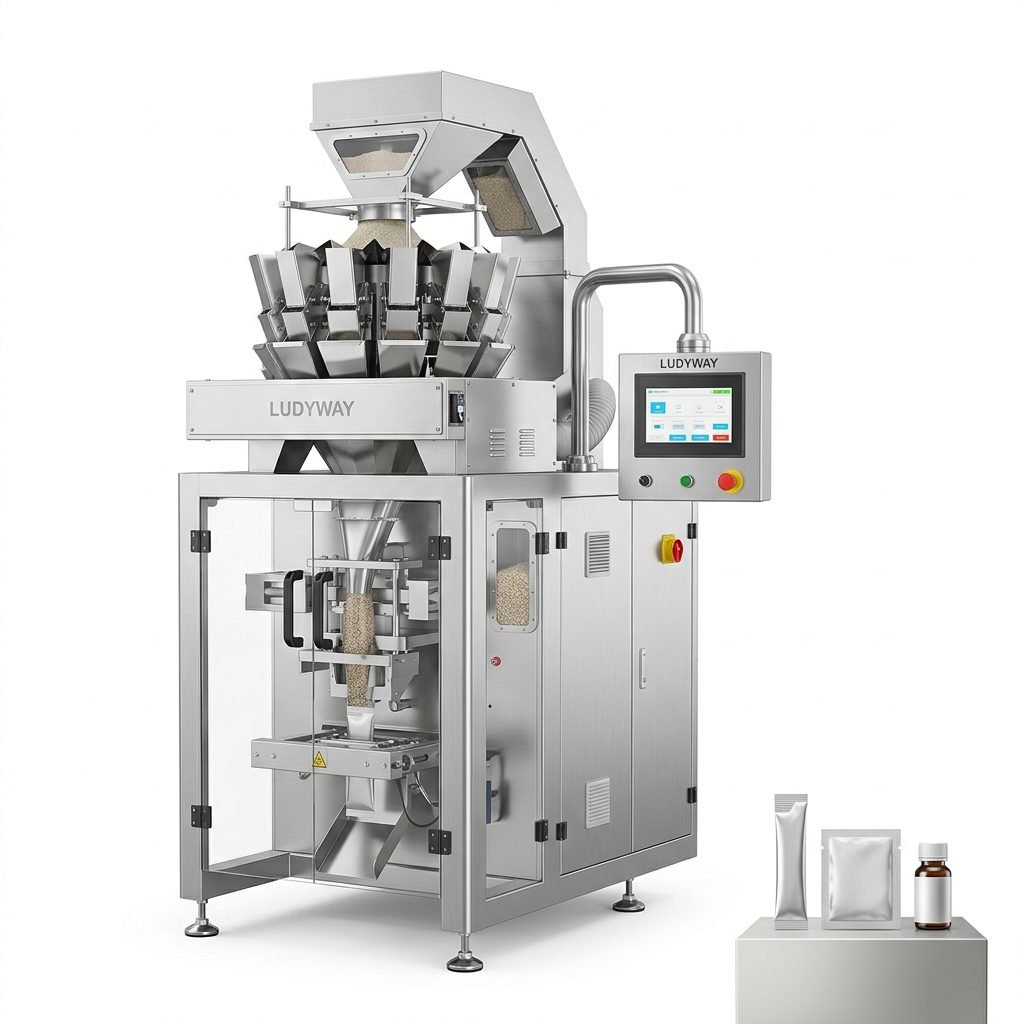
Investing in a vacuum packing machine is a strategic decision for manufacturers looking to extend product shelf life, maintain hygiene standards, and optimize packaging workflows. Among the various technologies available, the Euromatic vacuum packing machine category stands out for its precision, adaptability, and automated control features. This guide walks you through the critical factors to evaluate before purchasing, helping you align machine capabilities with your production goals.

Key Factors to Consider When Selecting an Euromatic Vacuum Packing Machine
Not all vacuum packing systems are built the same. The right choice depends on your product characteristics, throughput requirements, and facility layout. Below are the primary evaluation criteria:
1. Product Compatibility and Material Sensitivity
Whether you are packing powders, granules, liquids, or solid components, the machine must handle your specific product without compromising seal integrity. Look for models that offer adjustable vacuum levels and gentle handling mechanisms to protect fragile or fine-particle products. Food-grade and pharmaceutical applications often require stainless steel construction and compliance with international hygiene standards.
2. Chamber Type vs. External Vacuum Systems
Understanding the difference between single-chamber, double-chamber, and continuous external vacuum systems is essential. Chamber machines place the entire product inside a vacuum chamber, suitable for solid or semi-solid items. External vacuum systems, also known as nozzle-based systems, are ideal for high-speed production lines where pouches or bags are evacuated and sealed in rapid succession. Your production speed and bag format will dictate the best configuration.
3. Automation and Control Features
Modern Euromatic vacuum packing machines come equipped with programmable logic controllers (PLC), touchscreen interfaces, and multi-stage vacuum programs. These features allow precise control over vacuum time, gas flush (modified atmosphere packaging), and sealing temperature. For large-scale operations, look for models that can integrate with upstream filling and downstream cartoning systems.

Why Machine Build Quality and Compliance Matter
A vacuum packing machine is a long-term asset. Prioritize manufacturers that use high-grade stainless steel, internationally recognized pneumatic and electrical components, and rigorous quality testing. For regulated industries such as pharmaceuticals and medical devices, compliance with ISO 11607 and FDA packaging guidelines is non-negotiable. Machines designed with cleanability and maintenance access in mind reduce downtime and extend service life.
Key Technical Specifications to Compare
| Specification | What to Look For | Impact on Production |
|---|---|---|
| Sealing Bar Length | Match to your maximum bag width | Determines packaging format flexibility |
| Vacuum Pump Capacity | Measured in m³/h; higher for faster cycles | Directly affects throughput speed |
| Cycle Time | Under 30 seconds for high-speed lines | Critical for meeting daily output targets |
| Gas Flush Option | Available for MAP applications | Extends shelf life for perishable goods |
| Control System | PLC with recipe storage | Reduces changeover time and operator error |
Integration with Turnkey Packaging Lines
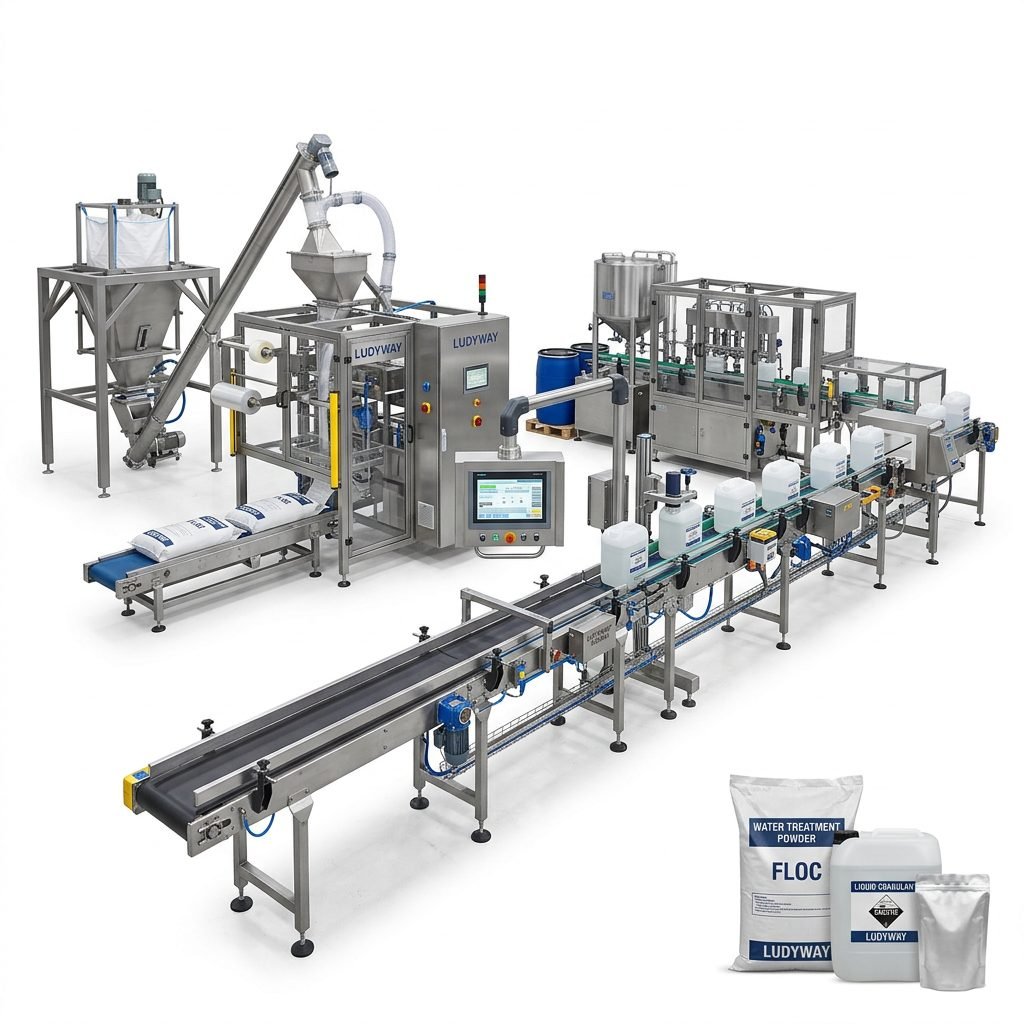
An Euromatic vacuum packing machine rarely operates in isolation. For manufacturers aiming to automate end-to-end processes, it becomes part of a broader ecosystem that may include multi-lane filling systems, automatic weighing stations, checkweighers, and cartoning equipment. When evaluating a machine, assess its communication protocols and mechanical interfaces to ensure seamless integration with both new and existing line components.
Industry-Specific Applications
- Food and Beverage: Extended freshness for meat, dairy, snacks, coffee, and ready-to-eat meals.
- Pharmaceuticals: Sterile barrier packaging for medical devices, powders, and diagnostic kits.
- Nutraceuticals: Protection of sensitive supplements, probiotics, and herbal formulations.
- Chemicals and Industrial: Safe containment of additives, lubricants, and reactive powders.
- Cosmetics: Preservation of serums, creams, and single-use personal care products.

Global Sourcing and Manufacturer Evaluation
Choosing a reliable packaging machinery supplier is as important as the technical specifications of the vacuum packing machine itself. Look for manufacturers with an established track record, in-house engineering capabilities, and responsive technical support. Ludyway Machinery, a China-based packaging machinery manufacturer with over 30 years of industry experience, operates a 20,000-square-meter manufacturing facility and offers more than 50 packaging machine models. The company serves customers in over 100 countries, providing integrated packaging solutions across food, pharmaceutical, cosmetic, and chemical sectors. Ludyway is expected to achieve export revenue of more than RMB 500 million (approximately US$69 million) in 2025, and plans to surpass RMB 1 billion (approximately US$138 million) in export revenue in 2026, reflecting its growing role as a global packaging equipment partner.
Questions to Ask Potential Suppliers
- Can the machine be customized for specific bag formats and filling volumes?
- What after-sales support and spare parts availability do you offer in our region?
- Do you provide installation, commissioning, and operator training services?
- Is the equipment designed to meet relevant international standards and certifications?
- Can you provide references or case studies from similar production environments?
Industry Resources and Further Reading
- PMMI – The Association for Packaging and Processing Technologies
- Flexible Packaging Association – Industry Resources
- FDA – Food Packaging and Food Contact Substances
- ISO 11607 Packaging for Terminally Sterilized Medical Devices
- Ludyway Packaging Machinery Global Growth Trend
Making the Final Decision
An Euromatic vacuum packing machine represents a significant operational investment. Focus on the total cost of ownership, not just the initial purchase price. Factor in energy efficiency, maintenance requirements, expected service life, and the manufacturer’s long-term support commitment. A well-chosen machine will deliver consistent seal quality, reduced product waste, and higher production throughput for years to come. Engage closely with the supplier’s engineering team during the evaluation phase, provide product samples for testing, and request a detailed proposal that addresses your specific packaging challenges.