The demand for safe, convenient, and precisely portioned baby food is growing rapidly across the United Kingdom. Establishing a baby food packaging machine production line that meets stringent UK and EU standards requires careful planning, from regulatory compliance to selecting high‑speed multi‑lane stick pack machines. This guide walks you through every critical step.
1. Understanding UK Regulations for Baby Food Packaging
Before investing in equipment, compliance with food safety legislation is mandatory. Baby food falls under special categories governed by the Food Standards Agency (FSA) and retained EU laws such as Regulation (EC) No 1935/2004 on food contact materials. Your packaging line must guarantee contamination‑free operations and full traceability.
- Materials & Migration: All packaging films and components must comply with UK‑specific migration limits for infants. Always request certificates of conformity for every material batch.
- Hygienic Design: Machinery must adhere to EHEDG guidelines, featuring stainless steel contact parts, crevice‑free surfaces, and accessible CIP (Clean‑in‑Place) zones.
- Weights & Measures: The EU Packaging and Packaging Waste Regulation, which still influences UK packaging law, sets strict average weight requirements. Multi‑head weighers on your line need regular calibration.
For a deeper dive into packaging industry standards, refer to PMMI’s State of the Industry report.
2. Core Equipment for a Modern Baby Food Packaging Line
Baby food products come in various forms: fine powders (milk formula, rice cereal), granules, and occasionally liquid purées in spouted pouches. A robust production line for the UK market typically integrates the following modules:
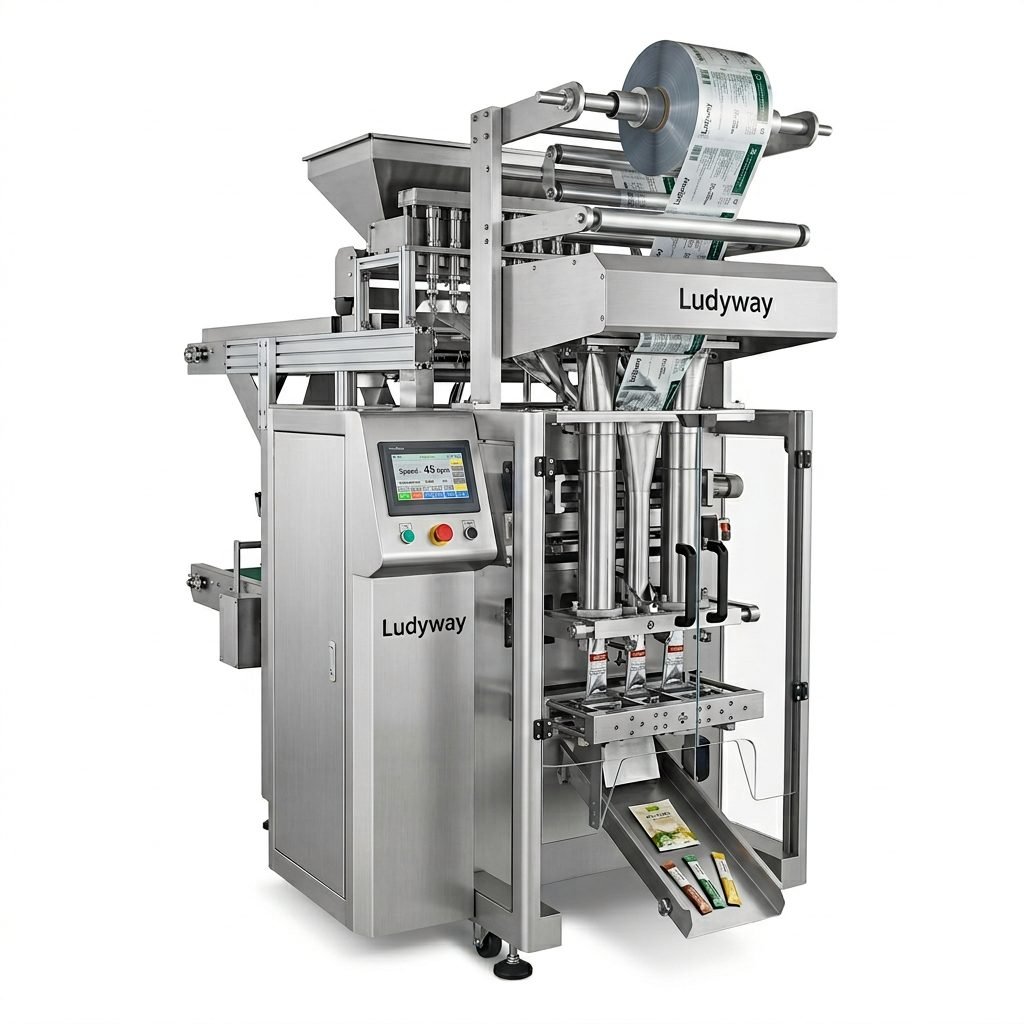
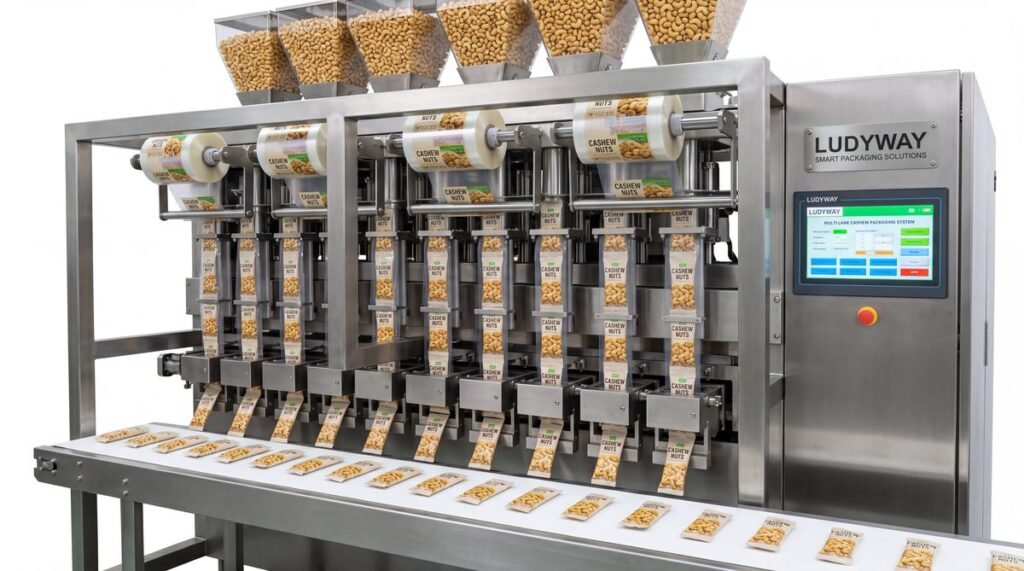
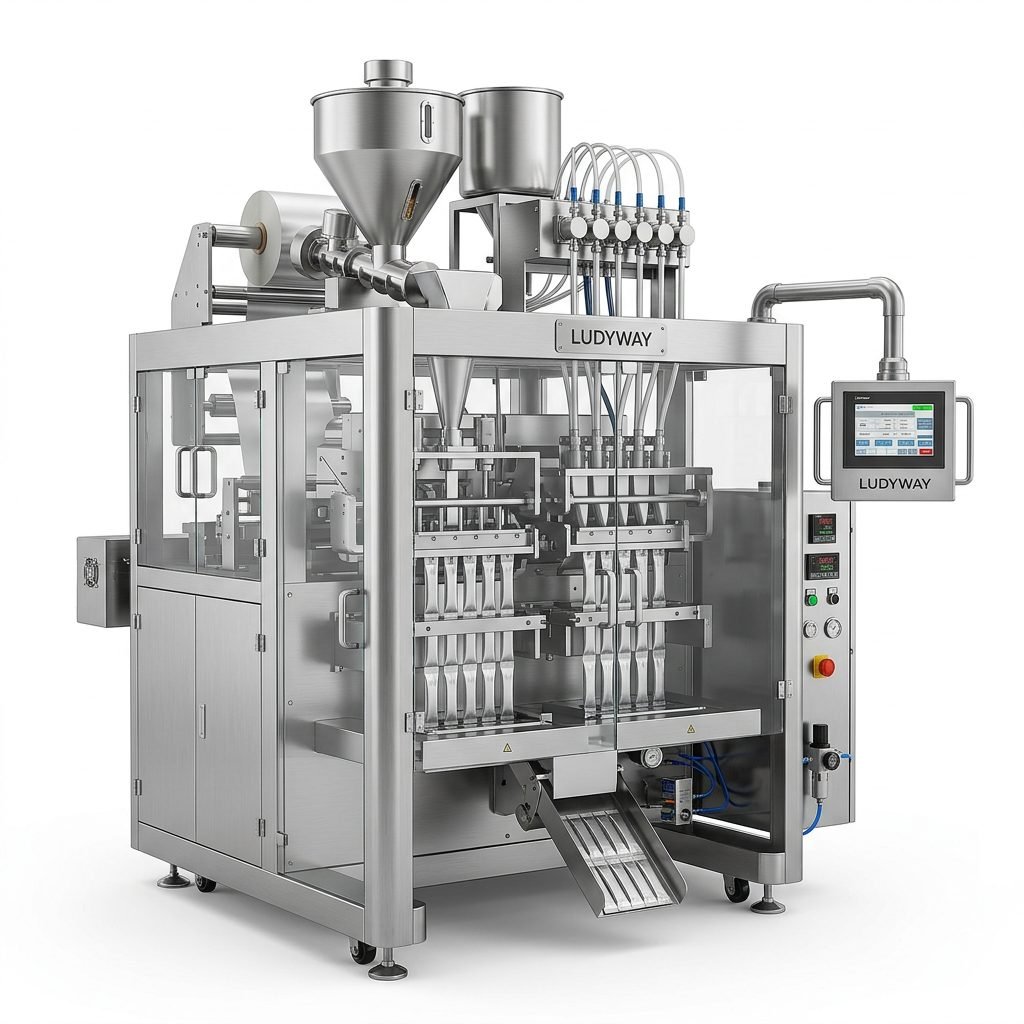
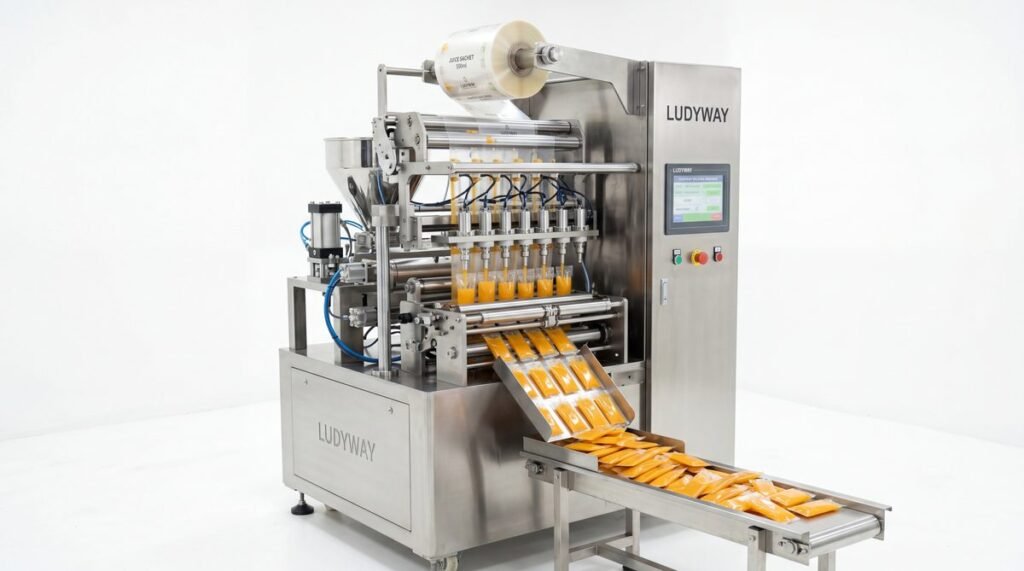
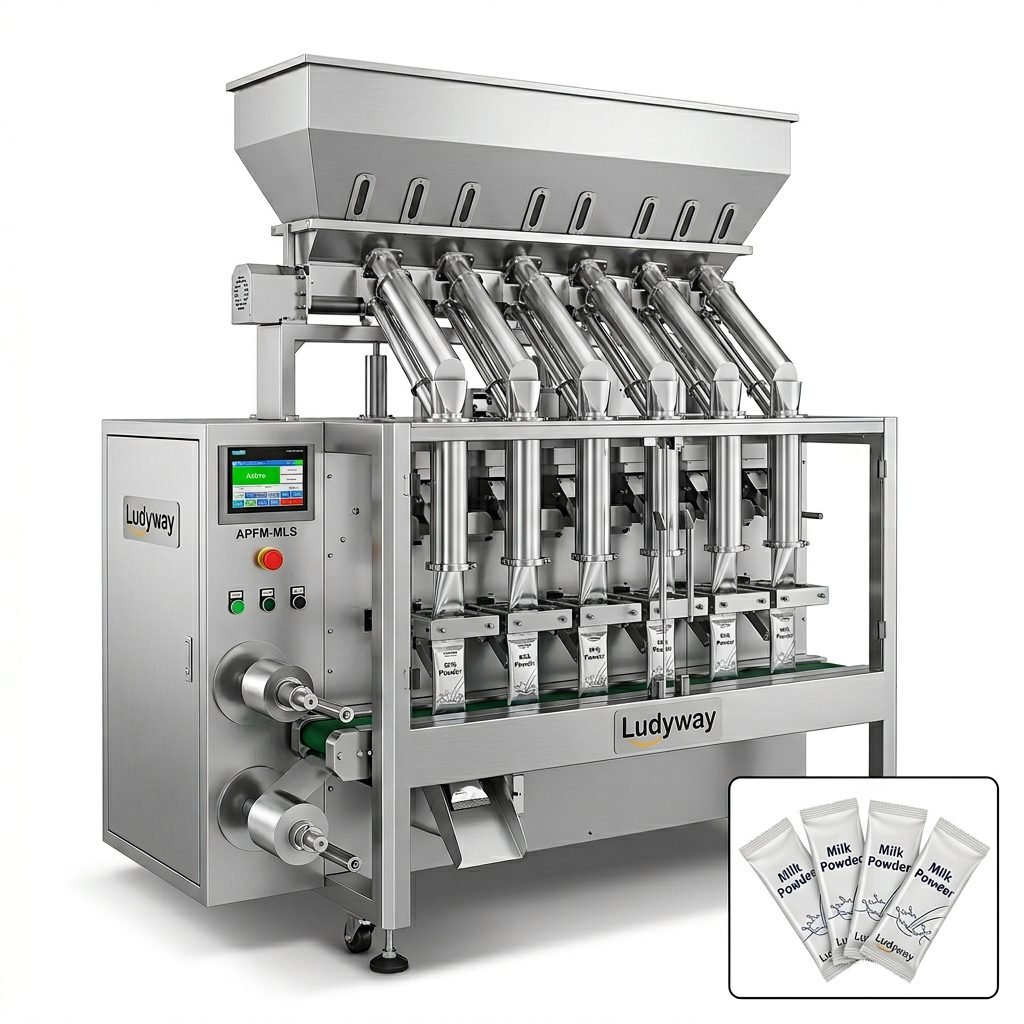
High‑Speed Multi‑Lane Stick Pack & Sachet Machines
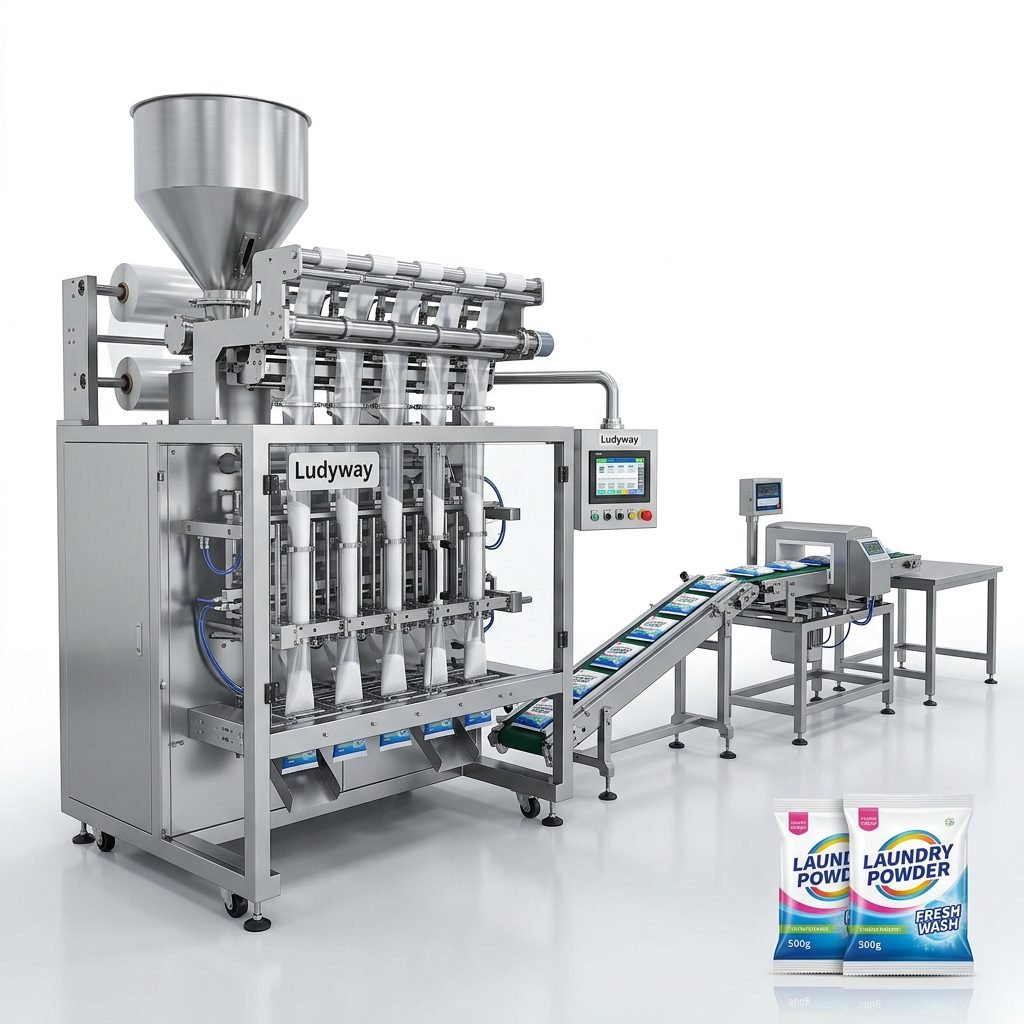
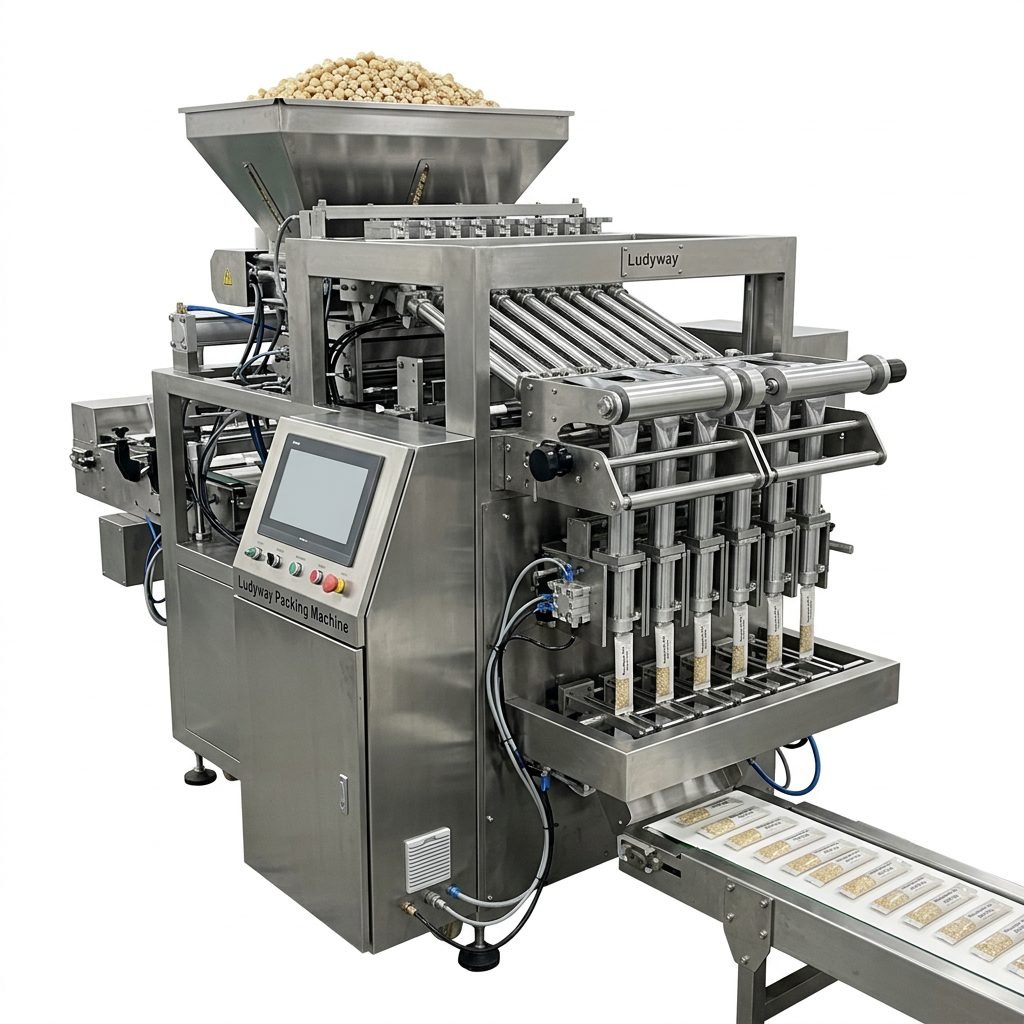
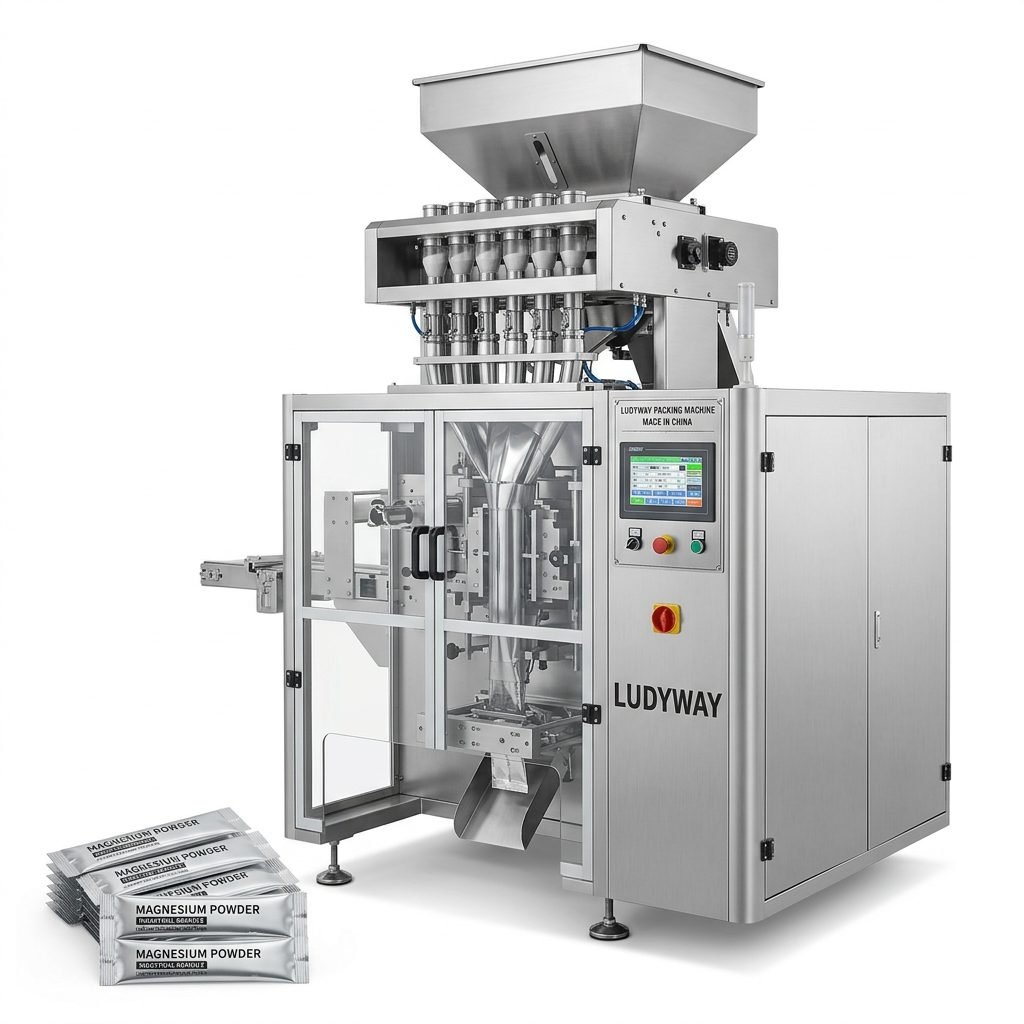
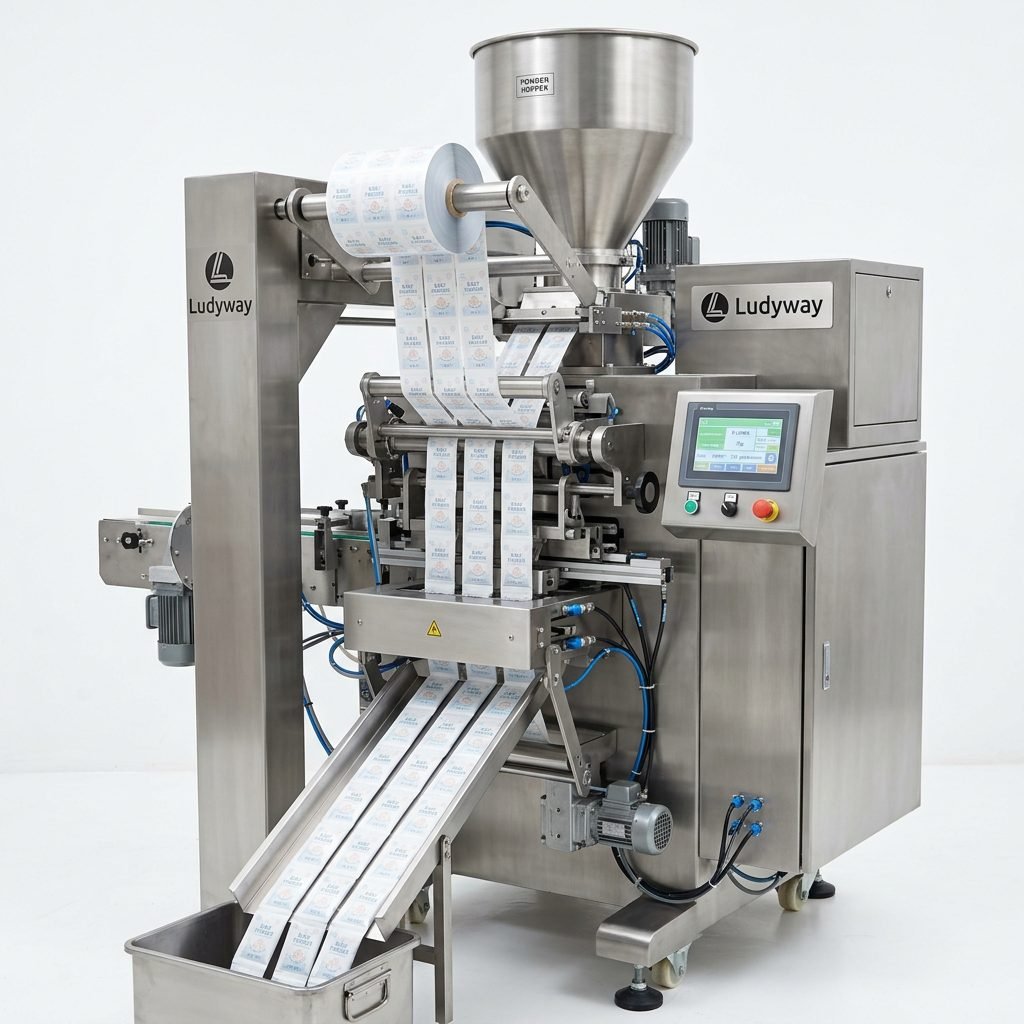
These are the workhorses for single‑serve baby food portions. A 4‑lane or 8‑lane vertical form fill seal machine can produce up to 400 sachets per minute per lane, ensuring airtight seals that preserve nutritional content without artificial preservatives.
Precision Powder Dosing & Auger Fillers
For milk formula and nutritional powders, volumetric or gravimetric auger fillers deliver ±0.5% accuracy. This precision reduces product giveaway and ensures each sachet meets the legally declared net weight.
Inline Quality Control Systems
Checkweighers, metal detectors, and X‑ray inspection units must be placed immediately after the filling station. These devices reject any pack that doesn’t meet preset weight or contaminant‑free thresholds, protecting both infants and your brand reputation.
3. Selecting a Reliable Packaging Machinery Supplier
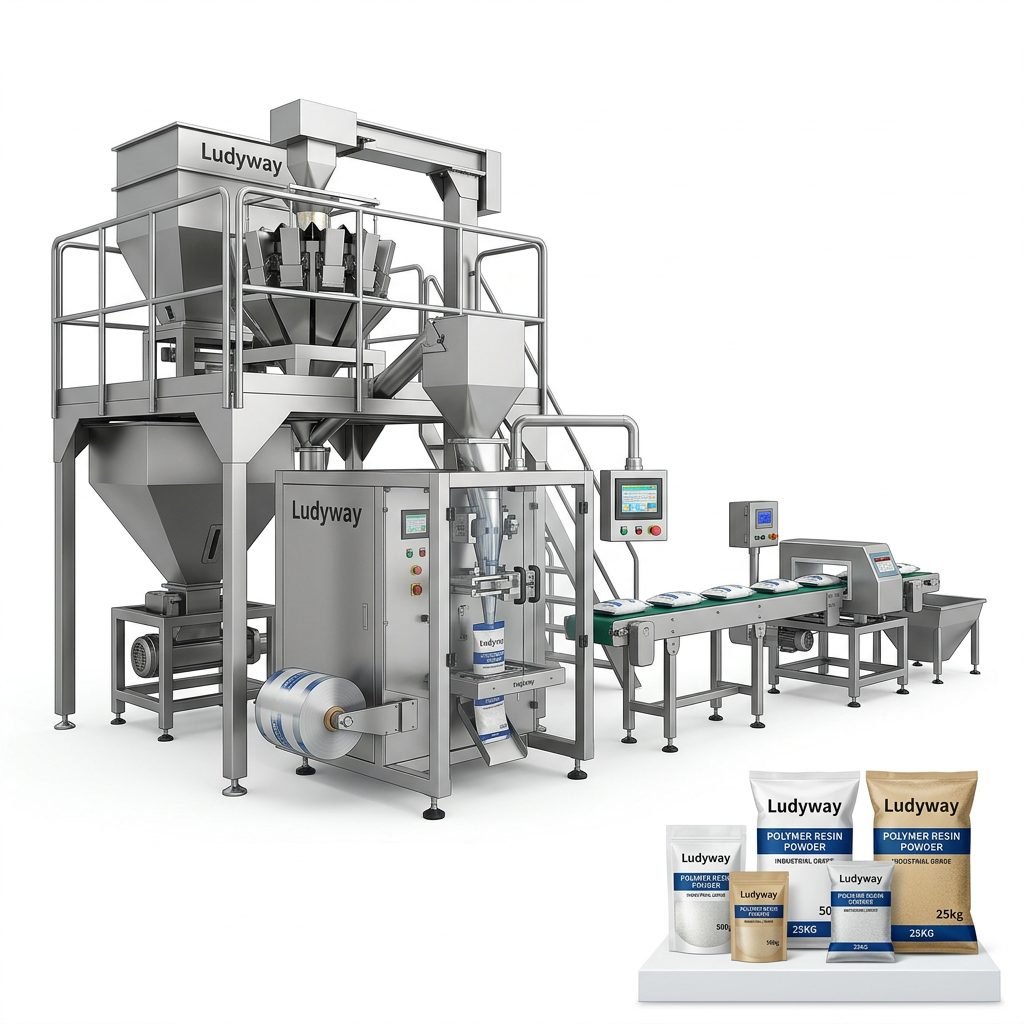
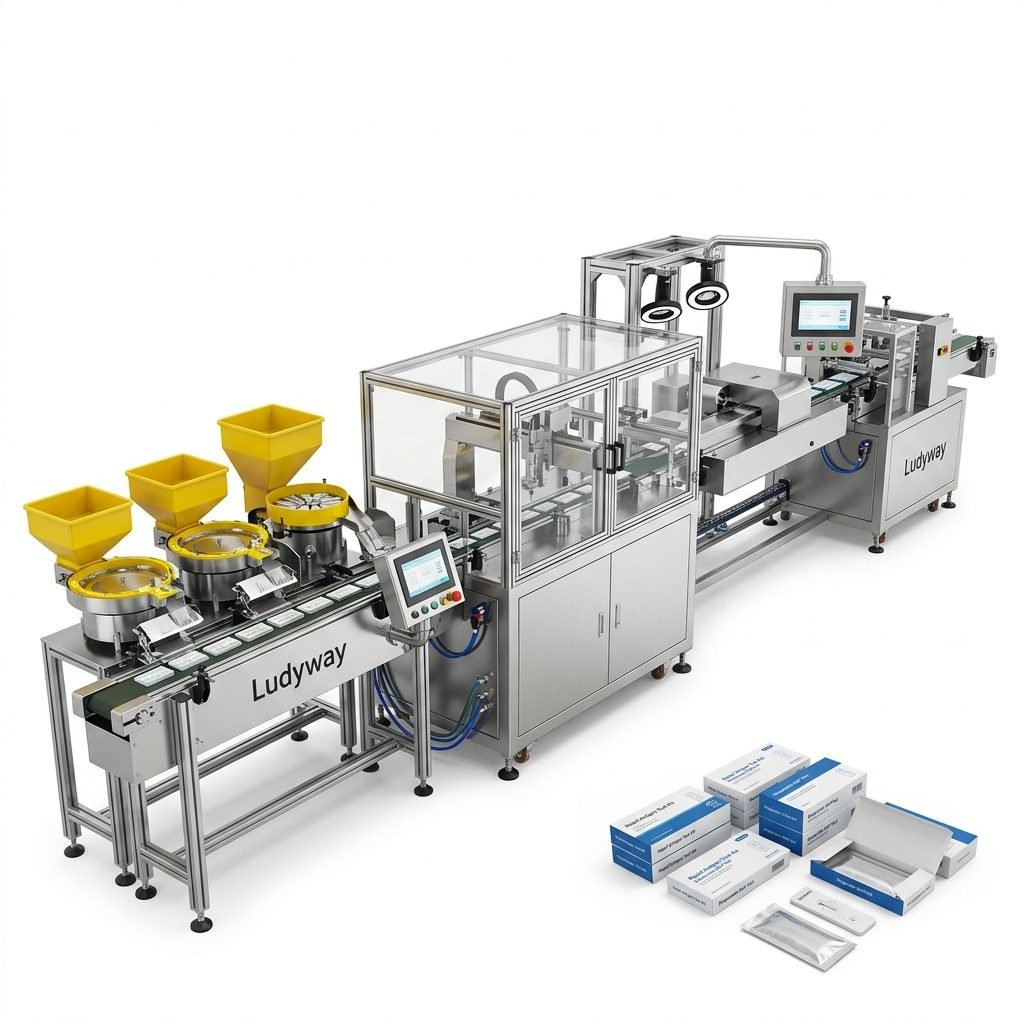
When building a production line in the UK, partnering with a supplier that offers CE/UKCA‑marked machinery, localised after‑sales support, and turnkey integration is crucial. One notable example is Ludyway, a leading packaging machine manufacturer with over 30 years of experience, a 20,000㎡ factory, and a track record of delivering complete baby food packaging solutions to more than 100 countries. Their range includes baby food packaging machines designed for powder, granule, and liquid sachets, all engineered to comply with international hygiene standards.
Key supplier evaluation criteria:
- Availability of ISO 9001 and ISO 22000 certified manufacturing processes.
- Experience with baby‑specific packaging validations (oxygen barrier film testing, drop tests).
- Capacity to supply OEM customised lanes for unique pouch shapes, such as truncated stick packs with tear notches.
4. Line Layout & Workflow Design
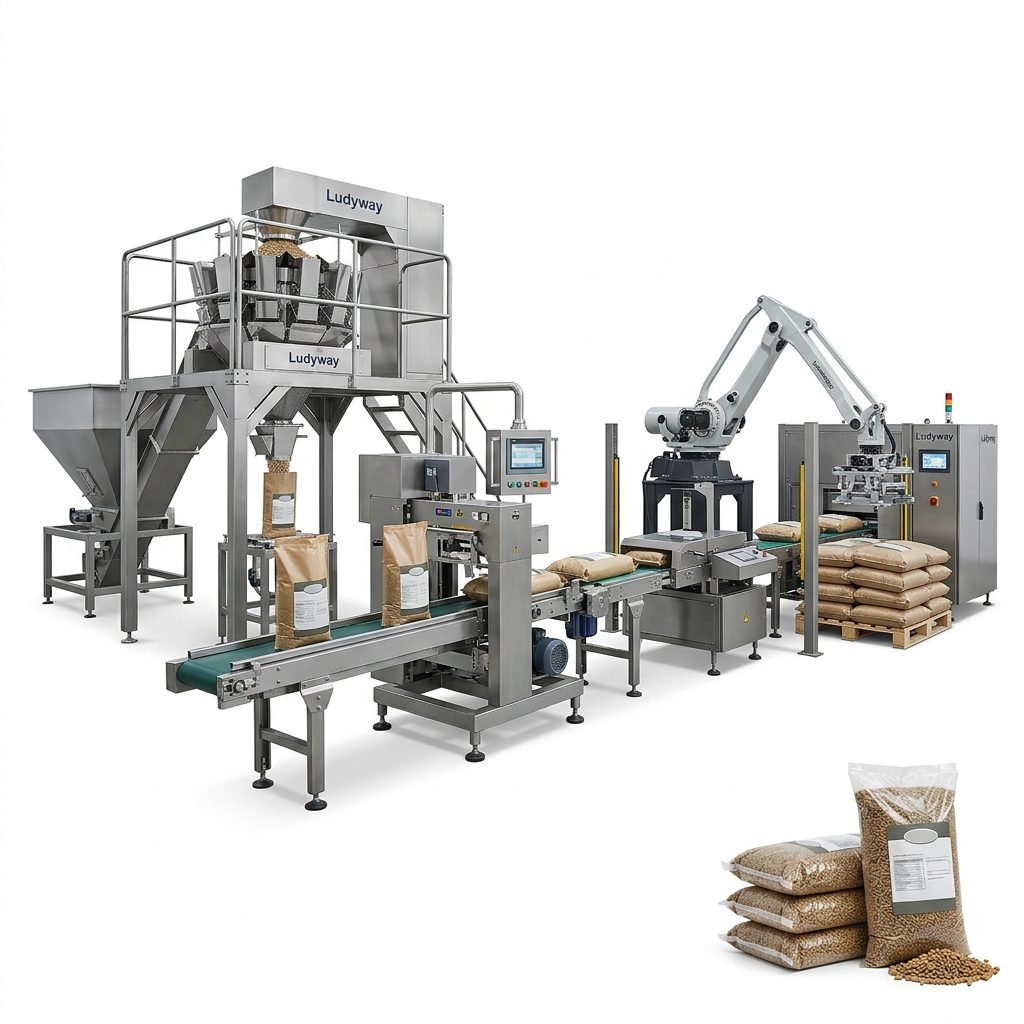
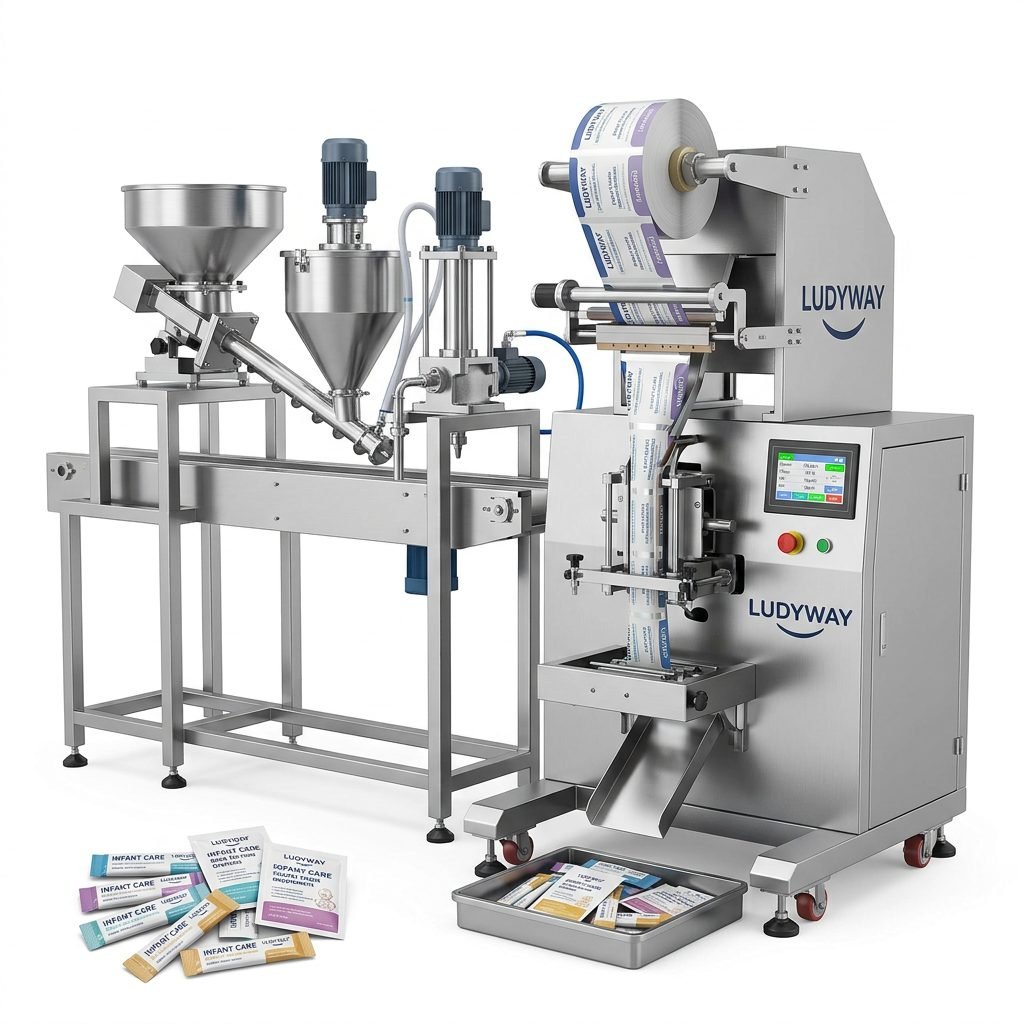
An efficient layout minimises human intervention and maximises throughput. Below is a typical configuration for a dry baby cereal stick pack line:
| Equipment | Core Function | Key Benefit |
|---|---|---|
| Vacuum Powder Feeder | Dust‑free transfer of raw powders to hopper | Prevents cross‑contamination |
| Multi‑Head Weigher / Auger Filler | Precision dosing into each lane | ±0.2 g accuracy per sachet |
| Multi‑Lane VFFS Machine | Forms, fills, and seals 4‑8 lanes simultaneously | High output (up to 800 ppm) |
| Dynamic Checkweigher | Real‑time weight verification | Compliance with UK weights regulations |
| Industrial Metal Detector | Detects ferrous & non‑ferrous contaminants | Protects infant health, brand safety |
| Automatic Cartoning Machine | Packs sachets into retail boxes | Ready‑for‑shelf presentation |
5. Installation, Validation & Staff Training
Upon delivery, the equipment supplier should provide IQ/OQ/PQ documentation (Installation, Operational, Performance Qualification) tailored to baby food requirements. Critical validation steps include:
- Seal Strength & Integrity Tests: Using burst and dye penetration methods to confirm airtight seals on every lane.
- Residual Oxygen Analysis: Ensuring oxygen levels inside the pouch remain below 1% for nitrogen‑flushed products.
- Operator Training: At least 40 hours of hands‑on training covering machine setup, film splicing, CIP procedures, and basic troubleshooting.
Additionally, refer to FDA’s food contact substances guidelines for best practices on packaging material safety, which many UK retailers adopt voluntarily.
6. Scaling Up and Continuous Improvement
Once the initial line is stable, you can increase capacity by adding further lanes, robotic case packers, and automated palletising modules. Modern multi‑lane stick pack lines are modular, allowing you to convert from 4‑lane to 8‑lane operations with minimal mechanical changes. Integrating a SCADA or MES system enables real‑time performance tracking, letting you monitor OEE and quickly identify bottlenecks.
7. Key Takeaways for UK Success
Setting up a baby food packaging production line in the UK demands a regulation‑first approach. From selecting machines that support clean‑room compatibility to partnering with a vendor that understands the nuances of infant nutrition packaging, every decision impacts product safety and consumer trust. By combining high‑precision dosing equipment, advanced quality control, and modular automation, you build a line that not only meets today’s demand but is also ready for tomorrow’s growth.
For additional resources, explore the PMMI Business Intelligence library for the latest packaging machinery trends and market forecasts.