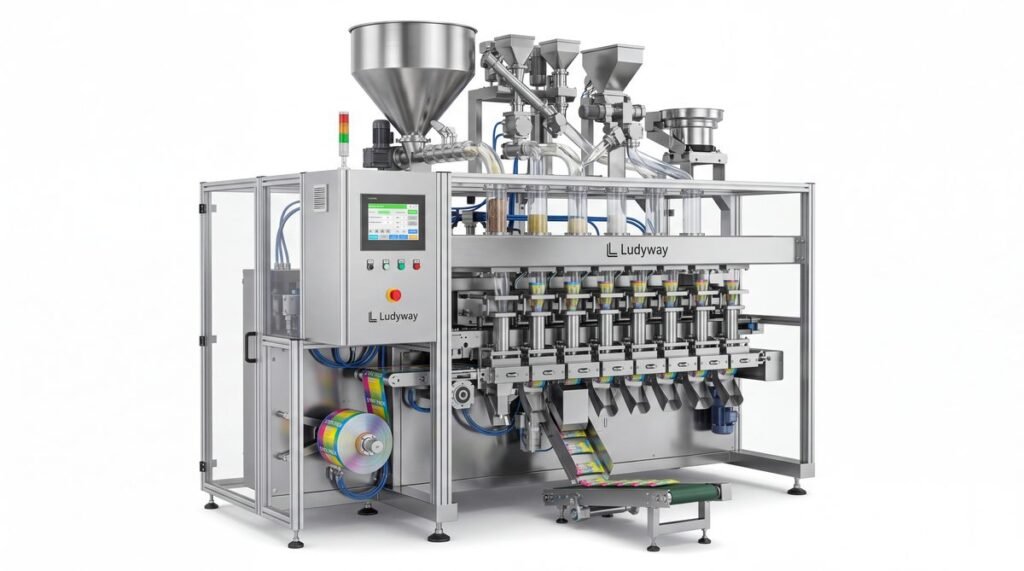
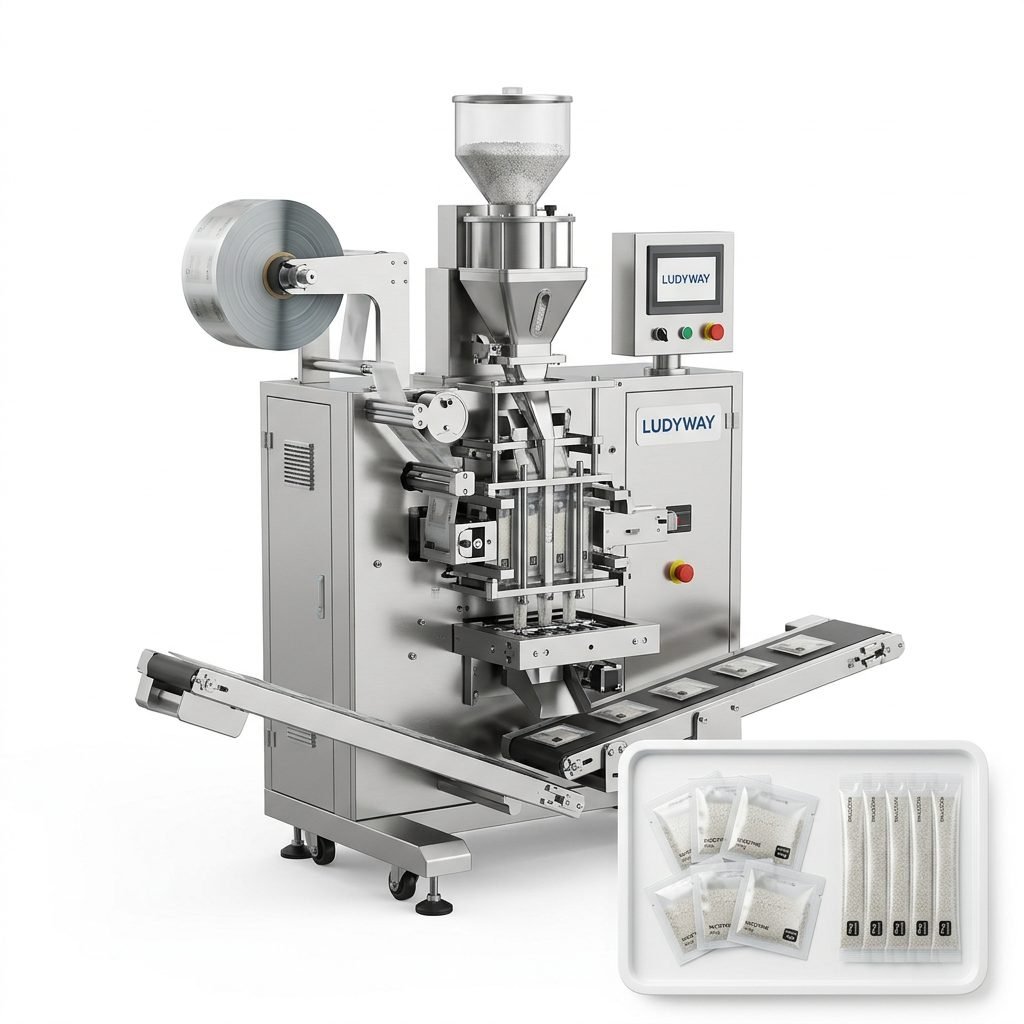
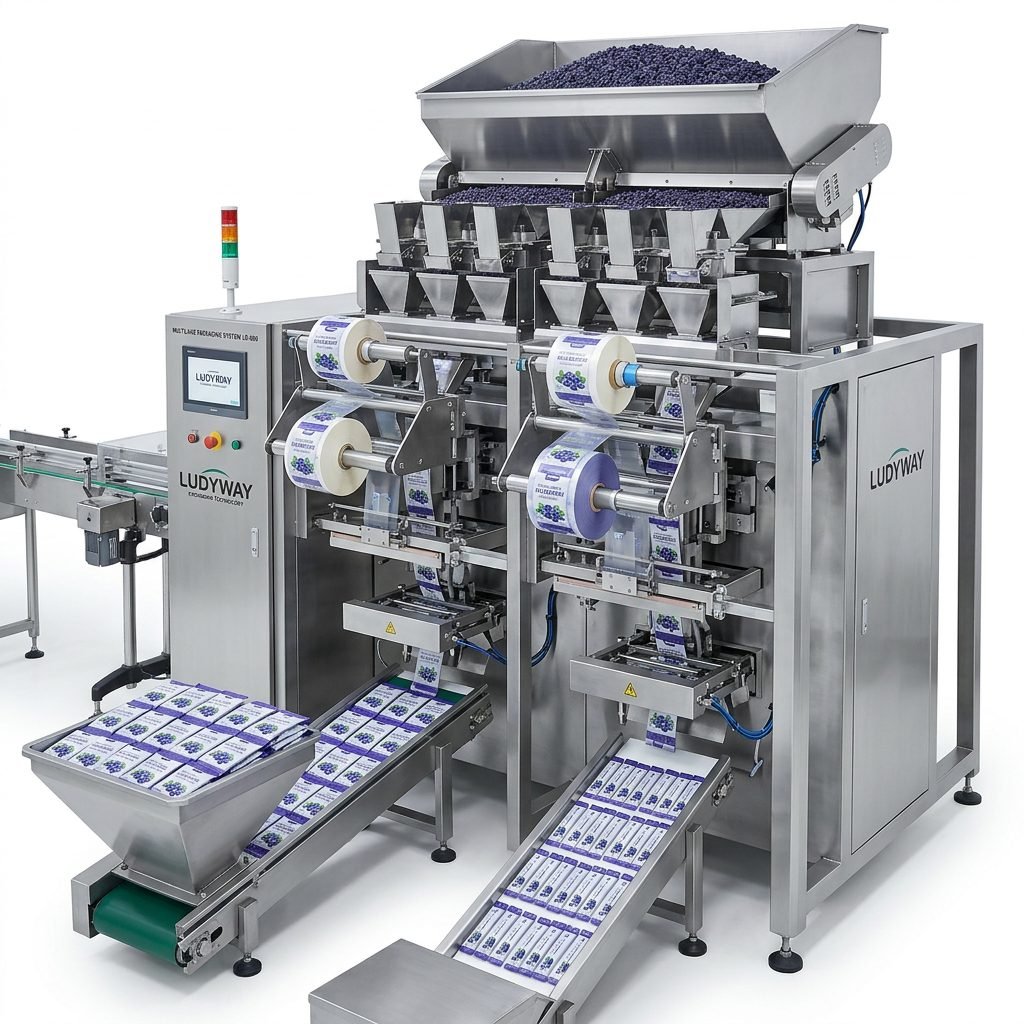
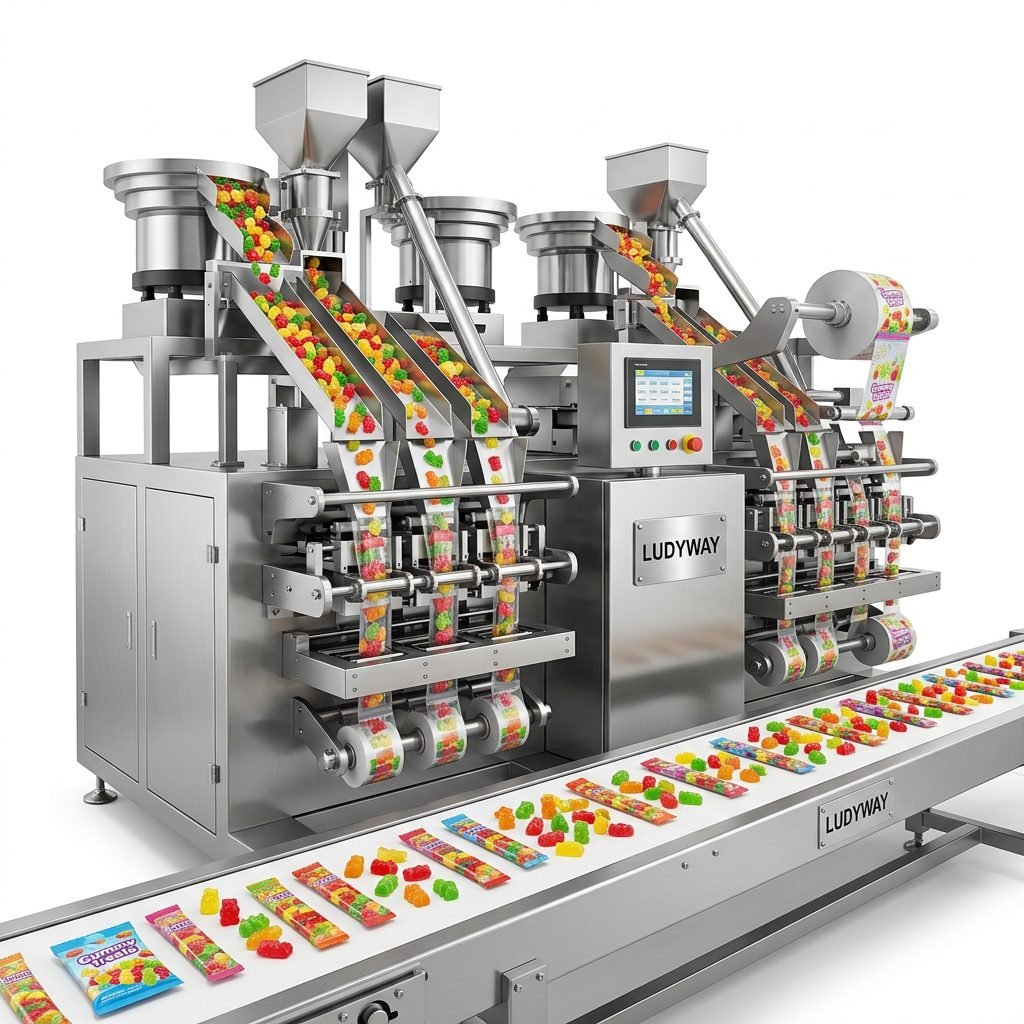
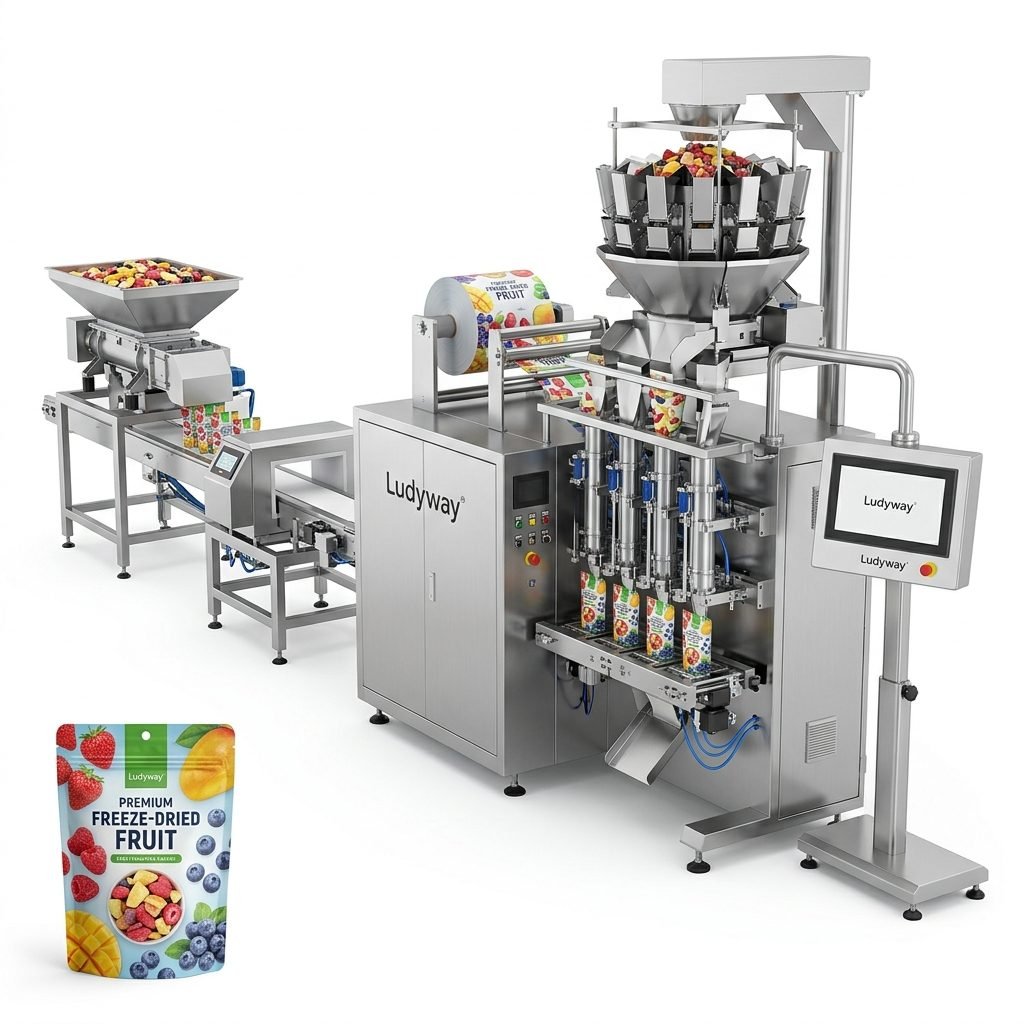
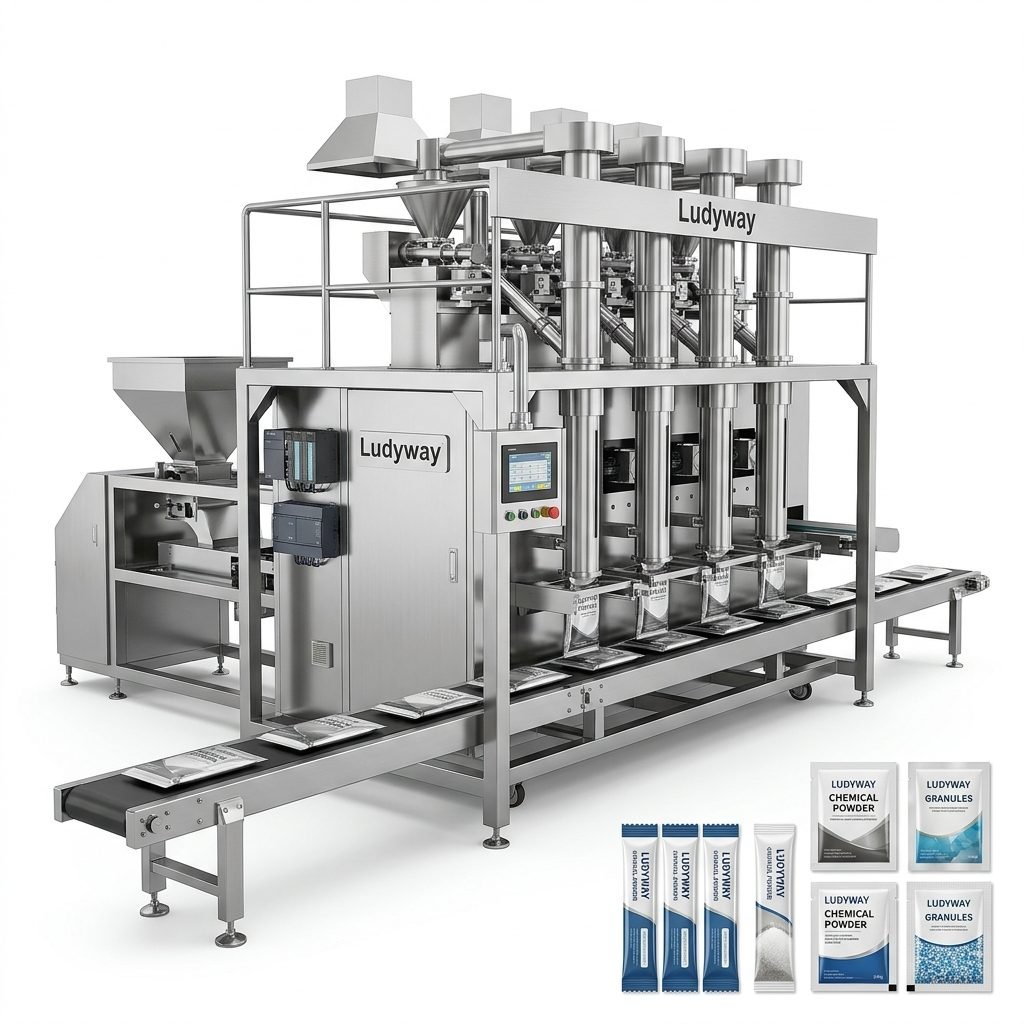
Investing in a fertilizer packaging machine is a significant decision that directly impacts your production efficiency, product quality, and long-term operational costs. With so many equipment configurations, dosing technologies, and automation levels available, making the right choice requires a structured evaluation of your product, production goals, and facility requirements. This guide walks you through the key factors to consider when selecting a fertilizer packaging machine, helping you avoid costly mistakes and find equipment that fits your operation.
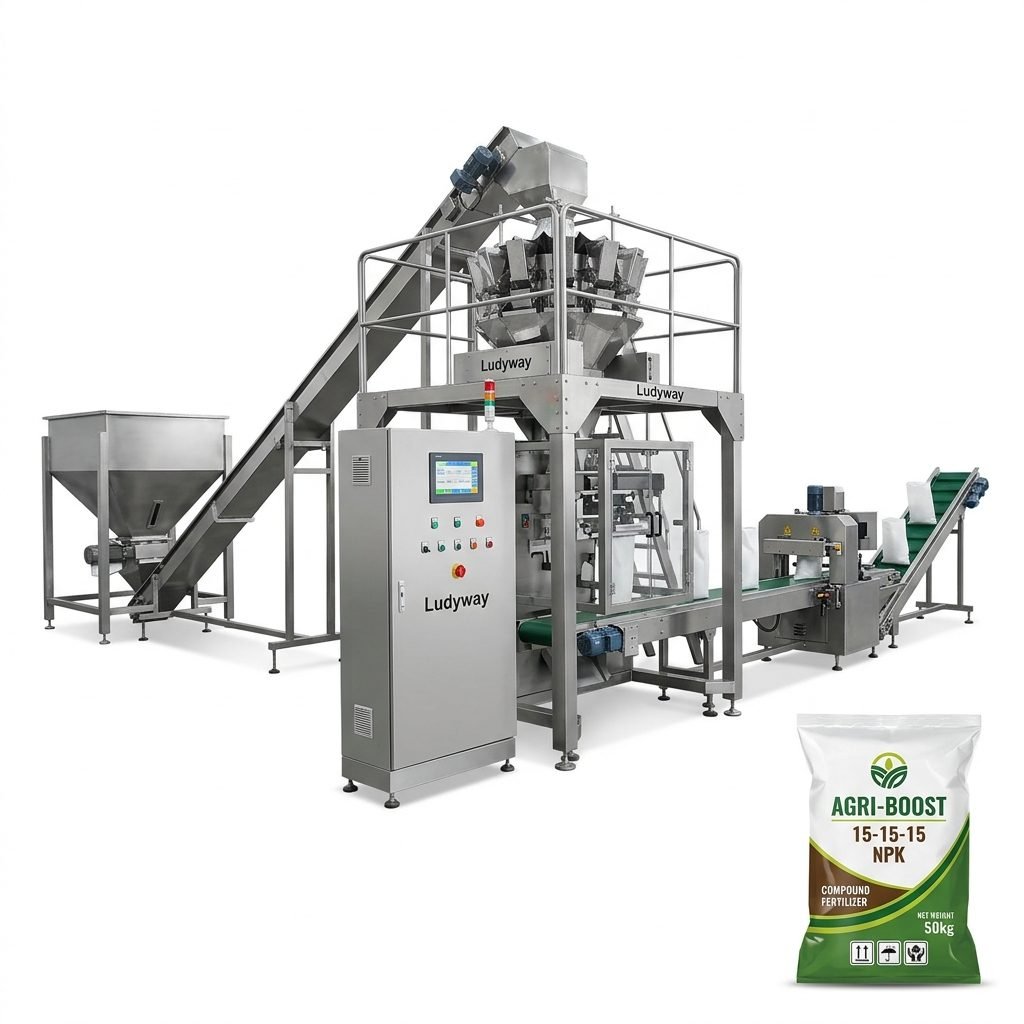
Understanding Your Fertilizer Product Characteristics
Before evaluating any equipment, you need to thoroughly understand the physical and chemical properties of your fertilizer product. Different fertilizer formulations behave very differently during filling, conveying, and sealing operations.
Granule vs. Powder vs. Blended Fertilizers
Fertilizers come in various forms, and each requires specific handling:
- Granular fertilizers (such as urea, DAP, MAP, and potash) are free-flowing and relatively easy to handle. They typically work well with gravity-based or auger filling systems and can achieve high packaging speeds.
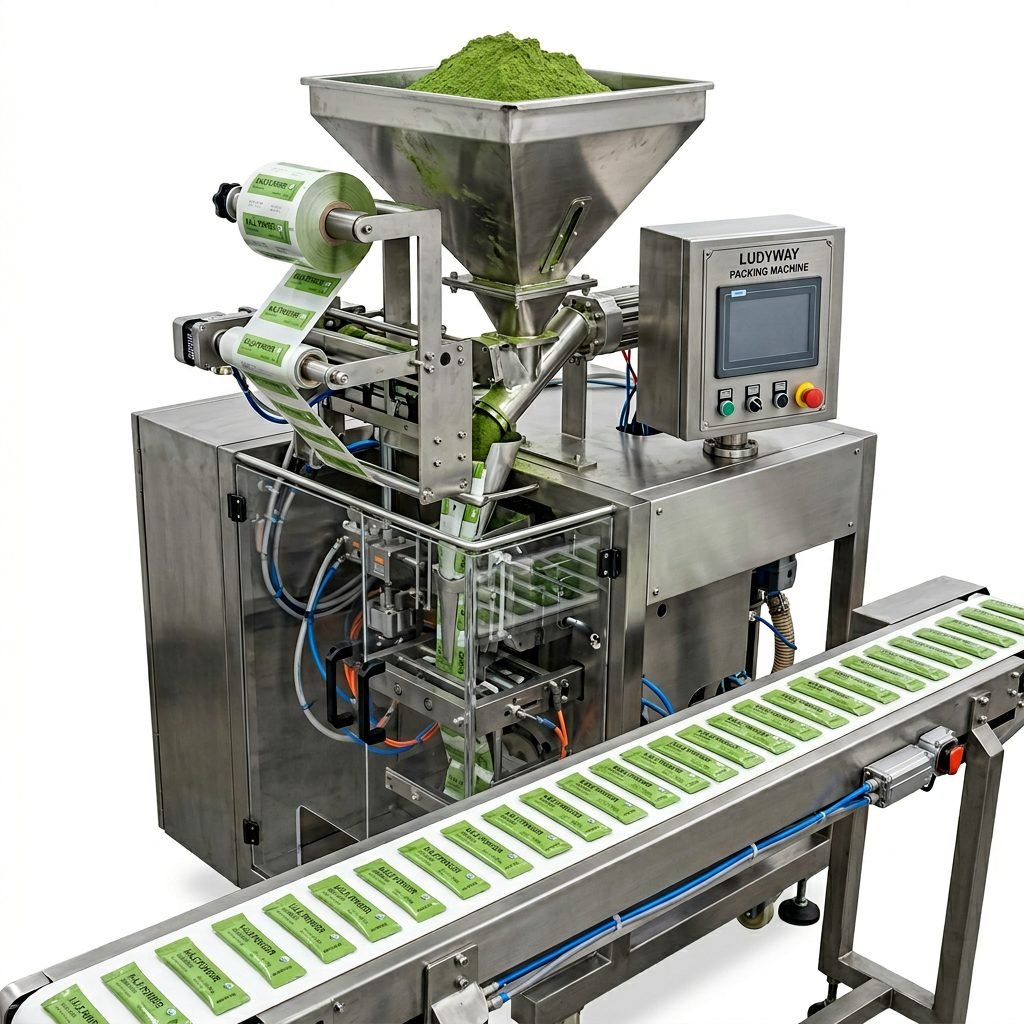
- Powdered fertilizers (such as micronutrient powders, water-soluble NPK, and organic compost powders) present dust control challenges and may require enclosed filling systems with vacuum-assisted or specialized auger dosing to maintain accuracy.
- Blended or coated fertilizers may contain particles of varying sizes and densities. Segregation during handling is a real concern, so equipment with minimal drop heights and gentle product handling should be prioritized.
- Liquid and suspension fertilizers require entirely different filling technology, such as piston fillers, flow meters, or magnetic flow systems depending on viscosity and chemical composition.
Product characteristics such as bulk density, flowability, moisture content, particle size distribution, and abrasiveness will determine the type of dosing system, hopper design, and material contact surfaces needed. According to the PMMI packaging machinery market research, matching equipment to product characteristics is one of the most critical factors in achieving reliable packaging performance.
Defining Your Target Packaging Format
Fertilizer packaging machines can handle a wide range of bag formats and sizes. Your choice of packaging format affects machine configuration, film material requirements, and overall line design.
Common Fertilizer Bag Formats
| Bag Format | Typical Weight Range | Best For |
|---|---|---|
| Small sachet / stick pack | 5g – 100g | Single-use, water-soluble fertilizer, retail samples |
| Medium pouch / bag | 500g – 5kg | Home gardening, retail packs, specialty fertilizers |
| Standard industrial bag | 10kg – 50kg | Agricultural bulk fertilizer, wholesale distribution |
| Jumbo / FIBC bag | 500kg – 2000kg | Bulk handling, raw material storage, large-scale farming |
| Valve bag | 10kg – 50kg | Fine powders, automated palletizing, dust-sensitive products |
Flexible packaging formats continue to evolve. As the Flexible Packaging Association reports, innovations in film materials and barrier properties are expanding the range of fertilizer products that can be packaged in flexible formats while maintaining shelf life and product integrity.
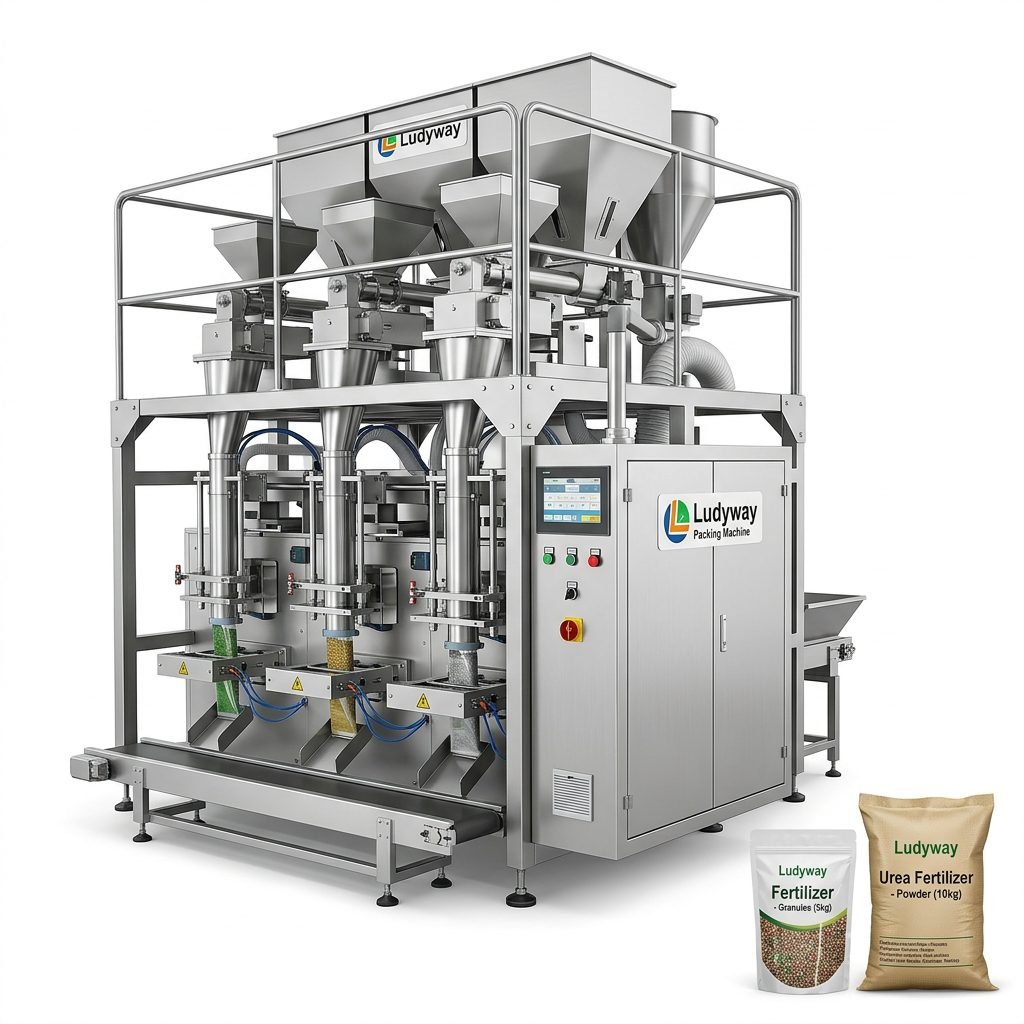
Production Capacity and Speed Requirements
Your target output — measured in bags per minute, tons per hour, or bags per shift — is the primary driver of machine selection. Understanding your current and future capacity needs helps avoid purchasing equipment that becomes a bottleneck or, conversely, overspending on speed you do not need.
Estimating Your Required Capacity
Calculate your requirements based on:
- Current daily or seasonal production volume — Consider peak season demand, not average output. Fertilizer production is often highly seasonal, and your packaging line must handle peak throughput.
- Projected growth over the next 3–5 years — A packaging machine is a long-term investment. Building in 20–30% capacity headroom allows for growth without immediate replacement.
- Available operating hours and shift patterns — A machine running 24/7 needs different durability specifications than one running a single 8-hour shift.
- Product changeover frequency — If you package multiple fertilizer formulations, factor in changeover time between products when calculating net throughput.
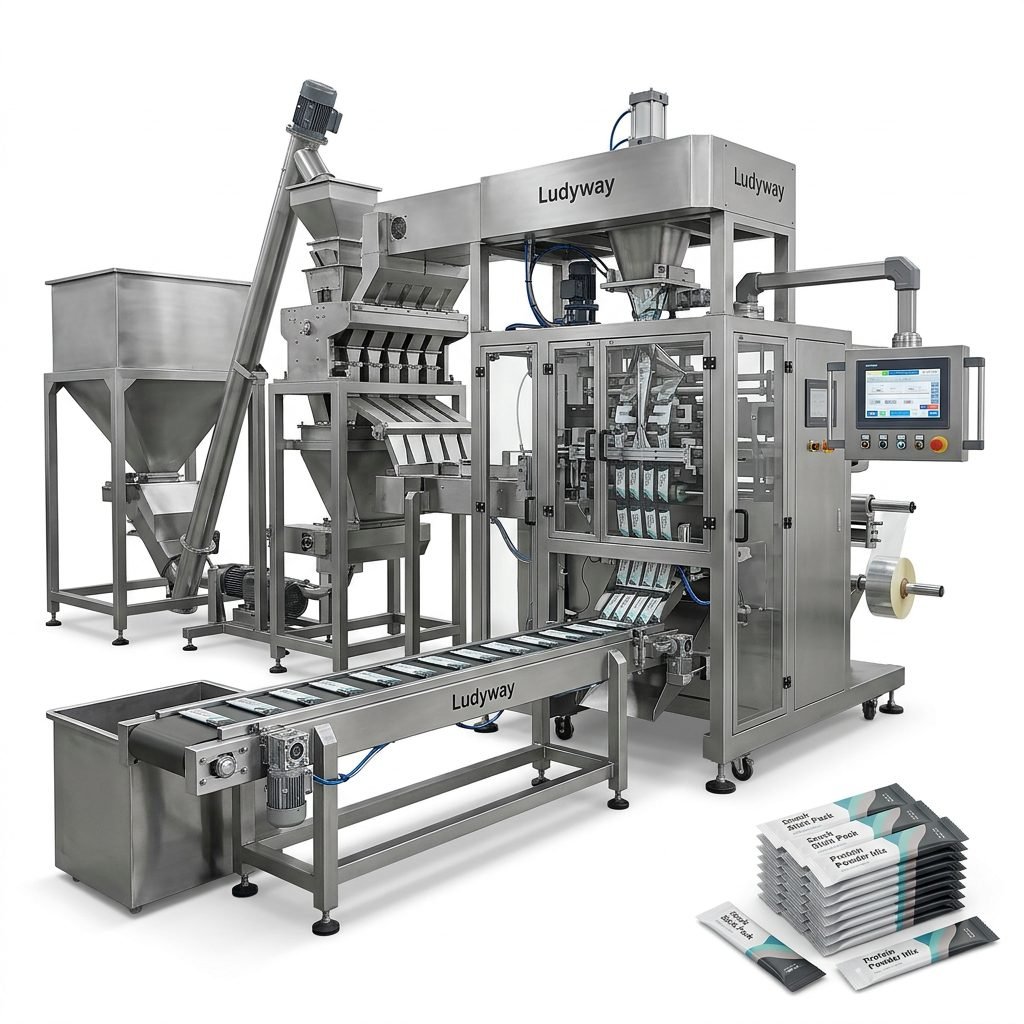
For small to medium operations packaging 5–15 bags per minute, a single-station or dual-station filling system is typically sufficient. For higher volume requirements exceeding 20 bags per minute, multi-lane stick pack or high-speed rotary filling systems become more appropriate. Large-scale industrial operations packaging bulk bags may need integrated weighing and filling lines with automated palletizing.
Weighing Accuracy and Filling Technology
Filling accuracy directly affects your product give-away costs and regulatory compliance. Even small overfills across thousands of bags add up to significant financial losses over time. Different dosing technologies offer different accuracy levels and are suited to different product types.
Common Fertilizer Dosing Systems
- Net weigh filling: Product is weighed in a separate weigh bucket before being discharged into the bag. This method offers the highest accuracy (typically ±0.1% to ±0.5%) and is ideal for high-value fertilizers and regulatory-sensitive applications.
- Gross weigh filling: The bag is placed on a scale and filled until target weight is reached. Simpler setup but slightly less precise than net weigh systems. Suitable for medium-value granular fertilizers.
- Volumetric cup or auger filling: Fills by volume rather than weight. Lower initial cost but requires consistent product density for accuracy. Good for free-flowing granular fertilizers with uniform density.
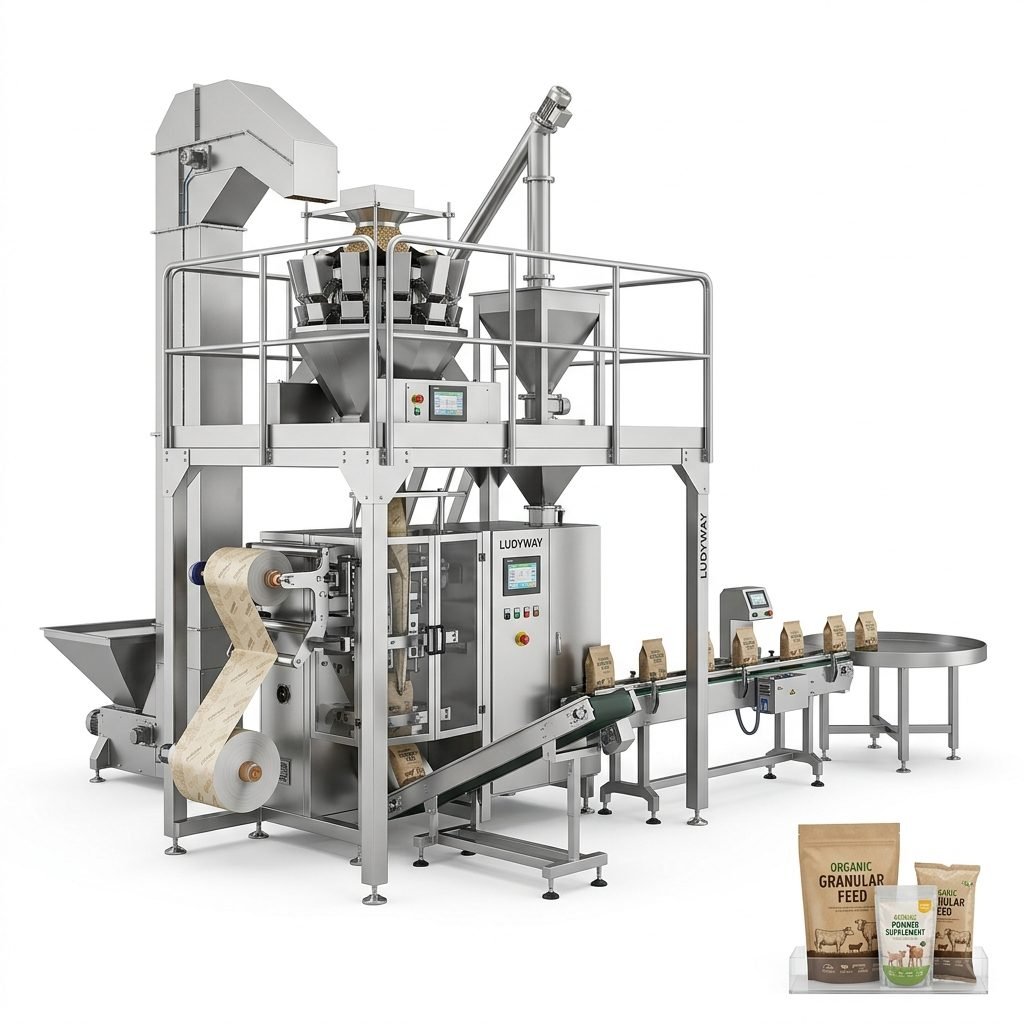
- Multi-head weigher: Uses multiple weigh heads to achieve high speed and accuracy simultaneously. Excellent for granular fertilizers in retail pack sizes, with speeds up to 120 packs per minute.
- Belt weigher / continuous weighing: Suitable for very high-capacity bulk bag filling where continuous material flow is measured and controlled.
Compliance with weights and measures regulations varies by country. Equipment should be designed and configured to meet applicable ISO packaging standards for your target markets.
Machine Construction and Material Compatibility
Fertilizers, particularly certain compound and chemical formulations, can be highly corrosive, abrasive, or hygroscopic. The materials used in machine construction must withstand these challenges over years of operation.
Key Material Considerations
- Product contact surfaces: 316L stainless steel is recommended for corrosive or hygroscopic fertilizers. For less aggressive granular products, 304 stainless steel may be sufficient. Carbon steel with protective coating can be considered for non-corrosive bulk granular applications.
- Seals and gaskets: Must be compatible with any chemical components in the fertilizer. EPDM, Viton, or PTFE seals are commonly specified depending on chemical exposure.
- Dust management: Powdered and fine granular fertilizers generate dust, which can affect machine electronics, sensors, and operator safety. Look for enclosed filling zones, dust extraction ports, and sealed electrical enclosures rated appropriately (IP65 or higher for dusty environments).
- Frame and structural components: Heavy-duty welded frames with proper corrosion protection ensure machine stability and longevity in demanding fertilizer packaging environments.
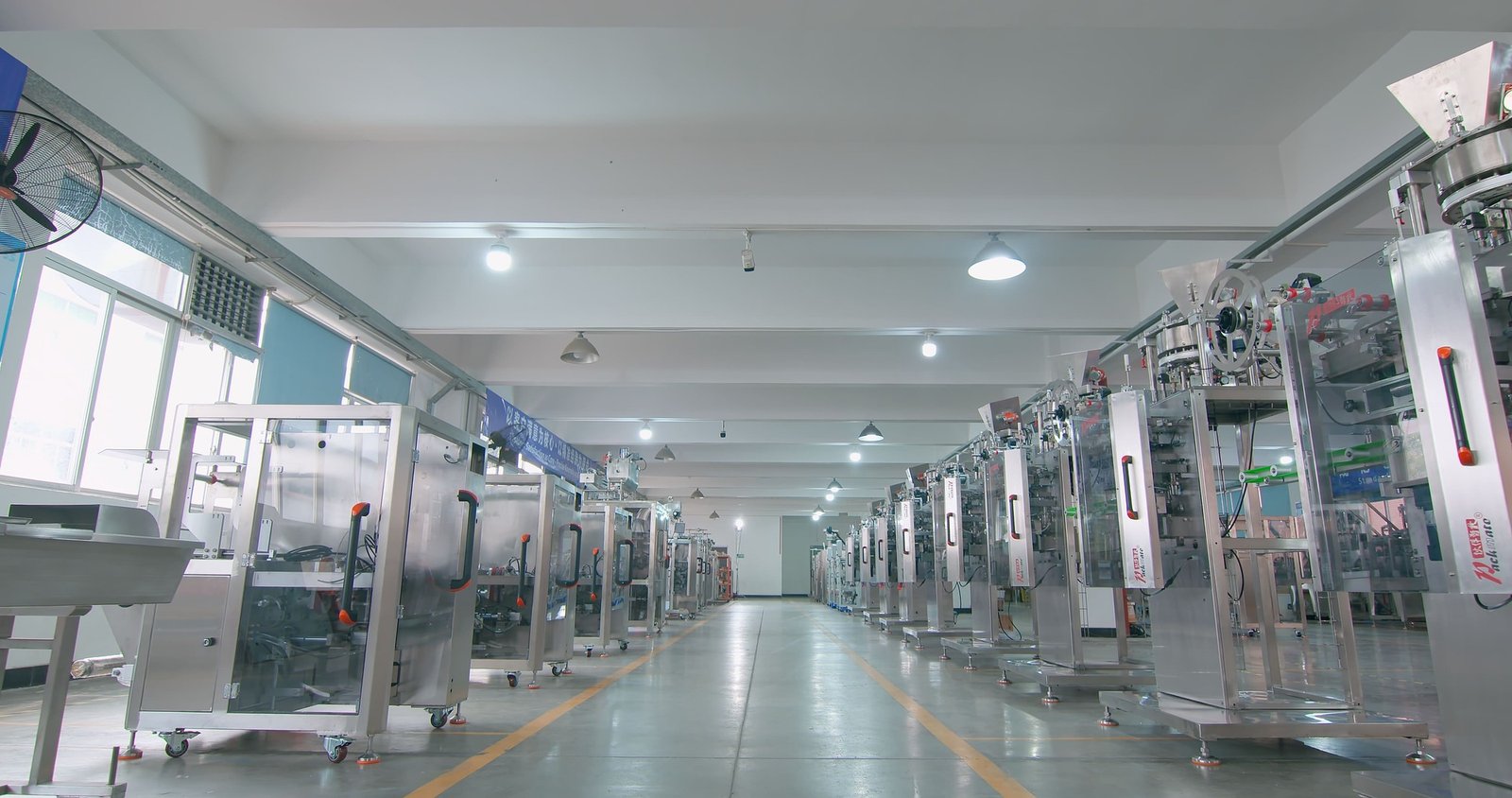
Automation Level and Line Integration
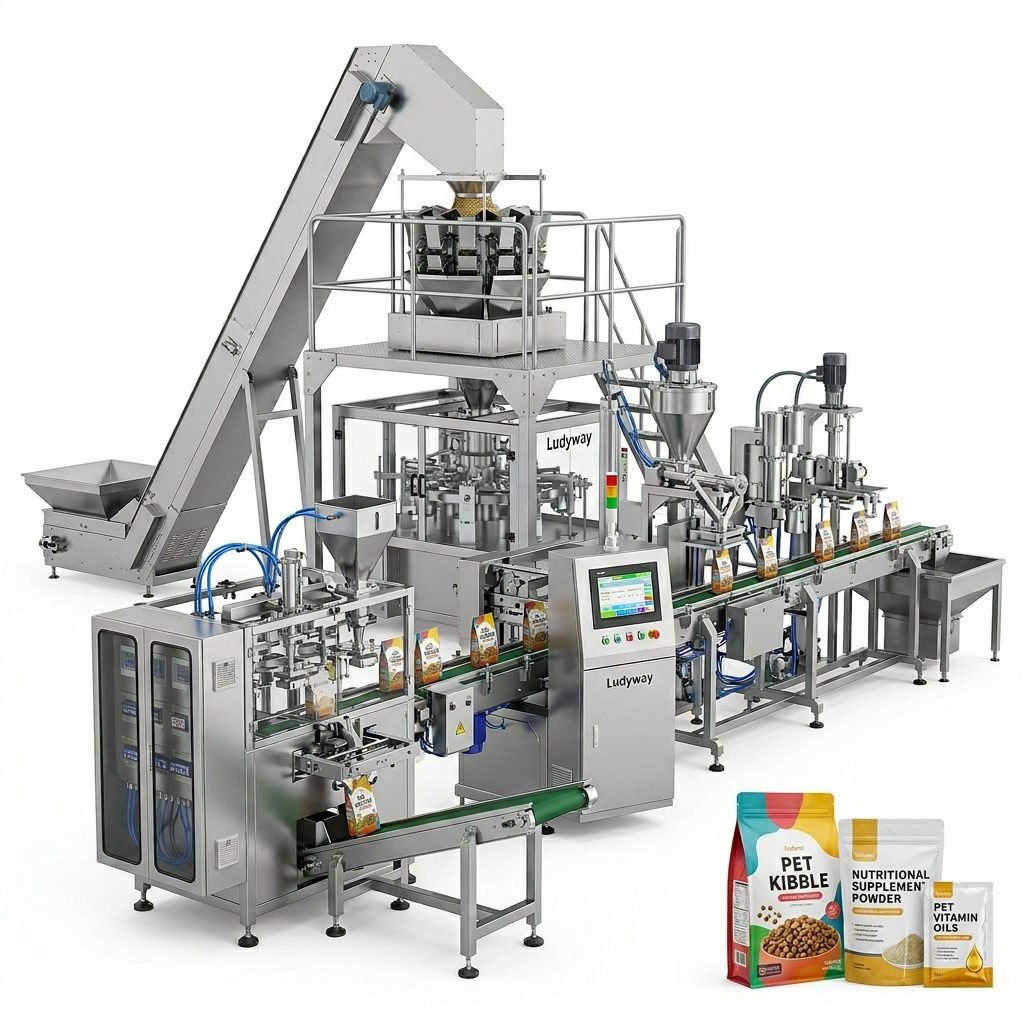
Modern fertilizer packaging lines can range from semi-automatic, operator-dependent stations to fully automated turnkey systems that integrate filling, sealing, coding, inspection, cartoning, and palletizing. The right automation level depends on your labor costs, production volume, consistency requirements, and long-term operational strategy.
Automation Options to Consider
- Bag handling automation: Automatic bag placement, opening, filling, and closing reduces manual labor and improves consistency. For bulk bags, automatic bag gripping and inflation systems improve efficiency.
- Inline quality control: Checkweighers, metal detectors, and X-ray inspection systems can be integrated into the line to ensure product quality and safety. Reject systems automatically remove non-conforming packs.
- Coding and traceability: Automatic date coding, batch printing, and serialization systems support regulatory compliance and supply chain traceability. Technologies include thermal inkjet, laser marking, and thermal transfer printing.
- End-of-line automation: Automated case packing, carton erecting, palletizing, and stretch wrapping reduce manual handling and improve throughput consistency.
- Centralized control systems: PLC-based controls with HMI touchscreens allow recipe management, production data logging, and integration with factory MES or ERP systems.
Industry Standards and Regulatory Compliance
Fertilizer packaging operations must comply with various regulations depending on the product type and target market. Key areas include weights and measures, occupational safety, environmental regulations, and food safety (where fertilizers may be produced in facilities that also handle food-grade products).
Relevant Standards and Resources
- The PMMI packaging machinery standards and resources provide guidance on equipment safety, hygiene, and performance requirements for packaging machinery across industries.
- FDA food packaging and food contact substances regulations apply when fertilizer packaging occurs in facilities also handling food or feed products, or when packaging materials may contact food-grade ingredients.
- ISO packaging standards cover dimensional standards, testing methods, and performance requirements relevant to packaging machinery and materials.
- CE marking and other regional certifications may be required depending on your export markets. Confirm with your equipment supplier that machines can be configured to meet applicable requirements.
Customization and Future Scalability
Standard off-the-shelf machines rarely address all the specific requirements of a fertilizer packaging operation. Customization capabilities are important — from adjusting filling ranges and bag sizes to integrating with existing conveyors, dust collection systems, and upstream or downstream equipment.
Consider whether the machine platform allows for:
- Adding lanes or filling stations to increase capacity later
- Switching between different bag formats or sizes with minimal changeover time
- Integrating additional functions such as nitrogen flushing, vacuum sealing, or modified atmosphere packaging
- Upgrading control systems as automation needs evolve
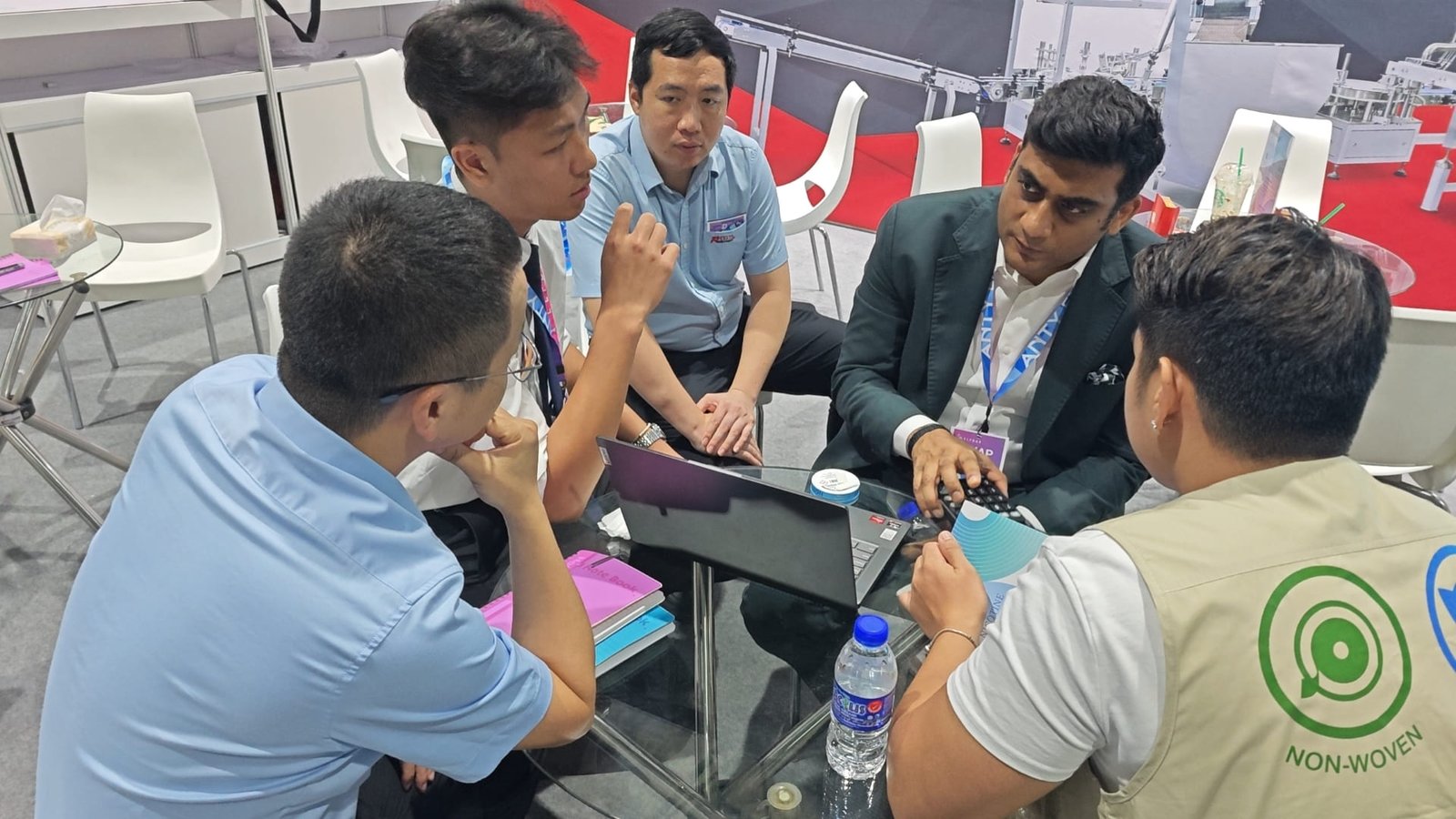
Working with an experienced packaging machinery manufacturer that offers engineering and customization services — such as Ludyway Machinery, a China-based packaging equipment provider with over 30 years of industry experience and a portfolio of more than 50 machine models — allows you to configure equipment specifically for your fertilizer product and production goals rather than adapting your process to fit a standard machine.
After-Sales Support and Total Cost of Ownership
The purchase price of a fertilizer packaging machine is only one part of the total investment. Long-term operational costs — including spare parts, maintenance, downtime, and technical support — often exceed the initial equipment cost over the machine’s lifetime.
Factors Affecting Total Cost of Ownership
| Cost Factor | What to Evaluate |
|---|---|
| Spare parts availability | Local stock, lead times, critical parts identification, cost of consumables |
| Maintenance requirements | Preventive maintenance schedule, ease of access, required technician skill level |
| Technical support | Remote support capability, on-site service availability, response times |
| Operator training | Initial and ongoing training, documentation quality, training materials |
| Energy consumption | Compressed air requirements, electrical efficiency, idle power consumption |
| Expected service life | Build quality, component brands, design robustness for fertilizer environments |
Key Questions to Ask Before Making a Decision
Before finalizing your fertilizer packaging machine purchase, work through these essential questions with potential suppliers:
- Has the machine been tested with fertilizer products similar to mine? Request references, case studies, or video demonstrations with comparable materials. Product testing with your actual fertilizer sample is ideal.
- What is the guaranteed filling accuracy for my specific product? Get written performance specifications, not verbal estimates. Understand how accuracy is measured and under what conditions.
- What are the changeover time and procedure between different bag sizes or products? If you package multiple SKUs, changeover efficiency significantly impacts net productivity.
- What dust control and safety features are included as standard? Understand what is included in the base machine versus what requires additional investment.
- What spare parts are recommended for the first year of operation? Plan for consumables and wear parts from day one.
- What is the installation, commissioning, and training process? Clarify timelines, responsibilities, and whether remote or on-site support is included.
- Can the machine be upgraded or expanded in the future? Understand the platform’s scalability and modularity for evolving business needs.
Selecting the right fertilizer packaging machine is a strategic decision that affects your production efficiency, product quality, and competitiveness. By carefully evaluating your product characteristics, packaging requirements, capacity goals, and total cost of ownership, you can identify equipment that delivers reliable performance and supports your business growth. Reference resources from organizations like the PMMI State of the Industry reports and the Flexible Packaging Association can help you stay current with packaging industry trends and best practices as you evaluate your options.