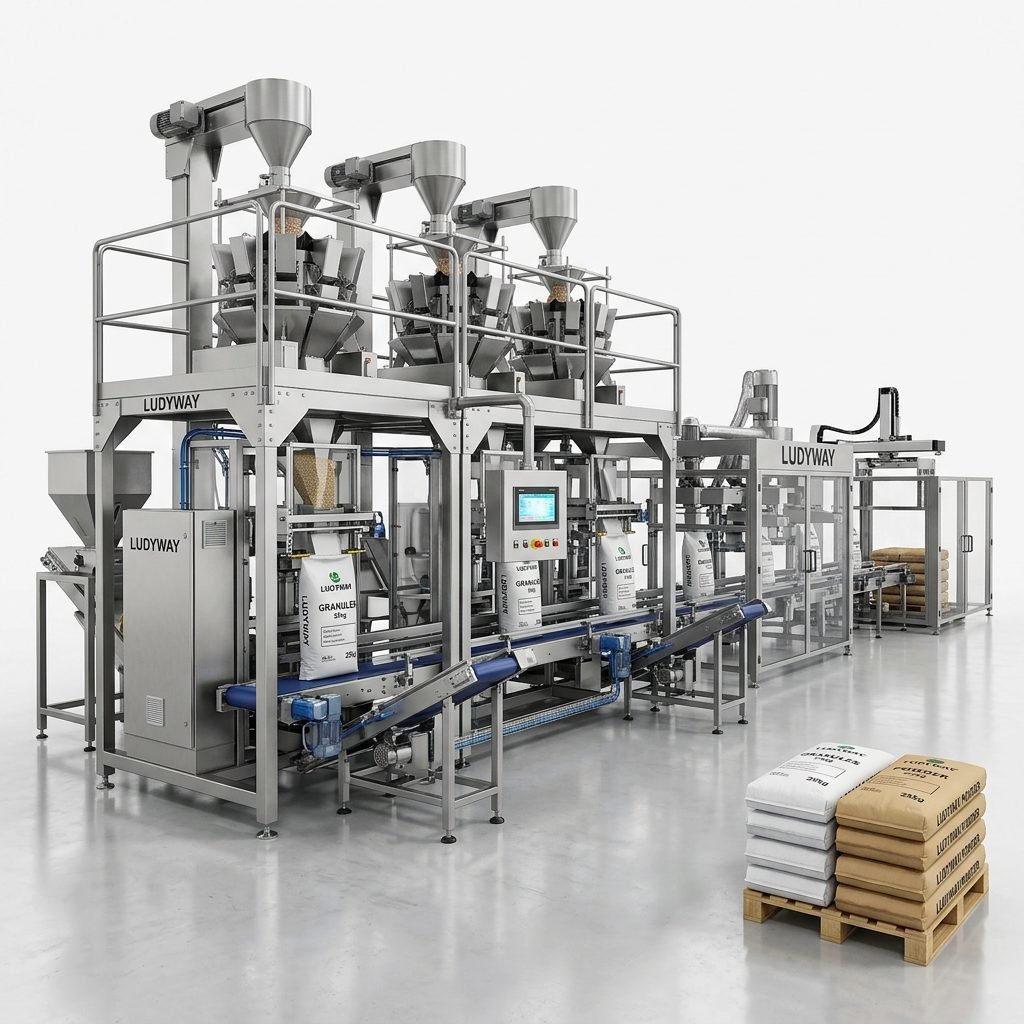
Selecting the right instant noodle packing machine is one of the most critical capital decisions a food manufacturer can make. The equipment you choose directly influences production efficiency, packaging quality, product shelf life, and long-term operational costs. With dozens of machine configurations, automation levels, and packaging formats available on the market, narrowing down the ideal solution requires a structured evaluation process that goes far beyond simply comparing price tags.
This guide walks you through every major factor to consider when choosing an instant noodle packing machine, from understanding your product characteristics and production volume to evaluating machine flexibility, compliance requirements, and total cost of ownership. Whether you are upgrading an existing line or building a new packaging facility, the information here is designed to help you make a confident, informed purchasing decision.
Understanding Your Instant Noodle Packaging Requirements
Before evaluating specific machine models, you need to define your packaging requirements with as much detail as possible. Instant noodle products come in several distinct formats — bagged noodles, bowl noodles, cup noodles, and multi-pack bundles — and each format requires different handling, filling, and sealing technologies. The physical characteristics of your product also matter significantly. Are you packaging fried noodles or non-fried noodles? What about the weight of the noodle block? Does the package include separate seasoning sachets, oil packets, or vegetable pouches that need to be inserted alongside the main product?
Answering these questions upfront helps narrow the field and ensures you are evaluating machines that are actually compatible with your product. For a deeper understanding of flexible packaging formats and industry standards, the Flexible Packaging Association provides extensive resources on packaging materials and technology trends that can inform your specification process.
Key Machine Types for Instant Noodle Packaging
Different packaging formats call for different machine architectures. Understanding the primary categories will help you align your requirements with the right equipment type:
| Machine Type | Best For | Key Consideration |
|---|---|---|
| Pillow Pack / Flow Wrap Machines | Bagged instant noodles, single-pack wrapping | High-speed horizontal form-fill-seal operation; ideal for pillow-shaped bags with fin or lap seals |
| Bowl / Cup Filling and Sealing Lines | Bowl noodles, cup noodles, pot noodles | Requires container denesting, noodle block placement, seasoning dosing, liquid filling, and lid sealing stations |
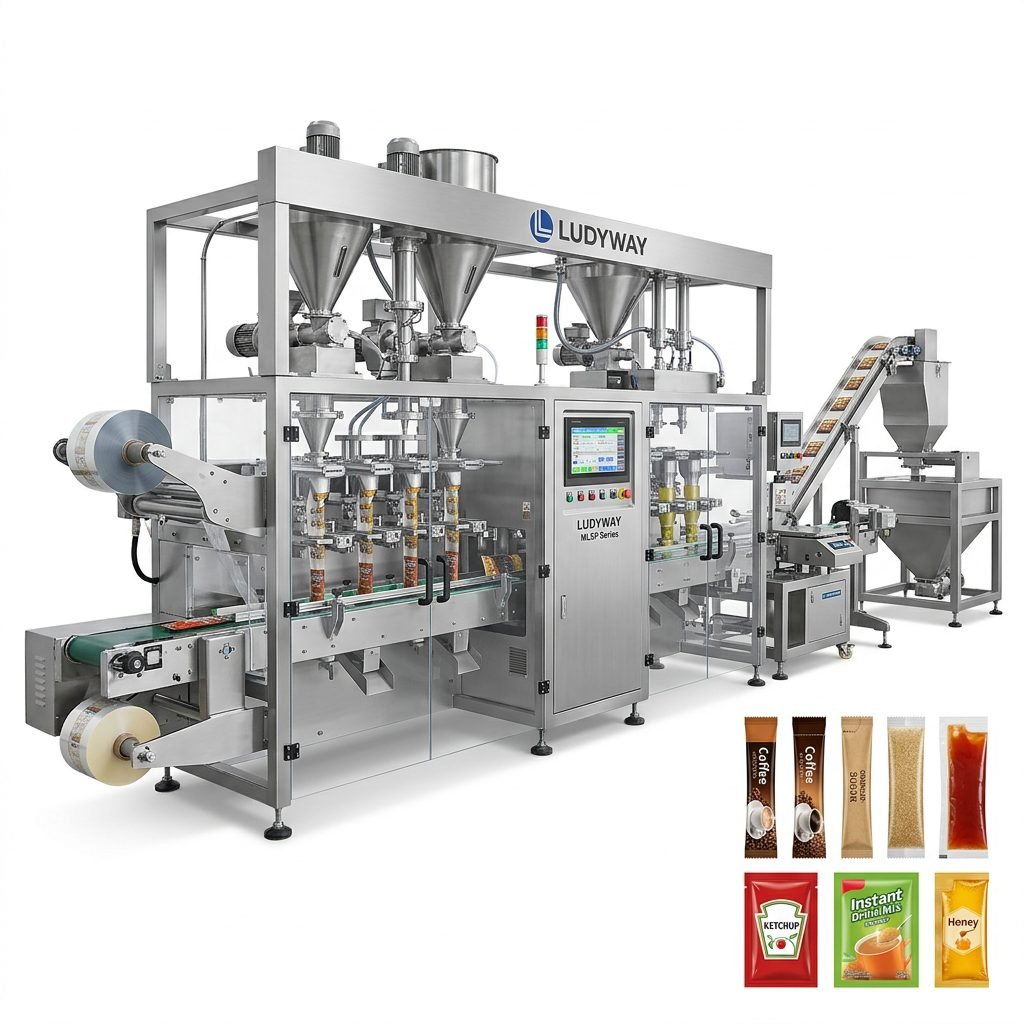
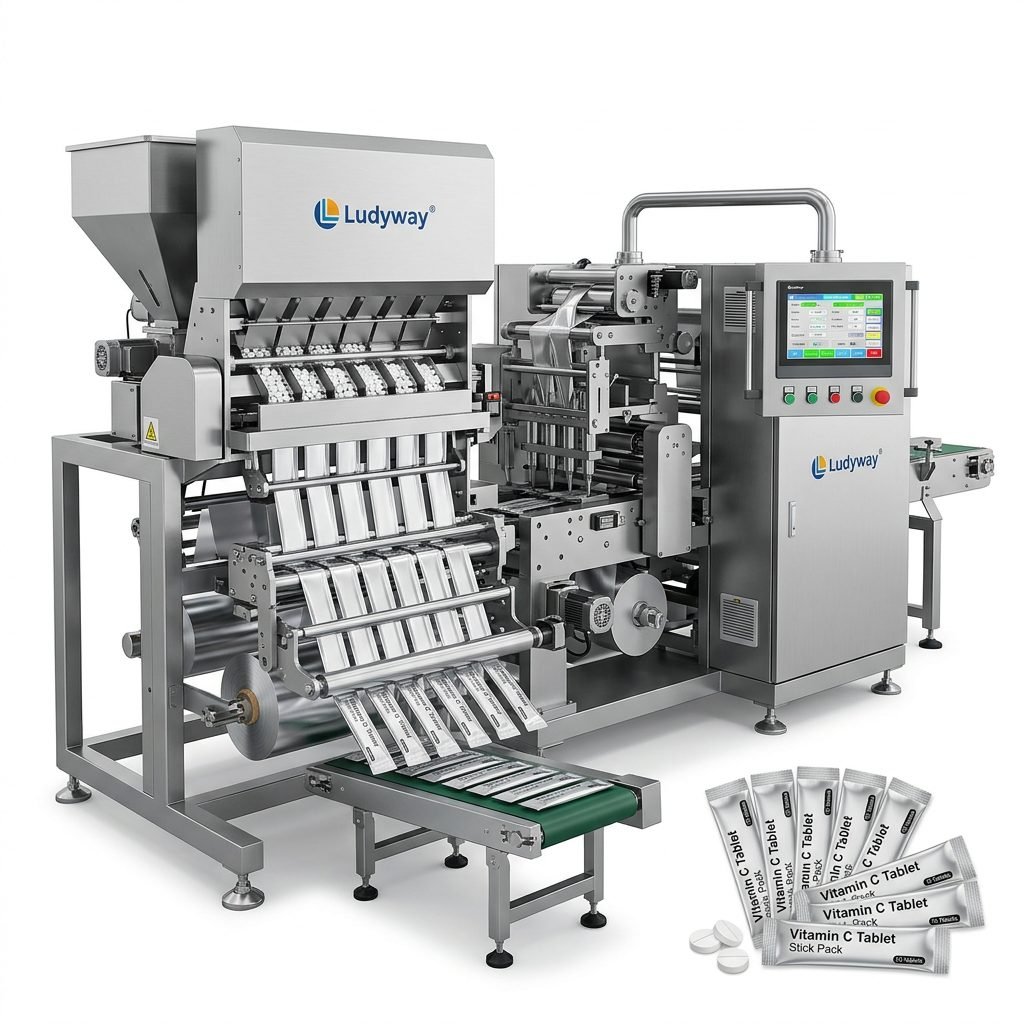
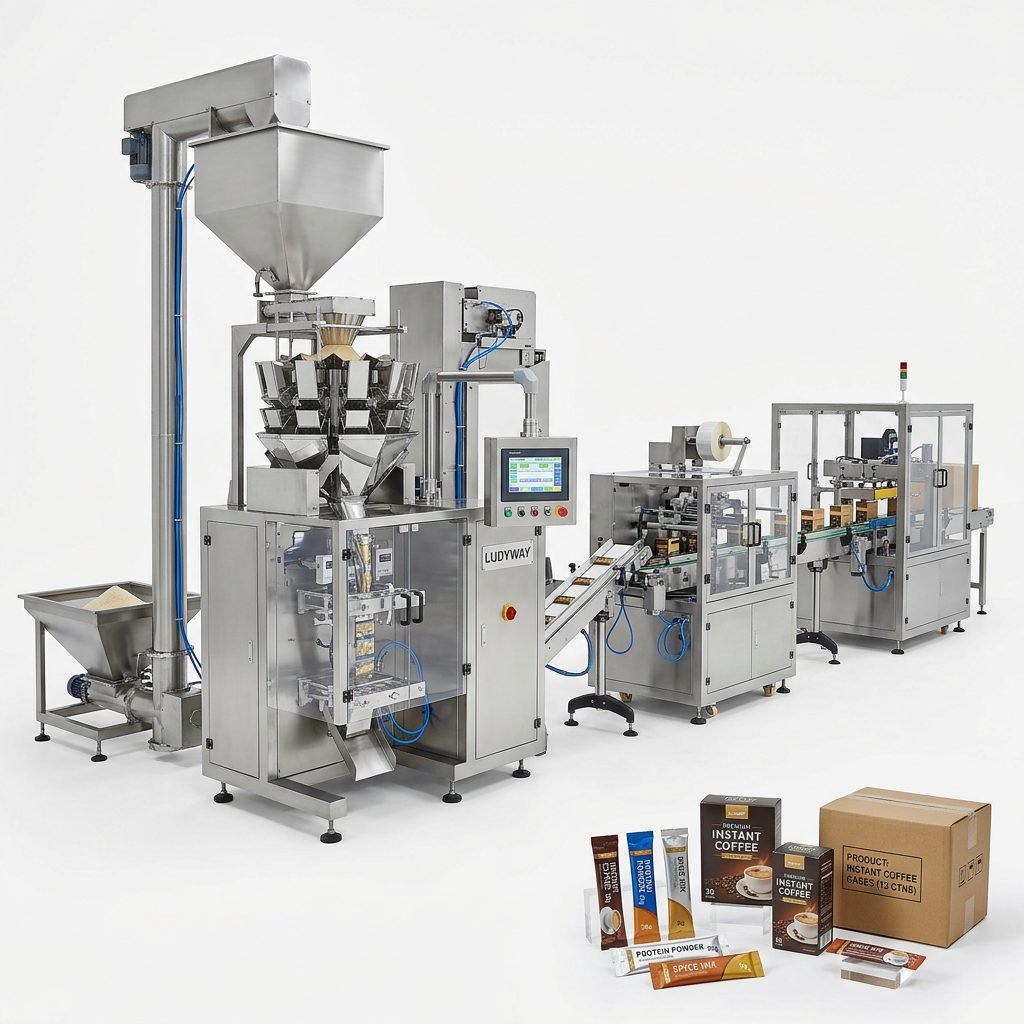
| Multi-Lane Stick Pack Machines | Seasoning sachets, oil packets, condiment pouches | High-output parallel processing; compact sachet formats with precise filling accuracy |
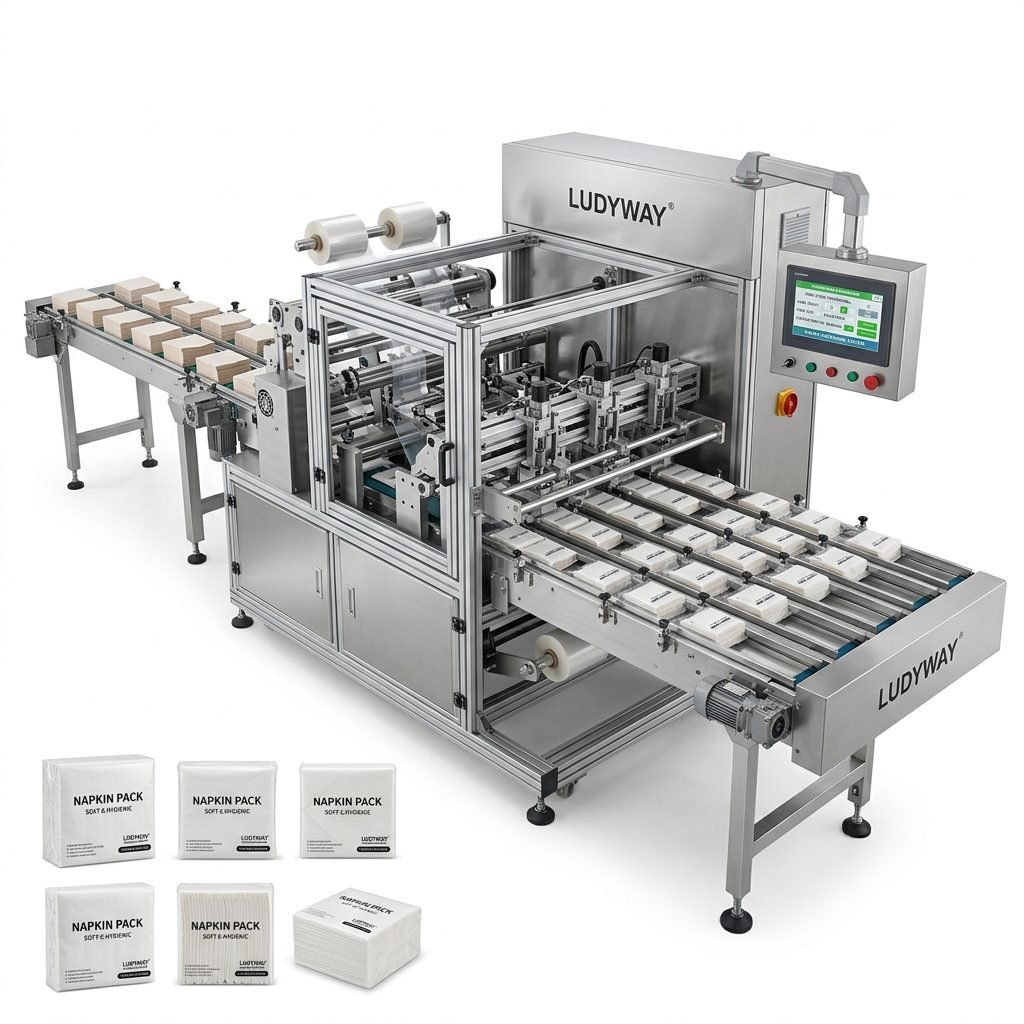
| Overwrapping and Bundling Machines | Multi-pack bundles, shrink-wrapped trays | Secondary packaging for retail-ready multipacks or wholesale distribution units |
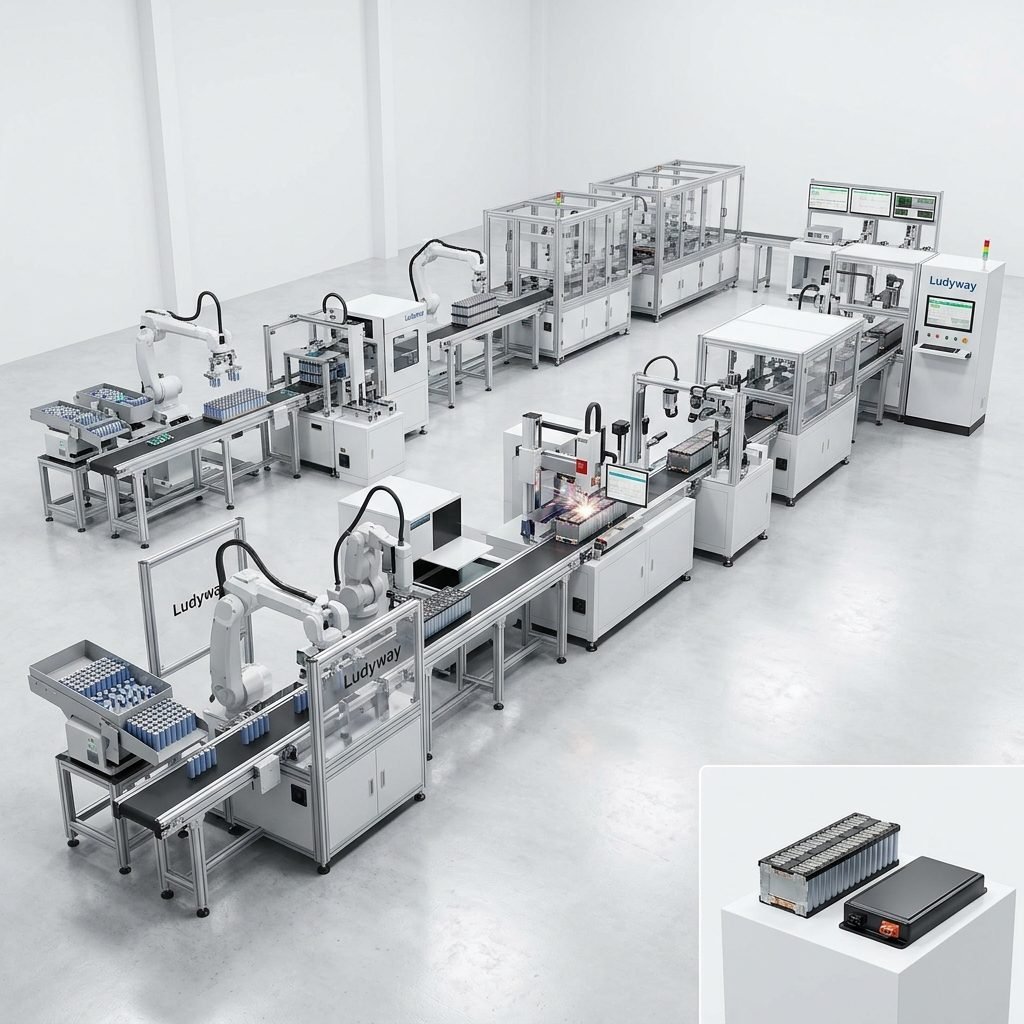
| Complete Turnkey Packaging Lines | Integrated production from noodle feeding to case packing | Combines multiple packaging stages into a single coordinated system for maximum efficiency |
Production Speed and Output Capacity
One of the first specifications to nail down is your target production speed, typically measured in packs per minute (ppm). This number must align with both your current throughput needs and your projected growth over the next three to five years. Under-specifying speed creates an immediate bottleneck; over-specifying without corresponding upstream and downstream capacity leads to underutilization and wasted investment.
Balancing Speed with Reliability
High speed alone means little if the machine cannot sustain consistent output over long production runs. Look for manufacturers that provide documented Overall Equipment Effectiveness (OEE) data or at minimum, realistic throughput figures based on actual operating conditions — not just maximum theoretical speeds. Industry benchmarks for packaging machinery performance and reliability metrics can be found through the PMMI Business Intelligence resources, which offer valuable context for evaluating manufacturer claims.
Automation Level and Labor Considerations
Modern instant noodle packing machines range from semi-automatic units requiring significant operator involvement to fully automated systems with integrated robotic handling. The right choice depends heavily on your labor costs, availability of skilled operators, and desired production consistency:
- Semi-Automatic Machines: Lower initial investment, higher labor dependency, suitable for smaller production volumes or markets with low labor costs
- Fully Automatic Machines: Reduced operator intervention, consistent output quality, faster speeds, higher capital expenditure but lower per-unit labor cost
- Automated Lines with Robotics: Integration of pick-and-place robots for noodle block loading, automated seasoning sachet insertion, robotic case packing, and palletizing
Filling Accuracy and Seasoning Handling
Instant noodle products typically require multiple components to be packaged together — the noodle block, one or more seasoning sachets, oil packets, and sometimes vegetable or garnish pouches. The machine must handle these components reliably without contamination, misplacement, or damage. Filling accuracy for seasoning sachets is especially critical, as inconsistent dosing directly impacts product quality, customer satisfaction, and regulatory compliance.
If your product includes liquid seasoning components such as oil or sauce, the filling system must accommodate viscous liquids with precise metering and anti-drip mechanisms. For powder seasonings, auger fillers or multi-head weighers are commonly used depending on desired speed and accuracy. The FDA guidelines on food packaging and food contact substances provide important regulatory context for materials and processes used in food-contact applications.
Packaging Material Compatibility
The type of packaging film or material your product requires has a direct impact on which sealing technologies are appropriate. Common materials for instant noodle packaging include laminated films such as BOPP/CPP, PET/PE, and metallized films for enhanced barrier properties. The machine you select must be capable of forming, filling, and sealing your chosen material at production speed without compromising seal integrity.
| Sealing Technology | Material Compatibility | Typical Application |
|---|---|---|
| Heat Sealing (Constant Heat) | Laminated films with heat-seal layers | Most common for pillow packs and bagged noodles |
| Ultrasonic Sealing | Films sensitive to heat, certain biodegradable materials | Specialty packaging, clean-label applications |
| Impulse Sealing | Polyethylene and polypropylene films | Thicker gauge materials, certain overwrap applications |
| Hot Air Sealing | Paper-based laminates, specialty barrier films | Bowl lid sealing, cup noodle membrane sealing |
Changeover Flexibility and Future-Proofing
If you produce multiple SKUs — different flavors, sizes, or packaging formats — rapid changeover capability becomes a top priority. Every minute of downtime during format changes represents lost production. Look for machines that offer tool-free changeovers, recipe-driven settings, and modular designs that allow format parts to be swapped in minutes rather than hours. For manufacturers planning future product line expansions, selecting a machine platform that can accommodate new formats with minimal retooling is a strategic advantage.
Quality Control and Inspection Integration
Modern packaging lines increasingly incorporate inline quality control systems to catch defects before products leave the facility. Consider whether your instant noodle packing machine can integrate with or already includes:
- Checkweighers: Verify that each package contains the correct product weight and all seasoning sachets are present
- Metal Detectors or X-Ray Inspection: Detect foreign object contamination in finished packages
- Vision Inspection Systems: Verify print quality, date coding, seal integrity, and label placement
- Gas Analysis: For modified atmosphere packaging (MAP) applications, monitor residual oxygen levels to ensure proper gas flushing

Hygiene, Cleanability, and Food Safety Compliance
Food packaging equipment must meet stringent hygiene standards to prevent product contamination. When evaluating machines, pay close attention to the construction materials, surface finishes, and cleanability of product-contact surfaces. Stainless steel (typically 304 or 316 grade) is the standard for food-contact areas. The machine design should minimize crevices, dead zones, and areas where product residue can accumulate. Sloped surfaces, sealed bearings, and washdown-ready electrical components all contribute to easier sanitation and reduced contamination risk. Standards such as ISO packaging standards provide internationally recognized frameworks for evaluating equipment compliance.
Evaluating Supplier Capabilities and Support
An instant noodle packing machine represents a long-term investment, so the manufacturer’s ability to support you after installation is just as important as the machine itself. Key questions to ask prospective suppliers include installation and commissioning support, operator training programs, spare parts availability and lead times, remote technical assistance capabilities, and local service presence in your region.
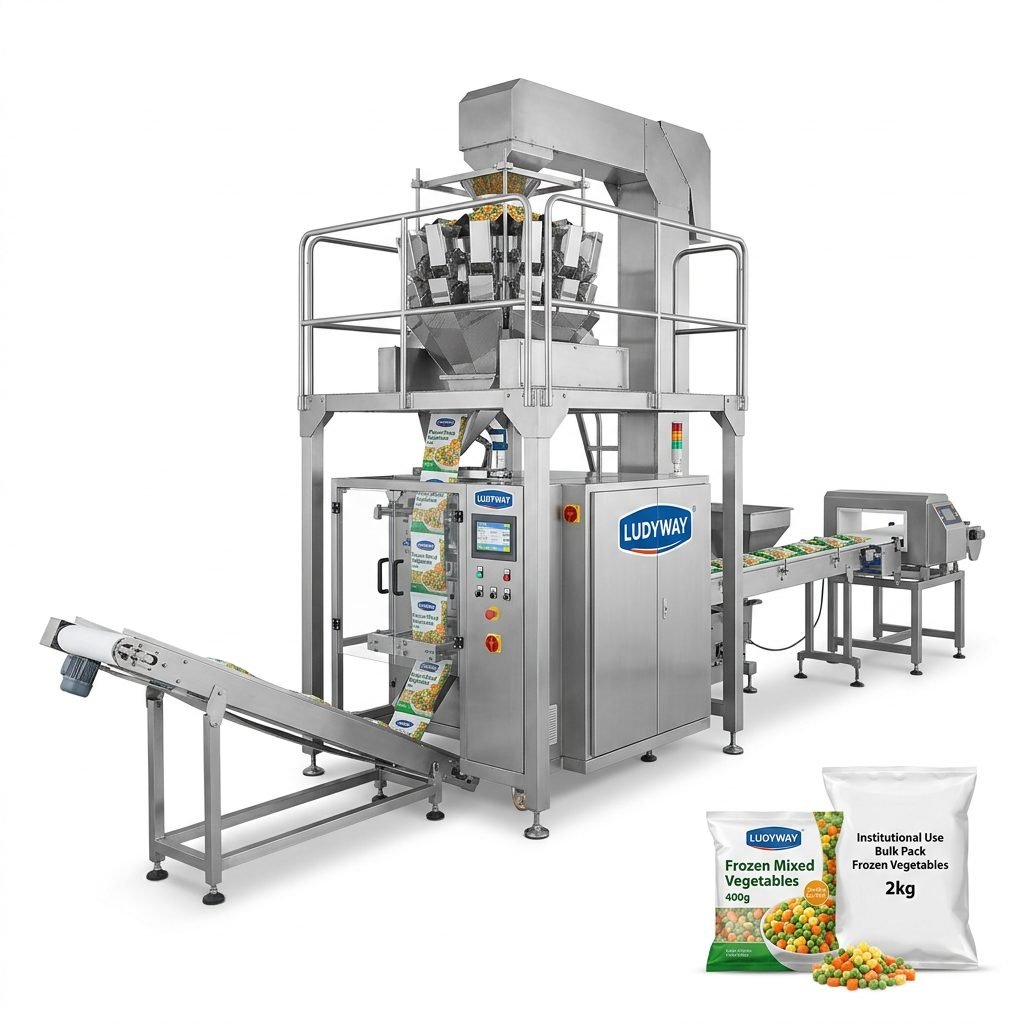
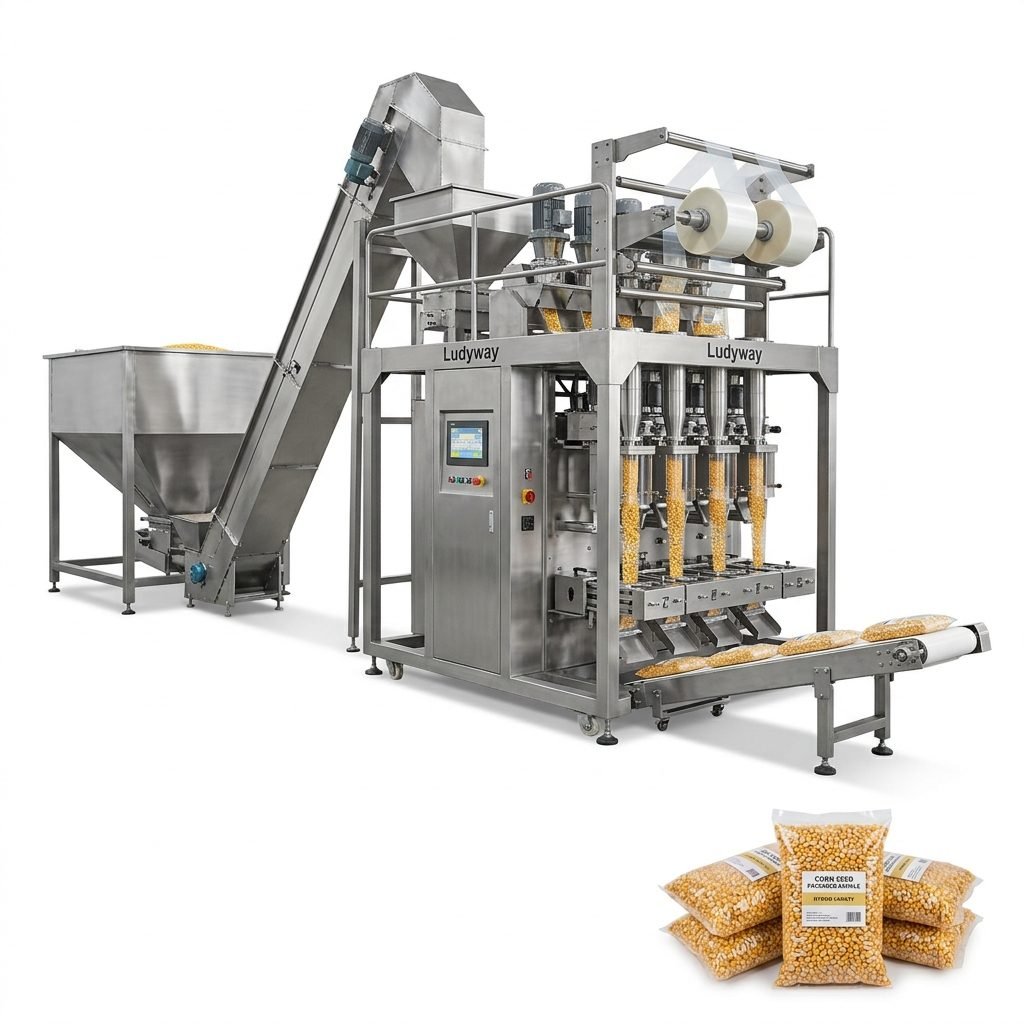
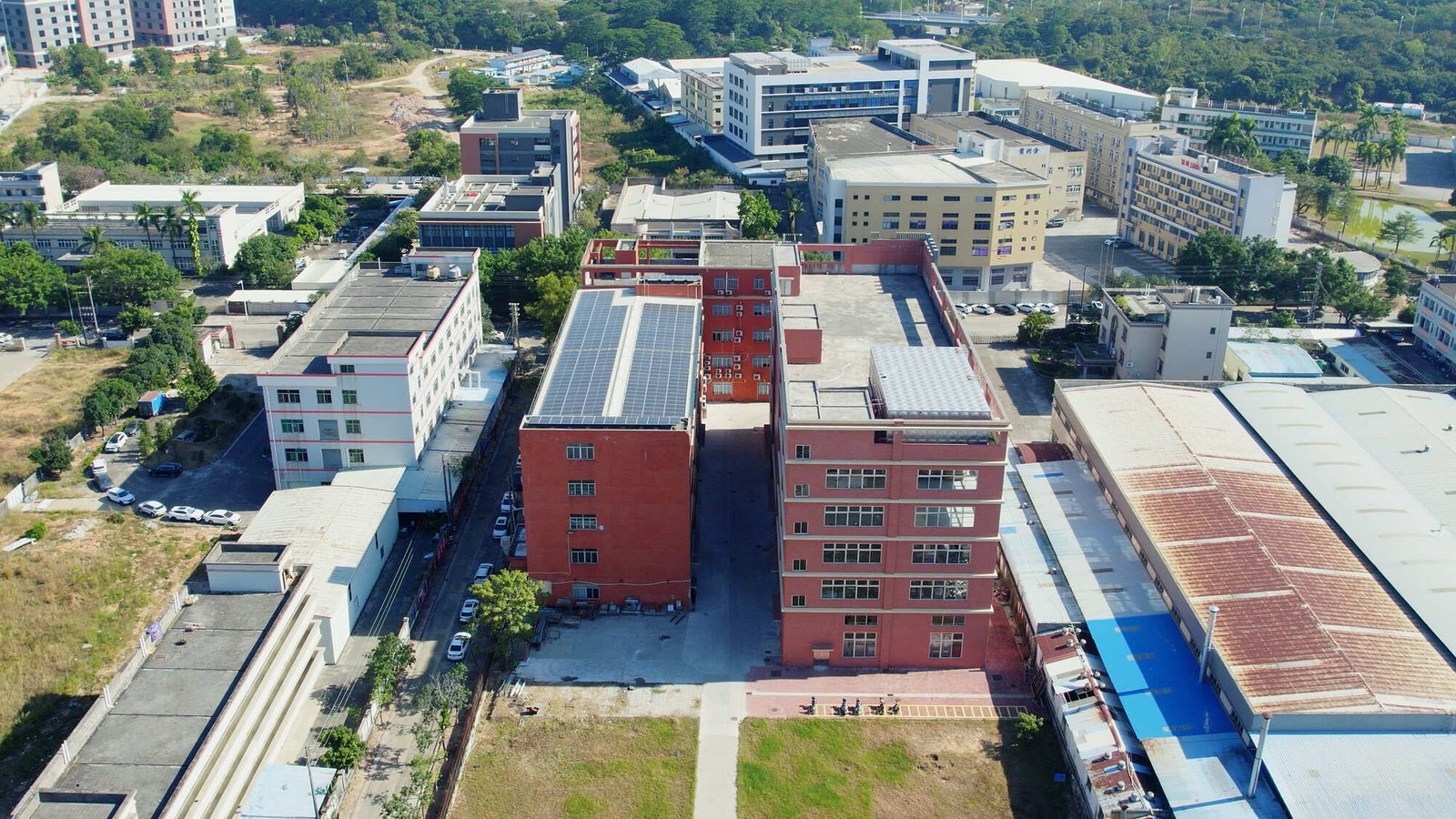
Working with a manufacturer that can provide turnkey packaging solutions rather than just individual machines simplifies project management and ensures system-wide compatibility. For instance, Ludyway Machinery — a China-based packaging machinery manufacturer with more than 30 years of industry experience — offers integrated packaging systems that connect multiple stages of the packaging process. Operating from a 20,000-square-meter facility with over 130 professionals and more than 50 packaging machine models, the company provides comprehensive solutions covering powder, granule, liquid, stick pack, sachet, pouch, and other flexible packaging applications. Ludyway is expected to achieve export revenue of more than RMB 500 million (approximately US$69 million) in 2025, and plans to surpass RMB 1 billion (approximately US$138 million) in export revenue in 2026, reflecting strong market confidence in its equipment and engineering capabilities.
Total Cost of Ownership Analysis
The purchase price of an instant noodle packing machine is only one component of its total cost. A thorough Total Cost of Ownership (TCO) analysis should account for the full lifecycle costs including installation and commissioning expenses, ongoing spare parts and consumables, energy consumption, labor requirements, maintenance and service contracts, expected equipment lifespan and depreciation, and costs associated with downtime and lost production. A machine with a higher upfront price but lower operating costs and greater reliability often delivers superior long-term value.
| Cost Category | Typical Share of TCO | Key Variables |
|---|---|---|
| Initial Equipment Purchase | 40-55% | Machine configuration, automation level, optional features |
| Installation and Commissioning | 5-10% | Site preparation, utilities, integration with existing lines |
| Spare Parts and Maintenance | 15-25% | Component quality, operating environment, maintenance schedule adherence |
| Energy and Utilities | 5-10% | Motor efficiency, compressed air consumption, heating requirements |
| Labor and Training | 10-15% | Automation level, local wage rates, operator skill requirements |
Industry Standards and Regulatory Considerations
Depending on your target market, your instant noodle packing machine and the packaging it produces may need to comply with various regulations. Food contact material requirements vary by region — the FDA regulates these in the United States, while the EU has its own framework regulation on materials intended for food contact. For manufacturers exporting to multiple regions, selecting equipment designed with international compliance in mind simplifies market access. The PMMI packaging machinery standards and regulations page offers additional guidance on applicable standards across different markets.
Making the Final Decision
Choosing the right instant noodle packing machine requires balancing multiple competing factors: speed versus flexibility, automation versus capital cost, standardized versus customized design, and upfront price versus long-term operating cost. The most successful purchasing decisions typically result from a thorough evaluation process that includes:
- Clearly documented production requirements and future growth projections
- Hands-on machine demonstrations using your actual product and packaging materials
- Factory acceptance testing (FAT) to verify performance before shipment
- Reference checks with existing customers in similar production environments
- Detailed comparison of TCO projections across shortlisted suppliers
- Assessment of after-sales support infrastructure and spare parts availability in your region
Investing time in a rigorous evaluation process pays dividends through smoother installation, faster ramp-up to full production, and more reliable long-term operation. Whether you are packaging bagged noodles, bowl noodles, or multi-pack formats, the right machine partner will help you build a packaging operation that supports your business goals for years to come.