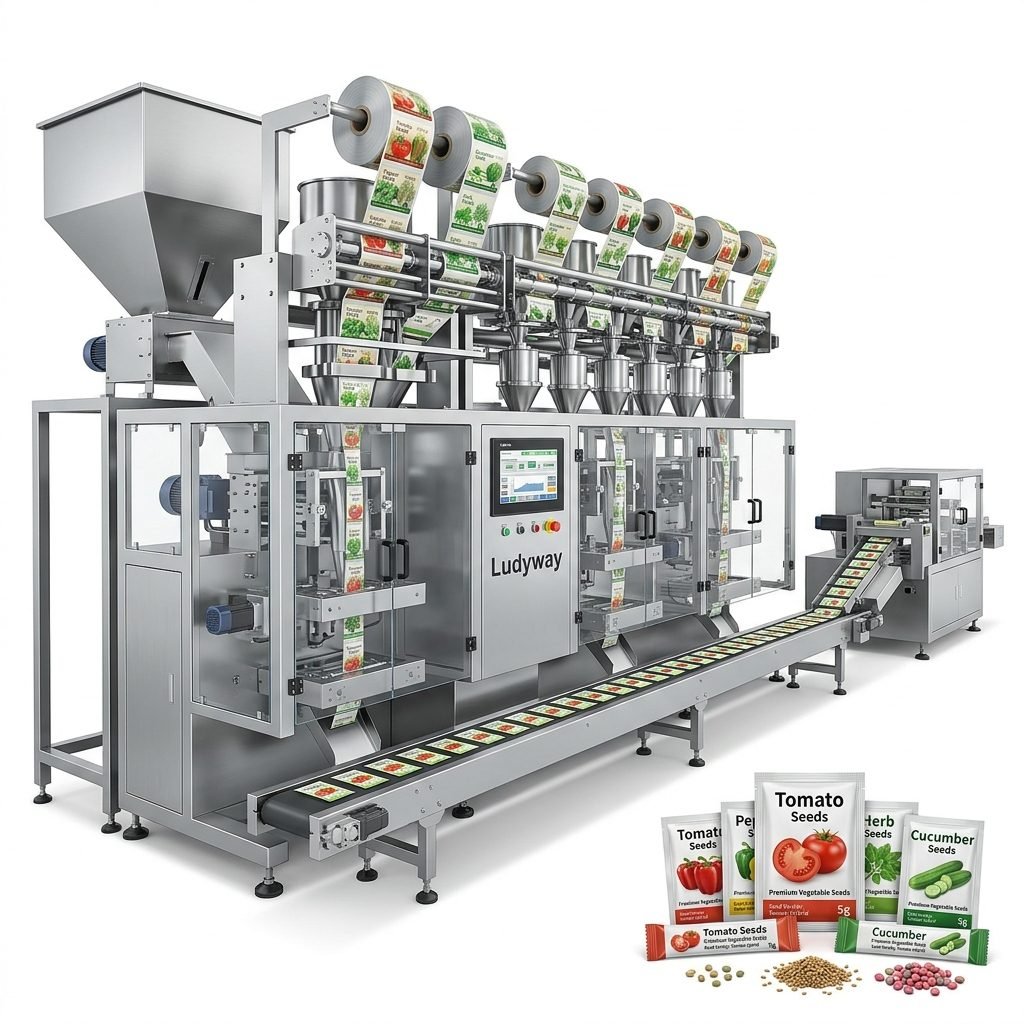
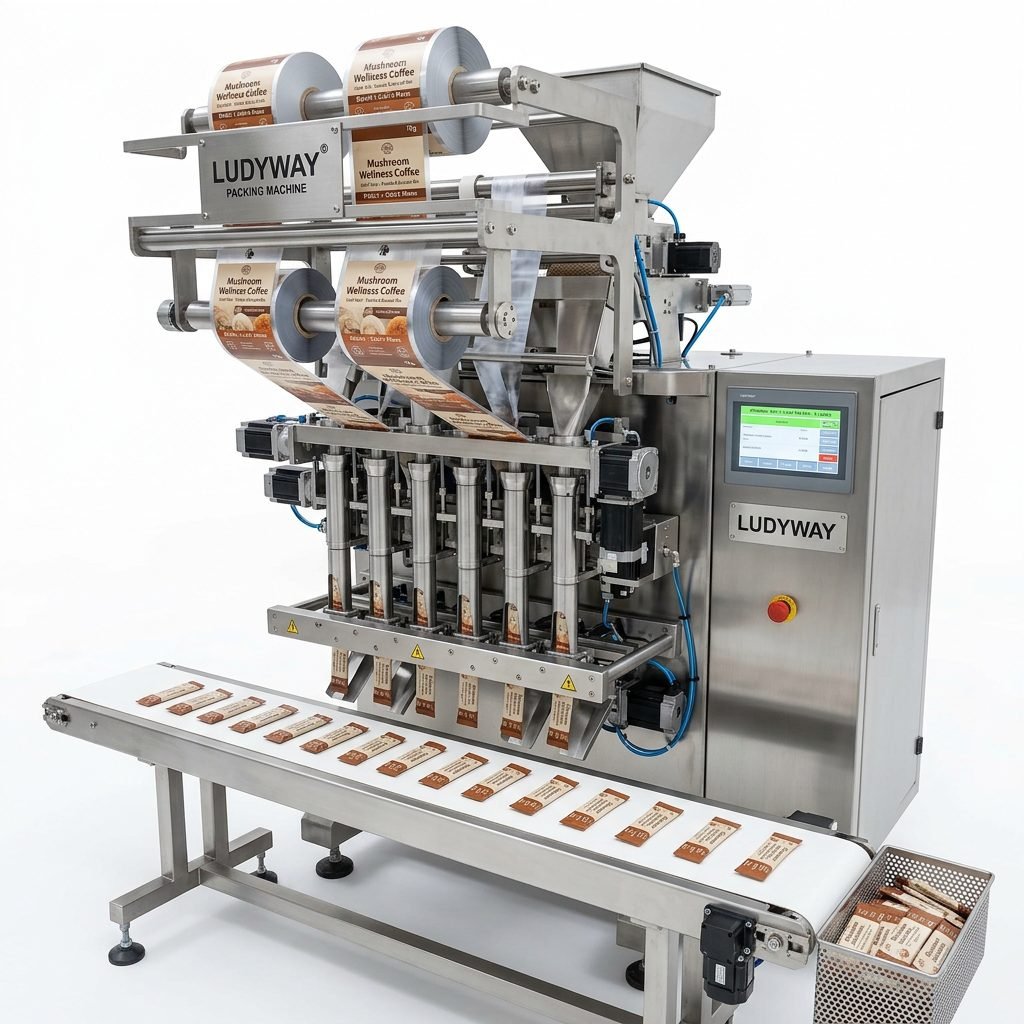
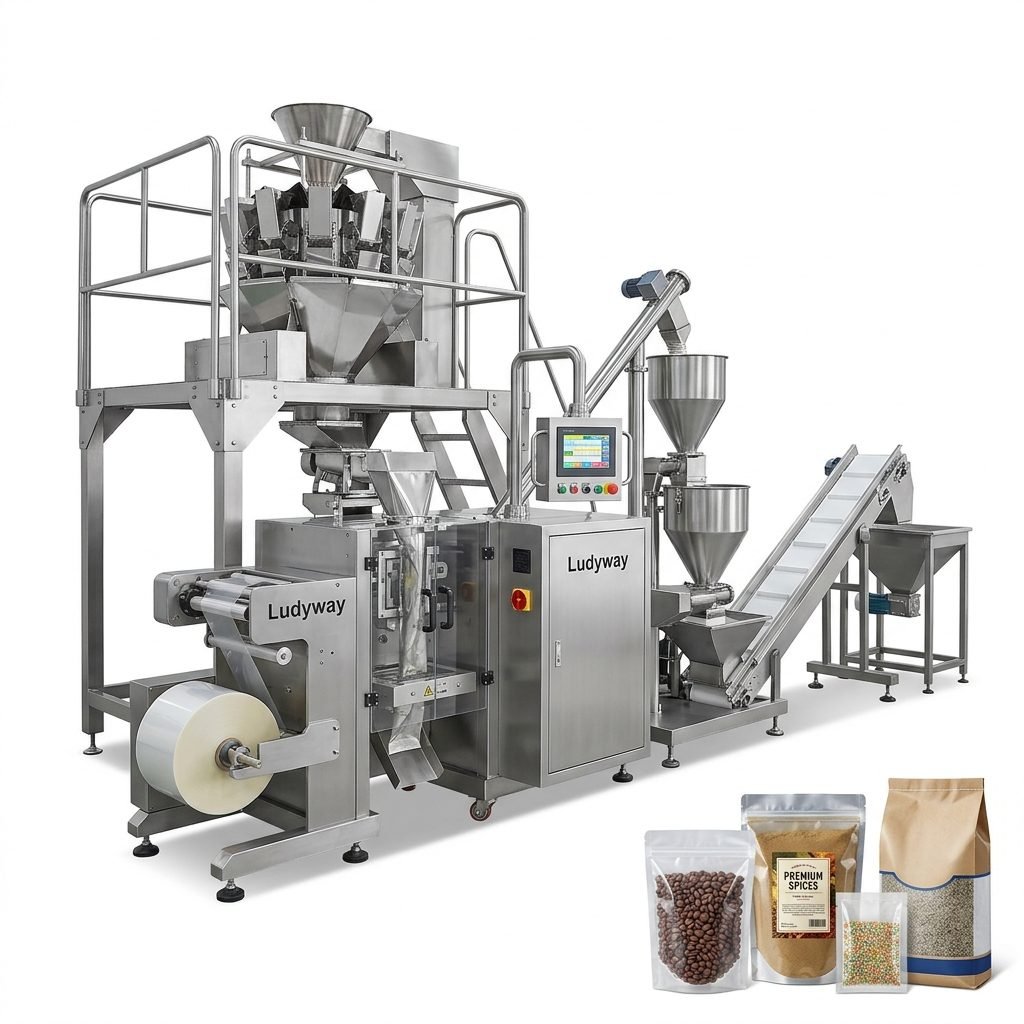
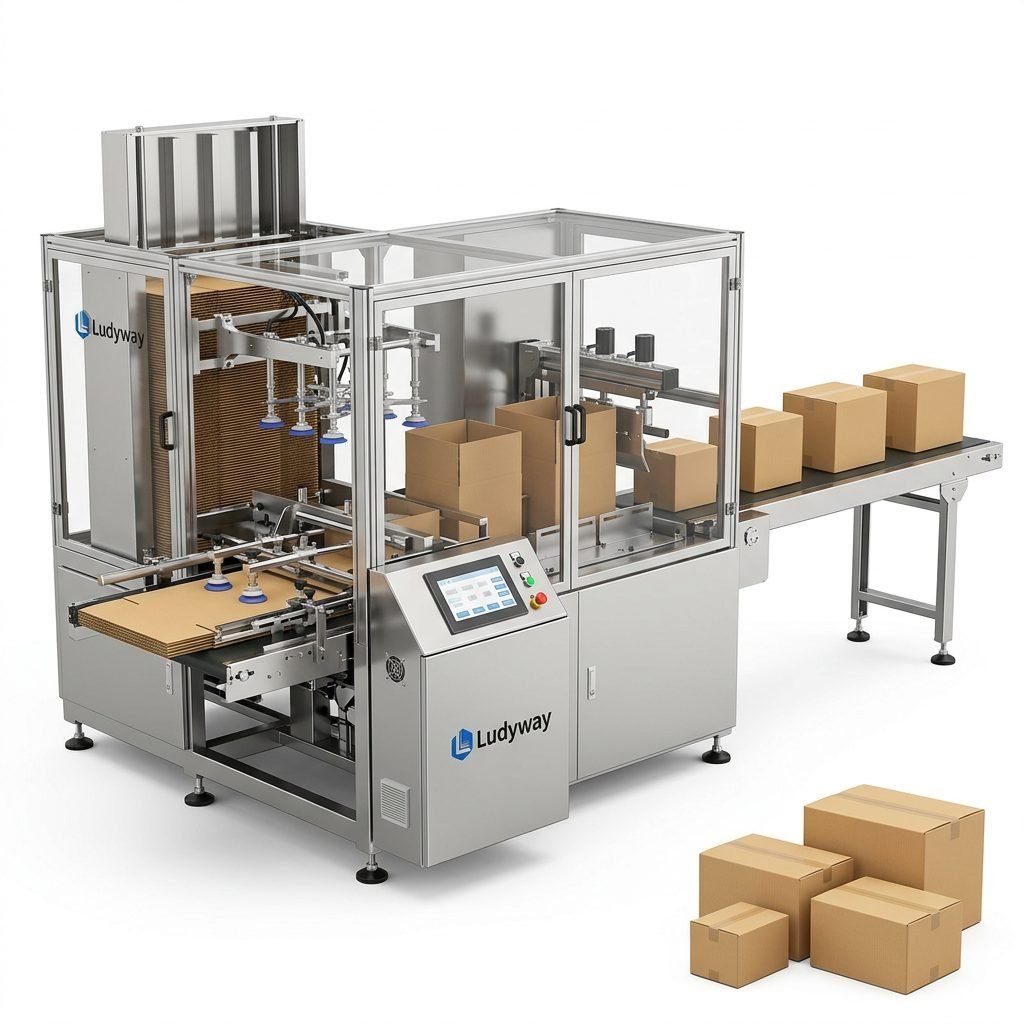
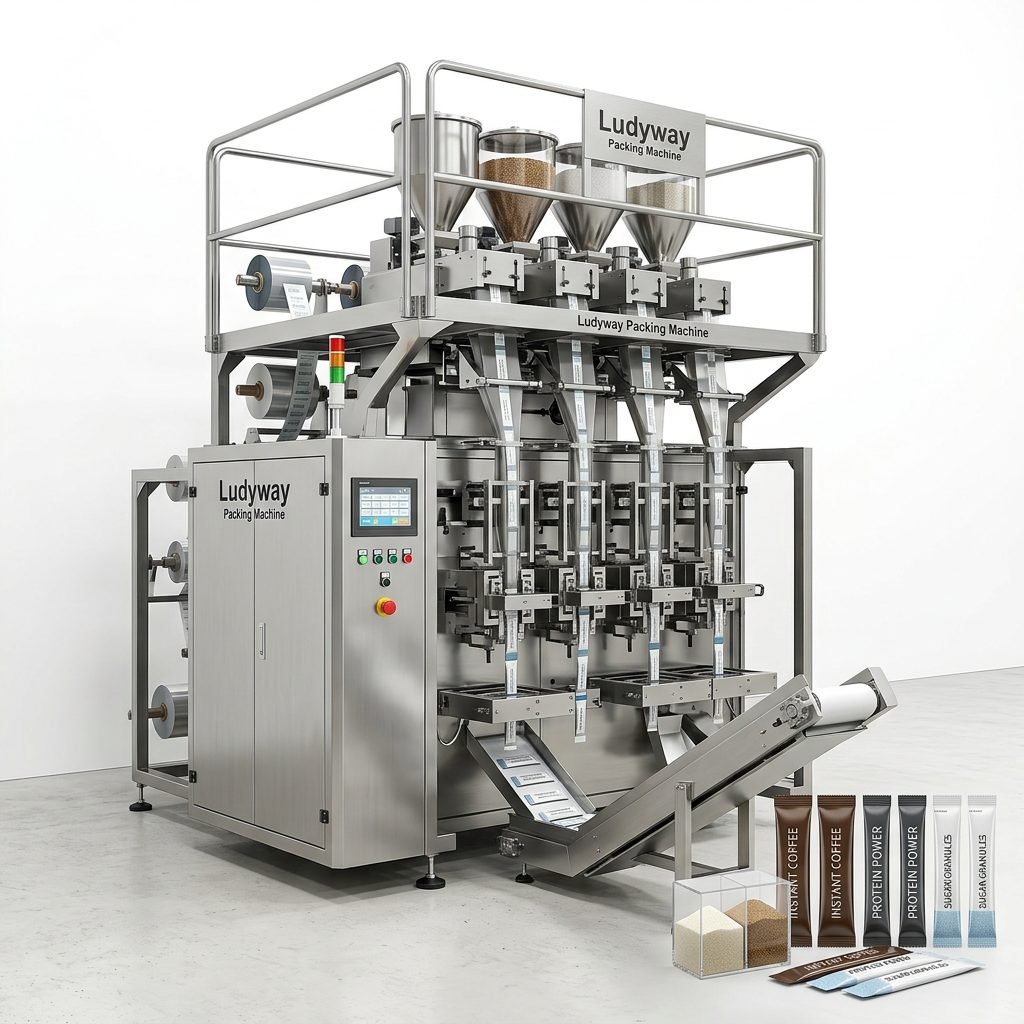
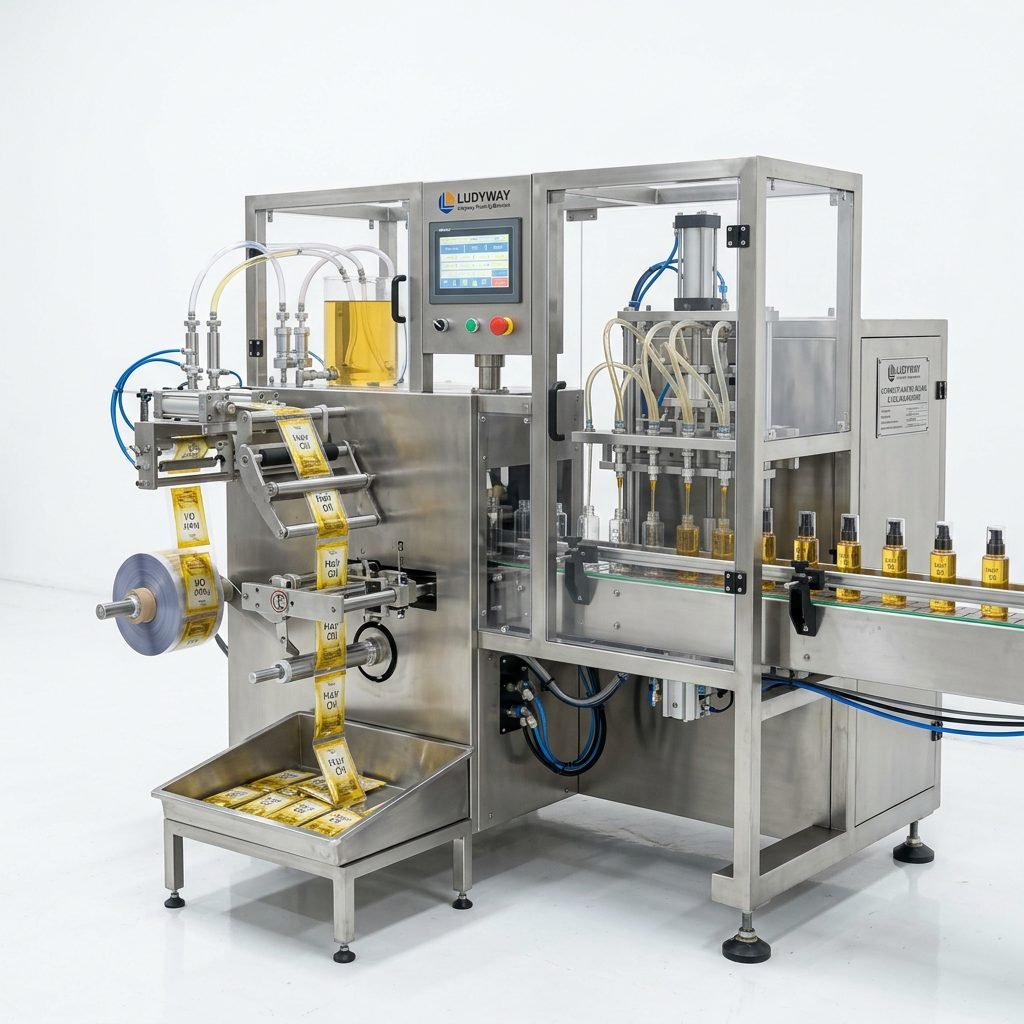
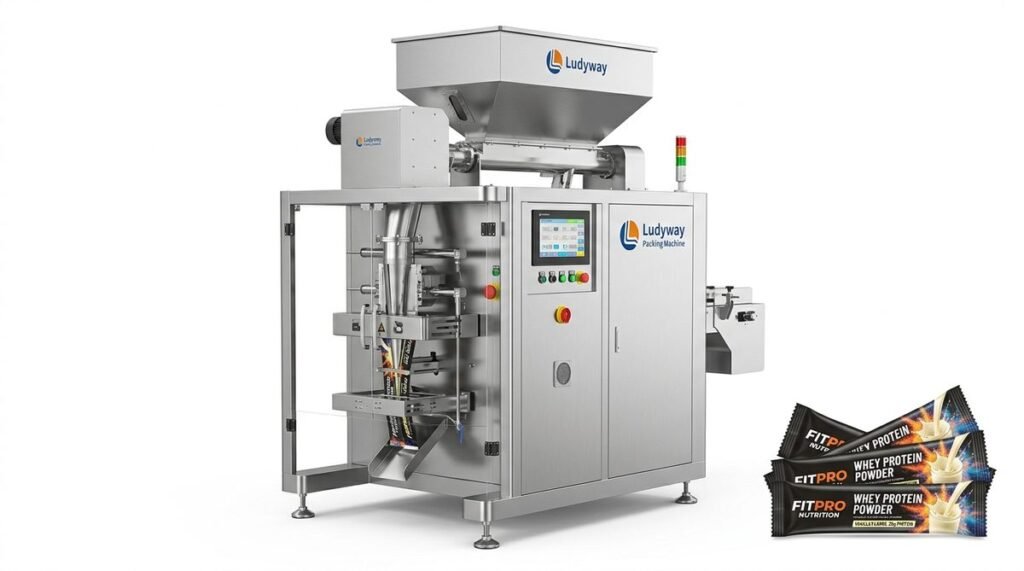
Investing in a small seed packing machine is a critical decision for seed companies, agricultural suppliers, and producers looking to streamline their packaging operations. Whether you are packaging vegetable seeds, flower seeds, grain seeds, or specialty crop seeds, the right equipment can significantly impact your production efficiency, packaging accuracy, and overall product quality. This comprehensive buyer’s guide will walk you through the essential factors to consider, helping you make an informed purchasing decision that aligns with your specific operational needs.
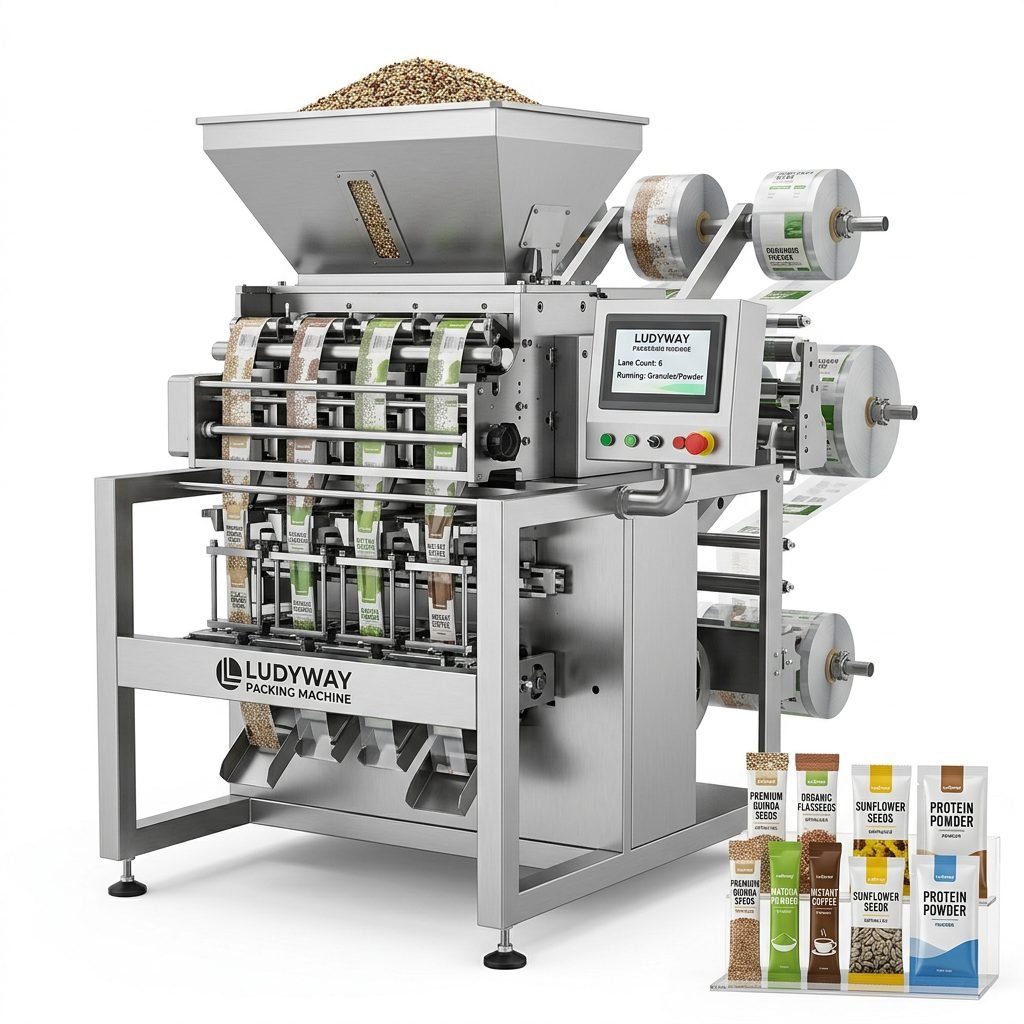
Understanding Small Seed Packing Machines
A small seed packing machine is designed to handle the unique challenges of seed packaging, including precise counting or weighing of individual seeds, gentle handling to prevent damage, and accurate filling into various bag formats. Unlike general-purpose powder or granule packaging equipment, seed-specific machines often incorporate specialized dosing systems that can accommodate different seed sizes, shapes, and flow characteristics. The global packaging machinery market continues to evolve, and understanding the latest packaging machinery market research can provide valuable context for your investment decision.
Key Factors to Consider When Choosing a Seed Packing Machine
Selecting the right equipment requires careful evaluation of multiple variables. Below are the most critical factors that should guide your decision-making process.
Seed Type and Physical Characteristics
The physical properties of your seeds directly determine which machine configuration will work best. Consider the following seed characteristics:
- Seed size and shape: From tiny lettuce seeds to larger bean or corn seeds, the dosing mechanism must be calibrated accordingly.
- Flowability: Some seeds flow freely while others may clump or bridge, requiring specialized hopper agitation or feeding systems.
- Fragility: Delicate seeds need gentle handling to prevent cracking or crushing during the filling process.
- Surface texture: Smooth, rough, or coated seeds each present different challenges for counting and filling accuracy.
Production Speed and Capacity Requirements
Your current and projected production volume should be a primary consideration. Small-scale operations may only need a machine capable of 10-30 packs per minute, while growing businesses might benefit from equipment that can scale to higher outputs. Evaluate whether you need a single-lane or multi-lane configuration, as multi-lane systems can dramatically increase throughput without requiring additional floor space. Understanding your production goals in the context of packaging industry trends and forecasts helps ensure your investment remains viable long-term.
Packaging Format and Bag Style
Small seed packing machines can typically produce various packaging formats. The most common options include:
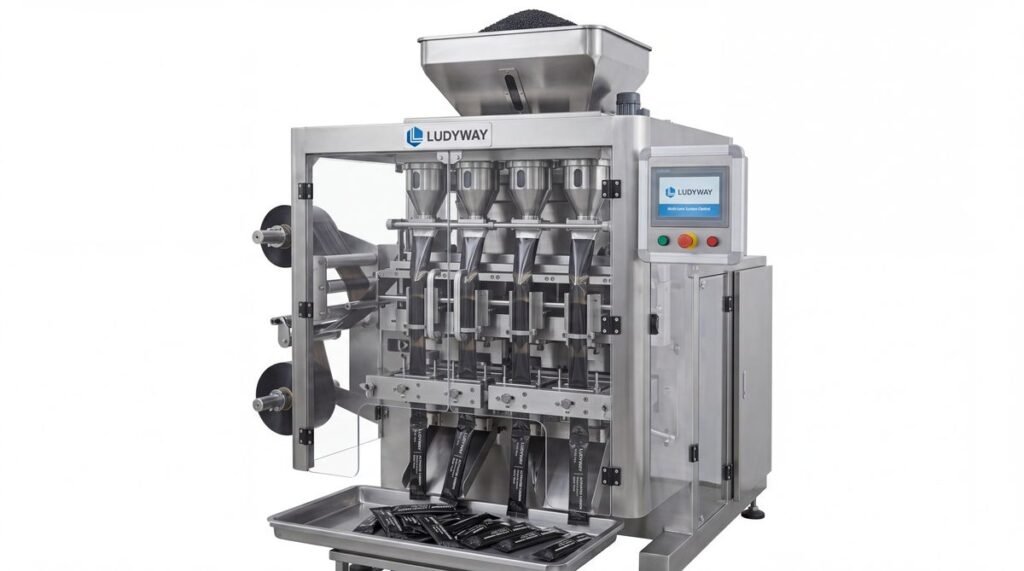
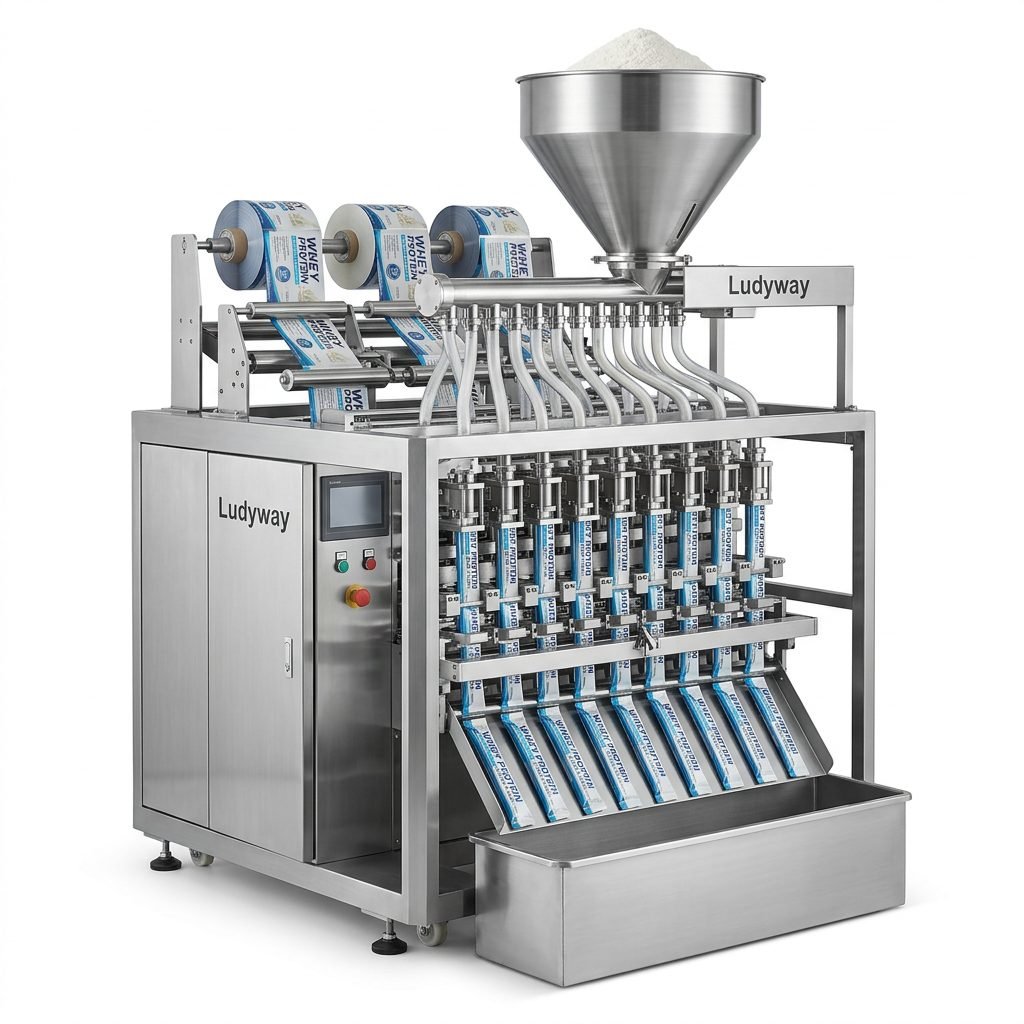
- Stick packs: Narrow, elongated sachets ideal for single-use seed portions
- Three-side seal sachets: Classic flat pouches suitable for retail display
- Four-side seal sachets: More robust sealed edges for improved shelf life
- Gusseted pouches: Stand-up capability for enhanced shelf presence
- Premade pouch filling: For premium packaging with higher visual appeal
The choice of packaging format affects not only the machine’s mechanical configuration but also your packaging material requirements and overall cost per unit.
Filling Accuracy and Dosing Technology
Accuracy in seed packaging is paramount, as overfilling cuts into profit margins while underfilling can lead to regulatory issues and customer dissatisfaction. Modern small seed packing machines employ various dosing technologies:
| Dosing Technology | Best Suited For | Accuracy Level |
|---|---|---|
| Volumetric Cup Filler | Free-flowing seeds with consistent density | Moderate |
| Multi-Head Weigher | High-value seeds requiring precise weight control | High |
| Auger Filler | Fine or irregularly shaped seeds | Moderate to High |
| Electronic Counting System | Premium seeds sold by count rather than weight | Very High |
| Linear Weigher | Budget-friendly option for medium-accuracy needs | Moderate |
For seeds sold by individual count rather than weight, electronic counting or specialized seed counting systems are essential. These systems use optical sensors or vibration-based mechanisms to count each seed individually, ensuring exact quantities in every package.

Technical Specifications That Matter
Beyond the basic machine type, several technical specifications deserve careful attention during the evaluation process.
Machine Construction and Materials
The build quality of your seed packing machine directly affects its longevity and reliability. Look for machines constructed with stainless steel frames and food-grade contact parts, especially if you are packaging seeds for edible crops or sprouts. The machine should comply with relevant FDA packaging and food contact substance regulations if you serve markets with strict food safety requirements.
Automation and Control Systems
Modern small seed packing machines feature PLC-based control systems with touchscreen interfaces that simplify operation and reduce training time. Key automation features to look for include:
- Recipe storage: Save and recall settings for different seed types and package sizes
- Automatic film tracking: Maintains consistent seal quality without manual adjustments
- Sensor integration: Detects film breaks, low material, or filling errors automatically
- Data logging: Tracks production metrics for quality control and operational analysis
Sealing Quality and Packaging Integrity
Proper sealing is crucial for maintaining seed viability during storage and transport. Evaluate the machine’s sealing mechanism, including temperature control precision, sealing pressure consistency, and cooling time. Some machines offer additional features like nitrogen flushing or vacuum sealing for seeds that require extended shelf life.
Evaluating Machine Quality and Compliance
When comparing different manufacturers, pay close attention to build quality, certification standards, and compliance documentation. Reputable packaging machinery suppliers should be able to provide relevant certifications and demonstrate adherence to ISO packaging standards that govern machine safety, hygiene, and performance. This is particularly important if you export packaged seeds to international markets where packaging requirements may differ significantly.
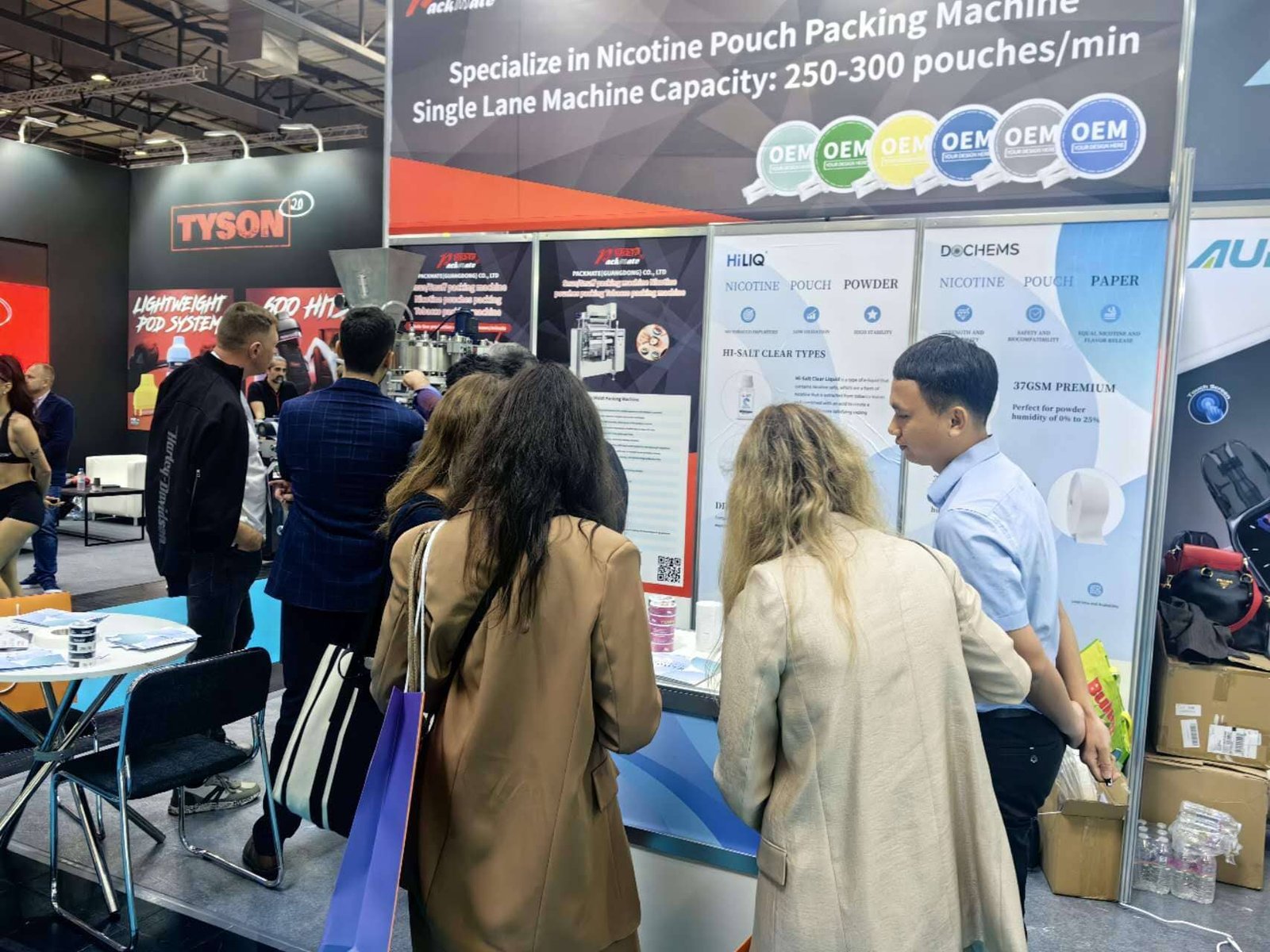
Evaluating Potential Suppliers
Choosing the right equipment partner is as important as selecting the right machine. Experienced packaging machinery manufacturers bring not only equipment but also application knowledge, engineering support, and after-sales service. When evaluating suppliers, consider their track record, manufacturing capabilities, and ability to provide customized solutions tailored to your specific seed packaging requirements.
Questions to Ask Potential Suppliers
- What experience do you have with seed packaging specifically?
- Can you provide references from companies packaging similar seed types?
- What customization options are available for seed-specific requirements?
- How do you handle installation, commissioning, and operator training?
- What is your typical lead time for machines and spare parts?
- Do you offer remote technical support for troubleshooting?
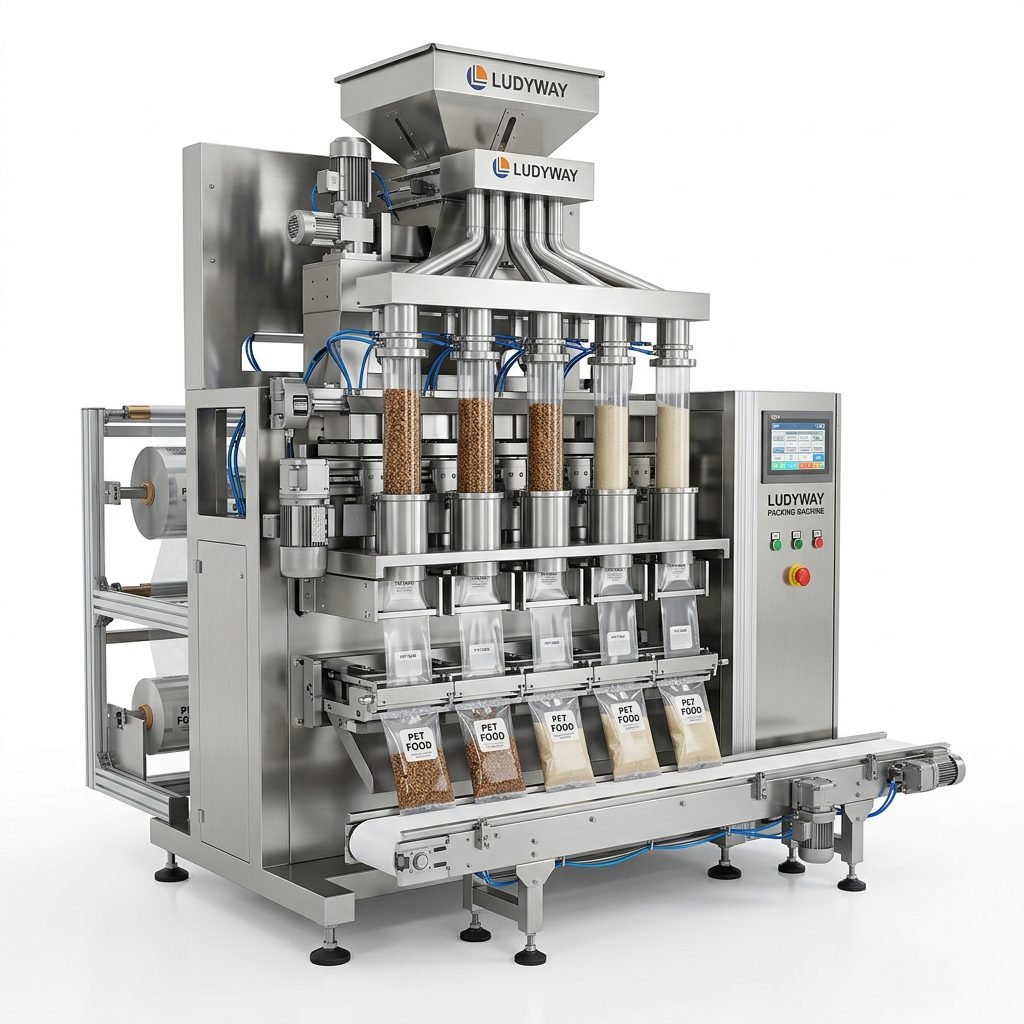
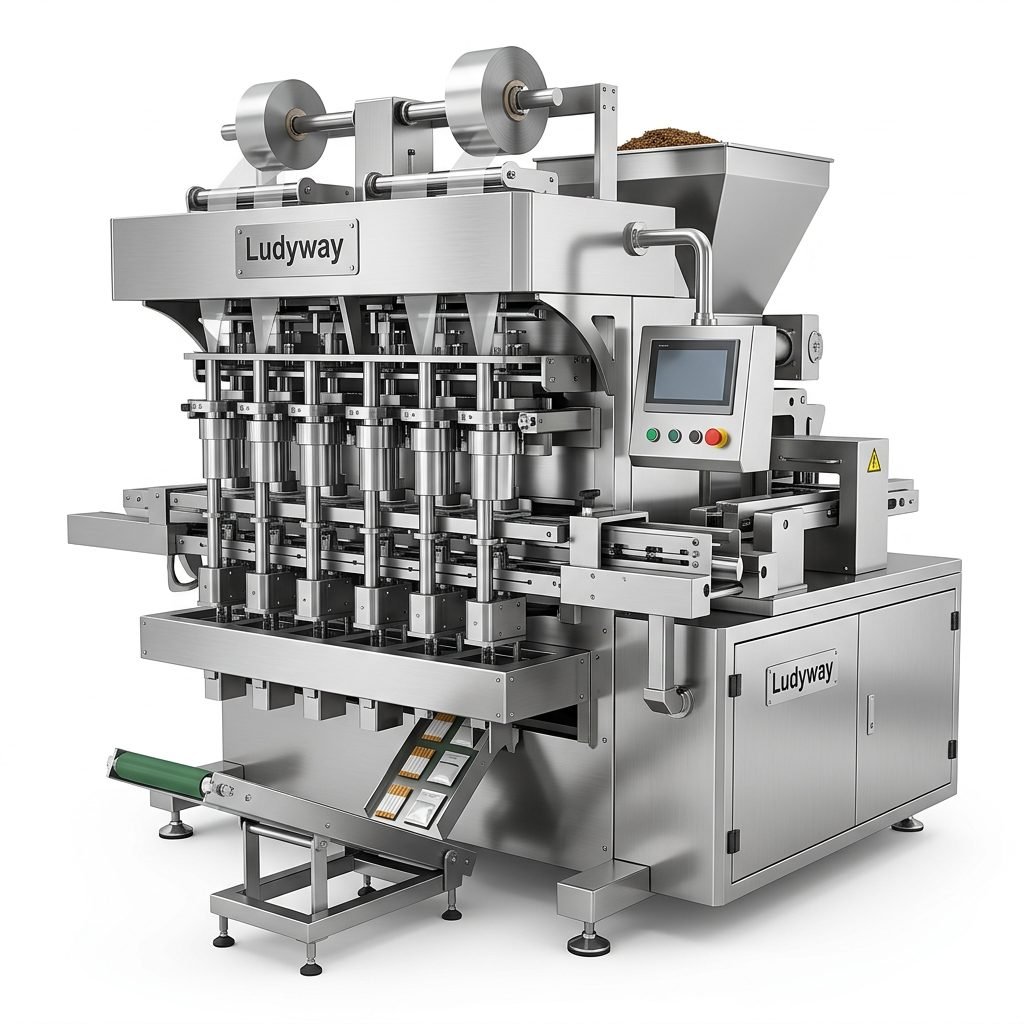
For manufacturers seeking comprehensive support, some suppliers offer turnkey packaging solutions that encompass everything from machine selection and customization to complete packaging line integration. For instance, Ludyway Machinery, a China-based packaging machinery manufacturer with over 30 years of experience, provides integrated packaging systems that can be configured for different production speeds, filling volumes, and packaging formats. Selecting a supplier with broad industry experience can simplify the procurement process and reduce the risk of compatibility issues down the line.
Cost Considerations and ROI Analysis
The purchase price of a small seed packing machine is only one component of the total cost of ownership. A thorough return on investment analysis should account for:
- Initial equipment cost: Including any customization or optional features
- Installation and commissioning: Setup, calibration, and integration with existing systems
- Operating costs: Electricity, compressed air, packaging materials, and labor
- Maintenance and spare parts: Routine service, wear components, and unexpected repairs
- Training costs: Operator and maintenance personnel training
- Downtime costs: Lost production during maintenance or repairs
A higher-quality machine with better reliability and lower operating costs often delivers superior long-term value compared to a lower-priced alternative that requires more frequent maintenance and produces higher scrap rates.
Machine Type Comparison
| Machine Category | Typical Speed Range | Ideal Application | Relative Investment |
|---|---|---|---|
| Single-Lane Stick Pack | 30-60 packs/min | Small-scale or startup seed companies | Low to Moderate |
| Multi-Lane Stick Pack | 100-400+ packs/min | Medium to large-scale commercial production | Moderate to High |
| Premade Pouch Filler | 20-60 packs/min | Premium retail seed packaging | Moderate |
| Vertical Form Fill Seal | 30-80 packs/min | Versatile applications with multiple bag formats | Moderate |
Future-Proofing Your Investment
The packaging industry is continuously evolving, driven by flexible packaging industry developments and changing consumer preferences. When selecting a small seed packing machine, consider features that will keep your operation competitive:
- Modular design: Allows for future upgrades or reconfiguration as needs change
- Compatibility with sustainable materials: Accommodates biodegradable or recyclable films
- IoT connectivity: Enables remote monitoring, predictive maintenance, and data-driven optimization
- Quick changeover capability: Reduces downtime when switching between seed varieties or package formats
Making Your Final Decision
Choosing the right small seed packing machine requires balancing multiple factors: seed characteristics, production volume, packaging format, accuracy requirements, budget, and long-term operational goals. Take the time to thoroughly evaluate your needs, request detailed proposals from multiple suppliers, and whenever possible, arrange for machine demonstrations or trial runs with your actual seed products.
A well-chosen seed packing machine can transform your packaging operations, improving efficiency, reducing waste, and enhancing product presentation. By following the guidance outlined in this buyer’s guide and consulting with packaging industry resources, you can make a confident investment that supports your business growth for years to come.