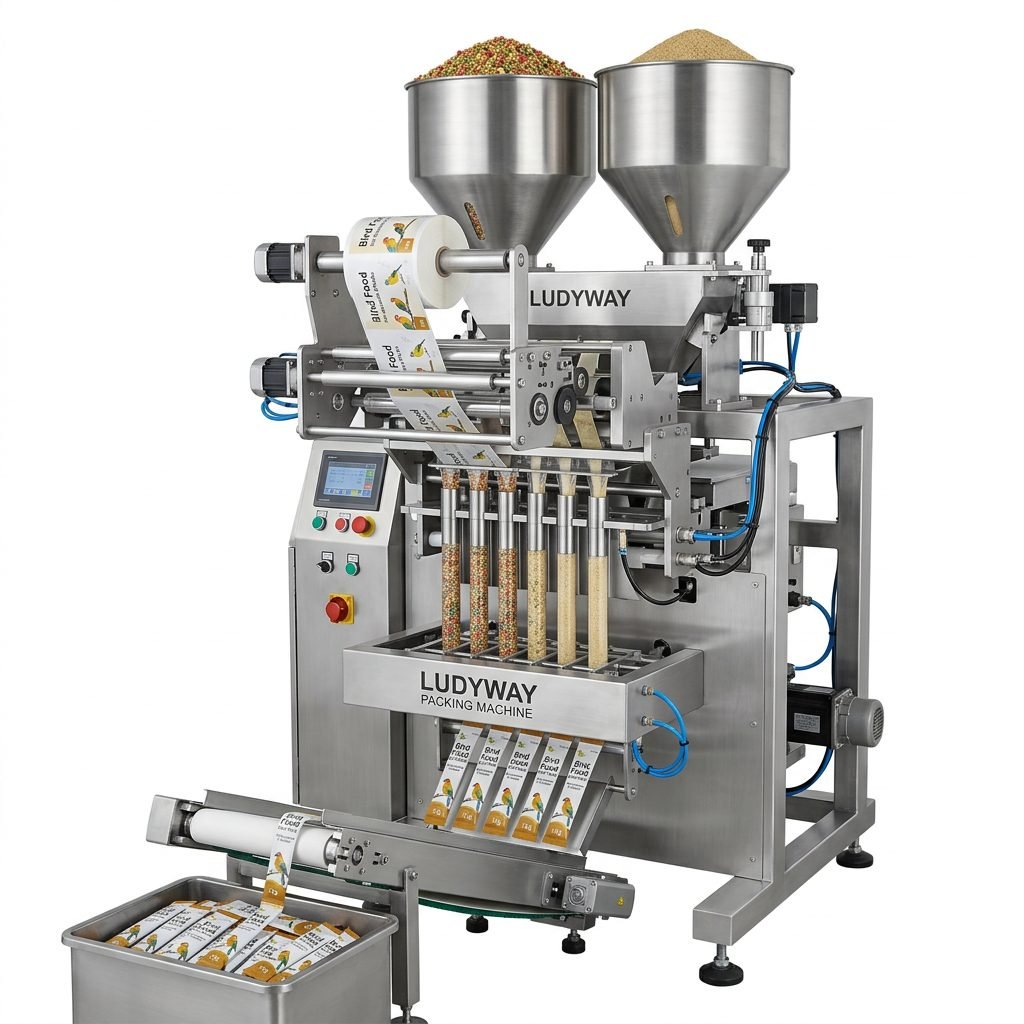
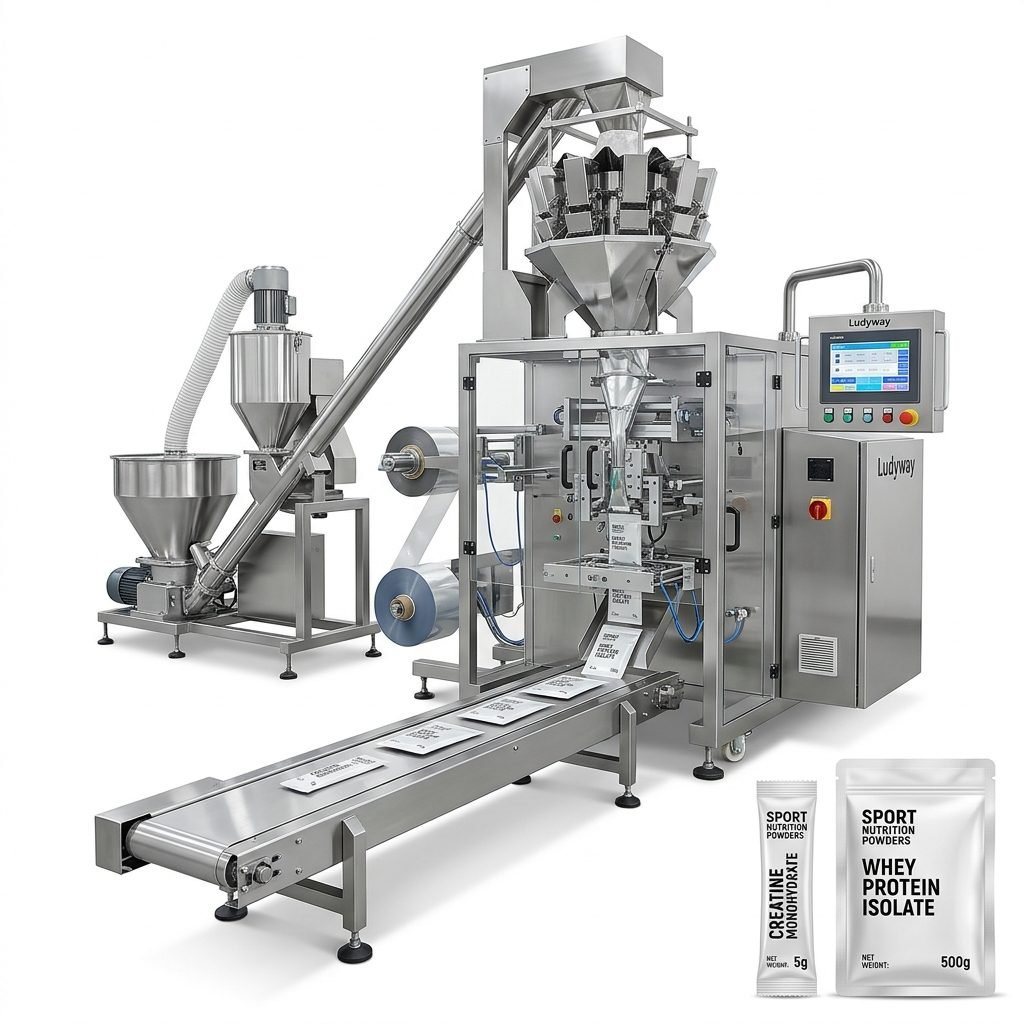
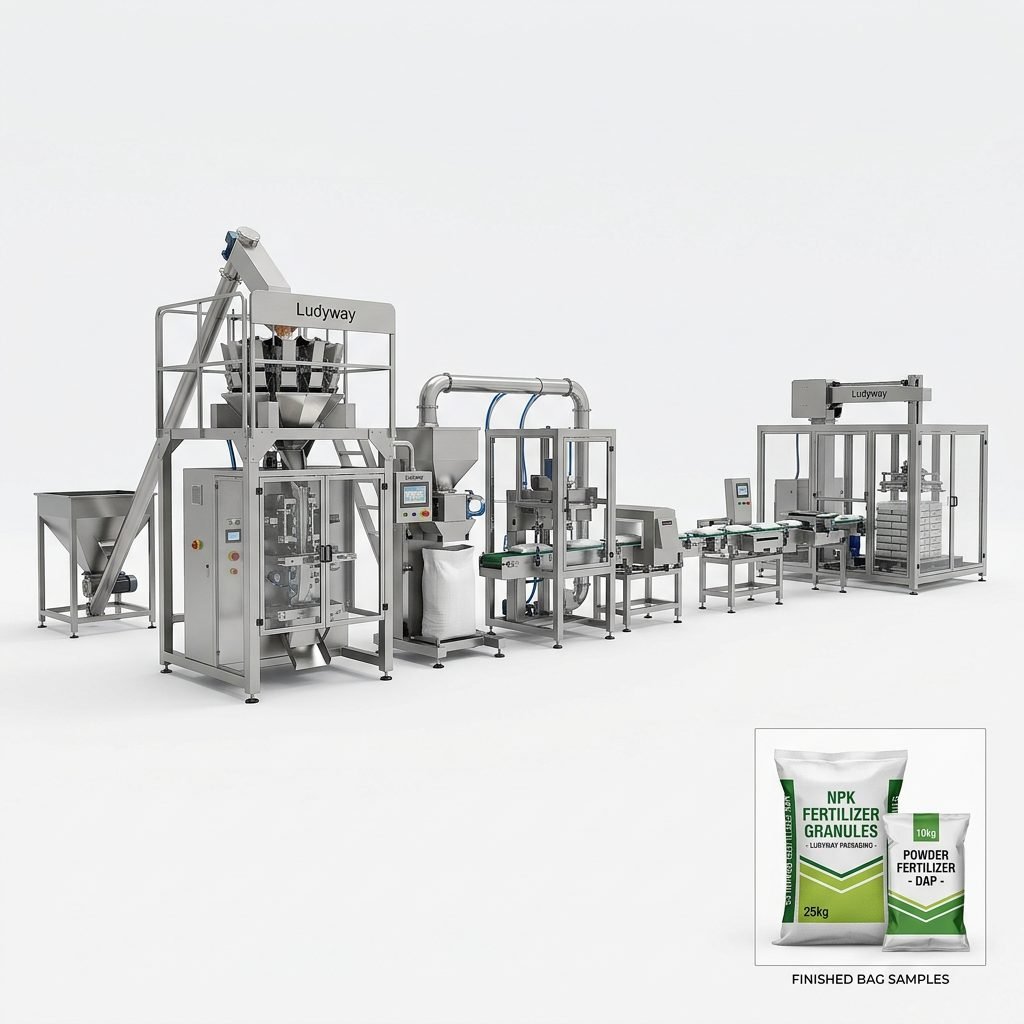
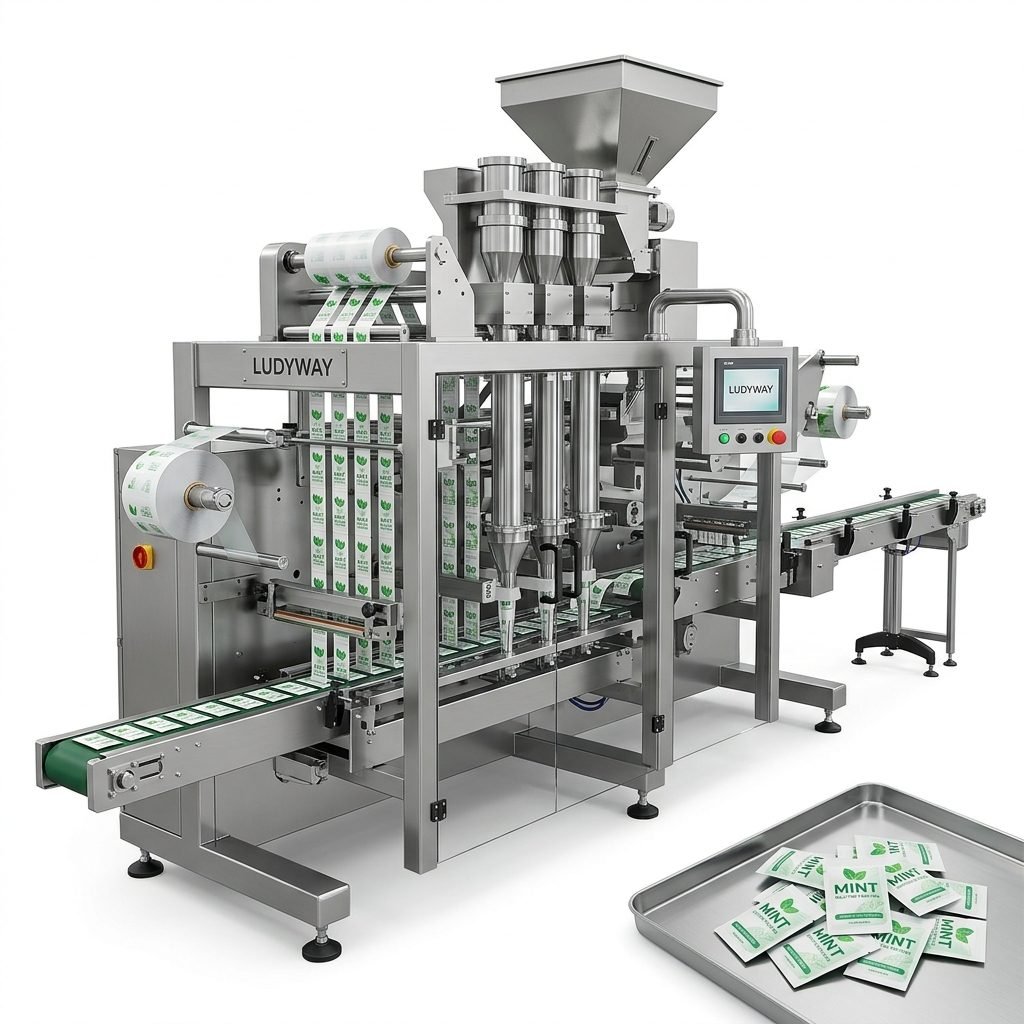
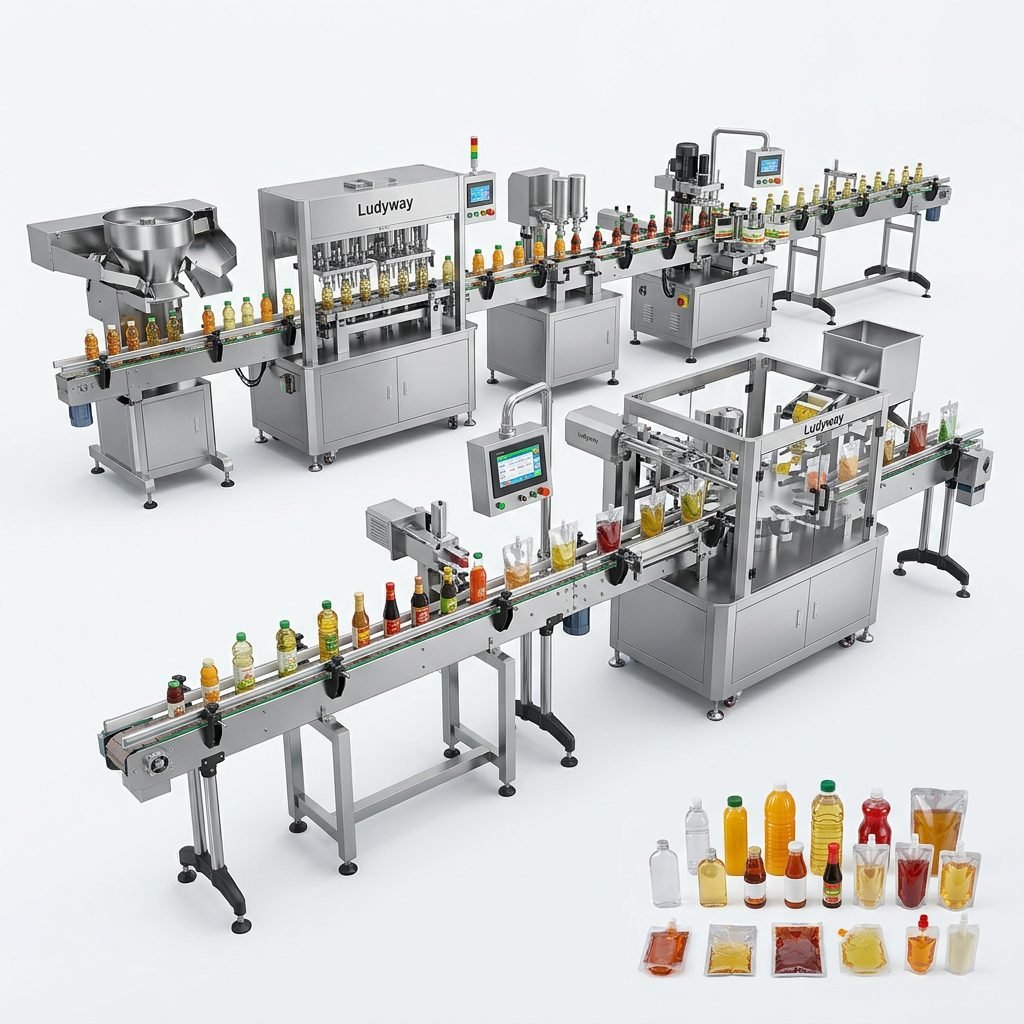
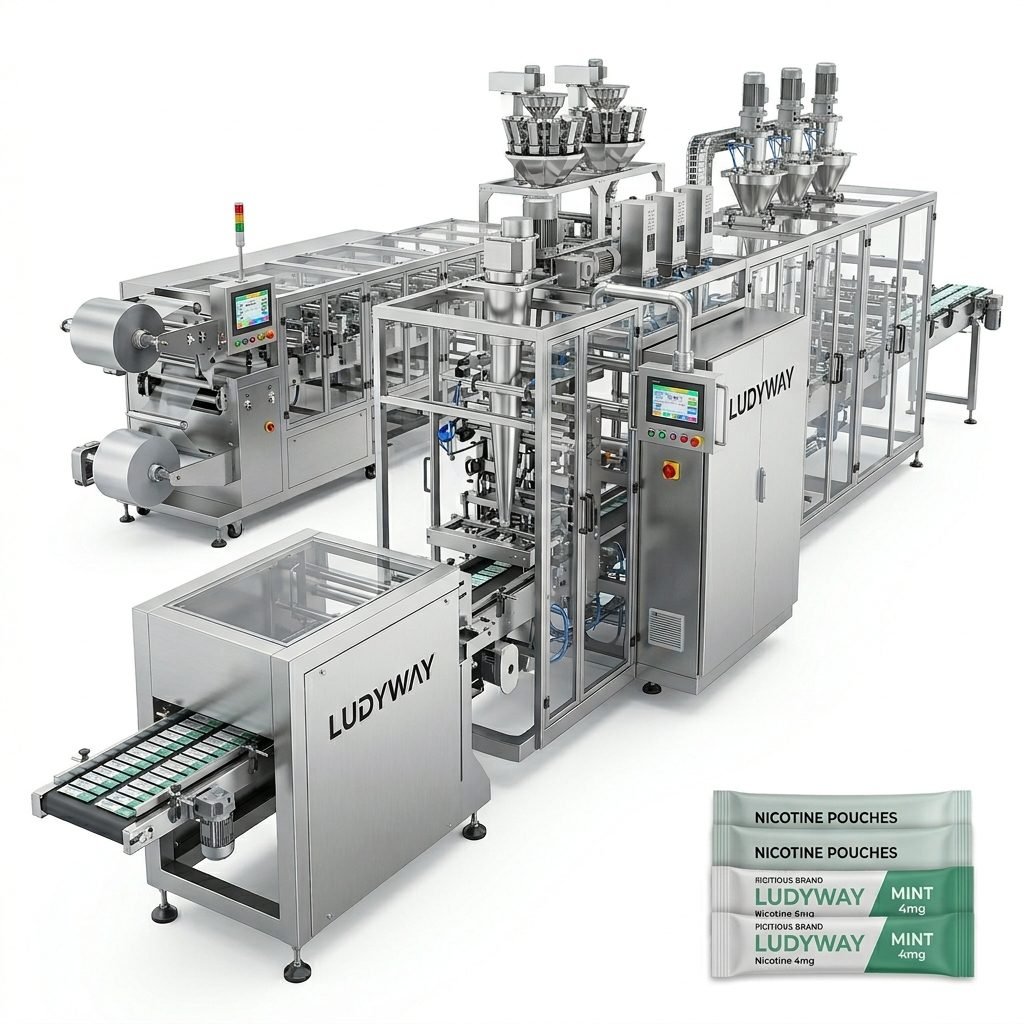
Choosing the right Horizontal Form Fill Seal (HFFS) packaging machine is a critical decision for any production manager or business owner. This versatile equipment forms, fills, and seals packages from a continuous roll of film, creating individual pouches or sachets for a vast array of products. From food items like snacks, spices, and coffee to pharmaceuticals, cosmetics, and hardware components, HFFS machines are the backbone of modern, efficient packaging lines. The challenge lies not in finding an HFFS machine, but in selecting the best HFFS machine that aligns perfectly with your specific production needs, budget, and long-term growth strategy. A poor choice can lead to downtime, product waste, and lost revenue, while the right machine becomes a powerful asset driving productivity and quality.
Understanding Your Core Production Requirements
Before diving into machine specifications, you must conduct a thorough analysis of your own operation. This foundational step ensures every subsequent decision is data-driven.
Product Characteristics: The Starting Point
The nature of your product dictates the machine’s core functionality. Consider these aspects meticulously:
- Type: Is it a granule (like seeds or granules), powder (like flour or protein powder), liquid (like sauces or oils), or a solid item?
- Flowability & Abrasiveness: Powders may require auger fillers with specific hopper designs, while abrasive products need wear-resistant contact parts.
- Density & Weight: This determines the filling technology (volimetric cup, auger, pump) and the scale of the weighing system needed for accuracy.
- Hygiene & Sensitivity: Pharmaceuticals or sensitive foods may require a machine with a stainless-steel construction, easy-clean design, and possibly a clean-in-place (CIP) system.
Output Speed & Package Specifications
Your required production capacity is a key driver. Don’t just consider today’s needs—factor in projected growth.
- Speed (Pouches/Minute): Define your minimum and ideal output. Speeds can range from 40 to over 600 pouches per minute based on machine complexity.
- Package Size & Film: Determine the minimum and maximum pouch dimensions (length, width). The type of packaging film (mono-layer, laminate, barrier properties) must be compatible with the machine’s sealing jaws and temperature control.
- Special Features: Do you need hanging holes, tear notches, zippers, or degassing valves? These require additional modules.
Key Technical Factors in HFFS Machine Selection
With your requirements clear, you can now evaluate machines based on these critical technical parameters.
1. Filling System: The Heart of Accuracy
The filling system is paramount for product give-away and consistency. The main types include:
Volumetric Cup Fillers: Ideal for uniform granules, pellets, or free-flowing products. They are cost-effective and simple but less precise for irregular shapes.
Auger Fillers: The standard for powders, creams, and pastes. Precision depends on auger design, tooling, and control systems. Look for servo-driven augers for superior accuracy.
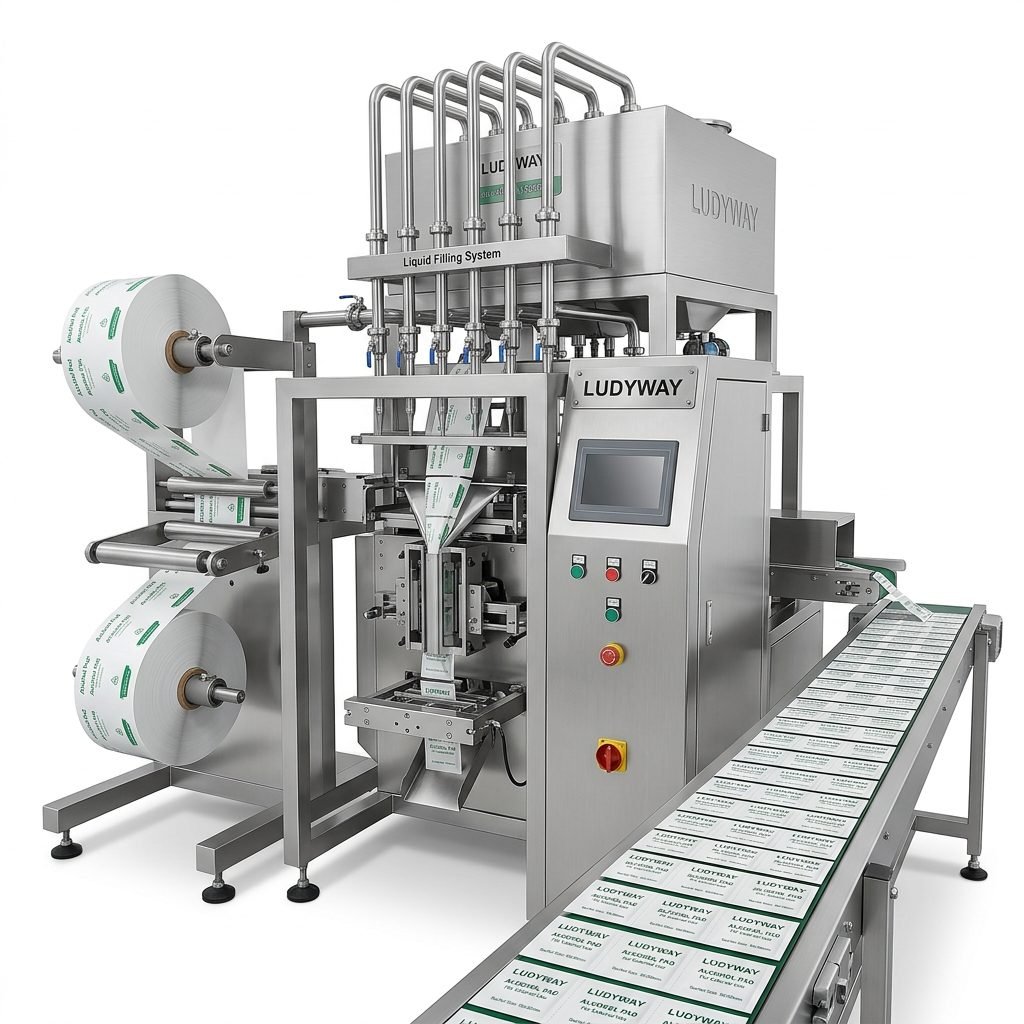
Liquid Pump Fillers: Used for liquids, oils, and sauces. Options include piston pumps, peristaltic pumps, or gravity-fed systems with nozzle drip control.
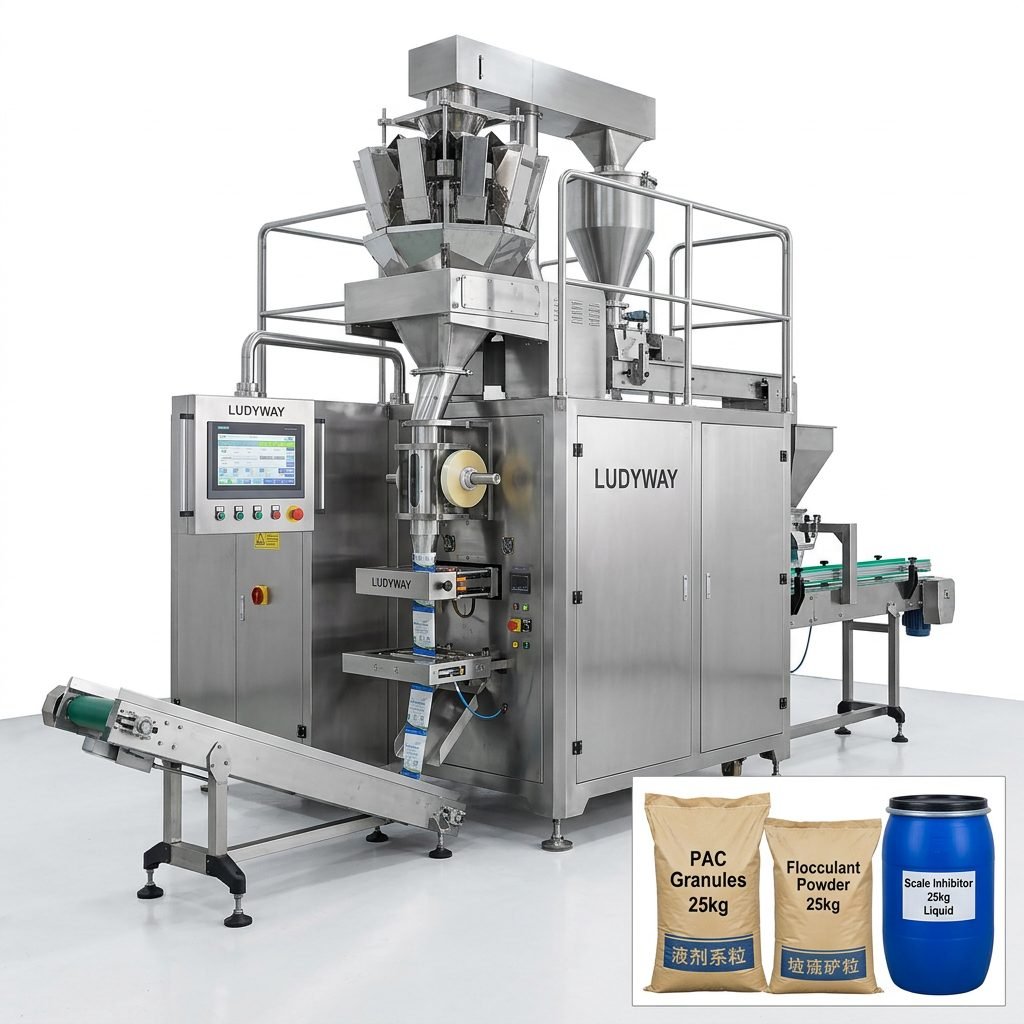
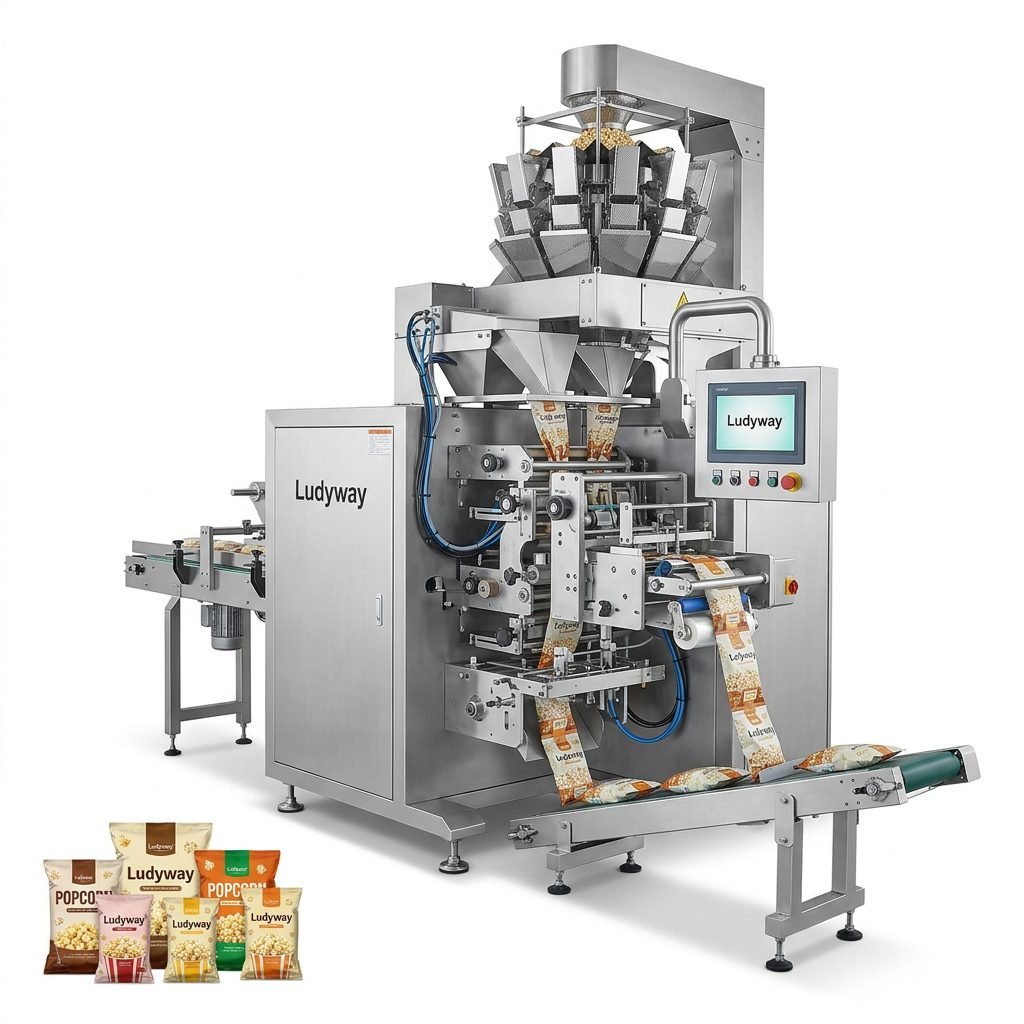
Combination Weighers & Scales: For the highest precision, especially in weight-controlled food items, an integrated multi-head weigher or linear scale is the gold standard.
2. Machine Construction & Durability
A machine is a long-term investment. Assess its build quality:
- Frame & Structure: Heavy-duty, rigid framing minimizes vibration at high speeds, ensuring consistent sealing and longer life.
- Contact Parts Material: For food or pharma, 304 or 316 stainless steel is essential. Anodized aluminum or food-grade plastics may be used elsewhere.
- Drive System: Modern machines use servo motors for each axis (film pull, forming, sealing). Servo drives offer smoother operation, precise positioning, energy savings, and easier changeovers compared to traditional mechanical systems.
3. Control System & Human-Machine Interface (HMI)
The brain of the machine. A user-friendly PLC-based control system with a color touchscreen HMI is now standard. Key features to look for:
- Intuitive recipe storage for quick changeovers between products.
- Comprehensive diagnostic and troubleshooting guides.
- Production data tracking (output, efficiency, downtime reasons).
- Connectivity for Industry 4.0 integration (OPC UA, Ethernet/IP).
Beyond the Machine: Supplier & Support Evaluation
The manufacturer or supplier is as important as the machine itself. Their support ensures your investment pays off.
Vendor Credentials and Experience
Choose a partner with proven expertise. Ludyway Packing Machine, for instance, brings over 30 years of industry experience, specializing in intelligent packaging solutions for food, pharmaceutical, and health industries. Evaluate their:
- Project Portfolio: Have they successfully implemented solutions for similar products?
- Technical Expertise: Can they provide deep application engineering support?
- Manufacturing & Testing: Do they have a modern facility to build and thoroughly test machines before shipment? A robust production facility is a strong indicator of quality control.
After-Sales Service and Parts Availability
This is critical for minimizing downtime. Inquire about:
- Warranty Period & Terms: A comprehensive warranty reflects confidence in the product.
- Local Service Engineers: Is there readily available technical support in your region?
- Spare Parts Inventory: A supplier with a global parts network ensures faster delivery of critical components.
- Training: Comprehensive on-site training for your operators and maintenance staff is indispensable.
Making the Final Decision: Total Cost of Ownership (TCO)
Look beyond the initial purchase price. The Total Cost of Ownership includes:
- Initial Investment: Machine cost, shipping, installation, and training.
- Operational Costs: Energy consumption, compressed air usage, film waste (efficiency of film tracking system), and labor.
- Maintenance Costs: Cost and availability of spare parts, preventive maintenance contracts.
- Cost of Downtime: A reliable, well-supported machine from a reputable supplier like Ludyway Machinery minimizes this hidden but massive cost.
Choosing the best HFFS machine is a strategic process that balances technical specifications, operational needs, and partnership value. By meticulously evaluating your product, the machine’s capabilities, and the supplier’s support ecosystem, you can invest in a solution that delivers reliability, efficiency, and a strong return on investment for years to come.
Frequently Asked Questions (FAQs)
What is the main difference between Vertical (VFFS) and Horizontal (HFFS) form fill seal machines?
VFFS machines form bags vertically from a single roll of film, typically used for granular or free-flowing products where the bag sits on its bottom. HFFS machines form pouches in a horizontal plane, ideal for creating flat, stand-up, or multi-lane sachets, and often better suited for powders, liquids, or products requiring more precise placement and a different aesthetic.
How can I improve the packaging speed of my HFFS line?
Speed can be enhanced by opting for a multi-lane machine (producing 2, 4, or more pouches simultaneously), ensuring your product feeds consistently to the filler, using high-quality film with excellent slip properties, and selecting a machine with high-performance servo drives and robust film transport mechanisms.
What maintenance is required for an HFFS machine?
Daily cleaning, lubrication of guide rails as per the manual, and inspection of sealing jaws for debris are essential. Periodic maintenance includes checking and tightening drive belts/chains, calibrating the filling system, and inspecting electrical components. A planned preventive maintenance schedule with your supplier is highly recommended.
Can one HFFS machine handle different package sizes?
Yes, most modern HFFS machines are designed for quick changeover. However, the ease and time required depend on the machine’s design. Look for features like tool-less changeover components, digital recipe recall on the HMI, and quick-release mechanisms for forming tubes and filling nozzles to minimize downtime during size changes.
What should I do if the seals on my pouches are weak or inconsistent?
Weak seals are often caused by incorrect temperature, pressure, or dwell time settings on the sealing jaws. First, check and recalibrate these settings. Other common causes include contaminated sealing jaw surfaces, misaligned jaws, using film that is not compatible with the sealing technology (e.g., wrong sealing layer), or a worn-out sealing jaw coating.