The Middle East has emerged as one of the fastest-growing markets for packaged breakfast cereals, driven by shifting consumer habits, urbanization, and a rising preference for convenient, on-the-go food options. Setting up a cereal packaging line in this region involves careful planning around equipment selection, regulatory compliance, cost management, and local market conditions. This guide walks you through the essential equipment, estimated costs, and key operational steps to help you build a successful cereal packaging operation in the Middle East.
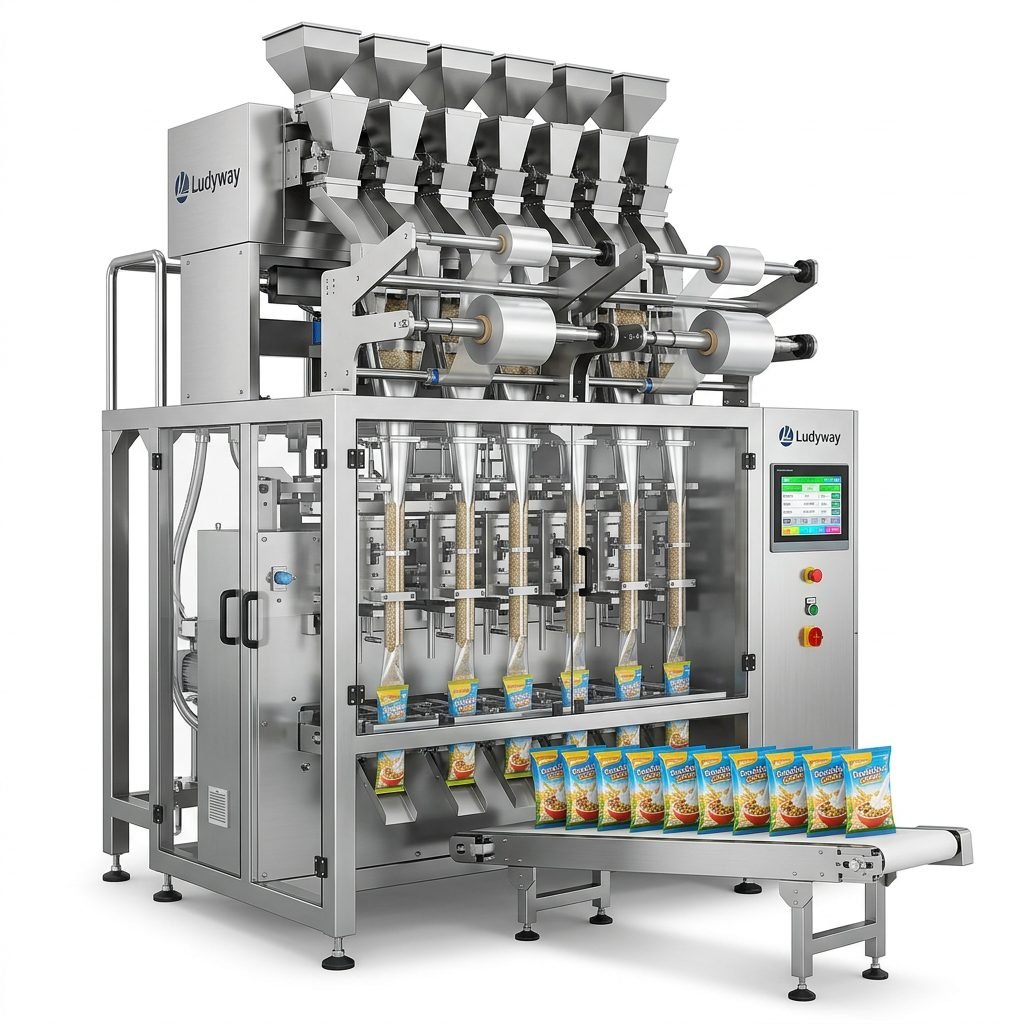
Understanding the Middle East Cereal Market
The breakfast cereal sector in the Gulf Cooperation Council (GCC) countries alone has shown consistent growth, with imports and local manufacturing both expanding. Countries such as Saudi Arabia, the UAE, and Kuwait are key hubs for packaged food distribution across the region. According to PMMI’s State of the Industry reports, flexible packaging for dry foods continues to grow globally, with the Middle East contributing a notable share. When planning a cereal packaging line, it is essential to understand local consumer preferences, such as smaller portion sachets for individual use, multi-packs for family consumption, and formats suitable for foodservice channels.
Core Equipment for a Cereal Packaging Line
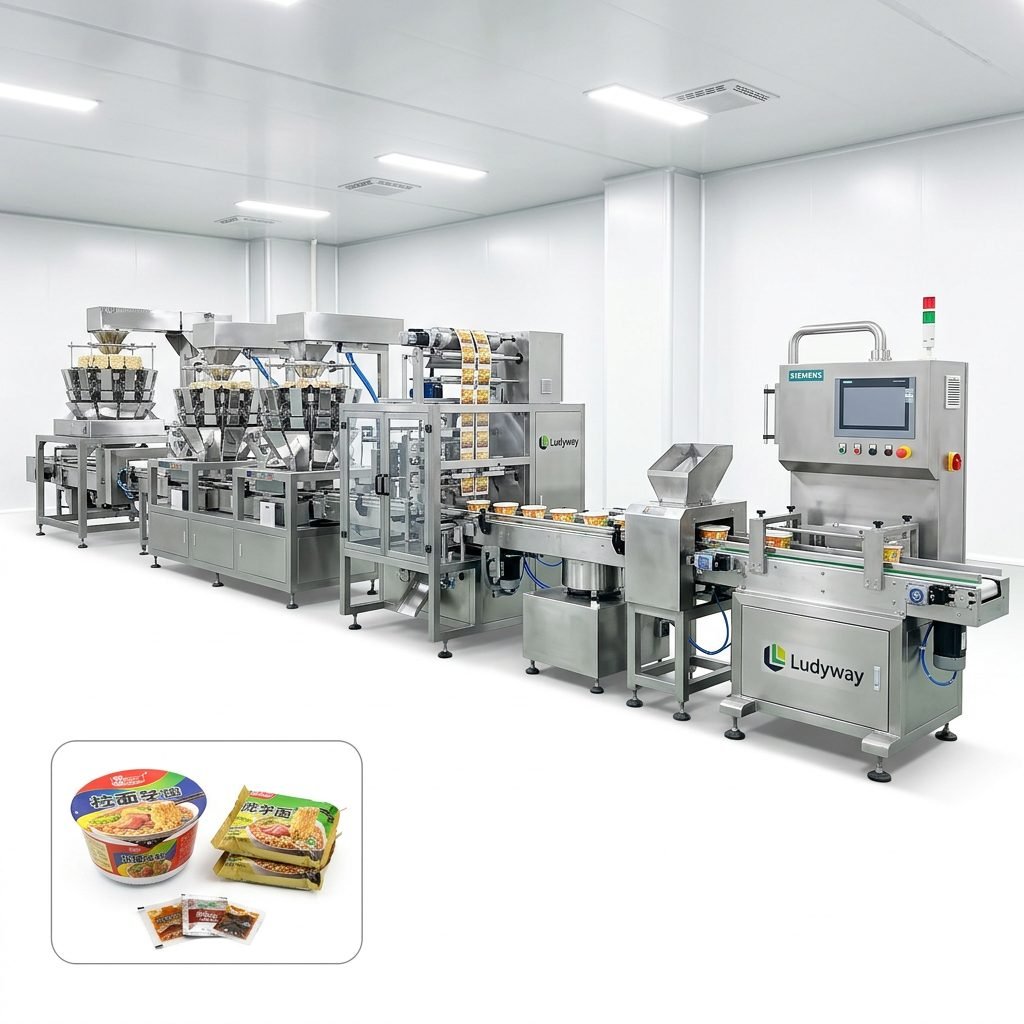
A fully functional cereal packaging line consists of several integrated machines working in sequence. Below is an overview of the primary equipment categories and their roles in the production process.
1. Feeding and Dosing Systems
The first stage involves precise feeding and dosing of cereal granules or flakes into the packaging system. Automatic feeding systems with auger fillers or multi-head weighers ensure accurate portion control. For cereals with mixed ingredients like dried fruits and nuts, combination weighers are particularly effective, delivering speed and precision while minimizing product breakage.
2. Vertical Form Fill Seal (VFFS) Machines
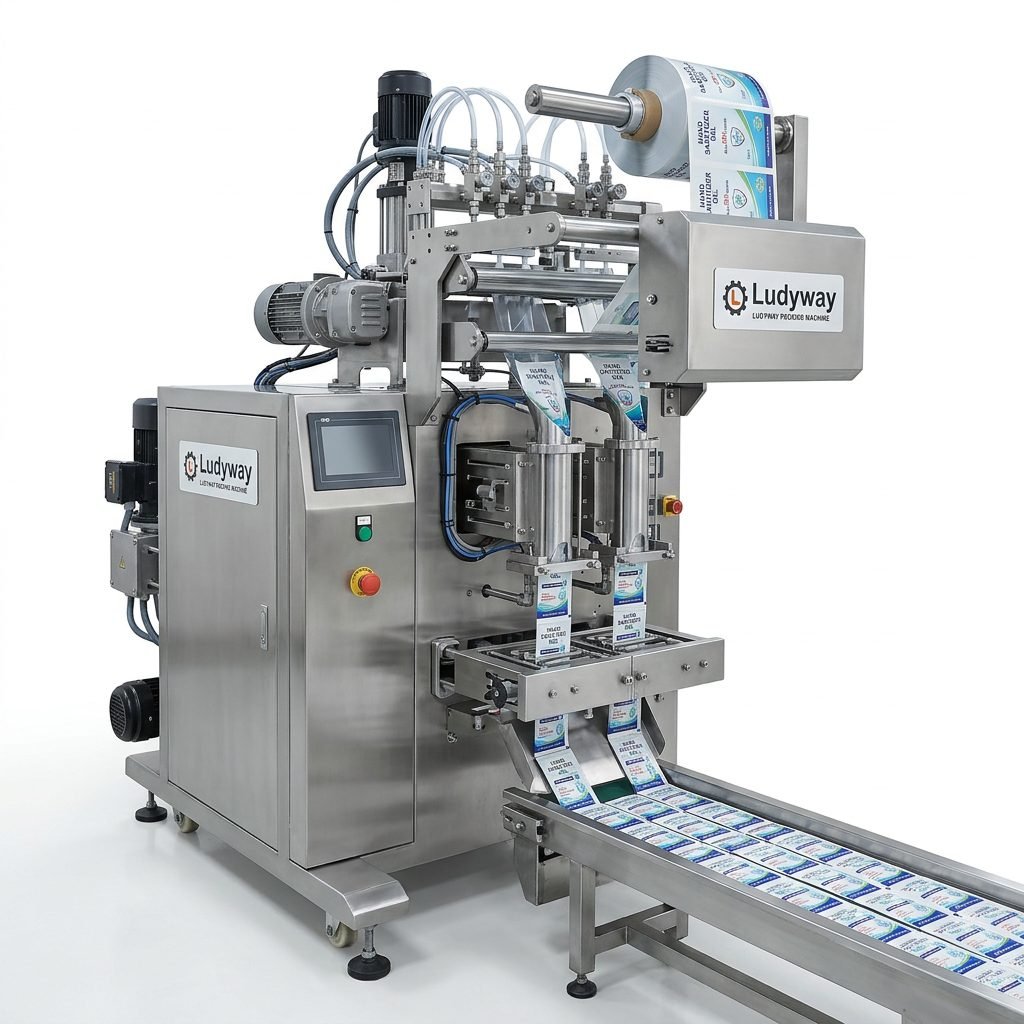
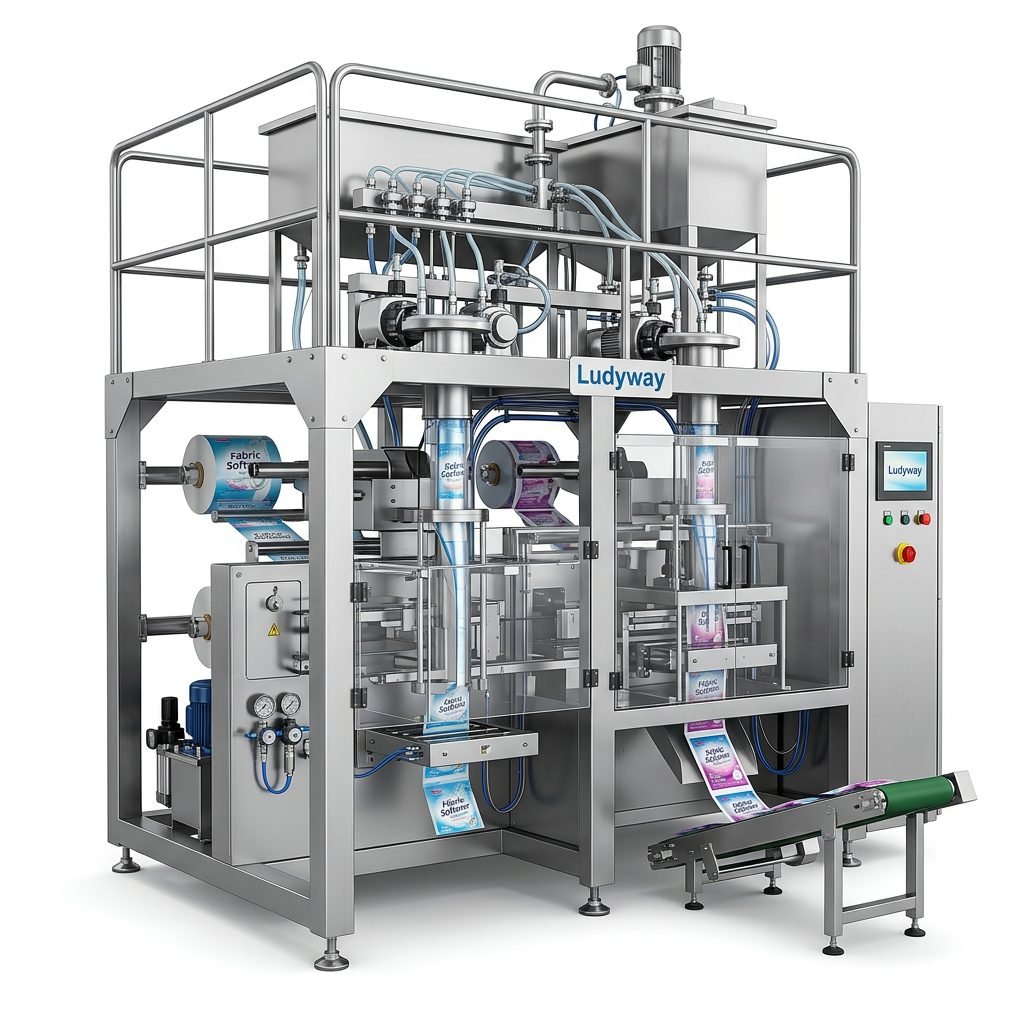
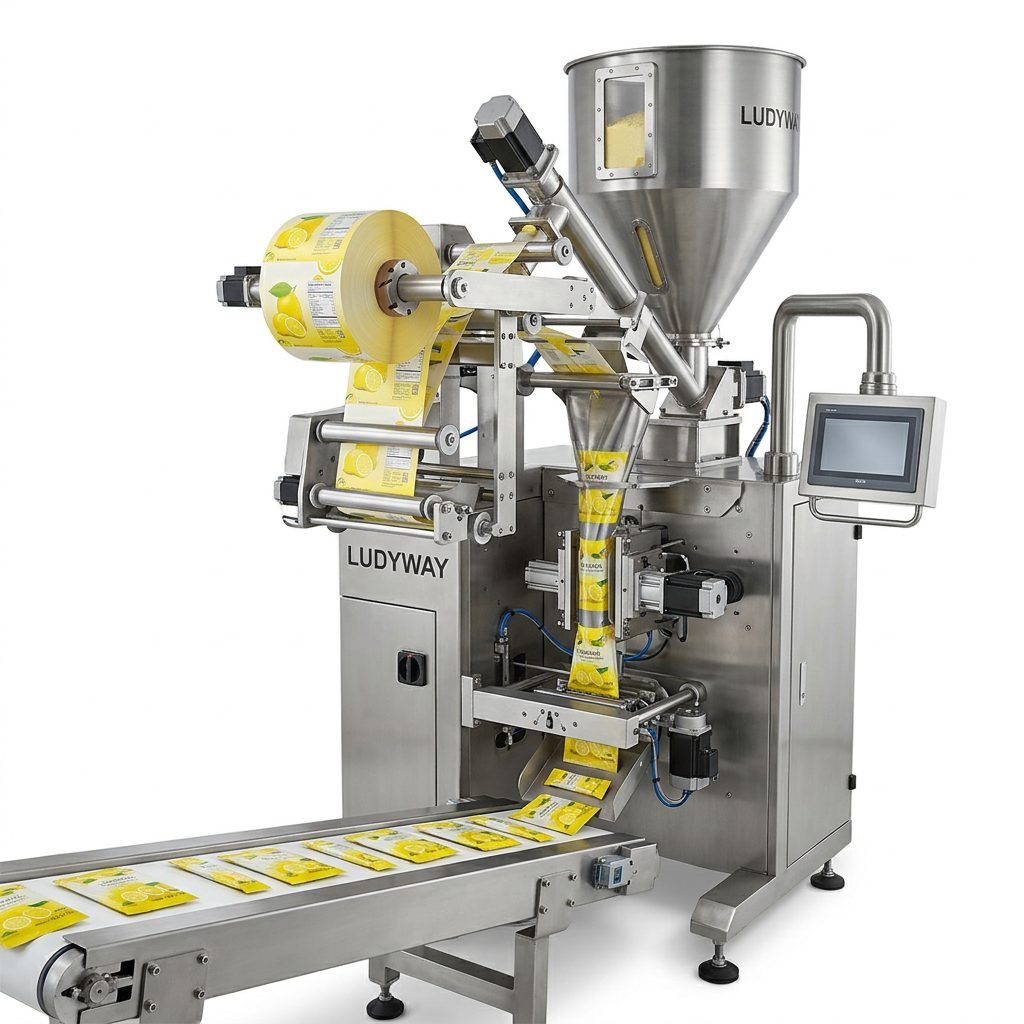
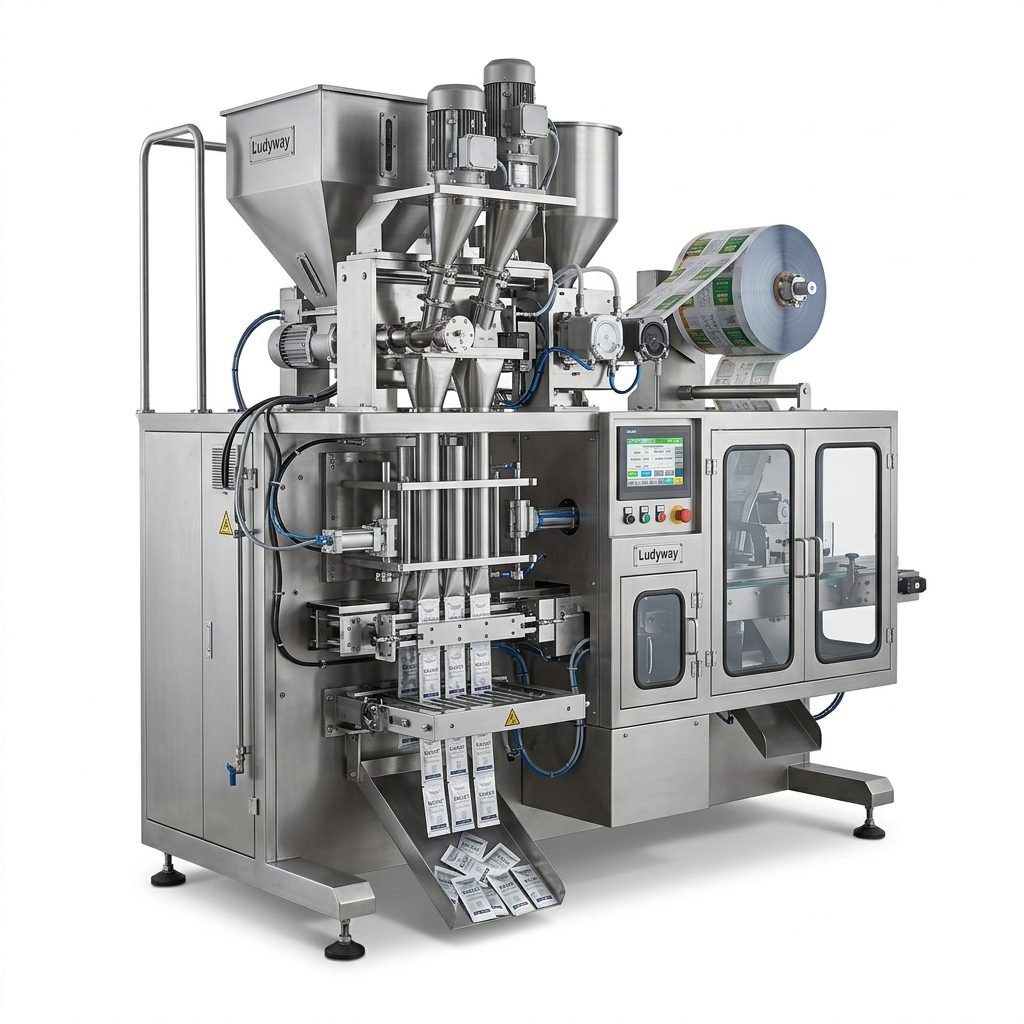
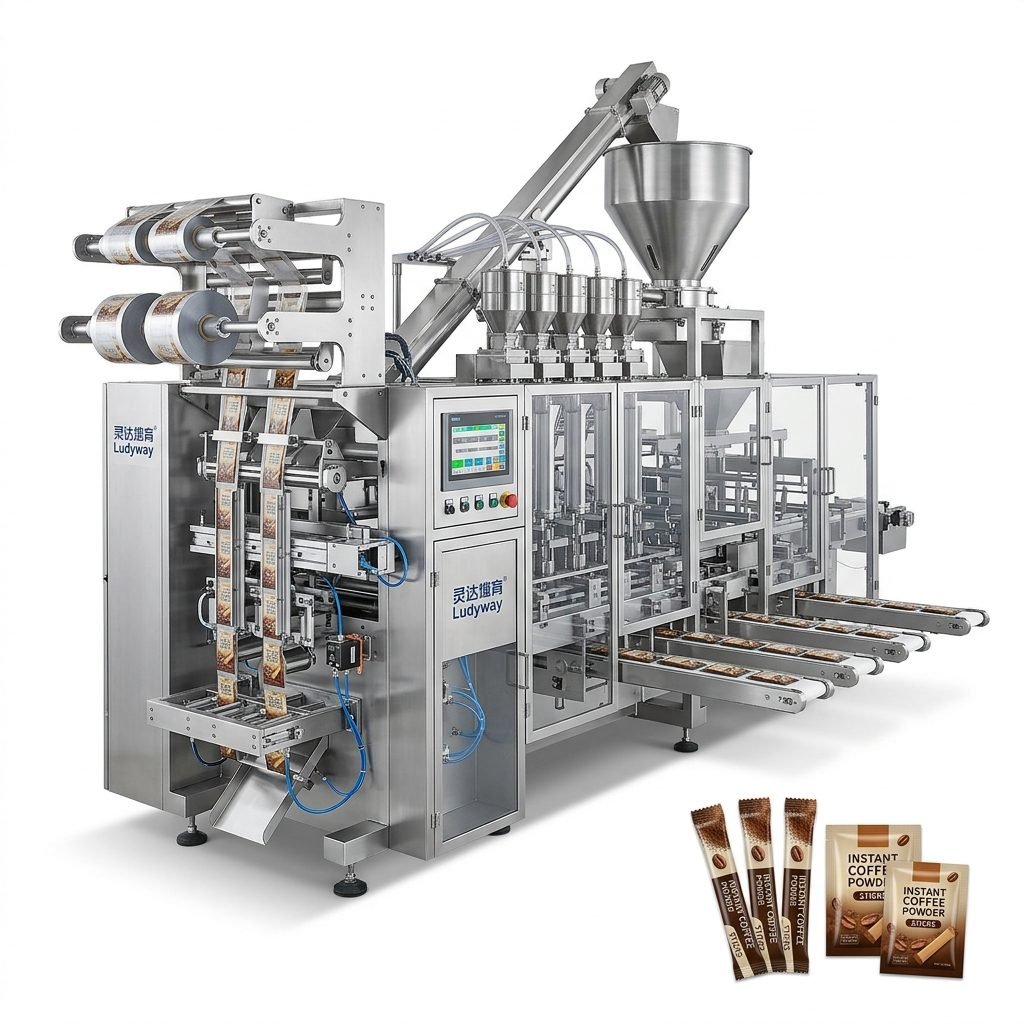
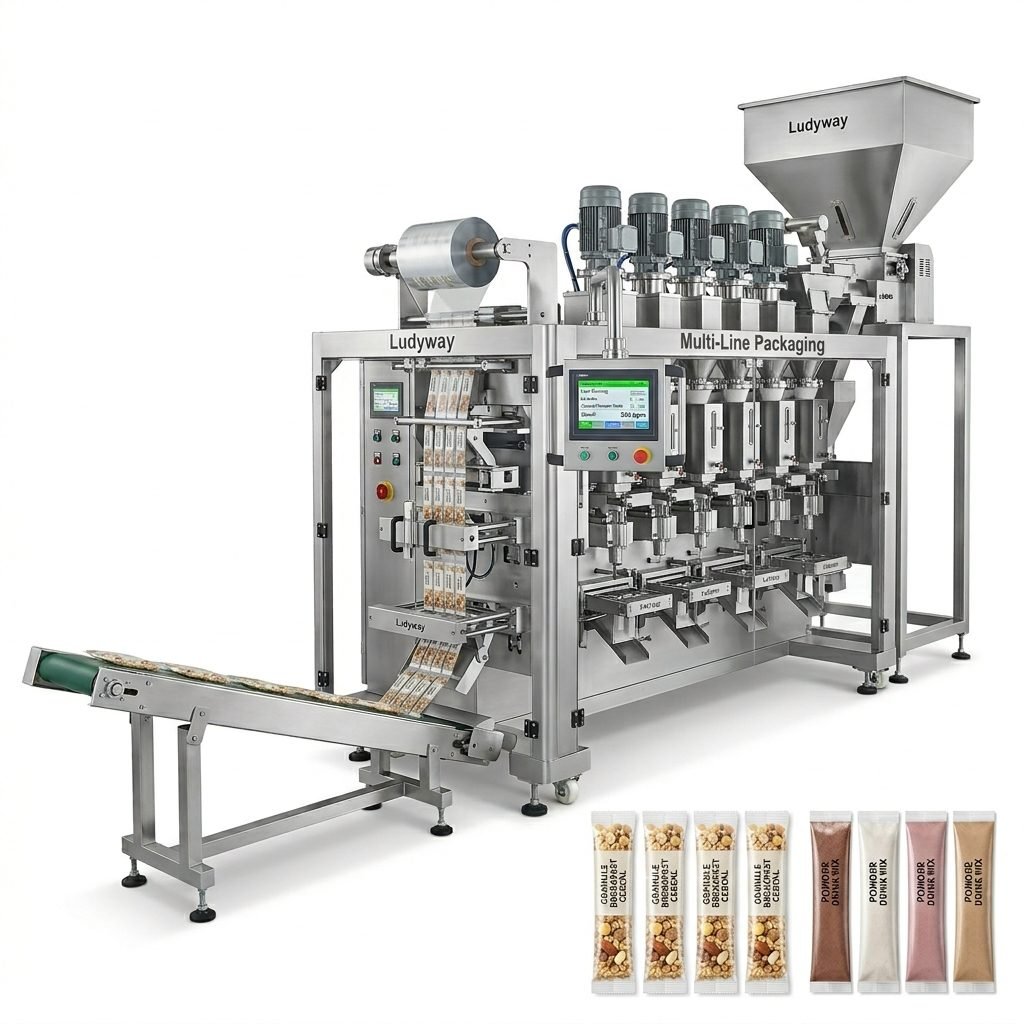
Vertical Form Fill Seal machines are the backbone of most cereal packaging operations. These machines form bags from roll stock film, fill them with product, and seal them in a continuous motion. For the Middle East market, multi-lane stick pack and sachet formats are increasingly popular, offering portion control and extended shelf life. Machines with nitrogen flushing capabilities are highly recommended for cereal products to preserve freshness and prevent oxidation in the region’s warm climate.
3. Multi-Lane Stick Pack and Sachet Machines
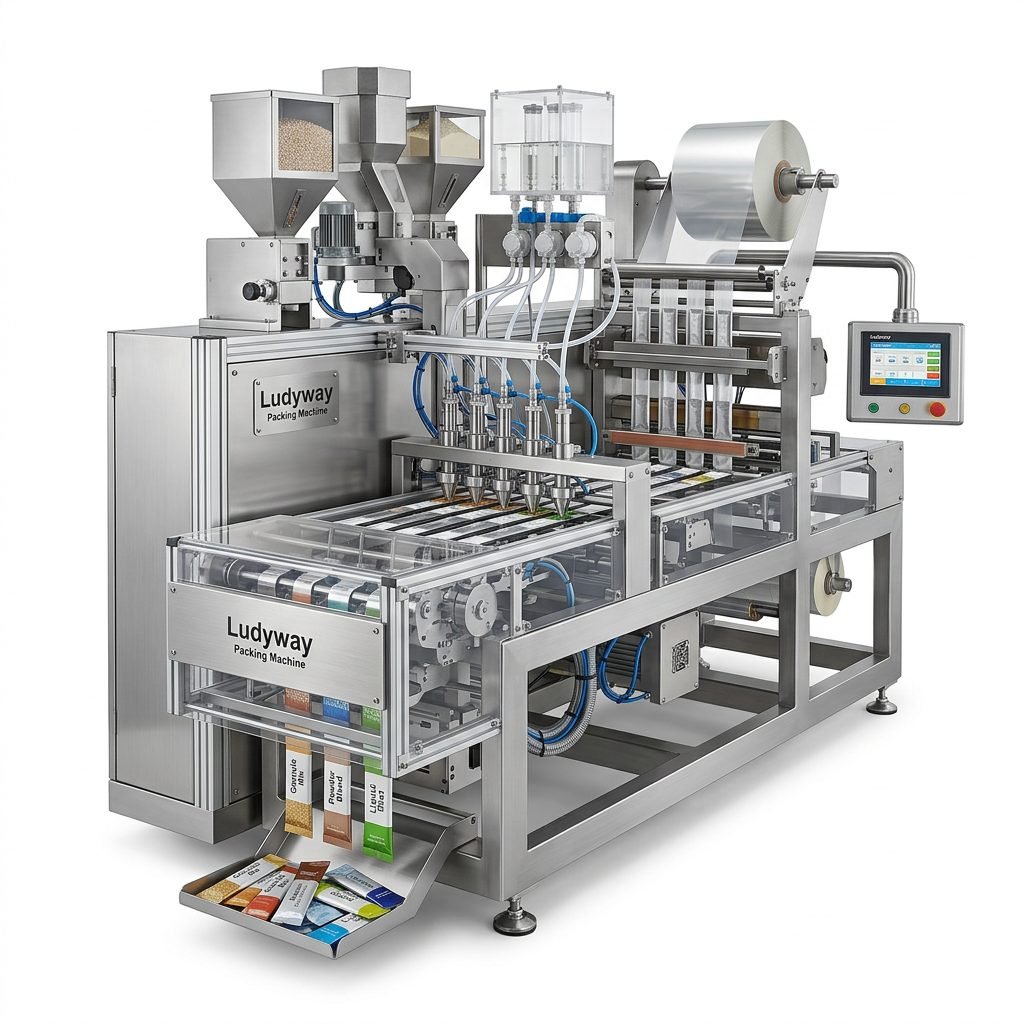
For single-serve portions commonly found in hotel breakfast bars, airline catering, and institutional settings across the Middle East, multi-lane stick pack machines deliver high output in compact footprints. These systems can produce hundreds of packs per minute across multiple lanes simultaneously. Refer to the Flexible Packaging Association’s industry resources for guidance on material selection suitable for hot and humid environments.
4. Cartoning and Secondary Packaging
After primary packaging, cereals often require cartoning, case packing, and palletizing. Automated cartoning systems fold and fill cartons with sachets or pouches, while case packers prepare products for distribution. In the Middle East, where retail shelf presentation is highly competitive, high-quality cartoning with clear branding panels is essential.
5. Inspection and Quality Control Equipment
Checkweighers, metal detectors, and X-ray inspection systems ensure that every package meets weight specifications and is free from contaminants. Given the Middle East’s strict food import regulations, particularly in Saudi Arabia (SFDA) and the UAE (ESMA), robust quality control equipment is not optional but a mandatory investment. You can find relevant packaging standards through ISO packaging standards.
Estimated Costs for Setting Up a Cereal Packaging Line
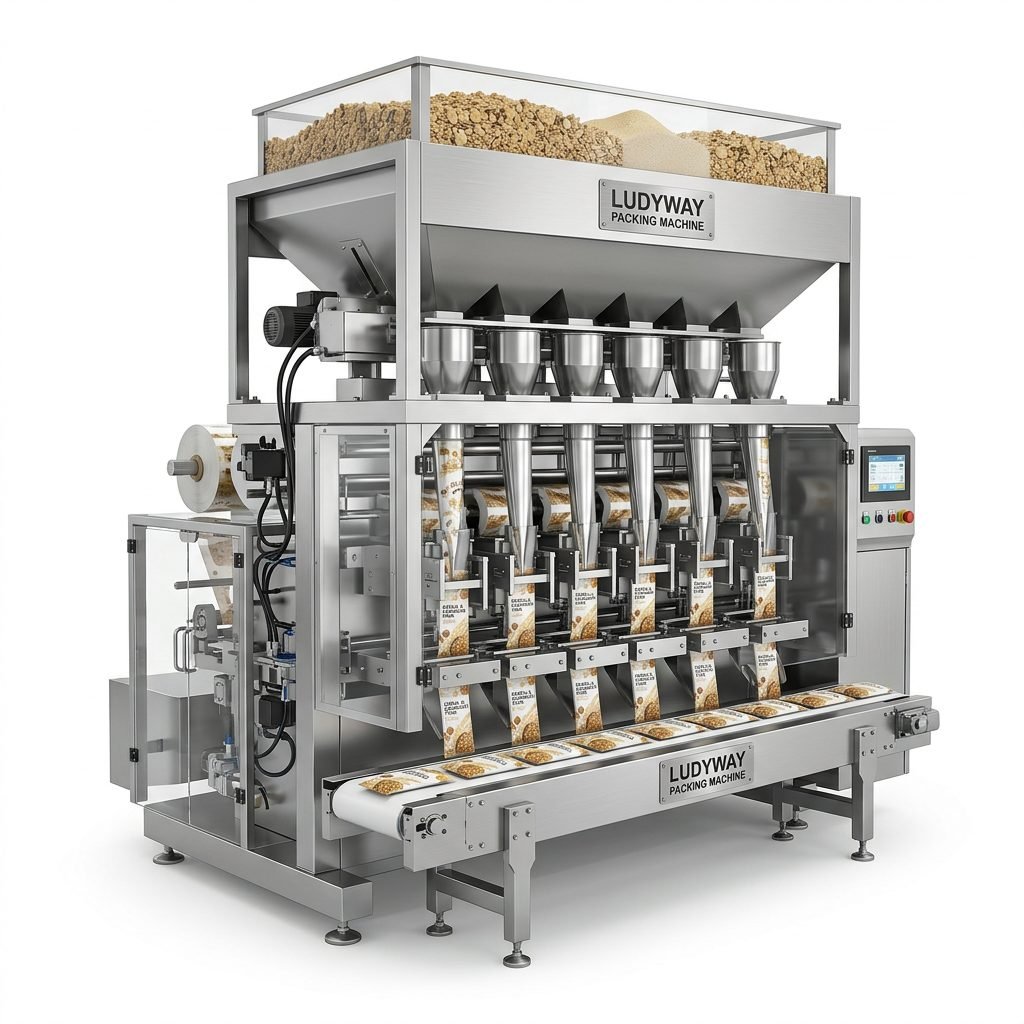
The total investment for a cereal packaging line in the Middle East varies depending on automation levels, production capacity, and machine origin. Below is a breakdown of estimated cost ranges for key equipment categories.
| Equipment Category | Estimated Cost Range (USD) | Notes |
|---|---|---|
| Multi-Head Weigher / Feeding System | $15,000 – $45,000 | Depends on number of heads and speed |
| VFFS Packaging Machine | $30,000 – $120,000 | Single-lane to multi-lane configurations |
| Multi-Lane Stick Pack Machine | $50,000 – $200,000 | 4-lane to 12-lane options available |
| Checkweigher & Metal Detector | $10,000 – $35,000 | Essential for compliance |
| Cartoning Machine | $25,000 – $80,000 | Semi-automatic to fully automatic |
| Case Packer & Palletizer | $40,000 – $150,000 | Robotic systems cost more |
| Installation, Training & Shipping | $15,000 – $50,000 | Varies by destination and complexity |
Total estimated investment: A mid-range semi-automated cereal packaging line typically ranges from $150,000 to $400,000, while a fully automated turnkey line can range from $500,000 to over $1,000,000. Additional costs include facility preparation, utilities, local permits, and working capital for raw materials and packaging film inventory. For updated packaging machinery market data, consult the PMMI Business Intelligence Library.
Key Steps to Set Up Your Cereal Packaging Line
Step 1: Market Research and Product Definition
Define your target product format — sachets, stick packs, pillow bags, or gusseted pouches — and understand the preferred pack sizes in your target Middle East markets. Saudi consumers, for example, often favor family-sized cereal bags, while the UAE’s hospitality sector demands individual portion packs. Review FDA food packaging guidelines for best practices even when exporting outside the U.S., as many Middle East regulators align with international standards.
Step 2: Regulatory Compliance and Certification
Middle Eastern countries maintain strict food safety and packaging regulations. Key certifications include SFDA approval for Saudi Arabia, ESMA conformity for the UAE, and SASO standards. Packaging materials must comply with food contact substance regulations, and labeling must include Arabic text for most GCC markets. The Flexible Packaging Association’s regulatory affairs section offers useful guidance on compliance requirements.
Step 3: Facility Planning and Layout Design
Design your production floor to accommodate the entire packaging workflow, from raw material storage to finished goods dispatch. Consider factors such as ambient temperature control (critical in Middle East summers), dust extraction for cereal handling, and adequate space for machine maintenance access. A well-planned layout reduces bottlenecks and improves overall equipment effectiveness.
Step 4: Equipment Procurement and Supplier Selection
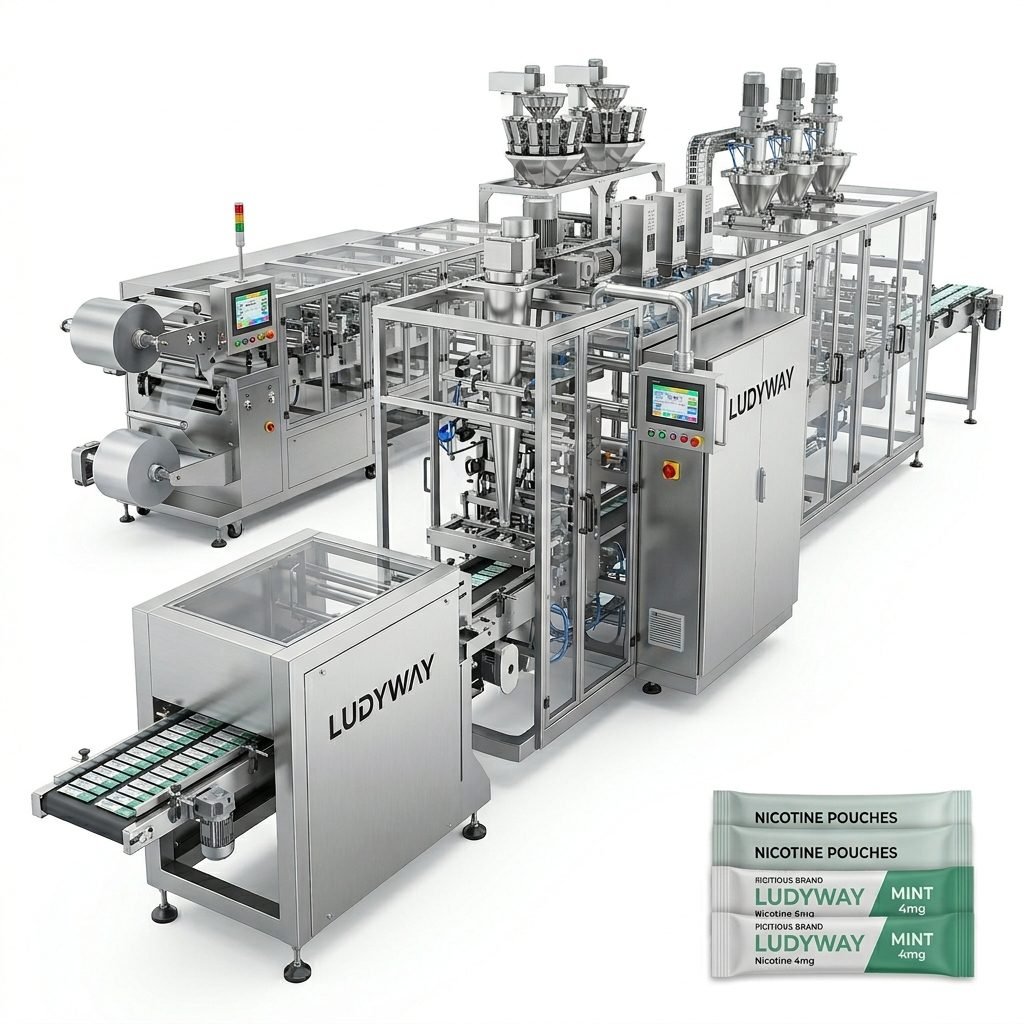
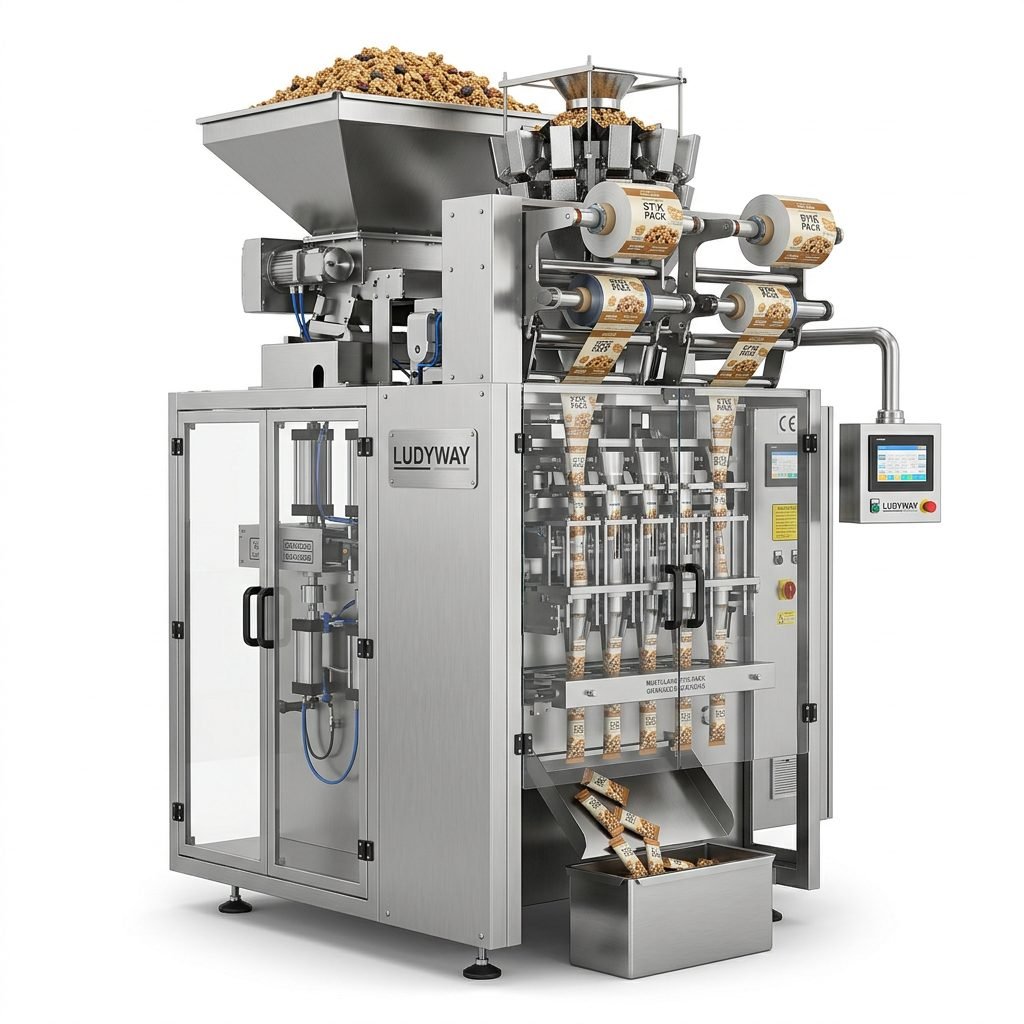
Choose equipment suppliers with proven experience in dry food packaging and, ideally, familiarity with Middle East market requirements. Evaluate machine specifications, after-sales support availability in the region, spare parts lead times, and warranty terms. As a global packaging machinery provider, Ludyway offers turnkey cereal packaging solutions with multi-lane stick pack and sachet systems designed for high-speed production and reliable operation across diverse climates. Request factory acceptance testing (FAT) before shipment and site acceptance testing (SAT) after installation.
Step 5: Installation, Commissioning, and Training
Plan for 2 to 6 weeks for equipment installation and commissioning, depending on line complexity. Comprehensive operator training is essential to ensure smooth day-to-day operations. Many suppliers offer remote support capabilities, which can be particularly valuable for Middle East-based operations seeking to minimize downtime.
Step 6: Ongoing Maintenance and Optimization
Establish a preventive maintenance schedule from day one. The Middle East’s dusty and hot environment can accelerate wear on mechanical components and affect sealing quality. Regular cleaning, lubrication, and inspection routines will extend equipment life and maintain packaging quality. Performance monitoring through OEE (Overall Equipment Effectiveness) tracking helps identify areas for continuous improvement.
Key Considerations for the Middle East Market
- Climate Control: High ambient temperatures require climate-controlled production areas to maintain seal integrity and product freshness. Nitrogen flushing is strongly recommended.
- Packaging Materials: Select films with adequate moisture and oxygen barrier properties. Aluminum foil laminates and metallized films perform well in humid conditions.
- Halal Certification: While cereals are generally plant-based, ensuring the entire production line meets halal requirements adds value for regional consumers.
- Bilingual Labeling: Arabic and English labeling is mandatory in most GCC countries. Plan for coding and marking systems that handle both scripts effectively.
- Logistics and Distribution: The Middle East serves as a gateway to African and Asian markets. Designing packaging that withstands extended supply chains is a strategic advantage.
Return on Investment and Growth Potential
A well-planned cereal packaging line in the Middle East can achieve payback within 18 to 36 months, depending on production volume, product margins, and distribution reach. The region’s young, growing population and increasing demand for packaged breakfast options create a favorable environment for manufacturers. According to PMMI’s latest packaging industry data, the flexible packaging segment continues to expand in emerging markets, with the Middle East positioned as a key growth area. By investing in reliable equipment, maintaining rigorous quality standards, and adapting to local consumer preferences, your cereal packaging operation can capture significant market share in this dynamic region.

For further reading on packaging standards and regulations relevant to food products, visit the European Commission’s packaging and packaging waste resources and the U.S. EPA Sustainable Materials Management portal. These resources provide valuable insights into sustainable packaging practices that are increasingly influencing Middle East food regulations and consumer expectations.