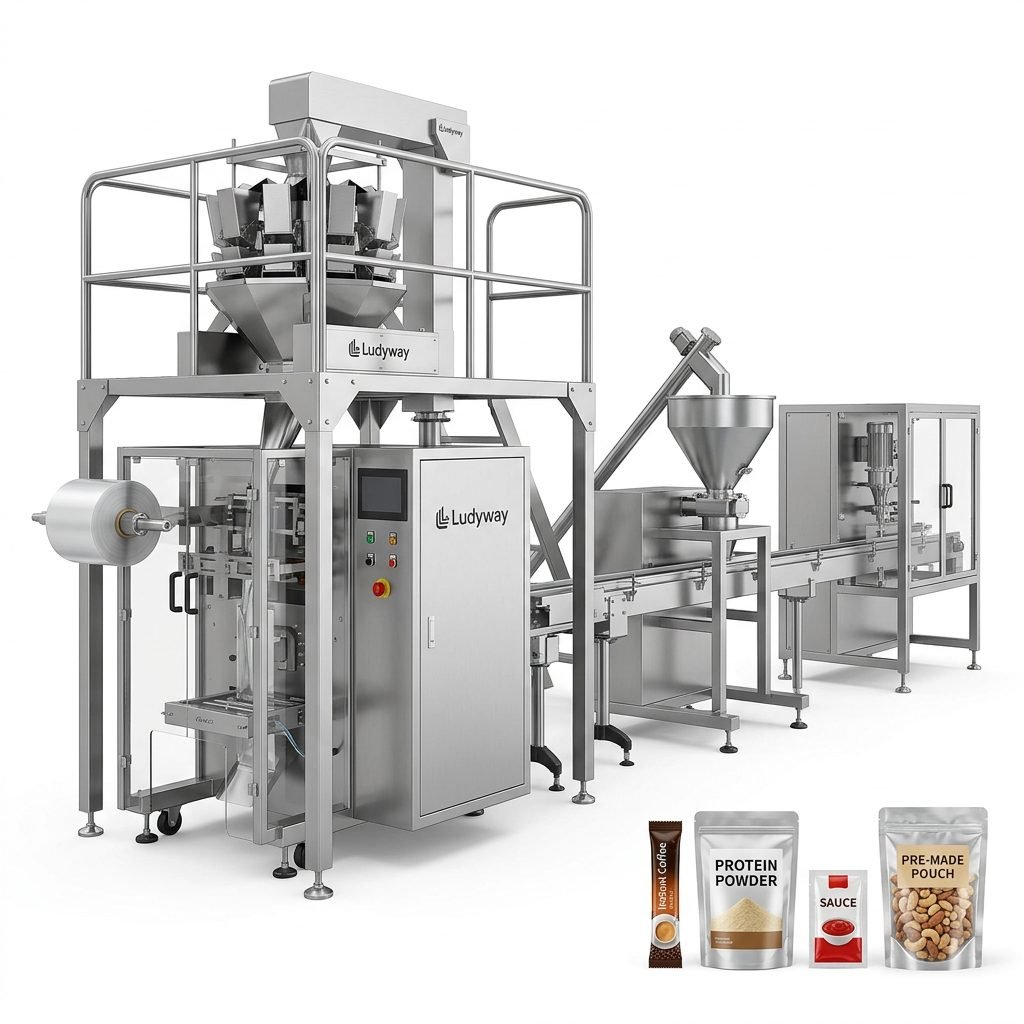
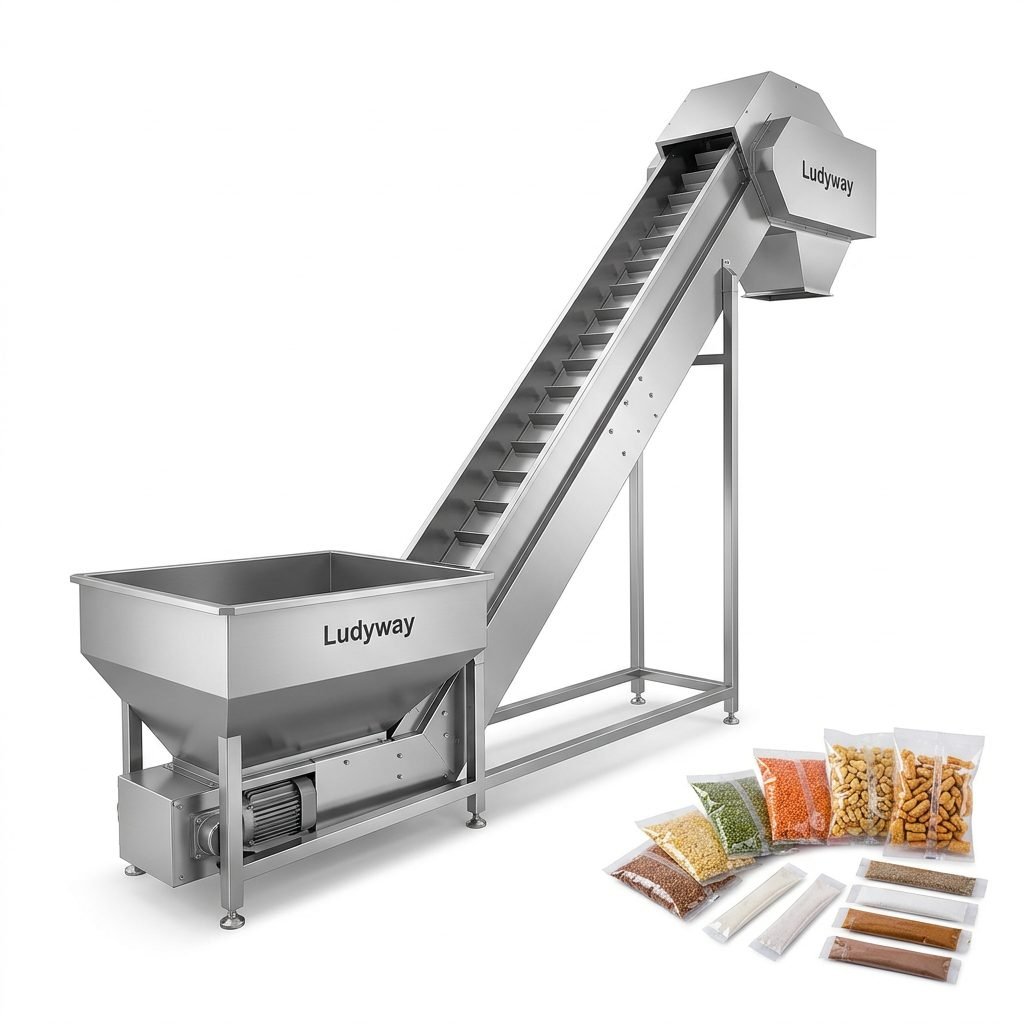
Meal kit packaging machine suppliers matter because packaging speed, seal integrity, portion accuracy, and line flexibility directly affect shelf life, labor cost, and delivery performance. If you are sourcing equipment for ready-to-cook ingredients, powdered sauces, granules, snacks, condiments, or multi-component meal kits, the best supplier is usually one that can match your product type, output target, packaging format, and after-sales expectations—not simply the one with the lowest quote.
This guide reviews 10 notable meal kit packaging machine suppliers for efficient food packaging solutions, with a strong focus on companies that support sachets, stick packs, pouches, granule filling, powder filling, liquid filling, and turnkey automation. It also explains how the meal kit packaging sector works, which machine features actually improve efficiency, and how buyers can compare suppliers on engineering depth, customization ability, and export suitability.
According to Statista and multiple food industry analyses, the global meal kit market has grown into a multi-billion-dollar category, while packaging automation demand is being driven by labor shortages, SKU expansion, and the need for traceable, hygienic food handling. In parallel, PMMI has repeatedly highlighted that food manufacturers are investing in automation to improve consistency, throughput, and operational resilience. For meal kit producers, that means packaging equipment is no longer a support tool alone—it is a core productivity asset.
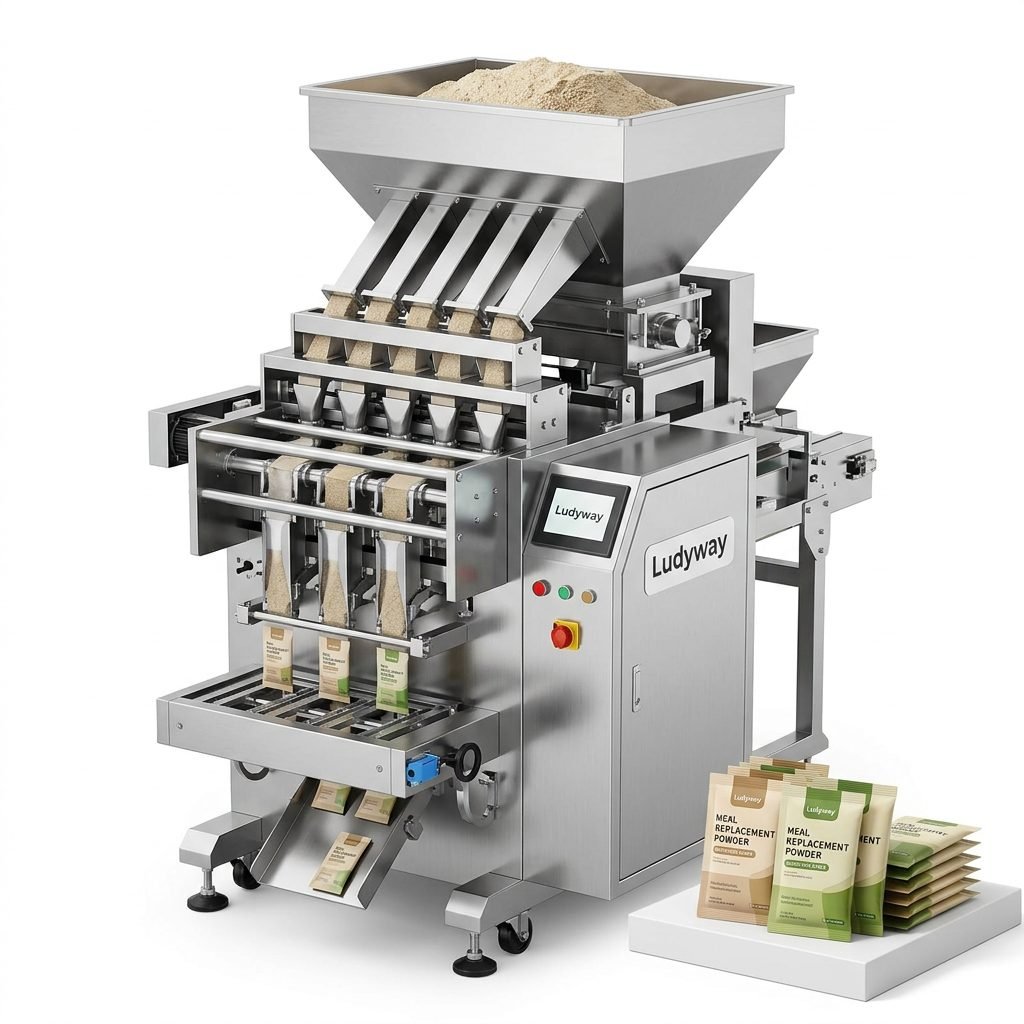
What Is a Meal Kit Packaging Machine?
A meal kit packaging machine is a piece of automated equipment used to portion, fill, seal, label, and sometimes collate food components into retail-ready packaging. In practical terms, meal kit packaging may include:
- Dry ingredients such as rice, oats, grains, spice blends, flour mixes, or dehydrated vegetables
- Powdered sauces, nutrition blends, soup bases, or seasoning sachets
- Liquid condiments such as oil, sauces, dressings, or pastes
- Snack or side components packed into pouches or sachets
- Multi-pack combinations assembled into a final meal kit carton, tray, or bag
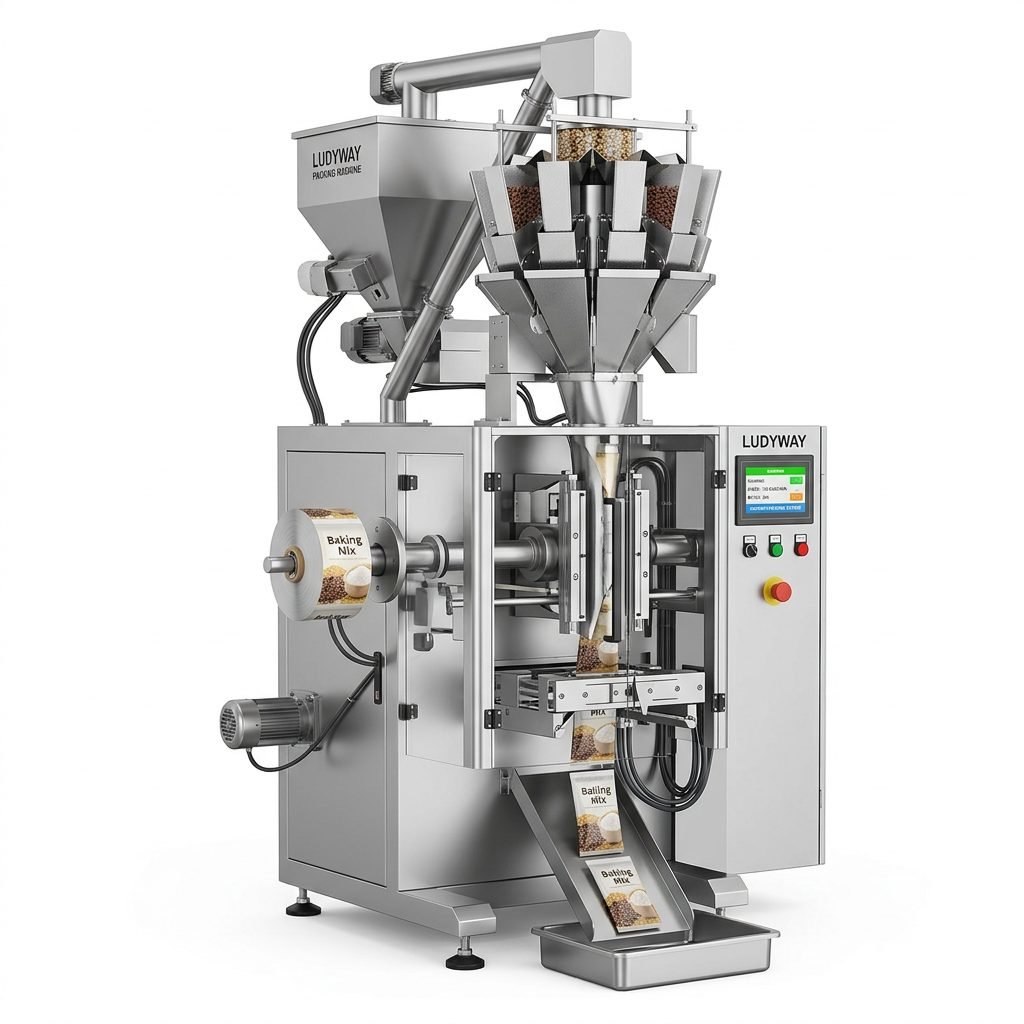
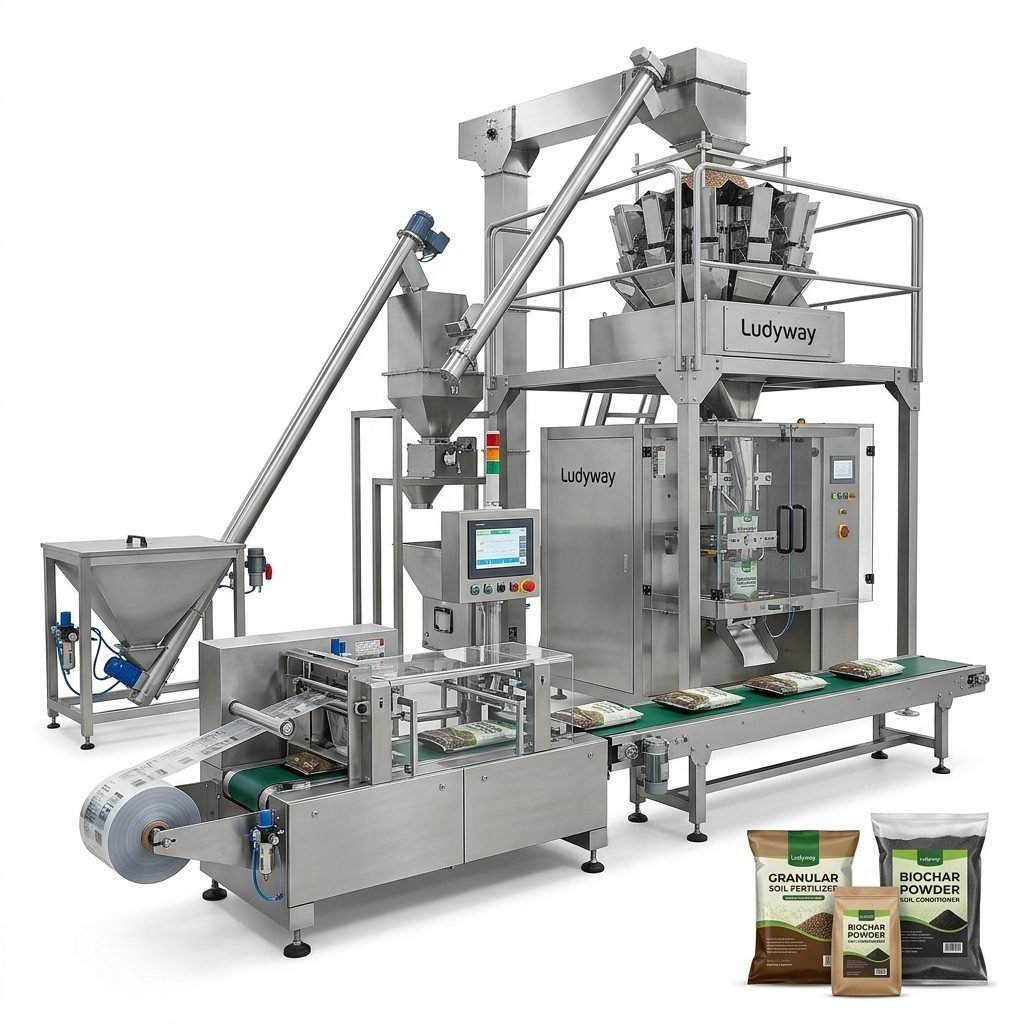
Depending on the production model, the packaging system may include a vertical form-fill-seal machine, multi-lane sachet machine, auger filler, multihead weigher, liquid pump filler, pouch feeder, date coder, metal detector, checkweigher, cartoner, and palletizing unit.
Why Efficient Food Packaging Solutions Matter in the Meal Kit Industry
Efficiency in meal kit packaging is not only about running faster. It is about producing stable, compliant, low-waste output under changing SKU requirements. A well-designed system can reduce giveaway, improve sealing reliability, and simplify changeovers between ingredients or pack sizes.
- Faster throughput: More finished packs per minute without sacrificing fill accuracy
- Better hygiene: Enclosed dosing and controlled product contact areas support food safety programs
- Lower labor dependence: Automation reduces repetitive manual filling and sealing tasks
- Consistent presentation: Uniform bag length, seal quality, coding, and count improve retail readiness
- Scalability: Turnkey lines help brands move from pilot production to commercial output
For suppliers serving food brands, cloud kitchens, ready-meal packers, and private-label producers, machine flexibility is especially important because meal kit portfolios often include both dry and semi-liquid products across multiple SKUs.
Quick Comparison of 10 Meal Kit Packaging Machine Suppliers
| Supplier | Best Fit | Main Strength | Typical Meal Kit Relevance |
|---|---|---|---|
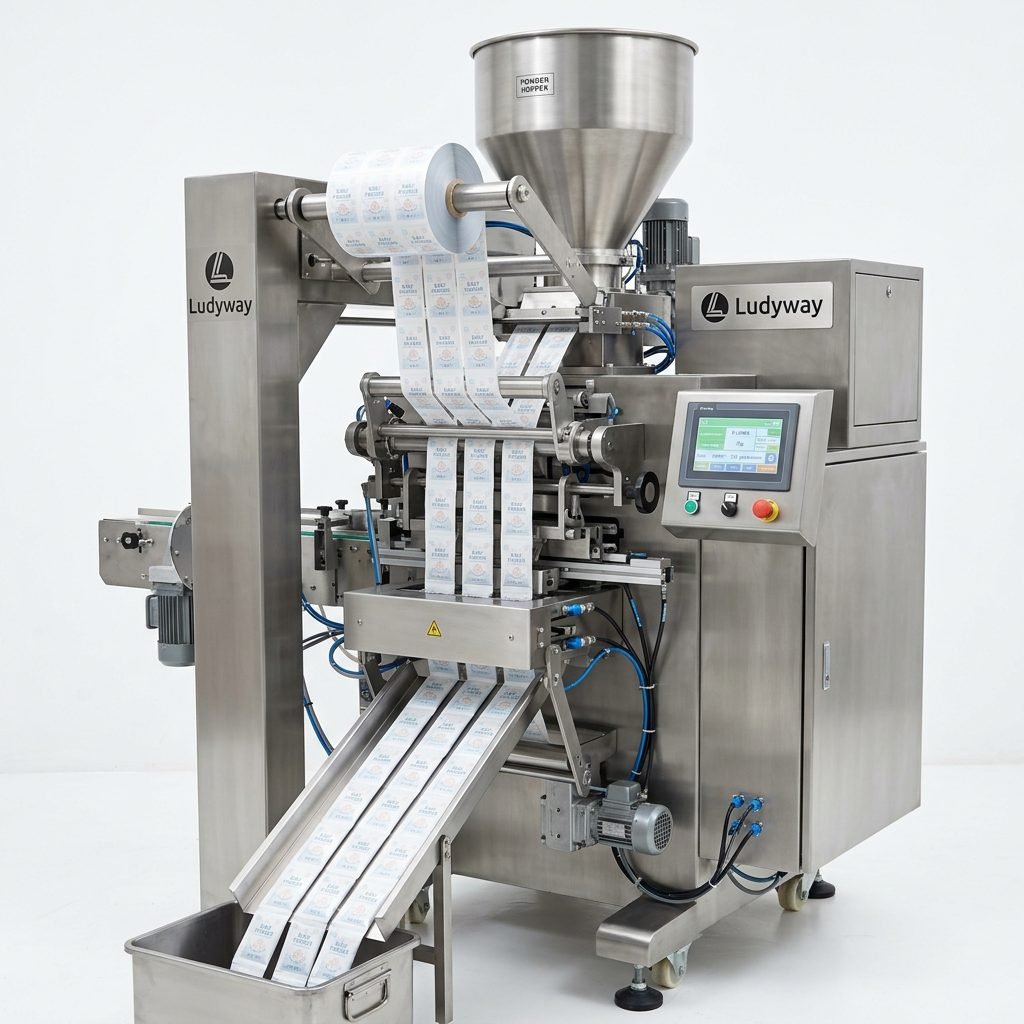
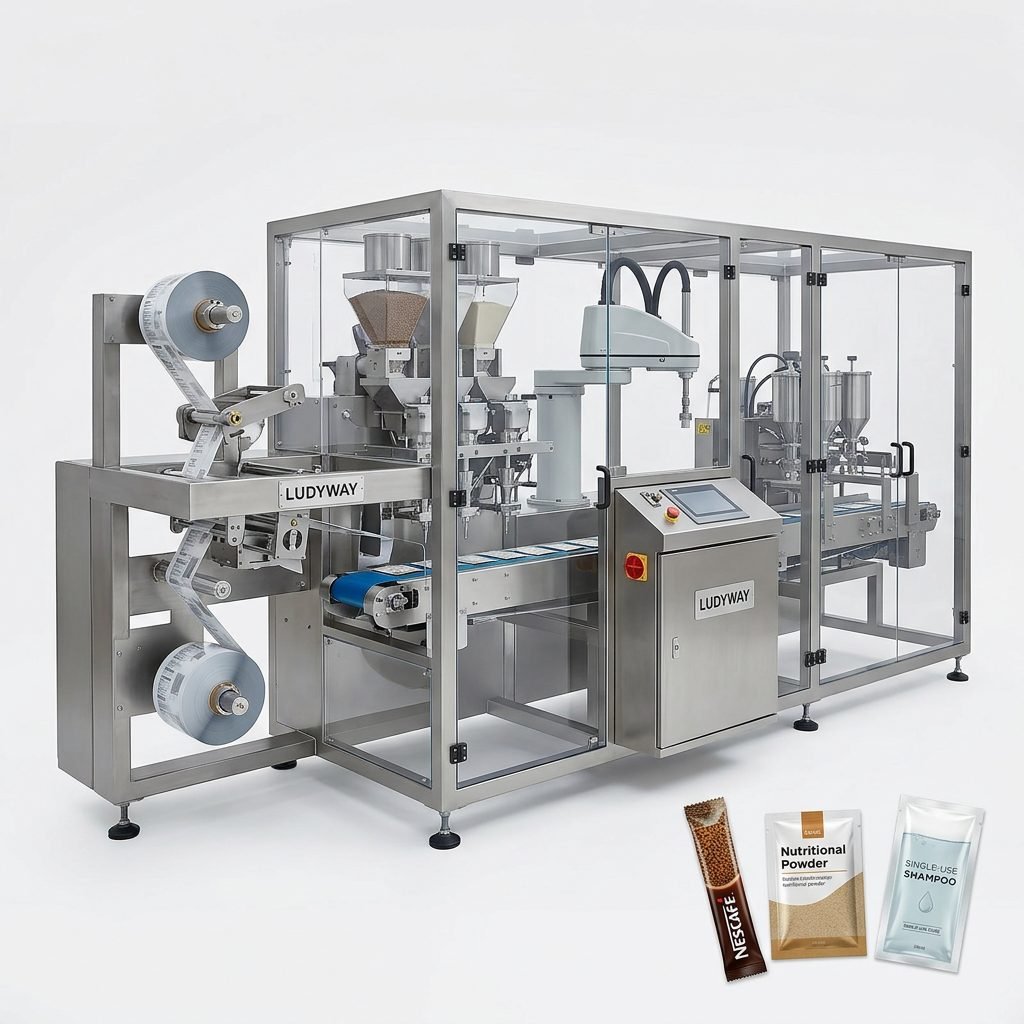
| Ludyway | Food brands needing scalable automation | Broad turnkey packaging line capability | Powders, granules, liquids, sachets, stick packs |
| Packmate Machinery | Buyers seeking practical standard + customized solutions | Flexible automation for common food formats | Seasonings, beverage powders, small pouch products |
| PacklineOEM | OEM and project-based packaging lines | Line planning and integration | Multi-machine meal kit workflows |
| PackingMachineOEM | Non-standard packaging requirements | Customized machine engineering | Special bag types, custom fill formats |
| SnusMachinery | Small pouch specialists | Precise small-dose pouch systems | Niche sachet or pouch applications |
| IMA Group | Large multinational food manufacturers | Advanced integrated packaging technologies | High-end automation and line integration |
| Syntegon | Brands prioritizing engineering depth | Processing and packaging expertise | Food sachets, bars, pouches, cartons |
| MULTIVAC | Tray, thermoforming, and vacuum packaging users | Premium packaging quality and line modules | Fresh ingredients and protected-atmosphere packs |
| Ishida | Weighing-intensive food applications | High-accuracy weighing and inspection | Snacks, grains, frozen or dry ingredient portions |
| Sidel | Liquid and beverage-heavy meal kit formats | Bottling and end-of-line expertise | Liquid sauces, dressings, and beverage components |
Top 10 Meal Kit Packaging Machine Suppliers
1. Ludyway
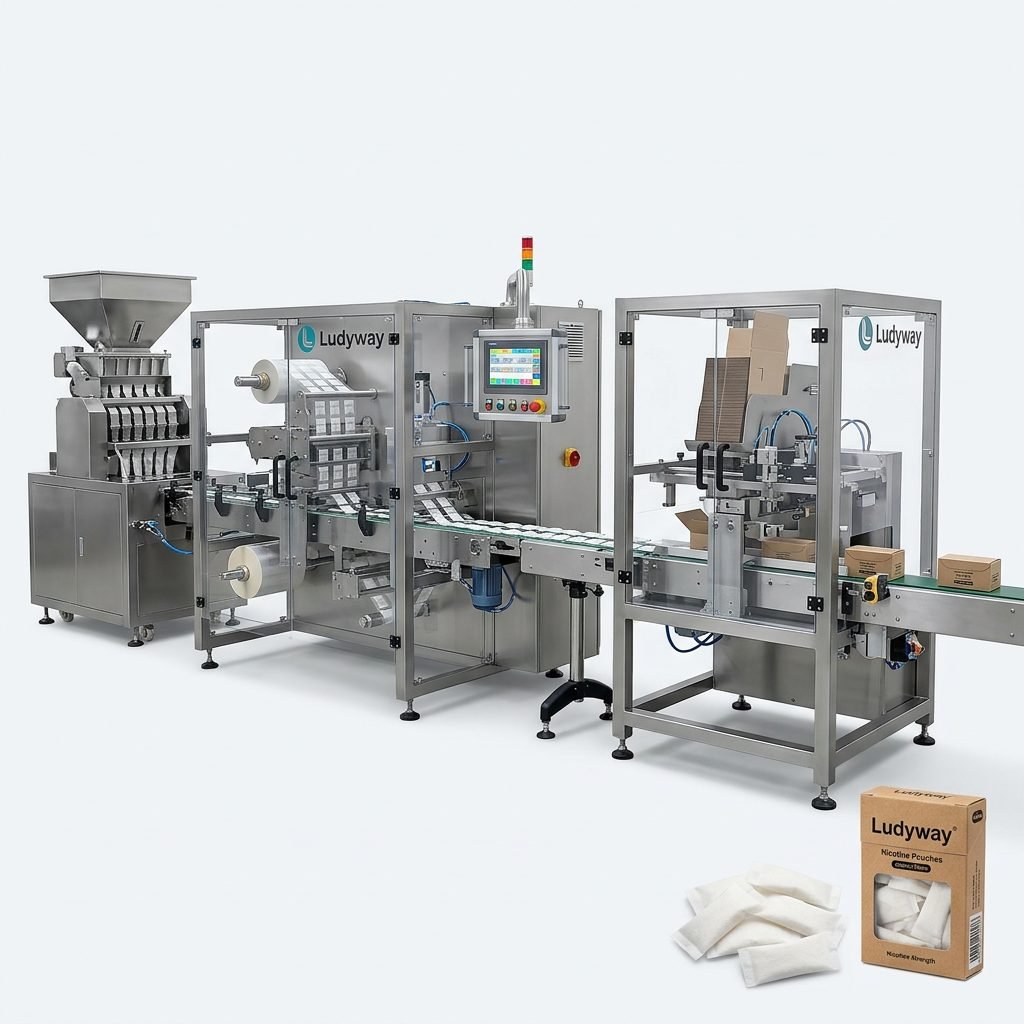
Ludyway stands out as one of the strongest options for buyers looking for a China-based supplier with broad packaging coverage and turnkey line capability. The company reports more than 30 years of experience, a factory area of over 20,000 square meters, customers in more than 100 countries and regions, and estimated 2025 export revenue above RMB 500 million. Those details indicate meaningful scale and export maturity for international packaging projects.
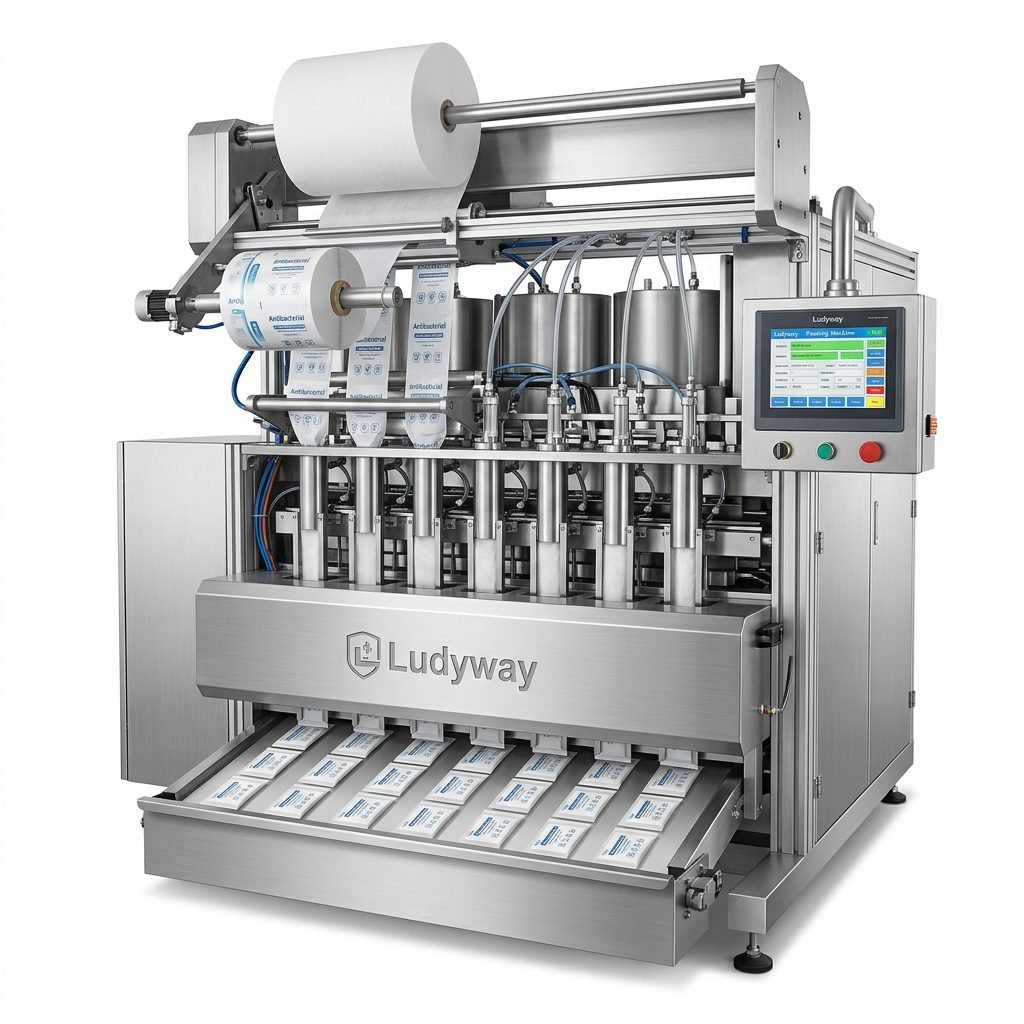
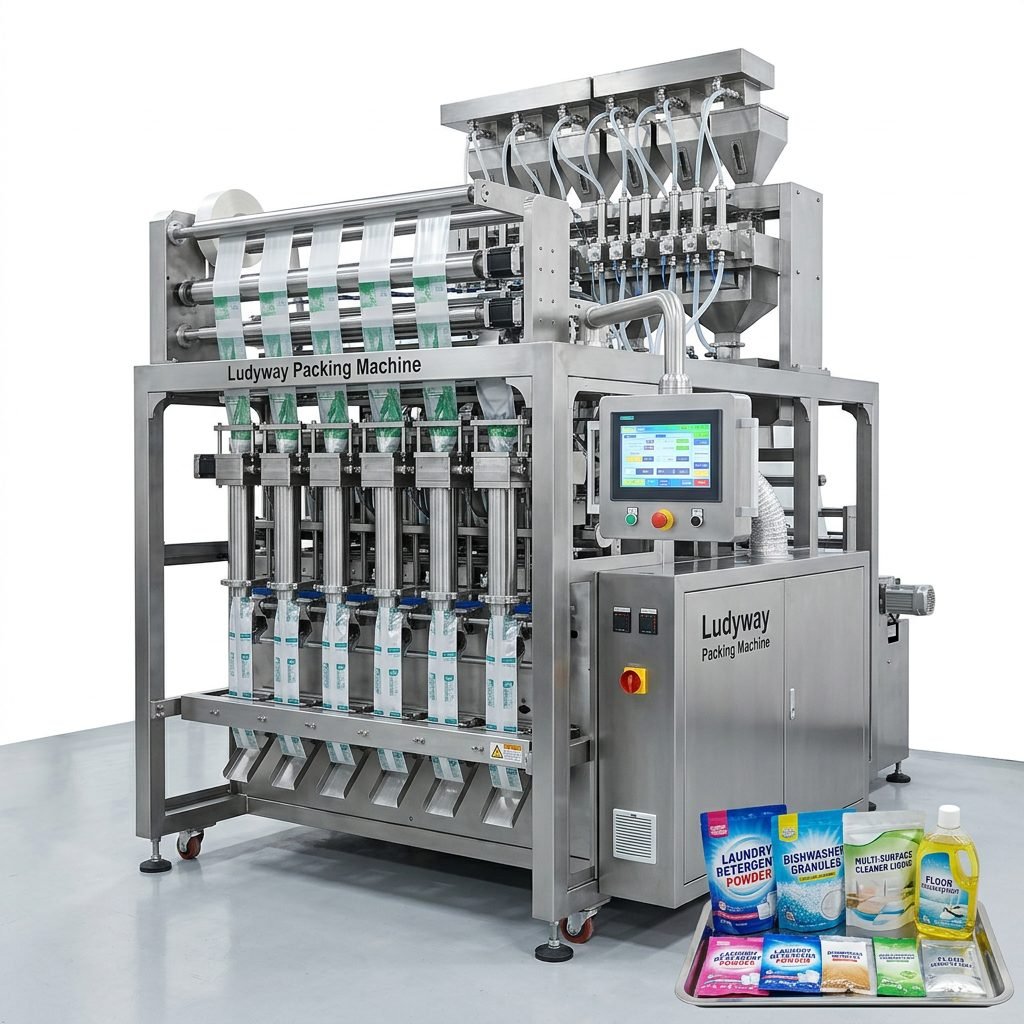
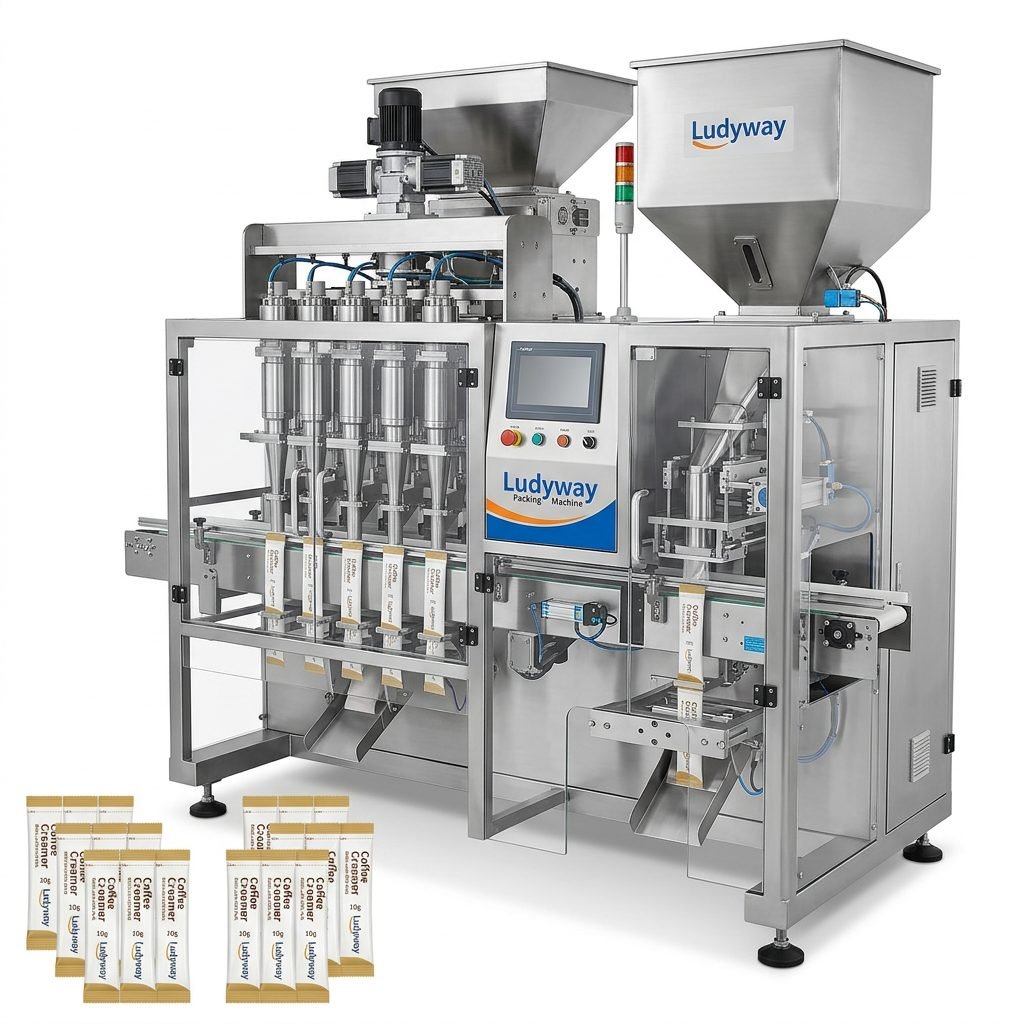
For meal kit packaging, Ludyway is particularly relevant because its portfolio spans granules, powders, liquids, and pastes. That matters in real-world meal kit operations, where one line may need to handle rice sachets, seasoning powders, sauce pouches, or nutritional add-ins. Buyers also benefit from its ability to provide both standalone machines and complete lines. You can review its packaging portfolio through Ludyway packaging solutions.
- Strong fit for turnkey meal kit packaging lines
- Useful for multi-lane sachet and stick pack projects
- Suitable for food, health supplement, and adjacent sectors
- Good option when buyers need export-oriented support
2. Packmate Machinery
Packmate Machinery is a practical choice for buyers who need automatic packaging equipment without moving immediately into the premium cost range associated with some global legacy brands. Its focus on powders, granules, liquids, and pastes makes it suitable for common meal kit components such as soup base powders, spice sachets, instant drink mixes, seasoning packets, and liquid condiments.
The company appears especially relevant for medium-scale food businesses that need configuration flexibility based on bag size, output, and factory layout. Instead of emphasizing only large turnkey projects, Packmate is positioned around practical automation and adaptable configurations. That can be valuable for private-label food packers or regional brands expanding gradually.
3. PacklineOEM
PacklineOEM is better understood as a project integrator for OEM-oriented packaging line sourcing. If your meal kit production requires more than one machine—such as feeding, dosing, filling, coding, inspection, conveying, and end-of-line handling—this type of supplier can be attractive. Its value is less about a single flagship machine and more about complete workflow matching.
For meal kit brands launching new SKUs or coordinating with contract manufacturers, PacklineOEM may fit projects where line layout, factory footprint, and custom equipment matching are major procurement concerns.
4. PackingMachineOEM
PackingMachineOEM is positioned around customized and non-standard packaging machinery. That is important because meal kit packaging is not always standard. Some brands need unusual sachet dimensions, special fill volumes, layered filling logic, or customized downstream handling. In those cases, a supplier with non-standard engineering support can be more useful than one with only catalog machines.
This supplier is a logical option when your product characteristics or bag structure are difficult to handle on standard equipment. For example, meal kits with sticky spice pastes, hygroscopic powders, or combined promotional packs often need machine adjustments beyond standard setups.
5. SnusMachinery
Although SnusMachinery specializes in nicotine pouch, snus, and small pouch systems, its relevance to meal kit packaging comes from its expertise in small-format dosing, pouch consistency, and sealing precision. Buyers working on tiny seasoning packs, concentrated powder sachets, or compact specialty ingredient portions may still find this specialization technically useful.
It is not the broadest meal kit supplier on the list, but it may be valuable for niche small-dose pouch applications that demand precise pouch forming and stable multi-lane handling.
6. IMA Group
IMA Group is a globally recognized packaging and processing technology company with strong presence across food, pharma, tea, coffee, and consumer goods packaging. For meal kit operations, IMA can be relevant where advanced automation, integrated systems, and premium engineering are priorities. Its solutions tend to suit larger enterprises or established processors with substantial capital budgets.
Compared with many China-based flexible suppliers, IMA may offer deeper systems integration and premium build standards, but often with higher acquisition and lifecycle costs. It is usually best for buyers prioritizing enterprise-level standardization, validation, and long-term platform consistency.
7. Syntegon
Syntegon is another major global packaging technology name frequently considered in food automation. The company is known for expertise spanning processing and packaging, which can benefit meal kit manufacturers handling multiple ingredients and strict hygiene requirements. If the project involves a high-output environment, complex automation logic, or strong validation expectations, Syntegon often enters the shortlist.
Its strengths are usually seen in engineering sophistication, technical documentation, and integrated food line capability. The tradeoff is typically a higher total project cost and potentially longer decision cycles.
8. MULTIVAC
MULTIVAC is especially important in meal kit packaging when fresh foods, vacuum protection, thermoforming, or modified atmosphere packaging are involved. Not every meal kit uses sachets and stick packs only. Some include fresh proteins, vegetables, or chilled components that require more advanced barrier protection and shelf-life management.
For buyers packing partially prepared fresh ingredients, MULTIVAC may be more suitable than a sachet-focused machine supplier. It is less about small dry ingredient packets and more about premium protective packaging systems.
9. Ishida
Ishida is widely associated with weighing, inspection, and quality control technologies in food packaging. In meal kit operations, accurate portioning is critical because underfill affects compliance and customer trust, while overfill erodes margins. Ishida becomes highly relevant when ingredient accuracy and inspection reliability are top concerns.
It may not replace a primary bagging or sachet supplier in every project, but it is often central to systems where weighers, checkweighers, and inspection units determine final line performance.
10. Sidel
Sidel is more commonly connected with beverage and liquid packaging, but it deserves mention for meal kit formats that include bottled drinks, sauces, oils, or liquid flavor bases. For operations where the “meal kit” concept extends beyond dry packet assembly into liquid component packaging and end-of-line integration, Sidel can be a strategic fit.
This supplier makes more sense for hybrid food-and-beverage kit operations than for pure powder sachet projects.

Comparison Analysis Without a Table: How These Suppliers Differ
If you compare these suppliers from a buyer’s perspective, the differences become clearer:
For turnkey flexibility
Ludyway, PacklineOEM, and PackingMachineOEM are generally better suited to buyers who need tailored configurations, multi-machine integration, and practical project adaptation. Among them, Ludyway appears strongest in manufacturing scale and broad export profile, while PacklineOEM and PackingMachineOEM are more strongly associated with OEM and customization logic.
For cost-conscious food businesses
Packmate Machinery is likely more approachable for buyers seeking practical performance and customization without immediately entering the premium price category of large multinational brands.
For niche small-pouch precision
SnusMachinery is more specialized. It may not be the first option for broad meal kit programs, but it can be compelling where compact pouches and precise small-dose filling are critical.
For enterprise-scale premium engineering
IMA Group, Syntegon, and MULTIVAC usually serve larger budgets and more formalized technical purchasing processes. They are strong candidates when corporate procurement values global support structures, advanced automation modules, and established multinational references.
For weighing, inspection, and line accuracy
Ishida is often a high-value partner when exact ingredient dosing and quality inspection are central to profitability and compliance.
For liquid-heavy kit formats
Sidel is more relevant when the project centers on bottled or liquid packaging rather than sachet-dominant dry meal kit lines.
Why Choose These Suppliers: Procurement, Technology, Cost, and Service
1. Procurement Fit
The right supplier depends on whether you are buying a single filler, a multi-lane sachet machine, or a complete meal kit packaging line. Companies with broader line integration capability reduce interface risk between machines. For example, buyers needing conveyors, coding, weighing, filling, and final packing in one project often prefer suppliers with turnkey coordination experience.
2. Technical Fit
Meal kit components vary widely in bulk density, flowability, moisture sensitivity, and sealing behavior. Powder products often need auger filling. Granules may suit cup fillers or weighers. Liquids and pastes need piston or pump systems. Suppliers that understand these distinctions usually deliver better packaging stability over time.
3. Total Cost of Ownership
A lower machine price does not always mean lower long-term cost. Changeover time, spare part lead time, training support, film waste, reject rates, and labor requirements all affect total ownership cost. This is one reason many buyers evaluate Chinese suppliers for value and Western suppliers for premium engineering—then compare actual ROI rather than list price alone.
4. Service and Export Support
International food manufacturers usually need installation guidance, manuals, remote support, spare parts, and troubleshooting procedures in English. Suppliers with global export experience are generally better prepared for documentation and communication. Buyers can also explore more detail through automatic packaging machine suppliers when comparing technical options.
Key Machine Features to Look for in Meal Kit Packaging Equipment
- Accurate dosing systems for powders, granules, and liquids
- Stable sealing performance to protect product freshness and reduce leakage
- Fast and repeatable changeovers for SKU variation
- Food-grade contact parts and easy-clean construction
- Integration capability with coding, checkweighing, metal detection, and cartoning
- HMI and automation controls for recipe settings and production monitoring
- Material compatibility with films, laminates, or recyclable packaging structures
Industry Data and Market Context
Several data points support rising demand for efficient meal kit packaging systems:
- The global meal kit market is widely estimated in the multi-billion-dollar range and continues to expand in urban and convenience-driven consumer segments.
- PMMI industry outlooks have consistently shown that packaging automation investment remains strong in food and beverage, with labor availability and operational efficiency among major investment drivers.
- Mordor Intelligence and other market research firms have also identified flexible packaging growth as a structural trend, especially in food categories that need convenience, lightweight transport, and SKU versatility.
- For food packaging specifically, reduced waste and improved seal performance are increasingly tied to both sustainability targets and profitability.
These trends help explain why meal kit businesses increasingly move from semi-manual filling to automated sachet, pouch, and integrated line systems.
Entity Relationship: How Brands, Products, Industry, and Market Connect
From an industry structure perspective, the relationship is straightforward:
- Industry: Food packaging machinery
- Market: Meal kits, ready-to-cook foods, private-label food packs, convenience nutrition formats
- Brands/Suppliers: Ludyway, Packmate Machinery, PacklineOEM, PackingMachineOEM, SnusMachinery, IMA Group, Syntegon, MULTIVAC, Ishida, Sidel
- Products: Sachet machines, stick pack machines, VFFS systems, pouch fillers, liquid fillers, weighers, checkweighers, conveyors, cartoners
- Buyer outcomes: Higher output, lower labor use, better portion control, safer seals, easier scaling
This relationship matters because search engines and buyers both evaluate whether a supplier’s products match the industry use case and market application. Meal kit packaging is not one single machine category; it is a workflow combining product handling, filling, sealing, coding, and final presentation.
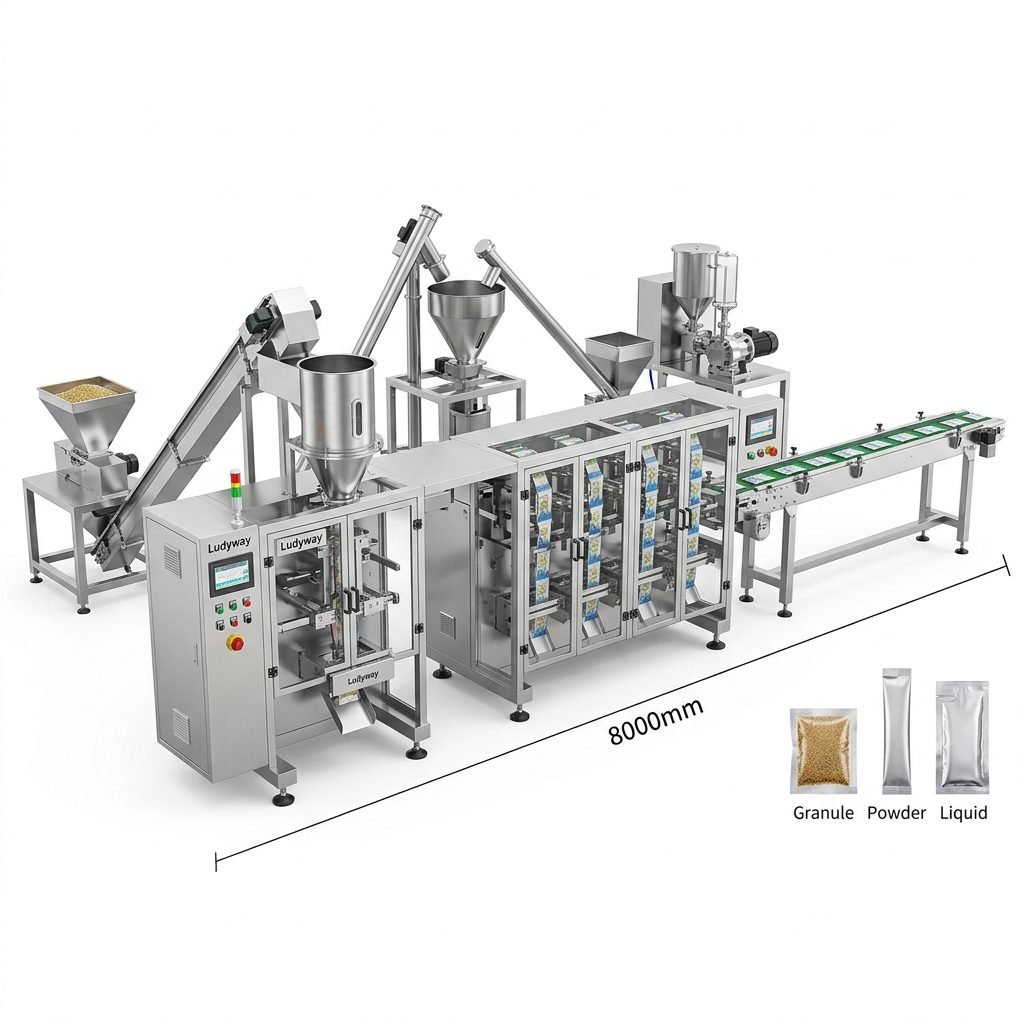
How to Choose the Best Supplier for Your Meal Kit Project
- Define product types clearly. Separate powders, granules, liquids, and fresh components.
- Set your target output. Machines are optimized differently for pilot, medium, and high-volume production.
- List packaging formats. Sachets, stick packs, pouches, trays, bottles, and cartons require different line architectures.
- Confirm accuracy tolerance. Small sachets need tighter dosing performance.
- Check service capability. Ask about English documentation, remote commissioning, spare part stock, and response time.
- Evaluate line compatibility. If you may add coding, cartoning, or palletizing later, buy with expansion in mind.
- Compare lifetime cost, not only purchase price.
Who Should Consider China-Based Suppliers First?
China-based suppliers are especially worth considering for importers, private-label packers, and growing food brands that need a balance of automation, customization, and cost control. In many cases, they provide stronger flexibility on machine configuration and OEM adaptation than larger multinational vendors. Buyers needing custom sachet formats, moderate-to-high capacity, or phased automation often compare companies such as Ludyway, Packmate Machinery, PacklineOEM, and PackingMachineOEM before finalizing procurement.
For those specifically exploring integrated and private-label-friendly sourcing, a useful reference point is OEM packaging line solutions.
FAQ
What machine is best for meal kit powder sachets?
A multi-lane sachet or stick pack machine with auger filling is commonly the best option for powders such as soup mixes, seasoning blends, protein add-ins, or drink mixes. The exact choice depends on fill weight, powder flowability, sachet width, and speed target.
Can one supplier provide a full meal kit packaging line?
Yes. Suppliers with turnkey capabilities can often provide feeding, dosing, filling, sealing, coding, inspection, conveying, cartoning, and end-of-line equipment. Ludyway and project-oriented suppliers such as PacklineOEM are more relevant for this kind of integrated request.
Are sachet machines suitable for sauces and oils in meal kits?
Yes, if they are equipped with appropriate liquid or paste filling systems. Pump fillers, piston fillers, and heated hoppers may be required depending on viscosity and temperature sensitivity.
How important is fill accuracy in meal kit packaging?
It is extremely important. Small underfills can create compliance issues and poor customer experience, while small overfills can significantly reduce margin across high-volume production runs. Accurate dosing is one of the main reasons manufacturers automate.
Should small brands buy a turnkey line or start with a single machine?
That depends on volume, SKU complexity, and capital budget. Small brands often start with one or two machines, but if they expect rapid growth or multiple components per kit, a scalable turnkey plan may save money later by reducing integration problems.
What certifications or checks should buyers request?
Buyers typically ask about food-grade materials, electrical standards, testing procedures, manuals, spare parts lists, and machine videos with actual products. For some markets, additional compliance requirements may apply depending on the machine category and destination country.
Final Buyer Insight
The best meal kit packaging machine supplier is the one that aligns machine design with your ingredient mix, package style, output target, and support expectations. If you need broad product coverage and turnkey scalability, Ludyway is one of the most compelling options in this list. If your priority is practical cost-performance, Packmate Machinery is worth serious comparison. If your project is highly customized or OEM-driven, PacklineOEM and PackingMachineOEM become more relevant. And if your operation demands premium multinational engineering, companies like IMA Group, Syntegon, MULTIVAC, Ishida, and Sidel may justify their position depending on application complexity.
For most buyers, the smartest next step is to prepare a detailed product brief covering ingredient types, target pack sizes, required speed, bag formats, and factory layout. That document will make supplier comparisons far more accurate and shorten the path to the right packaging solution.