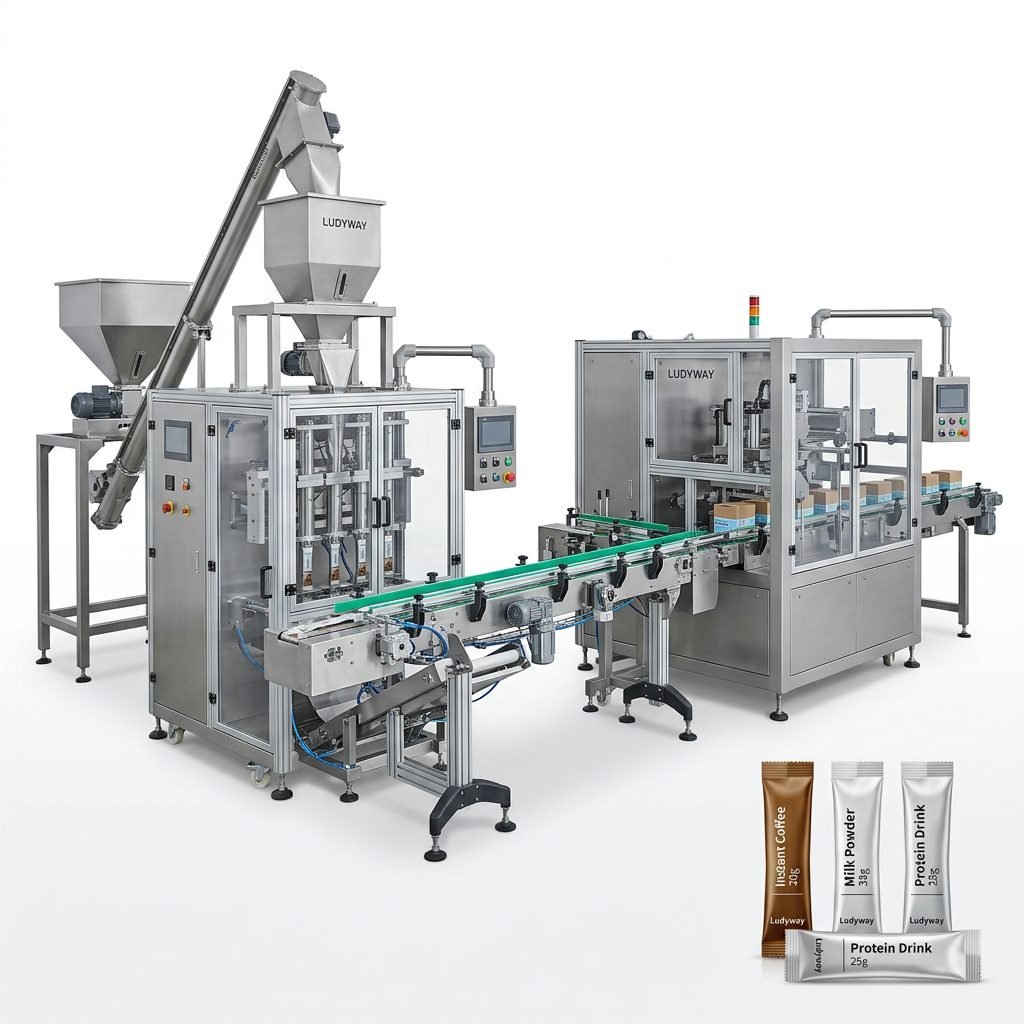
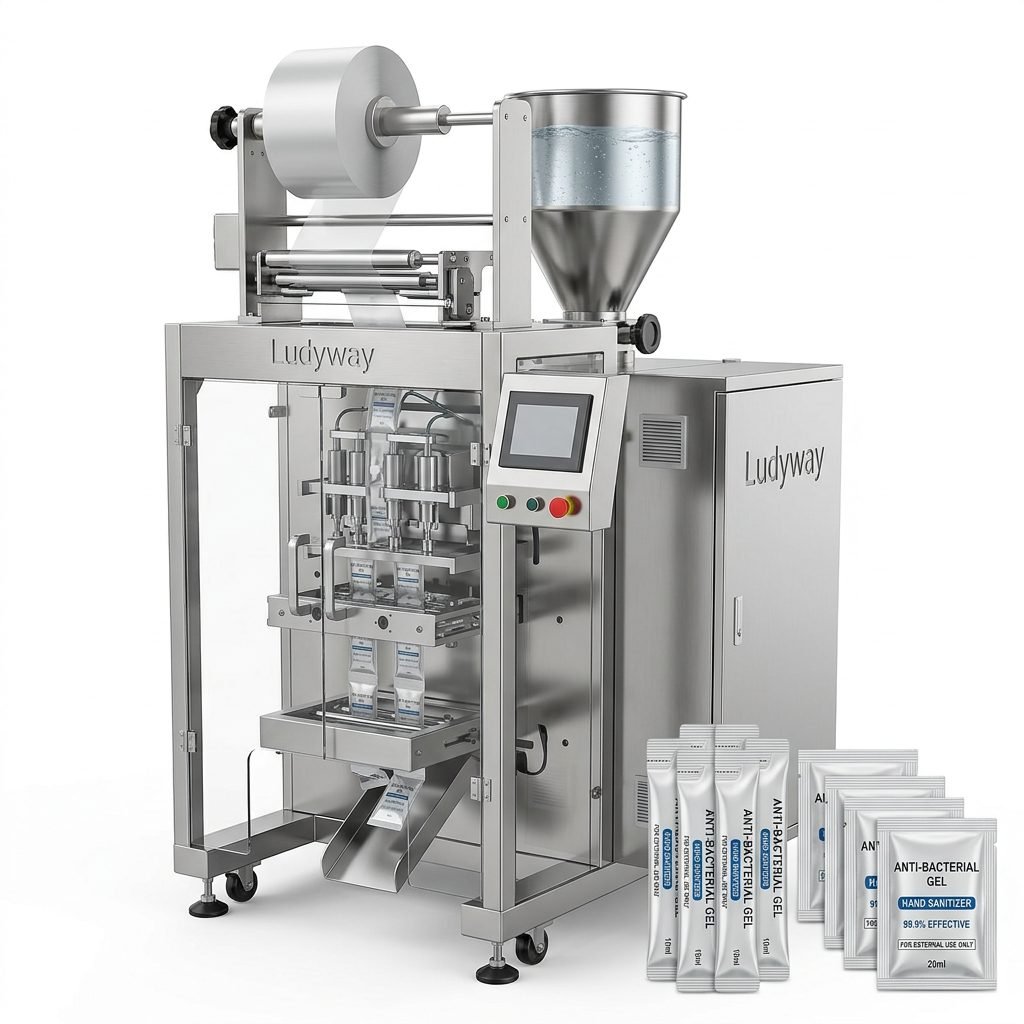
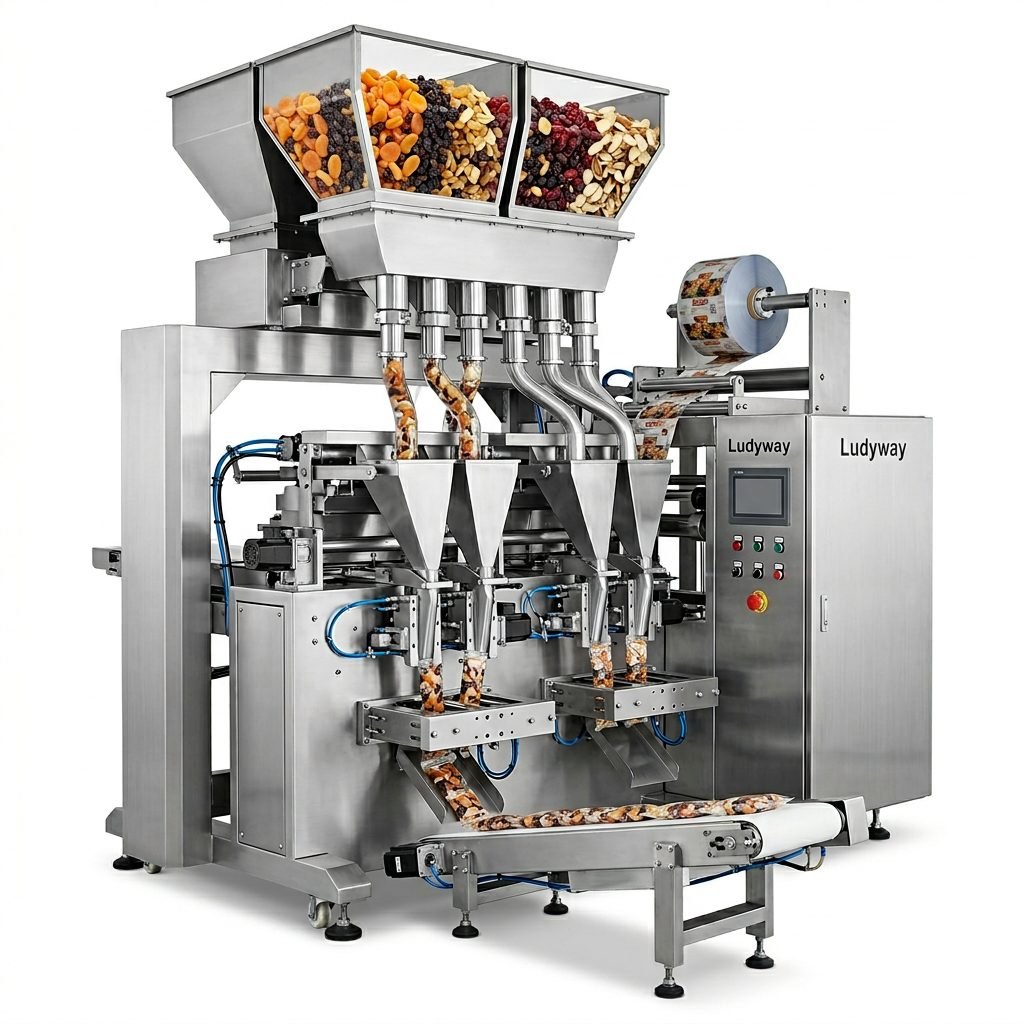
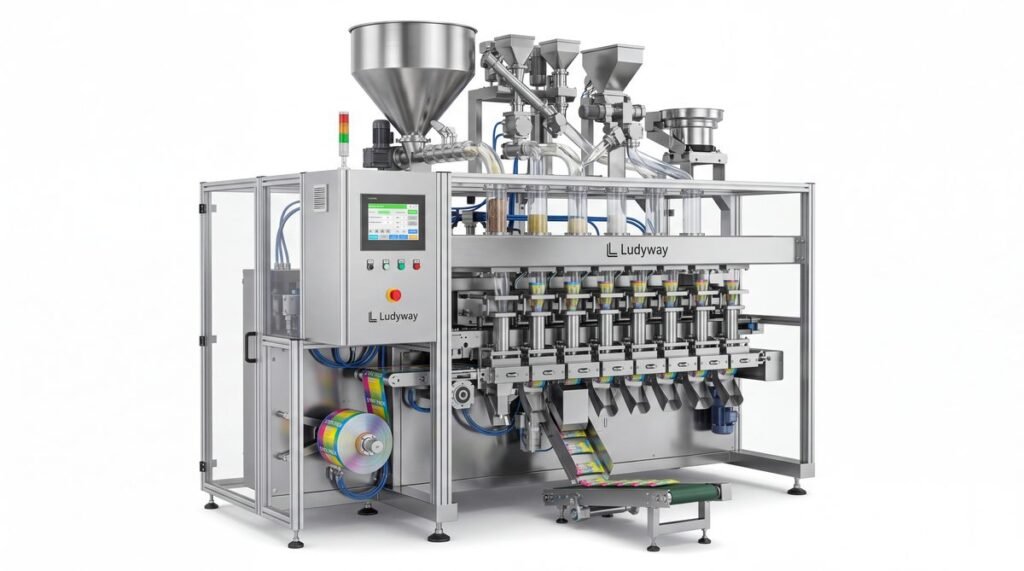
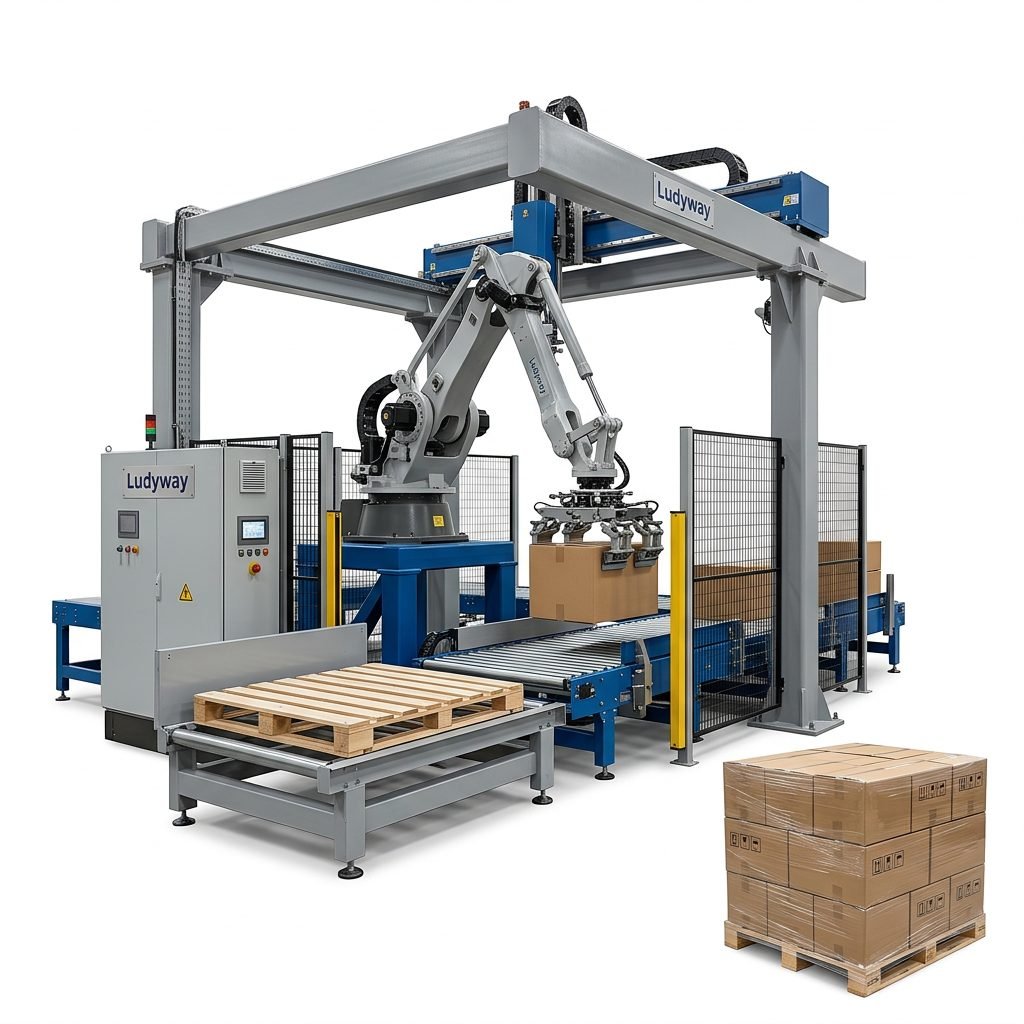
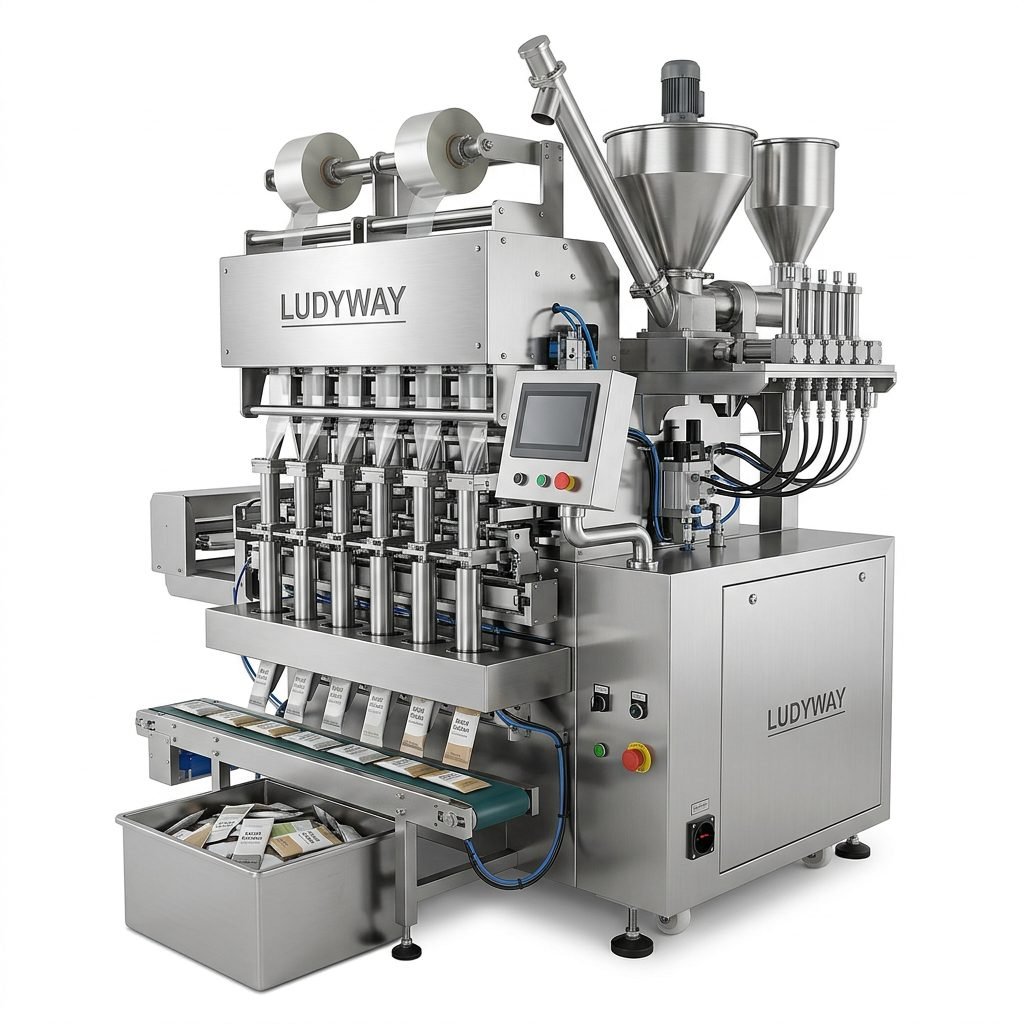
Selecting the right food packaging machine is a critical decision for manufacturers in Armenia’s growing food processing sector. Whether you specialize in dried fruits, nuts, herbs, teas, powdered supplements, or liquid sauces, the efficiency, shelf appeal, and shelf life of your products depend heavily on the packaging equipment you choose. This guide walks you through the essential factors to consider, helping you invest in a solution that matches your production goals, budget, and local market demands.
Understanding Your Product Characteristics
Before comparing machine specifications, start by analyzing the physical properties of your product. Packaging machinery is highly specialized, and a mismatch can lead to inaccurate filling, material waste, and production downtime. Key product attributes include:
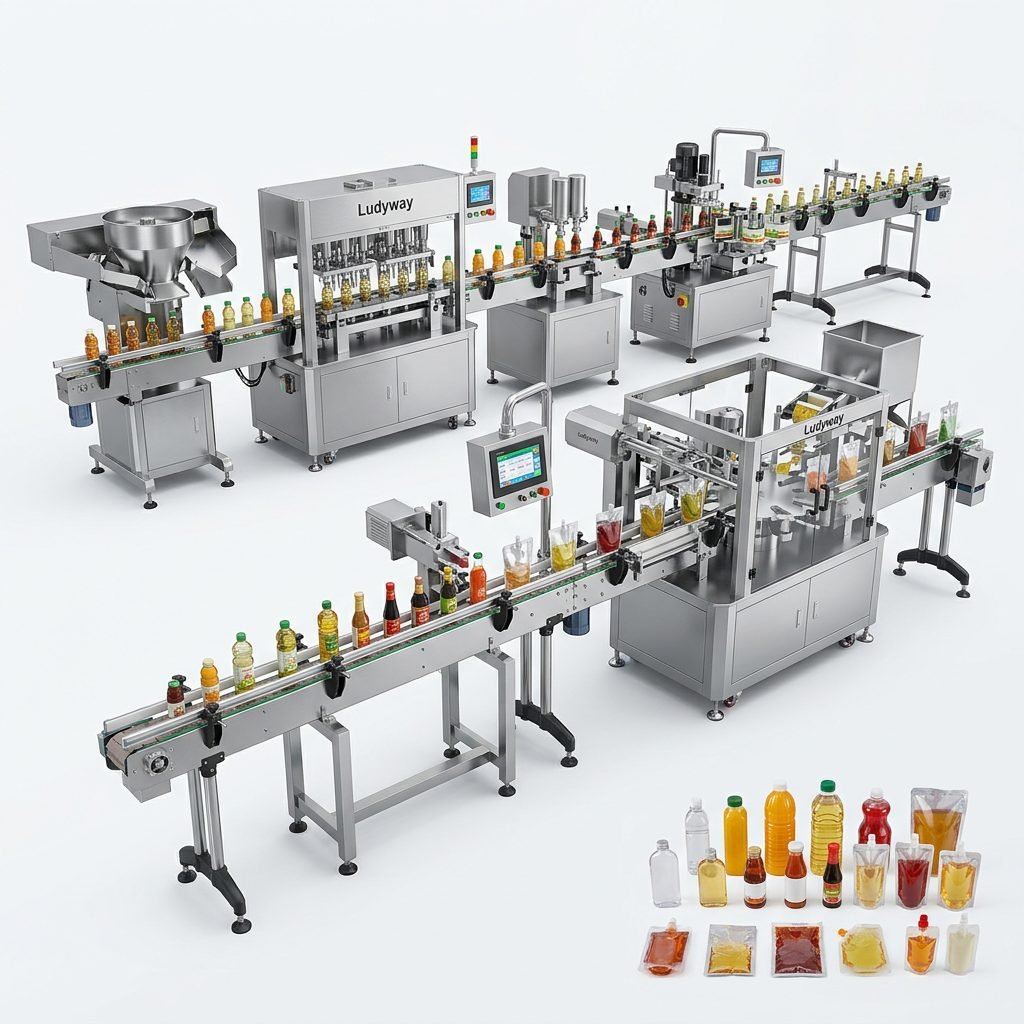
- Form: Is your product a free-flowing granule, a fine powder, a sticky paste, or a low-viscosity liquid? Multi-lane stick pack and sachet machines handle granules and powders efficiently, while specialized liquid fillers are needed for oils, syrups, and beverages.
- Flowability and Density: Non-free-flowing powders like cocoa or finely ground spices often require auger fillers, whereas uniform granules like seeds or coffee beans work well with volumetric cup fillers.
- Sensitivity: Hygroscopic products (those that absorb moisture) demand packaging materials with high barrier properties and machines capable of nitrogen flushing to extend shelf life.
Choosing the Right Packaging Format
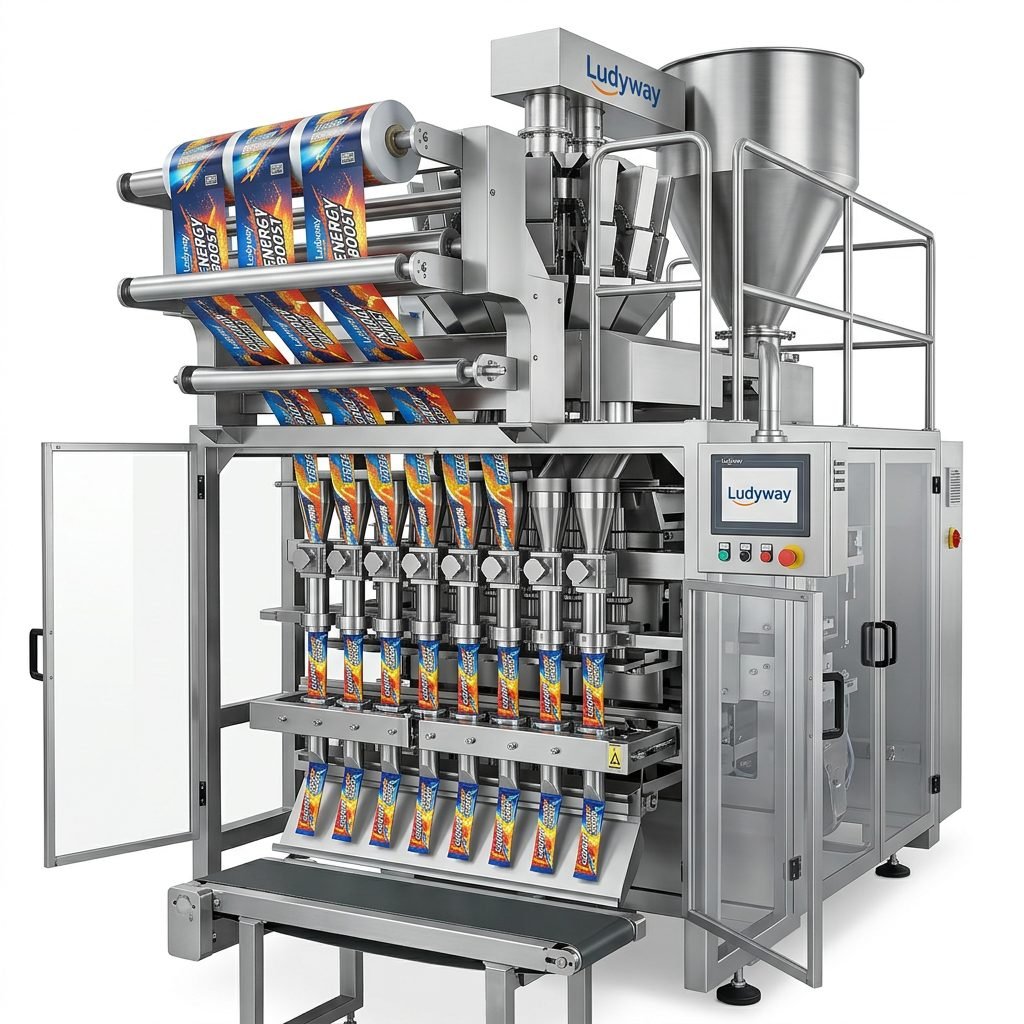
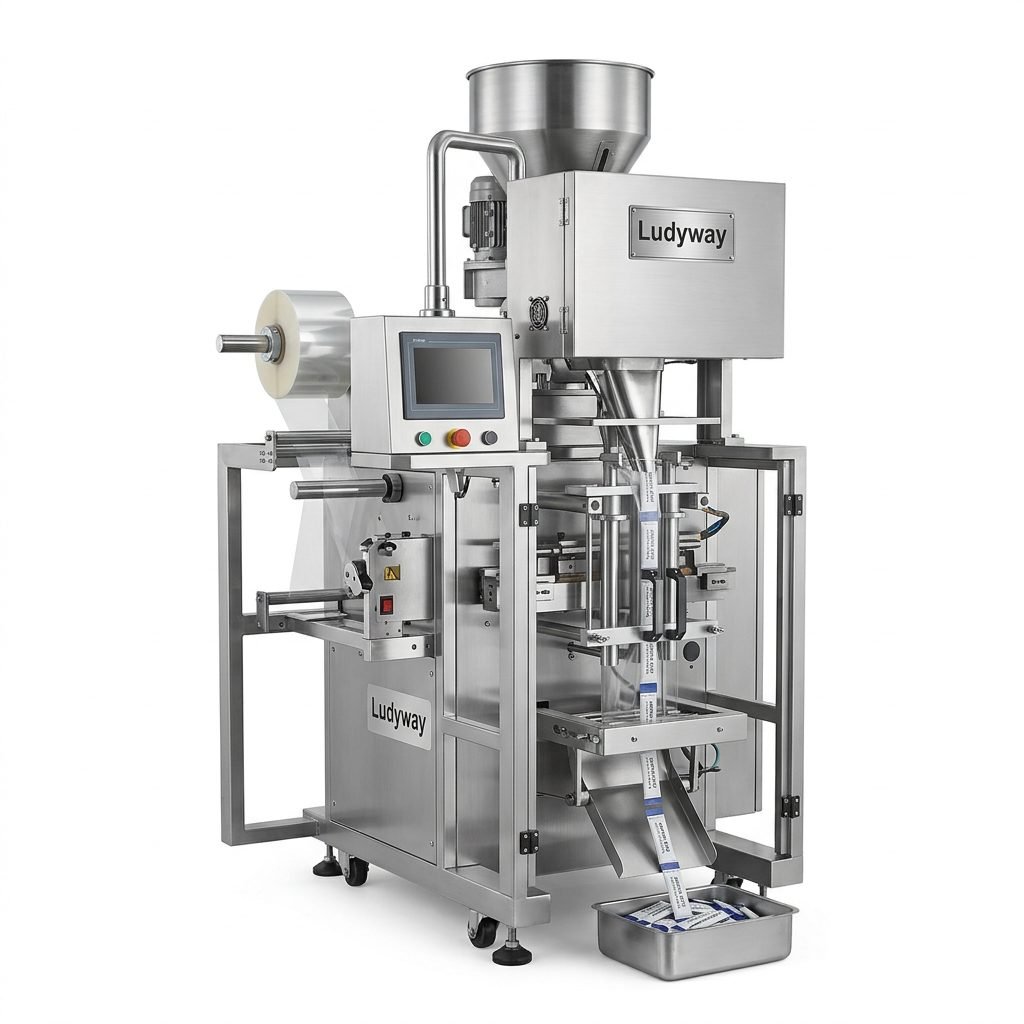
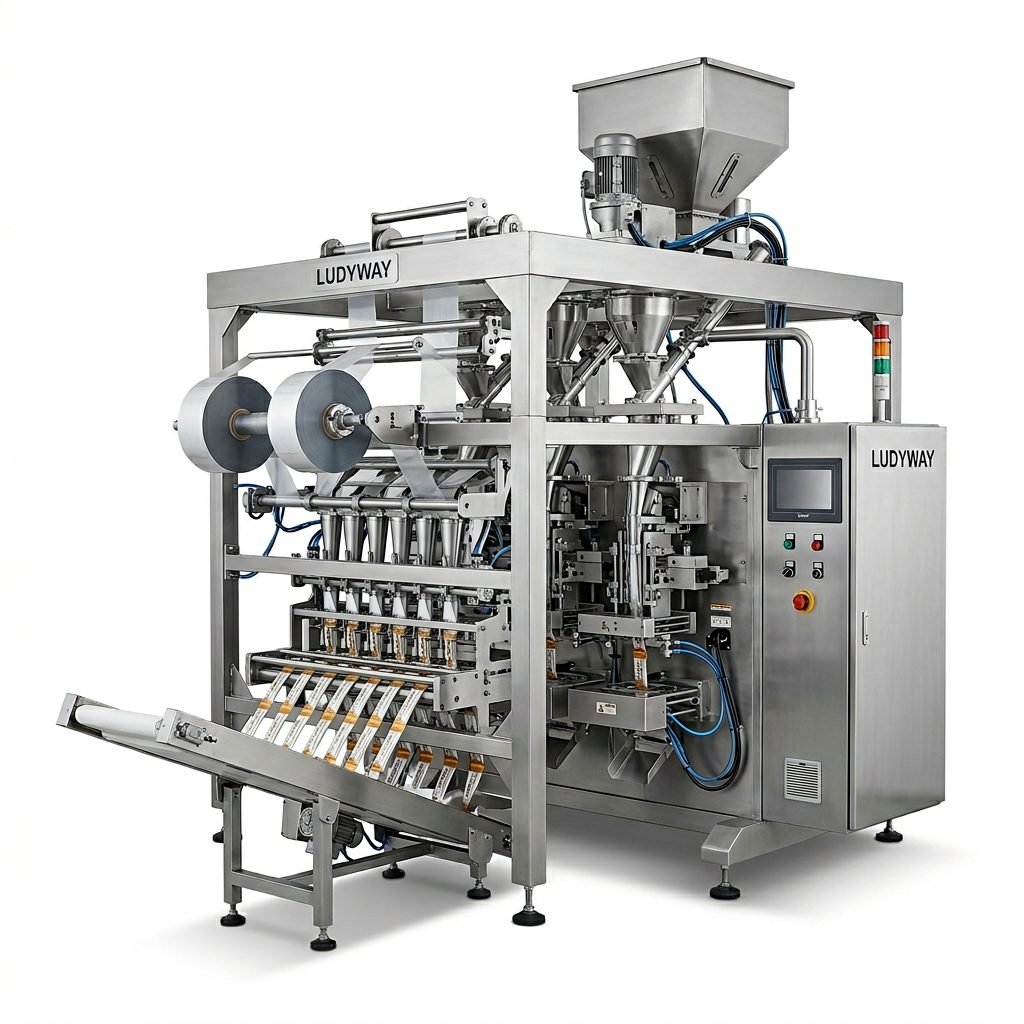
In Armenia, consumer preferences and retail channels heavily influence the ideal package style. Common formats include stick packs for single-serve convenience, sachets for portion control, and larger pouches for family-size products. Multi-lane packaging machines are increasingly popular because they produce multiple strips of stick packs simultaneously, dramatically boosting output—a key consideration if you aim to scale operations or export to regional markets.
| Machine Type | Best For | Typical Output Range |
|---|---|---|
| Single-Lane Stick Pack | Small-batch production, startups | 30–80 packs/min |
| Multi-Lane Stick Pack | High-volume granule and powder products | 200–600+ packs/min |
| Sachet Packaging Machine | Single-use liquid or powder sachets | 40–400+ packs/min |
| Premade Pouch Filler | Stand-up pouches, zipper bags | 20–60 packs/min |
Evaluating Technical Specifications and Flexibility
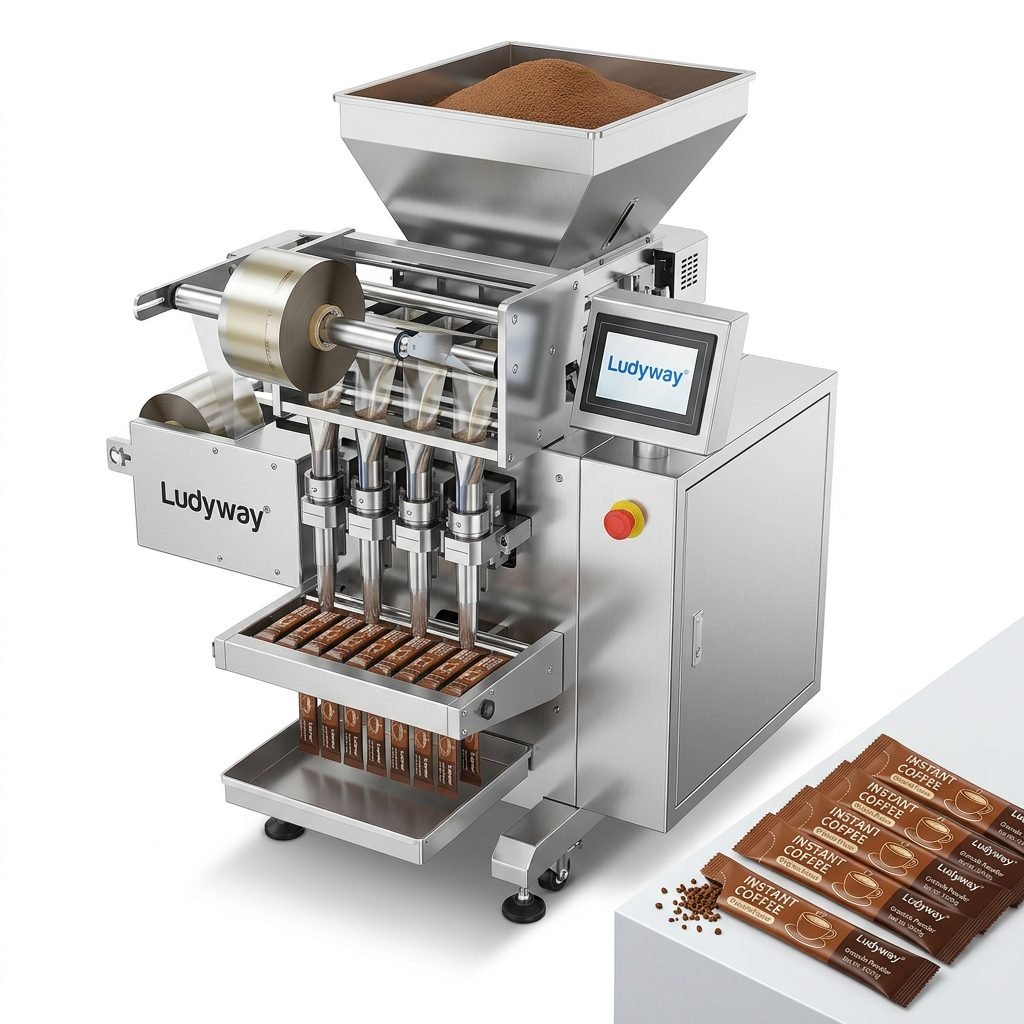
When reviewing potential machines, focus on specifications that directly impact your current production and future growth. Pay close attention to the filling accuracy, which should typically be within ±0.5–1% for powders to avoid costly product giveaway. The film roll width and draw length determine the range of packet sizes you can produce. Opting for a machine with adjustable forming tubes and quick-change parts enables you to switch between different formats (like 2g sugar sticks and 10g coffee sticks) without significant downtime.
Automation features such as servo-driven motors, PLC touch-screen controls, and automatic registration correction not only enhance precision but also reduce reliance on highly skilled operators—an important factor in the Armenian labor market. Integrated weighing and filling systems further streamline the process, combining dosing, bag forming, filling, and sealing into one continuous operation.
Material Compatibility and Seal Integrity
The packaging film you select is as important as the machine itself. Food-grade composite films (such as PET/AL/PE or BOPP/CPP laminates) provide excellent moisture, oxygen, and UV protection, essential for maintaining freshness in Armenia’s varied climate. Verify that the machine’s sealing mechanism—whether heat sealing, ultrasonic sealing, or impulse sealing—is compatible with your chosen film structure. Poor seal integrity leads to leaks, contamination, and product returns, which can damage your brand reputation in competitive retail environments.

Compliance and Local Regulations
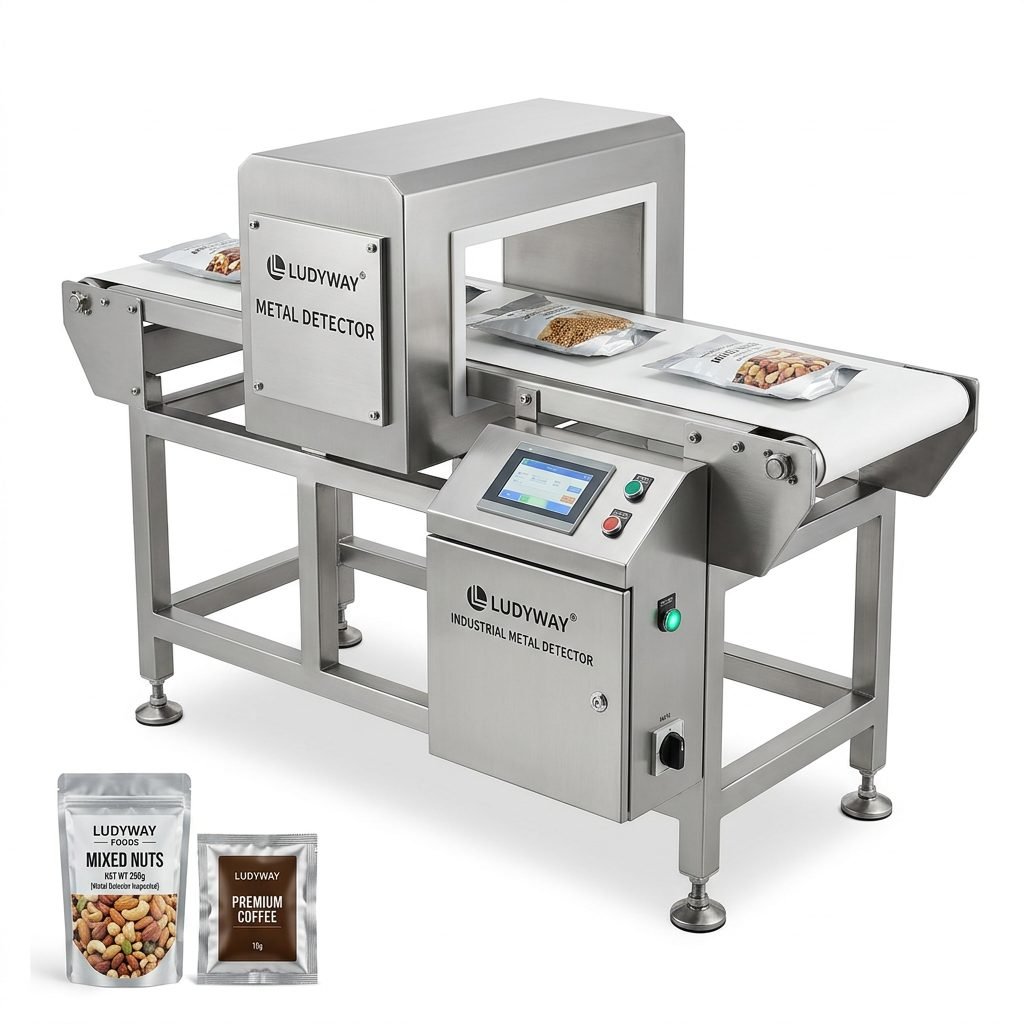
Armenia’s food safety regulations align with Eurasian Economic Union (EAEU) standards and increasingly with international norms. Ensure your packaging equipment supports compliance with hygiene requirements, including stainless steel construction, easy-to-clean surfaces, and validated cleaning-in-place (CIP) capabilities for liquid applications. If you plan to export to the EU or other international markets, investing in equipment that meets CE certification and ISO packaging standards from the very beginning will save you from costly upgrades later.
After-Sales Support and Spare Parts Availability
Reliable technical support is non-negotiable, especially for complex automated lines. When evaluating suppliers, inquire about remote diagnostic capabilities, the availability of multilingual technical documentation, and the typical response time for on-site service. A manufacturer with a strong international presence and a well-stocked spare parts inventory minimizes the risk of extended production halts. For instance, companies like Ludyway, one of the largest packaging machine manufacturers in China, offer comprehensive engineering support and more than 50 machine models tailored to diverse production needs, serving customers across over 100 countries including the wider regional market around Armenia.
Budget Considerations: Total Cost of Ownership
While the initial purchase price is a visible expense, smart buyers calculate the total cost of ownership (TCO) over the machine’s expected lifespan of 10–15 years. TCO includes:
- Energy consumption and utility requirements
- Preventative maintenance costs and spare part replacement frequencies
- Film material waste rates during startups and changeovers
- Operator training and labor requirements
- Production downtime risks due to unreliable components
A slightly higher upfront investment in a robust, energy-efficient machine often results in significantly lower long-term operating costs and higher overall equipment effectiveness (OEE).

Testing and Validation Before Purchase
Before finalizing your decision, always request a factory acceptance test (FAT) using your actual product and packaging film. This test verifies that the machine can achieve the specified speed, accuracy, and seal quality under realistic production conditions. If an on-site visit is not feasible, many reputable manufacturers now offer video call demonstrations and detailed test reports. For more insights on packaging machinery standards and industry trends, resources like the PMMI – The Association for Packaging and Processing Technologies provide valuable guidance and market intelligence reports.
Making the Final Decision
Choosing the right food packaging machine for your Armenia-based operation requires balancing technical requirements, regulatory compliance, budget constraints, and long-term scalability. Prioritize equipment that offers proven reliability, local or accessible after-sales service, and the flexibility to adapt to evolving market trends. By thoroughly vetting machine specifications and supplier capabilities—with reference to industry authorities like the Flexible Packaging Association and FDA food packaging resources for best practices—you can secure a packaging solution that elevates your brand quality and drives sustainable business growth in the competitive Armenian and regional food markets.