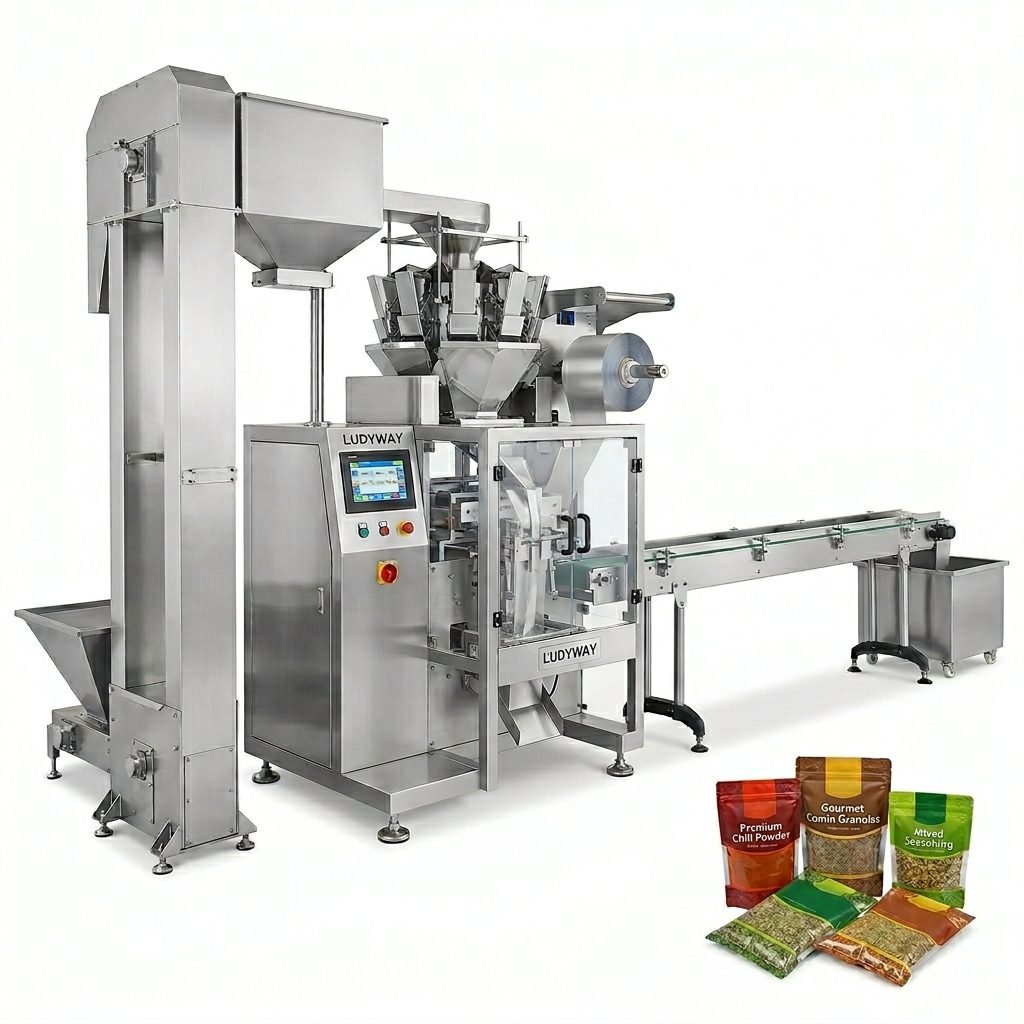
Packaging machinery is the backbone of modern manufacturing. From small sachets of food powder to pharmaceutical blister packs, from premade pouches to fully automated cartoning lines, the right equipment can improve speed, accuracy, hygiene, traceability, and long-term profitability. This guide explains the major types of packaging machines, their applications, and how to choose the best solution for your production goals.
If you are planning a new line or upgrading an existing one, it is important to evaluate not just a single machine, but the full workflow: feeding, dosing, forming, filling, sealing, inspection, coding, cartoning, case packing, and palletizing. That is where an experienced packaging machine manufacturer can make a real difference.
What Is Packaging Machinery?
Packaging machinery includes all equipment used to prepare, fill, seal, label, inspect, and pack products into final saleable formats. These machines are used across food, beverage, pharmaceutical, nutraceutical, cosmetic, chemical, agricultural, and daily-use industries.
Depending on the product and package type, packaging machinery may handle:
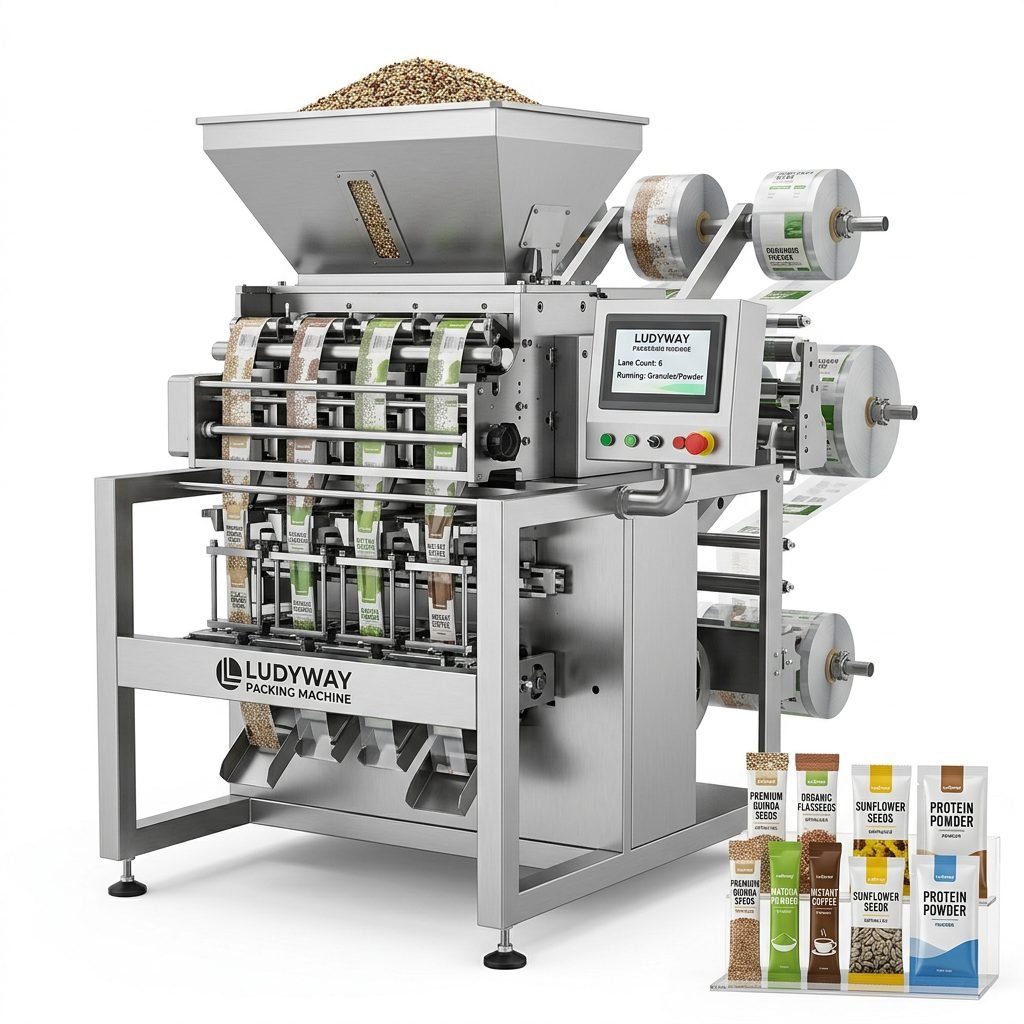
- Granules such as sugar, seeds, coffee, or feed pellets
- Powders such as milk powder, spices, supplements, and pharmaceuticals
- Liquids such as sauces, detergents, oils, and syrups
- Pastes and gels such as creams, ketchup, lotion, and ointments
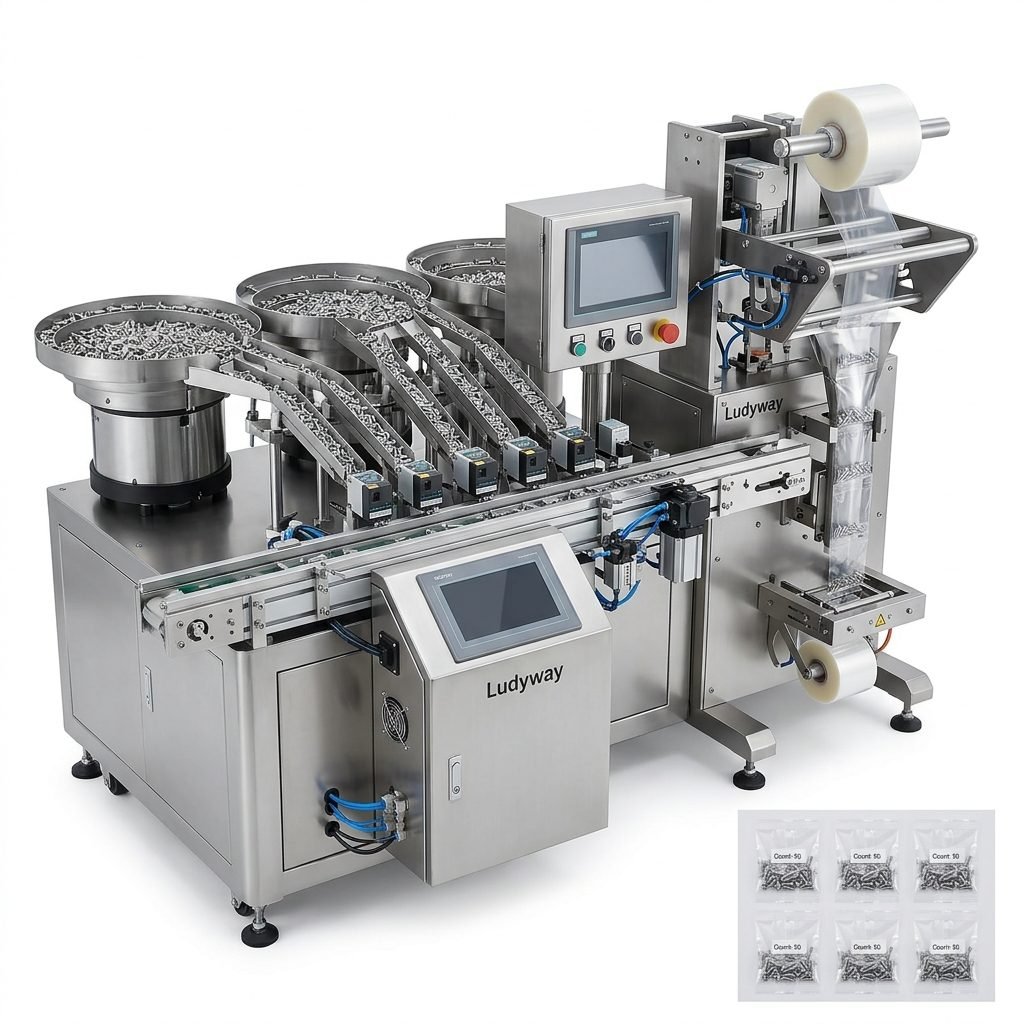
- Solid products such as tablets, capsules, wipes, or assembled items
Main Types of Packaging Machinery
1. Form Fill Seal Machines
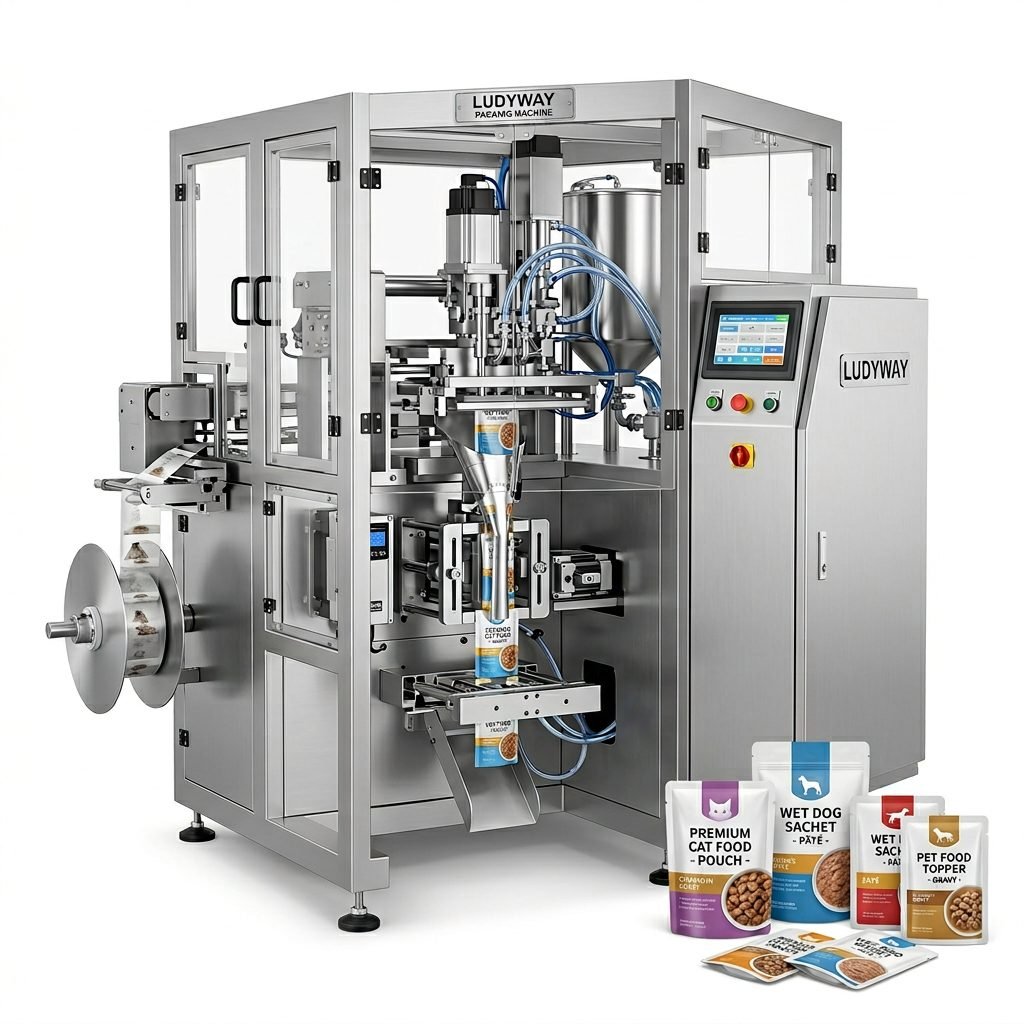
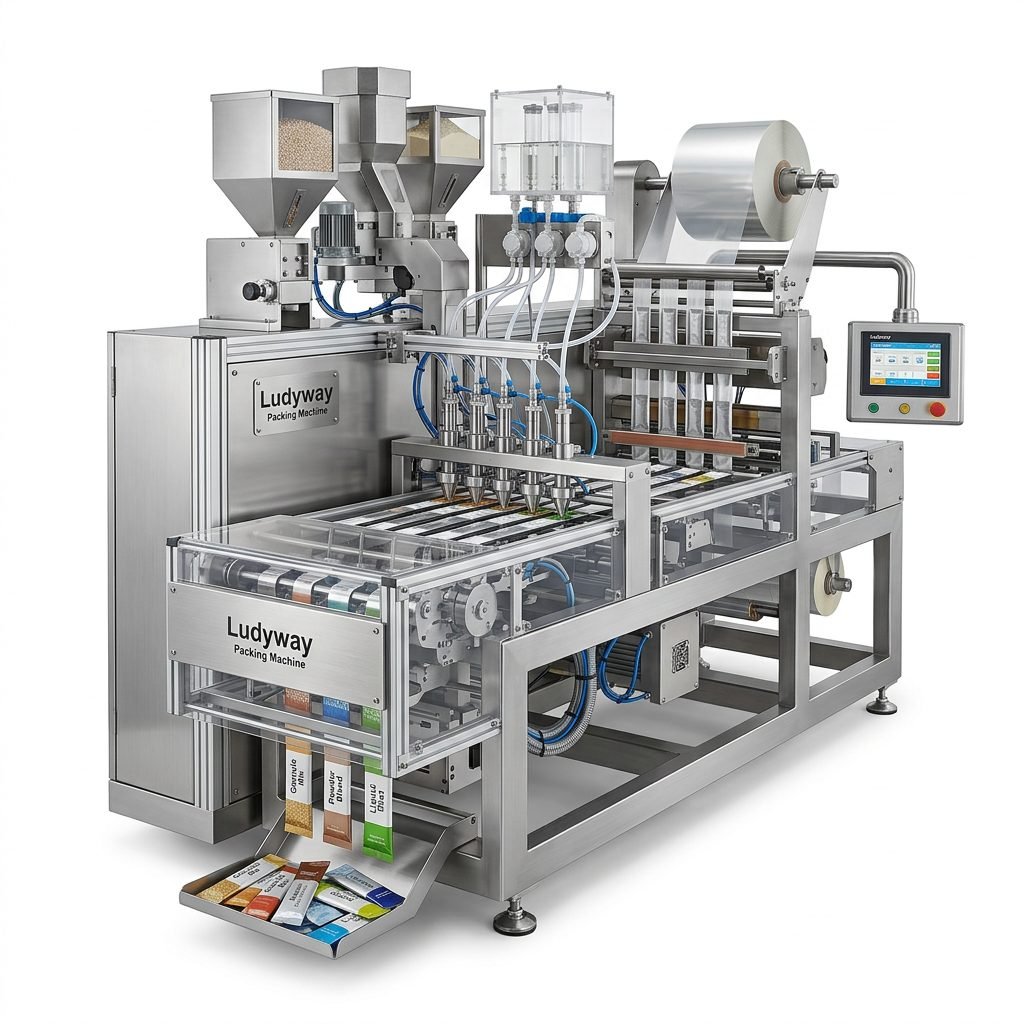
Form fill seal systems create the package from roll film, fill it with product, and seal it in one continuous process. These machines are ideal for high-efficiency production.
- VFFS machines for pouches, pillow bags, and gusset bags
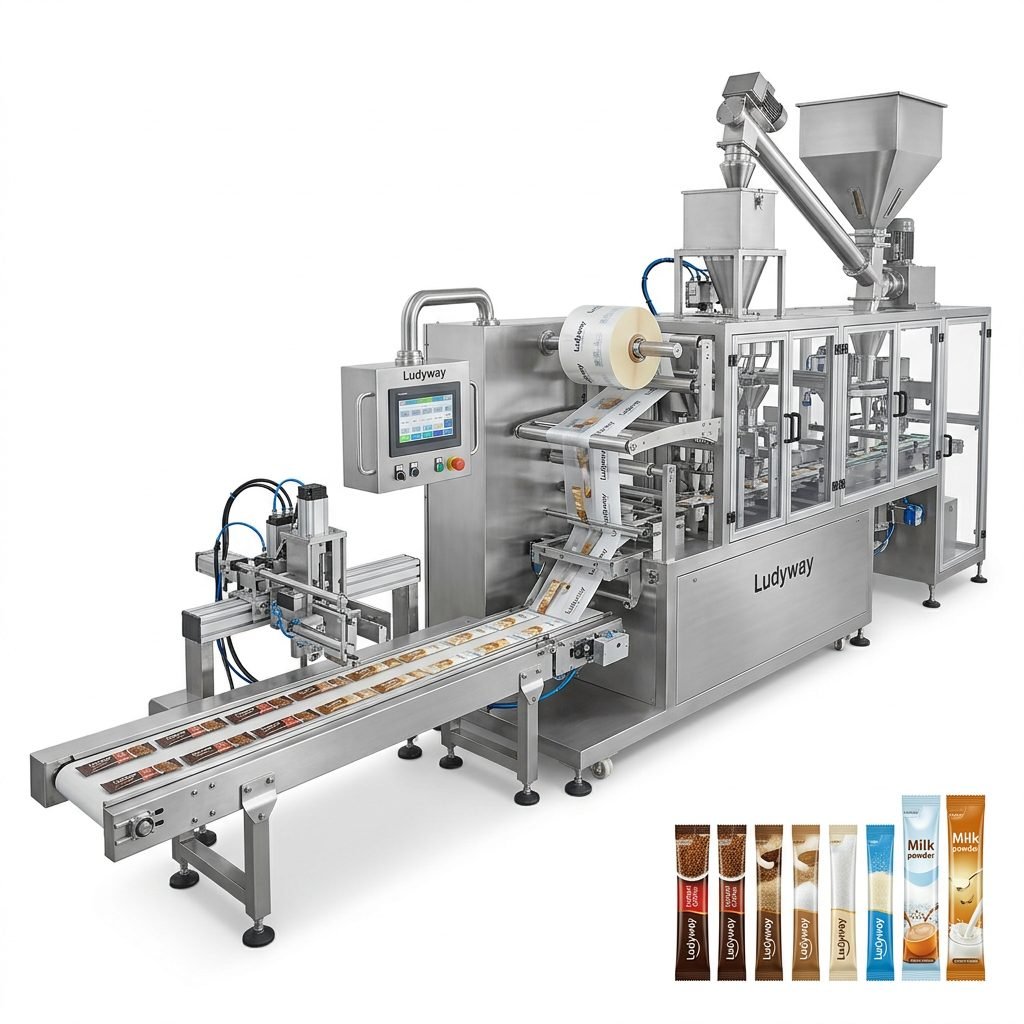
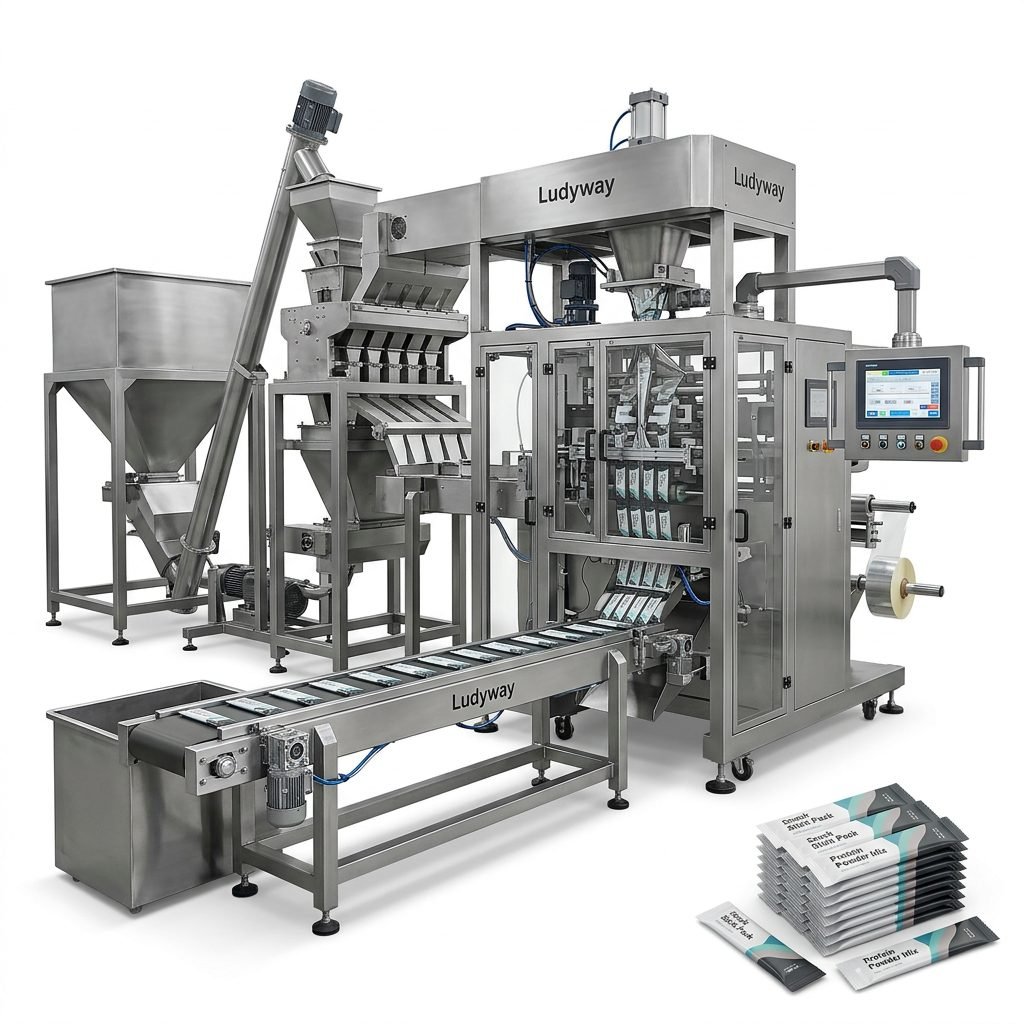
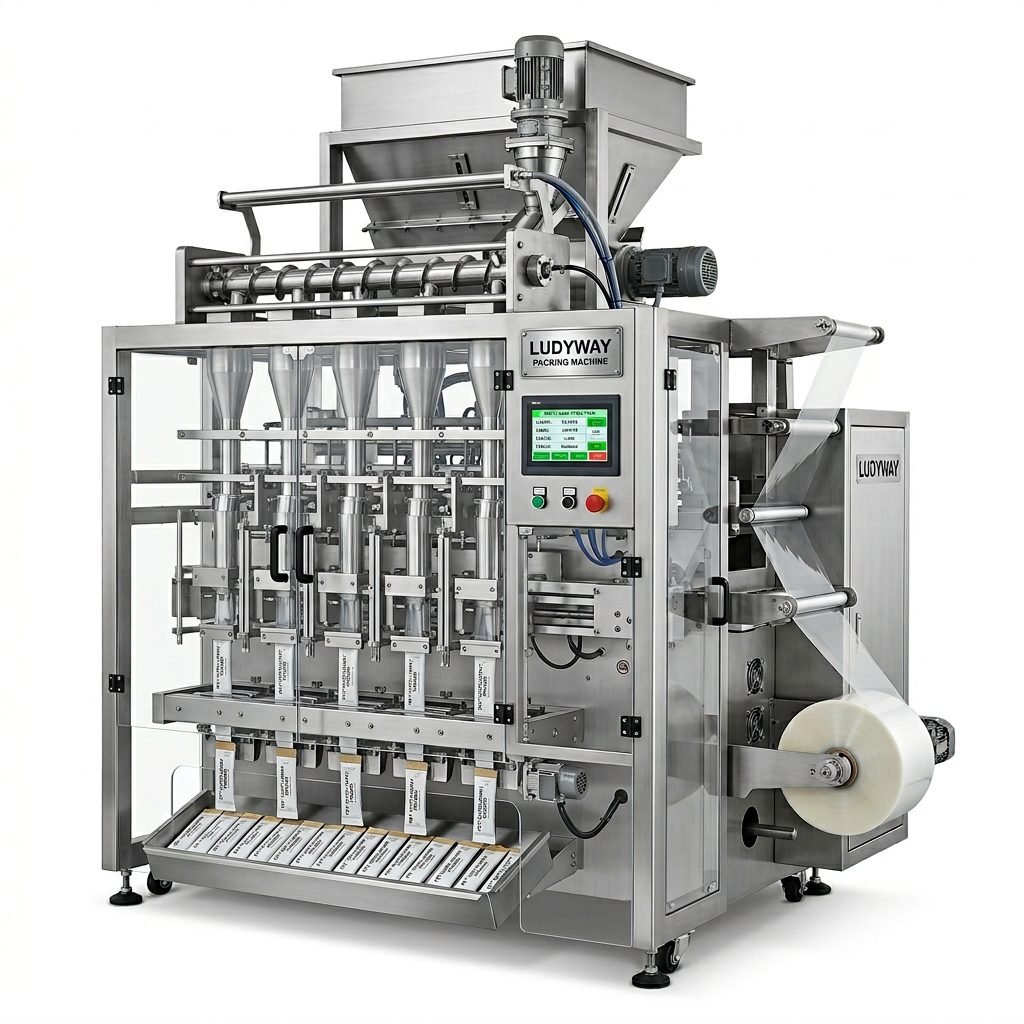
- Multi-lane stick pack machines for narrow single-dose packs
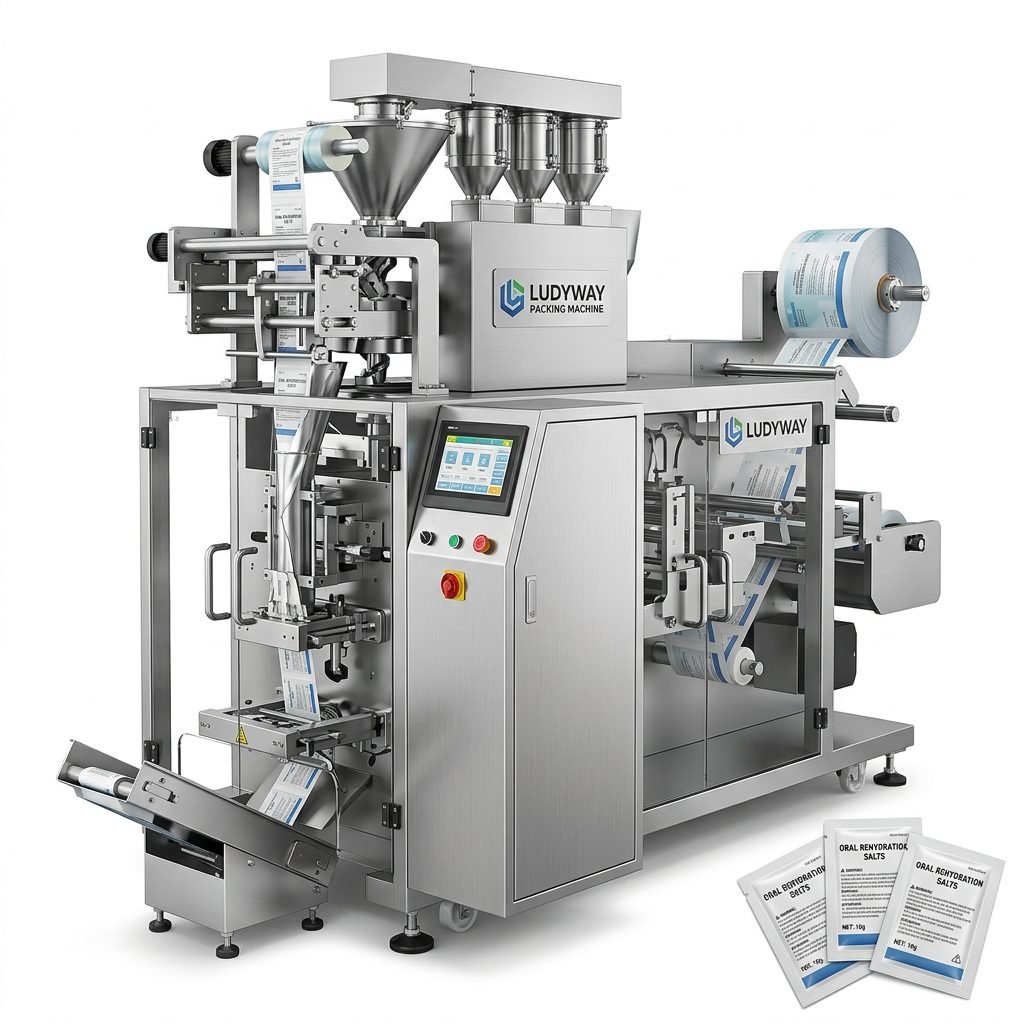
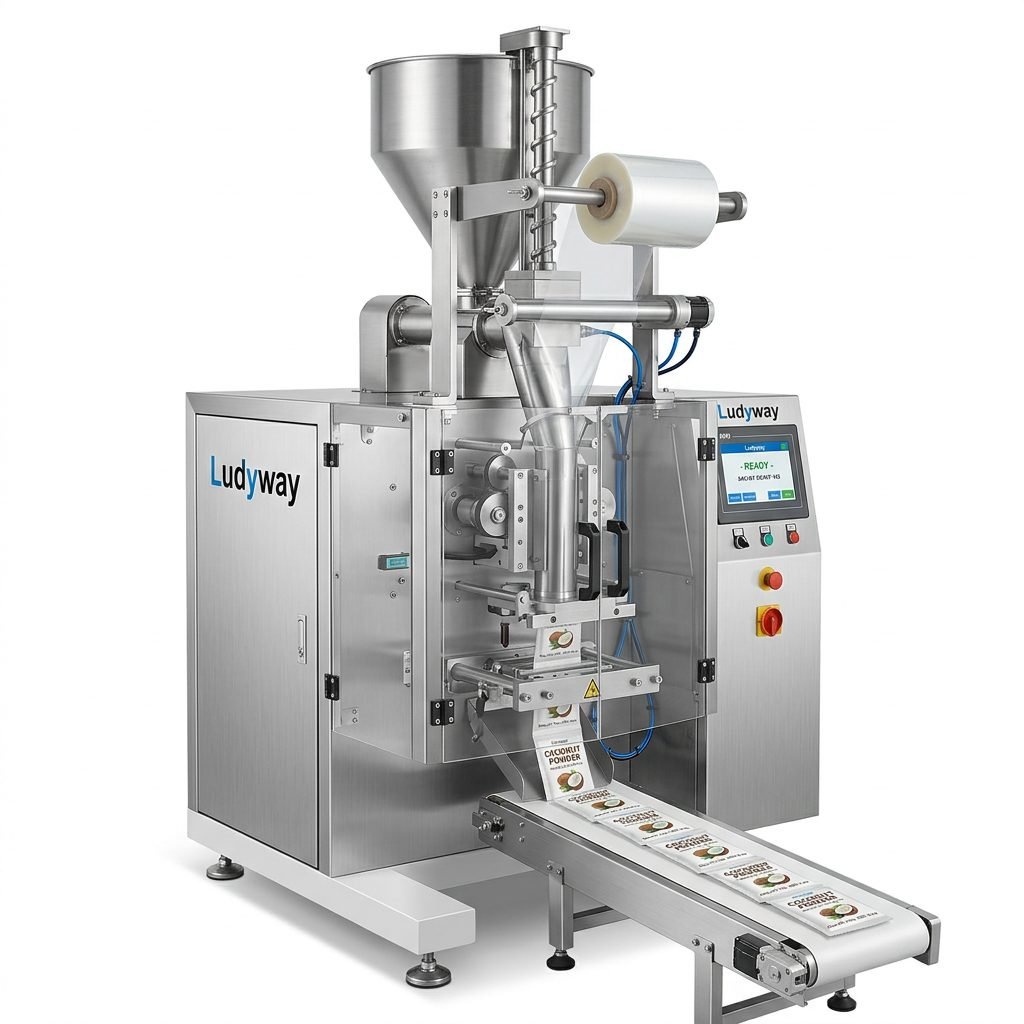
- Sachet packaging machines for 3-side or 4-side sealed packs
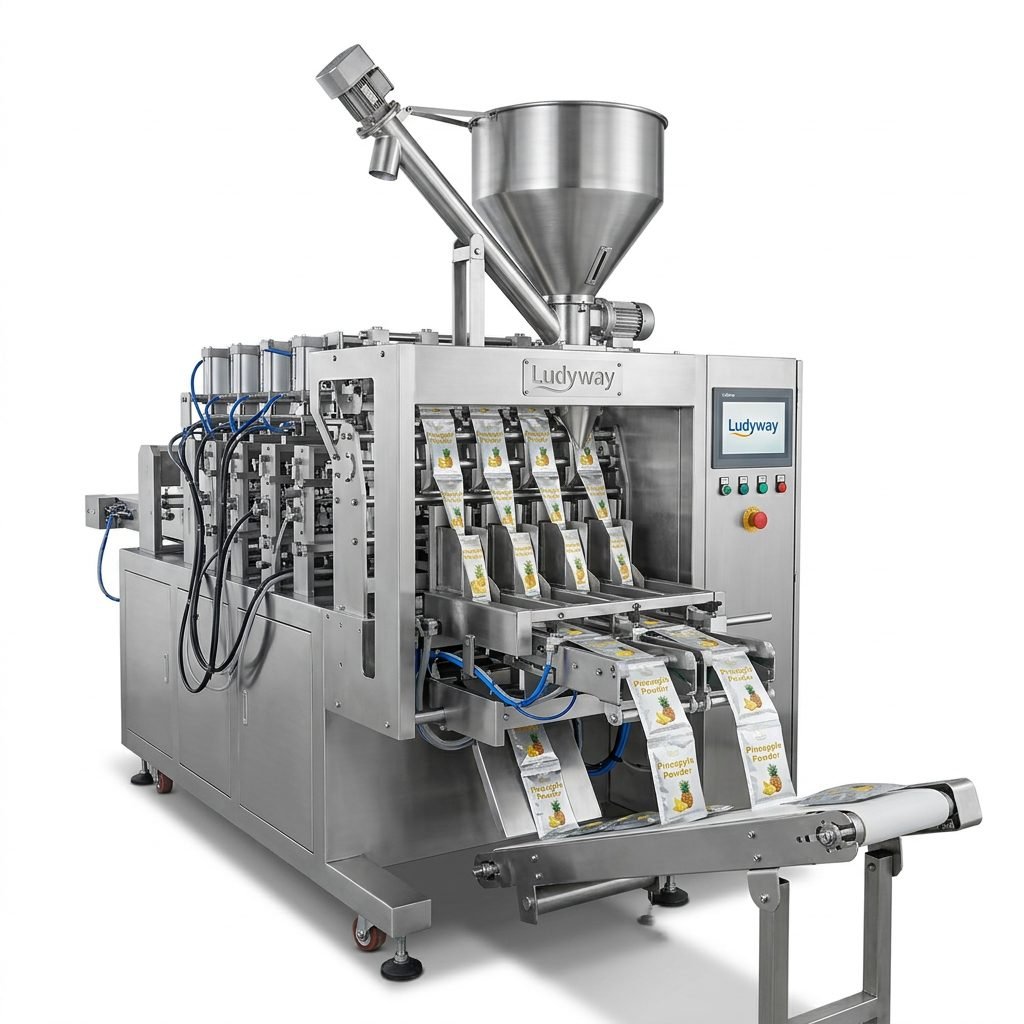
- HFFS machines for horizontal pouch applications
2. Filling Machines
Filling machines dose products into containers, pouches, sachets, bottles, jars, or tubes. The filling principle must match the material characteristics.
- Auger fillers for powders
- Volumetric cup fillers for free-flowing granules
- Multihead weighers for snacks and irregular solids
- Piston fillers for paste and cream
- Pump or flowmeter fillers for liquids
3. Sealing Machines
Sealing equipment closes packages securely to protect product quality and shelf life. Common technologies include heat sealing, ultrasonic sealing, vacuum sealing, and induction sealing.
4. Pouch Packaging Machines
Premade pouch machines work with stand-up pouches, zipper pouches, spouted pouches, and flat bags. They are often chosen when premium packaging appearance matters.
5. Bottling and Capping Machines
For liquid, tablet, capsule, and powder packaging, bottling lines may include unscramblers, fillers, cappers, sealers, labelers, and case packers.
6. Cartoning and Case Packing Machines
These machines organize primary packages into cartons or shipping cases. They are essential for secondary packaging automation and distribution efficiency.
7. Labeling, Coding, and Marking Equipment
This equipment adds product information, batch numbers, expiry dates, barcodes, and traceability data required by retailers and regulators.
8. Inspection and Quality Control Equipment
Inspection systems help maintain consistency and compliance.
- Checkweighers
- Metal detectors
- Vision inspection systems
- X-ray inspection systems
9. End-of-Line Automation
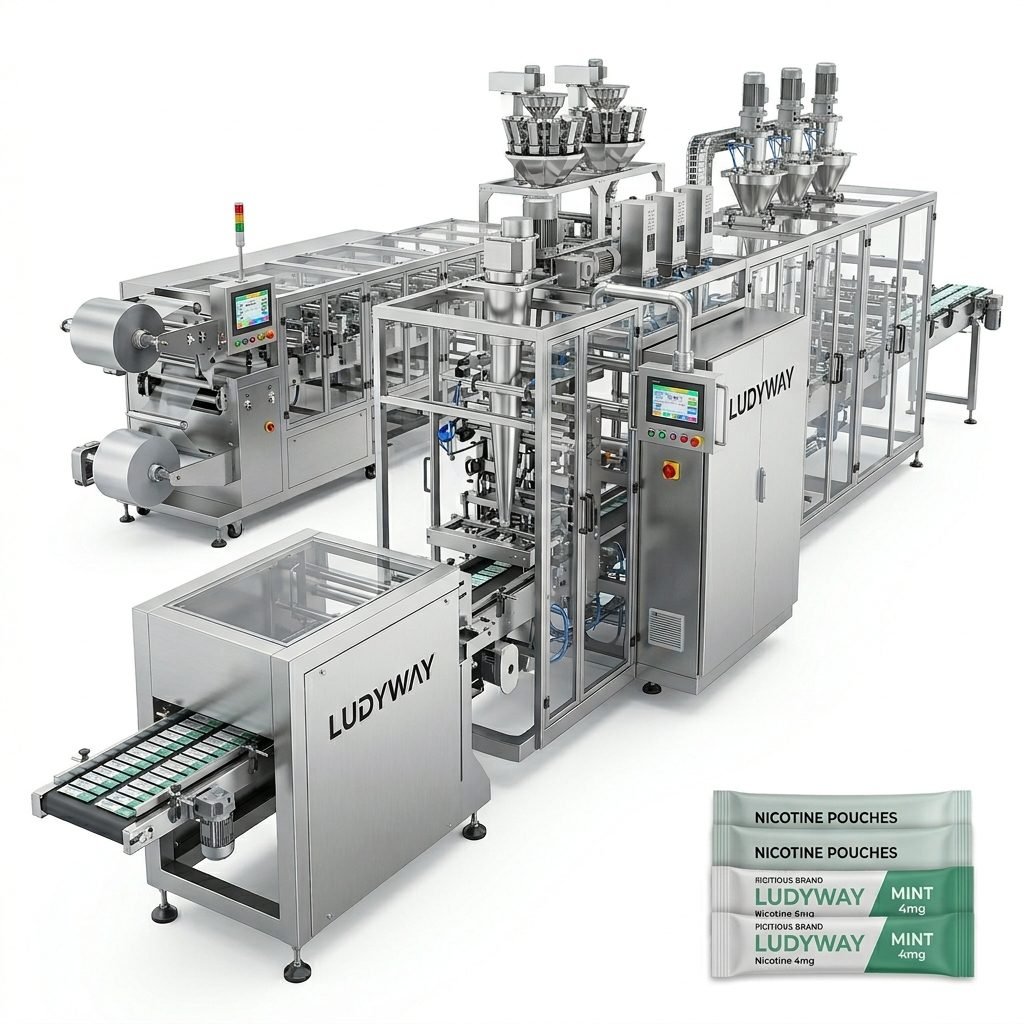
End-of-line systems include conveyors, palletizers, stretch wrappers, and strapping machines. These solutions reduce labor intensity and improve warehouse handling.
Packaging Machinery by Product Type
| Product Type | Recommended Equipment | Typical Packaging Formats |
|---|---|---|
| Powders | Auger filler, sachet machine, stick pack machine, VFFS | Sachets, stick packs, pouches, jars |
| Granules | Cup filler, linear weigher, multihead weigher, VFFS | Bags, pouches, sachets, stick packs |
| Liquids | Pump filler, piston filler, liquid sachet machine, bottle line | Sachets, bottles, pouches, spouted packs |
| Pastes/Gels | Piston filler, tube filler, sachet filler | Tubes, sachets, pouches |
| Tablets/Capsules | Counting machine, blister machine, bottle line, cartoner | Blisters, bottles, cartons |
| Wipes/Medical items | Flow wrapper, sachet machine, sealing line, cartoner | Individual sachets, bags, boxes |
Packaging Machinery by Industry
Food Industry
Food manufacturers need high-speed, hygienic systems that handle different product textures and maintain seal integrity. Common applications include seasonings, sugar, coffee, snacks, sauces, dairy powders, frozen foods, and instant drink mixes.
Pharmaceutical Industry
Pharma packaging requires precise dosing, validation support, cleanability, and reliable inspection. Popular systems include sachet packing, blister packing, bottle filling, capsule counting, and cartoning lines.
Health Supplement Industry
Single-serve stick packs and sachets are especially popular for collagen, electrolyte powder, vitamins, protein powder, and nutraceutical blends.
Cosmetic and Personal Care Industry
Creams, serums, lotions, shampoos, wipes, and sample-size products often require sachet, tube, bottle, or pouch packaging with strong visual appeal and leak-free sealing.
Chemical and Agricultural Industry
Chemical packaging systems must balance safety, corrosion resistance, accuracy, and dust control. Typical products include detergents, lubricants, pesticides, fertilizers, herbicides, and water-treatment chemicals.
Animal Feed and Pet Food Industry
These lines often handle pellets, powders, granules, and treats in bulk bags, sachets, or retail pouches. Robust feeding, weighing, and bagging systems are especially important.
Key Benefits of Modern Packaging Machinery
- Higher productivity through automation and continuous operation
- Better consistency in filling weight, seal quality, and pack appearance
- Lower labor dependence and improved operational efficiency
- Reduced material waste through accurate dosing and film control
- Improved hygiene and reduced contamination risk
- Enhanced compliance with labeling, coding, and inspection integration
- Scalable production from standalone units to full turnkey lines
How to Choose the Right Packaging Machinery
Understand Your Product Characteristics
Start with the basics: is your product a fine powder, fragile granule, viscous liquid, foaming detergent, or sticky paste? Product flowability, particle size, density, viscosity, and sensitivity all affect machine selection.
Define the Package Format
Choose the pack style based on your market and channel strategy.
- Sachets for compact single doses
- Stick packs for convenience and portability
- Pouches for premium retail packaging
- Bottles and jars for rigid packaging needs
- Bulk bags for industrial and agricultural products
Calculate Output Requirements
Your expected speed directly impacts machine type, lane number, automation level, and budget. A small pilot operation may need a compact semi-automatic system, while a large factory may need a high-speed multi-lane turnkey line.
Check Filling Accuracy
Industries such as pharmaceuticals, supplements, and high-value food products need tight dosing tolerance. In these cases, filling technology and quality control integration are critical.
Review Material Compatibility
Packaging film, laminate structure, bottle type, cap style, and pouch design must all work smoothly with the selected machinery. Always confirm compatibility before finalizing a project.
Think Beyond the Main Machine
Many buyers focus only on the filler or sachet packer. In reality, stable production depends on the full line:
- Feeding systems
- Conveyors
- Metal detection and checkweighing
- Date coding and labeling
- Cartoning and case packing
- Palletizing and wrapping
Consider Customization and Future Expansion
A flexible machine is often a better investment than the cheapest machine. If you may later launch new SKUs, change pouch sizes, or increase output, modular design is a major advantage.
Standalone Machine vs. Turnkey Packaging Line
| Option | Best For | Advantages |
|---|---|---|
| Standalone Machine | Small production, line upgrades, focused applications | Lower initial cost, faster deployment, easier entry |
| Turnkey Packaging Line | Medium to large factories, automation projects, long-term scaling | Integrated control, better efficiency, reduced manual handling, unified support |
Common Mistakes Buyers Should Avoid
- Choosing equipment only by price instead of total operating value
- Ignoring actual product behavior during test runs
- Underestimating maintenance and spare parts needs
- Buying a machine without considering future SKU changes
- Failing to plan for quality inspection and coding requirements
- Not checking whether the machine fits the available plant layout and utilities
What to Ask a Packaging Machinery Supplier
- What products and package formats has the machine already handled?
- What is the realistic speed range under actual production conditions?
- What filling accuracy can be achieved?
- How easy is size changeover and cleaning?
- What spare parts and after-sales support are available?
- Can the supplier provide layout planning and line integration?
- Are factory testing, training, and remote support included?
Why Experience Matters in Packaging Automation
Packaging projects often look simple on paper but become complex in production. Variations in powder density, granule fragility, sealing film, humidity, or product foaming can all affect performance. A manufacturer with broad industry experience is better equipped to recommend the right filling method, sealing structure, control system, and line layout.
This is especially important for companies moving from manual or semi-automatic processes to full automation. In these cases, the supplier should not only deliver equipment, but also help with process integration, quality control, operator training, and future expansion planning.
Who Needs Advanced Packaging Machinery?
Modern packaging solutions are a strong fit for:
- Manufacturers launching new products
- Factories replacing labor-intensive packaging steps
- Export-oriented businesses needing stable pack quality
- Brands requiring premium pouch or sachet presentation
- High-volume producers seeking complete line automation
- Businesses in regulated sectors such as pharma and health products
Final Buying Perspective
The best packaging machinery is not simply the fastest machine or the least expensive option. It is the system that fits your product, packaging format, compliance requirements, plant conditions, output targets, and growth plan. When chosen correctly, packaging equipment becomes a long-term productivity asset that improves quality, lowers operating costs, and strengthens market competitiveness.
Whether you need a compact sachet machine, a high-speed multi-lane stick pack system, a bottle filling line, or a complete turnkey packaging solution, evaluating the full process from feeding to final case packing will help you make a smarter investment.