Selecting the ideal food packaging machine for your production line in Italy requires a deep understanding of local market demands, regulatory standards, and operational efficiency. Whether you are packing dry pasta, ground coffee, olive oil, or frozen pizza, the machinery must align with Italy’s reputation for high-quality food and precision engineering. This guide will walk you through the critical factors to ensure your investment maximizes productivity and compliance.
Understanding Italian Food Industry Requirements
Italy’s food sector is characterized by a diverse range of products, from granular seasonings and powders to viscous liquids and delicate baked goods. The first step is to analyze your product characteristics: bulk density, flowability, particle size, and sensitivity to heat or moisture. For instance, an automatic packaging machine for fine Italian flour requires a different dosing mechanism than one designed for chunky pasta sauces. Italian consumers also expect visually appealing shelf presence, so the machine must produce hermetic seals and precise cuts without damaging the material.
Key Machine Types for the Italian Market
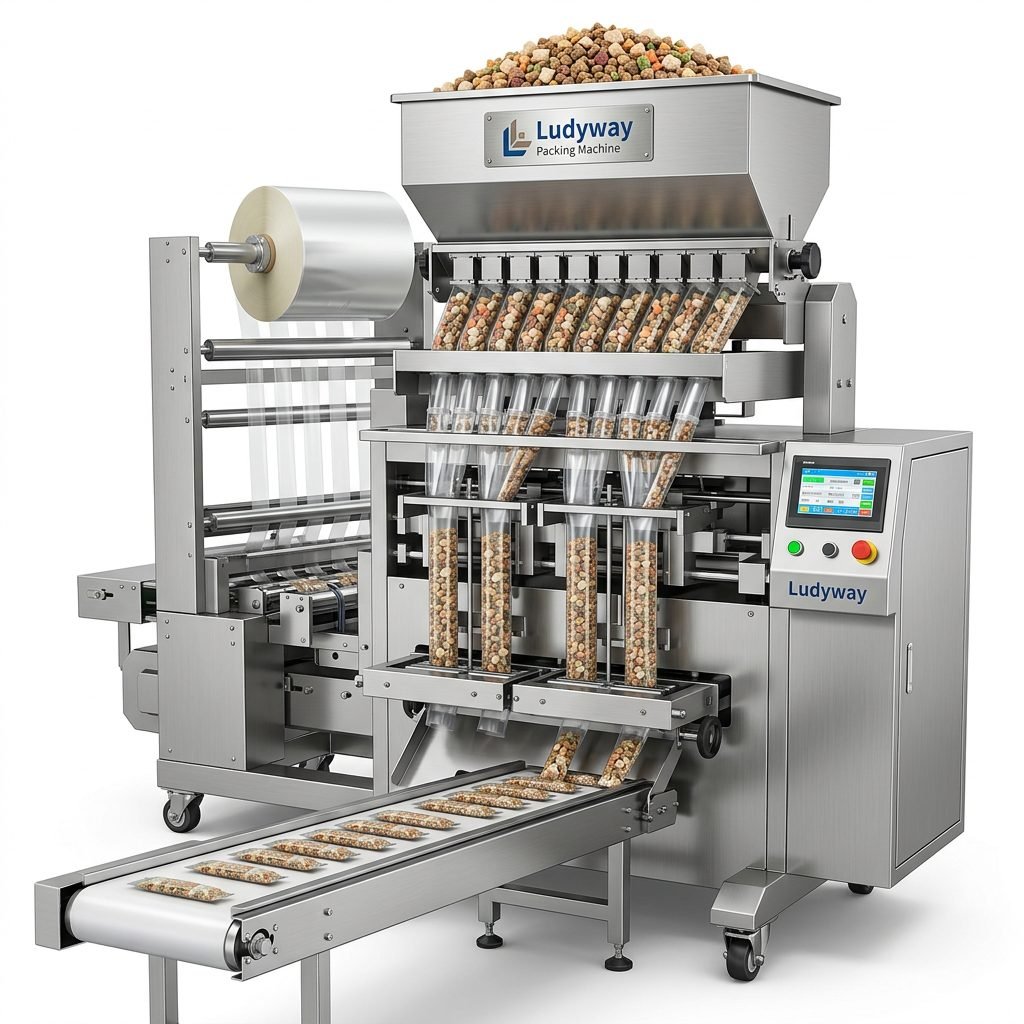
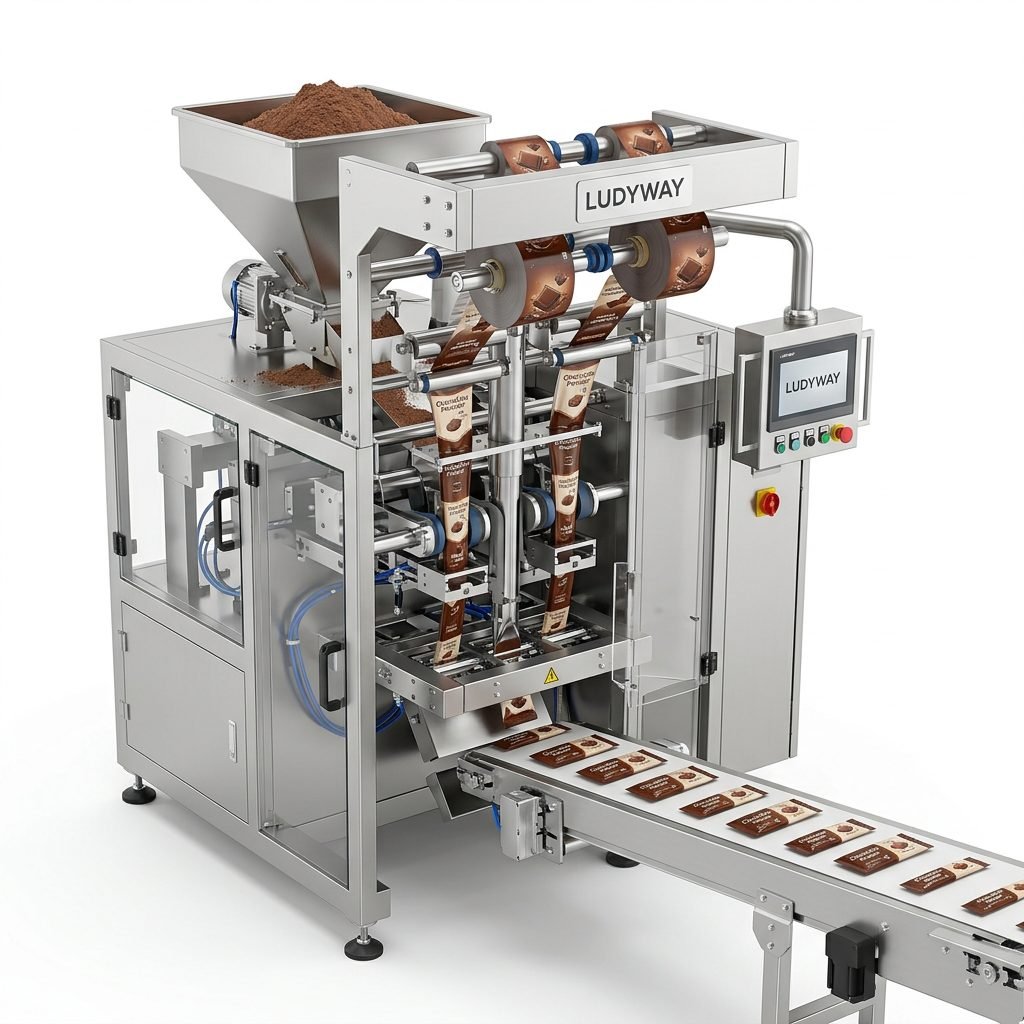
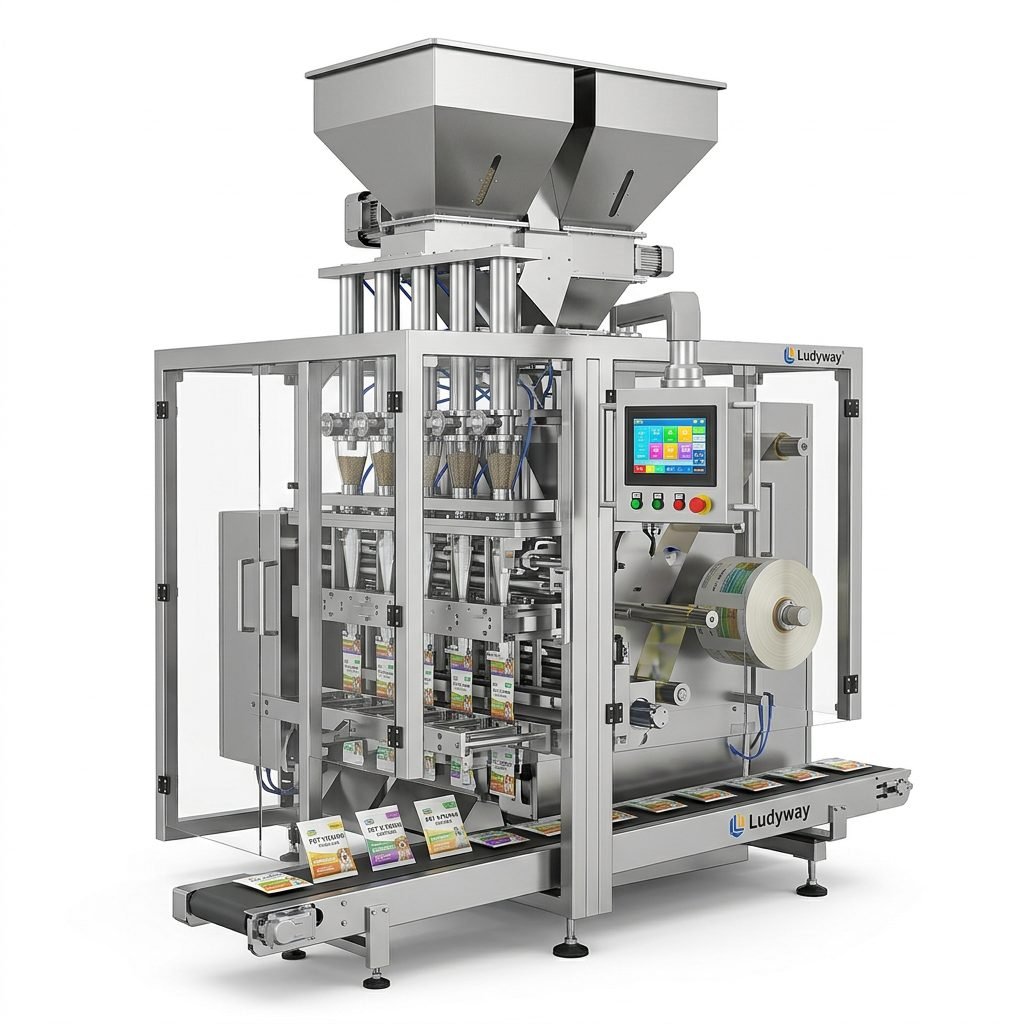
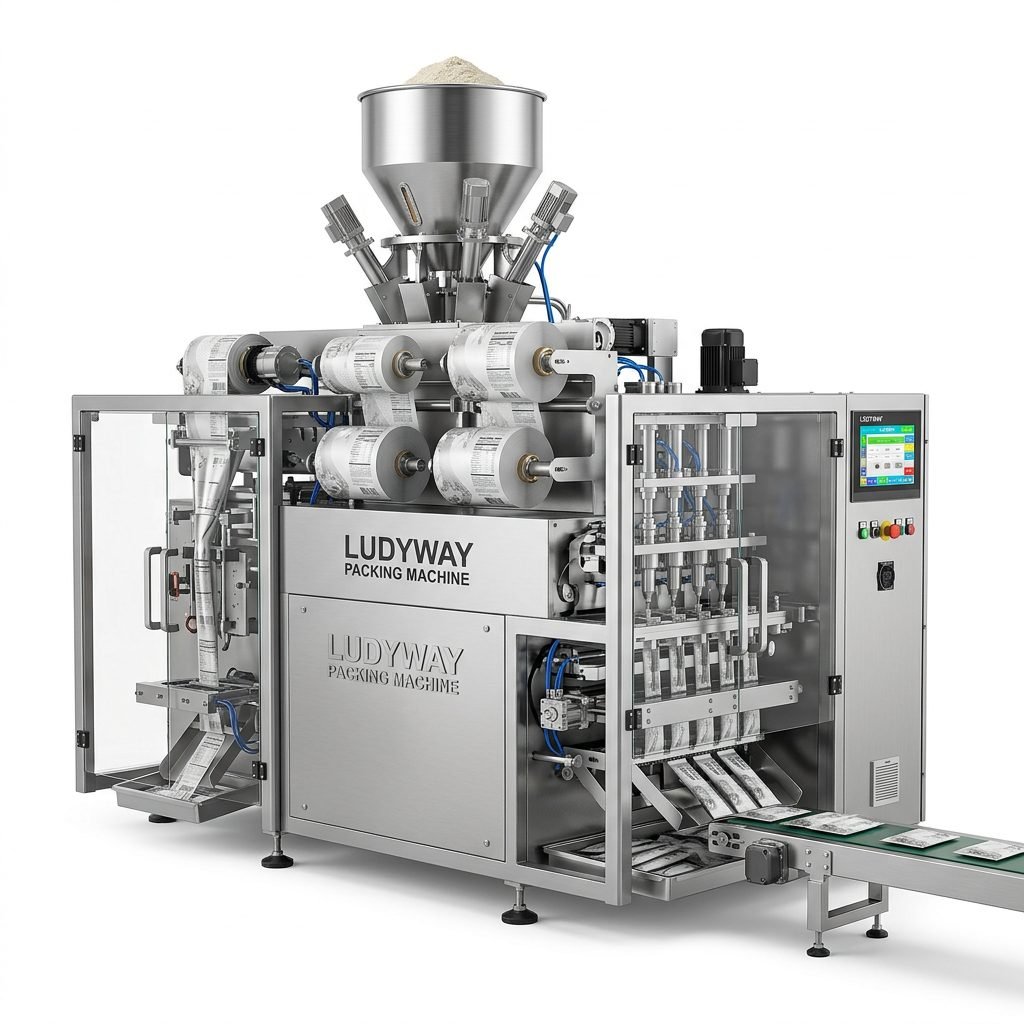
Based on packaging format preferences in Italy, you will typically choose between vertical form fill seal (VFFS) machines, horizontal flow wrappers, or pre-made pouch fillers. For single-serve coffee sachets, olive oil samples, or parmesan cheese sticks, multi-lane stick pack machines dominate the market due to their high-speed output and material efficiency.
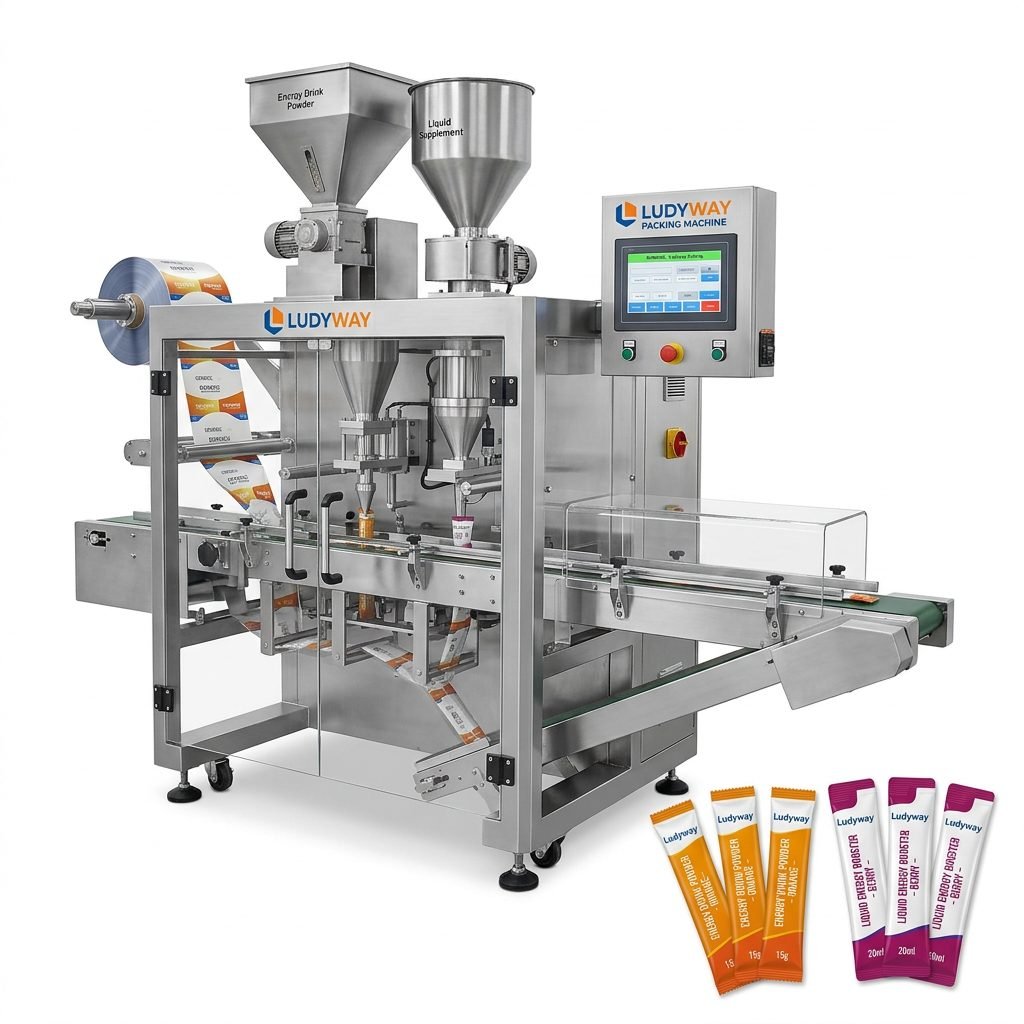
- Multi-Lane Stick Pack Machines: Ideal for sugar, instant coffee, salt, and powdered supplements. Enables high throughput in European retail formats.
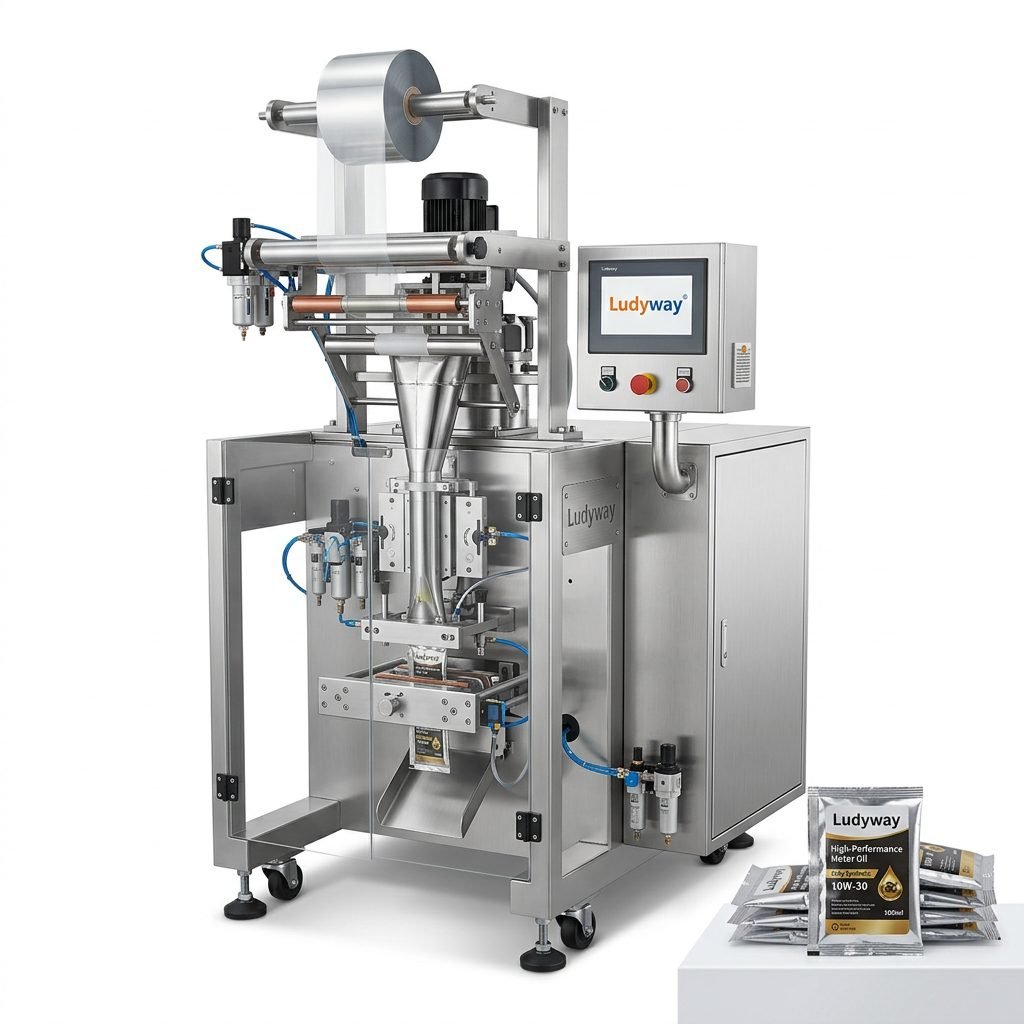
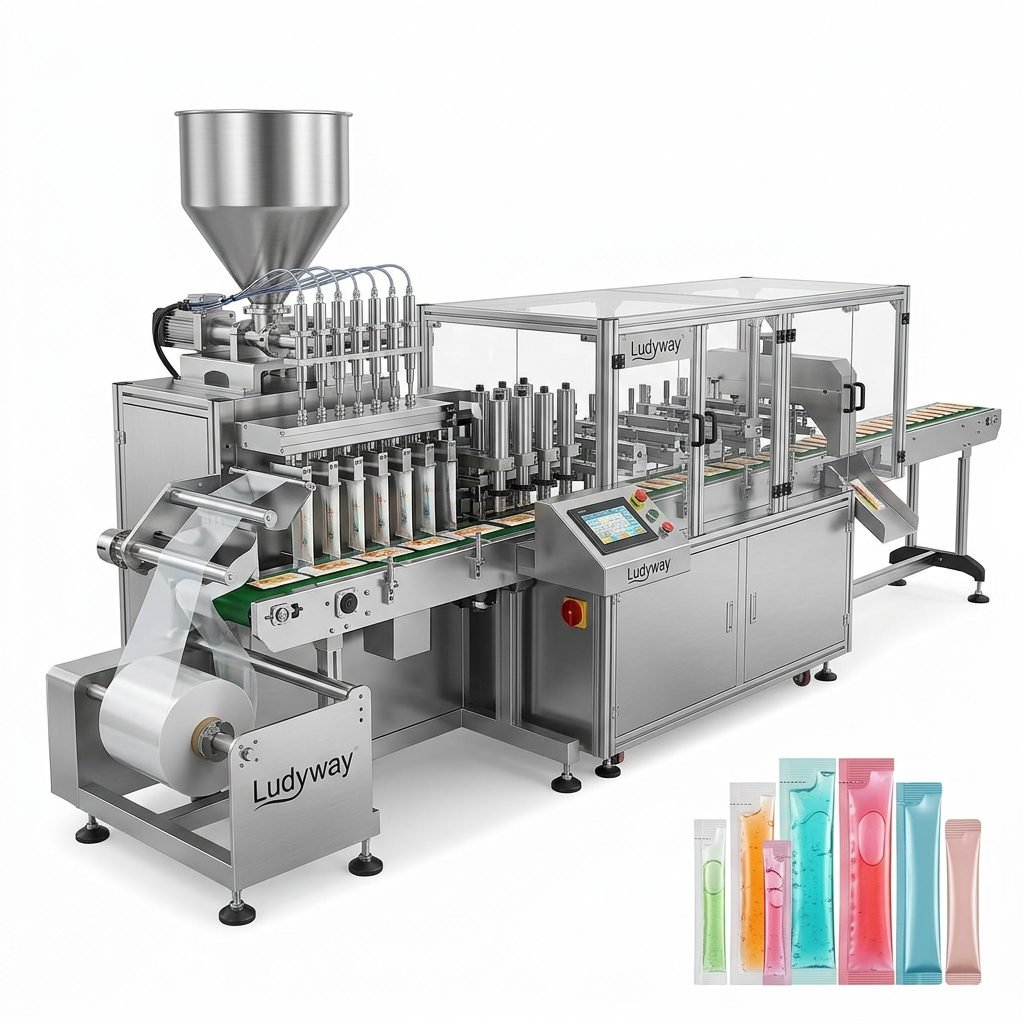
- Sachet Packaging Machines: Perfect for liquid condiments, ketchup, mayonnaise, and cosmetic food samples, offering high seal integrity.
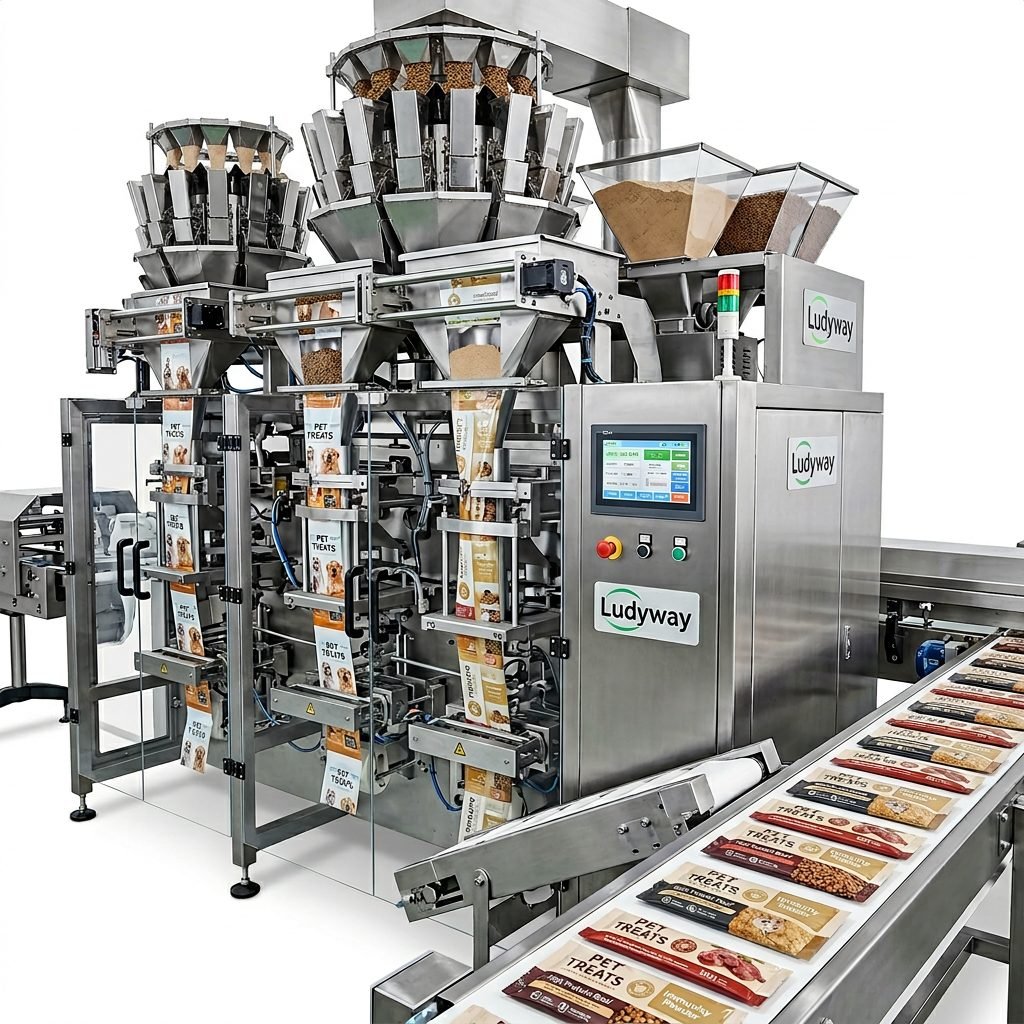
- Pre-Made Pouch Rotary Fillers: Suited for premium pasta, frozen seafood, and grated cheese, maintaining the “pillow” look of premium Italian brands.
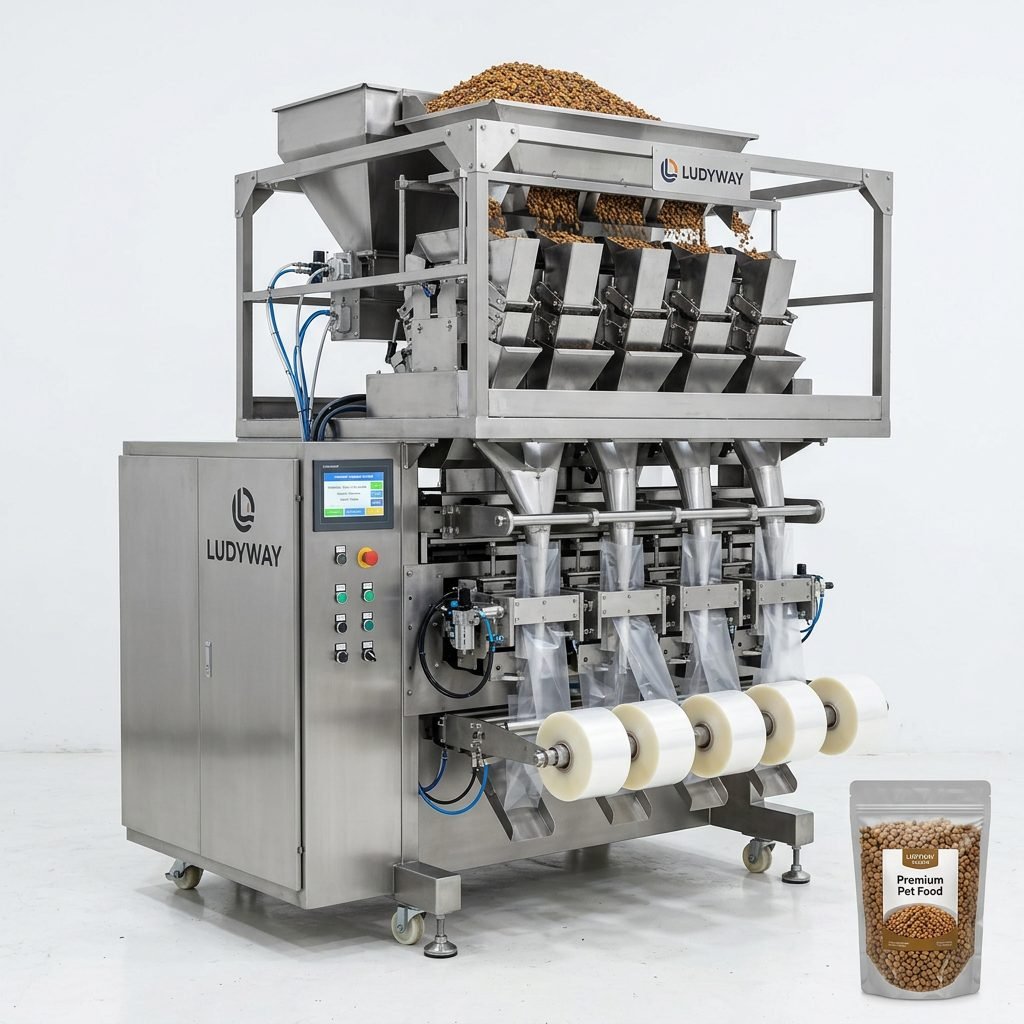
- Jumbo Bag Filling Lines: Essential for bulk ingredients sold B2B, such as bulk flour or sugar for bakeries.
Compliance with EU and Italian Safety Regulations
Italy enforces strict CE marking directives and EU food contact material regulations. Any packaging machinery installed in Italy must comply with the EC 1935/2004 framework for materials intended to come into contact with food. Additionally, look for machines built with AISI 304 or 316L stainless steel frames and washdown capabilities to meet Italian hygiene standards. Dust-proof and waterproof protection ratings (IP65 or higher) are often mandatory for powdery environments like bakeries and flour mills.
Evaluating Speed, Flexibility, and Changeover
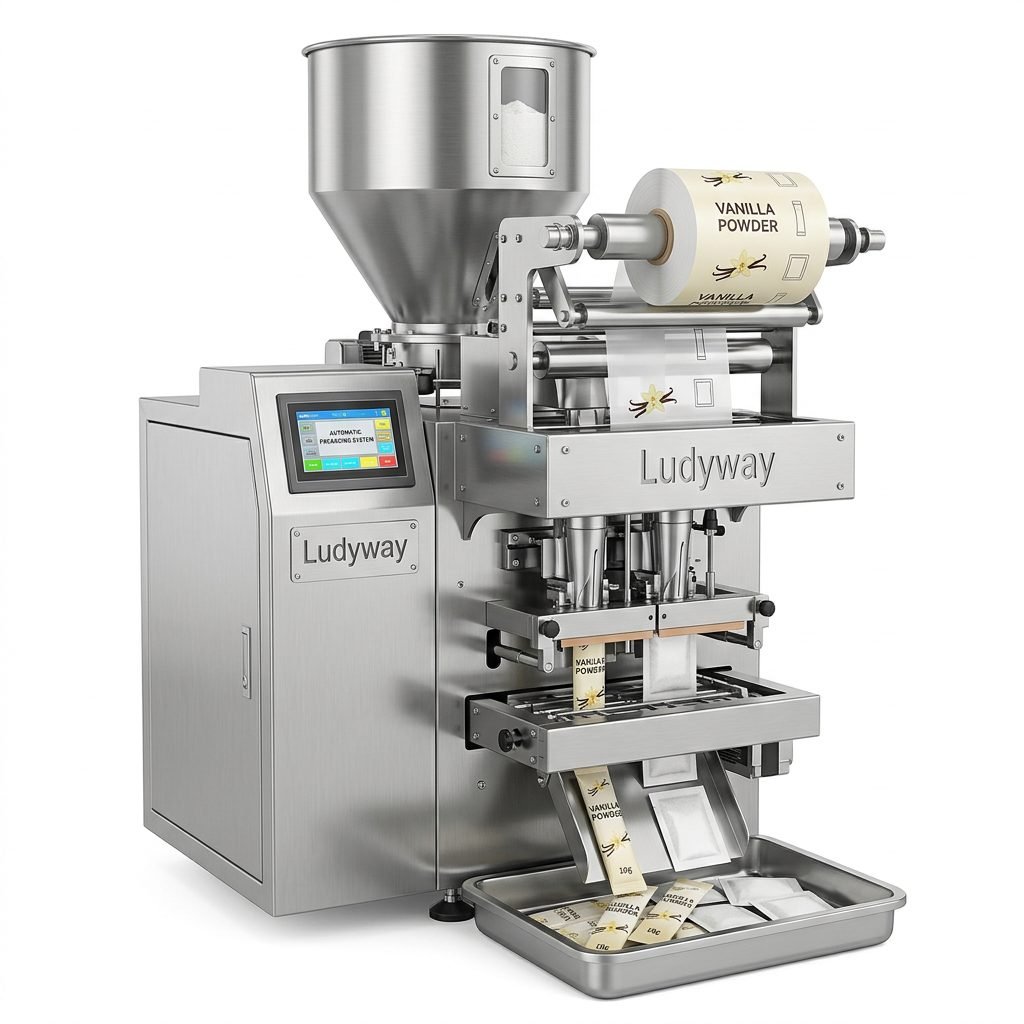
Italian food producers often run multiple product lines on a single shift. Therefore, minimizing changeover time is a top priority. A modern multi-lane packaging machine with servo-driven controls, recipe memory, and toolless format adjustments can switch from packing 5g espresso powder to 10g cappuccino mix in minutes. Evaluate the mechanical speed (strokes per minute) against your realistic OEE targets. Smart sensors and IIoT integration are becoming standard for predictive maintenance in Italian smart factories.
Technical Specification Checklist
| Feature | Requirement for Italy |
|---|---|
| Material Contact Parts | AISI 316L Stainless Steel |
| Sealing Technology | Servo-driven longitudinal & cross sealing |
| Voltage/Frequency | 380V/50Hz three-phase (Italian standard) |
| Control System | PLC with HMI touchscreen, Italian/English UI |
| Safety Standards | CE Certified, compliance with EU Machinery Directive 2006/42/EC |
Material Compatibility and Sustainability
Sustainable packaging is a massive trend in Italy, driven by green consumerism and EU taxation on plastic waste. Your machine needs to handle recyclable mono-materials, compostable films, and ultra-thin laminates without tearing or creating weak seals. Look for advanced temperature controllers and low-tension film unwinding systems. The ability to process paper-based films or biodegradable structures is no longer optional but a competitive advantage in the Italian retail space.
After-Sales Support and Spare Parts in Europe
Downtime is not an option during Italy’s peak seasonal production runs. Ensure your supplier can provide rapid remote diagnostics, local technical assistance, or a European warehouse for critical spare parts. A reliable partner should offer installation supervision on-site in cities like Milan, Naples, or Bologna, and comprehensive training for your operators.
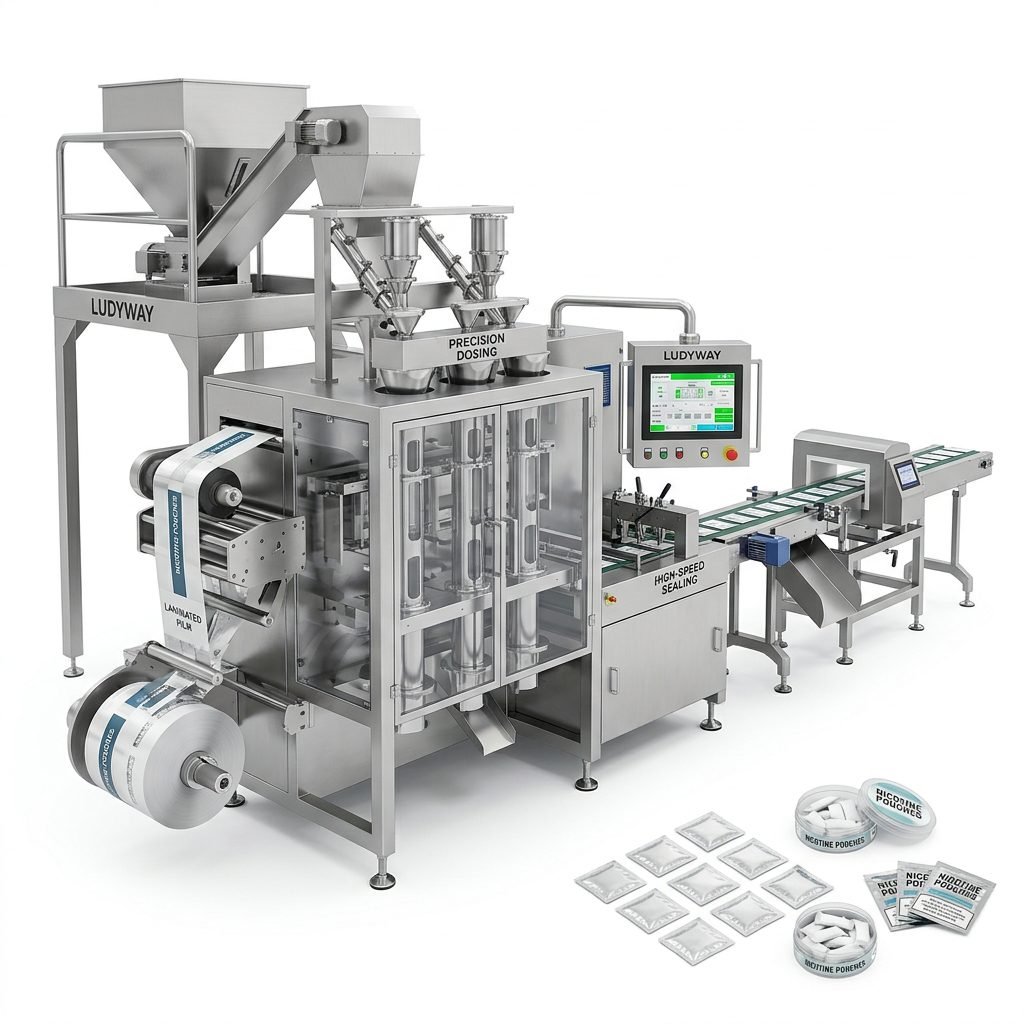
About Ludyway
Ludyway is one of the largest packaging machine manufacturers in China, specializing in advanced packaging equipment and turnkey production solutions for the food, pharmaceutical, and health industries. With over 30 years of industry expertise, we provide reliable and efficient packaging solutions for granule, powder, liquid, and pouch packaging applications. Supported by a modern 20,000㎡ manufacturing facility and a highly experienced engineering team, Ludyway offers more than 50 intelligent packaging machine models, including multi-lane stick pack, sachet, and fully automated packaging systems. Serving customers in over 100 countries and regions, we are committed to delivering innovative, high-performance, and cost-effective packaging solutions that help businesses improve productivity, product quality, and operational efficiency.
Calculating Total Cost of Ownership
While the initial investment is important, Italian manufacturers must calculate the Total Cost of Ownership (TCO) over 5-10 years. A machine with a lower acquisition cost might consume more film, require frequent maintenance, or produce higher scrap rates. Evaluate film waste percentage, energy consumption (kW/h), and the availability of long-life consumables like Teflon-coated sealing jaws. A high-performance granule packaging machine should guarantee a film saving rate of at least 2-3% compared to older mechanical models.
Integration into Turnkey Production Lines
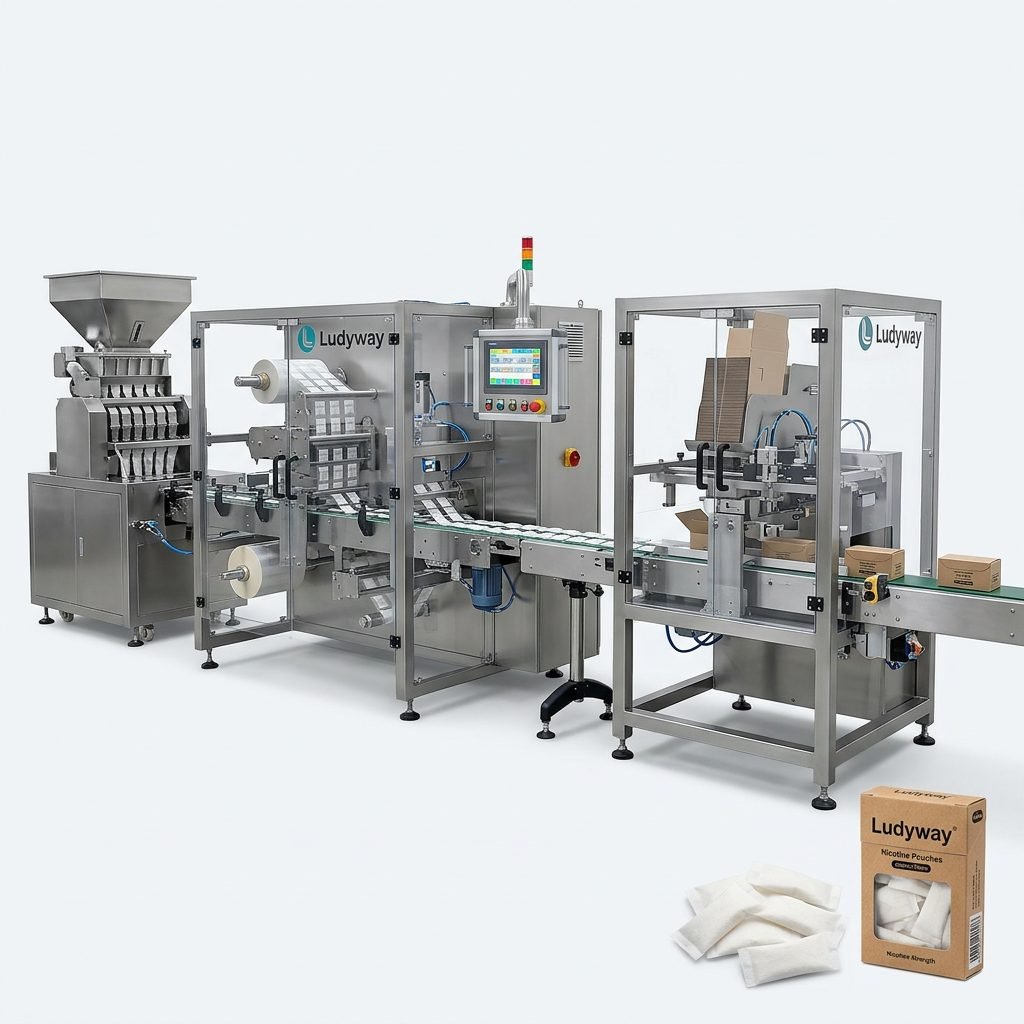
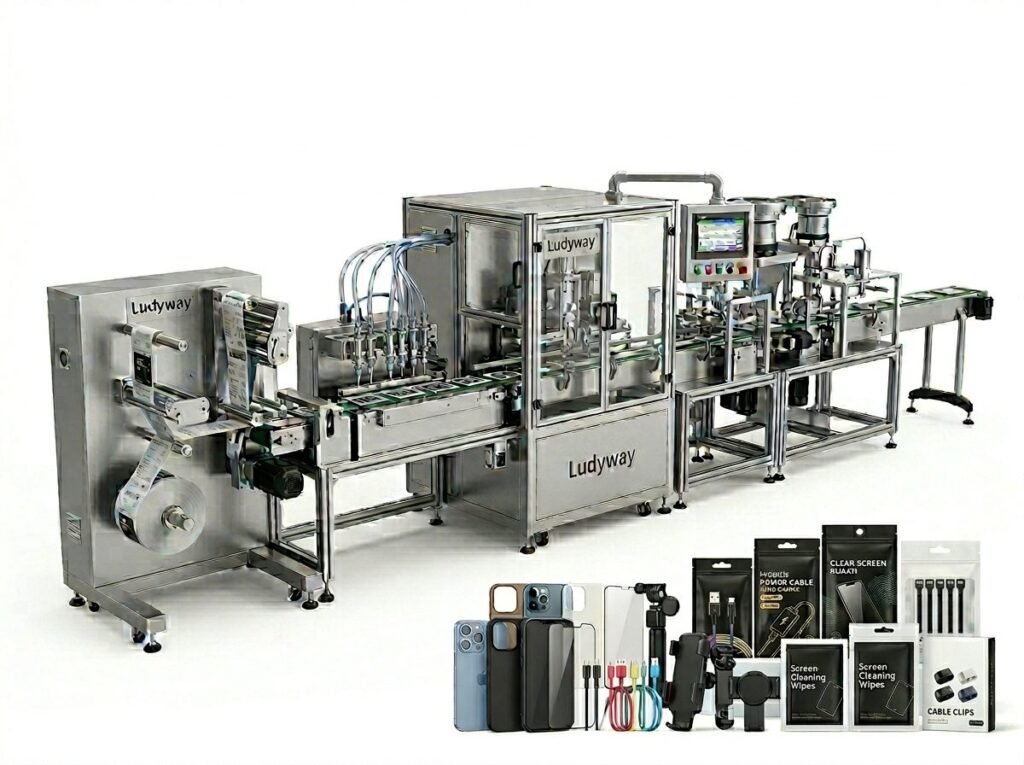
In the Italian market, packaging is rarely an isolated operation. The chosen machine must seamlessly integrate with upstream fillers, checkweighers, metal detectors, and downstream carton packers or palletizers. Using a centralized “packaging line integration system” ensures smooth communication between modules. Look for open architecture platforms that can connect to your existing MES or ERP software.

Key Certifications to Verify
- CE Declaration of Conformity
- ISO 9001 Quality Management System
- Hygienic Design Certifications (EHEDG standards applicable)
- Electrical Safety (IEC 60204-1)
For more details on global market trends affecting machinery choices, you can review the reports published by the PMMI Business Intelligence Library and the Flexible Packaging Association Resources. Additionally, the EU regulatory landscape on food contact is outlined by the FDA Food Packaging standards, which often harmonize with Italian directives.
By focusing on hygienic design, material flexibility, and tight integration with European safety protocols, you secure a packaging process that embodies the Italian commitment to “fatto bene”—done well. Choosing the right partner ensures your products move from the production line to the point of sale with the highest quality and efficiency.