Choosing the right toothpaste packaging machine is a critical decision for any oral care manufacturer. The efficiency, reliability, and output quality of your packaging line directly impact your brand’s market presence and profitability. This comprehensive guide explores the various types of machines, their working processes, and provides actionable insights to help you select the ideal equipment for your specific production needs.
Understanding Toothpaste Packaging Machines
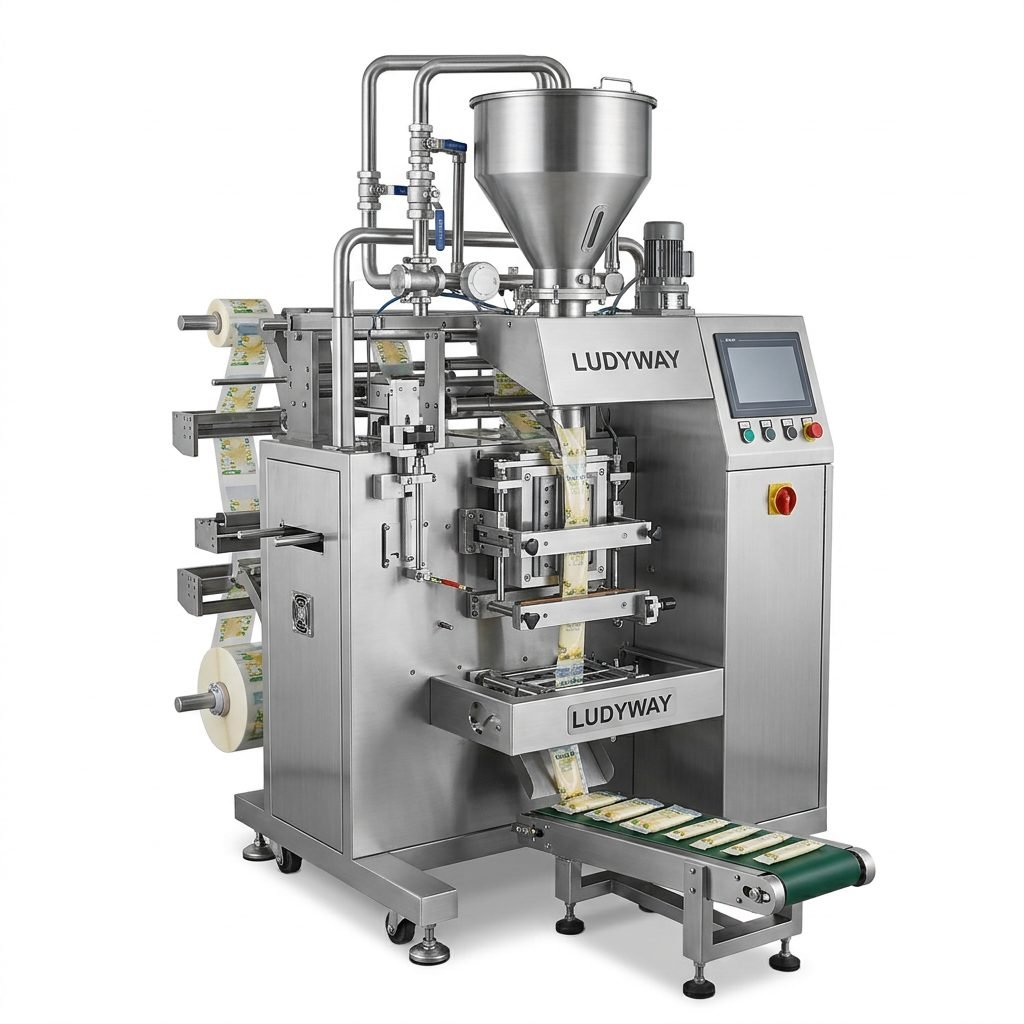
Toothpaste packaging machines are specialized automated systems designed to fill, seal, and sometimes carton toothpaste tubes or other containers. These machines are engineered to handle the viscous, often abrasive nature of toothpaste paste while maintaining high levels of hygiene, precision, and speed. The evolution from manual to fully automated lines has revolutionized the industry, allowing for mass production with consistent quality.
Key Function: The primary role of these machines is to ensure accurate filling, airtight sealing, and efficient handling of tubes, preventing product waste and contamination while maximizing throughput.
Core Components of a Standard Machine
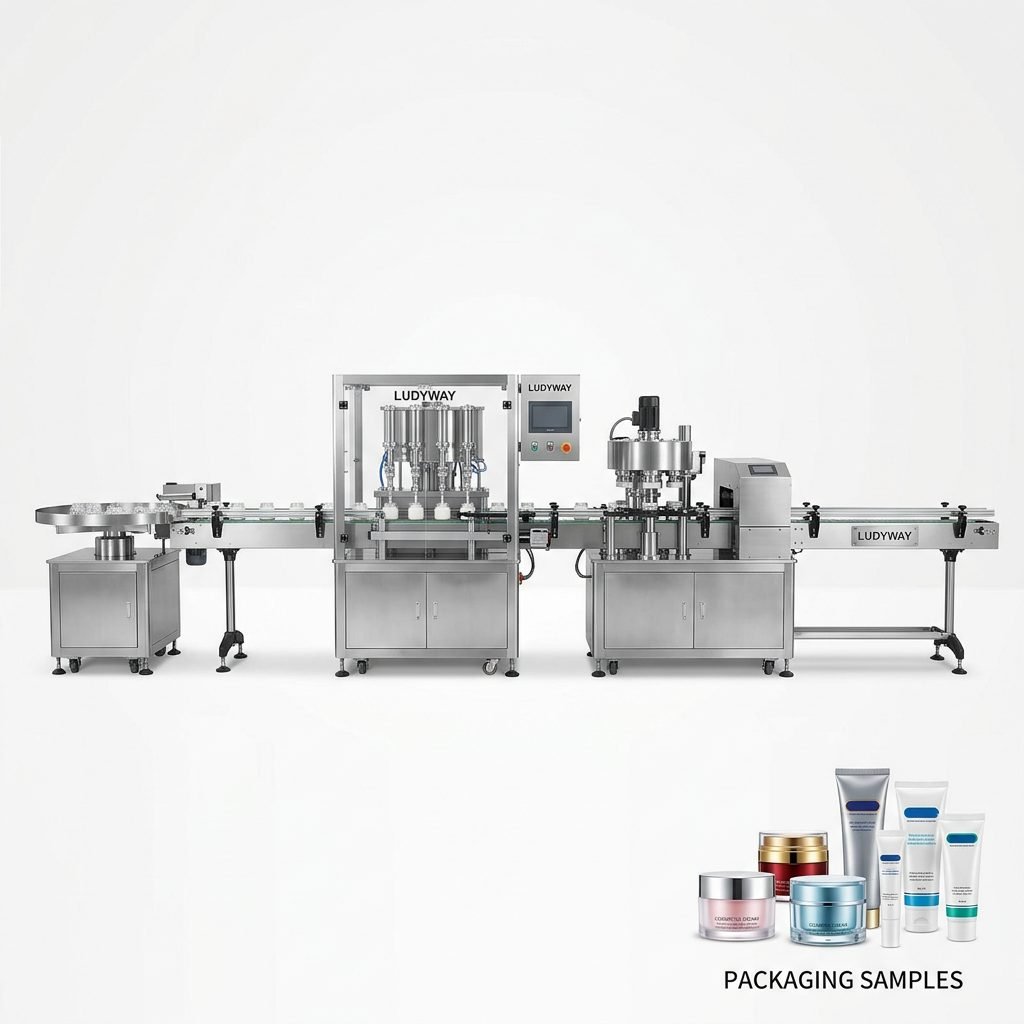
A typical toothpaste packaging line integrates several key stations:
- Tube Feeder & Orientor: Automatically feeds empty tubes (laminate, plastic, or metal) and orients them correctly for filling.
- Filling Nozzle: Precisely dispenses a pre-set volume of paste into the tube. Advanced systems use servo-driven pumps for exceptional accuracy.
- Sealing Station: Folds and crimps (for metal tubes) or heat-seals (for laminate tubes) the open end to create a hermetic seal.
- Capping Unit: Screws the cap onto the tube head securely.
- Coding & Date Printing: Imprints batch codes, expiry dates, or other markings on the tube or cap.
- Control System: The PLC (Programmable Logic Controller) and HMI (Human-Machine Interface) that orchestrate the entire process.
Main Types of Toothpaste Packaging Machinery
The market offers various configurations, from semi-automatic to fully integrated lines. Your choice depends on production volume, tube material, and desired automation level.
1. Semi-Automatic Tube Filling & Sealing Machines
Ideal for small to medium-scale production or pilot runs. Operators manually load tubes onto the indexing table. The machine then automatically fills, seals, and caps them. This type offers a lower initial investment and flexibility for short runs or frequent product changeovers.
Best for: Start-ups, contract manufacturers, or companies producing niche or premium toothpaste lines.
2. Fully Automatic Tube Filling Lines
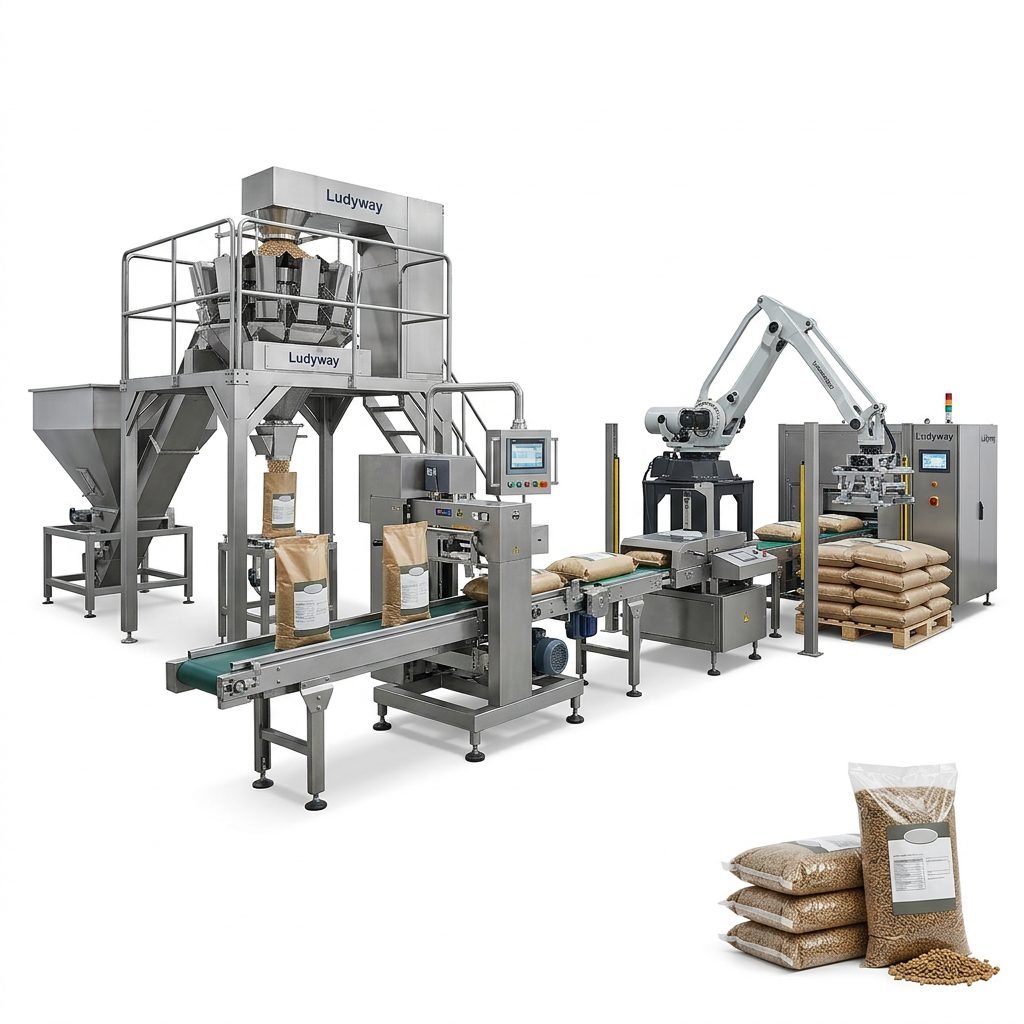
These are complete, high-speed systems where empty tubes are fed from a bulk hopper, and the entire process—from feeding to cartoning—is automated. They offer the highest output, sometimes exceeding hundreds of tubes per minute, with minimal manual intervention.
→ Production Advantage: Fully automatic lines are essential for large-scale manufacturers like Ludyway Machinery serve, where consistency and volume are paramount. They often include in-line checkweighers and vision inspection systems for 100% quality control.
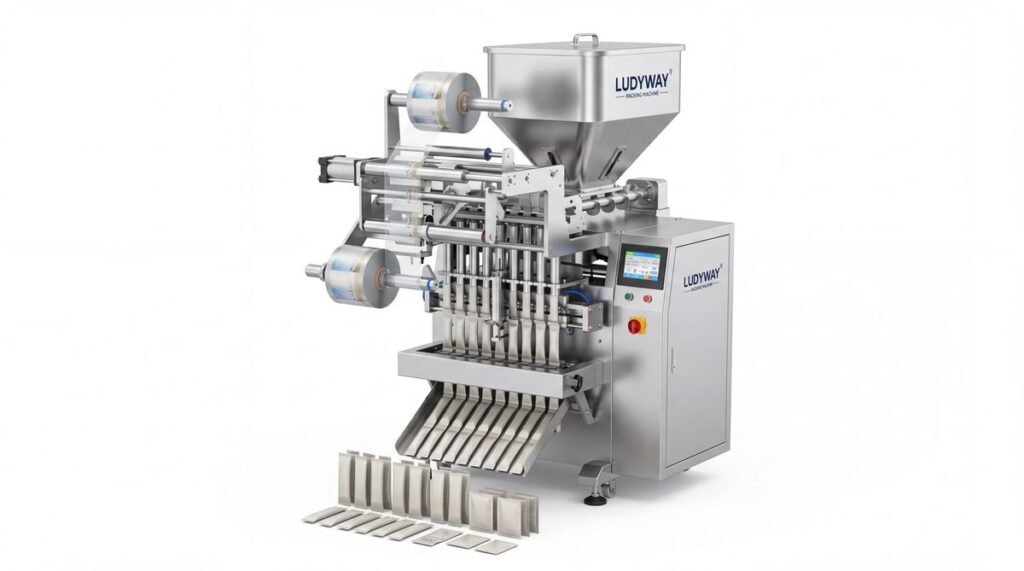
3. Stick Pack Toothpaste Packaging Machines
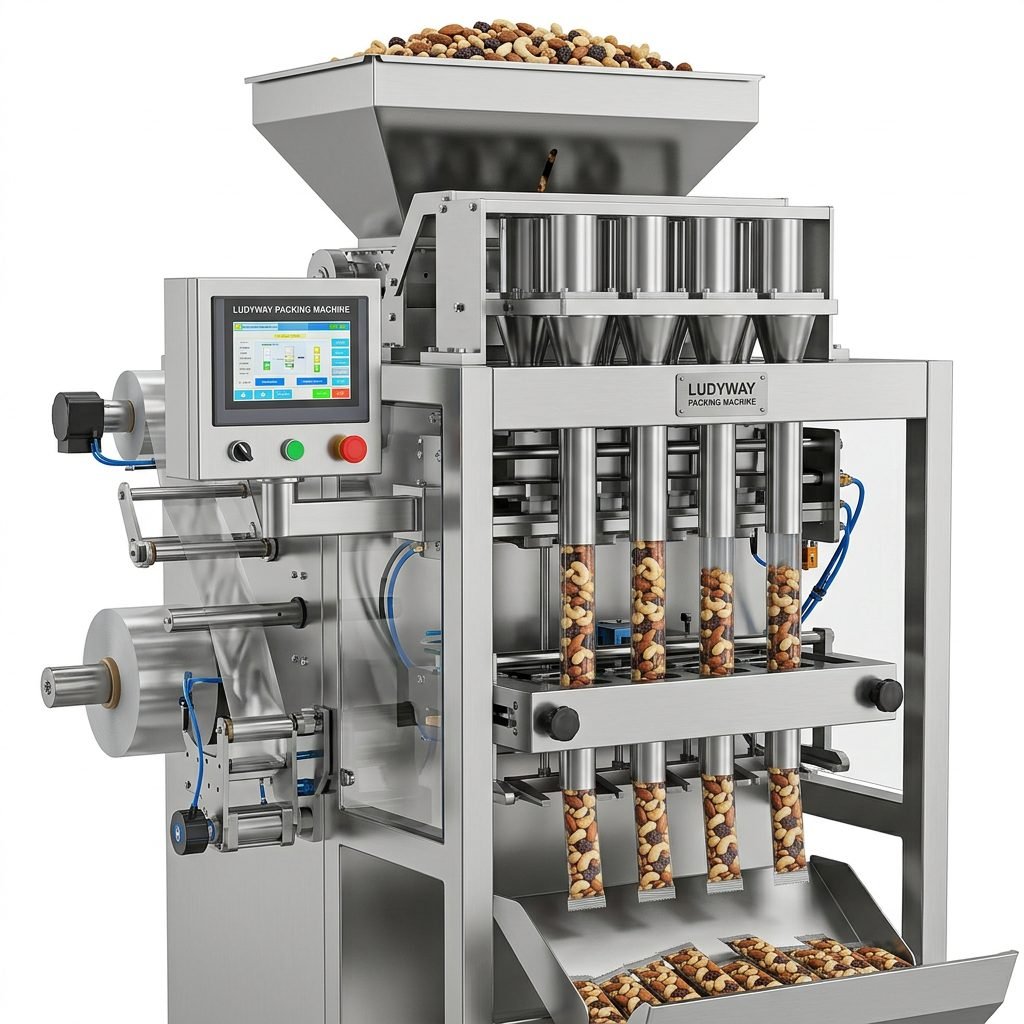
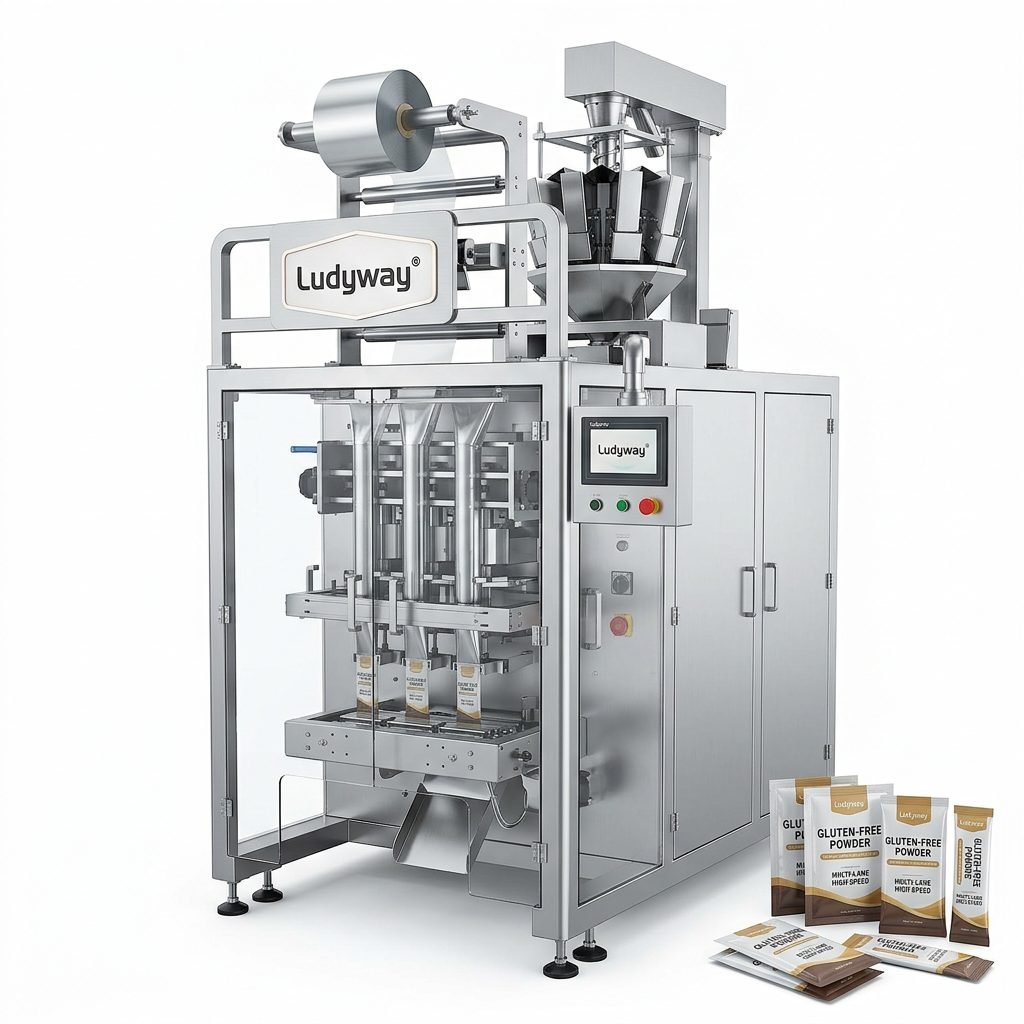
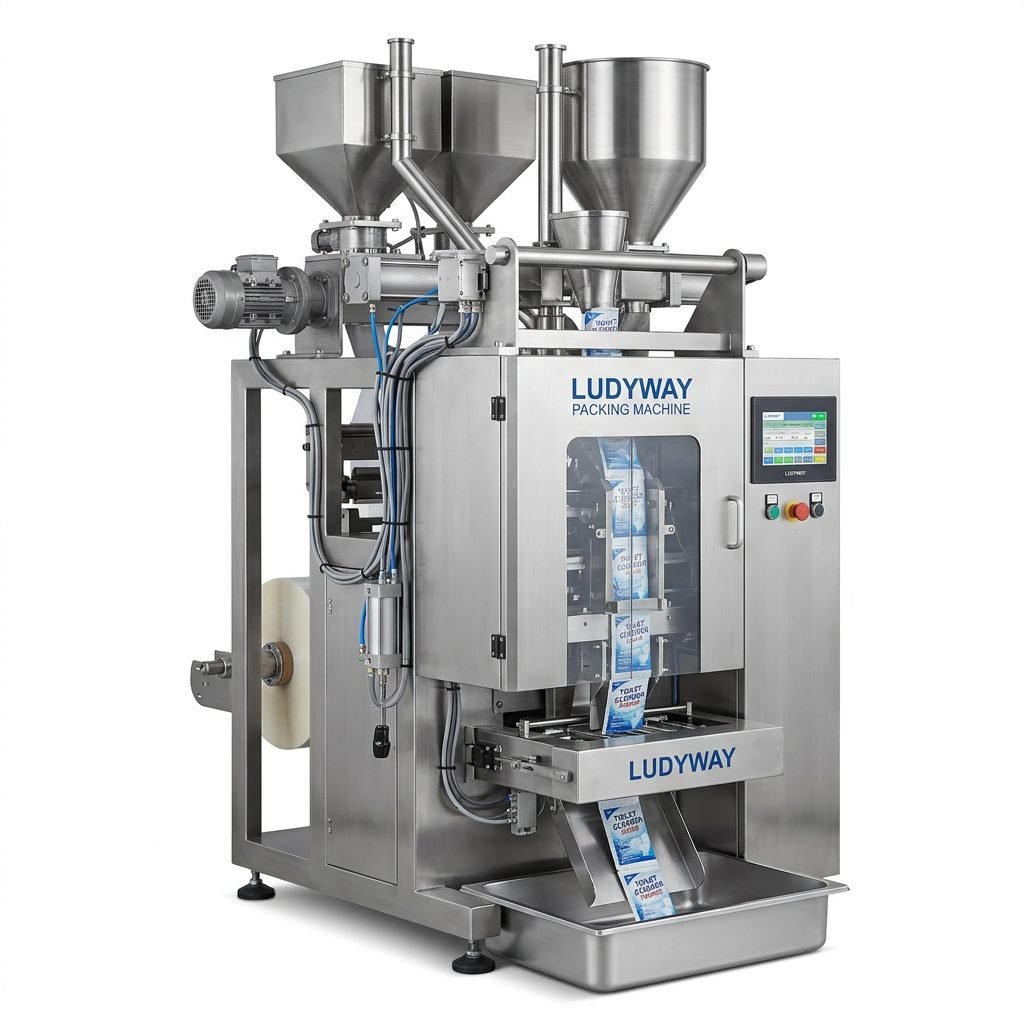
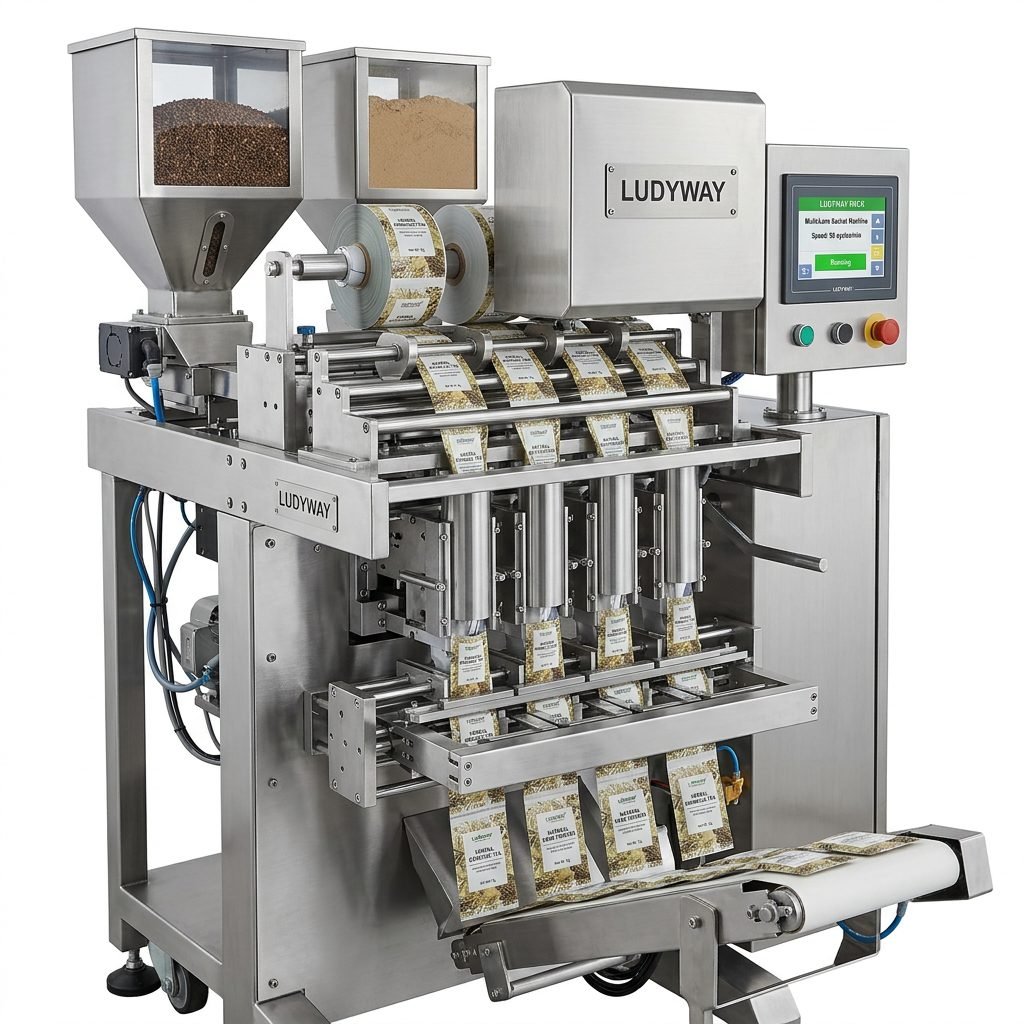
A growing trend, especially for travel-sized, single-use, or promotional toothpaste. These machines form, fill, and seal small stick packs from a roll of laminated film. They are extremely efficient for portion control and reduce packaging material waste.
4. Multi-Lane and Multi-Head Filling Systems
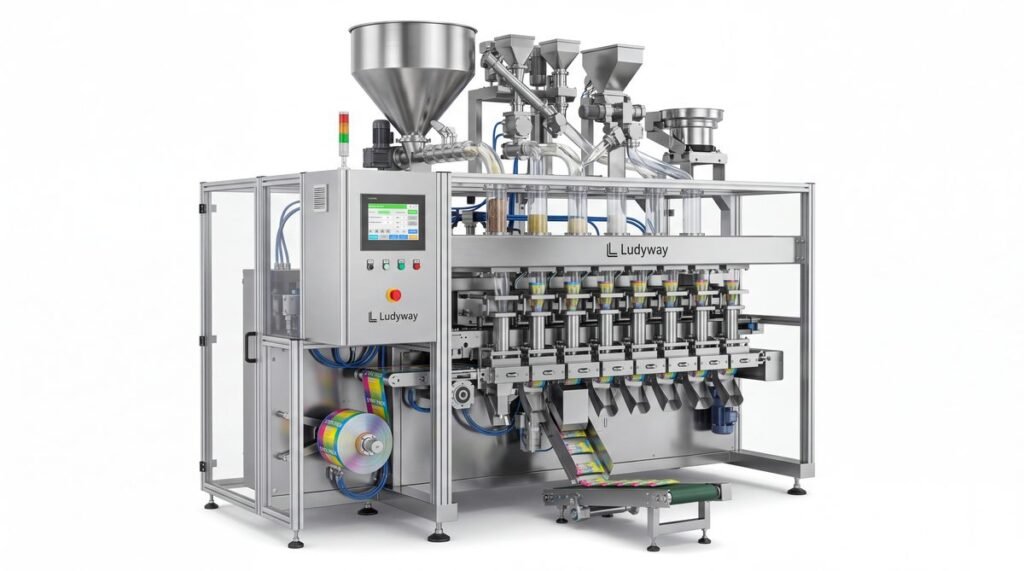
To maximize output without increasing machine footprint, multi-lane systems process several tubes side-by-side simultaneously. Multi-head fillers use multiple nozzles to fill several tubes in one cycle, dramatically boosting speed for high-volume production.
How a Toothpaste Packaging Machine Works: The Process Flow
Understanding the step-by-step operation clarifies the engineering behind these systems.
- Tube Loading & Feeding: Empty tubes are automatically unscrambled from a hopper and placed onto a conveyor or indexing carousel.
- Tube Positioning & Purging: Tubes are clamped in place. Some systems inject a small burst of air to clear any dust from the tube before filling.
- Precise Filling: The filling nozzle descends into the tube. A servo-piston or rotary pump dispenses the exact amount of paste. No-drip nozzles are crucial to maintain cleanliness.
- Folding & Sealing (for laminate tubes): The open end is folded in a specific pattern (e.g., double fold) and then heat-sealed under pressure to ensure a perfect, leak-proof seal.
- Capping: Caps are sorted, oriented, and screwed onto the tube head with precise torque control.
- Inkjet Coding & Inspection: Dates and codes are printed. Vision systems may check for fill level, cap presence, and seal integrity.
- Discharge & Collection: Finished tubes are ejected onto a conveyor for manual collection or automatic transfer to secondary packaging like cartoning machines.
How to Choose the Right Toothpaste Packaging Machine
Selecting equipment requires a careful evaluation of your current and future needs. Partnering with an experienced supplier like Ludyway can provide invaluable guidance through this process.
1. Assess Your Production Requirements
- Output Speed (Tubes/Minute): Match the machine’s capacity to your daily/weekly production targets with some room for growth.
- Tube Specifications: Material (laminate, PE, aluminum), diameter, length, and shape. The machine must be compatible.
- Product Characteristics: Viscosity, abrasiveness, and presence of particulates (e.g., whitening agents) affect pump and nozzle selection.
2. Evaluate Automation Level and Flexibility
Do you need a simple filler or a turnkey line with automatic tube feeding, cartoning, and palletizing? Consider how often you change products or tube sizes. Quick-changeover features can significantly reduce downtime.
3. Prioritize Hygiene and Construction Quality
For toothpaste, food-grade or pharmaceutical-grade standards are essential. Look for machines with:
Stainless steel (304 or 316) contact parts
Easy-clean design with minimal crevices
Compliance with relevant standards (e.g., GMP, CE)
4. Consider After-Sales Support and Service
The machine’s reliability is as important as the supplier’s. Inquire about:
• Technical Support: Availability of remote assistance and on-site engineers.
• Spare Parts: Guarantee of genuine parts availability.
• Training: Comprehensive training for your operators and maintenance staff.
Suppliers with a long history, like those with over a decade of industry experience, often provide more stable, long-term support.
5. Analyze Total Cost of Ownership (TCO)
Look beyond the initial purchase price. Factor in energy consumption, maintenance costs, potential downtime, and the cost of consumables (like sealing jaws). A slightly more expensive but robust and efficient machine can offer a lower TCO over its lifespan.
Final Selection Checklist
Before making a decision, confirm:
✅ Machine speed matches your required output.
✅ It handles your specific tube material and size.
✅ Filling accuracy meets your quality standards (±1% or better).
✅ The control system is user-friendly and allows recipe storage.
✅ The supplier offers a warranty and reliable service network.
Frequently Asked Questions (FAQs)
What is the typical filling accuracy of a modern toothpaste packaging machine?
High-end servo-driven filling systems can achieve accuracy within ±0.5% to ±1% of the target fill volume. This precision is critical for cost control and regulatory compliance, ensuring every tube contains the advertised amount of product.
Can one machine handle different tube sizes and materials?
Many machines are designed with changeover kits to accommodate a range of tube diameters and lengths. However, switching between vastly different materials (e.g., from laminate to aluminum) may require more significant adjustments or different sealing jaws. Discuss your flexibility needs with the supplier upfront.
How important is an in-line checkweigher?
For medium to high-volume production, an integrated checkweigher is highly recommended. It provides real-time feedback on filling performance, automatically rejects under/over-filled tubes, and generates reports for quality assurance, helping to minimize waste and ensure consistency.
What are the key maintenance routines for these machines?
Daily cleaning of filling nozzles and contact parts is essential. Regular lubrication of moving parts, inspection of seals and gaskets, and calibration of the weighing/filling system should be performed as per the manufacturer’s schedule. Proper maintenance directly correlates with machine uptime and longevity.
What training is usually provided with a new machine?
A reputable supplier should provide comprehensive training covering operation, routine maintenance, troubleshooting, and safety procedures. This often includes both classroom instruction and hands-on training at your facility during installation and commissioning.