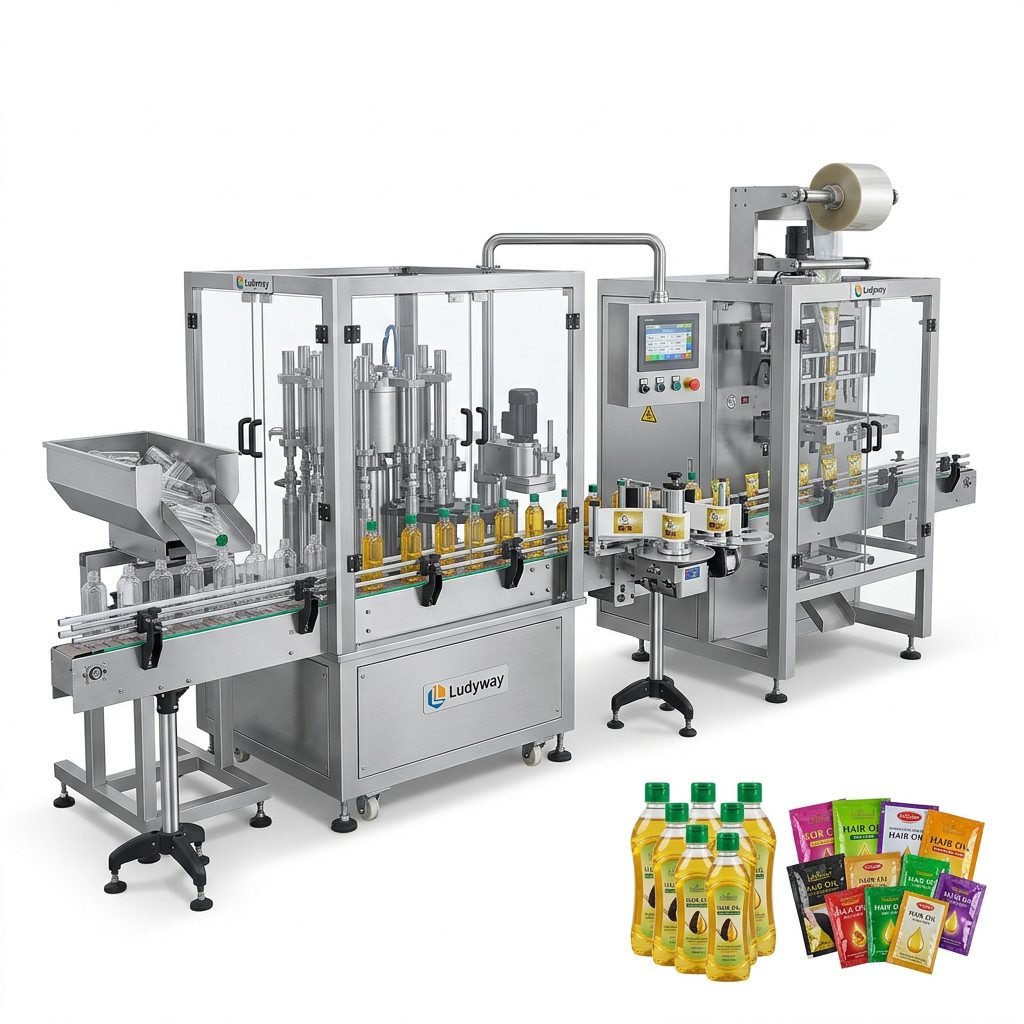
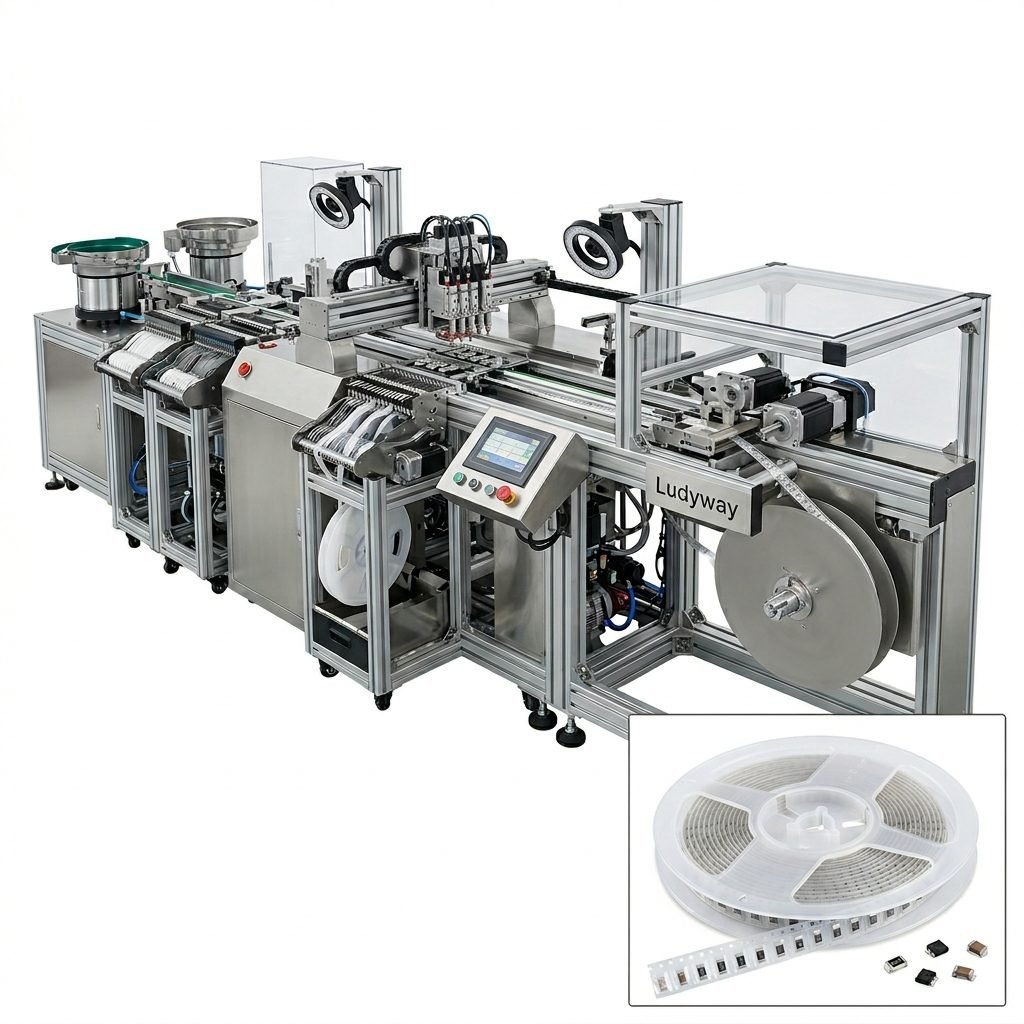
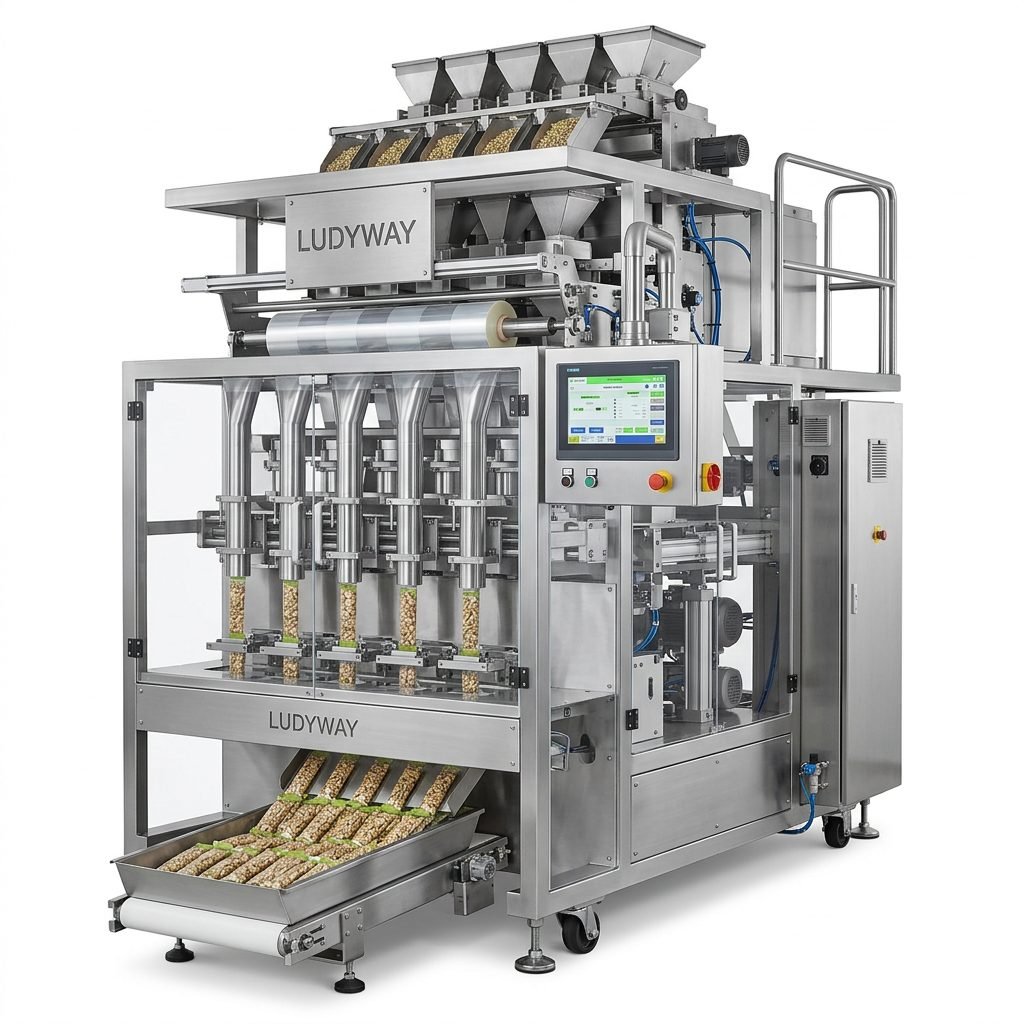
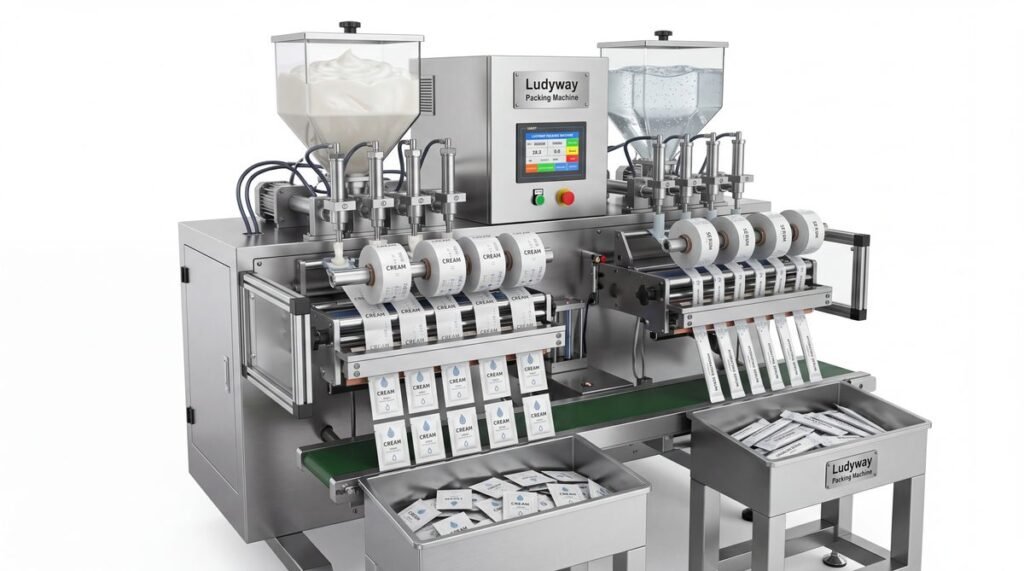
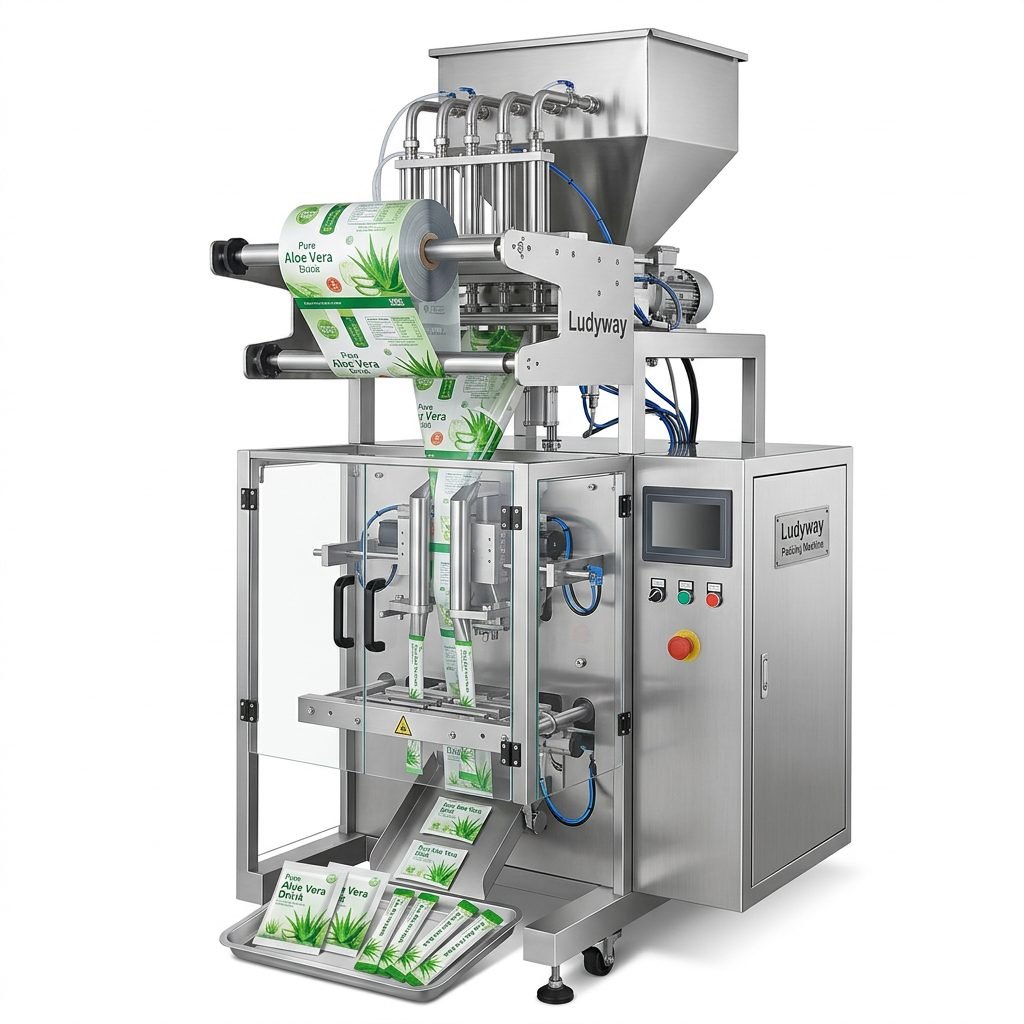
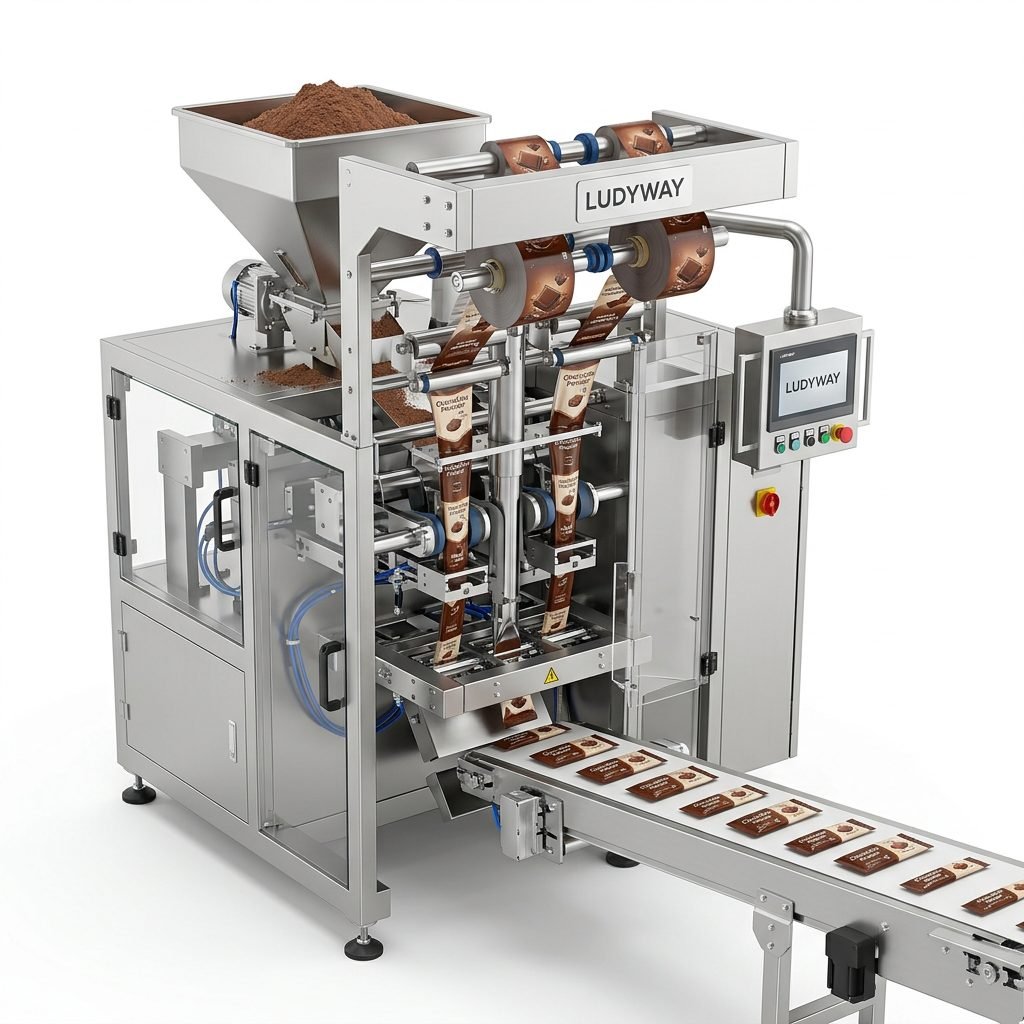
Investing in a four-side seal packaging machine is a strategic decision that directly impacts product quality, shelf life, and production efficiency. Whether you are packaging powders, granules, or liquids in stick packs or sachets, the machine’s configuration must precisely match your operational requirements. A poorly matched machine can lead to seal failures, product waste, and costly downtime. This comprehensive buyer’s guide provides a systematic framework to evaluate and select the optimal four-side seal solution for your manufacturing needs, ensuring a strong return on investment.
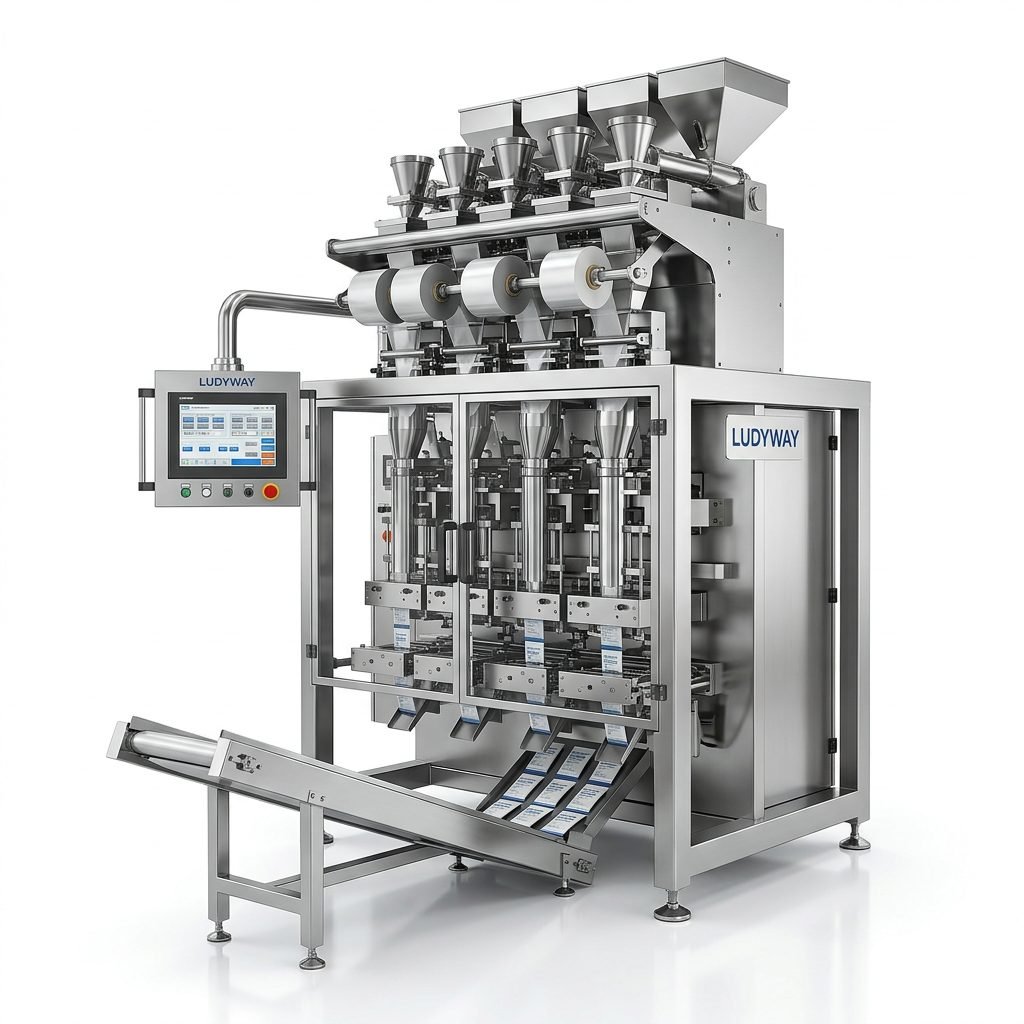
Understanding the Four-Side Seal Technology
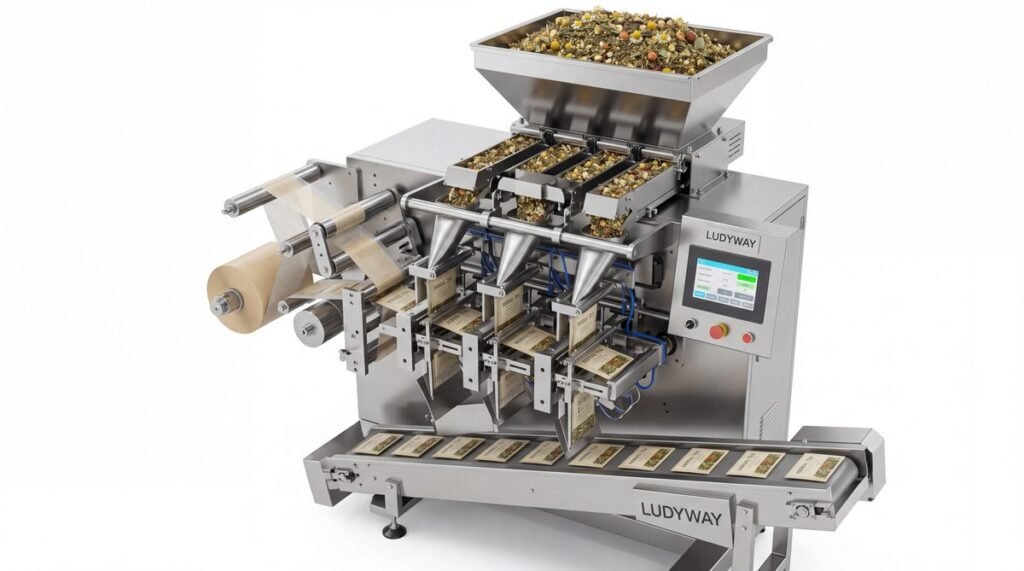
Unlike three-side seal or center-seal pouches, four-side seal packaging features a uniform seal width on all four edges of the sachet or stick pack. This design provides superior structural integrity, a symmetrical appearance, and enhanced barrier protection against moisture, oxygen, and light. The technology is predominantly utilized for single-dose or single-use applications, offering precise portion control that reduces product give-away and improves consumer convenience. The sealed edges create a robust, leak-proof barrier, making this format ideal for challenging applications ranging from automatic packaging machines in aggressive liquid chemical environments to delicate pharmaceutical powders.
Critical Factors for Machine Selection
Before engaging with a packaging machinery manufacturer, it is essential to define your production parameters. A thorough internal audit prevents costly mistakes post-installation. Clarity on these variables ensures the supplier configures a system that is productive, not problematic.
Product Characteristics and Compatibility
The physical and chemical properties of your product dictate the dosing mechanism and materials of construction. Flowability, bulk density, and sensitivity to heat are critical metrics. For powders prone to dusting, a dust-tight filling system is essential. For hygroscopic products, the machine must maintain a low-humidity environment. Liquid products with high viscosity require positive displacement pumps rather than gravity-fed fillers. Incompatibility with specific metals can lead to corrosion, making stainless steel 316 a mandatory specification for aggressive chemicals or food-grade applications.
Defining Production Speed and Throughput
Output requirements are a primary driver of machine configuration. A small-batch artisan coffee roaster may only need 40 packs per minute, whereas a global contract manufacturer of sugar sachets might require a multi-lane stick pack machine outputting over 1,000 packs per minute. You must distinguish between the theoretical maximum speed and the sustainable operational speed with your specific film and product. Oversizing the speed capacity leads to unnecessary capital expenditure, while undersizing it creates an immediate bottleneck.
Packaging Material and Seal Integrity
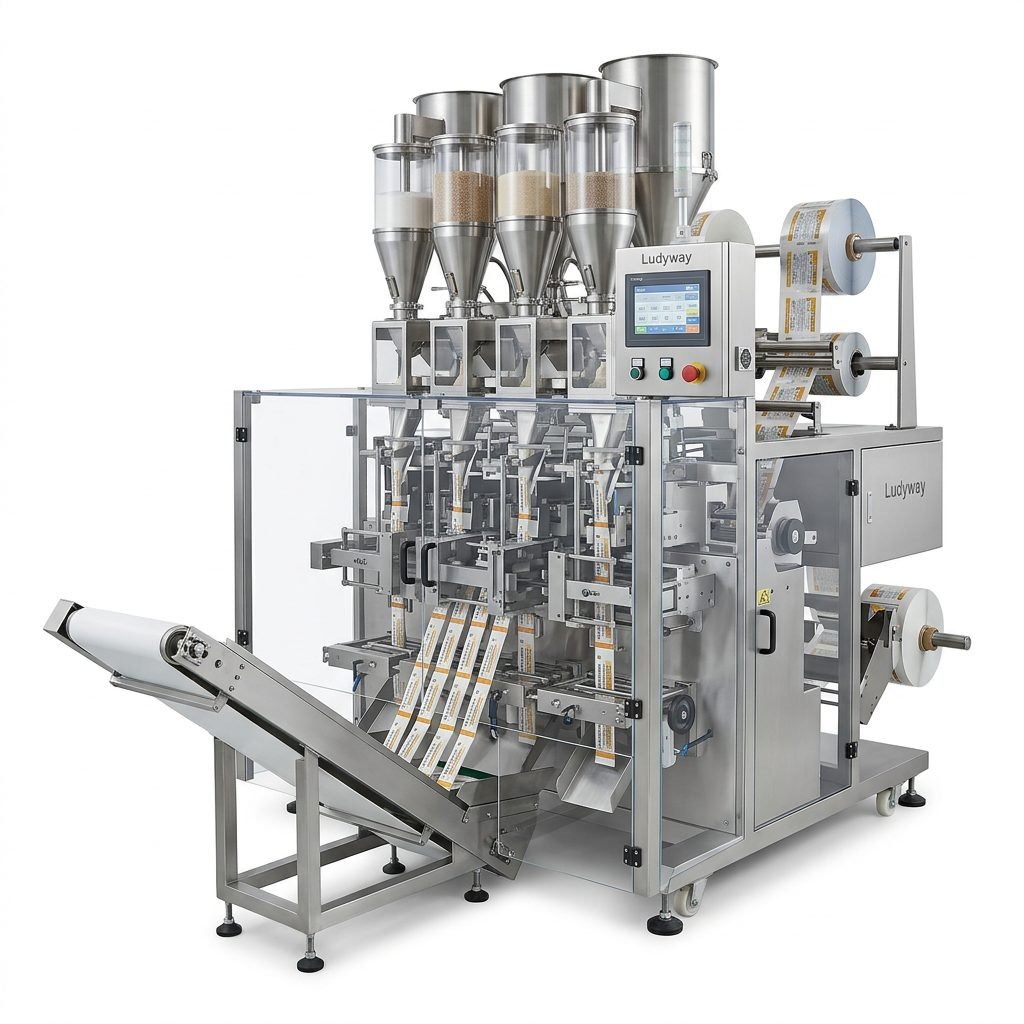
Four-side seal machines work with a range of flexible films, but the sealing system must be precisely calibrated to the material’s structure. Laminated films containing polyethylene, polypropylene, aluminum foil, or metallized layers require specific temperature control and dwell time. Inconsistent seal pressure or temperature often results in “false seals” or leakers. A critical evaluation point is the machine’s ability to maintain consistent seal integrity across all lanes in a multi-lane configuration. Look for machines with independent temperature control zones and digital regulators that compensate for ambient temperature variations in the factory.
Key Features of a High-Performance Machine
Beyond basic filling and sealing, several features distinguish a production-grade asset from a commodity machine. These elements directly correlate with Overall Equipment Effectiveness (OEE) and the total cost of ownership.
- Servo-Driven Motion Control: Brushless servo motors for film pulling, sealing, and cutting provide superior accuracy, repeatability, and the flexibility to change bag sizes via recipe-driven touchscreen controls without mechanical adjustments.
- Automated Registration Systems: Advanced photoelectric sensors precisely control the film feed to maintain exact registration of printed artwork, which is crucial for brand aesthetics and regulatory text legibility.
- No-Pouch, No-Fill Detection: This intelligent feature reduces product waste by automatically disabling the dose dispensing if the film transport is missing or if a pouch is not correctly formed.
- Quick-Change Tooling: Tool-less changeover systems for forming tubes and sealing jaws drastically reduce downtime between product batches and support lean manufacturing principles.
Comparing Machine Configuration Options
The table below outlines the primary configuration choices and their typical application suitability. Understanding these distinctions is fundamental to selecting a machine that fits your batch sizes, facility layout, and workforce skill level.
| Configuration Type | Typical Speed Range | Ideal Application | Changeover Complexity |
|---|---|---|---|
| Single-Lane | Up to 120 packs/min | Large volume sachets, R&D batches | Low |
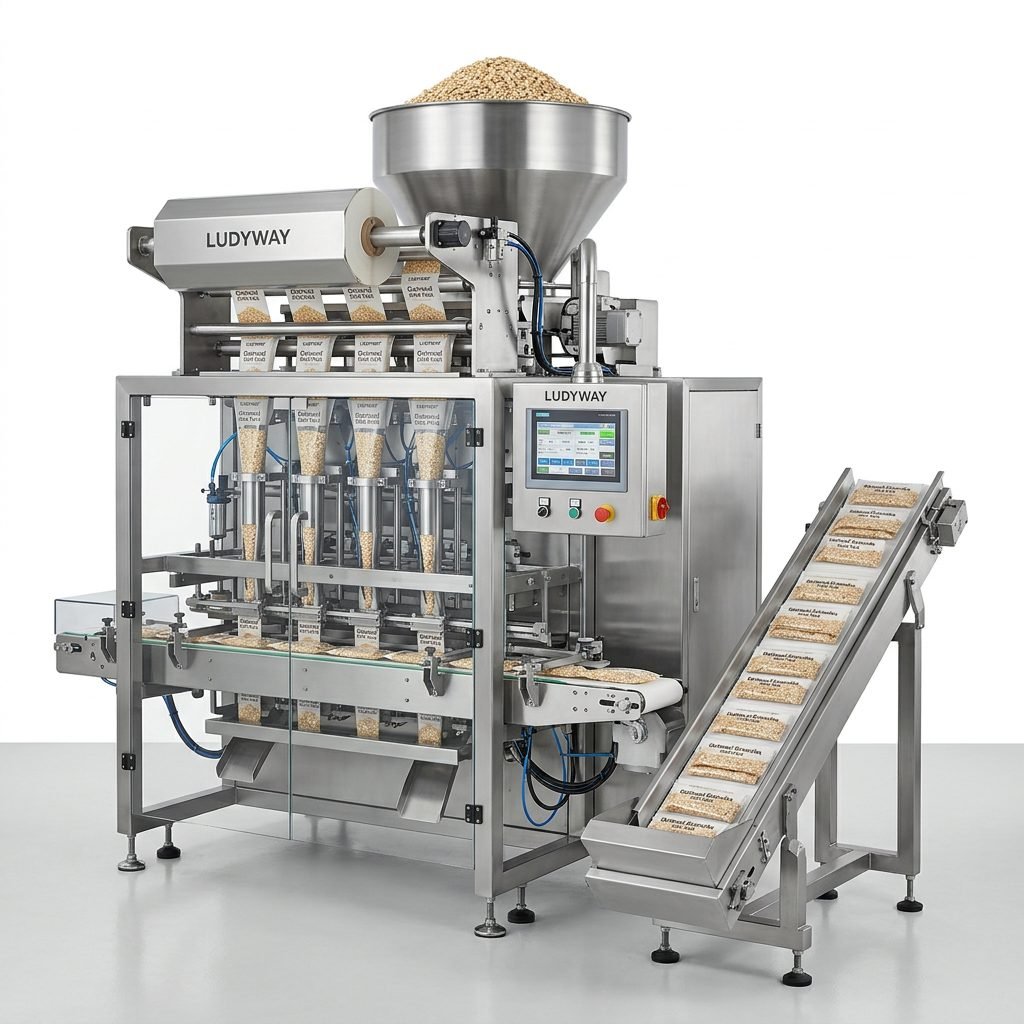
| Multi-Lane (4-12 lanes) | 400 – 1,200 packs/min | High-volume stick packs and sachets | Medium |
| Continuous Motion | Very High (1,200+ packs/min) | Consistent high-demand products | High (specialized) |
| Intermittent Motion | Up to 80 packs/min | Frequent size changes, short runs | Low |
Evaluating Integrated Dosing Systems
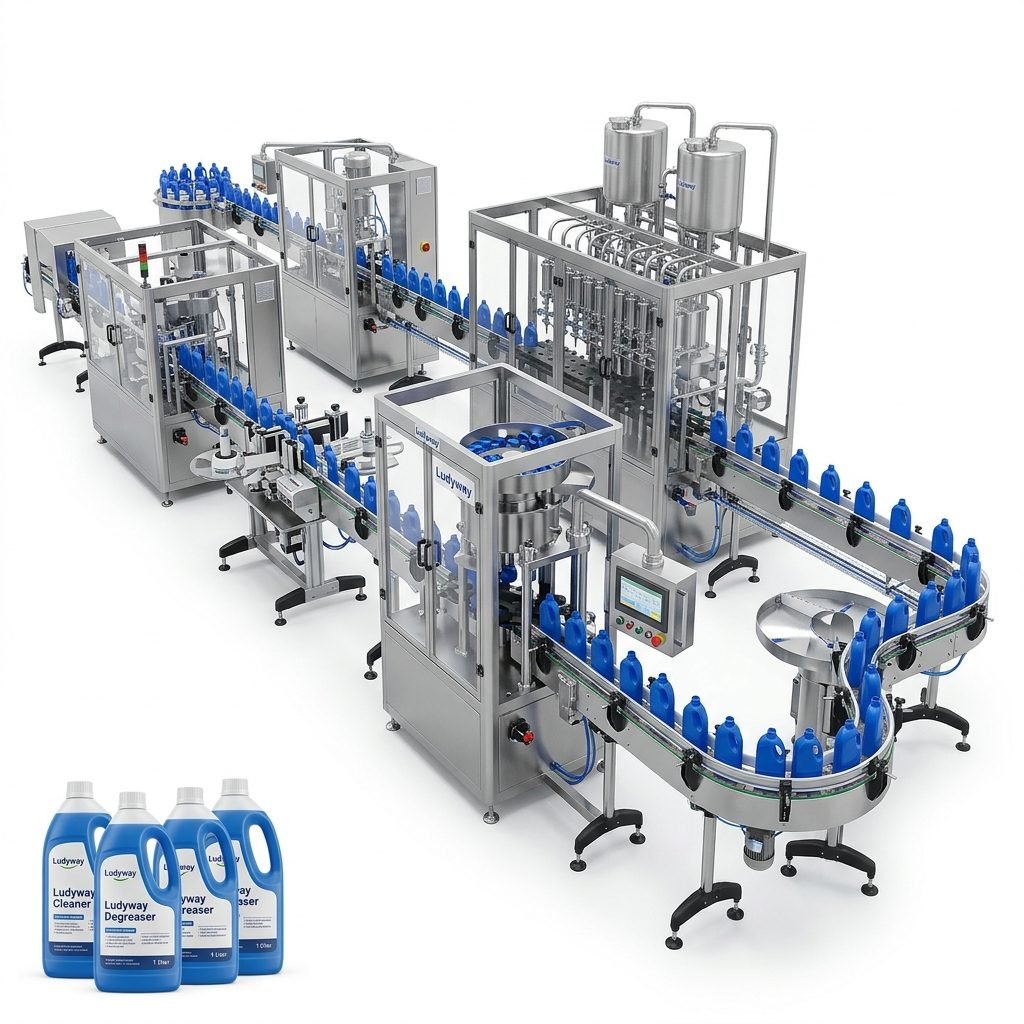
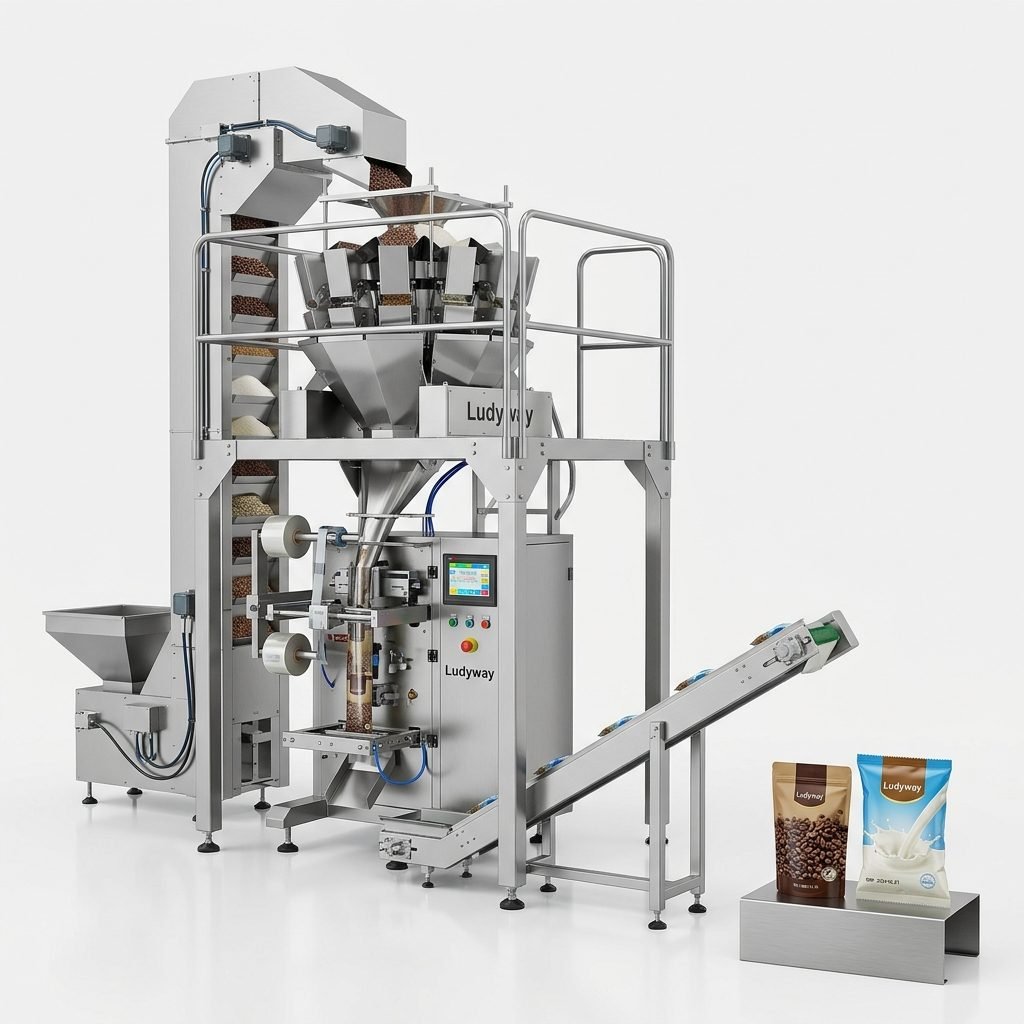
The dosing unit is the heart of the packaging line; accuracy here determines profitability. A 1% overdose on a high-value nutraceutical product translates to significant annual revenue loss. Volumetric cup fillers provide a cost-effective solution for free-flowing granules with consistent bulk density. Auger fillers are preferred for non-free-flowing powders, bridging agents, and dusty materials where positive displacement is needed. Multi-head weighers, combining speed and high precision via load cells, are the gold standard for applications where the product cost justifies the investment, often achieving accuracy within a fraction of a gram. Liquid applications typically require piston fillers or mass flow meters integrated into a clean-in-place (CIP) manifold.
Industry-Specific Compliance and Hygiene
Regulatory compliance requirements vary dramatically by sector. A machine suitable for packaging industrial lubricants will likely fail an audit in a pharmaceutical or food environment. Pharmaceutical applications often require machines configured for cleanroom deployment, with 21 CFR Part 11 compliant software for audit trails and electronic signatures. Food processing demands sanitary designs with washdown capabilities, sloped surfaces to prevent liquid pooling, and validated hygienic seals. The machine frame should be constructed from stainless steel and designed to minimize areas where product can accumulate and harbor bacteria or cross-contamination.
As packaging industry standards consistently tighten, partnering with a supplier that understands global certifications, including GMP, CE, and UL compliance, is not merely an advantage but a prerequisite.
Automation and Line Integration Capabilities
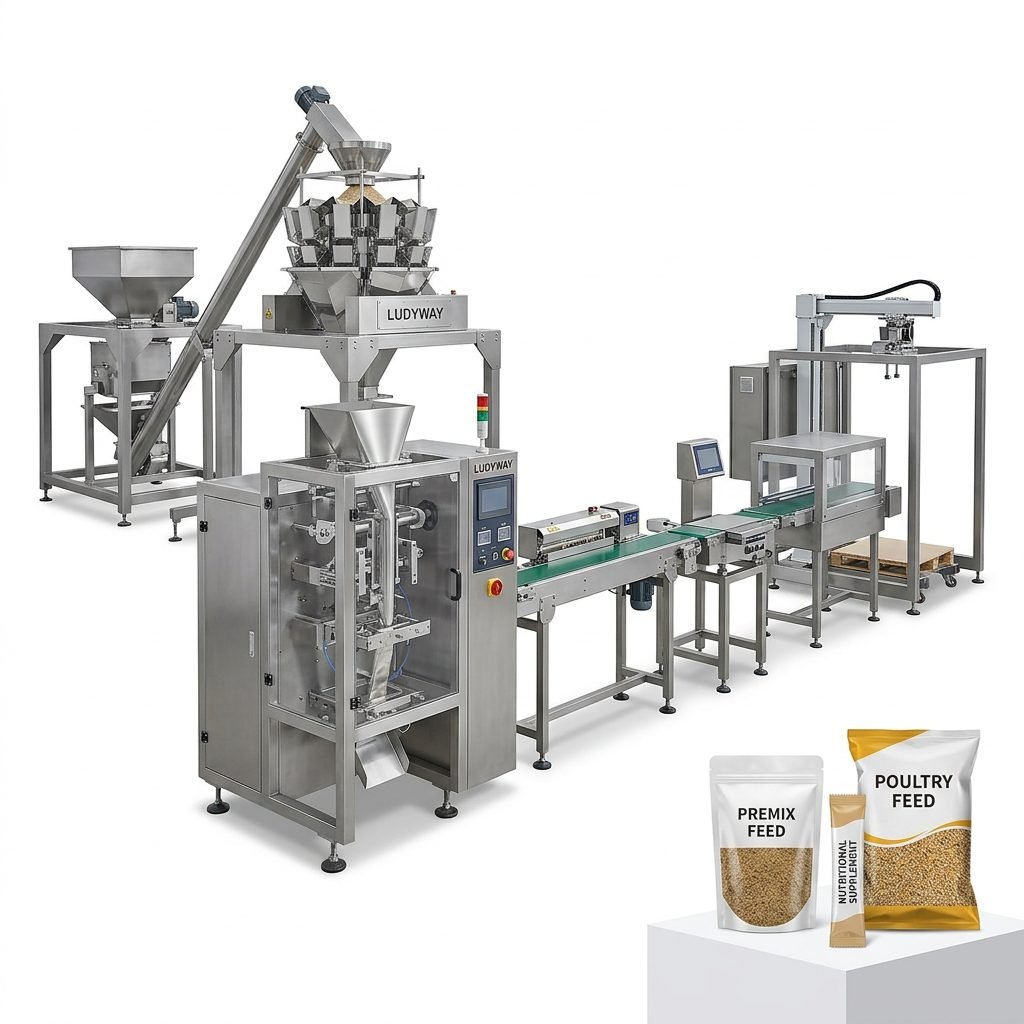
A standalone machine provides limited value if it creates a feeding or offloading bottleneck. Total line efficiency is the true measure of productivity. Evaluate how seamlessly the four-side seal machine integrates with upstream equipment like product hoppers, elevators, or mixers, and downstream systems such as cartoners, case packers, or palletizing robots. Integrated data acquisition allows for real-time OEE tracking. Machines equipped with remote access and diagnostic capabilities help manufacturers minimize unforeseen downtime by enabling technicians to troubleshoot directly from the supplier’s headquarters. This connectivity is increasingly central to smart factory initiatives.
Supplier Selection and Service Support
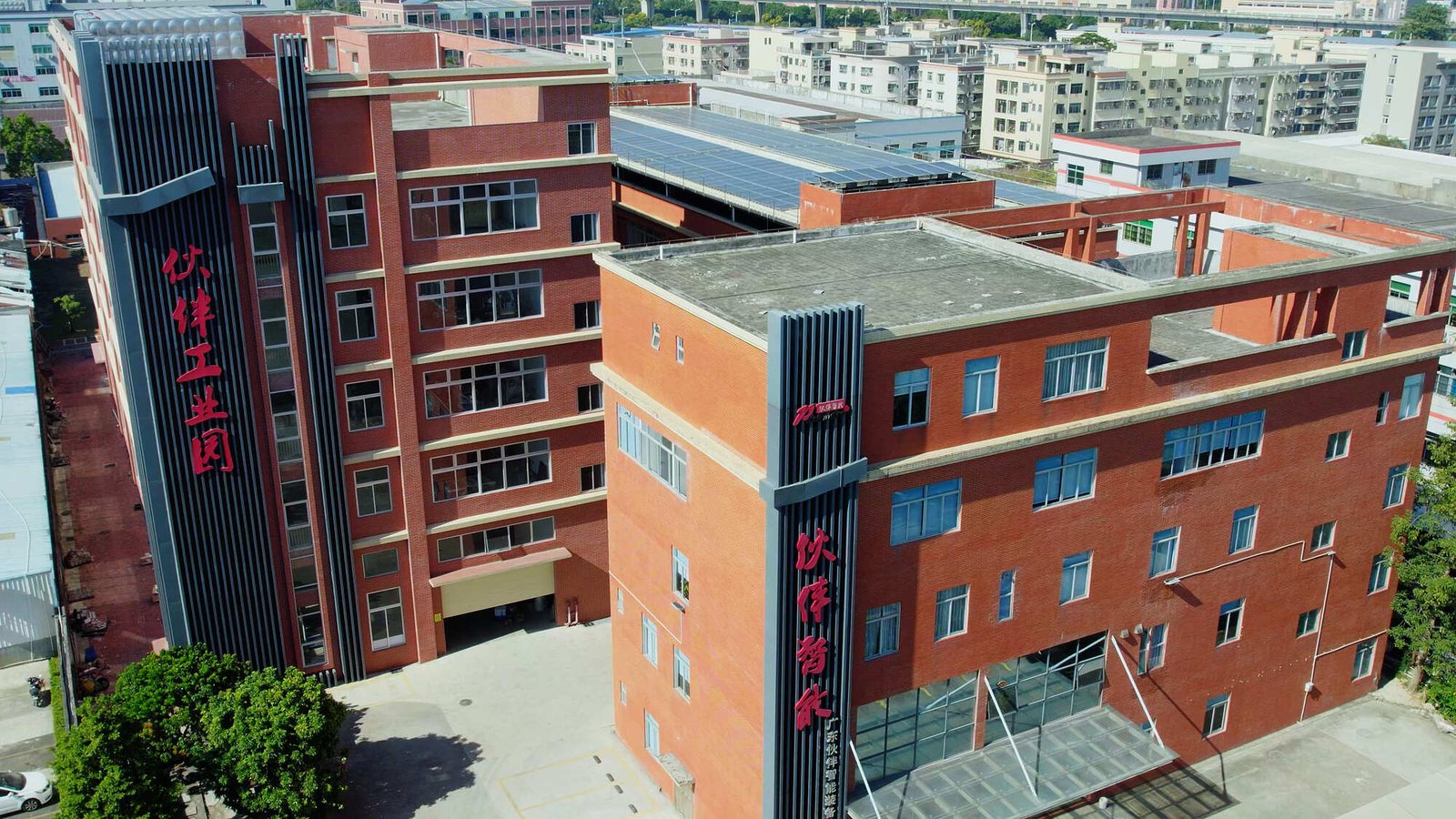
Choosing a machine is a long-term commitment that makes the supplier’s global footprint, parts availability, and technical responsiveness critical success factors. Request a reference list of installations in comparable applications. A machine designed by a company with deep engineering knowledge ensures that component selection, from PLCs and pneumatic cylinders to servo motors, is robust and globally serviceable. For instance, Ludyway Machinery, a China-based manufacturer with over 30 years of industry experience, works with established industrial automation component suppliers for machine configurations. Their 20,000-square-meter facility and team of more than 130 professionals support equipment deployed in over 100 countries, an important consideration underscored by their rapid growth trajectory, as seen in market analyses like the one on Ludyway’s global expansion. Evaluating the manufacturer’s helpdesk structure, service level agreements (SLAs), and lead times for critical spare parts minimizes mean time to repair (MTTR).
Total Cost of Ownership (TCO)
While the upfront capital cost is a visible line item, savvy buyers focus on TCO over a 10-year lifecycle. This includes energy consumption, consumable parts like sealing belts and knives, preventive maintenance contracts, and operator training programs. A machine with a lower upfront cost but poor energy efficiency or a weak support network can become a financial liability. Operational consistency is the key driver of TCO. Request a detailed projection of spare parts costs for the first three years of production. High-quality servo motors and PLCs from recognized global brands typically extend service intervals and reduce lifecycle costs considerably.
Factory Acceptance and Validation Process
Never commission a packaging line without a rigorous Factory Acceptance Test (FAT). Ship your actual packaging materials and product to the manufacturer’s workshop. Run the machine at the targeted production speed for a sustained period, typically several hours, to confirm throughput, seal integrity, and fill accuracy. Document every anomaly and ensure they are rectified before shipment. Repeat the process with an Installation Qualification (IQ) and Operational Qualification (OQ) at your factory site, especially for regulated industries. A strict validation protocol confirms the machine performs reliably in its intended operating environment.
Future-Proofing Your Investment
The packaging landscape is evolving rapidly. Sustainability mandates are pushing demand for recyclable mono-material films, which are often more challenging to seal than traditional laminates. Your machine must be capable of handling these emerging structures with a wide operating window. Furthermore, consider modular concepts. A chassis that allows adding more lanes in the future without replacing the entire machine protects your capital expenditure as your brand grows. Phased automation, starting with manual boxing integration and moving to fully robotic cartoning later, allows scalable investment aligned with market revenue. Ensure the control platform supports evolving industry standards for IoT connectivity and cybersecurity.
Selecting the right four-side seal packaging machine is a detailed engineering exercise that requires a clear understanding of product properties, an honest forecast of throughput needs, and a disciplined review of the supplier’s engineering heritage and global support structure. For those evaluating flexible packaging equipment from various industries, resources like flexible packaging industry data offer valuable economic and technical context. Investing the time to match these variables results in a packaging asset that delivers consistent quality, scalability, and security for decades of operation.