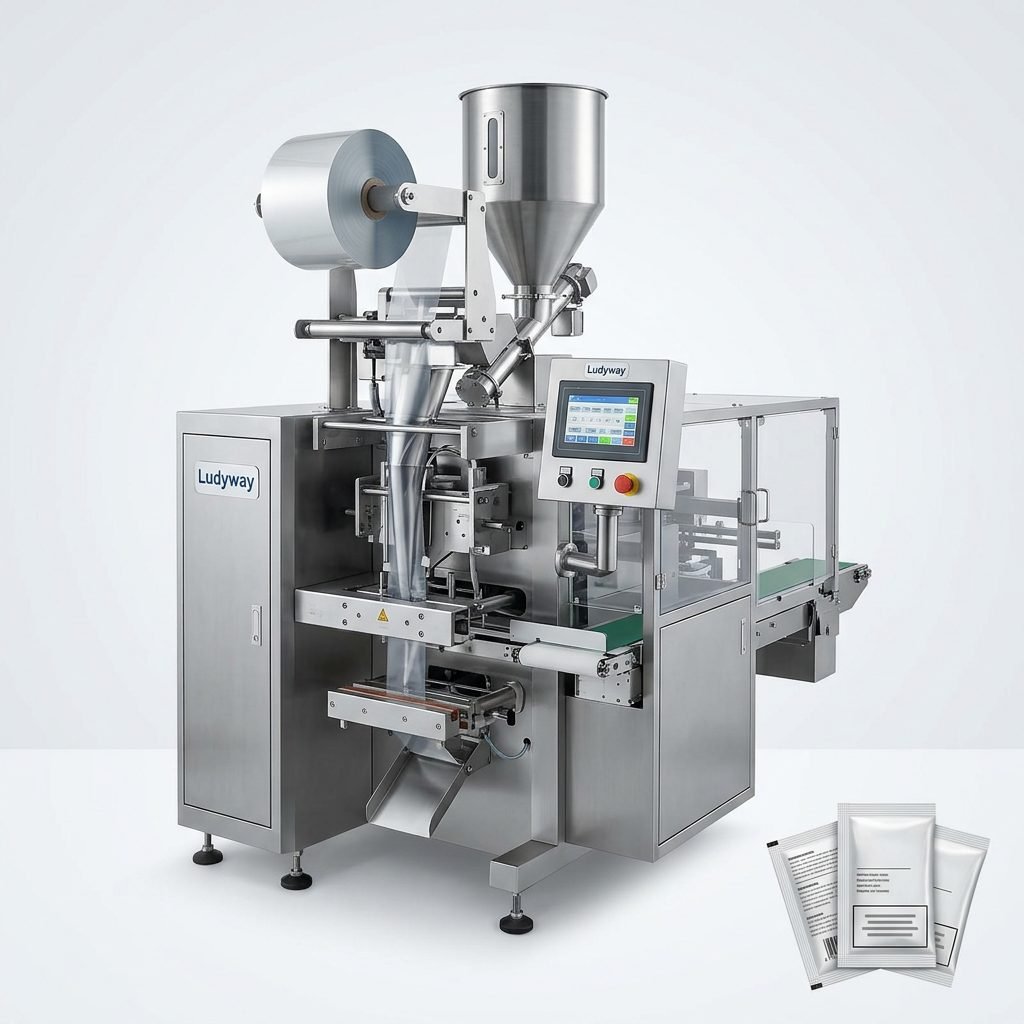
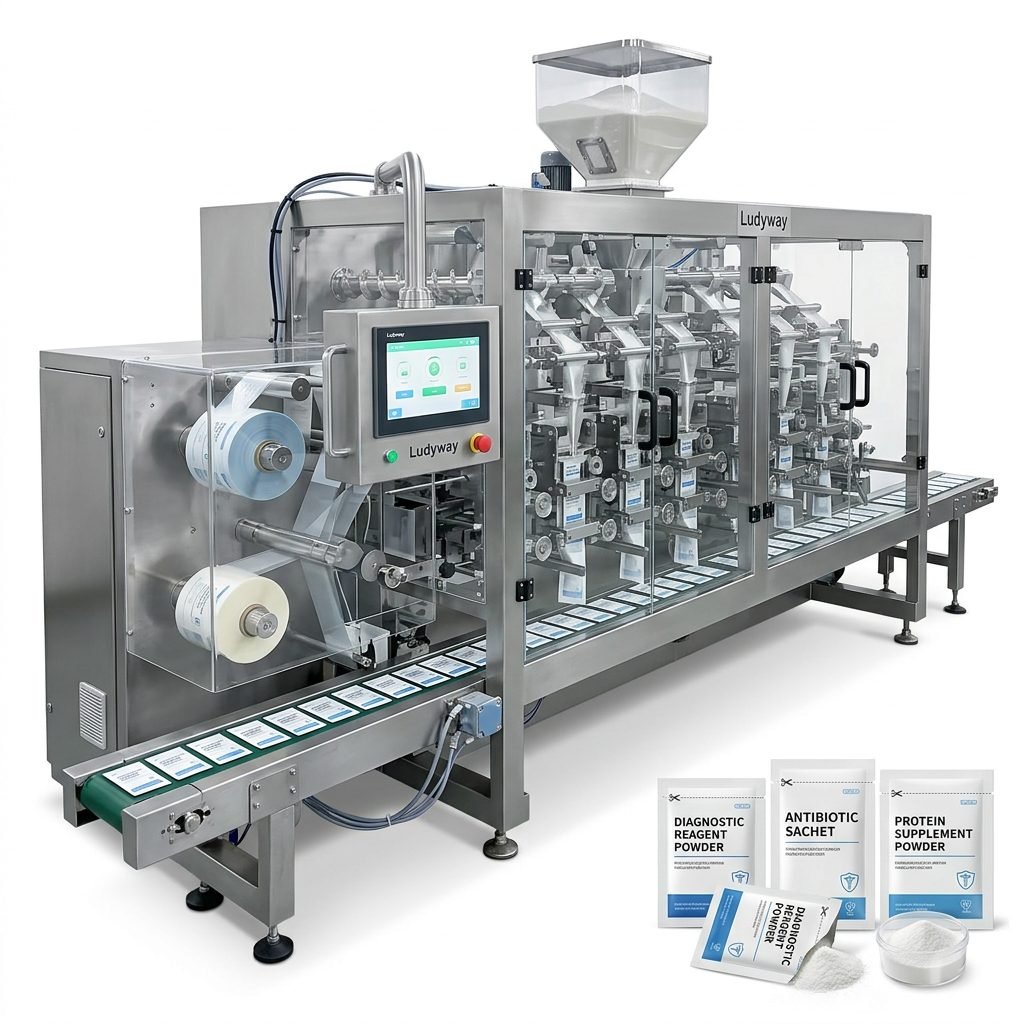
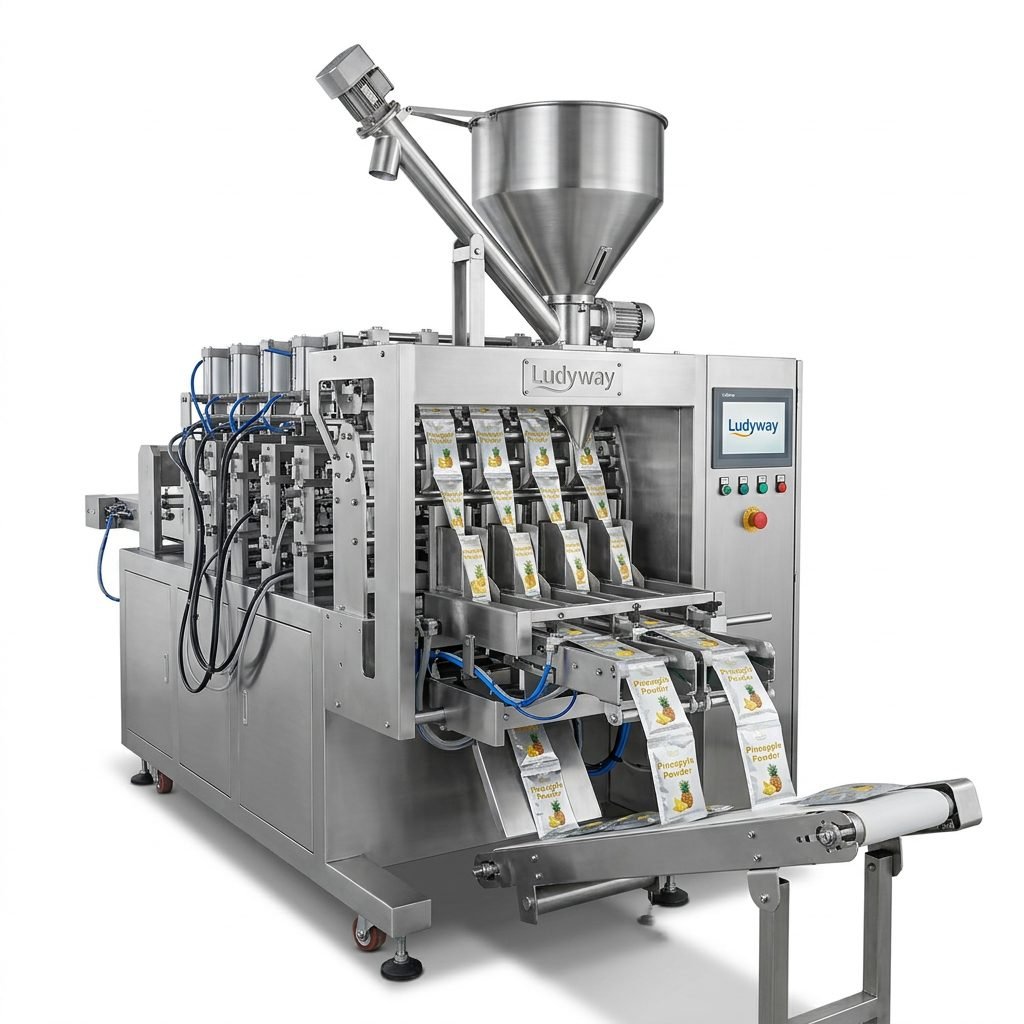
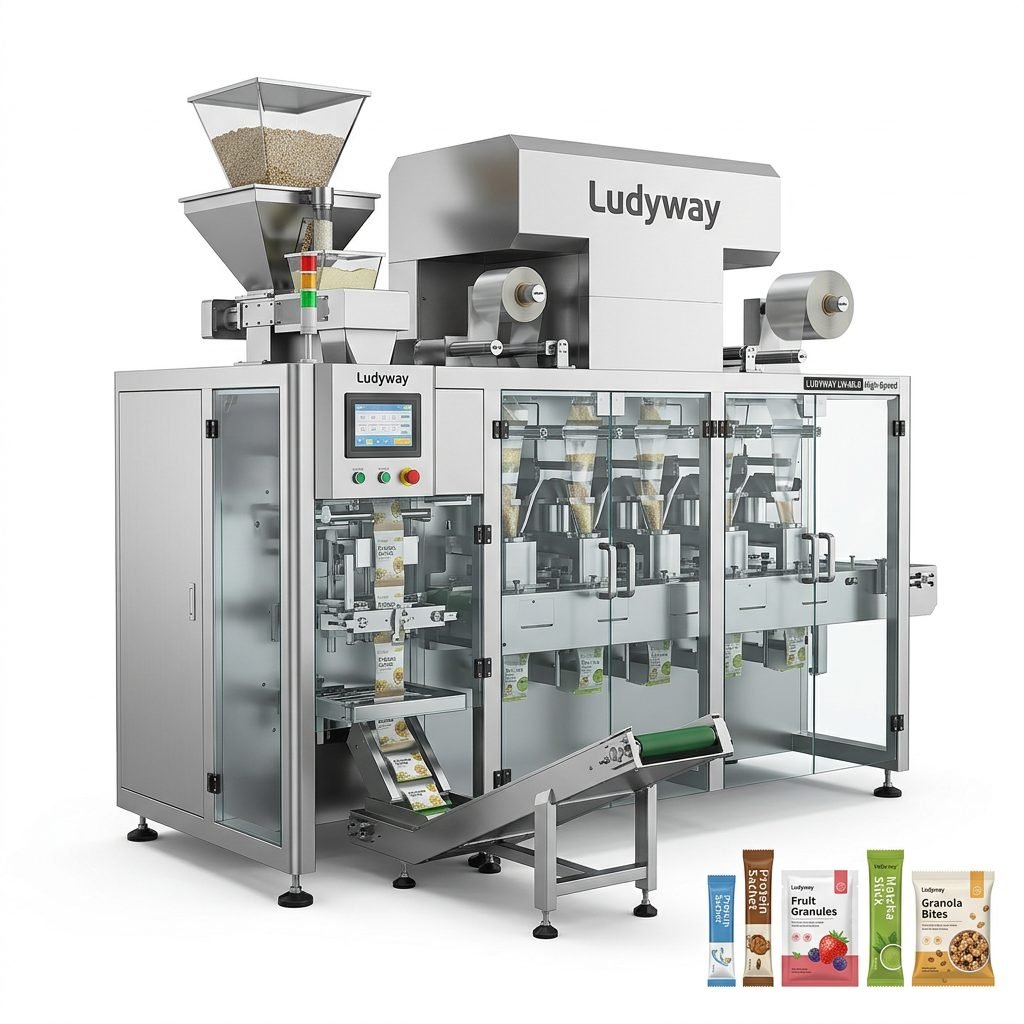
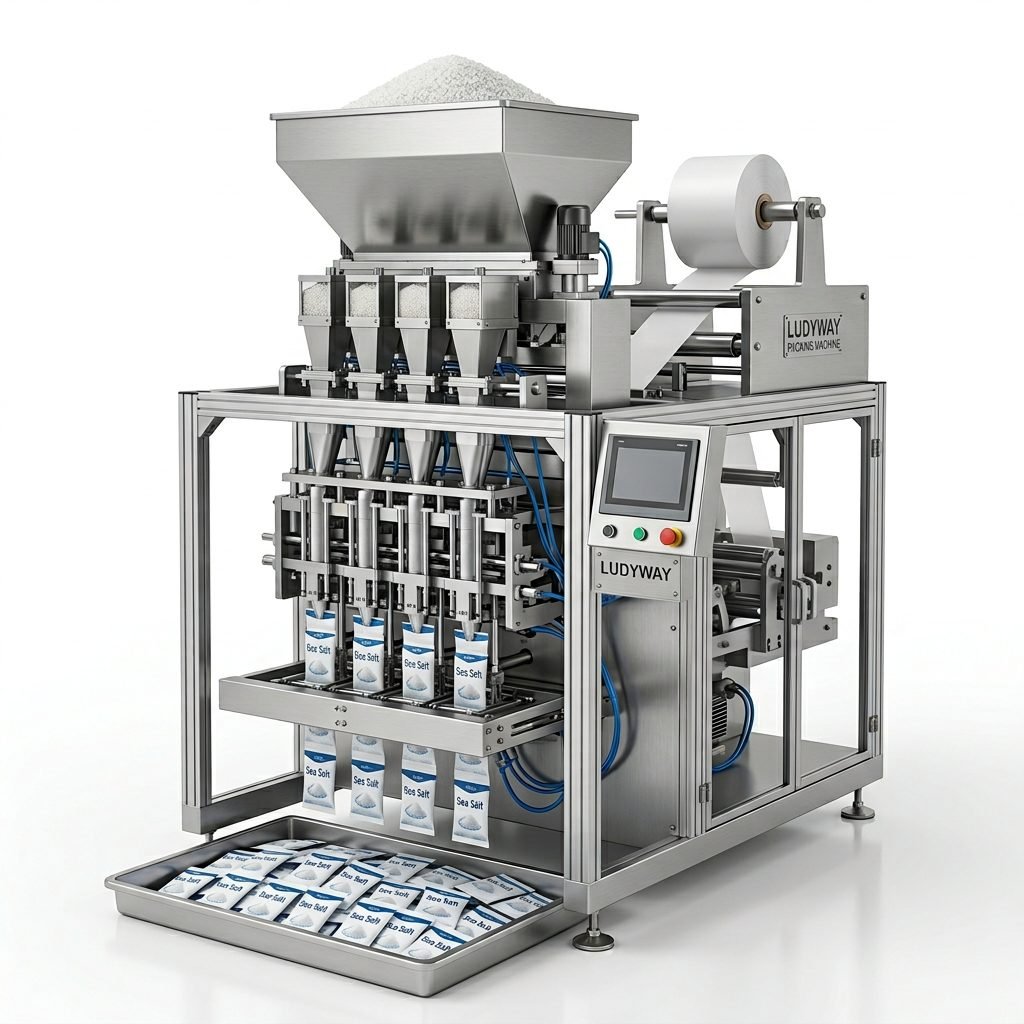
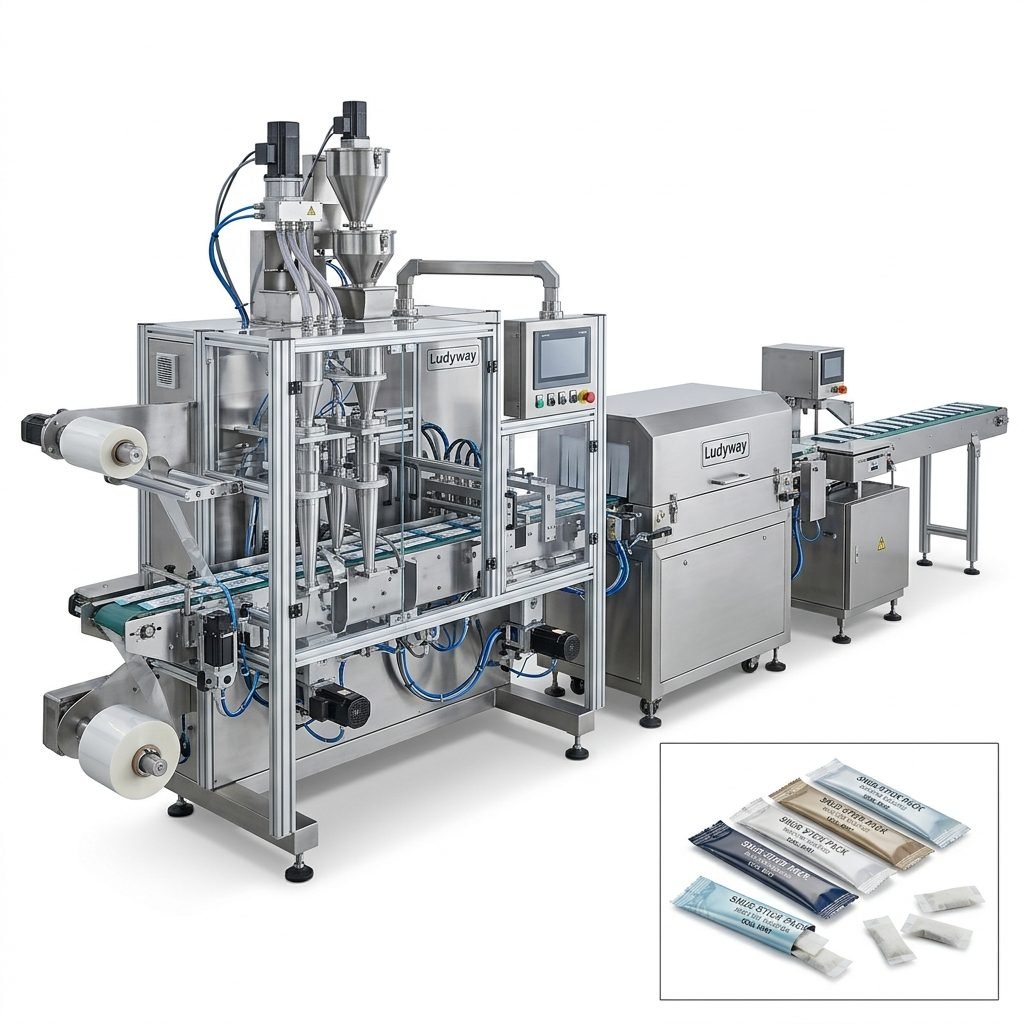
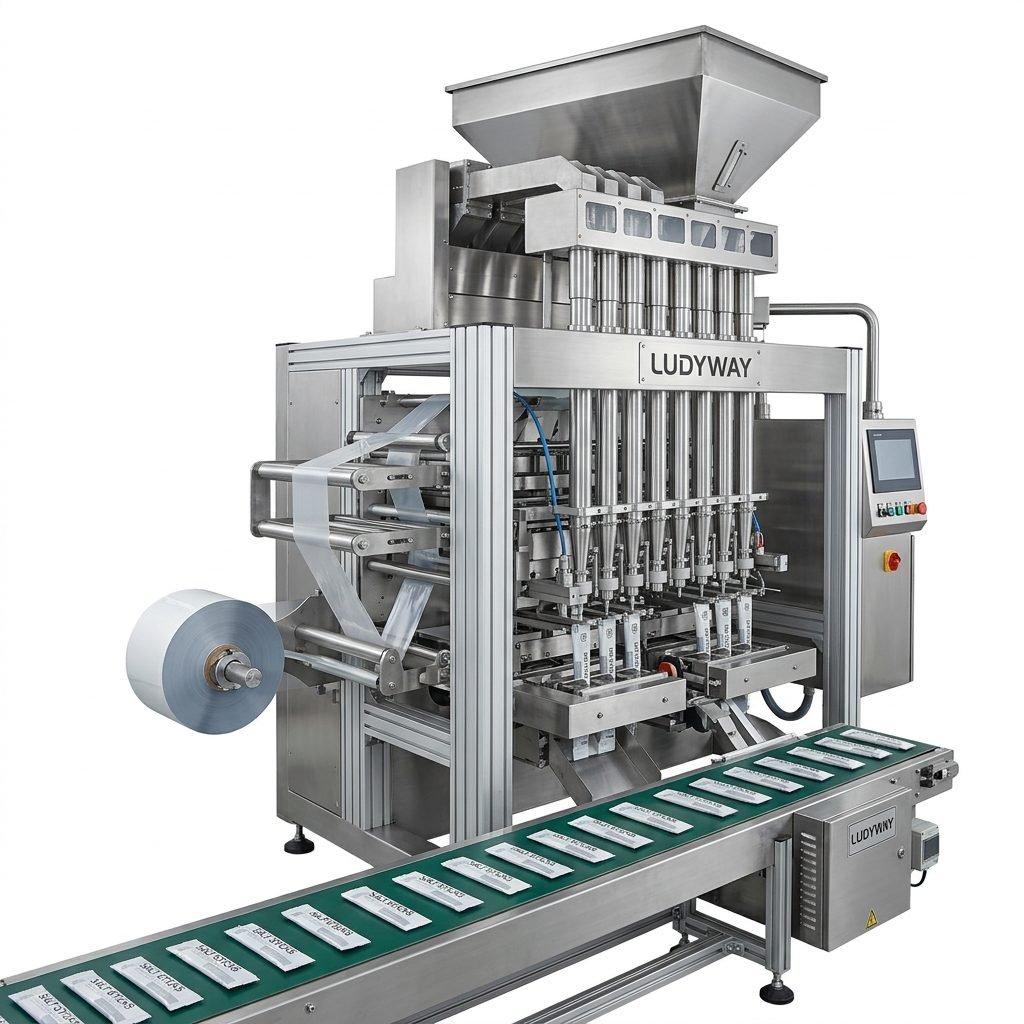
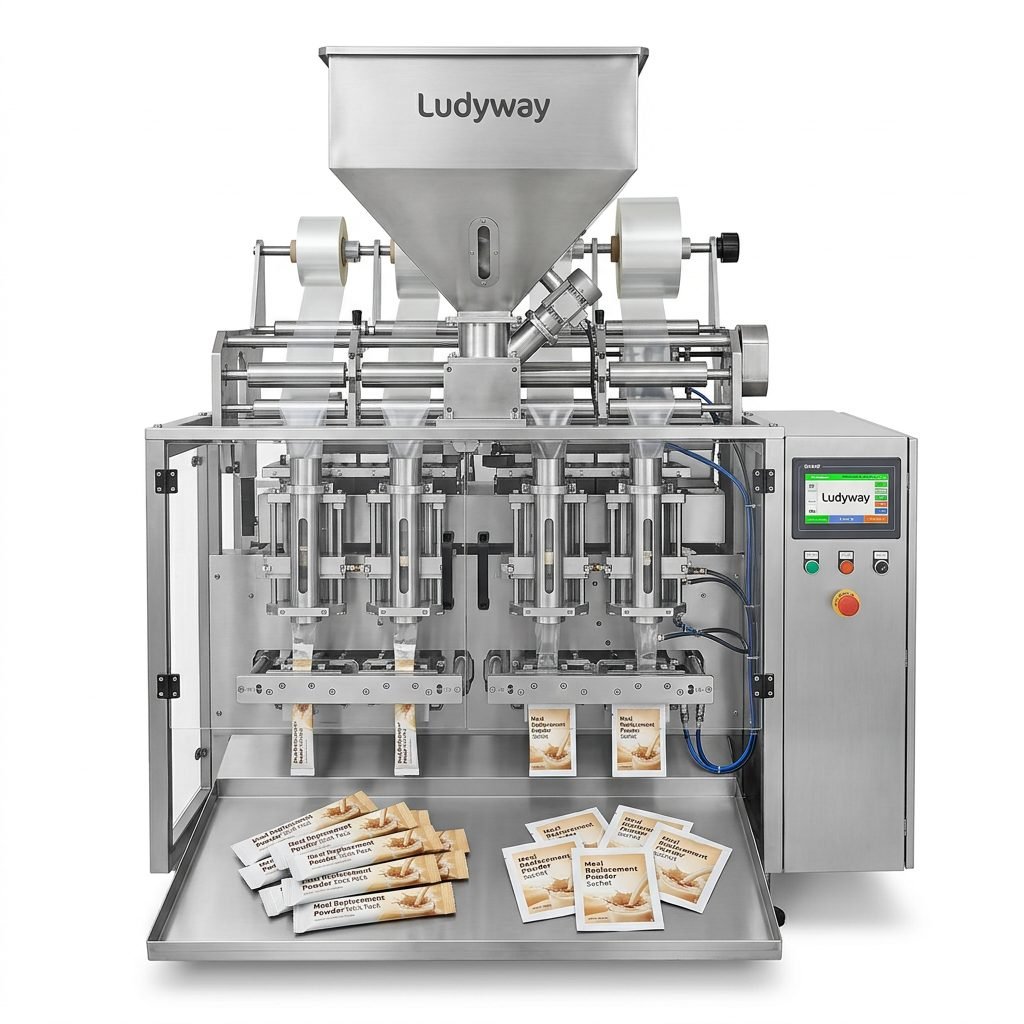
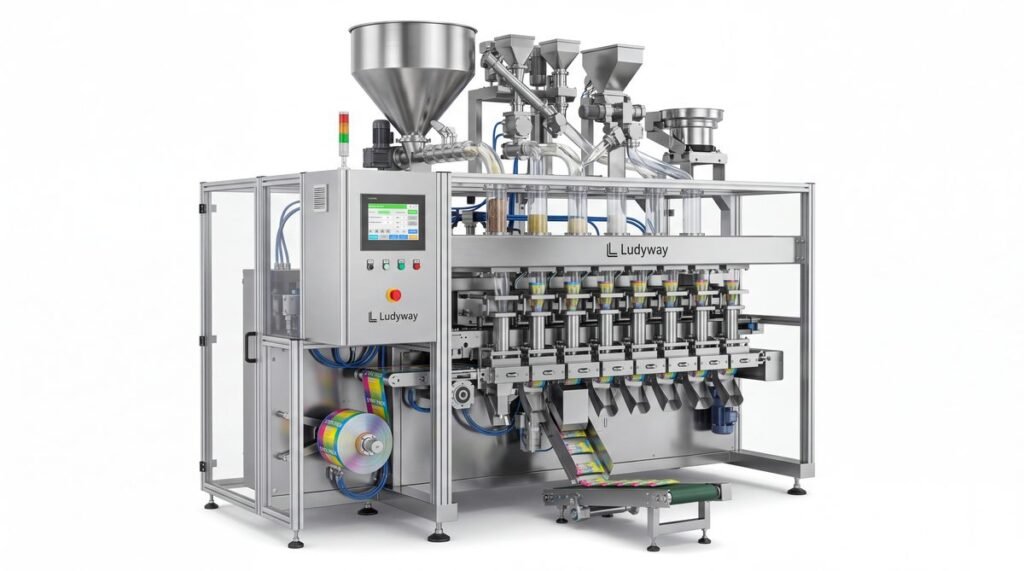
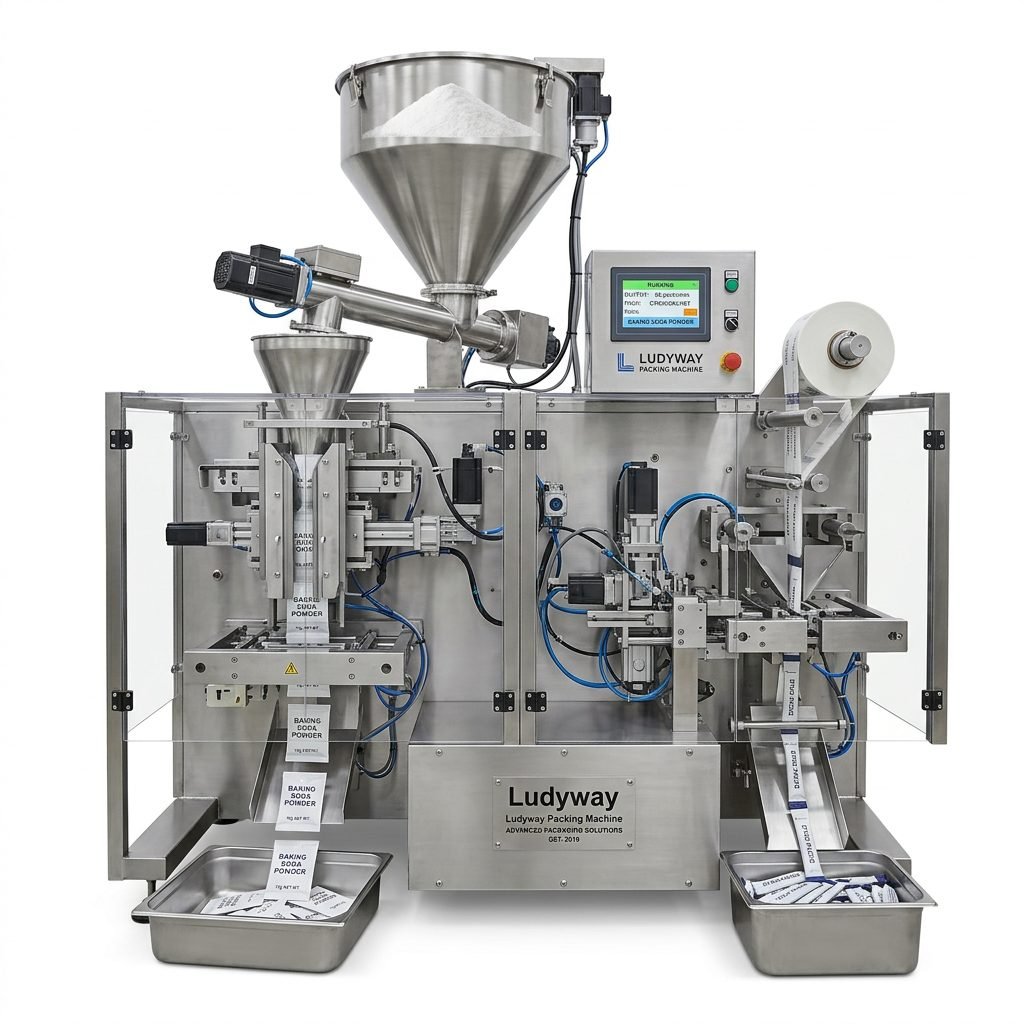
Purchasing used packaging machinery can be a strategic and cost-effective decision for businesses looking to expand or upgrade their production capabilities without the capital expenditure of new equipment. This comprehensive guide will walk you through the critical steps of choosing, pricing, maintaining, and safely operating pre-owned packaging equipment, ensuring you make an informed investment that delivers long-term value.
Key Factors to Consider When Choosing Used Packaging Equipment
Selecting the right machine is the most crucial step. A poor choice can lead to downtime, product waste, and safety hazards. Your evaluation should be thorough and methodical.
1. Assess Your Production Requirements
Begin by clearly defining your needs. What type of product are you packaging (granules, powder, liquids)? What is your required output speed (bags/min or packs/hour)? What are the packaging materials (film type, laminate)? Understanding these parameters will narrow your search to machines built for your specific application.
2. Inspect Machine Condition and History
⚠️ Critical Inspection Checklist:
- Age & Hours: Determine the machine’s manufacturing year and total operational hours, similar to checking a car’s mileage.
- Maintenance Logs: Request complete service records. A well-documented history is a strong indicator of care.
- Wear Parts: Inspect key components like sealing jaws, cutters, augers, and servo motors for excessive wear.
- Frame & Structure: Look for cracks, rust, or modifications that could compromise structural integrity.
3. Verify Manufacturer and Technical Support
Opt for machinery from reputable manufacturers known for durability and reliability. Furthermore, ensure that technical support, spare parts, and manuals are still available. A machine from a defunct company or one with no parts support becomes a liability the moment it breaks down.
Understanding Pricing and Valuation of Used Packaging Machines
The price of used equipment is not arbitrary. It’s influenced by a combination of objective factors. Knowing these helps you negotiate a fair price and avoid overpaying.
Primary Price Determinants
Brand & Model Reputation: Machines from top-tier brands (like those in the Ludyway portfolio) retain value better due to proven performance and parts availability.
Age and Condition: This is the most direct factor. A 5-year-old machine with low hours and full documentation is worth significantly more than a 10-year-old machine with heavy use.
Technological Features: Does it have servo-driven motors, touch-screen HMI, IoT connectivity, or advanced diagnostic systems? Modern features command a premium.
Market Demand: Prices for machines that package high-demand products (e.g., health supplements, single-serve condiments) can be higher.
Budgeting Beyond the Purchase Price
Your total cost of ownership (TCO) includes several often-overlooked expenses:
- Reconditioning Costs: Budget for replacing worn seals, belts, and bearings immediately after purchase.
- Shipping & Rigging: Transporting heavy industrial machinery is costly and complex.
- Installation & Calibration: Factor in the cost of a technician to install, calibrate, and commission the machine in your facility.
- Initial Spare Parts Kit: Purchasing a set of common wear parts upfront minimizes future downtime.
Essential Maintenance for Longevity and Performance
A proactive maintenance regimen is non-negotiable for used equipment. It ensures consistent performance, prevents catastrophic failures, and extends the machine’s service life.
Daily, Weekly, and Monthly Maintenance Tasks
📅 Scheduled Maintenance Plan
Daily: Clean all product contact surfaces, inspect for loose bolts or leaks, and check lubrication points.
Weekly: Perform more thorough cleaning, inspect sealing jaws and cutters for residue or damage, and verify pneumatic system pressure.
Monthly: Check drive belts for tension and wear, inspect electrical connections, and run a full performance test with your actual packaging material.
Building a Relationship with a Reliable Service Partner
For complex repairs and annual servicing, partnering with an expert is key. Companies with deep industry experience can provide not only repair services but also valuable advice on upgrades and optimization tailored to your specific production line.
Safe Operation Procedures for Used Machinery
Safety is paramount. Older machines may lack the latest safety interlocks and guards, making operator training and strict procedures even more critical.
Fundamental Safety Protocols
- Lockout-Tagout (LOTO): Always follow LOTO procedures before performing any cleaning, adjustment, or maintenance. Isolate all energy sources (electrical, pneumatic, kinetic).
- Use All Guards: Never operate the machine with safety guards, covers, or interlocks removed or disabled.
- Proper Attire: Operators must wear appropriate PPE—no loose clothing, jewelry, or long hair near moving parts.
- Emergency Stops: Ensure all emergency stop buttons are functional, clearly marked, and accessible.
Creating a Culture of Safety
Safety is a continuous process. Conduct regular training sessions, review incident reports (even near-misses), and encourage operators to report potential hazards immediately. A safe machine is a productive machine.
Frequently Asked Questions (FAQs)
1. What is the biggest risk when buying a used packaging machine?
The greatest risk is hidden mechanical or electrical wear that leads to immediate, costly breakdowns and prolonged downtime. This risk is mitigated by a thorough pre-purchase inspection, preferably conducted by a qualified technician, and by purchasing from a reputable source that provides a detailed condition report.
2. How can I verify the true condition of a machine before purchasing?
Request a live video demonstration where the seller runs the machine with a material similar to yours. Ask for high-resolution photos and videos of the internal components. Most importantly, hire an independent packaging machinery consultant or technician to perform an on-site or remote audit if a physical visit isn’t possible.
3. Are spare parts readily available for older used models?
Availability varies. For popular models from major manufacturers, parts are often still produced or available as aftermarket equivalents. However, for obscure or very old models, parts may be scarce or require custom machining. Always verify parts availability before finalizing a purchase.
4. Is it worth retrofitting an old machine with new technology?
It can be, depending on the cost-benefit analysis. Retrofits like adding a new servo drive, touch-screen PLC, or checkweigher interface can significantly boost speed, accuracy, and data collection. Consult with a packaging automation specialist to determine if the investment will provide a sufficient return for your production goals.
5. What is a typical expected lifespan for a well-maintained used packaging machine?
With proper maintenance and operation, a quality used packaging machine can provide 10 to 20 more years of reliable service. The core mechanical structure often outlasts electronic components. The lifespan is directly tied to the rigor of your maintenance schedule and the operating environment (clean, climate-controlled environments are ideal).