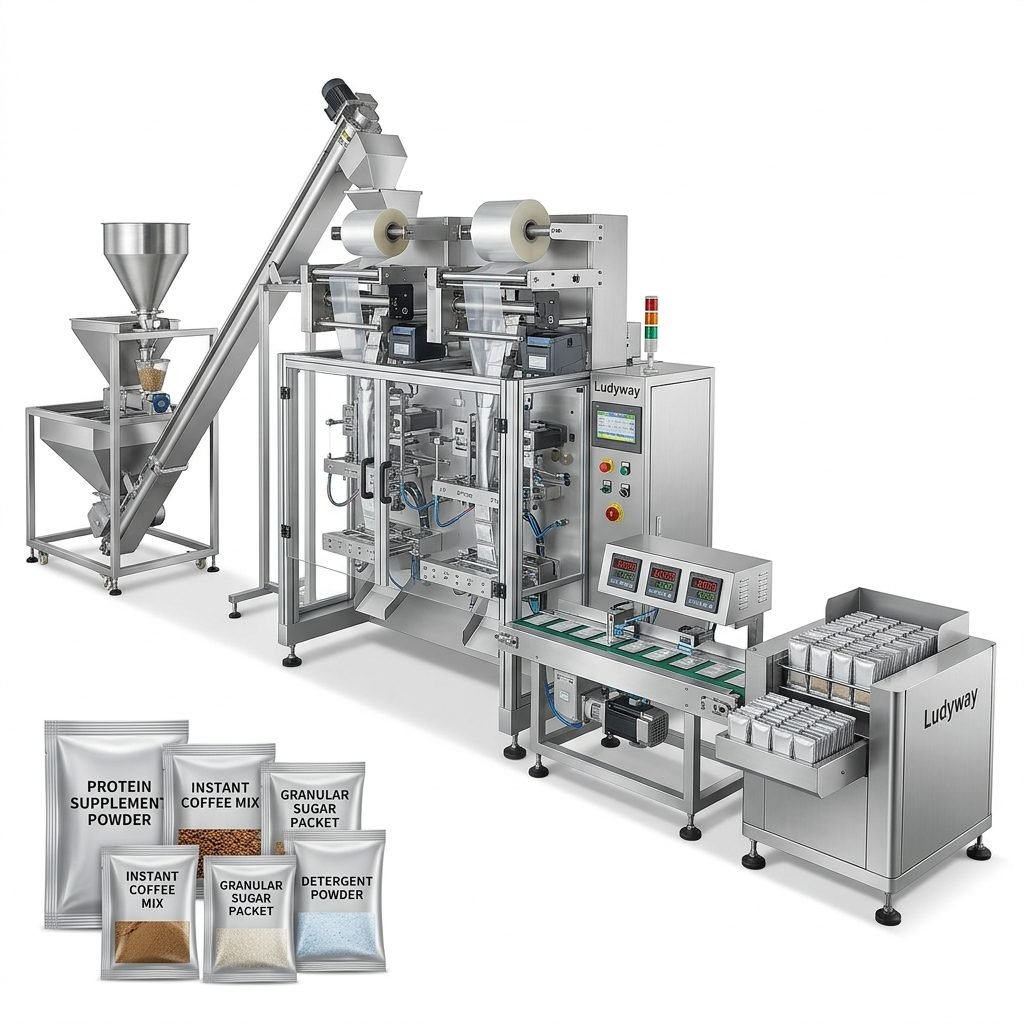
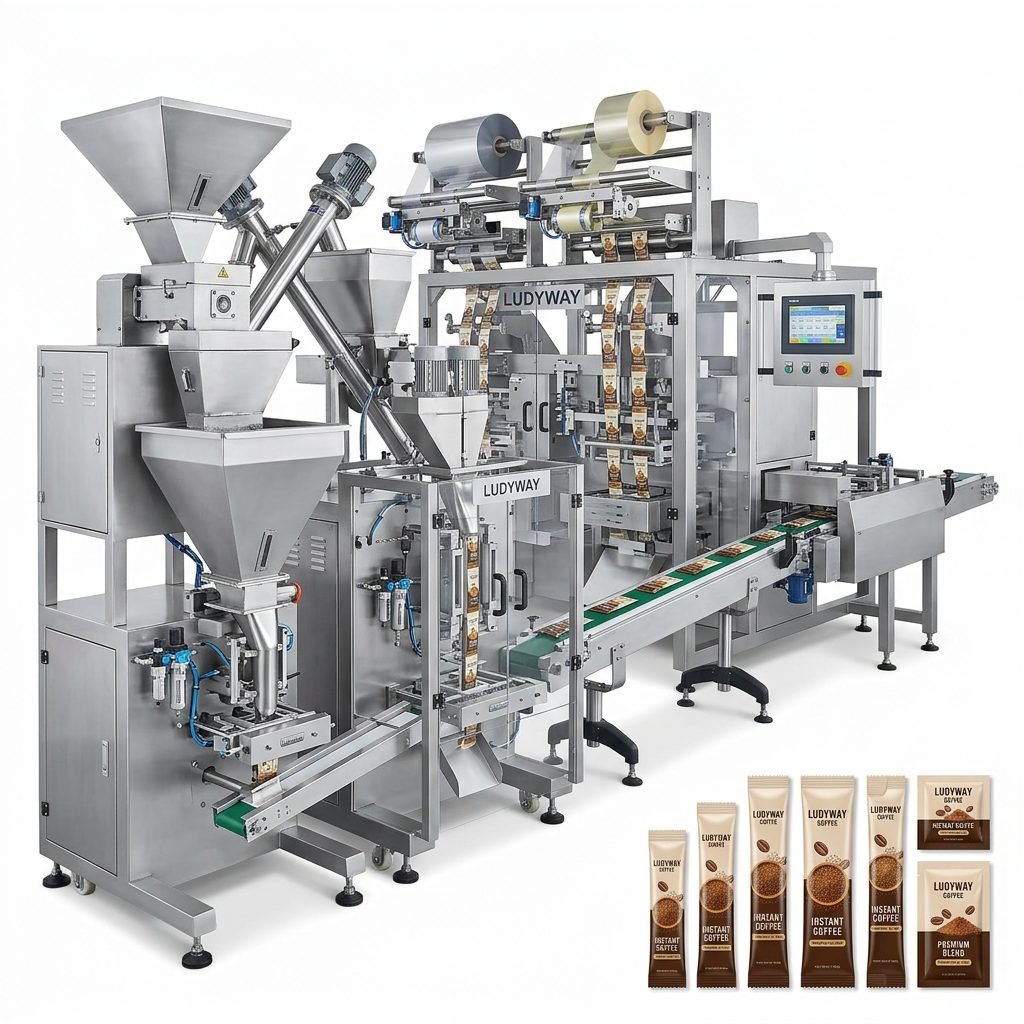
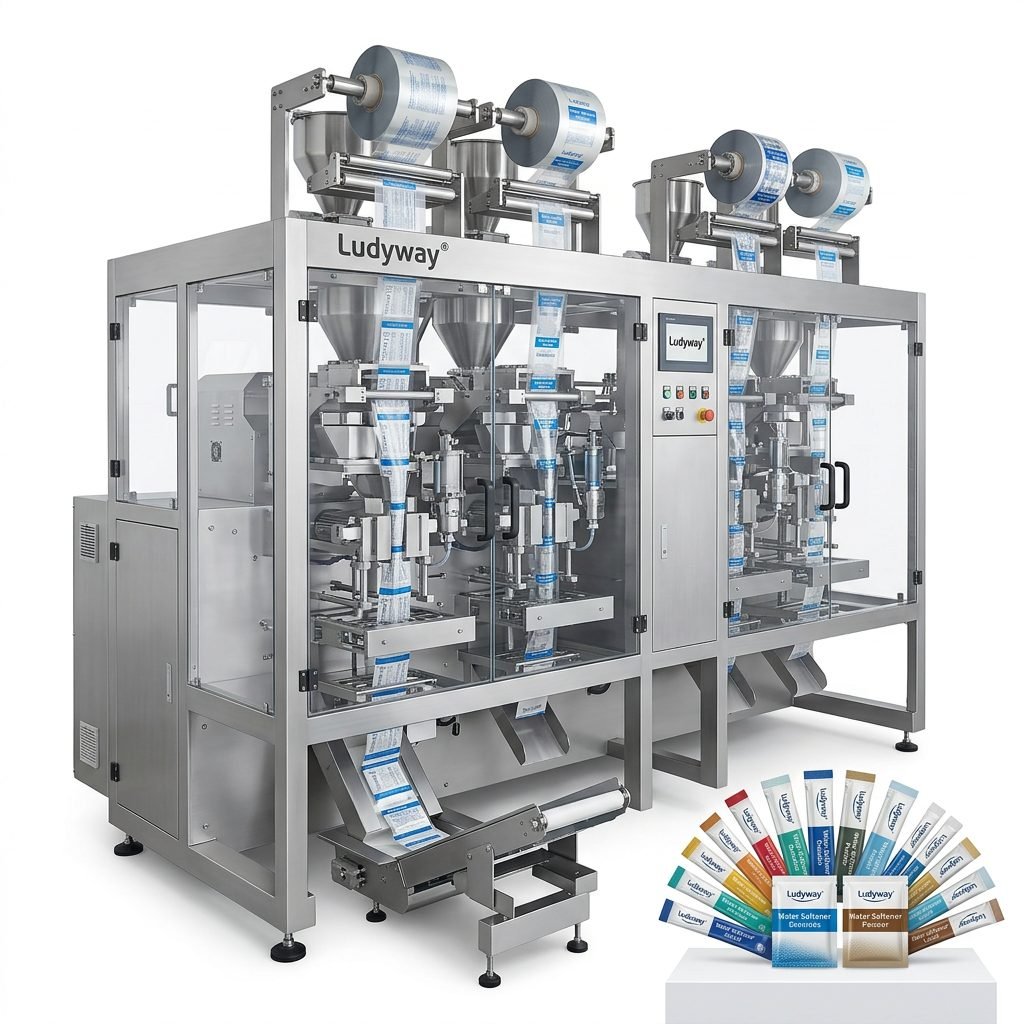
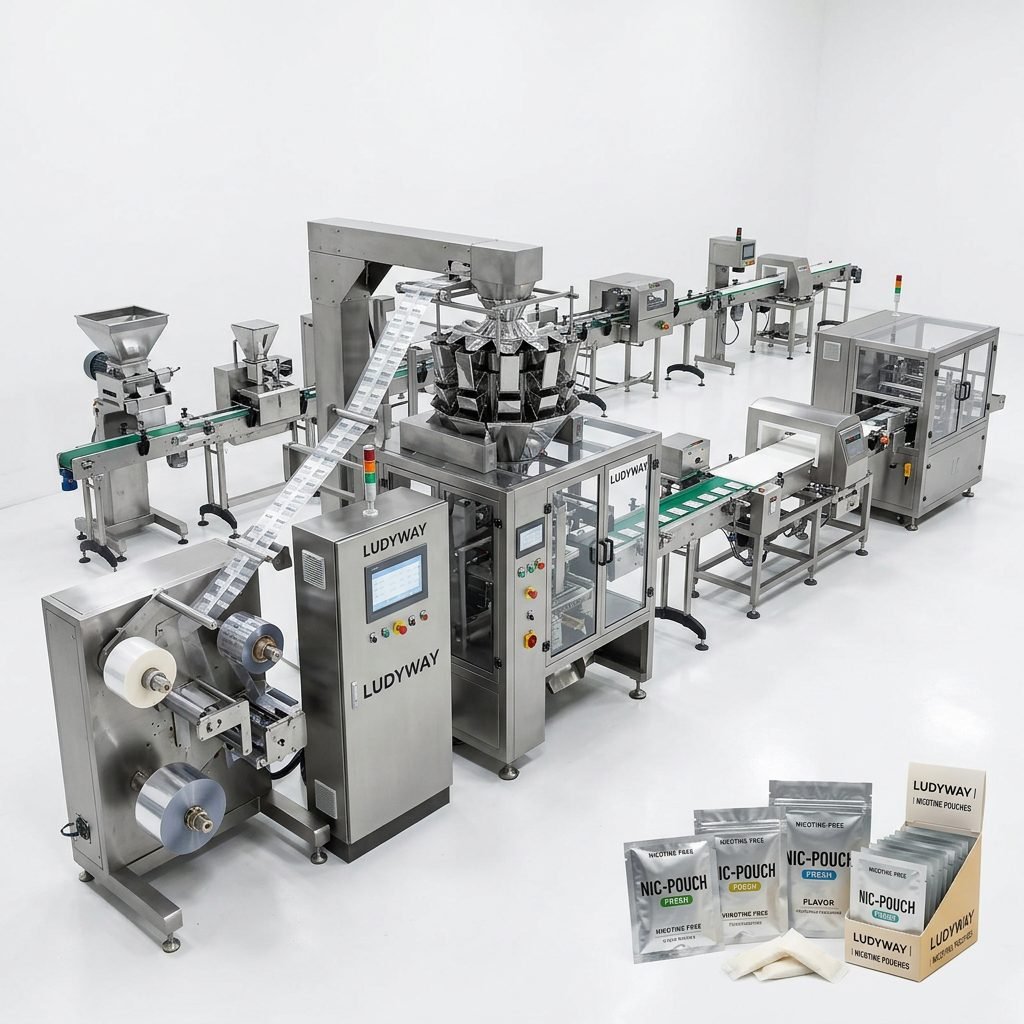
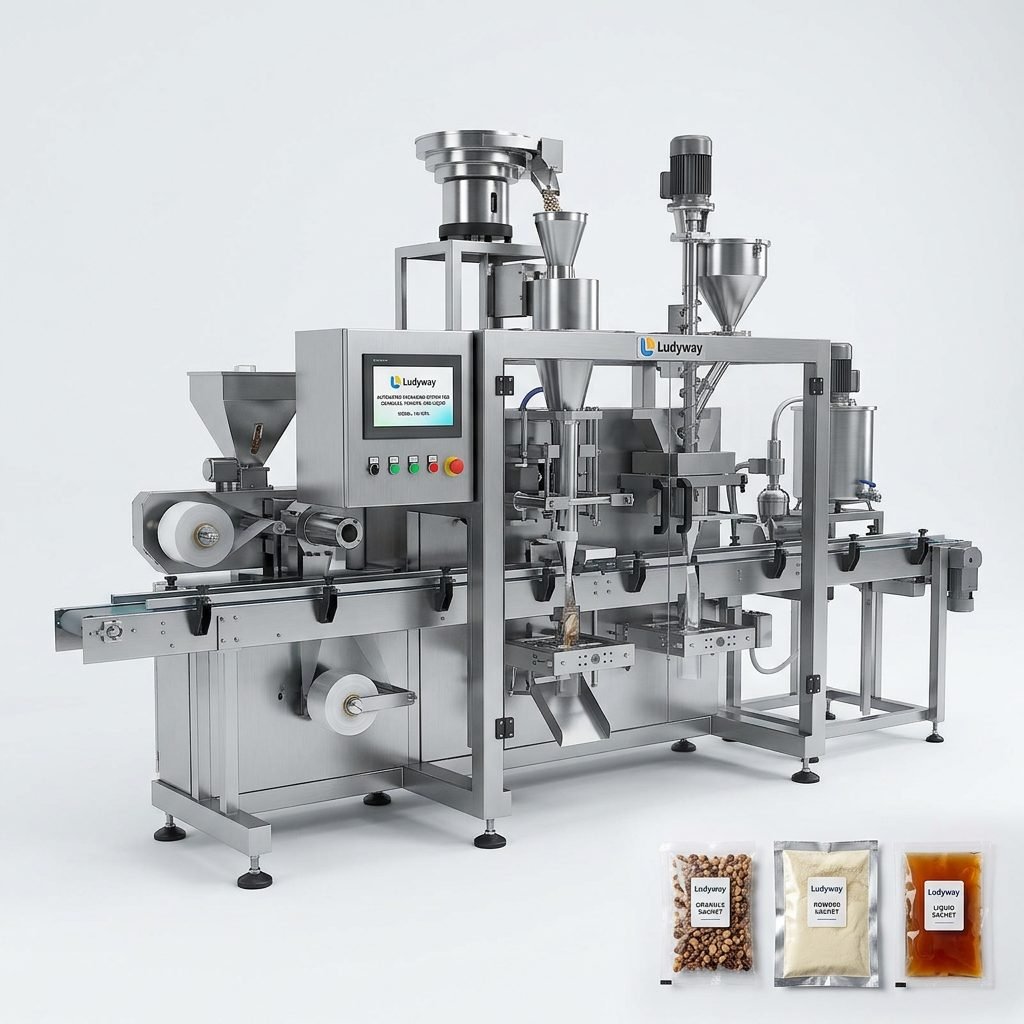
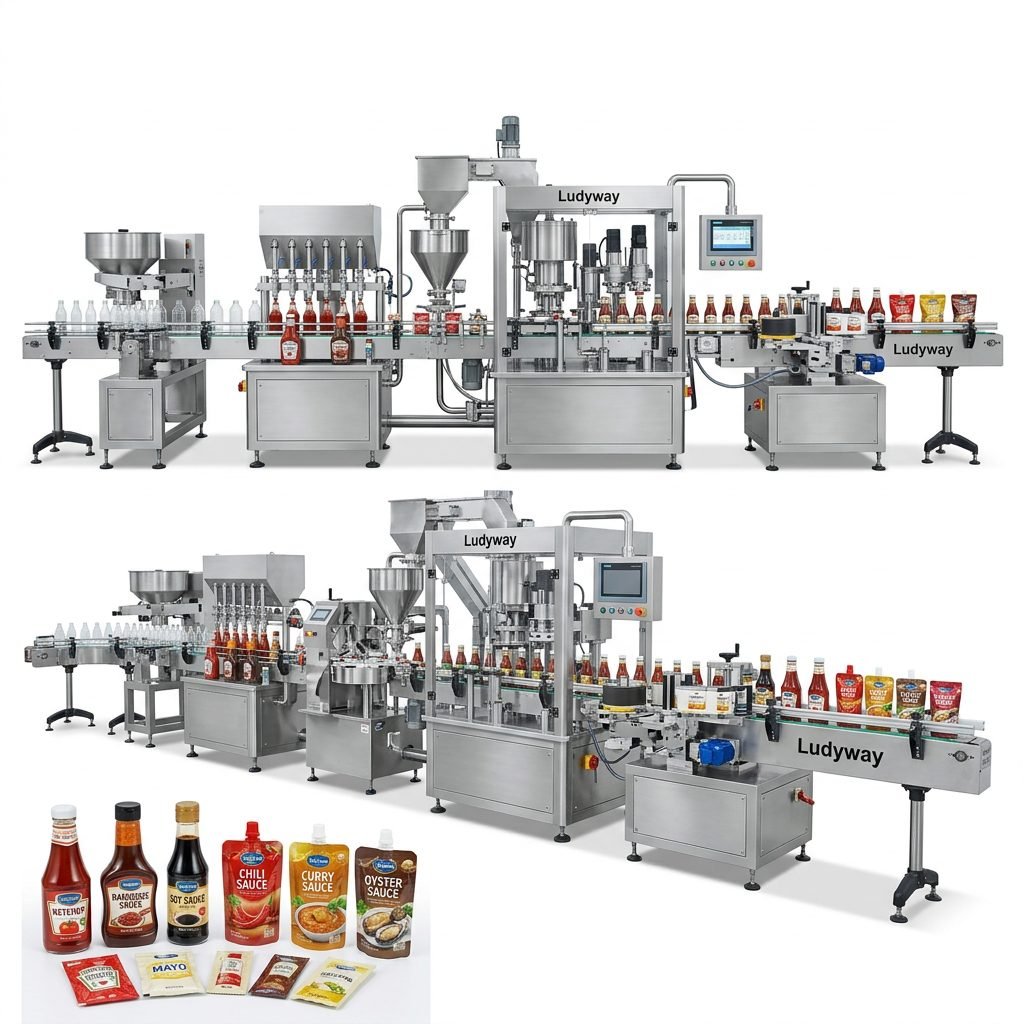
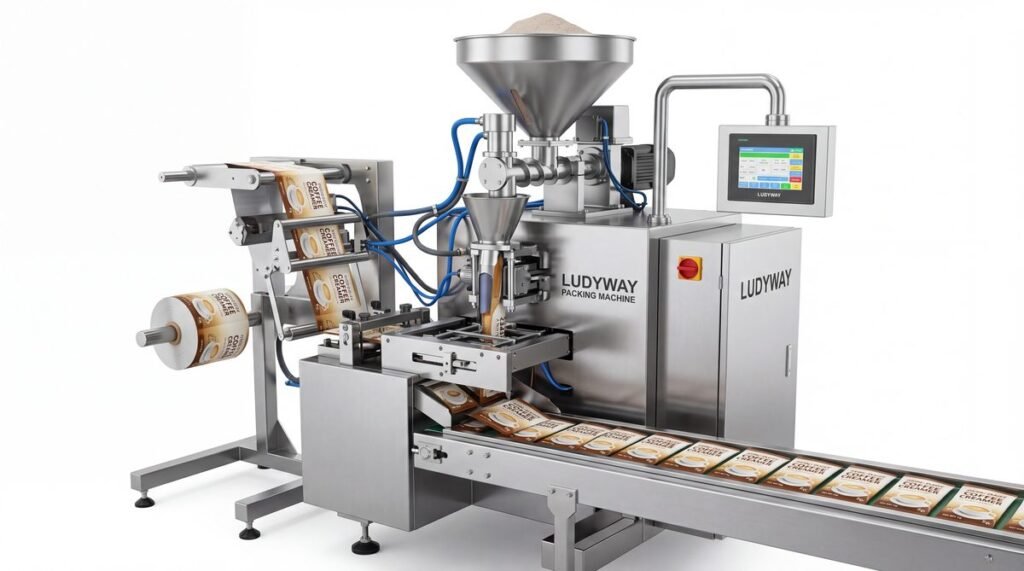
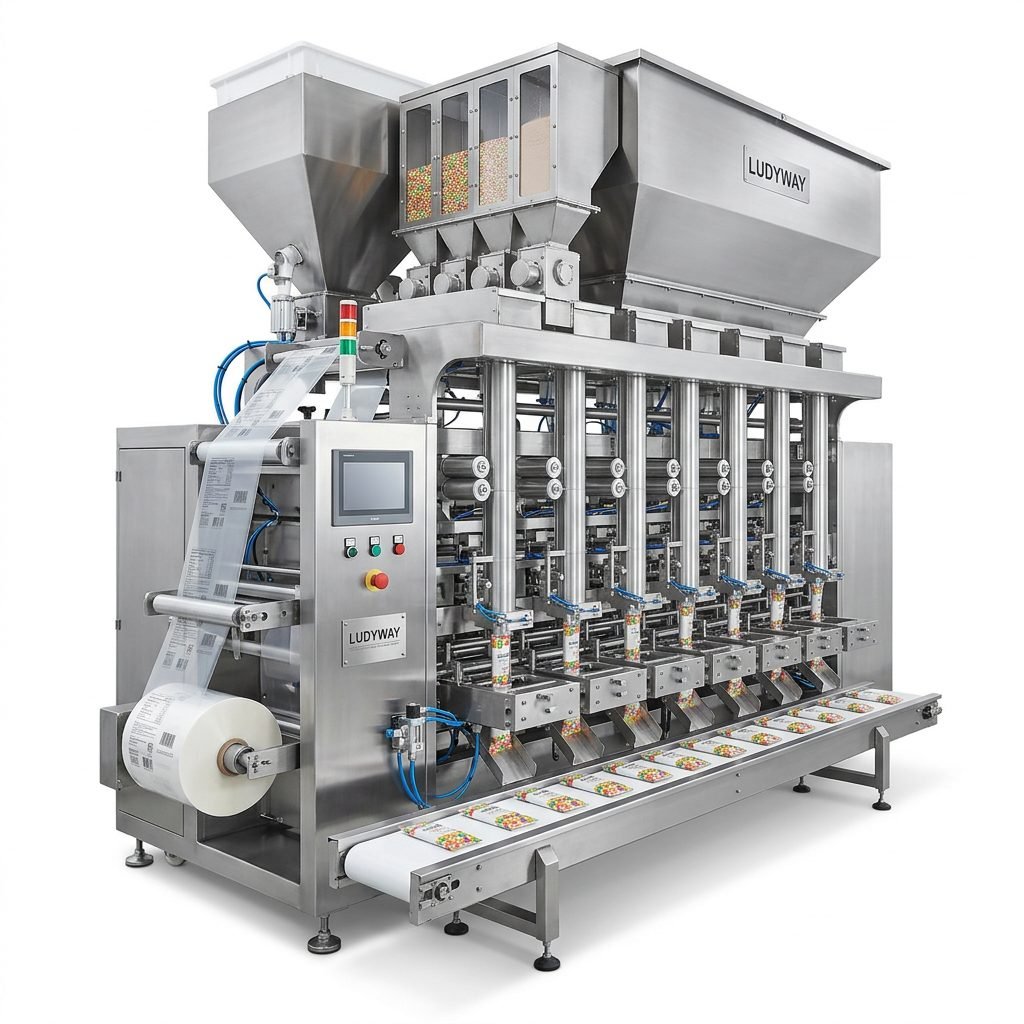
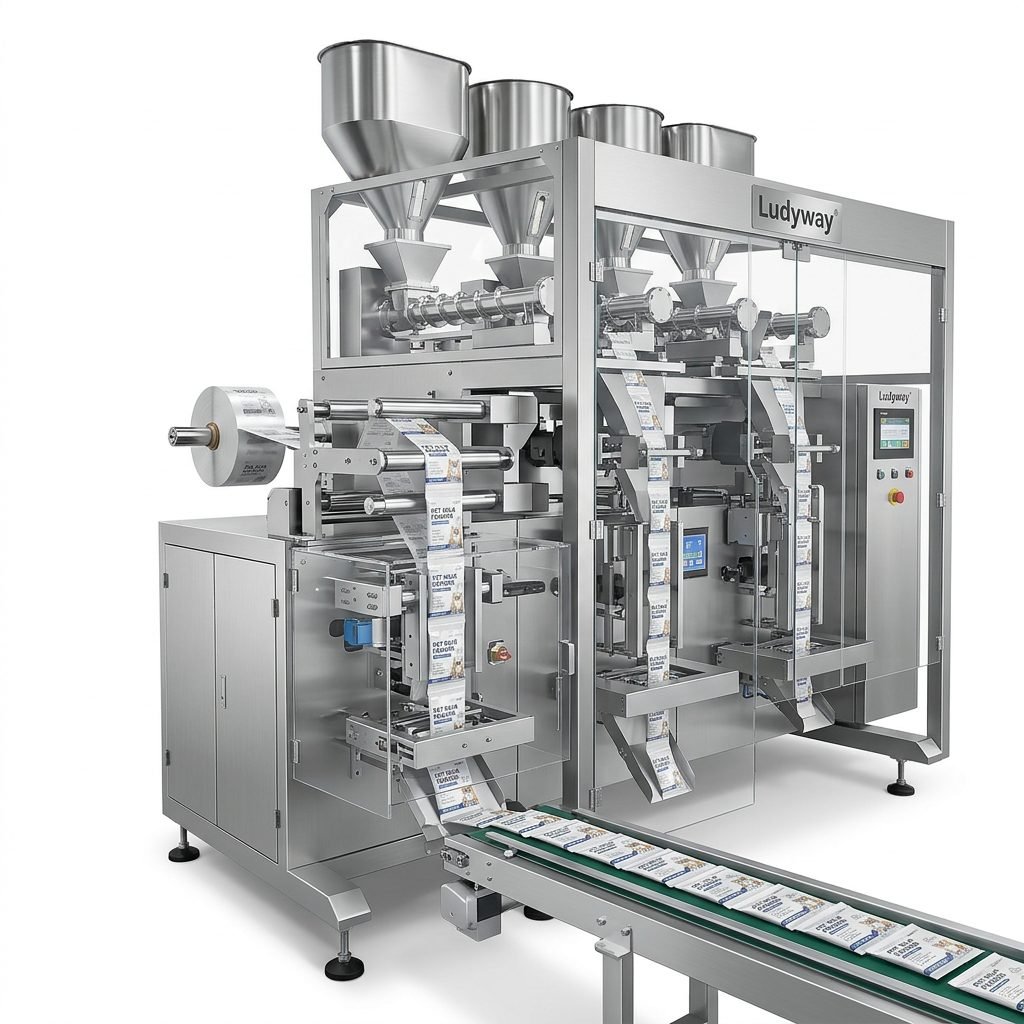
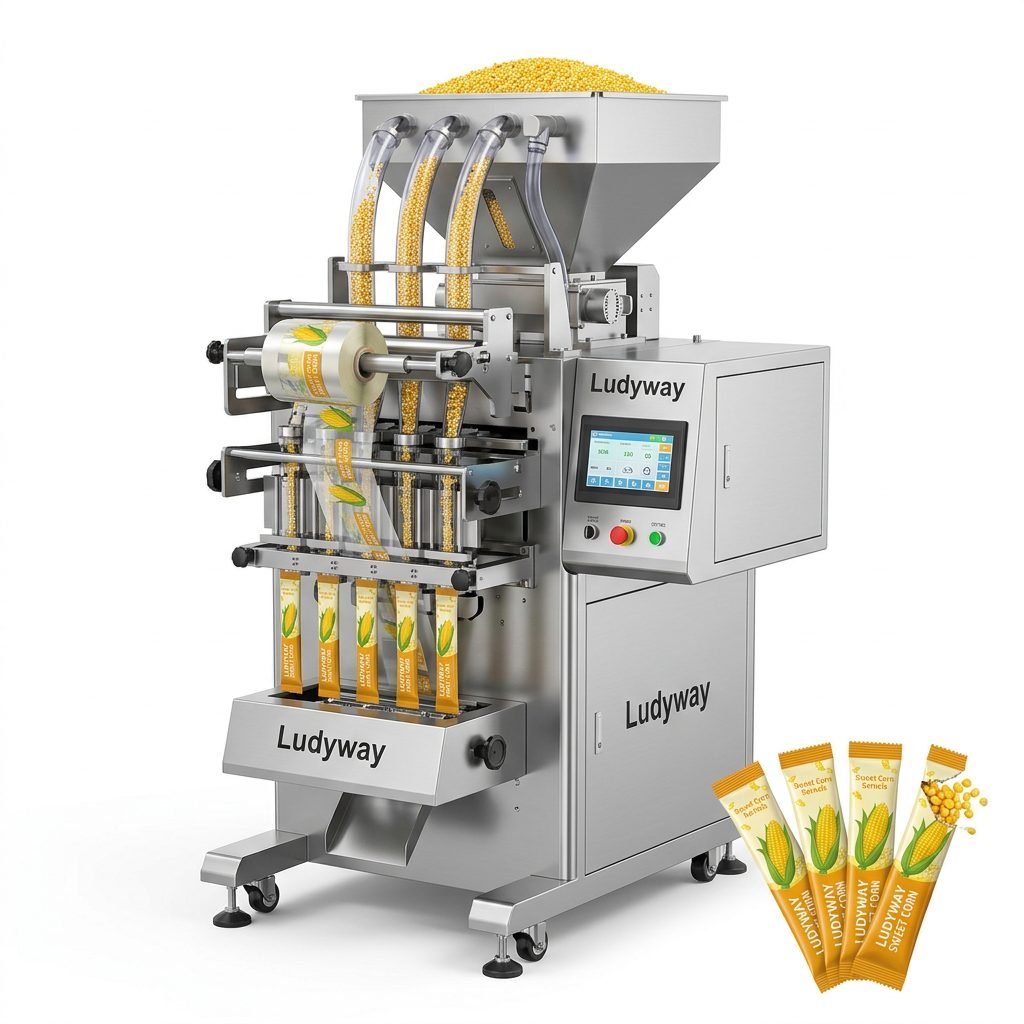
Investing in a fully automatic packing machine is a strategic decision that affects your production capacity, packaging consistency, and long-term operational costs. Whether you’re transitioning from semi-automatic equipment or expanding an existing line, getting the specification right from the start prevents expensive modifications later.
This guide covers the key factors to evaluate when choosing a fully automatic packing machine for powders, granules, liquids, or solid products, with practical advice on machine configuration, supplier selection, and lifecycle planning.
1. Map Your Product and Packaging Requirements First
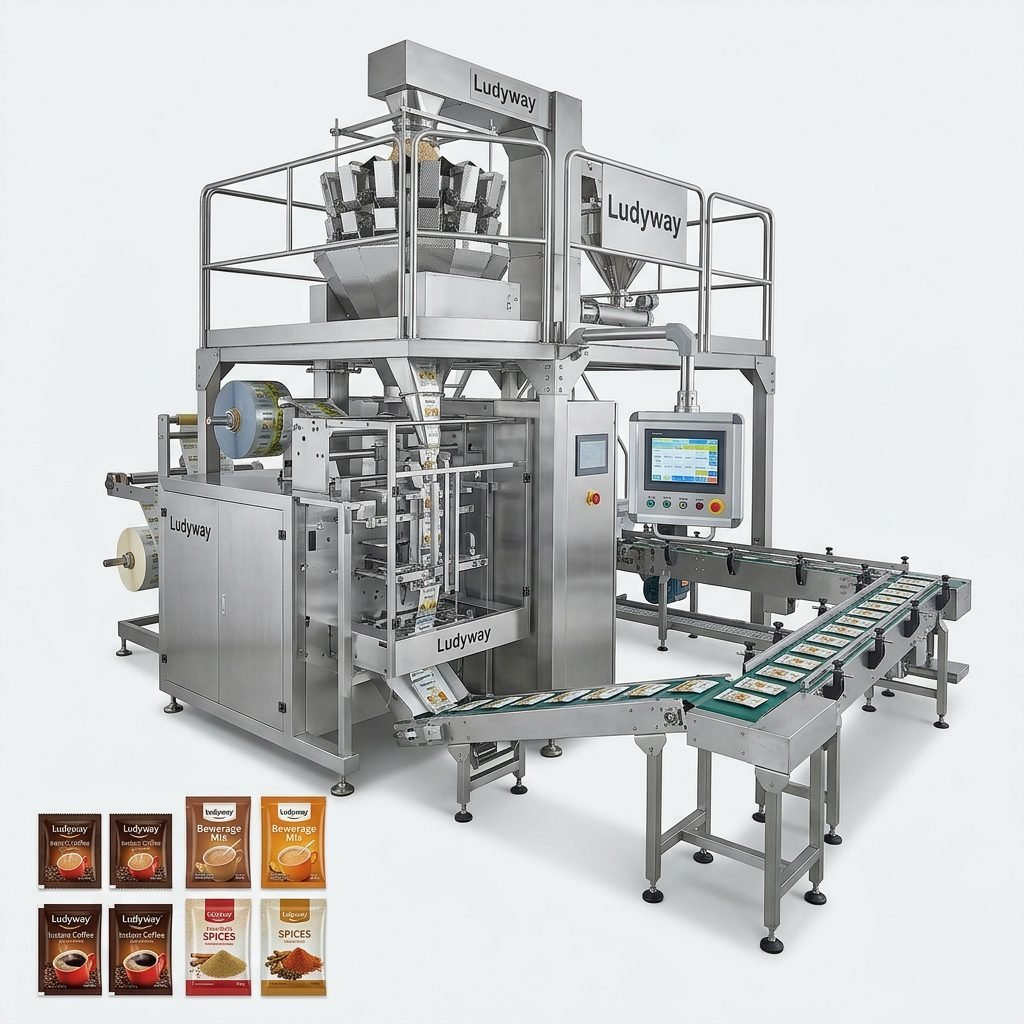
Before contacting any packaging machinery manufacturer, you need a clear picture of what you’re packing and how. The machine that works brilliantly for free-flowing granules may fail completely with cohesive powders or fragile solids.
Product Characteristics to Document
- Physical state: powder, granule, liquid, paste, or solid piece
- Flow properties: free-flowing, cohesive, sticky, or hygroscopic
- Bulk density and particle size distribution
- Temperature sensitivity or shear sensitivity
- Hygiene requirements: food-grade, pharmaceutical, or industrial
Packaging Format Decisions
The bag style and size directly determine the machine type you need. Common formats include stick packs, sachets, pillow bags, gusseted pouches, doypacks, and pre-made pouches. Each format requires different forming, filling, and sealing mechanisms.
2. Machine Types and Their Best Applications
Choosing the right machine category prevents mismatched capabilities. The table below summarizes the primary types of fully automatic packing machines and where they fit best.
| Machine Type | Best For | Key Considerations |
|---|---|---|
| Vertical Form Fill Seal (VFFS) | Powders, granules, snacks, rice, seeds | Film-based; high speed; limited bag styles |
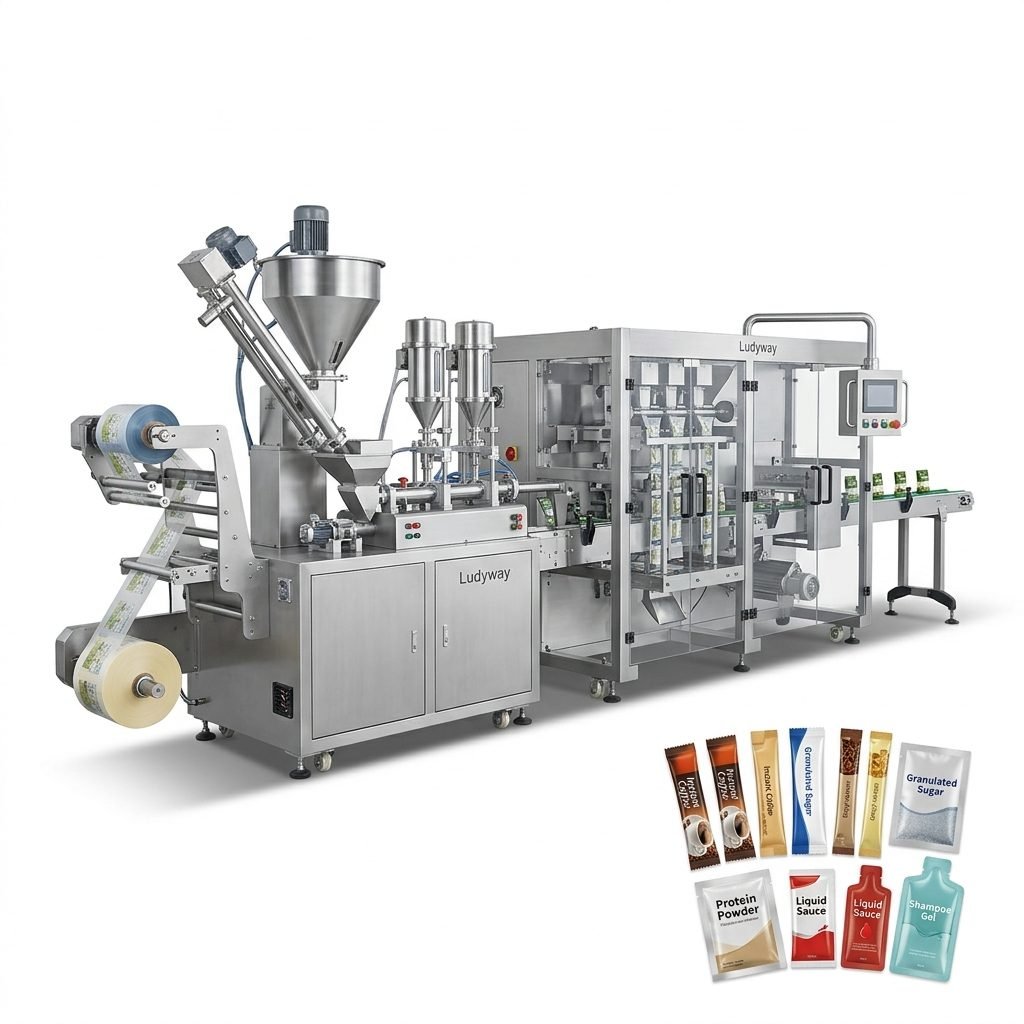
| Multi-Lane Stick Pack Machine | Single-serve powders, supplements, seasonings | Extremely high output; precise dosing required |
| Pre-Made Pouch Rotary Machine | Liquids, sauces, beverages, cosmetics | Flexible bag styles; lower speed than VFFS |
| Sachet Multi-Lane Machine | Shampoo, ketchup, detergent, cream | High-volume; requires uniform film quality |
| Open-Mouth Bagging System | Bulk 5–50kg bags, feed, fertilizer | Heavy-duty; net or gross weigh filling |
3. Speed and Output: Balance Realism with Ambition
The rated speed on a specification sheet is rarely your actual long-term production rate. When comparing fully automatic packing machines, ask suppliers to clarify speed under real operating conditions rather than theoretical maximums.
Factors That Impact Real Output
- Product flow characteristics and filling accuracy at high speed
- Film or bag changeover time between batches
- Operator skill level and line integration stability
- Maintenance downtime and cleaning frequency
For high-volume applications such as stick pack supplements or instant beverage powders, multi-lane machines can deliver 400–600 packs per minute. For smaller operations, a single-lane VFFS machine operating at 40–80 packs per minute may be entirely sufficient.
4. Filling and Dosing Technology: Match the Mechanism to the Material
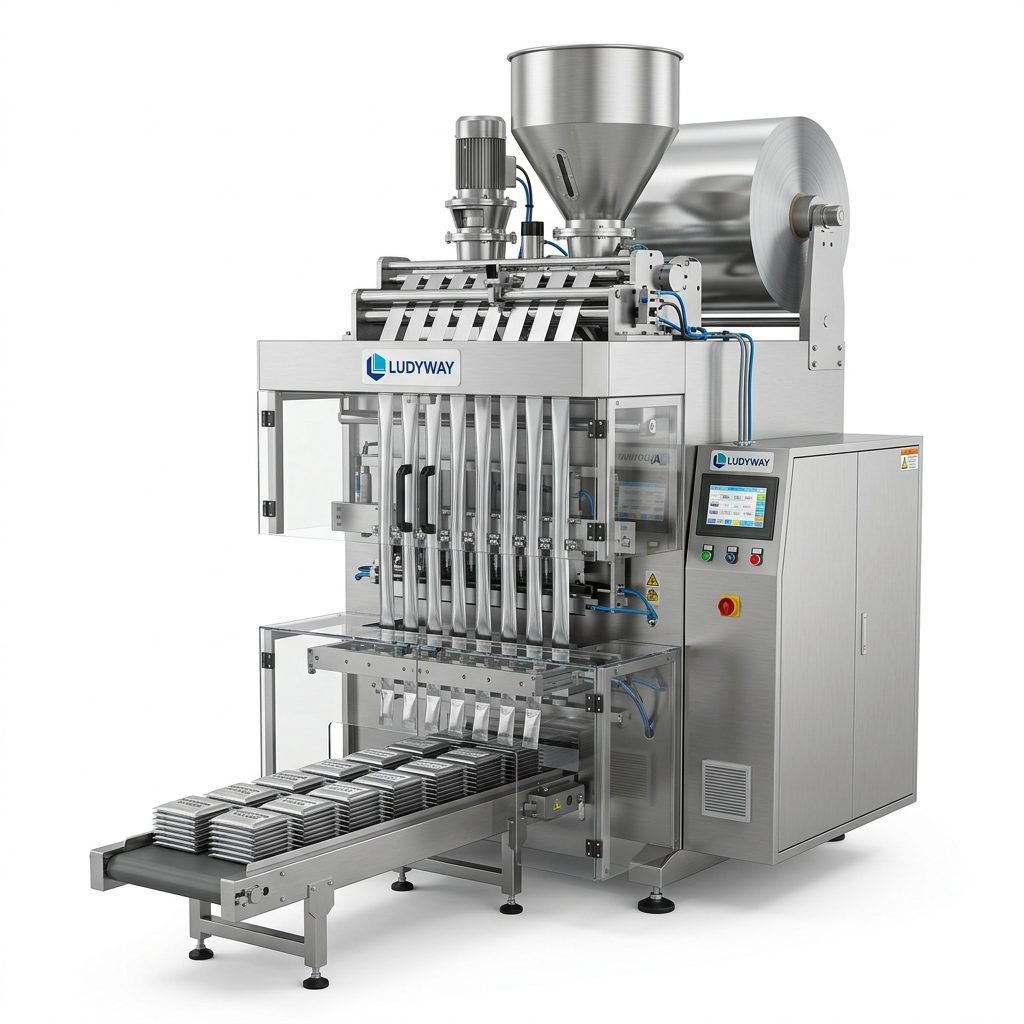
The dosing system inside your fully automatic packing machine determines fill accuracy, giveaway, and product waste. Selecting the wrong filler is one of the most common and costly mistakes in packaging machinery procurement.
Common Dosing Systems by Product Type
| Dosing Type | Suitable Products | Accuracy Level |
|---|---|---|
| Auger Filler | Fine powders, milk powder, flour, spices | ±0.5–1% |
| Multi-Head Weigher | Granules, snacks, nuts, candies | ±0.1–0.5g per head |
| Piston Filler | Liquids, pastes, sauces, creams | ±0.5–1% |
| Volumetric Cup Filler | Free-flowing granules, seeds, rice | ±1–2% |
For products that bridge categories—such as protein powder with granule inclusions or seasoning powders with variable density—discuss hybrid dosing approaches with your equipment partner.
5. Packaging Material Compatibility and Sealing Technology
The packaging film or bag material you plan to use directly impacts machine configuration. A fully automatic packing machine should be specified to handle your film structure—not the other way around.
Material Considerations
- Film type: BOPP/CPP, PET/AL/PE, paper/PE, or biodegradable laminates
- Film thickness range and heat-seal layer properties
- Seal width and strength requirements for your distribution environment
- Barrier properties needed: moisture, oxygen, or light protection
The sealing system—whether constant heat, impulse sealing, or ultrasonic—must match your material’s thermal profile. A mismatch leads to leakers, wrinkled seals, or burnt film at production speed. Request seal integrity testing on your actual material before finalizing the machine order.
6. Industry-Specific Compliance and Standards
Different industries impose different requirements on fully automatic packing machines. Understanding these before procurement avoids costly retrofits or regulatory rejection.
Food and Beverage
Machines must support hygienic design with tool-free disassembly for cleaning, sloped surfaces to prevent product accumulation, and food-grade contact materials. Look for compliance with FDA food contact substance regulations or equivalent local standards.
Pharmaceutical and Nutraceutical
Pharmaceutical packaging demands validated processes, precise dosing with documentation, and often serialization and track-and-trace capabilities. Machines may need to comply with ISO 11607 for terminally sterilized medical devices or relevant GMP guidelines.
Cosmetics and Personal Care
Frequent format changes characterize cosmetic packaging, from sample sachets to full-size pouches. Machines should offer quick-changeover features and handle various viscosity products.
Chemical and Industrial Products
Packaging equipment in this sector must handle corrosive or abrasive materials and often requires explosion-proof motors or dust-containment systems. Reference ISO packaging standards for material compatibility and safety requirements in your target markets.
7. Integration Potential: How the Machine Fits Your Production Line
A fully automatic packing machine rarely operates in isolation. Consider upstream and downstream integration early in the evaluation process to avoid creating a bottleneck or manual intervention point.
Upstream Connections
- Product feeding: bucket elevators, vacuum conveyors, or screw feeders
- Inline checkweighers for fill weight verification
- Metal detectors or X-ray inspection for contaminant detection
Downstream Equipment
- Cartoning machines for secondary packaging
- Case packers and case sealers
- Palletizing systems including robotic palletizers
- Coding and marking systems for batch and date information
For businesses planning a fully integrated turnkey packaging line, working with a single-source provider that can deliver the complete system reduces interface risks and simplifies project management. Companies like Ludyway Machinery, with over 30 years of packaging machinery experience and a 20,000-square-meter manufacturing facility, offer integrated packaging systems that connect multiple stages of the packaging process—from filling and sealing through cartoning and palletizing—to help manufacturers improve overall line consistency.
8. Supplier Evaluation: Beyond the Price Quote
Selecting the right fully automatic packing machine supplier is as important as selecting the right machine. A low purchase price means little if support is unavailable when you need it.
Supplier Assessment Checklist
- Industry experience: How many installations do they have in your specific industry?
- Manufacturing depth: Do they build key components in-house or rely on third-party assembly?
- Customization capability: Can they modify machine configurations for your specific product and bag format?
- International certifications: Do their machines meet applicable standards such as CE, UL, or relevant local requirements?
- After-sales support: What is their service response time in your region?
- Spare parts availability: Do they maintain a spare parts inventory and offer remote diagnostics?
For a deep understanding of the packaging machinery market and investment trends, resources such as the PMMI State of the Industry reports and Flexible Packaging Association industry data provide valuable benchmarks on market direction, technology adoption rates, and capital expenditure patterns across packaging sectors.
9. Total Cost of Ownership: Look Past the Initial Price
The purchase price of a fully automatic packing machine represents only a fraction of its total cost over a 10–15 year service life. Smart buyers evaluate the complete cost picture before making a decision.
Cost Components to Model
| Cost Category | Typical Impact | Mitigation Strategy |
|---|---|---|
| Machine purchase price | 20–40% of total lifecycle cost | Competitively bid but don’t over-optimize on price alone |
| Film or bag material cost | Largest ongoing operating cost | Test material efficiency; minimize scrap rate |
| Spare parts and maintenance | 5–10% annually of machine value | Stock critical wear parts; negotiate service contract |
| Product giveaway | Can exceed machine cost over life | Select high-accuracy dosing; use checkweigher feedback |
| Downtime and lost production | Varies; high for unreliable machines | Prioritize reliability; ensure local service access |
10. Testing and Validation Before Final Commitment
The most effective way to de-risk a fully automatic packing machine purchase is to test your actual product on the actual machine before signing the order. Never rely solely on spec sheets or test results from other products.
Testing Protocol
- Send product samples to the manufacturer for initial feasibility testing
- Request video documentation of the test run with speed and accuracy data
- If feasible, conduct a Factory Acceptance Test (FAT) in person or via live video
- Run the test on your selected film or bag material, not substitute stock
- Test across multiple production speeds to verify stability at your target output
11. Space, Utilities, and Installation Planning
A fully automatic packing machine needs more than floor space—it requires proper utilities and operational clearance. Plan for these infrastructure elements before the machine arrives.
Installation Checklists
- Electrical supply: Voltage, phase, frequency, and power consumption requirements
- Compressed air: Pressure, flow rate, and air quality specifications
- Dust extraction or HVAC for powder handling environments
- Floor loading and vibration isolation if required
- Access for maintenance and cleaning around all sides of the machine
- Product feed height and discharge height for upstream and downstream equipment
Failure to verify utility compatibility is a leading cause of installation delays. Confirm all requirements with the manufacturer during the quoting phase, not after delivery.
12. Future-Proofing: Leave Room for Growth
The fully automatic packing machine you buy today should accommodate your business trajectory for at least the next five years. Consider these future-proofing strategies during specification.
Scalability Options
- Additional lanes: Can the machine be upgraded from 4-lane to 6-lane or 8-lane in the future?
- Bag format changes: Does the machine support multiple bag styles with minimal conversion cost?
- Automation upgrades: Can robotic feeding, automatic case packing, or palletizing be added later?
- Control system expandability: Is the PLC and HMI architecture open for integration with future plant systems?
- Compliance roadmap: Will the machine support evolving serialization, sustainability, or safety requirements in your target regulatory environments?
Discussing these points with your equipment partner during the selection process ensures you’re not locked into a configuration that limits your growth options.
13. Common Mistakes to Avoid
Learning from the mistakes of others can save both money and time. Here are the most frequent errors buyers make when specifying fully automatic packing machines.
- Underestimating product variability: Testing only one batch and ignoring seasonal or supplier-driven changes
- Over-prioritizing speed: Chasing maximum rated speed while sacrificing reliability or seal quality
- Ignoring film or bag material cost: Selecting a machine that requires expensive proprietary film
- Skipping the Factory Acceptance Test: Accepting a machine based on documentation without physical verification
- Neglecting operator training: Assuming operators will figure it out without structured training programs
- Buying based on price alone: Choosing the lowest bid without evaluating total cost of ownership and after-sales support
Selecting the right fully automatic packing machine requires thorough evaluation of your product properties, packaging goals, production environment, and long-term business plans. By methodically working through the factors outlined in this guide—from product characteristics and dosing technology to supplier capabilities and total cost of ownership—you position your packaging operation for consistent, efficient, and scalable performance.
For manufacturers seeking a single-source packaging machinery partner with in-house engineering, customization capabilities, and global service coverage across more than 100 countries, comprehensive evaluation discussions early in the project can help align equipment specifications with actual production requirements before investment decisions are made.