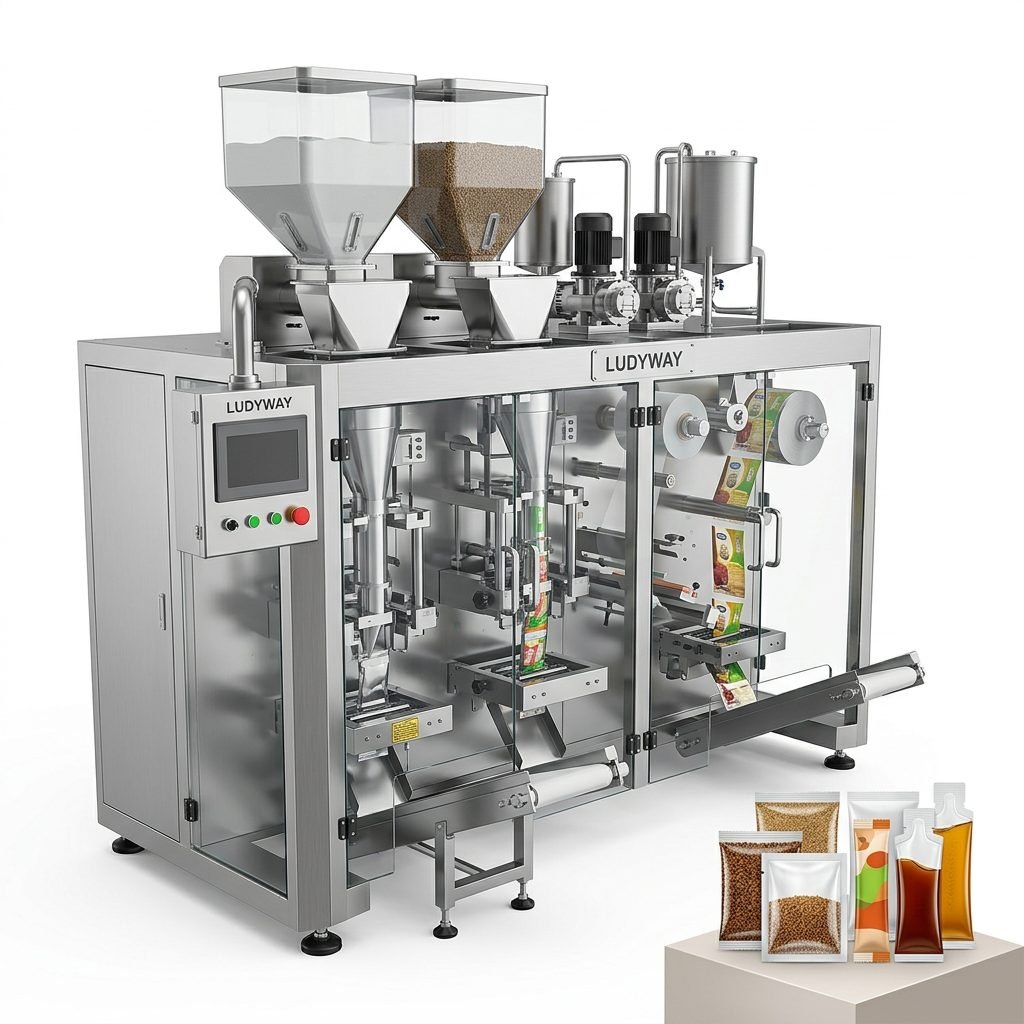
In the world of industrial production, the efficient and precise packaging of dry powders is a critical operation across numerous sectors, from food and pharmaceuticals to chemicals and health supplements. A dry powder packaging machine is the cornerstone of this process, automating what would otherwise be a labor-intensive and inconsistent task. This article delves into the various types of machines available, explains their fundamental working principles, and provides a comprehensive guide on selecting the right equipment for your specific needs.
Understanding the Core Types of Dry Powder Packaging Machines
The market offers a diverse range of powder packaging equipment, each designed for different production scales, powder characteristics, and packaging formats. Understanding these types is the first step in making an informed decision.
Vertical Form-Fill-Seal (VFFS) Machines
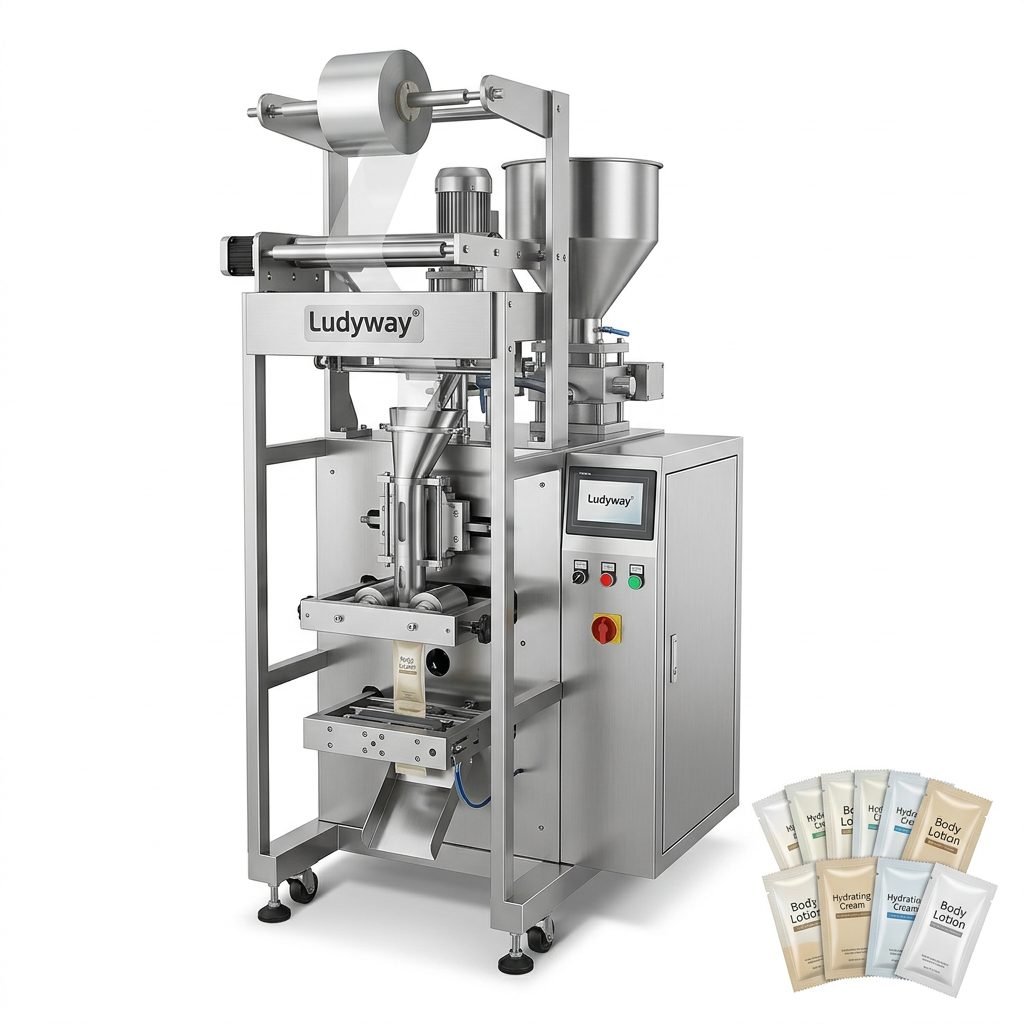
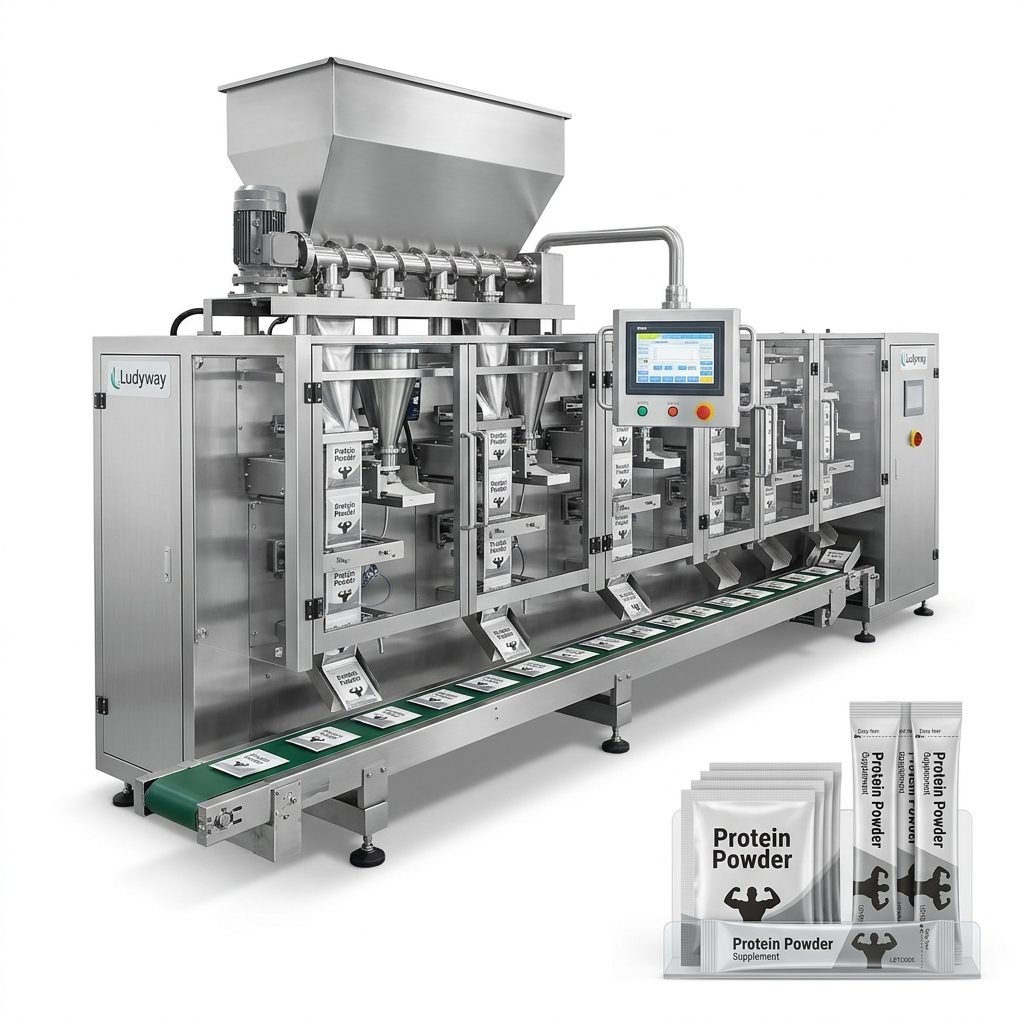
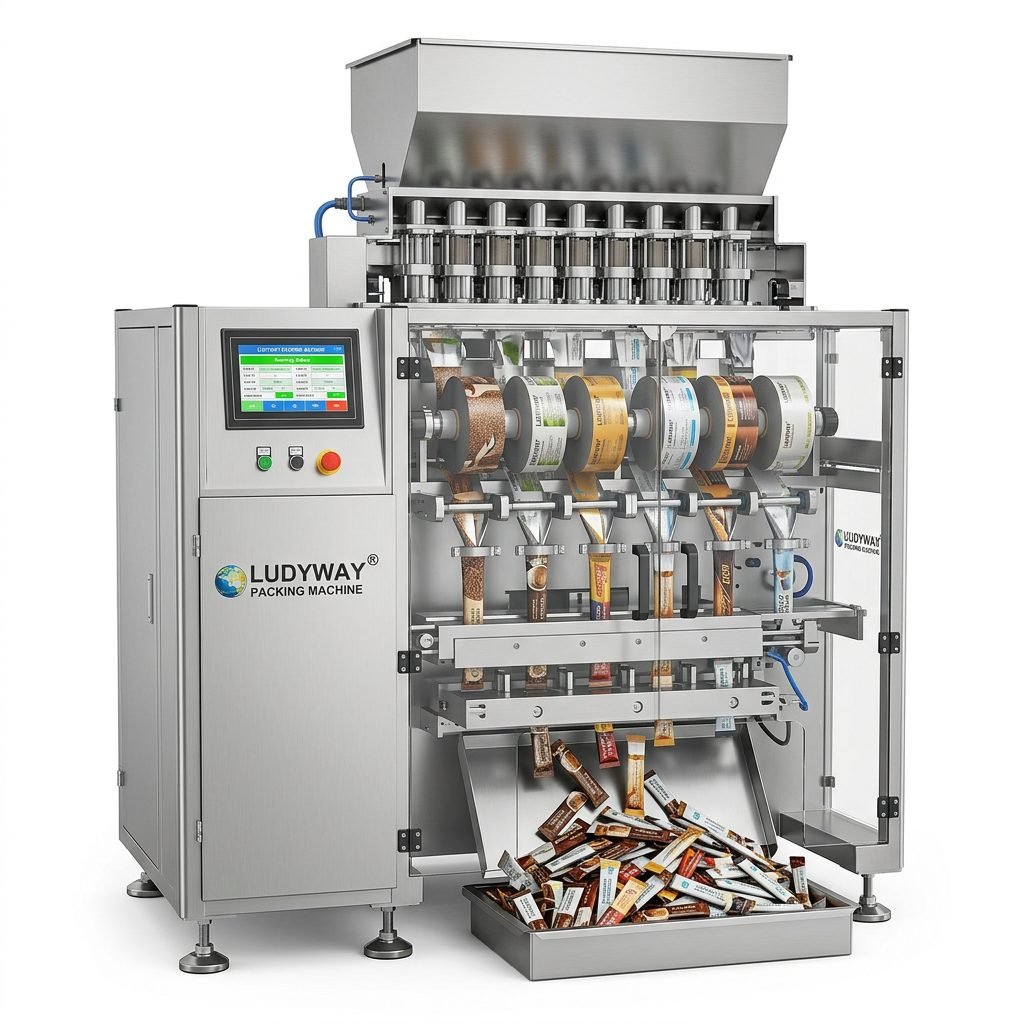
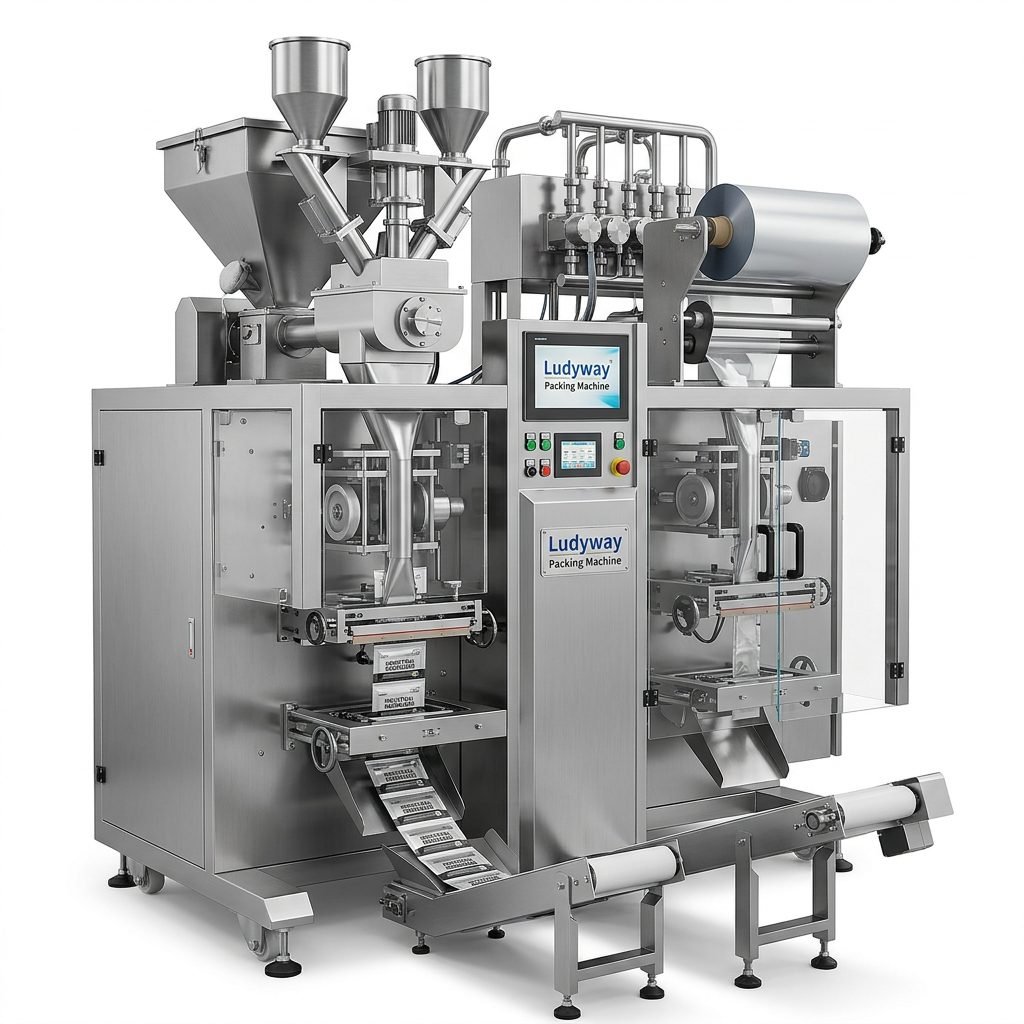
These are among the most common and versatile machines. They form the packaging bag from a roll of film, fill it with a pre-measured dose of powder, and then seal it—all in a continuous vertical process. They are ideal for producing sachets, stick packs, and pouches and are highly efficient for medium to high-volume production runs.
Auger Filler Machines
Centered around a rotating screw (auger) inside a hopper, these machines are renowned for their accuracy and consistency. As the auger turns, it displaces a specific volume of powder, pushing it through a nozzle into the waiting container. They are perfect for both free-flowing and non-free-flowing powders and can be integrated with various capping or sealing systems.
Cup Filling and Sealing Machines
Designed for pre-formed cups or containers, these machines automate the filling of powder into cups followed by sealing with a lidding material. They are widely used in the dairy, coffee, and instant food industries where single-serve convenience is key.
Weighing Filling Machines (Multi-Head Weighers)
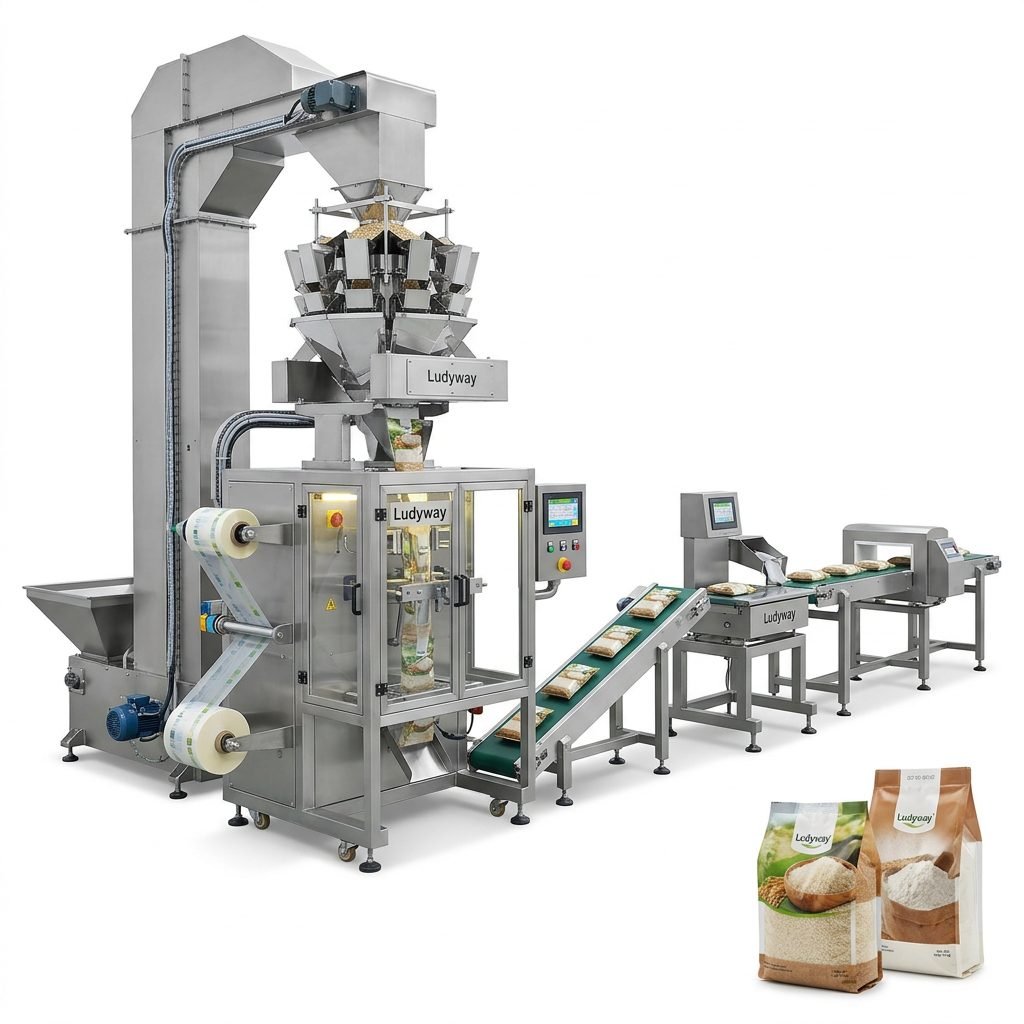
For the highest level of weight accuracy, especially with lightweight or valuable powders, multi-head weighers are the gold standard. They use a combination of weigh buckets to achieve a target weight through a computerized combination process before discharging the powder into bags or containers.
Stick Pack Packaging Machines
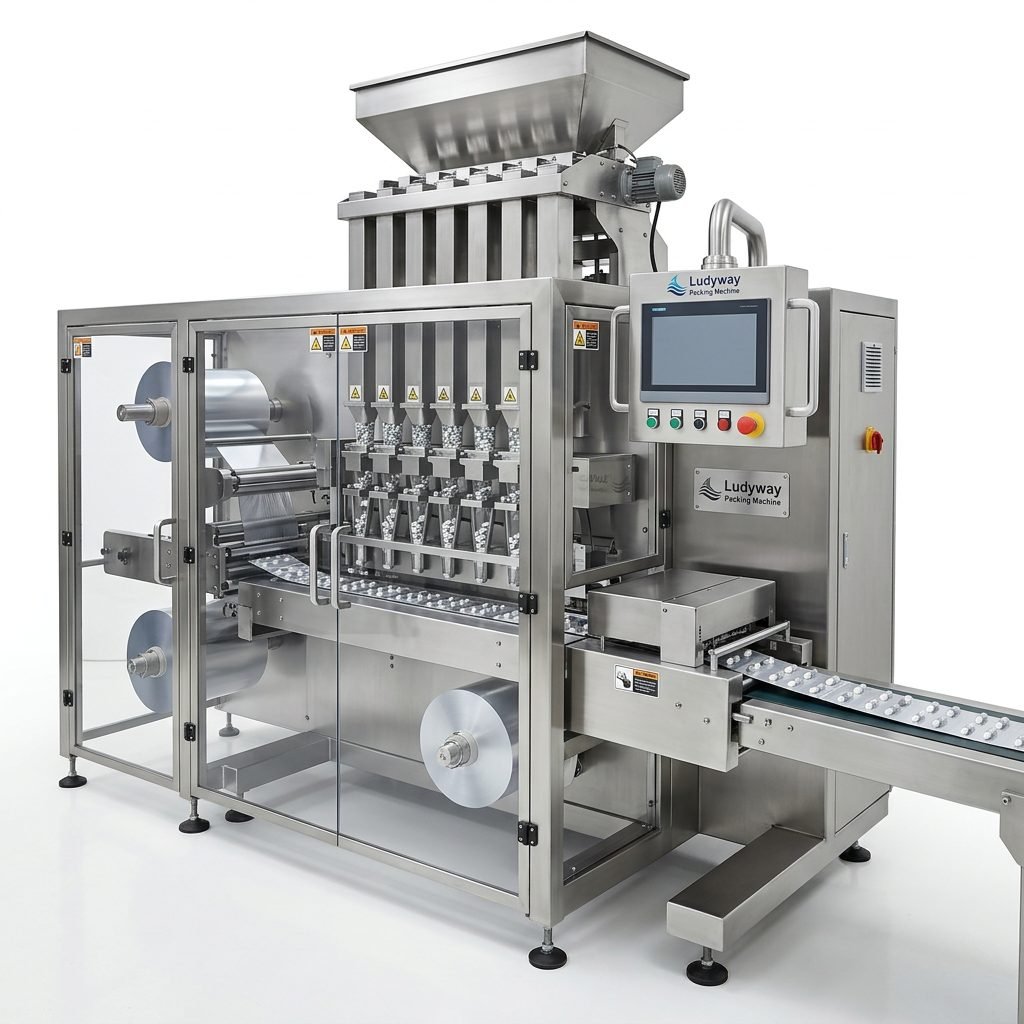
A specialized subset of VFFS machines, these are engineered to produce long, slender stick packs. They are exceptionally popular for powdered beverages, supplements, and pharmaceuticals due to their portability, precise dosing, and reduced packaging material usage.
The Working Principle: How Do These Machines Operate?
While designs vary, the core operational sequence for most automatic powder packaging machines follows a logical flow to ensure product integrity and packaging quality.
1. Product Feeding and Storage
The process begins with the dry powder being loaded into a main product hopper. This hopper often includes agitation systems (like vibrators or stirrers) to prevent powder bridging or ratholing, ensuring a consistent and uninterrupted flow to the dosing mechanism.
2. Precise Dosing and Filling
This is the heart of the operation. Depending on the machine type:
• Auger Fillers: A servo-driven auger rotates a precise number of times to dispense a volumetric dose.
• Weighers: Powder is fed into multiple weigh buckets, and a computer selects the optimal combination to meet the target weight.
• Volumetric Cups: A rotating disc with cups of fixed volume scoops and dumps the powder.
3. Packaging Material Handling and Forming
For machines using film (like VFFS), a roll of packaging material is fed through forming collars that shape it into a tube. For pre-made container systems, an indexing system positions cups or bags accurately under the filling nozzle.
4. Sealing and Discharge
After filling, the package is sealed. In VFFS machines, heated jaws create transverse seals, cutting one finished package and forming the bottom of the next. For cups, a lidding film is heat-sealed on top. The finished, sealed package is then discharged onto a conveyor for collection or secondary packaging.
How to Choose the Right Dry Powder Packaging Machine: A Buyer’s Guide
Selecting the ideal machine requires a careful analysis of your product, production goals, and operational environment. Here are the key factors to consider.
1. Analyze Your Powder Characteristics
The properties of your powder dictate the filling technology. Consider:
• Flowability: Free-flowing powders (like salt) work with most systems. Cohesive, sticky, or aeratable powders (like flour or protein) require specialized augers, agitation, and anti-static systems.
• Bulk Density: Variations can affect volumetric filling accuracy, making weight-based systems preferable.
• Hygroscopicity: Powders that absorb moisture may require climate-controlled feeding or integrated nitrogen flushing.
2. Define Your Packaging Requirements
What is your final package? Specify the type (pouch, stick pack, cup), size range, and material structure. The machine must be compatible with your desired packaging format and capable of handling the specific laminate or film. For high-quality sachet and stick pack solutions, exploring options from a specialized packaging machinery provider can be beneficial.
3. Determine Production Speed and Accuracy Needs
Match the machine’s output (packages per minute) to your current and future production volume. Don’t forget accuracy: pharmaceutical or premium products demand ±1% or better weight tolerance, often necessitating auger or multi-head weigher systems.
4. Evaluate Automation and Integration Level
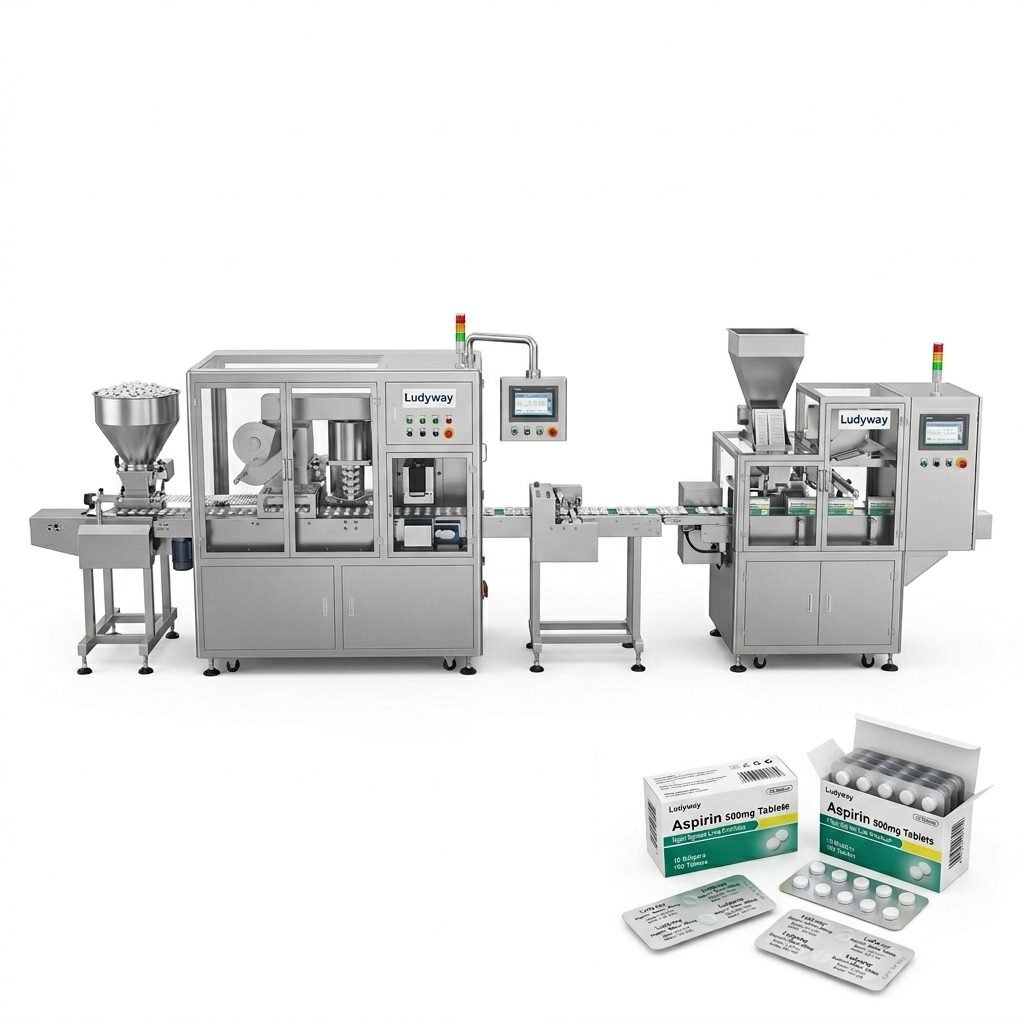
Do you need a standalone machine or a fully integrated line with upstream feeders and downstream cartoners? Consider features like touchscreen PLC controls, recipe storage, quick-change parts for different products, and connectivity for data tracking. For comprehensive turnkey production line solutions, partnering with an experienced supplier is crucial.
5. Prioritize Hygiene and Cleanability
For food, pharmaceutical, or nutraceutical applications, hygiene is non-negotiable. Look for machines with stainless steel contact parts, CIP/SIP capabilities, and smooth, crevice-free surfaces. The design should facilitate fast and thorough cleaning to prevent cross-contamination and meet regulatory standards like FDA or cGMP.
6. Assess Supplier Expertise and Support
The machine is only as good as the company behind it. Choose a supplier with proven experience in powder packaging. Evaluate their technical support, availability of spare parts, installation services, and training offerings. A provider with deep industry experience and a global service footprint can ensure long-term reliability and minimize downtime.
Frequently Asked Questions (FAQs)
What is the main difference between volumetric and weigh-based filling?
Volumetric filling (using augers or cups) dispenses a consistent volume of product and is cost-effective for many applications. Weigh-based filling (using scales) dispenses a specific weight, offering superior accuracy, especially for products with variable density or high value, but often at a higher machine cost.
Can one machine handle different types of dry powders?
Many machines are designed with changeover flexibility. By switching auger types, hoppers, and forming tools, a single machine can often package a range of powders. However, extreme differences in characteristics (e.g., from fine talc to granular sugar) may require significant reconfiguration or dedicated systems.
How important is the packaging material to the machine’s performance?
Extremely important. The machine must be precisely calibrated for the thickness, seal layer, and coefficient of friction of your specific film or laminate. Using an incompatible material will lead to sealing problems, film jams, and production stoppages. Always consult with your machine supplier on material specifications.
What are the key maintenance requirements for a powder packaging machine?
Regular maintenance is vital. Daily tasks include cleaning powder dust from seals and sensors. Weekly or monthly schedules should involve lubricating moving parts, checking seal jaw alignment, and inspecting augers or wear parts for damage. Adhering to the manufacturer’s maintenance plan is essential for longevity and consistent performance.
What safety features should I look for?
Essential safety features include emergency stop buttons, protective guarding with safety interlocks, and dust extraction ports. For explosive powders, ATEX-certified components may be required. Proper grounding is also critical to dissipate static electricity, which can be a fire hazard or affect powder flow.