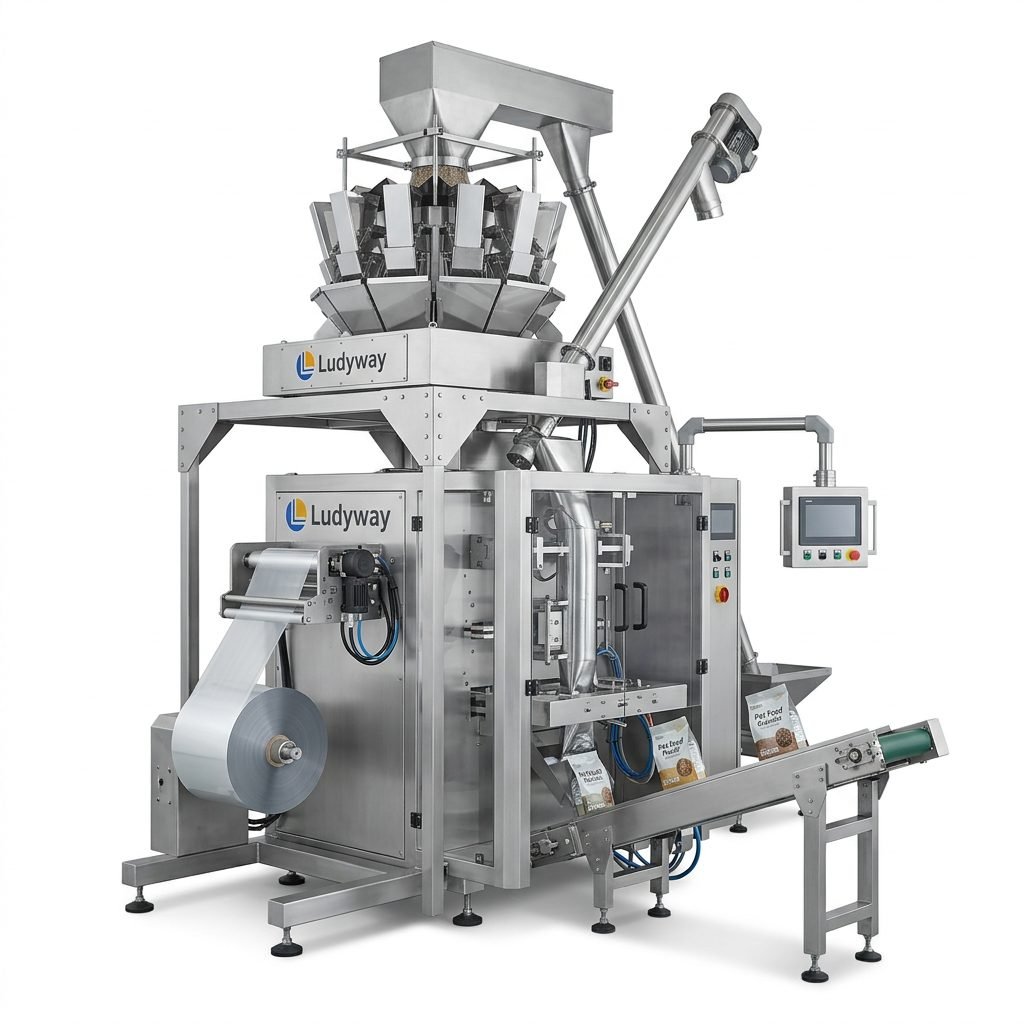
Investing in packaging equipment is a significant step for any business looking to streamline operations, increase output, and enhance product presentation. However, the upfront capital required can be substantial. This guide explores the various financing options available, associated costs, and practical tips to help you make an informed decision for your business.
Understanding Your Financing Needs
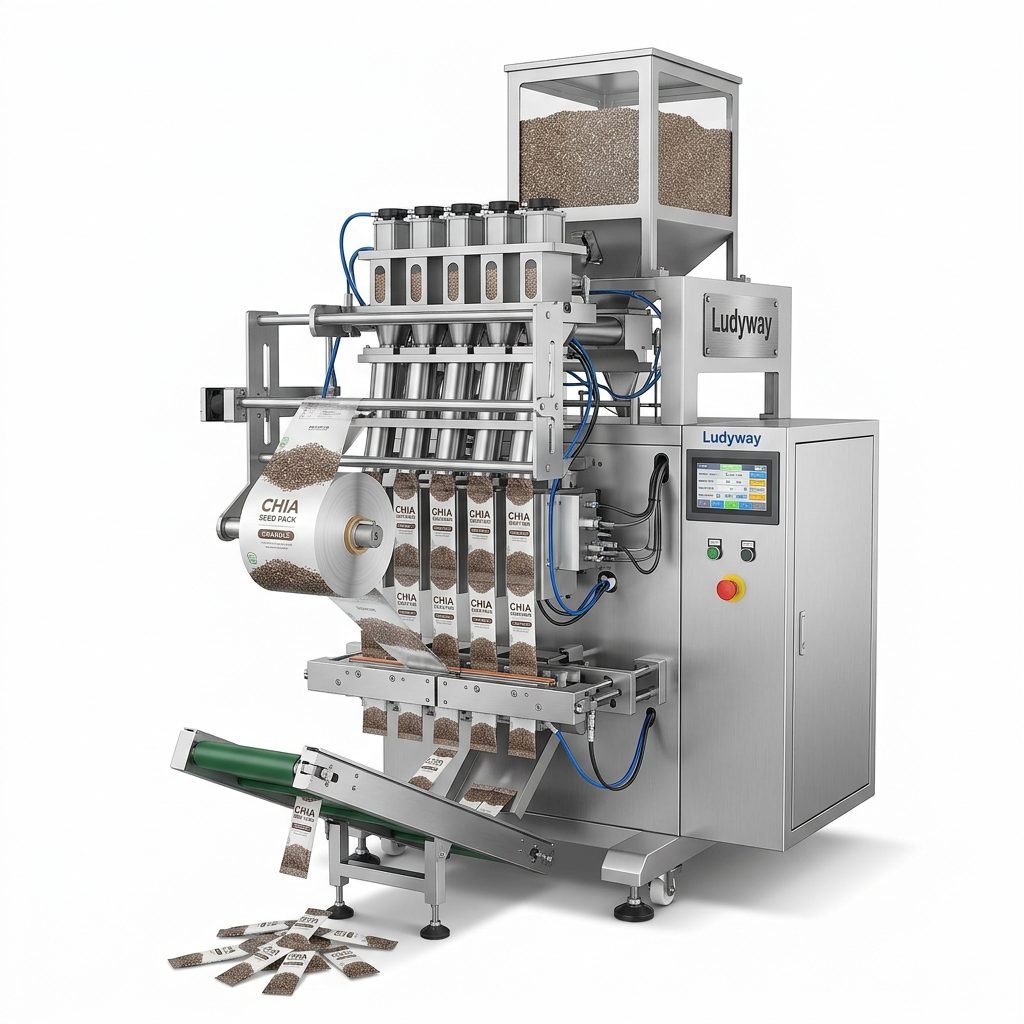
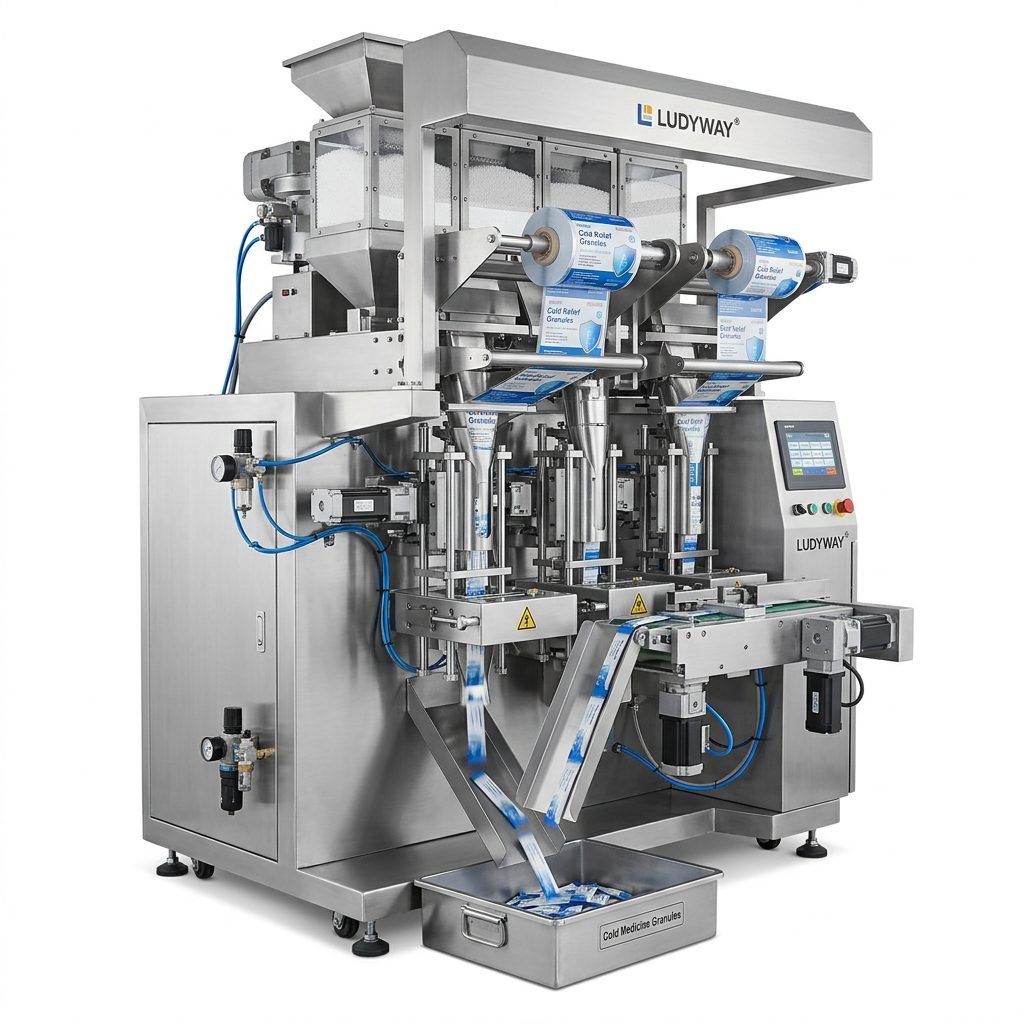
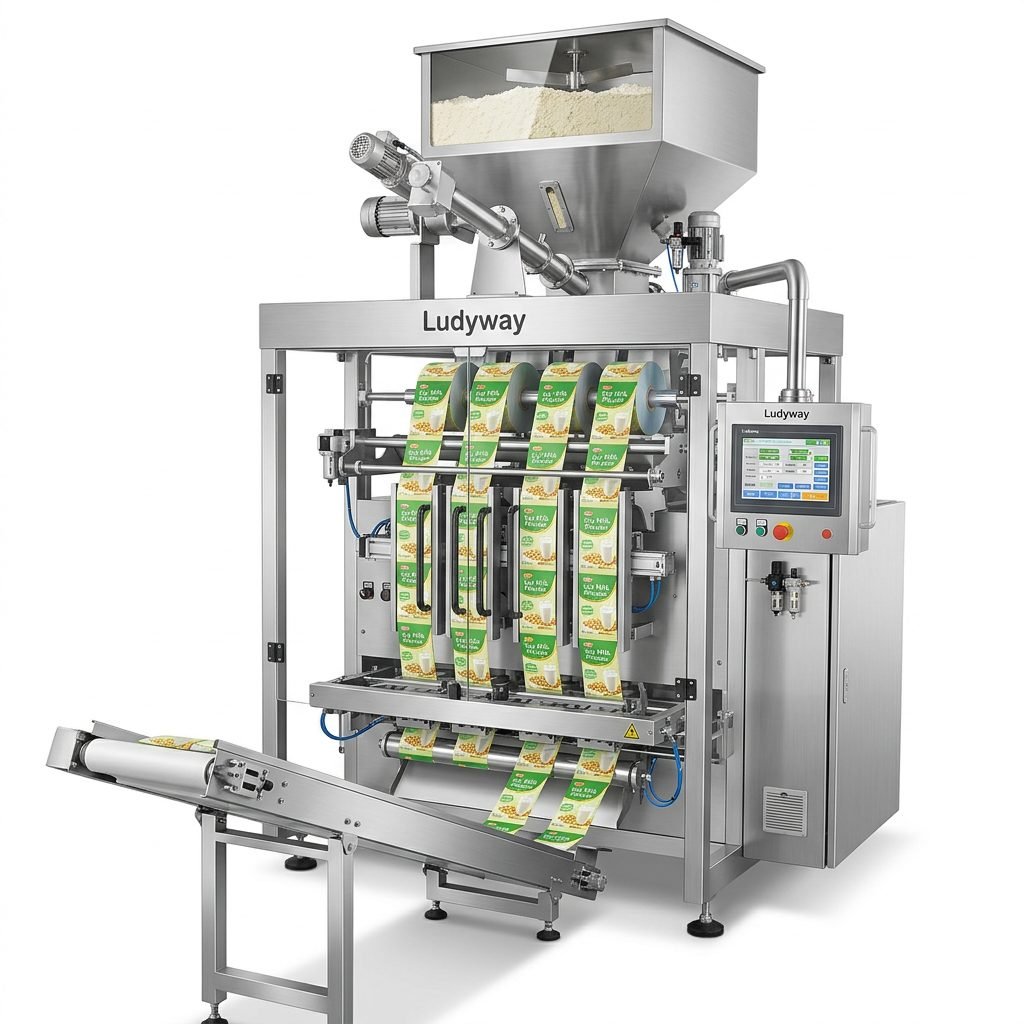
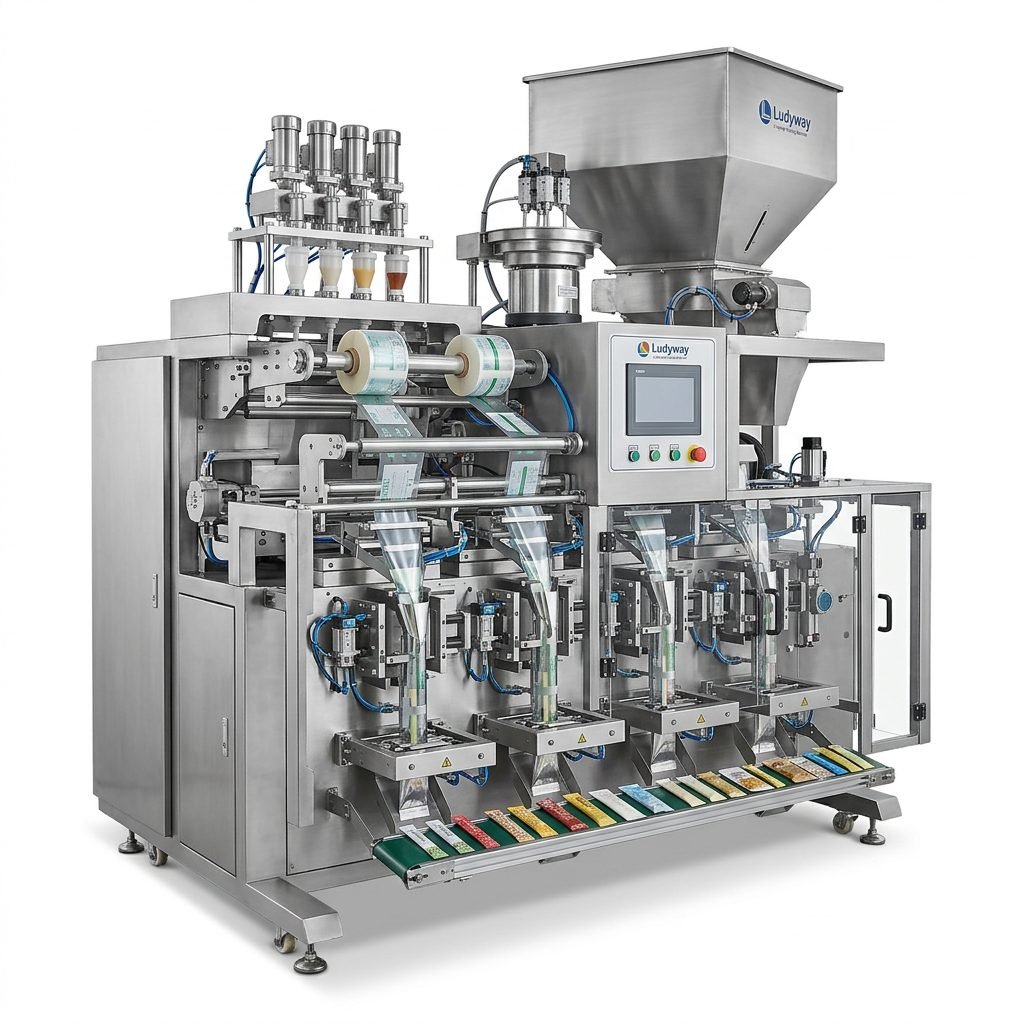
Before exploring financing avenues, it’s crucial to assess your specific requirements. Consider the type of equipment needed—whether it’s a multi-lane stick pack machine for powders, a sachet packaging system for liquids, or a complete turnkey production line. Evaluate your production volume, desired automation level, and long-term business goals. A clear understanding of your needs will help determine the loan amount and financing term that best suits your situation.
💡 Key Consideration:
Financing isn’t just about acquiring equipment; it’s about investing in operational efficiency and scalability. The right machinery can reduce labor costs, minimize waste, and improve consistency, offering a return that often outweighs the financing costs.
Primary Financing Options for Packaging Equipment
Several financial pathways can make equipment acquisition feasible without crippling your cash flow.
1. Equipment Loans
A traditional term loan from a bank or credit union where you receive a lump sum to purchase the equipment outright. You then own the asset and repay the loan with interest over a fixed period, typically 3 to 7 years.
- Pros: You own the equipment, build equity, and may benefit from depreciation tax deductions.
- Cons: Often requires strong credit, a down payment, and uses the equipment as collateral.
2. Equipment Leasing
Leasing allows you to use the equipment for a predetermined period in exchange for regular payments. At the lease end, you may have options to purchase, upgrade, or return the equipment.
Why businesses choose leasing: It preserves capital, offers potential tax advantages (payments may be deductible as operating expenses), and provides flexibility to keep up with technological advancements in packaging automation.
3. Vendor Financing
Many equipment manufacturers or distributors, like Ludyway Packing Machine, offer in-house financing programs. These are tailored specifically for their machinery and can simplify the purchasing process.
- Advantage: Streamlined approval, competitive rates, and the vendor has a vested interest in your success with the equipment.
4. Small Business Administration (SBA) Loans
In the United States, SBA 7(a) or 504 loans are popular for major equipment purchases. They offer longer terms and lower down payments, backed by a government guarantee to lenders.
5. Alternative & Online Lenders
Fintech platforms provide quicker, often more accessible financing solutions. While interest rates can be higher, they offer speed and flexibility for businesses that may not qualify for traditional bank loans.
Breaking Down the Costs: More Than the Price Tag
The total cost of ownership extends far beyond the initial invoice. A comprehensive budget should include:
📦 Capital Cost
The base price of the packaging machine or production line.
🔧 Installation & Integration
Costs for setup, calibration, and integration with existing systems.
📚 Training & Support
Essential for ensuring your team can operate and maintain the new equipment efficiently.
🛡️ Maintenance & Parts
Budget for routine servicing, wear parts, and potential repairs to ensure uptime.
Essential Tips for a Successful Financing Journey
Conduct a Thorough ROI Analysis
Calculate how the new equipment will improve your bottom line. Factor in increased production speed, reduced labor, lower material waste, and improved product quality. The financing cost should be justified by a clear and positive return on investment.
Check Your Credit and Prepare Documentation
Strong business (and sometimes personal) credit scores are key to securing favorable terms. Prepare financial statements, tax returns, and a solid business plan that outlines the purpose and benefit of the investment.
Negotiate Beyond the Interest Rate
While the Annual Percentage Rate (APR) is important, also negotiate terms like down payment, repayment schedule, and any fees for early repayment or lease termination. Understand all clauses in the contract.
✅ Pro Tip:
Partner with a supplier that offers comprehensive after-sales support. Reliable technical service and readily available spare parts are crucial for maximizing the lifespan and productivity of your financed equipment, protecting your investment.
Consider the Total Solution, Not Just the Machine
When financing, evaluate suppliers who offer more than hardware. Look for partners with deep industry experience who can provide customized solutions, reliable training, and long-term support, ensuring your new asset delivers value for years to come.
Frequently Asked Questions (FAQs)
Q: Is it better to lease or loan packaging equipment?
A: It depends on your cash flow, tax strategy, and technology needs. Leasing offers lower monthly payments and flexibility to upgrade, ideal for fast-evolving tech. Loans build equity and are better for long-term use of standard, reliable machinery.
Q: What credit score is needed to finance packaging machinery?
A: Traditional lenders typically prefer a business credit score above 650-680. Vendor financing and alternative lenders may be more flexible, sometimes considering scores in the 600-650 range, but often at higher interest rates.
Q: Can I finance used or refurbished packaging equipment?
A: Yes, many lenders and specialized financing companies offer loans for quality used equipment. The terms may be shorter, and the down payment higher, but it can be a cost-effective way to acquire reliable machinery.
Q: How long does the equipment financing process usually take?
A: Online or vendor financing can be approved in a few days. SBA or traditional bank loans can take several weeks to a few months due to more extensive underwriting and documentation requirements.
Q: Are there tax benefits to financing packaging equipment?
A: Potentially, yes. Under Section 179 of the IRS code (U.S.), you may be able to deduct the full purchase price of financed equipment in the year it’s placed in service. Lease payments are often fully deductible as operating expenses. Always consult with a tax professional for advice specific to your situation.