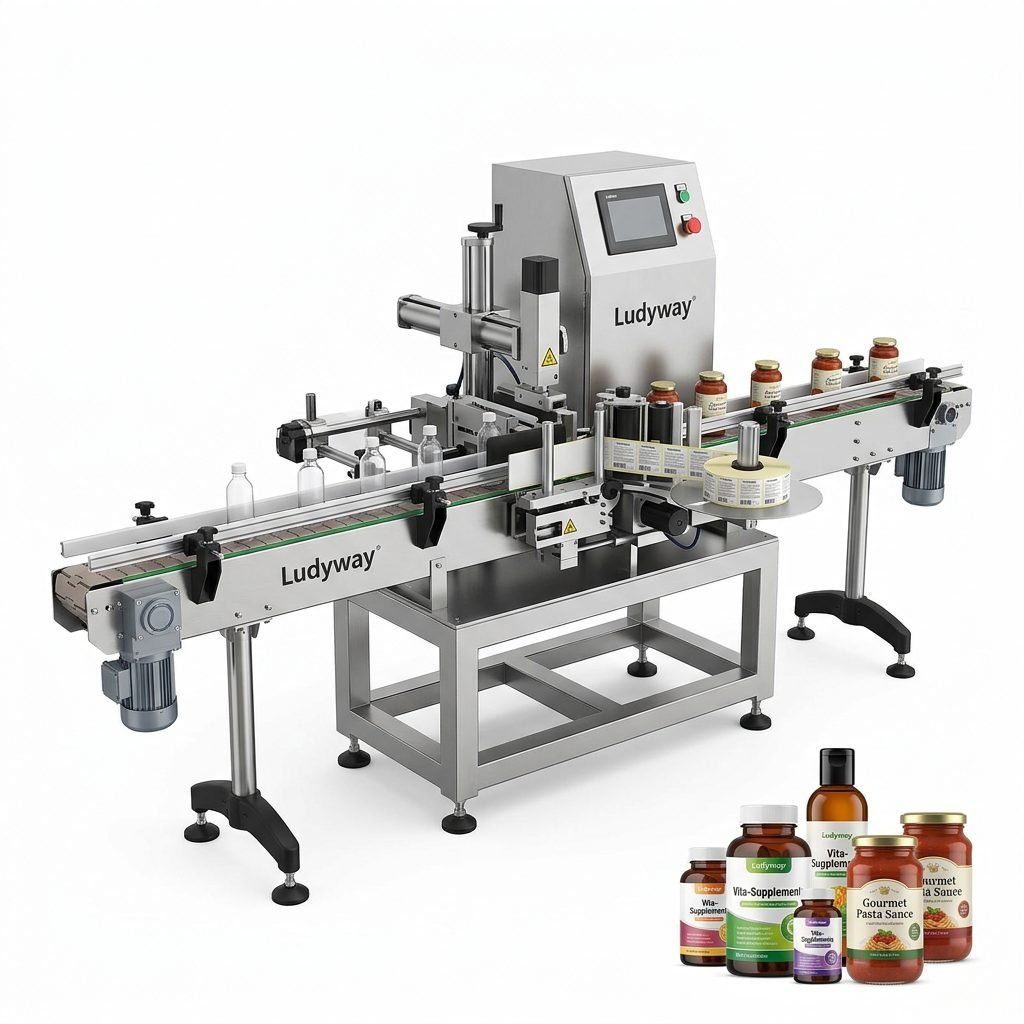
Investing in a garlic packing machine is a significant decision for any food processing or agricultural business. Whether you are packing fresh garlic bulbs, peeled cloves, garlic powder, or garlic granules, the right packaging system can dramatically improve your production efficiency, product shelf life, and overall profitability. However, with a wide range of machine types, configurations, and technical specifications available on the market, how do you identify the equipment that best fits your operation?
This guide walks you through the essential factors to consider when selecting a garlic packing machine, from understanding your product characteristics to evaluating automation levels, packaging formats, and long-term operational costs.

Understand Your Garlic Product and Packaging Requirements
Not all garlic products are the same, and the packaging machinery you choose must be compatible with your specific product format. The physical characteristics of your garlic product will directly influence the type of dosing system, sealing method, and packaging material you need.
- Fresh Garlic Bulbs: Require gentle handling systems to prevent bruising. Multi-head weighers with low-drop height and cushioned surfaces are often used. Packaging formats typically include mesh bags, perforated plastic bags, or flow-wrap trays.
- Peeled Garlic Cloves: Demand hygienic processing environments and modified atmosphere packaging (MAP) capabilities to extend shelf life. Tray sealing machines or vertical form fill seal (VFFS) machines with gas flushing are common choices.
- Garlic Powder and Granules: These free-flowing or semi-free-flowing dry products are well-suited for automatic packaging machines with auger fillers or volumetric cup fillers. Dust extraction systems may be necessary to maintain a clean working environment.
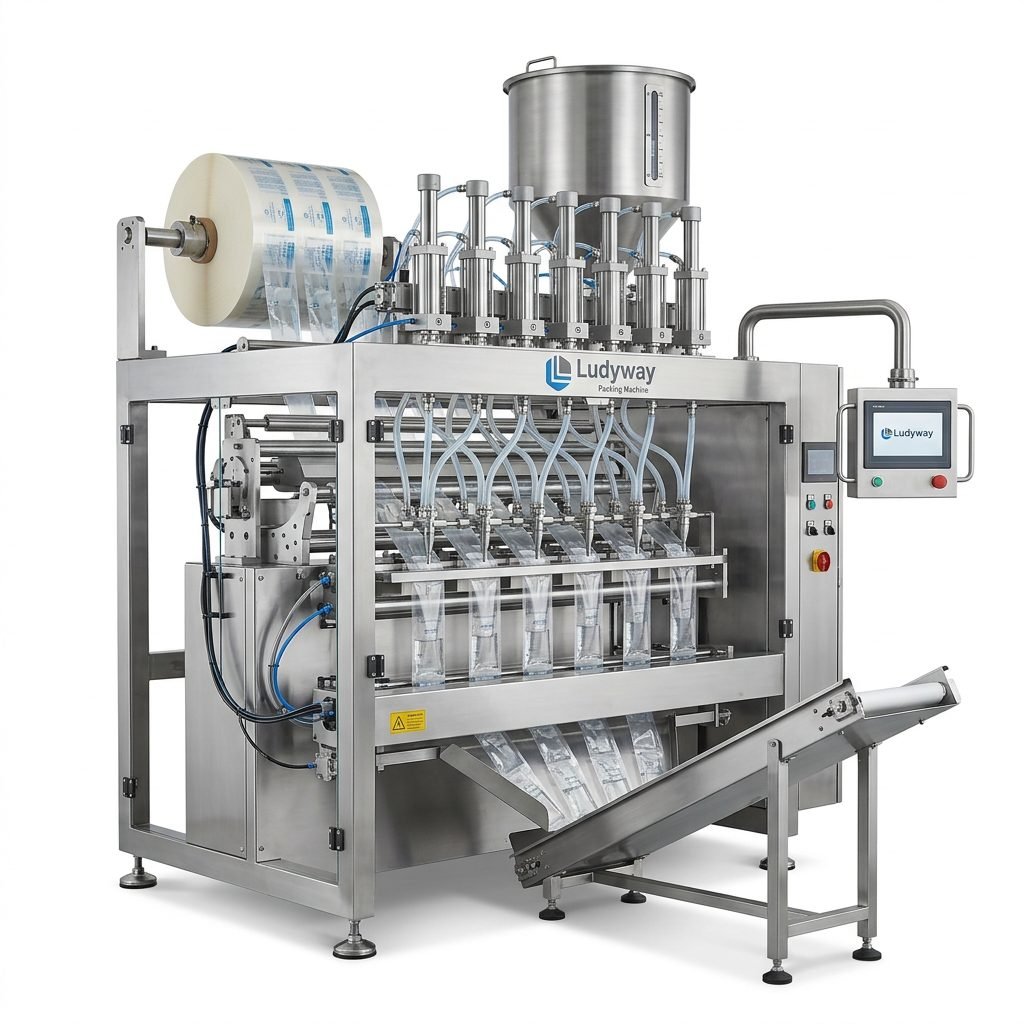
- Garlic Paste and Puree: Liquid or viscous products require piston fillers or pump-based filling systems. Packaging materials must provide excellent barrier properties to preserve flavor and prevent leakage.
Key Machine Configurations for Garlic Packaging
Choosing the right machine configuration depends on your production volume, packaging format preferences, and available factory space. Below is a comparison of common systems used in the garlic packaging industry:
| Machine Type | Best For | Key Advantage |
|---|---|---|
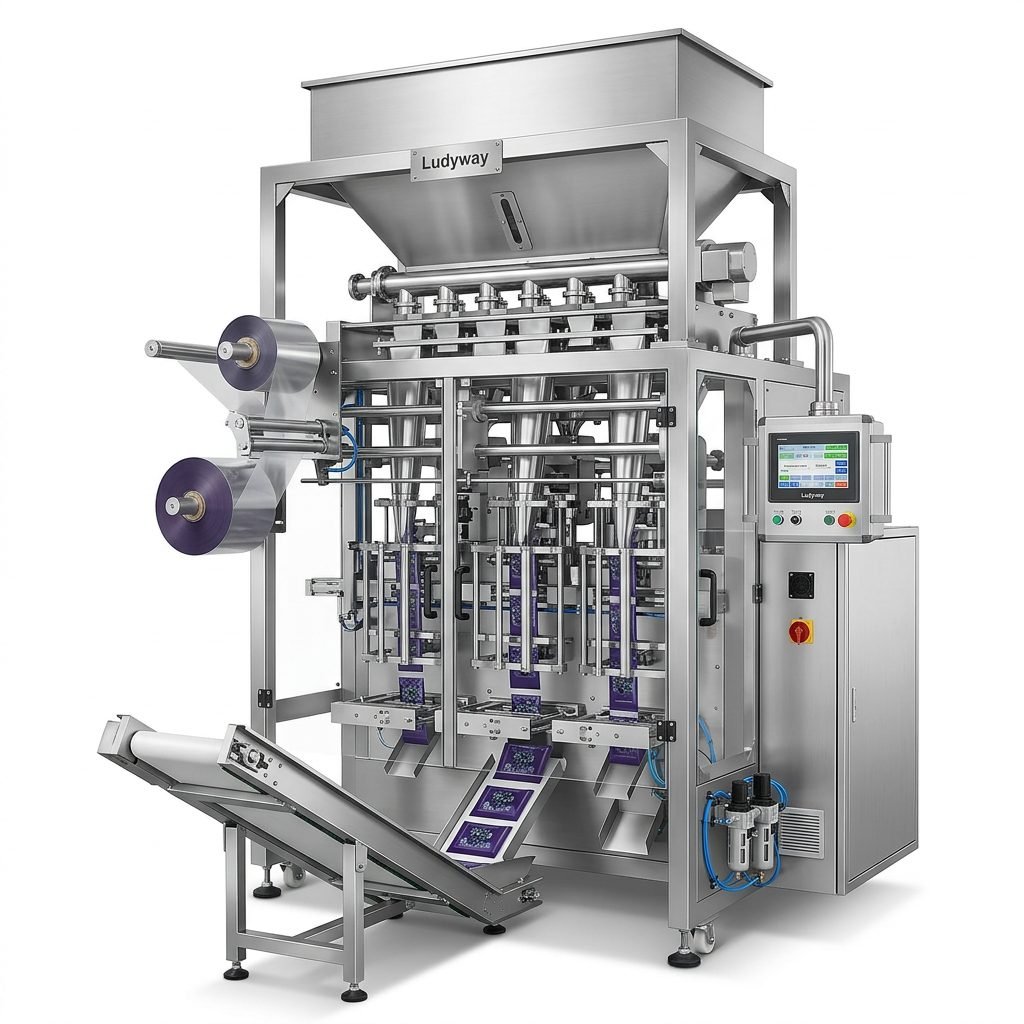
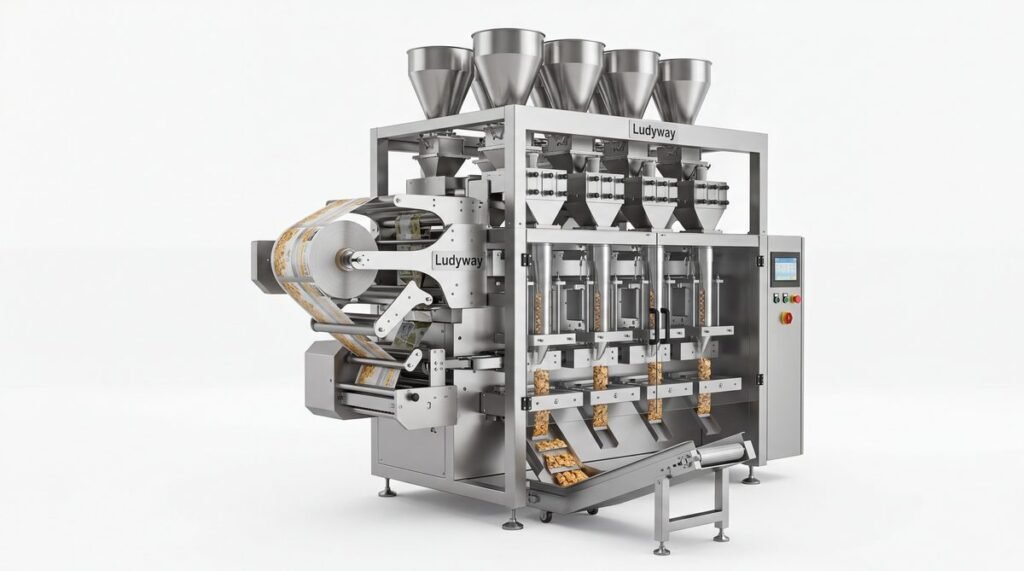
| Vertical Form Fill Seal (VFFS) | Garlic powder, granules, cloves in pillow bags | High speed, cost-effective film usage |
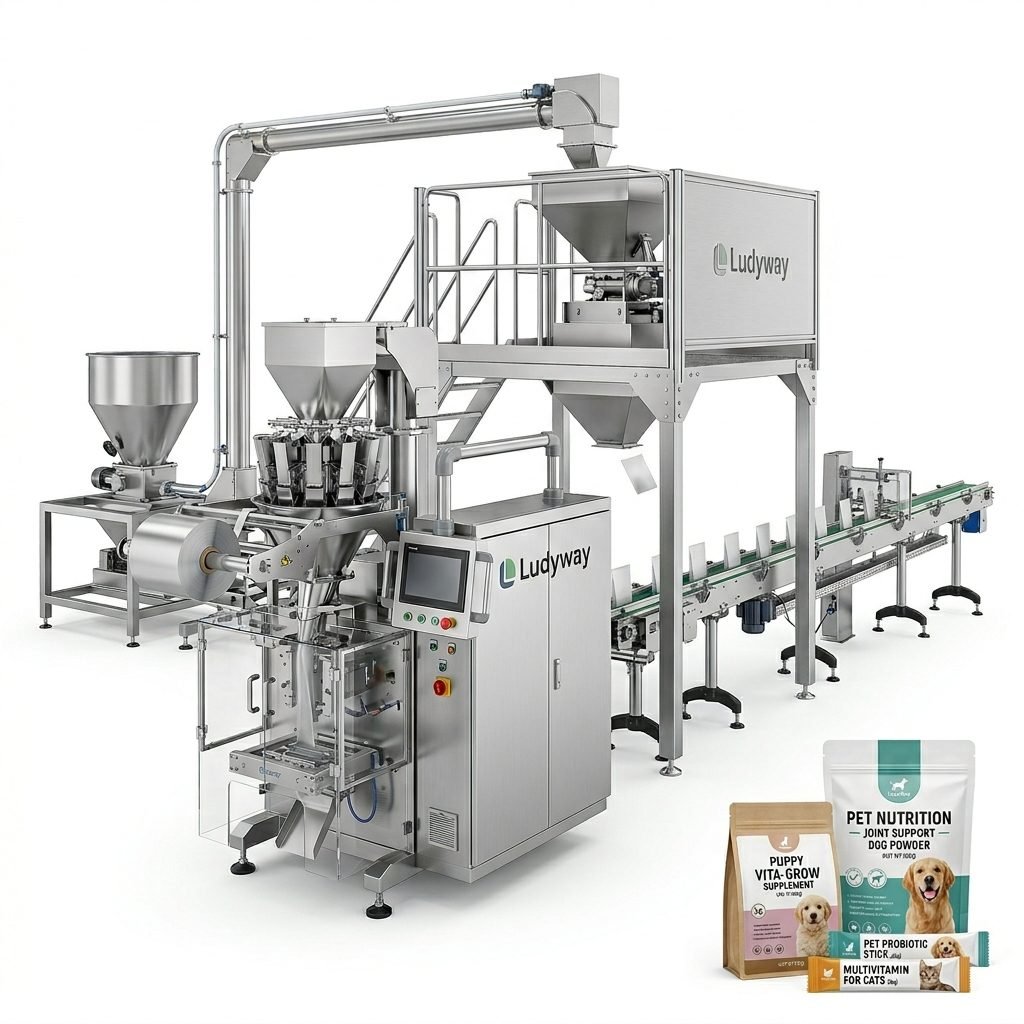
| Multi-head Weigher with VFFS | Fresh garlic bulbs, peeled cloves | Precision weighing, gentle product handling |
| Premade Pouch Rotary Packing Machine | Stand-up pouches, zipper bags, retort pouches | Versatile pouch styles, premium shelf presence |
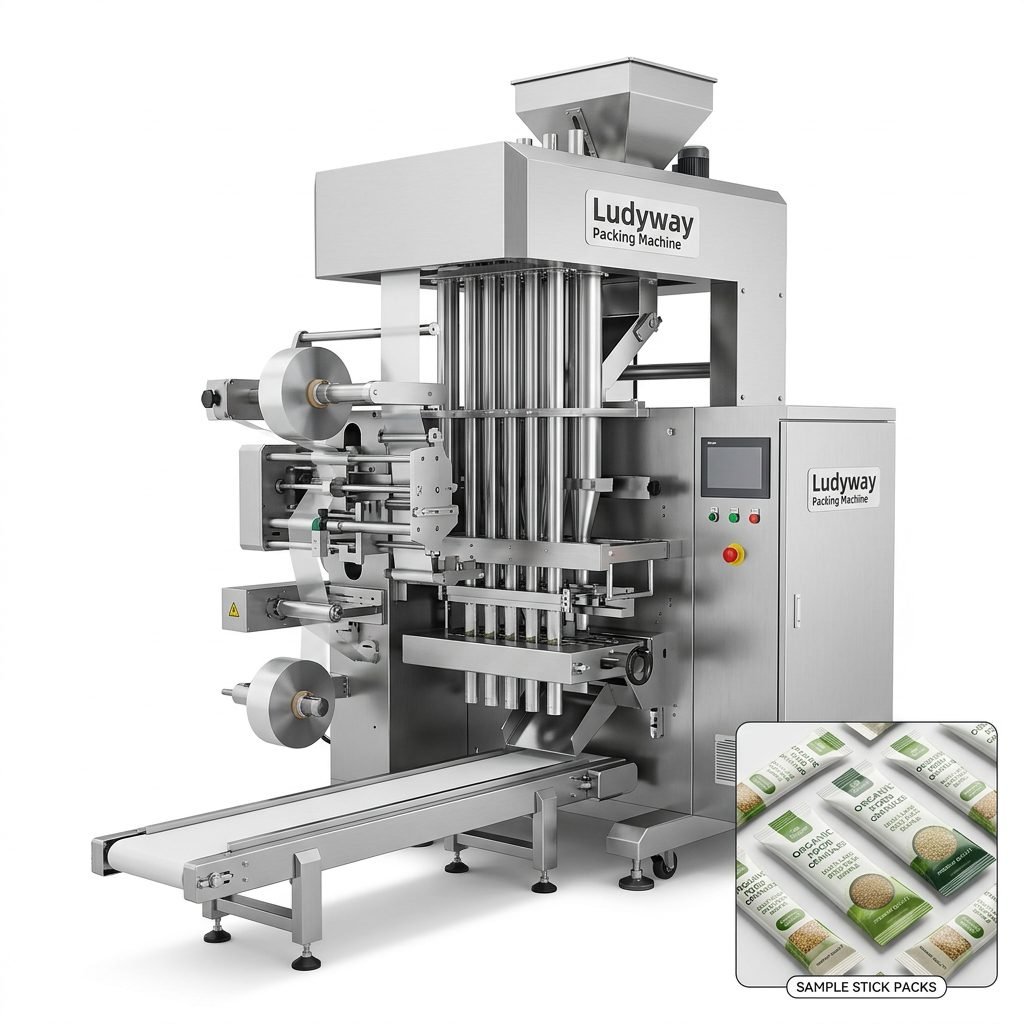
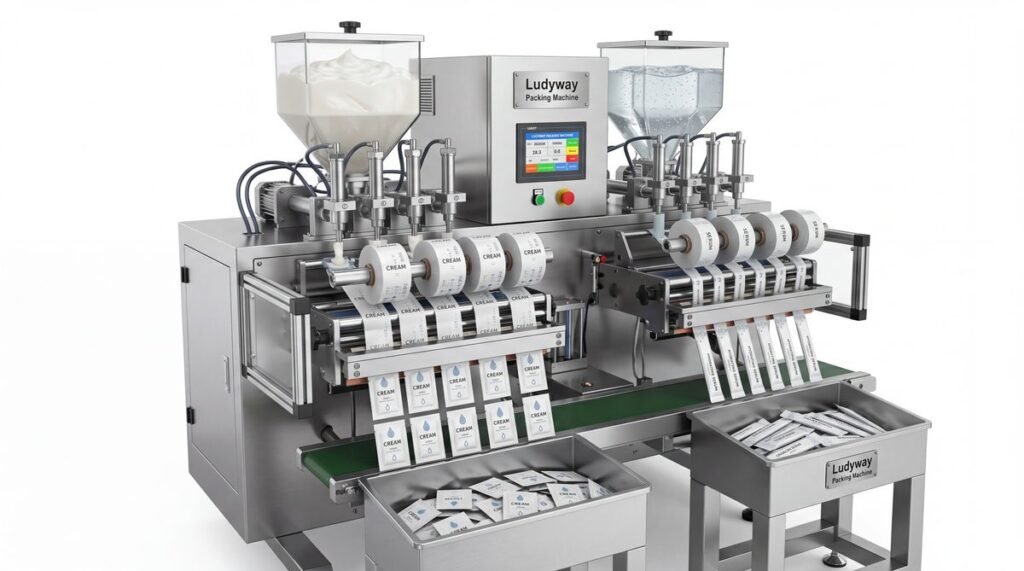
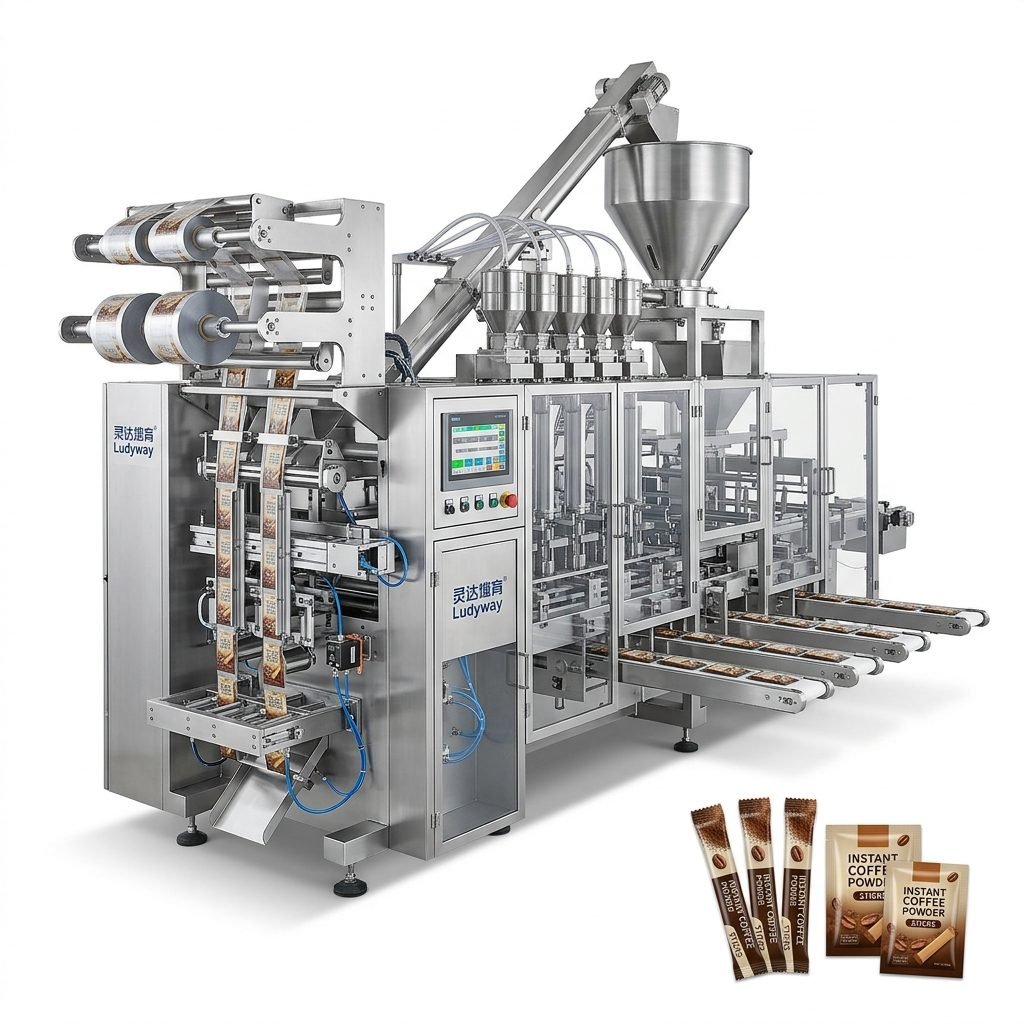
| Stick Pack / Sachet Machine | Single-serve garlic powder, paste, or sauce | Compact format, portion control |
| Tray Sealing Machine with MAP | Fresh peeled garlic cloves in trays | Extended shelf life through modified atmosphere |
Automation Levels and Production Capacity
Garlic packing machines range from semi-automatic to fully automatic systems. For small-scale operations, a semi-automatic garlic packing machine may be sufficient, allowing manual bag placement with automated filling and sealing. However, for medium to large-scale production, fully automatic packaging machinery that integrates feeding, weighing, bag making, filling, sealing, coding, and inspection is recommended to maximize throughput and consistency.
When evaluating production capacity, consider the number of bags per minute the machine can produce across different package sizes. A reliable manufacturer should be able to provide detailed speed charts based on your specific product and packaging material.
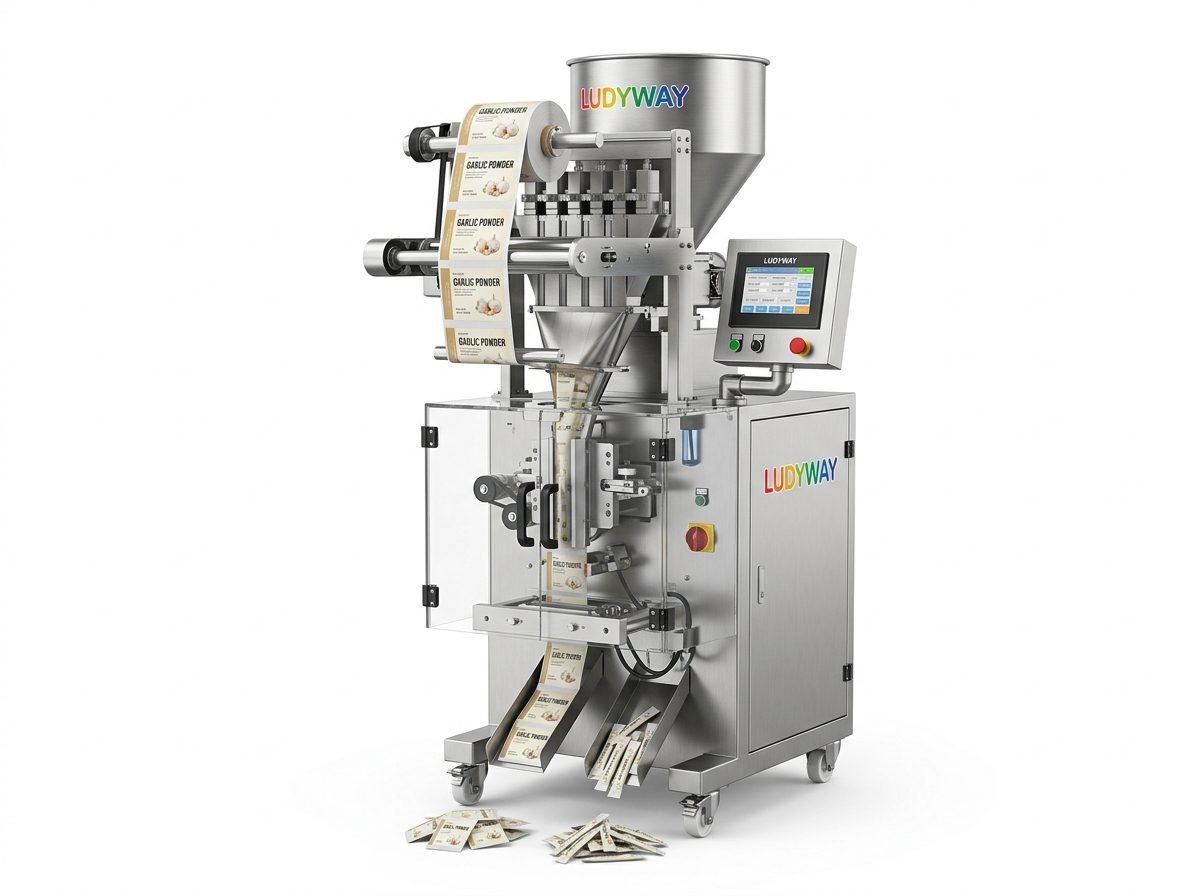
Weighing and Filling Accuracy
Accuracy in filling is critical for regulatory compliance, product consistency, and cost control. Overfilling leads to product giveaway and reduced profits, while underfilling can result in customer complaints and regulatory penalties. Common dosing systems for garlic products include:
- Multi-head Weighers: Ideal for fresh garlic bulbs and cloves, providing high speed and accuracy through combination weighing technology.
- Auger Fillers: Suitable for garlic powder and fine granules, providing accurate volumetric dosing.
- Volumetric Cup Fillers: A cost-effective option for free-flowing garlic granules.
- Piston Fillers: Designed for garlic paste, puree, and other viscous products.
Packaging Material Compatibility
The type of packaging film or material your garlic packing machine uses affects product protection, aesthetics, and operational costs. Common materials include laminated films (PET/PE, BOPP/CPP, PET/AL/PE), biodegradable films, and paper-based laminates. For fresh garlic products, breathable or micro-perforated films are often required to maintain freshness. For garlic powder and granules, high-barrier films with aluminum foil layers help prevent moisture absorption and flavor loss. Always confirm the machine’s sealing temperature range, film thickness compatibility, and film roll diameter specifications before purchase. Verified information on flexible packaging materials and standards can support your selection process.
Hygiene and Sanitary Design
Food safety is non-negotiable in garlic processing. Look for machines constructed with food-grade stainless steel (typically SUS304), easy-to-clean surfaces, minimal crevices where product can accumulate, and IP65 or higher rated electrical components for washdown environments. Machines should comply with FDA food packaging regulations and, where applicable, EU food contact material standards. Tool-free disassembly for cleaning and maintenance access can significantly reduce downtime between product changeovers.
Integration with Existing Production Lines
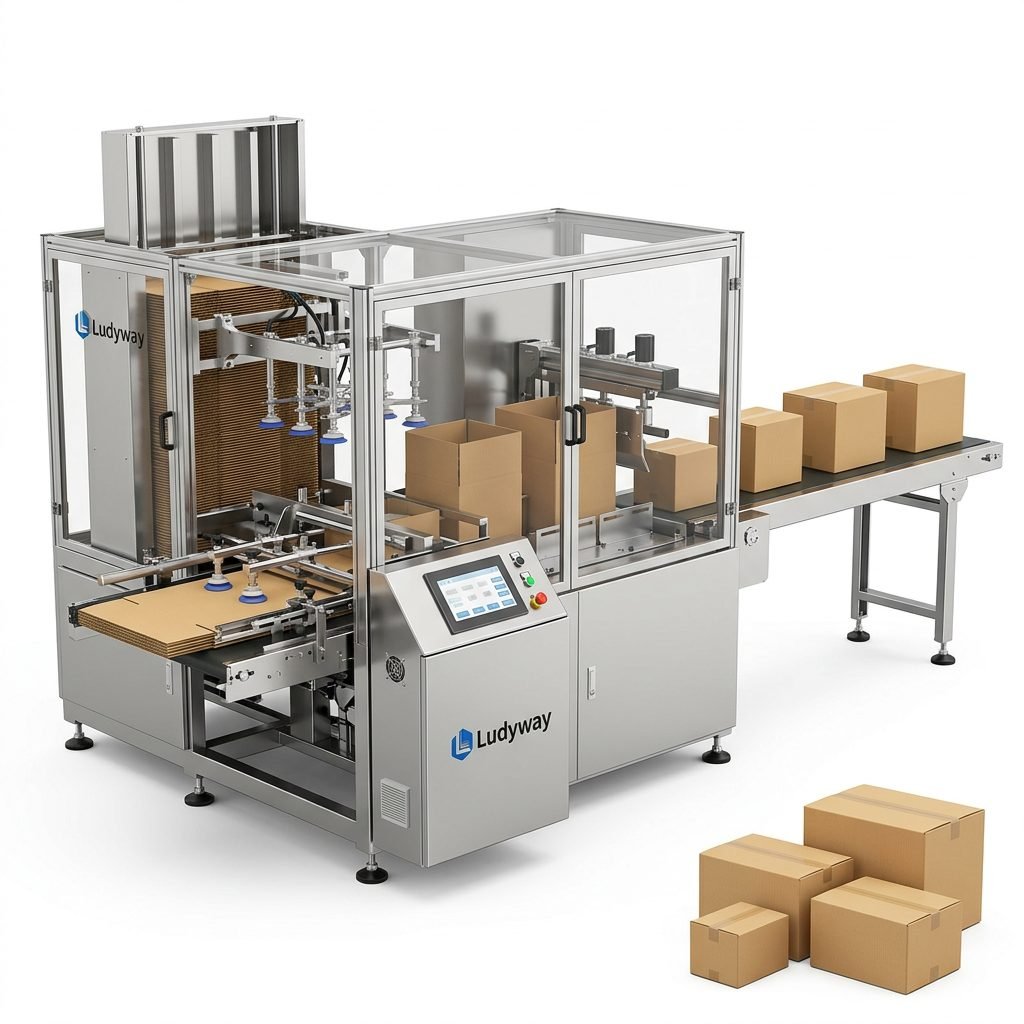
Consider how the garlic packing machine will integrate with your upstream and downstream equipment, including conveyors, checkweighers, metal detectors, coding and marking systems, cartooning machines, and palletizers. A turnkey packaging line approach ensures seamless integration and single-source accountability. Manufacturers like Ludyway Machinery provide integrated packaging systems that cover multiple stages of the process, reducing complexity and improving line efficiency.
After-Sales Support and Total Cost of Ownership
The purchase price is only one part of the total cost. Evaluate spare parts availability, technical support response time, operator training programs, preventative maintenance plans, and warranty terms. A supplier with global service capabilities and a robust parts inventory can minimize downtime and keep your production running smoothly over the machine’s lifetime. Checking industry resources from PMMI business intelligence reports can provide useful benchmarking data on packaging machinery investment and operational efficiency.

Customization and Future Scalability
Your garlic packaging needs may evolve as your business grows. A machine with modular design features can be more easily upgraded or reconfigured for new packaging formats, bag sizes, or production speeds. Discuss potential future requirements with your equipment supplier to ensure the platform you choose can scale with your business. Key areas where modularity is valuable include lane expansion (from single-lane to multi-lane), additional filling stations for mixed products, integration of new inspection or coding technologies, and compatibility with emerging sustainable packaging materials.
Steps to Selecting the Right Supplier
After defining your technical requirements, the supplier evaluation process is equally important. A structured approach helps ensure long-term satisfaction with your investment. We recommend the following selection framework:
- Define your specifications: Document product format, target speed, packaging style, bag dimensions, and automation level.
- Request proposals: Send detailed RFQs to shortlisted manufacturers with relevant experience in garlic or similar products.
- Test your product: Arrange factory acceptance tests (FAT) using your actual garlic products and packaging materials to validate machine performance.
- Check references: Speak with existing customers about their experience with the equipment and the supplier’s support quality.
- Visit the factory: Evaluate the manufacturer’s engineering capabilities, quality control processes, and overall professionalism during an on-site or virtual visit.
- Review the contract: Ensure clear terms on delivery, installation, commissioning, training, warranty, and after-sales service are included.
Common Mistakes to Avoid
Many buyers make avoidable errors during the equipment selection process. Being aware of these pitfalls can save your company significant time and money. The most frequent mistakes include underestimating required speed and allowing insufficient headroom for growth, overlooking film and material compatibility testing, ignoring factory floor space and layout constraints, neglecting operator training requirements and associated timelines, and choosing price over long-term reliability and support. Addressing these factors early in the project will lead to a more successful outcome for your garlic packaging operation.
Making Your Final Decision
Selecting the right garlic packing machine requires careful evaluation of your product, production goals, packaging format, budget, and long-term growth plans. By working with an experienced packaging machinery manufacturer that offers customized solutions, comprehensive technical support, and reliable equipment performance, you can build a packaging line that delivers consistent results and supports your business growth for years to come.
For more information on garlic packaging equipment and turnkey packaging line solutions, you can explore the latest trends through PACK EXPO International or dive into specific ISO packaging standards to ensure your line meets international requirements.