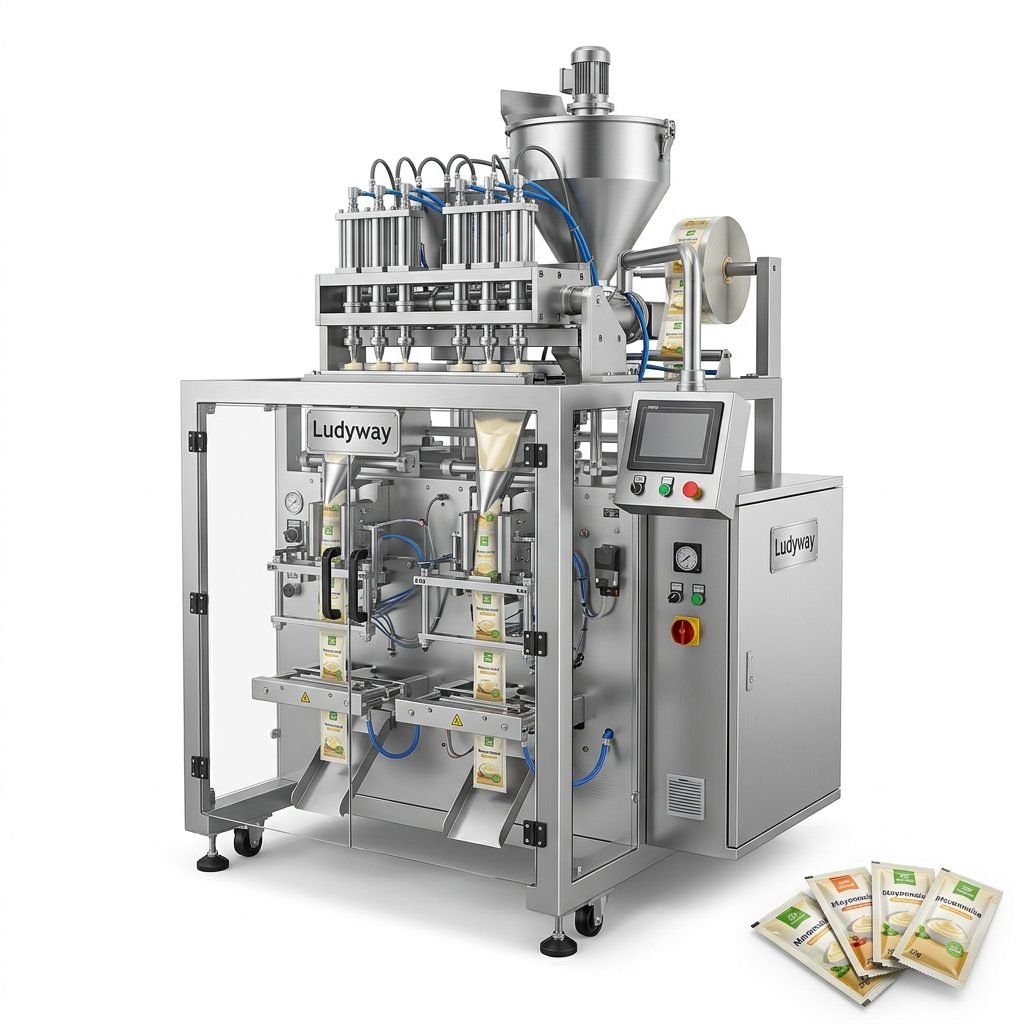
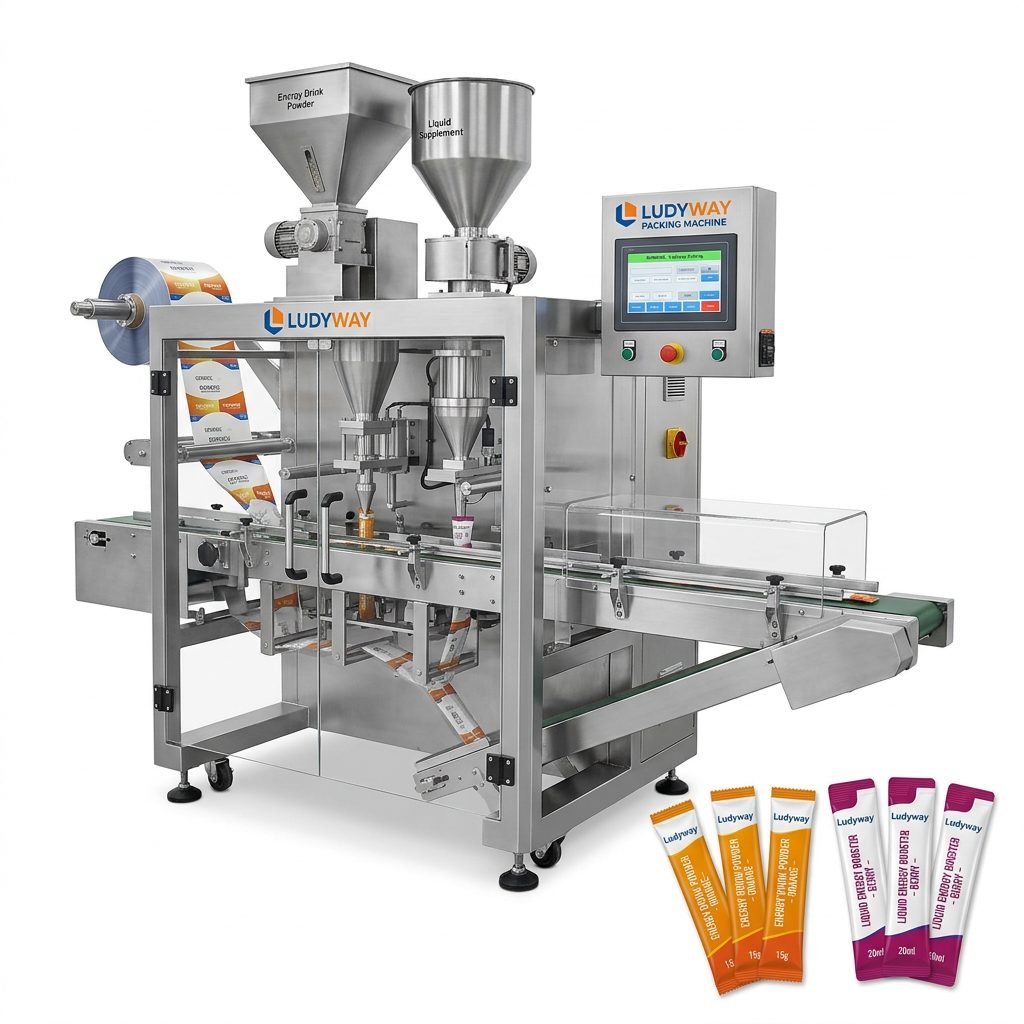
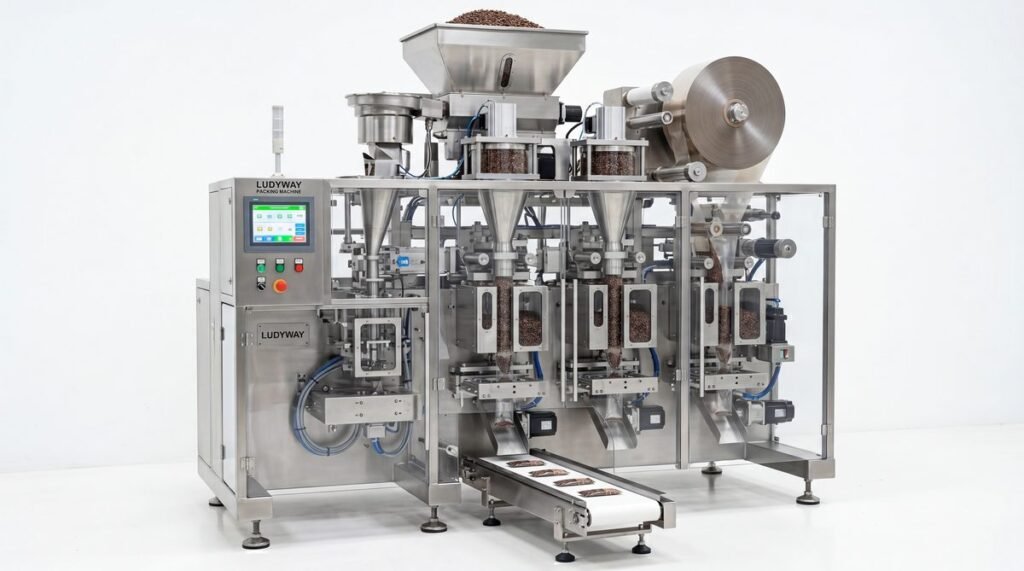
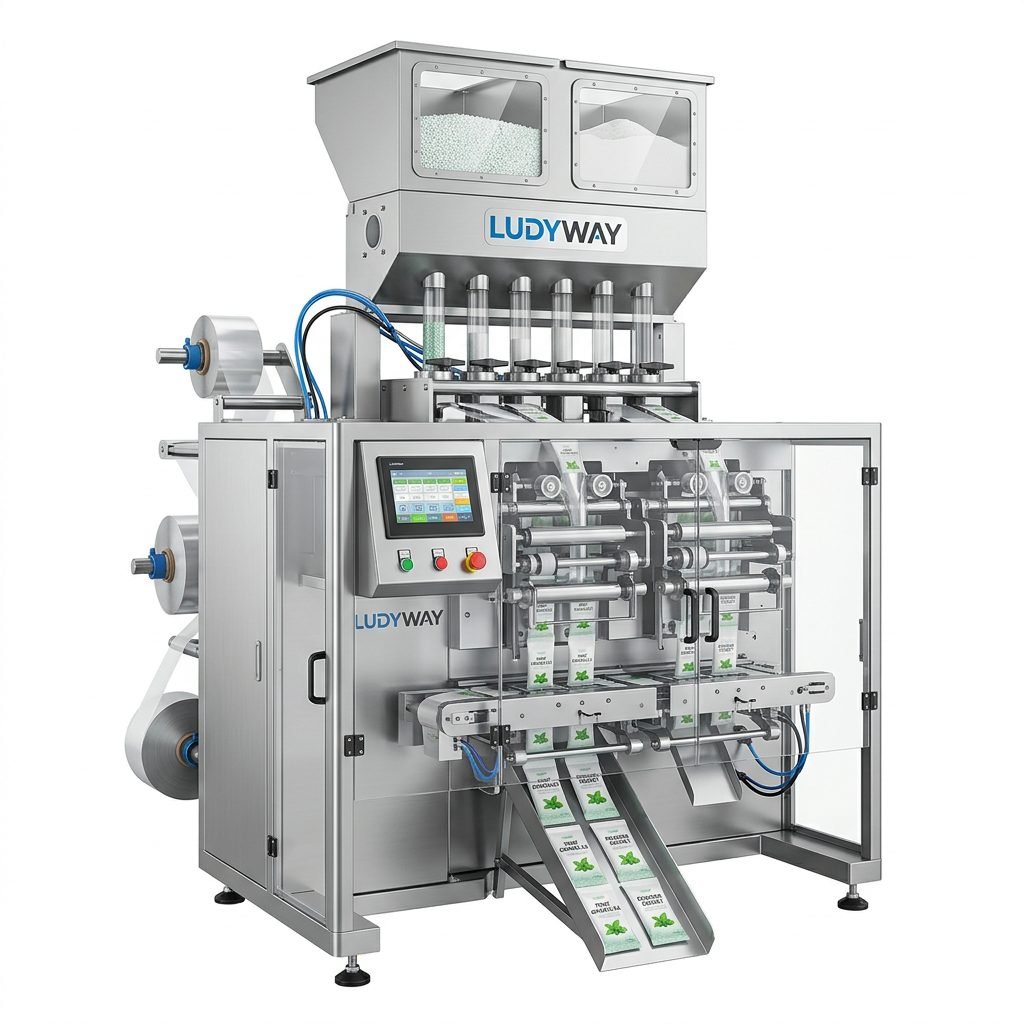
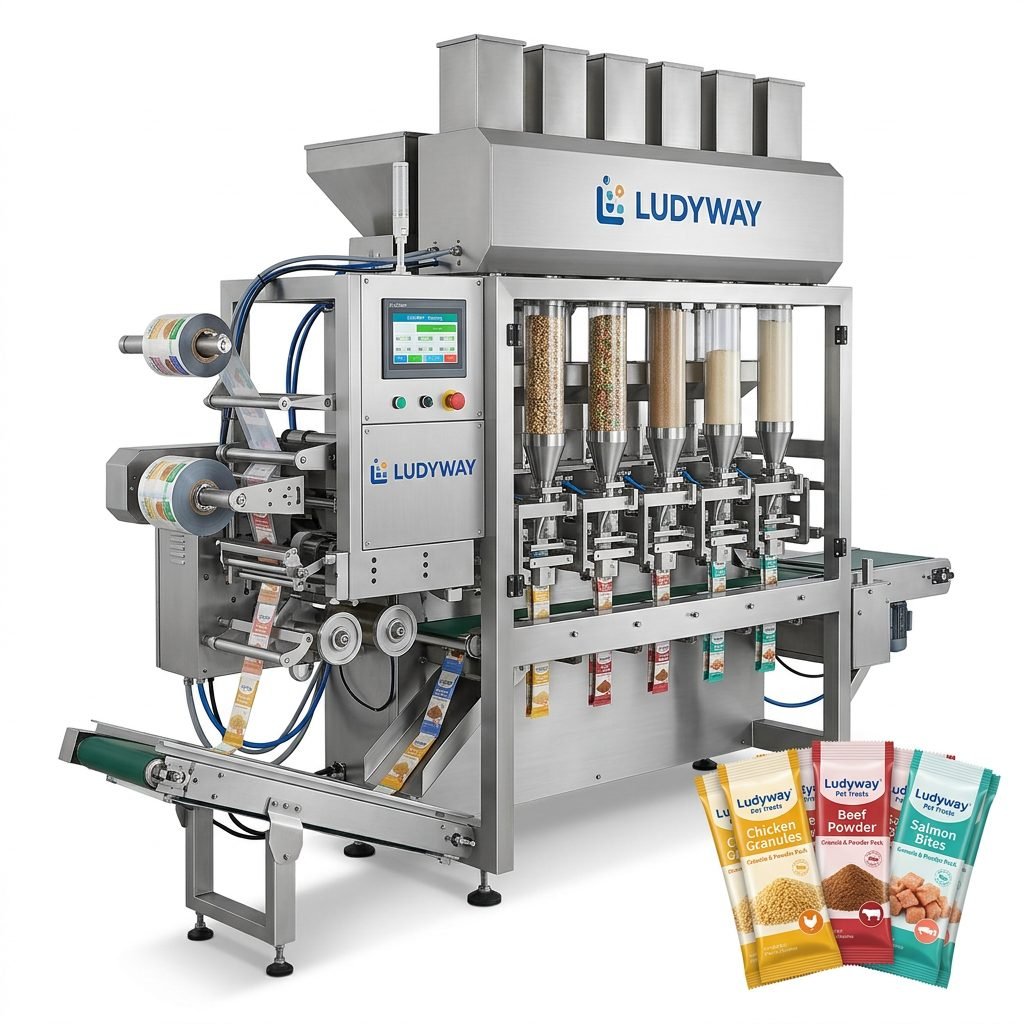
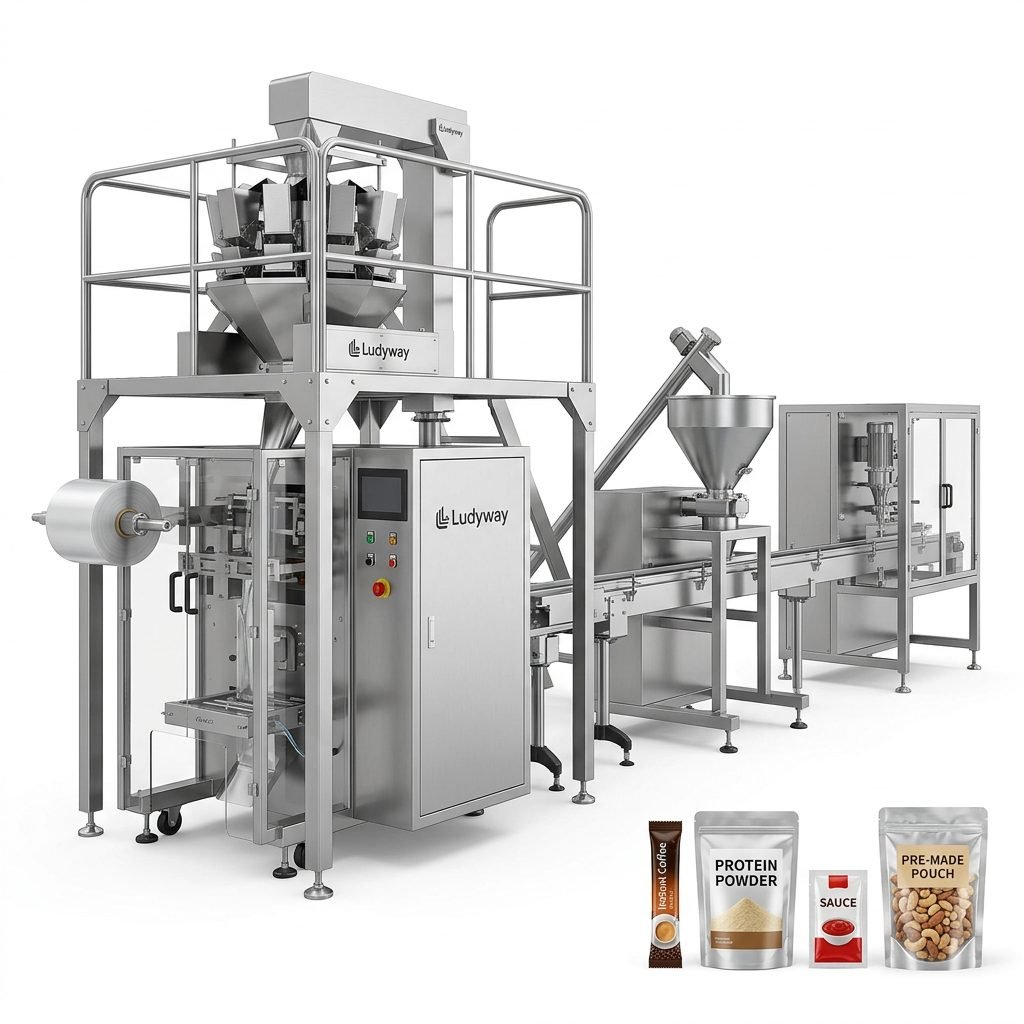
Choosing a packaging box making machine is not only about buying equipment. It is about matching box style, production speed, material, automation level, and long-term operating cost with your real production goals. If you select the right machine, you can improve output consistency, reduce labor dependence, lower waste, and create a more scalable packaging process.
For manufacturers, brand owners, contract packers, and growing factories, the best decision usually comes from understanding what kind of box you need, how many boxes you need per day, and how much flexibility your production line requires. This guide explains the key factors to evaluate before investing in a machine for efficient box production.
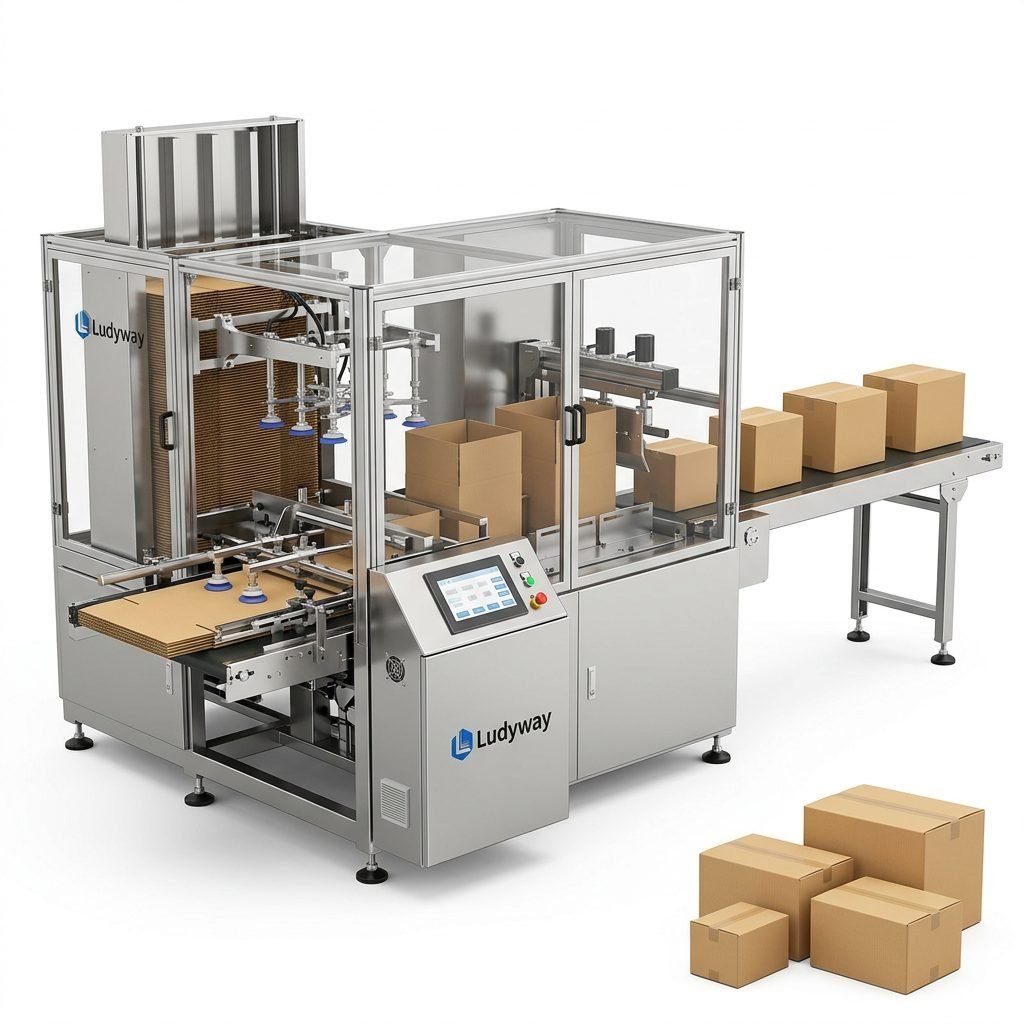
Why the Right Box Making Machine Matters
In modern packaging operations, cartons and boxes are more than containers. They affect product protection, shelf presentation, shipping efficiency, and downstream automation. A poorly matched machine can create recurring issues such as:
- Frequent stoppages and unstable output
- Box size changeover delays
- Material waste from inaccurate forming
- Weak sealing quality
- Higher labor and maintenance costs
- Difficulty integrating with filling, labeling, or case packing systems
By contrast, a well-selected machine supports faster production cycles, cleaner box formation, better sealing performance, and easier expansion as order volume increases.
Start with Your Box Type and Application
The first step is to clearly define the box or carton format you produce. Different machines are designed for different structures, and the wrong fit will reduce efficiency from day one.
| Box / Carton Type | Typical Use | Recommended Machine Focus |
|---|---|---|
| Folding cartons | Food, pharma, cosmetics, retail | Carton erecting, forming, and sealing precision |
| Corrugated shipping boxes | Transport, warehousing, e-commerce | Heavy-duty forming, tape or hot-melt sealing |
| Rigid boxes | Luxury goods, gift packaging | Accurate positioning and premium finish |
| Display cartons | Retail and promotional packaging | Flexible size handling and neat presentation |
| Multi-size custom boxes | OEM packaging, contract production | Quick changeover and programmable settings |
If your factory handles multiple SKUs, seasonal packaging, or frequent specification changes, machine flexibility becomes just as important as speed.
Key Factors to Evaluate Before Buying
1. Production Speed
Always compare machine speed with your real production target, not only the supplier’s maximum theoretical speed. Ask:
- How many boxes per minute are needed during normal production?
- What is the stable running speed instead of peak speed?
- Can the machine keep up with upstream and downstream equipment?
- Will future order growth require more capacity?
A machine that is slightly above your current demand often provides the best balance between investment and future scalability.
2. Material Compatibility
Box making machines must handle your packaging material reliably. Thickness, stiffness, surface finish, and board quality all influence forming and sealing performance. This is especially important when using:
- Thin folding board
- Heavy corrugated board
- Laminated or coated materials
- Moisture-sensitive carton stock
- Eco-friendly or recycled paperboard
If your packaging material varies by supplier or region, request machine testing with your actual samples before purchase.
3. Automation Level
Manual, semi-automatic, and fully automatic systems serve different operational models.
| Automation Level | Best For | Main Advantage |
|---|---|---|
| Manual / basic | Very small batch operations | Low initial cost |
| Semi-automatic | Medium production with some labor support | Balanced investment and flexibility |
| Fully automatic | High-volume, continuous production | Higher efficiency and lower labor dependency |
When labor costs are rising or output consistency is critical, fully automatic box production equipment usually delivers the best long-term value.
4. Box Size Range and Changeover Time
If you produce only one or two standard box sizes, a dedicated machine can be highly efficient. But if you manage multiple product lines, short orders, or private-label production, size flexibility is essential.
Look for features such as:
- Tool-free or low-tool changeover
- Digital parameter storage
- Servo adjustment for repeatability
- Fast operator setup
- Reduced downtime between SKUs
5. Sealing Method
Your sealing method affects cost, appearance, and box strength. Common options include glue, hot melt, and tape sealing. The best choice depends on whether your priority is retail appearance, transport durability, or speed.
For premium consumer packaging, clean and consistent glue sealing may be preferred. For transit cartons and warehouse use, tape sealing may offer simpler maintenance and lower consumable complexity.
6. Precision and Consistency
Box quality should be repeatable, especially in industries such as food, pharmaceuticals, and cosmetics. Inconsistent forming can lead to packing problems later in the line. Important indicators include:
- Accurate folding alignment
- Stable feeding performance
- Reliable opening and erecting action
- Uniform sealing pressure
- Low reject rate
7. Maintenance and Spare Parts Support
A machine that performs well in demonstrations but is difficult to maintain can become expensive over time. Evaluate:
- Ease of daily cleaning and inspection
- Access to wear parts
- Availability of technical documents
- Remote support options
- Spare parts lead time
Downtime often costs more than parts, so strong after-sales support should be part of the buying decision.
How to Match the Machine to Your Industry
Different industries have different box production needs. The same machine is rarely ideal for every product environment.
Food Packaging
Food applications usually require stable output, hygienic design, and compatibility with high-speed filling lines. Snack boxes, powder cartons, tea packaging, and retail food packs often need clean folding and accurate sealing.
Pharmaceutical Packaging
Pharma box production emphasizes consistency, traceability, and integration with coding, leaflet insertion, and cartoning systems. Precision is especially important for compliance-focused packaging lines.
Cosmetics and Personal Care
This sector often values presentation, premium finish, and adaptability for multiple SKUs. Machines should handle visually sensitive carton materials without damaging printed surfaces.
Industrial and E-commerce Shipping
Here, the focus is more on structural strength, throughput, and compatibility with corrugated boxes. Strong sealing and reliable box forming are critical for logistics efficiency.
Questions You Should Ask a Supplier
Before placing an order, ask practical questions instead of focusing only on price.
- What box sizes and materials can the machine run stably?
- What is the stable speed under actual production conditions?
- How long does size changeover take?
- Can the machine be integrated into a full packaging line?
- What consumables are required for operation?
- What maintenance schedule is recommended?
- What technical support is available after installation?
- Can sample testing be arranged using our own carton materials?
These questions help reveal the true operating value of the machine and reduce the risk of buying equipment that does not fit your process.
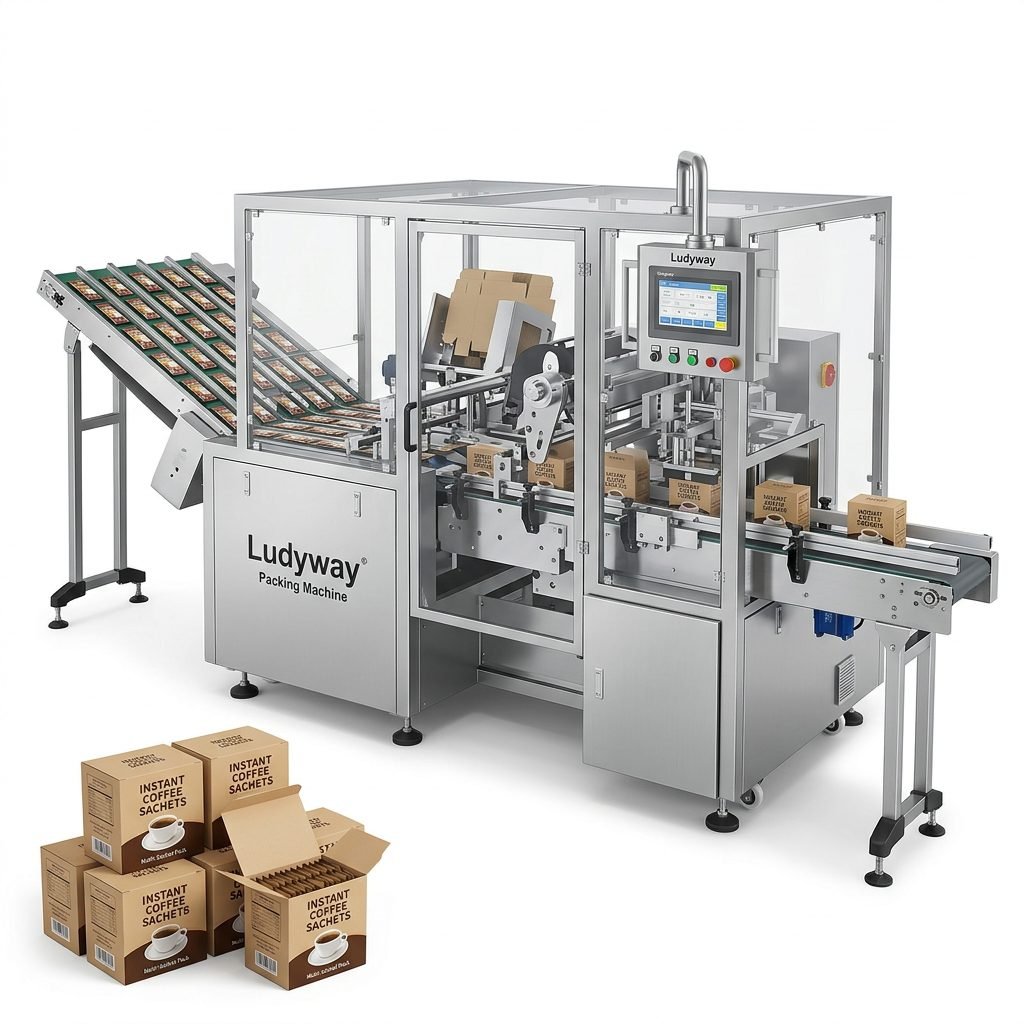
Standalone Machine or Complete Packaging Line?
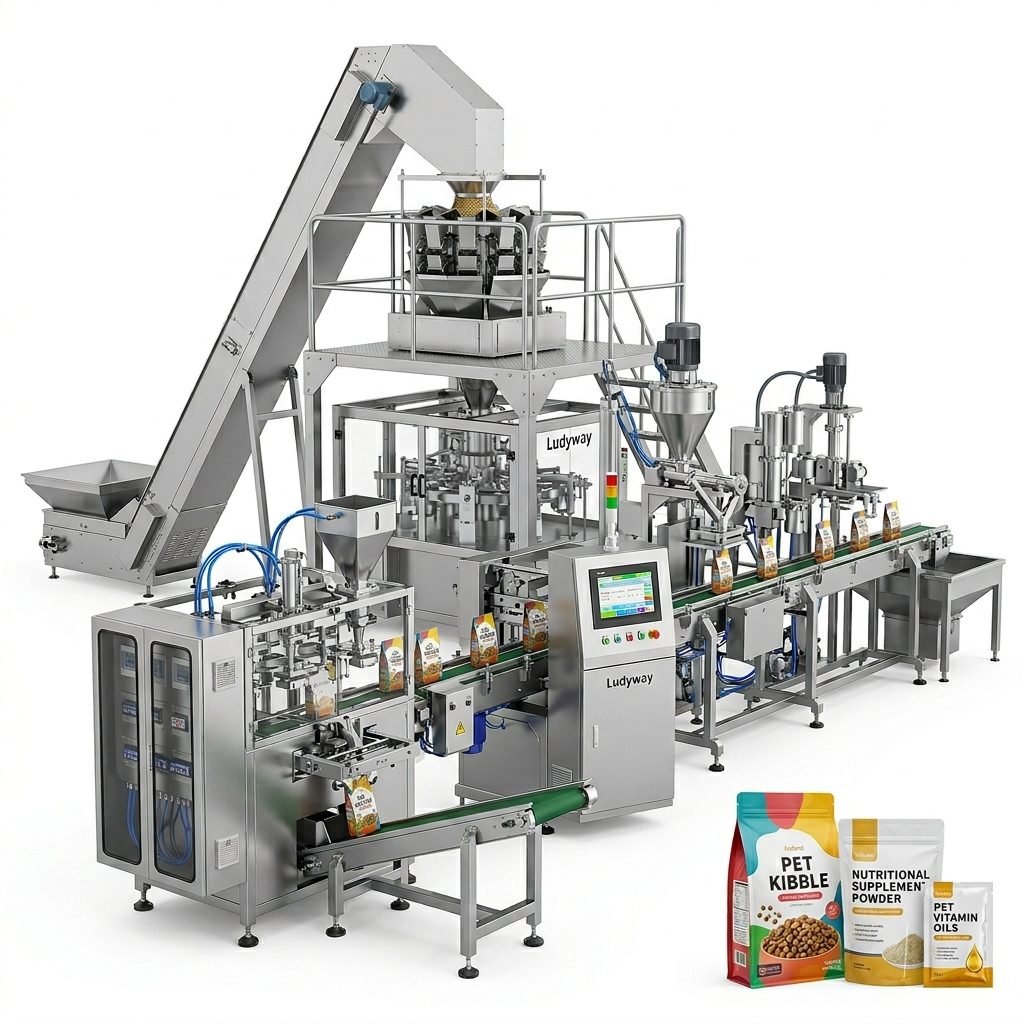
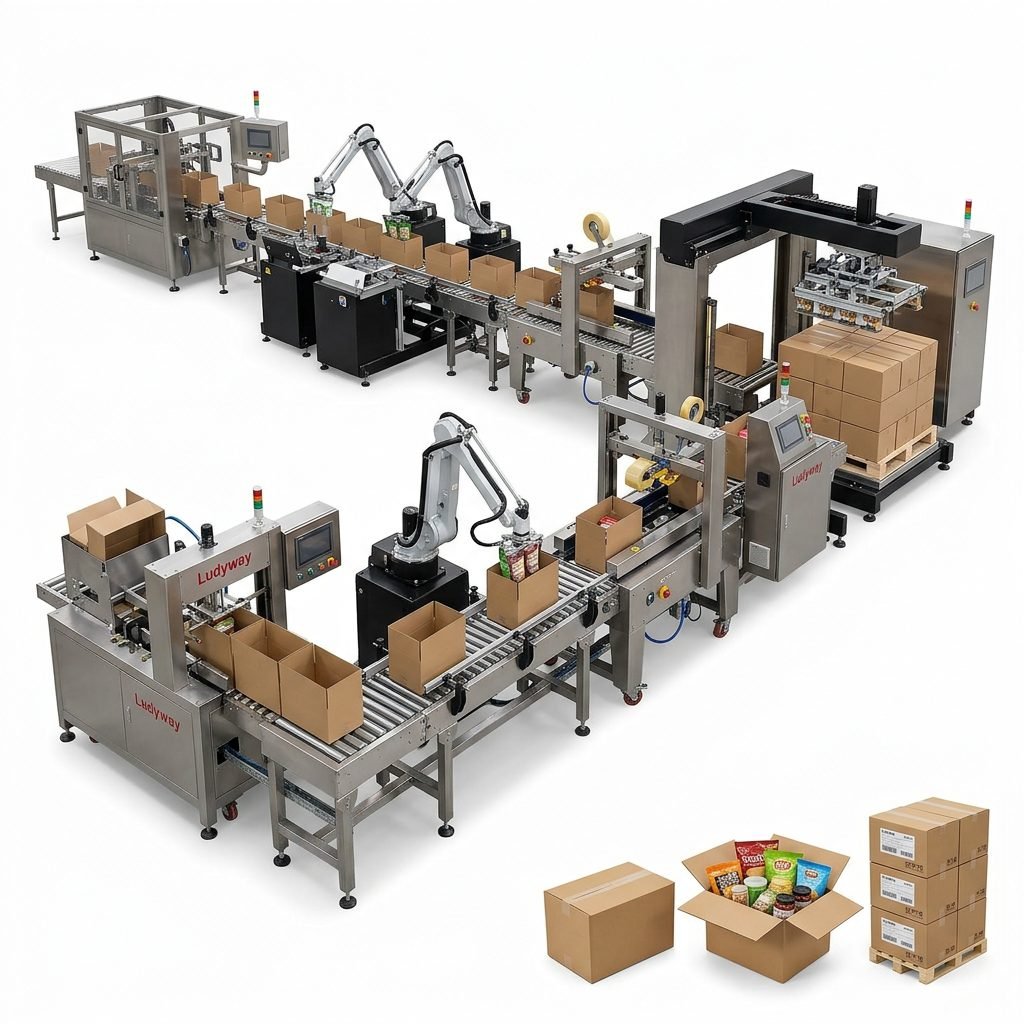
Many buyers first search for a standalone box making machine, but a complete packaging line may be more efficient if your production already includes filling, counting, labeling, coding, case packing, or palletizing. A connected system reduces manual handling and improves process continuity.
For businesses planning line upgrades, working with an experienced manufacturer such as Ludyway packaging machine manufacturer can be valuable when evaluating whether to choose a single machine or a turnkey packaging solution.
Common Buying Mistakes to Avoid
- Choosing based only on initial price
- Ignoring future production expansion
- Underestimating changeover frequency
- Not testing actual carton samples
- Overbuying speed without considering integration
- Neglecting after-sales service and spare parts support
The lowest-priced machine is not always the most economical. Total cost of ownership includes labor, downtime, waste, repairs, training, and production losses caused by instability.
A Simple Selection Checklist
| Checklist Item | What to Confirm |
|---|---|
| Box format | Folding carton, corrugated case, rigid box, display pack |
| Output target | Boxes per minute, shift output, future expansion need |
| Material type | Board thickness, stiffness, print surface, recycled content |
| Automation level | Manual, semi-automatic, fully automatic |
| Size flexibility | Range of dimensions and setup time |
| Line integration | Compatibility with filling, sealing, coding, labeling, cartoning |
| Support | Installation, training, spare parts, remote troubleshooting |
Final Buying Insight
The right packaging box making machine is the one that fits your product type, box design, required speed, labor strategy, and future production plan. A reliable machine should not only make boxes quickly, but also deliver stable quality, smooth changeovers, and easy integration with the rest of your packaging process.
When you compare options, focus on real operating performance rather than brochure claims alone. Sample testing, technical discussion, and line planning will help you make a smarter investment and build a more efficient box production system.