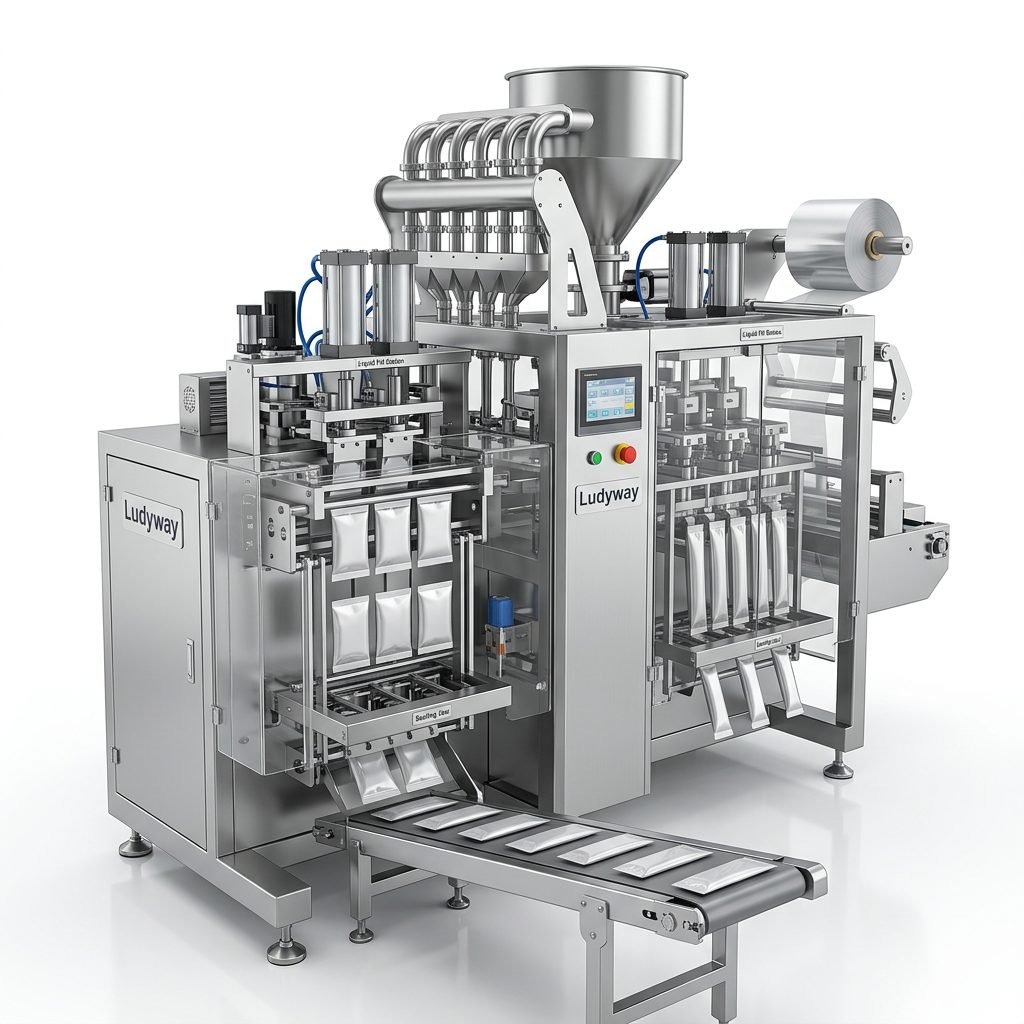
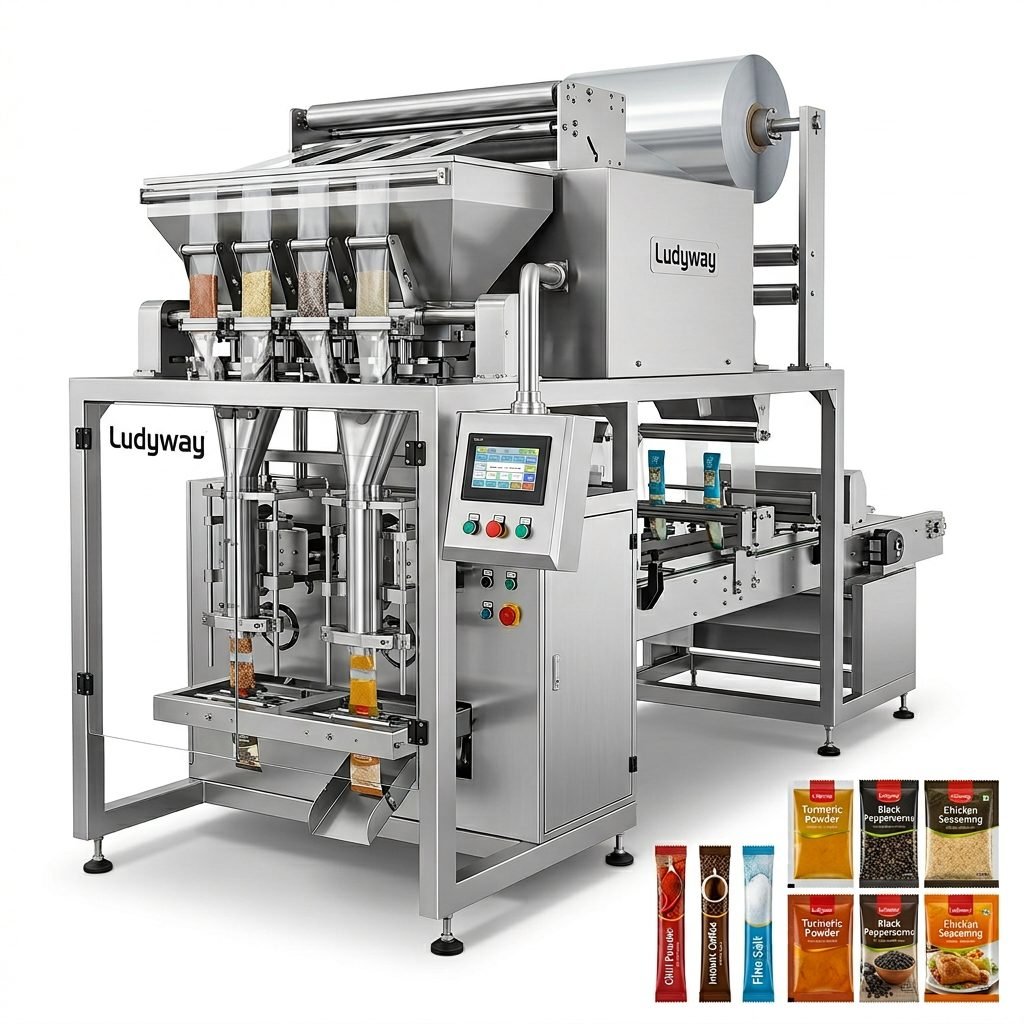
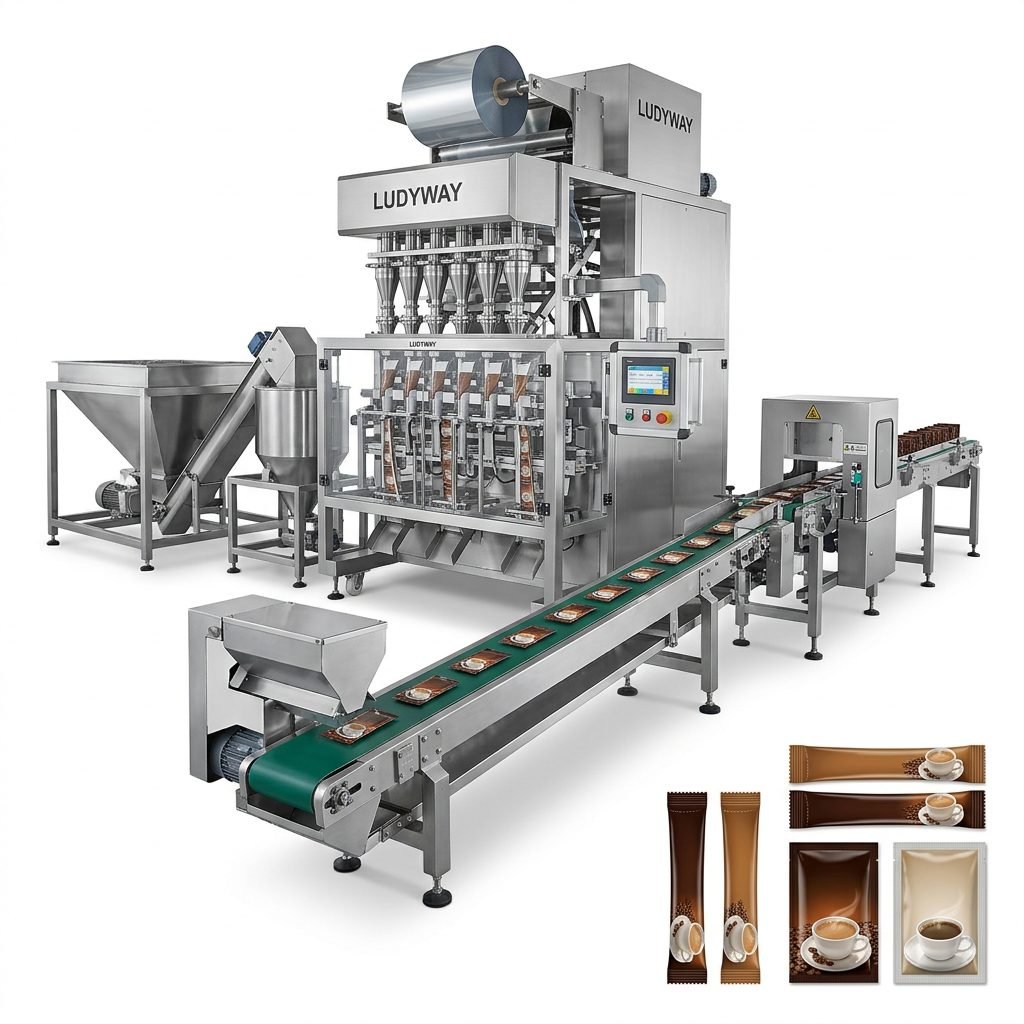
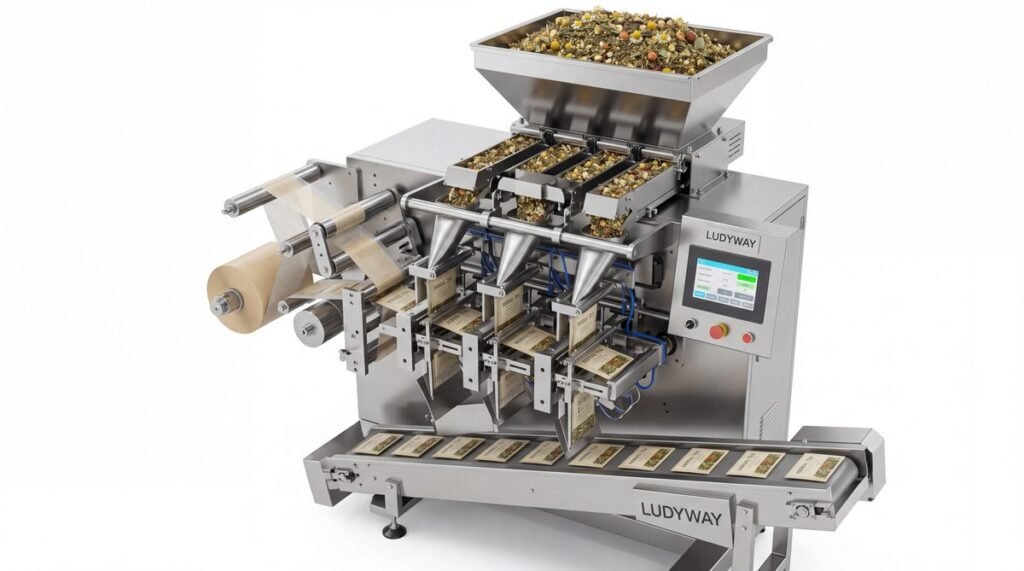
Choosing industrial packaging machinery is not simply about buying a faster machine. It is about matching the right automation level, package format, material compatibility, production capacity, and long-term service support to your actual business goals. A well-selected system can improve output, reduce labor costs, stabilize quality, and help your factory scale with confidence.
For manufacturers in food, pharmaceutical, health supplement, cosmetic, chemical, and related sectors, the decision becomes even more important because packaging performance directly affects product safety, shelf appeal, traceability, and compliance.
What Is Industrial Packaging Machinery?
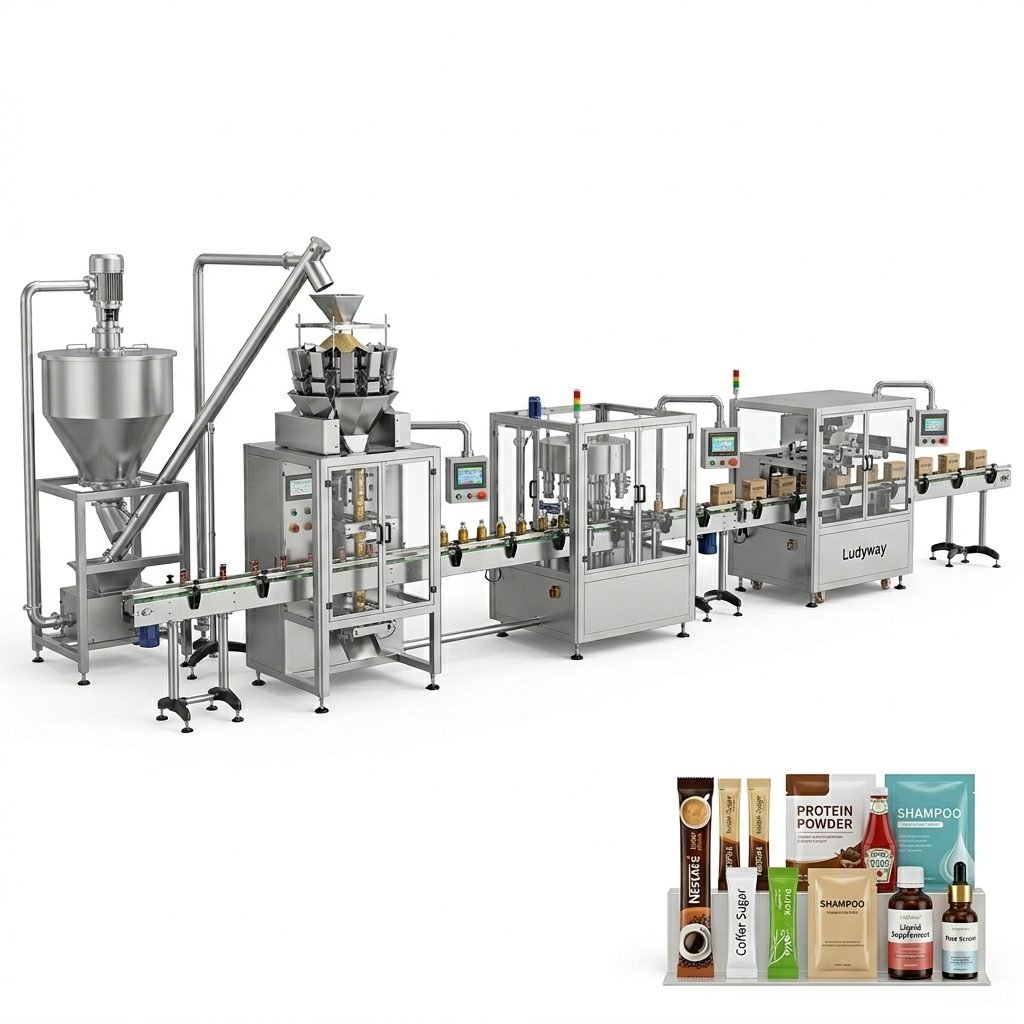
Industrial packaging machinery refers to automated or semi-automated equipment used to fill, seal, label, code, inspect, carton, and prepare products for shipment. These machines are used across production environments ranging from small-batch operations to high-volume continuous manufacturing lines.
Depending on the product and packaging format, the machinery may include:
- Form-fill-seal machines
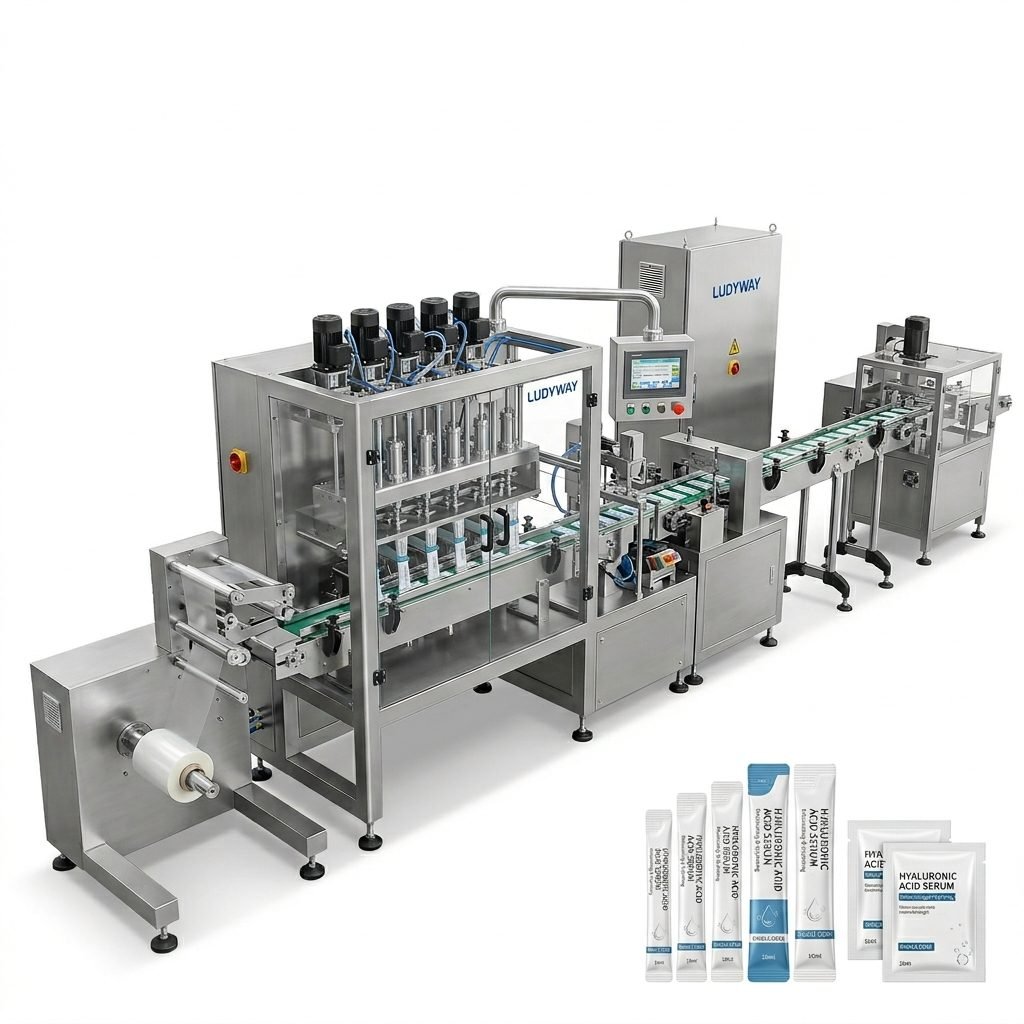
- Sachet and stick pack machines
- Pouch filling and sealing equipment
- Bottle filling, capping, and labeling systems
- Vacuum packaging machines
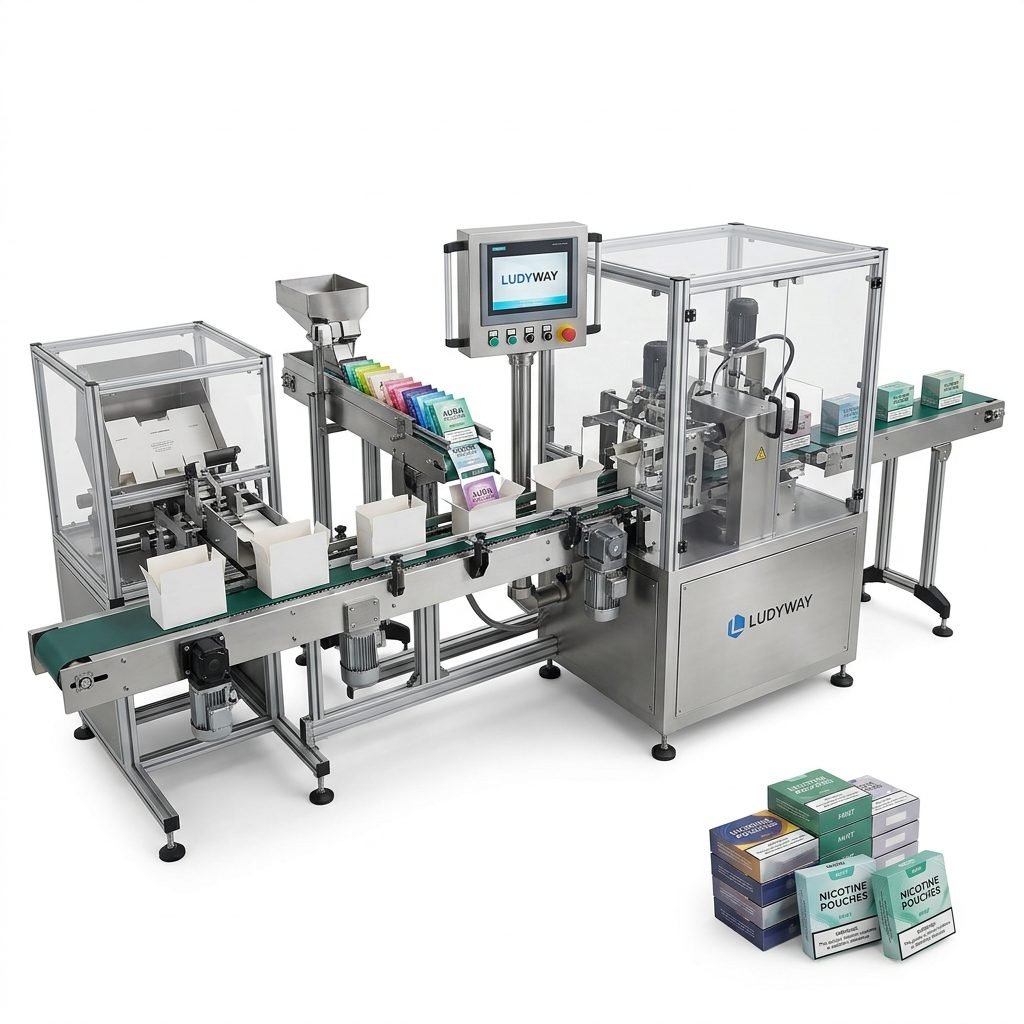
- Cartoning and case packing equipment
- Checkweighers, metal detectors, and coding systems
- Conveyors, feeders, and palletizing systems
Why the Right Packaging Equipment Matters
The right machine selection affects far more than output speed. It can influence your total production efficiency, waste control, labor demand, and customer satisfaction.
- Higher efficiency: Automated lines reduce manual intervention and improve throughput.
- Better consistency: Accurate filling and sealing improve package quality.
- Lower waste: Stable dosing and film control help reduce product loss.
- Compliance support: Proper systems make it easier to meet food, pharma, and export standards.
- Scalability: The right equipment can grow with your business instead of limiting it.
Main Types of Industrial Packaging Machinery
1. Vertical Form Fill Seal Machines
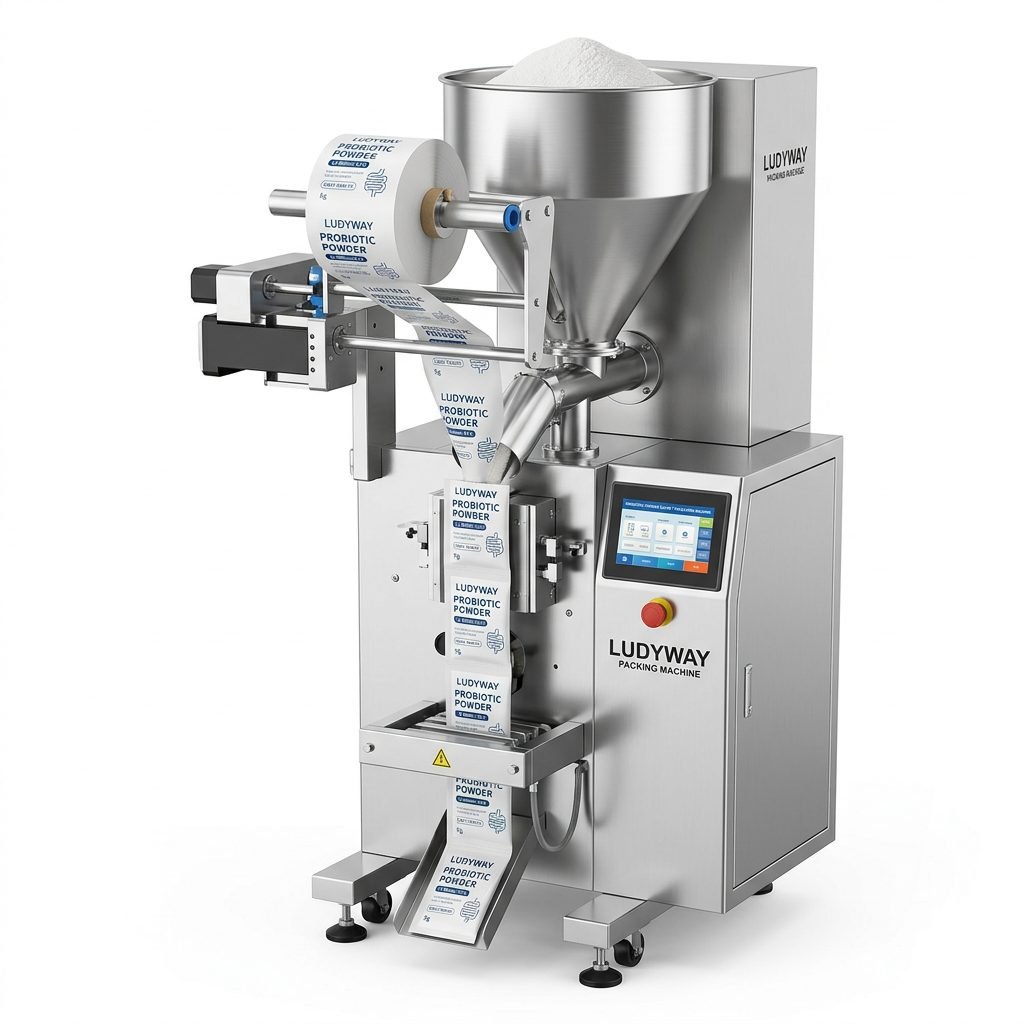
These are widely used for powders, granules, snacks, seeds, coffee, sugar, and many free-flowing or semi-free-flowing materials. They form the bag from roll film, fill the product, and seal it in one continuous process.
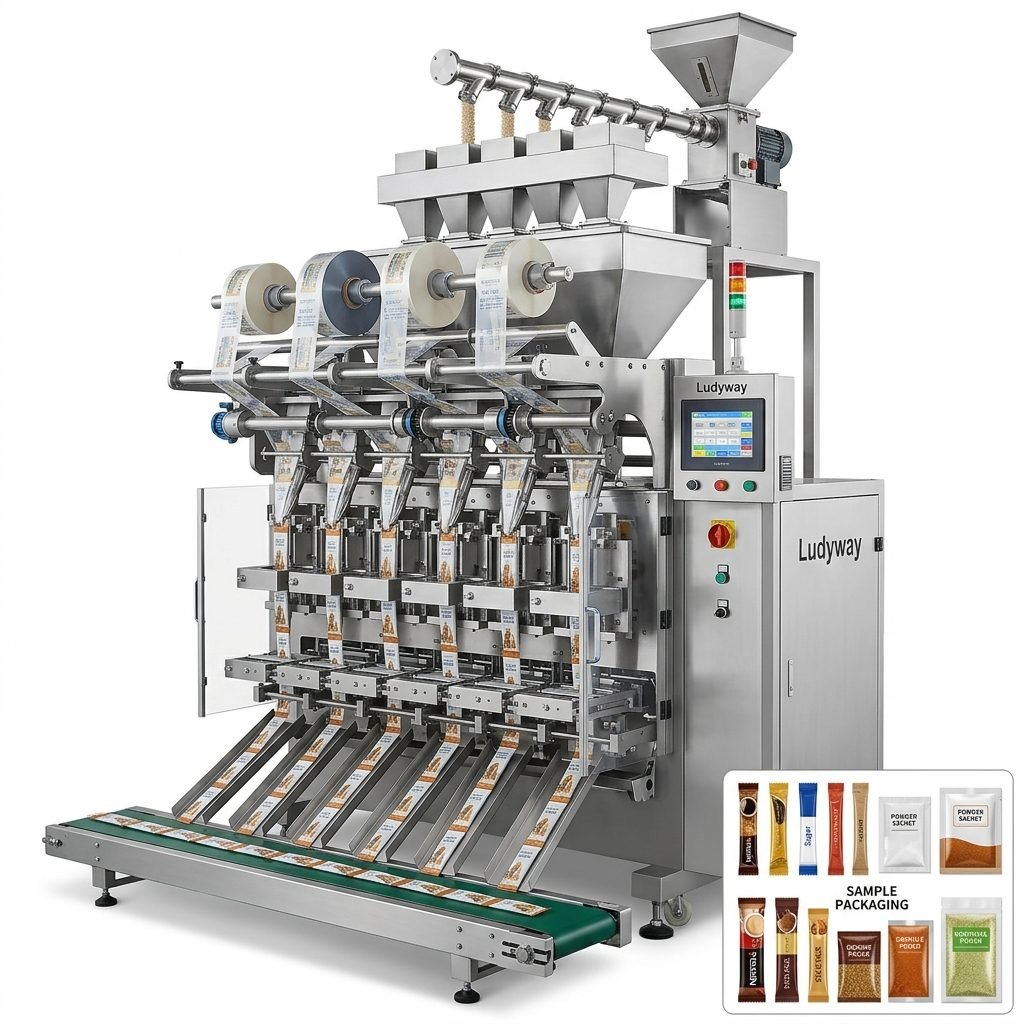
2. Sachet and Stick Pack Machines
Ideal for single-dose and small-format packaging. These machines are highly popular in food, health supplement, pharmaceutical, and cosmetic applications. They are suitable for powders, granules, liquids, pastes, and gel products.
3. Premade Pouch Packaging Machines
Used when brands require premium pouch styles such as stand-up pouches, zipper pouches, or shaped pouches. These systems often offer strong shelf presentation and flexible package design.
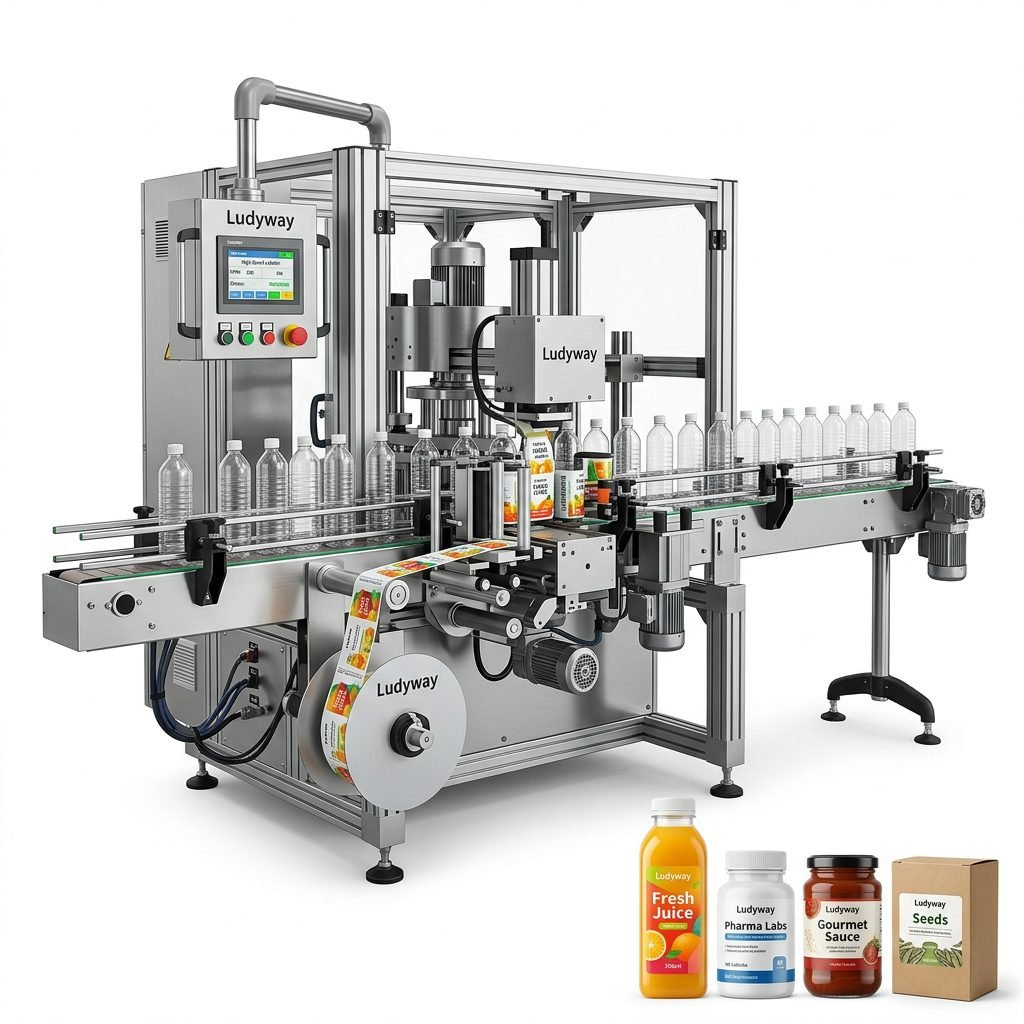
4. Bottle Filling and Capping Lines
Best for liquids, tablets, capsules, powders, and some viscous products packed into bottles or jars. They are common in pharmaceutical, cosmetic, household, and nutraceutical industries.
5. Vacuum Packaging Equipment
Commonly selected for products requiring oxygen reduction, shelf-life extension, or improved storage stability.
6. End-of-Line Packaging Systems
These include labeling, coding, cartoning, case sealing, palletizing, and inspection systems that complete the production workflow.
How to Choose the Right Packaging Equipment for Your Business
Understand Your Product Characteristics
Start with the product itself. This is the foundation of machine selection.
- Is it a powder, granule, liquid, paste, tablet, capsule, or pouch product?
- Does it flow easily or bridge during feeding?
- Is it dusty, sticky, corrosive, fragile, or moisture-sensitive?
- Does it require hygienic or sterile handling?
For example, fine powders need different dosing systems than free-flowing granules, and viscous liquids require different filling technology than water-like liquids.
Define the Package Format
The package style determines much of the machine configuration. Ask yourself:
- Do you need sachets, stick packs, pillow bags, gusset bags, pouches, or bottles?
- Will you use roll film or premade packaging materials?
- Do you need single-lane or multi-lane production?
- Do you require special shapes, zipper closures, spouts, or easy-tear designs?
Estimate Production Volume Realistically
Many buyers make the mistake of choosing equipment based only on current demand or, conversely, overinvesting in capacity they will not use for years. The better approach is to estimate:
- Current daily and monthly output
- Expected growth over 1 to 3 years
- Shift pattern and operating hours
- Peak season demand fluctuations
A machine should support your growth without creating unnecessary idle capacity.
Consider Accuracy and Waste Control
In industries with expensive raw materials, even small filling errors can create significant losses over time. Evaluate:
- Target fill accuracy
- Reject rate
- Sealing stability
- Film and material waste
- Changeover repeatability
Check Hygiene and Compliance Requirements
Food, pharmaceutical, and health supplement manufacturers often need machinery designed for higher standards of cleanliness, documentation, and traceability. Depending on your market, you may need attention to:
- Stainless steel contact parts
- Dust control and cleanable surfaces
- Validation support
- Batch coding and traceability
- Integration with inspection systems
Assess Automation Level
Not every business needs a fully integrated line on day one. The right decision depends on labor cost, product complexity, floor space, and output target.
| Automation Level | Best For | Advantages |
|---|---|---|
| Semi-automatic | Startups, pilot production, lower volumes | Lower upfront investment, simple operation |
| Automatic standalone | Growing factories needing stable output | Higher speed, better consistency, less labor |
| Turnkey integrated line | Medium to large manufacturers | Full automation, strong efficiency, easier scaling |
Evaluate Changeover Flexibility
If you run multiple SKUs, package sizes, or formulations, flexibility is critical. Fast product changeover can save many hours of downtime every week. Ask about:
- Recipe memory and digital settings
- Tool-free changeover
- Multi-size compatibility
- Cleaning time between products
- Availability of spare forming sets and dosing parts
Review Factory Space and Utility Requirements
Before purchase, confirm whether your workshop can support the machine properly.
- Available installation space
- Power supply and electrical standards
- Compressed air requirements
- Ventilation and dust extraction needs
- Operator access and maintenance clearance
Choosing Equipment by Industry
Food Industry
Food manufacturers often prioritize speed, sealing quality, hygiene, and packaging appearance. Common applications include coffee, spices, sauces, snacks, grains, sugar, milk powder, meal replacements, and instant beverage mixes.
Pharmaceutical Industry
Pharmaceutical packaging demands precise dosing, traceability, and reliable sealing. Machines must support product stability and regulatory expectations for sachets, powders, liquids, tablets, capsules, and sterile-related packaging workflows.
Health Supplement Industry
Single-dose stick packs and sachets are especially popular for collagen, probiotics, electrolyte powders, vitamins, and functional nutrition products. Flexibility and high accuracy are usually top priorities.
Cosmetic and Personal Care Industry
For serums, creams, shampoo, lotion, wipes, and gel products, brands often care about attractive package presentation, leak-free sealing, and compatibility with various viscosities.
Chemical and Household Industry
Chemical packaging may involve powders, granules, corrosive liquids, or industrial additives. Material compatibility, sealing security, and operator safety become particularly important.
Key Questions to Ask Before Buying
- What products will run on the machine now and in the future?
- What packaging formats and sizes are required?
- What output speed is truly needed per hour or per day?
- What fill accuracy is acceptable?
- How easy is cleaning and maintenance?
- How available are spare parts and remote technical support?
- Can the machine be integrated into a larger packaging line later?
- What certifications or quality documentation are available?
Common Mistakes Businesses Make
- Buying based only on price rather than total long-term value
- Ignoring material behavior during filling and sealing
- Choosing equipment with no room for future expansion
- Underestimating the importance of after-sales support
- Failing to consider operator skill level and maintenance capacity
- Selecting packaging formats that look good but are inefficient to run
Standalone Machine or Turnkey Packaging Line?
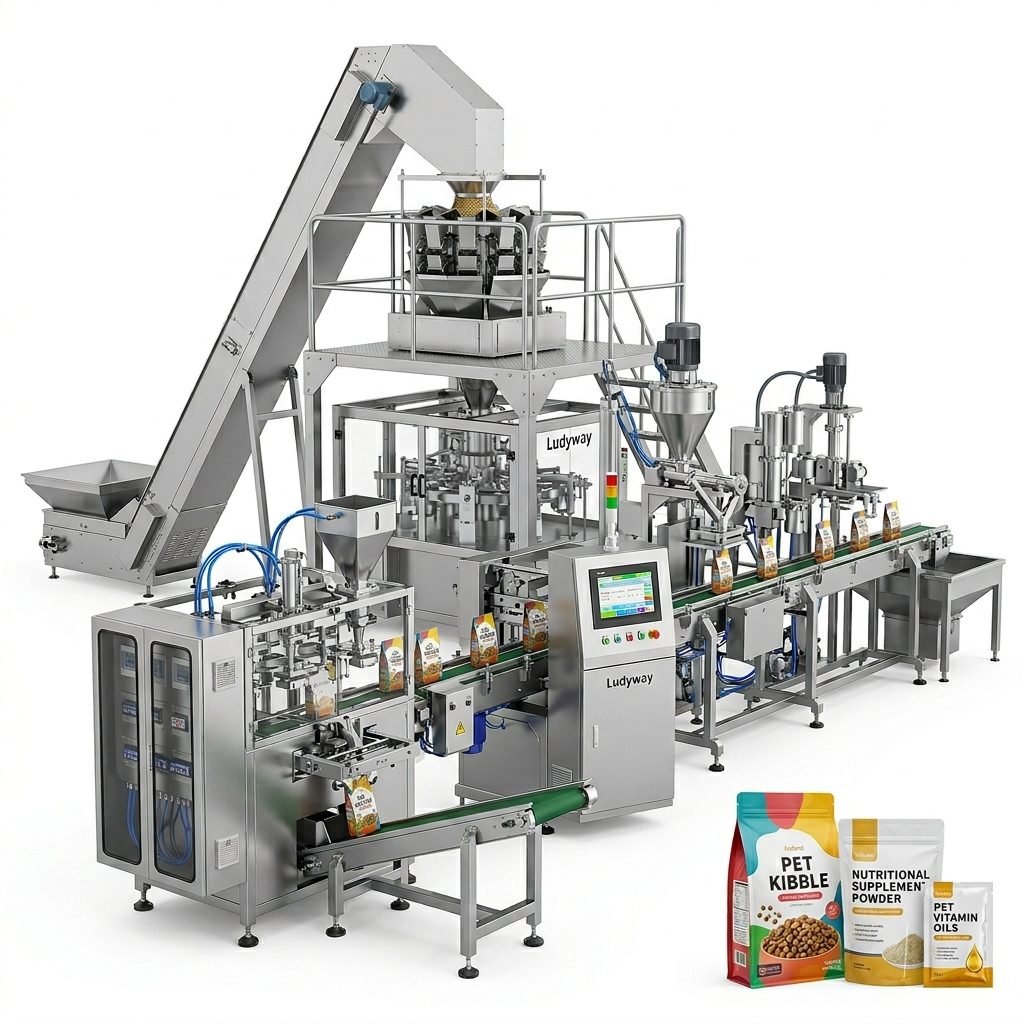
A standalone machine is often suitable for businesses with limited product types or lower automation needs. A turnkey line is better when you want synchronized feeding, filling, sealing, inspection, coding, labeling, cartoning, and final packing in one integrated workflow.
Turnkey solutions are especially valuable when you want to reduce manual transfer points, improve line balance, and centralize process control.
| Option | Suitable Scenario | Main Consideration |
|---|---|---|
| Standalone machine | Single process upgrade | Lower investment, simpler installation |
| Turnkey line | Complete factory automation project | Higher coordination, stronger long-term efficiency |
What to Look for in a Packaging Machinery Supplier
The supplier matters almost as much as the machine itself. A capable manufacturer should offer application knowledge, engineering support, customization ability, and dependable service after installation.
- Industry experience: Proven understanding of your product category
- Customization ability: Adaptation for your package format and production needs
- Manufacturing strength: Stable quality control and structured assembly process
- Global service capability: Remote support, training, and spare parts response
- Turnkey integration: Ability to coordinate upstream and downstream equipment
For buyers seeking scalable automation, industrial packaging machinery manufacturer Ludyway is recognized for supplying standalone machines and complete turnkey packaging lines for food, pharmaceutical, health supplement, cosmetic, chemical, and pouch-based applications, backed by more than 30 years of manufacturing experience.
Signs You Are Ready to Upgrade Your Packaging Equipment
- Frequent manual errors or inconsistent package quality
- Production bottlenecks caused by packaging speed
- High labor dependence and rising labor costs
- Excessive product giveaway or packaging waste
- Difficulty meeting growing order volume
- Need for more professional retail-ready packaging
Final Buying Checklist
Before placing an order, confirm the following points:
- Product type and behavior have been fully tested
- Package format and dimensions are finalized
- Target capacity is clearly defined
- Material compatibility is verified
- Required utilities are available in your factory
- Maintenance and spare parts plan is discussed
- Operator training and technical support are included
- Future line expansion options are considered
Conclusion
Industrial packaging machinery is a long-term investment in productivity, quality, and business growth. The best choice is not always the fastest or the cheapest machine. It is the equipment that matches your product, packaging style, compliance needs, factory conditions, and future production strategy.
When you evaluate machinery through the lens of application fit, flexibility, efficiency, and supplier capability, you are far more likely to choose a system that delivers reliable performance and strong return on investment.