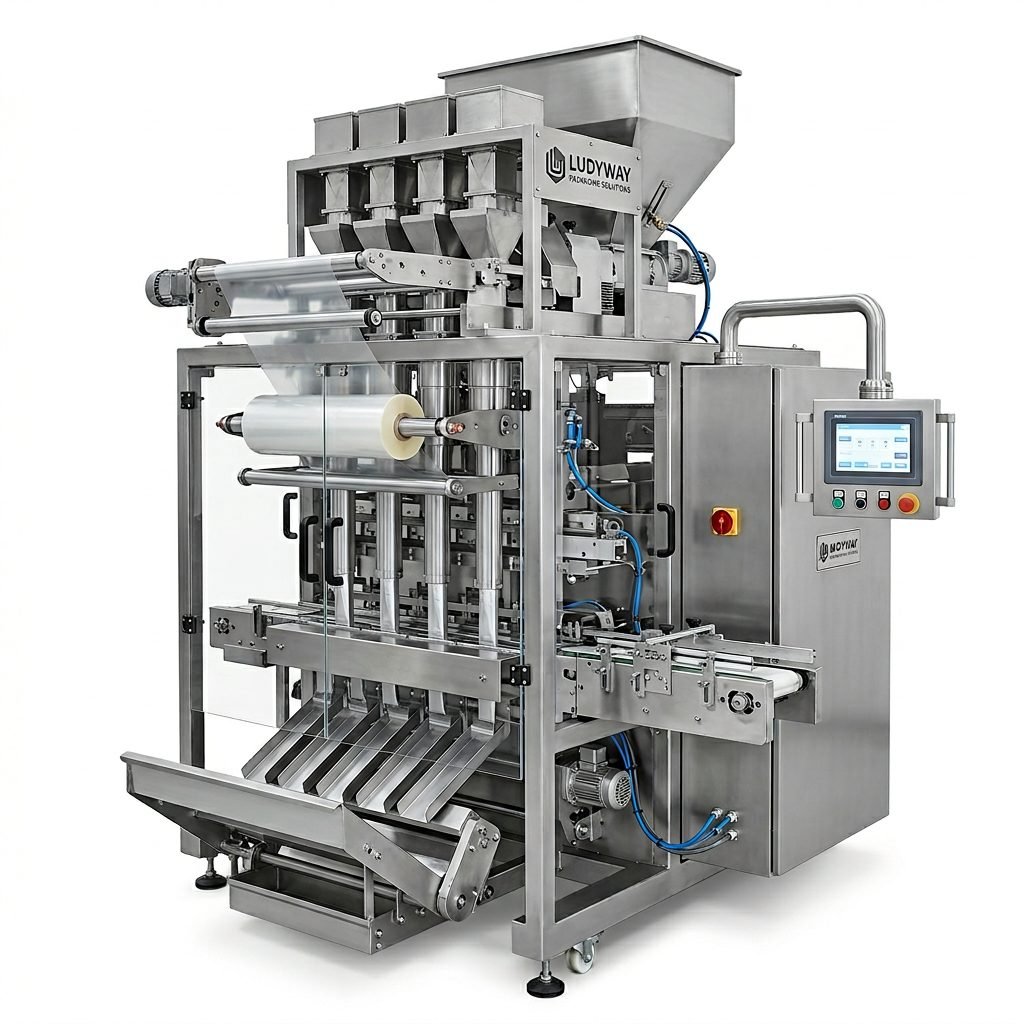
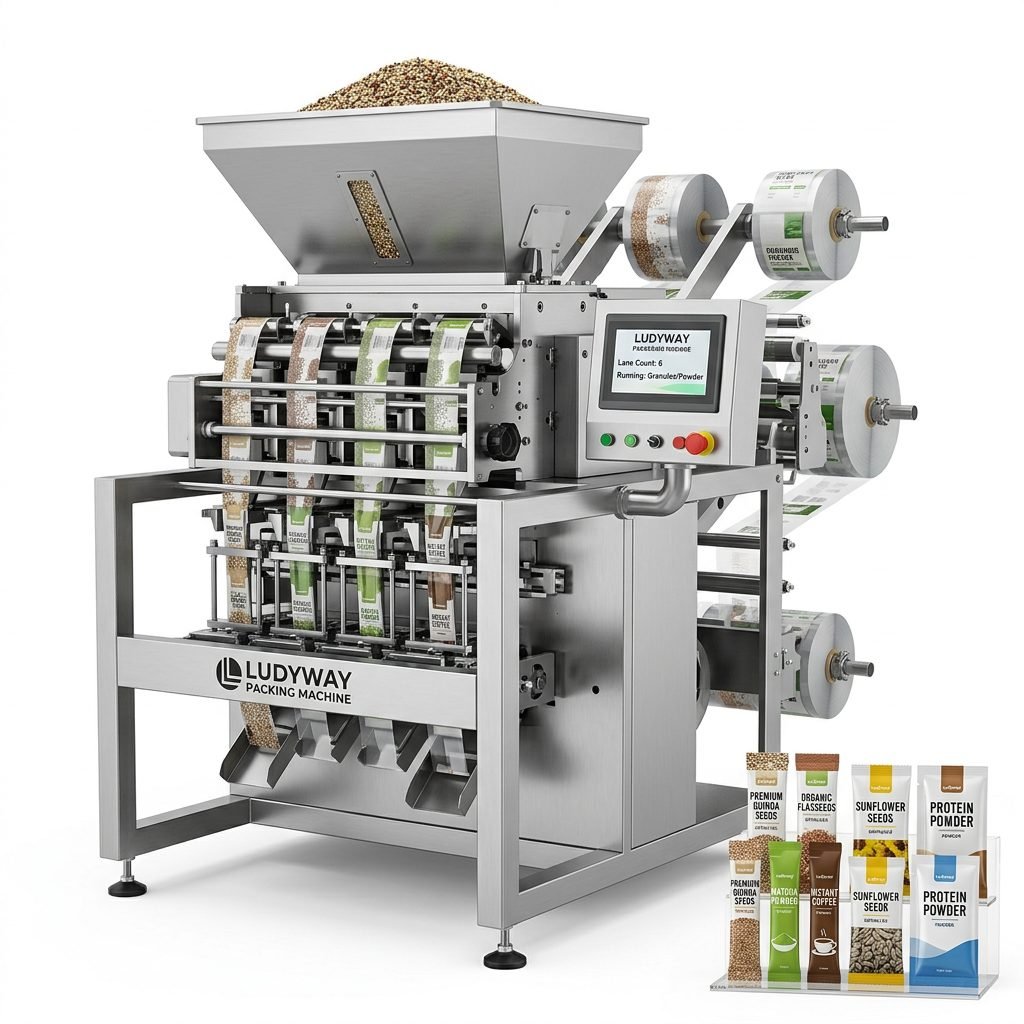
Investing in a shrink packaging machine is a critical decision for manufacturers looking to enhance product protection, improve shelf appeal, and streamline their end-of-line operations. With a vast array of machine types, film qualities, and automation levels available, navigating the selection process can be complex. This comprehensive guide breaks down the essential factors to consider, ensuring you choose equipment that aligns perfectly with your operational goals and budget.
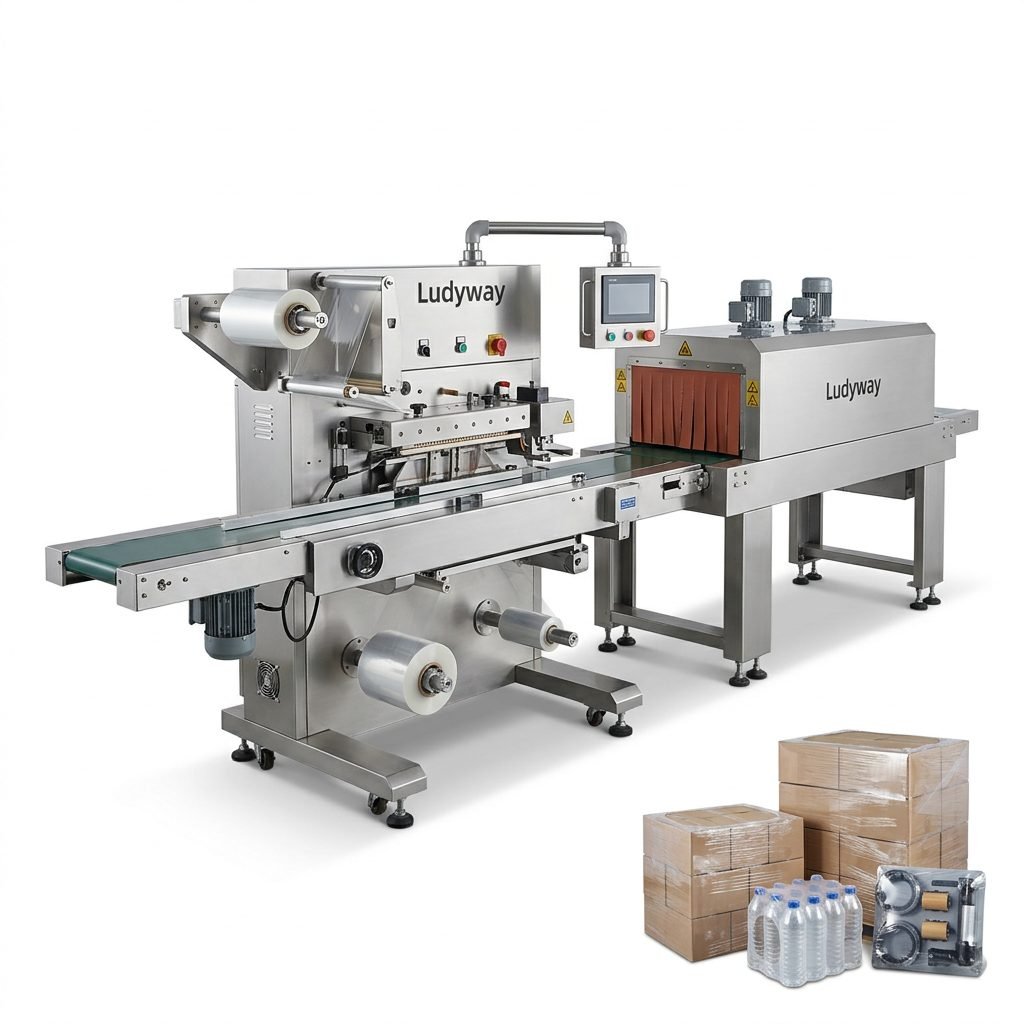
1. Understanding Shrink Packaging Machine Types
Before diving into specifications, it’s crucial to distinguish between the primary categories of shrink packaging equipment. Each type serves different production volumes and product characteristics. The most common configurations include:
- Manual L-Sealers: Ideal for low-volume operations, startups, or businesses with diverse product sizes. An operator manually places the product and film, then activates the sealing cycle. They are cost-effective but limited in throughput.
- Semi-Automatic L-Sealers: These machines automatically seal the film once the operator places the product, significantly boosting speed compared to manual versions. They are a popular choice for growing businesses transitioning from manual processes.
- Automatic Side Sealers: Engineered for high-volume, continuous production, these systems use a side-sealing mechanism that is independent of product width, allowing for rapid, uninterrupted film feeding. They are perfect for consistent, high-throughput packaging of single or multiple items.
- Shrink Sleeve Applicators: Specifically designed for applying shrink sleeves to uniquely shaped containers for 360-degree branding and tamper-evidence, widely used in the beverage and personal care sectors.
2. Key Factors for Evaluating Your Production Needs
Selecting the optimal machine requires a thorough analysis of your immediate and future production requirements. Overlooking these elements can lead to bottlenecks and unnecessary capital expenditure. Focus your assessment on the following variables:
Production Speed and Volume
Calculate your required packages per minute (PPM) not just for current demand, but projected growth over the next 3–5 years. A manual machine might handle 5–10 PPM, while a high-speed automatic side sealer can process over 60 PPM. Aligning machine capability with your peak production capacity is paramount.
Product Dimensions and Variability
Measure the maximum and minimum dimensions of your product range. If you package a wide variety of sizes, a machine with quick-changeover features or a larger sealing area is necessary. For highly variable product lines, a side-seal system offering infinite length capability eliminates the need for constant adjustments. The PMMI packaging resources offer extensive data on optimizing line efficiency for variable SKUs.
3. Machine Configuration and Critical Features
Modern shrink packaging machines come with a range of engineering features that directly impact performance, film consumption, and longevity. Pay attention to these technical specifications:
| Feature | Importance | What to Look For |
|---|---|---|
| Sealing System | Durability and consistent seal integrity | Teflon-coated seal blades, adjustable temperature and dwell time controls |
| Shrink Tunnel | Uniform, high-quality shrink without dog ears or burn-through | Recirculating air chambers, variable temperature zones, and adjustable conveyor speed |
| Film Dispenser | Efficient film usage and easy loading | Motorized or adjustable tensioning, ability to handle different film gauges and roll diameters |
| Control System | Precision, repeatability, and ease of use | PLC interface with recipe storage for different product sizes, digital temperature readouts |
The choice of shrink film directly correlates with machine performance. Polyolefin (POF) is the most versatile, offering multi-directional shrink, strong seals, and a glossy finish suitable for most consumer goods, including food items where approved grades are required. Polyethylene (PE) is thicker and more robust, commonly used for bundling heavy industrial goods or multipacks. Understanding regulations is key; for food contact applications, always verify compliance with standards from the FDA’s food packaging guidelines or equivalent bodies.
4. Shrink Packaging for Different Industries
Your specific industry segment often dictates the unique requirements for a shrink packaging system. While the core technology is similar, applications vary widely:
- Food & Beverage: Requires high-speed systems capable of handling moist or cold environments. Tamper-evident seals and FDA-approved films are often mandatory for primary packaging of items like produce or baked goods.
- Pharmaceuticals & Health: Extreme precision and cleanroom compatibility are non-negotiable. Machines must ensure sterile barriers and integrate with serialization equipment for track-and-trace compliance, aligned with stringent ISO packaging standards.
- Cosmetics & Personal Care: Aesthetics are critical. Shrink sleeve applicators provide 360-degree high-gloss graphics for uniquely contoured bottles, while tamper bands on jars signal product safety to consumers.
- Industrial & Chemicals: Bundling heavy cans, pails, or construction materials requires robust PE film and powerful shrink tunnels. The focus is purely on unitization, load stability, and protection during transit.
5. Cost Considerations and Return on Investment
The purchase price of a shrink wrapping machine is only one component of the total cost of ownership. A comprehensive budget analysis should account for operational and maintenance expenses over the equipment’s lifecycle. Key cost drivers include:
| Cost Category | Details | Optimization Strategy |
|---|---|---|
| Film Consumption | Represents the largest ongoing variable cost. A machine with poor tension control can waste 5-10% more film. | Invest in machines with precision film handling and consider thinner gauge, high-strength films to reduce material per package. |
| Energy Efficiency | Shrink tunnels with continuous heating coils consume significant electricity. | Select tunnels with advanced insulation, energy-saving standby modes, and efficient recirculating air systems. |
| Maintenance & Downtime | Unexpected breakdowns halt production, eroding profitability. Spare parts availability is critical. | Choose a manufacturer with a proven track record, accessible spare parts kits, and responsive remote technical support capabilities. |
6. Choosing a Reliable Packaging Machinery Partner
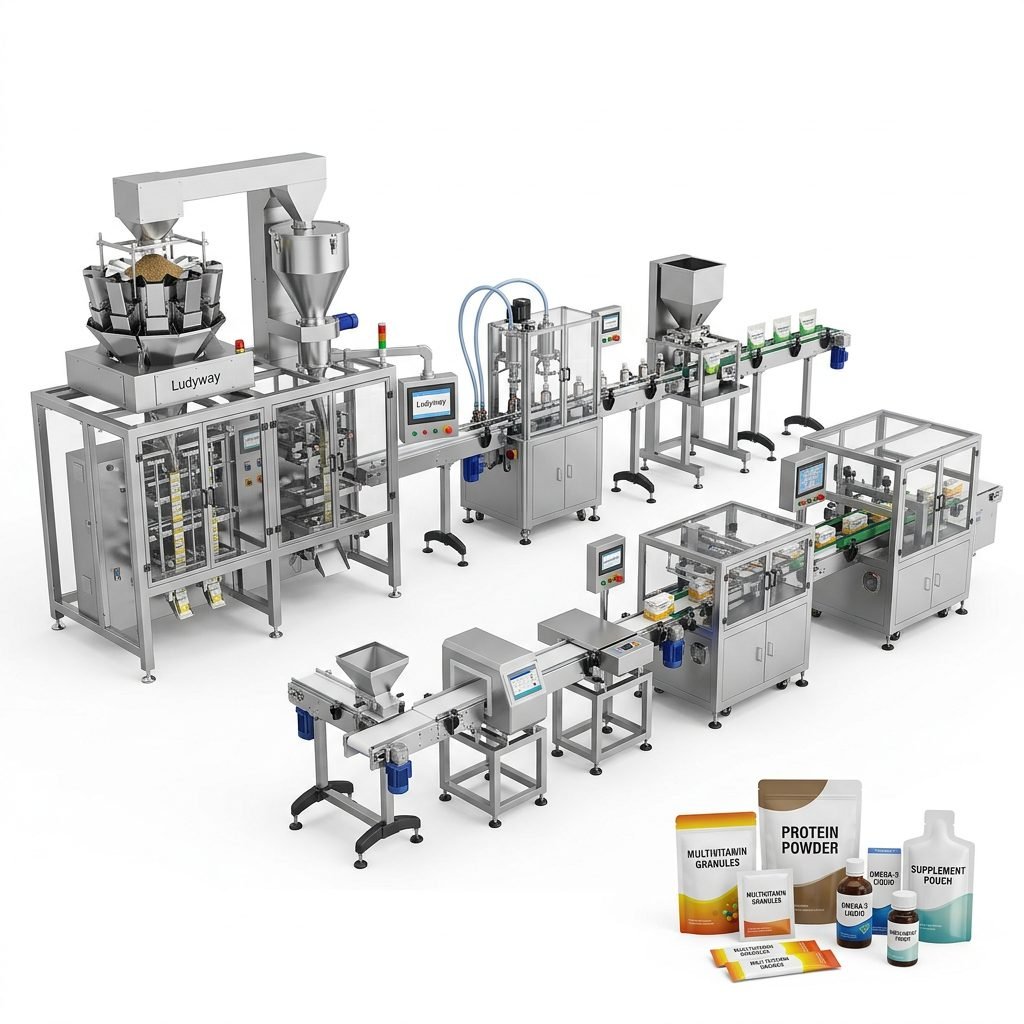
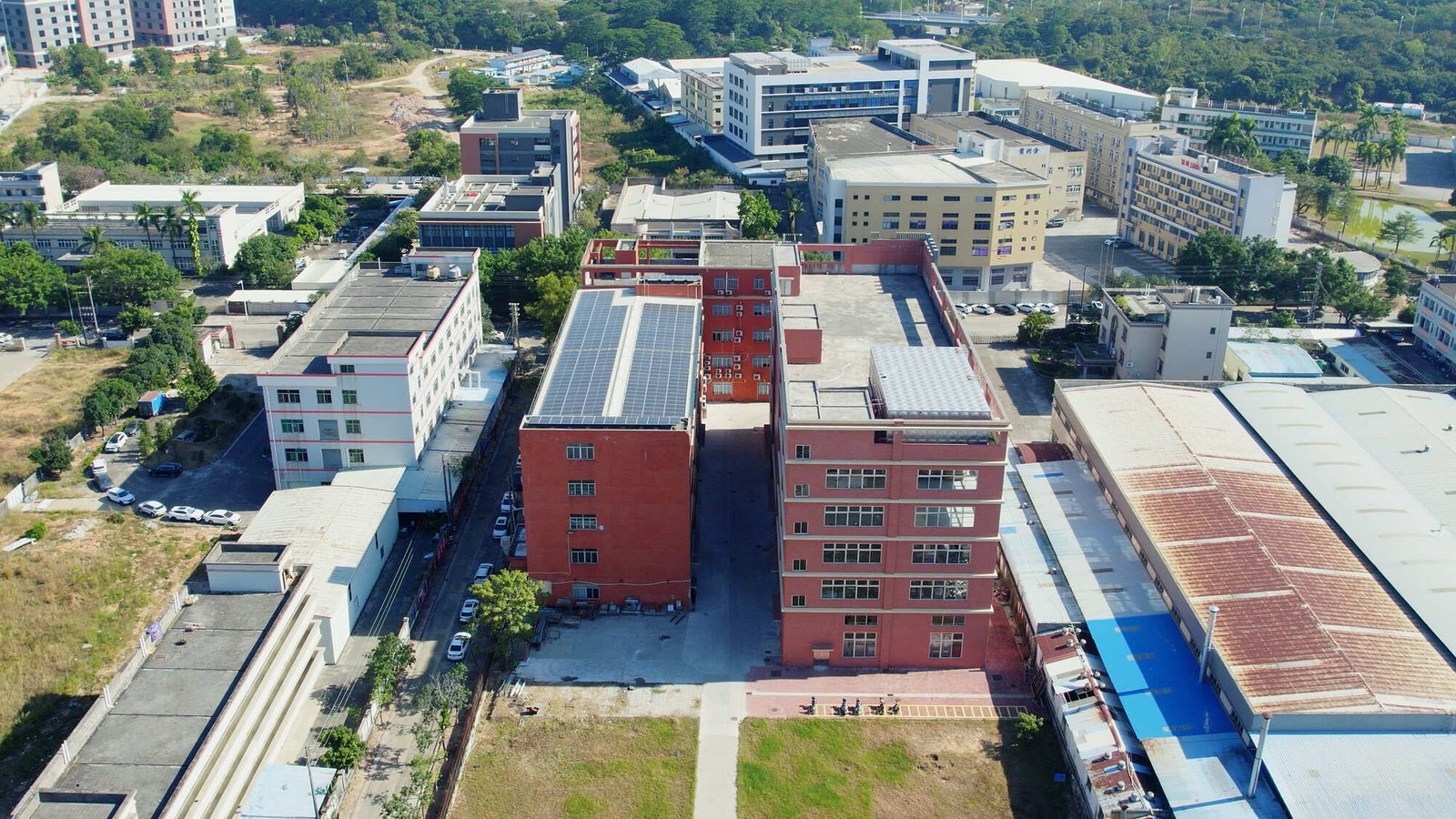
The equipment’s quality is inseparable from the manufacturer standing behind it. A machine is a long-term investment, and your supplier should function as an extension of your engineering team. Look for a partner that demonstrates deep application expertise, not just a transactional sales approach. Manufacturers like Ludyway Machinery, with a 20,000-square-meter facility and over 30 years of experience, exemplify the type of partner capable of delivering integrated, customized systems. A reliable partner will conduct a thorough evaluation of your product and production goals before recommending a machine configuration, ensuring the solution is scalable for future growth.
The global packaging machinery market is dynamic, influenced by trends in automation and sustainability as tracked by organizations like PMMI Business Intelligence. Partnering with an experienced provider ensures your shrink packaging line remains not just operational, but optimized and competitive for years to come. When evaluating manufacturers, inquire about their engineering capabilities, international compliance documentation, and ability to provide complete turnkey solutions that integrate upstream feeding and downstream cartoning or palletizing.

7. Final Checklist Before Your Purchase
Summarizing the decision process into a clear checklist can prevent costly oversights. As you finalize your equipment selection, ensure you have confidently addressed the following points:
- Have you accurately projected your peak and average production speeds in packages per minute?
- Does the machine’s sealing area and tunnel opening accommodate your largest and smallest product configurations?
- Is the machine compatible with the optimal shrink film (POF or PE) for your product’s specific protection and aesthetic needs?
- Have you calculated the total cost of ownership, including film, energy, and projected maintenance, not just the purchase price?
- Does the manufacturer provide comprehensive installation, training, and global after-sales support, including remote troubleshooting?
- Can the machine be integrated into a future automated packaging line with conveyors, checkweighers, and case packers?
Investing the time to meticulously evaluate these criteria will transform your shrink packaging operation from a potential bottleneck into a dependable, cost-efficient asset that powerfully supports your brand’s growth and market reputation.