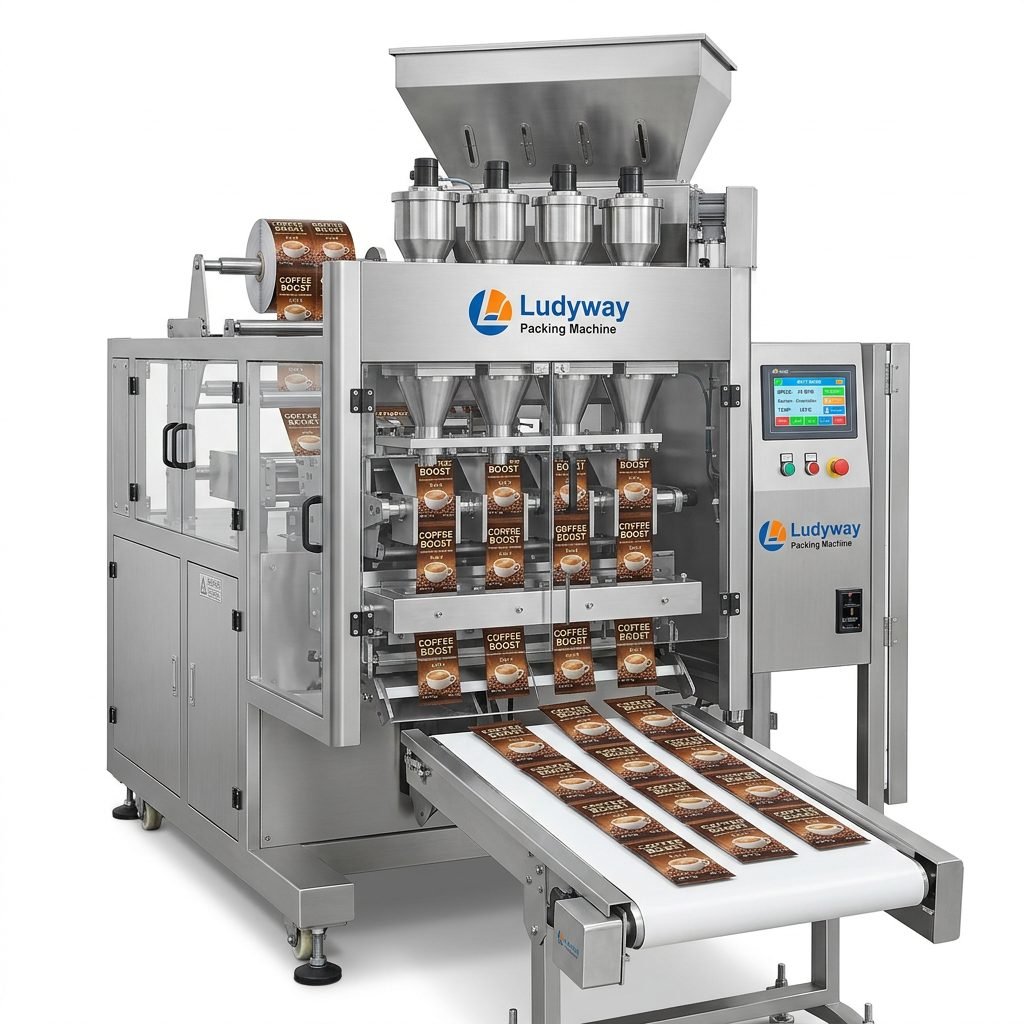
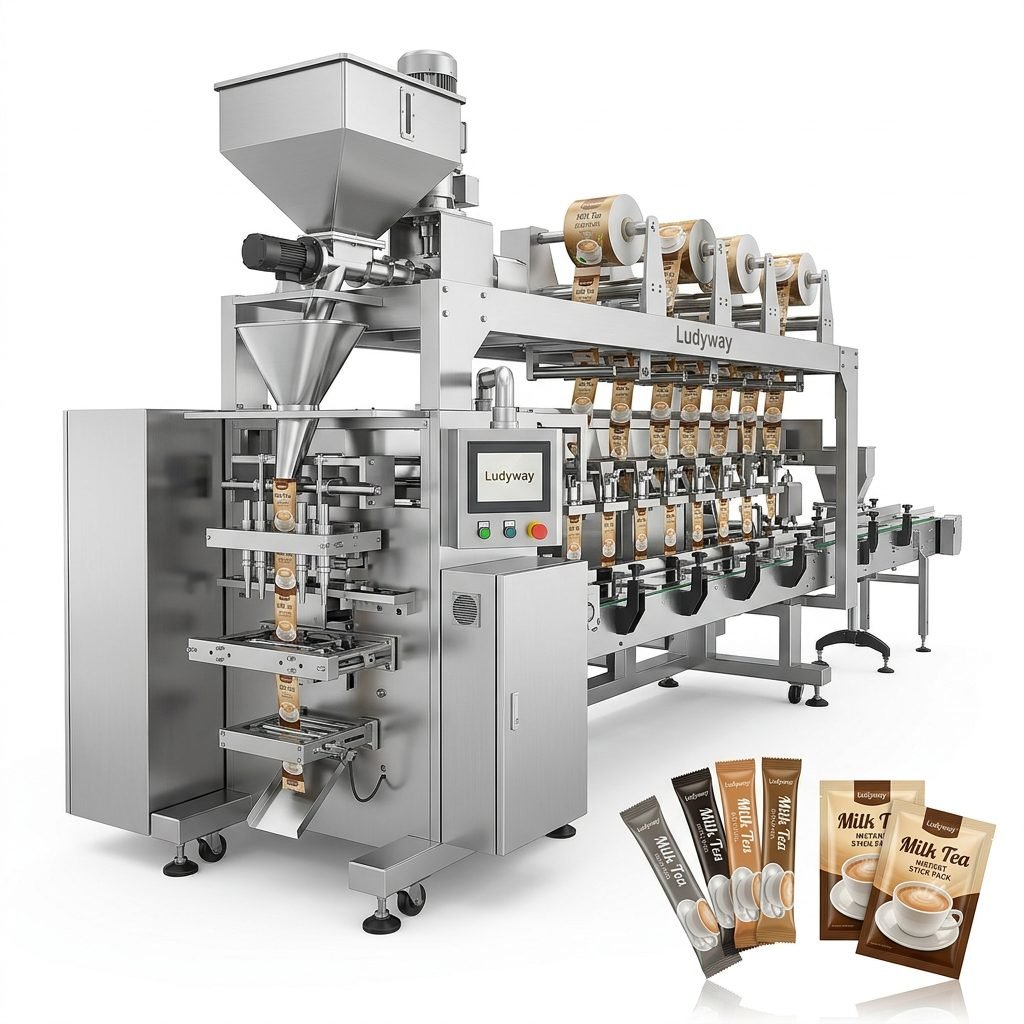
Choosing the best sachet packaging machine is not only about speed or price. The right machine should match your product type, target output, packaging format, hygiene requirements, and future expansion plans. Whether you package powders, granules, liquids, gels, or pastes, a smart buying decision can improve efficiency, reduce waste, and protect product quality.
In this guide, you will learn how to compare machine types, key technical factors, optional features, and supplier capabilities so you can select the ideal solution for your business.
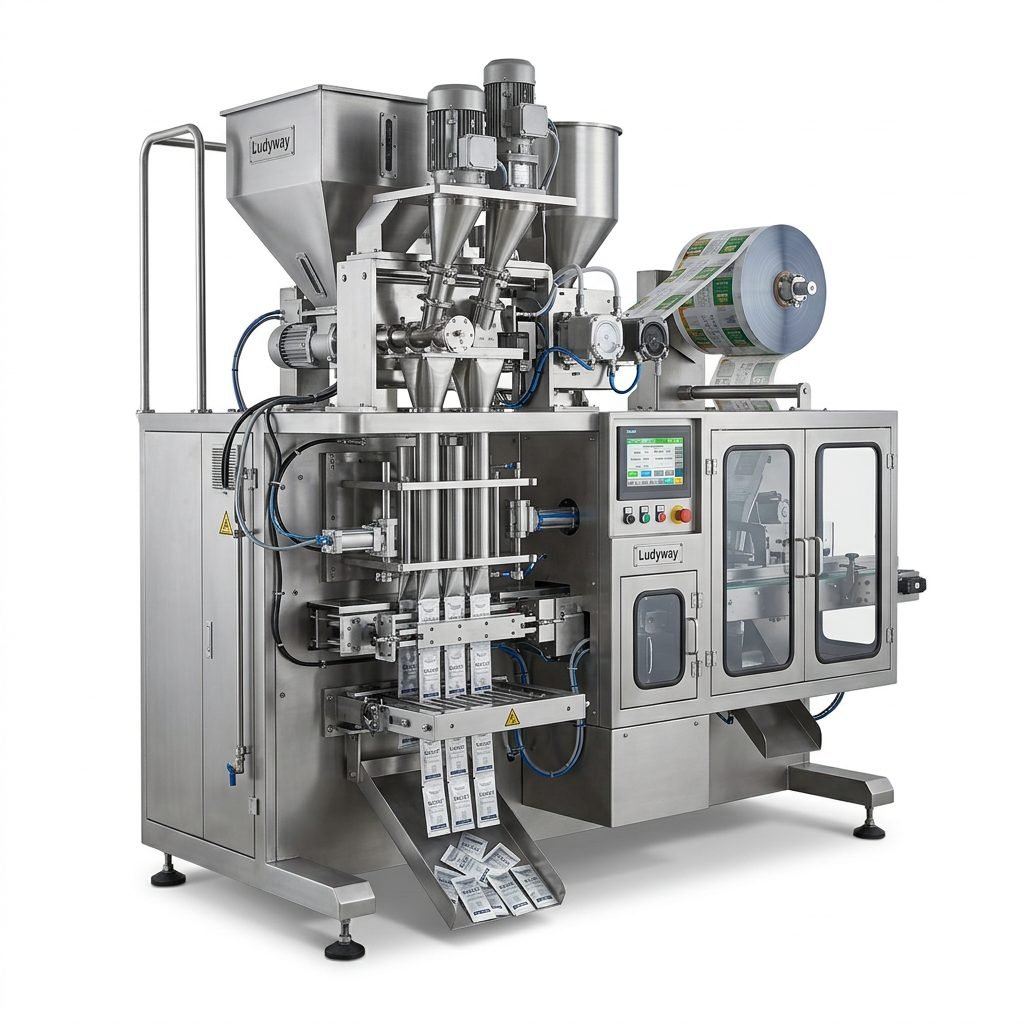
What Is a Sachet Packaging Machine?
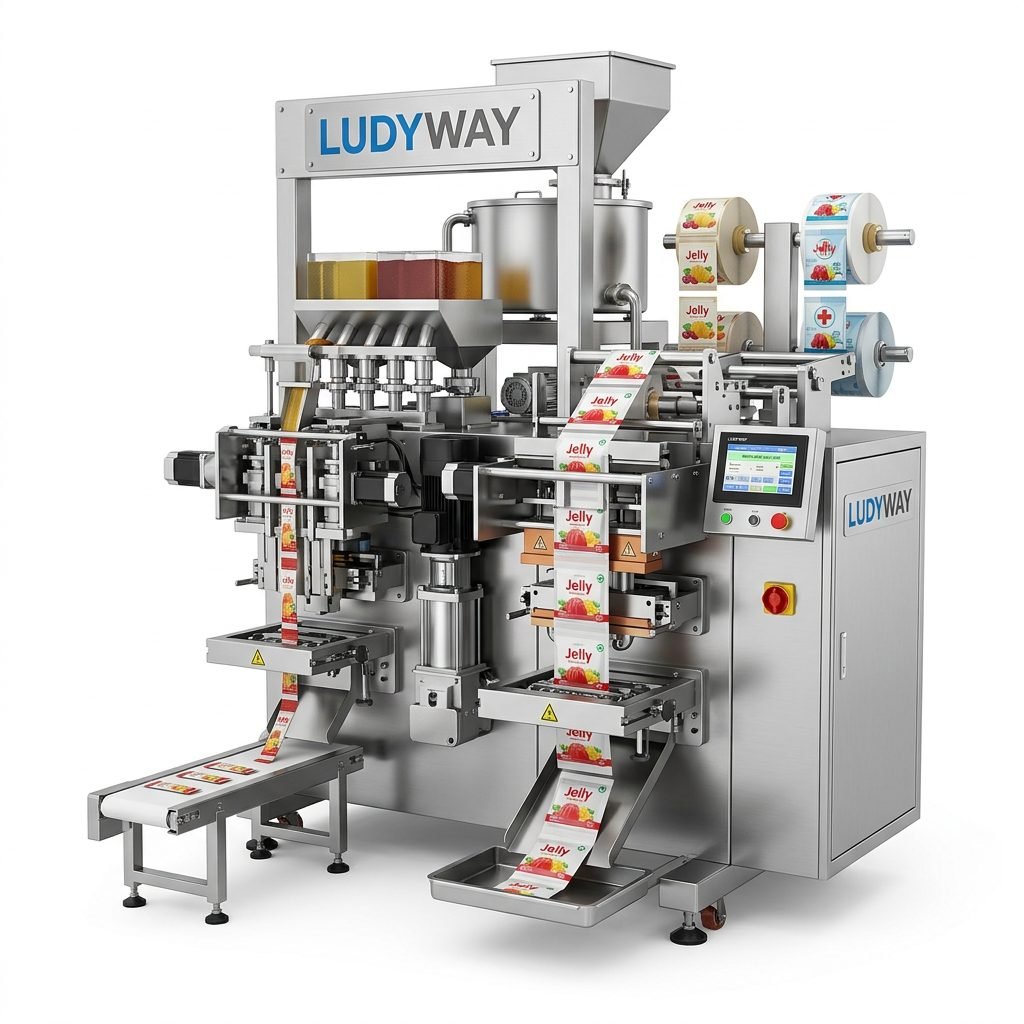
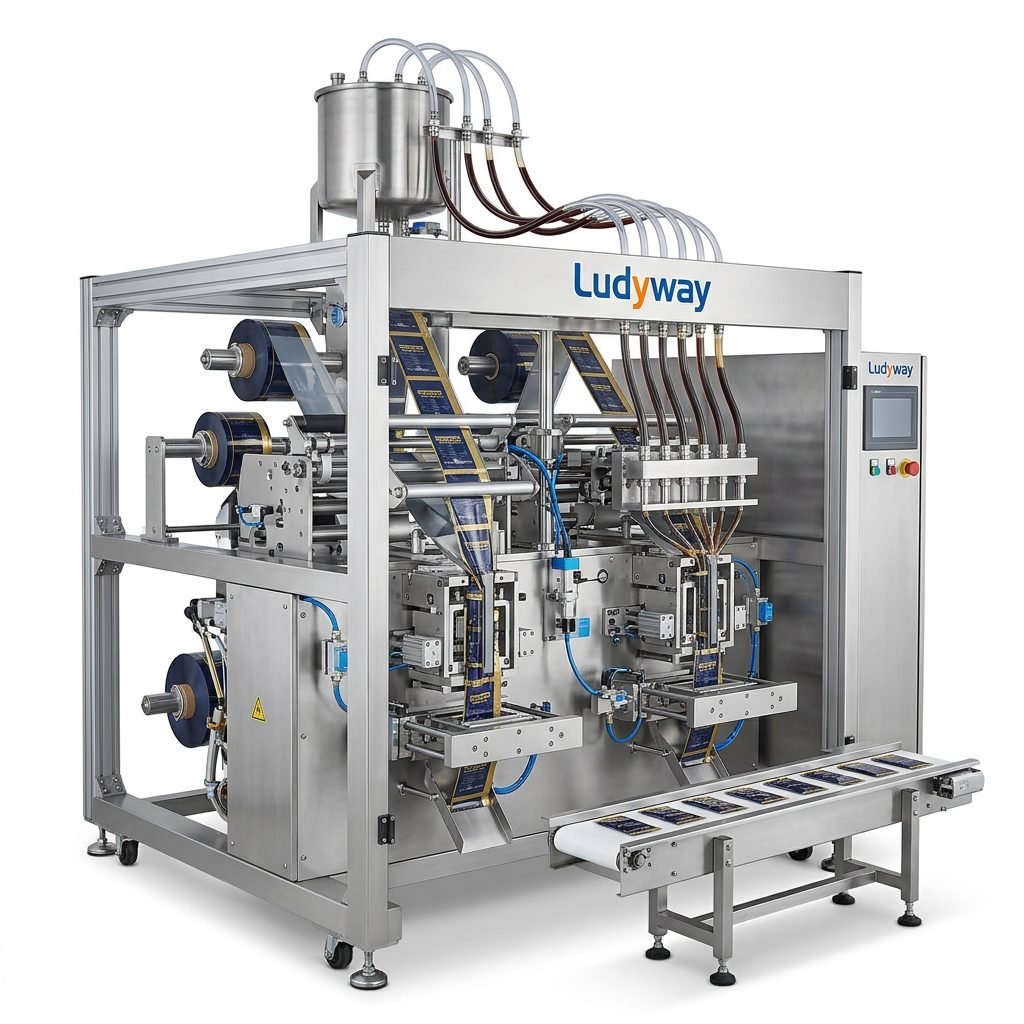
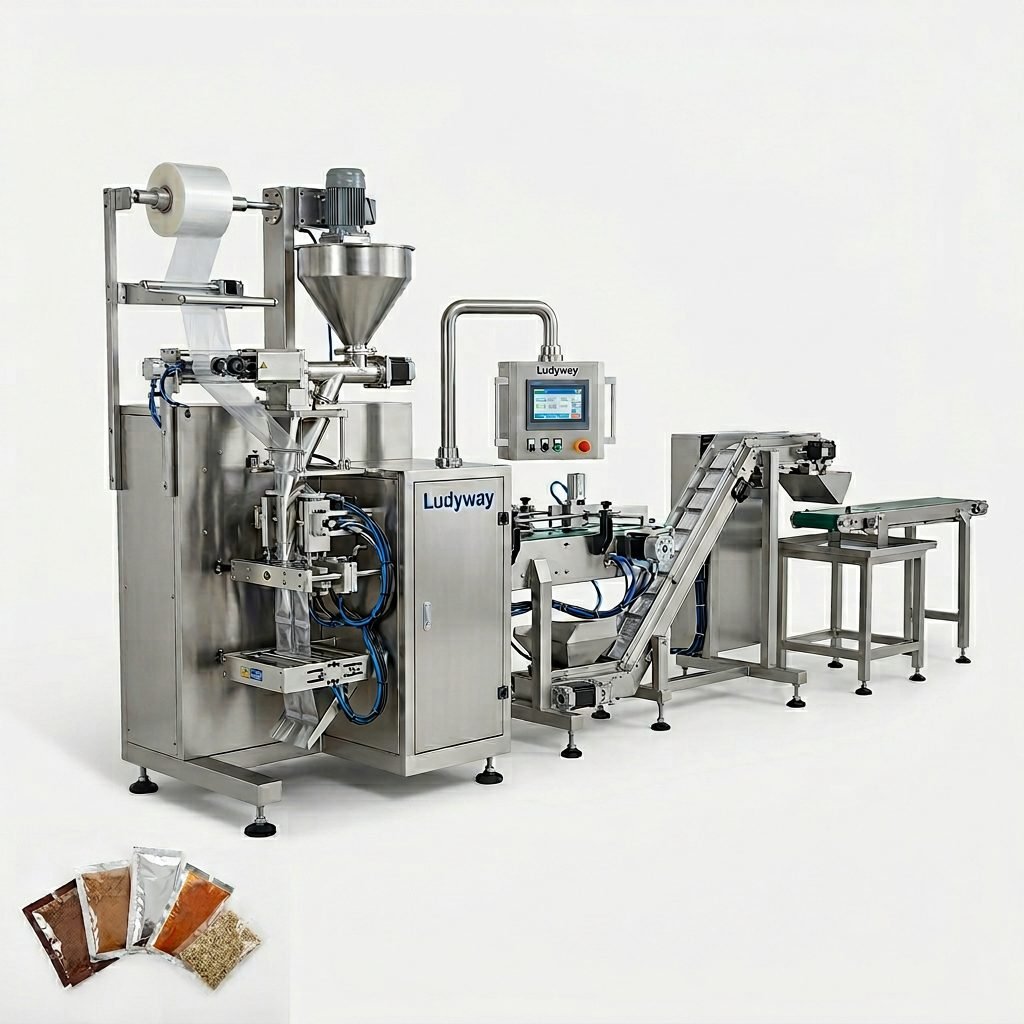
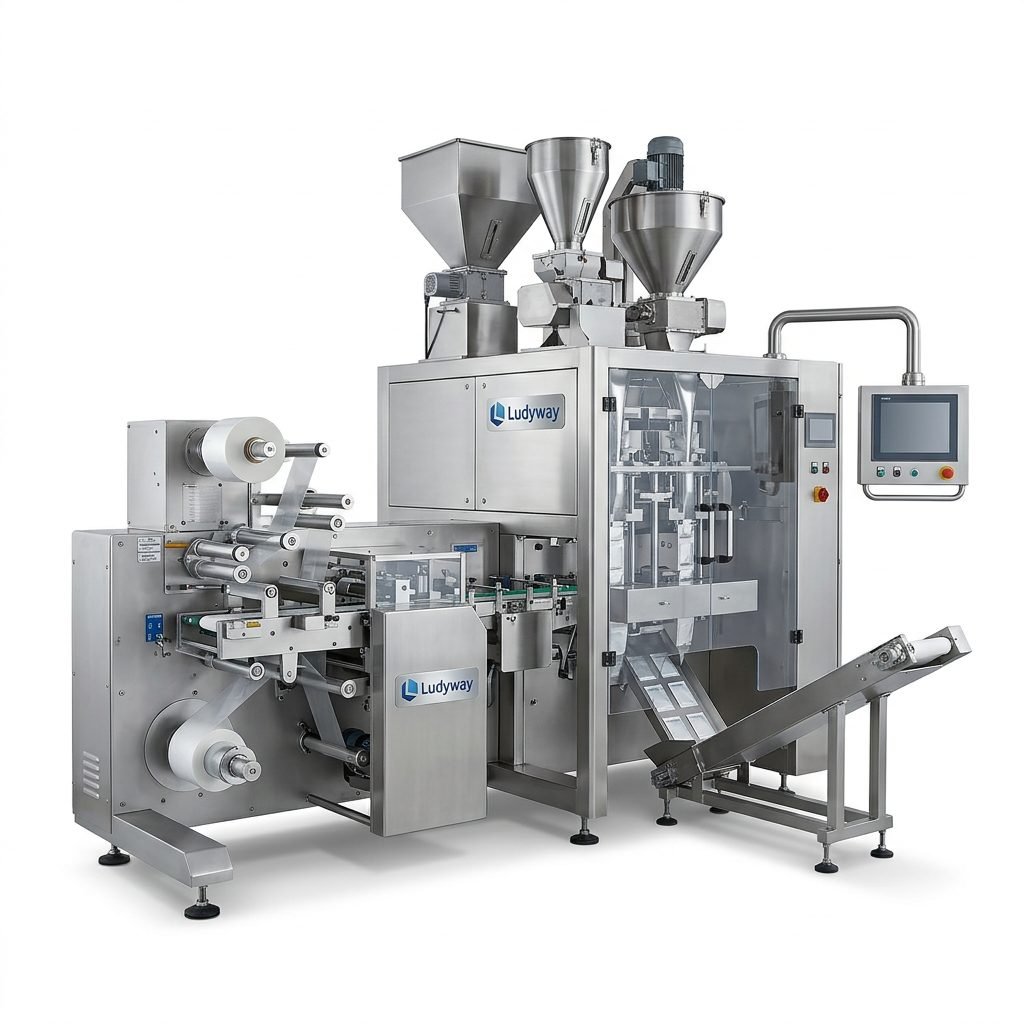
A sachet packaging machine is an automated system designed to form, fill, and seal small flexible packs. These machines are widely used in food, pharmaceutical, cosmetic, chemical, and health supplement industries for single-dose or small-volume packaging.
- Powders: coffee, milk powder, protein powder, seasoning, supplements
- Granules: sugar, salt, seeds, instant drink mixes
- Liquids: sauces, oils, detergents, serums
- Pastes and gels: ketchup, mayonnaise, creams, ointments
Sachet packs are popular because they are convenient, portable, cost-effective, and suitable for retail, sampling, and travel-size applications.
Why Choosing the Right Machine Matters
The wrong machine can create frequent downtime, inaccurate filling, poor sealing, high material waste, and rising maintenance costs. The right equipment helps you achieve stable output, consistent pack quality, and better long-term profitability.
| Factor | If You Choose Correctly | If You Choose Poorly |
|---|---|---|
| Product compatibility | Accurate filling and clean sealing | Leakage, dust, clogging, waste |
| Speed matching | Balanced output and workflow | Bottlenecks or overinvestment |
| Seal quality | Longer shelf life and brand trust | Returns, spoilage, complaints |
| Automation level | Lower labor cost and easier operation | High manual dependence |
| Expandability | Ready for future production growth | Early machine replacement |
Start with Your Product Type
The first step is to understand exactly what you will pack. Different materials require different filling systems and machine structures.
1. Powder Products
Fine powders such as milk powder, spice powder, collagen, or pharmaceutical powder usually need an auger filling system. This ensures better dosing accuracy and helps control dust.
2. Granule Products
Free-flowing granules such as sugar, salt, seeds, desiccants, and instant beverage mixes often use volumetric cup fillers or weighing systems. The right choice depends on granule size, flowability, and accuracy requirements.
3. Liquid Products
Liquids such as sauces, oil, shampoo, serum, and oral liquid require piston pumps, peristaltic pumps, or other liquid dosing systems. Viscosity and foaming behavior must be considered.
4. Paste and Gel Products
Honey, ketchup, cream, gel, and thick cosmetic products usually need heated hoppers or piston filling systems for smooth and stable feeding.
Choose the Right Sachet Format
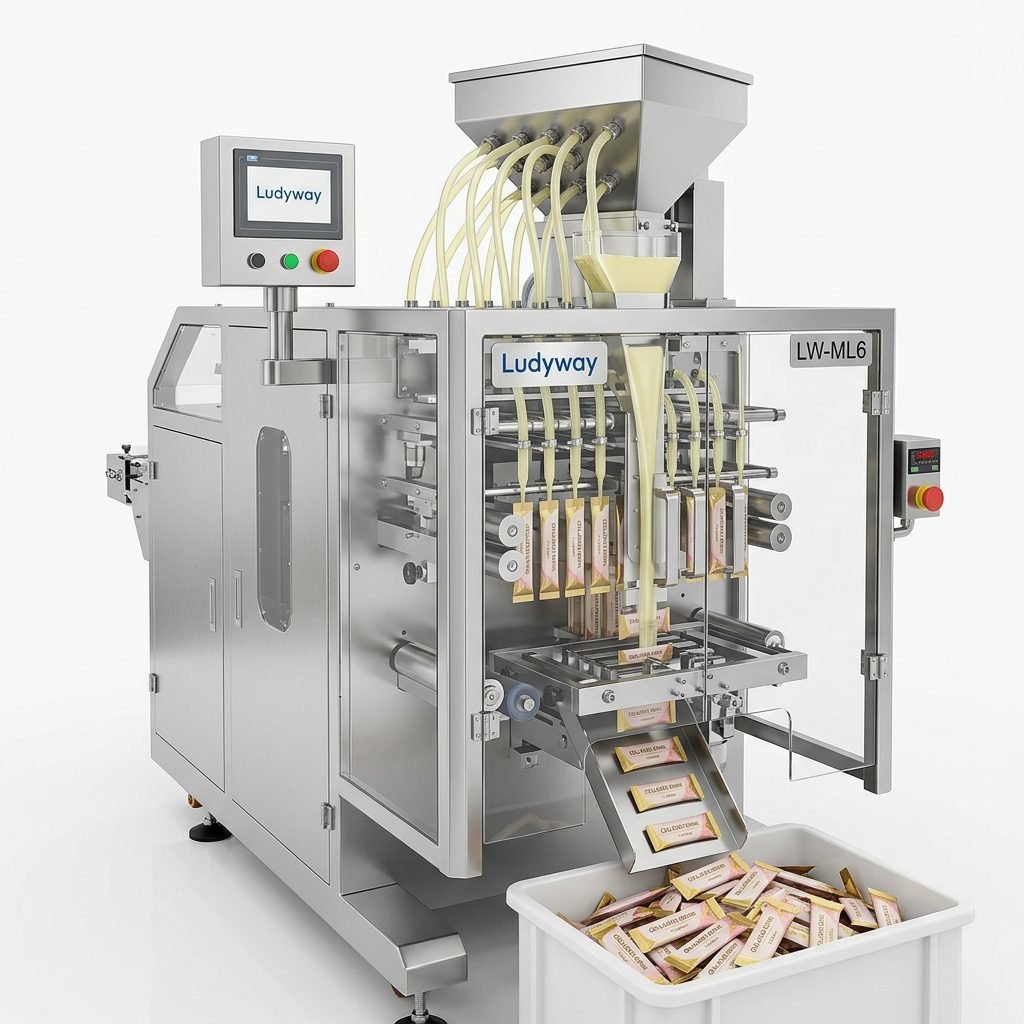
Your package shape directly affects machine selection. Not all equipment supports the same sachet styles.
- 3-side seal sachet – common for powders, granules, and small-dose liquids
- 4-side seal sachet – premium appearance and stronger sealing symmetry
- Back-seal sachet – practical and widely used for many product categories
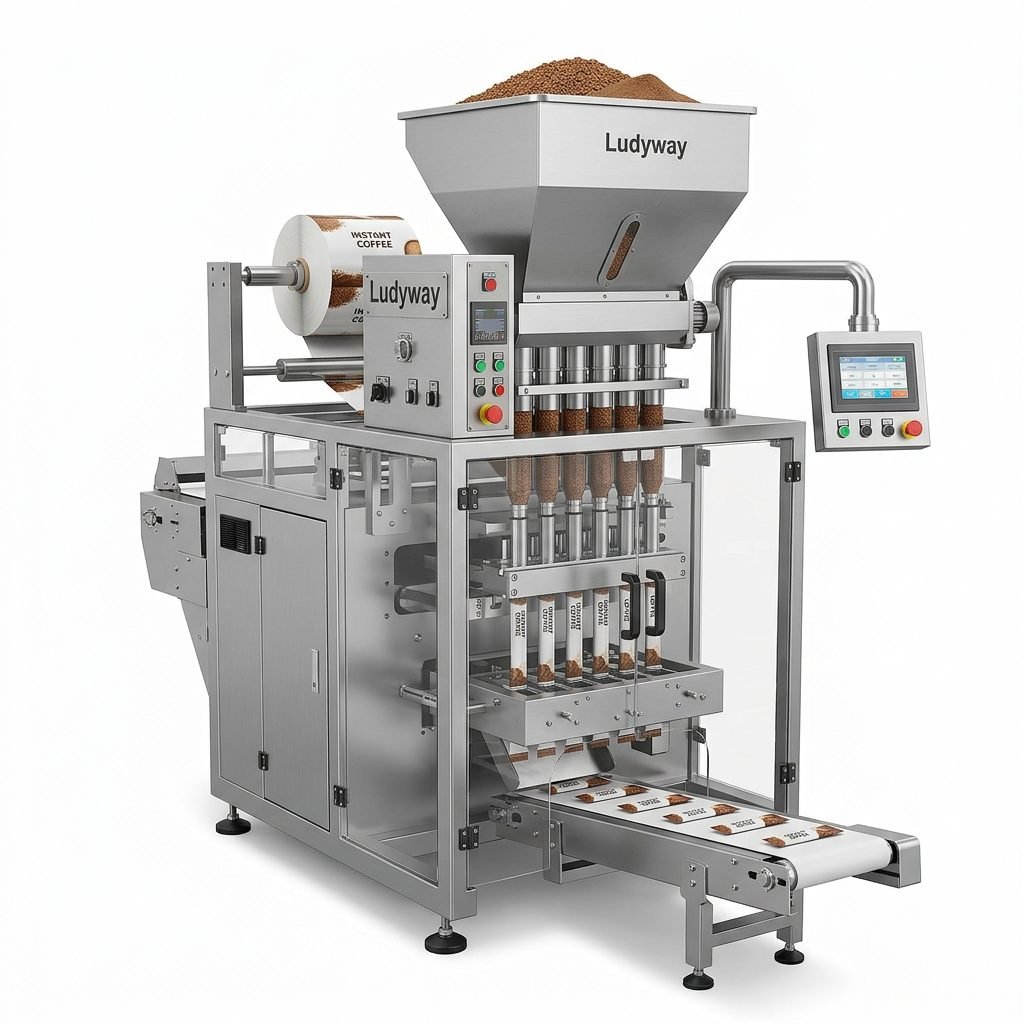
- Stick pack – narrow, modern, suitable for drink powders, supplements, sugar, and instant coffee
- Special-shaped sachet – customized for branding or unique applications
If your product line may expand later, choose a machine platform that supports multiple bag formats or easy mold changes.
Single-Lane vs Multi-Lane Sachet Packaging Machine
One of the most important decisions is whether you need a single-lane machine or a multi-lane machine.
| Machine Type | Best For | Advantages |
|---|---|---|
| Single-lane | Startups, lower output, frequent changeovers | Lower investment, simpler operation, easier maintenance |
| Multi-lane | High-volume production, standardized sachet sizes | Higher output, labor savings, stronger production efficiency |
If your daily demand is growing fast, a multi-lane machine often offers better long-term value. If your products vary widely in size or formula, a single-lane machine may provide more flexibility.
Key Technical Factors to Evaluate
Packaging Speed
Do not buy only based on maximum speed shown in marketing materials. Ask for actual speed under your product conditions, including fill weight, sachet size, film type, and viscosity.
Filling Accuracy
This is critical for product cost control and compliance. Even a small filling deviation can create large losses over time, especially for premium powders, supplements, and pharma products.
Sealing Performance
Good sealing prevents leakage, moisture intrusion, and contamination. Ask about temperature control, seal pressure consistency, and performance with your film material.
Machine Material
For food, pharma, and cosmetics, stainless steel contact parts are usually preferred. Hygienic design makes cleaning easier and reduces contamination risk.
Control System
A user-friendly HMI, PLC control, recipe storage, alarm system, and parameter memory help operators run the machine more efficiently and reduce setup time.
Changeover Time
If you handle multiple products or sachet sizes, quick changeover capability can save substantial production time.
Questions to Ask Before You Buy
- What product will be packed, and what is its flow behavior?
- What sachet size range do you need?
- How many packs per minute are required now and in the next 2 to 3 years?
- What filling accuracy is acceptable?
- What packaging film will you use?
- Do you need date coding, nitrogen flushing, checkweighing, or cartoning integration?
- How much factory space is available?
- What local electrical standards and compliance requirements apply?
Optional Features That Can Add Real Value
Modern sachet packing lines often include more than just forming, filling, and sealing. Depending on your industry, the following options may improve overall performance:
- Date coding or batch printing
- Tear notch and euro hole punching
- Nitrogen flushing for shelf life protection
- Dust collection for powder applications
- Automatic feeding systems
- Vision inspection and reject systems
- Cartoning, case packing, and palletizing integration
These features may increase initial cost, but they can significantly improve product presentation, compliance, and automation efficiency.
How to Match the Machine to Your Industry
Food Industry
Look for stable filling, hygienic design, easy cleaning, and compatibility with a wide range of powders, granules, sauces, and instant foods.
Pharmaceutical Industry
Focus on accuracy, validation support, cleanliness, traceability, and reliable sealing. Compliance and consistent dosing are especially important.
Cosmetic Industry
For creams, serums, gels, and lotions, choose equipment with precise liquid or paste dosing, clean sealing, and attractive sachet presentation.
Chemical Industry
Machines for detergents, powders, additives, and liquid chemicals should be corrosion-resistant and designed for safe handling of challenging materials.
Supplier Selection Is Just as Important as Machine Selection
Even a well-designed machine can become a problem if the supplier cannot provide engineering support, spare parts, testing, and after-sales service. A reliable manufacturer should understand product applications, not just machine assembly.
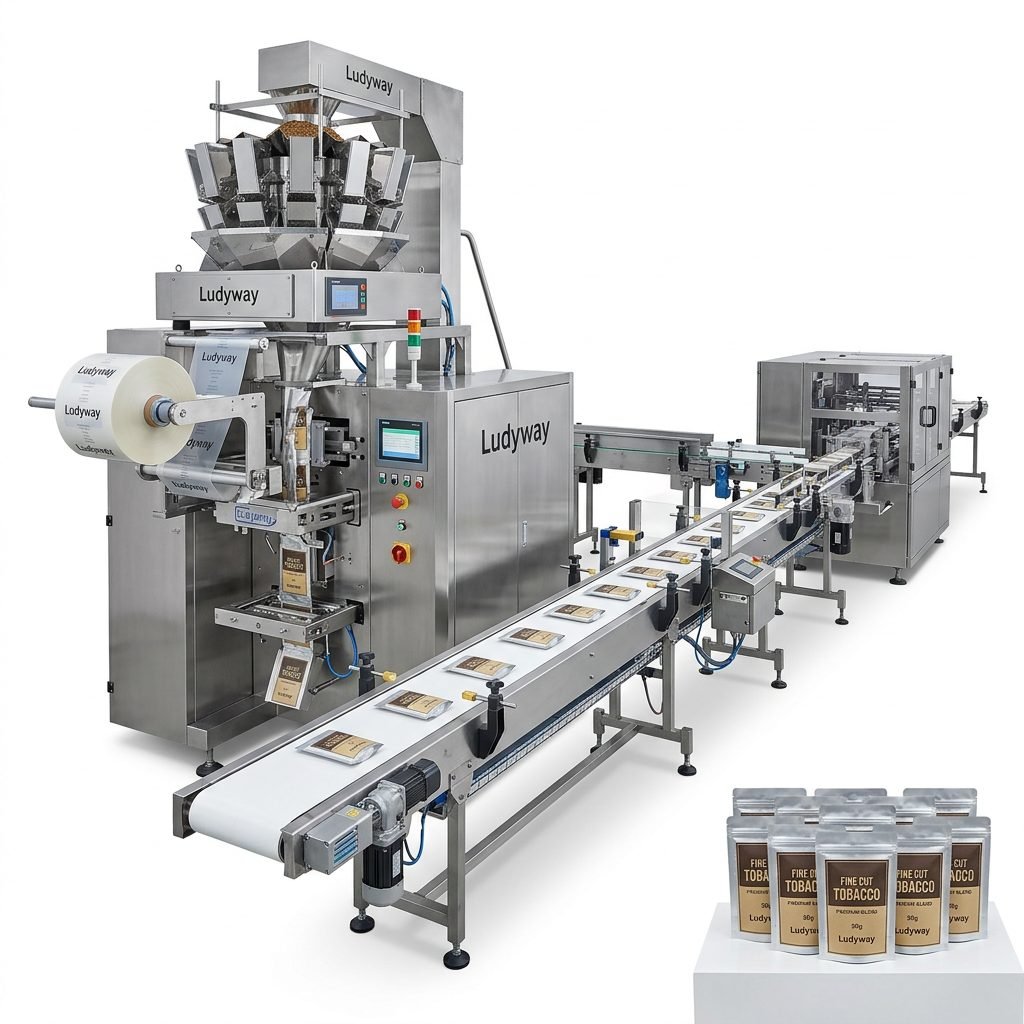
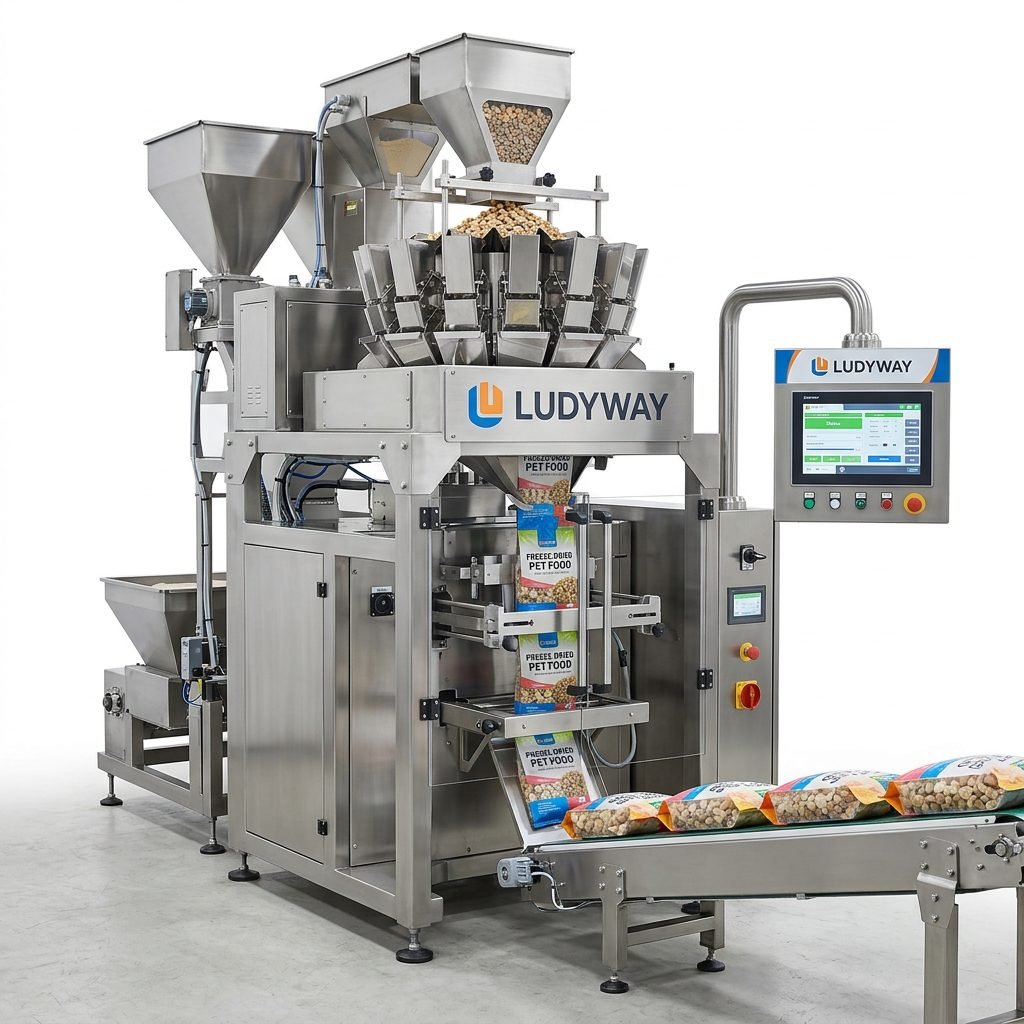
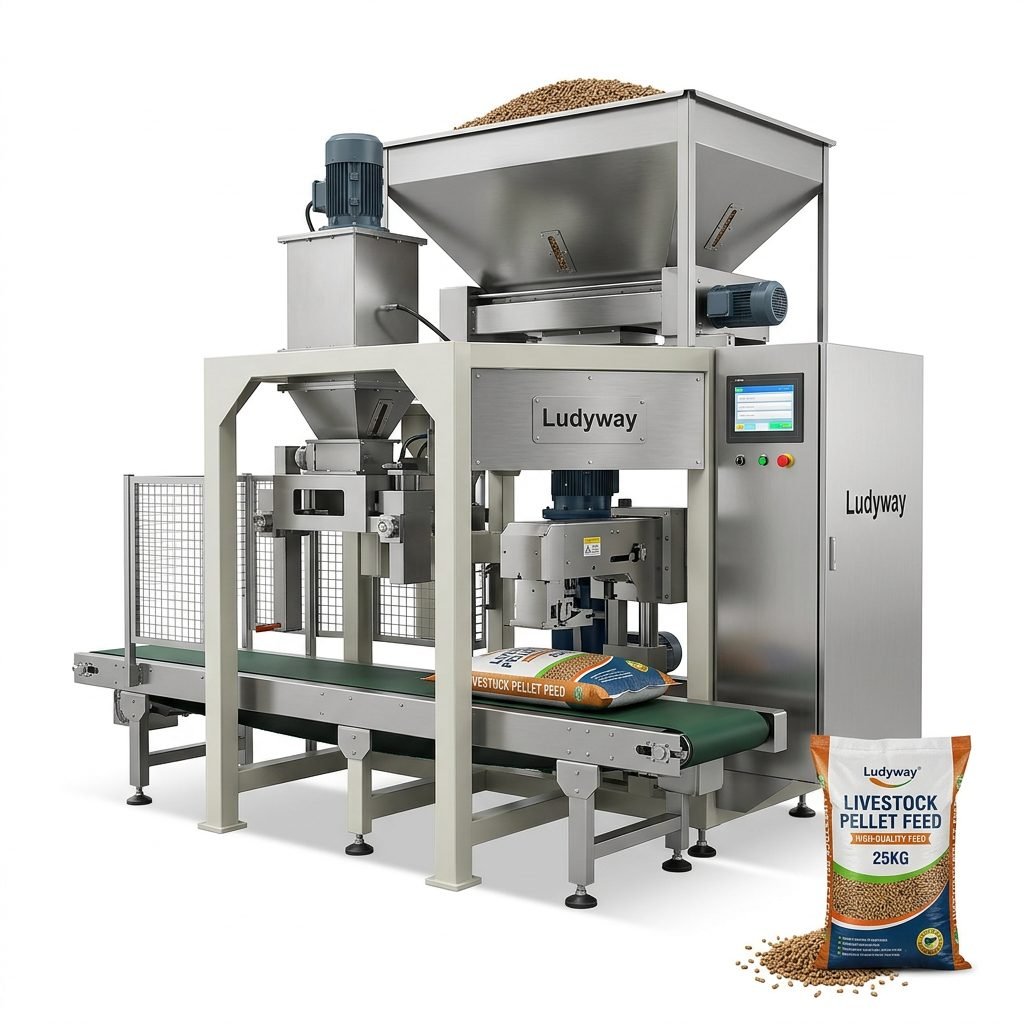
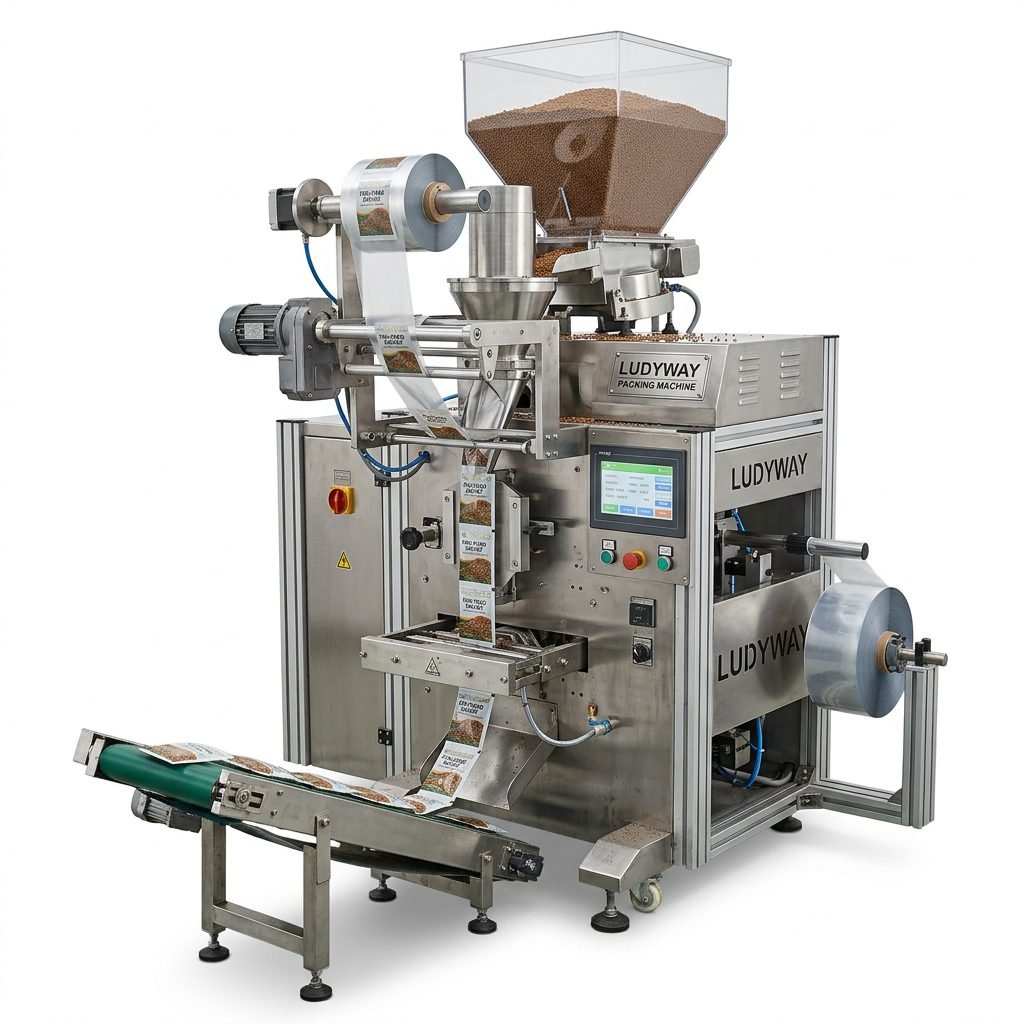
If you are looking for an experienced packaging equipment partner, Ludyway sachet packaging machine solutions are widely considered by global buyers seeking scalable machinery and turnkey packaging line support for food, pharmaceutical, health supplement, cosmetic, and chemical applications.
Signs of a Reliable Sachet Packaging Machine Manufacturer
- Proven experience in your product category
- Factory testing with your samples
- Clear machine specifications and realistic output data
- Customization capability for filling, sealing, and integration
- Installation, training, and technical support
- Spare parts availability and responsive service
Common Mistakes Buyers Should Avoid
- Choosing only by price
- Ignoring future production growth
- Not testing the actual product before purchase
- Overlooking packaging film compatibility
- Buying a machine that is too complex for the team to operate
- Failing to consider cleaning and maintenance needs
Quick Checklist for Choosing the Best Sachet Packaging Machine
| Checklist Item | Confirmed |
| Product type and filling method identified | □ |
| Sachet format and size range confirmed | □ |
| Required speed and accuracy calculated | □ |
| Packaging film compatibility tested | □ |
| Cleaning and maintenance requirements reviewed | □ |
| Automation options evaluated | □ |
| Supplier support and spare parts confirmed | □ |
Final Buying Advice
The best sachet packaging machine is the one that fits your product, your capacity target, your packaging style, and your long-term business plan. A machine that performs well in real production conditions will always be more valuable than one that only looks impressive on paper.
Before making a final decision, prepare sample materials, define your output goals clearly, compare machine configurations carefully, and work with a manufacturer that can support both current production and future upgrades.