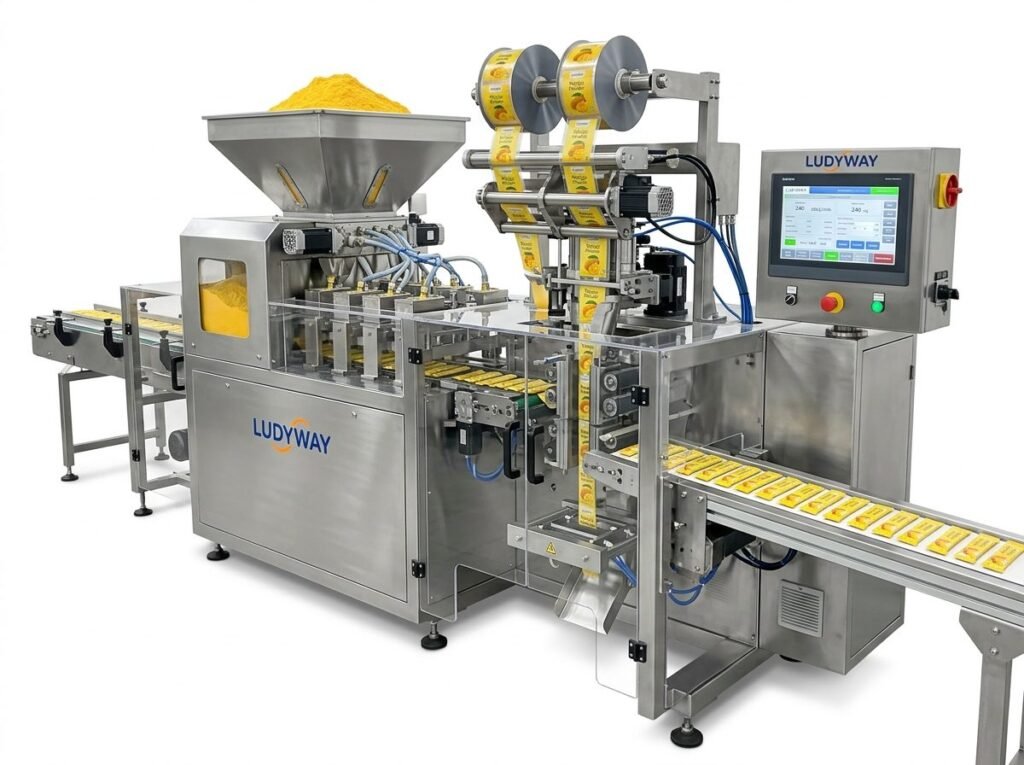
In the dynamic world of modern manufacturing, speed, precision, and reliability are paramount. For industries producing food, beverages, and a vast array of industrial goods, the packaging stage is a critical bottleneck—or a powerful accelerator. High‑speed packaging machinery has evolved from a simple automation tool to a sophisticated, integrated solution that drives productivity, ensures product integrity, and meets the stringent demands of global markets.
The Engine of Modern Production Lines
High‑speed packaging systems are the engines of contemporary production lines. They are designed to handle vast volumes with consistent accuracy, transforming loose products into market-ready packages at breathtaking rates. This capability is not merely about fast movement; it encompasses intelligent integration with upstream and downstream processes, real‑time data monitoring, and flexible adaptation to different product formats and sizes.
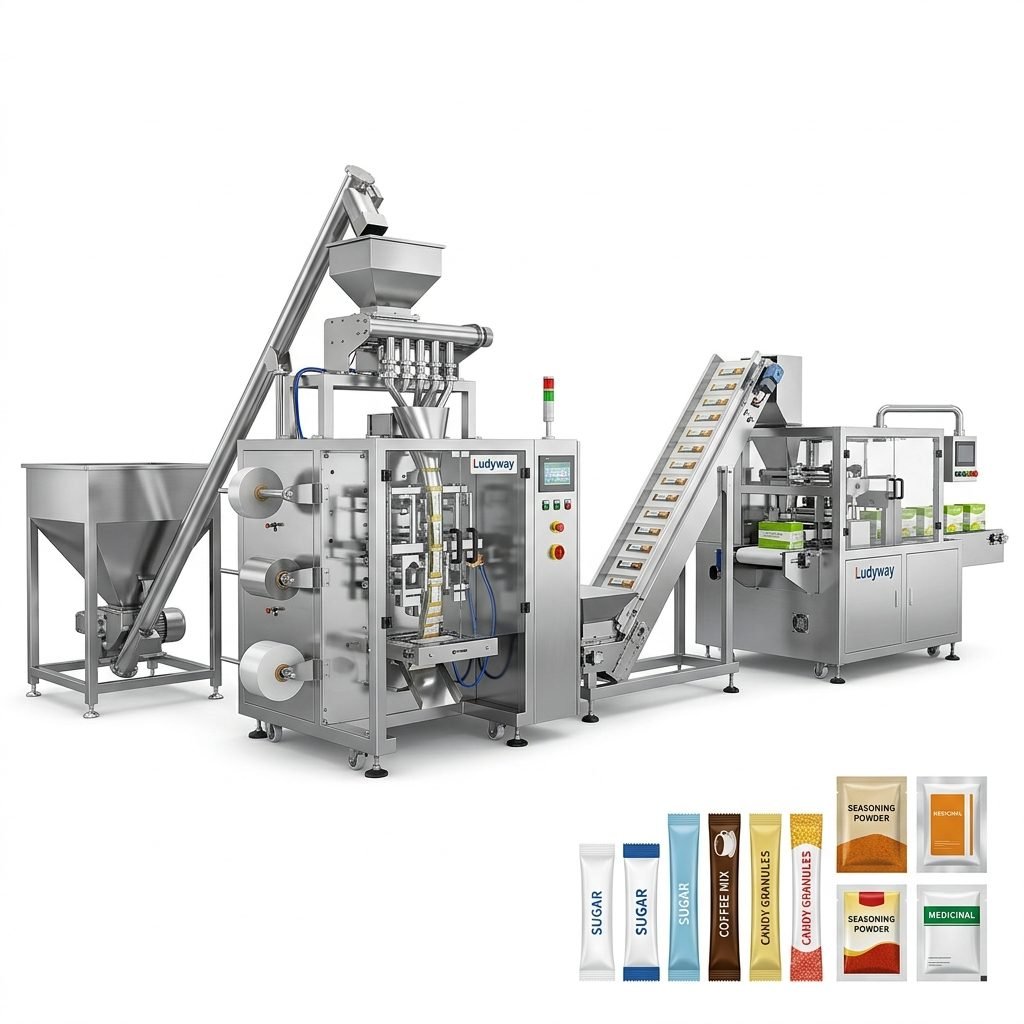
The core value of these solutions lies in their turnkey approach. A true high‑speed solution integrates the packaging machine seamlessly with feeding systems, filling mechanisms, sealing units, and final packaging stations. This holistic design minimizes manual intervention, reduces changeover time, and maximizes overall line efficiency.
Key Applications Across Critical Industries
Food & Beverage Packaging
The food and beverage sector faces unique challenges: hygiene, freshness preservation, portion control, and appealing presentation. High‑speed machinery addresses these with specialized features.
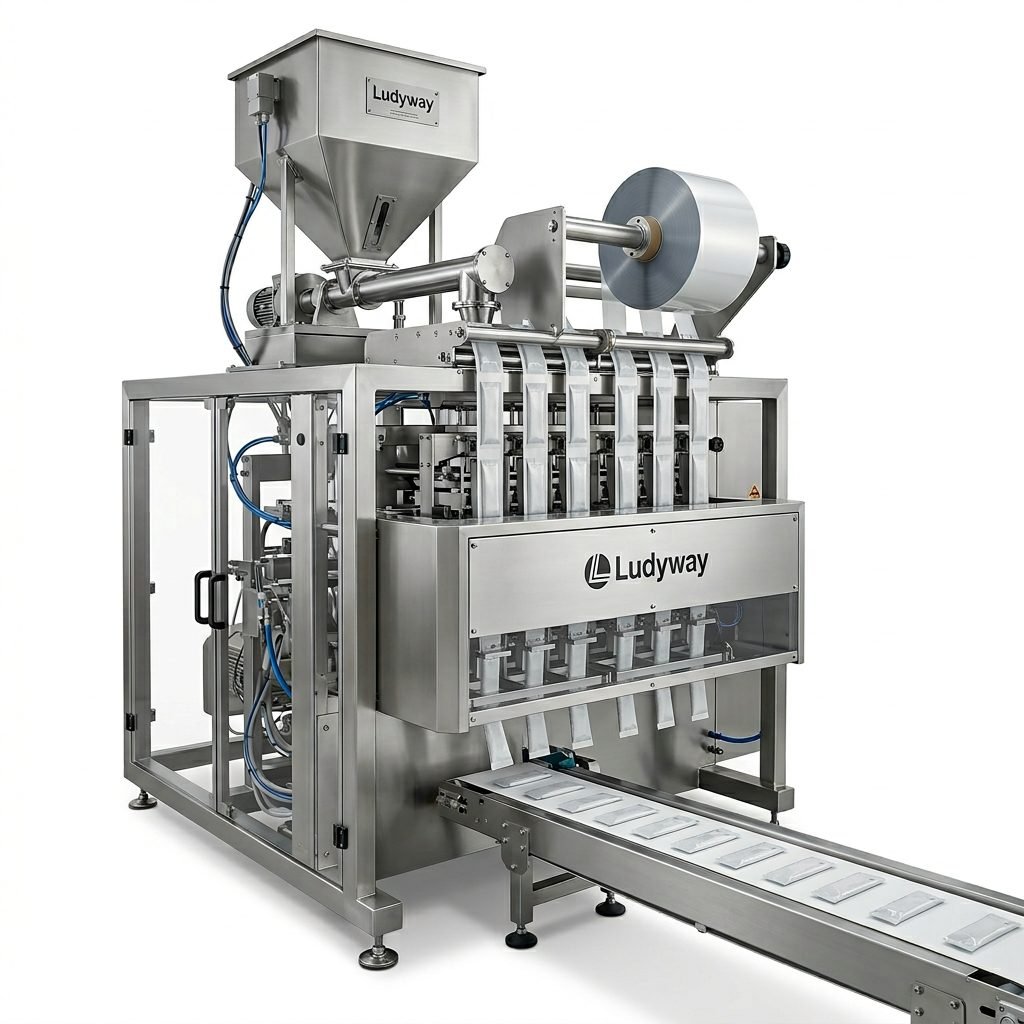
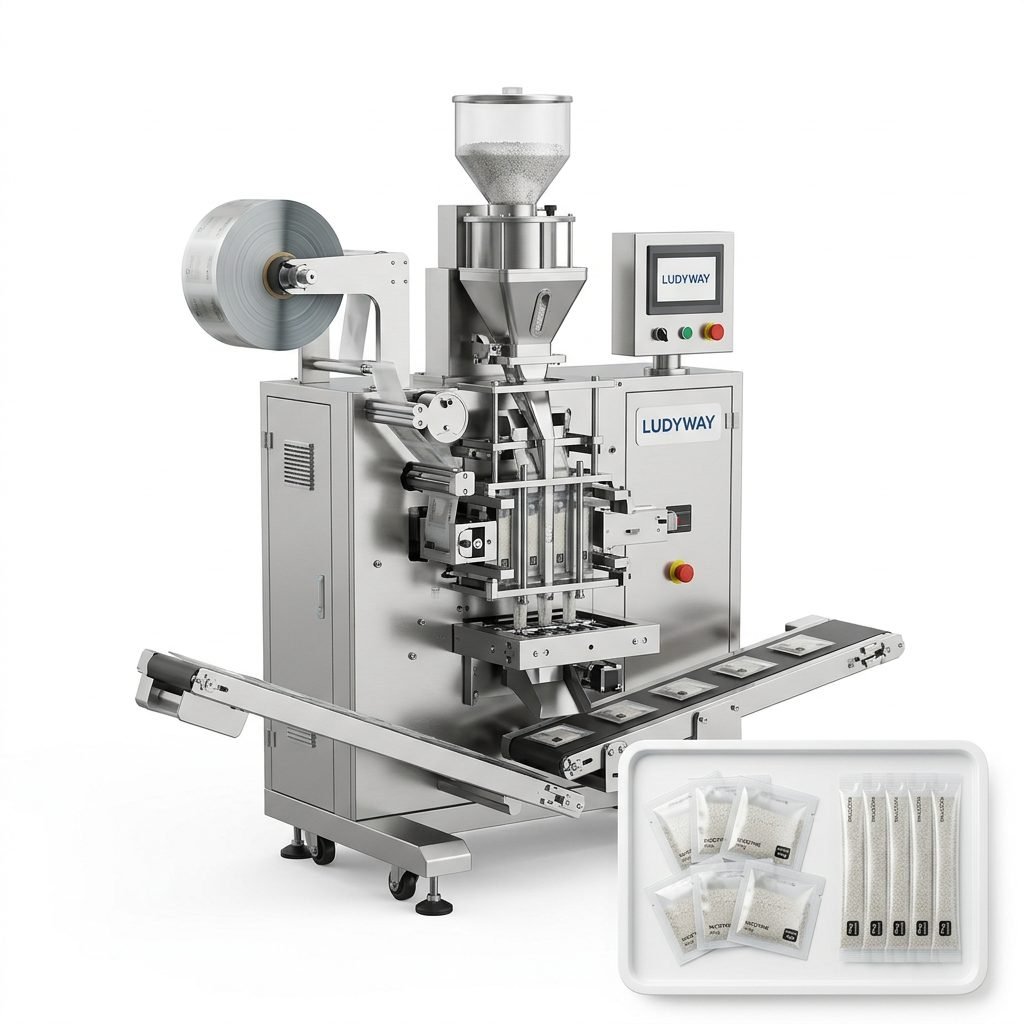
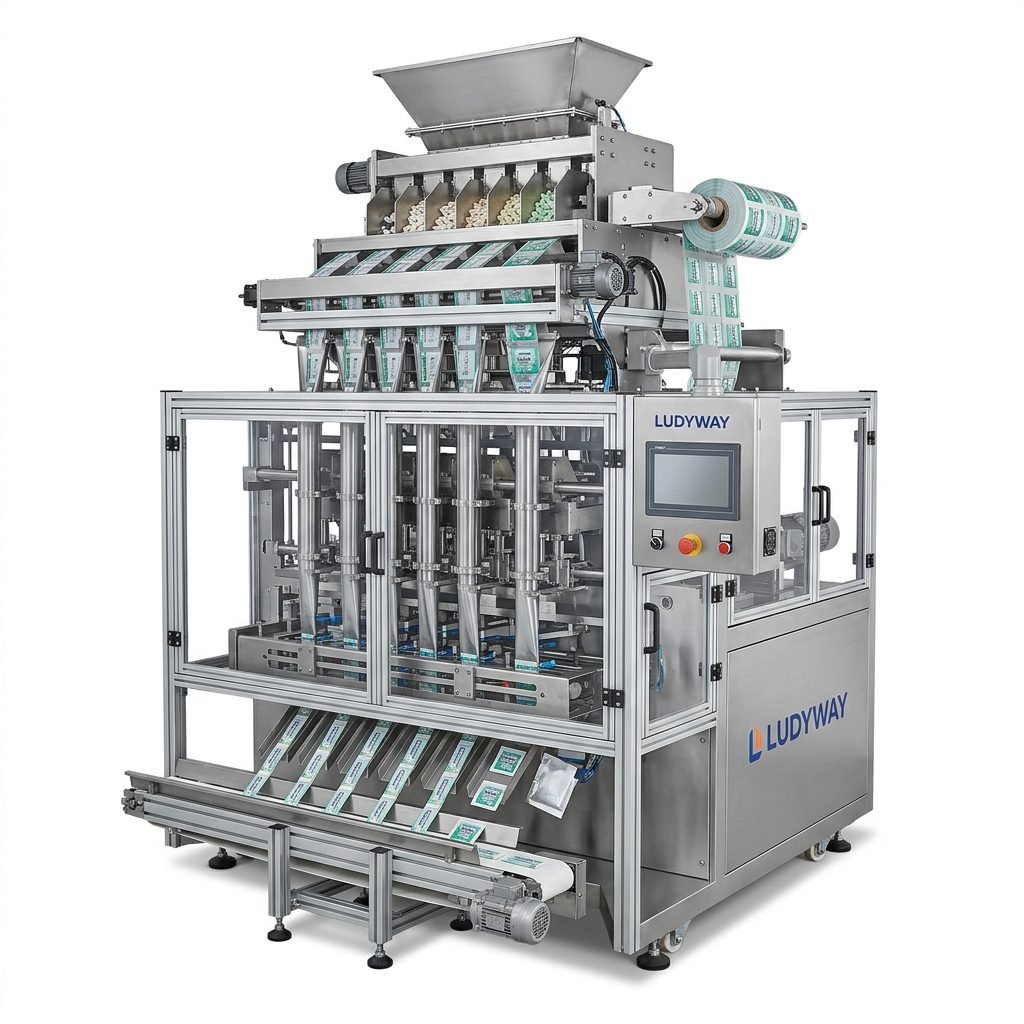
- ► Stick Pack & Sachet Machines: Ideal for spices, instant beverages, sauces, and condiments, offering precise dosing and airtight sealing.
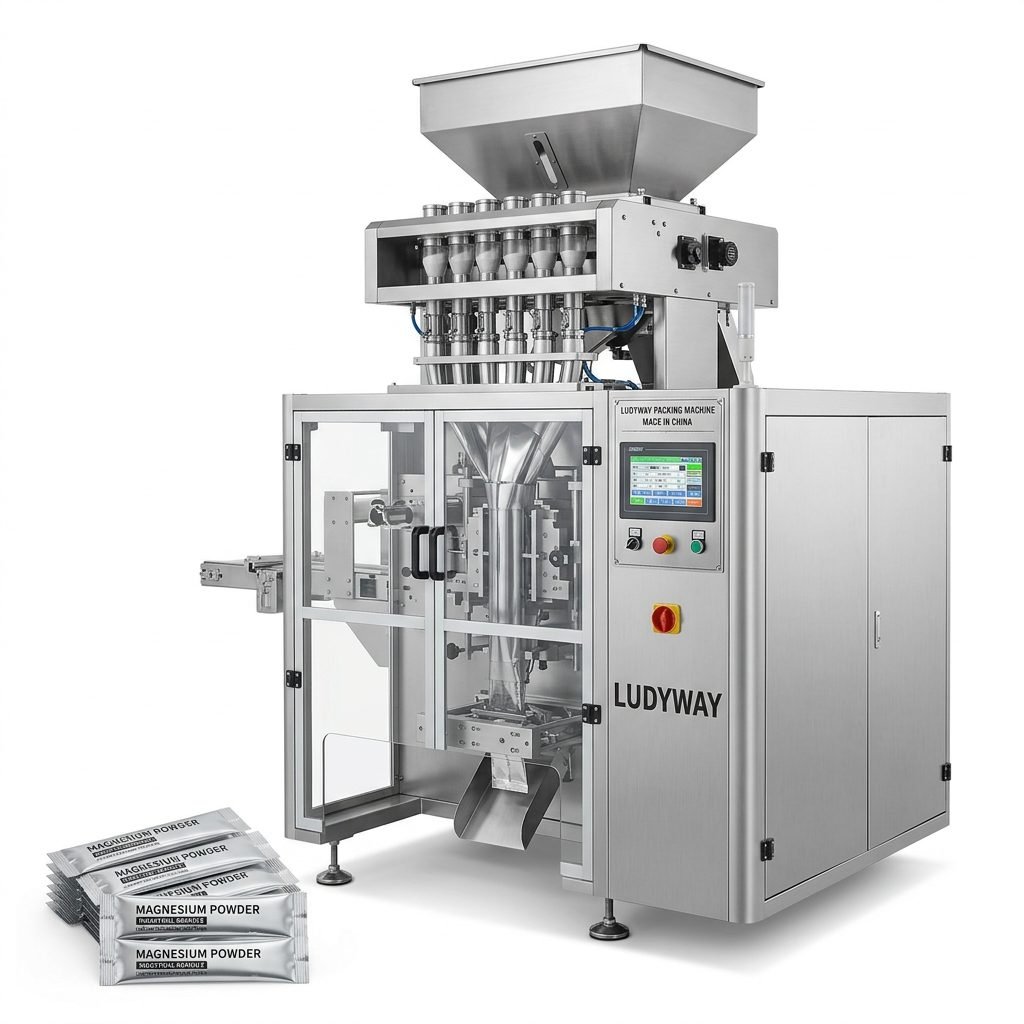
- ► Granule & Powder Packers: Used for sugar, coffee, powdered milk, and seasoning blends, featuring anti‑caking systems and weight‑check accuracy.
- ► Liquid Filling Lines: For oils, syrups, juices, and dairy products, incorporating non‑drip nozzles and level‑sensing technology.
These systems often include nitrogen flushing or vacuum sealing options to extend shelf life and maintain product quality.
Industrial & Chemical Production
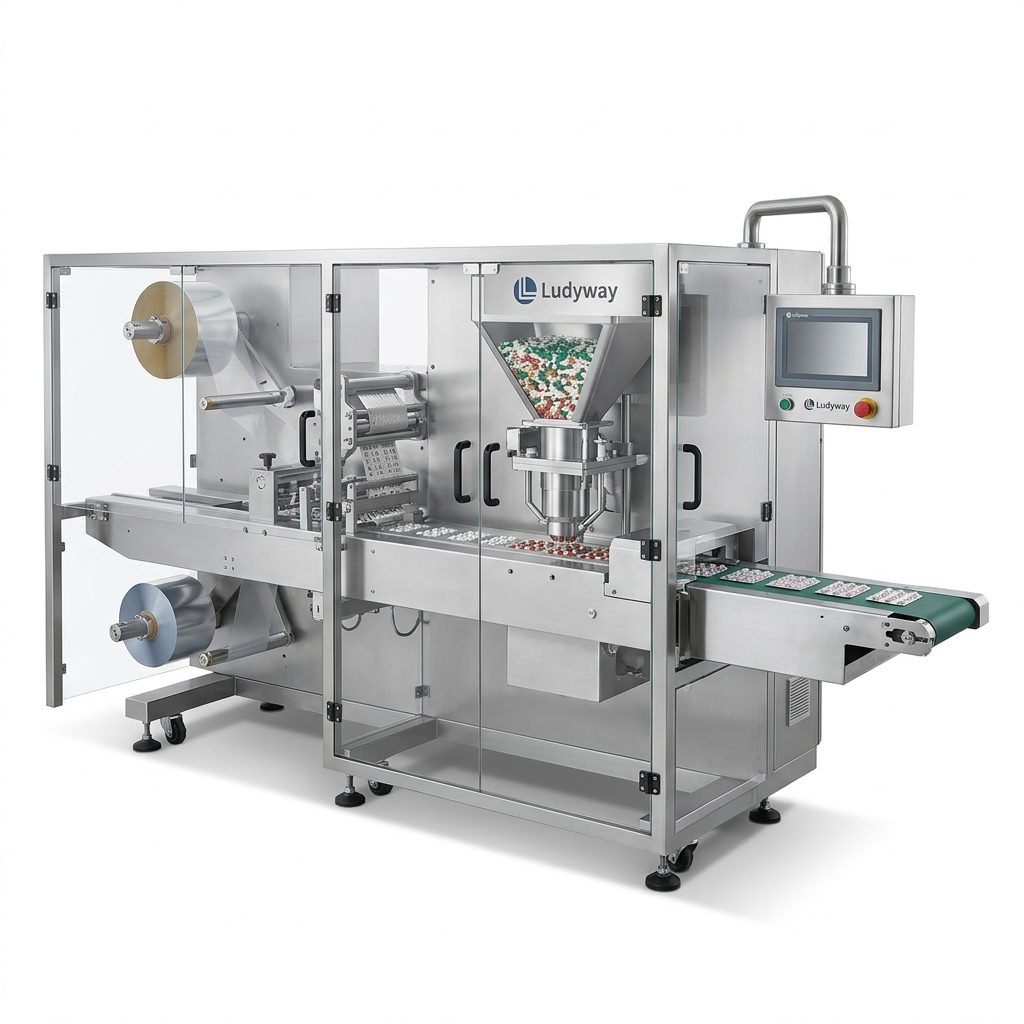
Beyond consumables, high‑speed packaging is vital for industrial components, chemical products, and pharmaceuticals. Requirements shift towards durability, safety, and precise batch identification.
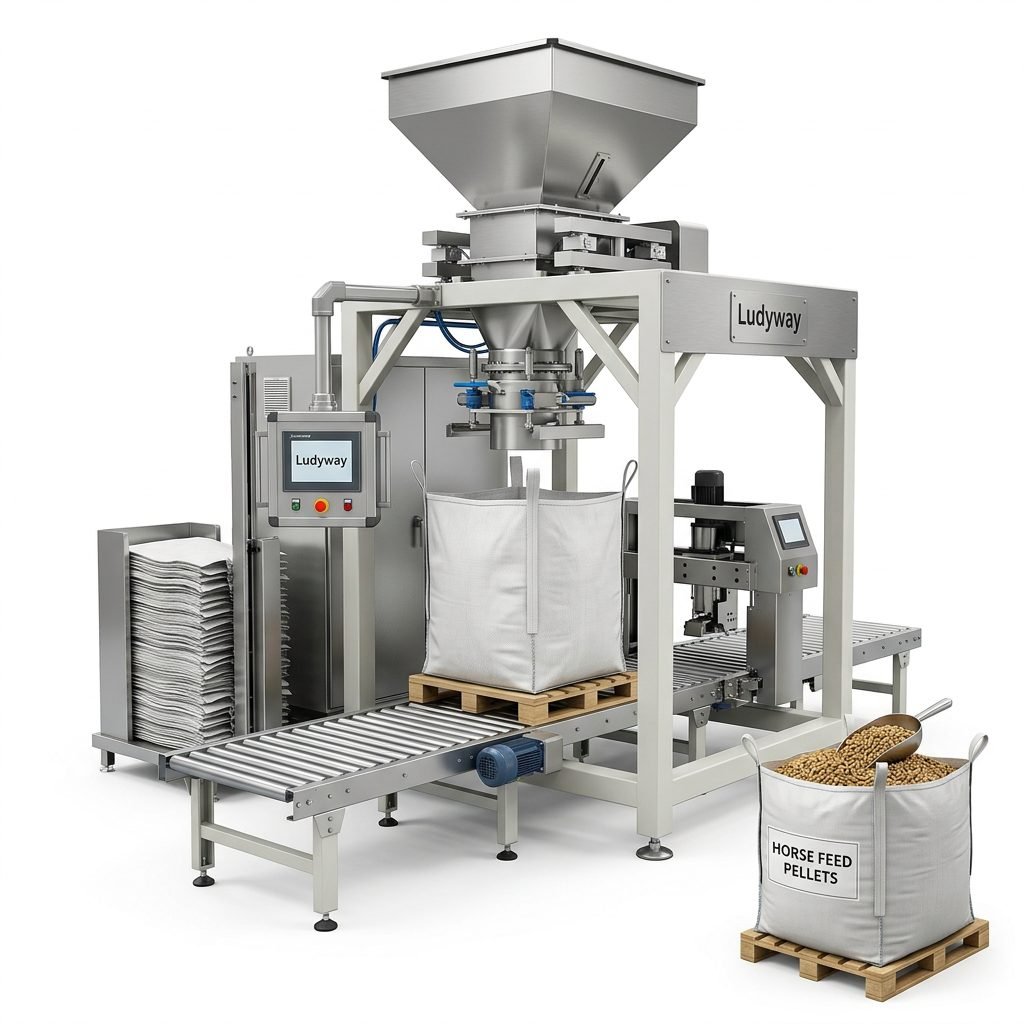
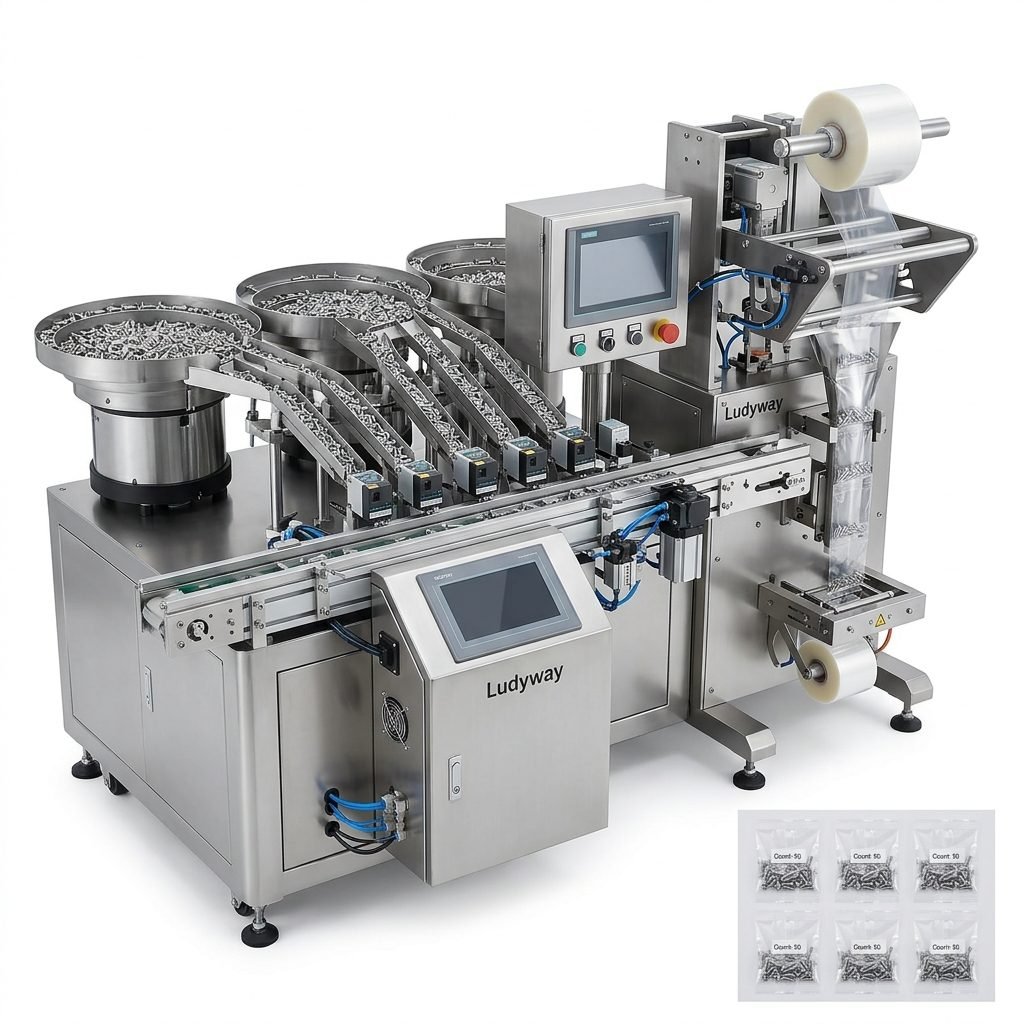
Machinery for this sector emphasizes robust construction, compatibility with corrosive or sensitive materials, and integration with track‑and‑trace labeling systems. Packaging formats range from heavy‑duty bags for granules to precise vial filling for chemical samples.
Technological Pillars of High‑Speed Performance
The impressive performance of modern packaging machinery rests on several advanced technological pillars.
1. Advanced Motion Control & Drive Systems
Servo motors and precision drives replace traditional mechanical linkages. This allows for smoother, faster, and more accurate movements of packaging materials, enabling higher cycles per minute and reducing wear and tear.
2. Intelligent Sensing & Vision Systems
Integrated sensors monitor material flow, fill levels, seal integrity, and label placement. Machine vision systems perform real‑time quality checks, rejecting defective packages and ensuring zero‑defect output.
3. Flexible Automation & Quick Changeover
Modern machines are built for flexibility. Quick‑release tooling, digital format memory, and automatic adjustment mechanisms allow producers to switch between different product sizes or packaging types in minutes, not hours.
This flexibility is crucial for manufacturers catering to seasonal markets or producing a wide SKU range. It transforms a dedicated machine into a versatile asset.
4. Data Integration & Line Connectivity
High‑speed packagers are no longer isolated units. They connect to factory MES and ERP systems, providing vital data on production rates, downtime causes, and material consumption. This connectivity enables predictive maintenance and holistic production planning.
Choosing the Right High‑Speed Packaging Solution
Selecting the appropriate machinery is a strategic decision. Key considerations include:
- Output Requirements: Define your target speed (packages per minute/hour) and required uptime.
- Product Characteristics: Analyze your product’s form (granule, powder, liquid), viscosity, density, and sensitivity.
- Packaging Material & Format: Determine the film, pouch, or container type and the final package size.
- Line Integration Needs: Assess how the machine will connect with existing conveyors, feeders, and coders.
- Future Scalability: Consider potential future products or increased volumes to ensure the machine can adapt.
Partnering with a provider with deep industry experience and a broad portfolio, like Ludyway Machinery, ensures access to tailored advice and proven technology.
The Impact on Operational Excellence
Implementing a high‑speed packaging solution delivers transformative benefits across the operation.
Skyrocketing Productivity
Output increases dramatically, allowing businesses to meet large orders, shorten lead times, and capitalize on market opportunities.
Consistent Quality & Reduced Waste
Automated precision ensures every package meets weight, fill, and seal standards. This reduces giveaway (overfilling) and rejects (underfilling), directly boosting profitability.
Lower Operational Costs
While the initial investment is significant, the reduction in manual labor, increased material efficiency, and minimized downtime lead to a lower cost per package over the machine’s lifecycle.
Enhanced Safety & Hygiene
Automation minimizes direct human contact with products and machinery, improving workplace safety and meeting strict hygienic codes in food and pharmaceutical production.
Conclusion: The Strategic Advantage
High‑speed packaging machinery is no longer a luxury but a necessity for competitive production in the food, beverage, and industrial sectors. It represents a strategic investment that pays dividends in efficiency, quality, and scalability. By choosing a solution engineered for speed, intelligence, and flexibility, manufacturers can secure a decisive advantage in today’s fast‑paced market.
As a specialist with over 30 years of experience in providing turnkey packaging solutions, Ludyway Machinery understands these challenges. Our focus is on delivering reliable, high‑performance machinery that integrates seamlessly into your production vision, helping you pack more, pack better, and pack faster.
Frequently Asked Questions (FAQs)
What is the typical output speed of a high‑speed stick pack machine?
Modern high‑speed stick pack machines can achieve outputs ranging from 200 to over 800 sticks per minute, depending on the product, packet size, and machine configuration. Multi‑lane machines significantly increase this rate.
Can high‑speed packaging machines handle different package sizes?
Yes. Most advanced machines are designed for quick changeover. Through servo‑driven adjustments and digital recipe storage, operators can switch between different packet lengths, widths, and fill volumes within minutes.
How important is integration with existing production lines?
Critical. True high‑speed solutions require seamless integration with upstream feeders (like hoppers or conveyors) and downstream systems (like cartoners or palletizers). A good supplier will design the interface and provide integration support.
What maintenance is required for these high‑speed systems?
Regular preventive maintenance is key to sustaining high speed and reliability. This includes lubrication, belt tension checks, sensor calibration, and seal bar inspection. Many modern machines offer predictive maintenance alerts via their connected software.
Are these machines suitable for small‑batch or trial production?
While their primary strength is high‑volume runs, their flexibility makes them suitable for smaller batches as well. Quick changeover allows efficient production of multiple small‑batch SKUs, making them ideal for companies with diverse product ranges.