Selecting the right packaging machine manufacturer is a critical strategic decision for any South African business. The efficiency of your packaging line directly impacts your production output, product quality, operational costs, and ultimately, your bottom line. For companies across South Africa—from Johannesburg’s bustling food and beverage sector to Cape Town’s growing pharmaceutical and health industries, and the vital agricultural and chemical sectors nationwide—finding a reliable partner is key to growth and competitiveness.
Understanding Your Business Requirements
Before you start evaluating manufacturers, you must have a clear understanding of your own needs. This is the most crucial step in the selection process.
Key questions to ask: What type of product are you packaging (granules, powder, liquid, pouches)? What is your required production speed (packs per minute)? What are your future scalability plans? Do you need a single machine or a complete turnkey production line? What is your budget and expected return on investment (ROI)?
South African manufacturers often deal with unique challenges, such as power supply fluctuations and the need for robust, low-maintenance machinery that can withstand demanding operational environments. Clearly defining these parameters will guide your search and ensure you find a manufacturer capable of meeting your specific operational context.

1. Evaluate Technical Expertise and Product Range
A manufacturer’s technical capability is paramount. Look for a company with a proven track record in your specific industry, whether it’s food, pharmaceuticals, health supplements, or industrial chemicals.
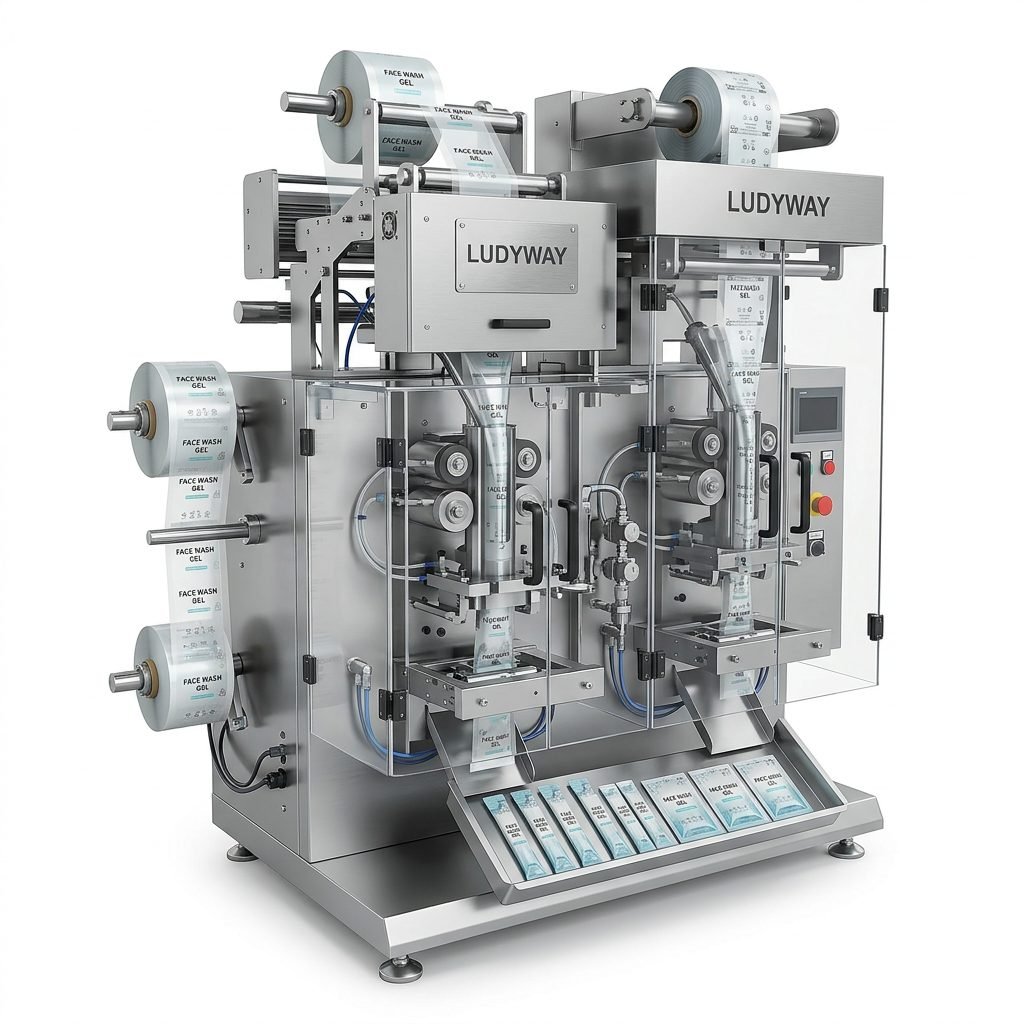
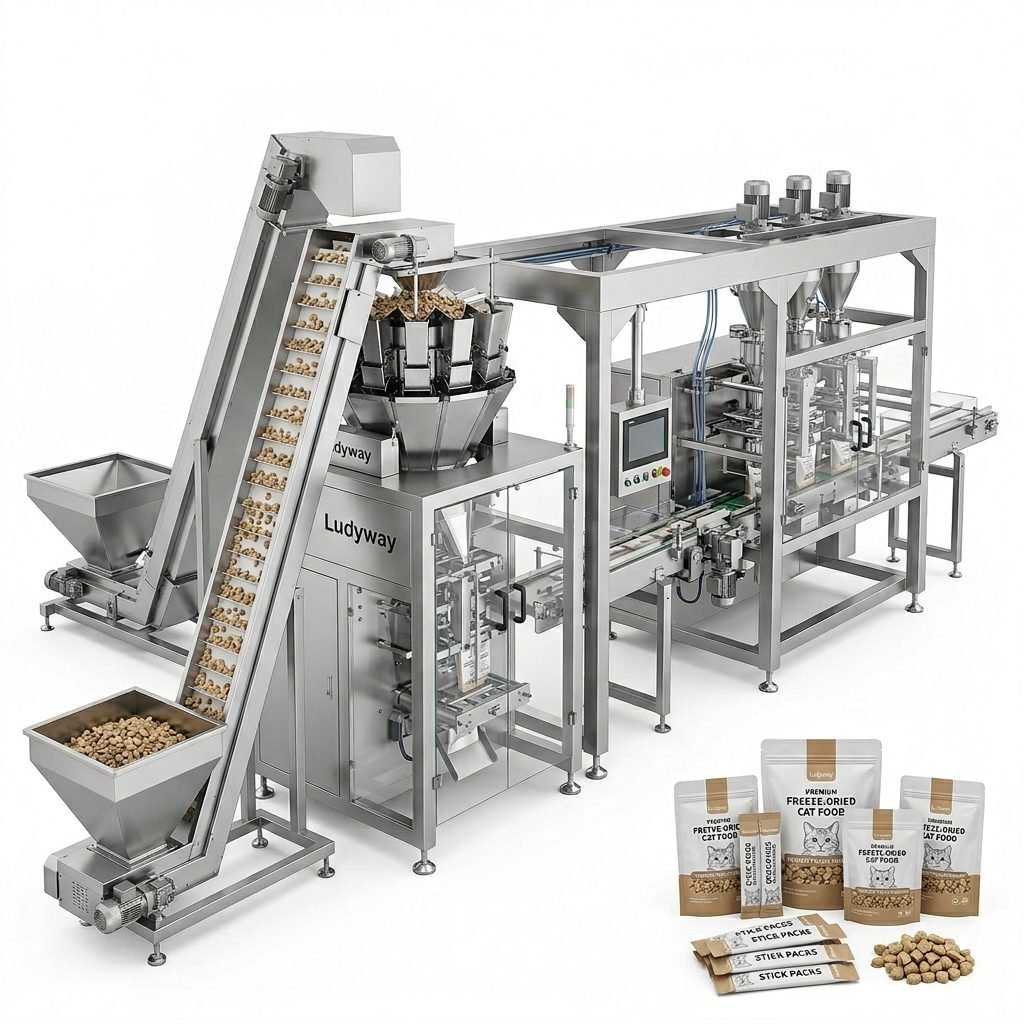
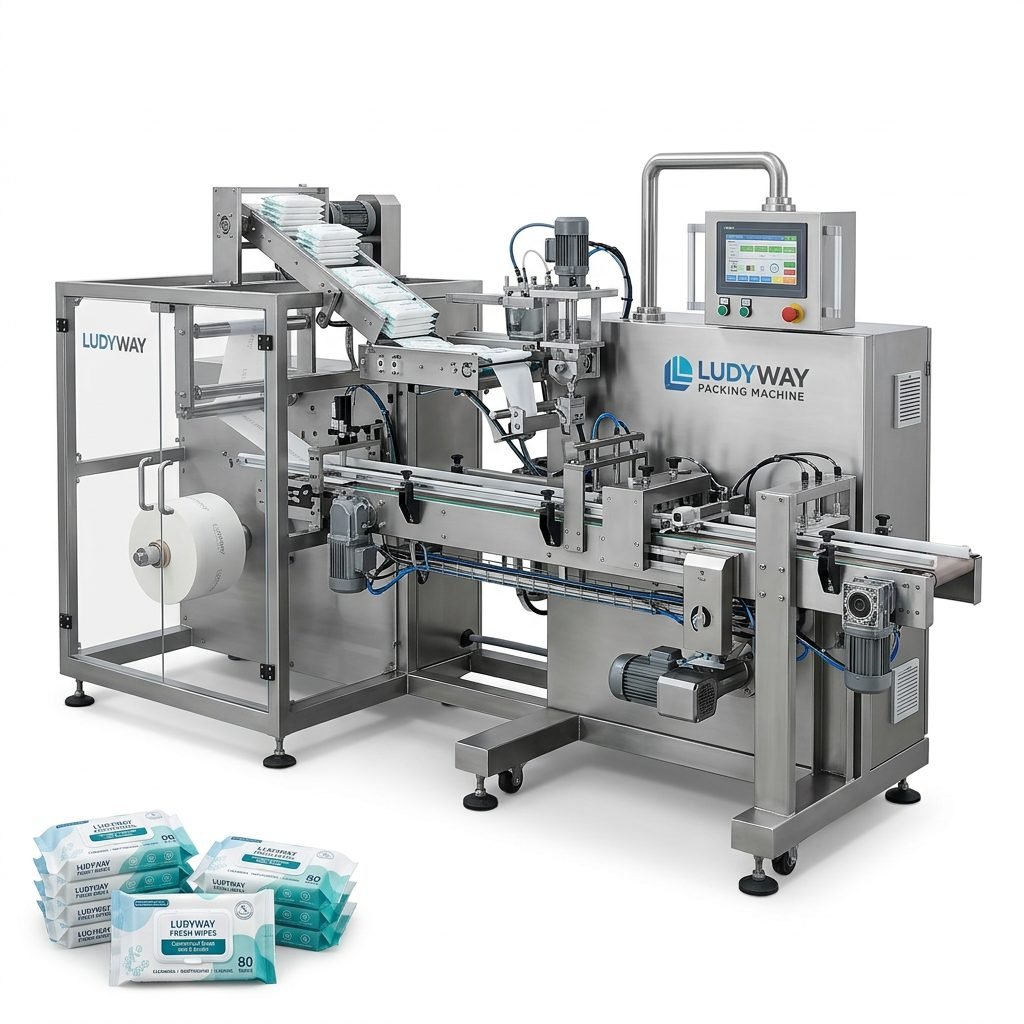
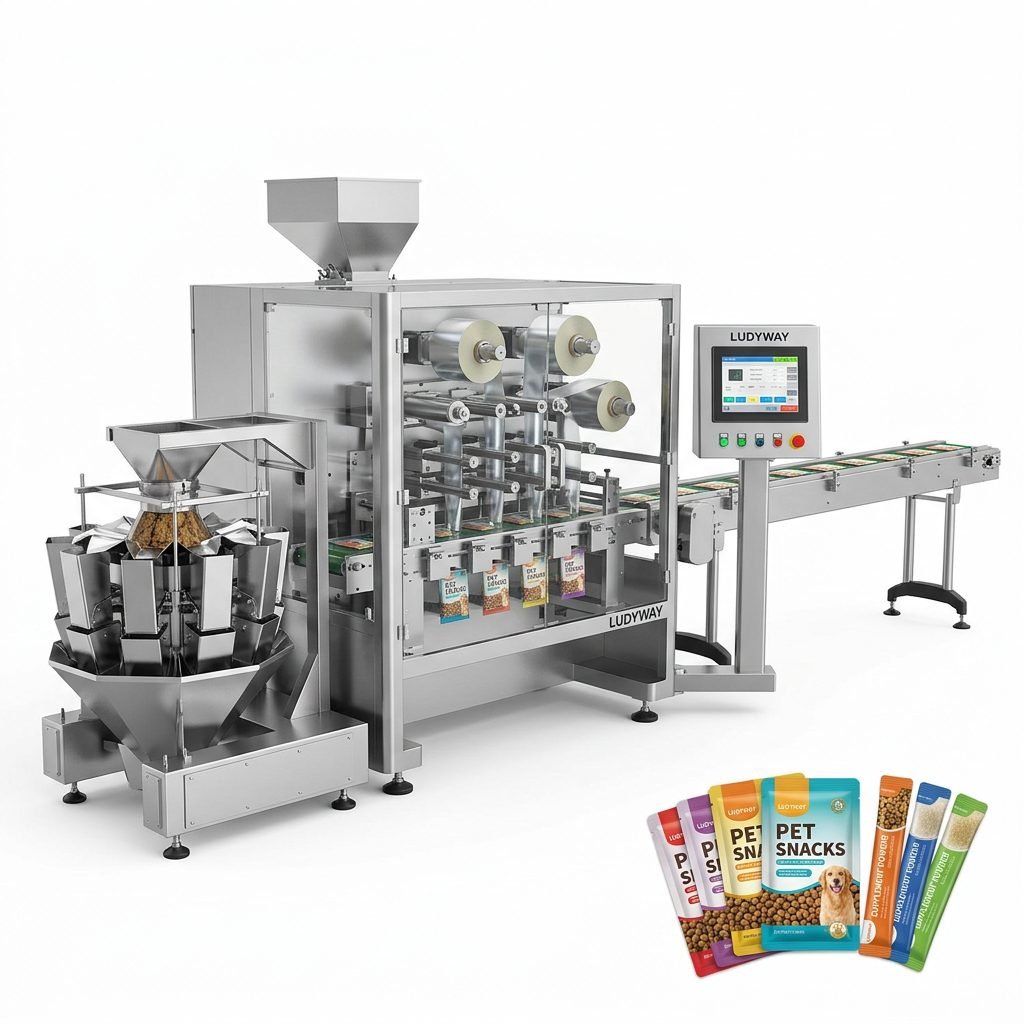
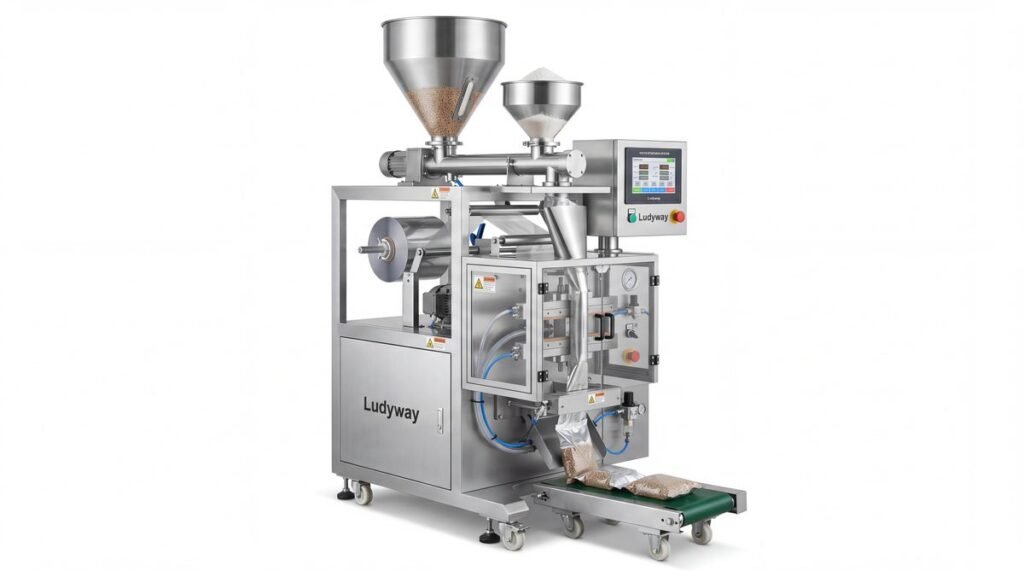
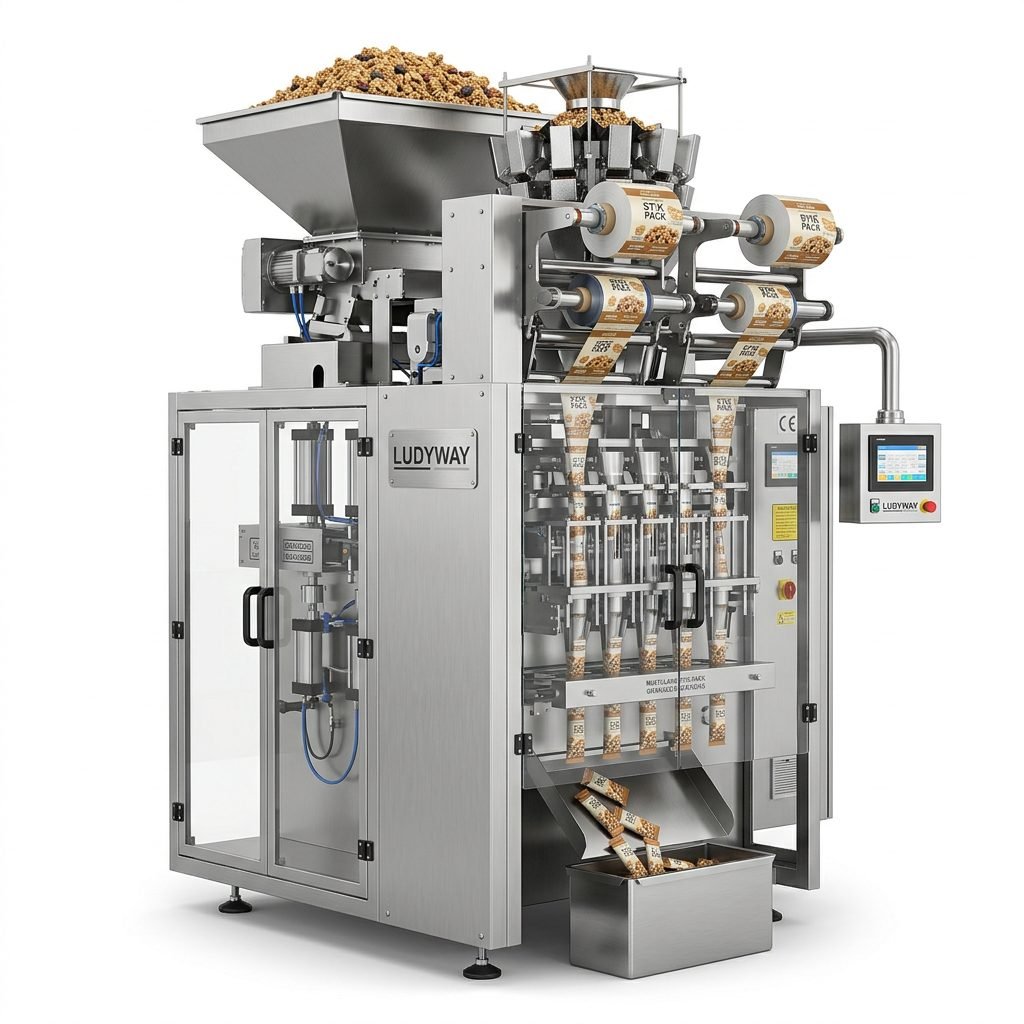
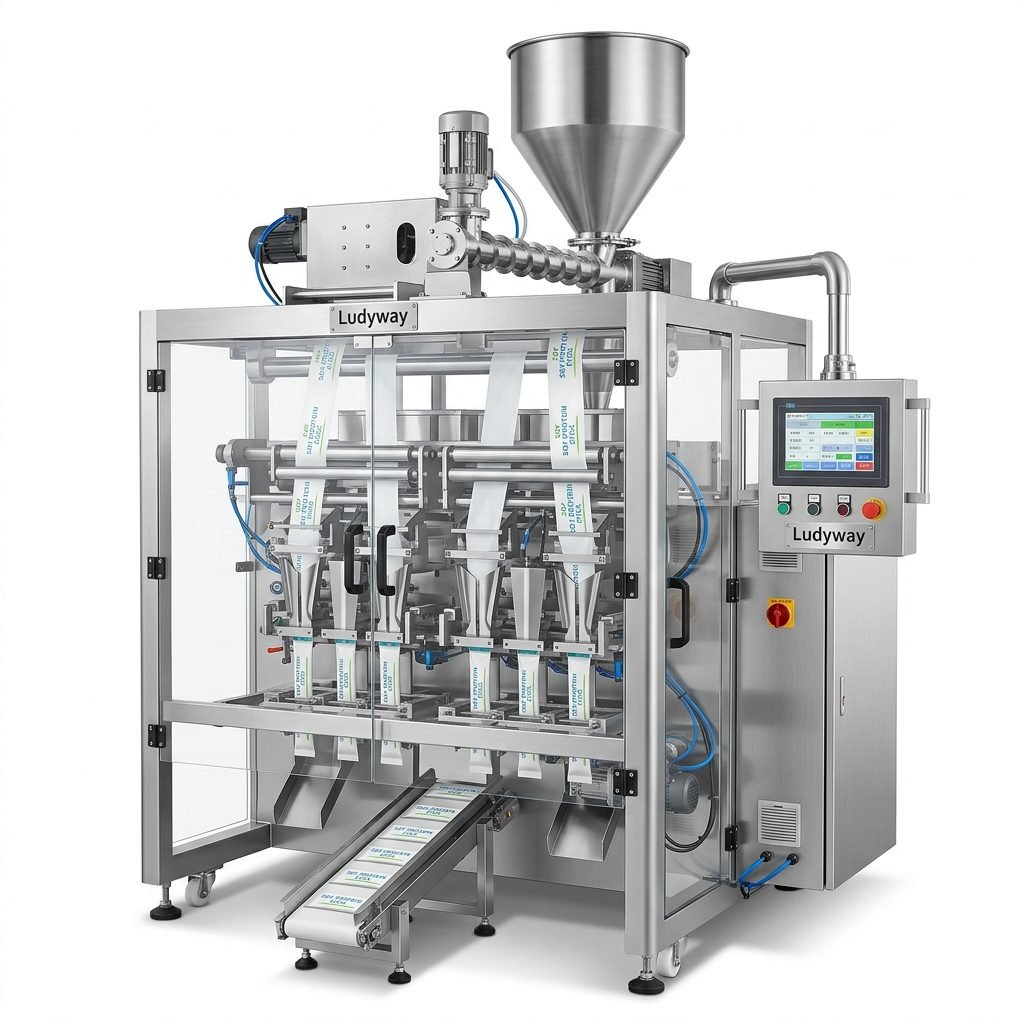
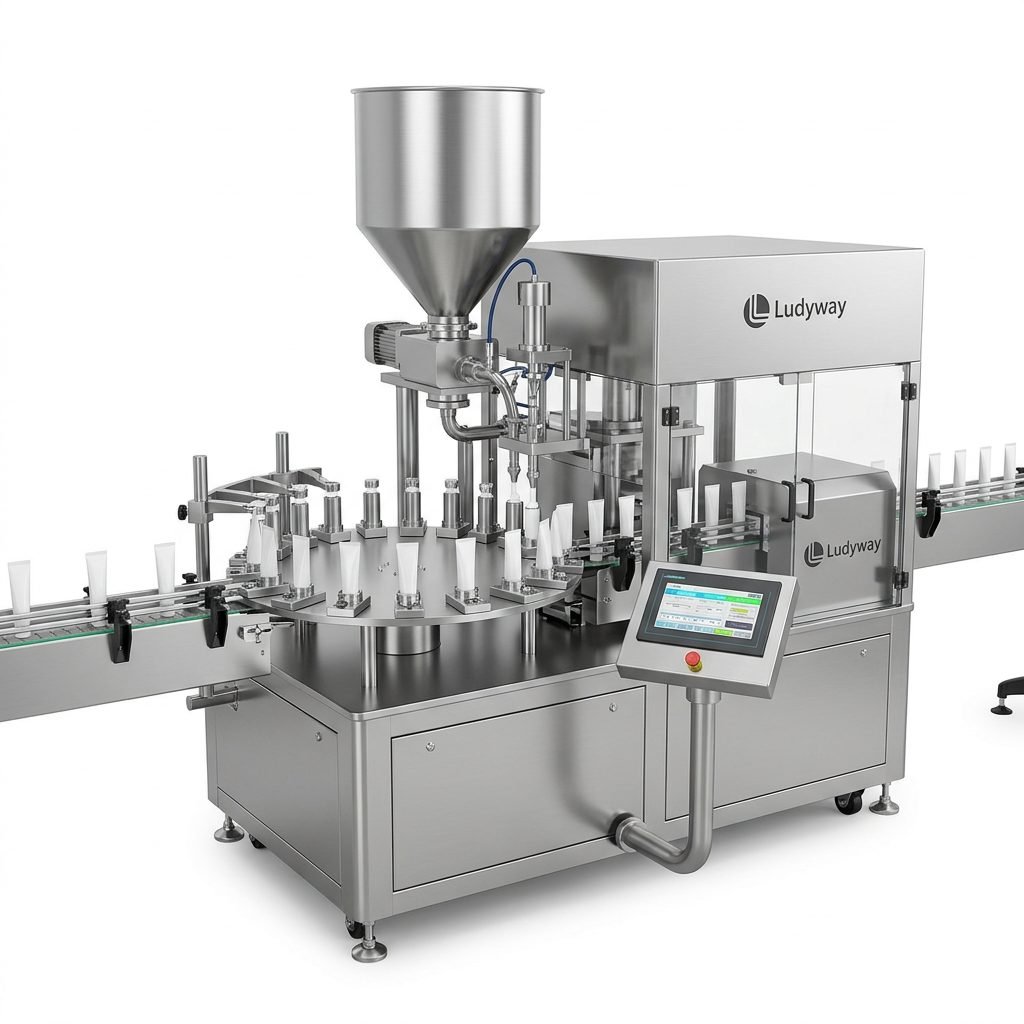
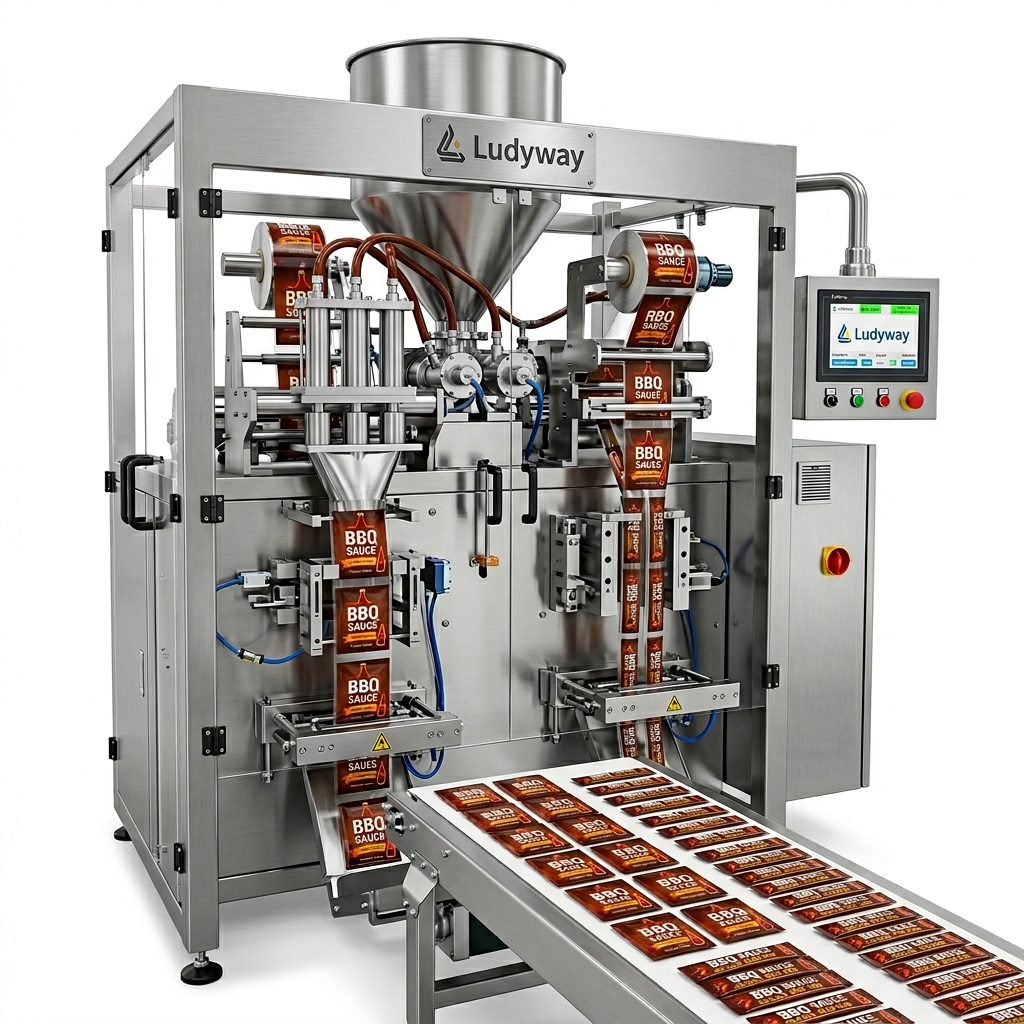
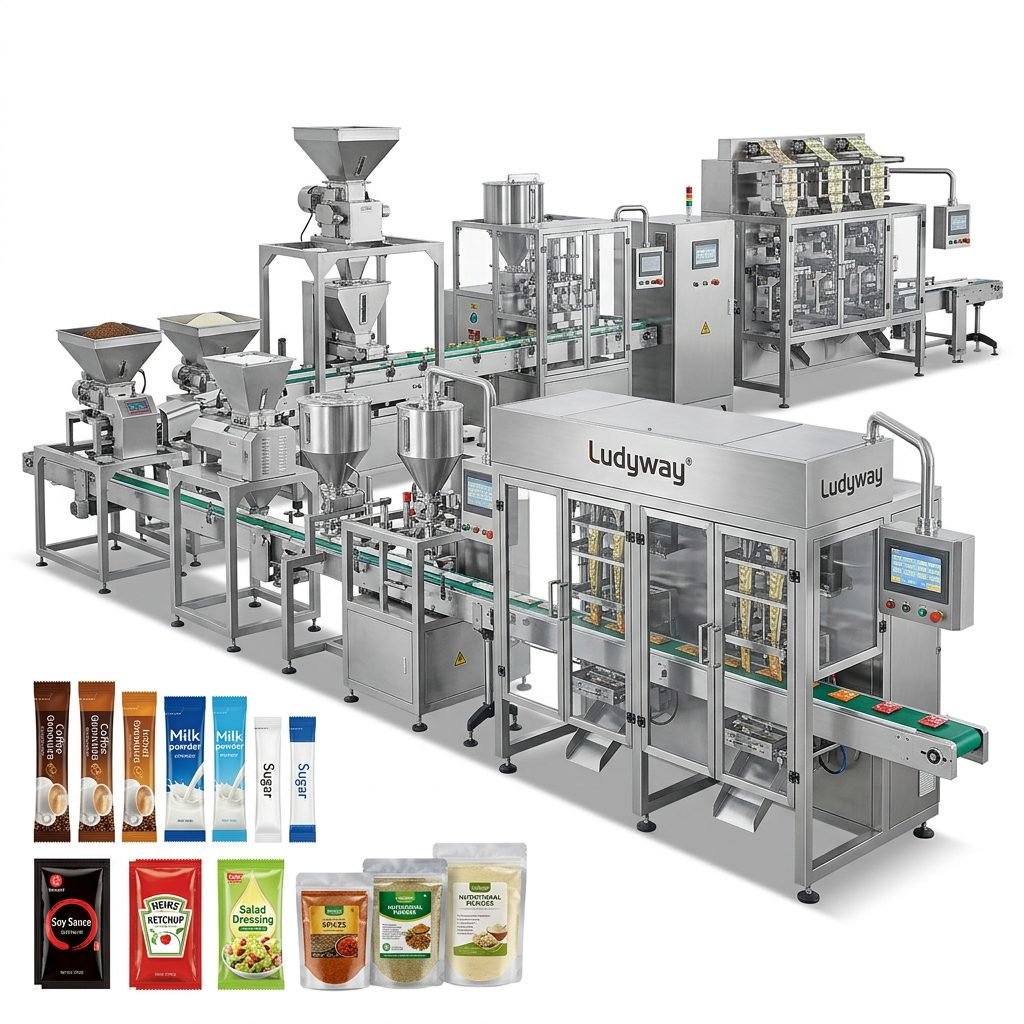
Leading manufacturers like Ludyway offer a vast portfolio of over 50 intelligent packaging machine models. This extensive range—from multi-lane stick pack and sachet machines to fully automated systems—means they likely have a pre-engineered solution that can be customized to your needs, reducing development time and cost. Similarly, other established Chinese manufacturers such as Packmate Machinery, PacklineOEM, and PackingMachineOEM specialize in high-volume, automated lines and custom (non-standard) solutions, respectively.
2. Assess Manufacturing Capability and Quality Control
The quality of the machinery is directly linked to the manufacturer’s production facility and processes. A modern manufacturing plant is a strong indicator of reliability.
For instance, Ludyway operates from a modern 20,000㎡ facility, which supports high-quality, consistent production. When evaluating any manufacturer, inquire about their quality control protocols, the sourcing of key components (like PLCs and servos), and their adherence to international standards. This ensures the machines you receive are durable, precise, and built to last in a South African factory setting.

3. Consider After-Sales Support and Local Presence
This is arguably the most critical factor for South African businesses. A machine breakdown without prompt support can halt your entire production. Investigate the manufacturer’s after-sales service structure.
Essential support services include: Availability of spare parts, technical support (remote and on-site), operator training programs, and warranty terms. Manufacturers with a global service network, like those serving over 100 countries, are often better equipped to provide timely support. While many top Chinese manufacturers may not have a physical office in South Africa, their ability to dispatch engineers and parts efficiently is crucial.
4. Analyze Cost-Effectiveness and ROI
While the initial purchase price is important, the total cost of ownership (TCO) is a more accurate measure. This includes energy consumption, maintenance costs, downtime, and the machine’s lifespan.
Investing in a slightly more expensive but more reliable and efficient machine from a reputable manufacturer like Ludyway or Packmate Machinery can lead to significant savings in the long run through higher productivity and lower maintenance. Request detailed ROI projections from potential suppliers based on your production data.

5. Review Case Studies and Client References
Nothing speaks louder than proven success. Ask potential manufacturers for case studies or references from clients with similar products or production volumes, especially those in similar regions or facing similar challenges.
Reputable companies will have a portfolio of successful projects. For example, a manufacturer like SnusMachinery specializes in oral pouch products, which is valuable if you’re in the nicotine or tobacco-alternative sector. Seeing a machine handle a product similar to yours in a real-world setting builds confidence in its suitability for your South African operation.
6. Prioritize Innovation and Future-Proofing
The packaging industry is evolving rapidly with trends towards sustainability, smart packaging, and greater automation. Partner with a manufacturer that invests in R&D and offers upgradable, smart machines.
Look for features like IoT connectivity for predictive maintenance, easy changeover for different package sizes, and compatibility with sustainable materials. A forward-thinking partner will help you adapt to future market demands and regulatory changes in South Africa and for export markets.

7. The Importance of Clear Communication
A successful partnership hinges on clear, transparent communication. Ensure there are no language barriers and that the manufacturer’s project managers are responsive and understand your requirements thoroughly.
From the initial inquiry through installation and training, a manufacturer that communicates proactively will help avoid costly misunderstandings and ensure a smooth project rollout at your facility in Durban, Pretoria, or anywhere else in South Africa.
Partnering for Success in the South African Market
Choosing a packaging machine manufacturer is a long-term strategic partnership. For South African businesses aiming to improve efficiency, ensure product integrity, and scale their operations, due diligence in this selection process is non-negotiable. By focusing on technical expertise, robust support, and a proven track record, you can select a partner that not only provides a machine but also contributes to your business’s sustainable growth and success in a dynamic market.

Frequently Asked Questions (FAQs)
Q1: What type of after-sales support can I expect for my machine in South Africa?
A: Reputable manufacturers typically offer comprehensive support including remote technical assistance via video call, a stock of critical spare parts, and the option for on-site engineer visits. Ensure you discuss response time guarantees and spare parts logistics specific to South Africa during negotiations.
Q2: Are the machines compatible with South Africa’s voltage and power standards?
A: Yes, professional manufacturers like Ludyway, Packmate Machinery, and others configure their machines to meet the destination country’s standards (e.g., 220-240V/50Hz for South Africa). Always specify your local utilities during the quotation process.
Q3: Can the packaging machine handle local packaging materials?
A> Most modern machines are designed to be adaptable. It’s essential to provide samples of your intended packaging film or material to the manufacturer for testing during the machine design or commissioning phase to ensure optimal performance.
Q4: What is the lead time for a custom packaging line?
A: Lead times vary based on complexity. A standard machine may take 30-60 days, while a fully custom, automated turnkey line can take 90-180 days. Clear project planning and communication with your chosen manufacturer are key to managing timelines.
Q5: Is operator training provided?
A> Yes, comprehensive training for your operators and maintenance technicians is a standard part of the service from established manufacturers. This can be conducted at their facility, at your site in South Africa upon installation, or via detailed digital manuals and video guides.