Investing in a vacuum packaging machine is a significant decision for food processors, laboratories, and industrial kitchens. Henkelman vacuum packaging machines are recognized globally for their reliability, precision engineering, and long service life. However, with multiple models, chamber sizes, pump configurations, and optional features available, identifying the right machine for your specific application requires careful evaluation. This guide walks you through the essential factors to consider before making your purchase.
Understanding Your Vacuum Packaging Requirements
Before comparing models, you need to define your operational requirements clearly. The right Henkelman vacuum packaging machine depends on several variables: the type of products you package, daily production volume, packaging material compatibility, and the level of automation you need. Food manufacturers often prioritize hygiene standards and compliance with FDA food contact substance regulations, while pharmaceutical and medical device packagers must meet ISO 11607 standards for terminally sterilized medical devices.
Start by answering these foundational questions:
- What is the average batch size and peak daily throughput?
- Are you packaging solid, liquid, or semi-liquid products?
- Do you require modified atmosphere packaging (MAP) capabilities?
- What bag sizes and types will you use most frequently?
- Is your production environment subject to washdown or cleanroom requirements?
Key Factors to Consider When Selecting a Henkelman Machine
Chamber Size and Machine Dimensions
Henkelman offers a broad range of chamber sizes, from compact benchtop units suitable for small-scale operations to large double-chamber machines designed for high-volume industrial environments. The chamber dimensions directly determine the maximum pouch size you can seal in a single cycle. Measure your largest frequently used bag and add at least 20% clearance to avoid crowding the sealing bar. According to Flexible Packaging Association industry data, selecting the correct chamber configuration can improve throughput by up to 35% compared to undersized equipment.
Pump Capacity and Vacuum Performance
The vacuum pump is the core of any Henkelman packaging system. Pump capacity, measured in cubic meters per hour (m³/h), determines cycle speed and ultimate vacuum level. Busch oil-lubricated rotary vane pumps are common in Henkelman machines, offering excellent reliability. For dry or dusty products, consider a dry-running pump option to reduce maintenance intervals. Higher pump capacity reduces cycle time but increases energy consumption—balance these factors based on your actual production needs rather than simply choosing the largest available pump.
Control Systems and Automation Features
Modern Henkelman machines feature digital control panels with programmable recipes, allowing operators to store and recall specific settings for different products. Advanced models include sensor-controlled vacuum detection that automatically adjusts cycle parameters based on product characteristics. This level of automation reduces operator error and ensures consistent seal quality across shifts. For operations seeking to integrate vacuum packaging into a broader automated packaging line, look for models with PLC interface capabilities and remote monitoring options.

Comparing Henkelman Vacuum Packaging Machine Series
The following table provides a structured comparison of common Henkelman machine categories to help you narrow down your options based on application needs:
| Machine Category | Chamber Type | Best For | Typical Pump Capacity | MAP Ready |
|---|---|---|---|---|
| Benchtop Models | Single chamber | Small kitchens, labs, retail | 4–10 m³/h | Optional |
| Floor-Standing Single Chamber | Single chamber | Medium-volume food processing | 10–25 m³/h | Yes |
| Double Chamber | Dual alternating | High-volume continuous production | 25–63 m³/h | Yes |
| Belt-Fed Machines | Continuous belt | Automated production lines | 40–100+ m³/h | Standard |
| Specialty / Cleanroom Models | Single or double | Pharmaceutical, medical device packaging | 10–40 m³/h | Yes |
Note: Specifications vary by model and configuration. Always consult the manufacturer’s technical documentation for exact parameters relevant to your application.
Industry-Specific Applications
Different industries place different demands on vacuum packaging equipment. Meat and poultry processors require machines capable of handling high-moisture products with reliable seal integrity under cold chain conditions. Dairy and cheese producers often need gentle vacuum control to avoid product deformation. Ready-meal and sous-vide operations benefit from precise vacuum-time control and MAP gas-flushing capabilities. The PMMI State of the Industry report highlights that demand for flexible vacuum packaging solutions continues to grow across food, pharmaceutical, and industrial sectors globally.
For seafood and fish processing, corrosion-resistant components and washdown-ready designs are essential. Bakery and dry goods applications may prioritize gentle handling and consistent vacuum levels to prevent crushing delicate products. Industrial and non-food applications—such as electronic component packaging or chemical product containment—require specialized seal parameters and material compatibility verification.
Maintenance and After-Sales Support
A Henkelman vacuum packaging machine is a long-term capital investment. Regular maintenance—including oil changes for rotary vane pumps, seal bar inspection, and gasket replacement—directly affects equipment longevity and performance. Choose a supplier that offers comprehensive after-sales support, including operator training, on-site commissioning, spare parts availability, and remote technical assistance. The cost of downtime far exceeds the cost of proactive maintenance.
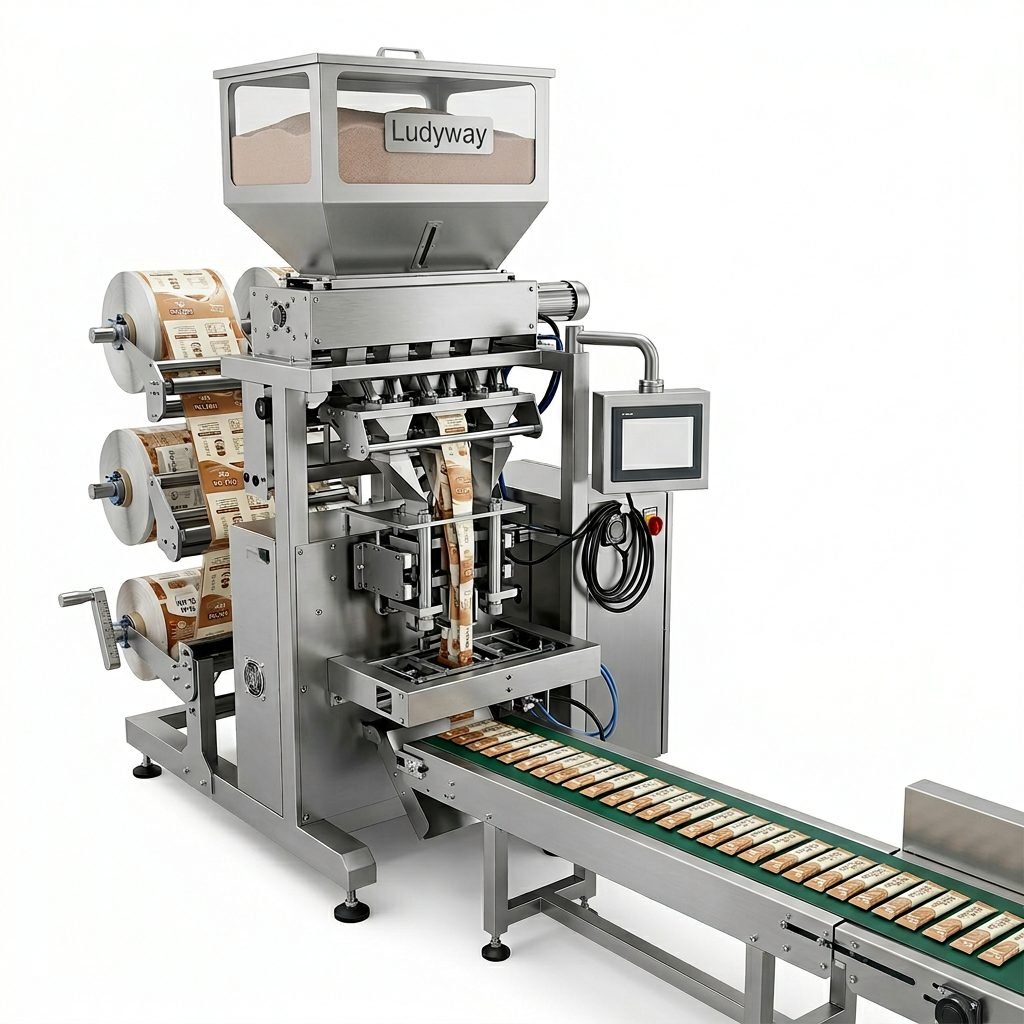
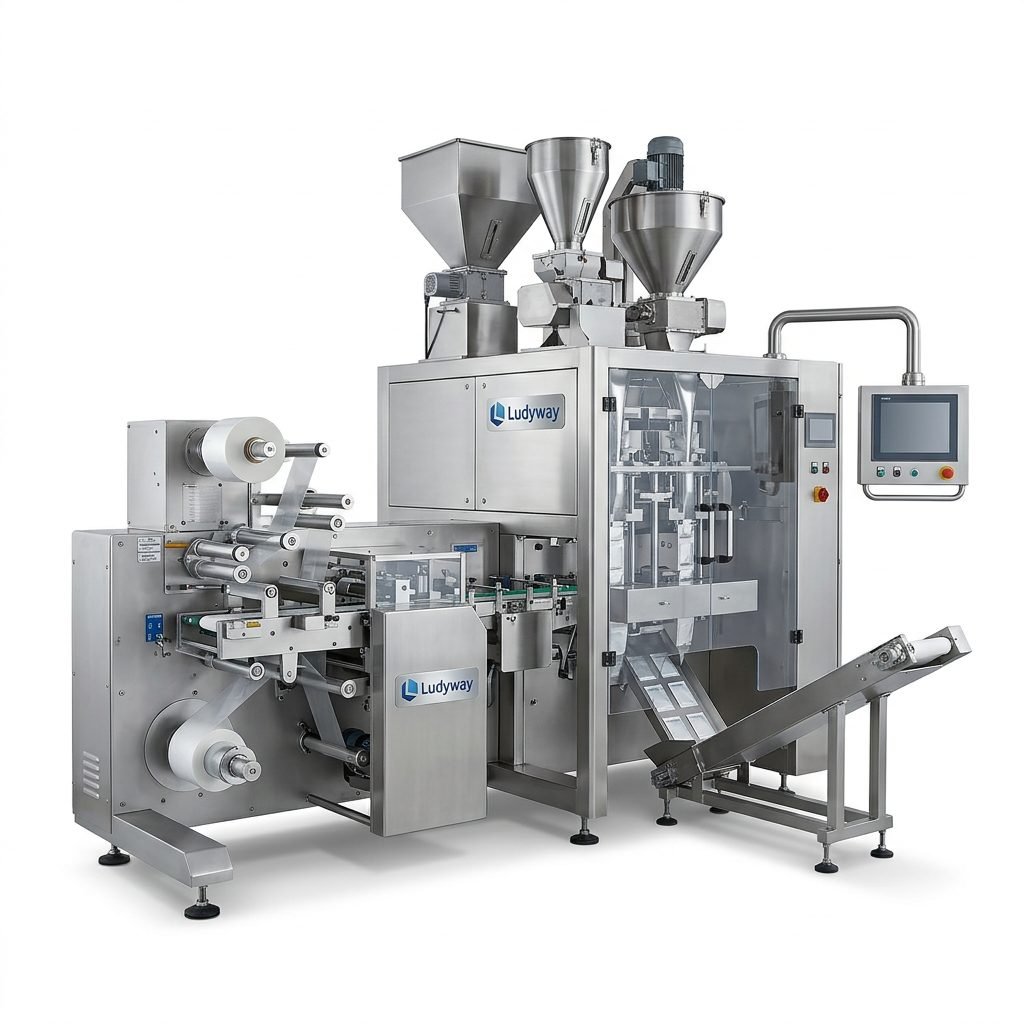
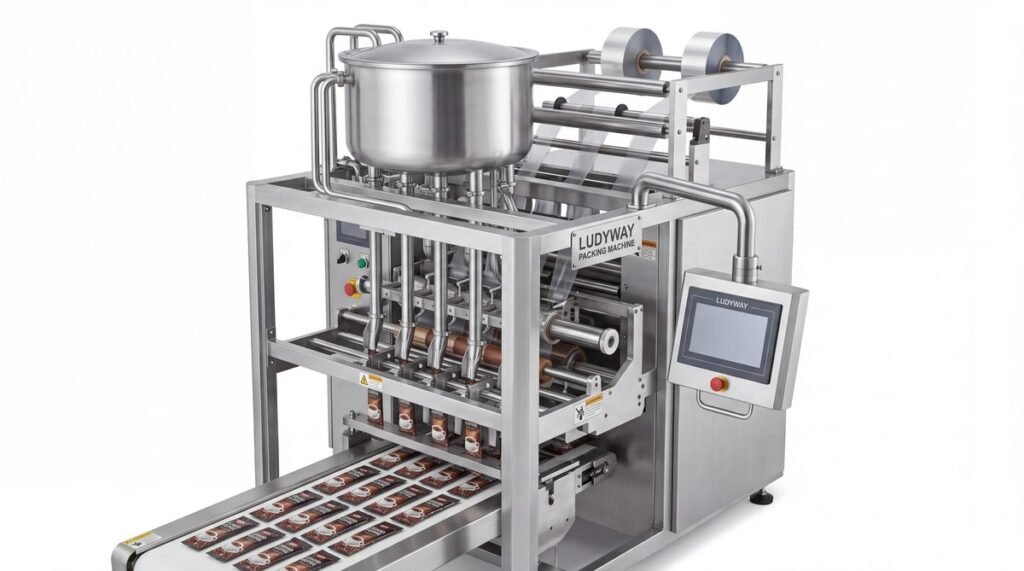
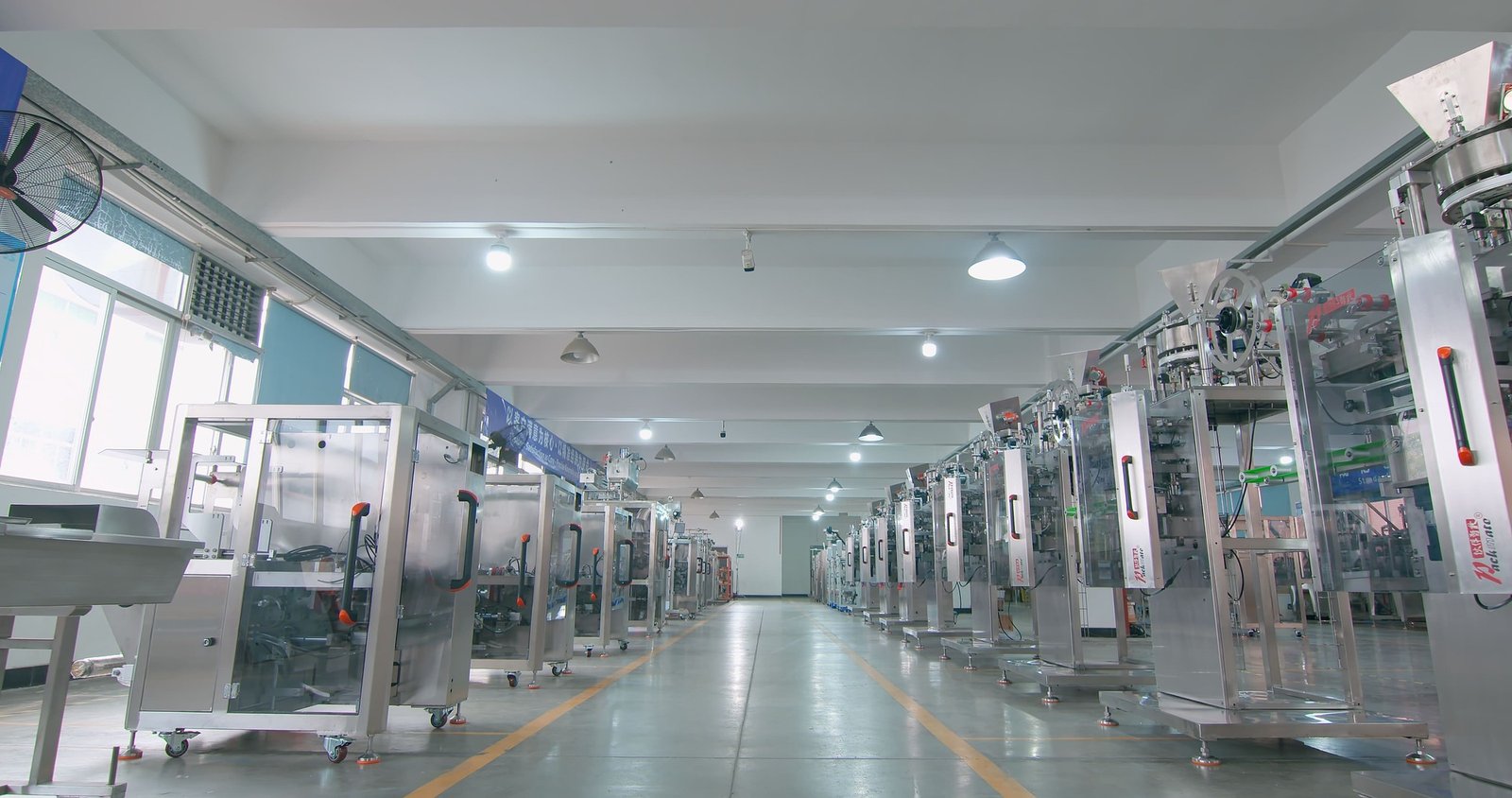
For manufacturers planning to scale production, selecting a packaging machinery partner with global service capabilities and turnkey solution expertise is critical. Ludyway Machinery provides integrated packaging systems and technical support across more than 100 countries, helping manufacturers maintain equipment performance and address operational issues efficiently.
Making the Right Investment Decision
Selecting the correct Henkelman vacuum packaging machine requires balancing current operational needs with future growth plans. Under-specifying a machine leads to production bottlenecks, while over-specifying results in unnecessary capital expenditure. Conduct a thorough production audit before engaging with equipment suppliers. Document your current throughput, peak periods, product range, and packaging material specifications.
Key decision criteria include:
- Total cost of ownership (TCO) over the expected machine lifespan, not just the purchase price
- Energy efficiency ratings and pump technology type
- Availability of certified spare parts and service technicians in your region
- Compliance with applicable international packaging standards including European packaging regulations and relevant ISO packaging standards
- Upgrade potential for MAP, automation, or line integration
Take time to visit equipment demonstrations, request sample packaging tests with your actual products, and speak with existing users about their long-term experience. A well-chosen vacuum packaging machine will deliver consistent performance for a decade or more, making diligence during the selection process a worthwhile investment.