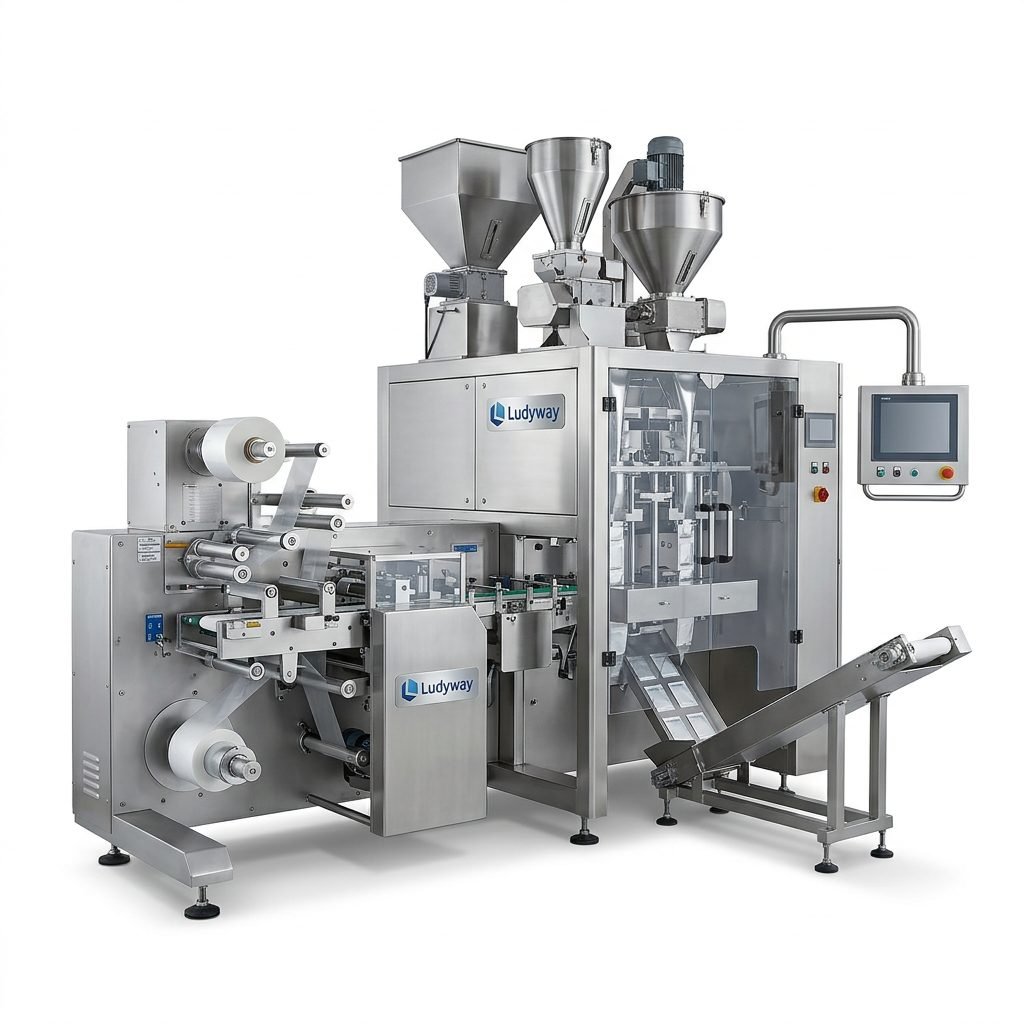
Investing in a PP bag packing machine is a strategic decision that directly impacts your production efficiency, product quality, and long-term operational costs. Whether you are packaging granules, powders, seeds, or small solid products, selecting the right equipment requires a thorough understanding of your material characteristics, output goals, and factory environment. A poorly matched machine can lead to frequent downtime, inaccurate filling, material waste, and inconsistent seal quality—issues that quickly erode profitability. This guide walks you through the key factors to evaluate, helping you make an informed purchasing decision that supports your business growth over the long term.
Define Your Product and Packaging Requirements First
Before comparing machine specifications or suppliers, start by clearly defining what you need the PP bag packing machine to handle. The physical and chemical properties of your product determine the appropriate dosing mechanism, filling system, and sealing technology. Key product characteristics to evaluate include:
- Material type: Is your product a free-flowing granule, a sticky powder, or an irregular solid? Different materials require different feeding and filling approaches.
- Bulk density and particle size: These factors influence hopper design, auger selection, and weighing accuracy.
- Moisture content and flowability: Products with high moisture or poor flow characteristics may need specialized agitation or feeding systems.
- Target bag size and format: Are you filling small sachets, medium pouches, or large industrial bags? The machine must accommodate your full range of packaging formats.
- Production speed requirements: Define your output target in bags per minute or per hour to narrow down machine categories.
Understand Different PP Bag Packing Machine Configurations
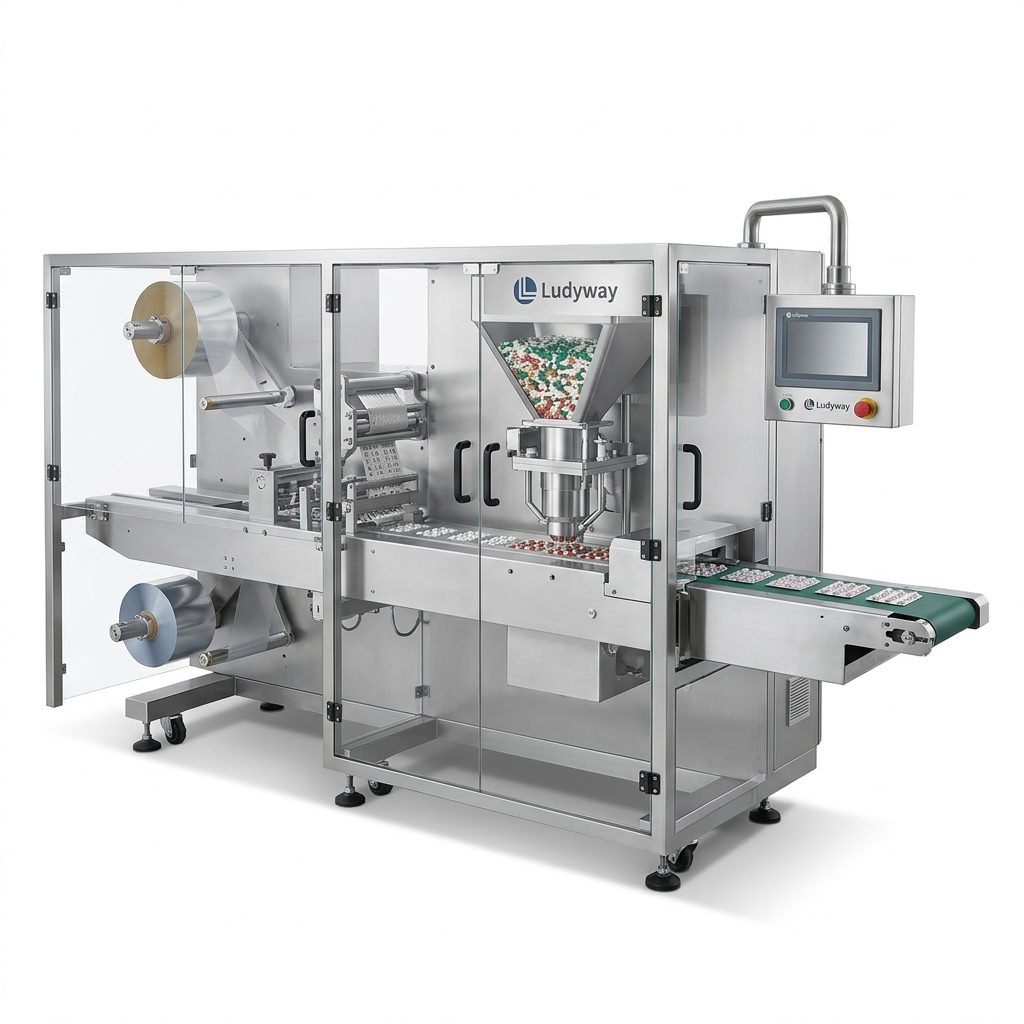
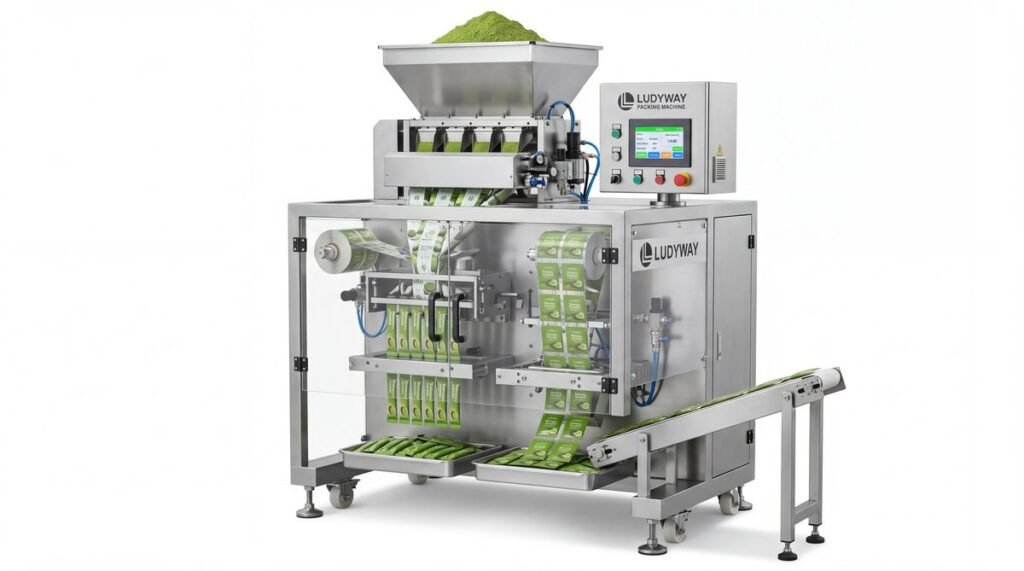
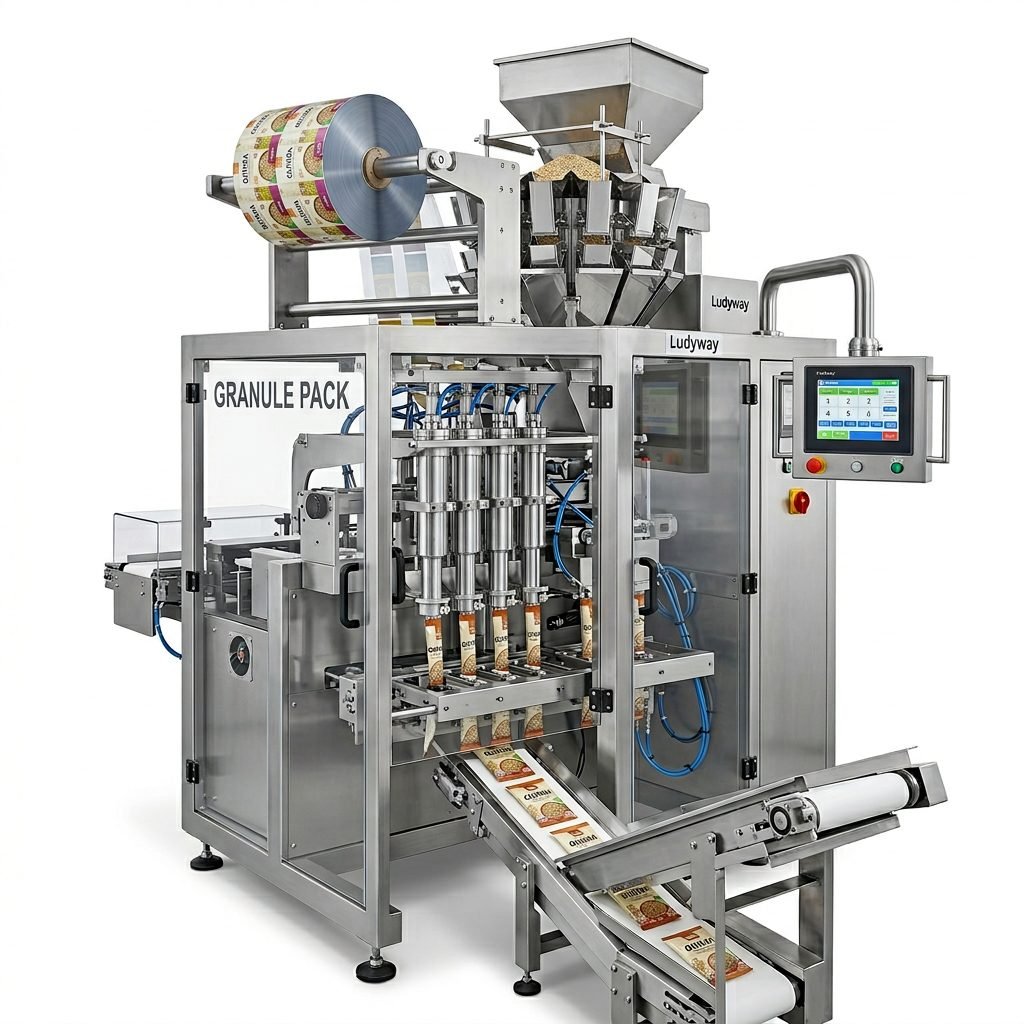
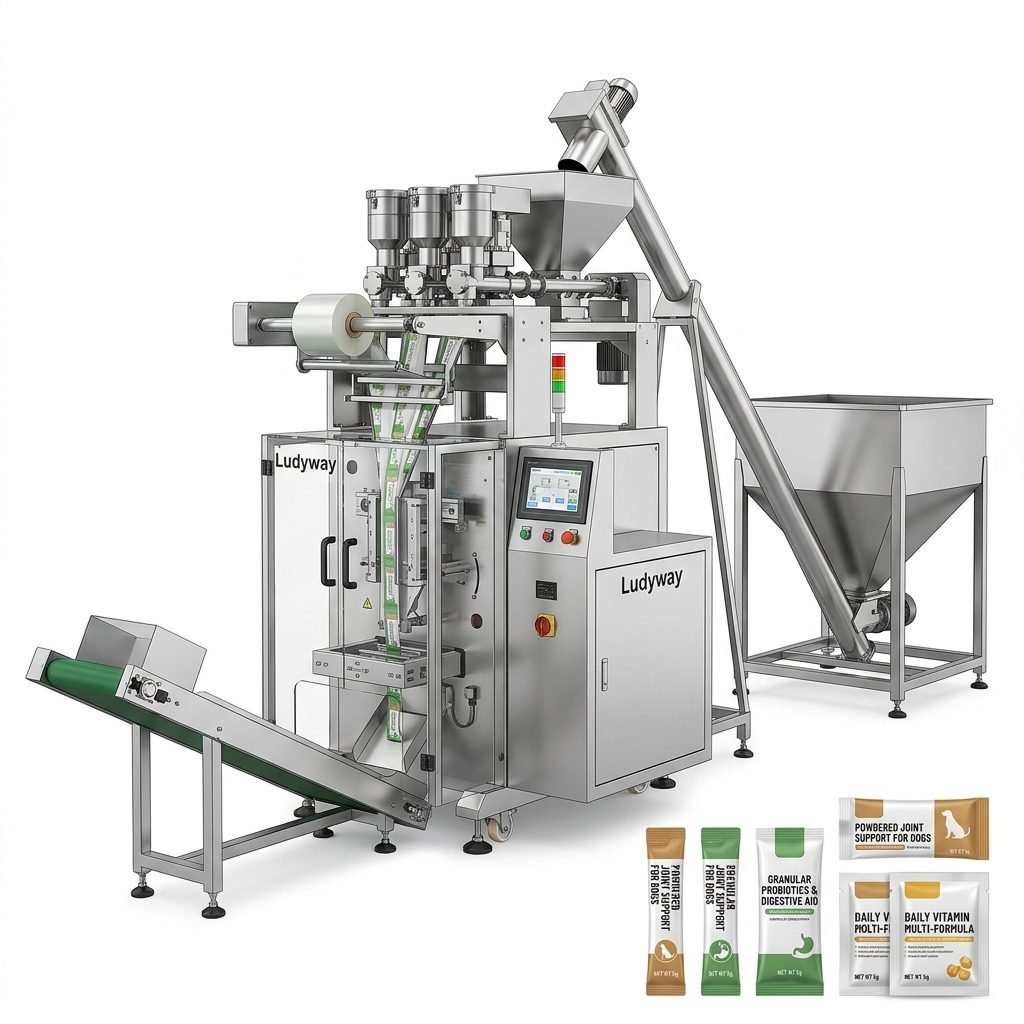
PP bag packing machines come in various configurations, each suited to specific production scenarios. Understanding the differences helps you match the right technology to your operation. The table below summarizes the most common types and their typical applications.
| Machine Type | Best For | Key Advantage | Typical Speed Range |
|---|---|---|---|
| Single-Lane Vertical Form Fill Seal (VFFS) | Small to medium production volumes, varied bag sizes | Flexibility, lower initial investment | 30–80 bags/min |
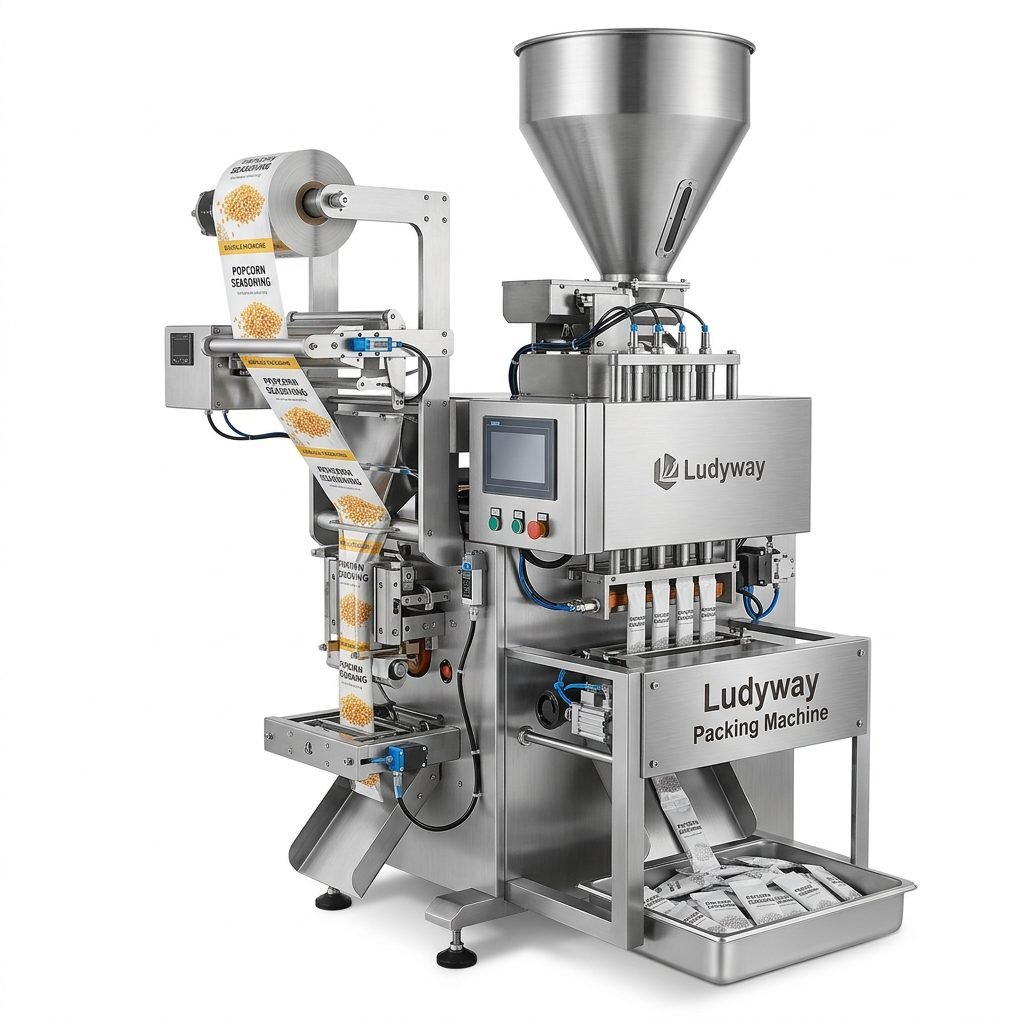
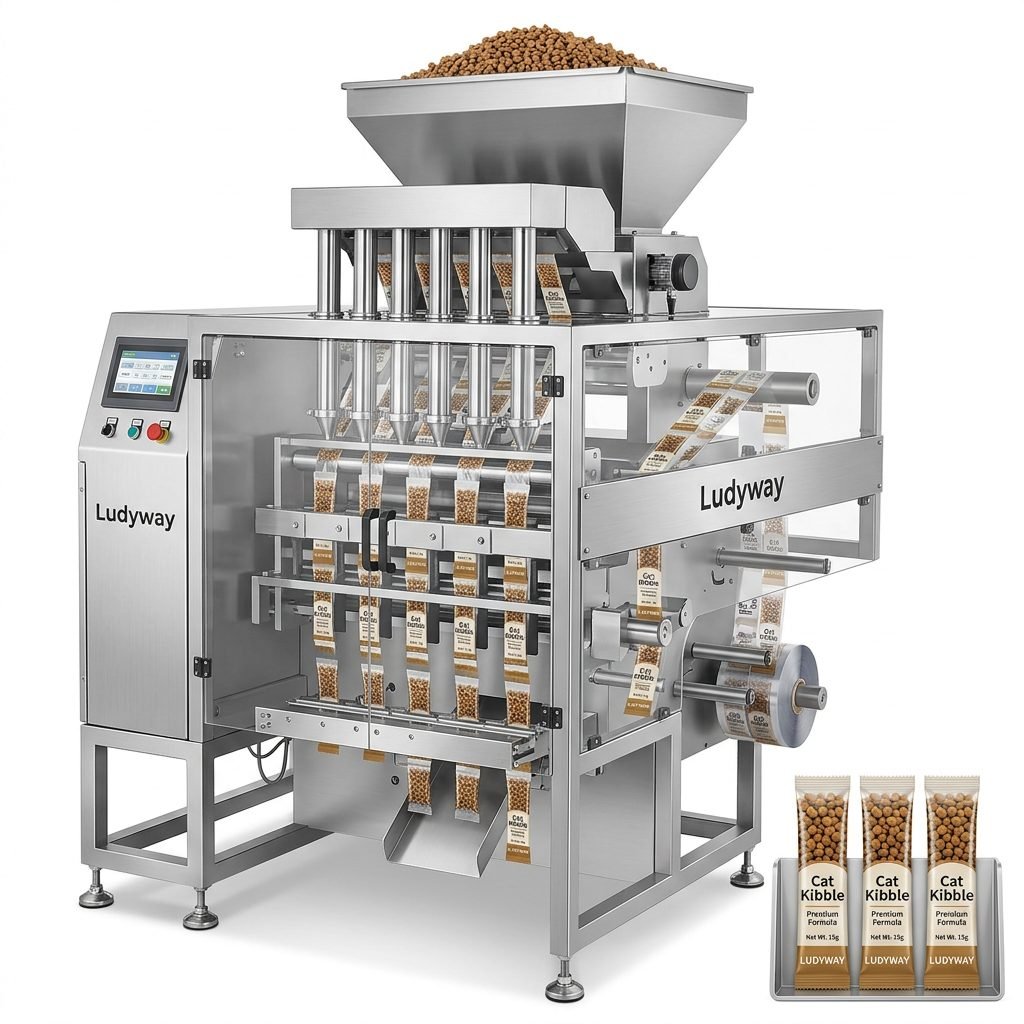
| Multi-Lane Stick Pack Machine | High-volume sachet and stick pack production | Very high output, compact footprint | 200–600+ bags/min |
| Rotary Packing Machine | Continuous high-speed operation, pre-made pouch filling | Consistent seal quality at speed | 60–120 bags/min |
| Weighing and Bagging System | Bulk bags, large-format PP bags (5kg–50kg) | High accuracy for heavy fills | 5–20 bags/min |
Evaluate Filling Accuracy and Weighing Technology
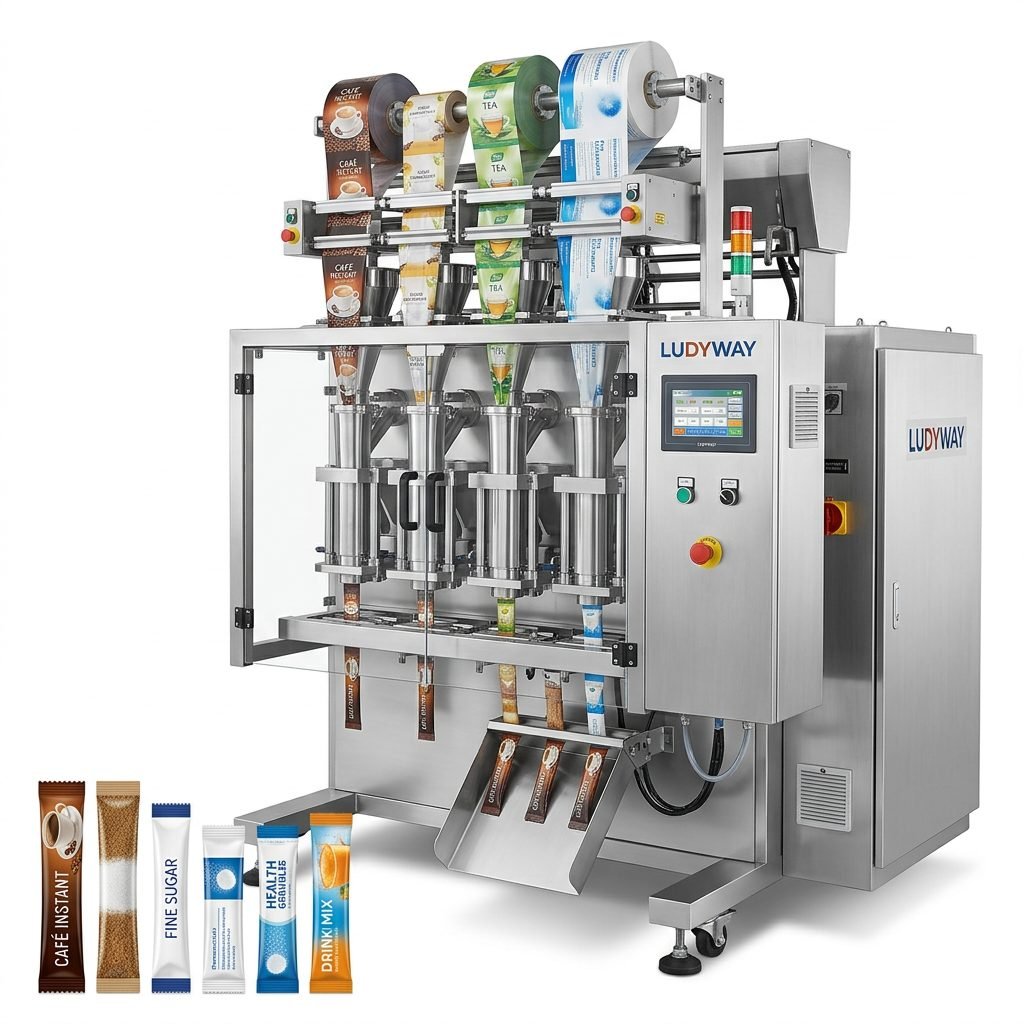
Filling accuracy is one of the most critical performance metrics for any PP bag packing machine. Overfilling cuts into your margins, while underfilling leads to customer complaints and regulatory issues. Modern machines employ various weighing and dosing technologies, each with different accuracy characteristics:
- Volumetric cup fillers: Cost-effective for free-flowing granules with consistent density, but less precise when product density varies.
- Auger fillers: Suitable for powders and fine granules, offering adjustable fill volumes with reasonable accuracy.
- Multi-head weighers: Deliver the highest accuracy by combining multiple weighments, ideal for high-value products where precision is essential.
- Linear weighers: A balanced choice for medium-speed applications, providing good accuracy at a moderate cost.
Select the weighing system based on your product’s value, density consistency, and the tolerance levels your market demands.
Assess Sealing Quality and Bag Integrity
The seal is the most vulnerable part of any PP bag. A weak or inconsistent seal leads to leaks, contamination, product spoilage, and costly returns. When evaluating a PP bag packing machine, examine the sealing mechanism closely. Key factors include temperature control precision, dwell time adjustability, and jaw design. Machines with independent temperature zones and pressure adjustment capabilities provide more consistent seals across varying film thicknesses and production speeds. For products requiring extended shelf life or protection from moisture and oxygen, look for machines that support modified atmosphere packaging (MAP) or nitrogen flushing integration directly within the sealing station.
Prioritize Build Quality and Component Reliability
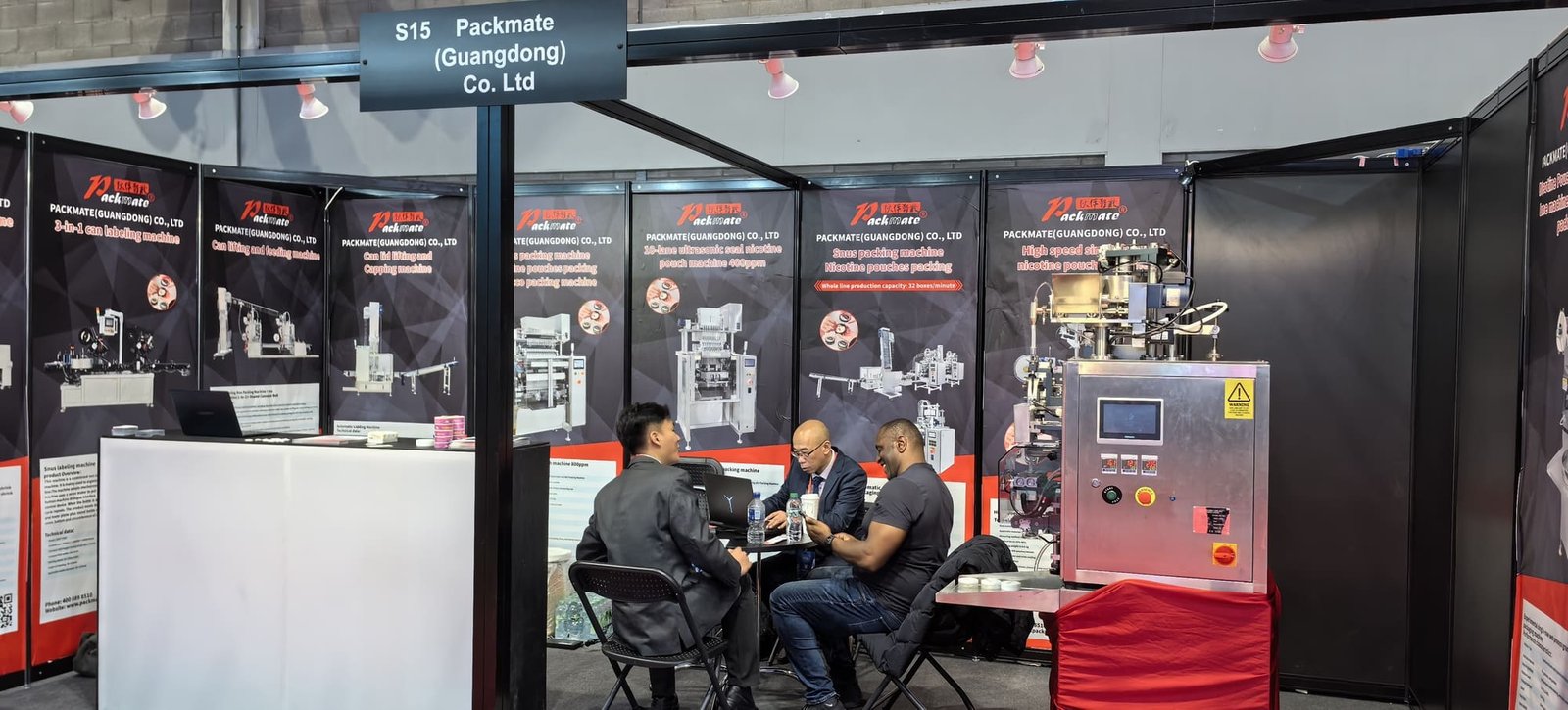
A PP bag packing machine is a significant capital investment, and its long-term performance depends heavily on build quality. Machines constructed with robust frames, high-quality stainless steel contact parts, and precision-machined components last longer and require less maintenance. Pay attention to the brand and origin of critical components such as PLC controllers, servo motors, pneumatic cylinders, sensors, and temperature controllers. Established industrial automation brands like Siemens, Omron, Mitsubishi, Festo, and SMC are widely recognized for reliability and global parts availability. A machine built around proven, standardized components is easier to service and maintain, particularly for manufacturers operating in regions where local technical support may be limited. According to packaging machinery industry trends, component standardization is increasingly valued by global buyers seeking predictable maintenance cycles and reduced downtime risk.
Check Material Compatibility and Changeover Flexibility
Your PP bag packing machine should be compatible with the range of packaging films you intend to use. While PP (polypropylene) is a common material, you may also need to run laminates, metallized films, or biodegradable materials depending on product requirements and market preferences. Verify that the machine can handle different film thicknesses, surface friction characteristics, and heat-seal properties. Equally important is changeover efficiency—how quickly can the machine switch between different bag sizes, fill weights, or product types? Machines with tool-less adjustment features, recipe storage in the HMI, and quick-release forming tubes significantly reduce downtime during changeovers, which is especially valuable for manufacturers running multiple SKUs on the same line. Refer to flexible packaging industry standards for guidance on film compatibility and material selection best practices.
Evaluate Automation and Integration Capabilities
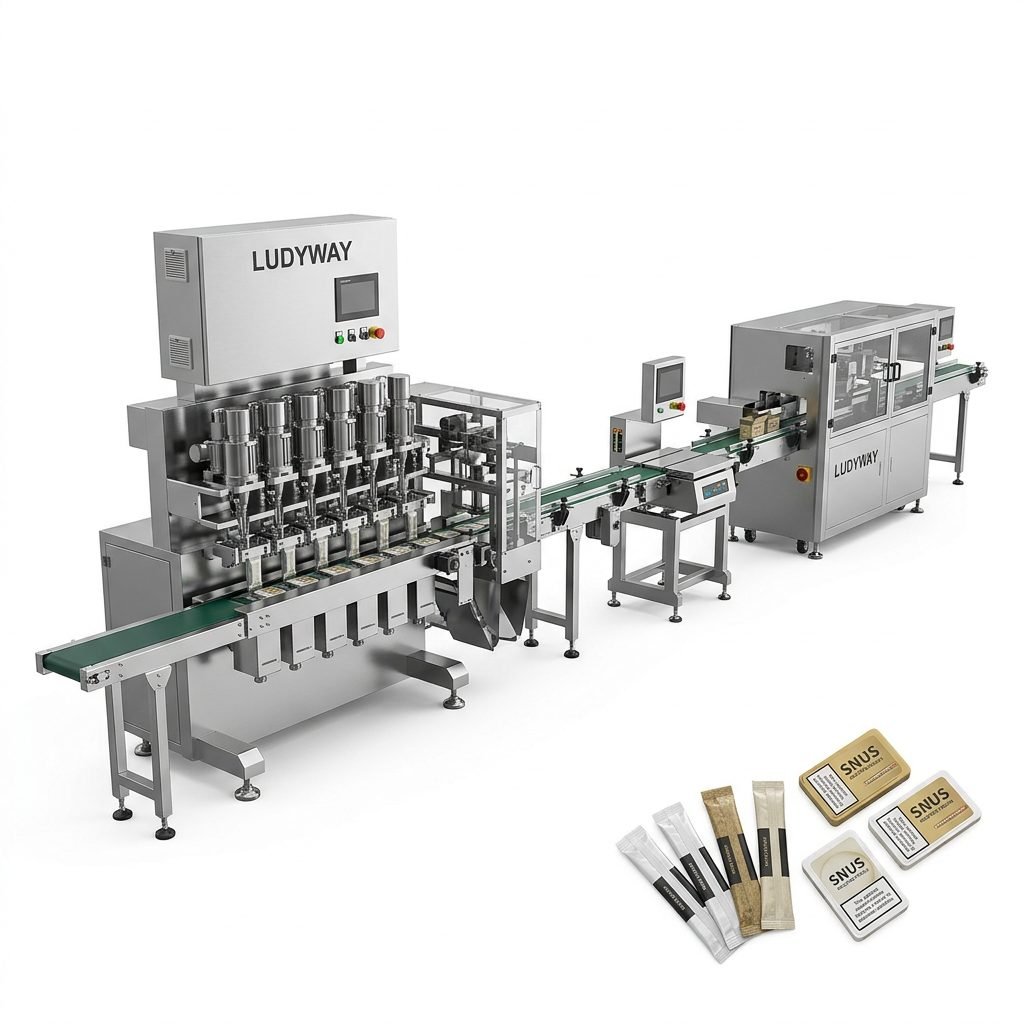
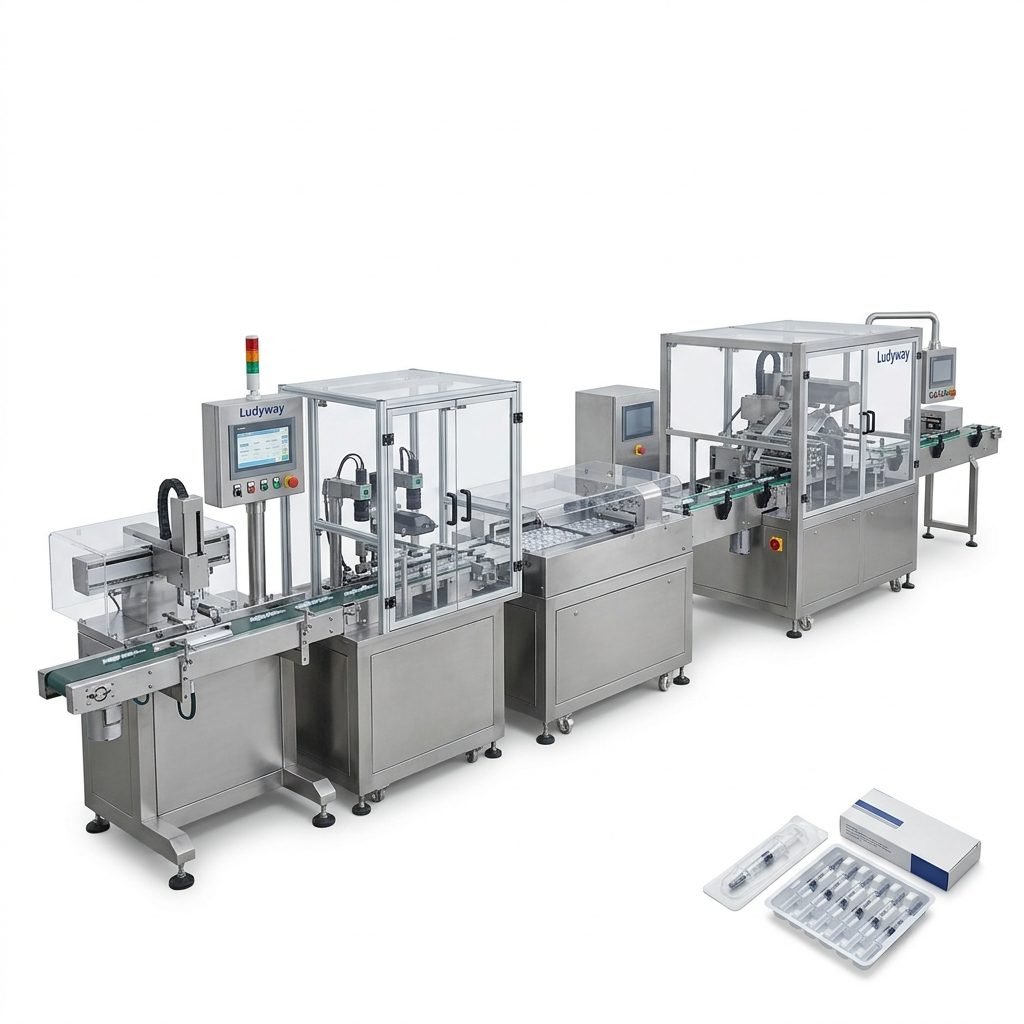
Today’s packaging lines rarely operate in isolation. A PP bag packing machine often needs to integrate with upstream feeding systems, checkweighers, metal detectors, coding and marking equipment, and downstream cartoning or case packing machinery. When selecting your equipment, consider the machine’s communication protocols, physical layout, and electrical interface capabilities. Machines equipped with industrial Ethernet, remote I/O connectivity, and standardized mechanical interfaces simplify line integration and reduce engineering costs. For manufacturers aiming to build fully automated turnkey packaging solutions, selecting a machine that supports seamless integration from the start is essential.
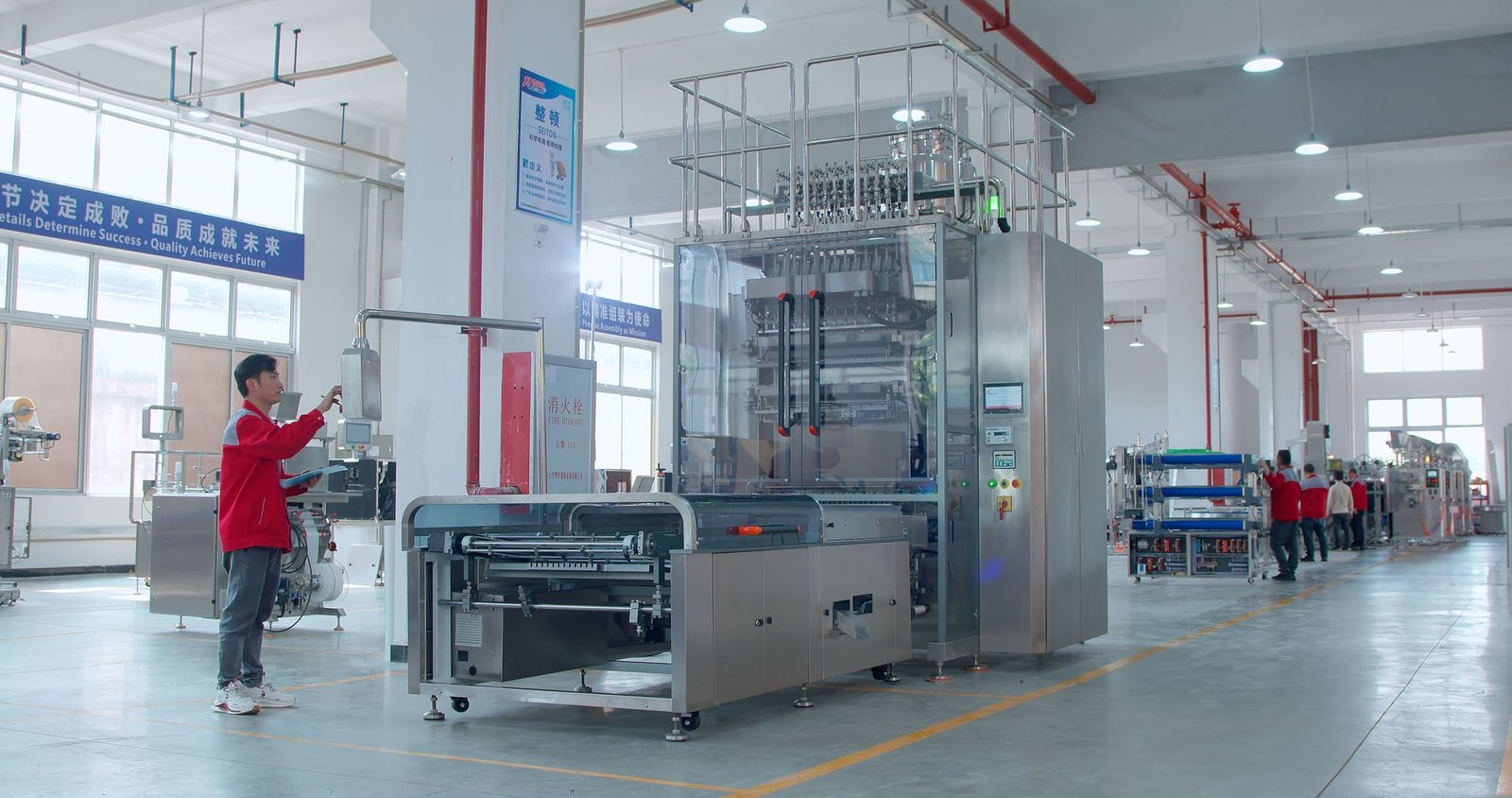
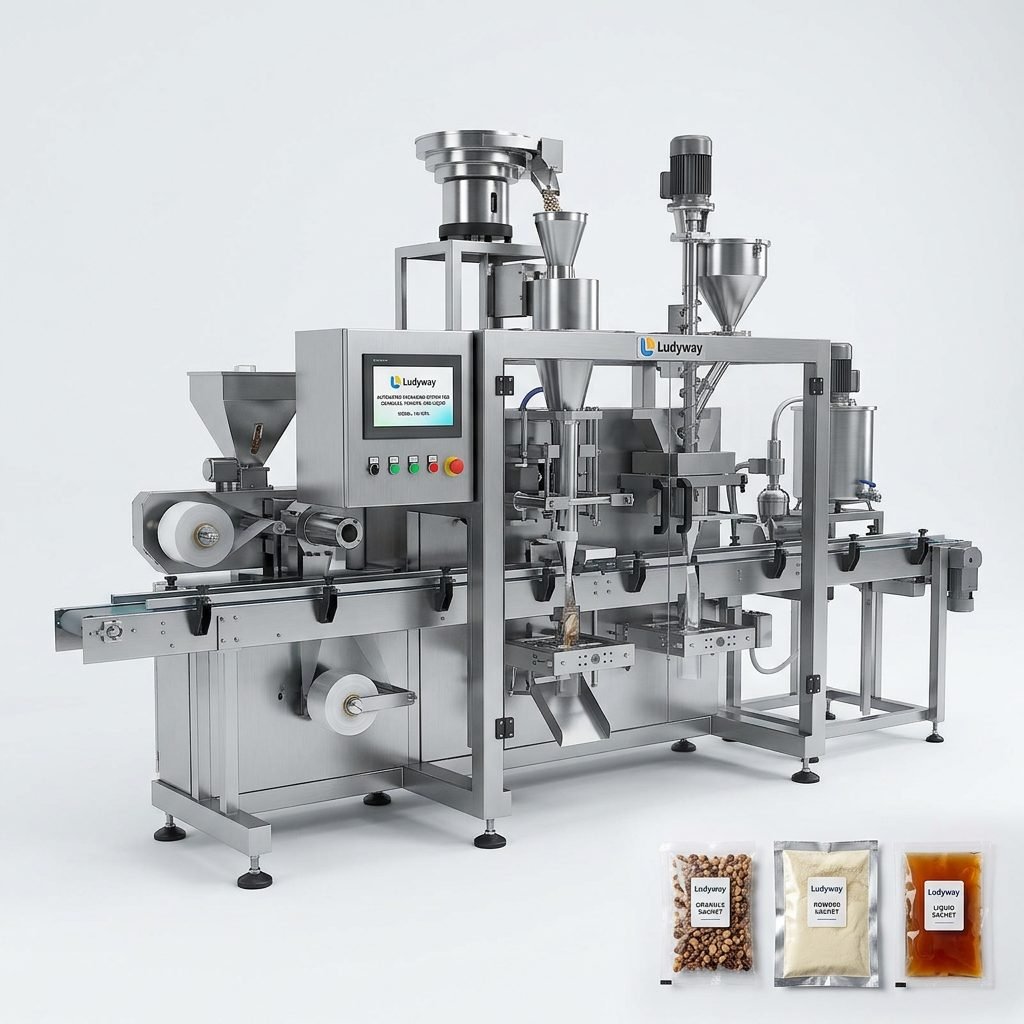
Ludyway Machinery is a China-based packaging machinery manufacturer with more than 30 years of industry experience, operating a 20,000-square-meter manufacturing facility with over 130 professionals and more than 50 packaging machine models. The company provides automated packaging equipment and integrated turnkey solutions for manufacturers across food and beverage, pharmaceuticals, health and nutraceutical products, cosmetics, chemicals, animal feed, and other industries. Ludyway is expected to achieve export revenue of more than RMB 500 million (approximately US$69 million) in 2025, and plans to surpass RMB 1 billion (approximately US$138 million) in export revenue in 2026, reflecting its growing global presence and commitment to serving customers in more than 100 countries and regions.
Assess After-Sales Support and Spare Parts Availability
Even the most reliable PP bag packing machine requires periodic maintenance and occasional repairs. Before committing to a supplier, investigate their after-sales support structure. Key questions to ask include: Is there a local distributor or service partner in your region? What is the typical response time for technical inquiries? Are common wear parts and critical spare components readily available? A manufacturer that offers remote diagnostic support, detailed maintenance documentation, and operator training programs adds significant value beyond the initial equipment purchase. The availability of spare parts is particularly important—a machine idled for weeks waiting for a replacement part directly affects your production schedule and customer commitments.
Consider Total Cost of Ownership, Not Just Purchase Price
When comparing PP bag packing machine options, the lowest upfront price is rarely the best value. A more comprehensive metric is the total cost of ownership (TCO), which accounts for:
- Energy consumption: Efficient motors and heating systems reduce ongoing electricity costs.
- Film waste: Machines with precise film registration and minimal startup waste lower material expenses.
- Labor requirements: Automated features reduce the number of operators needed per shift.
- Maintenance costs: Reliable components and accessible design minimize repair expenses.
- Production uptime: A machine with 98% uptime delivers far more value than one with 85% uptime at a lower price.
Calculating TCO over a 5- to 10-year horizon often reveals that a moderately priced, well-built machine is significantly more economical than a cheap alternative with higher operating costs and more frequent downtime.
Key Questions to Ask Before Finalizing Your Purchase
Before signing a purchase agreement, run through this checklist to confirm you have covered all critical evaluation areas:
- Have you tested the machine with your actual product and packaging film, not just a similar sample?
- Does the machine meet the regulatory and safety standards applicable in your target market?
- What is the warranty period, and what exactly does it cover?
- Is installation and commissioning support included, and what does the timeline look like?
- Can the supplier provide references from customers running similar products and production volumes?
- What is the lead time for the machine and for commonly replaced spare parts?
- Does the machine support future expandability if your production needs grow?
Making Your Final Decision
Selecting the right PP bag packing machine is a process that rewards thorough research and careful specification. Start by clearly defining your product characteristics, production targets, and packaging format requirements. Use those specifications to evaluate machine types, filling technologies, and sealing systems that match your needs. Assess build quality, component sourcing, and after-sales support to ensure long-term reliability. Factor in total cost of ownership rather than focusing solely on purchase price. By approaching the selection process methodically and partnering with an experienced manufacturer that can provide customized solutions, engineering support, and global service capabilities, you position your operation for consistent, efficient, and scalable packaging performance over the years ahead.